What Is The Future of Fly Fishing?

Photo by Louis Cahill

Photo by Louis Cahill

Have you heard the term “Fly Fishing 2.0”? Do you know what it means?

If you do you might be ahead of me. Whether it’s marketing, zeitgeist or a true sea change in the nature of the sport one thing is for sure. Fly fishing is changing, but into what?

The signs are all around us. Let’s take you for example. That’s right you are part of ‘Fly Fishing 2.0’. Your are sitting in front of your computer, or tablet, or smartphone reading about fly fishing while you probably should be working. The enthusiasm for fly fishing on the internet is almost unreasonable. Just a few years ago the idea that you could visit a site and read a new article on fly fishing every day of the year would have seemed crazy. And yet, here you are.

If you had a parent, or grandparent who fly fished, they had no such outlet. Fly fishing was whispered about, if that. Now the internet is full of sites where you can read about fly fishing, watch videos and look at cool photos. This is not just a function of the ubiquitous Internet. There are hundreds of times as many folks into conventional fishing as there are in fly fishing. Do a quick Google search. There are far more fly fishing sites online. Why?

Perhaps fly anglers are a more tech savvy group. Maybe they have more time on their hands. I doubt it. Personally, I believe it’s raw passion, but I may be personalizing the issue. Whatever it it is, it’s real and it’s powerful, but to what end?

It’s fair to say that moving out of the media closet is bringing more people into fly fishing. That’s a great thing. New folks discover fly fishing every day and as they matriculate into the community they bring with them ideas and aesthetics from their other passions and interests. These ideas broaden the base of an already diverse fly fishing community. Diversity is good but does diversity mean dilution? The culture of fly fishing is changing, but is it for the better?

The first time I recognized this migration it was the ski bums. If you live in the west and work in the ski industry, you end up with a lot of time on your hands and some pretty good trout water all around you. It was natural that ski bums would spend the summer being trout bums. Naturally, they brought with them some of the culture snow skiing.

As a result, the pace of fly fishing accelerated. The soundtrack changed. In the media, if not on the stream, fly fishing began to take on some of the trappings of extreme sport. Some of that is valid. Anyone who has ever gotten sideways in a class four rapid has certainly felt a rush of adrenaline. That rush exists in our sport but it has been commonly oversold, particularly In fly fishing videos.

It’s hard to express the more spiritual (for lack of a better word) side of fly fishing in video without reinventing Ambian. On the other hand, some film makers in the genre Have spun out of control and are producing ‘fly fishing videos’ which amount to fifteen minutes of jackassery with no actual fly fishing. It’s hard to make compelling videos but at some point you have to recognize that you’re driving a square peg into a round hole.

The creation of the ‘fly fishing celebrity,’ fueled largely by the video production arm, but present in all of the media, is down right surreal. There have certainly been anglers who I have admired, and possibly endowed with superhuman powers, over the years. Guys who wrote books and set an example I worked to follow, but they were just fishermen who tried to share their knowledge and experiences. I guess what I’m saying is they were neither Johnny Knoxville nor Paris Hilton, and those archetypes are now alive and well in fly fishing.

Perhaps a more natural path to fly fishing is through conventional fishing. I think most fly anglers started off with conventional gear and many continue to use both. More often however, once an angler discovers that the fly rod is their calling, the serious tackle starts collecting dust. Among those folk are some who have come over from the world of competitive bass fishing. I had the chance to talk with one of these guys the other day. Zac Cassill who guides at Alaska West. Zac left a promising career in professional bass fishing to be a fly fishing guide.

His vision of fly fishing is one where competition is positive, bringing new anglers into the sport through competitive fly fishing. I’ve always been pretty vocal on the subject of competitive fly fishing. I don’t care for it and any incarnation of fly fishing that resembles professional bass fishing is my worst nightmare, but talking with Zac, it’s hard to not be caught up in his passion and enthusiasm. Especially on the subject of conservation.

It turns out that’s why he left the competitive bass fishing world. “Competitive bass fishing is completely driven by the manufacturers,” he told me, “I was an outcast for supporting the idea of a ban on lead, an idea the sport should be fully behind.” I’m not crazy about the idea of competitive fishing but we can use more guys like Zac in the sport any day.

If you’re getting the idea that I’m concerned about the future of fly fish, fear not. I’m actually really excited. I’m not afraid that the Johnny Knoxvilles or Mike Iaconellis are going to change fly fishing. I have the greatest faith that, in the long view, fly fishing will change them.

That’s the beauty and the power of fly fishing. It is a pursuit which changes you. It opens your eyes to the greater natural world and to your place in it. It will ultimately break down ego. It will supersede competition. It does not give rise to Jackass or UFC. It gives rise to Project Healing Waters and Trout Unlimited.

That’s my vision for the future of fly fishing. A future where the hearts and minds of the fly fishers come together around conservation and community. A future where we preserve, protect and embrace our differences as we do our common interests. A future where ego and self interest are replaced with respect and service. That, I believe, is the natural evolution of fly fishing and regardless of the soundtrack, that’s a video I want to watch.

Louis Cahill
Gink & Gasoline
www.ginkandgasoline.com
hookups@ginkandgasoline.com
 
Sign Up For Our Weekly Newsletter!
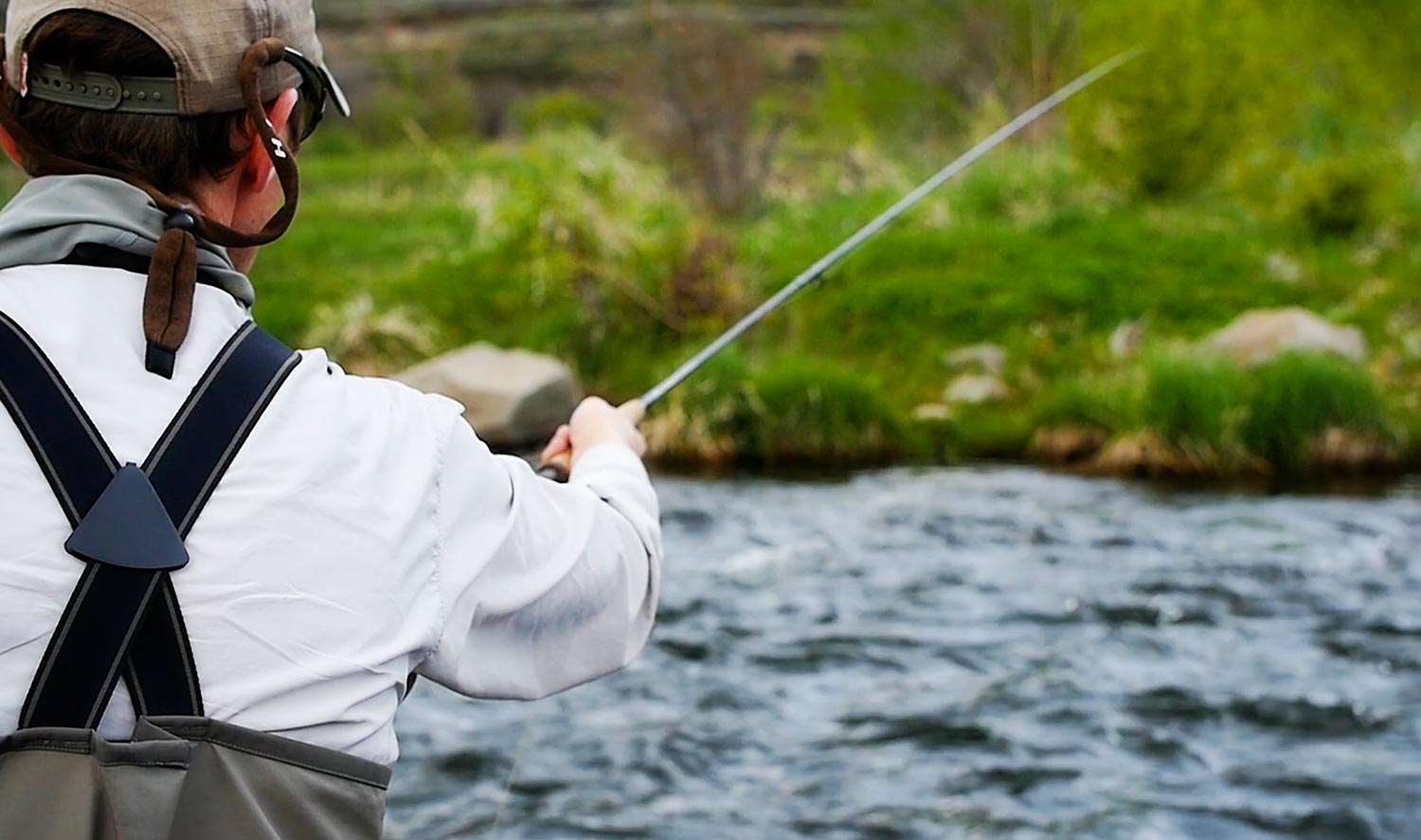
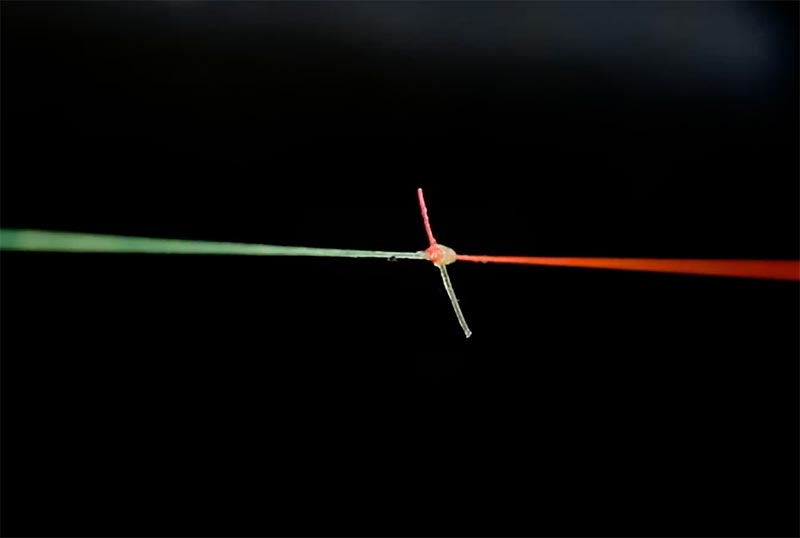
 

Euro nymphing VS Indicator Nymphing

Screen-Shot-2017-01-26-at-10.54.01-AM

By Devin Olsen

I grew up fishing many of the fabled tailwaters of the American West.

Throughout high school and my early college years, I would travel around to find the biggest and pickiest small fly eaters I could find. Having immersed myself in this fishing environment and culture, I became a dyed-in-the-wool suspension/strike indicator nymph fisherman; with some indicatorless sight fishing thrown in for good measure. You couldn’t convince me there was a better way of catching numbers of fish on most trout rivers. The last few years have had a way of convincing me I was wrong.

In 2005 I started working with Fly Fishing Team USA members Lance Egan and Ryan Barnes in a fly shop. I was immediately intrigued by the competitions they were fishing in and the possibility that I could represent our country in international competitions. There was only one problem, the typical split shot and indicator game I was so accustomed to was not legal in FIPS Mouche governed competitions like the World Fly Fishing Championships. Suddenly I had to rethink and relearn my nymphing approach and find other alternate ways of being effective. Thankfully I learned a lot from Lance and Ryan; especially the long French leader style of European nymphing that Lance began to use after the 2007 World Fly Fishing Championships in Portugal. Now, after 11 years of competing with Fly Fishing Team USA, a lot of comparisons on the water, and two team and one individual World Fly Fishing Championship medals, I’m convinced that European style nymphing is more effective than strike indicator/suspension nymphing in most water types.

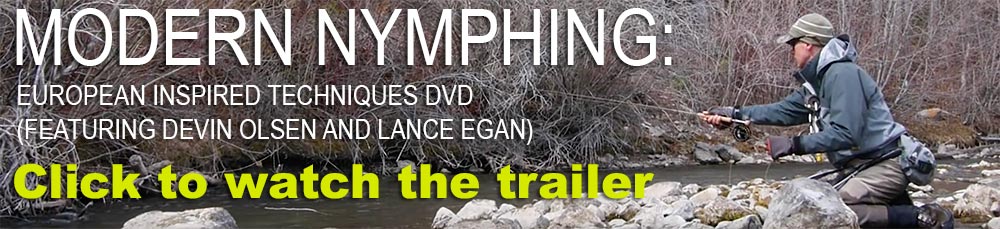
To illustrate the reasons why I believe European nymphing methods are often more effective, watch the embedded video clip, which is an excerpt from the film Modern Nymphing: European Inspired Tactics; which Lance Egan, Gilbert Rowley and I just released last month. For some more in-depth explanation, the list below explains what I view as the pros and cons of European vs. suspension/strike indicator style nymphing.

Pros of Euro nymphing:

  • Screen-Shot-2017-01-26-at-11.04.50-AMEuro nymphing provides improved strike detection via a direct connection. No mending means you’re always ready to set the hook. When suspension nymphing, your rig must sink and attain tension to register a strike and your indicator must land in the same seam of current to maintain a good drift and strike detection. Often there is slack between the indicator and flies that reduces strike detection and flies often land in seams of current moving at different speeds or in different directions than your indicator. This kills your drift and your strike detection. Furthermore, constant mending creates times when it is difficult to quickly set the hook before the fish has expelled your fly.
  • Strike indicators act like a kite in the surface currents, pulling your rig at a different speed and/or direction than the bottom currents where your flies are. The Euro nymph rig only has tippet on or in the water, so there is less drag from surface currents that do not have the same speed or direction of your drifting fly. Better drifts = more fish, especially in complex water types with fast current speeds and turbulence. This is most evident in pocketwater and eddies where your strike indicator may land in a current seam that is flowing the complete opposite direction of where your flies land. When Euro nymphing in pocketwater, holding your sighter (a built in monofilament strike indicator) off the water eliminates the issue of conflicting currents which cause drag between nymphs and a strike indicator.
  • Indicators make large surface disturbances on the water when they land, are mended, and when setting the hook. Long leader Euro nymphing rigs land light on the water and come off when setting the hook with much less disturbance than a strike indicator. Less surface disturbance = less spooked fish.
  • Euro nymphing provides a better fish hooked-to-landed ratio due to less slack in the system and more strikes coming at close range and fewer strikes coming downstream. Strike indicator rigs provide longer drifts but much of the first half of the drift is inefficient while your rig sinks and tracks in line before attaining tension and strike detection. Therefore, most of your takes end up in the latter half of your drift when fishing a strike indicator. This creates inferior hooking angles and more lost fish.
  • With a Euro nymph rig, you control the depth your fly’s reach by allowing more or less leader to enter the water. A quick fly change adjusts your weight and further manipulates your depth control. There is no need to move your indicator and repeatedly remove or attach split shot to adjust for the myriad of depths and current speeds you encounter on the river. This allows you to fish water types from inches to many feet deep without changing your rig.
  • It is easy to move flies for an induced take with a lift of the rod when Euro nymphing. This can be deadly during insect emergences or when fish have seen repeated dead drifts. Moving your flies requires moving your indicator when suspension nymphing. This causes surface disturbance and can track your indicator laterally across the river into different seams of current than where your flies are drifting.

Cons of Euro nymphing:

  • Indicators allow a greater radius of presentation so you can fish further away than Euro nymphing. This is an advantage when deep or clear water prevents close proximity to fish.
  • Indicators suspend flies smoothly and can provide better drifts in slow water with a uniform depth. On long and slow drifts, your shoulder may fatigue after a while and your rig may shake a bit which results in unnatural movement during the drift.
  • It is difficult to build enough weight into flies, smaller than a size 16, to fish them at depth. To attain depths of more than a few feet with micro flies, a larger fly must be fished on the rig in addition to the small fly or flies.

If you are interested in learning how to Euro nymph, we hope you will consider purchasing our film. You can watch the trailer and purchase the digital download on Vimeo ($19.99). The DVD ($29.99) is available at Tacticalflyfisher.com. See the links below.

https://vimeo.com/ondemand/modernnymphing

http://www.tacticalflyfisher.com/fly-fishing/modern-nymphing-european-inspired-techniques-dvd-featuring-devin-olsen-and-lance-egan

Screen-Shot-2017-01-26-at-11.07.55-AM

Devin Olsen
Gink & Gasoline
www.ginkandgasoline.com
hookups@ginkandgasoline.com
 
Sign Up For Our Weekly Newsletter!
 

Argentina Dream Stream

Screen-Shot-2017-06-20-at-4.10.00-PM

By Louis Cahill

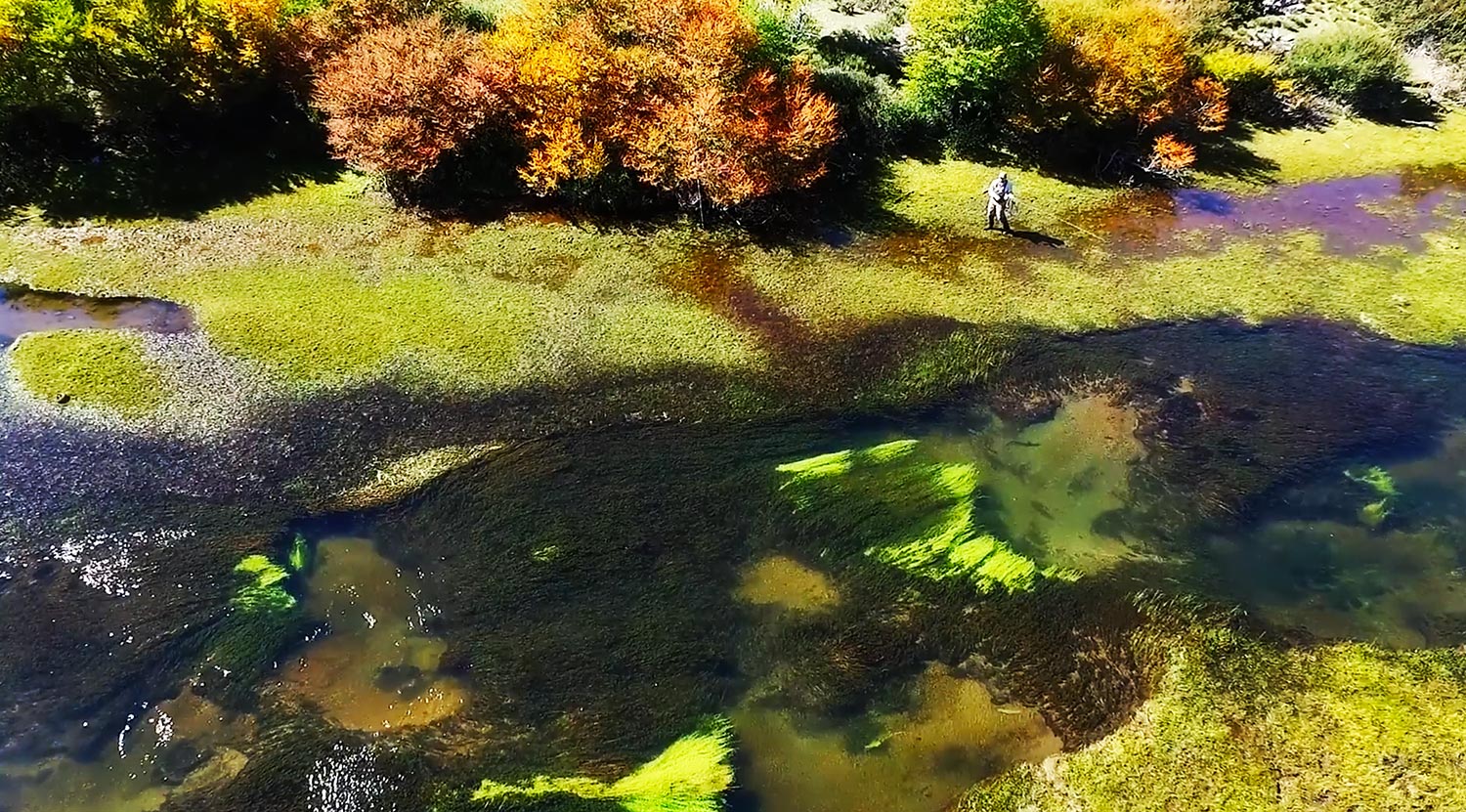
I can’t think of anything better than stalking big trout in Argentina.

There is something other-worldly about fly fishing in Argentina. It’s at once so familiar and yet so strikingly different. The fish are big and optimistic, and the angling pressure almost non existent. Condors soar above, llamas lounge on the banks, and bid trout feed at your feet. What more do you need?

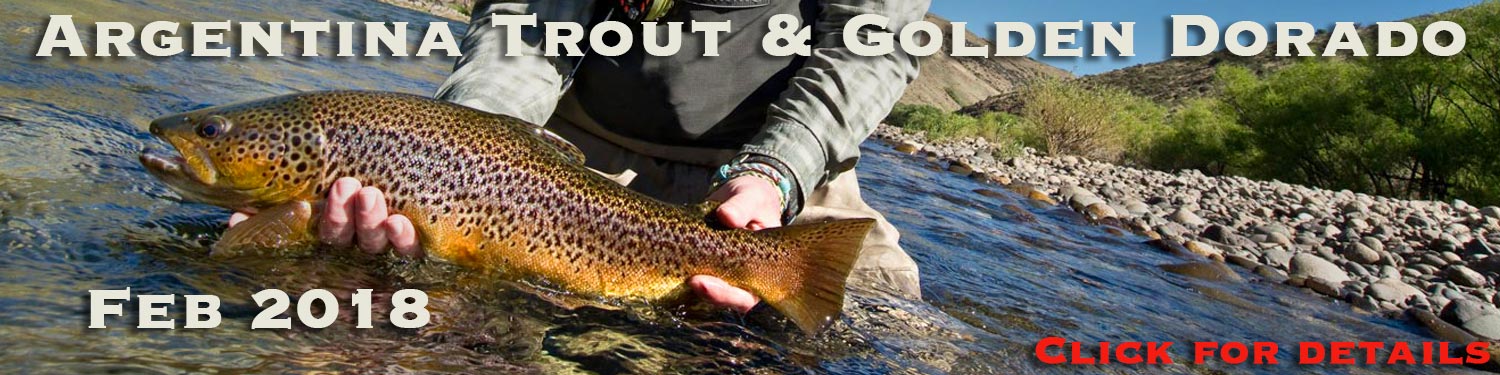
I’ll be hosting a trip to Argentina in Feb of 2018. We will spend four days on the Limay river in Argentine Patagonia and four days chasing golden dorado on the Upper Parana. There are still a few spots open. If you’d like to see this fly-fishing paradise for yourself, send me an email at hookups@ginkandgasoline.com.

Check out this awesome video from our friends at Andes Drifters!

Louis Cahill
Gink & Gasoline
www.ginkandgasoline.com
hookups@ginkandgasoline.com
 https://www.ginkandgasoline.com/hosted-trips/
Sign Up For Our Weekly Newsletter!
 

4 Tips For Capturing Better Release Shots of Your Fish

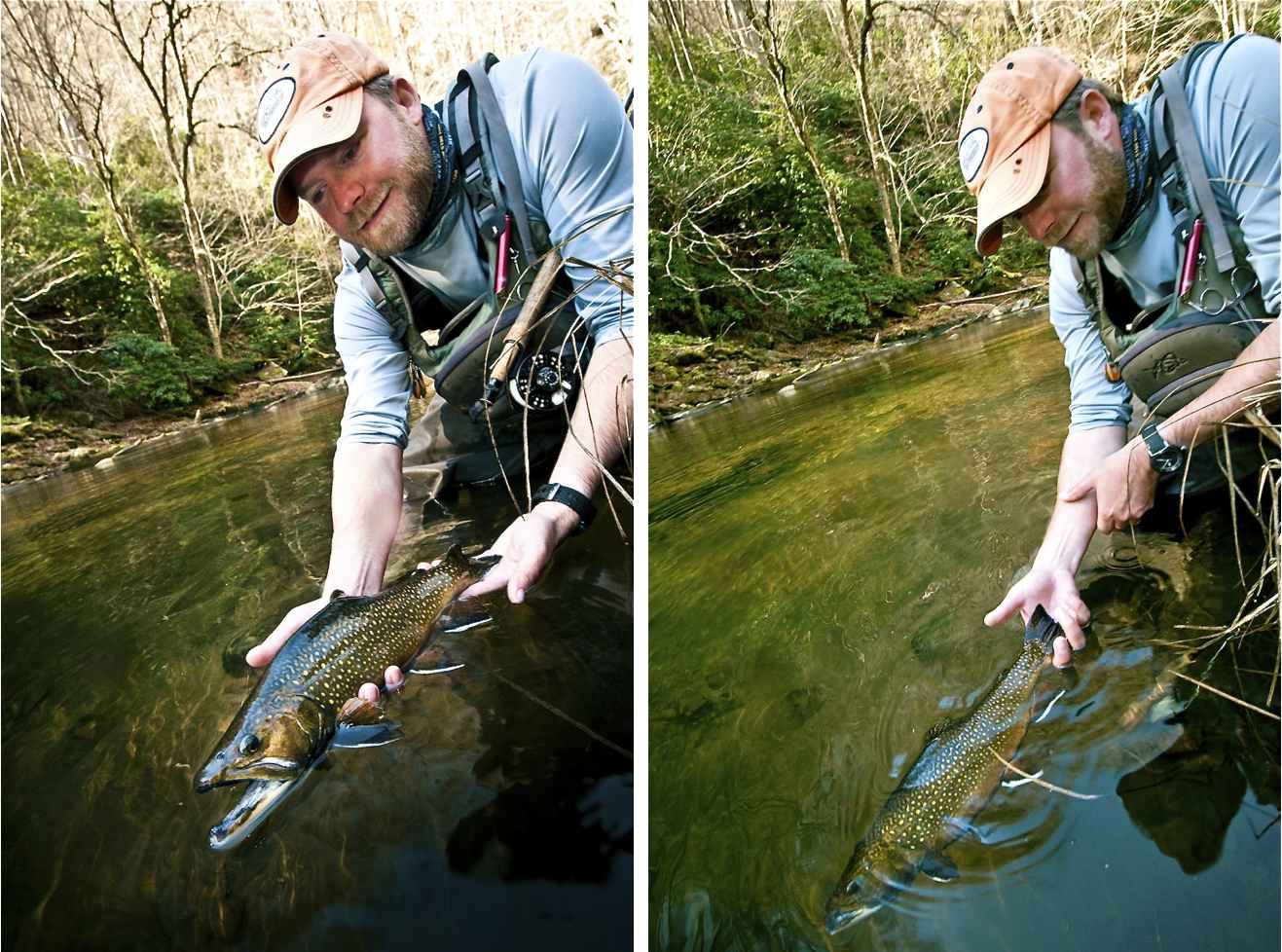
4 Tips for Capturing Better Release Shots of Your Fish. Photos By: Louis Cahill

Your best shot at capturing a good photograph of you and your catch, is first having someone along with you that’s competent with a camera in their hands.

But even a world class photographer will tell you, it’s extremely difficult getting those picture perfect photographs, if the person handling the fish has no clue what their doing. Some of my favorite fly fishing shots to look at are catch and release shots, because there seems to be something extra moving about capturing the release of a fish in a photograph. Problem is, release shots are often some of the hardest photographs to pull off on the water. You have to have satisfactory light and adequate water clarity, but even with both of those, much of your success will ultimately be determined by the cooperation of the fish your shooting. Below are four tips for capturing better release shots that Louis and I have learned through trial and error over the years. Followed correctly, they should increase your chances at getting that perfect catch and release shot.

Tip 1: Choose a Calm Stretch of Water for the Release When Possible

Fast moving water isn’t optimal. If you can find a nice eddy or a calm stretch of water close by, you’ll find it much easier to photograph a nice release shot. In most cases, slower moving water will provide you with better water clarity for showcasing the fish below the surface during the release. I’ve also found it’s much easier to handle and keep the fish in proper position in slower moving water.

Tip 2: Keep Your Catch Calm and Relaxed

Don’t be in a rush to get the shot. Keep the fish in the water and in the net until it has calmed down before you move forward with the release shot. This is especially true if you land the fish quickly. A hot fish generally will swim off so fast, it will be hard for the photographer to time and get the best shot. Your goal is to release the fish at a speed that lets the photographer shoot multiple shots. This will increase the chances you end up with the perfect photograph.

Tip 3: Use Your Arm For Better Control and Timing the Release

One of my best tricks I’ve learned over the year when staging release shots is to use my arm like it’s a water slide for the fish. I’ll wet my arm and lay the fish against my arm, then holding the fish’s head in the water, I time the release of the fish as it gently kicks its tail in my hands. If done right, you’ll feel like the release was in slow motion.

Tip 4: Practice Makes Perfect

My first C&R photo attempts with Louis didn’t turn out so hot, but even those failed attempts early on were helpful, because they taught us the right and wrong ways to go about shooting release shots. The more you practice this niche photography, the better you’ll get. Having a camera that has the capability to shooting exposures quickly is very important. Just remember, no matter how much you stage everything perfectly, you still need a cooperative fish, and please don’t jeopardize the health of your catch trying to get the perfect shot. Always make sure the fish has been properly revived before you try a release shot.

Keep it Reel,

Kent Klewein
Gink & Gasoline
www.ginkandgasoline.com
hookups@ginkandgasoline.com
 
Sign Up For Our Weekly Newsletter!
 

Protect the Head of Your Nymphs with Thin Skin

fly-tying-thin-skin

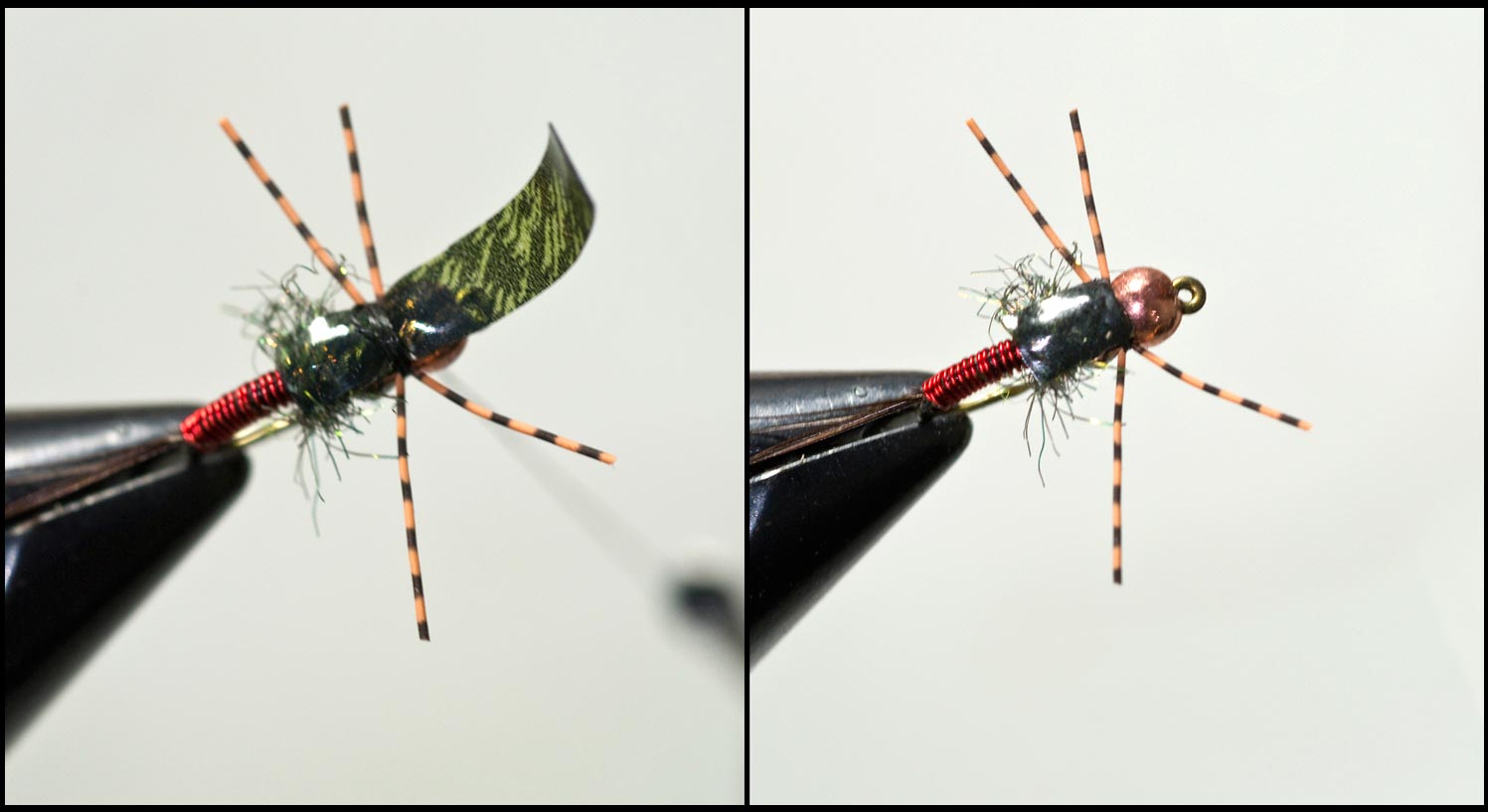
Finish the heads of your nymphs off with Thin Skin to add extra durability. Photo Louis Cahill

The more durable a fly, the more fish you can catch on it and the longer the life of the fly will be.

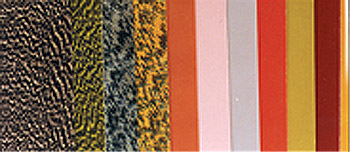
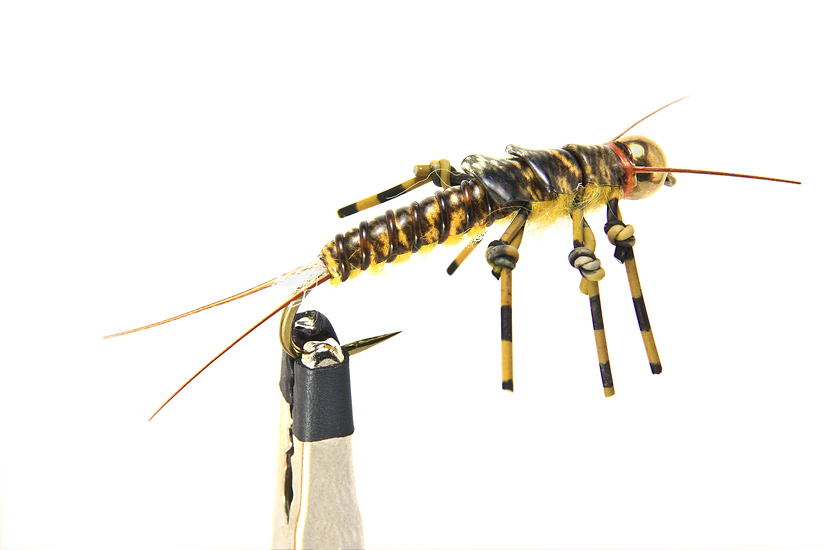
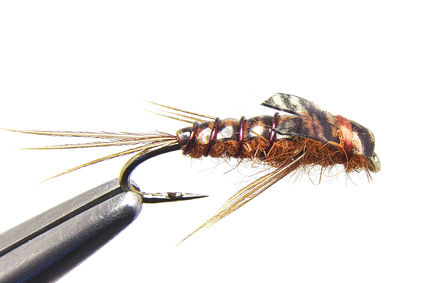
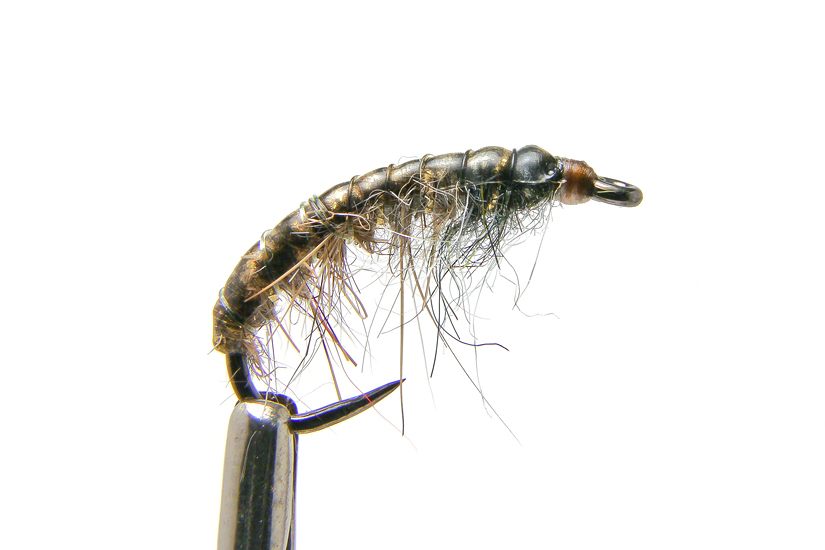
Making a point to tie and purchase your flies with durability in mind will save you time at the tying bench and keep a little extra cash in your wallet. Nymphs in general are the true work horses in our fly boxes. They don’t just get beat up by fish, they’re also constantly getting beat up from banging against rocks on the stream bed during our drifts. One way I increase the durability of my nymphs is to finish off the heads of my flies by folding over and super gluing down a piece of thin skin. This tying technique covers the vulnerable thread at the head of the fly and makes a nice looking nymph wing pad. In some cases, like with my rubber-leg copper john version shown above, I also use thin skin to hide the second bead on the fly pattern. I love using thin skin for many of my fly patterns and it comes in a wide range of colors and patterns. Try it out if you aren’t familiar with using this fly tying material. It’s a must have if you ask me and you can tie a ton of flies with just one package of it. Be prepared to shop around if you’re looking for a specific color of thin skin. Retailers tend to carry only certain colors but never shy away from requesting them to order the colors you need.

Thin Skin Color Options

thin-skin-material

Thin Skin Fly Tying Examples

thin-skin-stonefly thin-skin-mayfly thin-skin-larva

(click on thumbnails for larger viewing)

Keep it Reel,

Kent Klewein
Gink & Gasoline
www.ginkandgasoline.com
hookups@ginkandgasoline.com
 
Sign Up For Our Weekly Newsletter!