Weather Dictates When and How I Fish My Terrestrials

fly-fishing-terrestrial

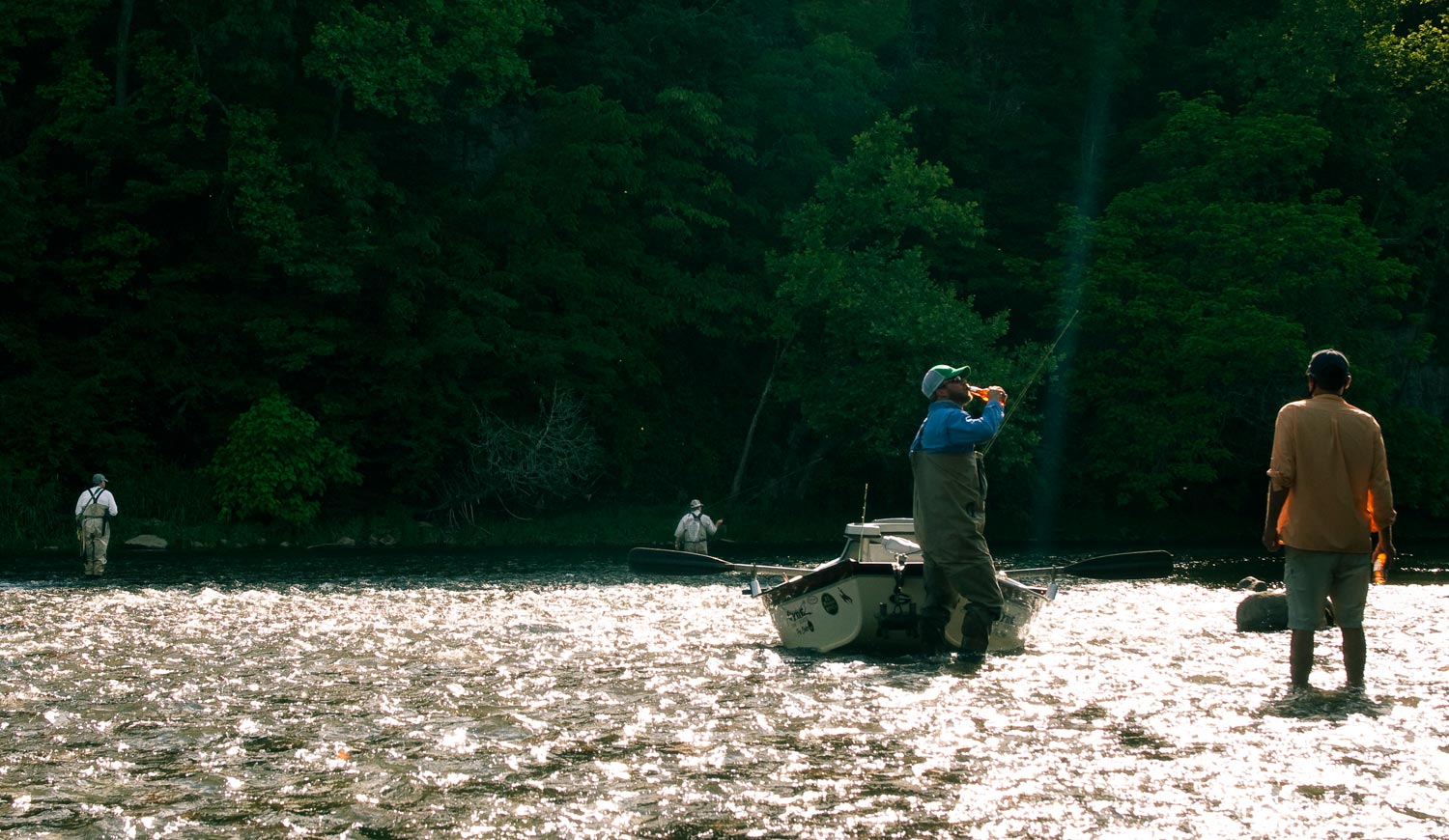
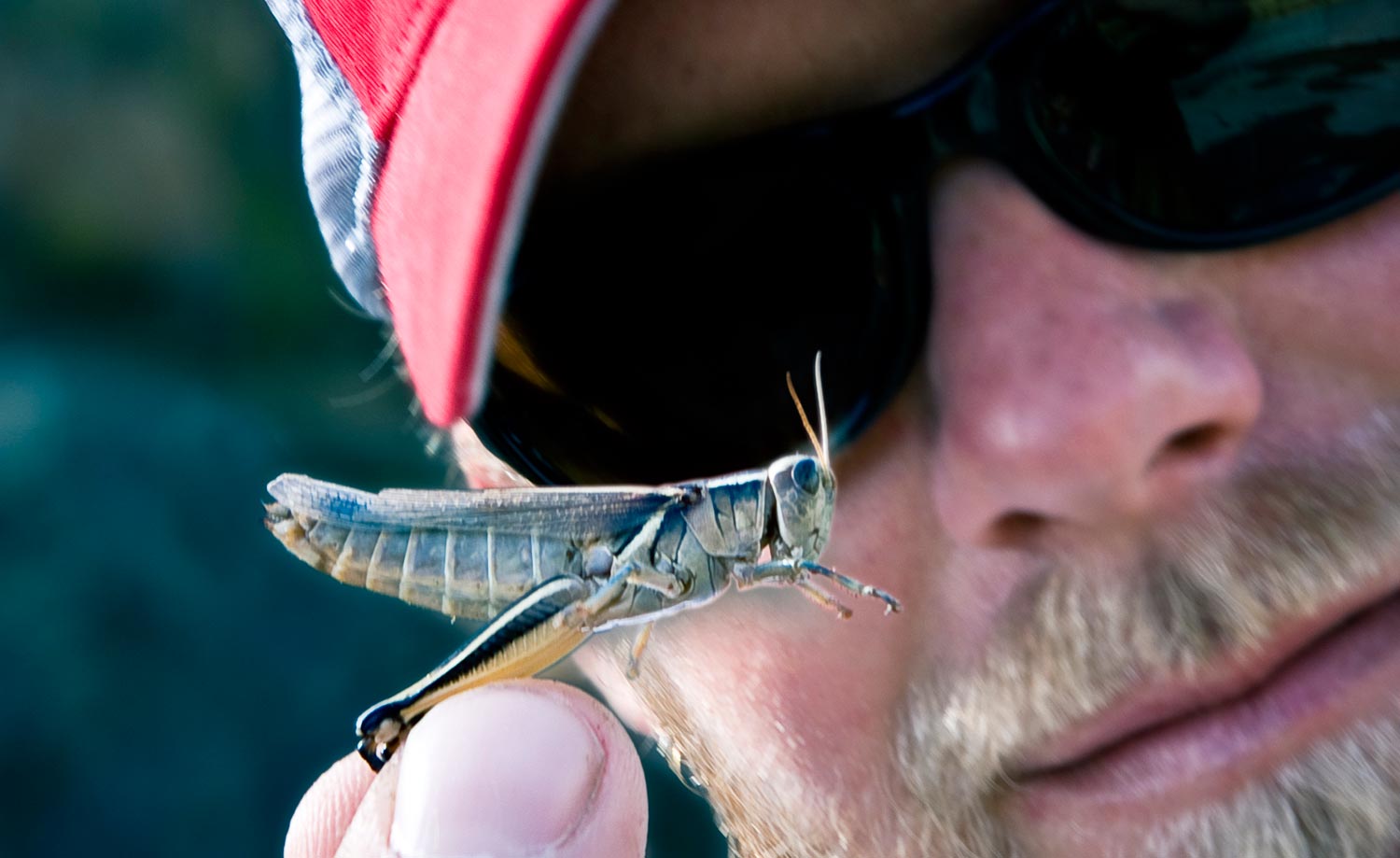
For best results fish grasshoppers when the terrestrials are in full swing. Photo Louis Cahill

Every year, I’m asked by clients, when is the best time for them to come up and experience the terrestrial bite?

For years, I kept a terrestrial fishing journal to help me better serve my clients. The journal documented the arrival times of specific terrestrials and when I first started catching fish on them. It seemed to help me for a couple seasons, but after that, I started to become too reliant on the data in the journal, and I lost sight of the most important variable of all in timing the terrestrial season–weather. Depending on what the weather is doing for the current year, it can speed up or postpone the arrival of the terrestrial season. Some years it will only sway the start of the terrestrial season a week in either direction, while other years, it can sway the arrival well over a month. Understanding the role weather plays in the lives of terrestrials can help anglers nail down more accurately when the terrestrial season will begin and peak in their area. If you can be one of the lucky few to time and start fishing terrestrials before everyone else does, you can be rewarded with some of the biggest fish of the year.

The Effect Weather has on Terrestrials

Having consistent warm weather is a major factor in the arrival of terrestrials. Cold nights during late spring will keep terrestrials hiding in their burrows and out of sight during most of the day. During years when these cold snaps linger on, it will delay the arrival of the terrestrial season significantly. Sun is a major player in getting the terrestrial fishing going as well. I’m not 100% sure of this, but I think once the rainfall drops off in the summer, and the hot sun sucks out most of the moisture content found in the plants that the bugs are eating, the terrestrials are eventually forced to search out food sources that have a higher moisture content. It makes since to me at least, that the best places for the bugs to find moisture rich plants during the heat of the summer would be around water.  All living things, including terrestrials, need water to survive. Furthermore, sun is the fuel for plants to grow, and many of our streams and rivers have large amounts of flowers that bloom (late spring, early summer) along the banks that provide food (nectar) for terrestrials. During above average rainfall years, where you’ve got more cloudy days than sunny days, it can inhibit or postpone the growth and blooming of these flowers that attract the terrestrials, and therefore, they won’t be attracted to the water and available to the trout. So when you’ve got a really wet spring and summer you can expect the terrestrial season to be late. It’s important to note also, that years with high rainfall, will significantly increase the water levels on our trout waters and postpone the terrestrial bite. Too much rainfall will keep the bugs from showing up, and raise water levels, which will discourage trout from expending the energy to rise to the surface to eat them, particularly if there’s sufficient food below the surface for the trout to eat. High water also flushes out terrestrials much quicker than during average water flows. You won’t find terrestrials swirling around in eddies for long periods of time.

Where to Fish Your Terrestrial Patterns First

The point of me writing this post was to help anglers catch trout on terrestrials as soon as possible. It’s by far, my favorite way and time of year to catch trout. There’s nothing like the excitement that’s created by a big trout crushing a terrestrial pattern on the surface. Below are some tips on how and where I first fish terrestrials during the year to maximize my success.

1. Search out flat or slow moving water first.

The last place you’re going to get a trout to come up and eat your terrestrial pattern is in fast moving water or riffles. You’ll have much more success in persuading trout to rise to the surface if you focus on fishing slow moving pools, long runs and tail outs. When the terrestrial season gets into full swing, you can then start fishing fast water too. Stick to ants, beetles and inchworms early one. For some reason, the grasshoppers don’t find their way in front of trout enough until it gets farther into the summer (late June on).

2. Focus on being on the water when it’s Sunny.

Although this doesn’t matter later in the terrestrial season, it does at the beginning of the terrestrial season. If you can plan on being on the water after two or three days of sunny weather, the terrestrials should be very active, and the fish will be looking for them.

3. Go subsurface if that’s what it takes to catch fish.

Every year, I go subsurface for the first part of the terrestrial season. It works great if you’ve got high flows or if you aren’t successful tempting trout to the surface. I regularly use a nymph rig with an inchworm lead fly and a small black ant or beetle dropper. It’s been my go to rig so far this year with all the rain we’ve had.

4. Experiment with different size terrestrials. 

Some professionals say you should always start out fishing small terrestrials and then increase the size of your patterns as the summer progresses. That can be very true, but you shouldn’t abide by it 100% of the time. For example, I’ve caught far more trout fishing a size 8-10 beetle pattern than I have on smaller beetle patterns. Sometimes the bigger profile, and added food value it provides, will persuade a trout to eat when a small pattern won’t. That being said, anglers should also think about downsizing their terrestrials if they think the fish are growing wise from fishing pressure. I alway start off big first, but if I’m getting refusals, I’ll always downsize my pattern. You don’t need a ton of different terrestrial patterns. Having different sizes is more important. Fishing terrestrial patterns is no different then fishing any other trout flies. If you aren’t having luck, you probably need to change your pattern.

5. Get on the water early after the terrestrial season is in full swing. 

It’s true that anglers can have success catching trout on terrestrials all hours of the day. However, once you get into the heat of the summer, I’ve found some of the best fishing is during dawn and dusk when light is low. Trout become more active when water temperatures are cooler and they also feel safer foraging when most anglers are off of the stream. Take advantage of this fact during the middle and later part of the terrestrial season and you should find more success and the occasional trophy. This holds very true for increasing your odds at catching brown trout.

6. Pay attention to the terrestrials you’re seeing on the water. 
ground-beetle

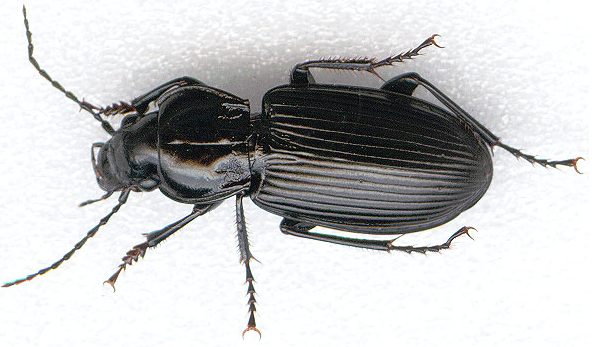
Ground Beetle

It’s kind of funny, but I find that a lot of anglers fishing during the terrestrial season look into their fly box in the morning, and say, “hmmm, what do I feel like fishing today?” Trout do tend to key in and feed on the most available food supply, and anglers should pay attention to that fact. If you’re on the water and ants are constantly falling off the overhanging trees on your back, you probably should consider fishing ants. If you’re walking up the stream and regularly seeing inchworms hanging off the trees on silk ropes, chances are, an inchworm pattern will be a good fly for you that day. The other day I saw a few giant two-inch long ground beetles floating down the river. I tied on one of my big foam beetles and my client caught his biggest fish of the day on it. Use the power of observation when you’re fly fishing and select your flies accordingly.

Keep it Reel,

Kent Klewein
Gink & Gasoline
www.ginkandgasoline.com
hookups@ginkandgasoline.com
 
Sign Up For Our Weekly Newsletter!
 

WTF Is A Steelhead Anymore?

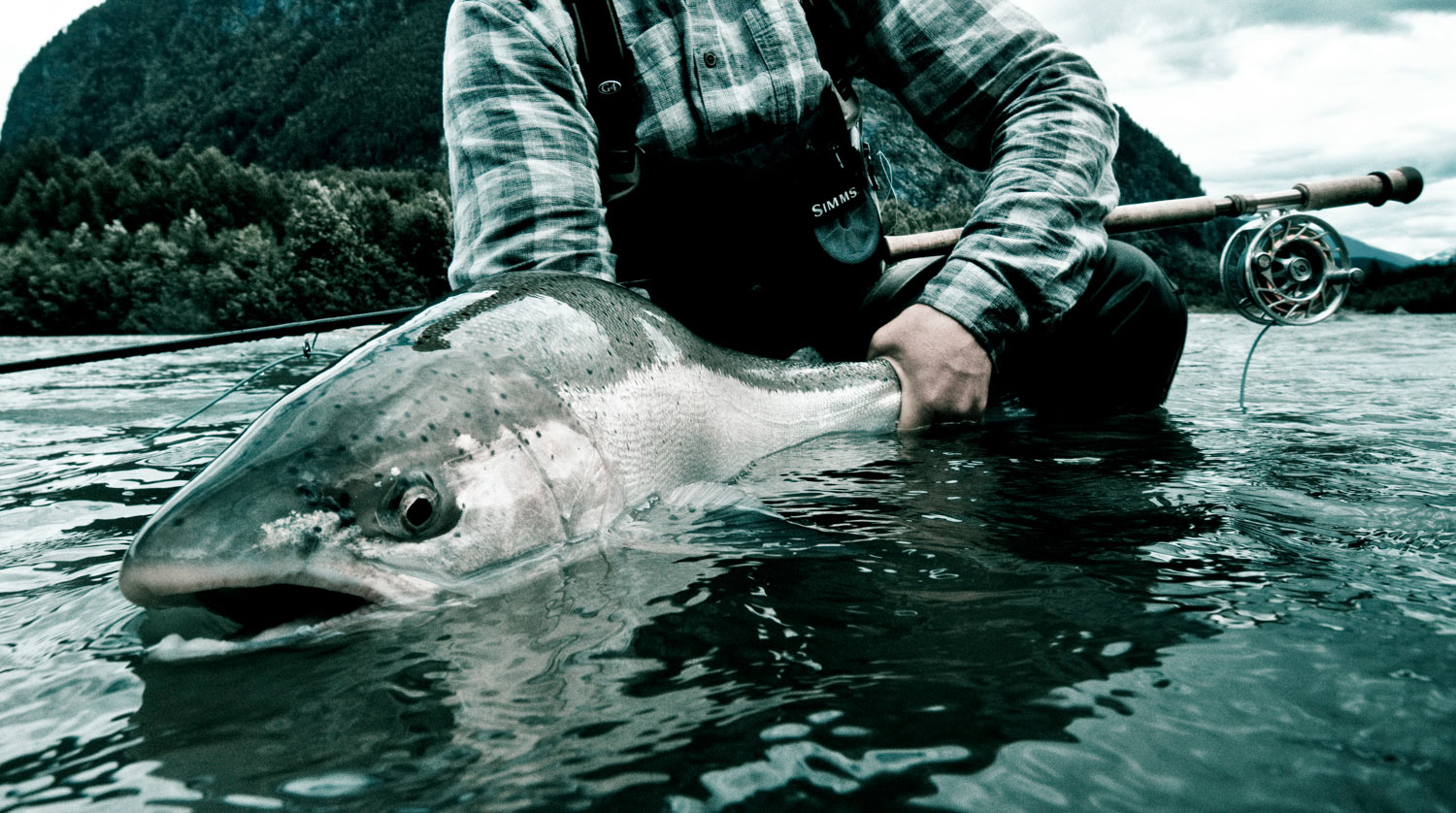
Photo by Louis Cahill

Photo by Louis Cahill

By Louis Cahill

Is all the arguing over steelhead hurting the fish?

I’ll probably be sorry I started this, but I have a point to make. It seems you can’t say the word “steelhead” without starting an argument. The fighting points are numerous. Are beads flies? Are hatchery steelhead killing wild steelhead? Is nymphing wrong? But the most contentious and, frankly, mind bending disagreement is over what a steelhead actually is.

There are historically two sides of this argument, although lately there seems to be a third, I’ll get to that later. It’s a classic East vs. West conflict. Eastern anglers refer to fish running from the Great Lakes as steelhead and western anglers insist that only fish running from the saltwater are steelhead. Yelling and name calling ensue. Here’s why both sides are wrong.

First, let me be blunt about this, a steelhead is by definition an anadromous fish. That means it runs from saltwater to fresh. End of story. No fish which lives its entire life in fresh water is a steelhead. It’s not my job to make definitions so don’t blame me.

Here it is from Webster.

Steelhead—noun, plural steel·heads (especially collectively) steel·head.

a silvery rainbow trout that migrates to the sea before returning to fresh water to spawn. 

anadromous —adjective

(of fish) migrating from salt water to spawn in fresh water, as salmon of the genera Salmo and Oncorhynchus (distinguished from catadromous ).

That said, west coast anglers can be real assholes about it.

I’ve had this argument over more beers than I can count, and I’m sure I’ll have it again. One of my west coast buddies will start railing about lake-run rainbows and the knuckle- draggers who fish for them and I’ll tell them that their attitude is killing steelhead. Here’s what I mean.

Look around yourself on any western steelhead river. What’s missing? The crowd! Western anglers think they have a lot of guys on the river but they have no idea what a crowd is. That’s a good thing, I’m not advocating for fishing pressure but here’s what happens. Some guy from the east starts to talk about steelhead in the Midwest and it’s an instant fight, with the west coast angler saying something like, “You’ve never caught a real steelhead!” All this accomplishes is alienation.

Look around any Great Lakes Steelhead river and what do you see? Ten-thousand guys fishing shoulder to shoulder. No fun, I get it, but those are ten-thousand guys who are so fired up about steelhead that they will endure those conditions. To my mind, that’s ten-thousand guys who would support steelhead conservation. And what are we saying to them?

“You’ve never caught a real steelhead!”   That’s stupid.

I think the one thing we can all agree on is that steelhead are in trouble. They can use all the help they can get. So steelheaders, I know you love your fish, let’s try to move past our pride and accept everyone who loves steelhead.

Now, east coasters.

I’ve been on both sides of the coin. Yes, I’ve spent plenty of great days catching Great Lakes Steelhead on beads. It’s awesome! I’ve also spent a great plenty of days swinging flies in western rivers. I don’t care how you fish. My passion is swinging flies but that’s a personal preference. It’s not a judgment on my part and it does not require anyone’s approval or disapproval. Neither do you. That said, I’m going to tell you something you don’t want to hear.

There is a difference.

Wild Pacific Steelhead are like no other fish on the planet. The way they look, the way they eat and especially the way they fight. Oh my god, the way they fight. They are truly remarkable. That is no reflection on your fish. Great Lakes Steelhead are awesome. They are a legitimate thing. I like to think of them as the Pete Rose of steelhead but they are not wild steelhead. That’s really the issue, hatchery vs. wild. Great Lakes fish behave much like hatchery fish from the salt. It’s not a judgment, just a fact.

Don’t be mad. Just give it a try.

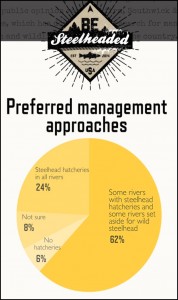
FullSizeRenderGo fish out west and see for yourself. You’ll fall in love with these fish too and please, help save them. Wild steelhead are in real trouble and need our help. There’s no better place to start than Wild Steelheaders United. Check out their page and their mission. Their recent survey shows that we all agree a whole lot more than we disagree.

Check out the results and sign the pledge!

One more thing. Names matter. Show respect for wild fish by using the name Great Lakes Steelhead. At least when you’re talking to west coast anglers. A little respect goes a long way in stopping arguments. And let’s draw a line right there. The Great Lakes are a unique eco-system. They really are freshwater seas and that’s a world away from being the ocean but it’s an awful lot different than a lake.

Recently I’ve heard several anglers bring up the topic of “North Carolina steelhead.”

This is utterly ridiculous. It’s marketing on the part of some shops and guides. There are not and will never be steelhead in North Carolina and it does matter! Trout of every species living in lakes run up rivers to spawn and they are always big. It doesn’t make them steelhead. If we start talking about North Carolina steelhead, pretty soon we’ll be talking about Wyoming cutthroat steelhead. And all we are doing is diluting the importance of actual steelhead.

This very special and very unique fish, which is in such peril does not need to be thrown into the linguistic soup with every other lake-run fish. The inevitable result is ignorant policy makers creating bad policy based on misinformation. Words matter. Get over it.

You can tear into me if you like, but take a minute to think about why this subject is so contentious and who is really being hurt. Is your ego really worth causing harm to such an important resource? Let’s stop the arguing and all get behind wild steelhead.


Support

Wild Steelheaders United

The Native Fish Society

The Wild Steelhead Coalition 

Louis Cahill
Gink & Gasoline
www.ginkandgasoline.com
hookups@ginkandgasoline.com
 
Sign Up For Our Weekly Newsletter!
 

Fly Rod Selection For Bonefishing: Video

By Louis Cahill

You’ve booked that bid bonefish trip, what fly rods should you take?

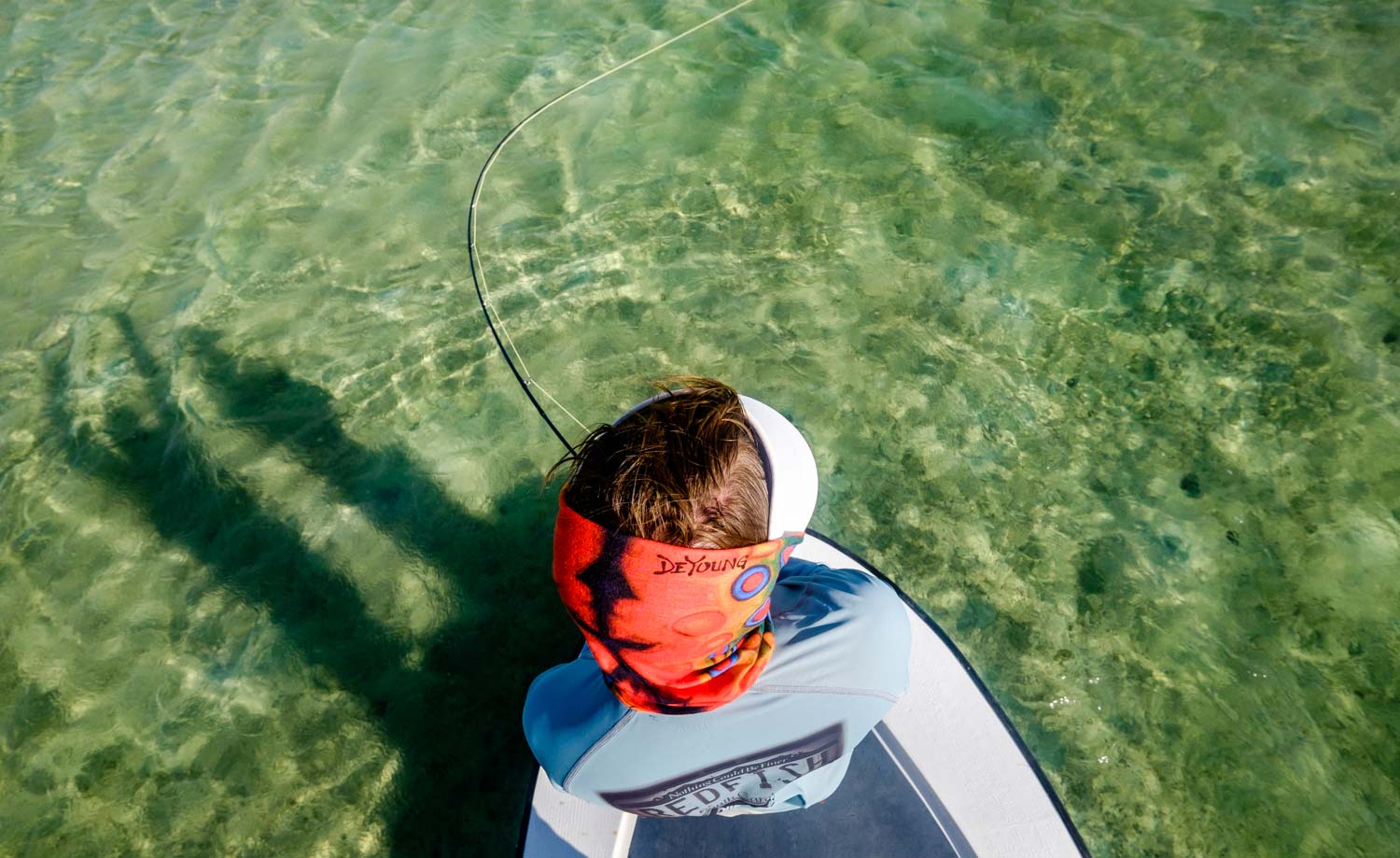
Saltwater fly fishing requires he angler to respond quickly to changing conditions. Having the right gear makes a huge difference. The problem is, if you don’t have a lot of experience, you may not know what is going to work when the fishing gets tough. In this video, I’ll try to help you sort through it.

The big factor in saltwater fly fishing is wind. Either too much or too little of it. A lot of beginning saltwater anglers want to fish on dead calm days. Believe it or not, it’s just as tough to have too little wind as too much. Bonefish can get really spooky when the water is flat calm and the setup you love in the wind may not produce.

“Which rods should I take,” is the question I get all the time. 

In my opinion, the fly line is an even more important choice. How the rod and line work together to present the fly is what’s really important. I start by choosing the line I want to fish, then I choose the rod I like to cast it. I find I can carry fewer fly rods and catch more fish.

Watch the video and learn about fly rod selection for bonefishing.

Louis Cahill
Gink & Gasoline
www.ginkandgasoline.com
hookups@ginkandgasoline.com
 
Sign Up For Our Weekly Newsletter!
 

Confessions of a Trout Guide

Some days on the river are just like that. Photo by Louis Cahill

Some days on the river are just like that. Photo by Louis Cahill

By Johnny Spillane

What happen on the river, stays on the river…usually.

So this time of year in Colorado, the rivers are blown, there is no one in town and all the guides are hanging around the shop bullshitting about their worst/best days on the water. It got me to thinking that I should tell some stories about the worst possible guide trips/situations that we’ve had on the water. Hopefully this does not reflect poorly on our guide services, but it will shed some light on what happens in the day-to-day life of a fishing guide. I know there are a ton of guides out there who will want to one-up me and please do, I love this stuff. Names have been changed to protect the innocent.

Guide #1 (me) was floating with a mom and her son. We were catching tons of fish and having a great time. The son was maybe 12-13 years old and was a stud fisherman aside from giving me a fantastic Hank Patterson “snap it!” cast. As we floated down the river, mom was snapping pictures left and right as son caught fish after fish. At one point we were back-rowing a riffle when all of a sudden mom jumps out of the boat and starts running through a knee deep run towards an island in the river. My first thought is “wow, she really had to pee,” my second thought is “this woman is trespassing, and we are going to be issued a ticket at the takeout.” Lost in all my jumbled thoughts is a calf elk stranded on the island. This woman took it upon herself to rescue this thing. Next thing I know, she has this calf elk in a bear hug and is yelling at me to help her. At this point all I’m worried about is this elk putting a stiff kick into her skull and me having to drag her unconscious body back into the boat. All SHE is worried about is taking this calf to the other side of the river so it can meet its mommy. While I am a big fan of wildlife in general and I have a special place in my heart for elk, I could have cared less about the fate of this calf. I have pictures, courtesy of said son, but for fear of being issued a summons for trespassing, I’m going to refrain from posting them. The elk made it safely to the other side of the river, mom got back in the boat and we went upon our way. Beat that.

Guide #2 (not me) was floating and client #1 hooked a fish. A big fish. After about 10 minutes of fighting this fish, guide #2 decides that it is best to anchor up and fight the fish from shore. Guide #2 neglected to account for the weight leaving the boat and client #2 (fisherman’s non-fishing wife) was left in the boat while client #1 battled his fish. As you would expect, the boat starts floating away without Guide #2 and Client #1. Unhappy wife is then forced to learn how to row a drift boat while Guide #2, runs down the shore, barefooted yelling directions to someone who has never expected or wanted to row a boat, in the meantime, directing client #1 on how to land a BIG Yampa river fish. I can’t make this up. Bottom line, they landed the fish (a 24inch wild Yampa River Rainbow) got back in the boat and had a fantastic day.

Guide #1 (me again) This is a very short and potentially boring story but ill make it short and sweet. Have you ever driven 150 miles for a guided trip where you are meeting your clients on the water and forgot their waders and boots? Try guiding out of some loafers in waste deep water that is 42 degrees. Not fun. The clients were happy, dry and wondering why their guides were shivering all day.

My last and possibly favorite story. Guide #1 (again, me.) had a group of guys in town that come to get away from their day-to-day jobs and just wanted to let go for a weekend. These are fairly high profile dudes and I have a ton of respect for what they do, but man, this got out of control. Day one. We drive to one of our most beautiful properties, its fall, the trees are glowing and there are fish up everywhere. The trip leader (client #1), one of my favorite and best clients, brings his work buddies and the second we step out of the car, his friend, client #2, says, “man, this is fucking amazing.” I say, “yeah, this place is incredible, we are so lucky to have the opportunity to be out here and this is the best time of year to be on this river.” He looks me straight in the face and says, “I was talking about me m*therf**ker.” That’s how we started our relationship. We ended up having a great day on the river, these guys had a background in construction and we talked it up all day. It was fun. Soooooo, day two had us on our best water. This is a $185 a day rod fee plus guide fees. Its special. We are supposed to meet at 7:30. At 8:00 I give them a call. No answer. At 8:30 I call again. Nothing. At 9:00 I get a call back, “we had a late night, we will be down in 30 minutes.” No big deal, I’ve had clients show up late. But this is where the story gets entertaining. After dropping them off from our previous days fishing they decided to get their drink on and went to a local pizzeria. After one or ten too many cocktails they got kicked out of the bar after one of the dudes called the waiter something I cant repeat after she wouldn’t serve him another drink because he was too intoxicated. After being kicked out, they decided it would be best to head back to the hotel. Only client #2 and #3 decide that they aren’t done. Remember the movie Wedding Crashers? That was these guys. They crash a wedding, sing songs to the bride and generally raise hell. The next morning, as we arrive at the river, client #3 looks at me and says “I think I’m just going to hang by the car while you guys fish, I’m pretty sure I’m going to puke.” I looked at him and said, “You just paid $185 dollars plus my guide fee to sit by the truck? Man up and lets go fishing.” We had an amazing day, aside from the dry heaving between fish.

I could go on and on but this should get you started. Send us your favorite stories; the winner of “best guide horror stories” gets a free SharkWave 5 weight fly line!

Tight lines,

Johnny Spillane

Gink & Gasoline
www.ginkandgasoline.com
hookups@ginkandgasoline.com
 
Sign Up For Our Weekly Newsletter!
  SteamboatFlyfisher_Inline

Articulated Nymphs, All Hype or the Real Deal?

Articulated Nymphs, All Hype or the Real Deal? Photos By: Louis Cahill

If you pull any serious streamer fisherman aside and ask them to name their favorite streamer pattern, chances are the fly pattern will be articulated.

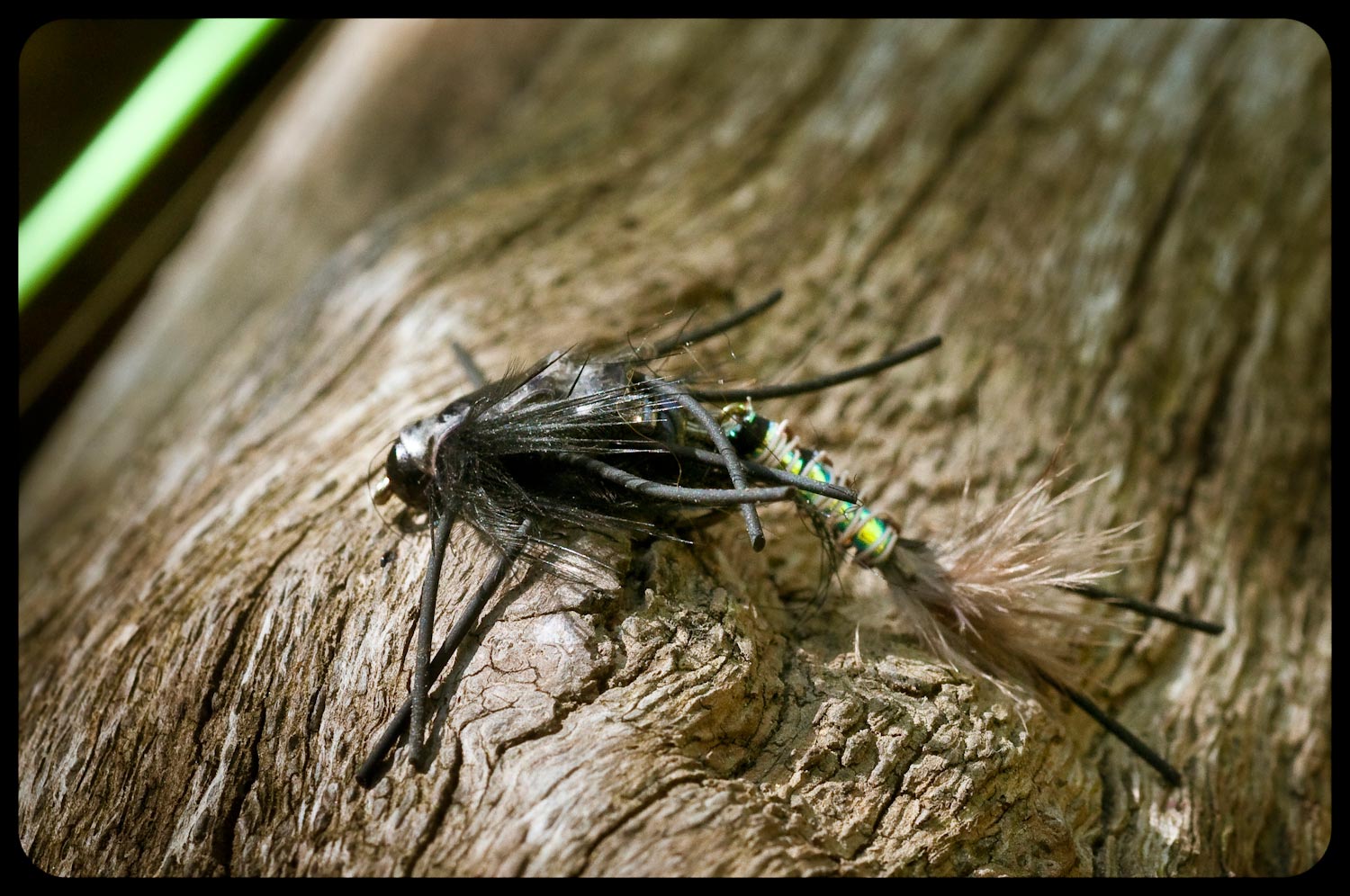
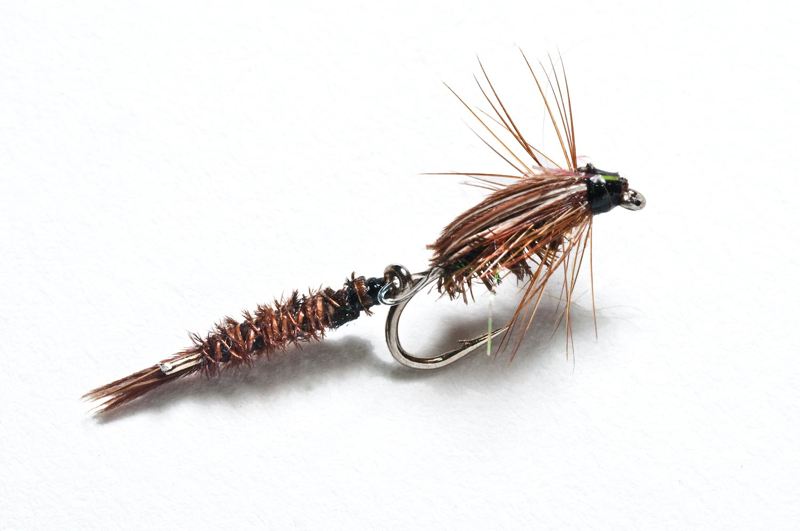
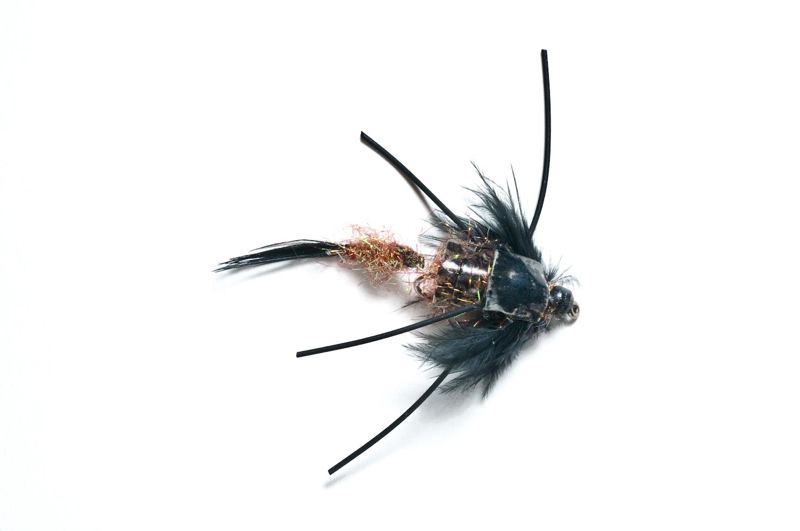
Ask the same question instead to a serious nymph fisherman, and most will answer with names of nymphs that aren’t articulated. I agree you don’t have to fish articulated nymph patterns to catch trout, but I do find it a little odd that we aren’t seeing more of them in the spot light today. As far as I can tell, the concept has been around almost as long as articulated streamers have. The last couple of years I’ve started to incorporate articulation into my fly tying for many of my nymph patterns. Just about all of them have done very well for me on the water. In some cases, my articulated versions have caught trout 3 to 1 over the traditional non-articulated versions. You can’t tie all nymphs articulated because many fly patterns and species of aquatic micro-invertabrates are far too small. However, with some practice, most fly tiers will find it’s pretty easy to tie articulated nymph patterns as small as a standard size 16 nymph hook.


For the most of my fly fishing career, I thought the majority of aquatic nymphs were poor swimmers. I pictured them in my head spending most of their time drifting helplessly in the current incapable of generating enough propulsion to maneuver around. The fact is, most nymphs, particularly mayflies, are very good swimmers. Take a couple minutes to view these video links of aquatic insect larva swimming in the water, and it will blow your mind. After viewing these videos I think you’ll begin to understand how valuable articulated nymphs can be at imitating the movements of swimming nymphs.

Leptophlebia Mayfly Nymph

Isonychia Mayfly Nymph

Brown Drake Nymph

Keep it Reel,

Kent Klewein
Gink & Gasoline
www.ginkandgasoline.com
hookups@ginkandgasoline.com
 
Sign Up For Our Weekly Newsletter!
 

The past decade and a half they have become quite the popular choice for their ability to add increased  swimming action they provide when retrieved. The last couple of years I’ve begun tying and fishing more articulated nymphs.