
Caring for Bamboo Fly Rods
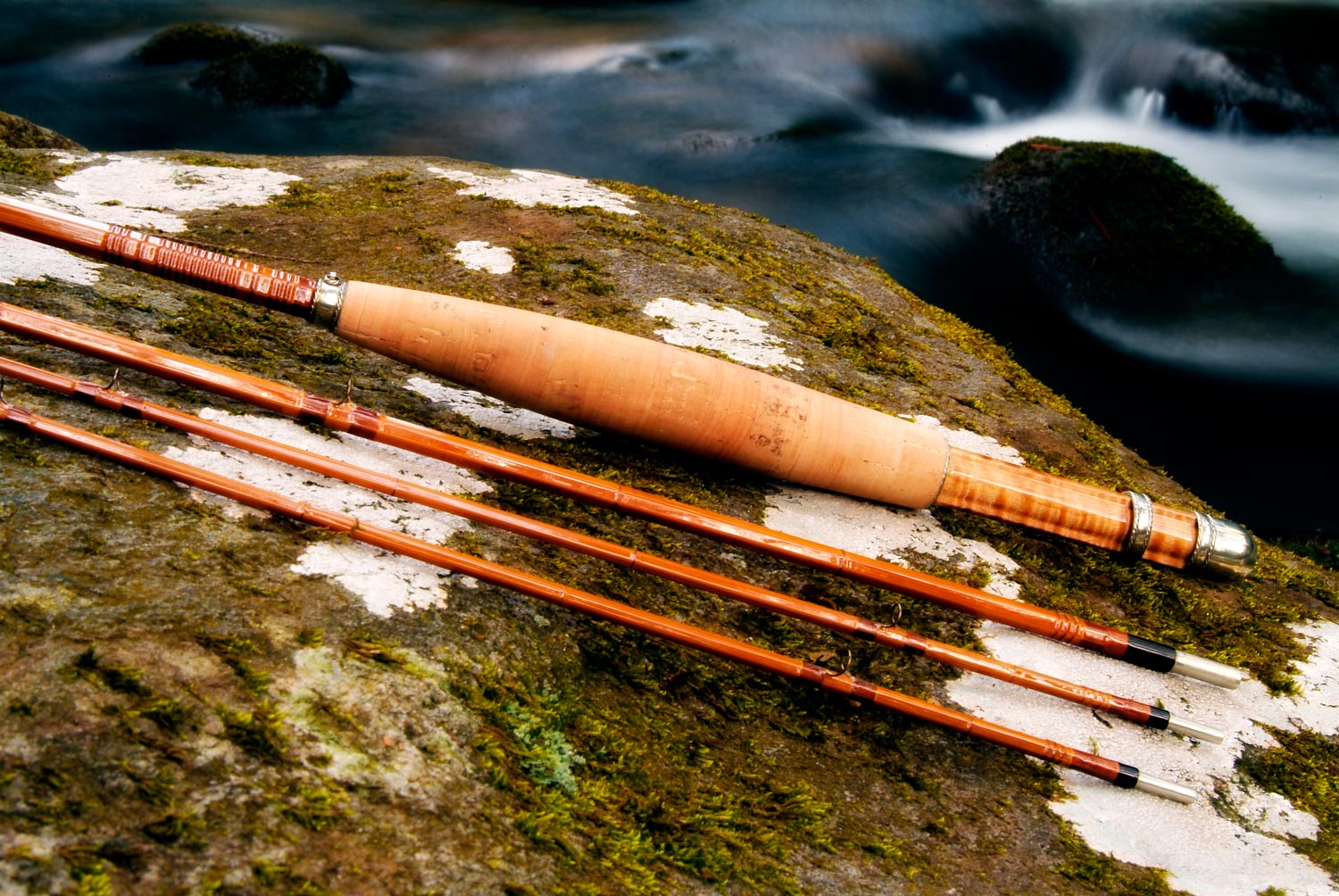
I’ve had several folks request some content on making simple repairs to bamboo fly rods.
I fully intend to to that for you, but it means that I have to find the time to get in the shop. That seems unreasonably difficult these days. Before I get into doing repairs, I thought it would be prudent to write about caring for that bamboo rod and maybe avoid some repairs all together.
Bamboo is not as finicky as most people think. In fact it’s remarkably tough but there are some basic rules for handling and storing rods that will add to their longevity significantly. Unfortunately, too many guys end up with a nice bamboo rod before they know how to care for it and learn the hard way.
Most guys start out with graphite rods and assume that you treat a bamboo rod the same way. It’s a fly rod, right? Yes, but the materials are very different and some very common practices that are fine with a graphite rod will do serious harm to the boo.
General Care
I’ll start with the simplest and most common thing boo nubes do to their rods.
Familiar Waters, New Predators
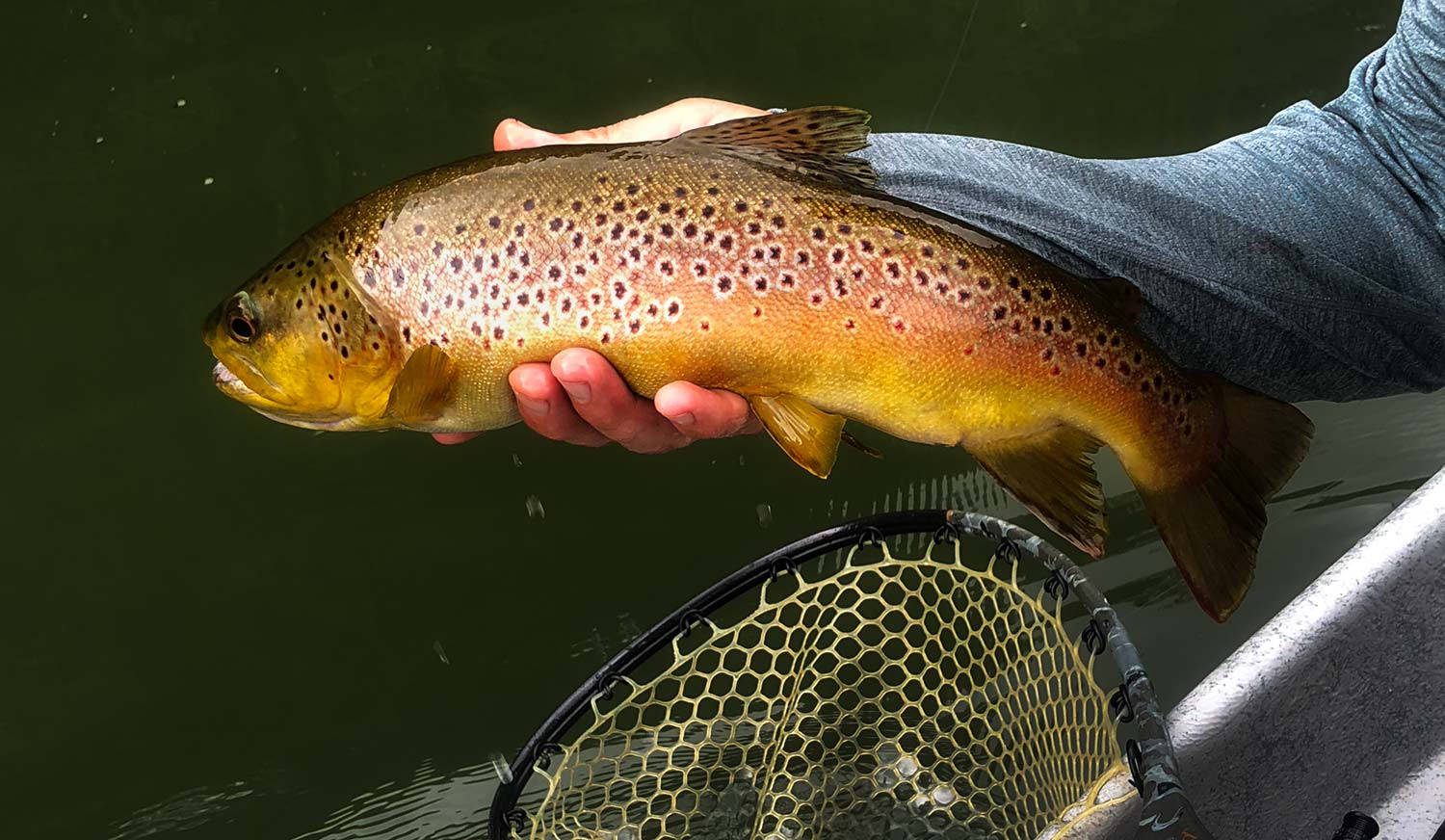
“The last thing I expected to see was this big male brown trout becoming food.”
By this time, in any normal year, I am done with trout fishing. Not that I don’t enjoy it but water temperatures here in the South reach near-lethal levels in the summer and it doesn’t feel responsible to target trout under those conditions. Fortunately, a couple of my local rivers offer me a stellar alternative.
As local lakes heat up, striped bass move into the rivers for cooler water and, I suppose, to satisfy their anadromous instincts. These fish are big, strong fighters, and difficult to target with a fly. Pretty much everything I like in a fish. Once June rolls around, I spend most of my local fishing time focusing on them.
The problem is, this has been anything but a normal year. My local river, the Chattahoochee, has been a raging torrent of mud since early spring. Heavy rains, nearly every day, have kept the river un-fishable for almost the entire season. By last week, I desperately needed some time in my drift boat so I planned a quick trip to a favorite Tennessee tailwater. My buddies Geoff Murphy and S.C.O.F. editor Dave Grossman joined me for a two-day float.
Repair work on the downstream dam have the river on a low flow and rain has colored the water. Conditions are far from perfect but I’m excited to target some of the big brown trout that inhabit these waters. I showed up with a pretty anemic selection of dry flies and nymphs and two boxes full of big streamers. I’m ready for a challenge.
Geoff and Dave have been picking up some fish on beetle patterns and suffers but I haven’t had so much as a look at my streamer. Geoff gets a rainbow in the head of a big deep pool and quickly releases it. As soon as the fish hits the water a commotion starts.
A large dark form comes up out of the deep hole and runs the little rainbow down.
Read More »Organizing Your Bonefish Fly Box Makes For A Better Day Of Fishing
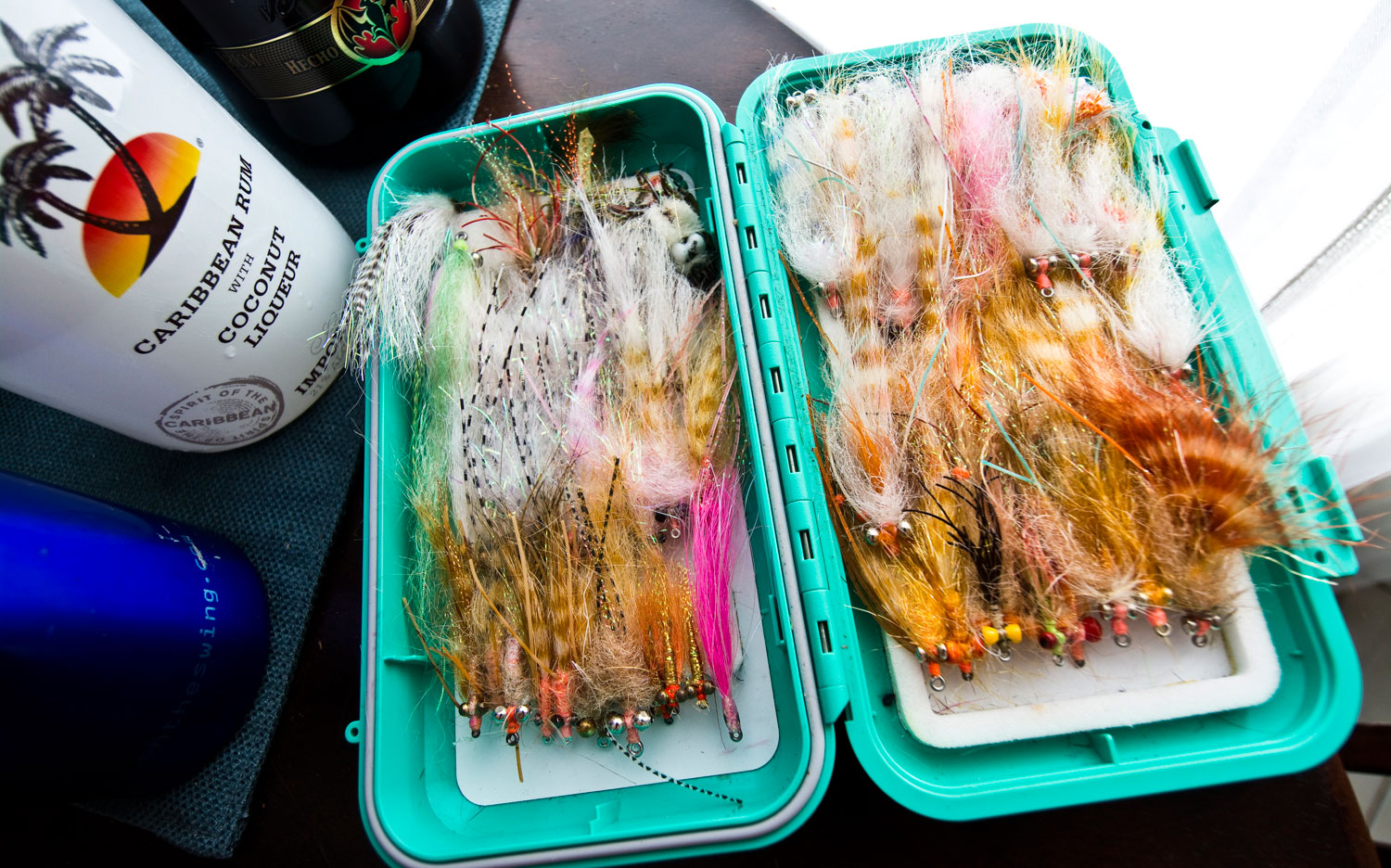
OPTION PARALYSIS EATS UP VALUABLE FISHING TIME.
I’ve found myself, more than once, staring into my fly box as if I’d wandered to the refrigerator in the middle of the night, with no idea why I was there. That’s fine, unless you’re surrounded by feeding bonefish and your guide is wailing in tongues. Even if your not under pressure to make a quick fly choice, having your flies organized in a logical fashion will help you choose the right fly for the conditions and that means catching more fish. Here are some tips on how I organize my bonefish box and how I use that organization to make better fly choices.
Keep It Simple
Bonefishing is not generally a match-the-hatch situation. Bonefish are highly opportunistic and presentation usually trumps pattern. I know guys that carry a thousand flies on the flats boat. They might fish three of them in a day. I keep it to one box. I probably cram a hundred flies into it but that one box has everything I need.
Making Smart Choices
When paring down your fly selection it’s important to understand
Make Better Roll Cast: Video
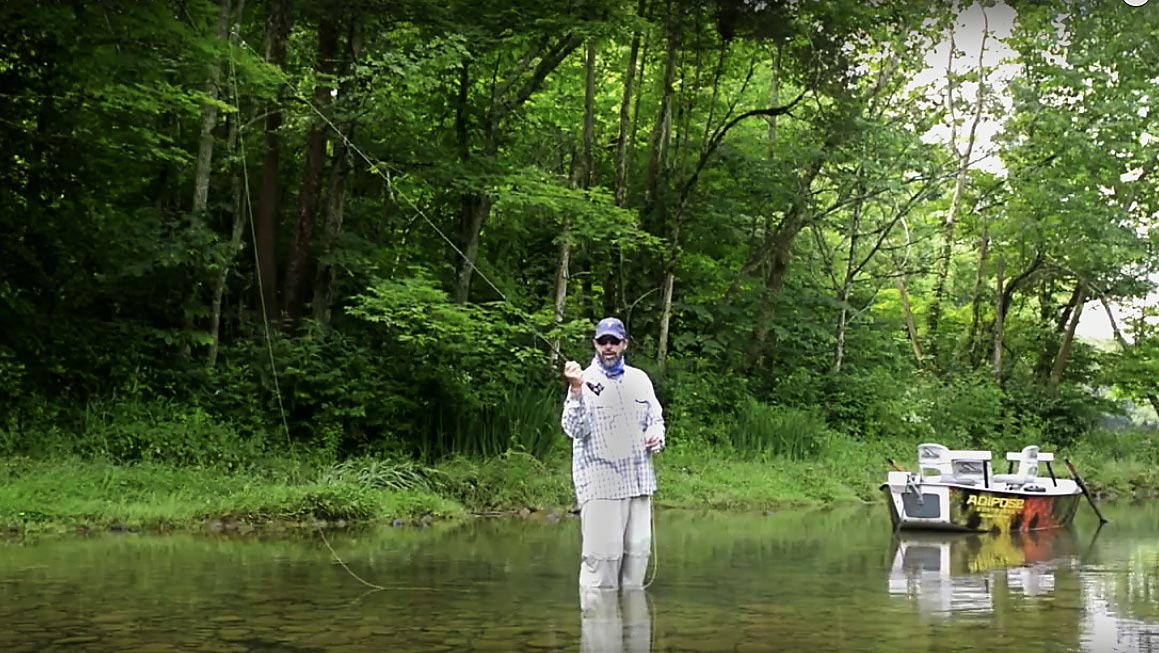
It isn’t flashy, but a good roll cast will catch you a lot of fish you might otherwise miss.
Roll casting is an essential skill for any angler, especially those targeting trout. Many of the mountain streams where trout live have little room for a backcast. A good roll cast opens up a lot of water that’s unfishable by any other means. It’s usually one of the first casts an angler learns, and because their understanding of fly casting is limited, anglers often learn the cast poorly. Very few go back and fix the problems they developed early on.
A FEW OF THE SKILLS WHICH ARE KEY TO A GOOD ROLL CAST ARE:
Making a robust D loop.
Keeping the path of the rod tip flat on the casting stroke.
Smooth acceleration of the cast to an abrupt stop.
Once you have the basics of the cast down, you can add a haul and shoot line for more distance. Roll casting this way is very effective on all types of water.
WATCH THIS VIDEO AND LEARN TO MAKE A BETTER ROLL CAST.
Read More »The Patagonia Trout McNugget

By Louis Cahill
Think trout flies should be small? Think again!
Ok this is admittedly a bunch of silliness, but where else are you going to see a trout eat a chicken nugget? Yep, an actual chicken nugget. I don’t know if this compromises our journalistic integrity or angling ethics but it’s funny as hell.
Justin and I were down in Argentina and there were some pet trout in the spring creek by the place we were staying. No one fished for these bruisers, it was just fun to watch 30 inch trout hanging out by the deck. When we found out they stayed by the deck because the staff fed then table scraps, well, we couldn’t help ourselves.
The fishing in Argentine Patagonia is truly amazing. Why not join me there this February and see for yourself. Click here for details.
Read More »Bends Are Like Best Friends
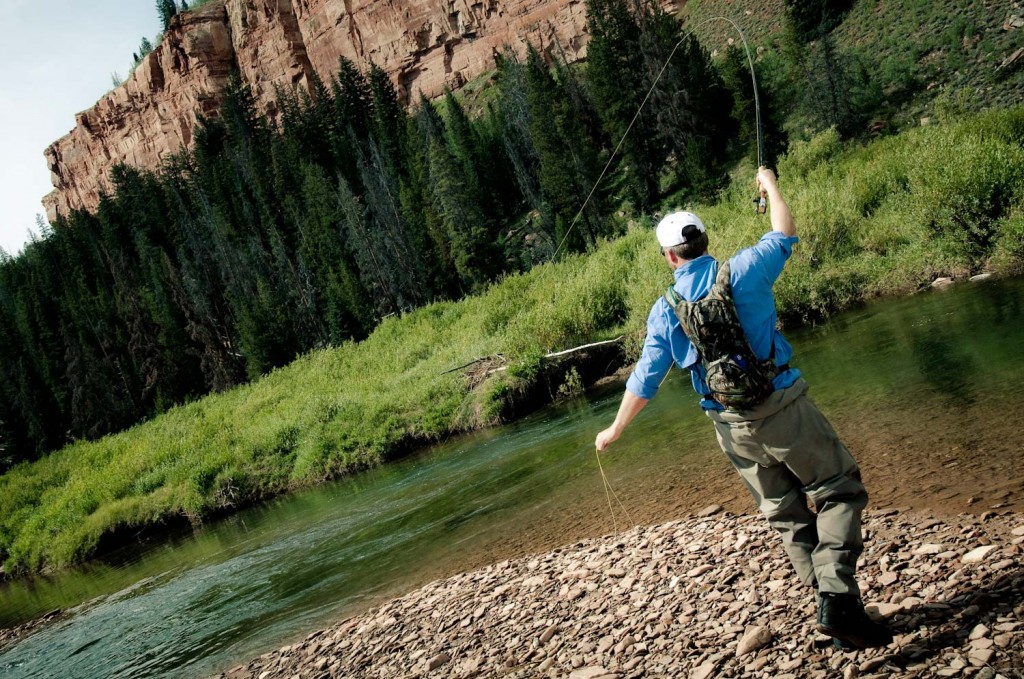
Bends in rivers and streams are like my best friends.
They possess all the qualities that I value and they always provide me consistent support in my endeavors. I don’t know about you, but when I find myself staring at a section of river or stream and I see a nice bend, I quite often head straight for it. I do this because I know it will usually produce a quality fish or two on the end of my line, and it’s generally very obvious to me where I should present my flies.
Just about every bend you encounter on the water will hold these three qualities.
1. One Well Defined Current
There usually will be one well defined current, collecting and moving food through the bend. This clearly indicates to anglers where the most food is drifting and where the fish should be positioned to intercept it.
2. Clear Channel or Trough
That well defined current usually has cut out a deep channel or trough in the bend. This reinforces further why fish will be located here. The deeper that fish can get below the surface and current, the less energy they’ll have to exert to maintain position and feed. The deeper water also provides
The Bow Clock
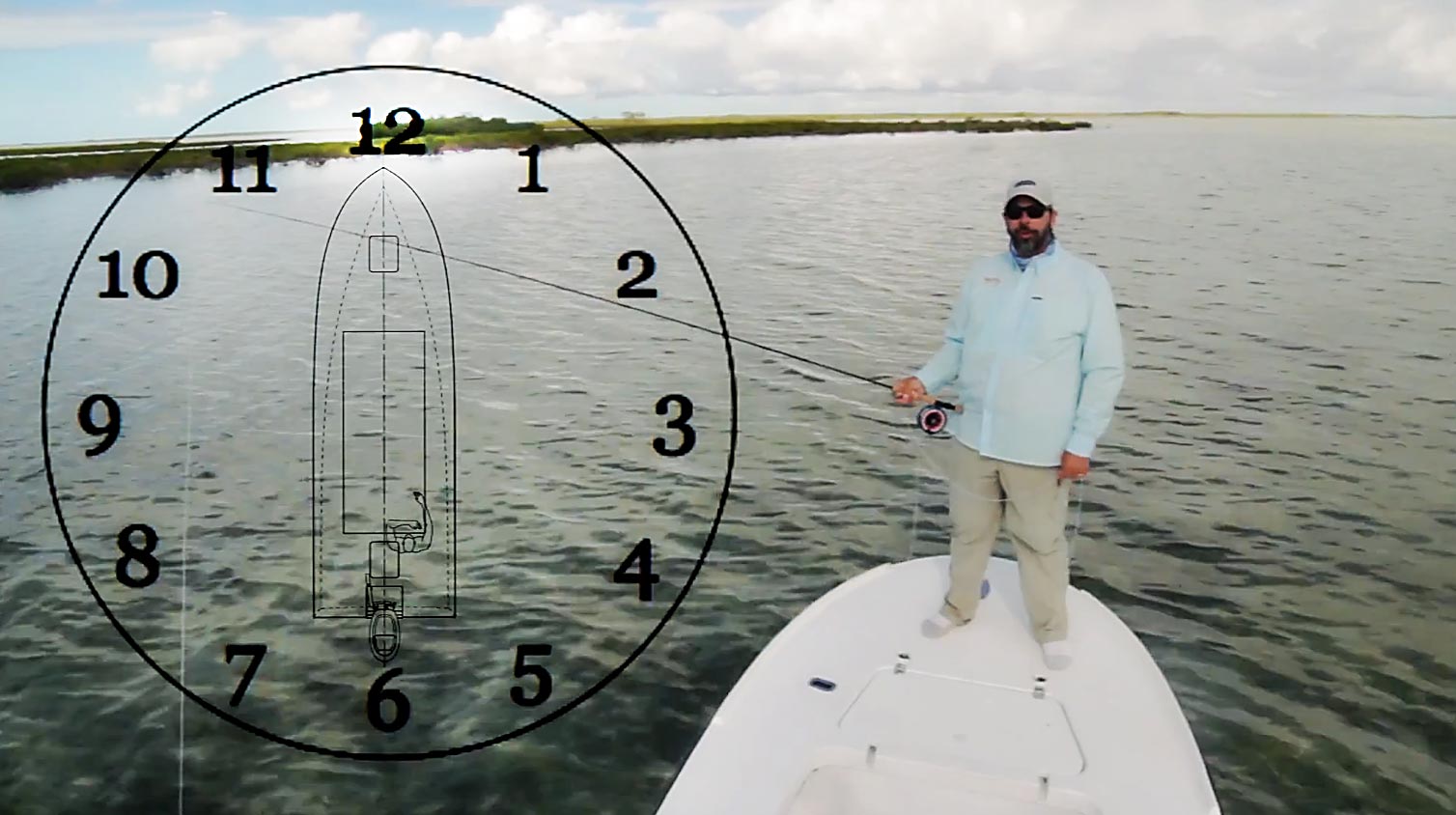
If you can’t communicate with your guide, you’re fishing blind.
Communication is the key to successful saltwater fly fishing. Flats fishing with a guide is a team sport, and like all team sports, The team must work together to win. Your guide has a couple of big advantages, when it comes to spotting fish. He has keen eyes, years of experience and an elevated position on the platform. More times that not, he will see fish long before you do.
Once he has found the fish, it’s his job to help you find them. Your odds of making the right presentation go way up when you can see the fish, so the two of you need to be speaking the same language. Poor communication means missed opportunities.
To help you find fish, your guide will use a system called the Bow Clock. He should give you 3 pieces of information. A Bow Clock time, which tells you in what direction to look. A distance, which tells you how far to look. And the direction the fish is moving– left, right, toward or away. These 3 coordinates should tell you everything you need to know to find the fish and make the shot.
Keep in mind that things look very different from the platform than they do from the bow. What looks like 40 feet to you may look like 30 to your guide. Don’t stare a hole in the water where you think the fish is. Scan the surrounding water for movement and color changes. Point your rod so your guide knows where you’re looking, and can direct you. If he skips one of the 3 pieces of information, ask. “Moving which direction?”
When everyone is on the same page the system works great. Watch this video for more information and to see exactly how it works.
Read More »Blue Hole Fly-Fishing Setup: Video
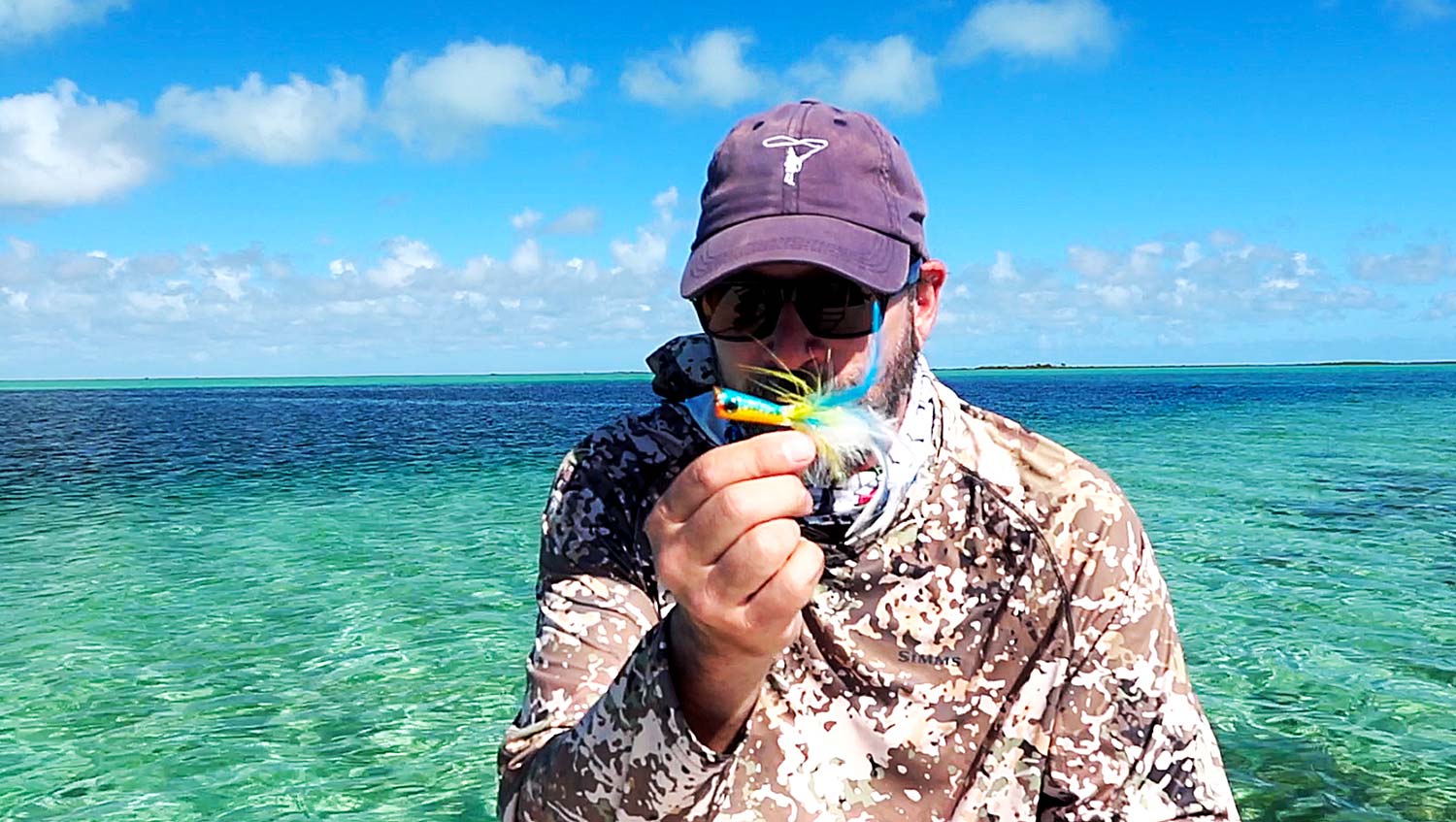
Here’s a simple and incredibly effective setup for catching fish in the blue holes of the Bahamas.
I’m not one of those purist who thinks it’s poor form to deviate from my target species. I like to have fun, and for me, catching different kinds of fish in different ways is part of the experience. One of the coolest things about fishing South Andros, in the Bahamas, is the blue holes. These freshwater vents are perfectly round and can be two-thousand feet deep. South Andros has the highest concentration of them in the world and they are full of fish. You never know what will come out of them.
The problem is, blue holes are really difficult to fish effectively with a fly. Anglers often leave thinking there are no fish there. There are always fish there but, in a two-thousand foot hole, showing them a fly can be tough. I’ve been fishing blue holes for a long time and I have an easy solution to the problem. It takes seconds to set up and catches fish like a net.
WATCH THE VIDEO AND LEARN TO FISH BLUE HOLES EFFECTIVELY, EVERY TIME.
Read More »Women Are Here To Fish
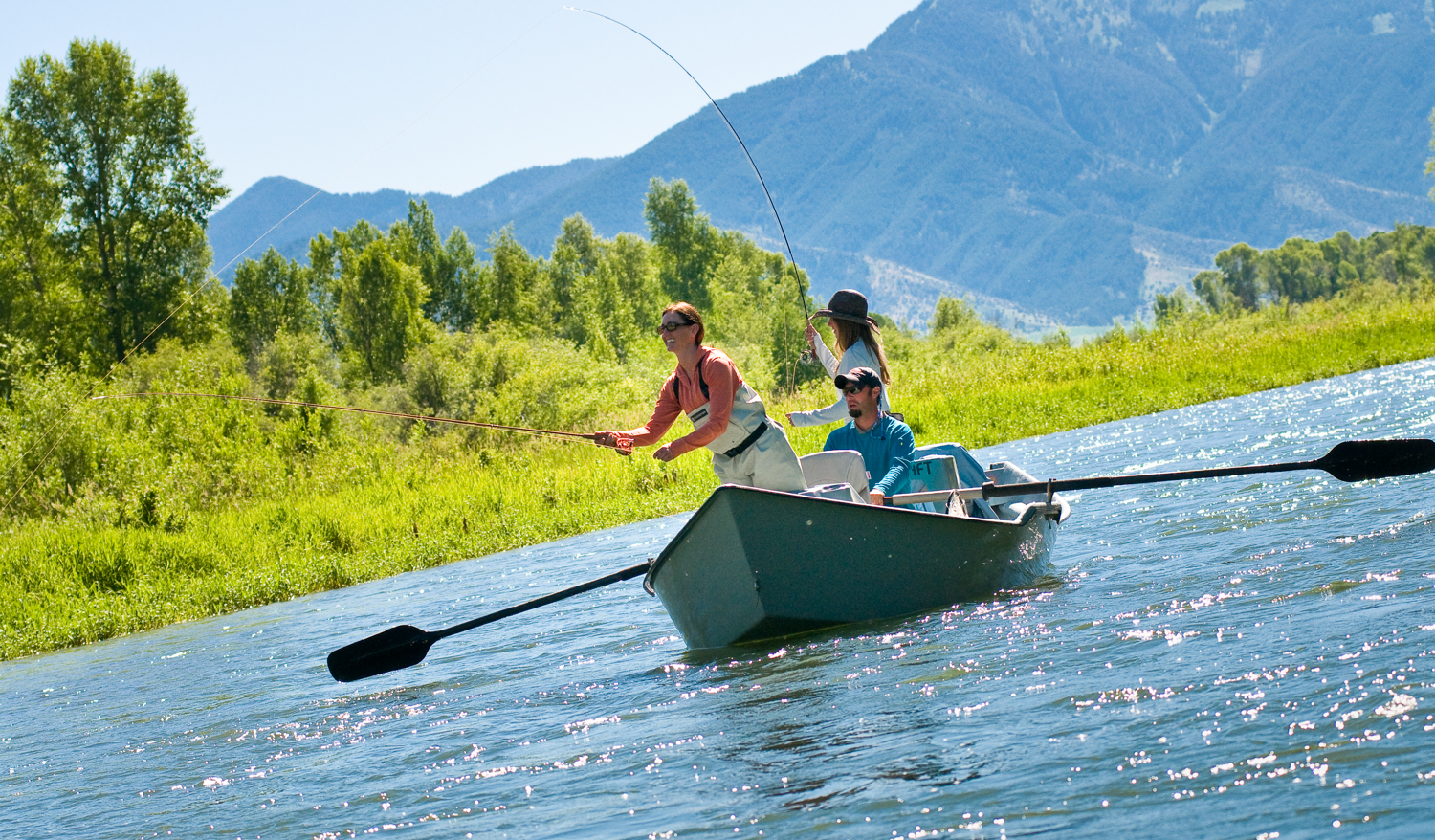
By Justin Pickett
I read a post on social media the other day that got me feeling all kinds of frustrated.
I literally wanted to pull my hair out after reading the remarks of the ignoramus who decided to peck this stupidity from the safety of his keyboard. This ding dong’s remark was in response to a photo of a nice rainbow trout caught by a female angler, which was posted to her Facebook page. The original post appears to have been taken down by the page administrator, but it went something like this:
-Now let’s see a video of your cast, drift, and you landing that fish-
Now, like I said, there is likely some variance to the actual quote, but those are the “items” that this guy wanted filmed to verify to him that this female angler was competent enough to catch a trout all by herself. Seriously? He went on to defend his request, which just made things worse.
The majority of the social media world attacked this guy, and rightfully so. Who is he to play “river police” from the comfort of his desk chair, assuring that everyone’s cast and drift are up to his standards? Oh wait… Not EVERYONE on the river. Nah, this guy probably would not have had the balls to do the same thing to another male angler, but a gal holding up a trout….I guess that sounded like easy pickings to this Facebook Casanova.
Certainly a girl doesn’t have the mental and physical attributes to complete a cast, mend some line, set the hook, and land a fish that possesses a brain the size of a pea. I’m not trying to downplay the sometimes technical aspects of fly fishing for trout, but this guy was definitely calling into question the ability of this female angler to catch a fish. However, I bet if the same were expected of him every time he posted a fish, he would be the first one to cry about it on his social media page.
News Flash: women fish!
Women fly fish. There have been women in fly fishing for a long time. Long before many of you reading this, and myself, were even conceived. There are some amazing women who have done, and continue to do, amazing things in many areas of the sport of fly fishing. Conservation. Guiding. Travel. Product development. Instruction. Casting for Recovery. Dun Magazine. Abel Women. 50/50 On The Water. I could go on. Women play a major role in many aspects of our sport. I could give numerous examples, but here’s a couple:
Ever heard of R.L. Winston Fly Rods?
Read More »Sunglasses: Don’t Leave Home Without ‘Em!

For many anglers, whether they choose to grab their sunglasses on the way out the door likely depends on the forecast.
“It’s going to be cloudy all day, so I’m not going to take them/wear them”. But, for me, I ALWAYS wear a pair of sunglasses, regardless of the weather that might be forecasted. While the amount of sun in the sky is one of the reasons why I always wear shades on the water, there are a couple of other reasons that are just as important.
Like I mentioned, the first reason to make sure that you leave the house with a good pair of sunglasses is to protect your eyes from the damage of harmful UV rays. Even when wearing a hat, the sun can harm your eyes and even cause burns to the surface of your eyeballs. Think of them as sunscreen for your eyes!
The second reason that I always wear a pair of sunglasses (and I’ll always recommend polarized lenses for this reason) is to aide me in spotting fish and wading safely. Polarized sunglasses redirect light so that it hits the eye more uniformly, thus reducing glare. This, in turn, allows us anglers to better see below the water’s surface. I carry a few pairs of sunglasses with me at all times and each pair has its purpose depending on the amount of sun on a given day. The other reason I carry multiple pairs is so I can offer my clients a pair so that they too can benefit from wearing a pair of polarized lenses while on the water. This helps both my client and me big time when it comes to sight fishing, as well as pointing out obstacles in the water.
The third reason why I will always wear sunglasses while I’m on the water is
Read More »