
Bait Dunkin’ to Lure Chuckin’ to Fly Floatin’
By: Alice Tesar
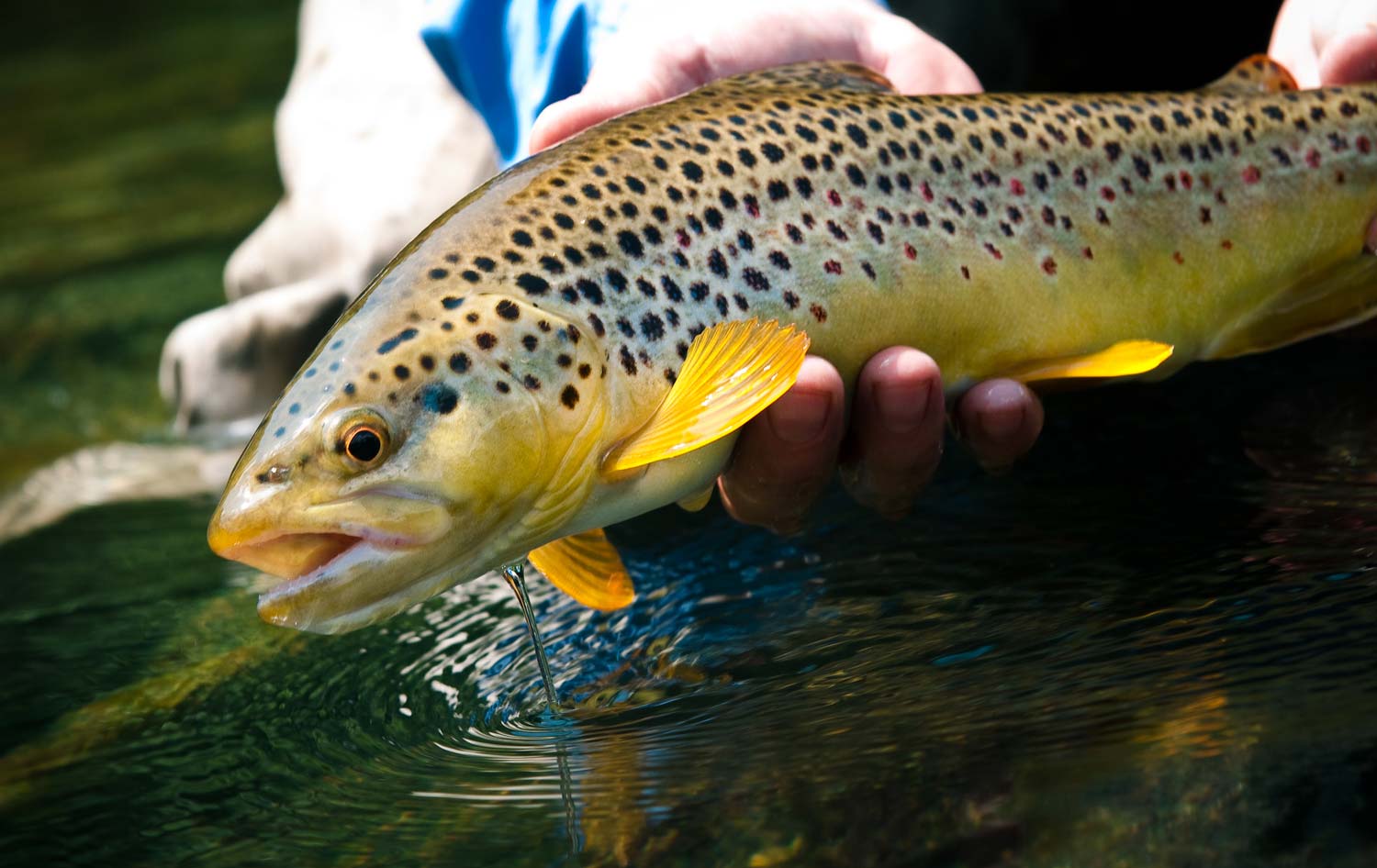
You could say that a desire to be a trout bum was in his blood, but you’d be ignoring the fact that Tim Widmer has found his own drift. What was in his family, specifically with his dad, was a desire to live a life that allowed for living off the land and being able to enjoy wild places. Tim’s dad never stopped dreaming of a life of living and exploring. Widmer recalls a time when his dad killed, skinned, tanned, and proceeded to sew his own clothes from an elk that the then-municipal employee had hunted, “he was doing bead work on the garments.” This intention is something Tim reflects on in times of life’s transitions. Tim credits his dad for making fly fishing into a career. You may remember Tim from “A Conversation with Fly Tier Tim Widmer” in 2014 but today we’re going to take a closer look at what it takes to be a guide, the value of mentors, and the “natural progression” of an angler.
As a small kid growing up in Estes Park, then “Timmy’s” dad worked for the city and would come home for lunch. After they ate together Timmy would go back to work with his dad and spend the afternoons fishing the ponds behind the office — “Bait dunkin” for browns. As he grew older, he started “lure chucking” along the Big Thompson with friends, they loved the wildness and the ease at which they’d catch fish. On an unlikely day where Timmy and his friend had been skunked, they headed back to their homes, along the way they encountered an old timer with a fly rod. They watched as he proceeded to catch six quality trout out of one hole. In awe they retreated. True to his father’s character instead of buying Timmy casting lessons, his dad bought him lessons to build a fly rod. Every day after track practice, Timmy would swing by Estes Anglers and sit with the owner and learned to build his first fly rod. Years following this, Timmy proceeded to cast this fly rod like a spin rod. He’d throw out the line and drag the dry fly in, like he’d known to do with a lure. Eventually the guides at the fly shop gave him some pointers on a better cast and some tips for fishing the Big T and lakes in Rocky Mountain National Park.
This is the part where “Timmy” becomes “Tim.”
Read More »Burning Chrome
By Louis Cahill
The sun never rises.
Not today, at least not here on the Deschutes River. The light is an eerie yellow-orange. The air is hot and dry, and the wind is howling. It’s unsettling. You’d expect it to feel like fog or overcast but it doesn’t. It’s almost the opposite. When you catch a glimpse of the sun, it’s just a vague red blotch in the sky. The air burns the soft tissues of my eyes, nose, throat and lungs. Everything smells and tastes like a camp fire. I cough constantly and spit up chunks that look like cottage cheese into the river. The Deschutes River Canyon fades as I swing my fly from behind a hot, gray vail. It feels like the whole world is on fire.
A few miles away the Columbia River gorge is consumed in flame. One of the prettiest places I know, reduced to ash and coal. The fire is so intense that it jumps the mile wide Columbia River and sets Washington ablaze. Stupid kids shooting fireworks. They caught them, but what are you going to do with a bunch of kids who burnt down the lives and livelihoods of tens of thousands of Oregonians. Fire fighters do an amazing job of saving what can be saved while the rest of us just watch it burn.
I left my home in Atlanta less than a day before Hurricane Irma was scheduled to hit. The day before it had devastated the Florida Keys. It’s still hard to picture. I had been in the Keys the week before, when Harvey was washing Houston from the map. While the East drowns, the West burns and I don’t know which is worse. I have learned this much during my stay in Oregon. When they call for evacuation from a storm, Texans may say, “We’ll see what happens,” or “I’m not leaving my home,” but when they call for evacuation from fire, everybody goes. No one “rides it out.”
Everyone in the camp admitted to having gotten up in the middle of the night to look for an orange glow on the horizon. As terrible as the fire in the gorge is, it isn’t the forest being lost that most of us are concerned about. We have all been watching the count of returning steelhead to the Columbia system and the news is no better than that of the fire.
2016 was one of the worst steelhead returns in decades. As we stand in the Deschutes, 2017 returns are only about a quarter of last year, which biologists called a complete year-class collapse. Burned trees will grow back in time but, with ocean conditions worsening, steelhead populations may be harder to replace. It’s anyone’s guess if we are seeing a few bad years or a worsening trend.
Notably absent are the B-run fish. The big steelhead headed for Idaho, who stop in the Deschutes for a breather in the cold water. This year only eleven-hundred are expected to enter the system. Far fewer will find their way here. If you were to draw a bubble-graph with one bubble representing B-run steelhead in the Deschutes and another representing Georgia steelheaders, the intersection would not inspire confidence.
With the gorge burning and the steelhead runs so poorly reported, most anglers have elected to stay home, or maybe fish somewhere else. The river is as lonesome a place as I’ve ever seen it. Normally a traffic jam, the Deschutes is pleasantly deserted. The water is the clearest I’ve ever seen it and flowing strong. If breathing the air wasn’t as painful as pepper spray I’d be swinging flies in paradise.
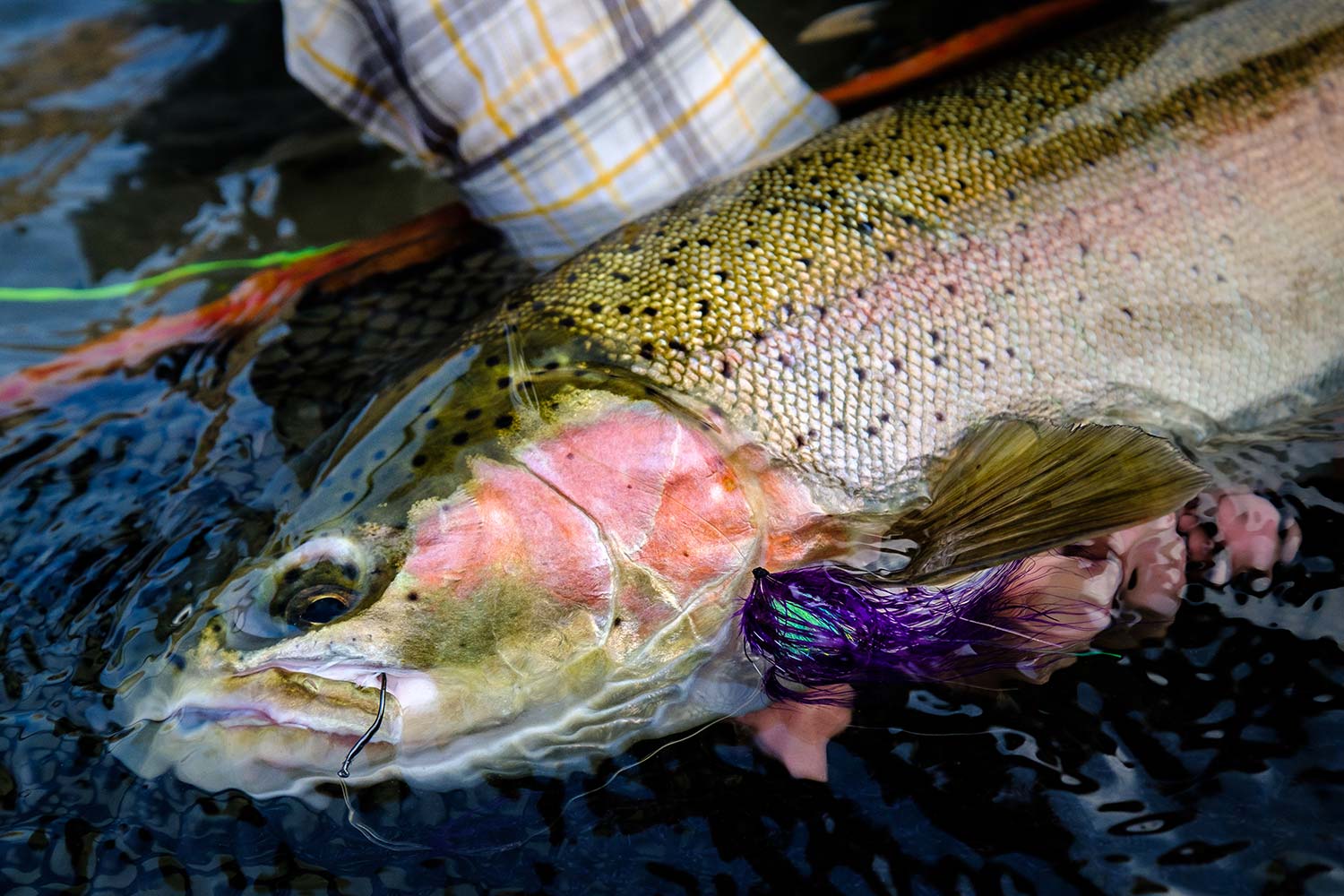
I am lost in thoughts of fire and fish when I feel the familiar pluck, pluck, pull of a hot summer steelhead.
Read More »Relax, Read the Water and Believe
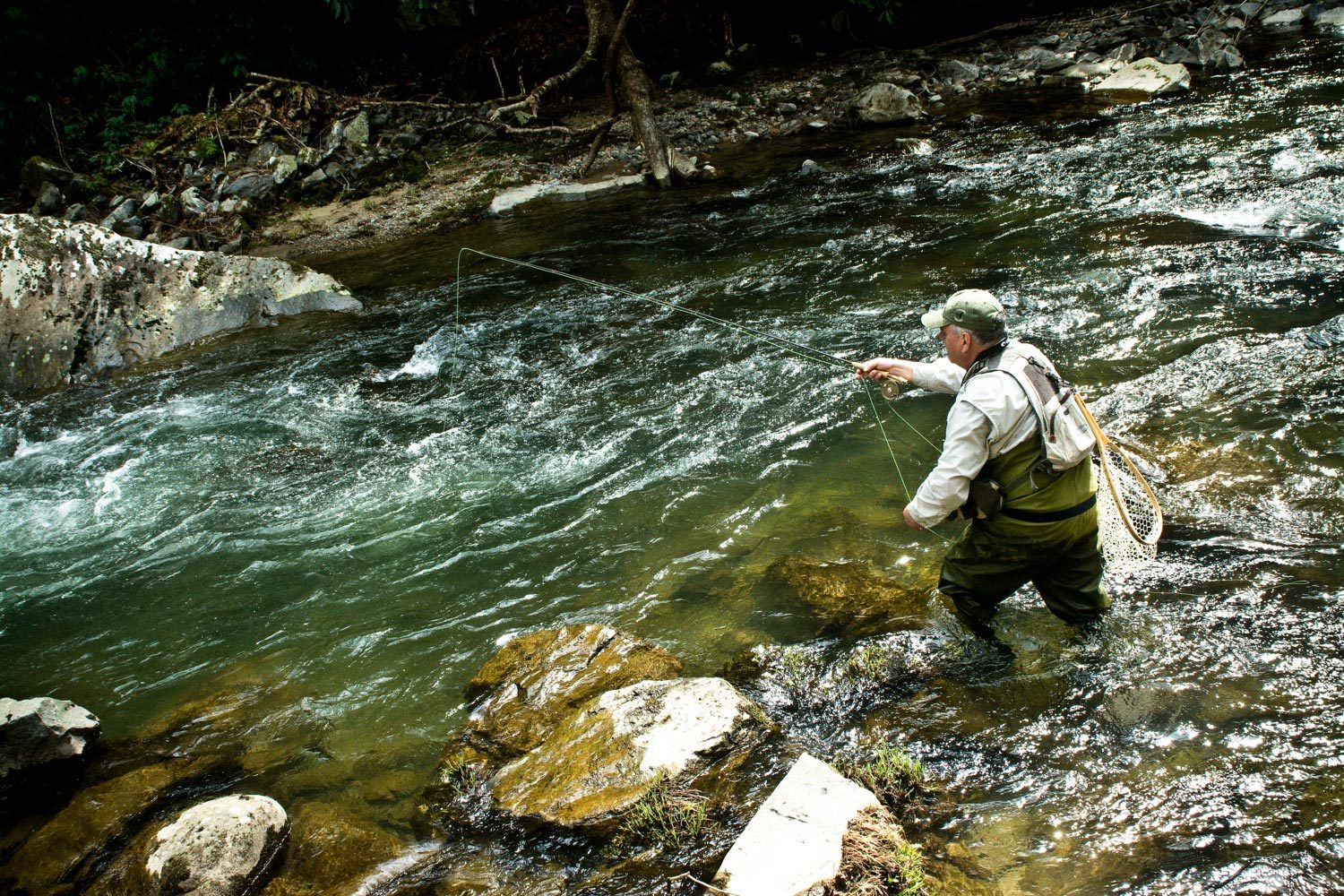
Sometimes, wanting too much can get you in trouble on the water.
If you set your goals too high and lose sight of the real reason you’re out there in the first place (to be blessed with catching a few fish and relaxing), before you know it, you’ll find yourself standing in a river feeling lost and heart broken. It’s not that wanting is bad, it’s just that too much of it, like most things in life, can be detrimental. Want has the ability to turn into greed very quickly if you aren’t careful. And fly fishing with greed on the mind is the quickest way to doom yourself to failure. Greed fogs your mind, keeps you from thinking rationally on the water and your fishing, in turn, suffers.
Read More »Western Fly Guide for Eastern Anglers
By Kent Klewein
ARE YOU SITTING AT THE VISE DREAMING OF THAT BIG TRIP OUT WEST THIS SUMMER?
I get asked all the time by eastern fly anglers heading out west for the first time, what fly patterns they should stock up on before they leave. What percentage of dry flies to wet flies they should pack, what sizes, and should they pack streamers? The questions go on and on. I get most of the email inquiries from eastern anglers that are fixing to make their summer trip out west during the peak of the terrestrial season. For those that know me, you know that I’m the type of fly fisherman that carries gear for every situation on the water at all times, for the simply fact that I can’t stand being under prepared on the water. Here’s the truth though, if I’m making a trip out west during the terrestrial season, I usually lighten my load significantly and I only carrying the fly patterns that I think I’ll be fishing the most. If I’m going to be making a trip WY, MT, ID or CO I’m going to pack less nymphs, more dry flies and streamers. Colorado is a little more tricky, in which nymphs can play a larger roll than the other western states I mentioned, but if you travel their during the peak terrestrial season, my packing suggestions should work just fine.
Why do I lighten my load this time of year, you ask? Because the trout generally are easy to convince to rise to the surface and take a dry fly this time of year, and when they don’t want to rise to the surface, they almost always will devour a streamer. It’s not rocket science, the fish are optimistically looking up since a large portion of their food is found floating on or close to the surface during the summer months.
Let’s say I’m traveling to Jackson, WY in August, which is probably the most popular requested area out west that I receive questions about. Below are the fly patterns I will stock up on.
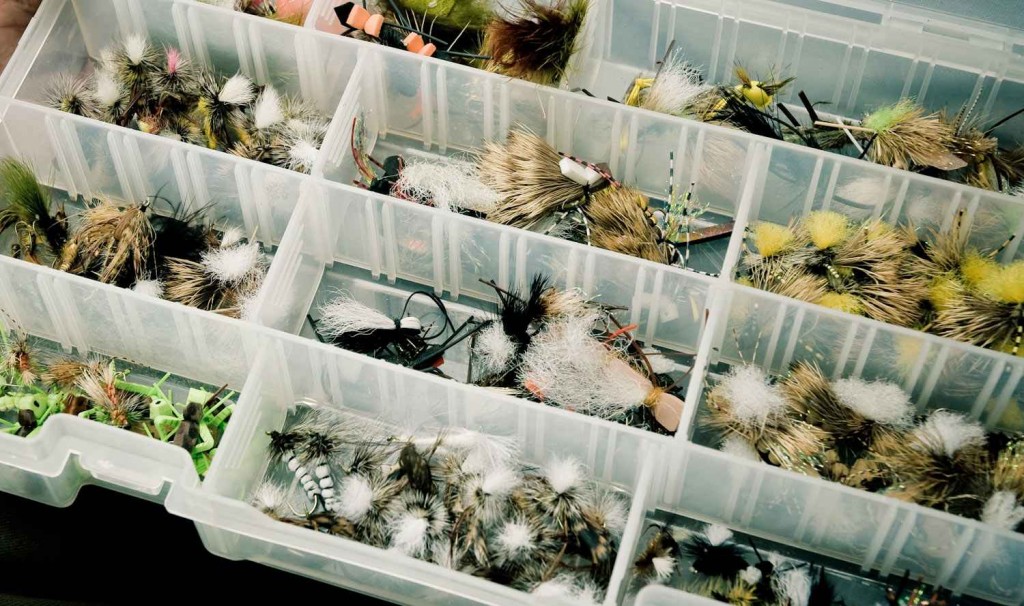
Dry Fly Box (Go Big, Many of these patterns suck up real estate)
Read More »Fly Fishing with Stealth – 8 Common Mistakes
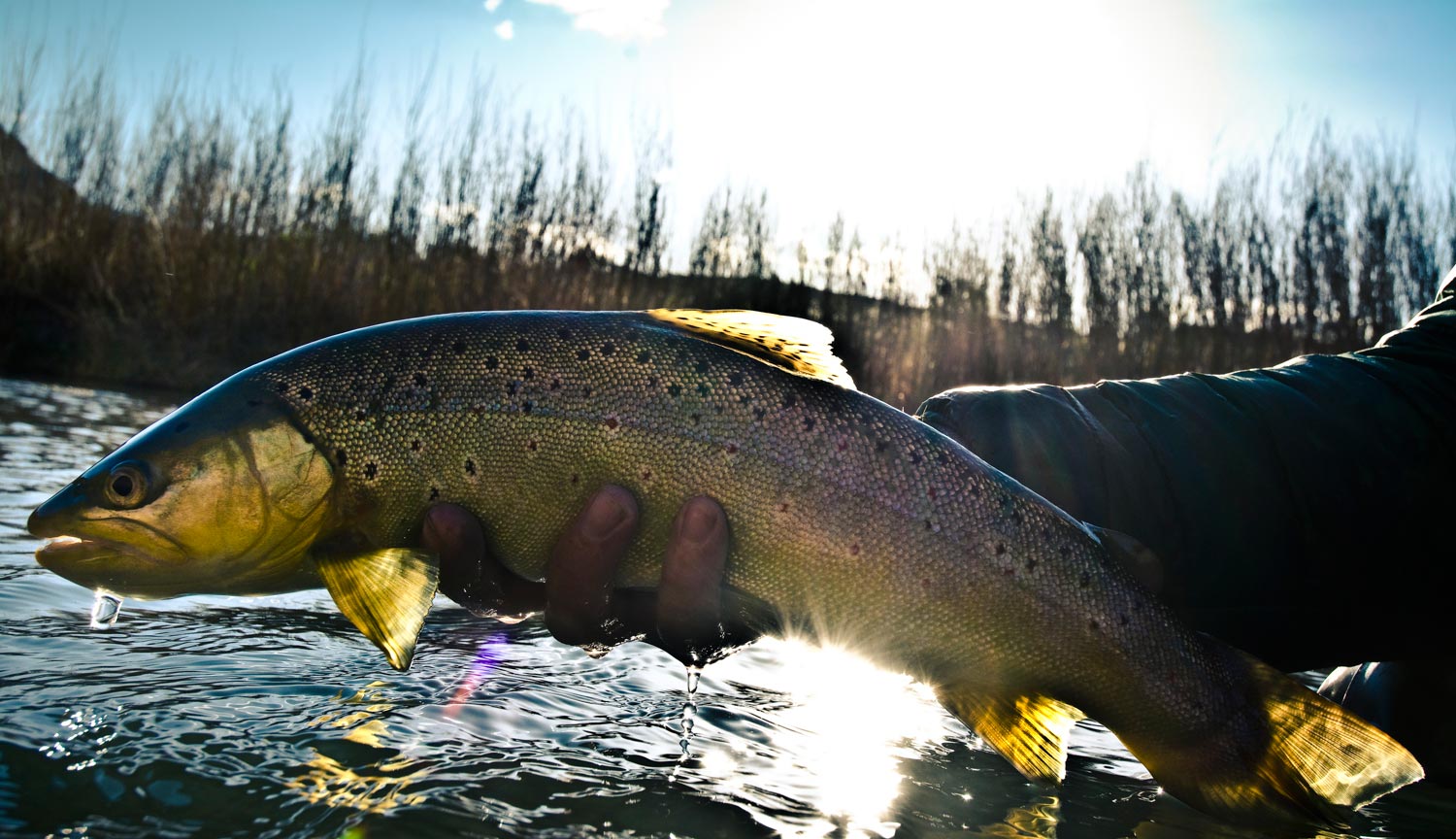
How often to you think anglers miss opportunities catching trout because of the lack of stealth? The more educated trout populations are in a stream, river or lake you’re fly fishing, the more important it is for fly anglers to mimic the way a hunter stalks game in the field. I estimate that I give away upwards of 50% of my trout catching opportunities due to my lack of stealth. Below are 8 common mistakes fly anglers make on the water that blow their cover and success.
Read More »6 Ways To Instantly Start Taking Better Fish Photos
By Kyle Wilkinson
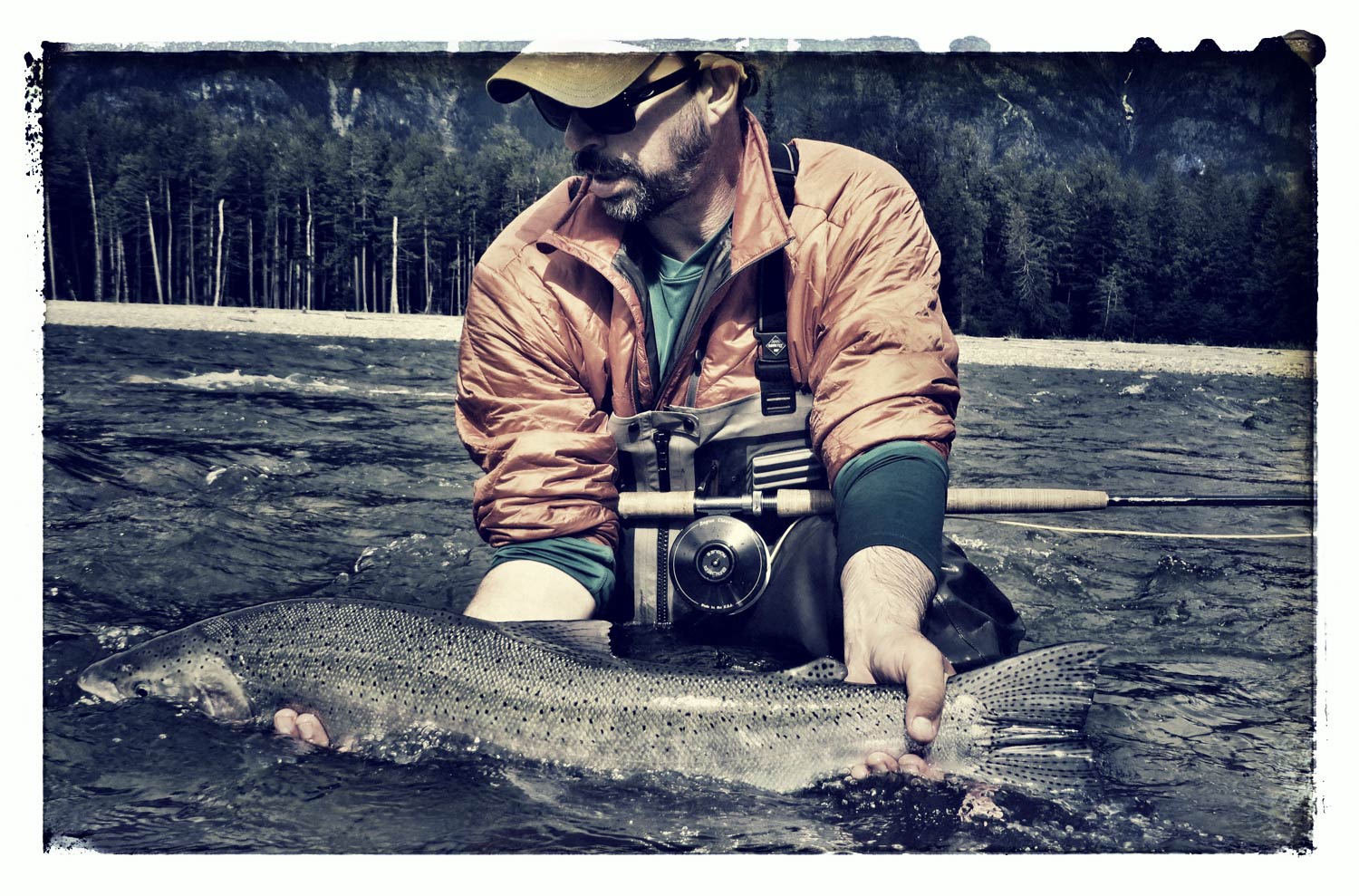
Long before the days of Instagram or Facebook, taking pictures of a prized catch was still a big part of the fishing experience for most anglers. As you might be able to imagine, I see A LOT of fish pictures given my current occupation. I also take a lot, too. Now I know everyone has their own opinion about how to appropriately photograph a fish (or if it should even be done) but the fact remains that the good ol’ grip n’ grin is here to stay. In my opinion there’s nothing wrong with this either. And while these days I certainly don’t take a picture with every fish I catch and more often than not try to focus on a more ‘creative’ approach to my fishing photography, sometimes it still feels good to simply hold one up for the camera.
But back to the point of this. As mentioned, I see a lot of fish photos and quite truthfully, a lot of them are pretty bad. If you’ve ever found yourself telling your buddies ‘this picture doesn’t do this fish justice’ (while secretly wondering why that 20” brown looked more like 12” in the photo) then I suggest you read on. Not only will these tips lead to better fish photos, it will also ensure you’re taking better care of the fish by getting your shot quicker, and therefore getting the fish back to the water (you guessed it)…..quicker.
1. Get Down- This is a simple one and in my opinion, helps the fish out just as much as your photographic desires. Once you’ve landed the fish and are near a shallow area, get down on your knees to handle/photograph the fish. Just as important, however, is that your photographer does the same. Your goal here is to get the camera having a straight line shot at you and the fish. Another benefit to this method is that if the fish does slip out of your hands back into the water, it’s going to have a much shorter/safer fall. Additionally, always keep the fish over water in the event it does end up back in the drink quicker than expected. Fish are no different than us in the fact that it feels much better to fall into water than onto rocks.
2. Belly To The Bottom- This is another one I see time
Read More »Stealth for Trout- Don’t Break the Sound Barrier
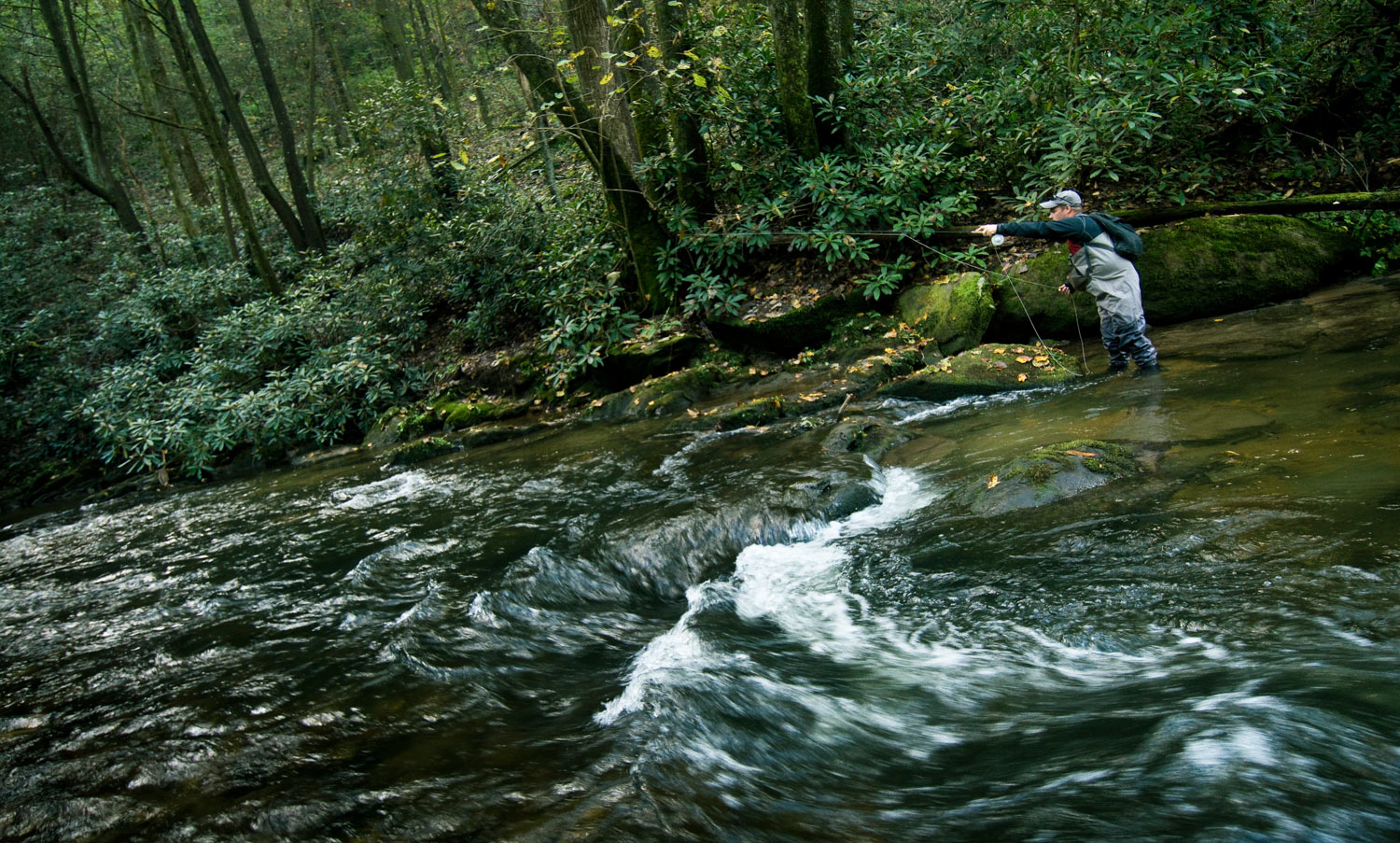
I’m always looking for ways to get an edge while trout fishing.
Trout are incredibly sensitive to their environment. They are constantly on the lookout for both food and predators. In an instant they can go from feeding on mayflies to fleeing an otter or eagle. Or you.
Insert yourself, the angler, into the happy world of the trout. Here you come, hulking four to six feet above the water, pushing a bow wave, splashing water all over the place, feet grinding the gravel, and it’s a surprise that trout ever come back out to feed. You and I would need therapy after such an encounter.
IMHO anglers do not pay enough attention to the effect of sound on trout, and I can’t tell you the number of times I’ve seen anglers wade directly into a hole or run with the fish and proceed to put them down before they ever make a cast. Here is a tip to help you out.
KEEP SOME SORT OF “SOUND BARRIER” BETWEEN YOU AND THE FISH.
The Smoky Mountain streams I live near offer many such barriers. They are mostly
Read More »The Need For Speed, Line Speed, That Is
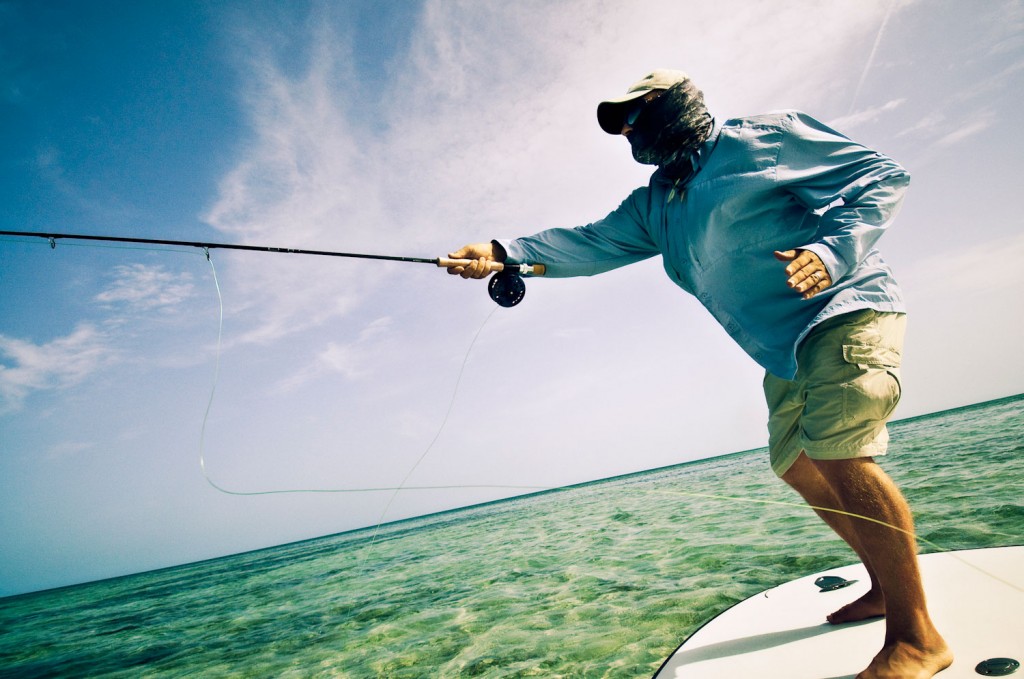
Joel Dickey is one of the most dynamic casters I’ve ever seen.
One of the hallmarks of his dominating casting style is truly awesome line speed. It enables him to shoot massive amounts of line and hit distant targets with accuracy, even in high wind. In this video he explains how you can build your line speed.
WATCH THE VIDEO!
Read More »Fish With Benefits
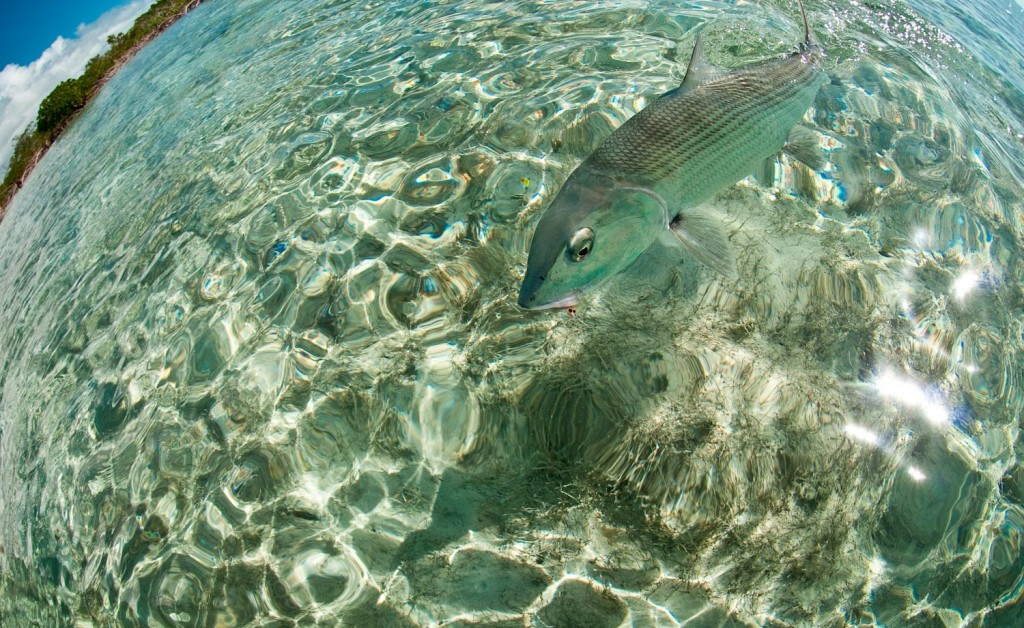
I was asked the other day what was my favorite species of fish.
That’s a really tough question for me. Sort of a Sophie’s choice question. After thinking about it for a long time I answered trout, for a host of reasons, but I quickly added, “and bone fish”! For some odd reason I then felt like I had to defend that answer. I had said trout and I had just finished talking at length about a tarpon trip I had just been on and here I was blurting out bonefish. Why? I went on to explain using a rationale I have used for years. “The bonefish is just right. It’s hard enough to catch, usually because of the conditions, that you feel like you’ve done something worthwhile but it’s not impossible like a permit. When you hook them it’s a great fight, but not an ass beating like a tarpon. They’re the just right fish”.
That’s all true and I believe it but inside I knew there was more. It ate at me, why do I love bonefish so much? I think I’ve come up with the answer. I love the fish but what I really love is bonefishing. When I think of bonefish I think of the Bahamas and when I think about fishing the Bahamas it’s a whole different feeling.
When I’m headed to the Keys for tarpon, for example, I’m excited, hell, more than excited. I know that I’m taking on a huge challenge and that something truly awesome may happen, and then again it may not. I may catch the fish of a life time or
Read More »Fly Fishing the Trico Hatch & Spinner Fall
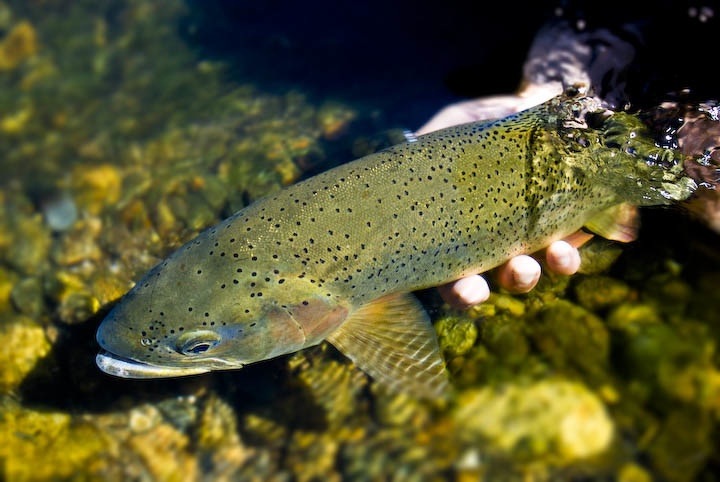
The first major spinner fall that I ever witnessed and had the pleasure of fishing took place many years ago on the South Platte River in Colorado.
I’ll never forget the excitement I felt as I watched countless trico spinners floating downstream in the surface film. Never in my life had I seen so many bugs on the water. With one scoop across the surface of the water with my hand, I held dozens of tricos. I was so amazed by the density of bugs on the water that it put me in a frozen trance. Unable to wet a line, I remember thinking to myself, “This must be what fly fishing in heaven is like.” Growing up in the Southeast, I’d never seen a spinner fall of such magnitude. I’d only read about them in books. Looking back on that day now, I believe my reluctance to start fishing that morning had a lot to do with me just taking it all in, and appreciating the true beauty of nature at work. Only after I took the time to pay my respect to the bugs and wild trout, did I feel worthy enough to begin fly fishing such a beautiful place.
Read More »