
Sunday Classic / Swinging Streamers for Trout in Deep Water
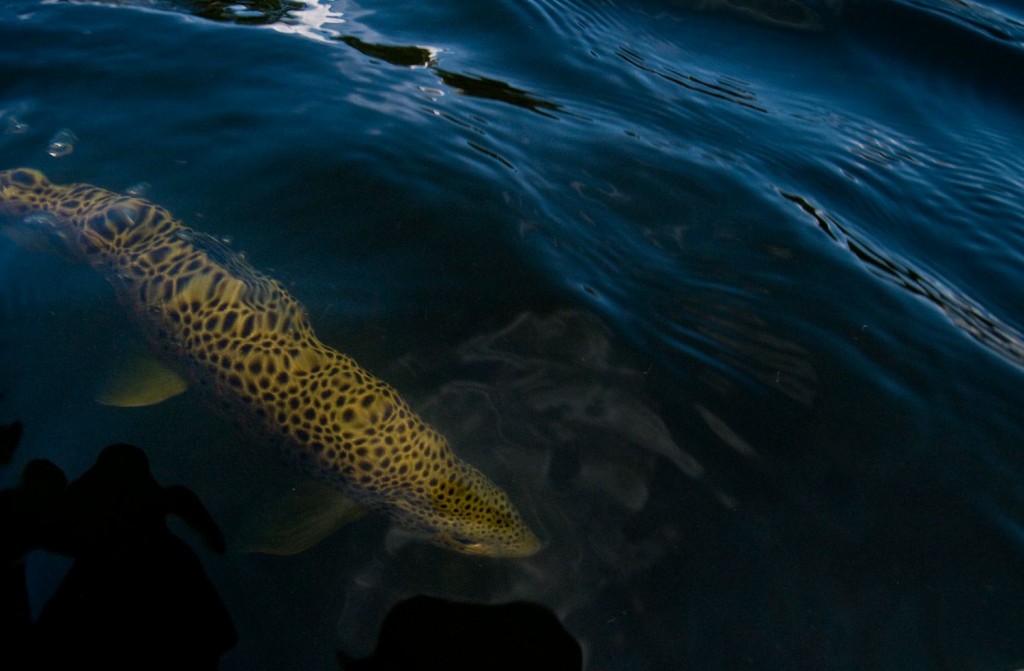
Most streamer fisherman out there would agree that pounding the river banks with a streamer will catch trout just about anywhere.
If you’re willing to put in the time and hard work, eventually you’ll be rewarded with a big fish. During high water flows on rivers where habitat is insufficient out in the main river, many trout will relocate to the banks where they can use the irregular banks and it’s abundant cover to shelter themselves out of the excessive current. There next move, once they’ve gotten to the banks, is to find prime ambush spots where they can easily pick off prey moving by. This is why casting to the bank and ripping streamers back to the boat is so effective. You’re repeatedly putting your streamer right in the kitchen where good numbers of fish will be holding and regularly feeding.
The majority of the time, this scenario works great, but what do you do when you find yourself in areas where the water is super deep and the fish are sitting on the bottom? These places make it extremely difficult for anglers to keep their streamers down deep in the strike zone while using the pounding the bank technique. Even with a full sinking fly line the cards are stacked against you. Don’t get me wrong, it can still work at times, especially if you cast upstream of your target water, throw couple of big mends, and give your streamer time to sink before you begin your retrieve. Unfortunately, in many situations, you won’t always have the time or the room to pull this technique off, and that should have you searching for an alternative fishing method that’s better suited for fishing your streamers in these deep water locations.
Read More »Saturday Shoutout / Who’s on the Bench?
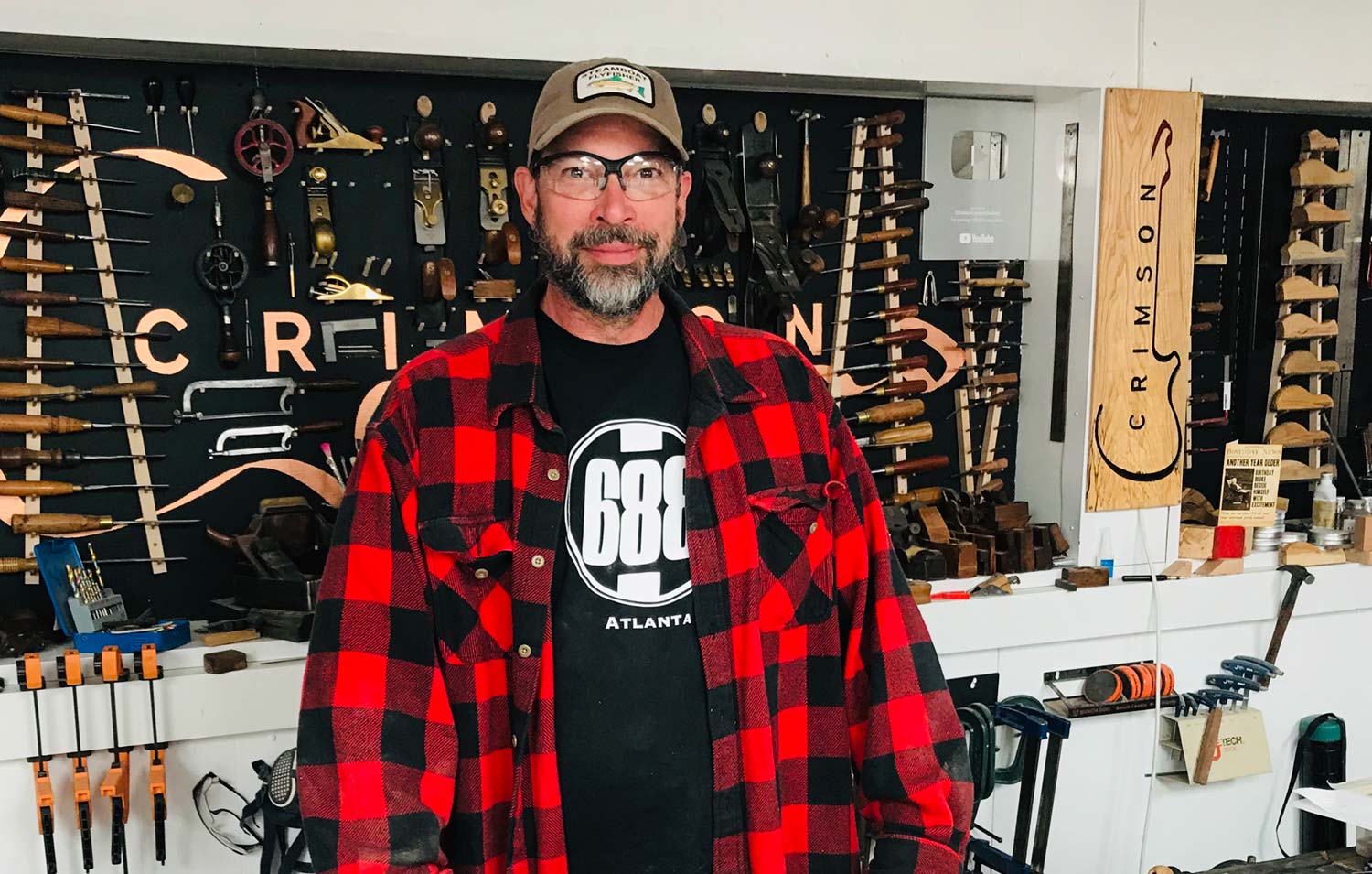
Pardon my digression, but today is all about guitars.
I’m not going to make a habit of this but today I’m going to share something both personal and off topic. Some of you may already know that I’m into guitars. I started playing about ten years ago after a table saw accident and a major reconstruction of my left thumb. My insurance wouldn’t pay for physical therapy and two years after the surgery I still couldn’t twist the cap off a soda bottle. I bought a guitar for $5 at a yard sale, just to exercise my thumb and it worked. My thumb recuperated but it has cost way more than physical therapy in the long run.
Anyway, about a year ago I started building guitars. I’ve wanted to do it my whole life and with the help of YouTube I just jumped in. My first guitar turned out pretty good. My second was nice enough that I thought I should buy a case for it, so I took it to the guitar shop and left with an order for a custom job. I decided that if I was going to sell guitars, I should get some proper education, so I went to luthier school.
I knew exactly where I wanted to go. I learned almost everything I know from watching Ben Crowe, of Crimson Guitars, on YouTube. Crimson has a school in Dorset, England and the classes are pretty reasonable so I signed up. I’m just back from the class and I learned a ton and made a pretty cool guitar. If you know Crimson Guitars, you know they have a robust YouTube channel and even week Ben does a video called “What’s on the Bench.” He always stops by the school and talks to the students, so I got to be in two episodes. If you are interested, check out the two videos below. If you are into guitars, check out the other videos from Crimson Guitars. They are by far the best on YouTube.
If you just want to see my bits (Mom) I show up at XXXX in the first video and XXXX in the second.
If you’d like to see the progress shots and some of my other guitars check out @thetelecasterdiaries on Instagram. Final finish is going on now and I’ll have finished photos up soon.
Thanks for indulging me, and enjoy “What’s on the Bench.”
Read More »The Single-Hand Snap T Cast: Video
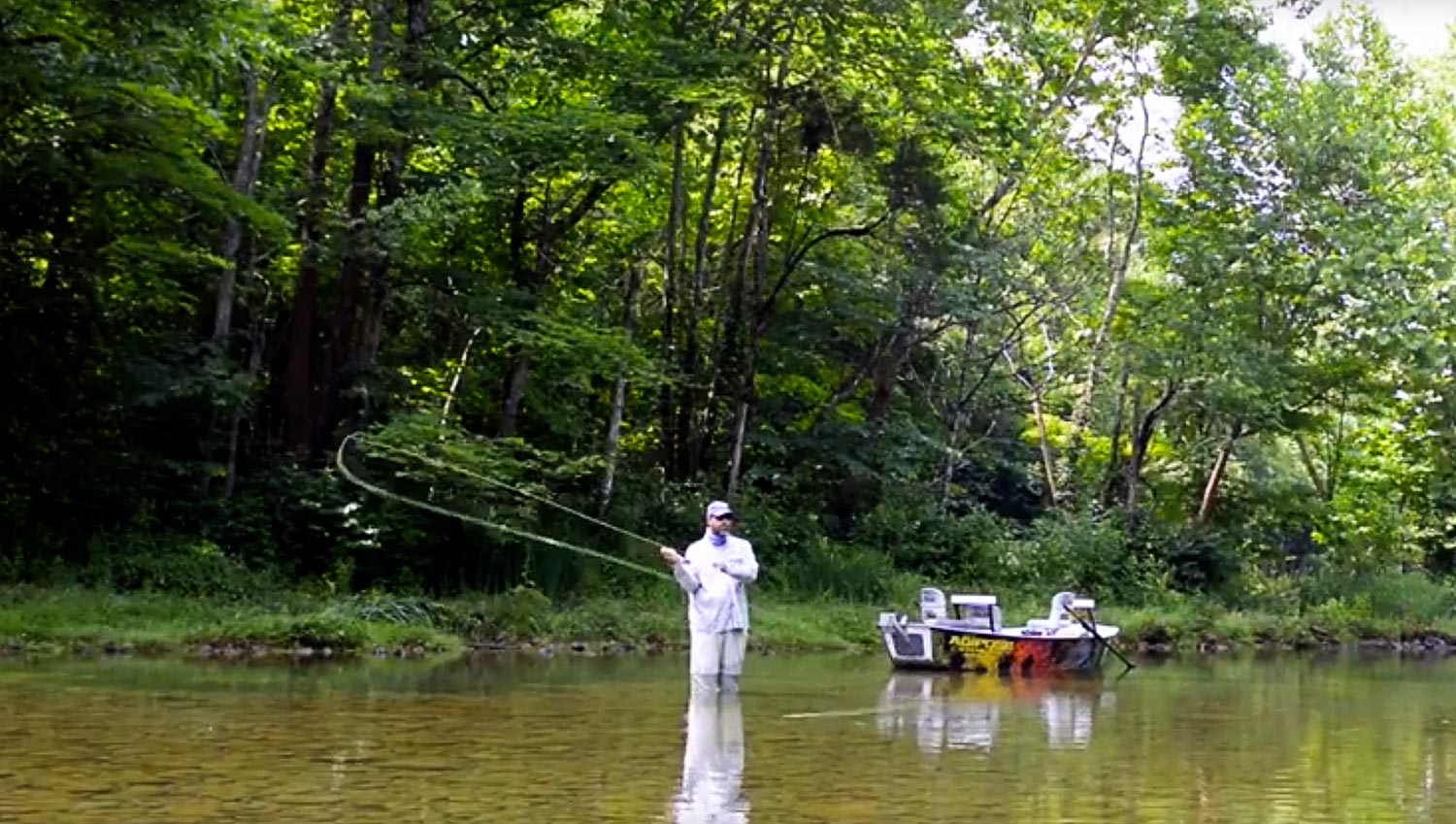
Here’s a powerful spey cast you can make with your single-hand fly rod.
The snap T is a familiar cast to any two-hand angler. It’s one of the essential spey casts, but its not just for the long rod. In fact, once you start using this cast with your single-hand rods, you’ll be shocked how often you use it.
The beautiful thing about the snap T is that it requires virtually no room for a backcast and is remarkably powerful. It will have you fishing water you’d never reach with a roll cast.
WATCH THIS VIDEO AND LEARN TO MAKE THE SNAP T CAST WITH A SINGLE-HAND FLY ROD.
Read More »How To Get New Fly Line For $5, Or Pretty Close
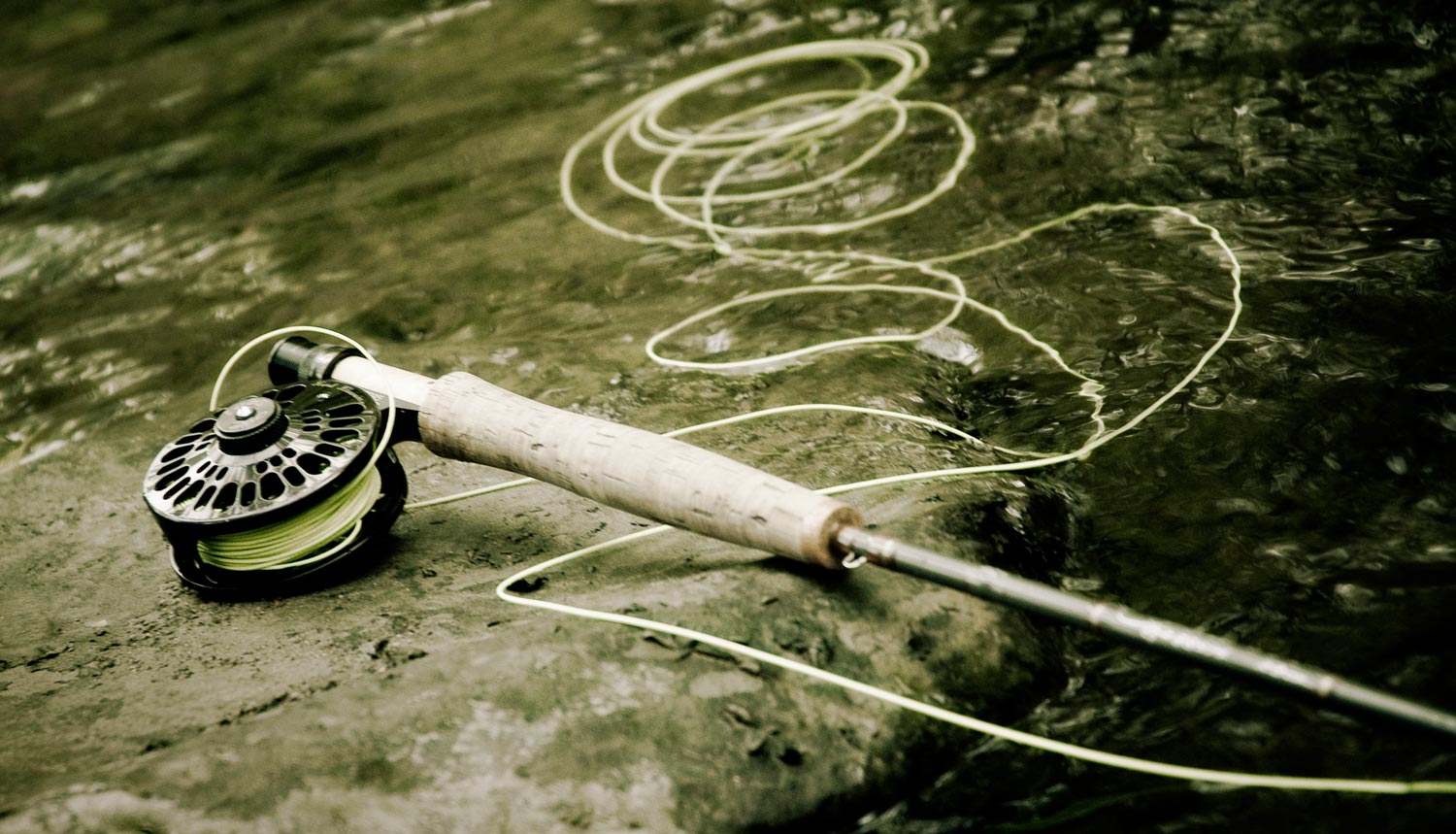
Think you need a new fly Line? Spend $5 First.
I was out fishing with my buddy Scott the other day. He broke off his rig while I was on the oars so I handed him my five weight to fish. Scott took one cast and asked,
“What fly line is this? I’ve got to get one!”
What Scott didn’t know was that I had fished that same line just two days earlier and it had been miserable. The line stuck to the water and the guides. It felt like you could barely pull it through the guides, let alone shoot it. It was filthy.
“It’s a RIO Gold,” I told him. “But what you like about it is that I dressed it last night.”
It’s such a simple thing to clean and dress a line, but so many anglers don’t do it. At least not regularly enough. I’m guilty too but at least I know how to fix the problem. And now, so do you. Before you spend $90 on a new fly line try this out. I’ll bet it solves a lot of your problems.
HOW TO CLEAN AND DRESS A LINE
Start by cleaning the line. Putting line dressing on a dirty line just makes a slurry. It’s best to clean your line often and so I keep it simple. I use finger wipes. The kind you get at BBQ joints. Individually packaged, alcohol towelettes. I bought a case of 1000 of them for $7 years ago. I keep them in my boat bag so I can clean my line any time. It takes seconds.
Mucilin-Silicone-Green-1Once the line is clean
Read More »Sunday Classic / What makes a fly reel worth the money?
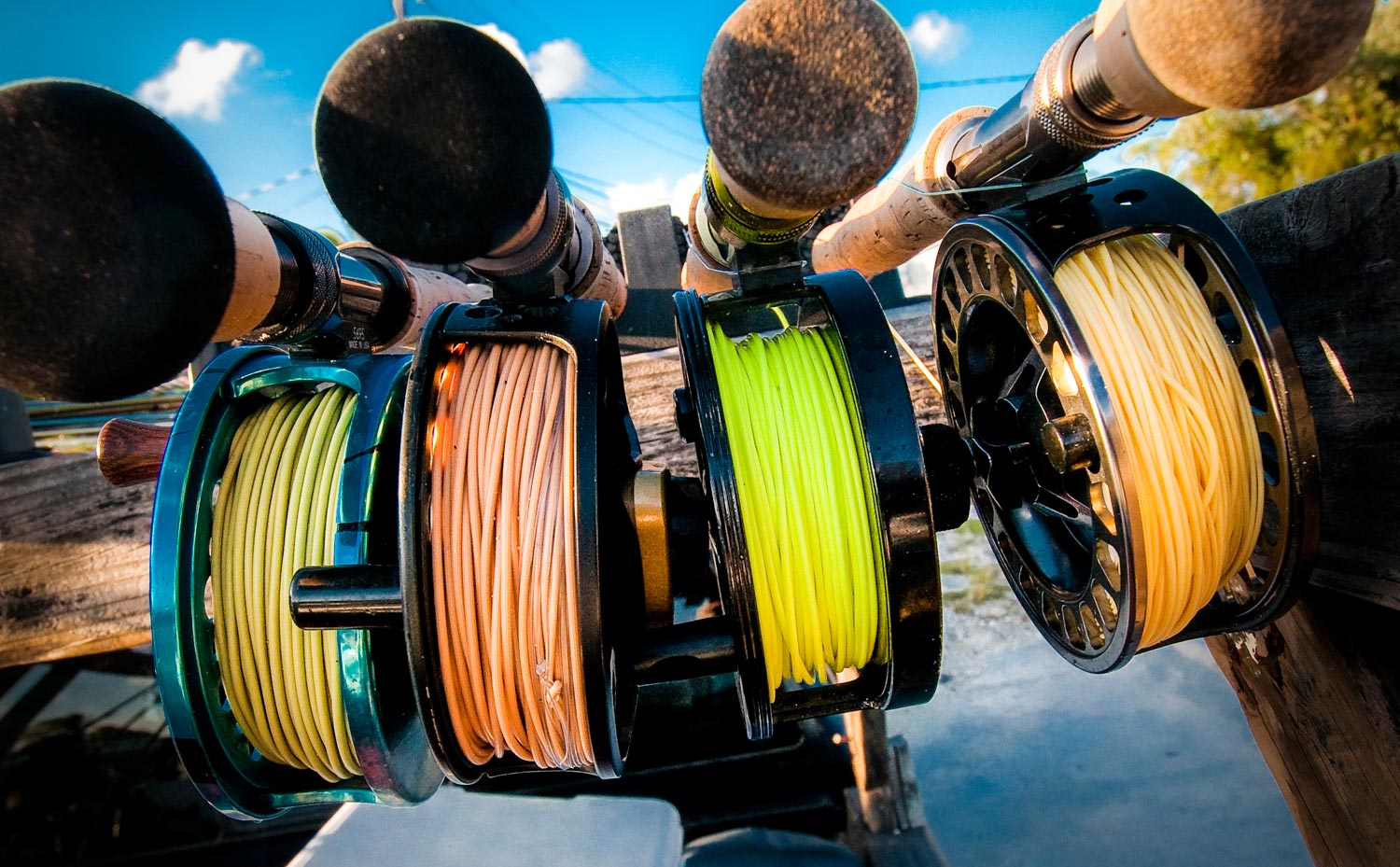
I RECEIVED THIS EMAIL THE OTHER DAY FROM MY GOOD FRIEND BRIAN BOGGS.
“Louis, I’m looking for the right four-wt reel. I am of a mind to shop the low end for reels since I don’t catch large fish that need to be fought on the reel. Is there any reason to not just buy a cheapie and get on with the fishing? How much difference does the reel make anyway? I think of it as line storage and little else.”
It always makes me a little crazy to hear that ‘line storage’ remark. I don’t know who started it, buy they did a disservice to a great many anglers. Hearing it from Brian made me especially nuts. Brian, you see, is a man with a very specific skill set.
You may not be aware that there is a subculture among us who are devotees of an ancient art form, so ubiquitous that most of us take it completely for granted. These folks, craftsmen and collectors alike, obsess over the minutiae of this endeavor to the point of needing serious therapy. I am not even kidding. Brian Boggs is a chair maker.
Boggs Rocker
Boggs Rocker
I realize that means very little to most folks, but to the initiated its a title like Captain or Reverend. And Brian Boggs is not just any chair maker. Since the death of Sam Maloof, in 2009, many people consider Brian the greatest living chair maker. He makes chairs for which the owner is measured to one sixteenth of an inch before construction. They are so comfortable it makes you want to weep. He also designs exquisite, and outrageously expensive, hand tools for companies like Lie-Nielson. The man is brilliant, uncompromising and wildly obsessive. My answer to his question was simple.
“Yes Brian, a fly reel is line storage. In the same way that a chair is ass storage.”
After convincing Brian he should take his reel purchase more seriously, I decided to share what we discussed here. Fly reels are expensive and the design features that separate great reels from not-so-great reels are not always readily apparent. Especially if you are shopping online, as we do more and more. The reel is, however, a very important part of your set up, even when you think you’re not using it. It’s an important choice that is worth spending some of your time, and money.
Value
Before I get into the features of fly reels and why they matter I’d like to make a point about value. Lots of anglers
Saturday Shoutout / Urban Assault
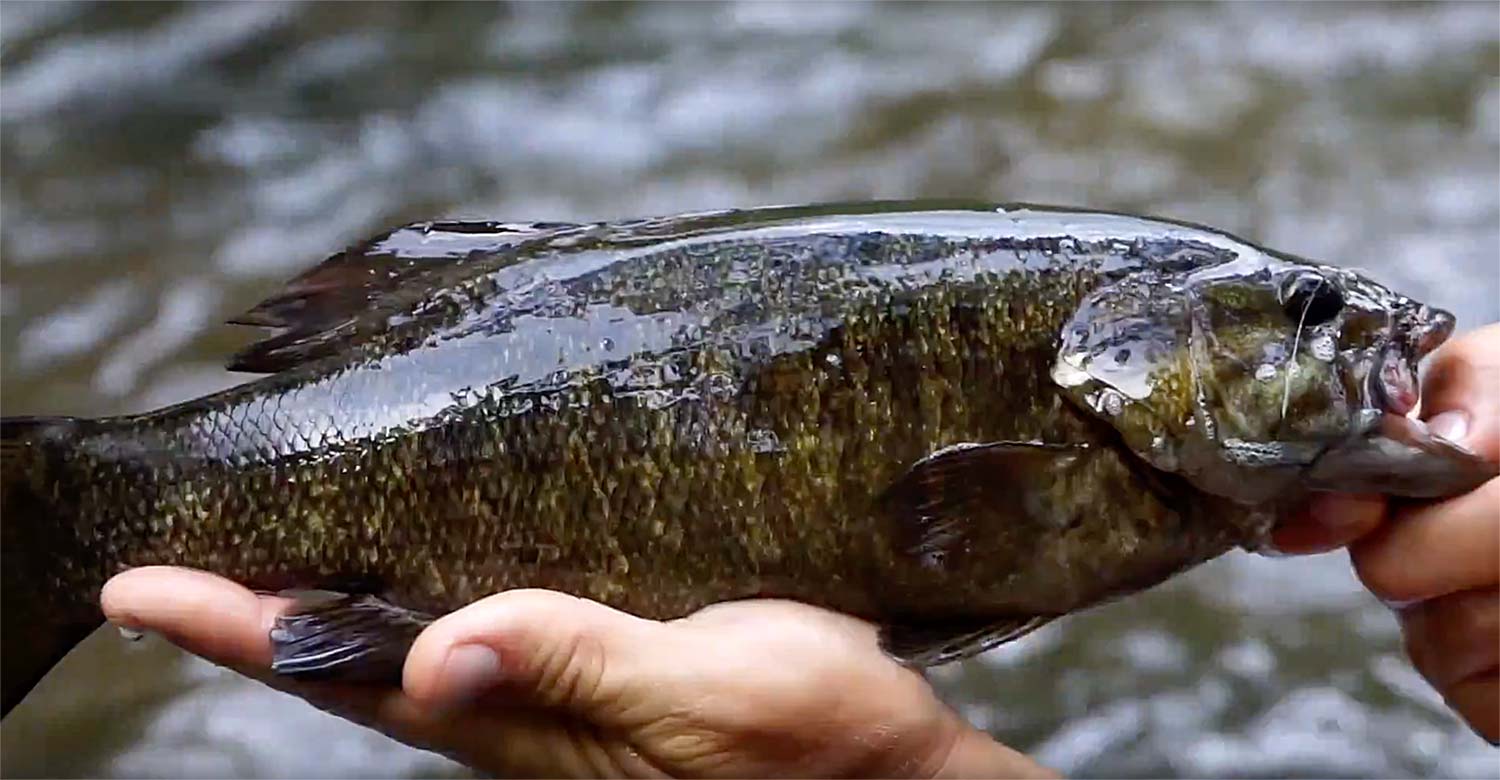
Urban fly fishing, is it cool?
I live in the city, and I confess I do this. I fish some pretty sketchy water. Places you might want to throw your fly line away after fishing and places were I carry bear spray, and not for bears. I’ve found some surprisingly nice fish.
I’m not giving up my spots but I’ll sure out these dudes in Minneapolis. It’s crazy the species they find in the heart of town. Makes me want to catch a bus.
FLY FISHING MINNEAPOLIS
Read More »The Double Spey, For Single Hand
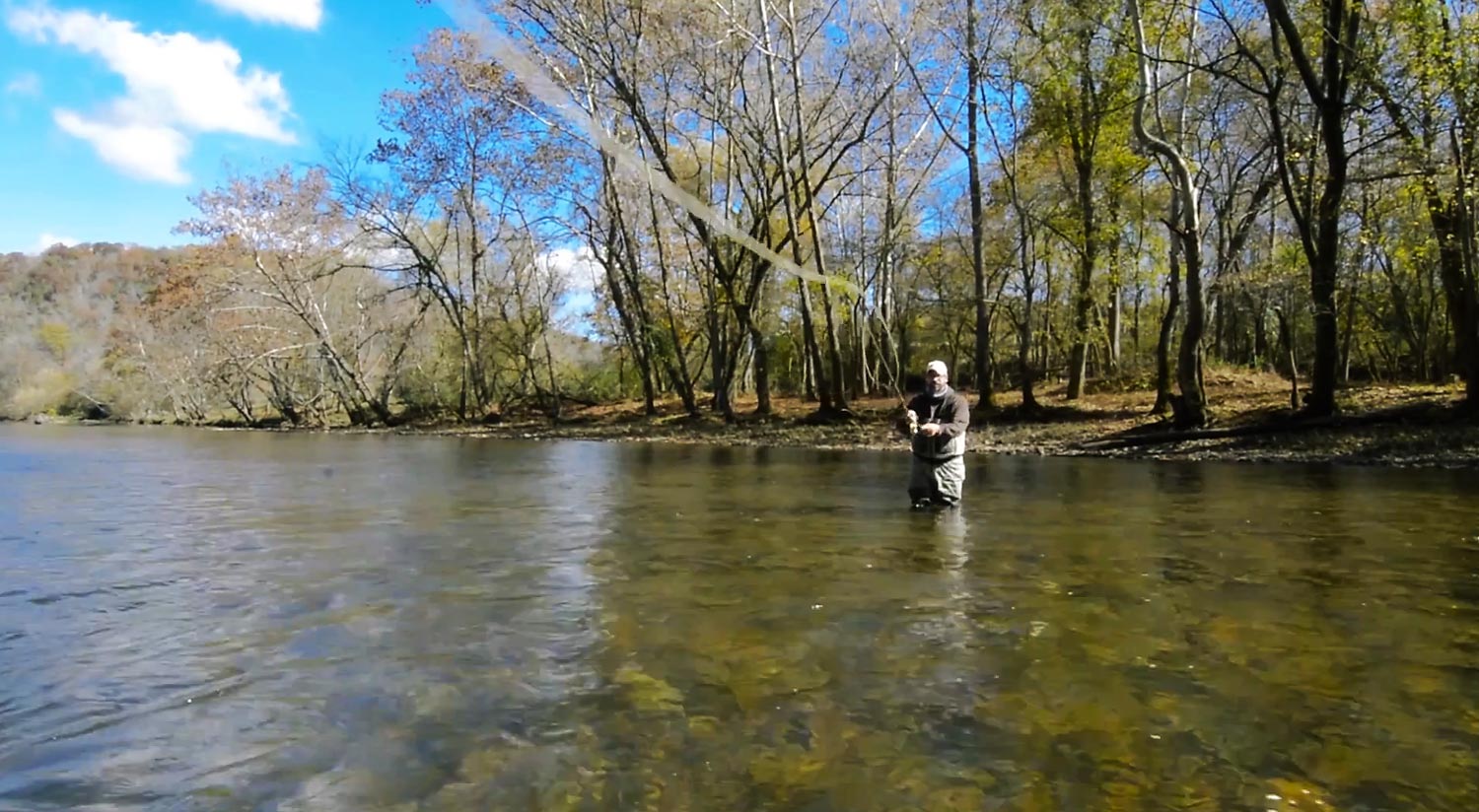
Access to a couple of good Spey casts can be a game changer for single-hand fly anglers.
All of the same physics that’s at work in Spey casting carries over to the single-hand rod. Although Spey casting can be technical and intimidating for the uninitiated, it’s really not rocket science and adding a couple of Spey techniques to your single-handed casting will put you on more fish.
Every single-hand caster is familiar with the roll cast. Most Spey casts build on the same principals that make up a roll cast. Spey casts use different methods to form the D loop and load the rod but are very similar and add a whole lot of extra power and distance.
One of the easiest and most useful casts for the single-hand angler is the Double Spey. It’s a powerful cast that works when you are casting from river right, if you’re a right-hand caster. The cast uses the current to put your line in the right position to start. With a few adaptations it can be made in still water, or from river left, but for now we’re just going to learn the basics.
THERE ARE 3 PARTS TO THIS CAST
It’s worth mentioning that some details will vary from casting with two handers
Setting the anchor
The tension of your leader and the tip of your fly line creates an anchor which allows you to load the rod with the weight of the fly line, during the next step. For everything to come off right, the anchor has to be in the right position. Start by facing your target. Then lift your rod, crossing your body, and drop your fly a rod length away and downstream at a 45 degree angle. Your rod should
Don’t Be Like This Guy
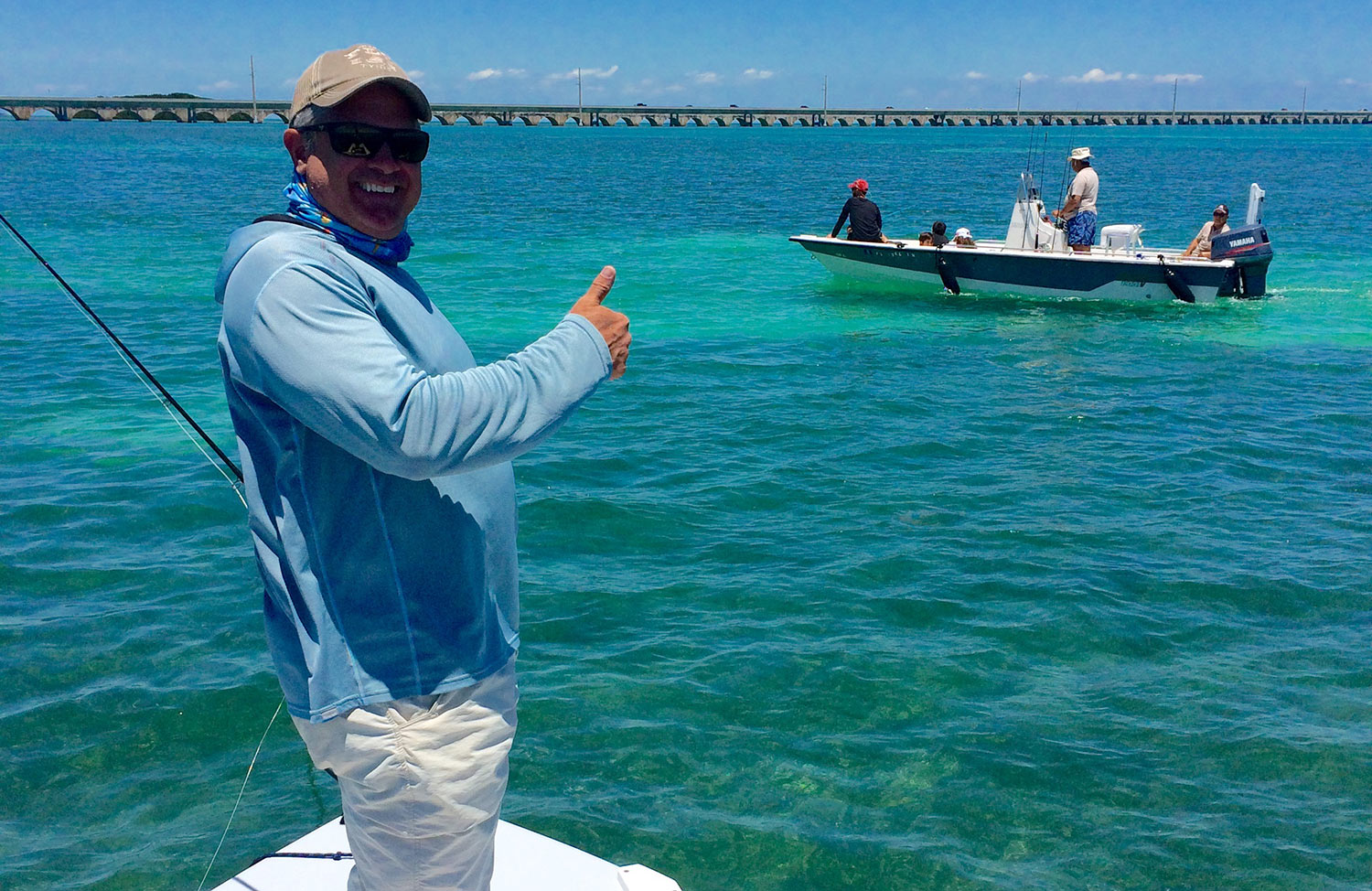
I hope this is so obvious it needs no explanation.
There we are staked up waiting for migrating tarpon when this guy rolls up, jig at the ready. I’m sure he thought we were on fish. His kids huddled down in the floor of the boat and he wouldn’t even look at us. His wife at least had the decency to say, “I’m sorry.”
On the bow my buddy Scott offers an enthusiastic thumbs up. One of the reasons I love fishing with that guy. Nothing ruffles his feathers. I’d have likely put a hook in his ear. Scott was paid back karmicly by jumping a 150 pound tarpon that afternoon. It broke him off but it was still awesome. Wish I had a photo. I was on the phone with my mother. If you’re a mother, you call at the wrong time. It’s what you do.
Anyway, a picture is
Read More »12 Tips For Epic Fly Fishing Trips On The Cheap
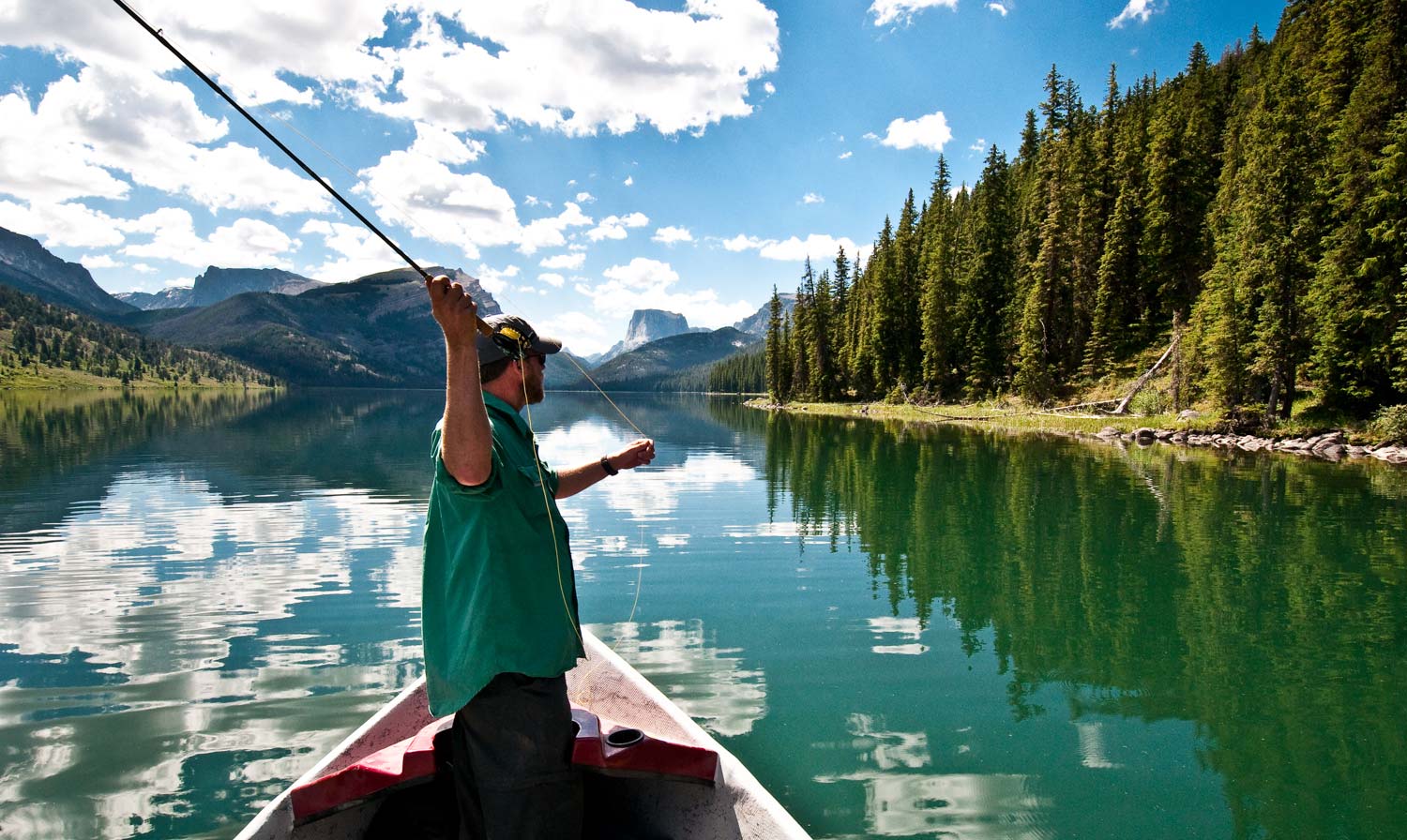
You may be poor, but you don’t have to fish like it.
Some of the greatest fly fishing adventures I’ve taken have cost me the least. I love fishing in exotic locations and spending time at great fishing lodges. Who wouldn’t? But that’s a fairly recent thing for me and primarily funded by my Nikon. Working for my fishing days has paid off for me, but that’s not an option for everyone.
I have never let a lack of funds get between me and great fly fishing. I’ve always figured out a way to get on the water and create some kind of epic adventure. Over the years I’ve figured out one or two tricks that make for great fly bum trips on the cheap. I’m going to share a few of them so you can do the same.
TEAM UP
There’s nothing more helpful than a good fishing buddy, or two. Having good friends to share both costs and experience with will make your fishing trips a hundred times better. A buddy can do more than split the cost of gas. He might lend you a rod or take turns rowing the boat. He may have knowledge about water that you don’t. He may just tell a good story or be a good listener. Finding good, compatible friends to travel and fish with is the most important step you can take in having a truly epic trip.
CAMP
Hotels cost money and do very little to enhance the fishing experience. Camping saves you a bundle and makes the trip a whole lot more special. Waking up on the river beats the hell out of a continental breakfast. Get your camping gear in order and go as light as possible. Less time messing with gear means more time fishing. I have gone so far as to buy an extra tent, sleeping bag and a few necessities which I keep at a friend’s house in Denver. If I find a cheap ticket I don’t even have to pay the baggage fees.
DRIVE
I drive to Idaho and Wyoming from Georgia on a regular basis. I don’t do it because I enjoy the scenery of western Kansas. I do it because it saves me a bundle. Gas is not cheap but it’s often at least as cheap as an airplane ticket. Driving allows me to take advantage of a whole host of cost-cutting measures.
I can carry all of my camping gear and even sleep in the truck sometimes. I tow my Adipose skiff which saves me renting a boat. I don’t have the expense of a rental car. It saves a fortune. I even have a power inverter in the truck to charge batteries or run small electronics. I’m pretty self-sufficient when I’m on the road.
I will frequently coordinate the drive with buddies who choose to fly. They help out with the gas money and I pick them up at the airport and we all save the cost of a rental car. Driving to your fishing destination just gives you a lot more options.
Read More »Fly Tying Feng Shui
By Bob Reece
As a junior high science teacher, my daytime work environment is chaos.
While all of our professional lives vary, the constant of stress remains. Fly tying can provide great respite from the challenges of adulting. Creating a tying environment conducive to this exponentially enhances the healing element of this pass time.
On a basic level, I believe that it is fundamentally important to have a permanent location for your fly tying adventures. By establishing a dedicated tying area, the process of setting up and taking down your materials is eliminated. This provides you with more time to construct the flies that fill your boxes.
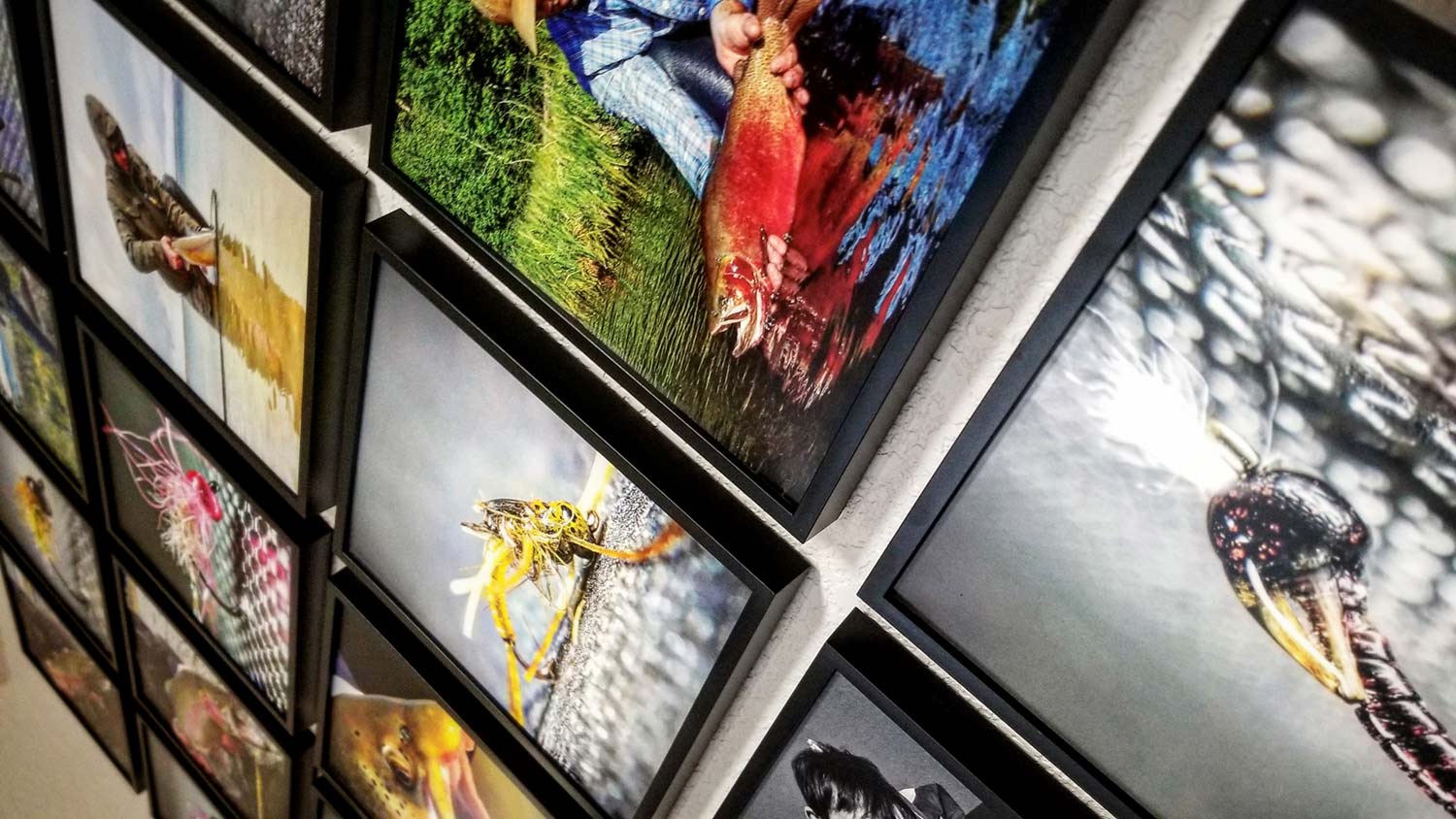
In a deeper sense, I personally see fly tying as both an escape from stress and a source of healing. I’m blessed to still have the desk that I tied my first fly on as a kid. That has and always will be the foundation of my tying area. I’ve always been a highly visual and deeply emotional person. As a result of this, I layout the walls of my tying setup with pictures of my kids, adventures and moments that are nothing but positive. When I sit down to tie, I want to leave any stress and negativity behind me and be engulfed by good thoughts and memories. This may sound cheesy. Yet, the reality of it is
Read More »