
Flats Boat Etiquette, Being A Good Fishing Partner
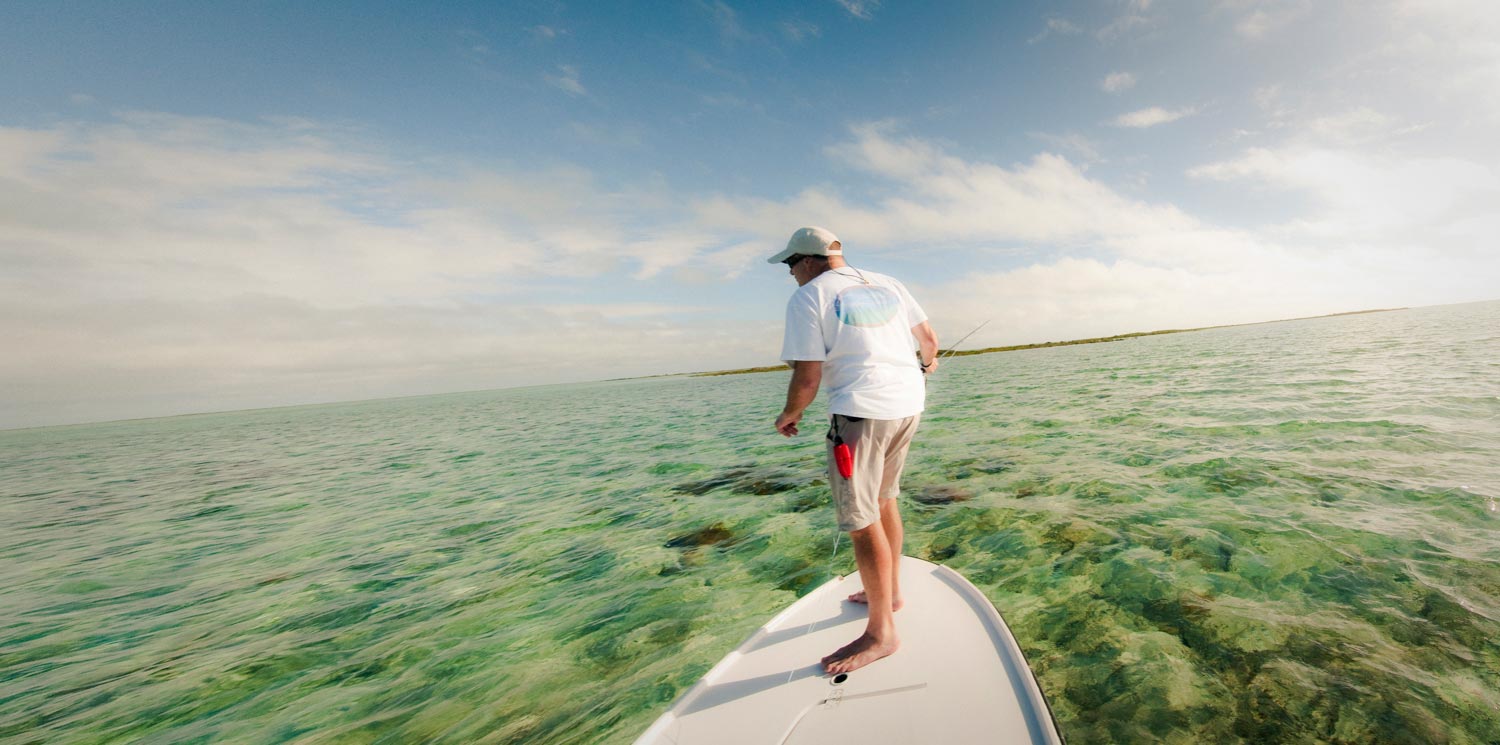
Here are a few suggestions to help you, and your fishing partner, have a better day on the boat.
Flats fishing from a boat is a team sport. Whether you’re out fishing with friends, out with a guide or on a trip to a fishing lodge, you’re never out on the boat by yourself. Usually you are sharing your fishing time with another angler. It may be a friend, a spouse or a complete stranger but regardless of who you’re fishing with, one thing is the same. How you behave on the boat affects their fishing experience.
I’ve seem some pretty thoughtless things done on flats skiffs. Usually out of ignorance and often ending in embarrassment. Neither angler, or the guide for that matter, needs that. With that in mind, here are a few simple rules to help you be a good boat buddy.
BE QUIET!
Rule number one. First, last and always, be quiet. Saltwater fish are easily spooked and the noise of cooler lids, camera cases and beer bottles banging against the hull travel for great distances in the water. Don’t be a busy bee. Your buddy’s fishing time is not your chance to get a few things done around the boat. Be still. Rocking the boat moves water and fish can hear it. Keep your shoes off. Sock feet are quiet feet. Be obsessively quiet. You never know when you’re about to see the fish of a lifetime.
DON’T BE A BOW HOG
Share the fishing time fairly. It’s not fair to stay on the bow all day, even if you’re not seeing fish. The worst is when two anglers of very different skill levels get paired together. All too often the better angler spends the day watching his partner blow shot after shot. When it’s his turn to fish, he gets up, catches his fish in five minutes and is back in the chair for an hour.
There are some “rules” for lack of a better term. They vary a little and guys who fish together often sometimes have their own rules but they are all something like this.
Read More »Alice’s Angle, Never Have I Ever: Bristol Bay
By: Alice Tesar
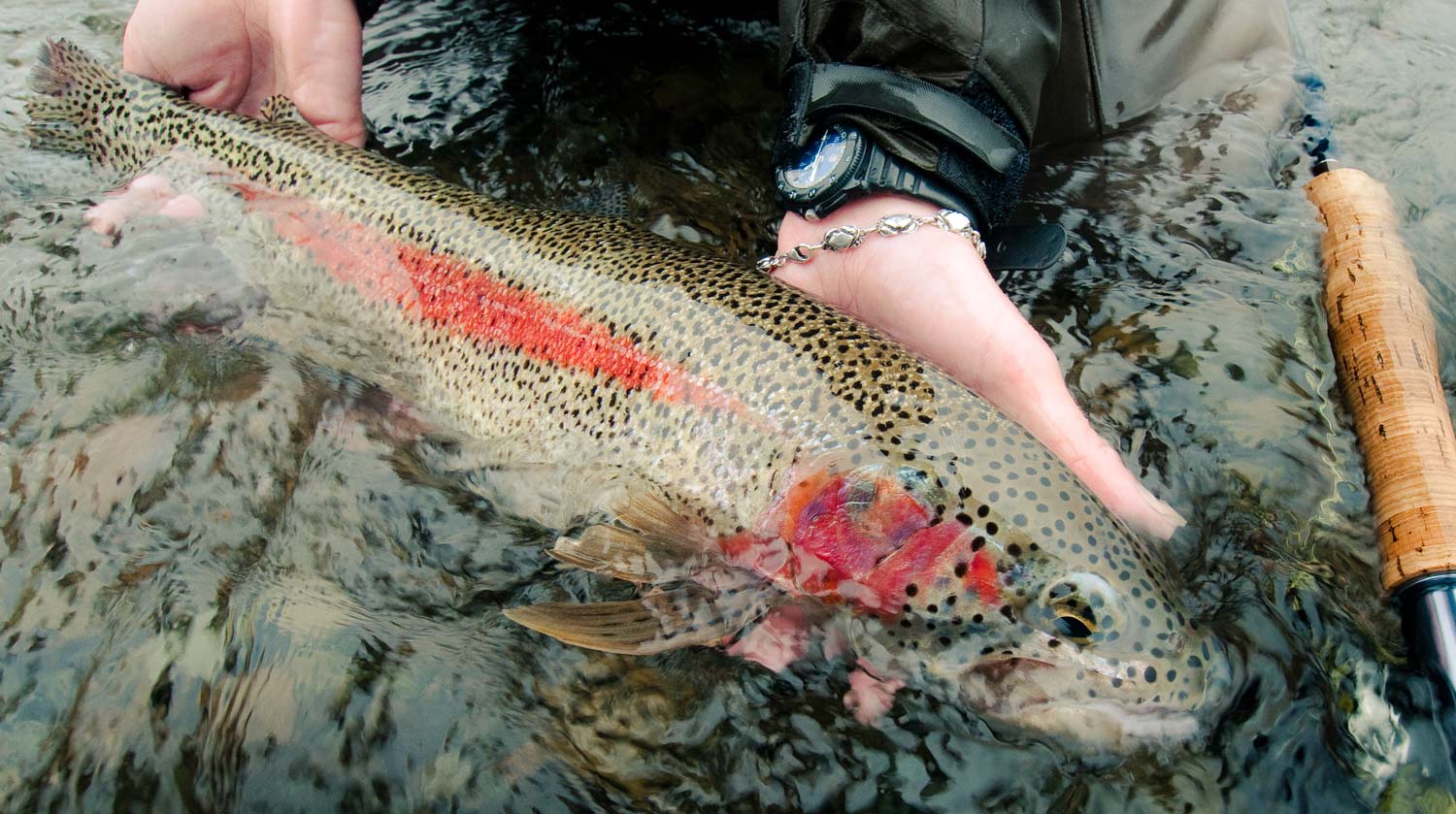
I’ve never fished for sockeye salmon. I’ve never been to Alaska.
When my husband and I decided to add a kid to our crew we knew adventures like this might be put on hold on. We named our son Brooks for many reasons, but we’ve also joked it’s because he’d help us get to these new places for adventure, like the Brooks Range of Alaska. Other places have enticed us too, mostly saltwater fisheries (because that is where our buddies go) but we all know Alaska offers pristine open space, few people, and loads of wildlife. Today, our Alaska trip seems to be getting further and further away. Not because of work, or our kid, or money but because of the greed of a few. So, few, in fact, they go by the name Pebble Partnership. The truth, however, is their impact will be much larger than a pebble.
The proposed open-pit mine is at the headwaters of the Kvichak and Nushagak Rivers which run into the Bristol Bay. The Pebble Mine would be one of the largest mines in the world. Aside from the size of the mine, the disruption of geology in the area would cause massive destruction to the world’s most productive wild salmon run. Why is the salmon run so productive? Easy, because the surrounding habitat has not been manipulated by the dirty hands of industry. Katmai and Lake Clark National Parks are some of the nation’s largest parks, boasting 8.3 million acres of pristine wilderness. On top of saving this crucial resource, the open pit mine and all its legs run the risk of harming the region’s social, cultural, and economic welfare. With 30 plus Alaskan Native Tribes in the region who depend on healthy salmon runs and the current Bristol Bay fishery, worth $1.5 billion and employing 14,000 people, we can’t ignore the hardship many Americans will face with the Pebble Mine operation.
I’ve been told the work-force in the world is changing, with automation, many of our jobs will become obsolete. The jobs we will hold in the next 50 years would be completely unrecognizable to us today. Something tells me this doesn’t have to be as true for the jobs
Read More »Fly Fishing Gear For Small Streams
By Jason Tucker
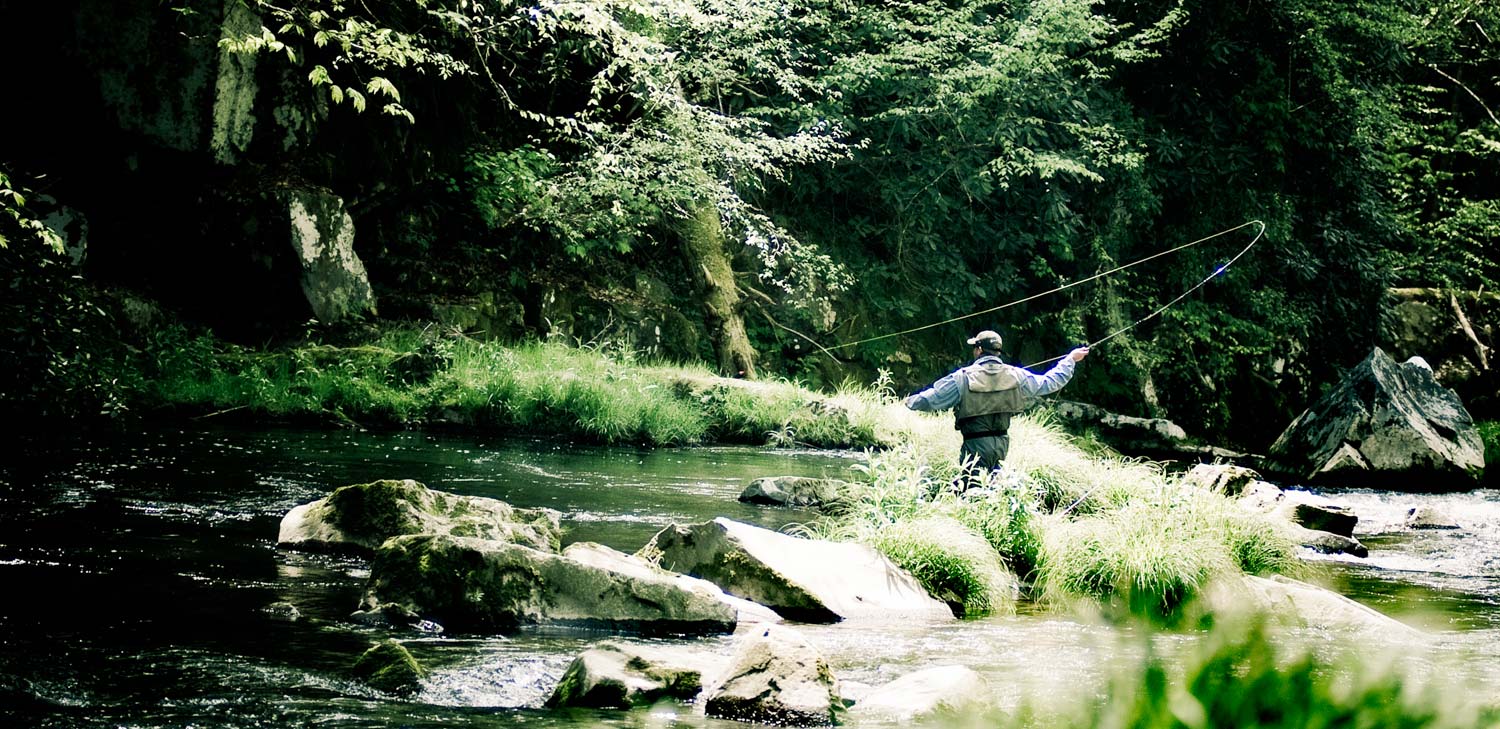
Fly gear is fly gear- until you find yourself on a tiny creek full of brook trout or cutthroat rising to tricos and all you have is a nine-foot five-weight and 4x tippet.
What works on the big rivers may not be so well suited to small-stream fishing. They make zero weight rods for a reason. And the rig you choose can make or break your day on a small stream. You can use that five-weight, but you may not be able to fish so well in tight quarters.
Rods. I have indeed cast a zero weight Orvis rod, but that is not typically what you want on a small stream. You want something in between. You want something short, light and strong. I’ll leave it up to you to find the perfect combination but take a hard look at fiberglass. Rods can take a beating in tight quarters. Glass is almost impossible to break, it is very forgiving on light tippet, and it roll casts like a dream, a must on small streams. Blanks in the five to seven-foot range work nicely. One of my go-to small stream rods is a seven-foot, six-inch Eagle Claw 5/6 weight. I haven’t found a lighter one yet, but even small fish put a nice bend in it. It takes a beating riding around my vehicle without a case, and If I break it, it’s thirty bucks to replace, yet it casts very nicely. There are, of course, many fine and more expensive glass rods out there, and they are often works of art and a dream to cast, so knock yourself out.
Graphite is still an option, but look for one of the softer actions and shorter blanks that are coming out these days. For many small streams a rod in the six to seven foot range is ideal. As far as line weight, three and four weight rods work nicely; five weight will often feel heavy and spook fish, and a two-weight rod may not have the power to keep bigger fish out of the brush. Use your judgement. It’s just fishing.
Reels. Don’t overthink them, and definitely don’t overspend. You typically won’t need your drag, and if you’re smart you’ll land most of your fish by stripping in line rather than reeling your line in. Any serviceable click and pawl model will get it done. Dig up Granddads old Pflueger and you’re all set. Most of the major manufacturers offer a basic trout reel for a modest price.
Lines. Any good weight-forward floating line that matches your rod will do. A double-taper that offers a gentler presentation is nice too. The less disturbance you make on the water, the better, so go as light as you can while still being able to stop fish. Just know that that five-weight line often hits small-stream water with a thud that spooks fish in such tight quarters.
I have taken to using a light and short sink-tip line for streamer fishing small streams. It can be tricky to use, but it does help to get your streamer down to the fish. You don’t have to use a sink-tip on most small streams especially if you are using weighted streamers, and the heavier splash of a landing sink tip can be detrimental to the fishing. In some situations, and with weightless streamers, a sink-tip can get the fly down those few inches that make a difference. It’s a matter of knowing the stream and using your best judgement. Carrying a spare spool or reel with a sink-tip is a good idea so that you’re not married to it.
Leader and Tippet. I use 9 foot, 5X tapered leaders, or 4X and tie on 5X tippet. You won’t want a long leader on most small streams. For fishing skunks or muddler minnows I’ll use a
Read More »Sunday Classic / Swinging Streamers for Trout in Deep Water
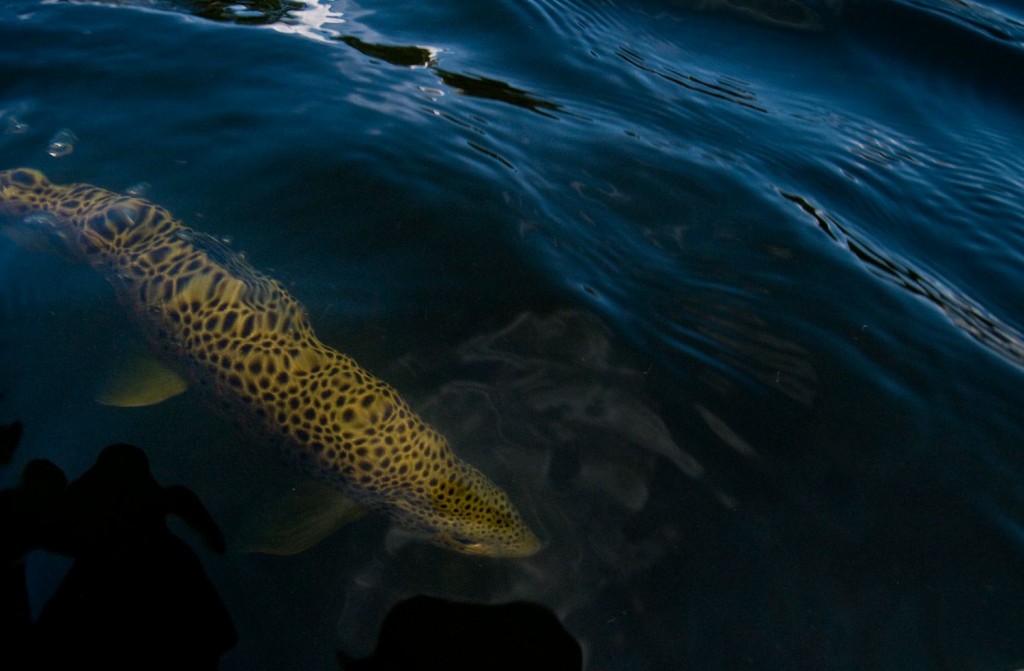
Most streamer fisherman out there would agree that pounding the river banks with a streamer will catch trout just about anywhere.
If you’re willing to put in the time and hard work, eventually you’ll be rewarded with a big fish. During high water flows on rivers where habitat is insufficient out in the main river, many trout will relocate to the banks where they can use the irregular banks and it’s abundant cover to shelter themselves out of the excessive current. There next move, once they’ve gotten to the banks, is to find prime ambush spots where they can easily pick off prey moving by. This is why casting to the bank and ripping streamers back to the boat is so effective. You’re repeatedly putting your streamer right in the kitchen where good numbers of fish will be holding and regularly feeding.
The majority of the time, this scenario works great, but what do you do when you find yourself in areas where the water is super deep and the fish are sitting on the bottom? These places make it extremely difficult for anglers to keep their streamers down deep in the strike zone while using the pounding the bank technique. Even with a full sinking fly line the cards are stacked against you. Don’t get me wrong, it can still work at times, especially if you cast upstream of your target water, throw couple of big mends, and give your streamer time to sink before you begin your retrieve. Unfortunately, in many situations, you won’t always have the time or the room to pull this technique off, and that should have you searching for an alternative fishing method that’s better suited for fishing your streamers in these deep water locations.
Read More »Saturday Shoutout / Who’s on the Bench?
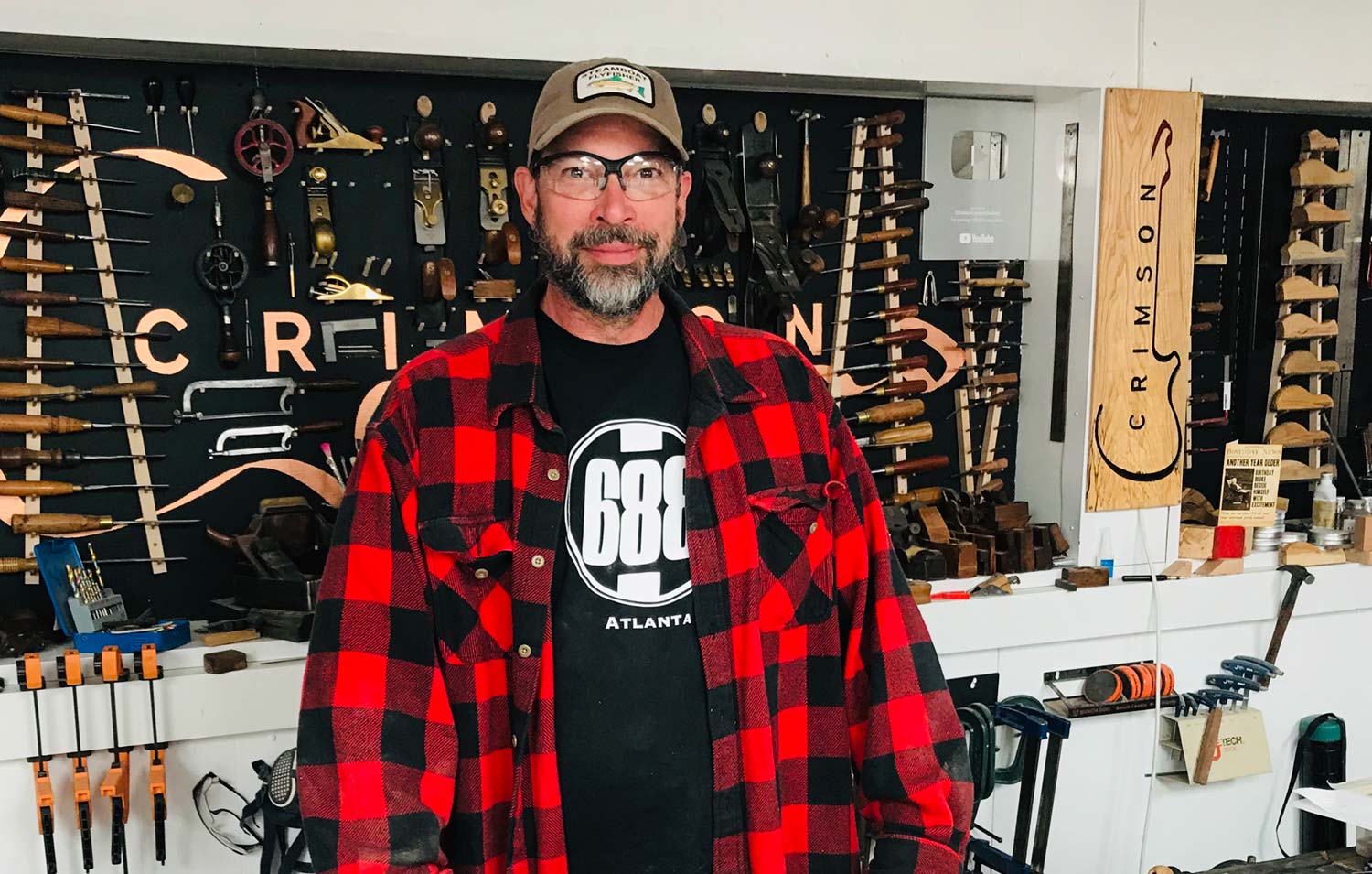
Pardon my digression, but today is all about guitars.
I’m not going to make a habit of this but today I’m going to share something both personal and off topic. Some of you may already know that I’m into guitars. I started playing about ten years ago after a table saw accident and a major reconstruction of my left thumb. My insurance wouldn’t pay for physical therapy and two years after the surgery I still couldn’t twist the cap off a soda bottle. I bought a guitar for $5 at a yard sale, just to exercise my thumb and it worked. My thumb recuperated but it has cost way more than physical therapy in the long run.
Anyway, about a year ago I started building guitars. I’ve wanted to do it my whole life and with the help of YouTube I just jumped in. My first guitar turned out pretty good. My second was nice enough that I thought I should buy a case for it, so I took it to the guitar shop and left with an order for a custom job. I decided that if I was going to sell guitars, I should get some proper education, so I went to luthier school.
I knew exactly where I wanted to go. I learned almost everything I know from watching Ben Crowe, of Crimson Guitars, on YouTube. Crimson has a school in Dorset, England and the classes are pretty reasonable so I signed up. I’m just back from the class and I learned a ton and made a pretty cool guitar. If you know Crimson Guitars, you know they have a robust YouTube channel and even week Ben does a video called “What’s on the Bench.” He always stops by the school and talks to the students, so I got to be in two episodes. If you are interested, check out the two videos below. If you are into guitars, check out the other videos from Crimson Guitars. They are by far the best on YouTube.
If you just want to see my bits (Mom) I show up at XXXX in the first video and XXXX in the second.
If you’d like to see the progress shots and some of my other guitars check out @thetelecasterdiaries on Instagram. Final finish is going on now and I’ll have finished photos up soon.
Thanks for indulging me, and enjoy “What’s on the Bench.”
Read More »The Single-Hand Snap T Cast: Video
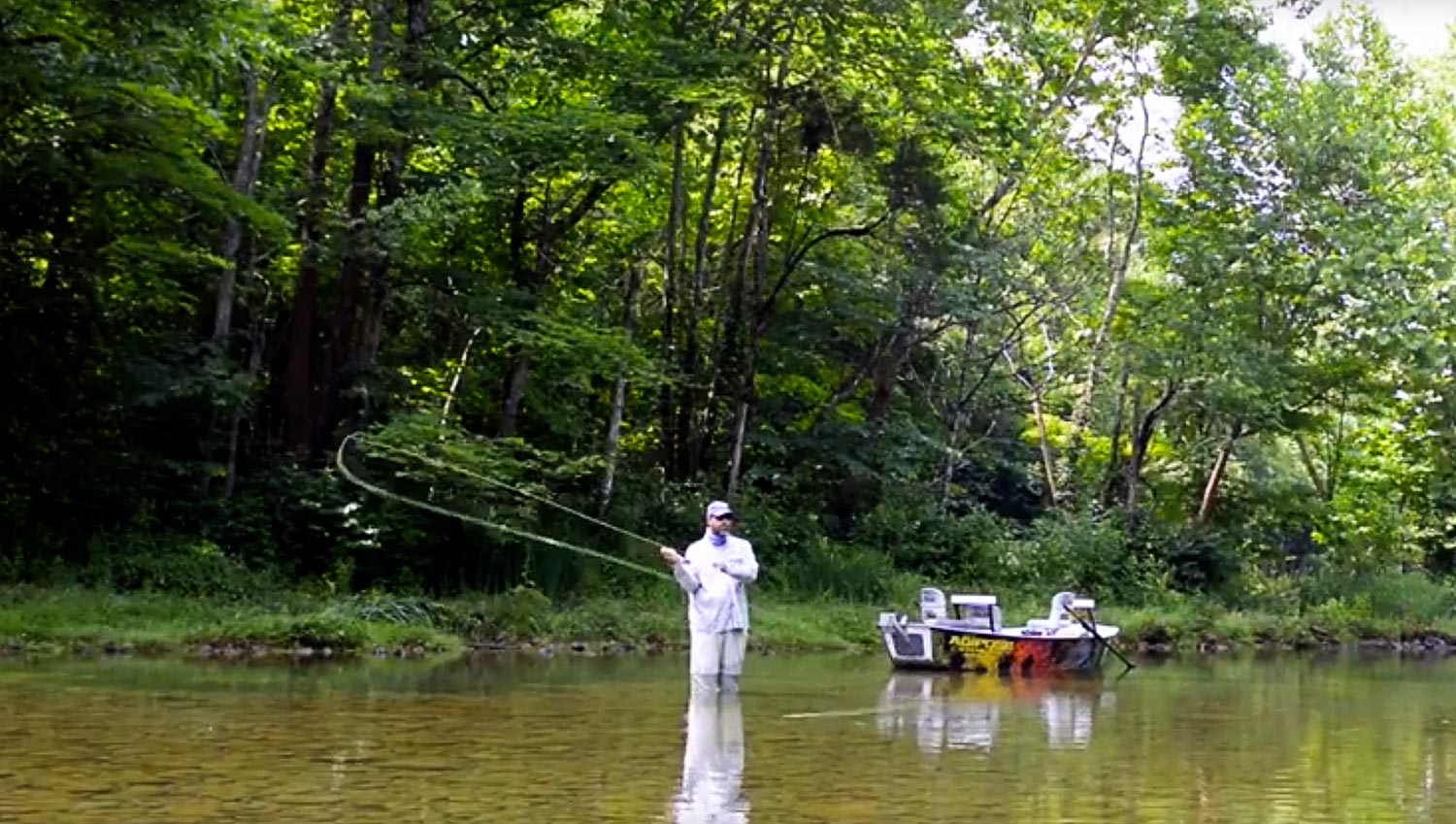
Here’s a powerful spey cast you can make with your single-hand fly rod.
The snap T is a familiar cast to any two-hand angler. It’s one of the essential spey casts, but its not just for the long rod. In fact, once you start using this cast with your single-hand rods, you’ll be shocked how often you use it.
The beautiful thing about the snap T is that it requires virtually no room for a backcast and is remarkably powerful. It will have you fishing water you’d never reach with a roll cast.
WATCH THIS VIDEO AND LEARN TO MAKE THE SNAP T CAST WITH A SINGLE-HAND FLY ROD.
Read More »How To Get New Fly Line For $5, Or Pretty Close
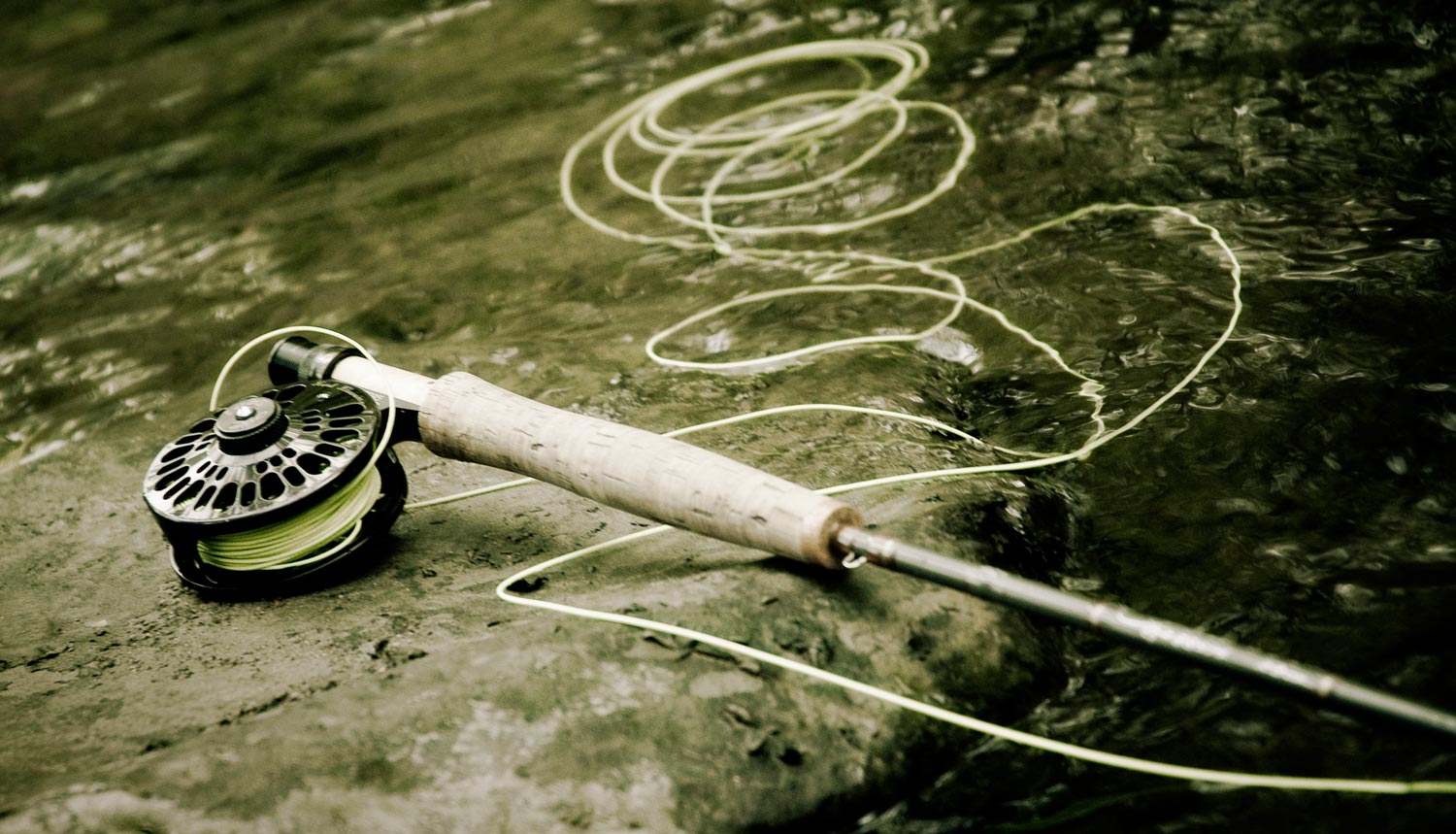
Think you need a new fly Line? Spend $5 First.
I was out fishing with my buddy Scott the other day. He broke off his rig while I was on the oars so I handed him my five weight to fish. Scott took one cast and asked,
“What fly line is this? I’ve got to get one!”
What Scott didn’t know was that I had fished that same line just two days earlier and it had been miserable. The line stuck to the water and the guides. It felt like you could barely pull it through the guides, let alone shoot it. It was filthy.
“It’s a RIO Gold,” I told him. “But what you like about it is that I dressed it last night.”
It’s such a simple thing to clean and dress a line, but so many anglers don’t do it. At least not regularly enough. I’m guilty too but at least I know how to fix the problem. And now, so do you. Before you spend $90 on a new fly line try this out. I’ll bet it solves a lot of your problems.
HOW TO CLEAN AND DRESS A LINE
Start by cleaning the line. Putting line dressing on a dirty line just makes a slurry. It’s best to clean your line often and so I keep it simple. I use finger wipes. The kind you get at BBQ joints. Individually packaged, alcohol towelettes. I bought a case of 1000 of them for $7 years ago. I keep them in my boat bag so I can clean my line any time. It takes seconds.
Mucilin-Silicone-Green-1Once the line is clean
Read More »Sunday Classic / What makes a fly reel worth the money?
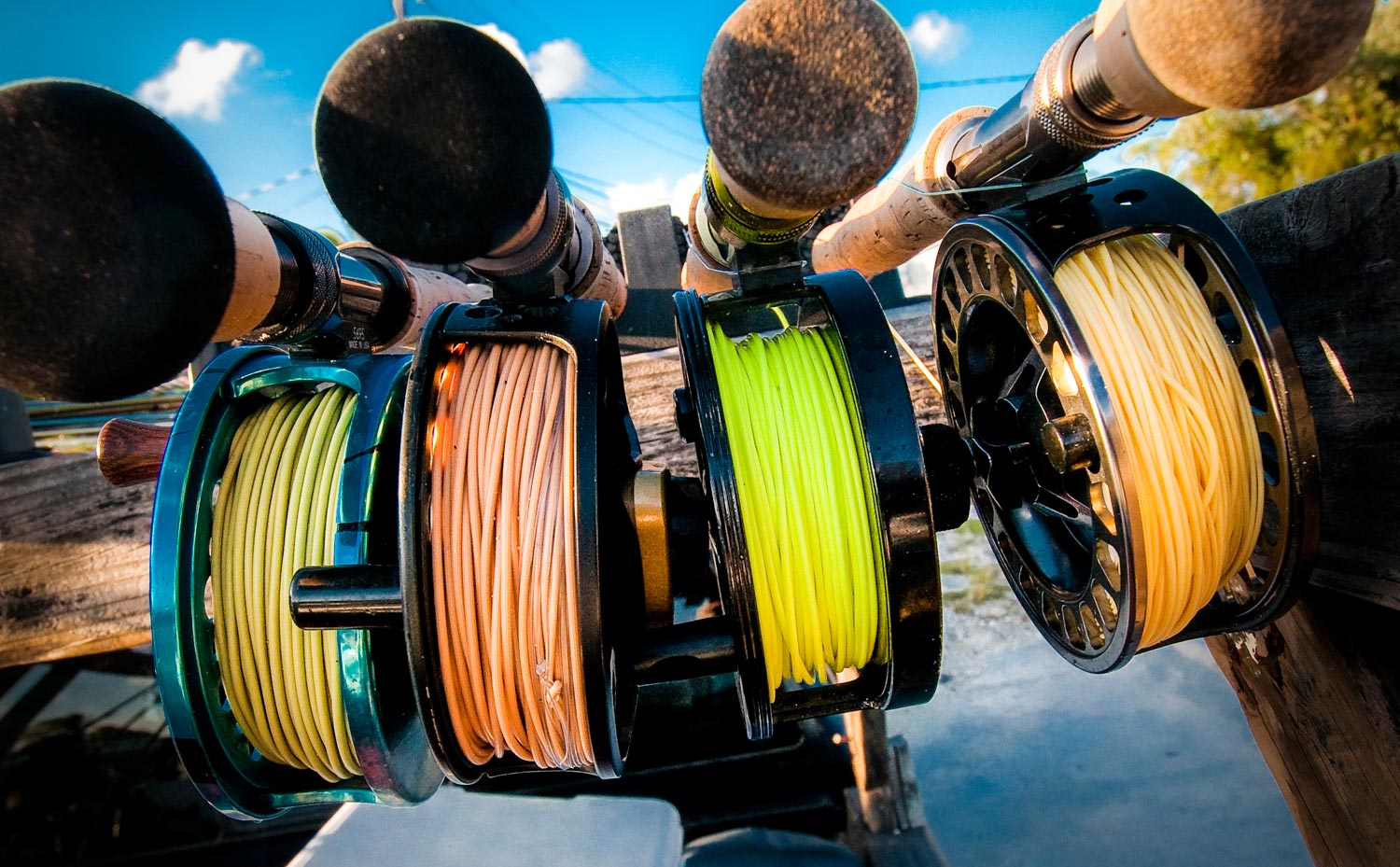
I RECEIVED THIS EMAIL THE OTHER DAY FROM MY GOOD FRIEND BRIAN BOGGS.
“Louis, I’m looking for the right four-wt reel. I am of a mind to shop the low end for reels since I don’t catch large fish that need to be fought on the reel. Is there any reason to not just buy a cheapie and get on with the fishing? How much difference does the reel make anyway? I think of it as line storage and little else.”
It always makes me a little crazy to hear that ‘line storage’ remark. I don’t know who started it, buy they did a disservice to a great many anglers. Hearing it from Brian made me especially nuts. Brian, you see, is a man with a very specific skill set.
You may not be aware that there is a subculture among us who are devotees of an ancient art form, so ubiquitous that most of us take it completely for granted. These folks, craftsmen and collectors alike, obsess over the minutiae of this endeavor to the point of needing serious therapy. I am not even kidding. Brian Boggs is a chair maker.
Boggs Rocker
Boggs Rocker
I realize that means very little to most folks, but to the initiated its a title like Captain or Reverend. And Brian Boggs is not just any chair maker. Since the death of Sam Maloof, in 2009, many people consider Brian the greatest living chair maker. He makes chairs for which the owner is measured to one sixteenth of an inch before construction. They are so comfortable it makes you want to weep. He also designs exquisite, and outrageously expensive, hand tools for companies like Lie-Nielson. The man is brilliant, uncompromising and wildly obsessive. My answer to his question was simple.
“Yes Brian, a fly reel is line storage. In the same way that a chair is ass storage.”
After convincing Brian he should take his reel purchase more seriously, I decided to share what we discussed here. Fly reels are expensive and the design features that separate great reels from not-so-great reels are not always readily apparent. Especially if you are shopping online, as we do more and more. The reel is, however, a very important part of your set up, even when you think you’re not using it. It’s an important choice that is worth spending some of your time, and money.
Value
Before I get into the features of fly reels and why they matter I’d like to make a point about value. Lots of anglers
Saturday Shoutout / Urban Assault
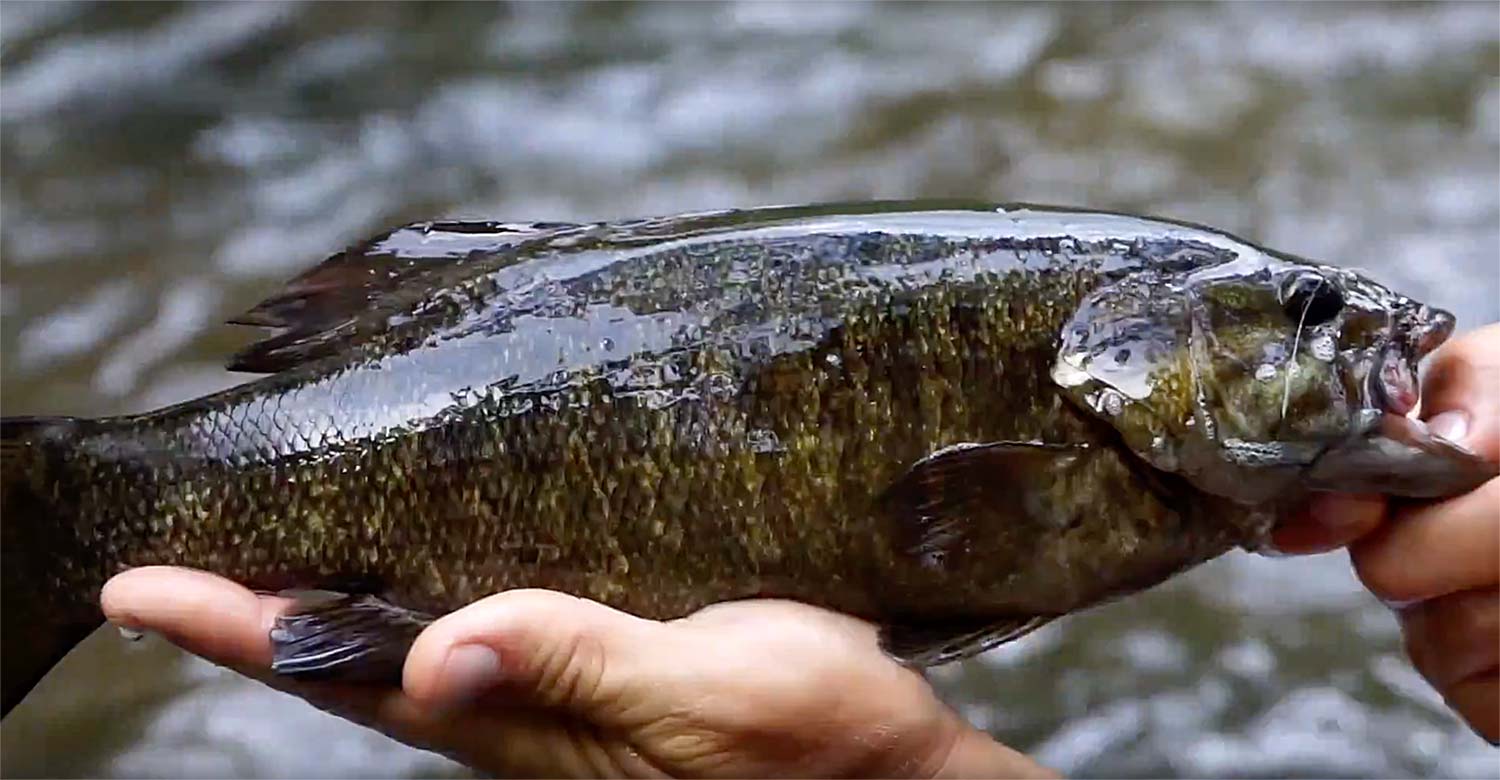
Urban fly fishing, is it cool?
I live in the city, and I confess I do this. I fish some pretty sketchy water. Places you might want to throw your fly line away after fishing and places were I carry bear spray, and not for bears. I’ve found some surprisingly nice fish.
I’m not giving up my spots but I’ll sure out these dudes in Minneapolis. It’s crazy the species they find in the heart of town. Makes me want to catch a bus.
FLY FISHING MINNEAPOLIS
Read More »The Double Spey, For Single Hand
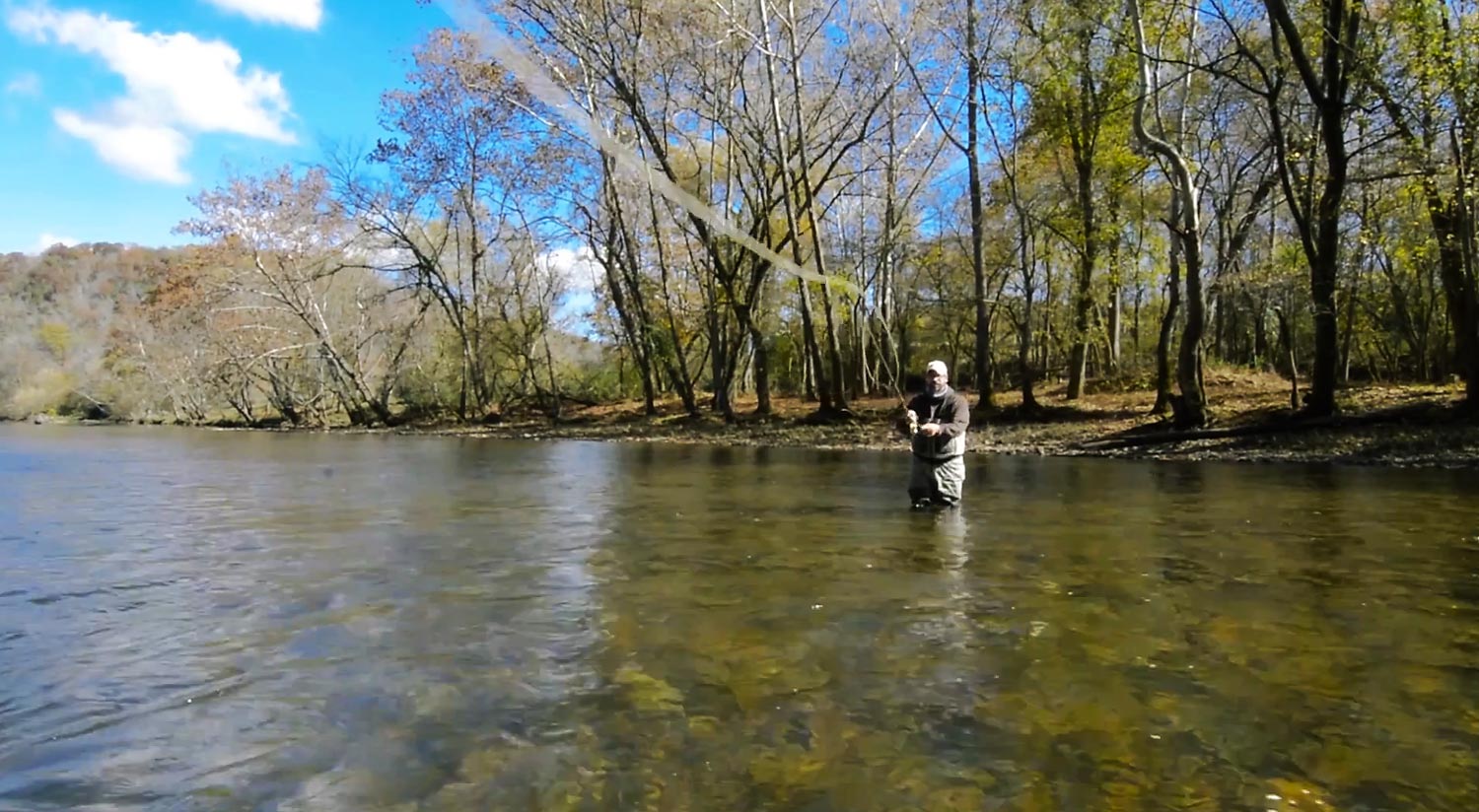
Access to a couple of good Spey casts can be a game changer for single-hand fly anglers.
All of the same physics that’s at work in Spey casting carries over to the single-hand rod. Although Spey casting can be technical and intimidating for the uninitiated, it’s really not rocket science and adding a couple of Spey techniques to your single-handed casting will put you on more fish.
Every single-hand caster is familiar with the roll cast. Most Spey casts build on the same principals that make up a roll cast. Spey casts use different methods to form the D loop and load the rod but are very similar and add a whole lot of extra power and distance.
One of the easiest and most useful casts for the single-hand angler is the Double Spey. It’s a powerful cast that works when you are casting from river right, if you’re a right-hand caster. The cast uses the current to put your line in the right position to start. With a few adaptations it can be made in still water, or from river left, but for now we’re just going to learn the basics.
THERE ARE 3 PARTS TO THIS CAST
It’s worth mentioning that some details will vary from casting with two handers
Setting the anchor
The tension of your leader and the tip of your fly line creates an anchor which allows you to load the rod with the weight of the fly line, during the next step. For everything to come off right, the anchor has to be in the right position. Start by facing your target. Then lift your rod, crossing your body, and drop your fly a rod length away and downstream at a 45 degree angle. Your rod should