
The Scott Wave Fly Rod Has A Secret
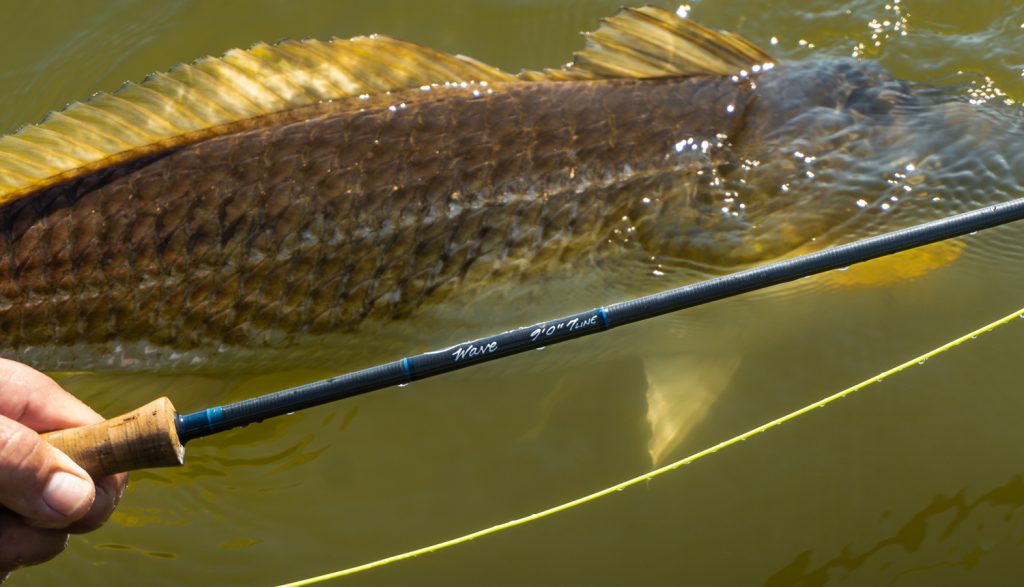
Scott’s new mid-price offering, The Wave, is not what I expected. Jim Bartschi sent me a seven weight wave a couple of months ago, just before I headed to Belize for five days. He didn’t tell me anything about it, which is typical for Jim. I assume he wants me to come to my own conclusions about a rod without his opinion, which I appreciate. I took the rod out and cast it in the from yard for a bit. “It’s a little soon to be replacing the Sector,” I thought, “but OK.” I took the rod to Belize and was into fish on my second cast. The weather was awful and pretty windy for a seven weight but the Wave really delivered. It cut through the wind, delivered flies with remarkable accuracy and and finesse. I was impressed. Not ready to give up my Sector but I immediately loved this little rod. When I got home, I called Jim up to talk about the trip and was shocked to learn that the Wave is not replacing the Sector. It’s replacing the Tidal! I should have guessed from the name but the Wave, in no way, feels like a mid-priced fly rod. The weight, the tracking, the recovery rate all feel like a premium rod. Since the Radian, Scott fly rods have had a unique feel that sets them apart. Not that I didn’t lone my S4s but the contemporary Scott rods are truly next level. I did not get that feel from the Tidal but the Wave has it in spades. Once I got the rod home, frankly, I couldn’t stop fishing it. Since I’m stuck with fresh water here, I started using it for streamers and bass fishing. I was thrilled with hoe it preformed. The Wave is … Continue reading
Read More »Fly Tying, Less Is More

CLICHÉ SAYINGS ARE NOT ALWAYS HELPFUL OR APPLICABLE. THERE ARE EXCEPTIONS HOWEVER, WHEN IT COMES TO TYING FLIES. “LESS IS MORE”.
Over the past ten years I’ve been blessed to spend time teaching new fly tiers of all ages. Regardless of age or gender beginning tiers often work on the “more” end of the spectrum. Excessive distance between the tip of the bobbin and the hook shank is one of these hurdles. When constructing flies, more distance between these two object makes for more difficulty. Keeping the tip of the bobbin in contact with the hook reduces the likelihood of cutting it on a hook point or the edge of the vise jaws. Additionally, this technique makes it easier to maintain consistent pressure when tying in materials. Lastly, it reduces the total tying time for each fly.
As a tier it is also extremely important to remember that the vast majority of aquatic insects are petite creatures. Far too often this fact is over looked during the construction of flies. Excessive use of materials results in bulky pattern profiles that do not accurately match their intended imitation. Simultaneously, unneeded thread wraps also add bulk to flies. With most patterns, minimizing the amount of material and thread wraps results in a more accurate end product.
Take a moment to evaluate what you are doing as a tier. The next time you
Read More »DIY Camper Van Tour
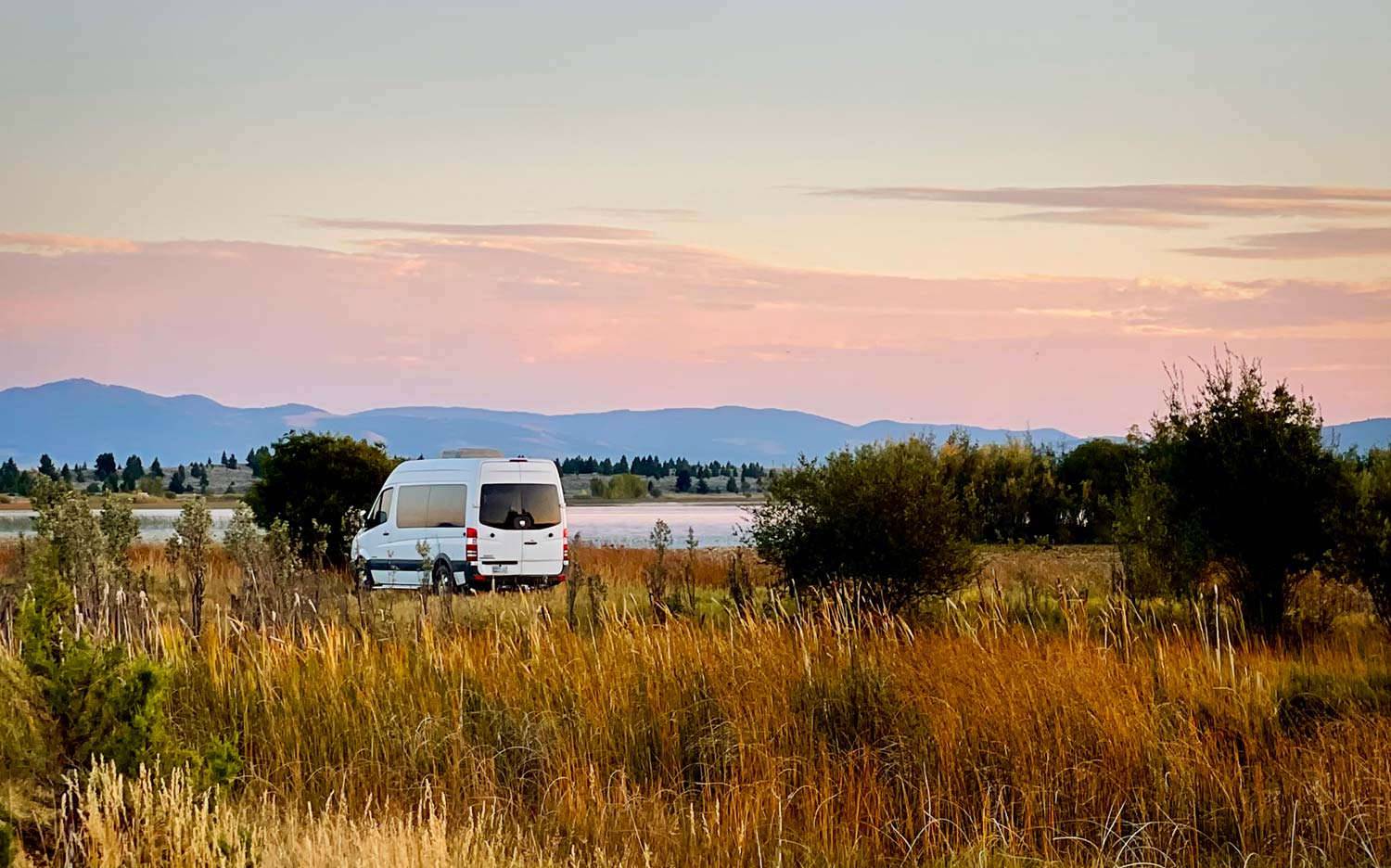
Meet the Gink and Gasoline Intruder. I’ve always wanted a camper van to make extended fishing trips easier and more affordable. The problem is, the rest of the world wants one too and prices have gotten out of hand. So I set out to design and build a DIY camper van that gives me everything I need to live comfortably on the road, without the six-figure price tag. I bought my 2008 Sprinter Van several years ago, fortunately before used vehicle prices went through the roof. It has a few years on it but only about 60K miles when I bought it. I built all the improvements myself for around $2500. I’m in a super comfortable camper for right around $20K total. It took some luck and some work and a lot of head scratching but none of it was really difficult. If you can use a circular saw and a drill, you can do it too! Check out this video for a complete tour!
Read More »Big Fish On The Margins
By Louis Cahill
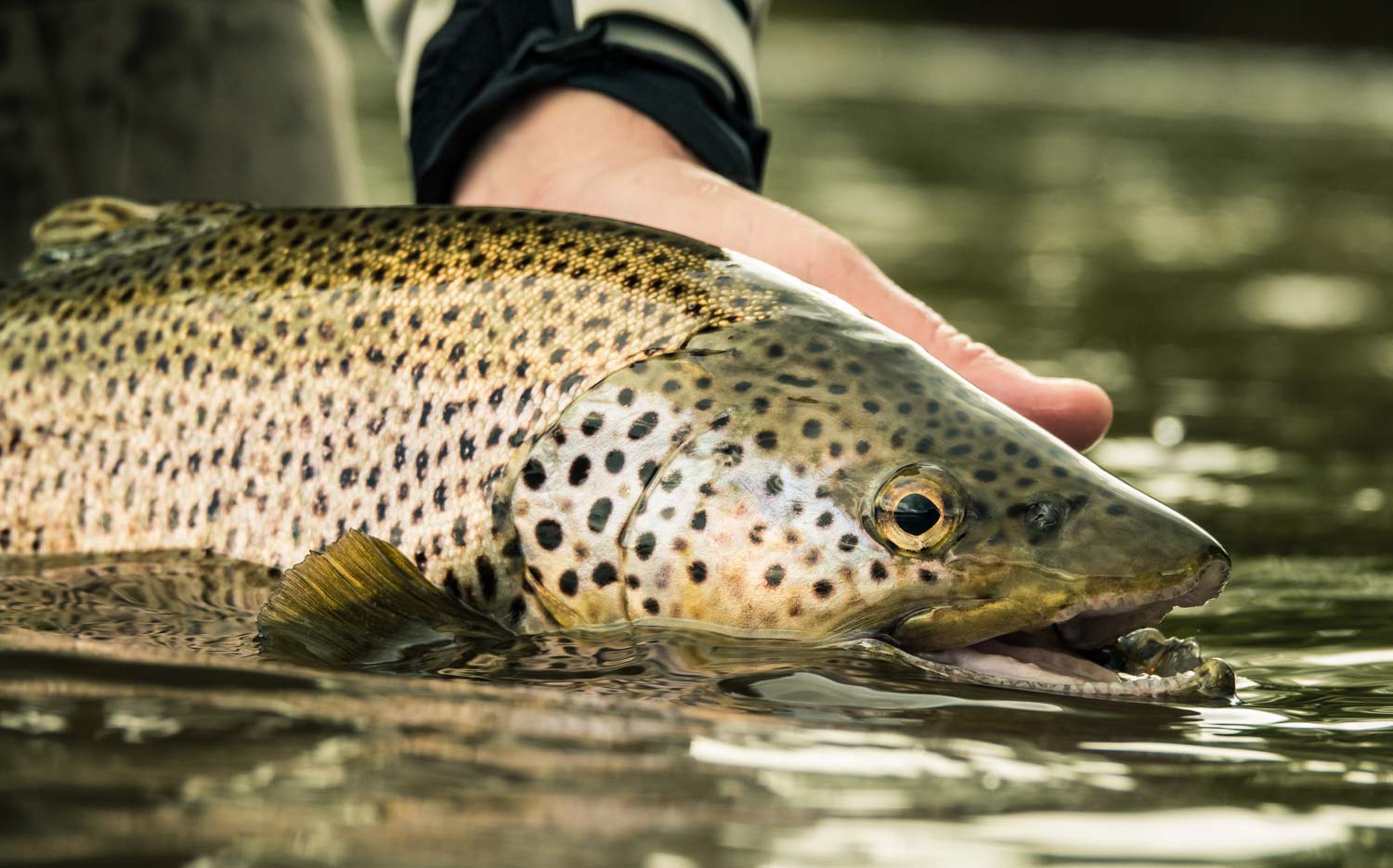
High water events can make it easier to target big fish in unusual places.
Most anglers know from experience that high water often means big fish. There are several reasons for this, not least of which is the confidence mature fish find in the cover offered by higher than usual water. Especially when the water is a little stained, you have the opportunity to target fish who would otherwise only feed at night. In addition to having larger, predatory fish in a feeding mood, high water can also make them easier to find. Especially in smaller streams where high water conditions may make their usual holding water less comfortable.
On a recent trip to Patagonia, my buddy Johnny Spillane and I fished some unusually high water. Spring, October/November down there, is usually not a wet time of the year, but unexpected heavy rains had rivers swollen and water moving at an unusual tempo. Most of the Patagonian rivers still run crystal clear, even at their highest, but a few showed some color. In spite of the conditions, we had amazing fishing and, though we fished only small streams and rivers, we caught a lot of big fish. In fact, the average size of the fish we caught was larger than I expected.
The conditions, and the tactics we employed to fish them, successfully targeted the largest fish in the river.
The first choice made was an obvious one. We passed over the spots where fish would normally hold and fished the margins. The spots that wouldn’t normally offer fish much cover but which, in higher flows, offered soft water where fish could take refuge from the raging current. Many of the spots where we caught quality fish were micro seams created by small structure or nooks where a piece of bank had caved away.
Shallow inside bends were another big producer as are the narrow cushions along steep banks. Tempting looking drop-offs and deep pools under performed and although traditional holding water, like the seams from midstream boulders produced fish, some of the largest fish we caught came from the smaller holds. Many spots produced several nice fish.
The second choice that paid off for us was
Read More »Fly Casting: Power and Control
By Louis Cahill
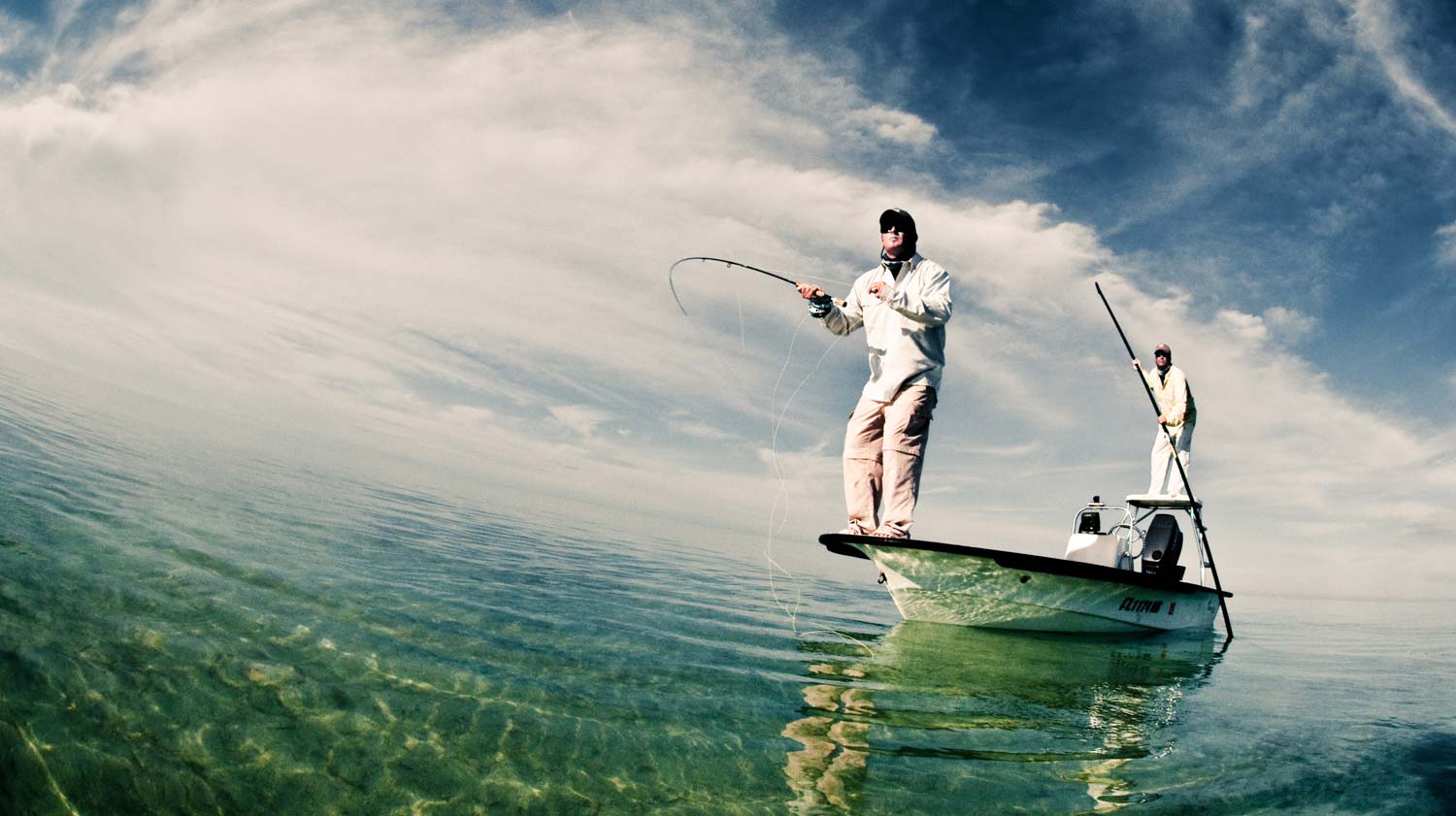
I’m just back from four days fishing for golden dorado at Parana on the Fly Lodge in Argentina.
Dorado fishing is the most demanding fly fishing I know and, days later, I still have the sore muscles to prove it. We target these apex predators with big flies and heavy rods. Success depends on making accurate casts and often at long range. You might make a hundred of these casts before you strike gold. If there are any shortcomings in your casting, dorado will find them.
It’s no small thing to make several hundred casts a day, turning over an eight-inch streamer accurately. Especially when many of those casts are over sixty feet. You need the right balance of power and control to do it consistently. Especially as fatigue sets in. I learned a technique years ago when fishing the salt that makes it all come together. The key is knowing when to focus on the power and when to focus on the control.
One of the most fundamental principals in fly casting is, you can’t make a good forward cast without a good back cast. This is often where anglers start to struggle as they become fatigued. Their back cast becomes anemic and there is no saving the forward cast. This is especially true when wind or large flies complicate the process. The key is to start with a powerful back cast.
By focusing on power in your back cast you insure that you are able to fully load the rod for your forward cast. A loaded rod is where real casting power comes from, so by generating enough power and inertia in your back cast you are setting yourself up for success on you forward cast. Once the line
Read More »Georgia Brook Trout Management is a Dirty Shame
IT’S A SOUTHERN THING AND YOU GOT TO UNDERSTAND.
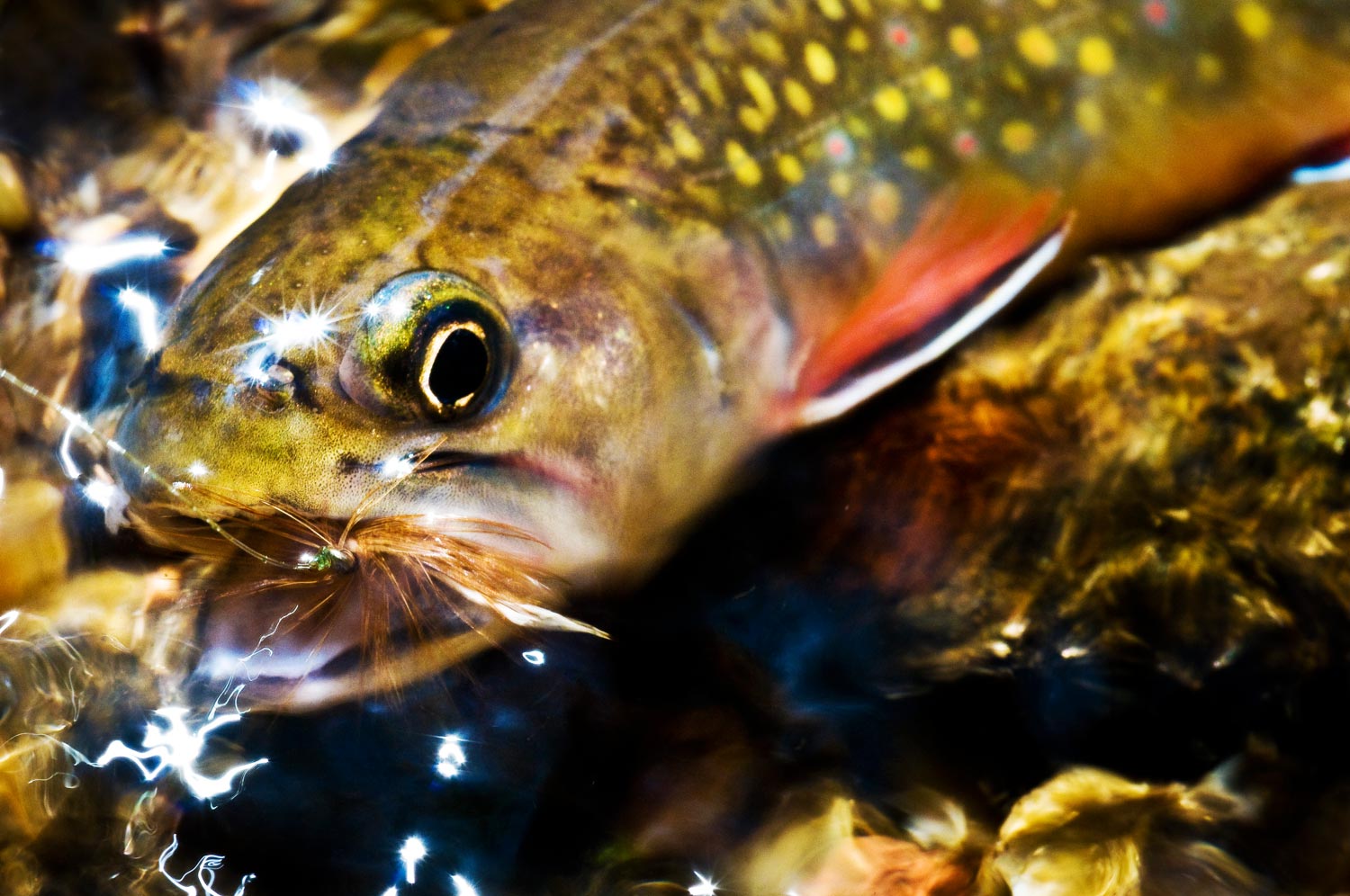
They are maligned and loathed, as an invasive species, in many of my friends’ home waters but here in Georgia, the brook trout is our only native trout. They once held dominion over the roughly four thousand miles of North Georgia trout water. That was a long time ago. Before rainbow and brown trout were stocked. Before dams were built and forests cut and endless miles of stream developed. Before acid rain, there were brook trout. Anglers just a generation older than me tell stories of plentiful brookies up to sixteen inches in mountain streams. Today, an eight inch fish is something to brag about and the anglers who love them will hike miles through mountain laurel thickets to catch fish half that size.
Native brook trout here in the southeast, what the old timers call “specks”, are a very special fish. Driven south by glaciers during the ice age, these fish were stranded when the world thawed and took their own evolutionary course, adapting to the southern environment and establishing a unique genetic strain, much like the subspecies of cutthroat trout in the west. Think of them as our Yellowstone Cutthroat.
A beautiful southern strain fish.
Although their genetic distinction has been verified, visually identifying the subspecies can be tricky, even for a trained biologist. In my experience the southern fish generally have a lighter, sometimes almost white, background color on their flanks than northern fish. Their green backs are warmer, more olive, in color and they are overall more colorful. These indicators however do not hold true for every individual. Northern strain fish are present here, due to stocking, and are often misidentified. The boundaries of each fish’s habitat are well known and understanding the habitat is the best way to be sure.
Holding on to existence only in the tiny mountain headwaters, its numbers in dramatic decline, the Spec is in trouble. There is no doubt that
Read More »The Pacu Bead
By Louis Cahill
If you are a dry-fly purest, you might want to sit this one out.
Bead fishing in the jungles of Argentina is about as far from fishing a dry fly as you could imagine. It’s not much closer to Alaska bead fishing. It’s one of the most unorthodox and effective methods I’ve ever used to catch a fish. It’s also incredibly fun!
We travel to the jungle for golden dorado, but like many predatory fish, the dorado takes a long siesta during the middle of the day. Rather than pound the water pointlessly, we’ll take a couple of hours to catch some of the exotic species found in these rivers.
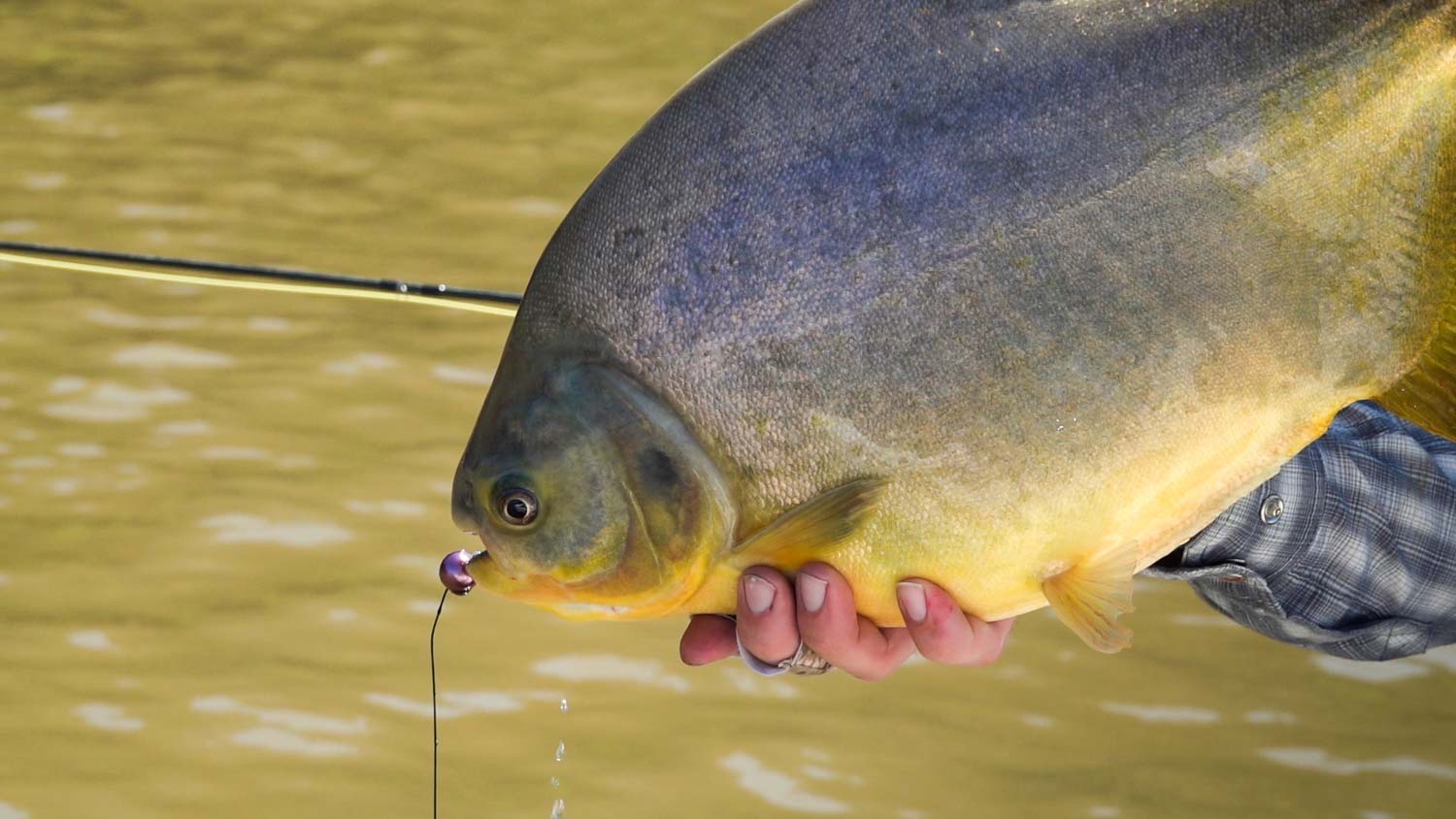
The most popular is the pacu. These brawny fish are shaped like trashcan lids and put up a serious fight. They are sometimes called freshwater permit, mostly for their shape, but they are also picky eaters. They are omnivores but one of their chief food sources is actually fruit and nuts that fall from trees lining the river. They have teeth like a human for chewing these tough terrestrials.
So how to you target a fish that eats nuts?
Well, not by wading, I can tell you that! (Sorry, that was too much to resist.) Seriously though, the Argentine guides have developed an ingenious way to imitate this unusual food source. They fish giant beads from the craft store. Beads up to three-quarters of an inch in diameter. They taper the hole on one side of the bead with a
Read More »Choose Fly Color Based on the Flat You’re Fishing
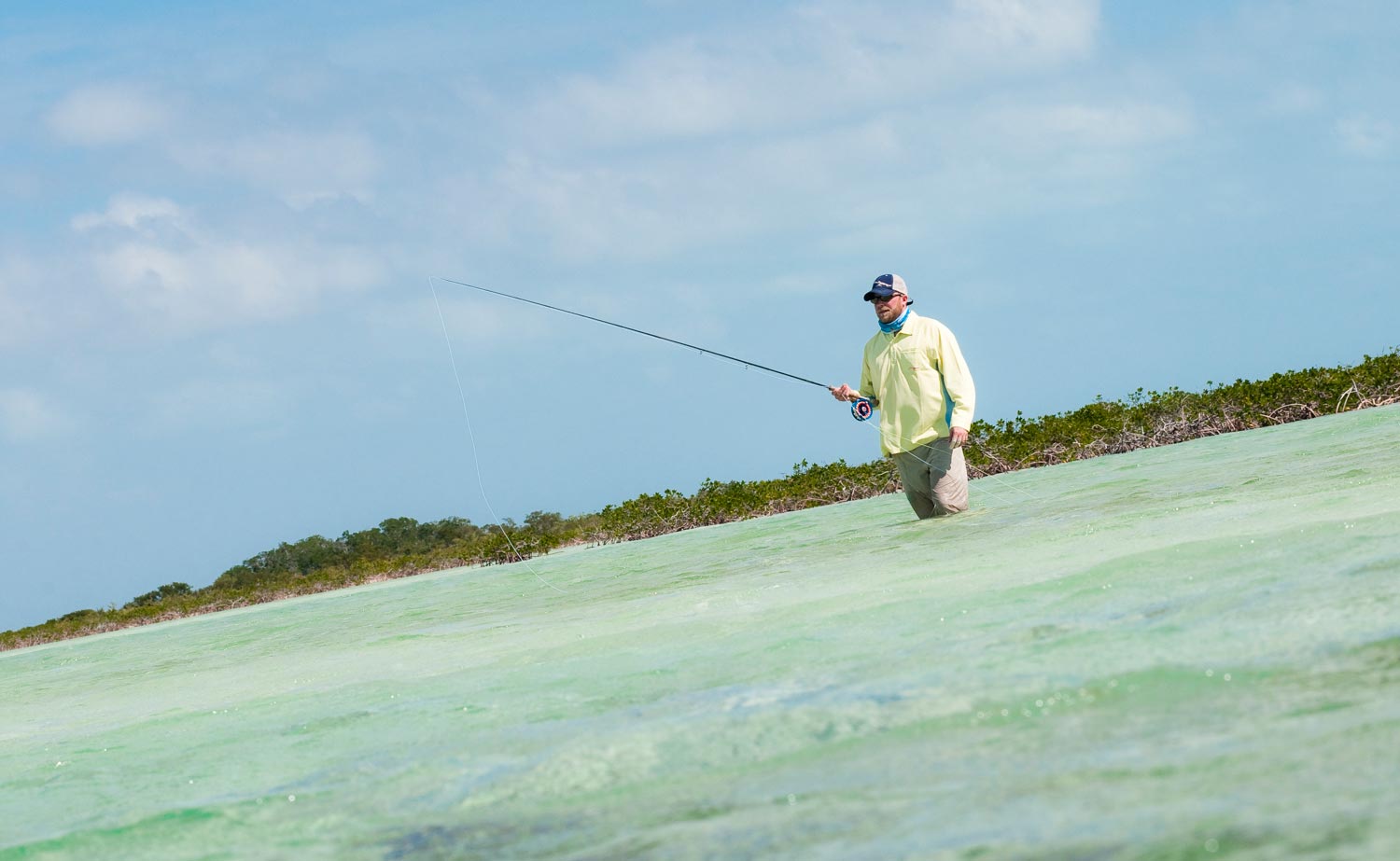
I’ve always thought in the broad scope of things that trout fishing calls for more complex decision making over saltwater fly fishing in terms of what goes into choosing the fly patterns we fish. I think a lot of that comes from the simple fact that conditions can change on an hourly basis on our trout streams and also that there’s hundreds of species of aquatic insects found on many of the trout waters we fly fish. However, the more I fly fish in the saltwater, the more I’ve come to understand how inaccurate this past notion of mine is. In many cases, fly pattern choice is just as important in saltwater fishing as it is in freshwater fishing. And If you want to maximize your success fly fishing in saltwater, you need to pay close attention to your surroundings and the ecosystem your fishing, just like you do on your trout water.
Read More »Wood is Good
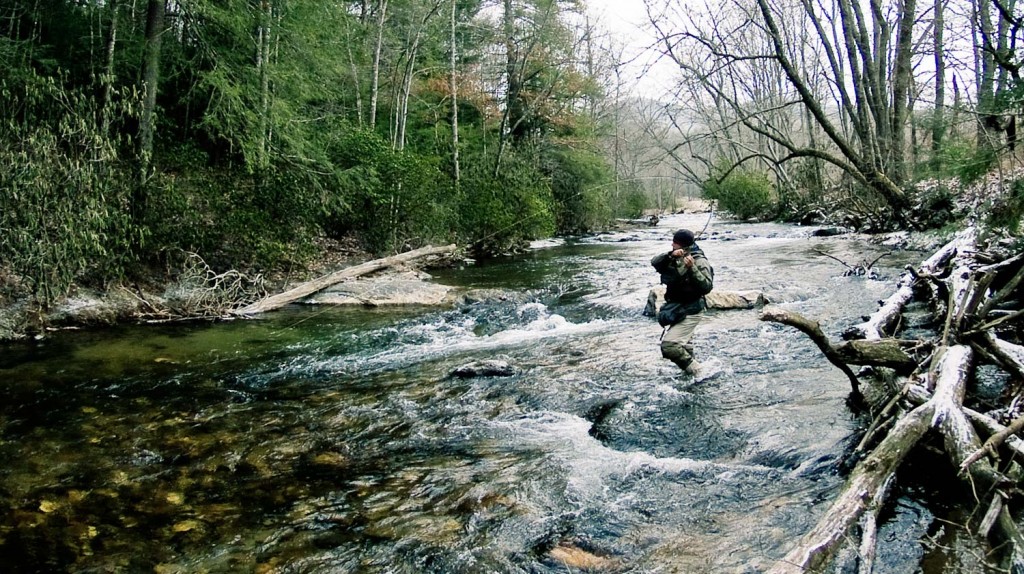
Anytime I come across any sort of wood on the water trout fishing, I always take the time to fish around it.
Whether it’s a log jam, isolated root ball, or low overhanging tree, wood offers trout cover and safety which are two very important elements that trout look for when they’re deciding where to position themselves in a river or stream. Wood also in many cases offers current breaks, eddies, and soft seams, that allow trout to feed easily and safely out of the calorie burning swift current. Furthermore, there’s an incredible amount of food that falls off wood cover and hangs out amongst wood, that very often ends up in the stomachs of trout. All of the above make wood prime habitat for trout.
Did I mention that brown trout love to hangout around wood? I can’t tell you how many times I’ve caught nice brown trout around wood, especially when
Read More »Streamer Fishing: Float Your Lane
By Louis Cahill
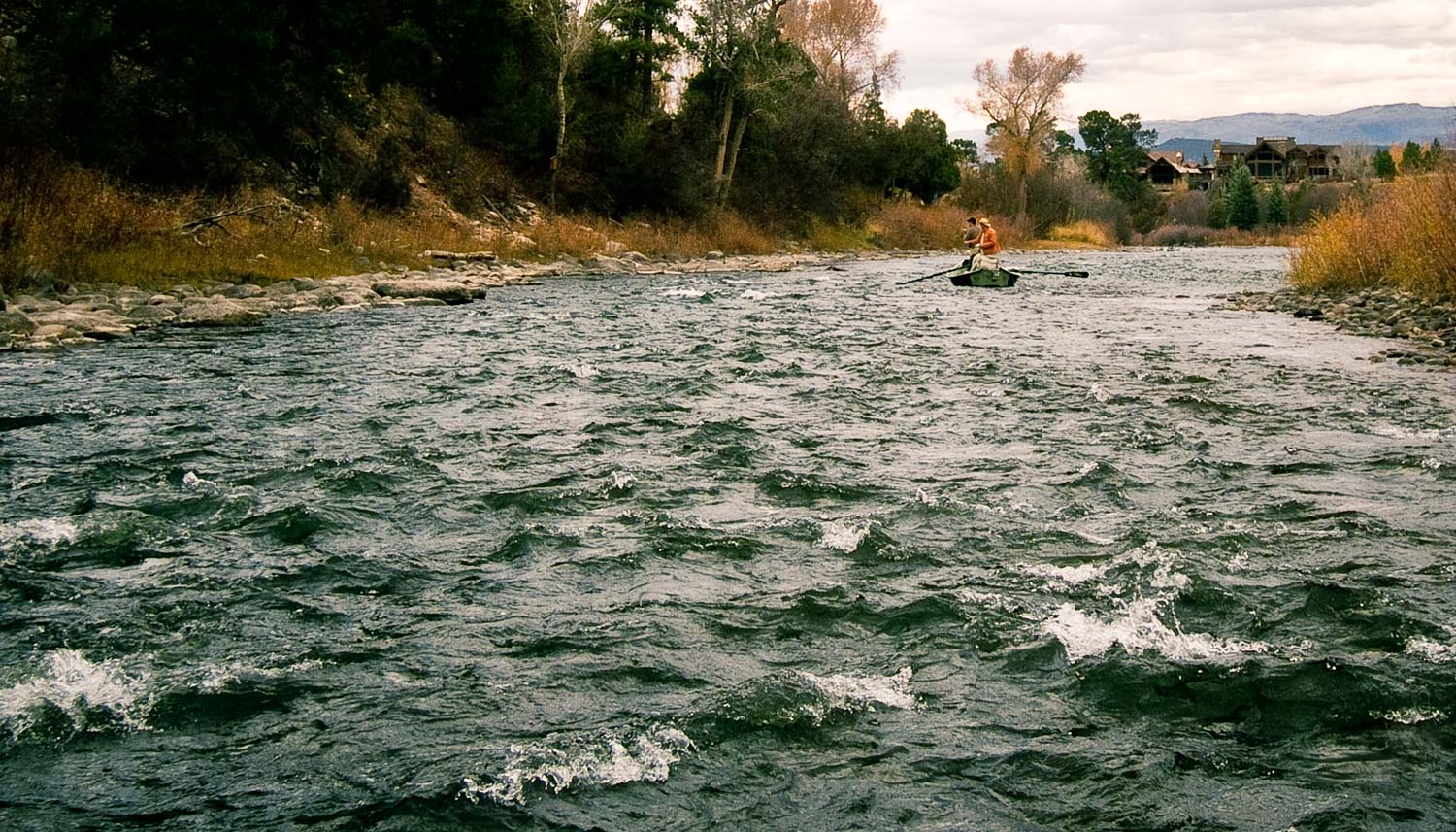
When you are fishing streamers from a boat, how close should you be to the bank?
Ask a dozen anglers and you may get a dozen answers. The distance that works for me, might not work for you, but I’m going to share some thoughts that might help you decide for yourself where your lane is.
I’m just home from a great week of dorado fishing in Argentina. Dorado fishing is streamer fishing at it’s highest level and it’s incredibly challenging, both physically and mentally. It involves taking lots of long accurate casts. Well, that’s the conventional wisdom. I have my own thoughts about it and the group had some lively conversation on the topic. It really helped me focus in on what I think works. Not just for dorado, but for any streamer fishing.
The key to success is making good, accurate presentations to as many likely holding spots as possible. The more good presentations you make, the more likely you are to find that trophy fish who’s ready to eat. It’s a numbers game but with some qualifiers. They have to be good presentations and they have to be in the right spots. Most, but not all, of those spots are along the bank.
In general, when fishing streamers, you do not need to strip the fly all the way back to the boat. In fact, doing so is detrimental to your cause. There are of course some exceptions, but in those cases it’s worth asking if you are really fishing the bank. The structure of most trout rivers is such that the strike zone is in the first fifteen feet or so next to the bank. Once your fly is moving out of the holding water, it’s time to cast again.
What you want is to work that strike zone as efficiently as possible, hitting as many likely pockets as you can. That means dropping the fly against the bank, making six to ten strips, and hitting the next pocket. For every angler there is
Read More »