
Streamer Tactics for Small Trout Water
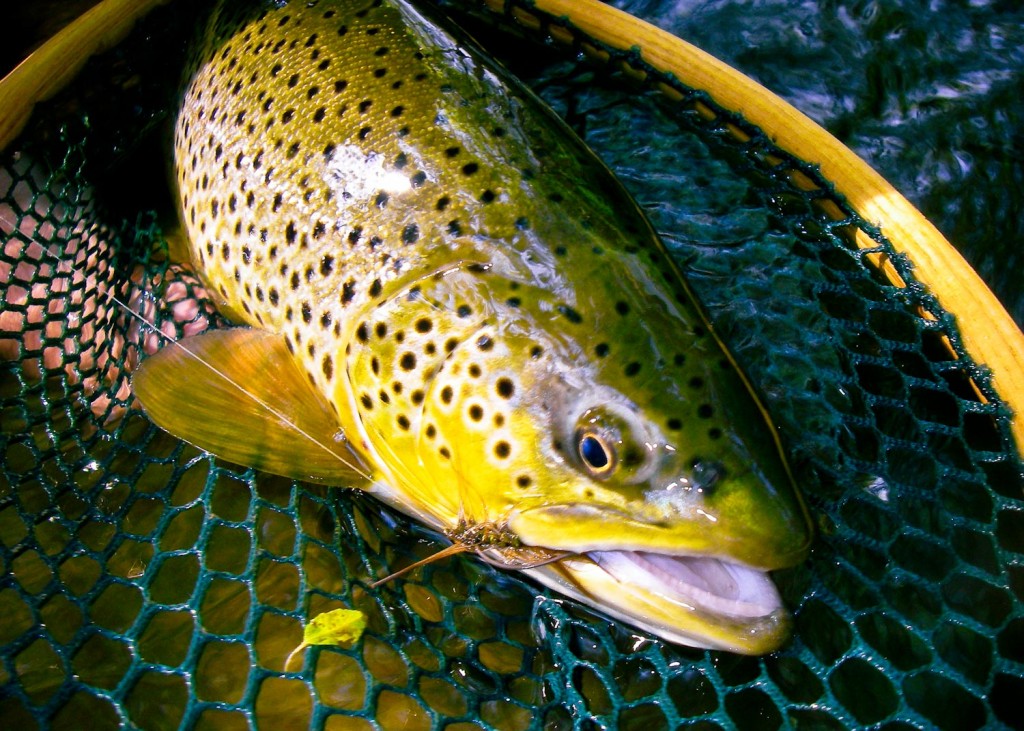
Successful Streamer Tactics for Small Trout Water.
Streamer fishing isn’t for everyone. I’ve known fly fisherman that would refuse to tie one on, even if you offered them a 20 dollar bill. But for those very few anglers that find fishing them repulsive, there’s plenty more of us out there that hold a deep love for streamers. It’s long been known by fly fisherman that streamers hold an uncanny ability to tempt the largest fish in our water. Streamers work on all types of trout water (rivers, streams and still-waters), but despite their wide range of effectiveness, most of the attention and information provided to fly fisherman in the past has been heavily skewed toward only promoting fishing them on our larger rivers and streams. To some degree, this favoritism has resulted in giving the impression to many beginner and intermediate fly fisherman that streamer fishing isn’t meant for small stream applications, and they should leave them at home. The truth is, that’s not the case at all. I’ve landed some of my largest trout on small streams with streamers when I couldn’t get them to eat a dry or wet fly.
It’s important for fly anglers to know they can have just as much success with streamers on small water as they can on larger water, and they shouldn’t overlook the opportunity to use them when conditions are right. Furthermore, if we lumped all of our trout water together in the region, the overwhelming majority of it would be considered small trout streams, creeks and high-elevation tributaries.
Small Stream Strategies for Streamers
The first thing you need to understand is that you need to fish streamers differently than you do on large trout water. Large water streamer fishing is all about making repetitive presentations and covering lots of high percentage trout water–you make considerably longer casts and stealth becomes less of a factor. On small trout water, stealth is huge and you don’t want to cover a high percentage of trout lies by carpet bombing it with a plethora of presentations. You’ll find it much more effective if you instead take a hunter’s approach that focuses on making a one-shot kill.
Start out by first locating where you think a large trout may be holding, approach the spot with a high degree of stealth, and lastly, strive to make a presentation that allows you to work your streamer through the highest percentage spots right off the bat. You want to accomplish this with as few casts as possible, preferably only one or two.
There’s no dissecting water with your streamers here, folks. We’re not trying to see how many fish we can catch out of each hole. Nor are we trying to cover every square-inch of water. The excitement that triggers a trout into chasing down or eating your streamer lasts only for a brief period. That’s why it’s so important that you take the time to pick and choose your first couple casts strategically. So always cast to the prime water first and the subpar or secondary water second. If you target the water in the opposite order, most of the time your fly will swim through the water out of the target fish’s feeding range, and you’ll greatly decrease your chances of surprising and triggering a reaction strike (your best case scenario for a hookup). You’ll also risk alerting and spooking the fish before you have a good shot at getting your fly in front of them.
Streamer Gear & Rigging for Small Streams
To be successful at streamer fishing, it’s critical that you choose the correct fly fishing gear for the type of water and location you’ll be fishing. Your fly rod, fly line and leader need to be handpicked so that they all work together. That being said, you can’t effectively streamer fish small streams with most of your big water gear. You don’t need a full sinking line or an eight or nine weight fly rod, and you don’t need to chuck giant streamers to catch trout either. If chosen incorrectly, it will keep you from fishing at your full potential, and you’ll find much less success.
Start out by choosing an eight to nigh-foot medium-fast action fly rod. I’m not talking about a stiff broomstick. We do want the rod to have some limberness so it can perform well at short casting distances, roll cast fairly well and allow us the ability to present the streamer reasonably quiet during a cast if needed. One of my favorite small stream streamer rods is a Thomas & Thomas Helix 9-foot 6wt. You’ll next want to choose a weight-forward floating fly line with an aggressive front taper that excels at turning over large and heavy flies (like a Rio Power Fly, SA Floating Streamer Express or Orvis Hydros Power Taper). So far, that’s relatively common sense for most, but I take it a step further by attaching an Airflo Poly 5-foot Leader (clear-floating or intermediate version) to the end of my fly line. It’s very similar to a smaller diameter version of your fly line that’s clear and turns over streamers effortlessly. By using a Poly Leader, you’ll find your loops won’t hinge and seldom will collapse from a heavy streamer at the end of your cast. I generally go with the clear intermediate version because its slow sink rate helps me to keep my fly a little deeper during the retrieve. However, I will use the floating version when I’m dealing with really low water conditions.
How many times have you had a trout follow your streamer to the boat and have it turn off at the last second because it spotted you? It’s happened to me plenty of times. On smaller streams we are constantly fighting to stay under the radar of fish. The smaller streams and shorter presentations put us close to the fish, and our bright fly line even closer. Plain and simple, the Airflo clear floating and intermediate Poly Leaders provide me with a little bit of extra stealth during my presentations when fishing streamers on small trout water.
The last component in my small trout water streamer rig is my tippet. I generally attach a short three to six foot section of fluorocarbon tippet (4x-2x) to the end of my poly leader and tie on my streamer with a non-slip loop knot. I’ve been using this setup for the last few years with great success. It casts way more graceful than your standard WF fly line and tapered leader setup, improves accuracy, helps keep my streamer in the correct depth and improves my overall stealth.
9 Tips for streamer fishing on small streams
Don’t make the mistake of thinking the larger or heavier the fly, the harder you need to cast your fly rod. Focus on timing and smooth
Snow Day
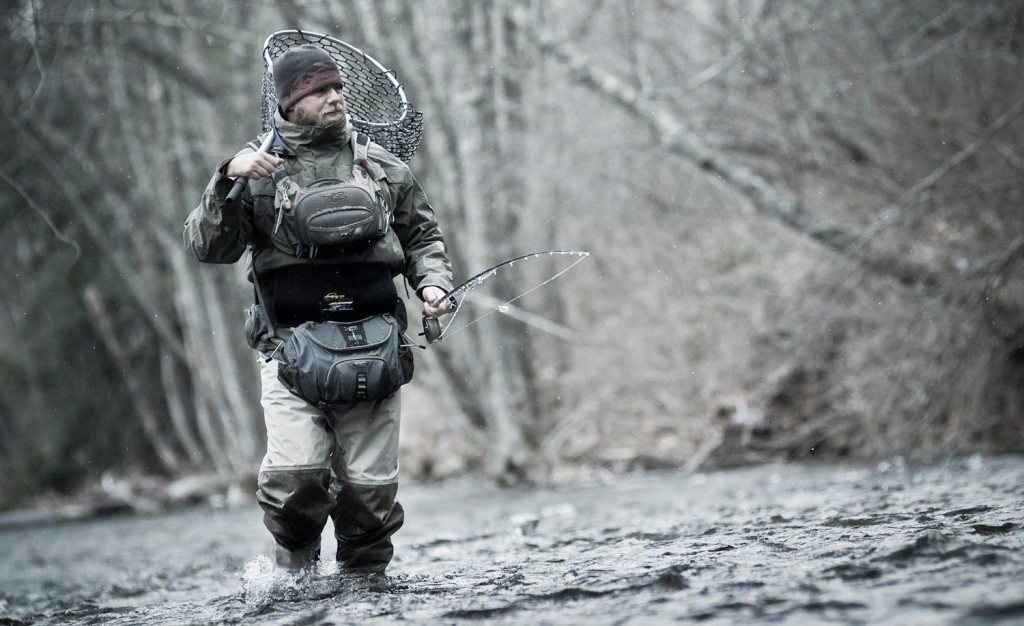
By Louis Cahill This story originally appeared in Fly Fusion Magazine Ice in my beard, fingers burning, I haven’t felt my feet for hours. I know from experience that it will be sometime around midnight, standing in my shower with the hot water running out, before I feel them again. My fingers are killing me, so I tuck my rod under my arm and work them into the fleece gator pulled up around my face. I’m a firm believer in global warming, but it’s a hard sell today. I have fished on some truly brutal days. Alaska in the fall, Maine at ice out in the spring. I fished in Colorado one day when it was ten below and I could watch the ice form around my boot freeze when I lifted it out of the water, but this day on the Nantahala river in the mountains of North Carolina may be the worst. You may scoff at this if you live somewhere like Wyoming or Michigan but if you’ve been here and seen it you know, when cold comes south, it comes holding a grudge. It’s about fifteen degrees at the truck. It feels colder on the water. The wind is howling and the snow has tapered off to flurries but what cuts right through the seven or eight layers I’m wearing is the humidity. It’s so humid that icicles form, right out of the air, on every surface that doesn’t have a constant source of heat. They hang grimly off of rods, and tree limbs, forceps and drying patches. I like days like this. I know that sounds crazy but any of the guys I fish with will tell you, the more miserable it is, the more I want to get at it. One reason is nobody else wants … Continue reading
Read More »Each One, Teach One
By Louis Cahill
I’VE GOT SOME HOMEWORK FOR YOU.
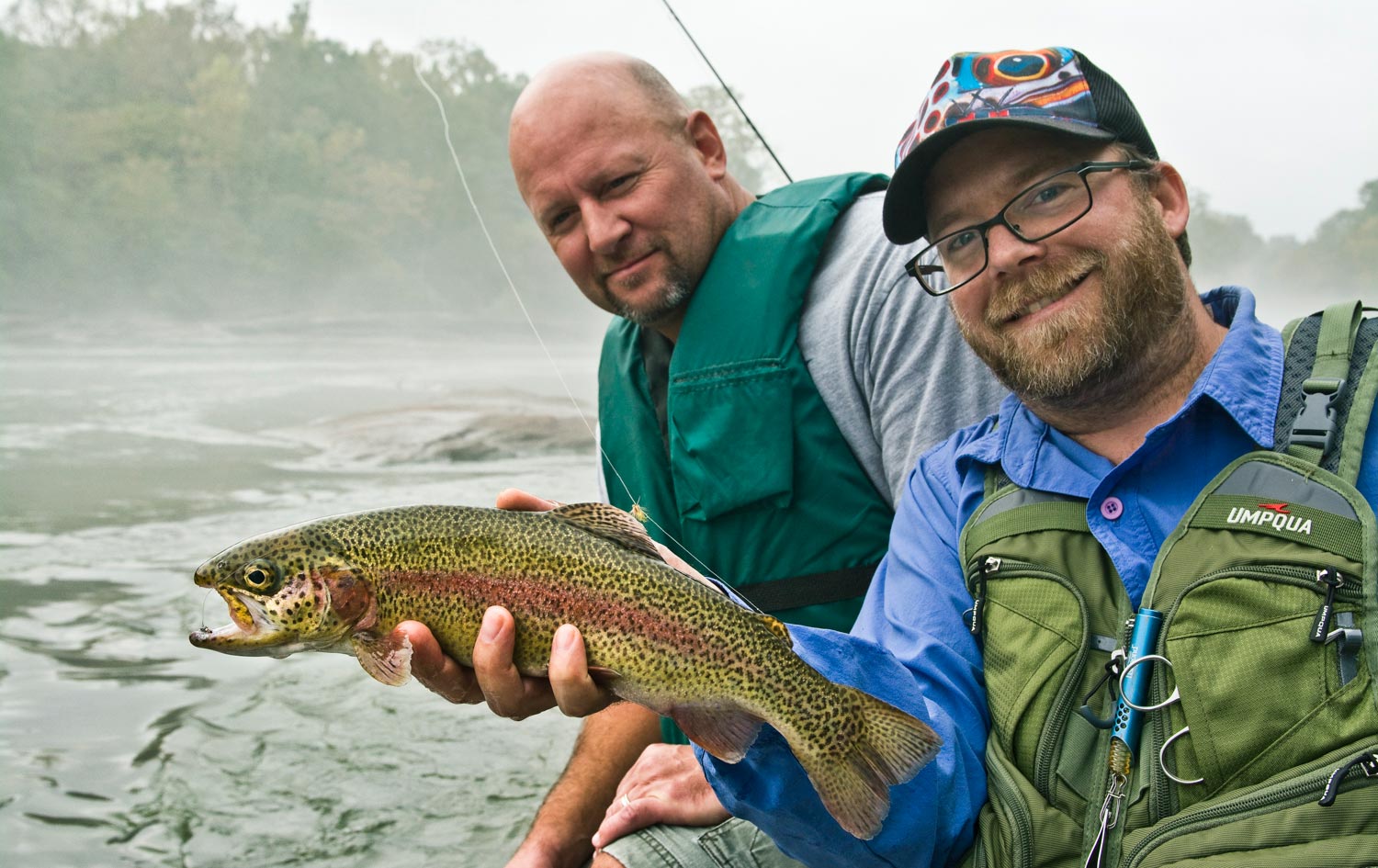
Last weekend Kent and I floated a local tailwater. I’ve been traveling like a demon all summer and it was a great chance to hang out, catch up, empty some beer cans and fish some local water. Days like that are chicken soup for my soul. Spending so much time on the road, I miss my friends and family. As you can imagine, there is a long list of folks looking to be in the third seat on that boat. Good friends who I don’t see enough of, hardcore anglers I always learn a trick or two from, guys who consistently put nice fish in front of my lens. It’s tough to make a choice.
This time out we made a great choice. Rather than rowing an old friend or badass angler down the river, we took Kent’s new neighbor. A great guy with very little fly fishing experience. I’m not sure if Heath knew what he was getting into when he stepped into that boat. Kent immediately slipped into guide mode. He told Heath to leave his rod in the truck and put his setup in his hands. Walked him through the fly selection and how to fish the team effectively. Taught him how to read the water and where to place the fly. Coached him on how to play fish and encouraged Heath at every step, praising every good cast. Before we had floated a mile, Heath had caught his biggest trout ever.
It was an awesome thing to watch. There’s nothing like seeing the lights come on for a new angler. Neither Kent or I spent as much time fishing as we might have but it was well worth it. We boated a real trophy. A new avid fly angler. And Heath’s appreciation was abundant and all the reward we needed.
I remember when I started fly fishing. I sucked for years, trying to figure it out on my own until
Read More »Articulated Nymphs, All Hype or the Real Deal?
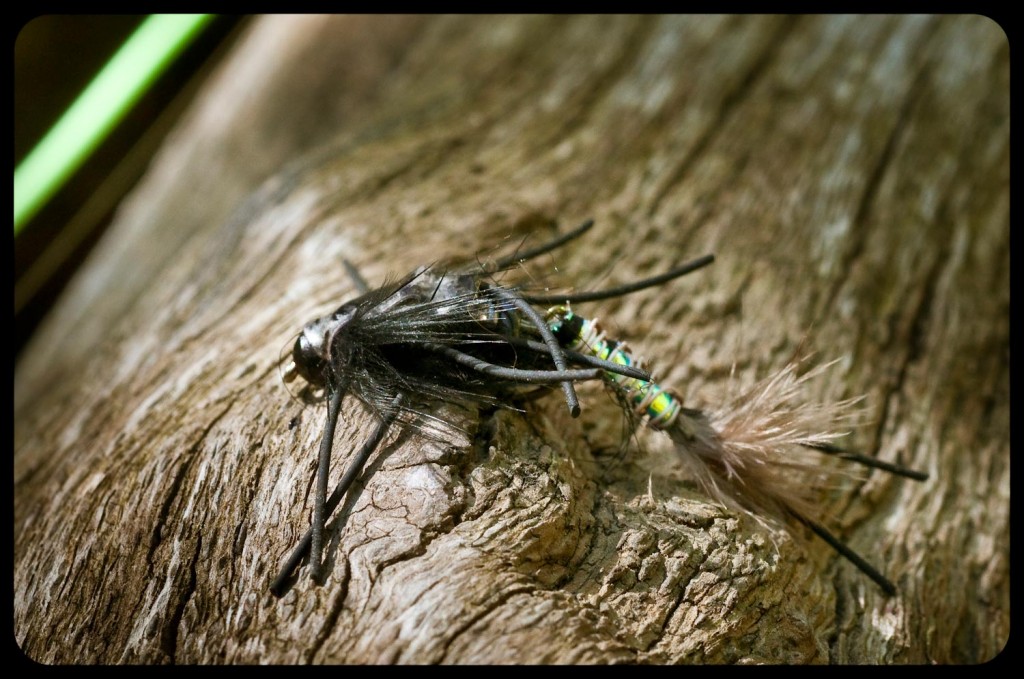
IF YOU PULL ANY SERIOUS STREAMER FISHERMAN ASIDE AND ASK THEM TO NAME THEIR FAVORITE STREAMER PATTERN, CHANCES ARE THE FLY PATTERN WILL BE ARTICULATED.
Ask the same question instead to a serious nymph fisherman, and most will answer with names of nymphs that aren’t articulated. I agree you don’t have to fish articulated nymph patterns to catch trout, but I do find it a little odd that we aren’t seeing more of them in the spot light today. As far as I can tell, the concept has been around almost as long as articulated streamers have. The last couple of years I’ve started to incorporate articulation into my fly tying for many of my nymph patterns. Just about all of them have done very well for me on the water. In some cases, my articulated versions have caught trout 3 to 1 over the traditional non-articulated versions. You can’t tie all nymphs articulated because many fly patterns and species of aquatic
Read More »Landing Big Fish: Video
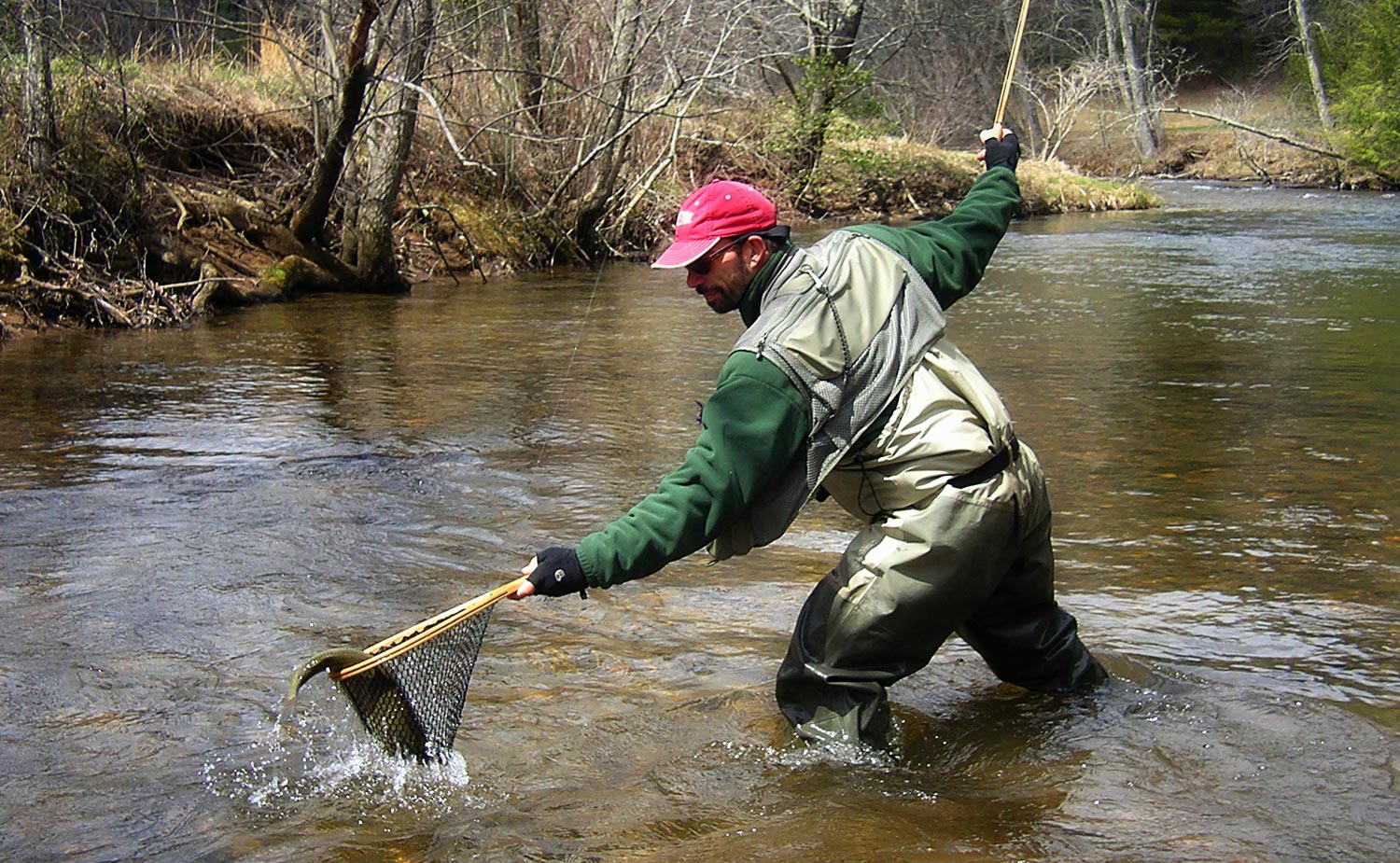
So you’ve hooked that fish of a lifetime, what’s Next?
I hear from a lot of anglers who are struggling to land bid fish, especially on their own. It’s definitely a skill that has to be developed and the only way to practice is to catch more big fish. That’s also the only thing that takes the sting out of losing that big boy at the net.
Netting fish is really pretty simple. There are just a few things to remember and once you have them down everything should go smoothly.
4 TIPS FOR NETTING BIG FISH
Pick your spot.
Always try to work the fish into soft, shallow water where you have the advantage.
Use your reach.
Extend your rod hand behind you as far as possible, with the reel pointing away from you. This puts you close enough to the fish for a good scoop.
Net the head.
Most anglers learn to net small fish by scooping them from behind. A big fish has the power to jump right out of the net if his tail is in the water. He may even be too long to get the whole fish inside the net. If you scoop him head first, he’s got nowhere to go.
Keep ‘em Wet!
Once the fish is in the net, hold him in the water. He’s not going anywhere. Let’s release him in good condition.
WATCH THIS VIDEO TO SEE THE BEST WAY TO NET A BIG FISH ON YOUR OWN.
Read More »The Simms Fall Run Jacket: Review
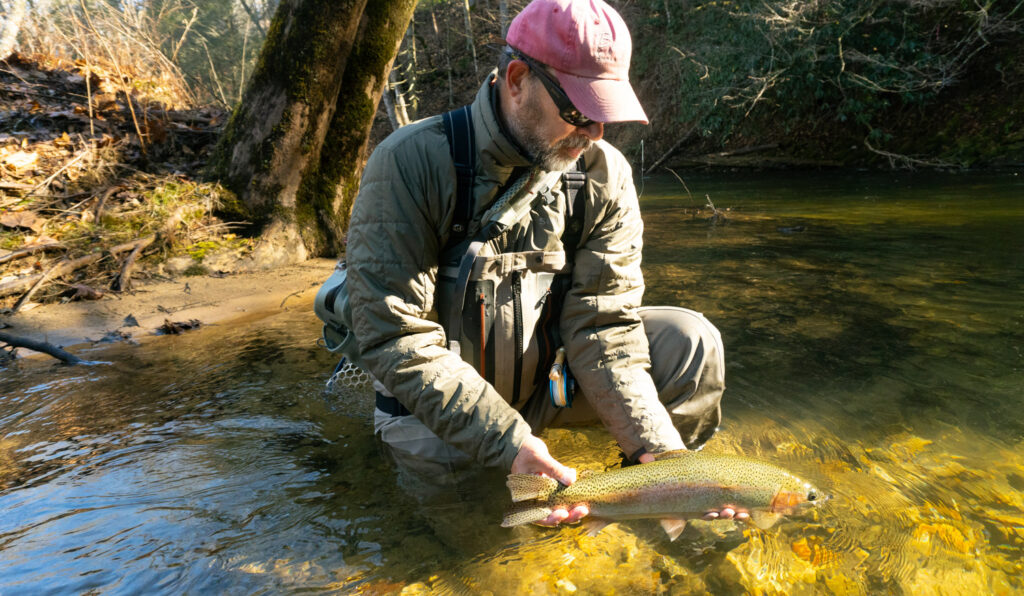
By Louis Cahill The Simms Fall Run might be the most versatile jacket I own. I love my fall run jacket. I wear it all the time, on the water and off. If summers were not so hot where I live, I’d probably wear it year round. I’ve owned one for over ten years and it’s as durable as it is comfortable. watch this video review for all the details on the Simms Fall Run Jacket.
Read More »The Stowaway Fly Reel Case from Fishpond: Review
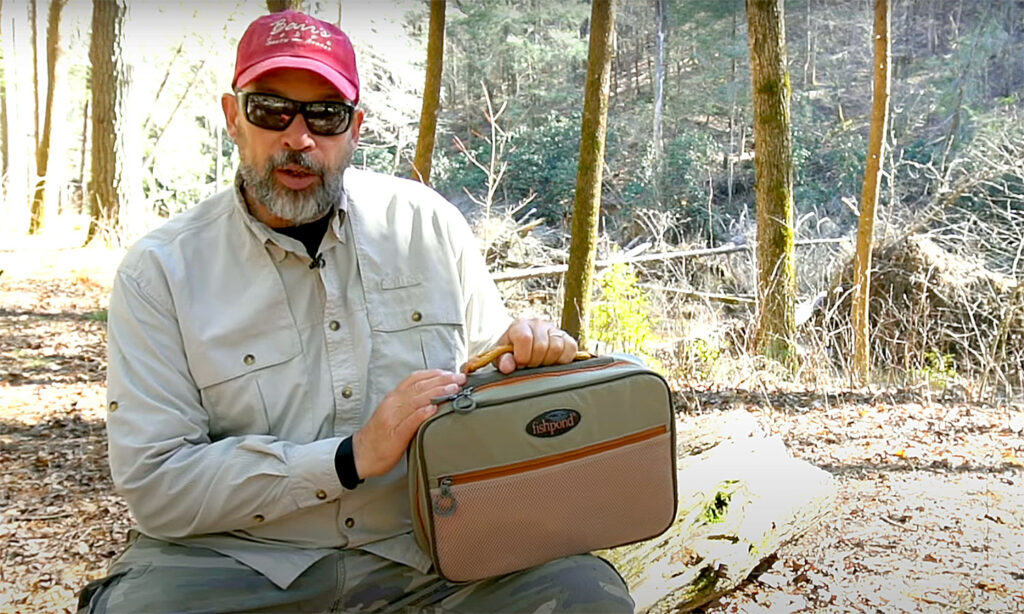
By Louis Cahill The Fishpond Stowaway reel case is a versatile piece of gear for the traveling angler. I’ve stored and carried my reels for years without a dedicated solution. The Stowaway reel case has changed that. This incredibly tough and versatile case makes traveling with fly reels and other gear a breeze. I also like storing my reels in the case for added protection. It’s a piece of kit I should have invested in years ago. Watch this video review for all the details on the Fishpond Stowaway Reel Case!
Read More »7 Tips for fishing from a SUP
By Ethan Smith
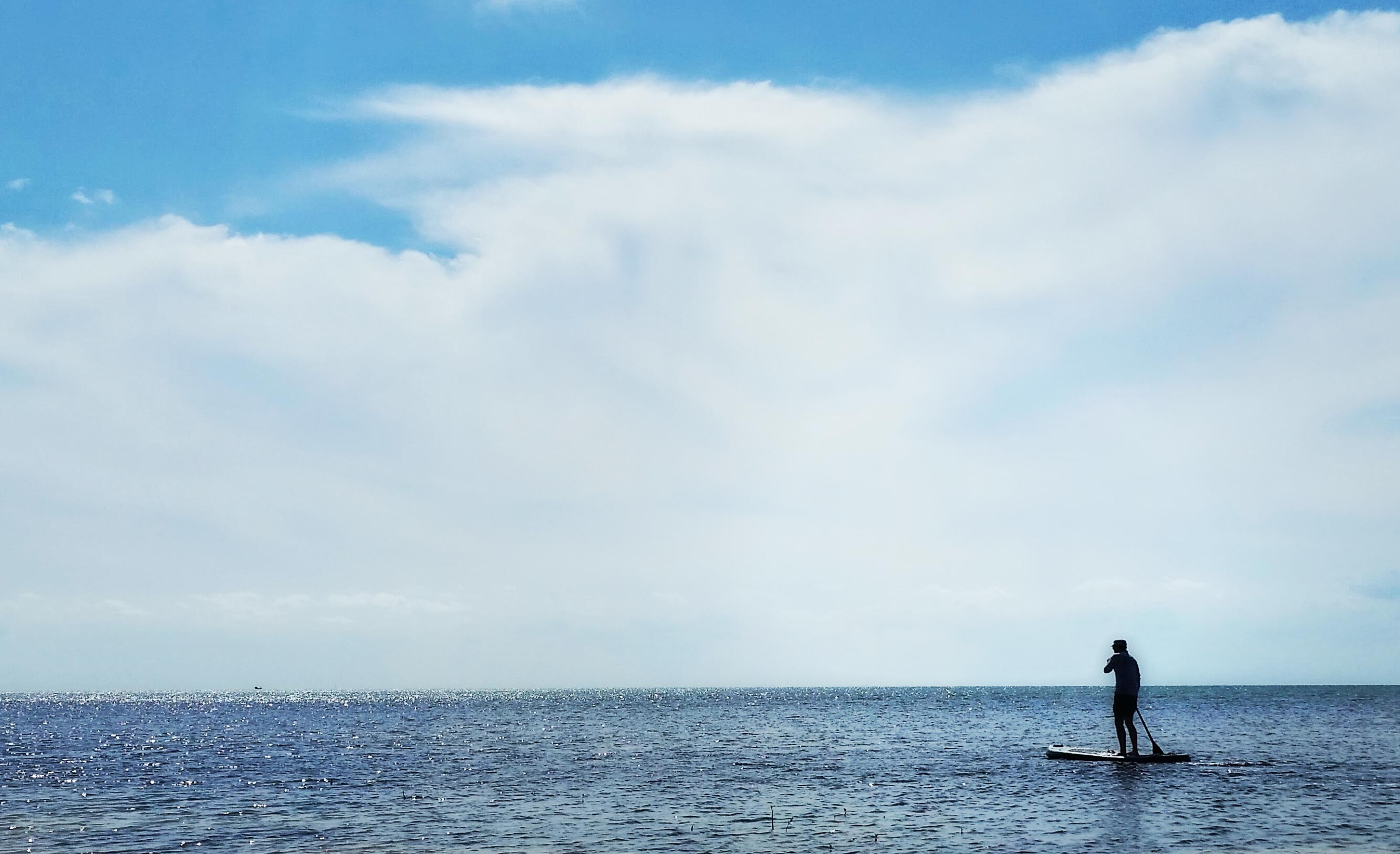
Fishing from a Stand Up Paddleboard can be daunting for the uninitiated. Here are 7 tips to get you up and fishing.
1. Wind
Always think about wind in advance and use it in your favor. No matter what body of water you are fishing, wind will be a factor, especially flats fishing. If you are working against it, It can cause headaches on a Stand Up Paddle Board if you don’t think ahead. Do your best to find spots where you can paddle out and use the wind to float your back along likely looking holding spots you can pick apart. The wind WILL blow you around, so why not use it to your advantage?
2. Don’t be afraid to wade
Fishing from a SUP is fun and exciting, but if you are in a spot with a hard enough bottom to wade, do that. Even in waist-deep water, your chances of landing that trophy fish go up if you are off your board. Don’t be a hero, getting off the board decreases the numbers of variables involved in fighting that fish. It’s easy to just jump off your board, leash it to your waist and wade fish for a bit. Then jump back on your board to move across the channel to a new spot.
3. Keep it simple
Keeping your terminal tackle rig simple on a SUP reduces variables, too. Stick with tried and true attractor patterns on a simple leader. Keep the flies mid- to small-sized and easy to cast, Christmas island Specials or Clouser Deep Minnows are my go-to saltwater patterns and they produce fish and cast easy in smaller sizes. Doing goofy open looped casts with deep diving monstrous flies just isn’t as easy on SUP, so keep it simple and small.
4. Don’t expect to
Read More »The Salt Water Quick Cast
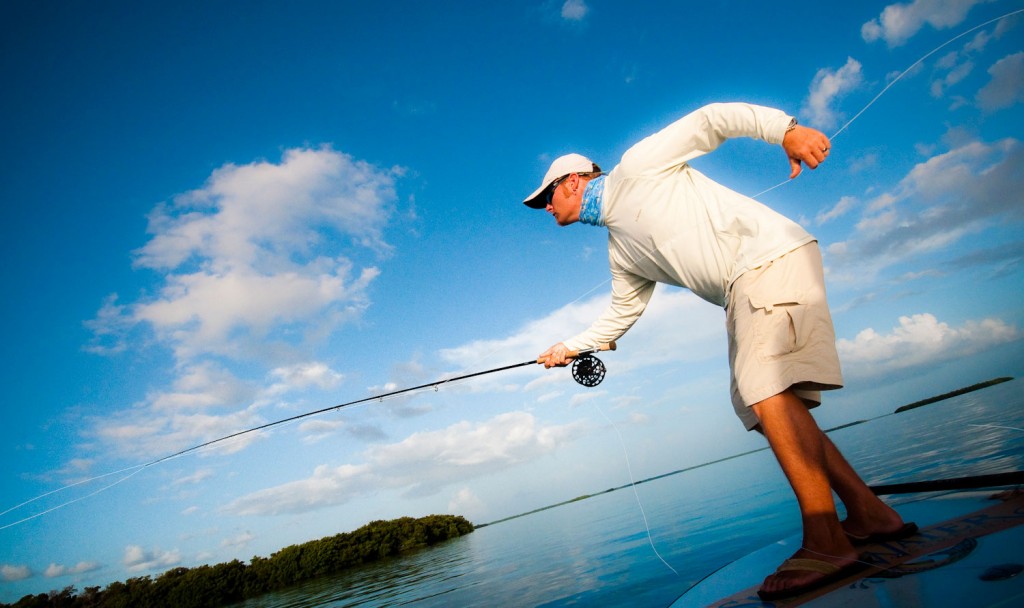
One of the most crucial skills in salt water fly fishing is shooting line.
Everything happens quickly on the flats and the angler who can put his fly on a fish sixty feet from the boat with only two false casts will have a distinct advantage.
It’s important to get the fly to the fish in a hurry but that’s not the whole story. In salt water the most effective presentation is one where the angler shoots line on the delivery. This keeps the fly line from spooking the fish during false casting, which is so important on calm days, and also helps in making a soft presentation. Because the tension from the line hand is released during the delivery the energy of the heavy salt water line dissipates much quicker. No big splash right in front of the fish when the fly lands.
To master the quick cast you will need a few skills in your bag. You must have an efficient double haul to generate the necessary line speed. You also must develop an aggressive back cast so you can shoot line behind you as well. Once you’ve mastered these techniques you’re ready to put your quick cast to work and you’ll catch a lot more salt water fish.
Here’s Capt. Joel Dickey to show you how it’s done.
Read More »A Humbling day on the White River
IT’S 4:00AM AND MY ADRENALINE HAS ME AWAKE WAY AHEAD OF THE ALARM CLOCK JUST LIKE THE FIRST TIME MY DAD TOOK ME HUNTING WHEN I WAS A KID.
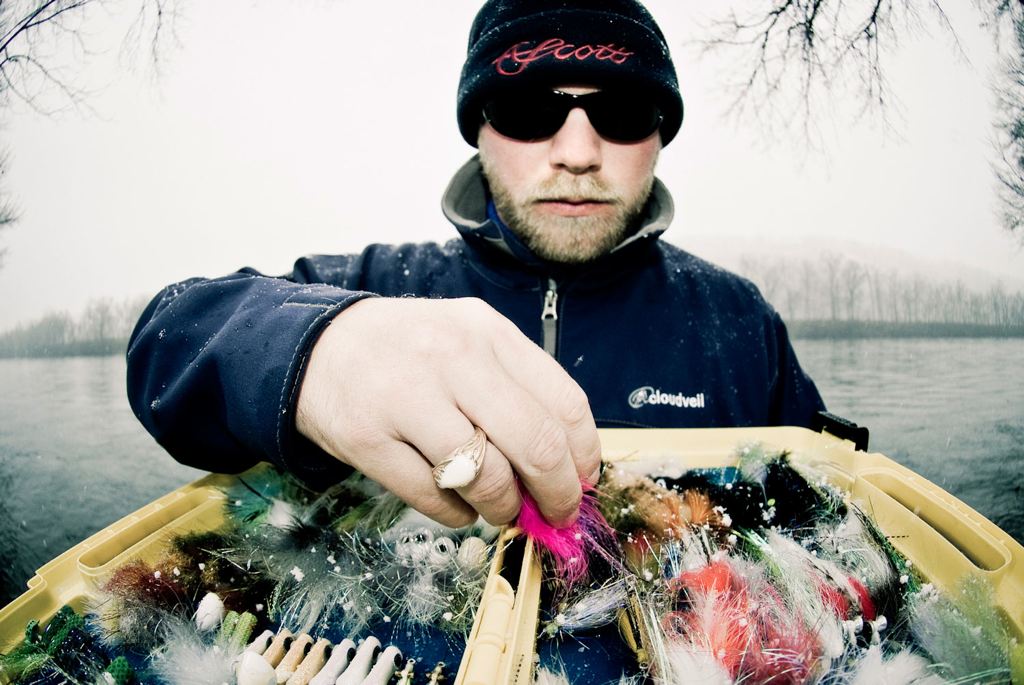
As I gaze onto the silhouette of the White River I hear the resident trout in the river ambushing baitfish and stockers in the moon light. By the sound of the loud thrashing of the water I can tell it’s the sound of trophy trout on the feed. I’ve booked legendary fly fishing guide, Davy Wotton who’s been guiding on the White River for over twelve years. Davy is well known in the fly fishing industry for his SLF Dubbing, extensive fly fishing videos and long standing conservation efforts.There’s no doubt in my mind I’ll be in good hands with his local expertise. I’ve got my Scott S4 8 weight rod rigged up with my sinking line, and I’ve packed my Cliff Outdoors streamer box that’s filled to the max with my freshly tied up streamer creations.
My goal for the trip is to bring a Brown Trout to the net measuring over thirty inches. This feat will be no small task, but my hopes are high knowing there’s no better river in the lower 48 states to reach a goal of this caliber. The Arkansas DNR have shocked up multiple forty plus pound brown trout over the years during their surveys, and they say it’s just a matter of time until the White River produces the next world record. After a quick introduction with Davy Wotton we launched the boat and headed up river to Bull Shoals Dam where we initiated our first drift for the day. From the Bull Shoals Dam down to the Bull Shoals State Park line, the White River is a designated trophy trout section with special regulations.
Shortly after beginning our first drift we began seeing thousands of shad floating down the river. As deep as I could peer into the depths with my polarized sunglasses, I could see shad in every foot of the water column. There must have been thousands floating at any given moment. Now, you’d think this would be great for fishing, right? Here’s the problem,
Read More »