
8 Elements of Fly Design to Follow for Imitating Trout Food Sources
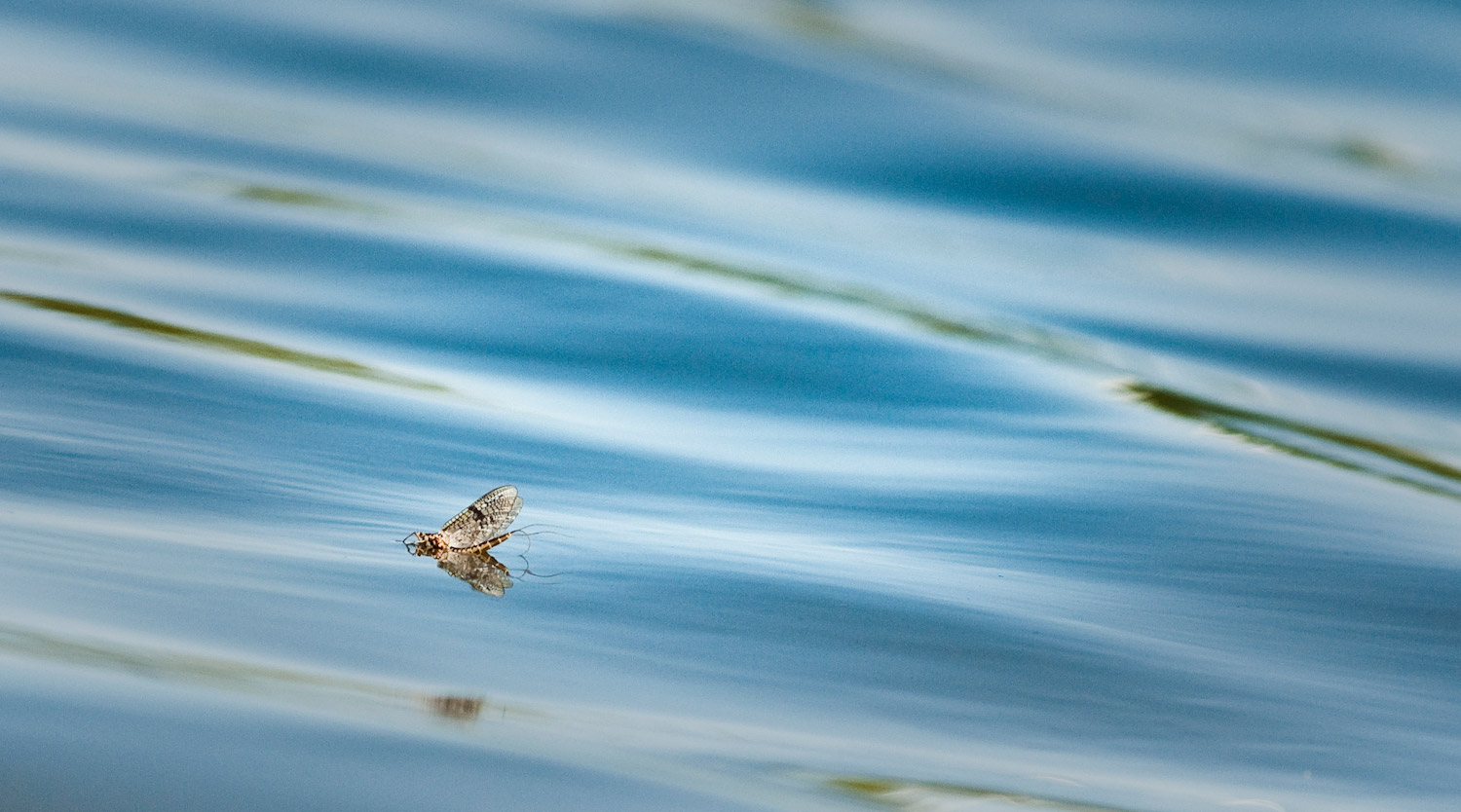
When tying fly patterns, it’s very important that you try your best to incorporate several different elements of fly design to increase their effectiveness. No one knows with complete certainty what order or priority trout rank each element of a food source or fly pattern, but most anglers agree that the value or ranking of the elements often change depending on how long a trout has been selectively feeding on a specific food source, at what frequency the specific food source is being eaten, and how diverse or consistent a trout’s diet is at the present moment. The order of the elements that I will talk about in know way ranks the importance of the elements. Instead, fly tiers should look at them together as a whole, and try to include as many as possible or as a check list of the features a fly pattern should have when completed. Doing so, they should find there fly patterns more effective on the water for fooling and catching trout. In this post, I will specifically talk about eight different elements of fly design that fly tiers should pay close attention to when tying fly patterns at the vise.
Read More »Strip Set, Dammit!
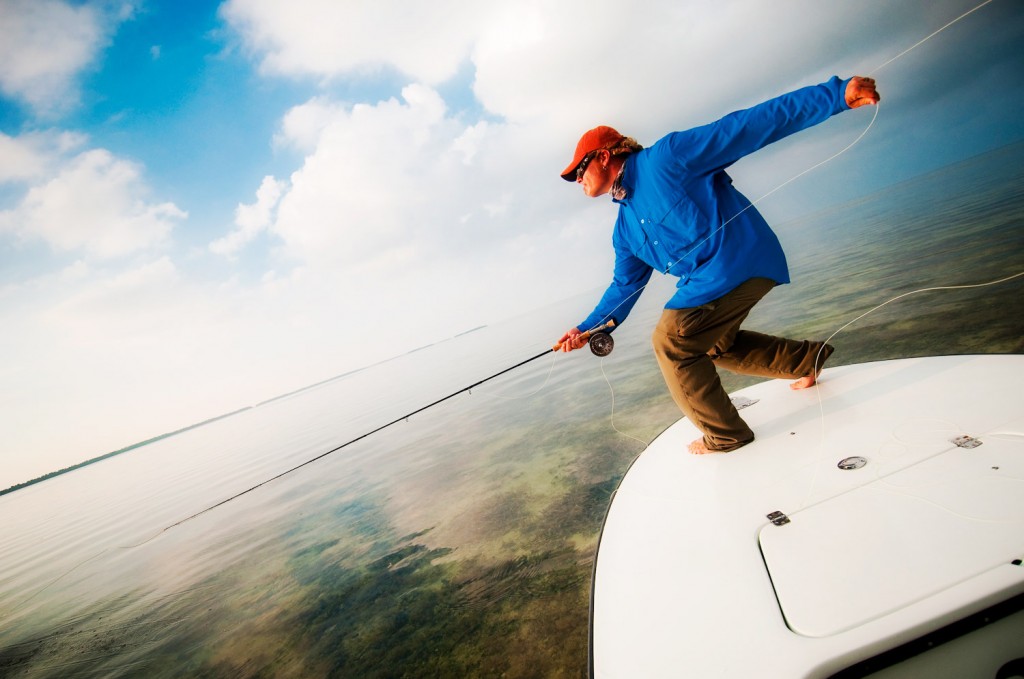
Quite likely the most frustrating thing for an angler who is new to salt water is the strip set.
A dedicated freshwater angler will have thousands of hours of muscle memory to overcome. I did it myself time after time. I’d see a fish eat and my arm, without permission from my brain, would raise the rod tip and off would swim a happy bonefish. Then I would hear my friend Josie Sands, from the platform, “da ain’t no trout in the Bahamas Louis”. To be fair, as frustrating as this is for the angler it may be worse on the guide. He has to deal with this almost every day.
I wish I had a silver bullet to offer that would solve this problem for you instantly, but I don’t. It just takes focus and practice. However here are a few suggestions that may help. First, don’t beat yourself up. Every guy who stands on that bow has gone through this. You are not a moron, you just feel like one. Self loathing will not help.
Second, stay focused. There is a lot to think about and when you spot fish things happen quickly. Try this. When a fish turns and chases your fly,
Read More »Streamers for Small Streams
By Jason Tucker
Small stream fishing often conjures to mind light rods and lines, small dry flies, an easy, pleasant day on the creek casting to small trout.
It indeed can be that, and most of my small stream fishing consists of this. But I firmly believe every small stream out there holds bigger fish, and more of them, than you think. One of the best ways to find out is with streamers.
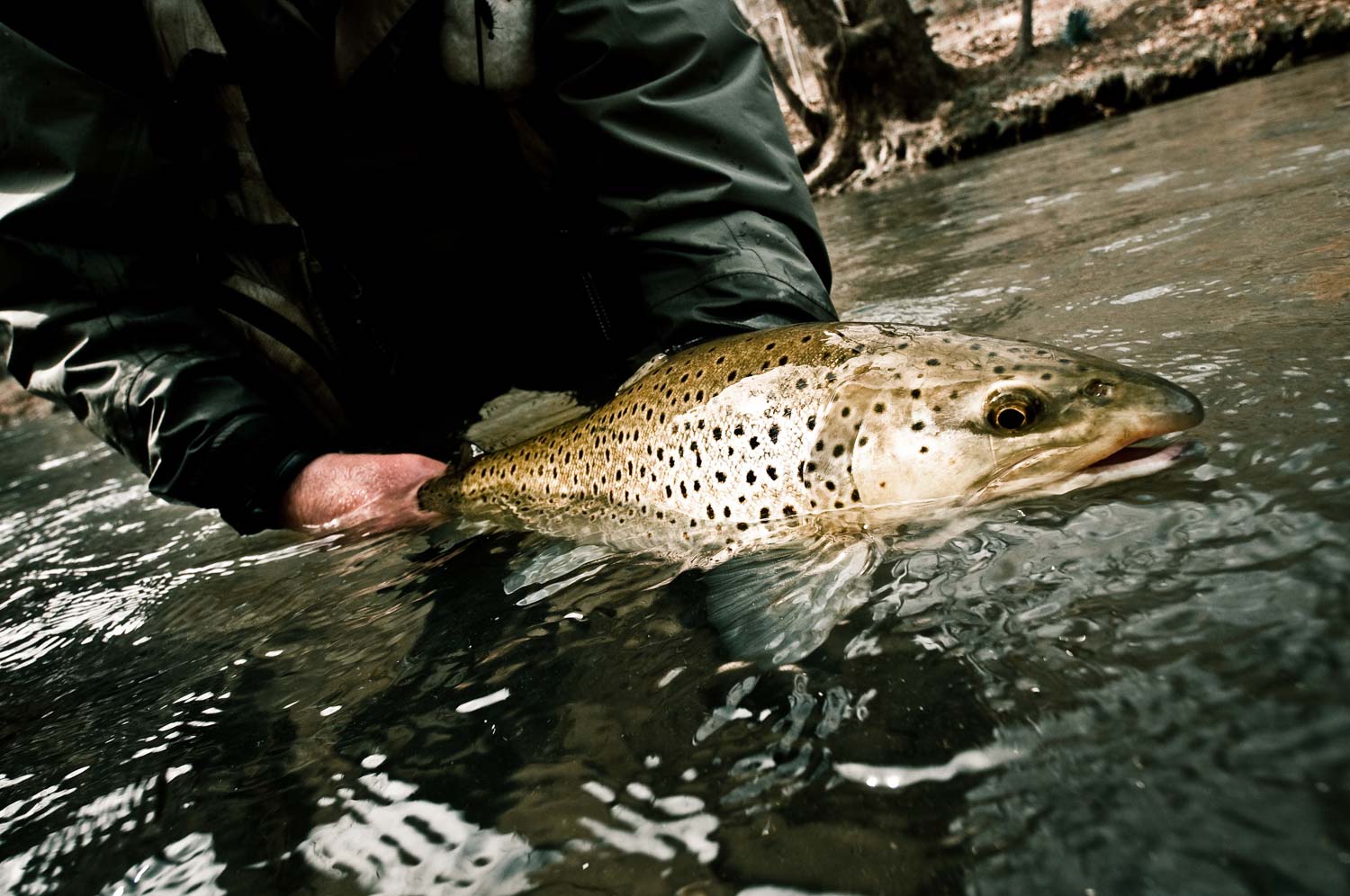
Researchers have shown that as brown trout reach the twenty-inch mark they become largely piscivorous (fish eating). This means if you want to catch them, you need to throw streamers.
Streamer fishing has changed a lot since the days of hair wing flies and Grey Ghosts. If you have fly fished for any amount of time you have heard of or read “Modern Streamers for Trophy Trout” by Kelly Galloup and Bob Linsenman. Streamer enthusiasts today pound the banks with articulated monsters measuring five to as much as twelve inches long. This is great for bigger rivers but a bit of overkill for small streams. You’ll want to scale your efforts to the water you’re fishing. Still, streamer fishing small streams can be a very enjoyable way to fish them, and a great way to find out the true potential of the stream.
MY STREAMER BOX FOR SMALL STREAMS CONTAINS THE FOLLOWING:
Muddler Minnow size 4-10
Cone Head Madonna/Zuddler size 4 in barred yellow, olive, black and white
Black Dace size 6-10
Mickey Finn size 6-10
Zoo Cougars size 6 in yellow and white
As I said I try to scale my streamers to the water I’m fishing. It would be rare for me to tie on a size two streamer. Most of the forage fish in a stream are going to be closer to the size of traditional hair-wing streamers like Mickey Finns and black-nosed dace. In a lot of small stream situations, I prefer the stealthier presentation of hair-wing streamers to the loud splat of bigger, heavier streamers advocated in “Modern Streamers”. Trout in small streams are well aware of everything going on in the water. That splat can be what sends them on the run.
BY FAR MY FAVORITE STREAMER FOR SMALL STREAMS IS A MUDDLER MINNOW.
It is a great sculpin imitator, and all the streams I fish both North and South are chock full of them. Trout eat them with abandon. Even big fish will roll out for a size eight Muddler. If you want an enjoyable day seeing and catching lots of fish, tie on a Muddler minnow and go to town. I find that original versions work better than marabou or conehead versions. Sculpins hug the bottom normally, and when trout see a muddler swimming up high, they think something is wrong, triggering a response. That’s my theory and I’m sticking with it.
My second choice is the conehead Madonna, which to my untrained eye is nearly identical to a Zuddler. It’s another sculpin stand-in; a great pattern with lots of action and a good profile. It has some “plop” to it, but not so much that it will spook fish in normal or high-water situations, and it’s a great pattern for finding bigger fish in the system.
After that I like the Mickey Finn and black-nosed dace. They are tried and true classic patterns that brook trout especially go for. Black-nosed dace are forage minnows, and very common in small streams. The yellow and red of Mickey Finns is also very effective. I always try to keep these in my box.
Lastly, if I suspect that water holds bigger fish, I’ll tie on a zoo cougar. Their disadvantage is that they’ll float even when saturated. Because of that you need a sink-tip, or a split shot a foot above it. For that to work you need enough room in the water to allow it to sink, work it, and hopefully get a reaction. If the stream is too small you may not even get the streamer down before it’s out of the hole. But on the right piece of small stream you may see a fish following that scares you.
There are dozens of other great streamer patterns out there, from marabou streamers to various flash minnows to woolly bugger variations. If you have a favorite, take it out and give it a try. These are just my go-to patterns, and I try to keep things simple.
PRESENTATION
Fishing all flies revolves around three words- presentation, presentation, and presentation. It’s no less true with streamers, though
Read More »How Not To Learn Bonefishing
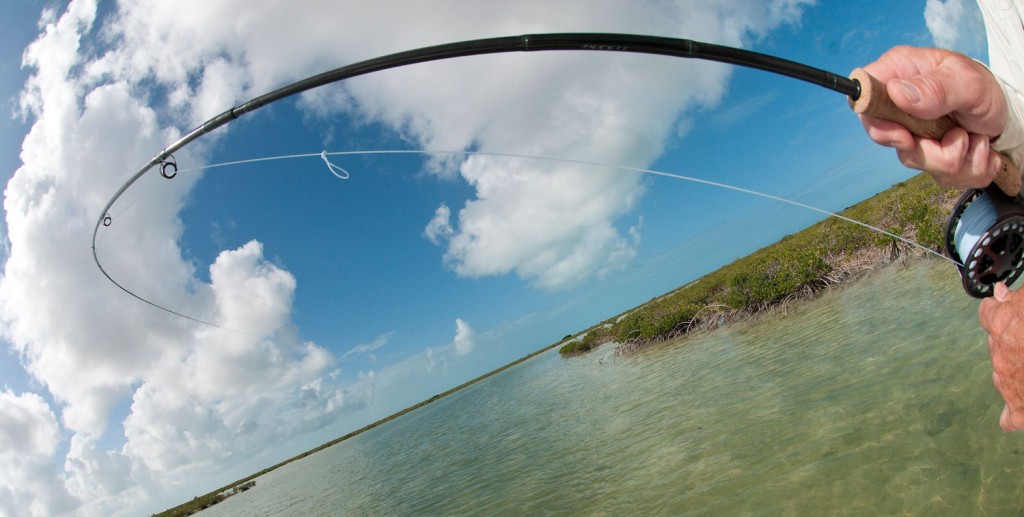
Float to the Bahamas on a 55 gallon drum and save the air fare but hire a good guide every day!
My buddy Brad went to the Bahamas for bonefish recently. I loaned him a rod, reel some leaders and a box of my favorite bonefish patterns. It was his first trip to the salt and when he got home the stories brought back memories.
Brad is a great angler. He guides for trout and when it comes to working a tough fish with a tiny dry fly he’s the man but salt water is a totally different game and, like all of us, he ran up against the learning curve pretty quickly. He came home from the trip with a photo of himself holding a nice bone and that’s better than I did on my first salt water trip so I’m not dogging my friend here but I’m going to tell you where he went right and where he went wrong.
Brad took some advice I gave him and that was a good start. First off he went to the Bahamas. There’s a lot to learn for the beginning bonefish angler and much of it is retraining muscle memory. Developing a good strip set for example. The only way you learn to strip set is by feeding fish. “Those crazy ass fish run every which way!” Brad told me. That’s true, and you only learn how to lead moving fish by getting shots at moving fish. Simply put, in the Bahamas you get a lot more shots and you feed a lot more fish.
The first way he went wrong was he went to the wrong island. I told him to go to South Andros but he has a friend with a place in Eleuthera and went there. He saved some money and I get that, but he caught a lot fewer fish. It’s like my friend Joel told me when I booked my first trip to Andros. “The Bahamas is the best bonefishing in the world and Andros is the best bonefishing in the Bahamas.” Well said, and true.
I learned to fish salt in the Florida Keys and that’s a tough way to go. The fish in the keys are a lot more educated. The bonefish in the keys are big but fewer and the turtle grass bottom makes them hard to see. The Bahamas has
Read More »15 Pieces of Dirt Cheap Gear Every Angler Should Own
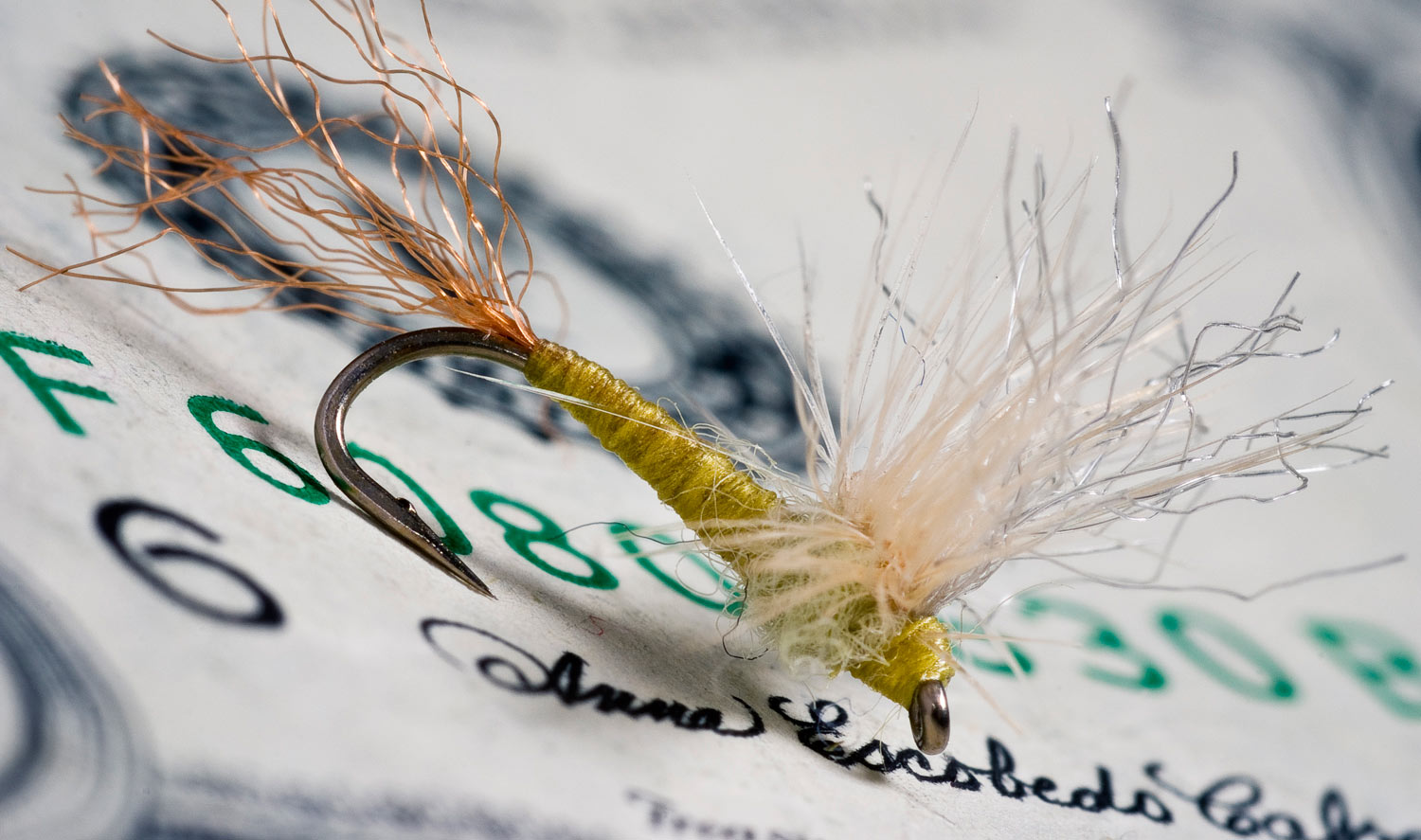
Fly fishing gear is plenty expensive.
That’s not lost on anyone. Some of that pricey gear is worth every penny but there are lots of cheap and simple items that will make your fly fishing easier and more enjoyable without draining your bank account. Some of them are even free. You can buy everything on this list for $125. You’re probably using some of them already and you may use some I haven’t thought of. If so, please share them in the comments.
HERE’S MY LIST OF 15 DIRT CHEAP PIECES OF FLY FISHING GEAR I USE ALL THE TIME.
Rising Crock Tool -$20
At $20, the Crock is the second most expensive item on this list, but worth twice the price if you ask me. This is the one tool I use every time I fish, in freshwater and salt. It’s scissors, pliers, hemostats and a catch-and-release tool all-in-one. The quality is outstanding and it’s the only tool you need.
Paint Strainers -$1.67 ea
Nothing will put you on fish faster than knowing what they’re eating. Stretch one of these inexpensive paint strainers over your net and take the guess work out of matching the hatch. Watch a video on how use them HERE.
RIO Cranky Kit -$7.95
Changing lines without some kind of line winder can be a mess. This simple tool makes it easy to keep your lines neat and untwisted when you change them out. It’s small enough to keep in your fishing kit and make quick changes on the road.
Dry Pac Roll Top Dry Bags -$7.24
I use these in small and medium sizes for everything from wading boots to camera gear. They’re tough as nails and absolutely waterproof. Pack wet gear in your luggage or carry valuables on the boat in these bags. I’ve even filled them with air and used them as floats for tricky river crossings.
Door Mat -$15
I keep these in the back of the truck and throw one on the ground for changing into my waders. It keeps your socks dry and clean and saves wear and tear on your wader booties. You can get them a few bucks cheaper but I’m featuring the one that says “Go Away” for steelheaders.
Pill Bottles -$FREE
Ok, maybe these aren’t free but we all have them laying around. They’re great for carrying big fluffy flies in bulk. I always have one full of mouse patterns.
BBQ Wipes -$FREE
I buy these by the case for $7 because I’m honest, but you could just take the free ones at the BBQ restaurant. It’s the simplest way to clean your fly lines any time. Read more and watch a video HERE. And yes, they are perfectly safe for your fly lines.
Fleece Pants -$15
Ask anyone who fishes with me if they’ve seen me in my PJs. This is about all I wear under my waders. They wick moisture, dry fast and keep you nice and warm. Well, warm anyway. I sometimes even wear them into the bar.
Tying Effective Hair Wings
By Bob Reece
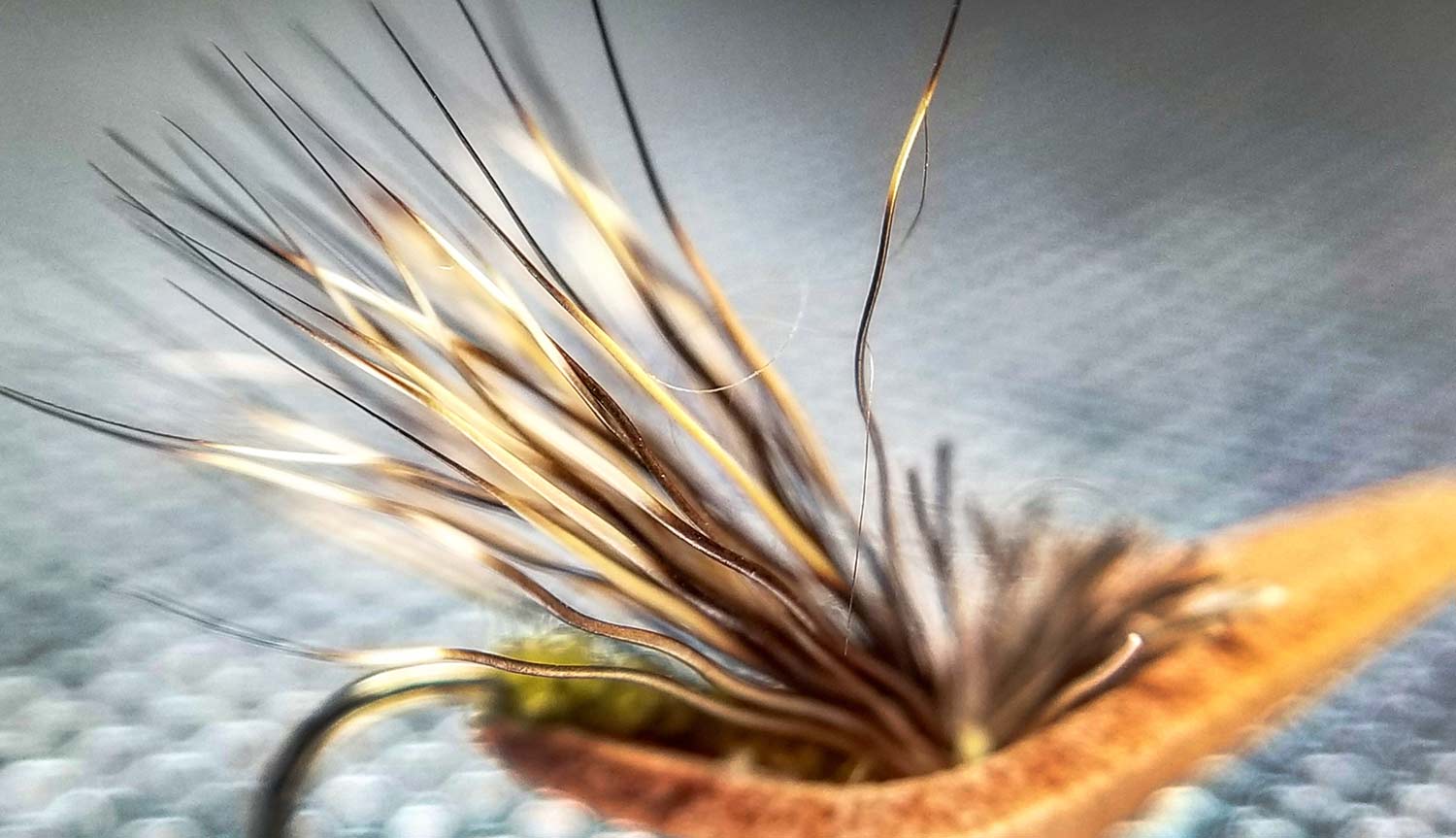
Social media allows for the viewing of frequent and numerous fly patterns. As with all things fly fishing, there are seasonal trends. This time of year dry flies make a common appearance. Many of those incorporate some form of hair as a wing imitation. While effective, this material can provide tying and durability challenges.
When spinning deer or elk hair, a bare hook shank is helpful. Yet, when tying in a hair wing it is detrimental. The smooth surface of the hook shank creates much less friction than one wrapped with thread. This lack of friction causes the hair wing to shift position when being tied in. The simple correction of this issue is to lay down sparse thread wraps over the hook surface where the wing will attach.
Glues should never be used as a substitute for sound tying techniques. However, they can greatly help to enhance the durability of the parts that make up a pattern. Any time I tie in a hair based wing, I always follow it with a small touch of Zap-A-Gap Thin. This helps to further anchor in place and hold the hairs, subsequently enhancing the on-the-water life of the fly.
Lastly, but most commonly seen in the pictures that I view, is an excess of hair. The hair wing of any dry fly pattern needs only to provide the impression of a wing. Using too much hair can negatively affect the profile and effectiveness of the fly. It can also
Read More »Spotting Big Trout in all the Wrong Places

One of my home waters that I spend 500 plus hours a year guiding on is notorious for big fish holding in water that most people would consider horrible trout water. I’m talking about water that is less than a foot deep that even veteran anglers would regularly walk by without fishing. The other day guiding I spotted a huge hooked jaw male rainbow pushing 30 inches. It was sitting in plain view on a gravel bar in six inches of water hugged up against the edge of a rhododendron. My partner and I watched the fish feeding regularly for about five minutes, while we planned out our spot and stock. I had seen big fish laying in this shallow gravel bar in the past many times, but nothing this size. Here’s the ironic part, right before we had approached the spot I had just explained how important it was to scan the water, even ridiculous looking shallow water before making a cast in the chances we might spot a big fish.
Heavily pressured fish are smart and often sneaky. I truly believe big trout will
Read More »Improving Your Water Haul Cast
By Justin Pickett
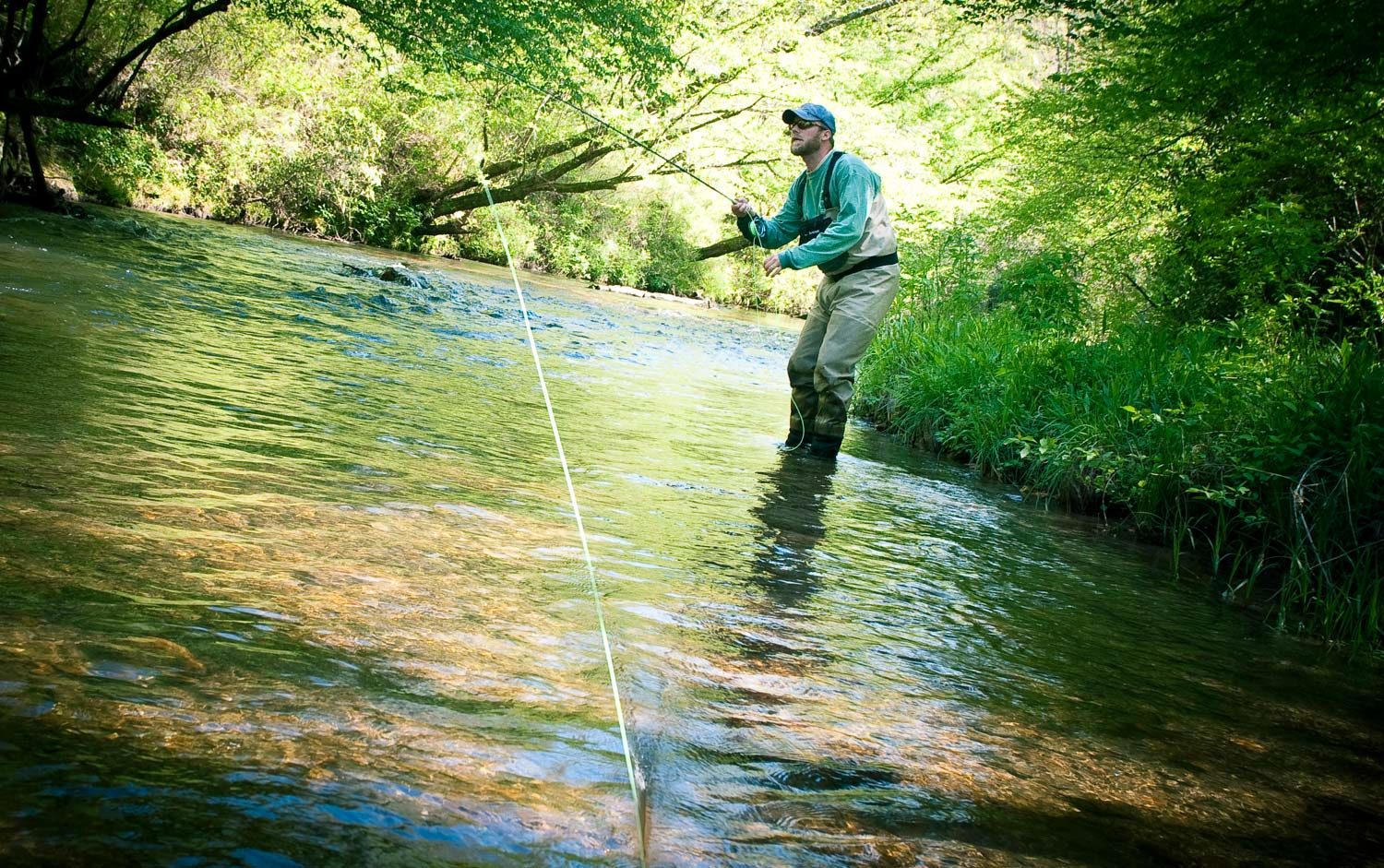
Fly-Fishing around tight canopy can prove challenging, and, here in the southeast, there is plenty of it.
Rhododendrons dominate the banks, along with wise, old Hemlocks, Oaks, pines, and many other bushes, shrubs, grass, and flowering flora. Because of this, I often do my best to take them out of the equation by changing my casting technique to best suit each situation.
One of the casts that I use most often, when tight banks and overhead canopy are staring me down, is the water haul cast. It’s the perfect cast for keeping you out of trouble for a few good reasons. For one, It takes the back cast completely out of the equation, eliminating the possibility of getting hung up in the trees and bushes that lurk behind you. As well as keeping your cast close to the water’s surface, which keeps you relatively safe from most overhanging obstacles. On the other hand, if not executed correctly, the water haul can prove frustrating and getcha worked up in a hot minute.
When it comes to mistakes made with the water haul, there are a handful of problems that I see consistently when I’m guiding clients.
PROBLEM: YOUR CAST IS PILING UP AND IS WELL SHORT
During the passive phase of the water haul, you are allowing the flow of the water to straighten your fly line and leader, downstream from you, which pulls against your line, leader, and flies which transfers energy to the rod blank. This step loads the rod and gives you the stored energy needed to make the cast. What I see happen most often is that when the angler begins to make their cast, the rod loads up and then slingshots forward, but the flies only sling a few feet out of the water, or maybe not at all.
The first thing that often happens here is that during the time it takes to straighten your rig and load the rod, your flies fall to the bottom of the streambed, and if you’re fishing with an indicator or a dry fly, the hydraulic force of the water presses the indicator/dry fly into the water’s surface, if not below the surface. When this happens, the water flow is creating more resistance and energy than you have stored in your rod. The end result is often what I described above. The energy stored in the rod isn’t enough to overcome the forces of the water against your rig and your flies aren’t able to well…fly. The solution to this issue is simple, though. As you prepare to straighten your rig, move your rod tip a few more inches downstream and let it come tight. As you become ready to cast, raise your rod tip slightly and move your rod tip forward those few inches that you added on. This will bring your flies up in the water column, greatly reducing the water’s resistance against them. If you are fishing with a dry (especially larger flies) or an indicator (especially thingamabobbers), focus on trying to “skate” them across the water for a few inches before attempting your cast. This breaks much of the surface tension and allows for an easy, well executed cast.
The second reason that your flies will pile up while attempting a water haul is because
Read More »A Threaded Discussion: Video
by Bob Reece
What’s the best thread for fly tying?
One of the benefits of social media is its ability to open lines of communication. I frequently receive pictures of various fly patterns that people have tied. In tandem with these photos, I’m often asked for my thoughts on how to improve the quality of the shared pattern. My first point of emphasis usually lands on a thread related element.
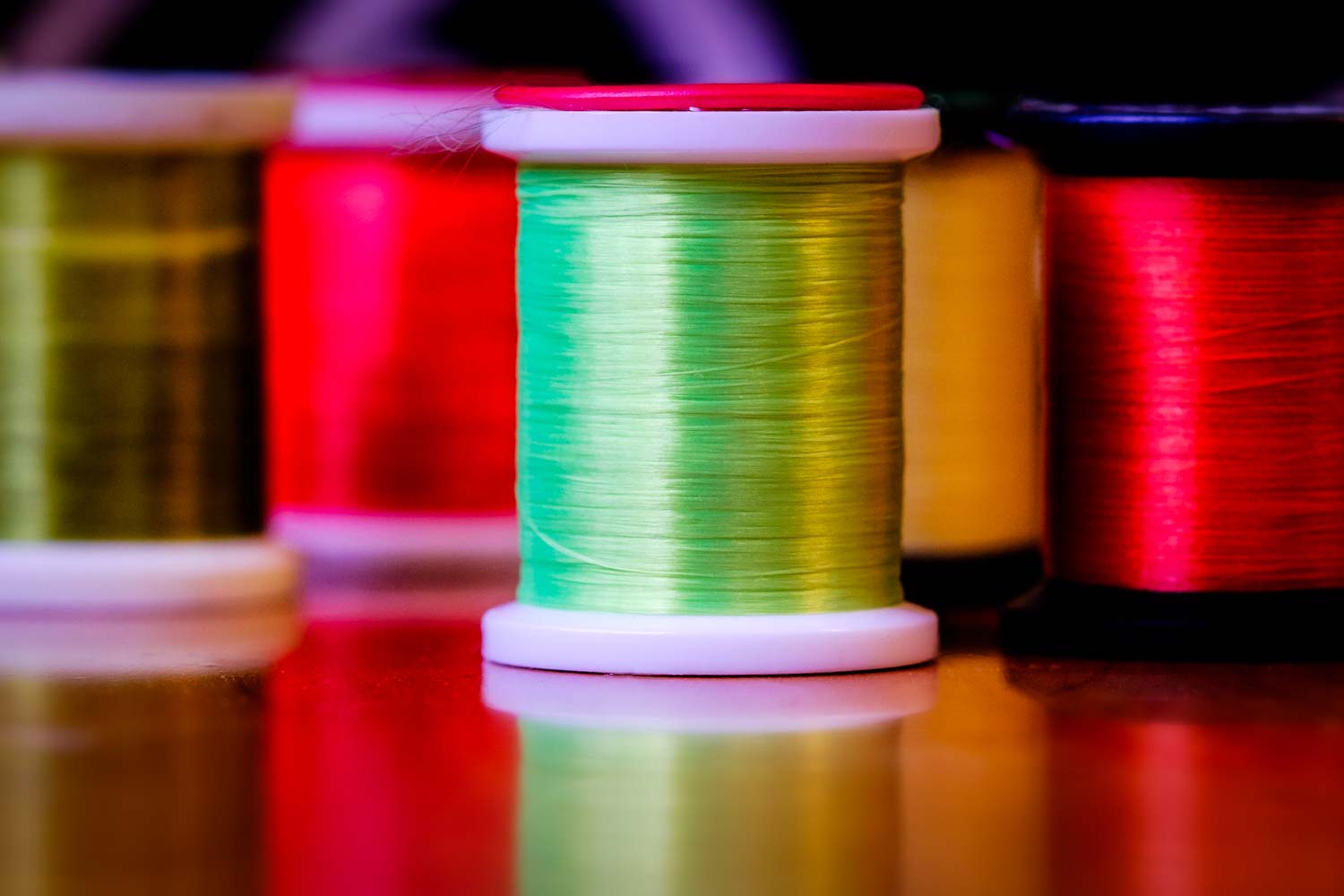
In general, as the fly size decreases so should the diameter of the thread. This is essential knowledge for any tier that is looking to create a higher quality product. All threads are broken in to sizes ranges. The two most commonly referred to sizing categories are Aught and Denier.
Threads measured in the Aught range are best used for patterns that do not require smoothly built up thread bodies or other portions of the fly. This is due to the fact that these threads do not lay as flat when wraps are laid down. For this category a larger number signifies a smaller diameter thread. For example a 14/0 thread has a smaller diameter than an 8/0. Due to advancements in thread technology, even smaller diameter Aught threads can display exceptional strength.
In a turnabout with Denier threads, a larger measurement number signifies a thicker diameter thread. For example
Read More »Nobody Wants To See Your Rotting Corpse

THIS IS WHY MY HERO SHOTS WILL ALWAYS LOOK BETTER THAN YOURS!
I try not to do this. To give up on a well-reasoned argument and turn to an angry rant, but once in a while I can’t help myself. I’m sick and tired of opening Facebook and seeing photos of a dead fish and some grinning asshole. You’re not a hero and that’s not a hero shot.
Fish are beautiful, living creatures and like all living things they are only beautiful when they are alive. Nobody wants to see a photo of your dead girlfriend and I don’t want to see a photo of your dead fish. It’s a corpse, not a trophy.
The color starts to leave a fish as soon as you lift them from the water. I know this because photographing fish is my job. Ten seconds. That’s all the time it takes to photograph a fish. Lift, snap, dunk, repeat. That’s how you do it. Ten seconds at a time. And then let the damned thing go!
I saw a video on YouTube the other day. The guy was talking about catching his biggest brown trout. It was back in the days of film and he said, “I hated to kill it but I had to. I was out of film.” No! You didn’t have to, you self-centered moron! Do you have Alzheimer’s? Were you going to forget catching that fish? Or are you such a lying douche bag that no one believes you anymore?
Killing a trophy fish does not make you cool. It makes you a dirt bag!
photo-3You know what else doesn’t make you cool. Your name in the record books. Nope. Not cool. Neither is “landing” a tarpon on 12 lb test. Here’s a photo of
Read More »