
Horsehair Worms
By Dan Frasier
You’re actually fishing worms
Tall waiving grass alive with thousands of hoppers and a stiff breeze. No setting can more quickly raise a flyfisherman’s heart rate. The promise of errant leaps by the insects causing aggressive and splashy rises by the fish can make the tying fingers of any sport trembly. So we look for conditions that are right. An abundance of hoppers or crickets is a good start, but often times we look for a little wind. Something to coax the crunchy fish snacks within striking distance of the fish.
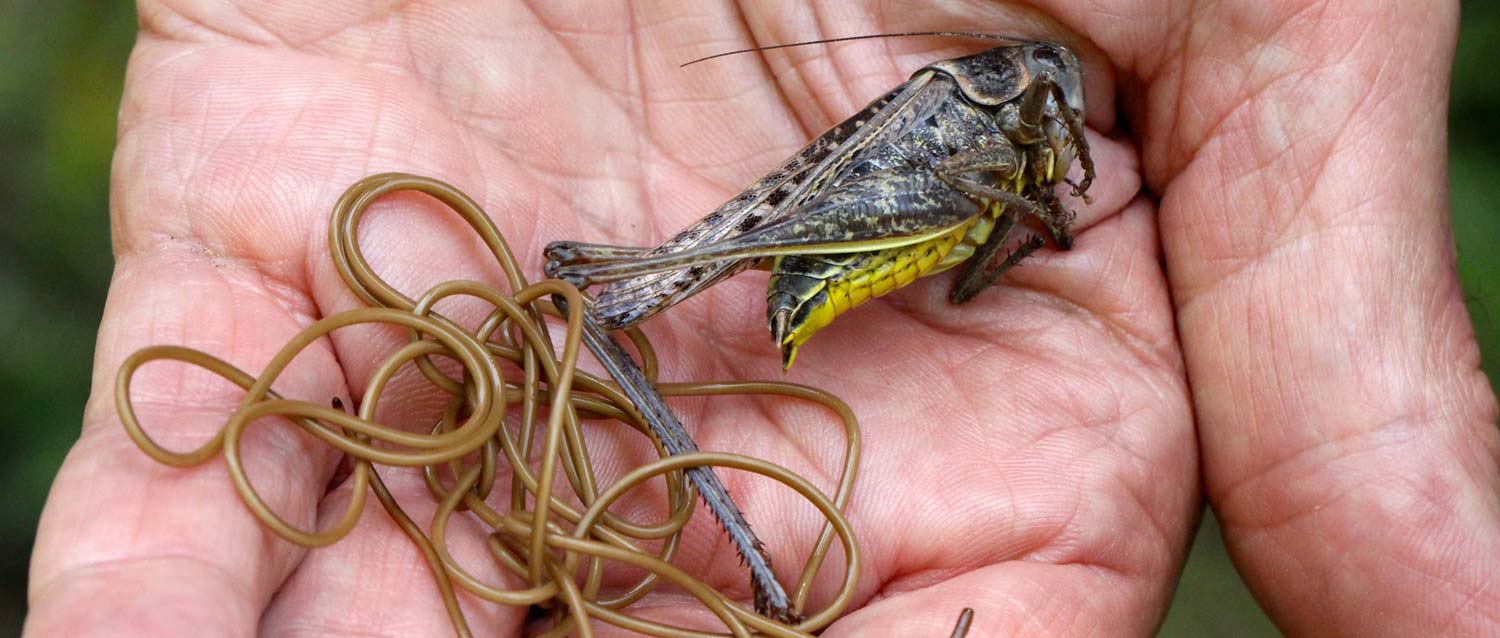
But what if the wind wasn’t what was causing the hoppers to hit the water? Enter the horsehair worm; Spinochordodes tellinii to be more exact. (https://en.wikipedia.org/wiki/Spinochordodes_tellinii) The life cycle of this aquatic worm is fascinating. The larvae are found in the moist edges of bodies of water. There they are ingested by grasshoppers and crickets. The larvae then mature inside the insect; leaching nutrients out of the host and into its own skin. As it matures, the worm will molt many times, eventually growing to be up to 4 times the length of its host.
Now the worm has a problem. In order to mate it must find other horsehair worms and it must be in water. Here’s where things get weird. The worm, still inside the hopper, begins to release a protein called WnT, among others that are believed to mimic neurotransmitters in the brain. In other words, they start to take over the thoughts of the hoppers. Apparently one of the thoughts that the worm plants in the insect goes something like this. “Hey… you know what would be really fun right now? A cannonball into that stream!!”
Read More »Sunday Classic / Some Days It’s All About the Twitch
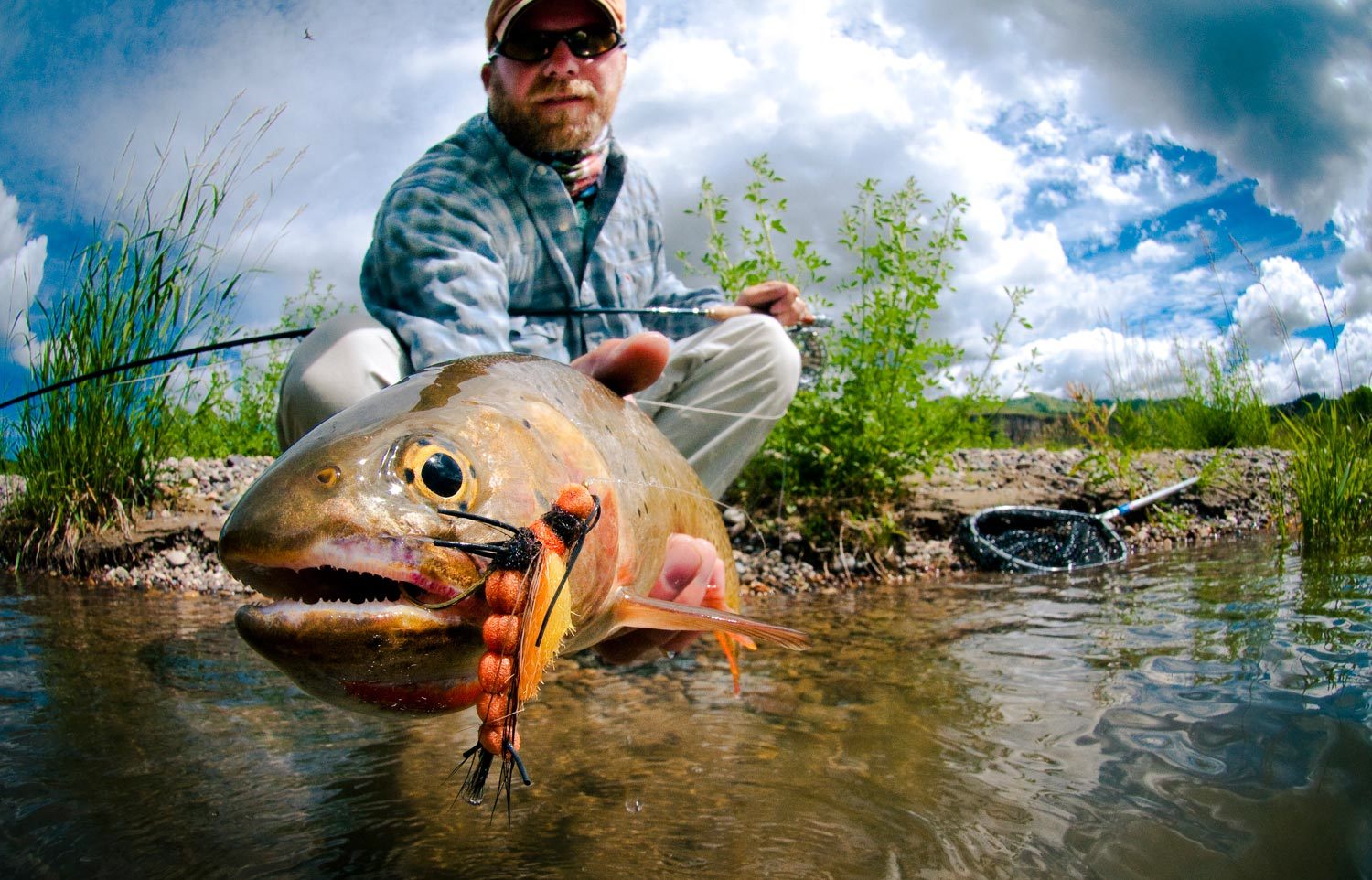
Some days trout need more than just a well placed fly in their field of vision and a drag-free drift to persuade them to eat. When you’re working water that you’re certain holds trout, and a standard drag-free drift isn’t getting the job done, try imparting subtle movement on your fly/flies to trigger bites. The best way to execute this is by using well timed rod tip twitches, during the drift, when your fly is moving through high percentage trout holding water. Done properly, it will give your fly that extra “alive and life-like appeal” and that often will give trout the green light that your fly is a natural and not an impostor.
Last week, I had the honor of fly fishing with Rob Parkins (WY & ID veteran guide) and Zack Dalton (Farbanks Sales Manager) on the South Fork of the Snake River during an epic salmonfly hatch.
Read More »Saturday Shoutout / Oregon Done
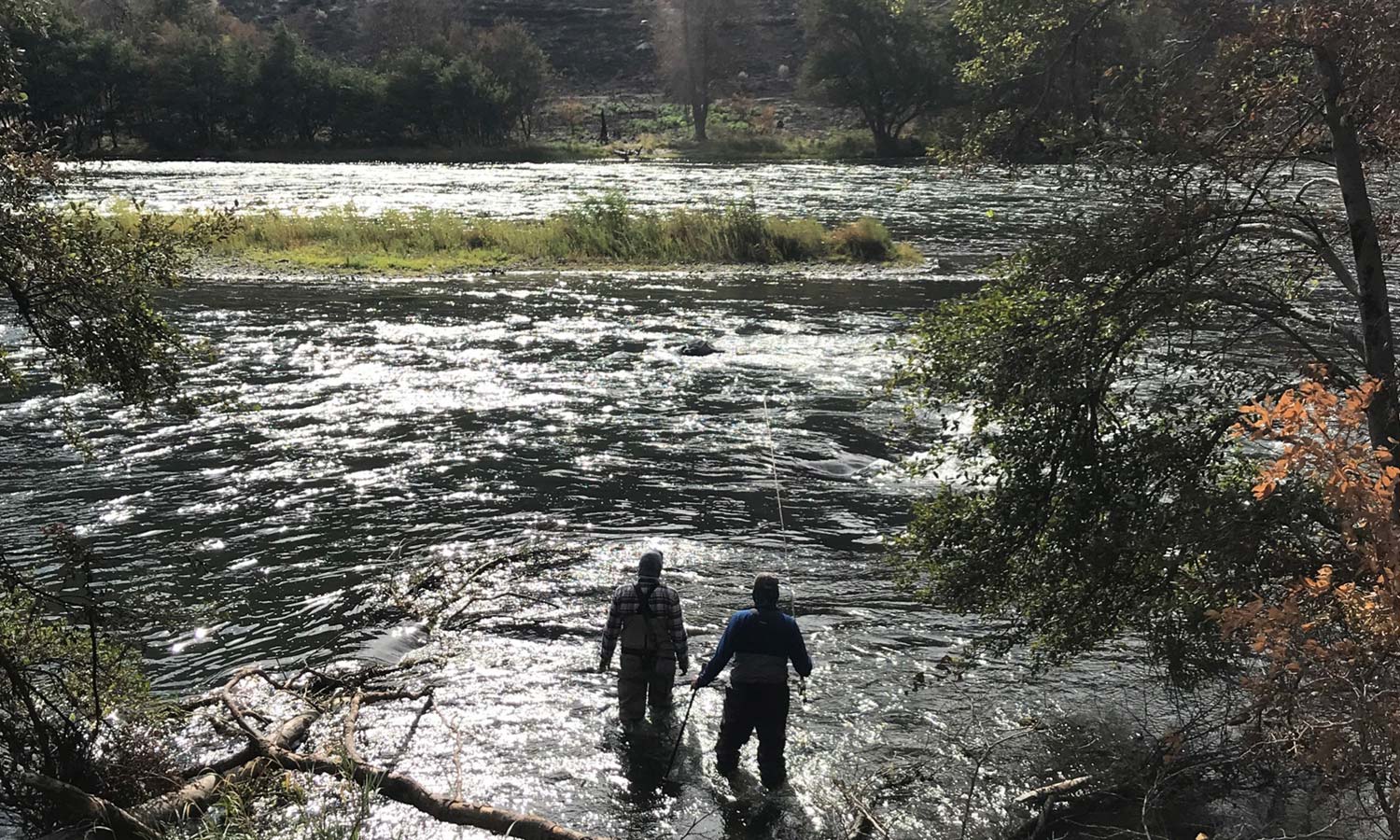
50 fish in 50 states, like George Thorogood with a fly rod.
I had the pleasure of fishing with Neil and Chris Thomas on the Deschutes. You couldn’t ask for a nicer or more enthusiastic couple of folks to share a run with. Neil and Chris have set a goal for themselves to catch a fish on the fly in each of the 50 states in the next 5 years. I knew they were doing it right when they took on the task of catching an Oregon steelhead on a swung fly as one of their first outings.
I didn’t know until later that Neil is chronicling the adventure online. He sent me a link to the post about the Deschutes trip and it’s really good. I love that it is such an authentic and organic endeavor. Just a great couple, having a blast catching fish on the fly. I look forward to following along, and I look forward to seeing them when they make it to Georgia!
Enjoy, Oregon Done
Read More »New Winston Fly Rods for 2018: Video
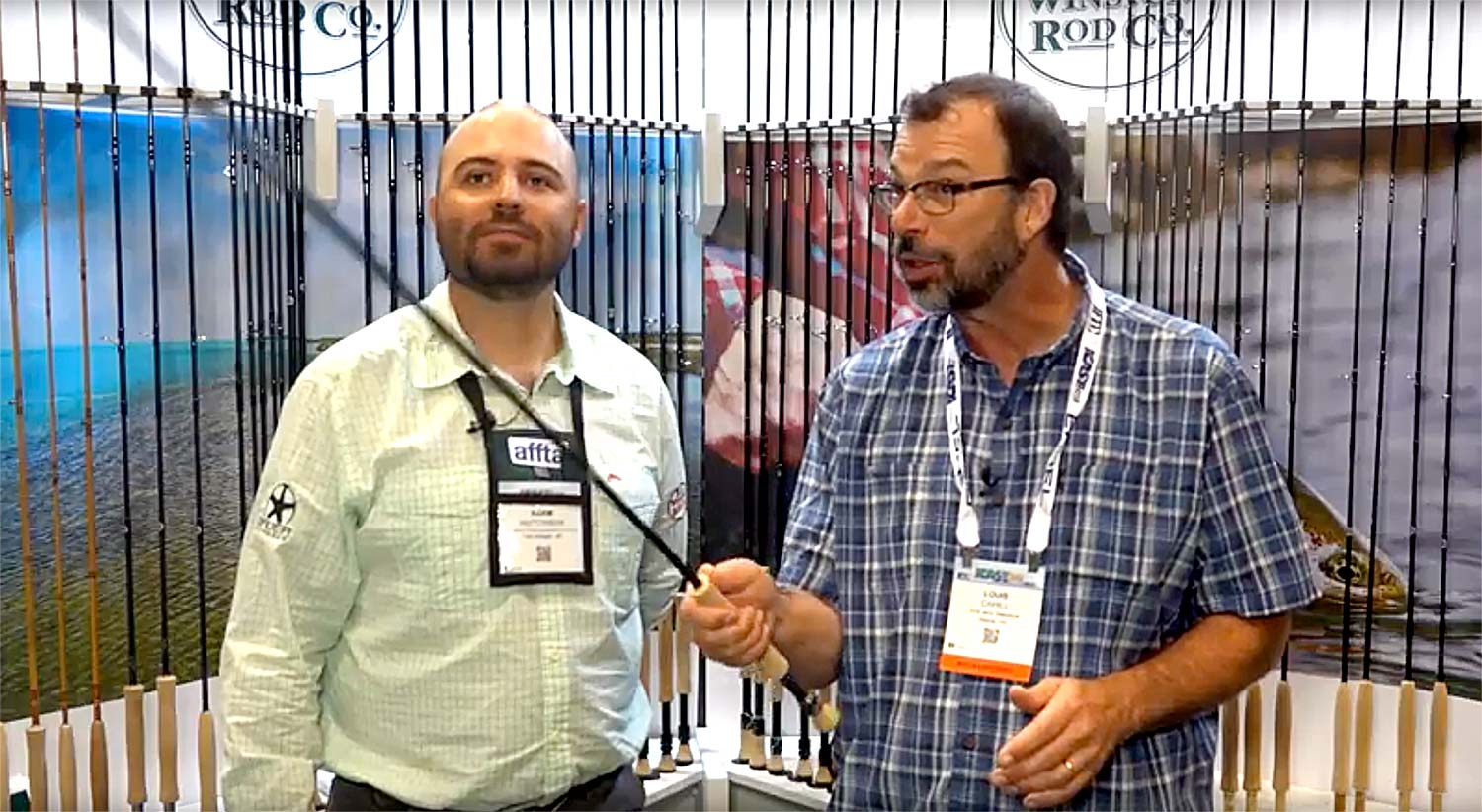
2018 Brings two new offerings from R.L. Winston, the Pure and the Salt Air.
These new rods hit both ends of the fly fishing spectrum. The Pure is a new offering for small stream, light line anglers. It replaces the B3LS and is available in 2 weight through 5 weight, with an impressive line up of three 3 weights and five 4 weights, ranging from 5’9” to 9’. The Pure is a medium action rod that’s light and well balanced.
The Salt Air is an impressive offering for flats anglers. It’s incredibly light and responsive with great feel. I had not cast the rod when we shot this video, but it didn’t take me long to get it out to the casting pond. I was very impressed. It’s smooth, accurate and has plenty of gas for the long cast. Maybe the most impressive thing is the amount of line it will pick up off the water and still make a clean cast. The Salt Air is simply dynamite.
Check out this video for the details on the new Winston Pure and Salt Air.
Read More »Don’t Keep Staring in One Place if You’re Seeing Nada
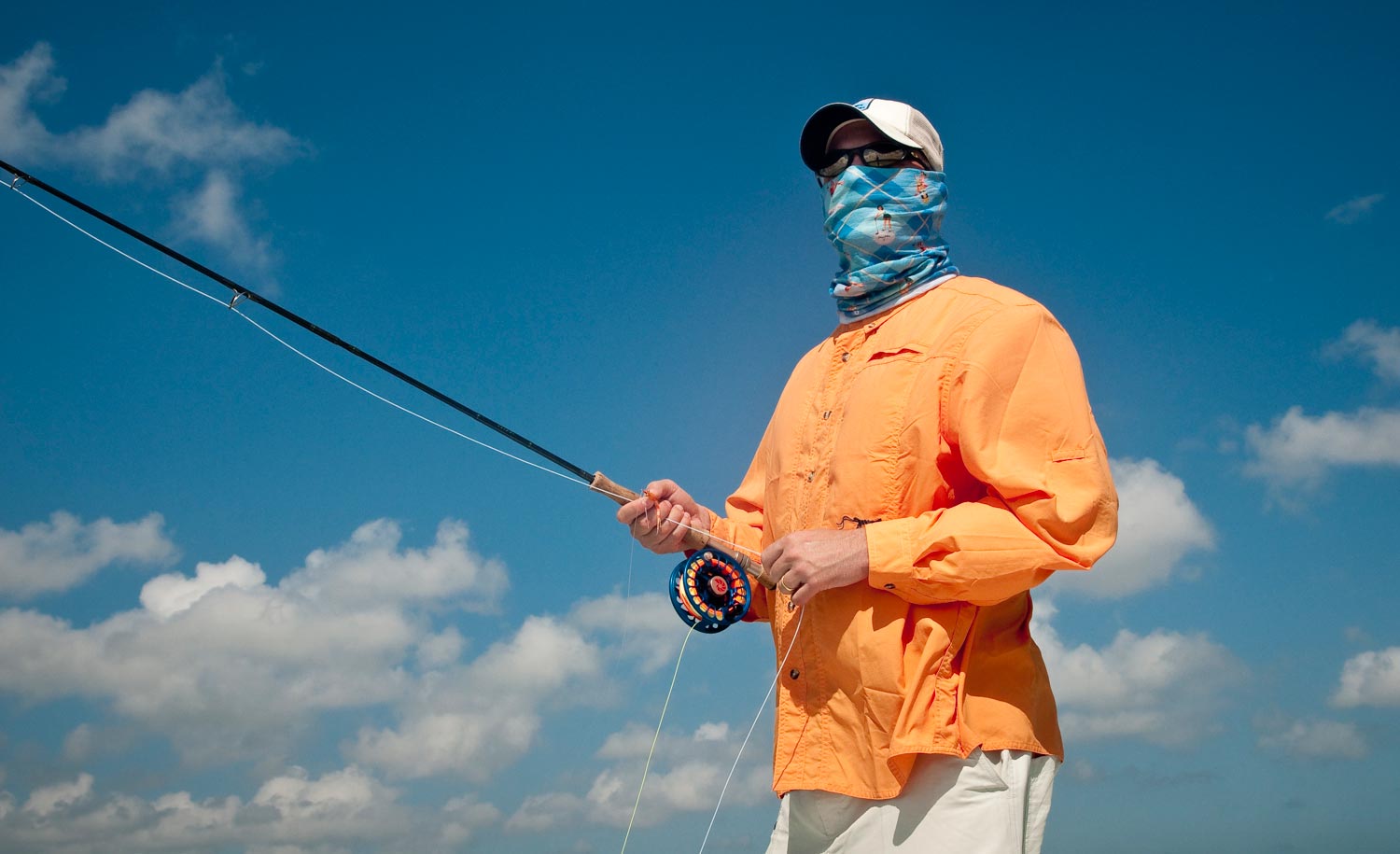
My recent trip to the Bahamas, fly fishing for bonefish, I got a chance to work out a bunch of kinks in my flats fishing.
From the help of my buddies, the helpful staff on hand and the fantastic bahamian guides, I eventually got to the point where I could respectfully hold my own on the flats. Despite me being in paradise there were a few times during the trip when I found myself hanging my head. The first problem I had was letting my mind get in the way of my fishing. That was to be expected though, since I’m most comfortable on the cold water streams and rivers, and it had been several years since I’d last chased the grey ghost on the flats. When I trout fish, I don’t have to think about my casts much these days and my confidence is through the roof. This is because I do it day in and day out. Take me to saltwater though, where I only make a few trips a year, and my confidence drops and the first couple days I find myself constantly battling my inner thoughts and nerves. I’m sure many of you out there no where I’m coming from. Anytime you’re lacking confidence and dealing with nerves you’re going to fish at half your potential. And there’s no place this holds true more than standing on the bow of a skiff on the saltwater flats. Lesson learned, if you want to fish more effectively and maximize your success when fishing locations that aren’t your norm, you have to stay relaxed, keep your confidence no matter what, and learn to let the bad casts roll off your back.
My next problem I had during the trip, and the point for writing this post, was learning how to quickly spot the bonefish my guide was calling out to me. I missed countless shots during the week because
Read More »Renzetti 2300 Traveler Vise Review
By Bob Reece
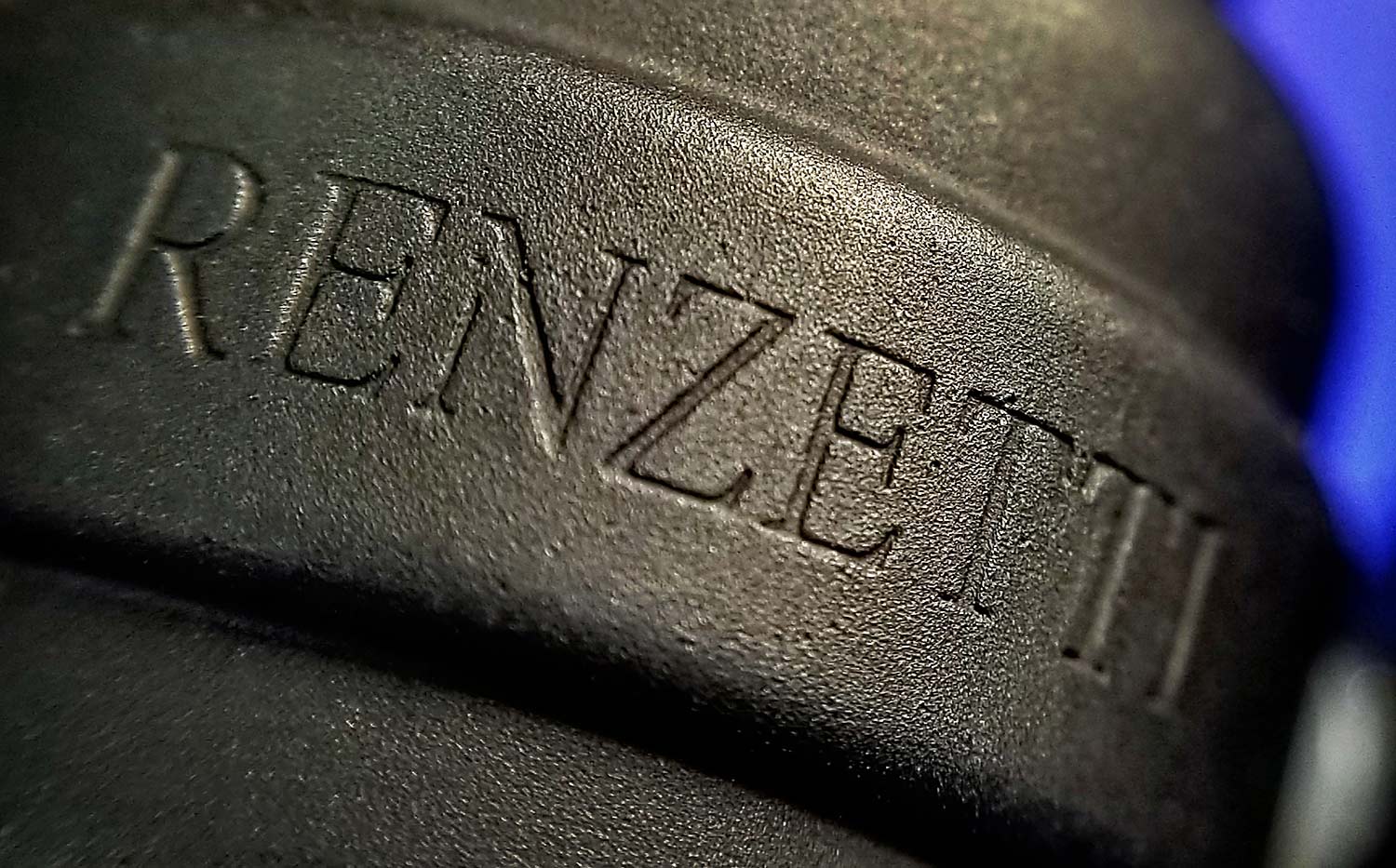
The Renzetti 2300 Series Traveler Vise is a serious upgrade.
Years ago I was blessed to receive a phone call form an elderly lady in my community. She knew that I was a young fly tier and fisher. Her husband had passed away several years earlier and had left behind a life time of fly tying tools and materials. Through her great generosity, I happened upon what has been the most valuable asset of my fly tying career.
When I arrived at her house she guided me into the basement and toward a bedroom. When the bedroom door opened I found myself looking at chest high boxes wall to wall. Each box was filled with either fly tying tools or materials. After recovering from the shock, I began the process of working through the extensive collection. As I worked my way toward the back corner of the room, I opened a small tattered box. Inside sat the slim silver frame of a Renzetti Traveler vise. Never having tied on any form of quality vise, I was elated over the find. Looking back, I could have found any brand of vise in that box. With the fly tying experience that I now have, I’m thankful that it was a Renzetti.
Until recently, every fly that I have constructed since has been on that vise. Several weeks ago I moved on, to another Renzetti Traveler. With the creation of their 2300 Series Traveler, I couldn’t help but reach for the upgrade.
Renzetti’s are known for their buttery smooth rotary function. This new member of the family maintains that solid reputation. The vise structure provides three optional length positions for the jaws. This allows the tier to make rotary adjustments as hook sizes change, ensuring that the rotational axis does not induce wobble as the vise turns. The petite but strong bobbin cradle effectively fills in for the role of side kick during rotary applications.
Read More »Sunday Classic / For Steelhead, The Swing Is The Thing…Or Is It?
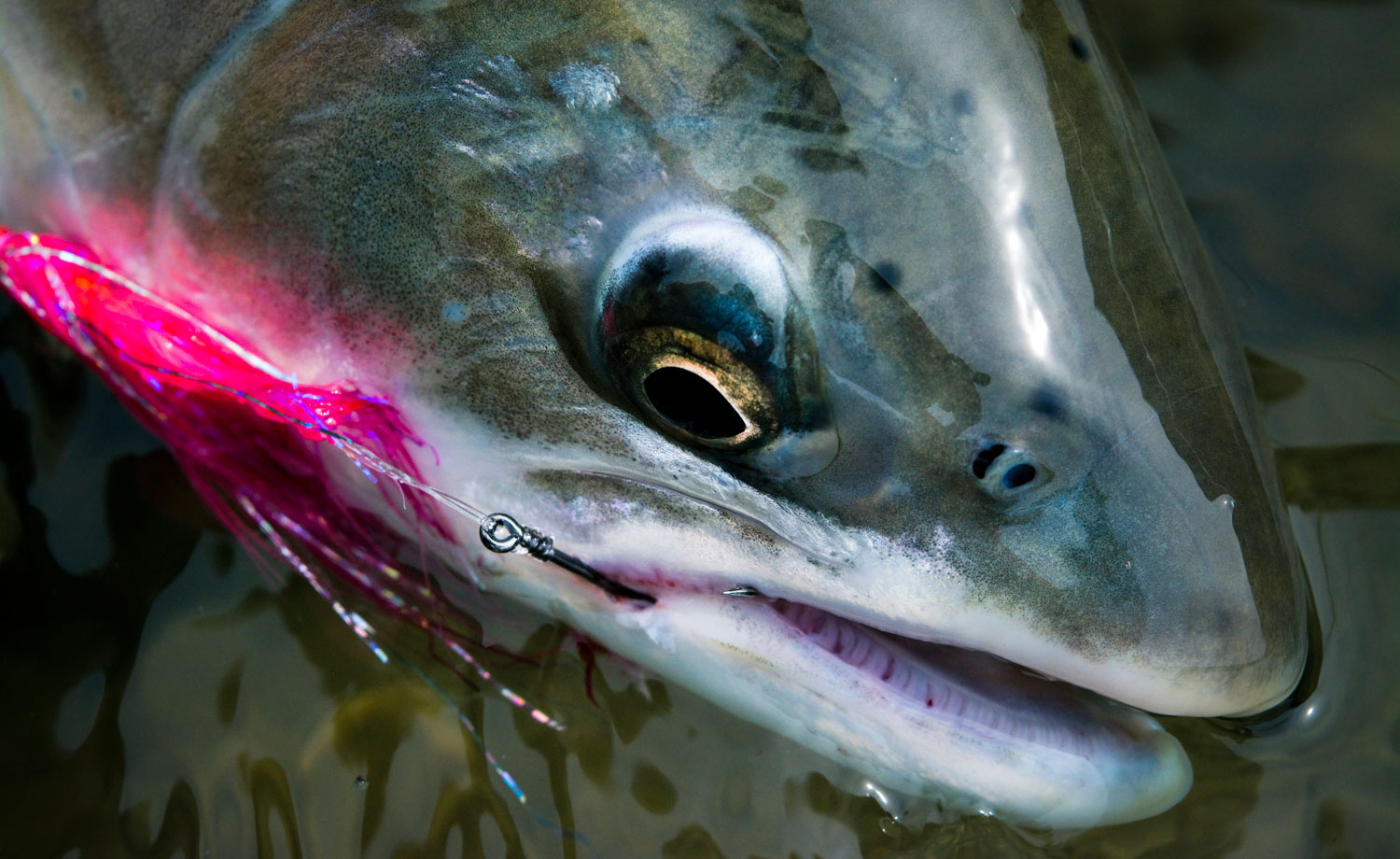
WHEN SWINGING FLIES FOR STEELHEAD, HOW IMPORTANT IS MANAGING THAT SWING?
It seems like a simple question. I know how I feel about it, but when you start talking to folks about it you get surprisingly different opinions. I’ve been told it doesn’t matter and I’ve been told it’s all that matters. I’ve heard it matters on some rivers and not on others. So where does the truth lie?
I was talking with a friend the other day when he asked me why I was catching more fish that week than he was. That’s, kind of, an impossible question to answer, especially where steelhead are concerned. It could be the magic fly or the right sink tip. It could be a ‘right place, right time’ situation. I have a friend who thinks it’s karma and it could well be dumb luck or what my grandfather called, “holding your mouth right.”
After some discussion, my friend Kevin was convinced the difference is in how I manage my swing. I learned how to swing flies from some pretty damned good anglers and I like to think I do a good job of it. My technique is also informed by some basic things I believe about fish and fishing. I do think it’s important and there are other things about catching steelhead that I think are equally important.
For what it’s worth, here’s how I manage my swing.
First of all, a good cast is a real asset. Turning your leader over, casting distance and accuracy are all important skills. That said, you
Read More »Saturday Shoutout / Battlefish

Battlefish is like Wicked Tuna, with a steelhead guide.
OK, right up front I’m going to adit that I feel more than a little funny about promoting a Netflix series that centers around commercial fishing. What can I tell you? It’s fishing and a good buddy of mine is in the show.
Barrett Ames, who I fish with every time I’m on the west coast, is a badass steelhead guide and one of the fishiest guys you will ever meat. In addition to guiding for steelhead, he is a partner in a tuna boat with a twist. While most commercial tuna boats stay out for weeks loading up with fish, Trefin (that’s their company) offers day boat tuna. That means that their fish are processed within 24 hours of being caught. It’s the most expensive and least efficient way to catch tuna, but you can absolutely taste the difference.
When Netflix set out to make a west coast tuna show, they recognized the uniqueness of this program and included them. The show is very well shot and full of action, as well as some of the “interesting” characters you’d expect on reality TV. It’s worth checking out, if you like that sort of thing. So is the day boat tuna! You can find that at http://www.dayboattuna.com
CHECK OUT BATTLEFISH
Read More »Simms River Camo: Video
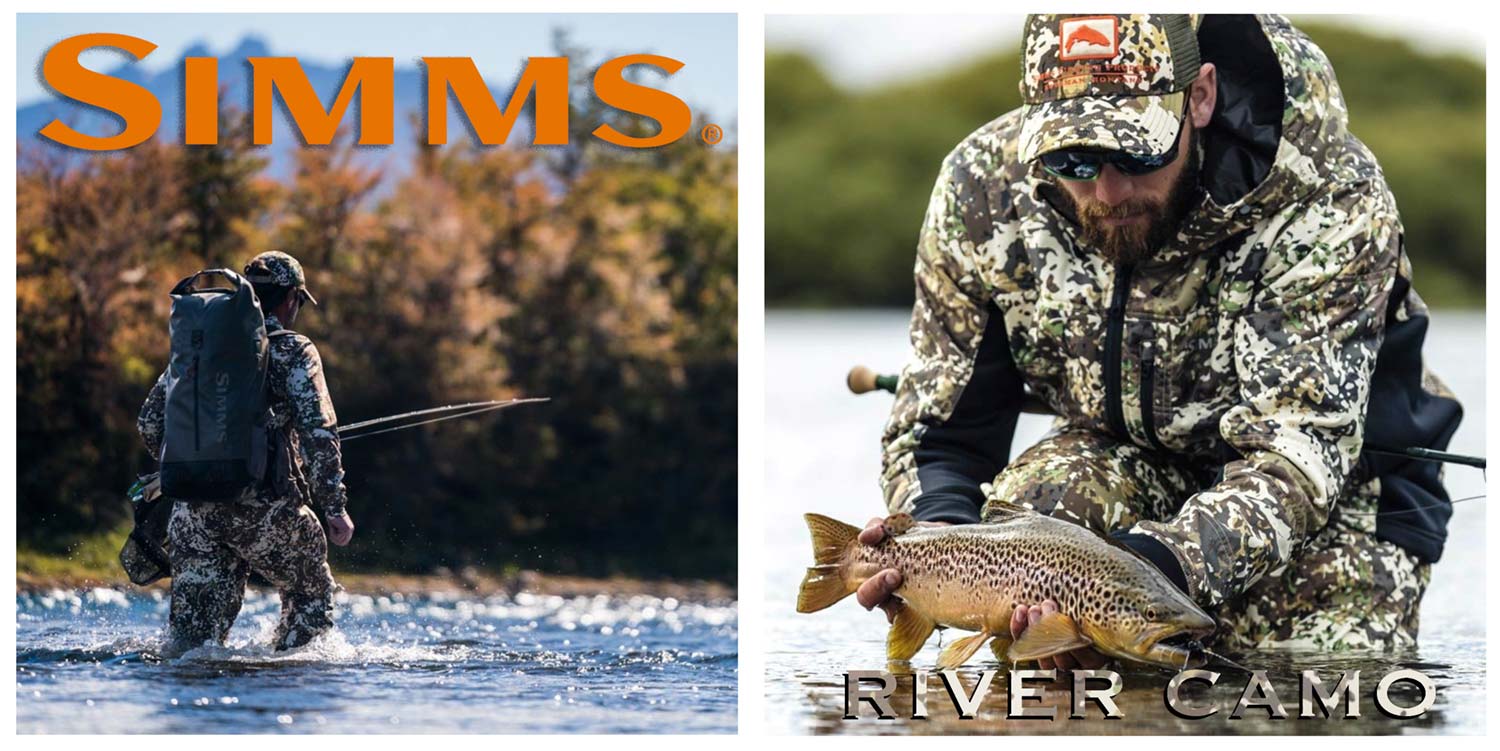
The new River Camo from Simms let’s you dress from head to foot in stealth.
There’s little doubt among seasoned anglers that stealth is an important part of the game. Being able to position yourself as close as possible to the fish greatly increases your chances of a hook up. Simms has taken this idea to heart in this years offering of their new River Camo.
Not just a fashion statement, the river came was designed to work from the fish’s perspective, breaking up and disguising form and motion when viewed through water. It is available in a wide range of clothing from the industry standard G3 Pro wader to sun gators and gloves.
WATCH THE VIDEO FOR ALL OF THE DETAILS ON SIMMS RIVER CAMO.
Read More »Dry Fly Fishing and the Dead Drift
By Pudge Kleinkauf
The following is an excerpt from the book “Rookie No More: The Fly Fishing Novice Gets Guidance From A Pro”
Question: How do I achieve the “dead drift” when I’m dry fly fishing?
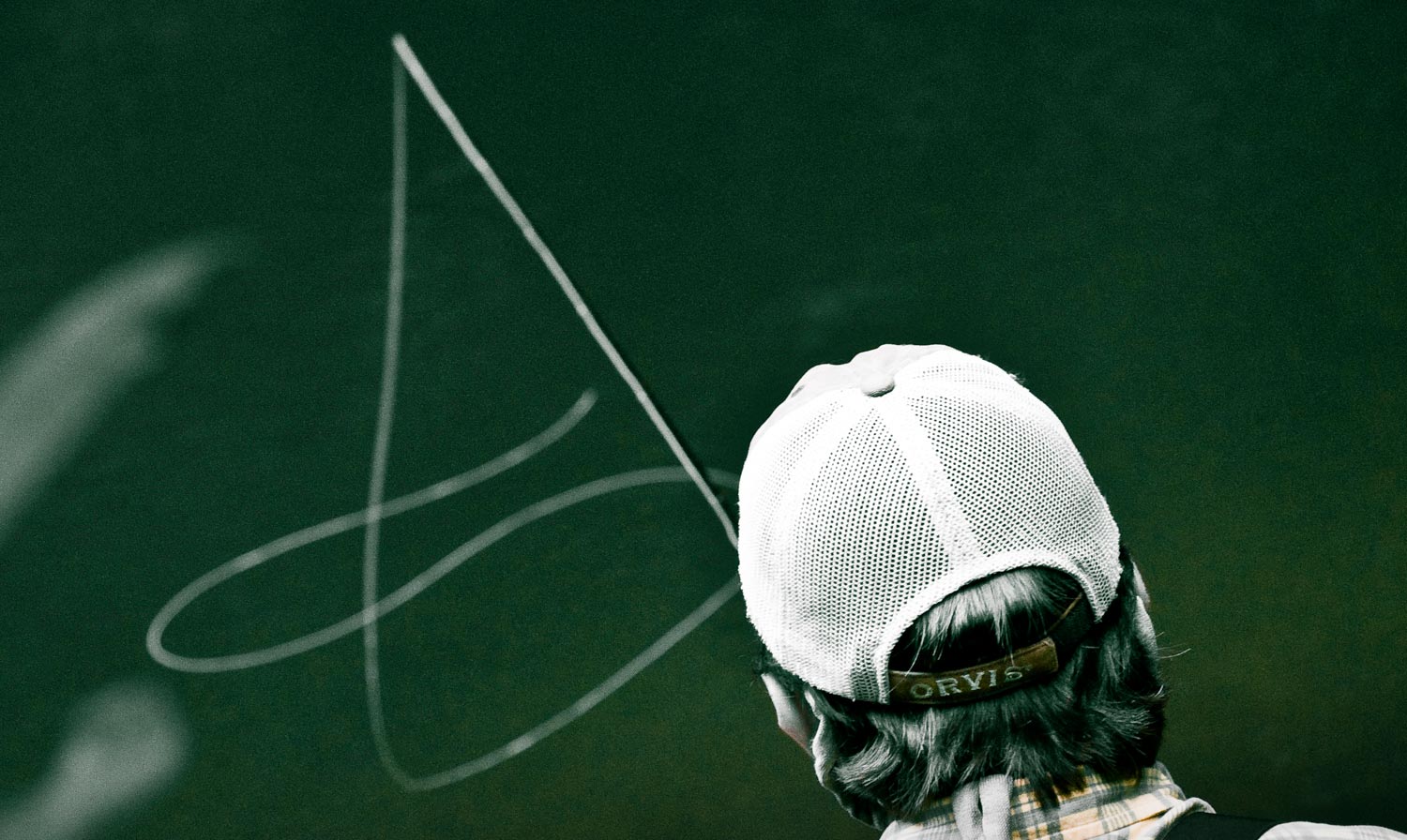
Answer: Most fly anglers find that fishing dry flies on the surface of the water is one of their favorite ways to fish. Seeing a fish rise up from beneath the water to take our bug imitation is a very exciting part of our sport. Called dry fly fishing, it isn’t one of the easiest of skills to master, however. Achieving the dead drift results from two things: good casting and correct management of the fly on the water.
Dry fly fishing is often referred to as “fooling fish with fur and feathers.” A good imitation of the fish’s food source, placed on the water with an appropriate cast, should result in a fly that looks and drifts on the water like the real thing. That could be an adult mayfly, caddis, or stonefly returning to the water’s surface to lay its eggs, or a bee or ant blown into the water from stream-side vegetation.
While learning to fish dry flies, you need to start by being able to track the fly on the water. Use a very visible fly a size or two larger than you need or a small fly with a bit of white or colored calf tail or poly yarn on its top to provide a focal spot for your eye to key on. Two of the best flies to use while learning to dry-fly fish are the Parachute Adams and the Royal Wulff (tied with white calf-tail wings) in a size #12.
“Find the fly on the surface just as soon as it lands,” I tell my students and clients, “and then never take your eyes off of it as it drifts along.” I also have beginners cast in fairly close to themselves until they train their eye to quickly locate the fly on the water at the end of the leader. As they become better able to judge distance, I have them extend their cast a little farther each time to learn how to spot the fly at greater distances. If you can’t follow your fly on the water, you won’t know how it is drifting.
A well-executed overhead cast is the best cast to help achieve the delicacy and gentleness of a wispy, weightless, imitation bug descending and landing on the water. The fly must land silently, delicately, and naturally. My instructor repeated over and over, “Think flutter, Pudge. The fly should ‘flutter’ to the surface, not slap down on it.” Because I could clearly see the difference between a flutter and a splat, that image worked for me.
Fluttering results from a
Read More »