
The New G. Loomis NRX Plus: Video
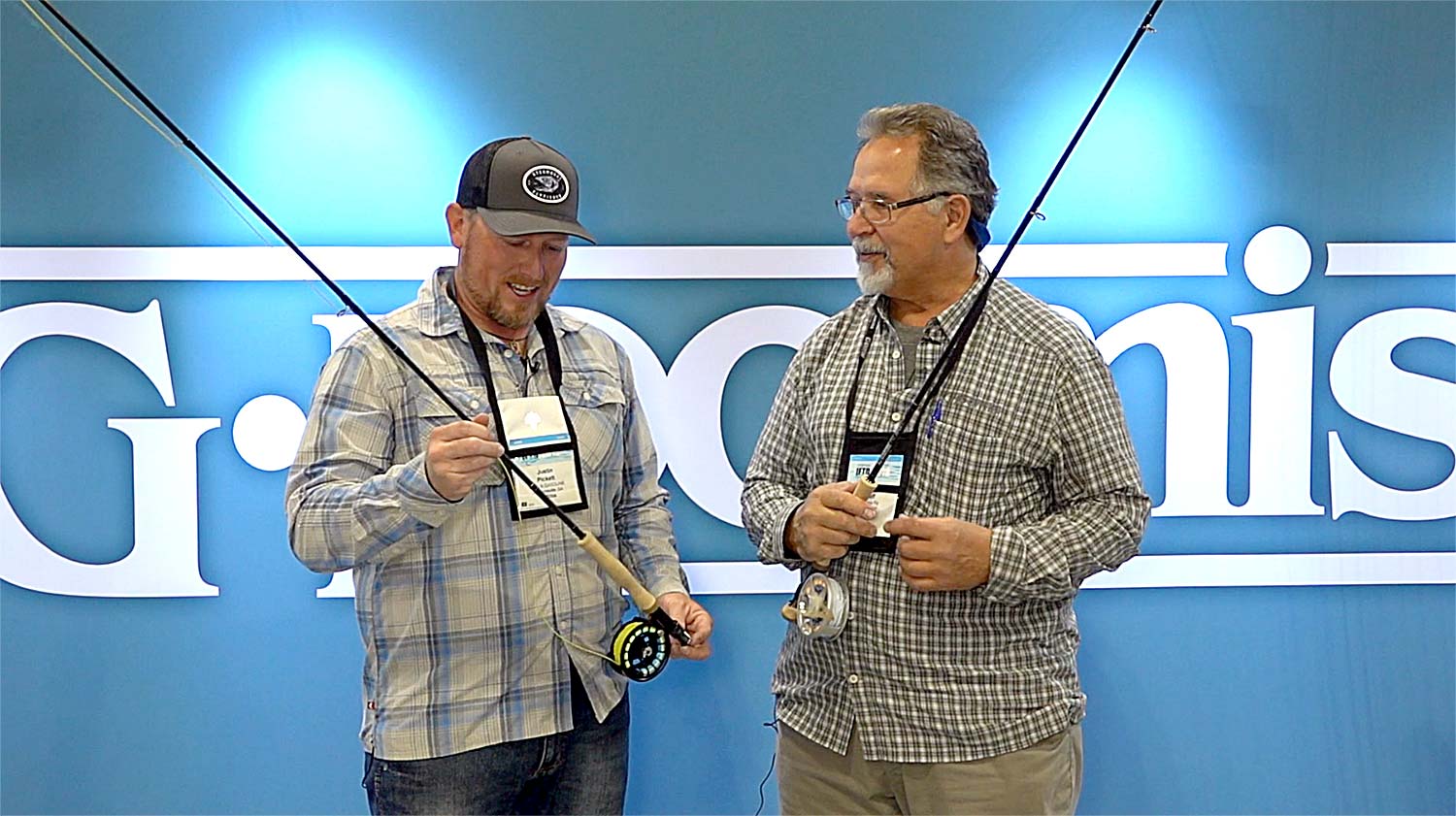
It’s been 11 years since G. Loomis introduced the NRX.
In all of that time it has remained one of the most beloved fly rods on the market. Clearly it was not a design that Loomis, or most anglers, felt needed improving. Well, 2020 is the year that changed. I think it’s fair to say that this is one of the most anticipated rod launches in recent memory. What’s all the fuss about?
FIND OUT IN THIS VIDEO.
Read More »The New G4 Pro Jacket
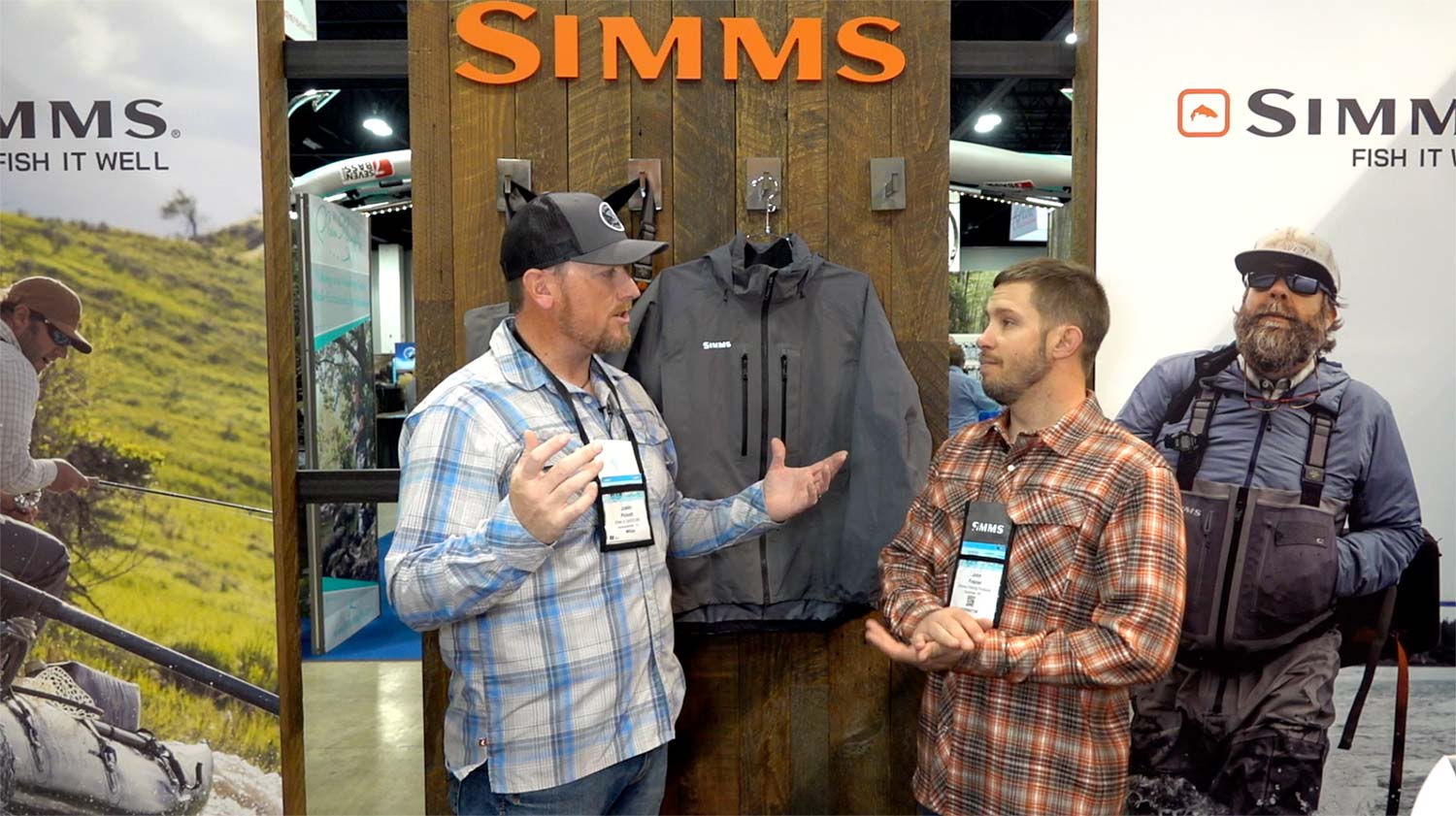
The New G4 Pro Jacket from Simms features new materials and design.
New Gore-Tex material gives this performance driven jacket a light, lived-in feel without sacrificing a warm, dry fishing experience. The storage layout makes it easy fish without a vest or pack. Thoughtful design and performance materials make the new G4 Pro the best jacket Simms has ever made.
CHECK OUT THIS VIDEO FOR ALL THE DETAILS ON THE NEW G4 PRO JACKET.
Read More »#Flies4Friends
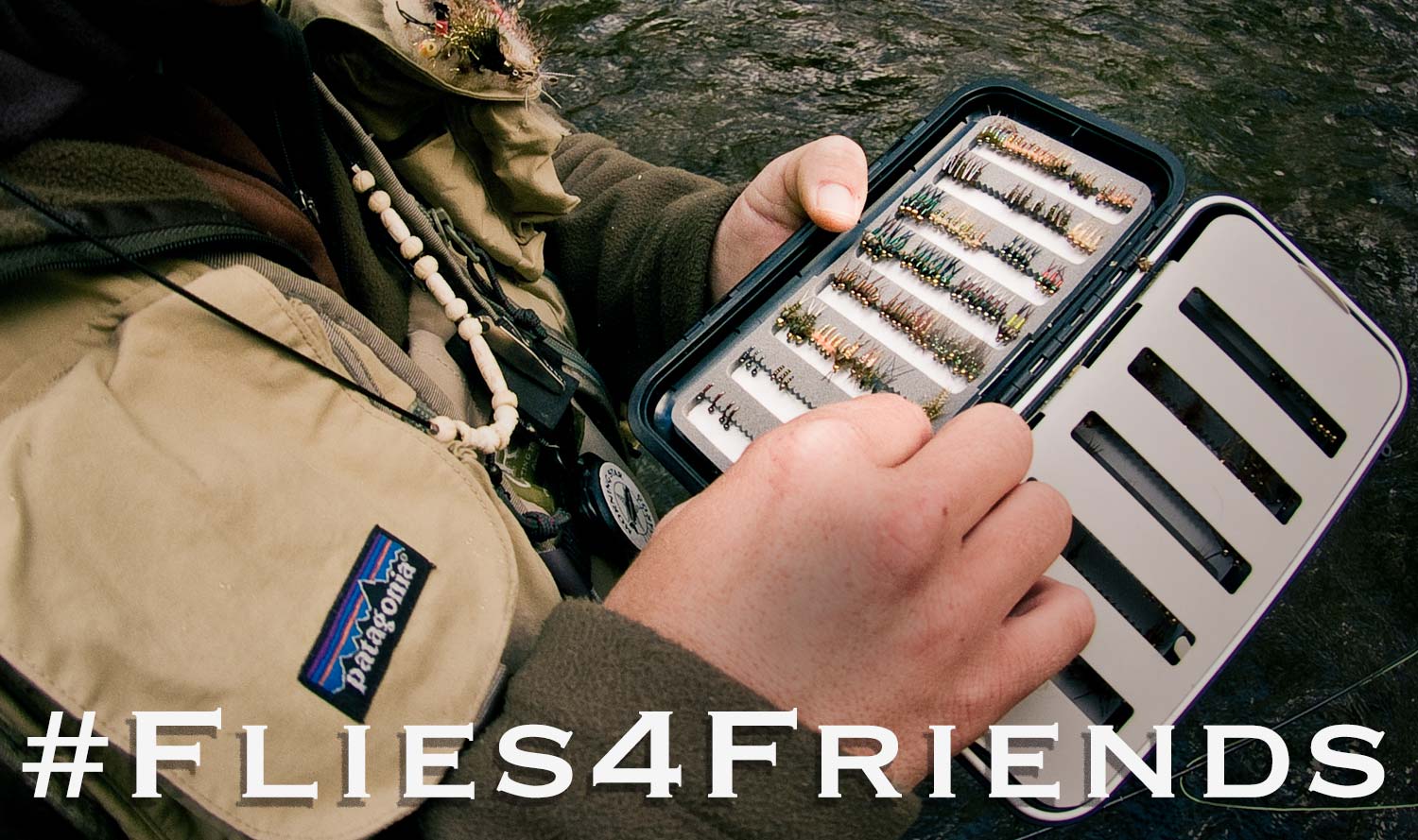
Focusing on the positive has changed the course of my life.
Regardless of how small or large positive moments are, they perpetuate the existence of hope and joy in the lives of people. In an effort to help keep this optimistic momentum moving, I’ve started “Flies4Friends”.
During the month of February, I’ll be tying flies and sending them to my friends. My hope is that when they receive them in the mail, it will bring a smile to their face and joy to their hearts. On Instagram, I’ll be taking pictures of those flies and using the hashtag #Flies4Friends to encourage other people to do the same. If you’re a tier or a buyer, I would urge you to join me by sending or giving at least one dozen flies to a friend this month. Give them with no expectations of reciprocation, only with the knowledge that you’ll be bringing joy to another person.
Regardless of where we exist in this world, we always have the ability to make a positive difference in the lives of others. As fly fishers, we have a wonderful means to connect with people who love what we do. This month, let’s use that connection to give to them instead of ourselves and in the process, make the world a more positive place.
SEE YOU AT #FLIES4FRIENDS
Read More »New Recon Fly Rods from Orvis
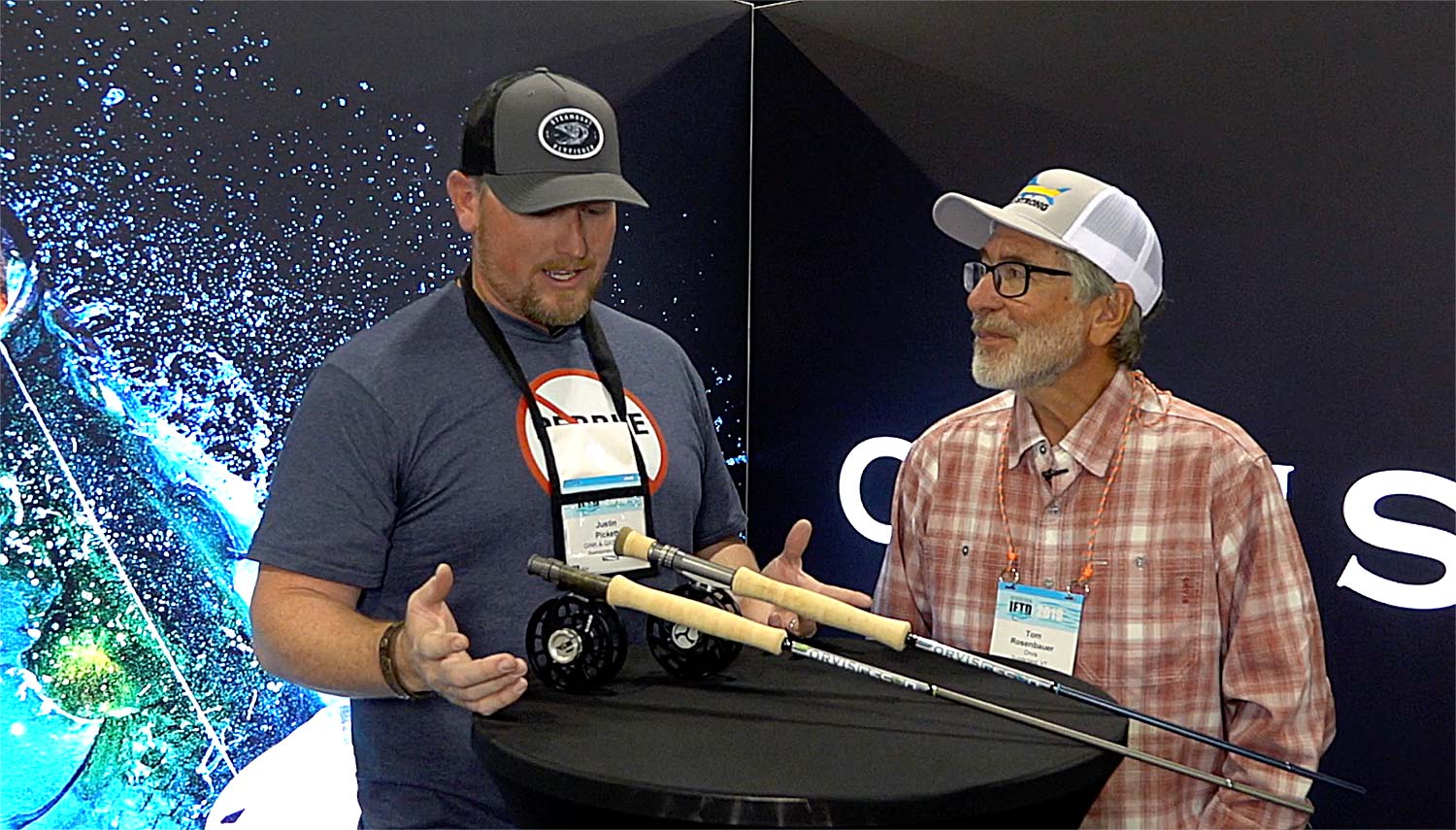
The awesome Recon rod line is back, new and improved.
The Recon rods from Orvis have always been an incredible bargain. Truly a premium fly rod at a budget price. The new Recons are all new with updated materials and tapers, increased hoop strength and straighter tracking.
CHECK OUT THIS VIDEO AND TOM ROSENBAUER WILL TELL YOU ALL ABOUT THE NEW RECON FLY RODS FROM ORVIS.
Read More »Forget The Wind: Tips for Fly Casting in the Wind
By Louis Cahill
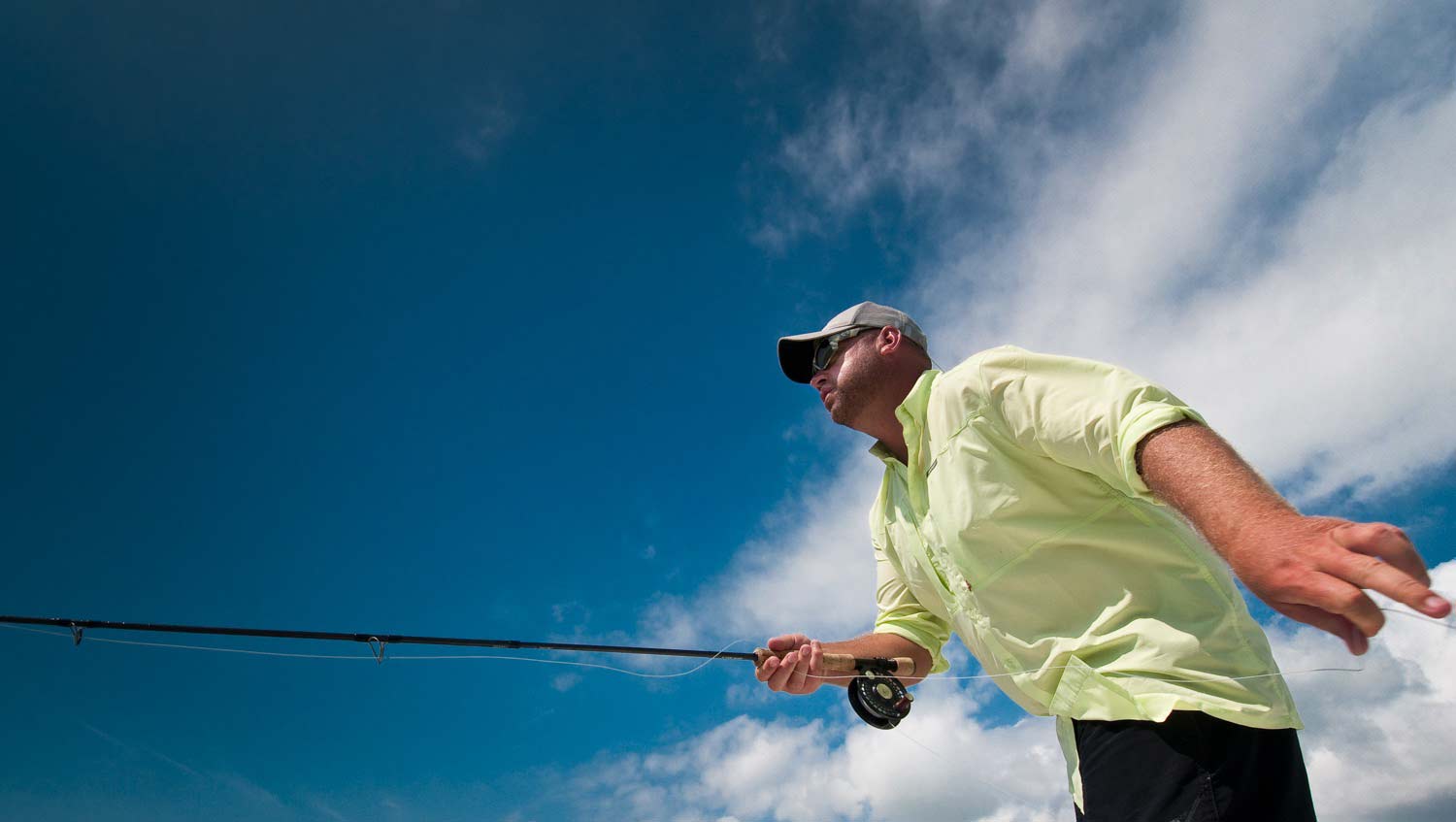
Fly casting in the wind is just fly casting…in the wind.
“Ok, so I’m in my ready position, and the wind is blowing on my right side…”
The question came from an angler at this year’s January Bonefish School. I didn’t need to hear any more of it.
“I’ll stop you right there,” I replied, “The answer is, stop thinking about the wind.”
I vividly remember being in that mindset. Freaked out about the wind, overthinking stuff that had nothing to do with getting the fly in front of the fish, rushing my cast and melting down on the bow. It’s a terrible feeling. I see other anglers give up completely, either on the bow or back at the lodge with a book. The fact is, is you are going to fish saltwater, you’re going to have to cast in the wind and the sooner you make piece with it, the more fish you’ll catch.
I get asked all the time how to cast in the wind. Maybe more than I get asked anything else. Here’s the answer. There’s a secret to casting a fly rod in the wind. From the looks I get when I tell folks, I’m guessing it’s a well kept secret. The secret is, you cast exactly like you cast when there’s no wind.
The techniques for casting a fly in the wind are exactly the same as casting on a calm day. The difference is that the wind does not forgive poor technique. Sure, there are some helpful tricks you can use, like a Belgian Cast when the wind is off your casting shoulder, but that’s specialized stuff and if you are struggling with the wind, it isn’t really an answer. If you are struggling with the fundamentals of the cast, advanced technique you haven’t practiced is’t going to help any more than striking a Bruce Lee pose in a bar fight. You’re likely just going to get your ass kicked extra hard.
The most helpful thing you can do on a windy day is forget about the wind.
For most anglers the problem isn’t that they don’t know how to cast in the wind, but when the wind blows, they forget hoe to cast. This is the voice of experience. I was in that camp for years. I remember when the light finally turned on. It was a revelation. Casting in the wind is just casting without losing your composure.
Disclaimer: If you don’t understand the fundamentals of the fly cast, well, you need to. You can’t Zen away ignorance. Start with The 5 Essentials Of A Good Fly Cast Revisited, and practice. For those of you who can make a nice cast when it’s calm but fall apart in the wind, here are some practice tips.
SOME DOS AND DON’TS FORECASTING IN THE WIND.
Don’t rush your cast
Most angler try to generate line speed in the wind by casting harder. Usually the first thing to suffer, or disappear all together, is the pause at the end of the stroke. Your fly line is weighted to load the rod. If you don’t let it straighten out, you can’t get a good load and you have no power in the cast.
Don’t drop your rod tip
The other effect of casting harder is usually dropping the rod tip. In an effort to make a longer stroke the rod tip comes off a straight line path, causing the line to crash down on the water and the leader to pile up.
Stop the rod hard and high
The stop at the end of the stroke is what forms the loop. Stopping the rod high and hard makes a tight energized loop that cuts the wind.
Keep the rod in the stopped position
Most anglers drop the rod too early on their presentation. In general,
Read More »New Zero Sweep Packs and Boat Bags from Umpqua: Video
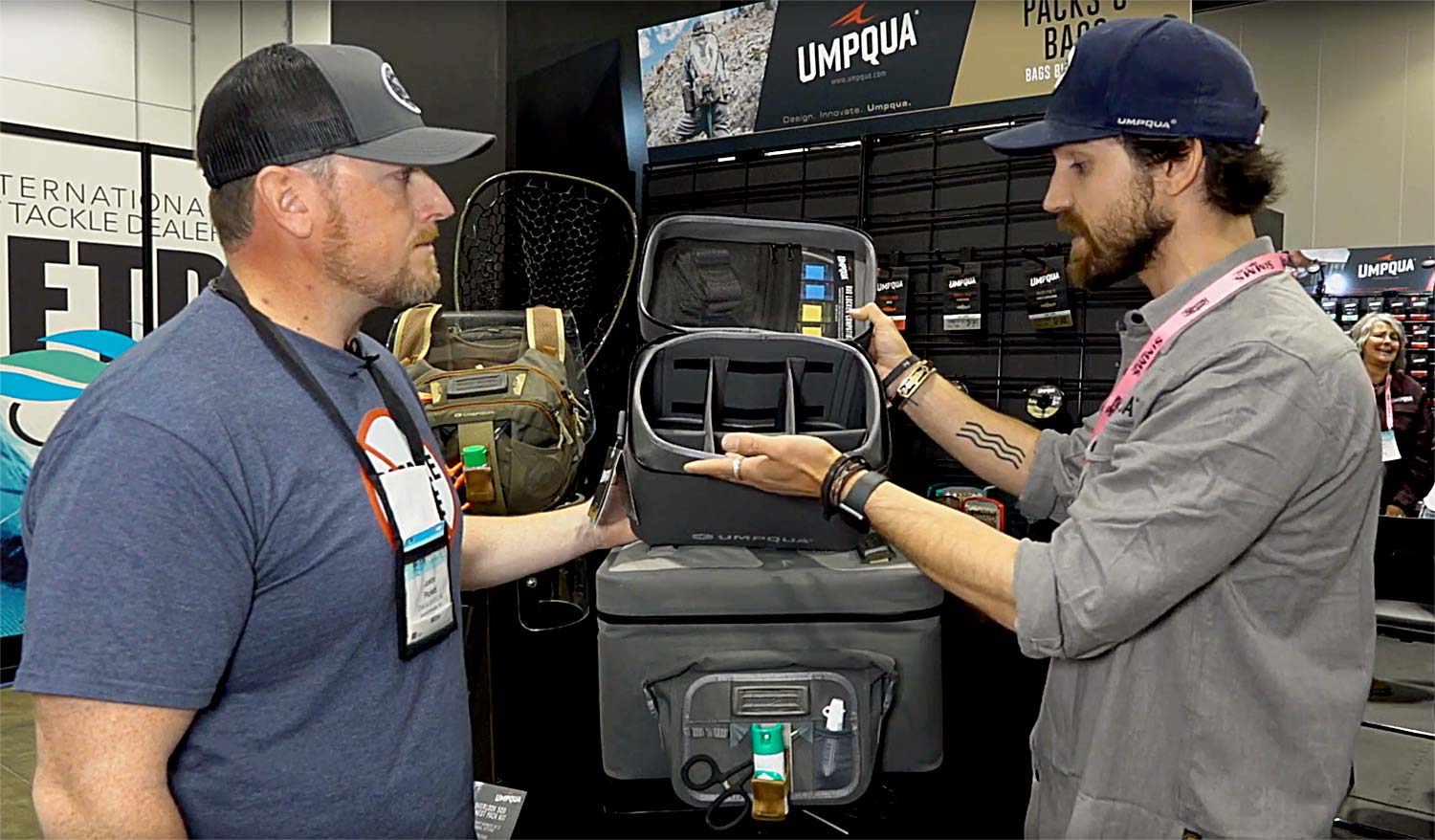
The new Umpqua ZS-2 line of fly-fishing packs includes waterproof boat bags.
The Zero Sweep packs are filled with sweet features and focus on a smooth exterior that doesn’t catch fly line. The ZS-2 packs are awesome updates but the new Boat Bags are really exciting. These bags are well thought out and have every feature a professional guide is looking for.
GET ALL THE DETAILS ON THE NEW ZS-2 PACKS AND BAGS FROM UMPQUA!
Read More »Bonefishing, Be Quiet on the Bow: Video
by Louis Cahill
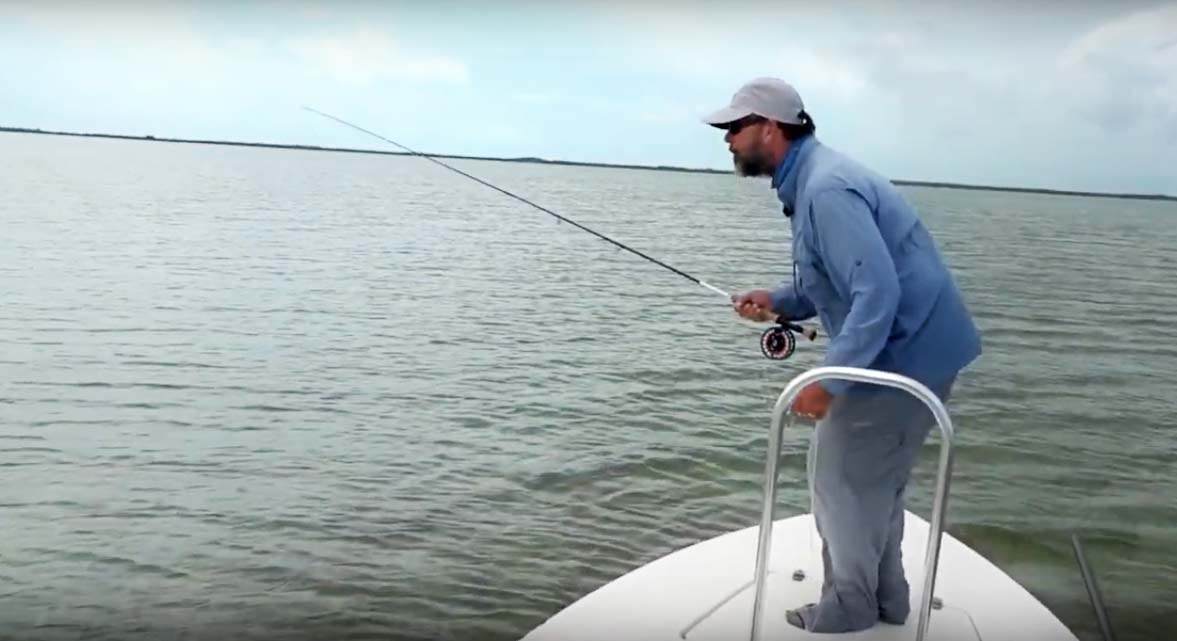
Stealth may be the most important element in bonefishing.
Bonefish have amazing hearing. Their lateral line is incredibly sensitive to any vibration or displacement of water. An angler who makes noise on the bow, or rocks the boat, isn’t going to get many good shots.
I always fish in socks to insure my feet are quiet on the bow. Still there are other precautions you have to take. How you move around is as important as your footwear.
IN THIS VIDEO I SHOW YOU A FEW TIPS ON HOW TO STAY QUIET ON THE BOW WHEN BONEFISHING.
Read More »New Sightline Provisions Dog Collars and More: Video
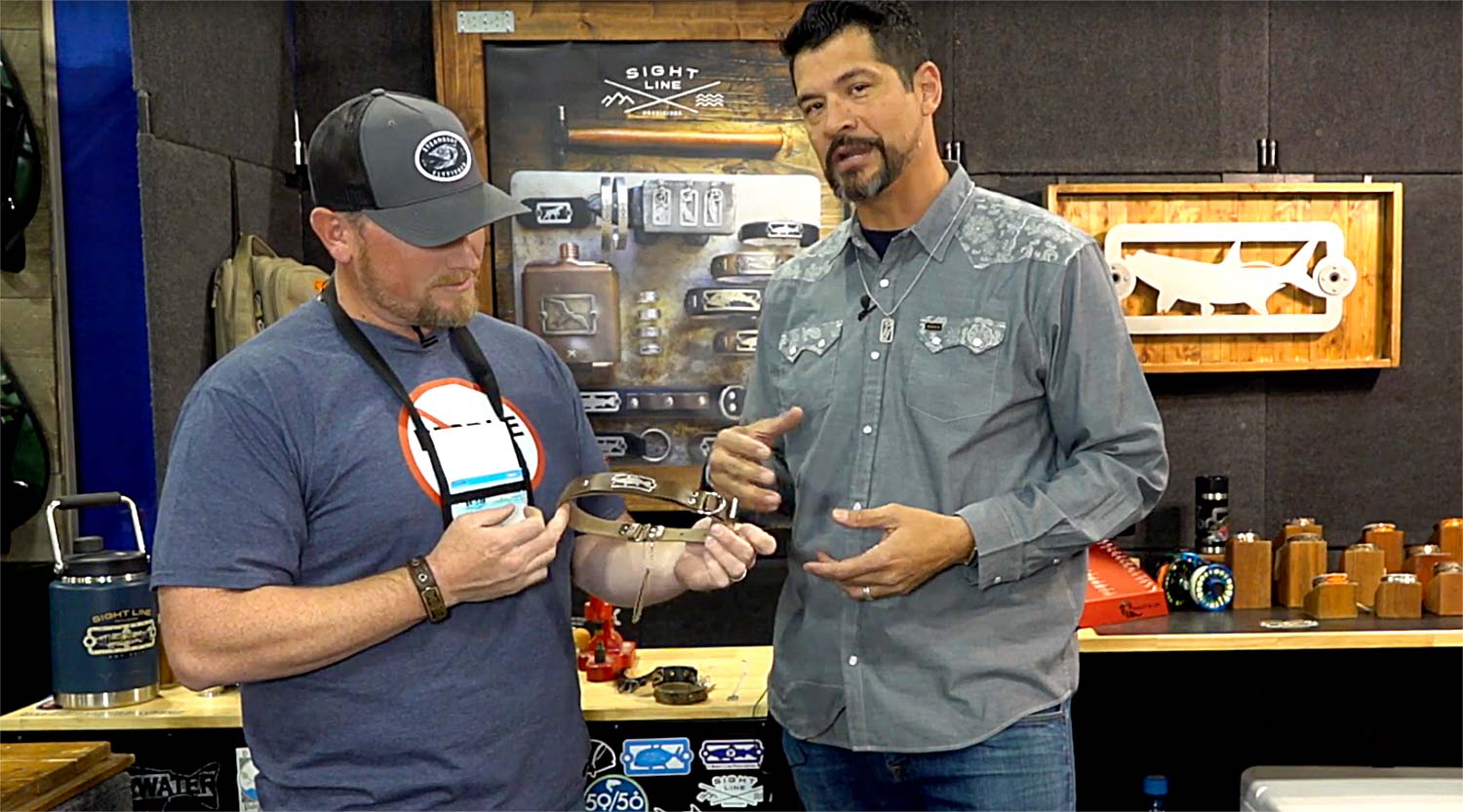
I’m pretty excited about the new Sightline Provisions Dog Collars!
My Josie was an early adopter. Her SLP color sported a permit badge. Permit is her nickname because no one can catch her. It’s the coolest dog collar I’ve ever seen. Dogs aren’t the only ones getting cool new stuff though. There are pendants, rings and cool new designs.
WATCH THE VIDEO TO SEE ALL THE COOL NEW FLY-FISHING ACCESSORIES FROM SIGHTLINE PROVISIONS.
Read More »Bonefishing, Make a Tight Line Presentation: Video
By Louis Cahill
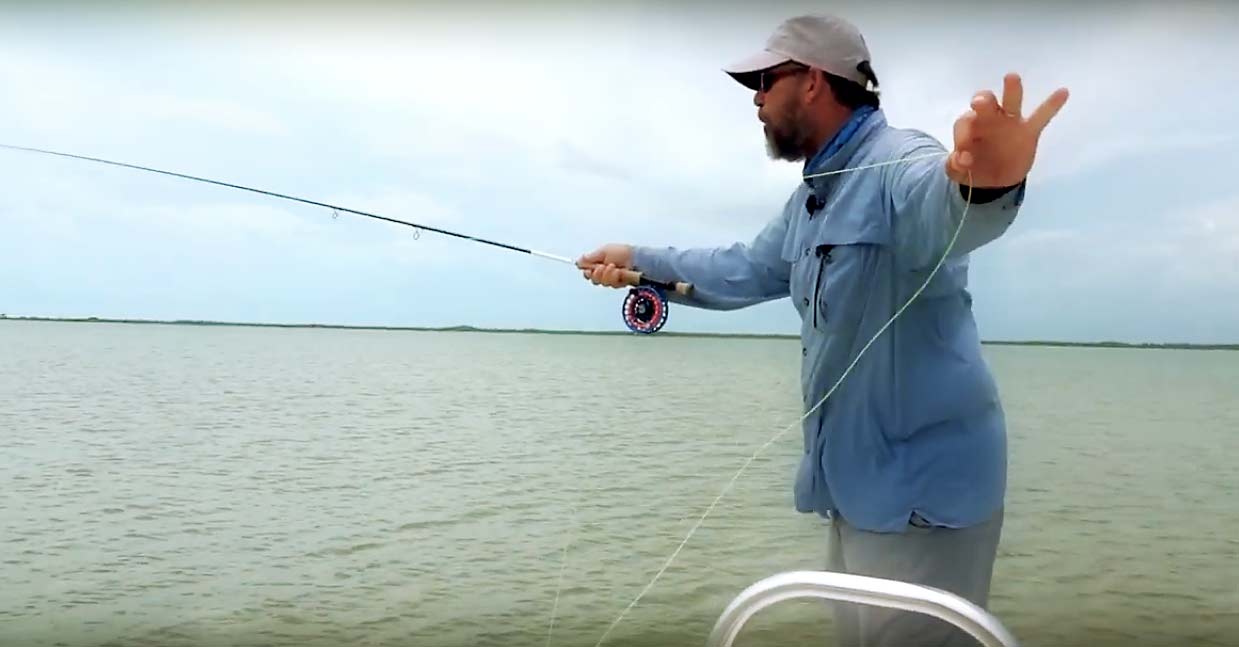
One of the most important skills for a saltwater angler to master is the tight line presentation.
It’s important, in any saltwater fly fishing situation, that when the fish first sees your fly it’s moving in a lifelike manner. That can’t happen if there is slack in your line. You have to learn how to control your running line and make a slack free presentation.
IN THIS VIDEO I TALK A LITTLE ABOUT THE THINGS THAT CAN GO WRONG AND HOW TO SET YOURSELF UP FOR SUCCESS WHEN YOU MAKE A PRESENTATION TO A BONEFISH.
Read More »The New Orvis Pro Approach Wading Shoe: Video

The new Orvis Pro Approach Wading Shoe goes where no shoe has gone before.
If you’re like me, you do a lot of wet wading. Some of it in the river when summer temps make waders miserable, and some of it on the flats in saltwater. The new Pro Approach Shoe from Orvis goes everywhere you want to fish in comfort and with great traction.
CHECK OUT THE VIDEO FOR ALL THE DETAILS ON THE ORVIS PRO APPROACH WADING SHOE.
Read More »