
Gink and Gasoline Holiday Gift Guide 2019
By Justin Pickett and Alice Tesar
The holidays are upon us and, if you are anything like me, you are scrambling for some great gift ideas for the fly-fishing enthusiast in your life.
Here are some suggestions that may help. We get to play with a lot of cool toys and these are some of our favorites. I’m sure there’s something hear to put a smile on the face of your angling Santa.
RODS
Scott Fly Rods Sector: New materials, new tapers, and a new level of badass. Jim Bartschi of Scott Fly Rods doesn’t just design a new fly rod because he can, but because he knows he can make that rod better than anything before it. The new Sector certainly delivers over its predecessor, the Meridian, in every aspect of the cast. It’s certainly one of the best saltwater rods we’ve had the pleasure of casting in any conditions. Check out the 8’4” offerings as well. They just might blow your mind!
https://www.scottflyrod.com/rod-series/view/5142
Orvis Helios 3 Artist Series: If you’re looking for a fly rod with a custom touch, be sure to check out the new H3 Artist Series from Orvis. With the amazing H3 as his canvas, artist Tim Johnson has turned 500 of these rods into works of art by hand-burning fishy scenes onto the cork grips. This series is very limited with only 300 nine-foot five-weights, featuring a rising brown trout, and 200 nine-foot eight-weights, featuring a tailing bonefish. Each rod also has custom labels and subtle touches that further set this series apart from any other H3 on the water. Once these rods are gone, they are gone for good, so don’t miss out!
https://www.orvis.com/helios-3-fly-rods-artist-series
Winston Alpha+: If you’re slinging flies at the baddest of the bad, then this is the rod for you. The Alpha’s ability to turnover large flies and heavy lines is impressive and boasts the heavy lifting power needed to pull any big nasty out of thick cover. Don’t confuse the Alpha’s power with broomstick, though. My first cast with the five-weight Alpha+ was at forty-feet and I landed it in the dead center of a dog bowl. One of the smoothest rods at IFTD this year!
https://winstonrods.com/products/winston-alpha-plus/
Echo Prime 2: The newest generation of the Echo Prime has arrived. Now offered in 2pc and 4pc blanks, the Prime
https://echoflyfishing.com/project/16637/
G. Loomis NRX+: The NRX+ is the new generation of rods painstakingly developed by G.Loomis and debuted at this year’s IFTD. Replacing a flagship rod, such as the heralded NRX, is a tall order, but Loomis did this one right. Lighter, stronger, and more responsive, the new NRX+ is a performer throughout this new family of rods.
http://www.gloomis.com/content/gloomis/northamerica/usfly/en/homepage/NRXPLUS.html
Orvis Mission Spey: These two-hand beauties borrow build on the materials and technology of the Helios 3 to deliver maximum power to the cast. Available in a variety of lengths and actions, there are even some six piece models for the traveling angler.
https://www.orvis.com/mission-fly-rods
Winston Air Spey: These elegant casting machines load deep and recover fast, making hero cast look effortless. Ranging in weights from 5-9, and lengths from 11’ 6” to 14’ 6” there is an Air TH for every angler.
https://winstonrods.com/products/winston-air-th/
REELS
Lamson Guru S: Light weight and durable, the Guru delivers large arbor performance, made in the USA, at an affordable price.
https://www.waterworks-lamson.com/product/guru-series-ii-fly-fishing-reel/
Orvis Mirage LT: With the same stylish design and silky smooth drag as the Mirage, the LT skips those holiday deserts and delivers all the performance with a lot less weight.
https://www.orvis.com/p/mirage-lt/2mts
Able Vaya: This beautifully designed reels, with it’s artistic, hand anodized finish makes a statement everywhere you GO. The ultimate combination of form and function, the Vaya will thrill any angler.
https://abelreels.com/main/vaya-series/
Orvis Battenkill Disc Spey: The perfect marriage. The classic Battenkill styling lends itself effortlessly to the function of a spey reel. Throw in a closed spool, mid-arbor and powerful disc drag and you have a whole lot of reel for under $200!
https://www.orvis.com/p/battenkill-disc-reel/2jlr
Bauer RX Spey: Manufactured to the highest standards in the industry, the RX Spey has proven time and again to be just what the doctor ordered. This is the reel you want on your side when you hook the fish of a lifetime.
https://www.bauerflyreel.com/fly-reels/rx-classic/
FLY LINES/LEADERS/TIPPET
Scientific Anglers Absolute – Scientific Anglers has developed new leaders and tippet for 2020 and the results are quite impressive. Stronger and more supple than the competition, these new products from SA are sure to help you catch more fish on the water. They even come in 100% biodegradable packaging!
https://www.scientificanglers.com/product-category/tippet/
https://www.scientificanglers.com/product-category/leader/
Rio Technical Trout and Direct Core – Looking for a specific tool to add to your bag of tricks? Rio has you covered with a multitude of purpose built fly lines that will keep you in touch with your fly, and more fish. This year, Rio has added the new In Touch Technical Trout, and has also expanded their Direct Core offerings to cover the most technical of fisheries, whether fresh or salt.
https://www.rioproducts.com/products/intouch-technical-trout
https://www.rioproducts.com/products/directcore-flats-pro
Airflo Superflo Elite- For anglers who need a line to perform in the widest range of freshwater conditions, this is your line. The Superflo Elite’s moderate taper can change from dry fly fishing to nymphing to light streamers and fish effectively. This taper style also lends itself to easy casting for the widest range of casting styles. It’s as close to a “one size fits all” as you can get in a freshwater line.
https://airflousa.com/project/super-dri-elite/
Cortland Tropic Redfish- With a Short, Aggressive Taper and a hard Tropic Coating, the Tropic Plus Redfish Line is built to load rods quick and turn over large or heavy fly patterns. The Tropic Plus coating keeps the line hard and slick in hot weather for maximum shoot-ability. Chucking flies at summer time redfish has never been easier!
https://www.cortlandline.com/products/tropicplusredfish
ON THE WATER GEAR
Simms G4 Gear-
https://www.simmsfishing.com/g4
Orvis Pro Gear- The Orvis PRO Collection is stacked with waders, jackets, and boots engineered and tested to outfit industry professionals and serious anglers. Technologically advanced design, smart materials, and modern construction techniques ensure the gear in this fly-fishing collection can withstand the harshest environments. One of our favorite pieces is the new Pro Insulated Hoodie. Super warm and comfy!
https://www.orvis.com/fly-fishing-pro-collection?adv=584372&cm_mmc=Orvisbrand-_-Tm-x-fishing-us-exact-_-Tm-x-ProSeries-x-x-x-x-_-orvis%20pro&gclid=CjwKCAiA8ejuBRAaEiwAn-iJ3gQyqM-cJHqIdQ8TLcweelrz9G2p04wY9n_pZKYk-fHBu1gdrt17FhoCus8QAvD_BwE
Patagonia Packable Waders- Their lightest and most packable waders feature Patagonia’s seamless bootie technology, which is made with lightweight yet durable waterproof/breathable fabric. These features allow them to fold into a compact stuffsack for go-anywhere convenience and capability.
https://www.patagonia.com/product/middle-fork-packable-waders-regular/82330.html
Fishpond Tenderfoot Youth Vest. Best of Show youth product at IFTD 2019, the Tenderfoot Youth Vest gives you all the capacity adult vests have with a youth fit. A lightweight mesh interior keeps things easy for the junior angler and an adjustable shoulder and waist strap allows for “one size fits most”. Fishpond claims, “the Tenderfoot Vest is no ‘toy’” which is fine because it is more of a ‘toy chest.’
Read More »New Rio Freshwater Fly Lines: Video
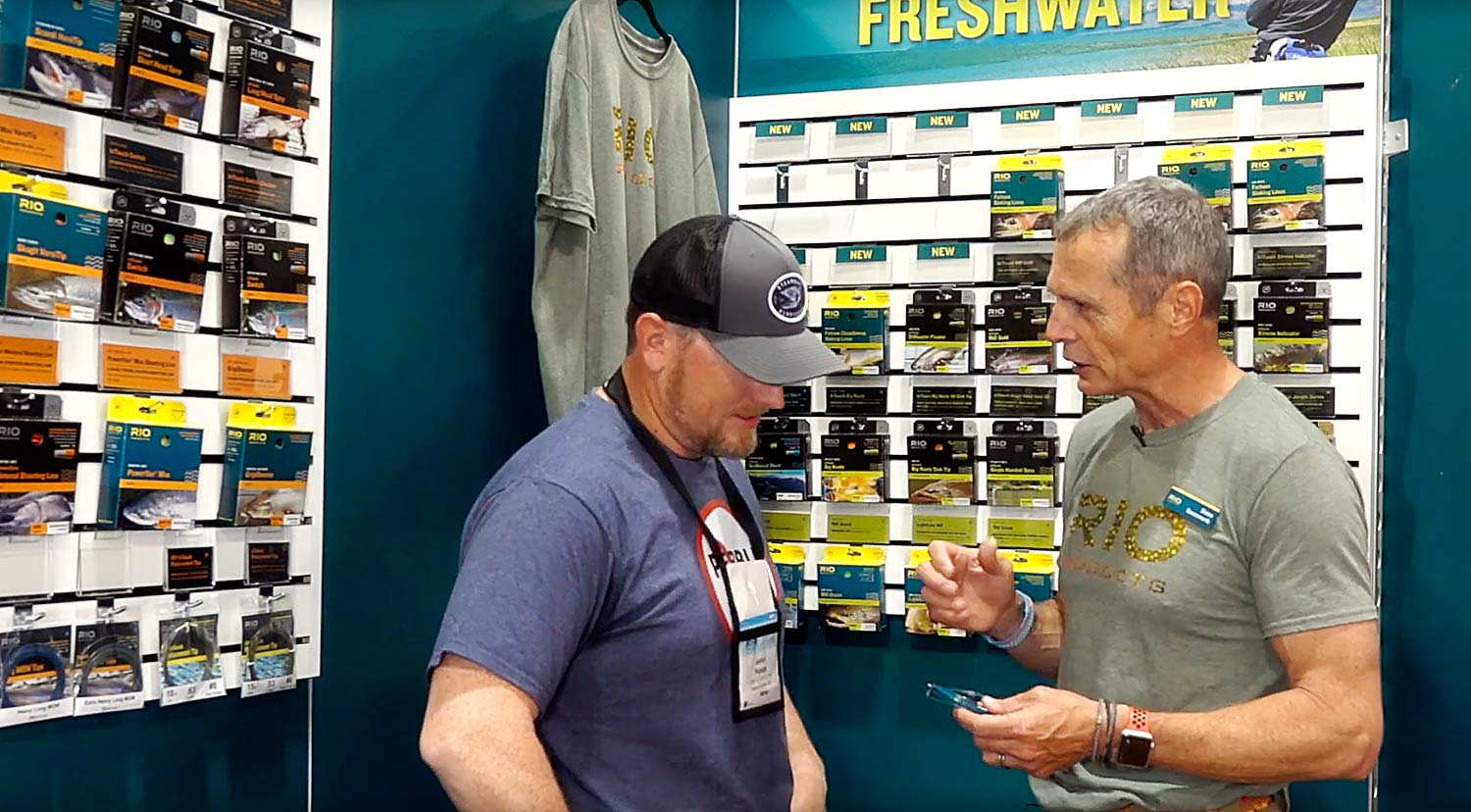
RIO has a couple great new technical fly lines for freshwater anglers.
This year’s freshwater offerings from RIO are all about the technical anglers. The new Technical Trout line is designed for fishing long leaders to picky fish. There’s some very cool stuff for stillwater anglers too, including a sweep line. Uncommon in the US these lines are amazing searching tools for lake anglers. Simon Gawesworth explains how they work.
WATCH THE VIDEO FOR ALL THE DETAILS ON NEW RIO FRESHWATER FLY LINES.
Read More »Cody’s Fish: Video
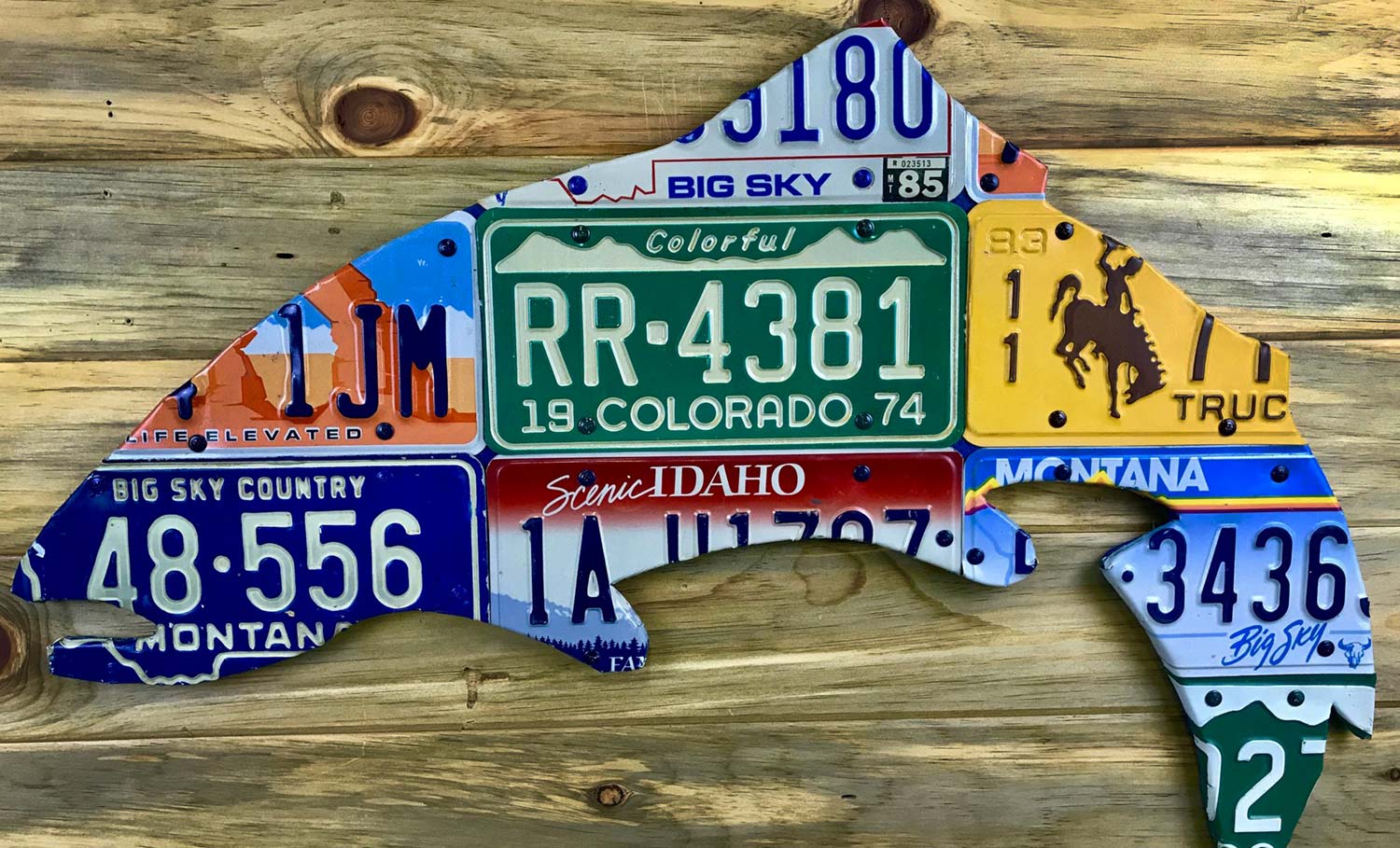
Cody Richardson creates stunning, one of a kind fly fishing art from old license plates.
Cody’s fish are a great way to honor and remember a special fish, a great trip, or a favorite river. The certainly dress up any room in your house, cabin, or even outside. I have one of his bonefish made from Bahamian plates and every time I look at it I’m transported to the Bahamas.
WATCH THIS VIDEO TO CHECK OUT CODY’S UNIQUE FISH CREATIONS.
Read More »It Ain’t Much But It’s A Lot
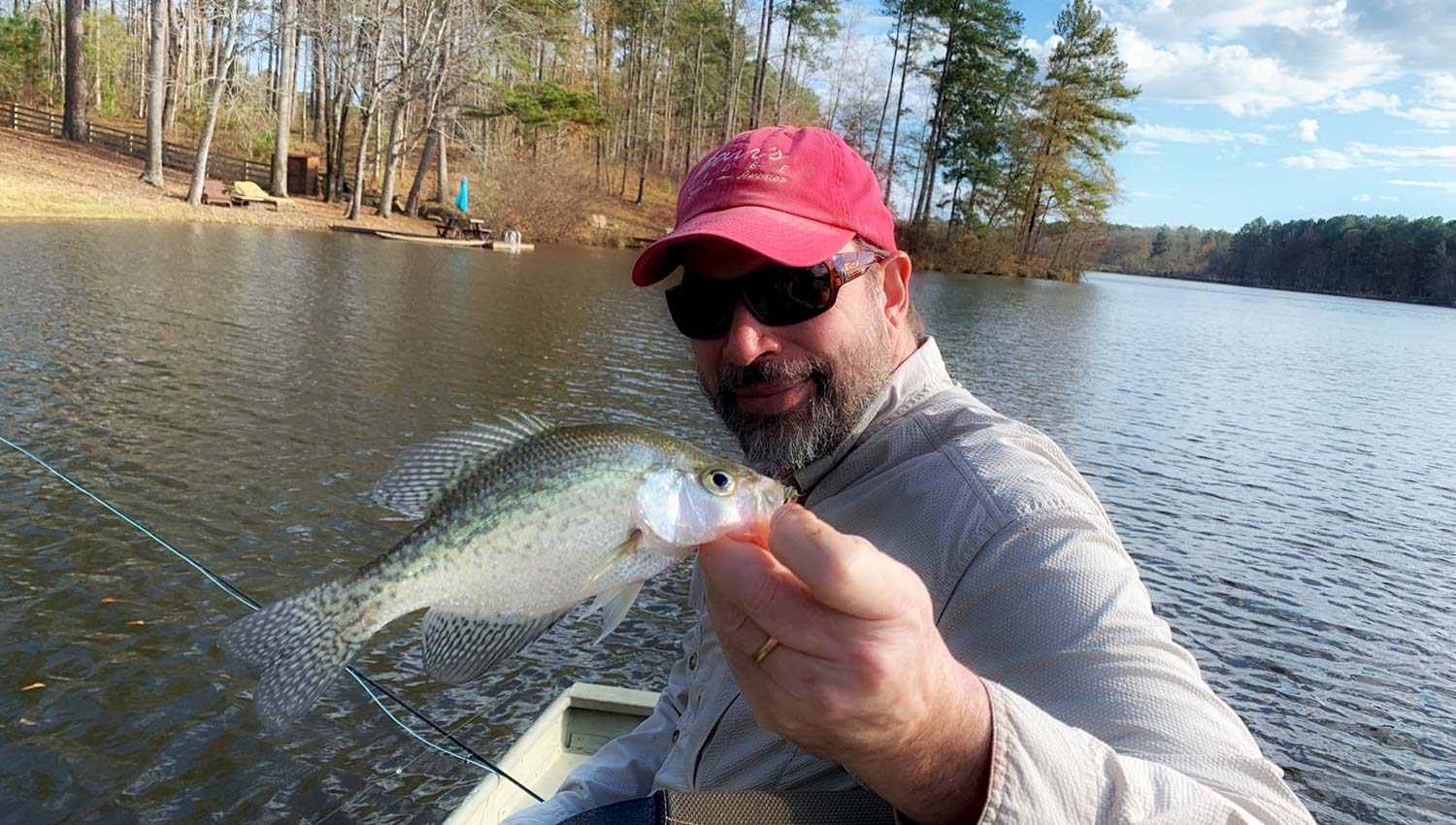
This little fish is a big deal to me.
Here’s something I haven’t said in quite a while. I went fishing this weekend. That’s right, for the first time since my bonefish trip in June I picked up a fly rod and fished. It wasn’t anything to write your mother about. A buddy took me to his private pond and I sat on a boat for a couple of hours and caught crappy and a couple of bass. The one in the photo was easily the smallest but it was my first fish since my surgery and that makes him huge.
I had not verbalized it but I was afraid I wouldn’t be able to do it. I’m still very week and have no balance. My vision is a mess and hitting myself with the fly could have serious consequences. I was also simply out of practice. Fortunately, all the worry was for nothing. The hardest part was getting in and out of the boat but I stayed dry and I caught fish.
I do have quite a bit of work to do. My cast is pretty good, with a nice clean loop, out to about sixty feet. After that, it falls apart pretty quickly. I’m not spotting any fish, that’s for sure but my buddy Peter Crowe at Smith Optics is working on some glasses to get my left eye working at it’s best. That should make a big difference.
I feel bad writing so much about myself lately. Honestly, my world has been pretty small lately. There is some good stuff on the way though. In the mean time, I’ll give you a fishing tip for catching small crappy on cold windy days. Try a Woolly Bugger. They can’t resist it!
Read More »The Scott Sector Saltwater Fly Rod: Video
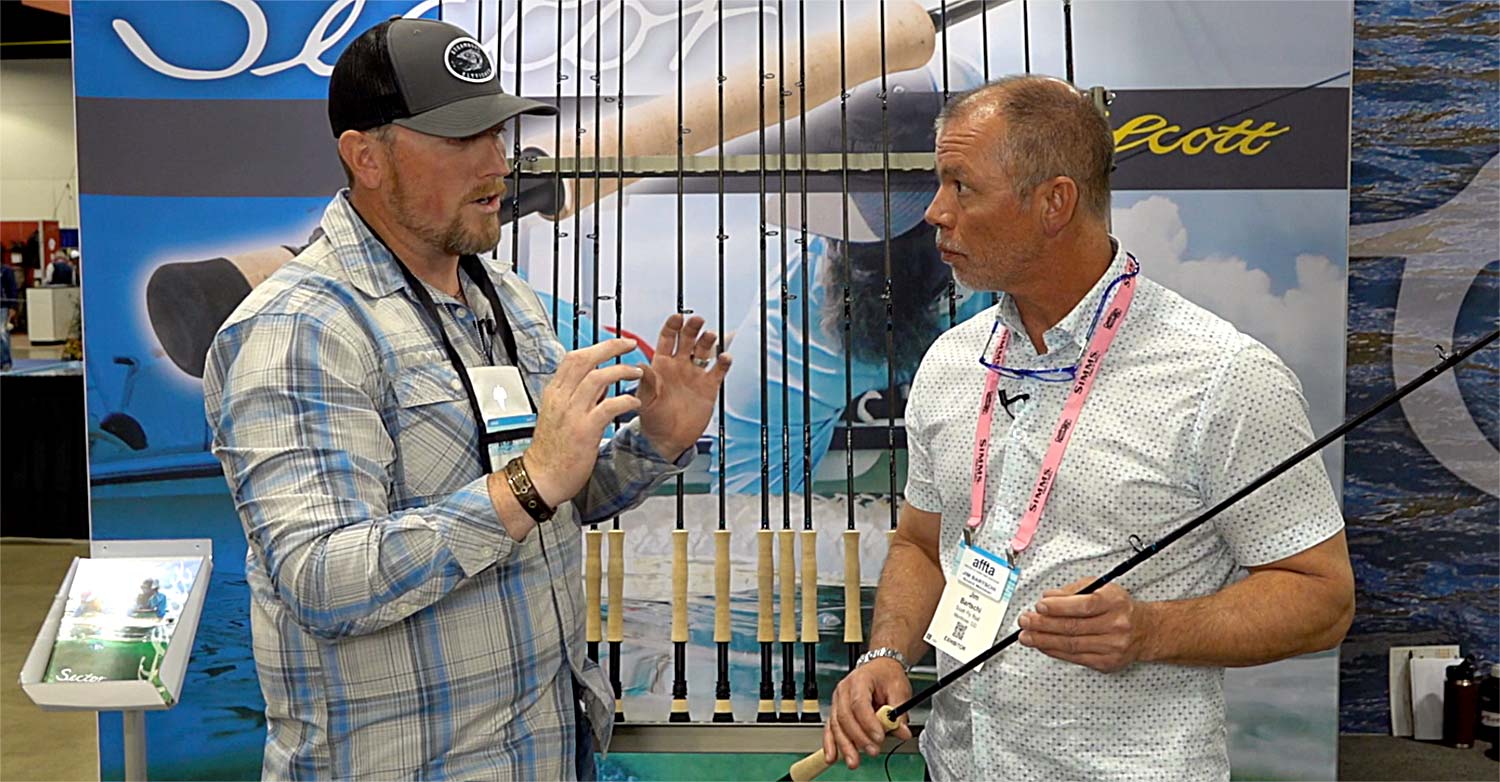
Why discontinue one of the best selling fly rods ever made?
If you’re Jim Bartschi, the answer is, because you can make it better. A lot of anglers were stunned when they learned that the Scott Meridian was being discontinued, myself among them. The Meridian was such a leap forward in fly rod design that it seemed destined to be with us for many years. Scott is not quick to rush new rods to market, so I knew there had to be a reason the new Sectoe was being fast-tracked.
By all accounts, I was right. I have to be honest, because of my recent illness, I have not touched a fly rod since June so I have not cast a Sector. Justin Pickett has though and he can’t stop talking about it. The Sector has two new design features. One is new components and the other new materials. Both bring new technology to the world of rod design.
MOST ROD COMPANIES WOULD KEEP PROPRIETARY TECHNOLOGIES UNDER WRAPS BUT SURPRISINGLY JIM EXPLAINS THEM IN GREAT DETAIL IN THIS VIDEO.
Read More »Eye Surgery Update, Good News!
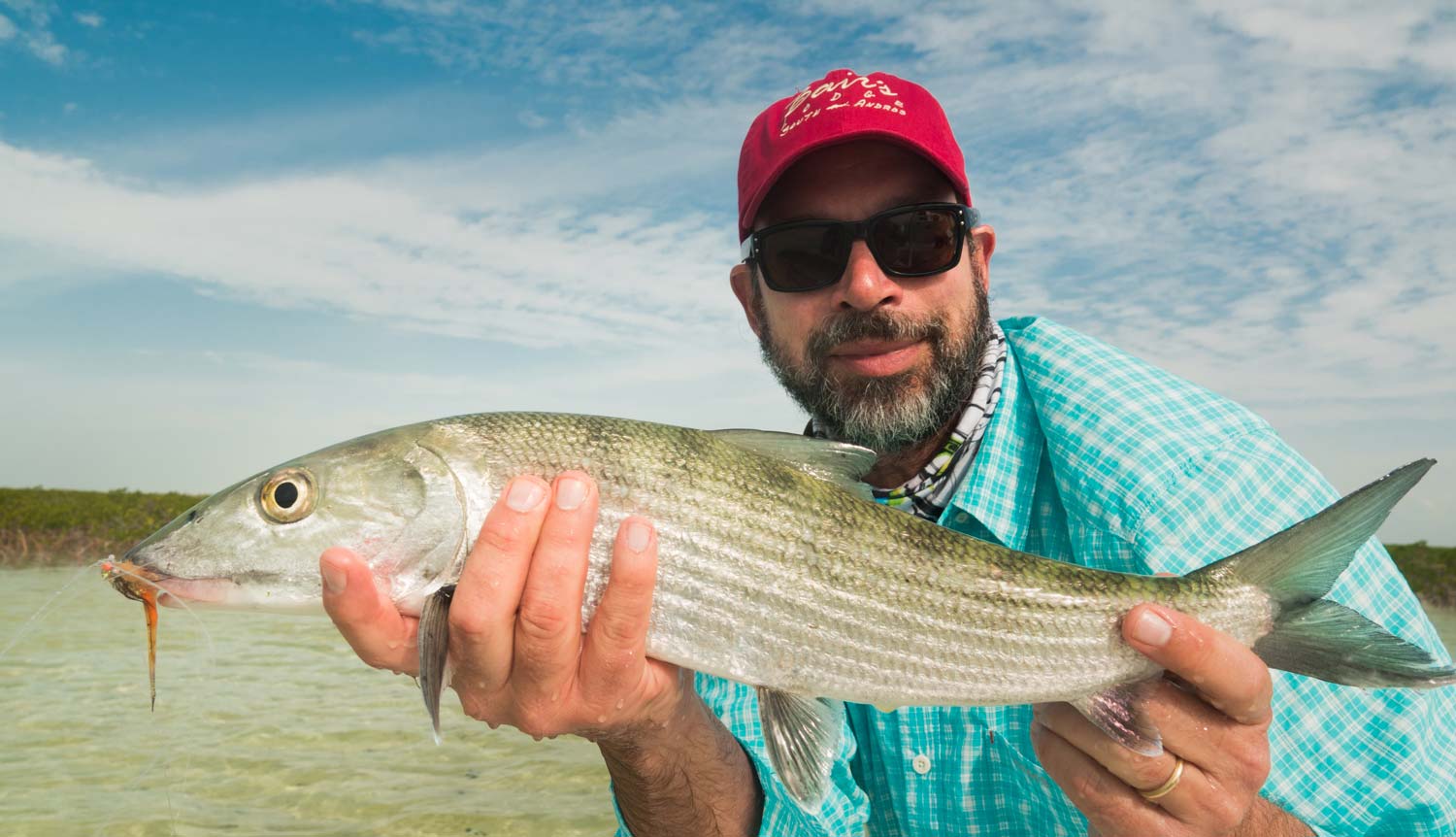
I’m two months past my last surgery and I have a lot to be thankful for.
First, I should tell you that I have lost what little sense of time I had to begin with. It feels like way more than two months, but Sept 26 was the date of my last surgery. I saw my doctor this morning and he is very happy with how I am healing. There is still some ground to cover and a bit of uncertainty, but for those who are following, here’s where I am.
I do have some PVR scar tissue from my last surgery but it is far less severe than what formed after the previous surgery. It has caused some small tears in my retina, but both the tears and the scar tissue are outside of my field of vision. That is itself unusual and a function of the size of my eyes. I have learned that my eyes are exactly twice the size of a normal eye. You know what they say? Big eyes, thick glasses.
The good news is that the laser work done in the last surgery is holding well and containing the problem. My doctor does not think I am at risk of my macula detaching again. That is great news! Keeping the macula attached is the real goal of all of this. My vision will not be good, maybe 20/200, in my right eye but if the macula we not to stay attached, the eye would have to be removed. The odds seem very high that we are winning that battle. Please knock wood with me!
The plan is to let the eye continue to heal and the scar tissue mature for about another sixty days. At that point I will have a laser procedure, which will not involve an incision, to reinforce the area where the tears have occurred. We will then monitor the healing, and if everything goes really well, I will have one more surgery to remove the oil put in my eye to support the retina, and clean up some issues left over from my first retina surgery. Both minor issues, but real surgery with real recovery time.
If all of that goes perfectly, I could be done as early as spring and move on with my life. I know that sounds like a lot but the average number of surgeries for my condition is more like six to eight. That puts me way below average, again, if all goes well. That’s the best news we’ve had and Kathy and I are both thrilled.
I have saved the best news for last.
Read More »Bonefishing: Getting Ready to Fish: Video
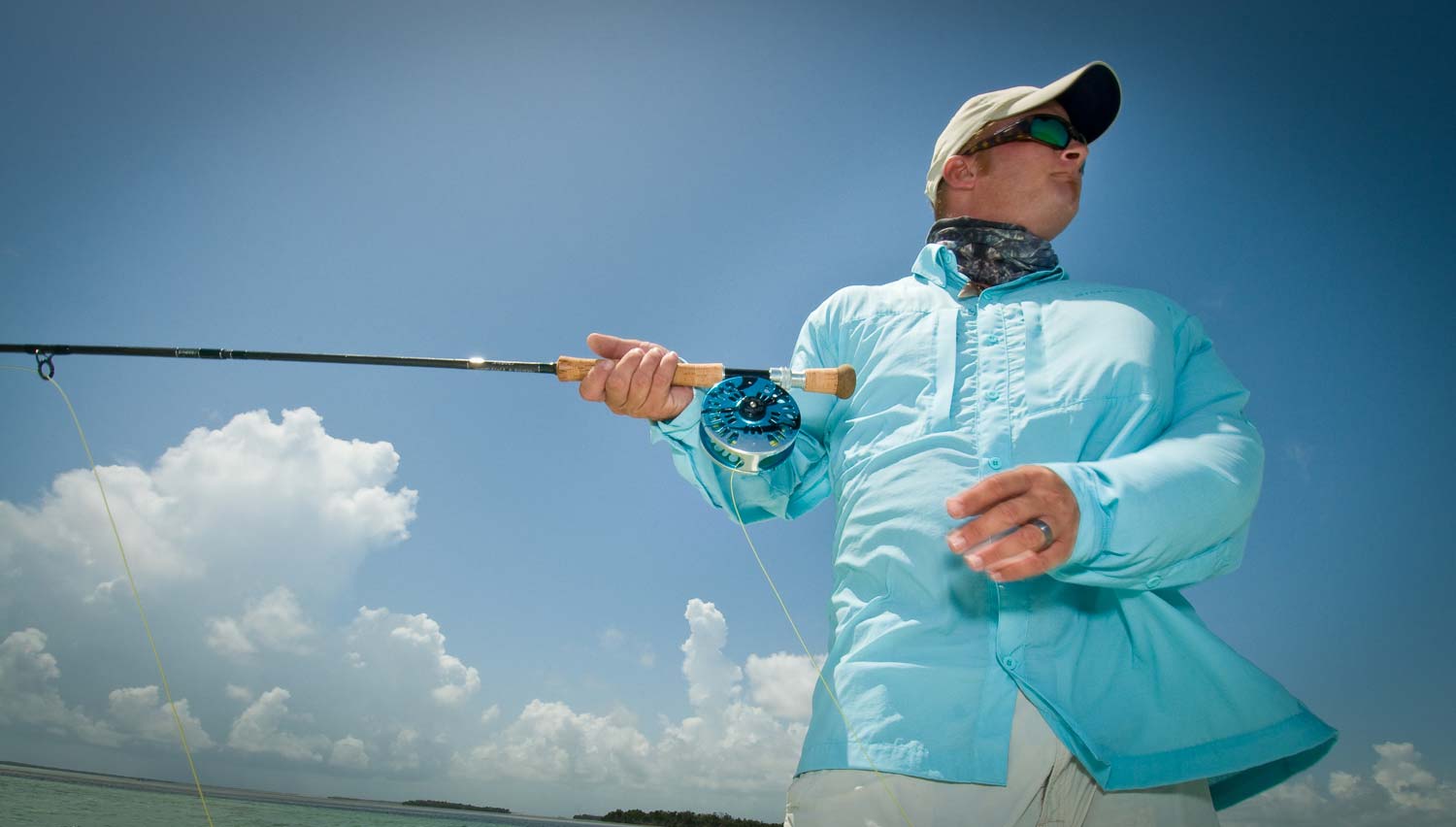
By Louis Cahill
Effective bone fishing is about making a clean shot every time.
You can’t do that unless you are methodical about the details. I can tell you, almost to an angler, who is going to catch fish and who isn’t. just by watching them get ready to fish. The preparations you make when you step onto the bow, more than anything else, will dictate your success, or failure. It’s worth taking the time to get it right, every time.
IN THIS VIDEO I SHOW YOU HOW I GET READY TO CATCH A BONEFISH.
Read More »Absolute Leader and Tippet From Scientific Anglers: Video
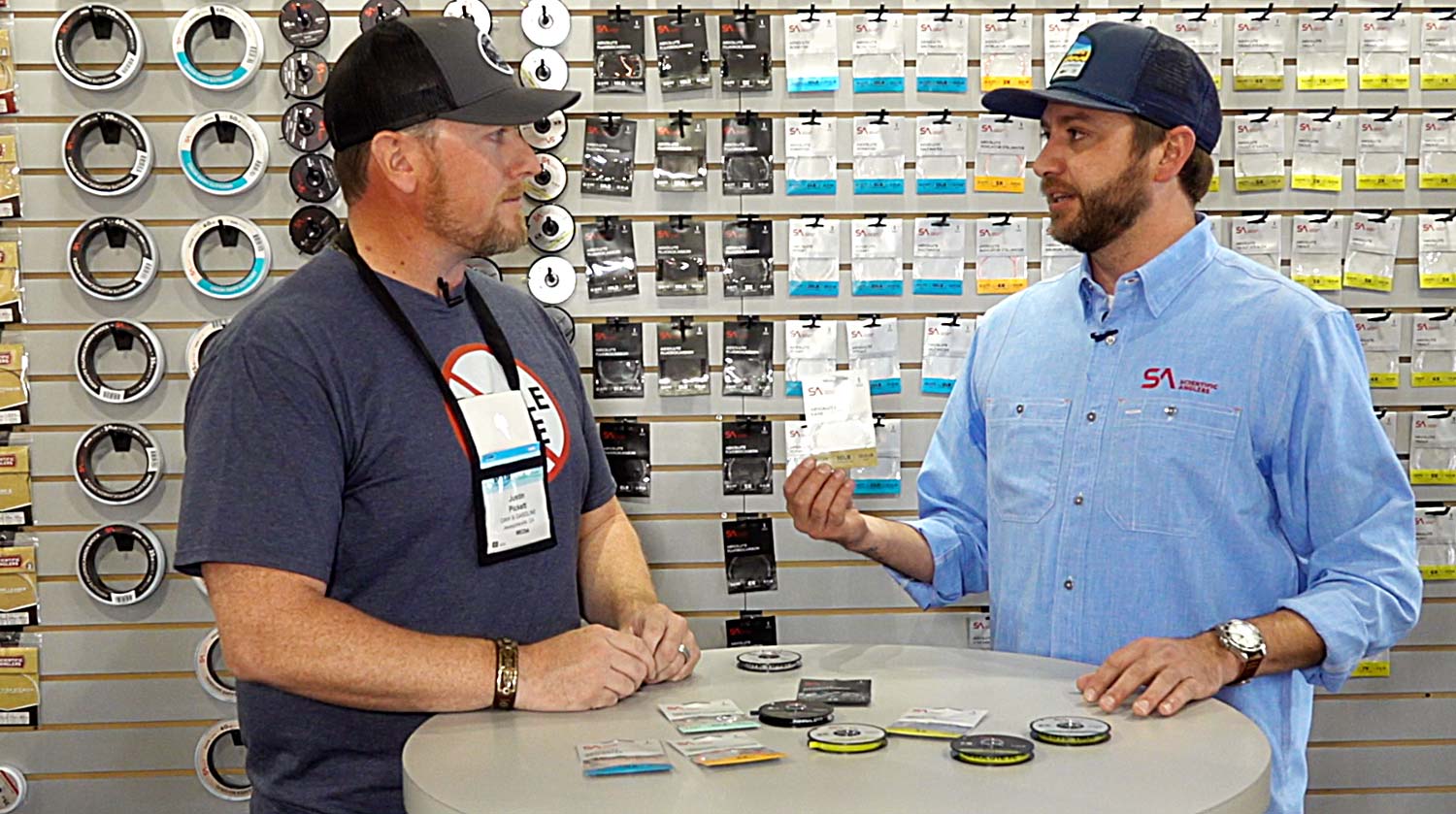
New SA Absolute leader and tippet boasts the best wet knot strength in the business. The new Absolute leader and tippet from SA is more than new material. It’s material plus information, working together to make a positive connection to your next trophy. Jeff McGawan, of Scientific Anglers, helps explain what’s new and how to use the new color coded packaging. Watch the video for all the details on the new Absolute leader and tippet from SA. Louis Cahill Gink & Gasoline www.ginkandgasoline.com hookups@ginkandgasoline.com Sign Up For Our Weekly Newsletter!
Read More »New Simms G4 Waders: Video
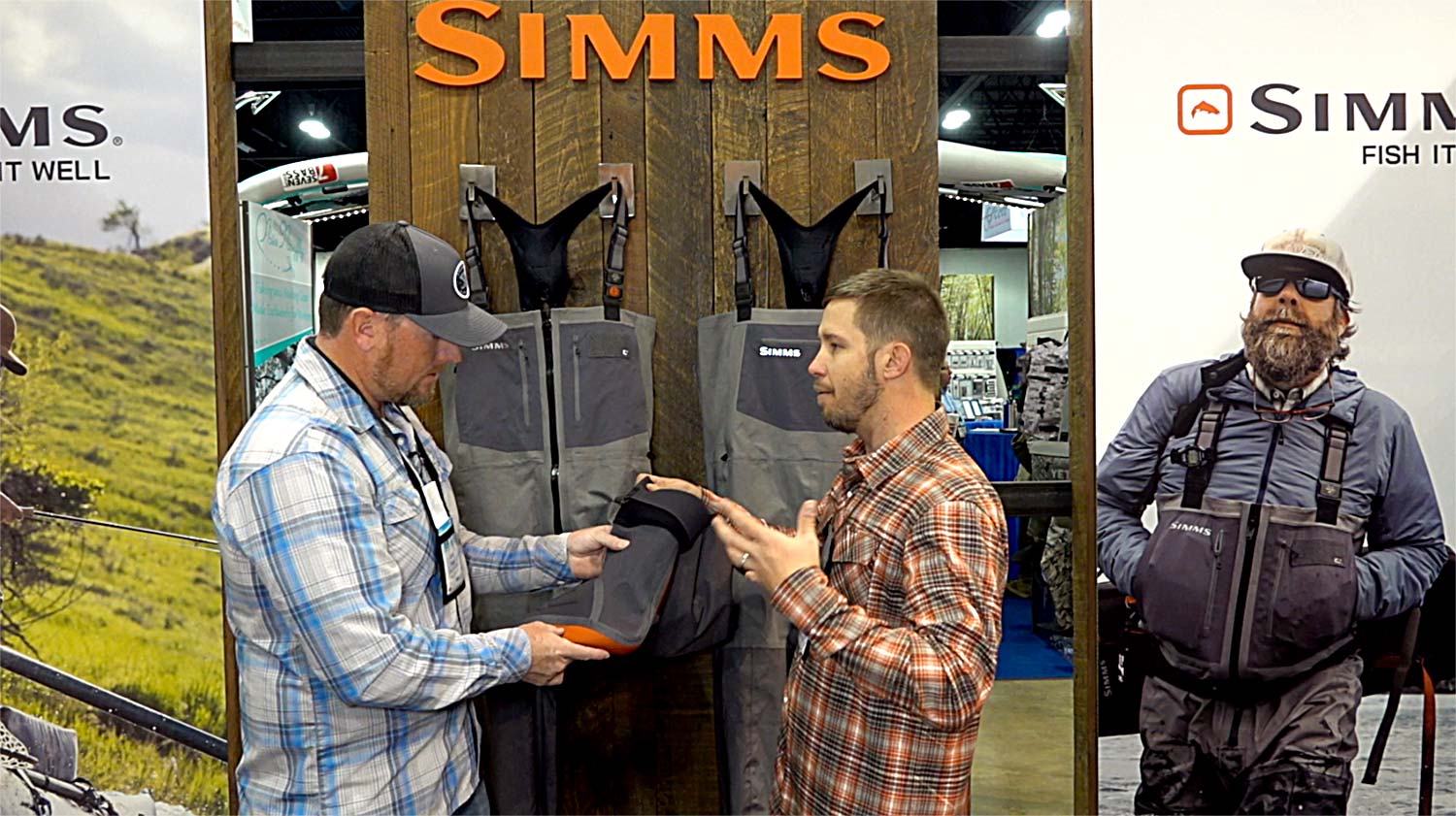
The new 2019 G4 waders from Simms feature new materials and features.
Sporting a new Gore-Tex material the 2019 G4 Wader is lighter, stronger and more comfortable. The new bootie design keeps your feet warmer while you’re busy looking cool. It’s hard to believe that Simms made my favorite wader better!
CHECK OUT THIS VIDEO TO LEARN ABOUT THE NEW SIMMS G4 WADER!
Read More »Orvis H3 Artist Series: Video
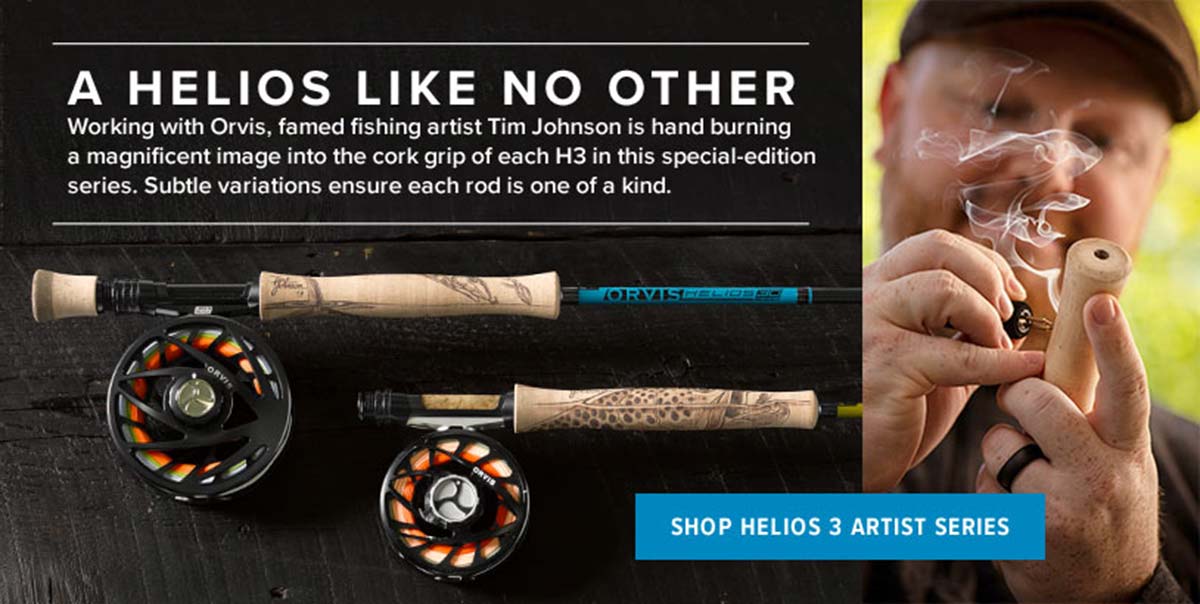
These limited edition Helios 3 fly rods are literally works of art. This is one of the coolest things I’ve seen from a fly rod manufacturer. Each of these limited edition H3 fly rods sports a grip that artist and Orvis endorsed guide Tim Johnson has turned into a one of a kind work of art. Each H3 905F has a brown trout burned into the grip while back H3 908D bares a hand burned bonefish. Since they are all hand illustrated, each is unique and stunning. Orvis is releasing 300 5 weights and only 200 8 weights. They are available immediately and will surely go fast. Watch the video and see Tim Johnson hand burning an H3 for you! Louis Cahill Gink & Gasoline www.ginkandgasoline.com hookups@ginkandgasoline.com Sign Up For Our Weekly Newsletter!
Read More »