
Lighting The Way
By Bob Reece
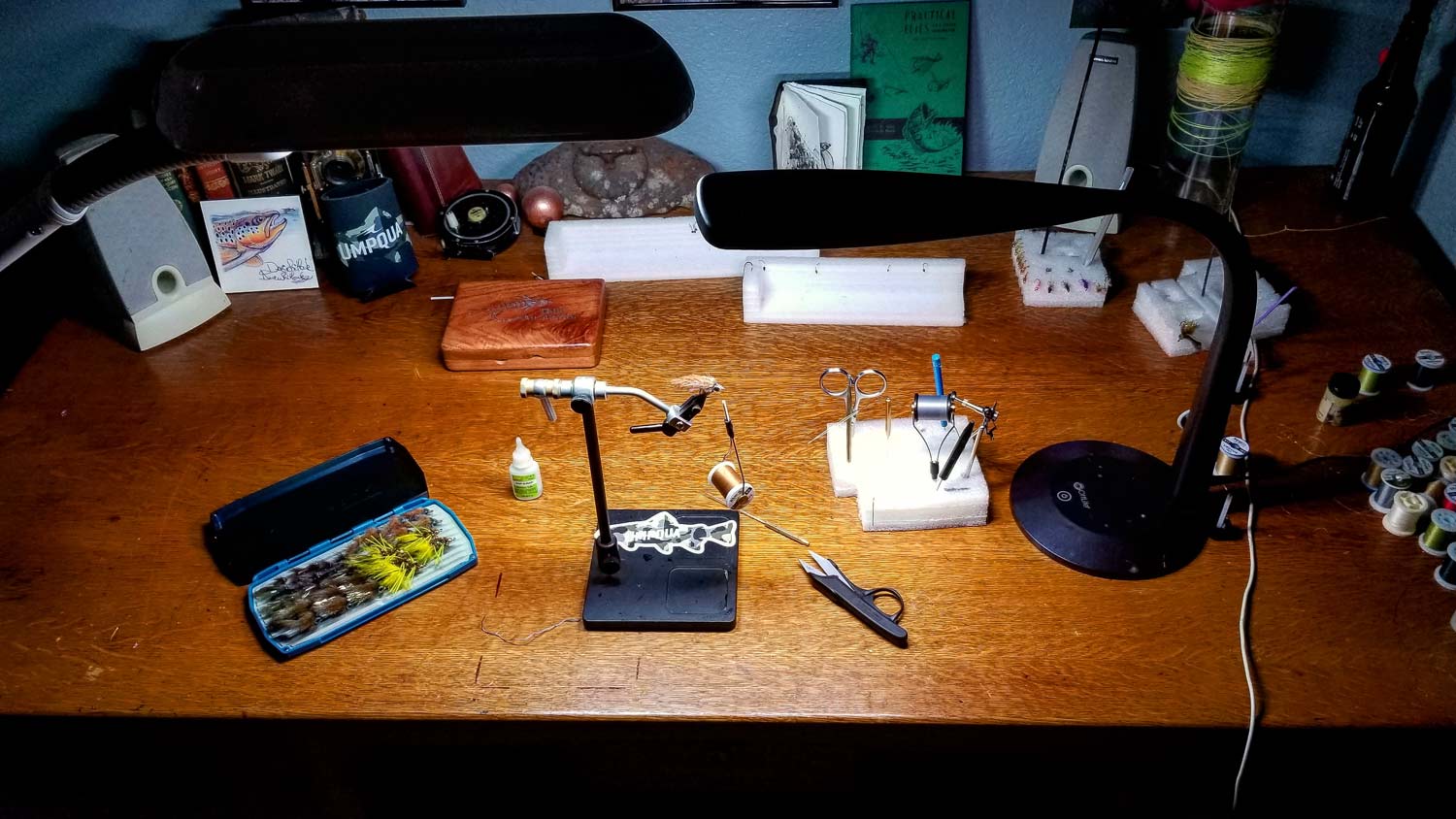
I leaned forward to check the UV coat that I had just applied to my finished fly.
The quick searing pain in my fore head reminded me that I had come too far. This was the last straw for me, the desk lamp that I had owned since college was on its way out. Along with its propensity to heat up, I had no idea how much my favorite lamp was adversely impacting the quality of my tying.
Having quality lighting at your fly tying station is essential for making the most of your time. Since my sentimental departure with my first tying light, I’ve embraced the use of natural spectrum lights. The two lights that I currently tie with are produced by the Ott Light company. The larger desk top model uses a bulb. Conversely the smaller and more portable model uses LED lighting. Both lights produce almost no heat.
More importantly than the reduction of heat is what these lights do for the eyes of tier. Fly tying is one of the most strenuous activities with regard to eye strain. Tying lights that produce light within the natural spectrum greatly reduce this stress. This helps to create a more positive tying experience and also allows for longer tying sessions.
In addition to a lack ocular discomfort, this genre of lights helps the tier to more accurately see the colors of the materials that they are using. That accuracy can
Read More »Get on the water, without breaking the bank A Guide To Alternative Watercraft
By Ethan Smith
Are you’re tired of pounding the same water as everyone else?
Tired of public wade fishing access points, and want to get to those spots that have a chance of being slightly less pressured but you don’t have a ton of money to drop on a crazy tricked-out top of the line boat?
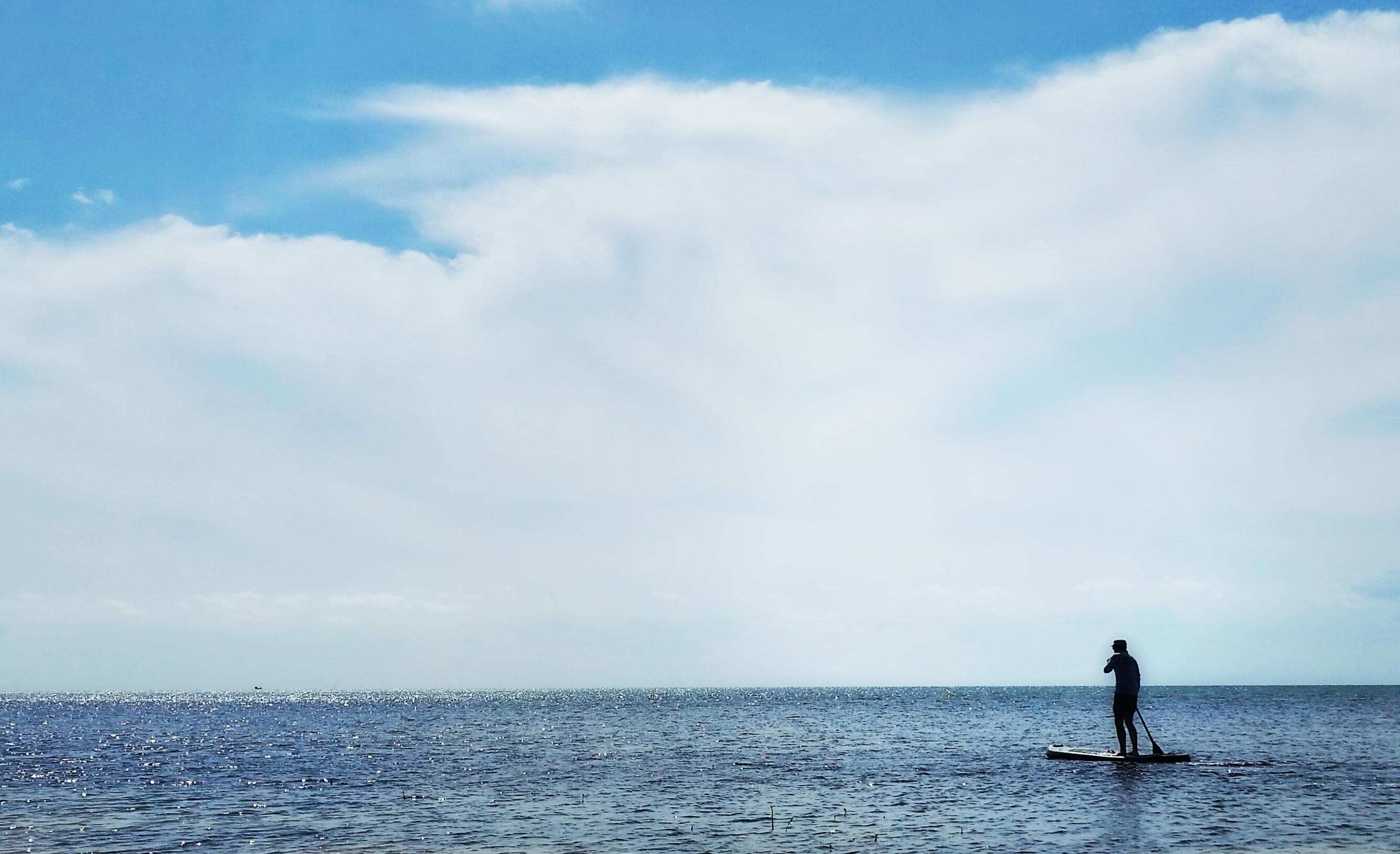
You are so in luck! There has never been a better time to be in the market for a boat or watercraft that isn’t considered mainstream or typical. There are plenty of incredibly cool vessels out there to suit any angling need and you can, in most cases, hook them up on a shoestring budget when compared to the prices commanded by some of the top manufacturers’ boats in brand new condition.
Don’t get me wrong, I’m not knocking top-dollar boats, they are in fact in many cases superior, and offer some great features. If I could afford a complete stable of specialty boats from the big names I wouldn’t hesitate to find a place in my life for most of them. Boats are sexy and I haven’t met many that I don’t like. There’s a reason that historically boats are referred to in the feminine. They have curves, they can be fussy, high maintenance, and require care and love to maintain a solid relationship. But there isn’t anything more wonderful than taking one out for a little while, and generally just being around them makes me happy.
Over the years I’ve studied hull designs and boat building extensively and even restored boats or various types. I’ve lofted my own plans from scale drawings, then built a wooden strip canoe from those plans. I’ve restored a small Lyman skiff from the mid-1950s, helped my dad restore a ’63 Chris Craft Sea Skiff and am currently helping him restore a Chris Craft Cabin Cruiser.
I have BAS — Boat Acquisition Syndrome — probably more than most, the advent of Craigslist hasn’t helped the situation at all. It’s arguable that the time I’ve spent restoring and working on these boats is more valuable than the money I would have spent if I just bought them in good condition. I have some time to give, but I don’t have much money.
MY MAIN RIDE NOW IS A TOWEE RIVERMASTER CALUSA.
Read More »Better Techniques for Tying Flies With Foam.
By Bob Reece
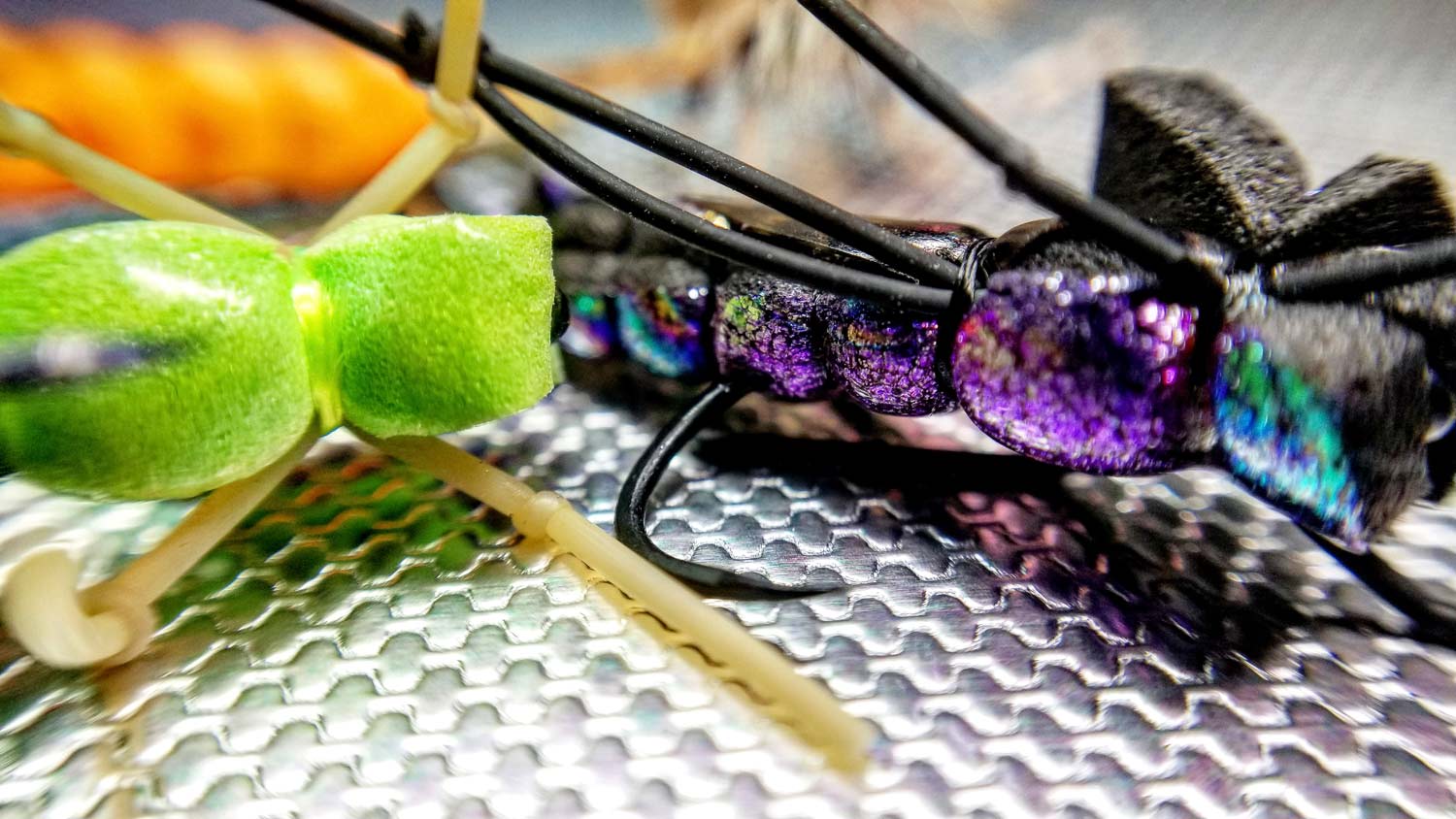
Mid summer kicks off the season of foam for most of the trout fisheries that I frequent.
Foam patterns are a blast to fish. However, the process of tying with this buoyant material can produce frustration at the vise.
If I had to rank my techniques for working with foam, “pinch and cinch” would be at the top of my list. Foam can have a mind of its own. Attaching this springy material to the hook when and where a tier wants can be challenging. One key step to this is compressing the foam with your thumb and index finger when you take thread wraps around the material. This process results in tight wraps that hold the foam in its intended location. It also lowers the stress on the thread. This reduces the risk of breaking the thread or cutting the foam if a heavy gauge thread is being used.
When creating foam flies, I think of the process as sculpting. Foam’s pliable nature allows the tier to twist, stretch and bend it into the desired shape and position. By applying slight tension to the foam a thinner profile is created. A reduction in that tension allows the foam to return to its original dimensions.
The excess use of glue should never take the place of proficient tying techniques. Yet, when tying with foam super glue in is essential element of long lived patterns. Foam is a smooth and slippery material. This property causes it to rotate and slide on the hook shank without the presence of glue. As a result of this, I always
Read More »Orvis Superfine Graphite Video Review
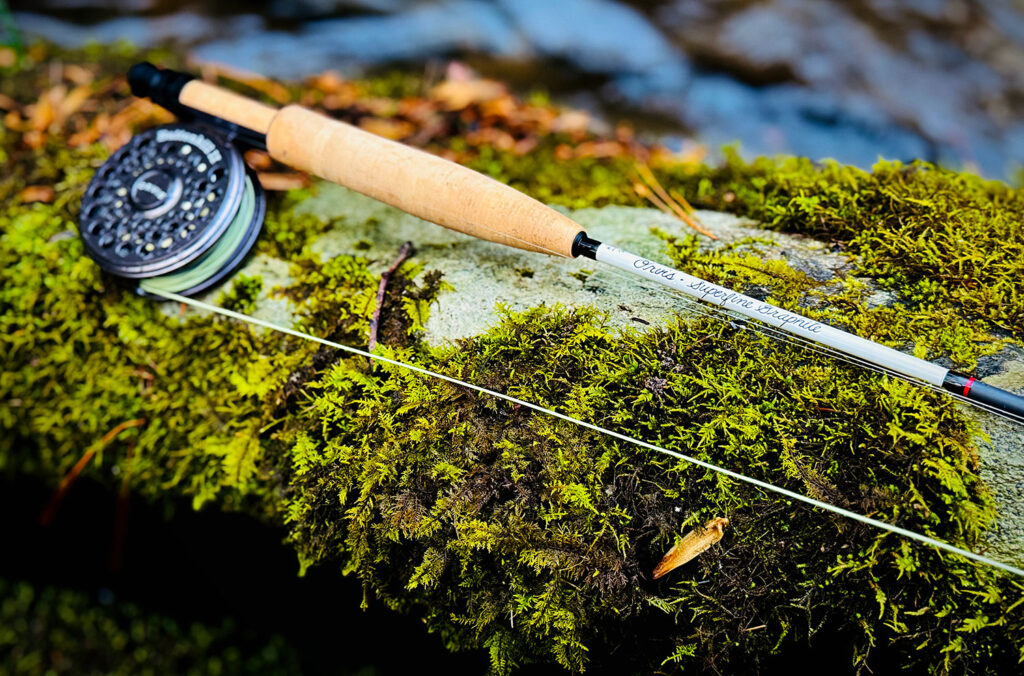
The return of the All Arounder. I remember, about a hundred years ago, When I only had one fly rod. A home made seven foot, four weight bamboo two piece. I took it everywhere and used it to fish for everything and I don’t know that fly fishing has ever seemed as magical as it did then. My new Orvis Superfine Graphite reminds me of that rod. An elegant and versatile tool for chasing dreams. The kind of rod I find myself making excuses to fish. Mine is a seven and one half foot three weight and it’s as at home on the drift boat as it is wading a tiny mountain stream. On those tiny streams though, It’s a remarkable tool for some very specific fishing situations and it is putting me on fish where other rods fall short. Watch the video review to see me put the Superfine Graphite through it’s paces.
Read More »Trailer Tires And Dog Logic
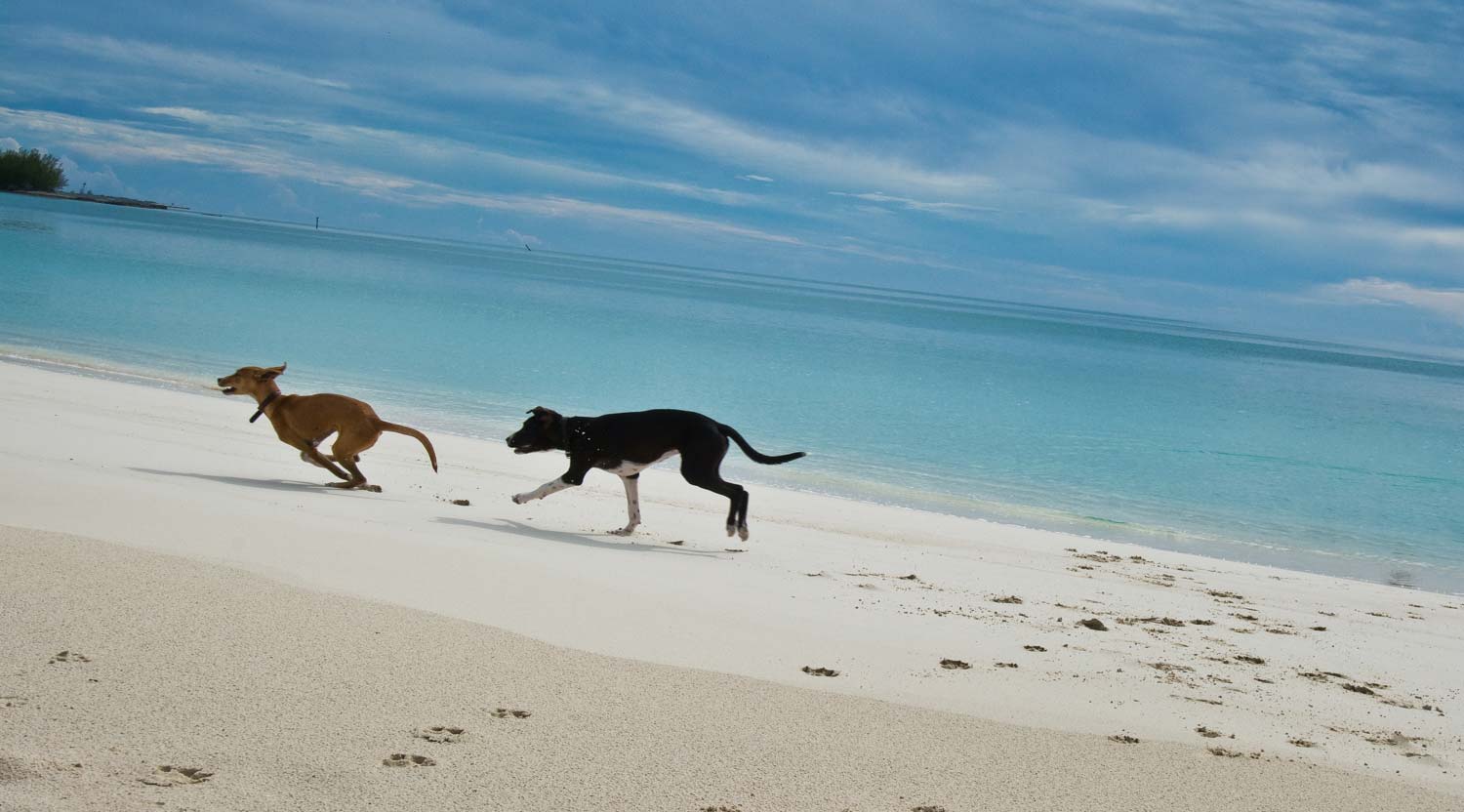
What could be better than a beach vacation with my wife and my dog?
I can barely remember the last time Kathy and I took a beach vacation. We are both far more comfortable with the idea of work than relaxing on the beach. It was certainly long before we had Josie, our little potcake dog I brought home from the Bahamas. This would be Josie’s first trip to the beach since I scooped her out of the sand of South Andros. It’s hard for me to picture this trip getting any better, then my buddy Scott offers his flats skiff.
“You should take the Silver King.”
Generosity is Scott’s defining character trait, and although I am reluctant, it’s an offer I can’t refuse. I know he needs hours on the boat to keep it in shape and the idea of spending a couple of half days casting to redfish is just too good to pass up. I don’t protest too much before accepting his offer.
As usual, the day of our departure sneaks up on us. We respond to being unprepared by over preparing. A last minute Costco run yields more food, wine, and liquor than a Mardi Gras Krewe could use. We pack my Sequoia to the gills. I lube the bearings on the trailer, do a little last minute work on the trailer lights and we are on the road by lunch time. Everything is smooth sailing until we get nearly to the Alabama state line and I feel a vibration coming from the trailer.
Ten seconds of vibration, then nothing for another ten and the tire explodes. Not a flat, a total explosion. I’ve never seen a tire go off like that. Josie nearly comes out of her skin. I ease over to the shoulder and start digging through the food, liquor, snorkel gear and fishing tackle for a jack. I always carry a handful of tools on the road, so I’m pretty set for the job. A bottle jack under the axle and a quick tire change. Thank God Scott has a spare. We’re back on the road pretty quickly. I stop at the first gas station to check the air in the spare and top it off. A minor hiccup and everything seems fine until a few minutes later the trailer starts to shimmy side to side. I call Scott on the phone.
“Have you had any issues with the trailer? We blew a tire and now I have a weird shimmy going on.”
“Yeah, those tires are only good for about a year and they are four years old.”
Read More »How To Unsnag A Fly
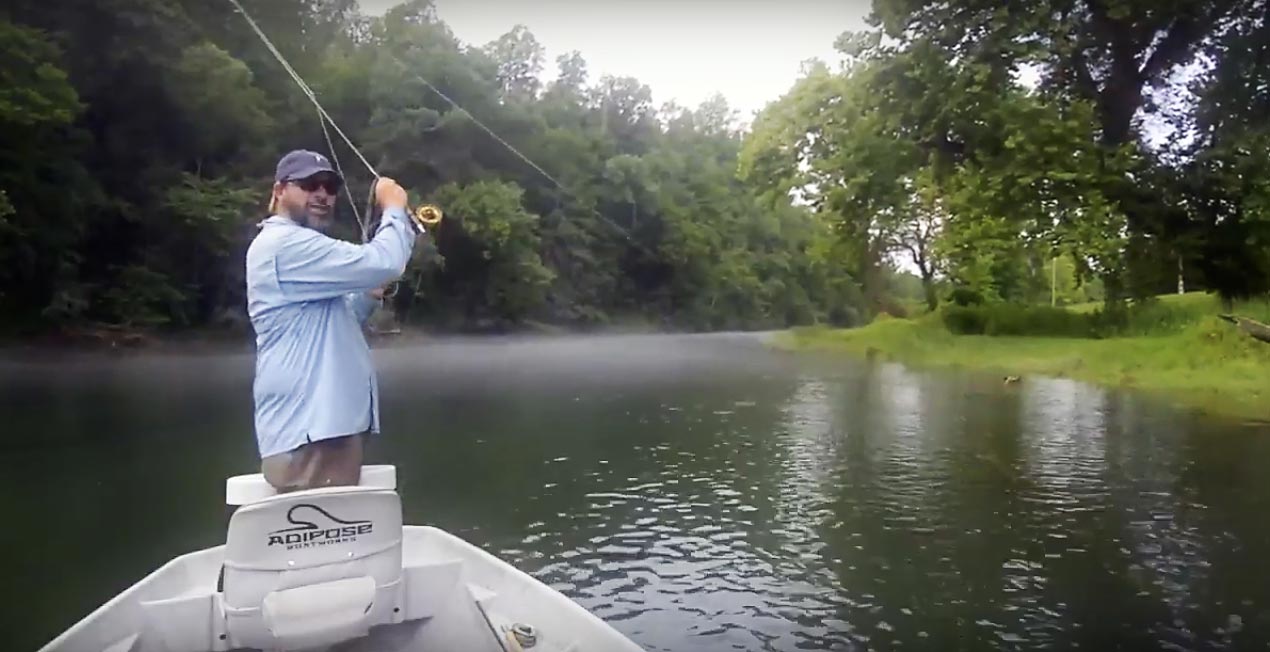
Every fly fisher gets snagged up once in a while.
It’s part of the game. If you aren’t fishing to structure, you aren’t fishing to fish. This is never more true than when streamer fishing. You’re constantly snagging logs and if you row over to get your fly, you’re spoiling a lot of good fishing spots where you could have hooked that big boy.
Most times it’s pretty easy to recover a stuck fly without ruining the spot. It’s a skill that challenges many new anglers. All you have to do is keep your wits about you and fish smart.
WATCH THIS VIDEO AND LEARN HOW TO CLEAR A SNAGGED FLY.
Read More »Browns On The Move
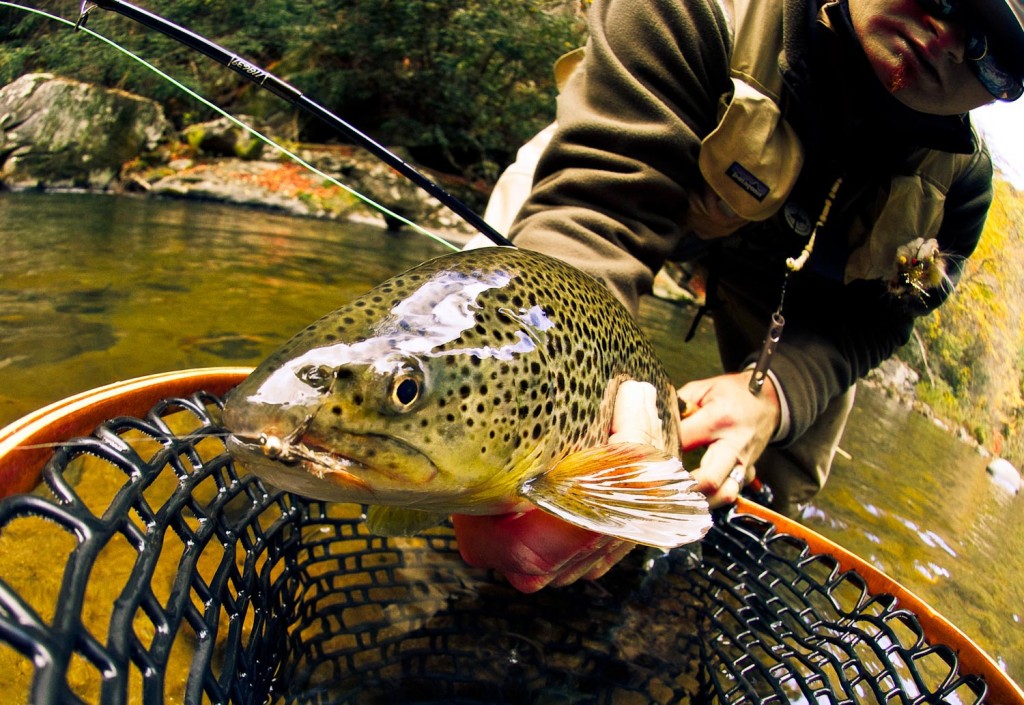
Fall through winter is a busy time of year for trout.
Water temperatures are falling, days are getting shorter and big fish are on the move. Among the species that spawn in the fall are Brown Trout. The cooling weather and longer nights are their cue to leave the deep pools, reservoirs and under cut banks they call home and head to the shallow gravel runs where they spawn. This annual migration offers anglers a rare shot at fish we would normally never see.
Browns are one of the most sought after species of trout. Primarily because they are so difficult to catch. They are moody and reclusive, the larger fish spending most of their days hidden by overhead cover. They do their feeding at night, hunting down bait fish and crawfish in the shallows then disappearing at dawn. They are homebodies. Browns will often spend their whole life in one pool where they have found refuge. Research has shown that they set such a high value on this kind of safety that some Brown Trout, faced with lethally high water temperatures, will stay in their hiding places and die, rather than leave to find cooler water. That stubbornness is exactly what makes them so difficult to catch.
Targeting moving fish is a lot of work. You have to cover water, but you have to do your homework too. The first step is knowing where the fish live. This is usually pretty easy. It’s hard to keep big Browns a secret. The reservoirs and rivers where folks catch the occasional big brown generally hold lots of fish of that size. The next step is a little tougher. You have to figure out where they spawn. Fish will move upstream, drawn to the spot where they were born, to lay their eggs. They will be looking for shady runs with clean gravel bottoms and consistent, well oxygenated, moving water. My friends and I will take a day during the spawn and hike a likely stream looking for signs of spawners, gaining valuable knowledge for the next year’s fishing.
Often these spots are in small headwater streams on public land. Sometimes they are on private property. This is of little concern because spawning fish are not what we are looking for. Harassing fish that are already on their redds is harmful and poor sportsmanship. The spawn is important to the health of the population and there will be no big wild fish to catch without a successful spawn. Let them be. What we want is to catch them on the move. The way to do this is
Read More »Carp Are Not Bonefish
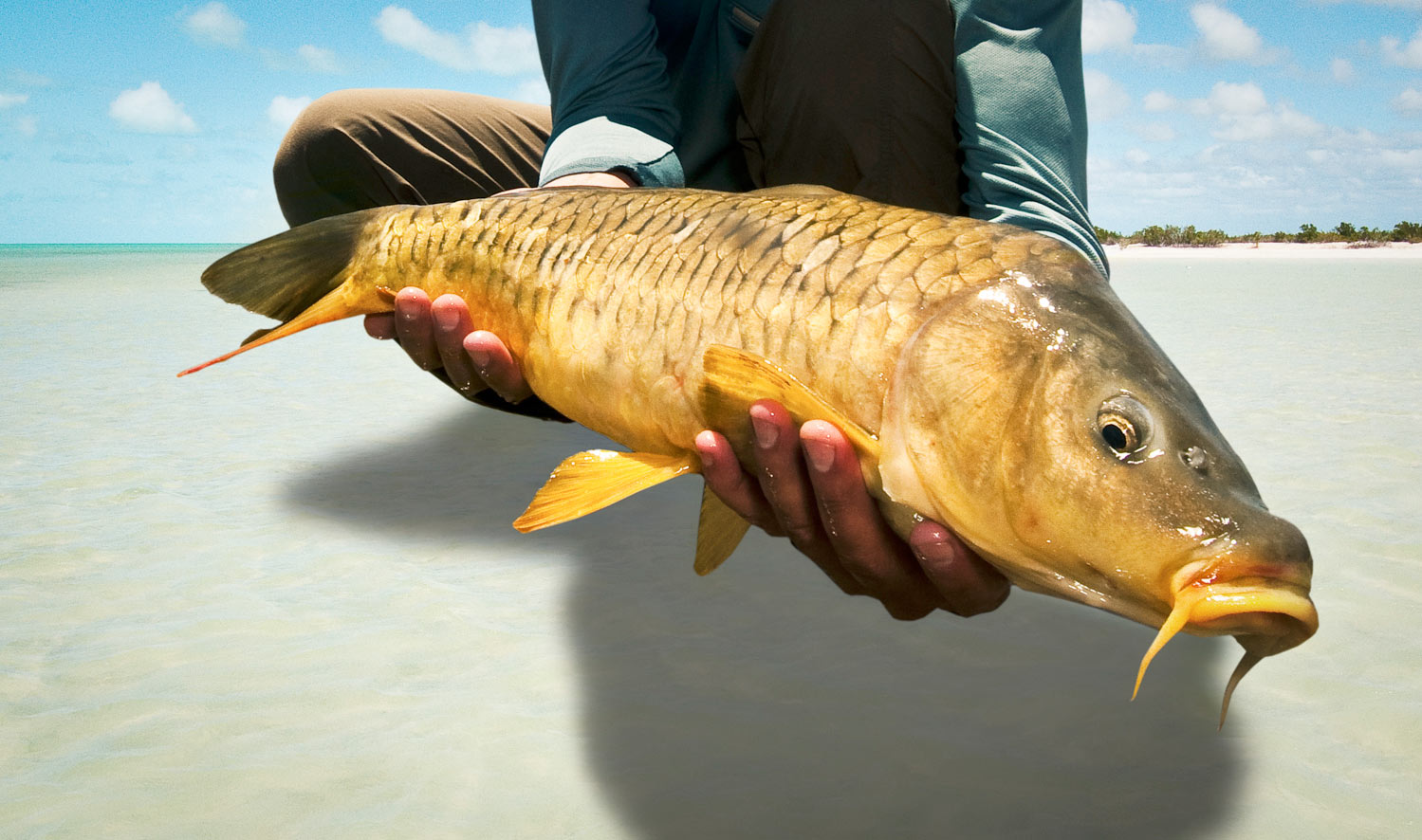
By Dan Frasier
Hardcore carp nuts are hard people to like.
We’re argumentative, sensitive about our fish, and contentious. We’ll assume you’re insulting the fish we love so much; taking offense to the most innocuous statements and won’t hesitate to demean whatever quarry you choose to pursue. I was once heard saying, “Trout are the pretentious man’s bluegill.” Things like that. For the record, I later apologized because I love trout and the dude I was yelling at didn’t deserve it either way. But this defensive nature begs the question, “How the hell did we get like this?”
The answer is pretty simple. We spent years fishing in the shadows. Lying about what we were chasing or being derided for chasing them. To this day, I catch shit nearly every time someone asks me what I’m fishing for. When we finally decided to come out of the closet, it was mostly to derision and smirks. We caught fish, posted pictures and spent a fair amount of time fighting off the hate that comes with fishing for something that people have been misinformed into believing destroys the water quality and reduces the populations of real fish. It was a rough time to be a carper.
About 10 years ago a man by the name of David McCool, in Traverse City Michigan, coined the term “Golden Bonefish”.
David was a marketer by trade and guide in his free time and he wanted to “rebrand” the carp. He decided the first order of business was associating carp flyfishing with something more palatable to, what can be, a snooty and exclusive audience. Don’t believe me? Tell a flyfishermen you put a worm on your hook and cast it with a flyrod and see how exclusive we can be. Anyway, David got some notoriety and the association with Bonefish stuck. In a lot of ways, it was the crack in the flyfishing world’s defenses that we needed to come barging in. And it worked.
David fished the crystal clear sand flats of Lake Michigan near Traverse City on Traverse Bay. Hell, he probably still fishes there. I’ve lost track of him. The point is, his fishing was wading knee deep flats over sand in bathtub clear water while looking for shoals of fish cruising and tailing on small baitfish. He was bonefishing… for carp. It just made sense. And you can still bonefish for carp. I’ve done it. You have to get a boarding pass to a select number of destinations at the right time of year to do it. But it’s available. So David wasn’t wrong. He simply didn’t understand the diversity of conditions under which we would eventually find ourselves flyfishing for carp.
To this day, the association with bonefishing persists. People discuss using carp as training for bonefish trips, or inevitably try to sell flyfishing for carp as bonefishing in freshwater. It’s such a flawed notion it doesn’t make all that much sense.
Flyfishing for carp is so ridiculously
Read More »Eternal Return
By Lauren Holt
“IN HINDSIGHT, CHANGE WAS CERTAINLY ON OFFER THAT SANTERIA SUNDAY MORNING”
“There is no being apart from becoming.” – Hegel
maahnk maahnk maahnk maahnk maahnk maank
I rolled over to find my phone and kill my alarm, groggy in the stillness and the purple dark of 5:00 am on a Sunday morning. It’s early for me – very early – but the sun would be up soon, and if I moved quickly, I could be on and off the Hooch in time for church. My phone said I could count on good water levels, so I loaded up and headed south. A fifteen-minute drive landed me in the nearly empty parking lot. It was a welcome though unsurprising sight. Rod rigged up and gear stowed, I portaged down to the water. As I walked, another noise emerged over the crunch of my boots and my boat on the gravel and debris left over from the most recent late summer storm.
bluck-bluck-bluck-bluck-bluck-bluck-bluck-bluckaaah bluck-bluck-bluck-bluckah
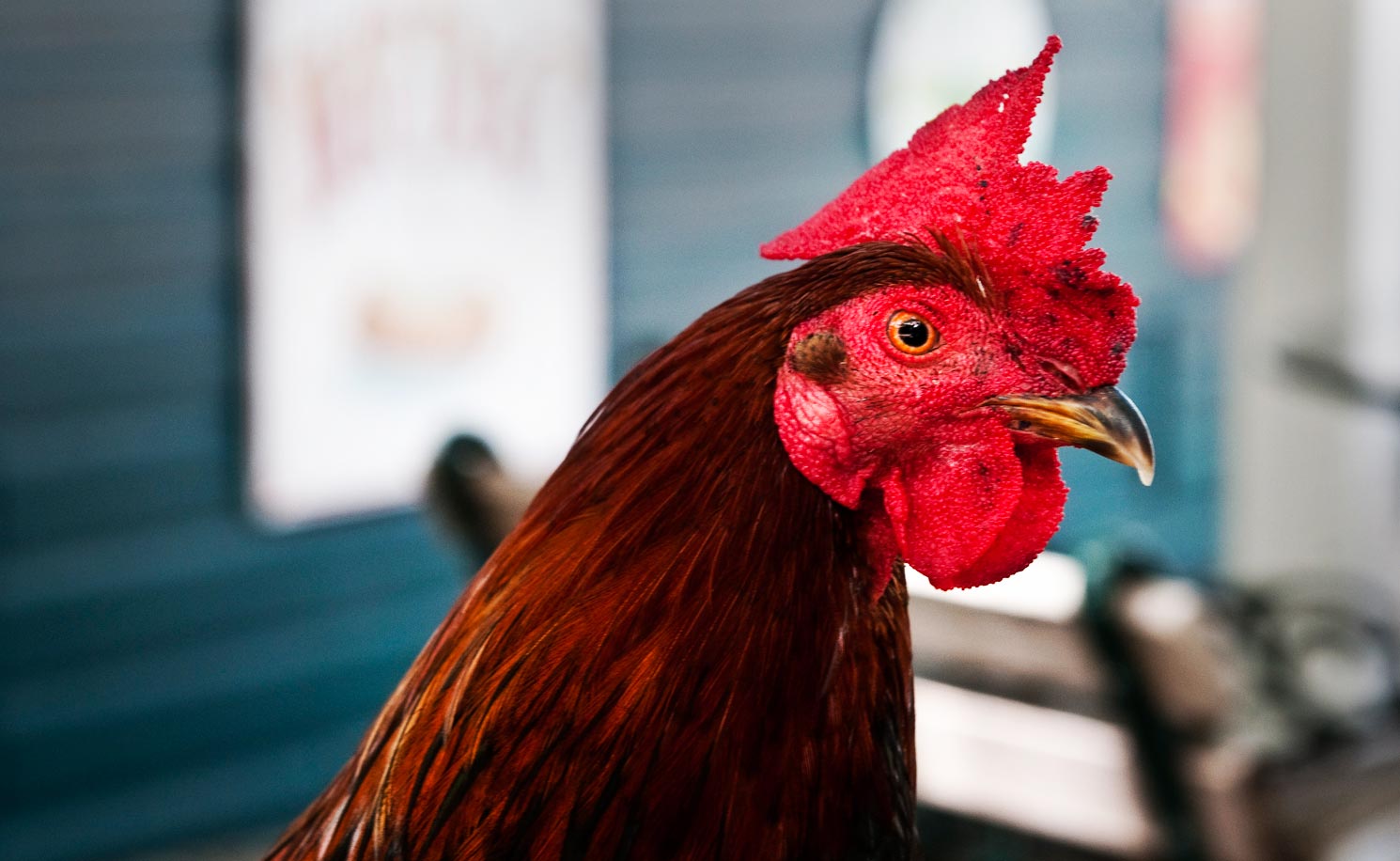
It’s funny how a sound can transport you. This one sounded like home, back in Northwest Arkansas, where we always had a few laying hens and a rooster or two milling around the farm. As I reached the water, though, a new sound met my ears – one that abruptly pulled me out of my reverie. Voices chanting. I couldn’t tell what they were saying, but the rooster certainly got the gist of their message, and he, for one, was not thrilled.
I launched my boat that morning to a chorus of frenetic chanting and a frantic rooster.
Then nothing. A quiet as startling as the ruckus it replaced. Maybe it should’ve given me pause, but it didn’t.
I made my way out into the water, a scattering of bright yellow flower petals the only concrete indication that I hadn’t dreamt the whole thing. This place – just wow. Pretty thoroughly lost in thought, I fished a bit, landed a couple of stripers, cleaned up, and walked up the church steps as the congregation rounded on the last verse of our doxology, “Awake My Soul, and with the Sun.”
If you’d told me back in Arkansas that I would witness a rooster and flower sacrifice on the Hooch, my years-ago self would’ve probably asked for the numbers of both the local police department and PETA chapter. But just like places change, they can change their people too, if we’re open to the experiences they offer us.
Though I haven’t moved nearly as much as many of the professionals who live and work in the Atlanta area, I have experienced my fair share of packing up and making a home for myself in a new place. From Northwest Arkansas – where my great-great-grandparents homesteaded and where, save my grandparents’ stint away from home for a little over a decade, no one but me has left – I moved first to college in central Arkansas, then to eastern Tennessee for my MA, then to Atlanta for my PhD and now my career. Every time I moved, I asked myself some version of the same set of questions: Where will I live? Where will I work? Where’s my river? Part of making a new home, for me, was finding new home water, and those questions gradually became my moving litany. I left the Kings River and my family for the Little Red, a completely different fish habitat and only about an hour from my undergrad alma mater. In Knoxville, I had the Clinch and the Smoky Mountains to explore close to home and the South Holston if I wanted to drive a bit. The move to Atlanta, though, gave me pause.
The appeal of each of the rivers I had left was clear and straightforward. The Kings River meant home. The Little Red meant my first fish on a fly rod and big (as in world record) brown trout. The Smokies meant gorgeous hikes and eager native brookies. My options in Atlanta seemed to be DH trout fishing on the Chattahoochee, a place I’d only experienced in my imagination when Mrs. Brown would turn on Alan Jackson’s latest greatest hits during “rest and re-center” time, or long drives to far flung water. Neither option thrilled me. But Emory is in Atlanta, so that’s where I moved, in spite of the fact that when I thought about the river that would be practically in my backyard, the first things that came to mind were hot, muddy water and beer. Basically Mudcats, NatGeo-style. You can laugh at my naïveté. It’s okay.
In reality, the Hooch boasts a little over 430 miles of biological and geological diversity, resulting in numerous unique and complex fish habitats.
From its headwaters in
Fly Feature: Stealth Bomber
By Justin Pickett
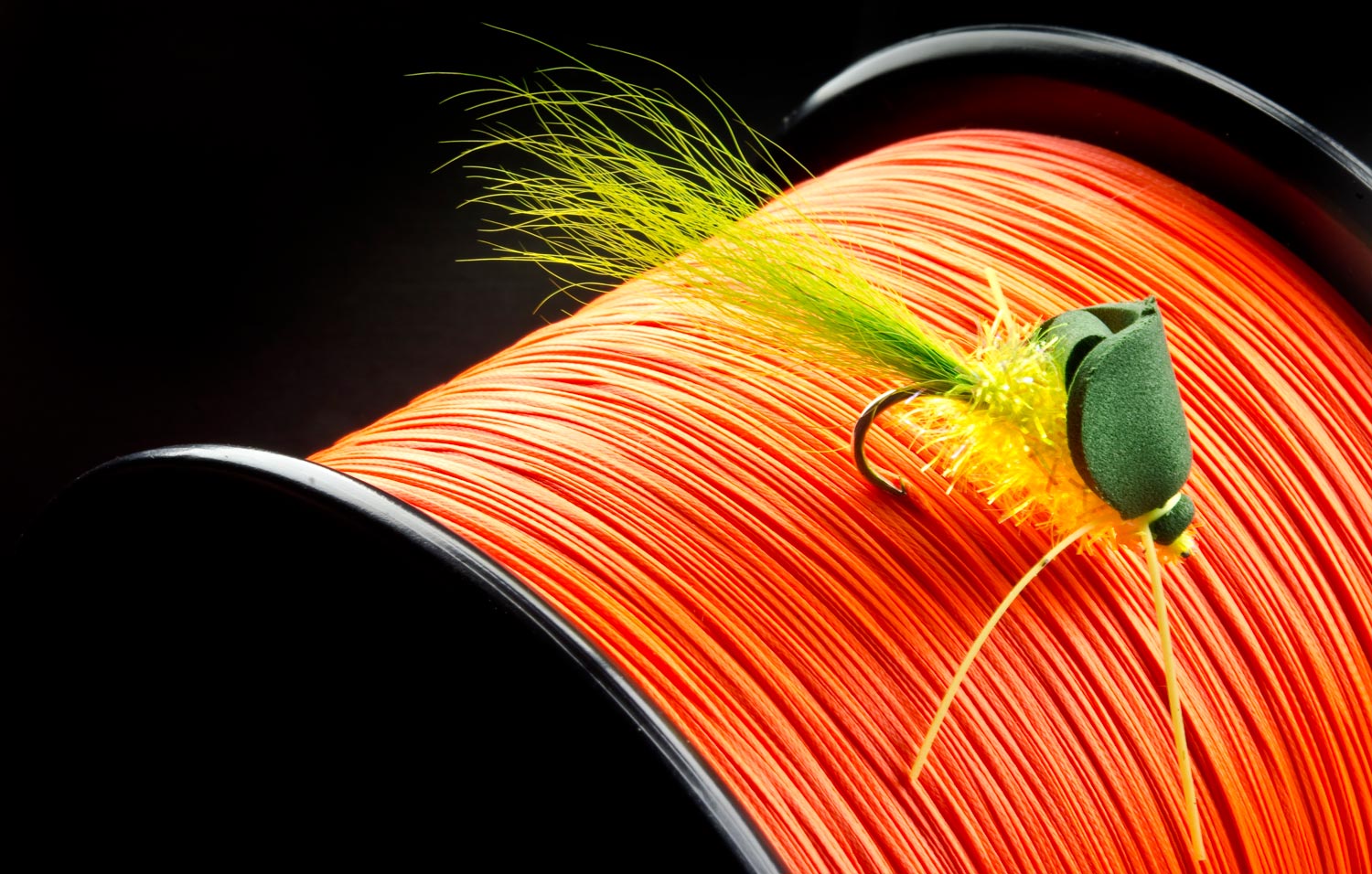
IT DIVES AND IT GURGLES. IT SPUTTERS AND IT BUBBLES. AND IT JUST PLAIN CATCHES FISH!
The Stealth Bomber is by far my number one topwater fly pattern for warm water species. Whether I’m after smallmouth or largemouth bass, or targeting bluegill, it’s always in my box and typically gets tied onto the end of my tippet at some point during my outings. I typically carry them in 3 different color schemes to match different conditions. Check ‘em out! It’s an easy tie. And if you ever fished with a Pop-R as a kid, then you’re good to go! Either tie ‘em or buy ‘em in sizes #2-#6 depending on the fish you’re targeting. Fish this bad boy around floating grass, weed lines, lily pads, or any other submerged structure where bass and panfish like to hide. Vary your retrieve to find out what the fish are liking that day and wait for that take!
Want to add a fish-catching twist
Read More »