
The Virtues of a Sidearm Cast in Saltwater Fly Fishing
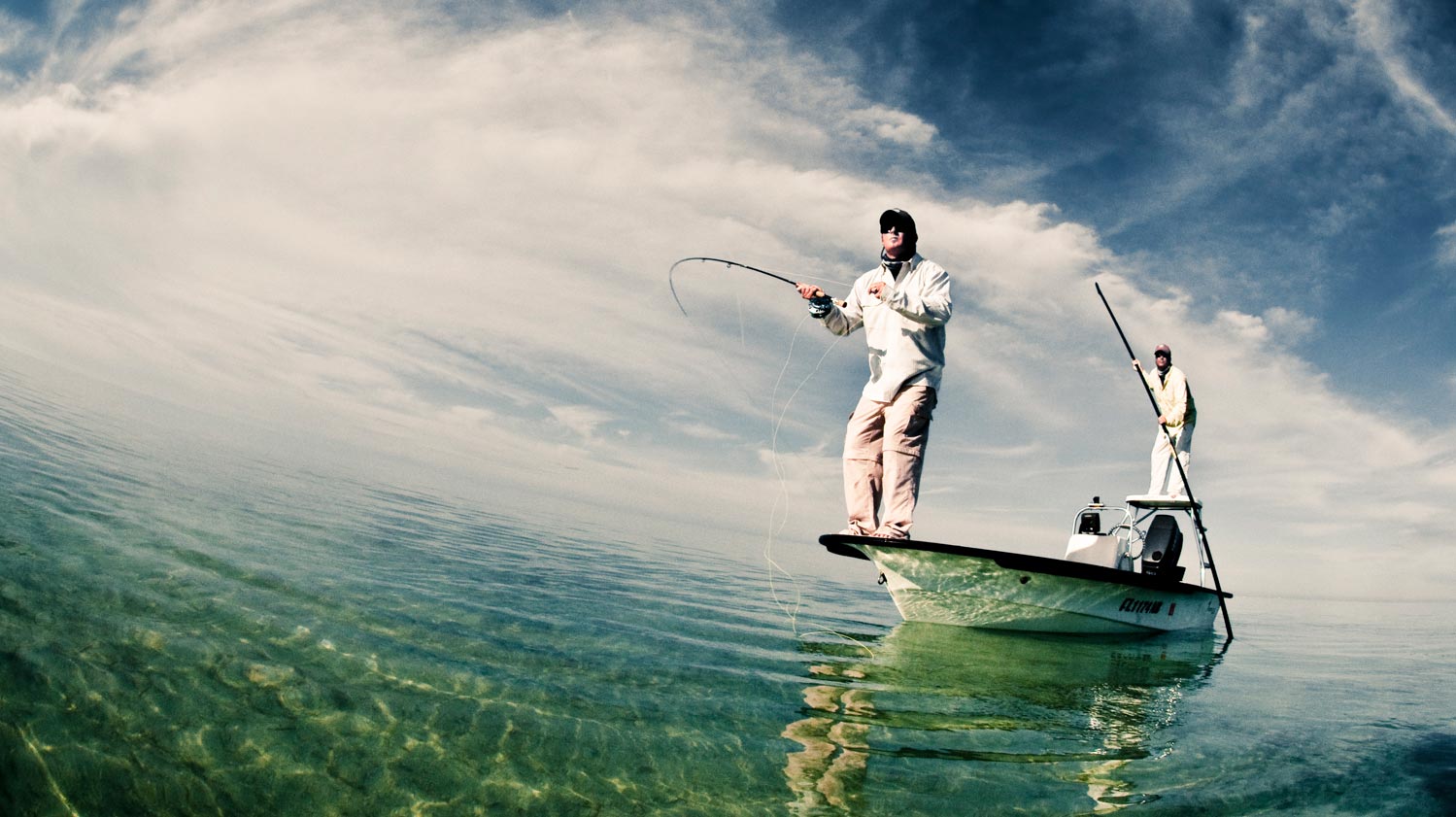
SOMETIMES YOU’VE GOT TO COME AT A PROBLEM FROM A DIFFERENT ANGLE.
I’m a sidearm caster by nature. I think it’s in my DNA. I threw a baseball sidearm when I was a kid and I’ve cast a fly rod that way for as long as I can remember. It was a necessity on the streams where I learned to trout fish. Under the heavy canopy of trees and mountain laurel you find in the southeast, it’s the only effective way to reach the fish and keep your flies. I literally had to teach myself to cast overhead for situations where it’s a better technique but my sideways cast has served me well in the salt.
Here are a couple of reasons that I feel a sidearm cast is superior for saltwater fly fishing.
It’s one of the most effective ways to deal with wind. Wind is not a uniform movement of air. There is a turbulent zone near the water that moves slower. The higher your line is off the water, the stronger a wind it travels in. Keeping your line close to the water takes advantage of the turbulent zone to make for easier casting. The sidearm cast also allows you to straighten your line closer to the water, within the turbulent zone. This means your fly is not as likely to be blown off target by the wind.
In a moderate wind, off your casting shoulder, a sidearm cast uses the length of the rod to keep your fly at a safe distance. If your line speed is high enough you can manage this in a surprisingly stout wind. The sidearm cast is also an important component of the Belgian cast. This cast will handle even stronger winds.
In addition to fighting the wind, a sidearm cast is less likely to spook fish. You can cast slightly off angle and work out line without the fish seeing your line in the air, or its shadow on the water. This extra stealth makes a big difference with spooky saltwater species.
The sidearm cast also makes
Read More »The V Grip Haul
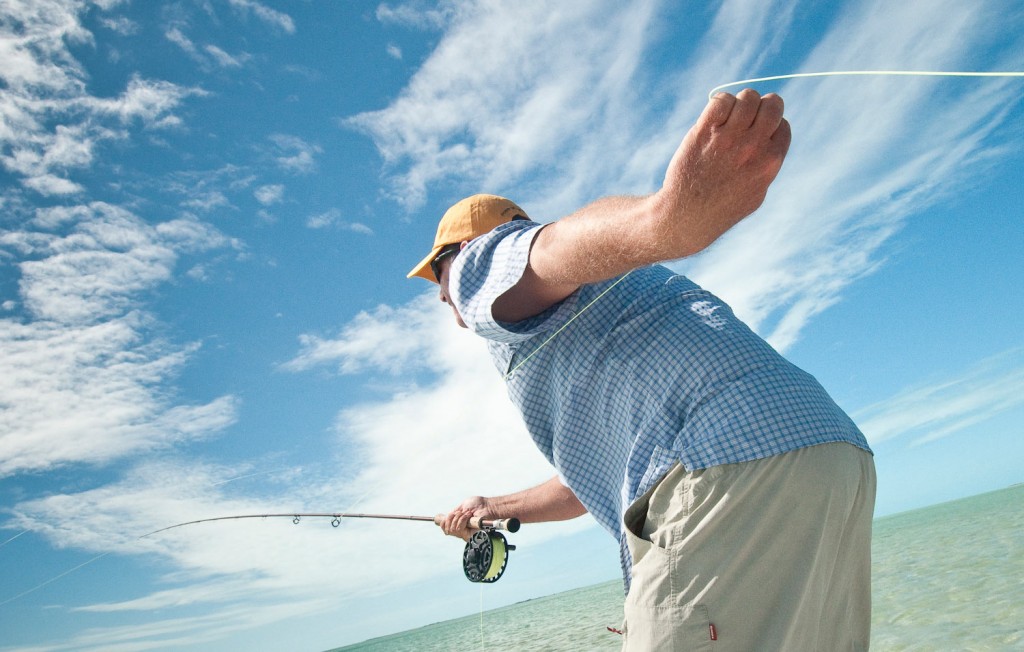
IN THE LAST VIDEO OF OUR ULTIMATE LINE SPEED SERIES BRUCE IS GOING TO TURBO CHARGE YOUR DOUBLE HAUL BY APPLYING THE “V GRIP” TO YOUR LINE HAND.
Again, this is seriously advanced technique and it’s going to take practice. However, if you can master and employ all the techniques from the last five videos together you will cast like a rock star and the wind will be your bitch. Now, doesn’t that sound nice? I hope this video series has been helpful. I look forward to seeing the hero shots of all those salt water fish you’re going to catch!
Check out the video!
Read More »It’s OK To Stay Home

By Justin Pickett
SOME DAYS, IT’S NOT HAPPENING.
Up at the wee hours of the morning, Tim Harden, of the Venturing Angler, and I, hit the road en route to meet up with our guide, Capt. David Accursio, for another day of fishing in the Everglades. Excited to hit the water, we hadn’t even considered to check the weather. After all, it’s Florida and it’s summer time, so there is always a chance of rain and we were prepared for that.
We arrived to the meetup spot early with David arrive a few minutes later. Soon after our morning’s greetings, David brought up the weather and how things had been looking on the radar. Not Good. A string of storms were building just southeast of the keys, and while they seemed to be tracking west of where we would be fishing, things could certainly change. With that knowledge on board, we decided to make the drive out to Flamingo and give it our best shot. After all, you don’t know unless you try. Right?
And we did just that. On the drive out we constantly checked the weather. Keeping tabs on every single storm cell and how it was building. As David backed the boat down the ramp and prepared the boat for launch, a huge bolt of lightning split the sky over the bay. Without a word said, I think we all made the decision in that moment to get back in the truck and abort our fishing plans. This was the right decision to make. Not three minutes later, the rain was so heavy that you could barely see out into the bay and the lightning was striking all around us. We certainly avoided what could have been a dangerous situation.
We sat in the truck for about an hour going over scenarios concerning what the weather could do, or might do, but we all know Mother Nature has her own plans and there isn’t one damn thing you can do about it. She definitely laughed at our optimism that morning as we sat there hoping for just a window of opportunity to get the boat wet. After realizing there was no hope for hitting the water, and about fed up with being eaten by voracious pterodactyls (David called them mosquitos), we decided to bug out and take it to the house.
It’s never easy admitting defeat. Even when it’s something you have zero control over, like the weather. When you travel so far to fish a place as awesome as the Everglades, you want nothing but to be on the water enjoying every possible opportunity to fish amongst the creeks, flats, and mangroves that dominate this waterscape. When it comes
Read More »When your fly is there, be aware!
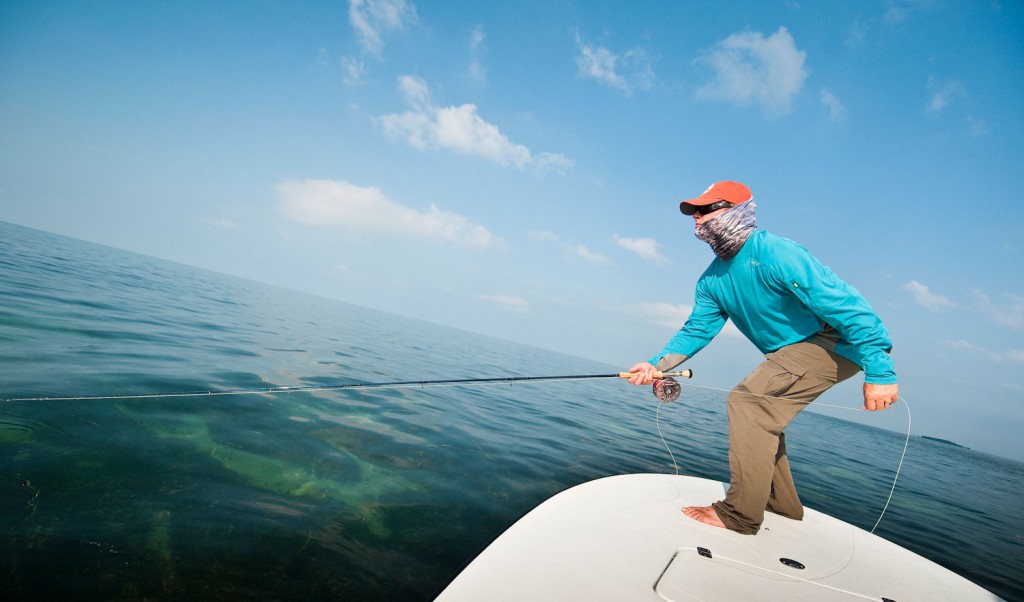
I’ve touched on this before but it occurs to me that the subject needs more attention.
Quite possibly the most important thing in fly fishing is situational awareness. That is, knowing what your fly is doing in relation to it’s surroundings. Surroundings like current, structure, light, the boat and most importantly, the fish. Trout fishermen are accustomed to thinking about the drift of a dry fly but less at ease with the idea of a nymph’s drift, for example. Lots of guys fish streamers with a simple swing down and across, without considering how the baitfish they are imitating would negotiate the currents, eddies and structure along the way. This idea exists in every type of fly fishing but is never more crucial than in salt water so let’s look at that in more depth.
Right from the first false cast you should be thinking about the environment in which the fish exist. An experienced angler knows that a flat is less like a pond and more like a river. Except for brief periods of tide change the water on the flats is always moving. Like a winding meadow stream it finds it’s way through a maze of channels. Unlike a river those currents are constantly changing direction and speed. Those changes affect how your fly behaves in the water and that determines the strategy of your presentation. It’s key when flats fishing that you always know which way the water is moving and how fast. How quickly will your fly be carried to the fish and from which direction? How fast will it sink? Where will the fish first see it? Which direction will the fly be moving and how fast? You need to know the answer to all of these questions before you cast.
Current also effects your retrieve. The fish is not interested in how the line moves through the guides, but how the fly moves through the water. If the current is carrying the fly away from you, that retrieve has to slow way down. No fish is going to chase a shrimp that can swim thirty miles per hour. If, for example, the current is carrying your fly toward you, your retrieve must be brisk or you’re just dead drifting. Worse, you’re creating slack that will prevent getting a hook set or even prevent you from knowing when the fish has eaten. While we’re on the subject of the all-important hook set, don’t forget that the current is carrying the fish too. Unlike a trout, who must turn and run back to his holding zone as soon as he eats your fly, a salty fish moving with the current will likely eat your fly and keep coasting your direction creating slack that must be taken up quickly to hook up. It’s best to see that one coming before the fish eats.
The most common mistake made in salt water is
Read More »Flies That Catch Big Trout, The Truth Might Surprise You
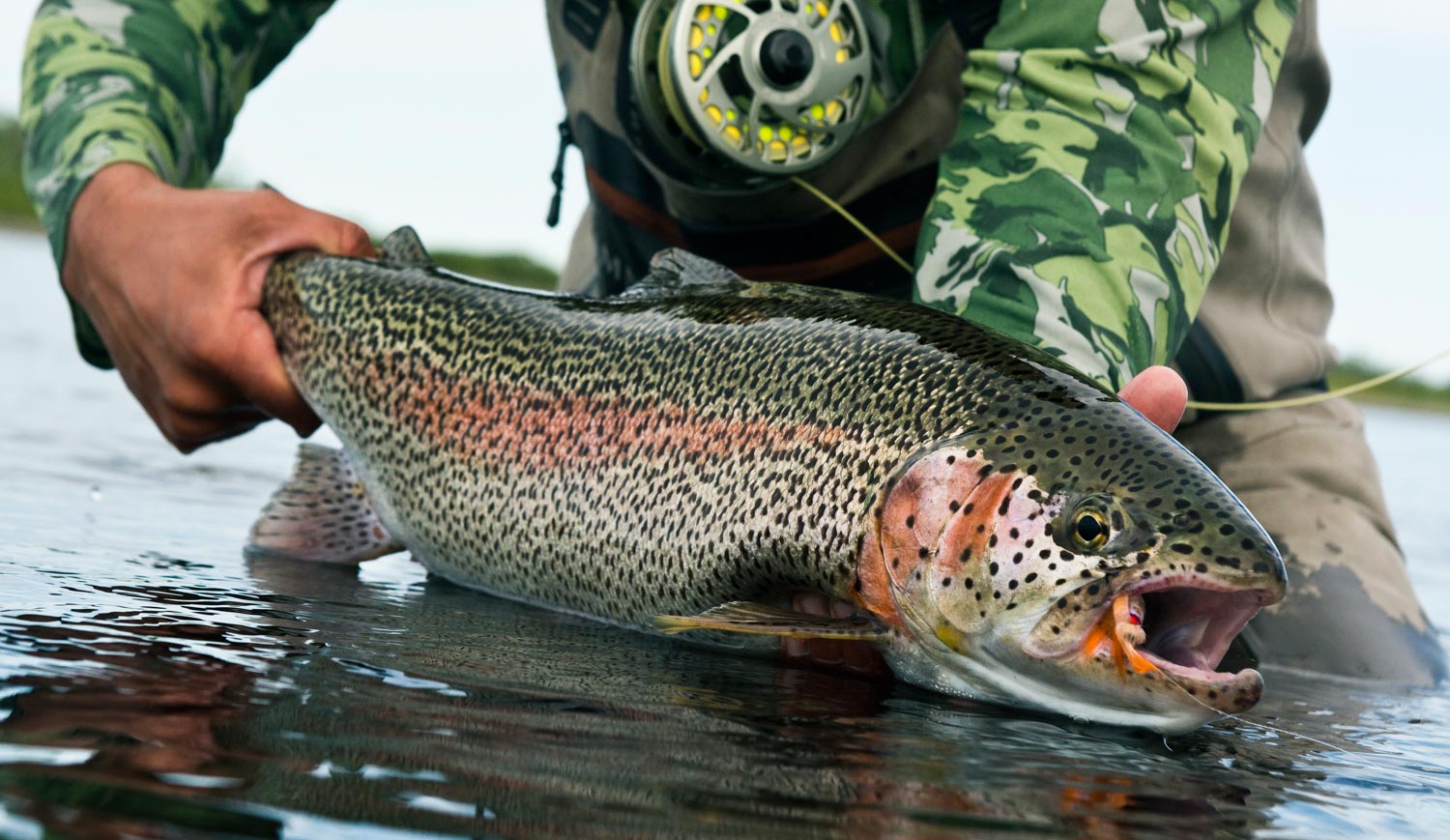
I HAVE DEFINITE IDEAS ABOUT HOW TO CATCH BIG TROUT. APPARENTLY THEY ARE ALL WRONG.
Like every other guy or gal with a fly rod, I have some pretty strong opinions about the kind of flies that catch big fish. These opinions are based on years of experience and experimentation. I have theories about the behavior of big predatory trout and they influence my tying and my fishing. These ideas are proven out by countless hours on the water. At least that’s what I thought.
Regular G&G readers will know that I am a confirmed streamer junkie. I make no apologies for it. I love fishing streamers and I believe wholeheartedly that big flies catch big fish. Here’s the problem: without knowing it, for the last eight or ten years I’ve been proving myself wrong.
I am not a fish counter. I’m not a trophy hunter. I like catching big fish but I do not possess a single mount or even a catch-and-release painting. Not surprisingly, I don’t even have a lot of photos of myself with fish. Most of the fish I catch, if they are photographed, are in someone else’s hands. The truth is that I am just fundamentally more interested in the next fish than I am the last fish.
What I do, on very rare occasions, is keep a fly. Once in a while I’ll catch a fish that’s special. It’s always a big fish but there’s usually something extra that makes it special. The color or fins, or maybe where I caught it or who I was with. It happened the other day in Alaska. I was fishing with my good buddy Bruce Chard and guide Jeff Forsee on the Kanektok river at Alaska West. On literally the last cast of the day I hooked and landed a rainbow in the ten- to twelve-pound range. A beautiful and perfect Alaska rainbow.
It was a great fish by any standard but
Read More »Guide’s Eyes

By Jesse Lowry
Seeing bonefish can be a tall order for first-time flats fishermen, even those with well trained trout eyes. First off, there can be a lot of water to cover and you don’t have the benefits you generally would on a trout stream; the likely holding places and relatively stationary fish. Bonefish move, and can move fast, and not necessarily in straight lines, which admittedly is part of the fun. A head on 60-foot shot with the wind at your back can turn into a 25-foot backhander to the back of the boat into a 20mph wind in a heartbeat; absolute tranquility to pure chaos in 4.9 seconds.
Now this shouldn’t put you off taking the leap and booking your first trip to the flats. You don’t have to be able to see the bonefish right away to catch them. On a recent trip to Bair’s Lodge, a first timer to the flats caught 8 bonefish on the first day and commented that he didn’t see a single one until they were pretty much at the boat. This is the result of the guide spotting fish for you, calling out shots, talking you through how to strip the fly to convince the bones to eat, the Bahamian guides are pros at this.
But what if you want to start seeing fish like the guides do and get the most out of your trip? Here are a few tricks I found helped me:
The hookup:
You’ve put your cast to where the guide called the fish and wham, bang, whiz, the fish is on and you’re into the backing. Now you’re focusing on line management and fighting the fish. You also have got the perfect opportunity to locate and watch a bonefish on the flats. Look to the end of your fly line and watch for the shadow, see if you can actually see the fish and watch how it disappears and reappears, and looks different on different bottoms, it should give you at least a taste of what to look for.
The release:
You’ve landed your fish, snapped a quick picture and you’re about to release it, turn around and hop back in the boat, or sort out your line on the deck. Stop right there! Release the fish and try
Read More »Change The Retrieve Not The Fly
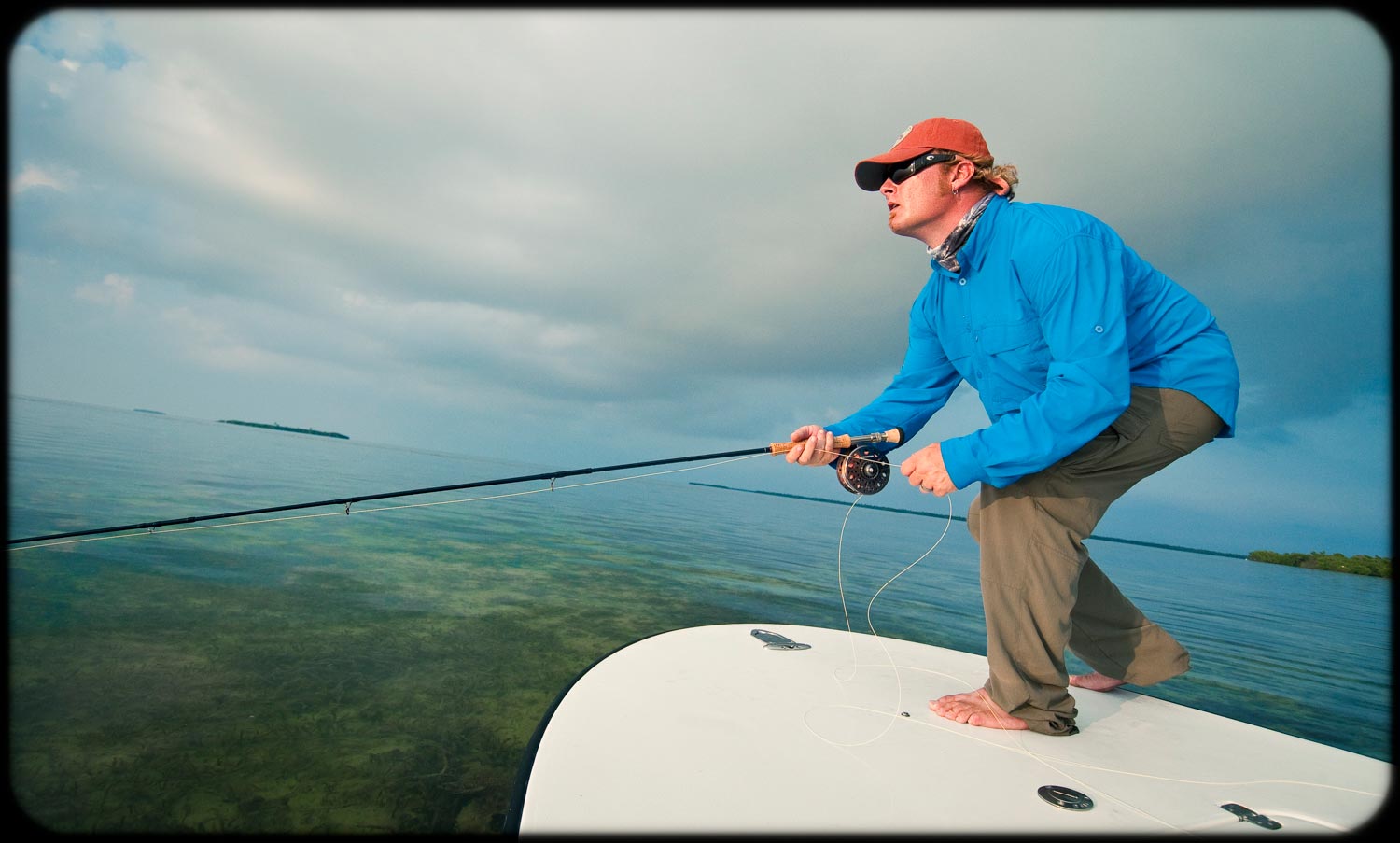
By Louis Cahill
We’ve all been there, the fish follow the fly, they look, they chase, but they don’t eat.
I was talking the other day with one of the anglers joining me for a week of bonefishing on South Andros. He was tying flies, and like any of us, eager to be prepared for anything the fish might want. I was explaining to him that, in my opinion, having the right weight fly for the conditions was as, if not more, important than color or profile.
“The fly may not look exactly like food, but if if acts like food it’s going to get eaten,” I told him.
That’s especially true of bonefish but I think the idea carries over to any fishing situation. If your fly acts like food, you’re on the right track. That’s essentially the idea behind a good dead drift and it’s the idea behind a good streamer retrieve or a swung fly.
Most of us rush to change flies when we get refused. There are times when that’s the right thing to do. When you’re playing match the hatch with a picky riser, for example. Once an educated trout refuses a fly, it’s best not to show it to him again. However, if you’re engaged in a more active kind of fishing, like streamer fishing of saltwater, you’re often better off to change the retrieve.
If the fish is following the fly, he sees something he likes. Your fly is at worst half right. Changing the retrieve to make that fly behave like food might be all you need to do. The obvious advantage to this is, it’s a correction you can make immediately, while the eat is still possible.
Let’s get back to bonefishing for an example. Let’s say
Read More »8 Tips For Catching Bonefish in The Worst Conditions
“There ain’t no fun without the sun.”
If you’ve done any bonefishing at all, you’ve probably heard that expression.
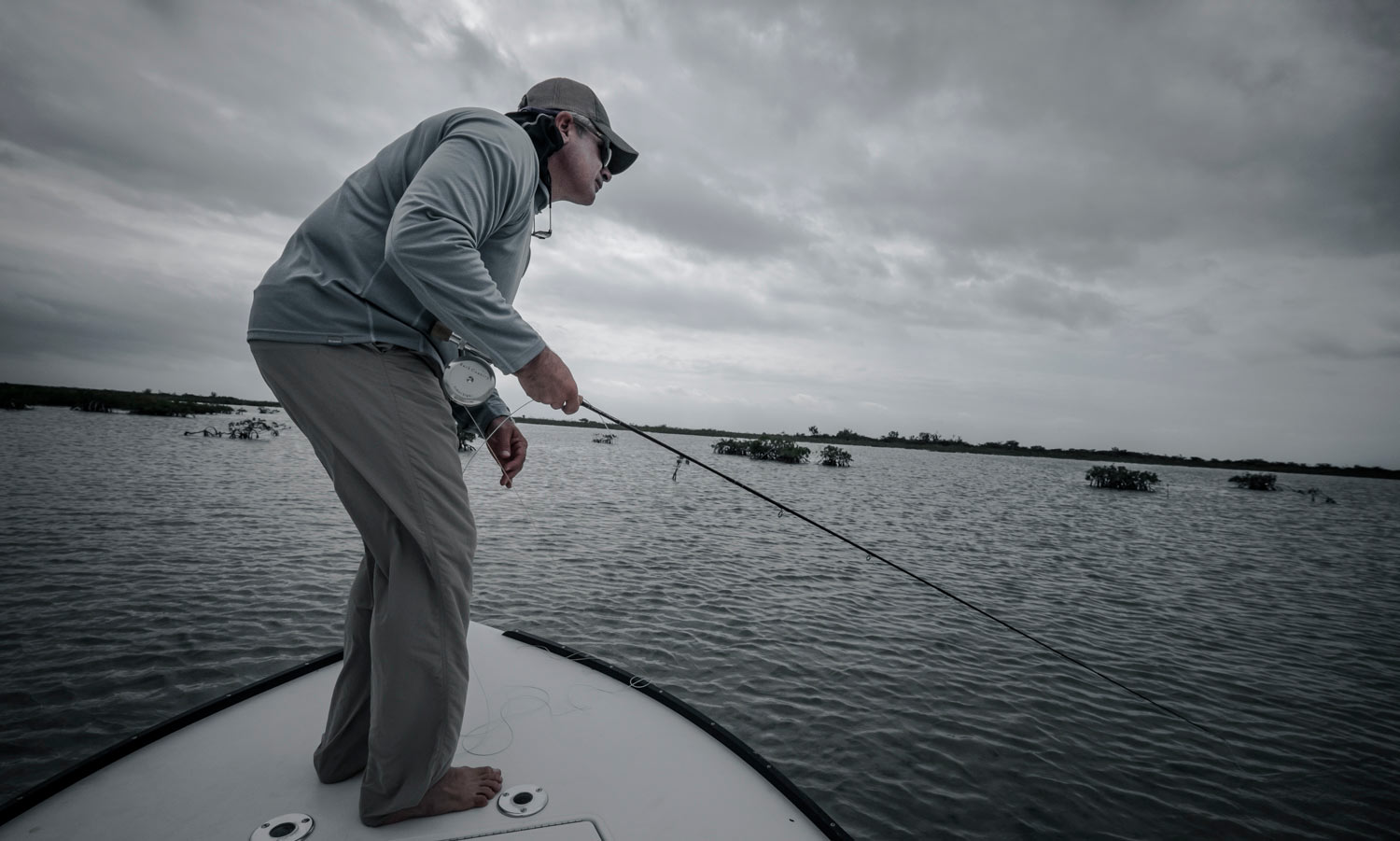
Short of a full on tropical storm, there’s nothing worse than a dark windy day for bonefishing. It makes finding fish nearly impossible. Cloudy days turn the surface of the water into impenetrable glare, and wind makes it impossible to see pushes and nervous water. It’s a wicked combination.
On a recent trip to Abaco Lodge we had a couple of days just like that. The last day of our trip there was no sun and 30 MPH wind. Sounds bad, huh? Well, here’s the thing. While most anglers stayed back at the lodge, my buddy Scott and I were into double digits by lunch. Thanks to some great guiding by Captain Freddy (formerly of Andros South) and some attention to the basics, we had great fishing in spite of the weather. We even got to hear some of Freddy’s famous singing.
HERE ARE 8 TIPS TO PUT YOU ON BONEFISH WHEN CONDITIONS ARE AT THEIR WORST.
Focus on your short game
Most of the fish you find will be very close to the boat when you see them. Maybe no more than a leader length away. Your success depends on being able to deliver a short, accurate cast in a hurry. Two things that will help are a good ready position and casting stroke.
Be sure you have 7-9 feet of fly line outside your rod tip. This will allow you to load the rod and make a cast with no false casting. Have your fly in hand and ready to deliver. Remember that for a short cast you need a short stroke. Give it plenty of gas, but keep that stroke short, the rod tip should only move a couple of feet. You’re casting with just the tip of the rod. See more HERE.
Adjust your retrieve
When you make a really short shot, your retrieve has to change. If you strip away, you’ll likely run out of line before the fish eats. Use short, twitchy strips to tease the fish in.
Find shelter from the wind
We all struggle with casting in the wind. Once foamy white ribbons start to form on the water (18 MPH) it’s a real challenge. Don’t fight it if you don’t have to. Try to find flats on the leeward side of high ground or even tall mangroves. Spots like these give you a respite from the wind and improve your visibility greatly. The calm water in the lee will show pushing water and even the occasional tail.
Look for feed marks
When visibility is poor, it’s tough to even know if you’re on the right flat. Check the bottom for feed marks. These dark gray spots on the bottom are made when bonefish bury their heads in the sand chasing crabs. The darker the feed marks, the fresher they are, and their number tells you how many fish have been feeding. If the water is at all milky, fish are very close.
Use dark reflections
Reflections on the water of dark mangroves, trees or high banks create
Read More »Mora’s Dorado Streamer: Video
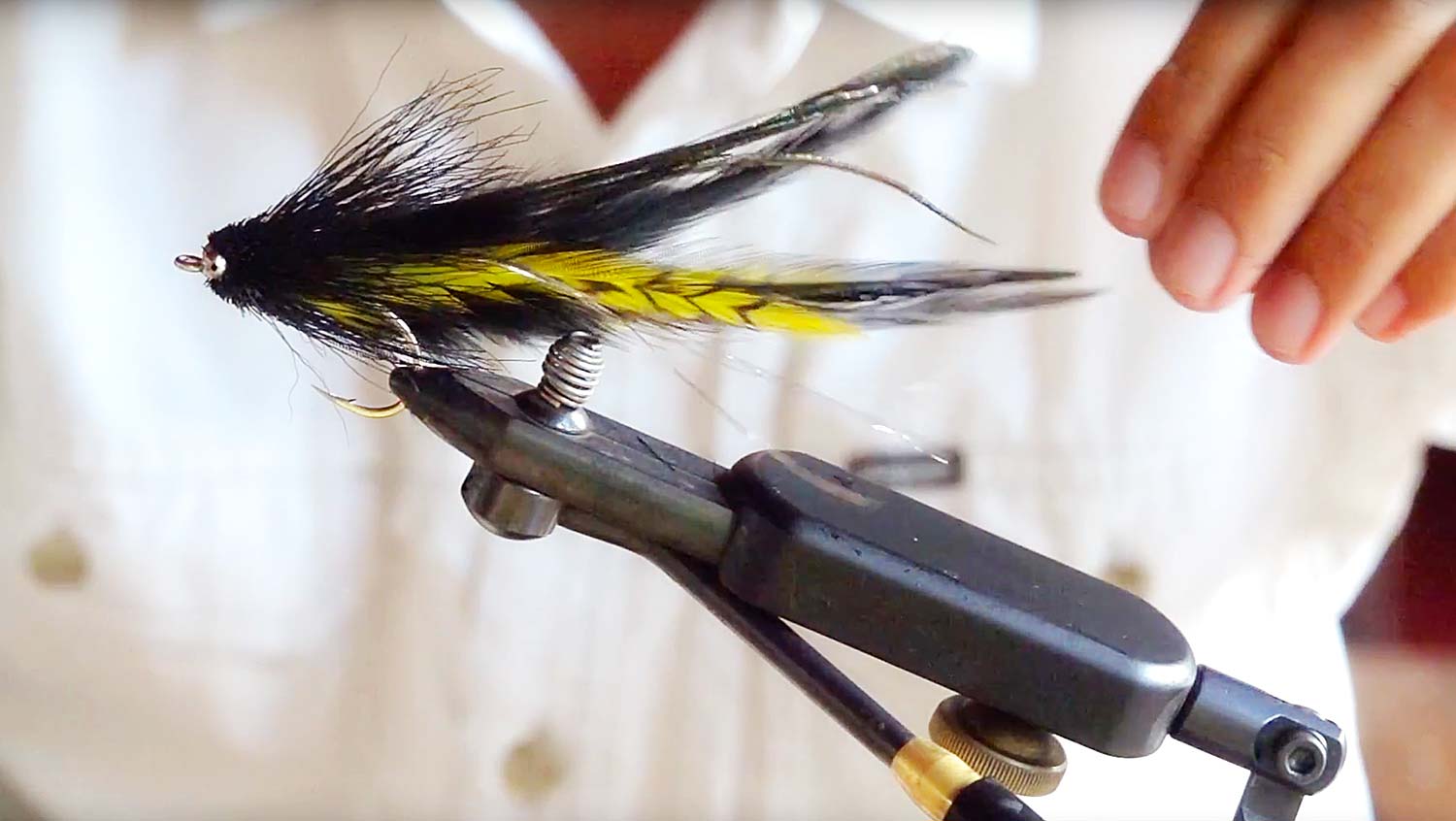
Dorado streamers are an exercise in elegance.
The first time I tries tying streamers for golden dorado I made a mess of it. I imagine that is a pretty common experience for anglers tackling this apex predator for the first time. Coming from a background of tying streamers for species like trout, pike and musky, my instinct was to put way too much material on the hook. The flies looked great, but they were impossible to fish in the way they need to be fished.
Dorado fishing is intense. There is no explaining it. You just have to experience it for yourself. It’s streamer fishing at it’s absolute best and most demanding. You have to make accurate cast, quickly, and you have to do it all day. Your ability to accurately cover structure is key. It’s like tactical shooting with a fly rod. If your fly is too heavy, you’ll be toast at the end of the day when your chance of hooking a kraken are their best.
The most important thing in tying any fly is to understand the target species, how they feed and the triggers that make them eat.
Dorado flies don’t need to run deep. The fish is not afraid to come to the surface, or of anything else for that matter. They also do not need to push a ton of water. They do need a sizable profile, great action and high contrast. Effective dorado patterns deliver these elements with the bare minimum of materials.
The guides at Parana on the fly, where I host my annual dorado trip, tie every day. These guys know dorado and are masters at crafting effective patterns. Don’t be fooled by their simplicity. It’s exactly that simplicity that makes them effective.
HERE’S PARANA ON THE FLY GUIDE LUCAS MORA TYING A CLASSIC DORADO STREAMER.
Read More »The Fusion Warrior
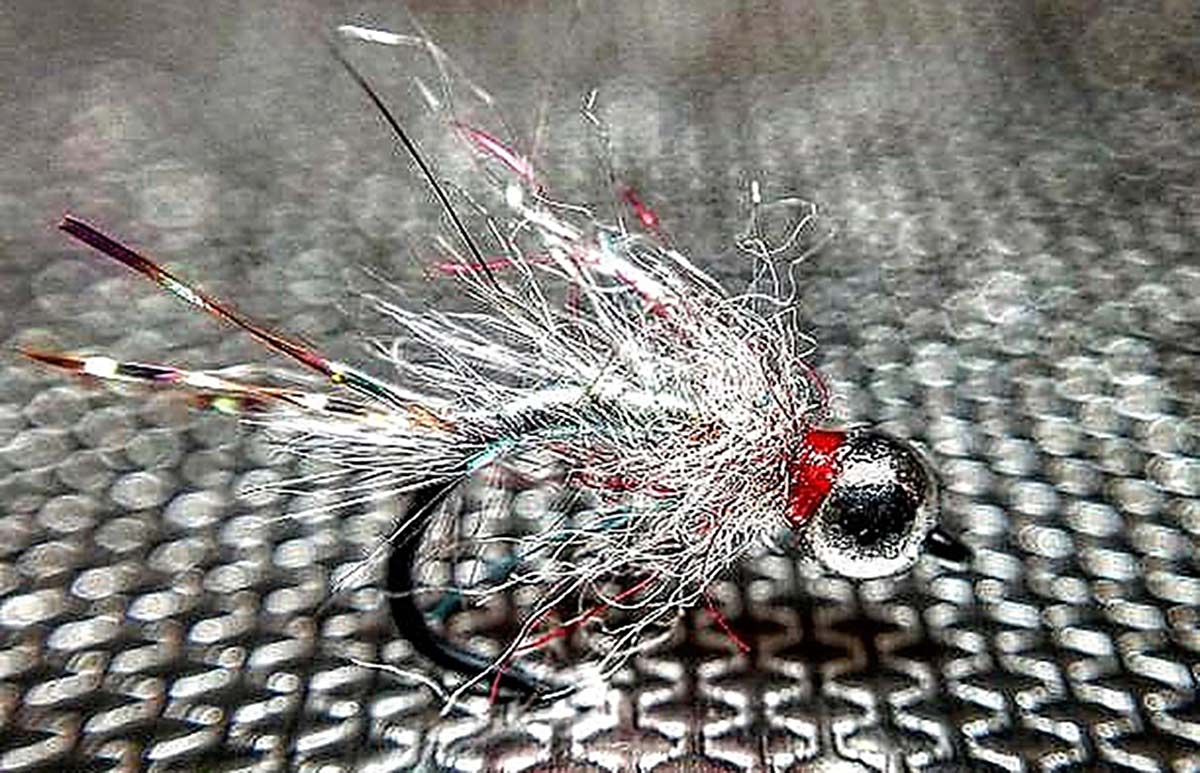
If Lance Egan’s Rainbow Warrior and my Fusion hooked up and had a beautiful baby, what would it look like?
Wyoming winters are long, really long. These conditions can be challenging to endure, yet they provide ample time for creation behind the tying vise. After posting a tying video for Lance Egan’s Rainbow Warrior I couldn’t help but wonder. I was curious what a combination of my Fusion and his Warrior would look like.
I’m a huge believer in the combination of a little flash and a lot buggy when it comes to nymph. The combination of these two patterns fills that niche wonderfully. The use of grey ostrich herl in the abdomen provides ample movement and a subtle veil to the flash of the underlying tinsel. The application of the Rainbow Sow Scud dubbing provides mottled coloration and a soft hackle like movement when applied with a dubbing loop. Tied on the Tiemco 2499BL in black, the pattern supports a significant gap that helps to increase the odds of hooking and holding fish.
When fishing this pattern I use it as
Read More »