
Fly Fishing: Is Guide Competition Good or Bad?
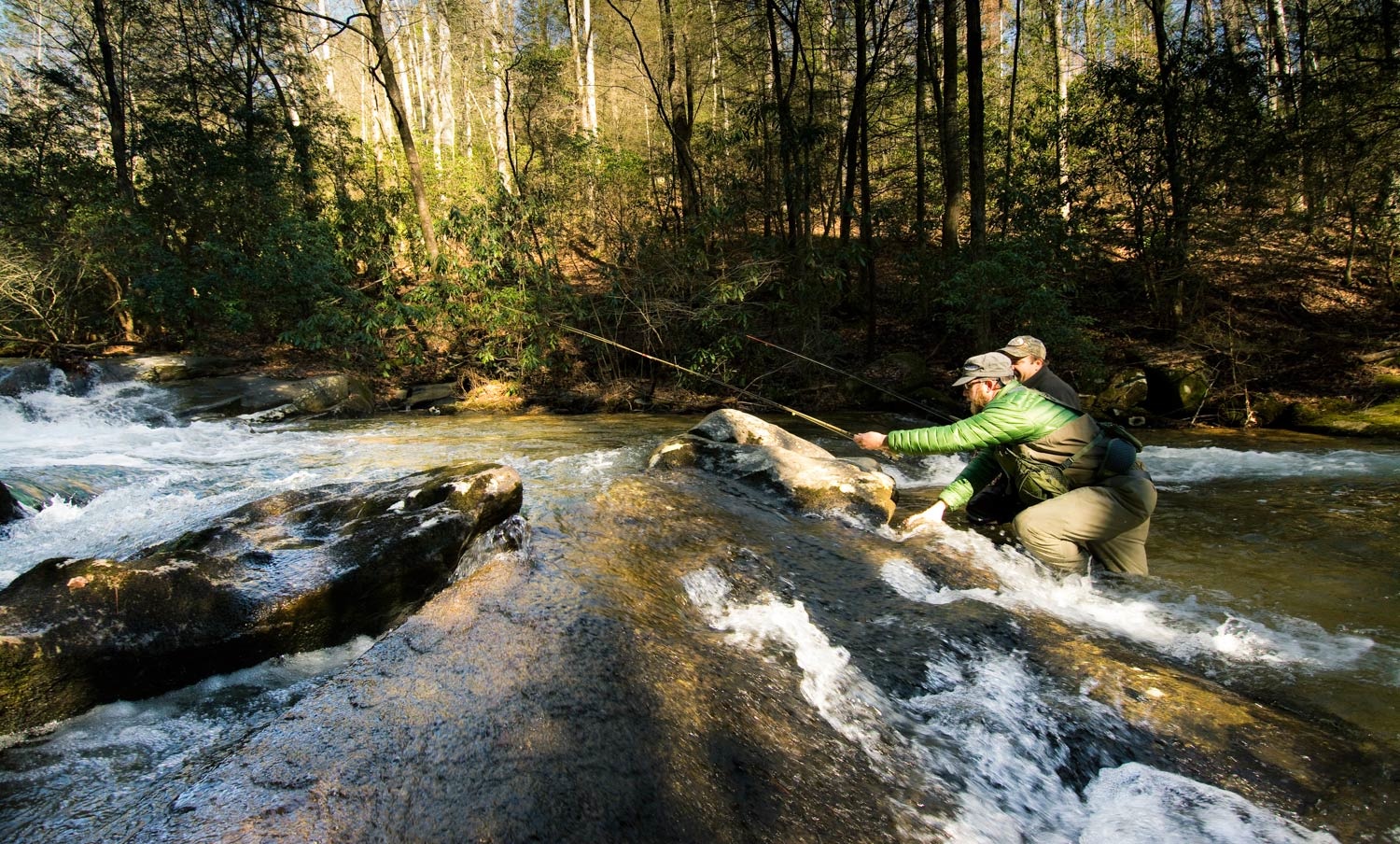
A few weeks ago, I chose to do something I never would have done, when I first started guiding. I made a point to accept an invitation from one of my local competitors to go fly fishing together. In the past, I would have passed the invitation up, thinking the competitor was trying to learn secrets of mine, or worse, had a hidden agenda aimed at harming my business, but that wasn’t the case at all. For a welcome change, we set aside all the nonsense of us worrying about being competitors, and for the first time, we genuinely got to know one another. We spent the day working our way up a beautiful section of wild trout water, and we took turns fly fishing, while the other watched and told memorable guide trip stories. It turned out to be a really fun day on the water. One I’m confident I won’t forget for a very long time.
In the end, ten years of insecurities and false perceptions had been put to rest after just four hours on the water fly fishing together. We both realized that we’d done nothing positive for our businesses by black balling and avoiding each other. In fact, we agreed that we probably ended up doing more harm, since there had been plenty of times over the years when we could have helped each other out in a pinch. During my 45-minute drive back home, I reflected on the day’s events and it made me think about how much stress I could have avoided over the years guiding, if I wouldn’t have spent so much time worrying about my competitors. It’s ok every now and again to keep track of what your competitors are up to, but you should never lose sight of the most important element of your business, which is the services you’re providing to your customers.
Read More »Fly Fishing in Gloves Gets Better with Time

DO YOU EVER FLY FISH IN GLOVES?
If you answered no, don’t make the mistake of thinking just because you tried fly fishing in gloves a couple times and couldn’t stand them, that you’ll always feel that way. Believe me, I been there, I used to be one of the haters myself. I’d rather have my fingers ice cold all day long than try to fly fish in gloves and feel awkward, clumsy and terrified I’m going to lose the fish of a lifetime. These things kept me from learning to fly fish comfortably in gloves for a very long time. It wasn’t until the last couple years that I’ve finally become comfortable fly fishing in gloves. In fact, it was my first steelhead trip to New York
Read More »When Rigging For Bonefish On The Fly, Less Can Be More
WHAT’S ALL THAT LINE REALLY DOING FOR YOU?
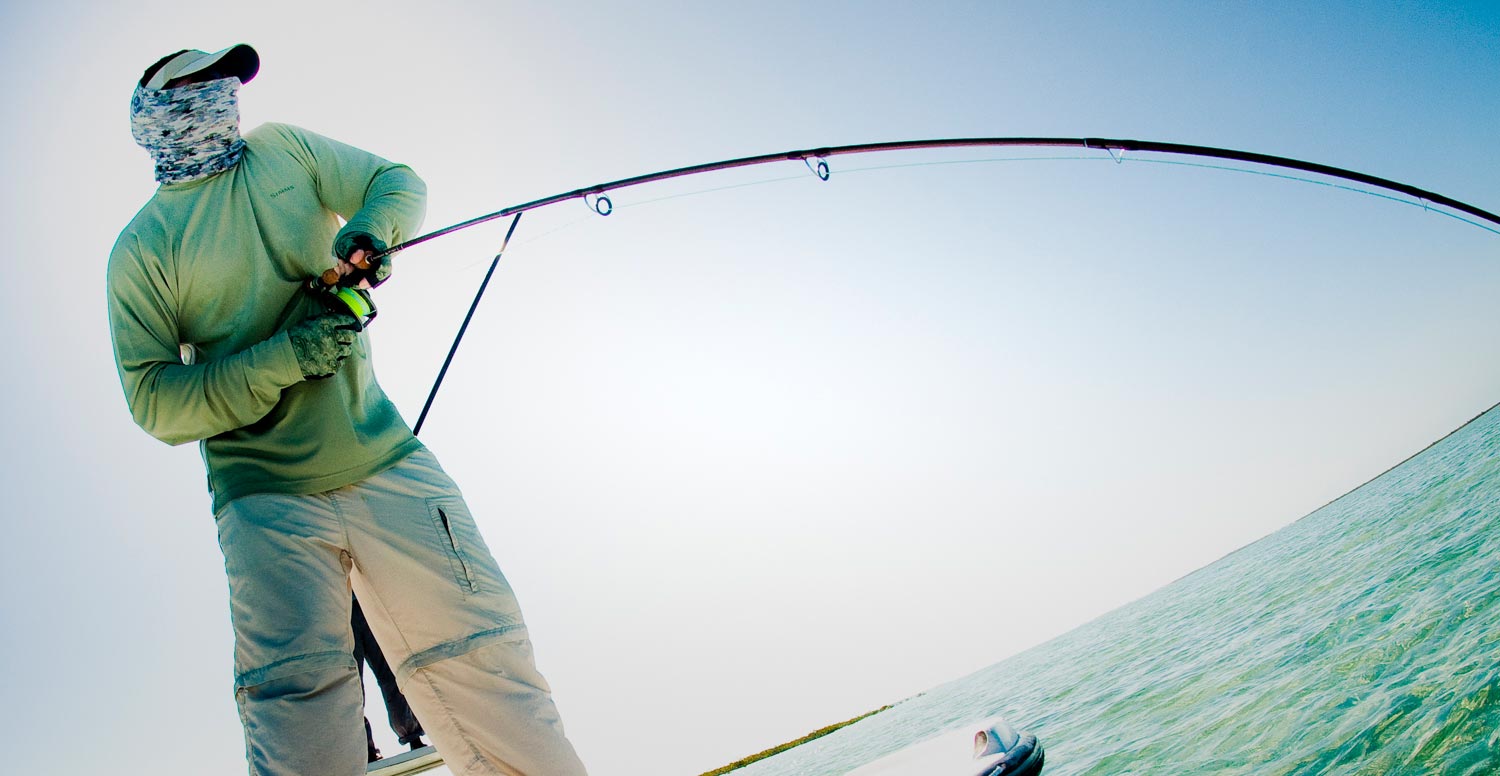
I got the chance recently to fish with my buddy Kristen Mustad from Nautilus Reels. I’m not sure Kristen ever fishes the same reel twice. And can you blame him? There’s always a new prototype to test and it is his job to never be satisfied with a reel. When Kristen lined up his new CCFX2 I noticed him doing something odd. He cut off about thirty feel of the back end of a brand new fly line. I had to ask way, and the answer made me rethink how I rig for bonefish.
“How often do you make a hundred and twenty foot cast?” Kristen asked me. “So the rest of the time, what’s that line doing? It’s creating drag in water when the fish cuts.” He makes a brisk gesture to the right with his hand to illustrate his point.
Bonefish are notorious for that. They will make a blistering run, putting you deep into your backing then make a ninety-degree turn. That’s often when they break off or straighten the hook. As they run at thirty-five mph, at ninety degrees to your line, all of that line is ripped through the water and the resulting pressure is far greater than the drag of your reel. It’s happened to me and it’s a bad feeling.
The pressure which the line puts on the fish is directly related to the diameter of the line. The thicker the line, the more pressure it puts on the fish and the greater the risk you will lose him. Fly line creates more drag than backing and that’s why Kristen cuts off the part of the line he’s not casting. Less fly line, less drag.
He takes it a step further though. Instead of using
Read More »Two Anglers Are Often Better Than One
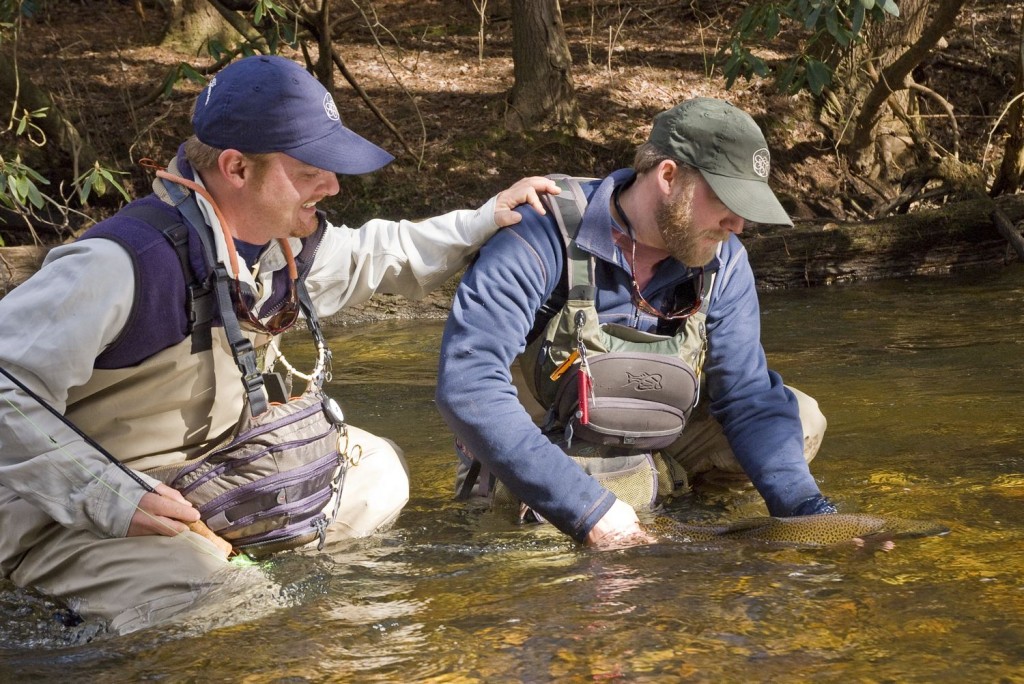
You can’t enjoy camaraderie on the water by yourself.
There’s no high-fives, no passing the victory flask around, and worst of all, it’s awfully hard to snap a quality photograph of you and a prized catch. Wait a minute, I take the latter back. It is possible to get a good photo by yourself if you’ve figured out a way to strap a tri-pod to your back and you’re also willing to lug it around all day. That being said, the main reason I think two anglers are often better than one, is because it allows you to work as a team, and that generally makes it much easier to find success on the water.
Louis and I have had pretty consistent success fishing together over the years. Even during really tough fishing conditions we generally find a way to put enough fish in the net during the day to call it a win. The biggest reason for this is because we’re always working together to decipher the fish code. Fishing as a team, we figure out what the fish are feeding on, where they’re primarily located, and what are the hot fly patterns. We make a point to never tie on the same patterns first thing in the morning, and quite often,
Read More »Getting In Bed With Bass, Part 1
Spring is here, which brings around something that gets me on the verge of a fish-gasm at the sight of it…
No, it’s not the first hatch of the season. Yea, there are caddis and mayflies popping off of trout waters across the country, which is awesome too, but that’s not why I’m excited. Nope.
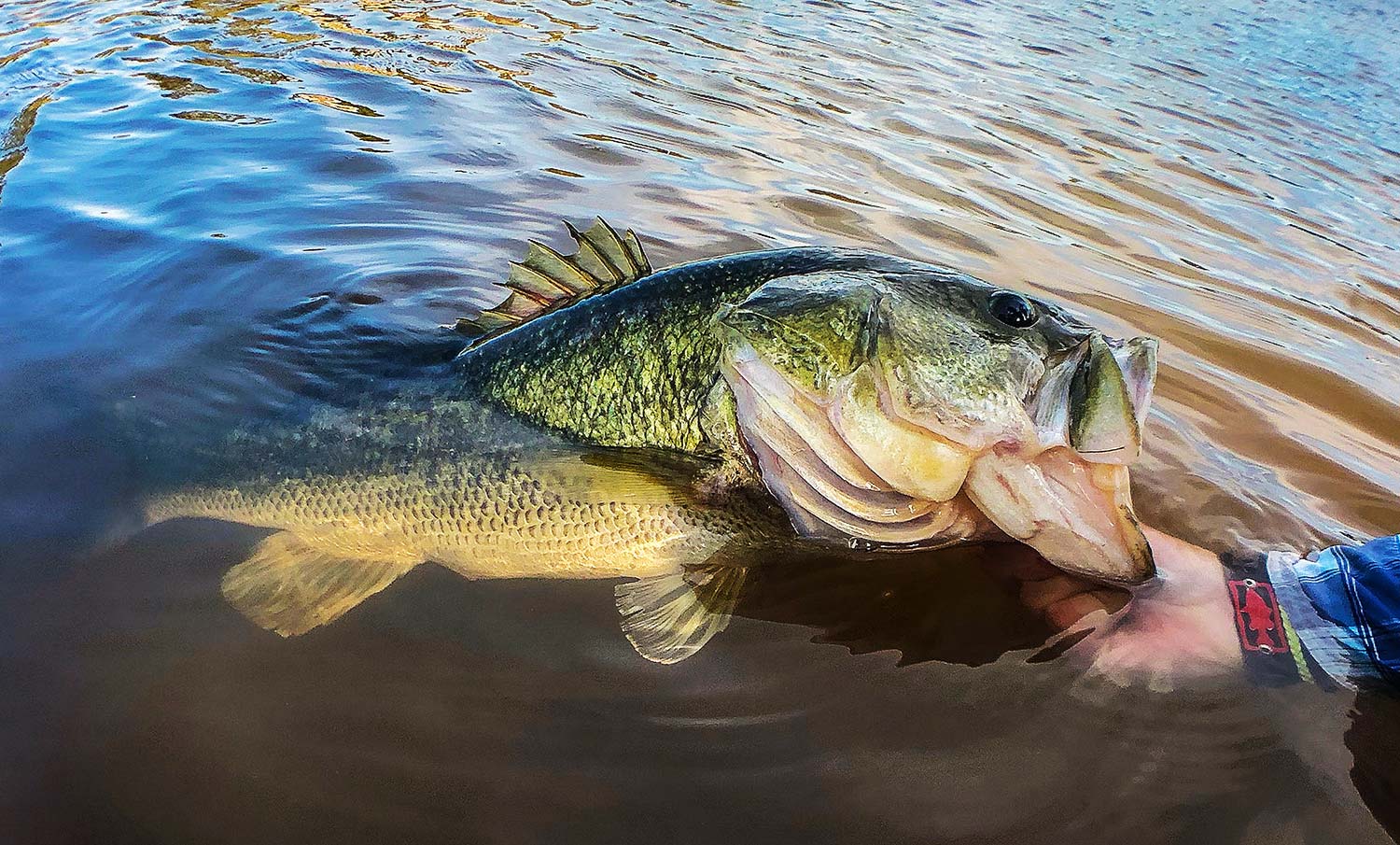
Largemouth Bass are moving onto beds and the spawn is on!
Something fairly unique to the bass fishing world is fishing for spawning fish. While considered extremely taboo in the trout world, as well as other species, fishing for spawning fish on beds is commonplace, as well as one of my favorite times of the year. In many lakes and ponds, it’s the best chance at finding and catching the big females that prowl the waters. Fishing to big bass on beds can be incredibly rewarding, and also incredibly frustrating. Taking your biggest bass is just within reach, but you need a flexible game plan to be successful and here are some quick points to help you develop that plan.
When
Spring time (usually mid-March into April) is the prime time for spawning Largemouths. With the warmer days, the water temps reach that magic 55-65 degrees that begins pushing the males towards the shallows to begin prepping beds in anticipation for the females. The exact timing will vary based on your latitude, but
Read More »5 Tips For Technical Tailwaters
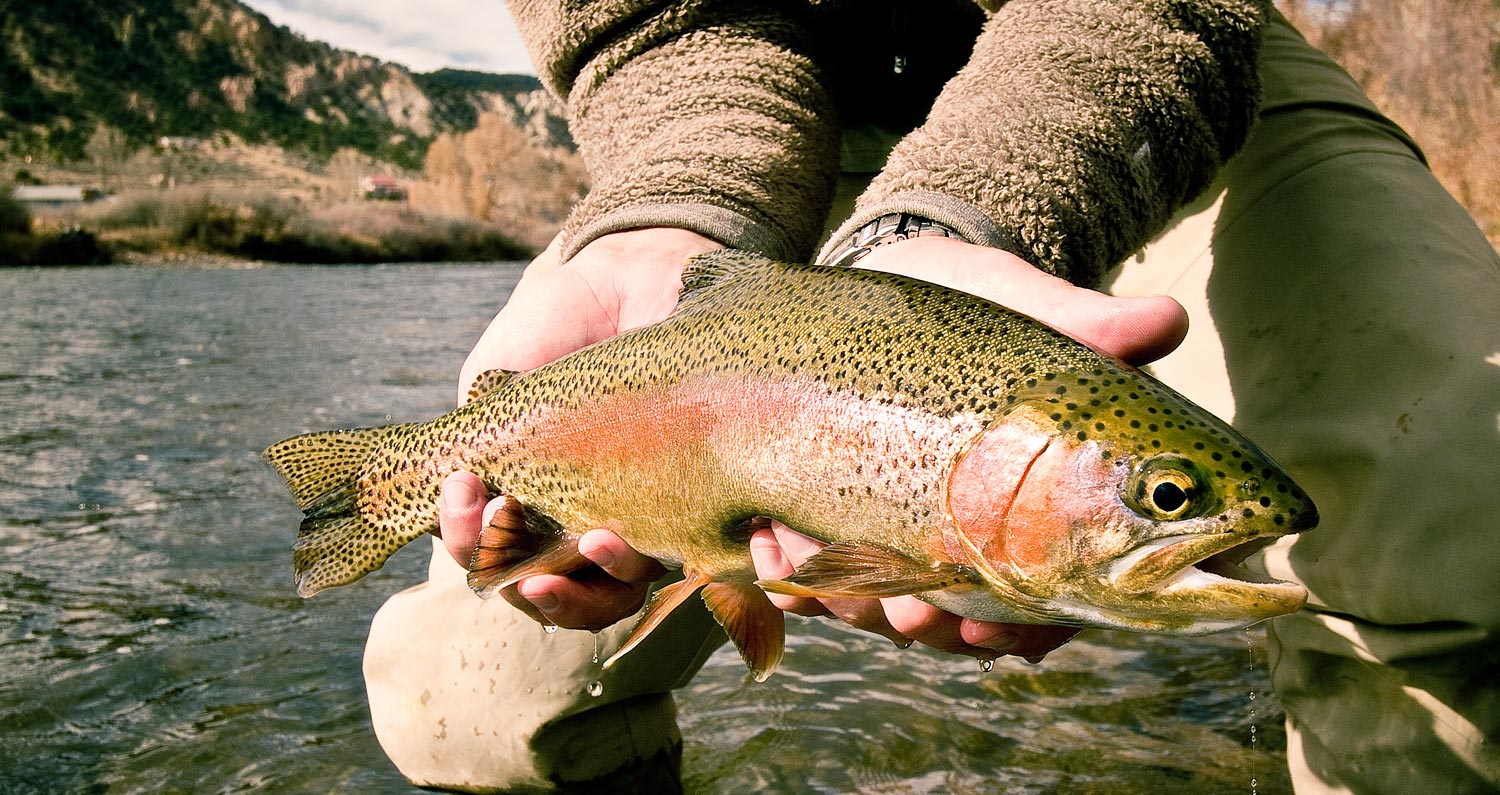
By Johnny Spillane
A QUICK RESPONSE TO LOUIS’S ARTICLE “TROUT ARE NOT SMARTER THAN PEOPLE, BUT THEY MAY BE SMARTER THAN ME.”
Trout have a brain that is smaller then a pea. No offense to Louis, but I’m positive that you can out-think a trout in a technical tailwater situation.
HERE ARE FIVE TIPS TO HELP YOU CATCH INCREDIBLY “SMART” FISH.
1. Go light and go small.
Fish are creatures of their environment. If they see small bugs all the time then you have to fish accordingly. 7X tippet and size 24 or 26 bugs are what the fish are looking for. Go down in tippet size before you switch fly patterns.
2. Match the sky
If you are fishing with an indictor, go with something that matches the color of the sky. If it’s overcast, use gray yarn, if it’s clear use a small clear or white Thingamabobber or yarn. You can also use a Slinky indicator. They are deadly with picky fish.
3. Use stealthy weight
If you are using split shot, make sure they are not flashy at all. Anything painted in a moss green is better then silver lead.
Understanding Fly Line Tapers and Diagrams

Buying a fly line doesn’t have to be a leap of faith.
For many anglers, fly lines and their characteristics are a huge mystery. They know that different fly lines cast differently and that some suit their needs or casting styles better than others but they have no idea why. What’s worse, when it’s time to buy a new line they aren’t able to make an informed choice. They just go to the fly shop and ask for the best line. Thank God for knowledgable fly shop guys, but do you really want to rely on someone else’s guess at what you will like?
If this sounds like you, I have good news. There is an easy way to get a sense of how a fly line will cast before you ever take it out of the package, and with a little experience you can quickly choose the line that’s right for the way you fish.
Fly lines have become really complicated in the last five years or so. Specialty lines have multiplied like rabbits and line companies have created lines to match every species, water condition and casting style. If you’re confused, you’re not alone. Fortunately, almost every manufacturer publishes line diagrams which show you, in detail, the taper of each line. If you know how to read the diagram, you’ll know how the line will cast.
BASICS
There are three basic types of line tapers. Weight forward, double taper and triangle taper. Looking at the diagram, it’s pretty clear how they get their names. The double taper line is a very traditional style of line which has a long level belly and a symmetrical taper on each end. Weight forward lines shift the weight to the front of the line and were developed to match modern fast action carbon fiber rods. Triangle tapers are a kind of hybrid of the two.
Think of the diagram as a picture of the fly line in profile with the thickness of the line exaggerated. The thickness of the line indicates two things. Where the weight is and the relative stiffness of the line. Where the line is thicker, it will be heavier. Different line materials have different stiffness, but within a given fly line, the line will be stiffer where it is thicker. Knowing where the weight is in the line will tell you how it loads the rod and the stiffness, as well as the weight, will tell you how it presents the fly.
ANATOMY OF A FLY LINE
To understand the information the diagram gives you, first you have to understand the different parts of the fly line and how they affect the line’s performance. Most modern fly lines have five parts. From front to back they are the tip, front taper, belly, rear taper and running line. Each one performs a specific function and its weight and length determine how the line casts.
THE TIP
The tip is the final word in fly presentation. The longer and lighter the tip, the more delicate the presentation. A long light tip will work to your advantage when
Read More »deGala’s CDC Callibaetis
By Herman deGala
A new twist on a classic trout pattern.
In escrima, Filipino Martial Arts, we have what is called a “Colonial Mentality”. For years escrima languished in obscurity in the Philippines while martial arts from other countries grew and became very popular. It hasn’t been until the last 15 years that escrima has come in to the limelight and become cool again.
Like everyone, I love seeing the new flies as they come out. The innovative use of materials and technique has been amazing. With better access to quality materials and the proliferation of technique videos on the web, there’s no telling where this can go.
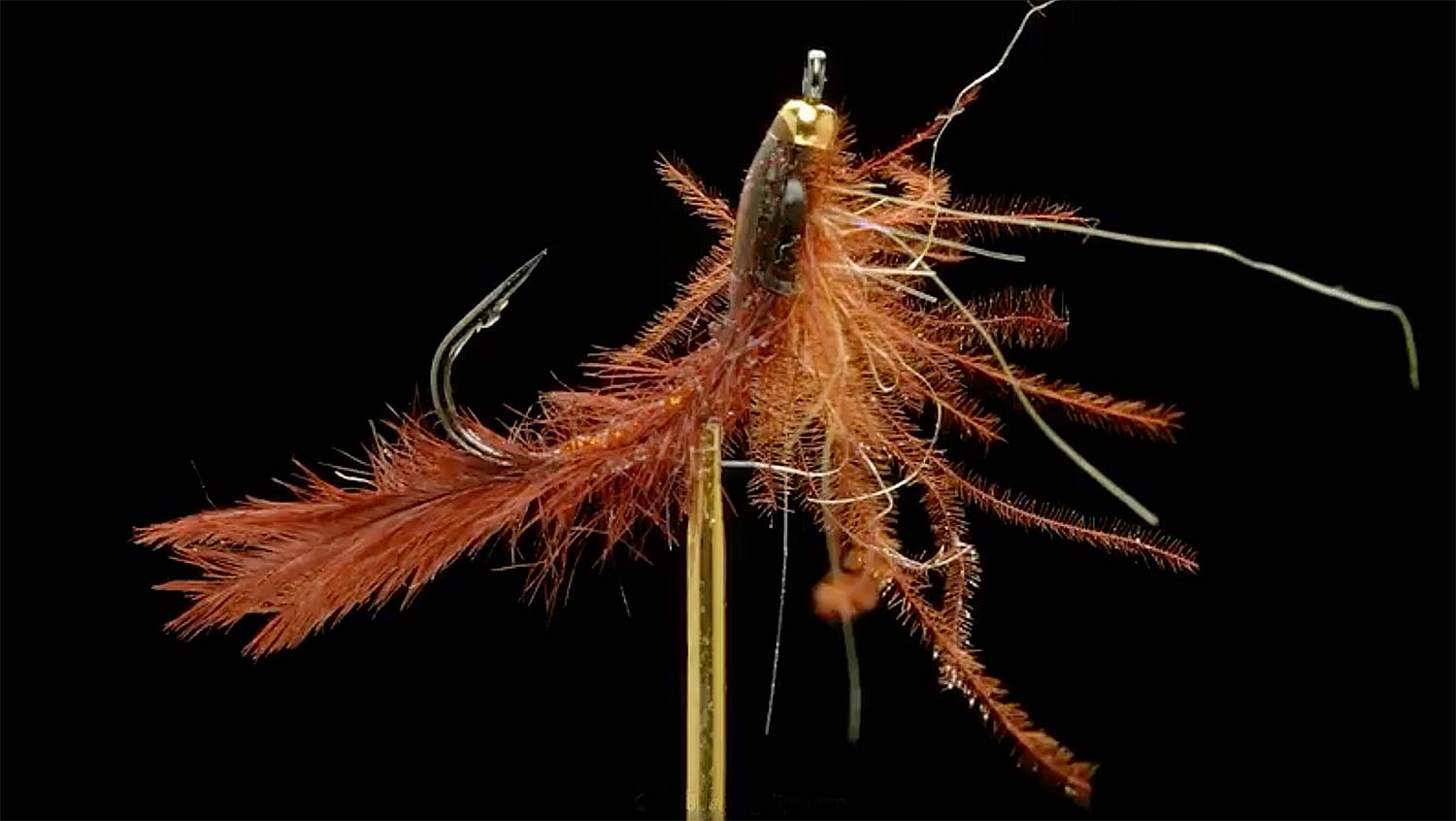
But the old stuff still works and works well. Below is a video of my most productive fly for callibaetis. I’ve updated the hook and changed the bead to tungsten, but it is still that same old pattern. In rust, it mimics the larval instar stage of the callibaetis and the point at which it is most vulnerable in its development. Fished on a stillwater line and stripped in six inch bursts toward shore, it’s a morsel of food the trout can’t ignore.
Take a look into the corners of your boxes and pull out that fly that netted you over 60 fish in one day. Sure, tie it on one of those sexy jig hooks. Add one of those tungsten beads with the distressed paint job. You’ll find what was once old has become new again.
WATCH THE VIDEO AND LEARN TO TIE DEGALA’S CDC CALLIBAETIS
Read More »Steel Wire for Movement and Durability in Articulated Streamers
By Justin Pickett
If it doesn’t wiggle it don’t go in my box!
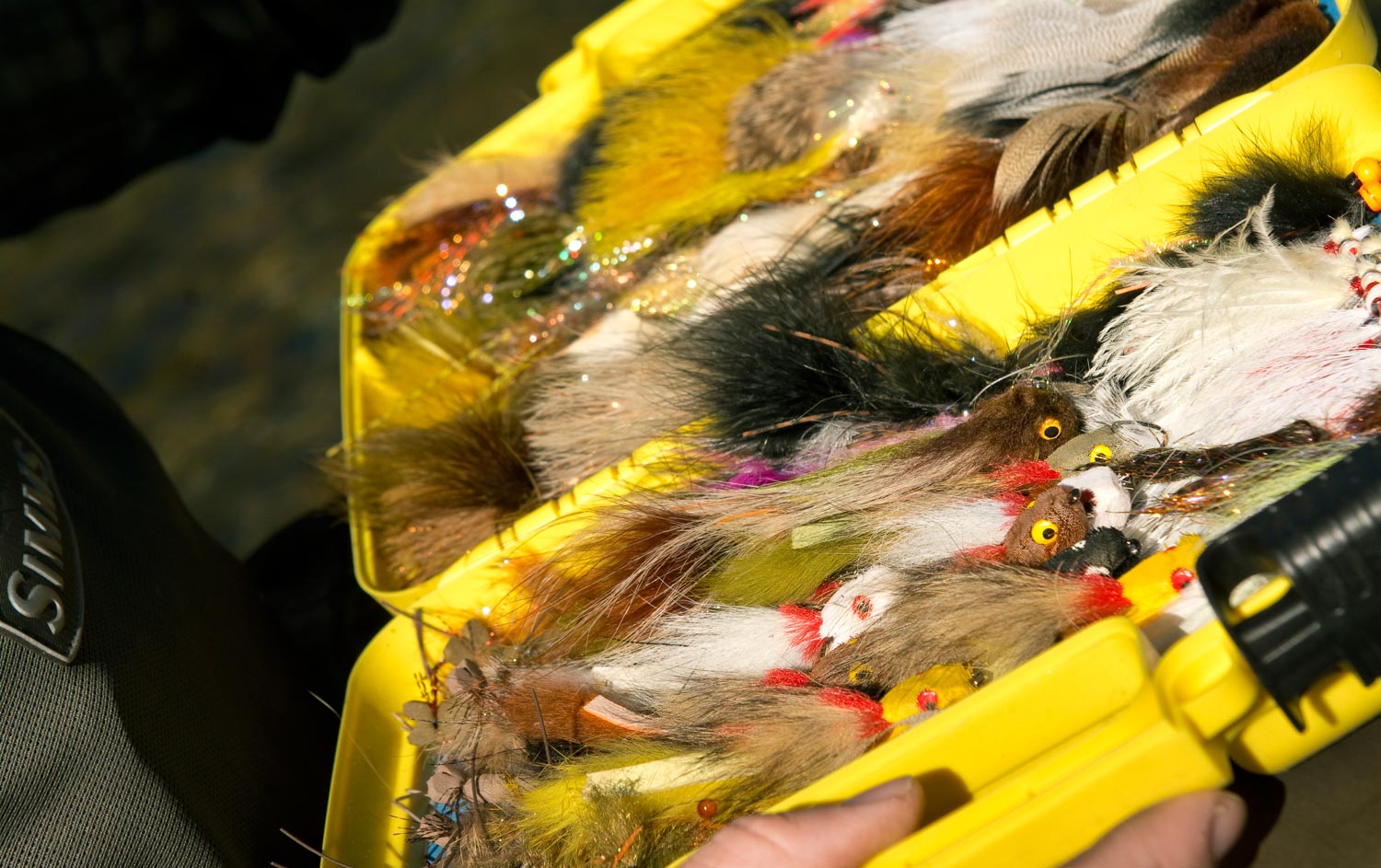
I fish and tie a lot of articulated streamer patterns. I have an entire cliff box jam packed with them, as well as a collection of Plano boxes full of experiments and f*** ups. Being the crazy tier that I am I’ve experimented with many different types of lines and wires that I use to connect my trailing hook to my lead hook. I’ve used different types of monofilament, fluoro, braid, and even leather cord in an attempt to find the perfect combination of movement and durability.I’ve been less than pleased with mono and braid because of durability issues. Eventually both become frayed and eventually fail.
Through the last couple of I’ve been searching for ideas and found a brand of beading wire on Amazon that sells it in a few different sizes. Typically found in medium, fine, and very fine, it gives me options depending on the size and weight of the streamer I am tying. It also comes in either black or steel grey. It’s a braided steel wire coated with nylon called Econoflex and runs around $3.50 for a thirty foot spool.
Read More »NZ Guide, Chris Dore Talks Kiwi Nymphing
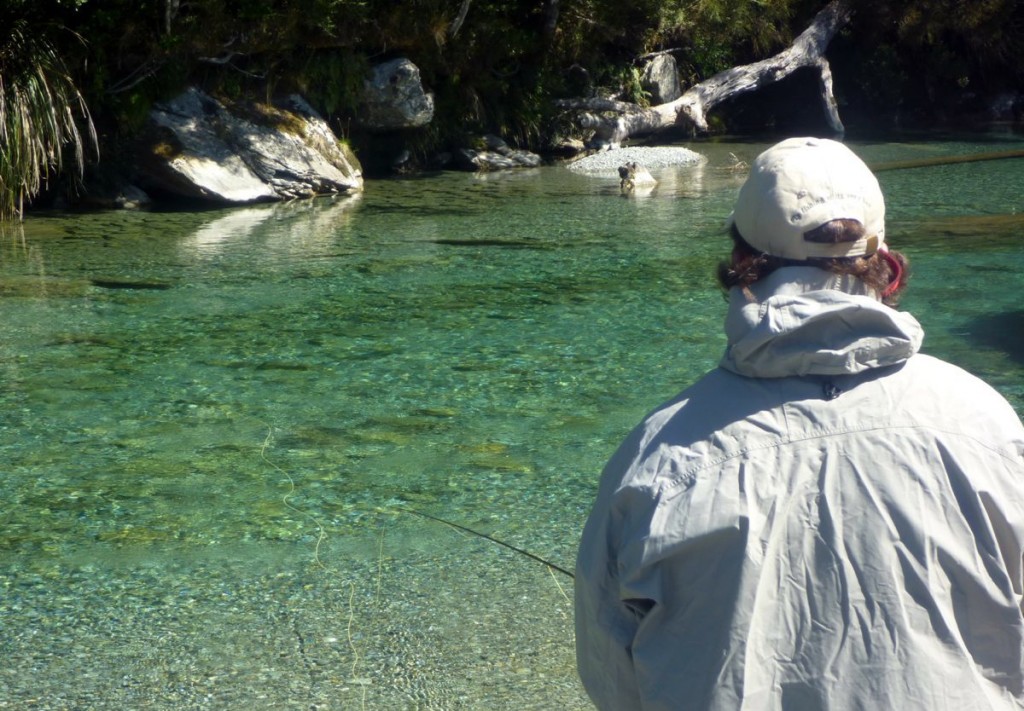
SO THE OTHER DAY, I NOTICED I RECEIVED AN INTRIGUING EMAIL FROM ONE OF OUR GINK & GASOLINE FOLLOWERS, COMMENTING ON MY ANGLER POSITIONING POST.
It just so happened to be Chris Dore who sent the email, a very popular fly fishing guide from New Zealand. We hit it off pretty quick, he said he loved the blog and we immediately began replying back and forth to each other about trout fishing techniques and tactics. I’d ask him a question on how he would handle a specific scenario and he did the same. I soon realized the knowledge he was providing me was invaluable, and I requested that he write a guest post on the blog so all the G&G followers could get in on the action. I asked Chris to talk about a handful of nymph patterns that he always carries with him on the water. Specifically the ones that always seem to get the job done for him. With no hesitation, Chris replied with this great article for nymphing New Zealand trout water, showcasing some of his favorite nymph patterns.
KIWI NYMPHING – BY CHRIS DORE
Chris Dore, renowned NZ fly fishing guide. Photo Courtesy: Chris Dore
New Zealand trout streams do not possess the sheer numbers of aquatic invertebrates found in most North American waters. With the exception of the famous Mataura River in Southland, trout do not have much opportunity to lock onto just one food source–they must take what comes by or they simply may not eat. This opportunistic feeding behavior forces the Kiwi Angler to think more along the lines of presentation over imitation when nymph fishing for trout, and if a trout does not eat your size 16 pheasant-tail or hares-ear nymph, you’d better check your presentation mate.
Follow me…
The three things I consider when confronted by a nymphing fish or an orgasmic piece of trout water here in New Zealand, are size, color and weight.
Size isn’t too important but is still a factor to consider. Again, this comes down to the lack of numbers thing: mayflies, caddisflies and stoneflies are present in most streams across the size range, and so trout won’t often discern between
Read More »