
Elevate Yourself to Increase the Distance You Can High-Stick
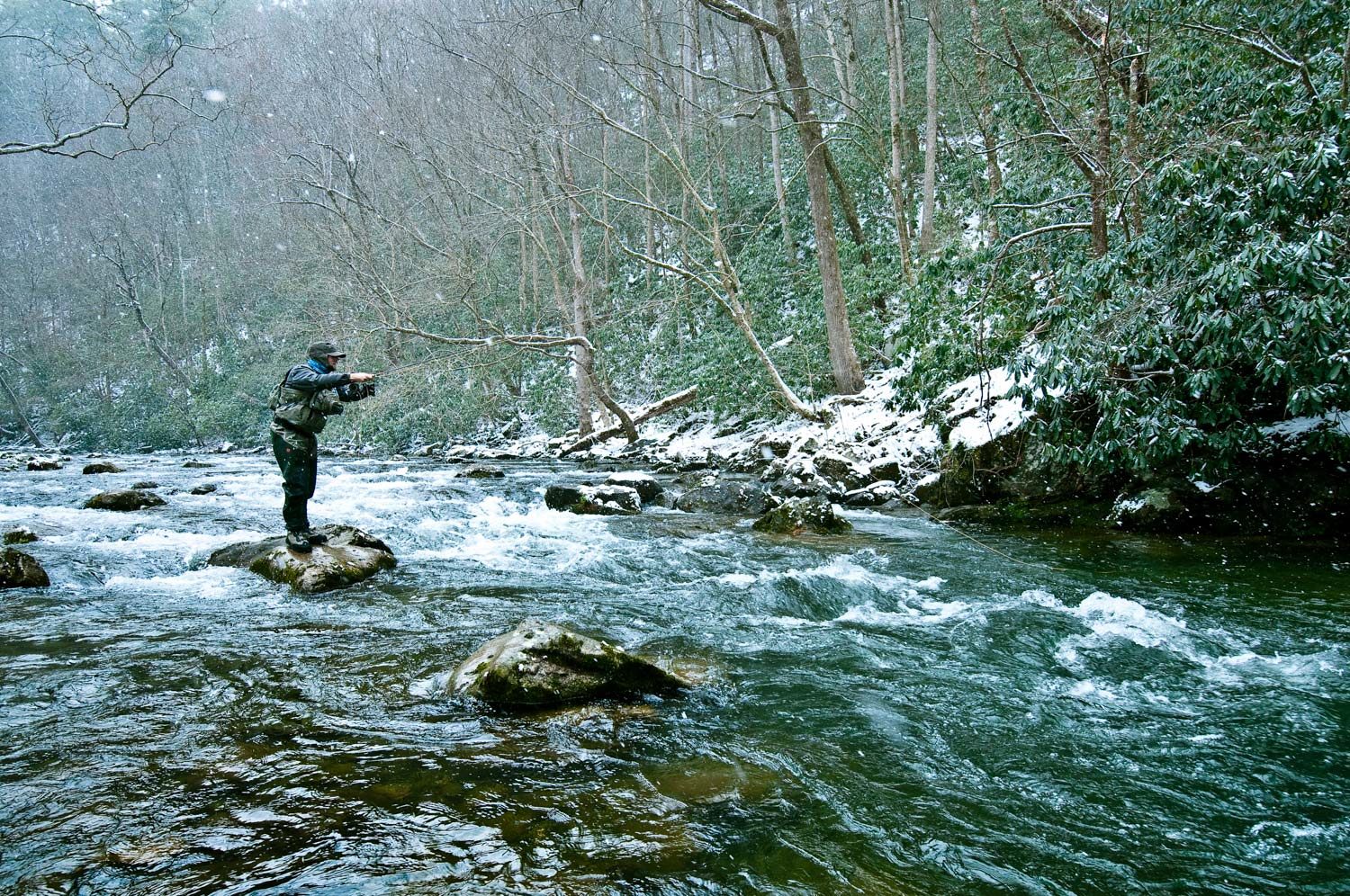
Most of the time when your fly fishing for trout, the last thing you want to do is elevate yourself. In most scenarios, that will usually do more harm than good, by increasing the chances of trout spotting you and spooking. Notice I said “most scenarios”, every once in a while, an angler is forced to go against traditional principles to find success. The other day, I found myself trying to fish an eddy and slow water seam on the far bank. Making the cast wasn’t the problem, it was getting a long enough drag-free drift to get my fly to the fish. Even with my best high-sticking efforts, every cast the super fast water between me and my target water would grab my fly line and suck my flies out prematurely. After a couple minutes of struggling with my drifts and failing to get any bites, I decided to climb up on a boulder next to me. This elevated me three feet, and allowed me to keep 100% of my fly line off the water and get that long drag-free drift. I caught three trout after
Read More »The Orvis Helios 2 One Piece, Not What I Expected

The Helios 2 is one of my favorite rods of the last few years.
I fish the H-2 in a couple of different weights, for a couple of different types of fly fishing. The 9′ 4 weight has become my go-to dry fly rod and all-around small stream rod. The 9′ 9 weight, my red fish and permit rod and the 9′ 11 weight tackles all sorts of tough customers from tarpon to shark. Each one of these rods has won a place in the quiver and in my heart.
So I was pretty excited to get my hands on the new H-2 One Piece. I’ve fished a couple of one piece rods and really liked them but I’ve never owned one. How could I go wrong with a one piece version of a rod I know I love? More of a good thing, right? I chose a 9 weight.
After fishing the new H-2 One Piece a few times I took it out to the park with my 4 piece H-2, 9 weight for a comparison. When I cast the two rods, side by side with the same reel and line, I expected them to be very similar. I was actually shocked how different they were.
I understand the differences between one piece and four piece rods, but I guess I had thought of it as largely academic. It’s not. Though the two rods clearly share some DNA, the feel and performance are very different. Almost shockingly different.
What sets the H-2 One Piece apart
Read More »Sunday Classic / Redneck Driftboating
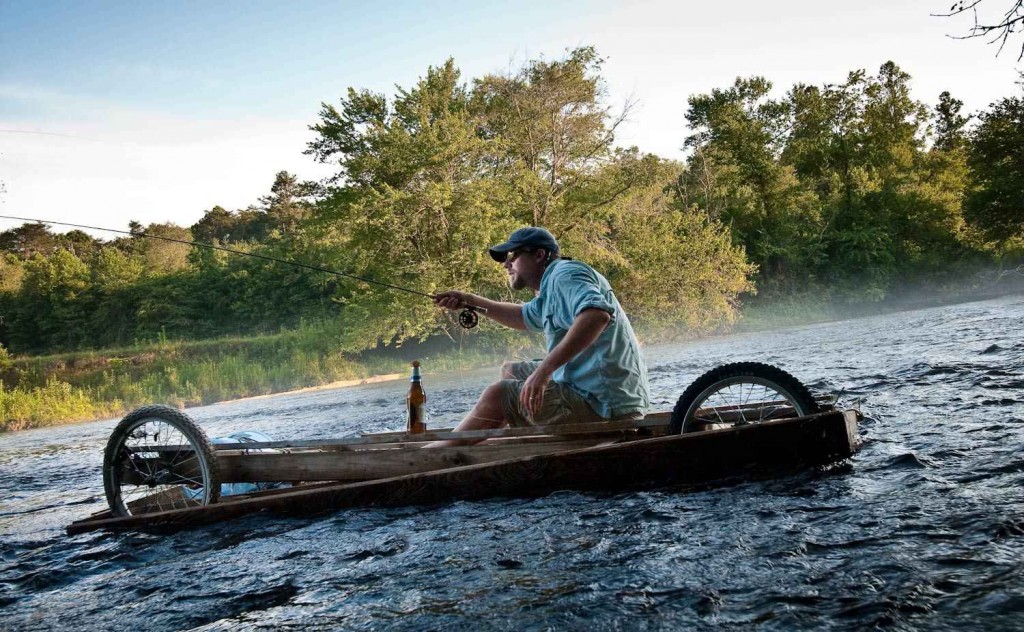
Yes, someone actually took the time to build this pathetic hybrid driftboat/soap box car. Louis and I found it snagged on a shallow riffle and abandoned on my home tailwater the other day. It was comprised of two ten gallon sealed water canisters at the bow and stern. The hull was built with a two-by-four frame and plywood deck, and bicycle tires were fastened at the corners. I’m guessing the redneck engineering idea was that the design would be much easier to roll over shallow shoals while drifting the extreme low water flows. Here’s the scary part, whoever captained this boat/car, actually made it two miles down stream before it fell apart. I only wish I would have been there to witness it’s maiden voyage, and then force them to burn it into a pile of ashes along the riverbank. I really can’t blame whoever built this thing though. My driftboat doesn’t do much better with the pathetic 120-150cfs of water the TVA blesses me with annually. Right now, 50% of the United States is in severe drought and many trout seasons on watersheds across the country will be cut short significantly this year. I feel sorry for all the fly fishing guides and fly shops that will suffer this year because of the drought. For all you out there that fall into this category, here’s something positive to be grateful for. Just be happy you’re not me. Drought conditions or not, I rarely have satisfactory water levels on my home tailwater. There’s very few days that offer easy floating with three people in a boat. For you westerners, at least you have a fighting chance things will turn around for the better next year, and if you’re lucky, you’ll find some stillwater to wet a line until conditions turn … Continue reading
Read More »Saturday Shoutout / Fly Fishing Argentina UFC 187
TO QUOTE MONTY PYTHON, NOW FOR SOMETHING COMPLETELY DIFFERENT.
Two seemingly unrelated topics, brought together by Gink and Gasoline. First enjoy this great video on Fly Fishing Argentina by Pablo Saracco. You’ll see some of the rivers that have made Argentine Patagonia a world famous fly fishing destination. There are even a few clips of Justin and me.
I’m currently putting together a trip to Patagonia for winter 2016. If you’d like to see this amazing fishery for yourself drop me a line at hookups@ginkandgasoline.com.
AND NOW FOR SOMETHING COMPLETELY DIFFERENT.
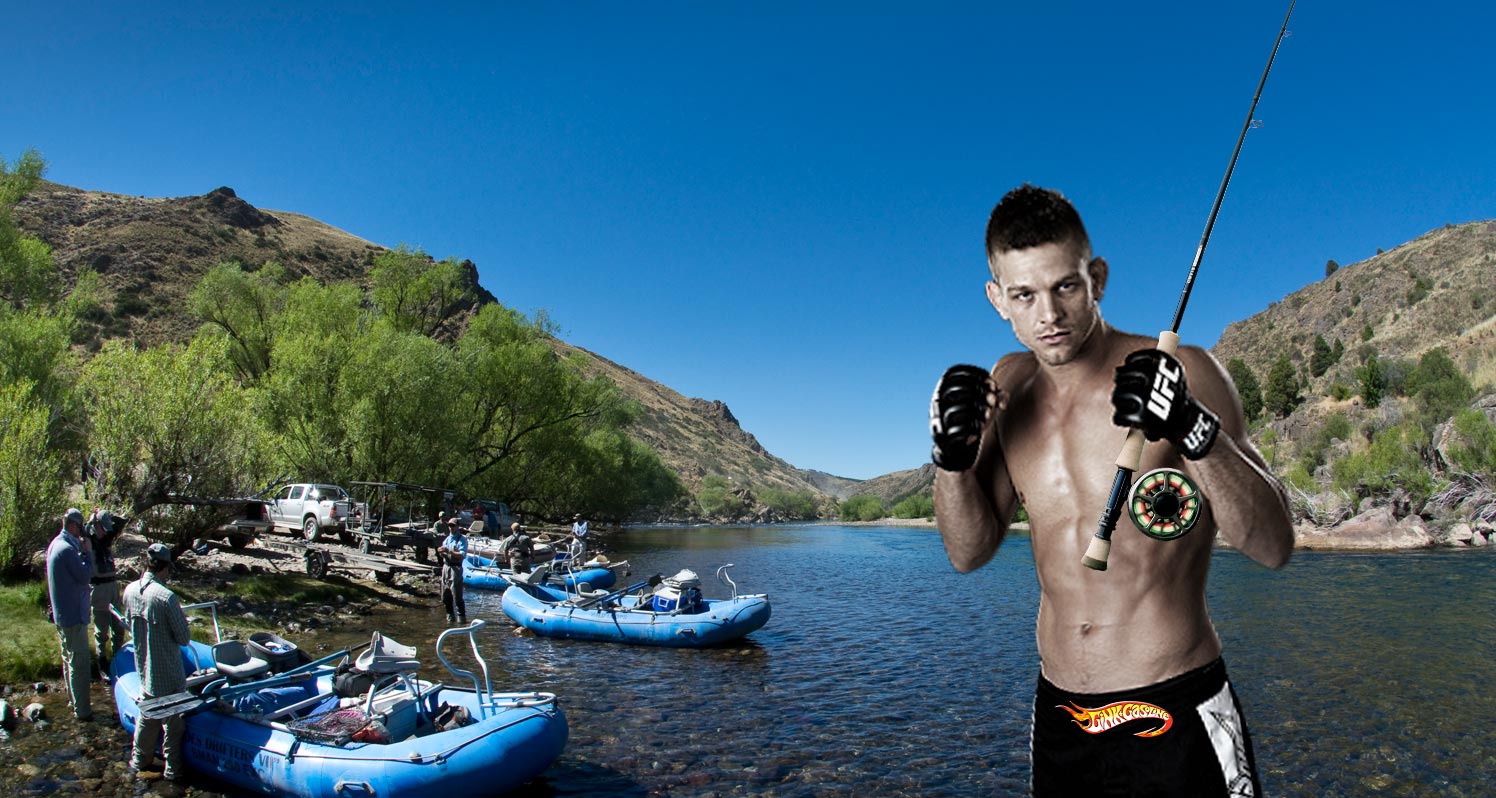
Hold on to your hats, because I don’t think this has ever been attempted. Tonight on UFC 187, Mike Pyle is fighting for Gink and Gasoline! Yes, I know how crazy this sounds, but it’s true. G&G is proud to sponsor Ultimate Fighter, life long fly angler and friend of the site, Mike Pyle. Mike will be fighting with the G&G logo on his shorts so please tune in at 6:30 EST and support Mike and G&G!
MORE INFO ON UFC 187 HERE
Read More »Tight Line Presentation Video
In fly fishing slack is always a bad thing.
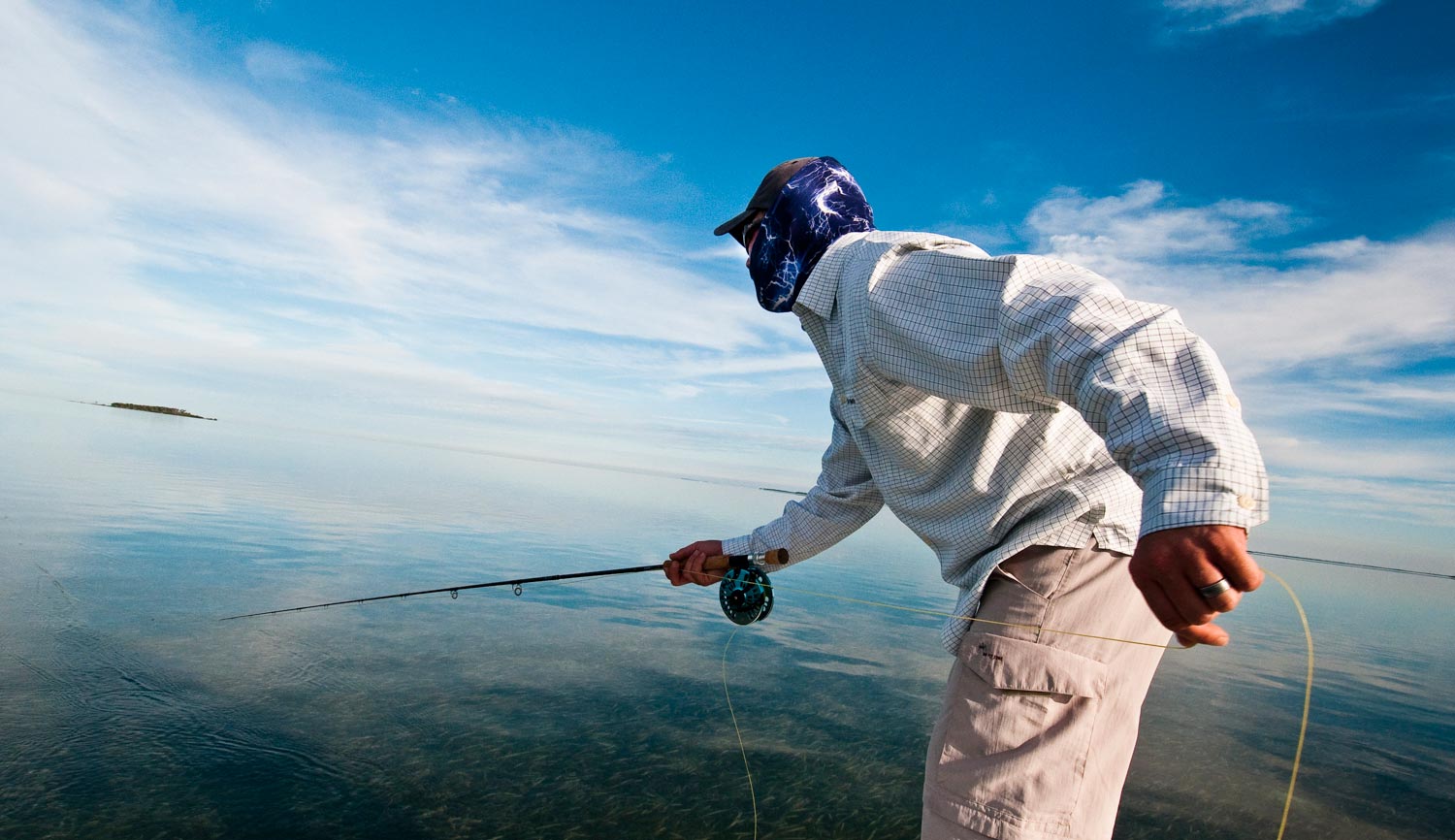
One of the most common mistakes I see anglers make, when flats fishing, is presenting the fly with slack in the system. If your fly doesn’t have a lifelike look, it’s just another piece of trash to the fish. Even when the fly is sitting still, a tight line keeps it looking alive and tasty. It’s crucial that you come tight to your fly immediately.
There are a couple of things that most beginning saltwater anglers do wrong. The most obvious is failing to turn over the leader. Especially when casting into the wind. The only cure for this is consistent practice.
A practice drill I like for this is to set out a target on the lawn or in the water and make repeated casts to the target, with no false casting. Just pick the line up and put it back on the target. To consistently hit the target, your leader has to turn over fully every time. It’s great practice.
Another very common mistake it to hold the rod tip too high. When you make a presentation cast in saltwater, the tip of your rod should drop into the water. The water tension creates a zero slack dynamic, which will move the fly on the first strip.
Watch this video for more tips on making a good tight line presentation.
Read More »2 Ways to Determine the Sex of a Trout
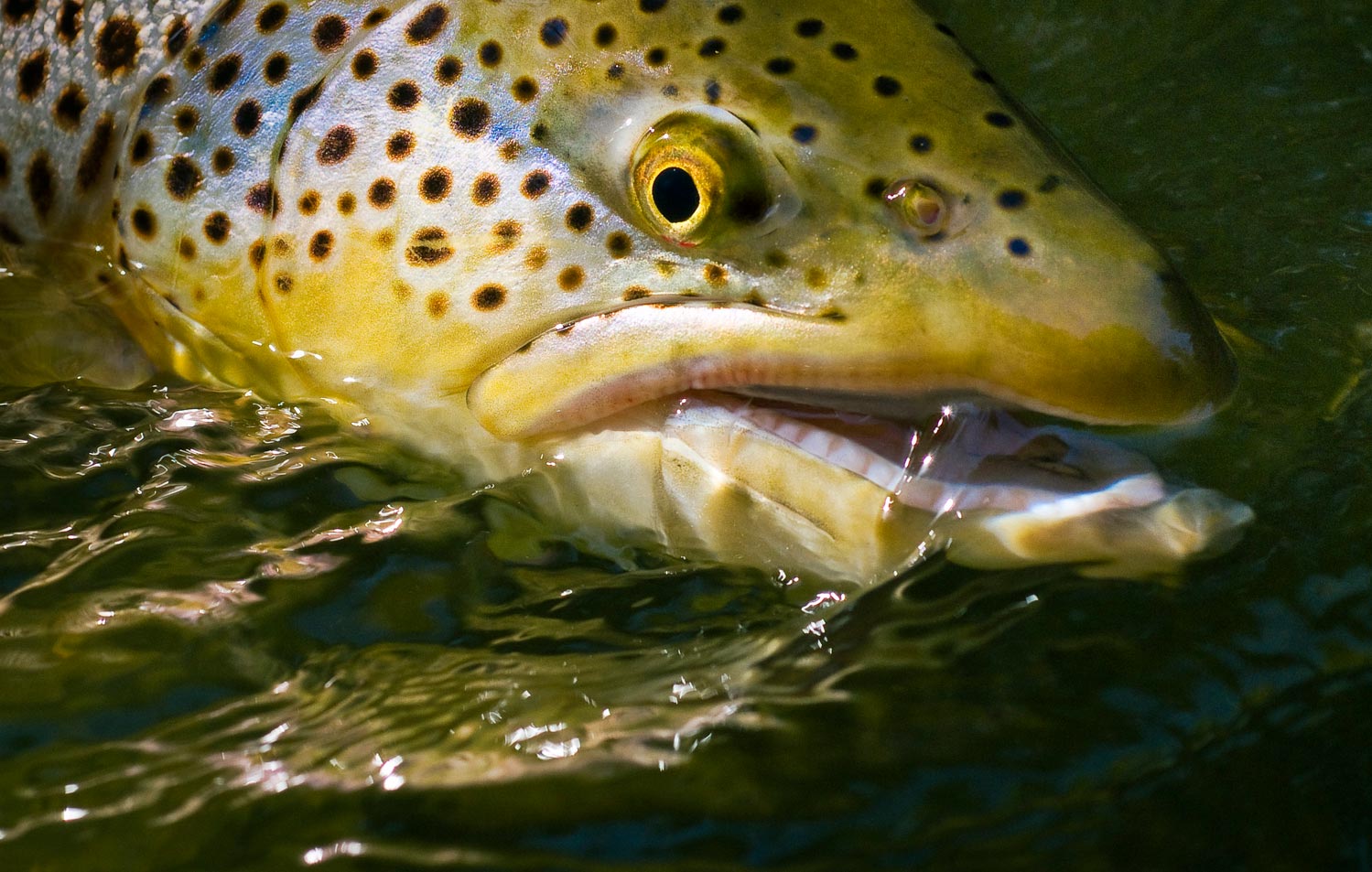
Lets talk about sex!
One of the things I love most about being a part of Gink & Gasoline, is educating our readers. Today’s post, talks about two ways to determine the sex of a trout. Over the years, I’ve found that the majority of my clients have a hard time determining whether a trout they catch is a male or female. Below are two ways to quickly identify the sex of a trout.
1. LOOK AT THE MOUTH
sex-of-trout
One of best ways to distinguish the sex of a trout is to examine the mouth. Female trout all have a short rounded nose or upper jaw, while male trout have a more elongated snout. If your trout has a lower jaw with a kype, it’s a male for sure. Although the mouth of a female trout will grow larger as it ages and increases in size, the mouth will never grow a kype (hooked lower jaw). Upon becoming sexually mature, male trout will begin to grow a pronounced kype. At first, it will just be a tell-tale sign, but as a male trout ages, its kype will become more pronounced. It’s important to point out that even for trout that aren’t sexually mature, an angler can look at the mouth of a trout and see either a uniform mouth with a short rounded nose (female), or a elongated snout with a slightly longer lower jaw (male).
2. LOOK AT THE ANAL FIN
trout-anal-fin
(Left) Male, (Right) Female
Sexually mature male and female trout for both rainbows and browns have different looking anal fins. A male will have a slight convex anal fish “(“, while a female trout’s anal fin will be slightly concave “)”. I’m not sure if cutthroat trout are in the same boat. I’ll have to depend on the community who regularly catch them, to provide us their insight and confirm this.
IS THERE A THIRD WAY TO IDENTIFY A TROUT’S SEX?
When I was writing this post, I ran across a couple references
Read More »lightspeed
By Mark Greer
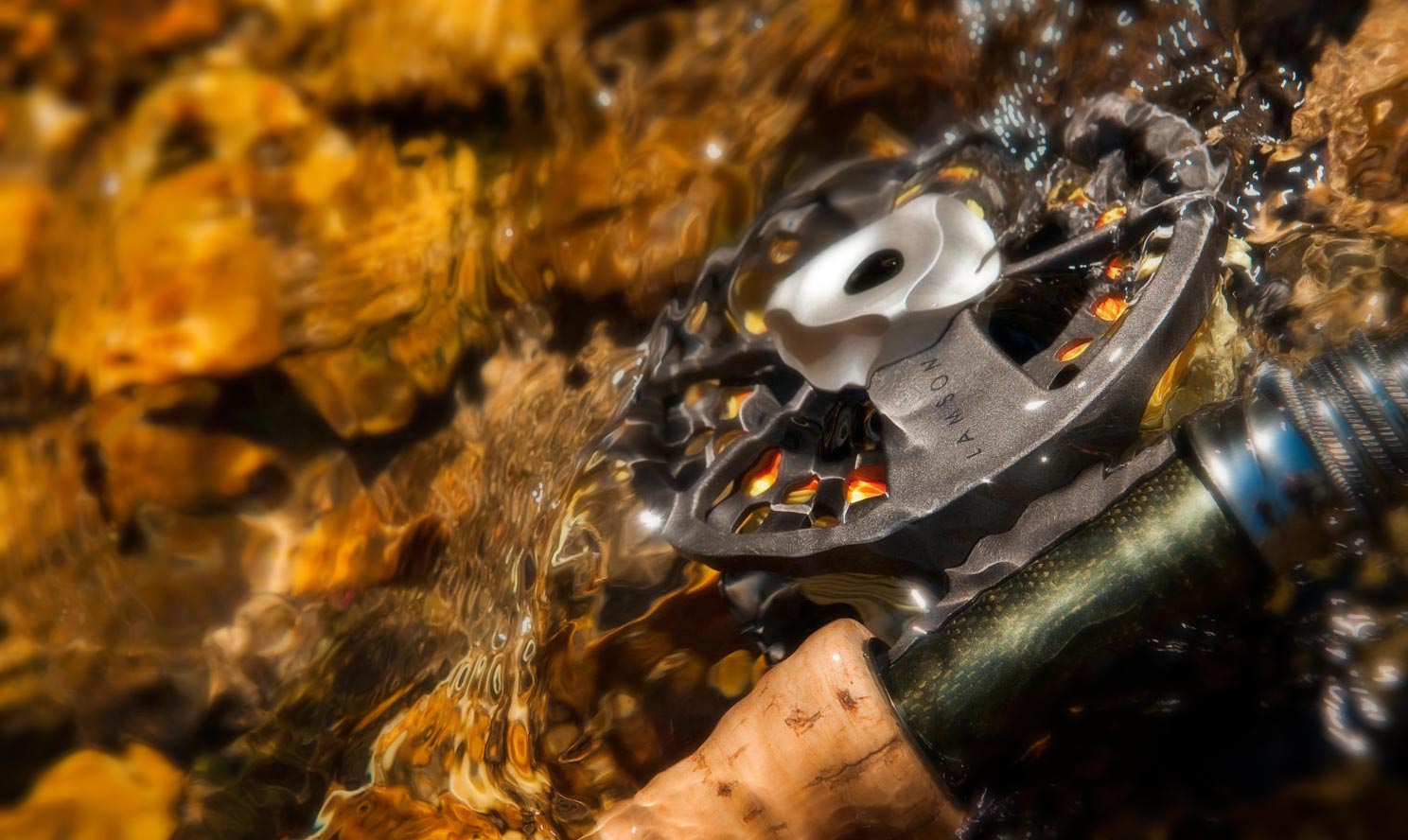
Yesterday I mailed in the warranty card for a Lamson LightSpeed reel.
Nothing significant about that. It happens all the time. The funny thing is, that warranty card had sat in the box it came in since late 2005. I knew about the warranty card. I purposely left it in the reel box. I felt that the LightSpeed was such a well-designed and manufactured reel that I’d never need to use the warranty service. When I finally sent it in, it wasn’t because of a problem with the reel. It works as great as it did when I first got it. I sent the warranty card in because it has immense sentimental and emotional value to me.
My late son, Anthony, got that LightSpeed for me when he was working out at Flaming Gorge Resort, as a guide. He gave it to me, along with a new pair of SIMMS wading boots and waders, and a new RIO fly line, during a weekend trip that I’d made to visit him one fall. The gift blew me away. It was completely unexpected and I knew that he’d likely saved his guiding money (which was scarce) to purchase it, and that he had probably also skimped on meals to be able to give his father a nice reel. He’d eaten a lot of eggs when he was guiding, because they were a cheap source of protein.
That’s how he was. Always doing things for other people. To make them happy or to help them out, even giving away his own personal gear to those that had an interest in the sport but couldn’t afford the necessary gear to get out on the river.
So, the other day
Trout Fishing and the Full Moon
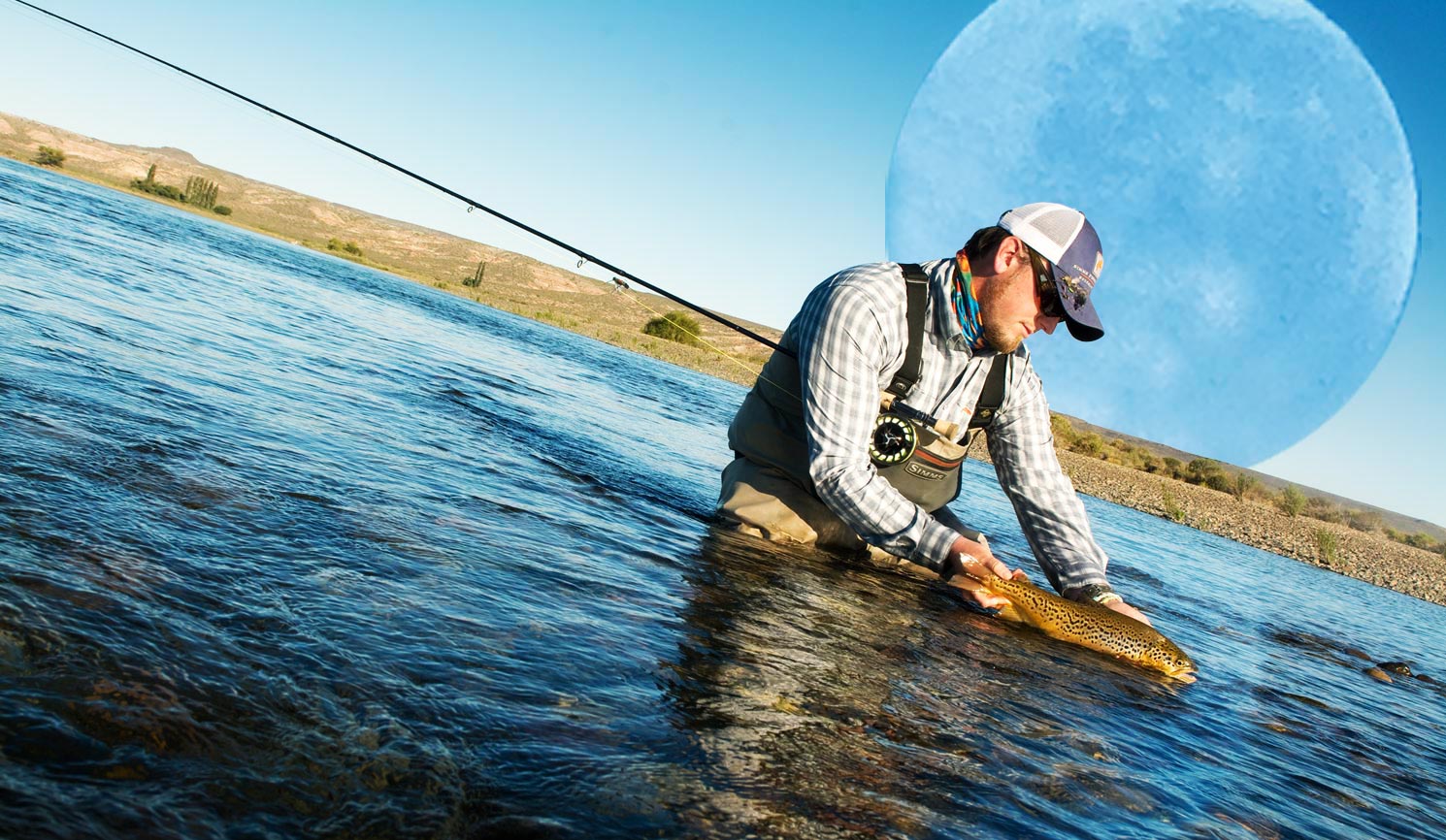
The days can be slow, but the nights can be epic.
I got an email from a reader the other day asking me to solve a fly fishing dilemma. He and a friend had fished hard the day before and caught very few trout. It was a perfect day, perfect water temperature and “stickbait” (caddis larvae) were everywhere, but no feeding trout. “Could it be the full moon?” he wondered.
That’s exactly right. Given the choice, trout will always feed at night. They are more comfortable in the cover of darkness and their eyes, having no iris to regulate how much light enters the eye, are better suited for low light. When the moon is full, trout will focus on nocturnal feeding and sleep during the day. (More on how fish sleep HERE.)
The caddis larvae are an important part of the equation. In the spring and summer when caddis are active you will find those larvae moving around, getting ready for the evening hatch. Caddis hatches can be heaven at night and that’s what the fish are waiting for. Caddis flies emerging under a full moon are easy pickings for trout. Well worth staying up late, for fish and fisherman alike.
Try this next spring full moon
Read More »Sunday Classic / The “Shake and Bake” Method of Fly Dressing
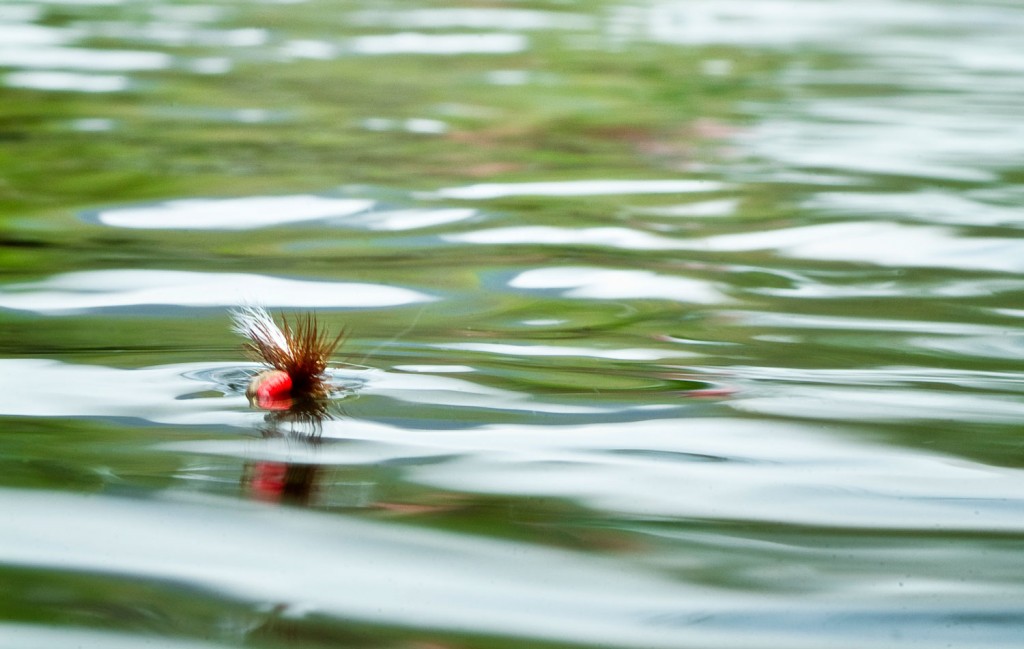
Will Sands shows me how he dresses his fly. “it’s like frying chicken” he tells me.
I love that, the guy from Colorado telling the boy from Georgia about frying chicken. I’ll admit that I was skeptical at first but Will’s “Shake and Bake” method really works, for flies anyway. That’s not how we cook chicken where I’m from.
Saturday Shoutout / Gear Vs Fly
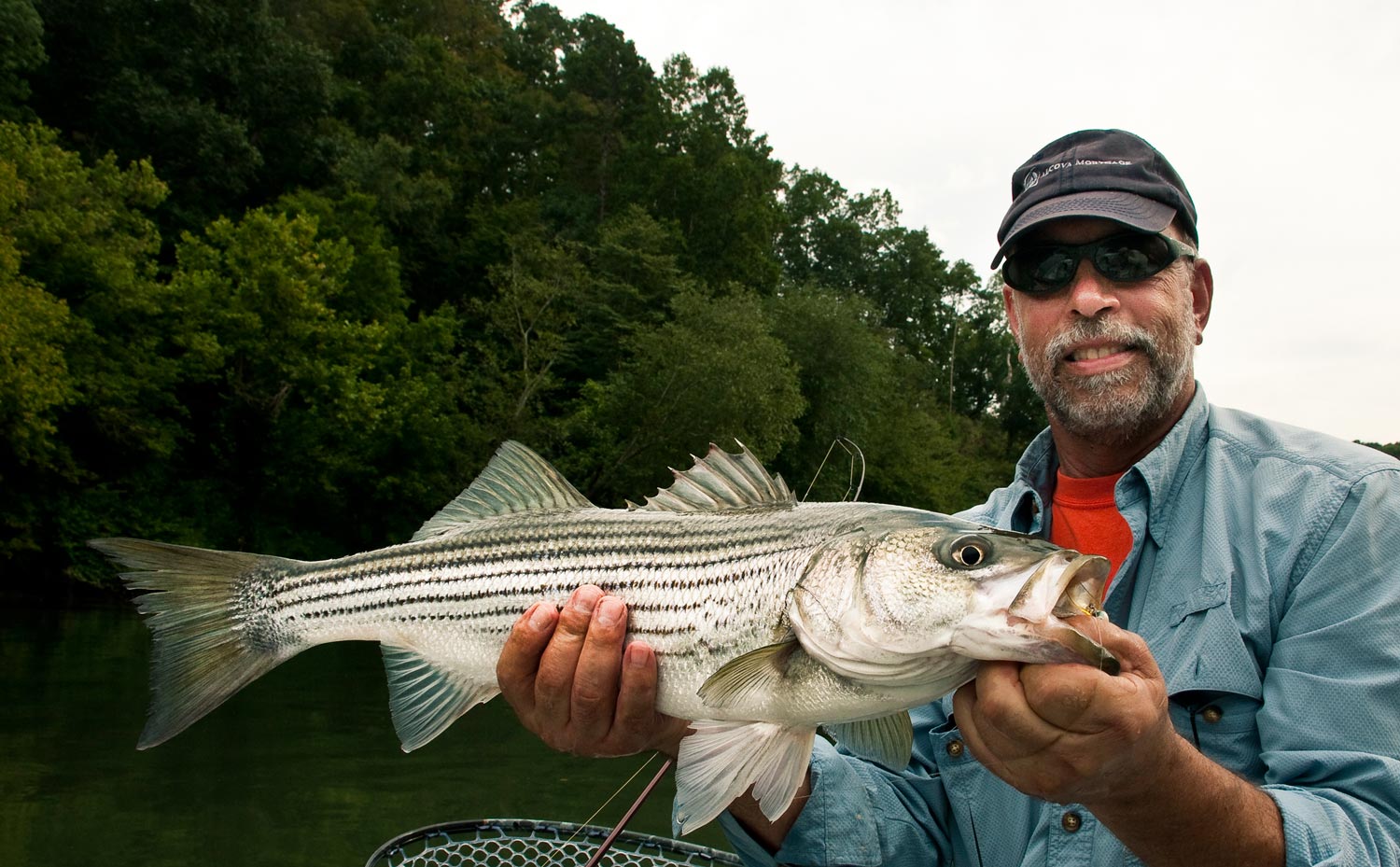
Well, here’s a first. Me sharing a gear angler’s content and proud to do it.
I was floating my brother, a devout gear angler, down a local river one day last summer. It was his first time fishing from a drift boat and, like most first timers, he was struggling with it a little. An hour or so in, I was offering some advice on how to present his plastic lure, a topic I know less than nothing about. He made one cast the way I suggested, gave the reel a few turns and said, “Now I just feel like I’m fishing a fly.” He did not get the entire sentence out before a nice striped bass inhaled his lure. I’m sure there is a lesson in that for both of us.
Coming from a mixed family this article on Gear Vs. Fly by Gary Strassburg, of The Informed Washington Sportsman, struck close to home. It’s an extremely well stated argument on a topic we have all butchered from time to time. Rather that offer any opinions of my own, I will just say that I enjoy a good latte, a single malt scotch and a Subaru and that you should read this article, no matter which side of the divide you fish from.
GEAR VS. FLY… WHY SO MUCH DIVISION AMONG ANGLERS?
Read More »