
Saturday Shoutout / The Art Fly Tying
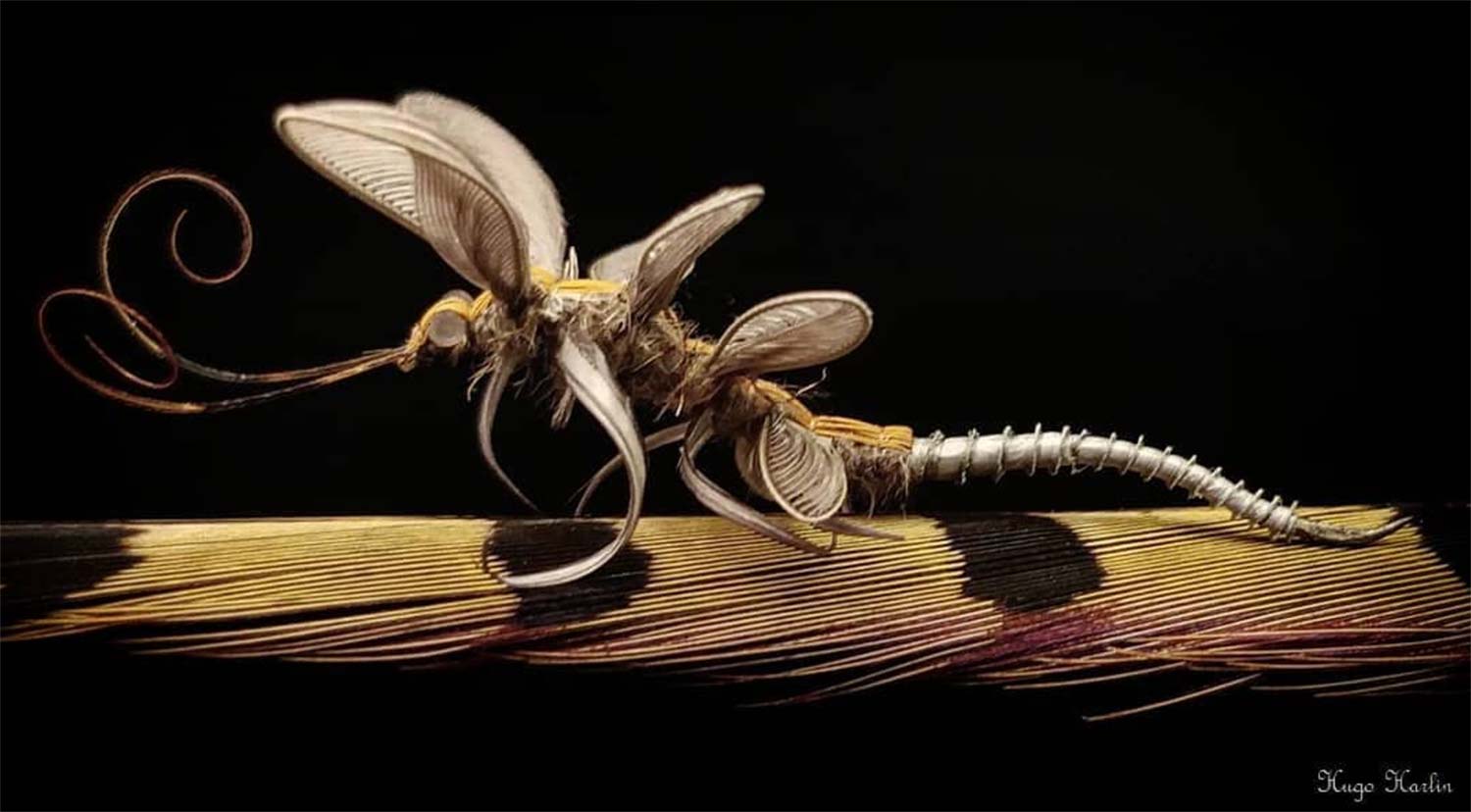
Hugo Harlin is a 24 year old Swedish fly tyer, and a straight up artist.
It was just four years ago that Hugo saw an article in a magazine on tying a marabou streamer. He dug his fathers old tying kit out of the attic and began what would be a life long passion. Now, when he isn’t studying physics and engineering, he spend his time crafting some of the most beautiful flies you are likely to see. Some of them get fished, and some are purely works of art.
Take a few moments to check out Hugo’s creations, or maybe order one of your own.
THE ART OF FLY TYING
Read More »The Orvis Pro Vest: Video
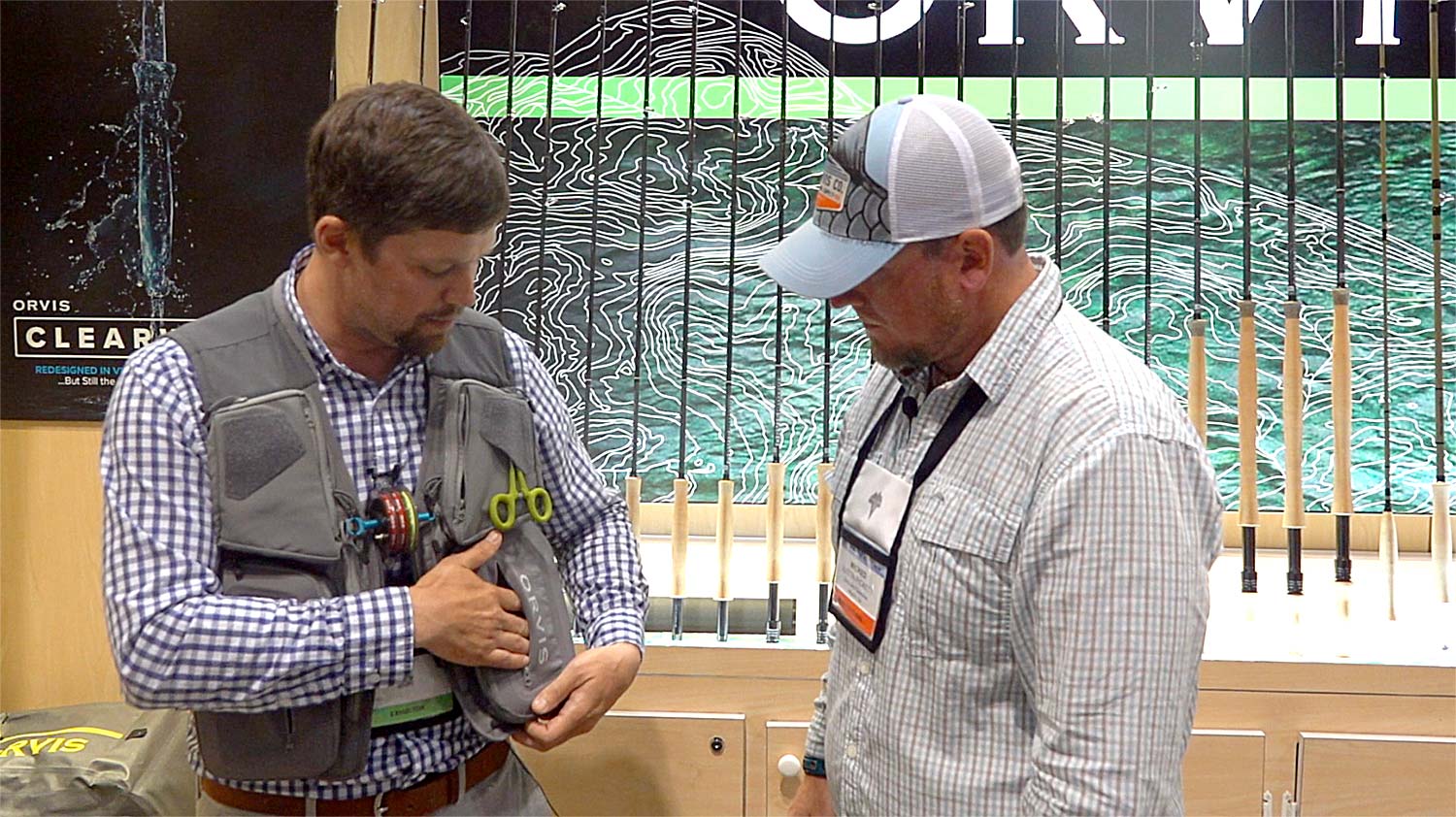
The fishing vest is not dead!
A lot of anglers, including competition anglers, are fishing in vests rather than packs these days. Today’s fishing vests look and perform very differently from the old school vests we saw on the water for decades. New vests are high tech and feature-rich.
That’s certainly a fair description of the new Pro Vest from Orvis. The Pro Vest has some classic features you’ll recognize and some new features you’ll enjoy.
CHECK OUT THIS VIDEO FOR ALL THE DETAILS ON THE NEW ORVIS PRO VEST.
Read More »Starting Fly Tying Season Off Right
By Bob Reece
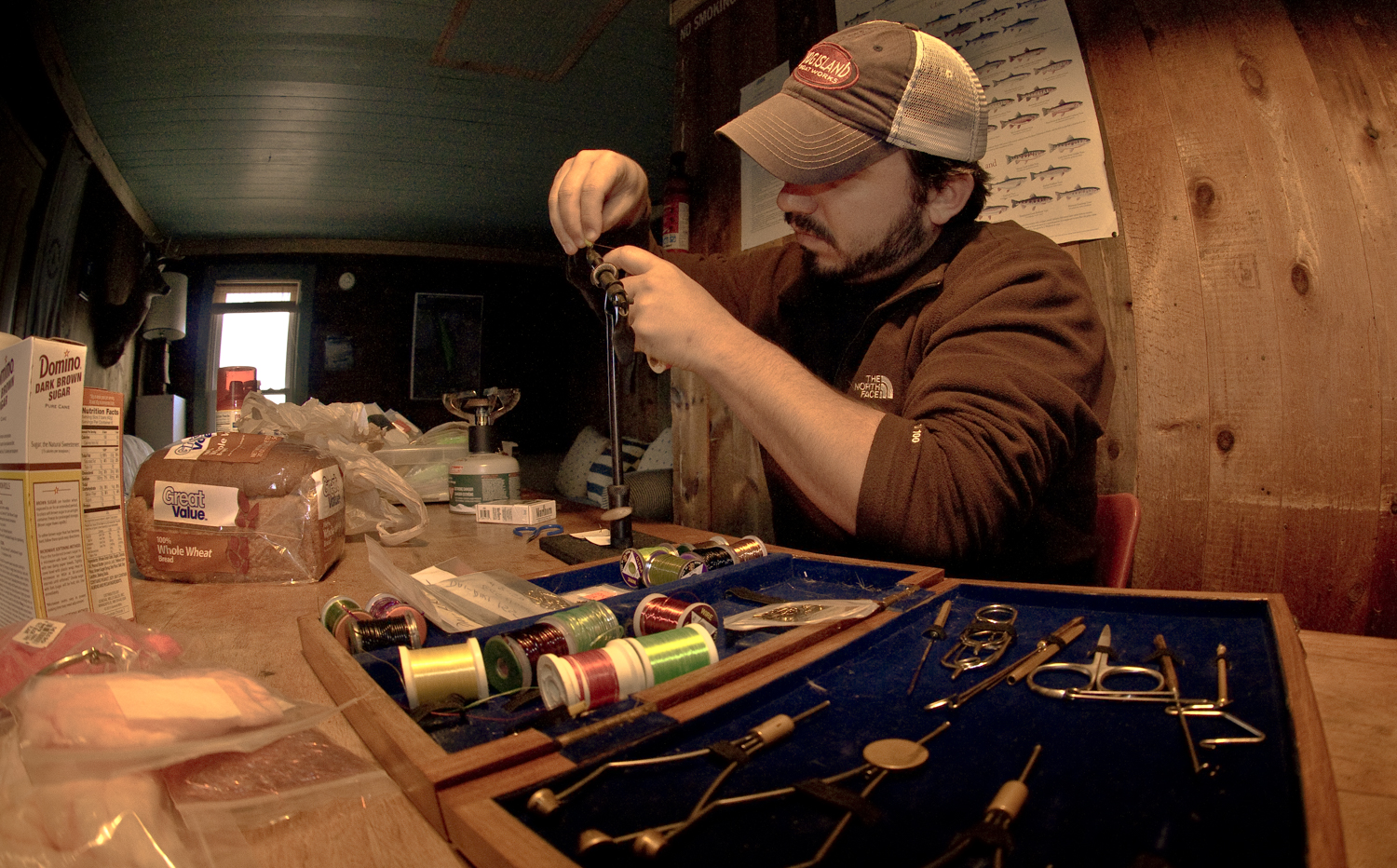
While some people tie flies year round, the majority of fly tying in the Northern hemisphere takes place during the winter months. As the chill builds in the air, we move into this time of year filled with hours spent behind the vise and a building anticipation of next season’s adventures. The following are four tips to consider as you move forward into another spell of spinning up bugs.
Dedicated Work Area
If at all possible, set aside a dedicated work area for your tying. Having a platform where your supplies can be stored, organized and left out saves immense amounts of time. Without this, tying time is lost to transporting, setting up and putting away tying tools and materials. With a dedicated work space, creation can begin as soon as you sit down. If needed, patterns can be left partially completed in the vise until your return.
Deep Clean and Donate
As years pass, the drawers, cabinets and other storage compartments for your fly tying materials can turn into matted dungeons of unused creative goods. Prior to getting behind the vise this year, pull all of your materials out of their storage areas. Inventory, sort and organize the supplies that you’ll be using this year. The inventory will help with the next tip below. Sorting and organizing will help you increase your efficiency, resulting in more bugs tied. Set aside those materials that you know you’ll never use and donate them to a good cause!Organizations like Project Healing Waters, community fly tying classes and fly fishing clubs at your local schools will be happy to put those supplies to use.
Material Orders
A new year of tying often brings with it the need or “need” for new tying materials and
Read More »The Magic of Soft Hackles
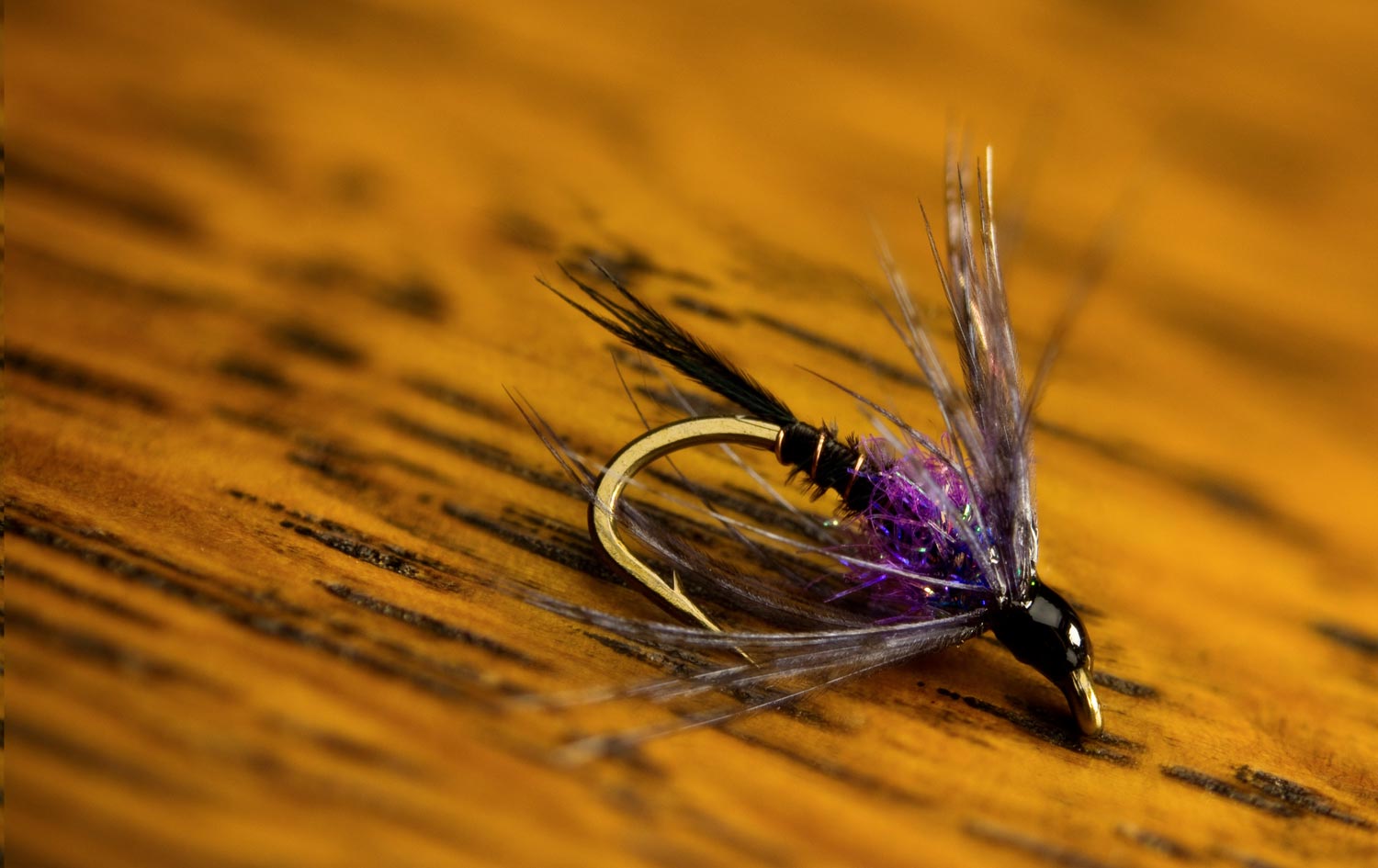
SOFT HACKLES ARE THE SHARKS OF THE FLY BOX.
Like the shark, the soft hackle is one of the oldest of its ilk, and like those ancient predators, it has evolved very little from its inception. Like the shark, it is a deadly design that could not be improved upon. Take, for example, the Kebari flies used by tenkara anglers for hundreds of years. Basically Soft Hackles with a reverse hackle. So effective, that traditional tenkara anglers only fish one pattern. Many modern fly anglers overlook traditional Soft Hackle patterns that are as effective today as ever.
There are two primary reasons for the effectiveness of the soft hackle. For starters, it’s the ultimate impressionistic pattern. It looks like almost everything on the aquatic menu. A fish who is looking for something specific is very likely to see it in a soft hackle. The second reason is, there’s just no wrong way to fish one. If you struggle with getting a drag free drift, a soft hackle is a very forgiving pattern. As long as it is in the water, it will produce fish.
FISHING SOFT HACKLES
As I said, there is no wrong way to fish these flies, but there are some proven tactics you can employ. For starters, dead drifting the fly as a nymph is never a bad plan. The Soft Hackle is as effective in this role as any pattern. That said, the dead drift does not take advantage of some of the pattern’s unique properties.
Perhaps the most common and most productive presentation for a Soft Hackle is the swing. The hackle has a tendency to trap an air bubble making the fly a natural emerger pattern. There are tying techniques, which I will go into, that enhance this effect. When fished deep and swung to the surface, the glowing air bubble inside the hackle is more than any trout can resist. One of my favorite ways to rig this pattern is to drop it about sixteen inches behind a Wooly Bugger with some weight in front of the Bugger. Drift the team deep through a run then lift them to the surface or quarter them down and across and let then swing and hold on.
When fishing from a boat, it’s very effective to cast a Soft Hackle straight across the current and retrieve it slowly, about four inches at strip. A hand-twist retrieve works well. This is also effective when teamed with a Bugger. Even more fun,
Read More »Hammock Mount, The Ultimate Car Camping Accessory
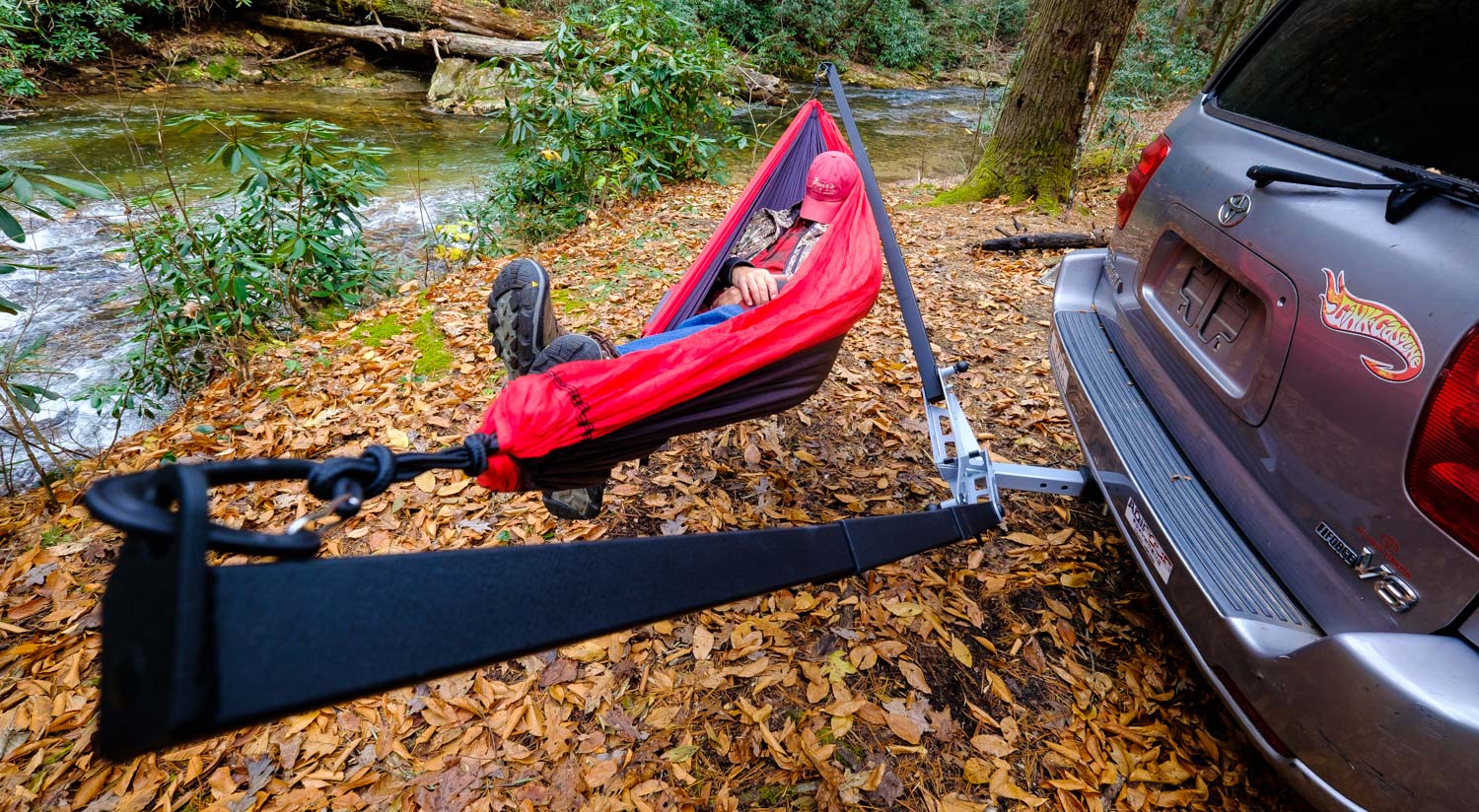
The Hammock Mount let’s you camp anywhere in seconds flat.
I love sleeping outdoors. I love being on the water early. I love camping in my hammock on the bank of the river. I don’t always love the hassle of making all of that happen. Especially when I’m on the road, moving from place to place and trying to maximize my time on the water. The minute I saw the Hammock Mount, I knew it was the solution.
This clever piece of kit allows me to set camp anywhere I can park the truck, in just a few minutes. Just seconds to have my hammock ready to go. I don’t need a camp site. I don’t need level ground, or even trees. I just plug the Hammock Mount into the two inch receiver on my truck, fold out the support arms and I’m done. I can’t imagine an easier or faster way to camp.
It’s pretty simple to clip a tarp off to the roof rack and run a piece of parachute cord between the support arms for wet weather and an inflatable camping pad is great insulation from the cold. I’ll use one sleeping bag under my pad and another over me for a cozy nights sleep when temps are low.
I still have easy access to gear inside the truck, even with my hammock set up. I can make coffee the night before and leave it in a thermos, waiting for me inside the hatch. It only takes a minute to take down and stow the whole setup before I hit the water. It’s so efficient, I’m tempted to sleep in my waders.
The hammock Mount is made by Mclean Metalworks in Seattle WA. They are a small and super friendly company with innovative ideas and great customer service. They make a
Read More »Sunday Classic / Use Old Plano Boxes For Bulk Fly Storage

Of all the thousands of dollars of bass fishing gear that I’ve accumulated over the years there’s very little of it that I can find a use for in my fly fishing today. Well, I could probably find a way to use some of it, but I’d definitely get bashed for it by my friends. My Plano tackle boxes, however, have proven to be very useful for me in my drift boat and when I’m traveling across the states on my fly fishing trips. I can load up one Plano box for my drift boat and I’m good for the day, and if I’m traveling out west, I often use one to throw all my big dry fly patterns or streamers in, so I don’t have to keep up with several smaller fly boxes during the trip. Every morning I’ll take out what I need and stow them in one or two fly boxes that I can carry easily with me on the water.
Read More »Saturday Shoutout / Every Hour
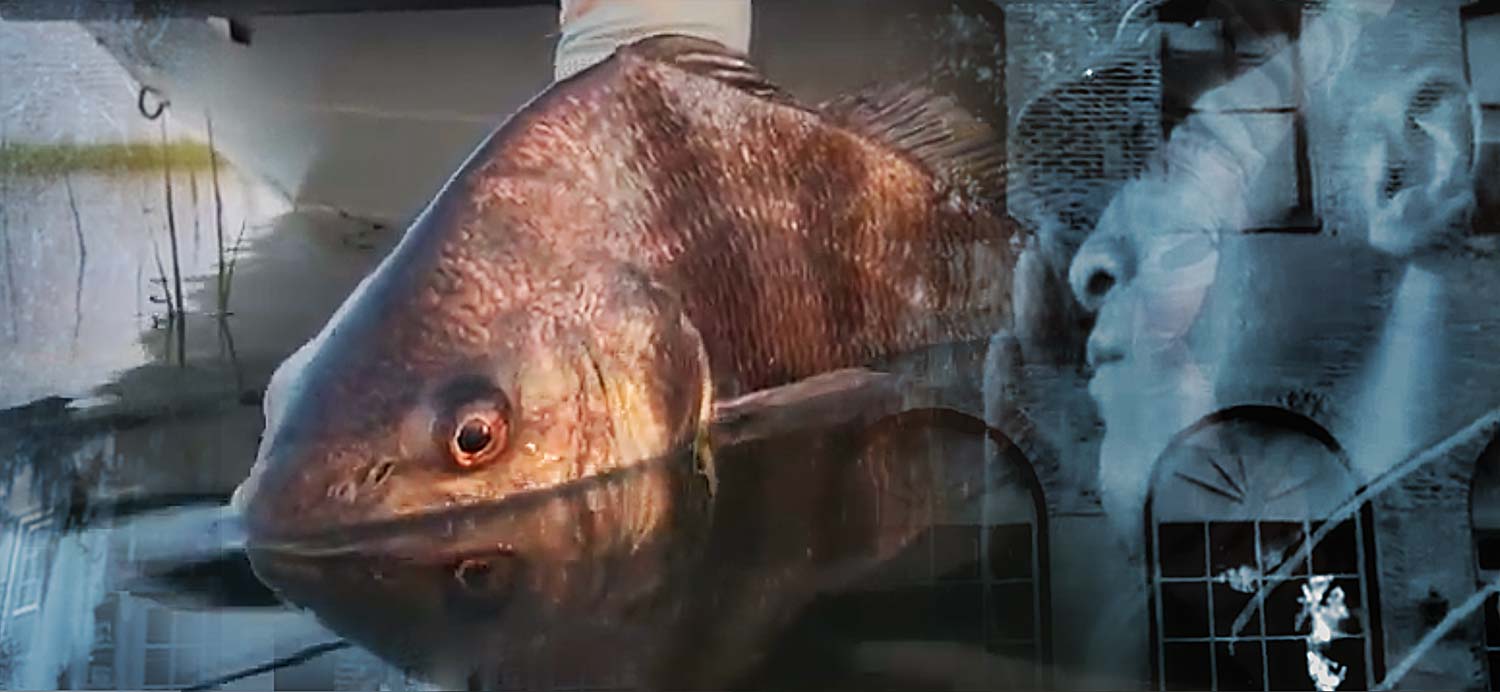
Every hour an American veteran takes their own life.
This lovely film, featuring Jessica Calihan, honors our veterans and highlights the power of fly fishing to heal. Set in the Low Country of South Carolina and Georgia, “Every Hour” is both beautiful and up-lifting. Take a minute to enjoy the film and share it with a veteran.
Read More »RIO Fly Lines: Video
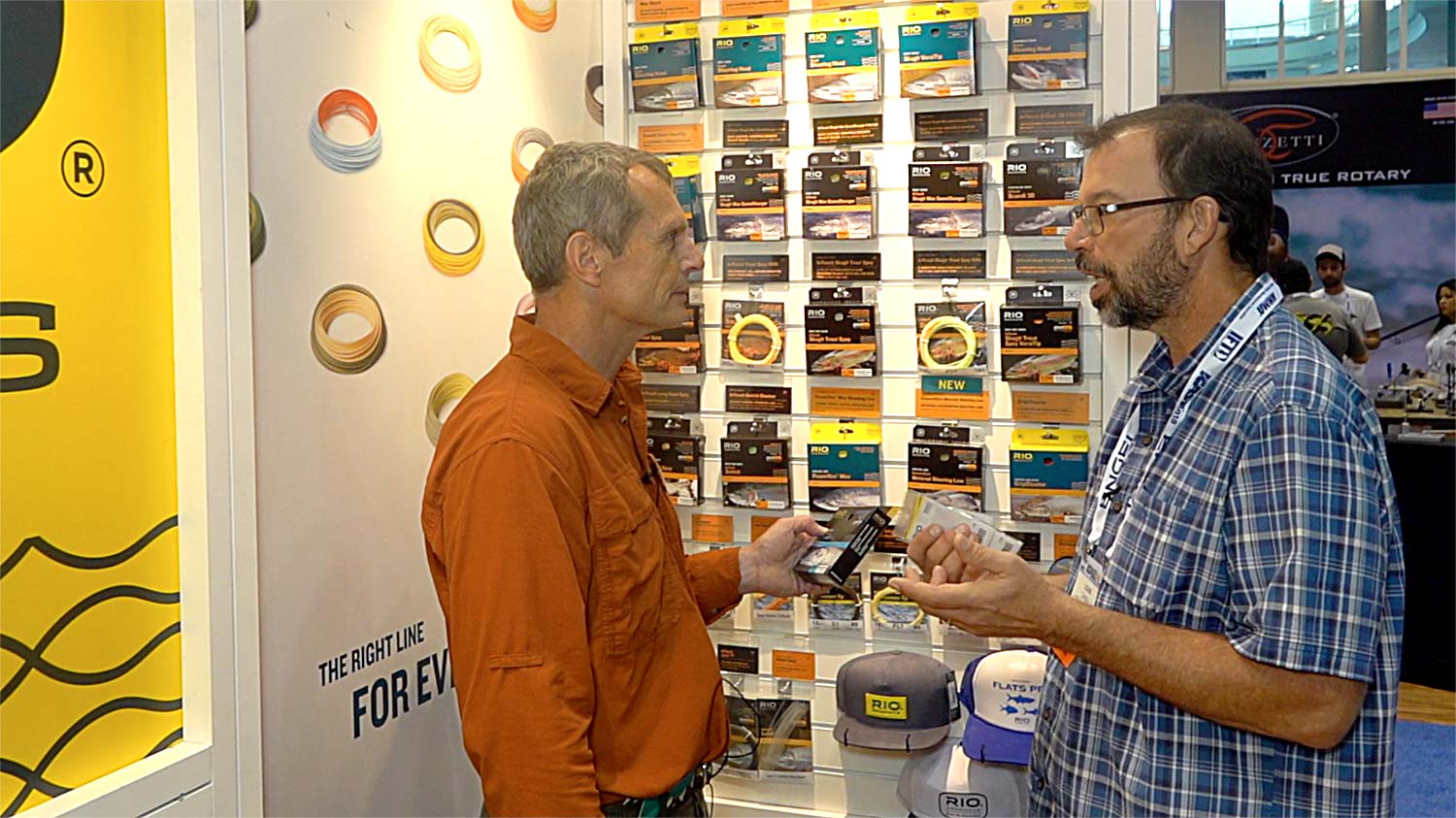
New fly lines to keep you on fish in the coming year.
RIO has some cool options for trout anglers and more. A whole new lineup of trout spey heads and integrated lines for the two hand crowd. Some very cool new indicators for nymph fishing, and a host of trusted favorite fly lines with updated cores. RIO has something for every angler this season.
Watch the video to get all of the details on new RIO fly lines.
Read More »Faith and Steelhead
by Tim Harris
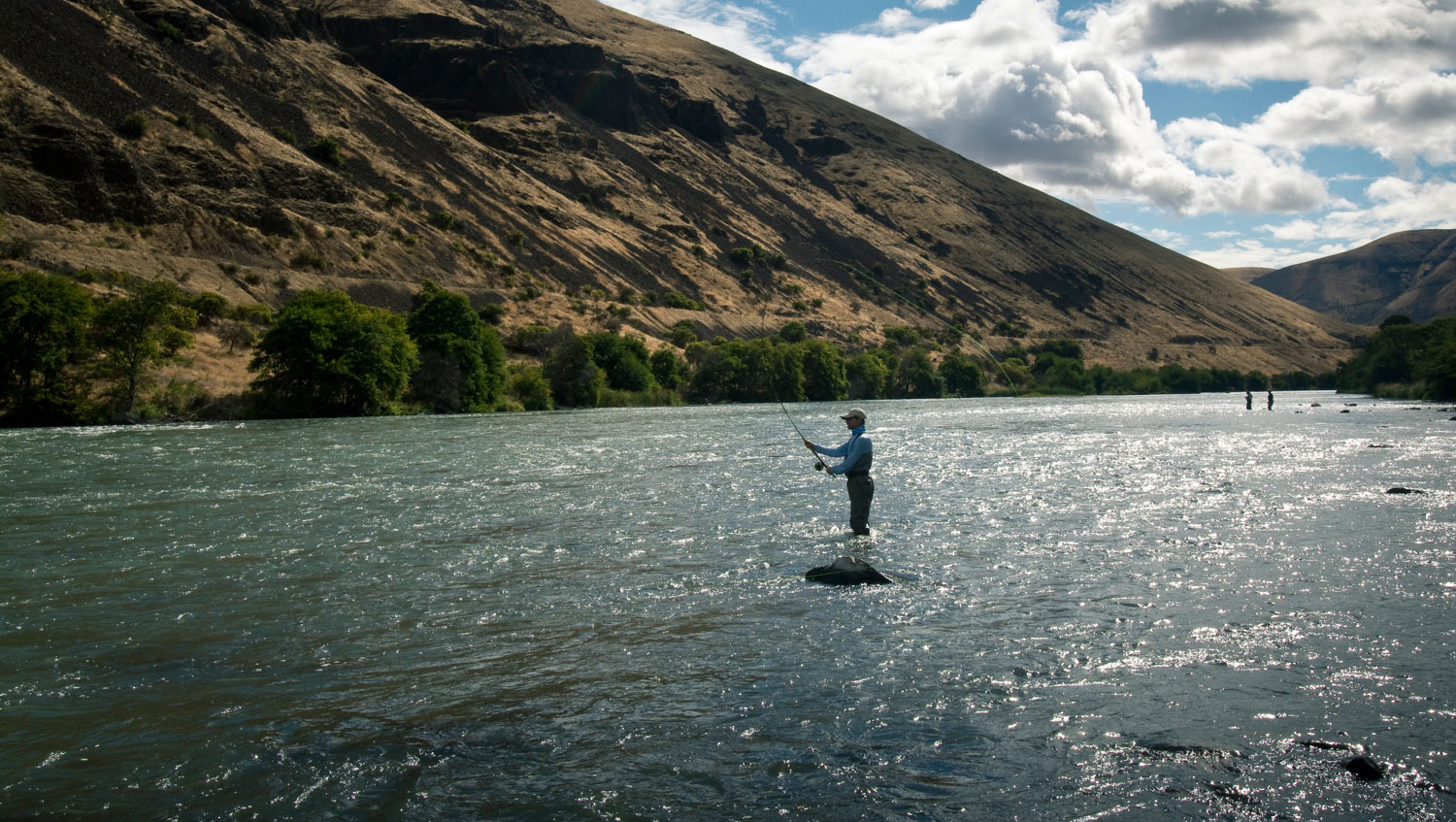
I just returned from my first real steelhead trip to the Deschutes in a couple of years.
I had to miss out all of last two summer seasons due to illness though I did manage a few days last winter where I actually hooked up several fish and landed one nice hatchery fish.
Now I’ve got the steelhead sickness again, it is time though to break out the floating line and the switch rod and begin to swing Streetwalkers across the currents. I’ll get up before dawn and head to the river in the early morning, rig up and wade out just as it begins to get light. Then begins the methodical, meditative practice of cast, mend, swing, and step until I am at the bottom of the run and I pack up and go to work. The cast is meditative too – strip, lift, swing, create the D loop, and let it rip. Mend once, maybe twice. Swing slowly. Take one to two steps down. Repeat. Repeat. Repeat.
All the while you are keeping faith.
Read More »Flood Tide Redfish

By Owen Plair
I ALWAYS TELL MY CLIENTS THAT THE FLOOD TIDES ARE A GIFT, TO ANGLERS, FROM MOTHER NATURE.
Targeting tailing redfish on flood tides, from Northern Florida all the way to North Carolina, is one of the most unique opportunities for fly anglers. Something about seeing a tail slowly cut through the top of the water column, surrounded by short spartina grass, on a flat that is only covered by water a few times a month is simply special. Watching these fish casually tail their way through the flat, digging their noses in the mud looking for fiddler crabs is almost as fun as watching them at the end of your fly line.
This is a simple and short explanation of this unique style of redfish and will be the introduction to more articles on flood tide redfishing, which will be more detailed on characteristics of flats, fishing, presentations, fly selection, and equipment.
What is a flood tide?
A flood tide is a larger than normal tide that pushes water onto short spartina grass flats, allowing redfish to feast on the thousands of fiddler crabs that live there. In areas where flood tides occur, there is a lot more tidal flow than most redfisheries in the US. For example, here in Beaufort our average tide is between 6-7 ft, but your flood tides would be 7.5-8.5 ft which pushes enough water on these short grass flats for the redfish to move in.
On average we get around 10-15 of these tides per month, depending on moon phases, and only fish the floods from the middle of March till the end of November, depending on weather patterns. Once the water temp gets below 65 the fiddlers go down and the redfish stop tailing. No food means no tails. Tide charts are your best friend when it comes to flood tides and I seem to find myself always looking forward to the next set of floods!
How do you fish a flood tide?
When fishing the flood you usually want to start around
Read More »