
Saturday Shoutout / Columbia Gold
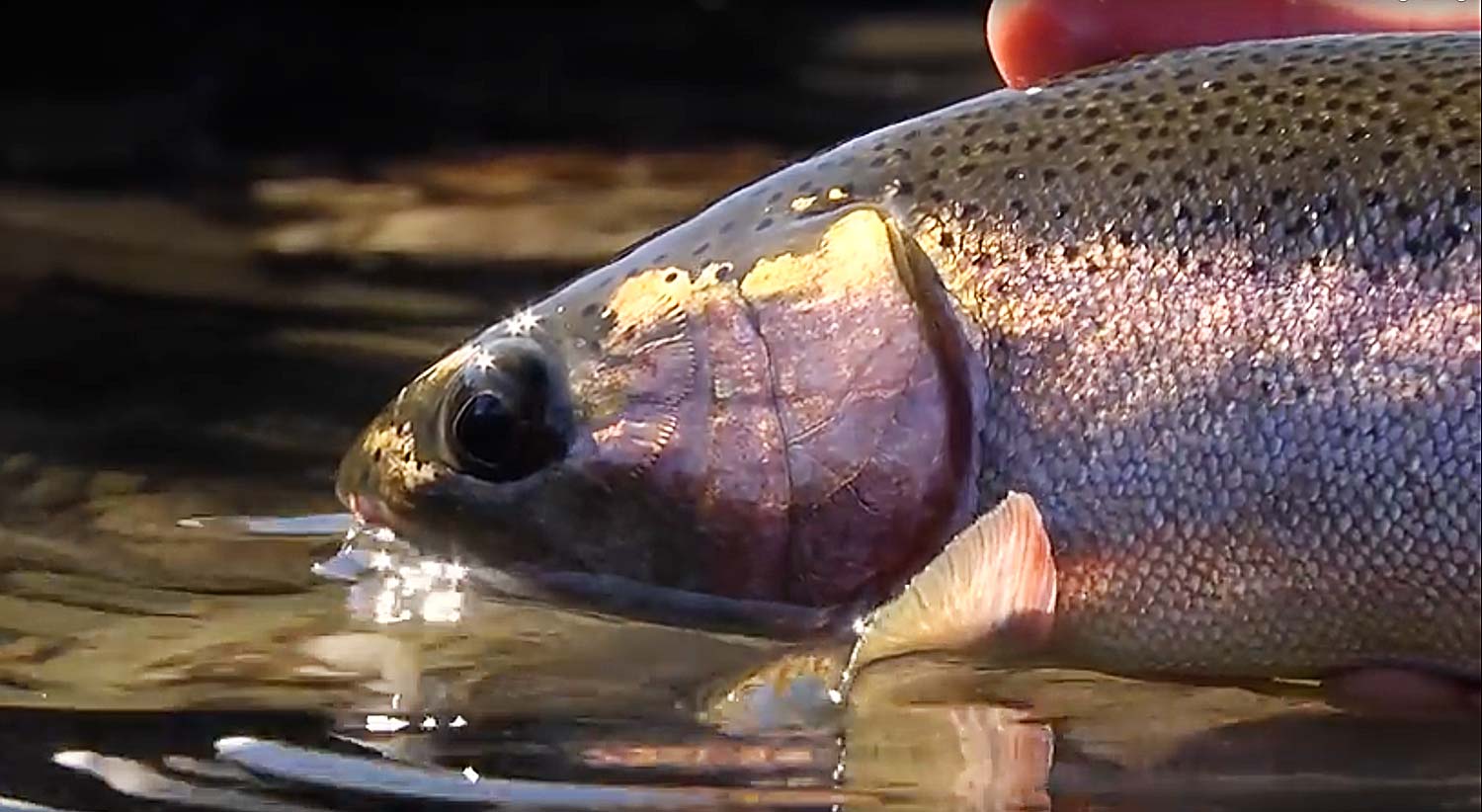
Beautiful rainbow trout on the upper Columbia river near British Columbia.
This great film, by Todd Moen of Catch Magazine, features skiing guide Lel Tone and, one of my favorite people, Andrew Bennett as they chase big rainbows with dry flies and spey rods. You here a lot about steelhead in Washington, but it’s really cool to see some of the quality trout fishing they have there. Take a few minutes and enjoy this beautiful video.
FLY FISHING THE COLUMBIA
Read More »Pro Bands
By Bob Reece
I love simple products that solve legitimate problems.
A couple months ago I wrote a post on the struggles of tippet spools. Since then, I came across a product that provides a long term solution to some of those issues and more.
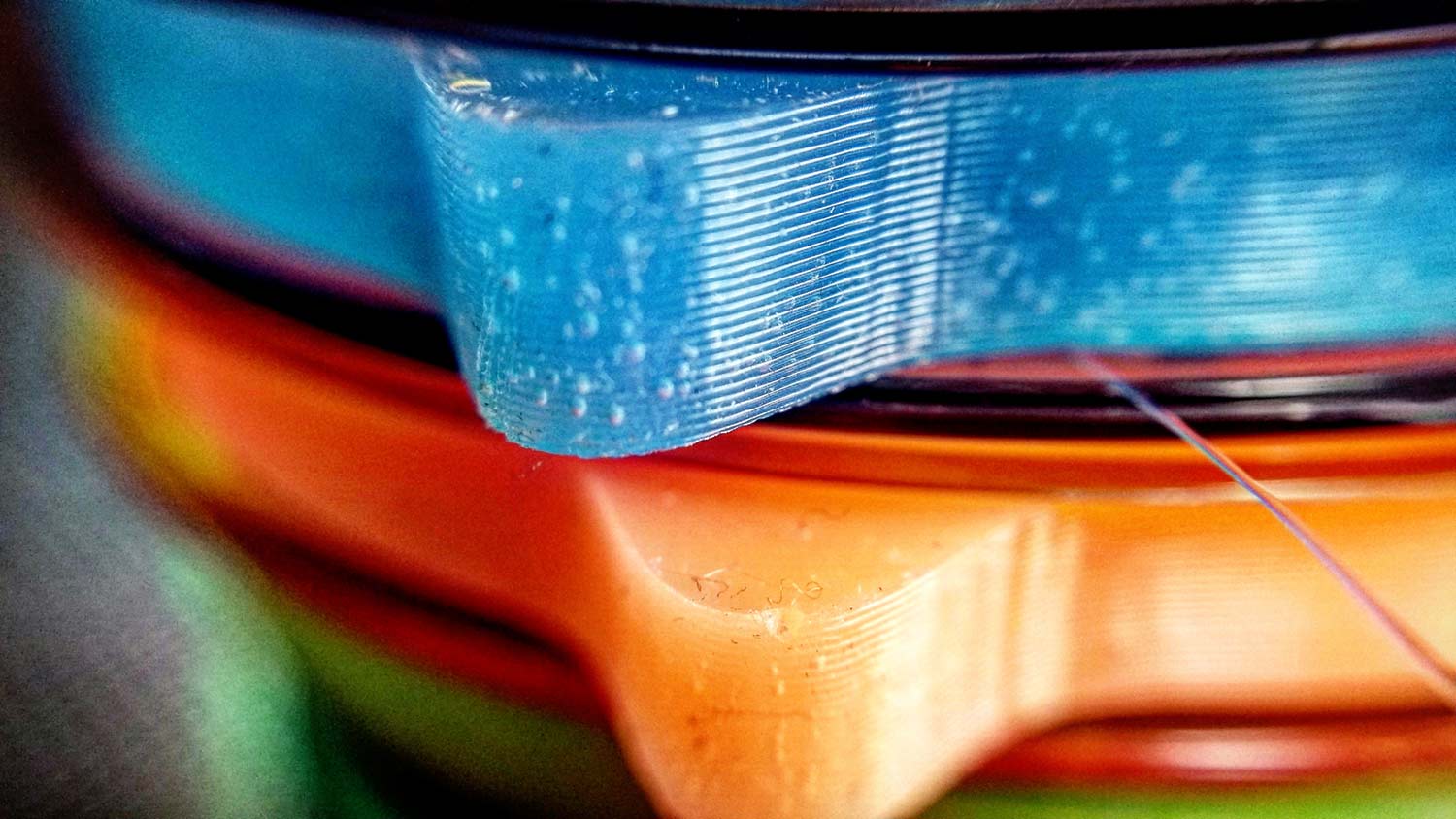
During my guiding days each year, I use up countless meters of tippet. During the numerous reaches to my spools each day, there is one frequent hassle that arises. The free end of the tippet escapes the metal O-ring of the elastic band. My tippet then becomes hidden or exposed to the cutter that is built into the spool. A new product called Pro Bands, solves this problem. These one piece silicone bands are designed to fit snuggly around your tippet spools. Different sizes are available for the different brands of tippet. The bands do not slide, slip or rotate around the spool. By replacing the traditional elastic band, the free end of the tippet is held on the side of the spool opposite the built in cutter. The grip of the silicone ensures that it remains on that side for all subsequent uses throughout the life of the spool.
In addition to their holding power, Pro Bands protect the tippet from both water and UV radiation. This prevents rotting and breakdown of the material. Unlike elastic bands, the Pro Band itself does not stretch or loosen with use. This fact allows anglers to use the same set of Pro Bands continuously as spools are used and replaced.
Their multicolored design allows for easy organization. By placing
Read More »A Truckvault Offers the Ultimate in Function, Convenience and Security
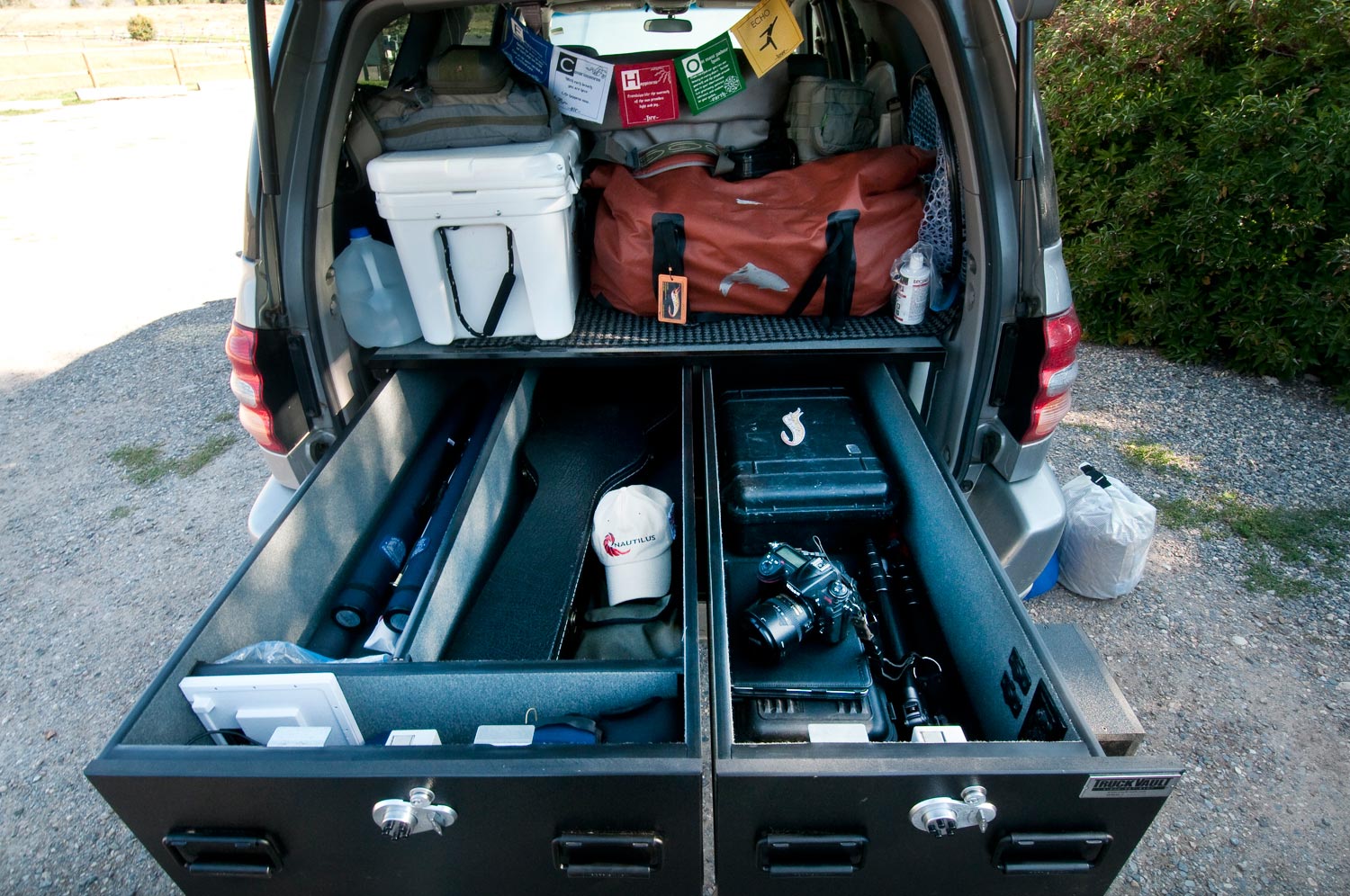
THIS MAY BE THE SINGLE GREATEST PIECE OF GEAR A FLY ANGLER CAN OWN.
As I have said on many occasions, it’s called Gink and GASOLINE for a reason. I live in my truck. Last week alone I drove over 5000 miles with my Adipose skiff in tow. This year I have driven from Atlanta, GA to Idaho, twice! I camp, I fish, I float and most of all I drive.
I’m not complaining. It’s a hell of a lot of fun, but take a minute and think about the logistics of it. A single road trip may last two or three weeks away from home. It’s going to involve photography, video, writing, online publishing, camping, cooking, boating and fishing of every imaginable type. It requires a mountain of gear.
Much of this gear is really expensive. Cameras, microphones, lights, computer, iPad, not to mention better than a dozen fly rods and reels and, of course, I have to have a guitar. All of that expensive, and fragile, gear rolling around in the back of my truck for weeks on end. Baking in the sun. Sitting in plain view at put ins and sketchy roadside pull offs. My life savings in an unlocked truck waiting for a shuttle driver. It has been a nightmare for years.
Well, not any longer. I recently upgraded from a ’98 Subaru Forester to a 2002 Toyota Sequoia. When I did, I knew it was time to get a Truckvault. I have wanted one since I saw my buddy Michael White’s Truckvault, which I wrote about last year. I had spent plenty of time drooling over the Truckvault site and knew that they made custom units for SUVs as well as pickups. I knew the time had come.
I logged on and started the process of designing my own Truckvault. The site makes it easy and some of the options are mind blowing. Anything is possible. Mine is a two drawer unit ten inches deep and fifty inches long. It spans the width of the vehicle and is covered in carpet which matches the truck. When you look in the window, you don’t even know it’s there. It has combination locks with key backups. The drawers pull out to full extension and are lined with foam and have customizable dividers. The unit is rated to hold three-thousand pounds on top and is fire safe.
Read More »Epic 370 Ready-To-Wrap Fly Rod Build
WHEN IT COMES TO STARTING SOMETHING NEW, WHETHER IT BE FLY TYING OR WOOD WORKING, THERE IS TYPICALLY A LARGE LIST OF QUESTIONS THAT COMES WITH VENTURING INTO UNCHARTED WATERS. WHAT DO I NEED TO GET STARTED? HOW DO I USE THIS? WHY DO I NEED THAT? WHERE CAN I FIND WHAT I NEED?
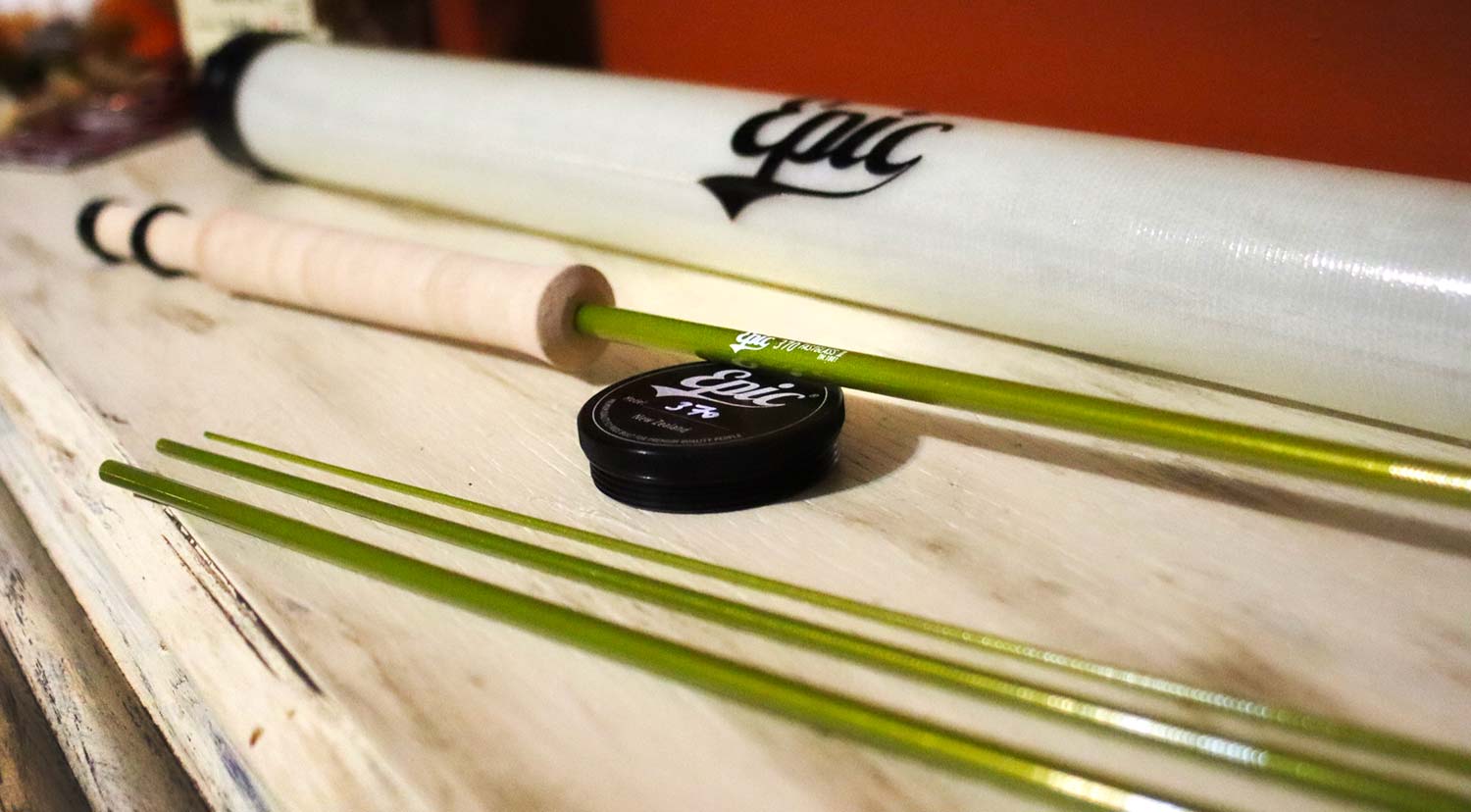
Swift Fly Fishing has taken all of the guess work out of rod building with their Epic Ready To Wrap kits. Offered in 3wt through 12wt, they come well-appointed with quality components and materials, as well as detailed instructions, to build a quality fiberglass or carbon fiber fly rod. They even offer a kit for the chrome-obsessed, two-handed bug slingers out there. And, with each kit offering everything you need to complete each build, there is no waiting on shipments, or running around to find components. It’s all right there in the box, ready to go. It’s the perfect starting point for the beginning rod builder.
This is my third Epic Ready To Wrap kit that I have built, and each one has provided me with plenty of enjoyment and learning along the way. Not to mention, with the completion of each build I’ve added another amazing rod to my quiver.
Let’s dive in!
The components in the kit are top notch, which is what you can always expect from Epic and Swift Fly Fishing. The cork is beautifully dense and without flaws. The updated FastGlass II (Made in USA) blanks and Snake Belly finish offer enhanced performance and improved durability across the entire family of fly rods. Also updated since my last build is the new Sure Fit Ferule. These ferules are so precise that should the unthinkable happen and you break your rod, Epic can send you a replacement section without the worries of an improper fit. Along with each rod comes a hand-stitched, divided rod bag and a handsome, natural fiberglass rod case.
As I’ve mentioned, my kit came with a detailed instruction booklet that lays out each step of the build process and is extremely easy to follow. No confusing jargon or directions to trip the builder up along the way, and includes photos to help aide with each step. After re-familiarizing myself with the instruction booklet, I setup my workspace in my office where I have a large table and plenty of light. Since the Ready To Wrap kit has just about everything I need to build this rod, there wasn’t too much prep work for me to do before I got started. The only additional supplies I had to gather was masking tape, denatured alcohol, and sand paper.
Before beginning with my build, I needed to
Read More »Sunday Classic / Don’t Let Go of the Fly Line in Your Rod Hand During the Hook Set
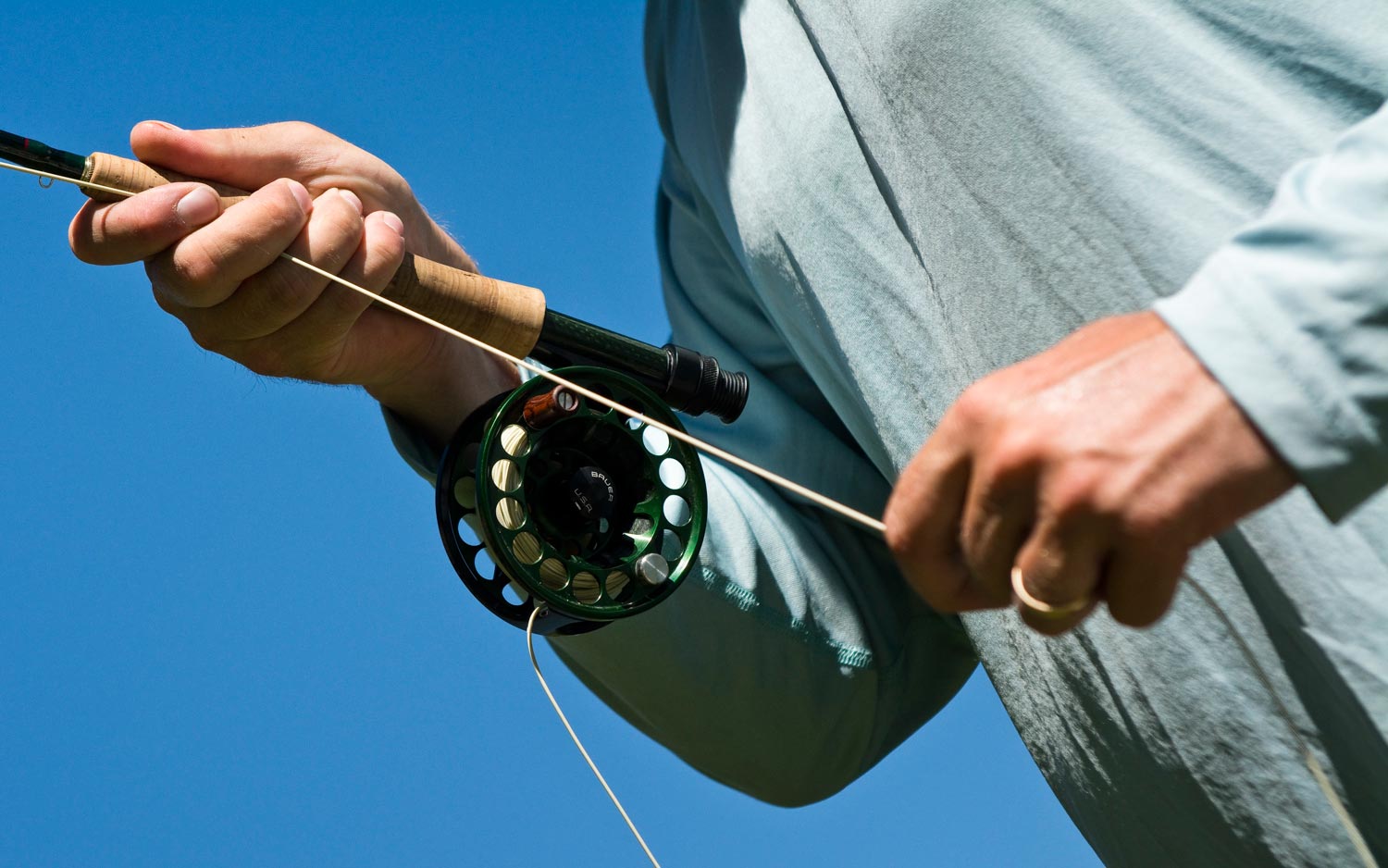
Have you ever set the hook on a fish, and the next thing you know, you’ve got your arms spread apart in the shape of a giant slice of pizza, leaving you unable to reach the fly line with your rod hand? Do not be ashamed if this happens to you every now and then on the water. You’re not alone, I promise. Many fly anglers do this regularly, and the reason they get themselves in this situation is because they’re letting go of the fly line in their rod hand when they set the hook. You can completely eliminate this problem on the water if you make sure you keep a solid grip on the fly line with your rod hand during and after every hook set. Doing so, it will allow you to maintain tension and control of the fish while you’re stripping in fly line or getting that excess fly line on the reel.
I know some of you that have found yourself in this situation have probably used your mouth to hold onto the fly line until you can get your hands back into the correct position. God, I know I have plenty of times.
Read More »Saturday Shoutout / Cody Richardson
By Justin Pickett
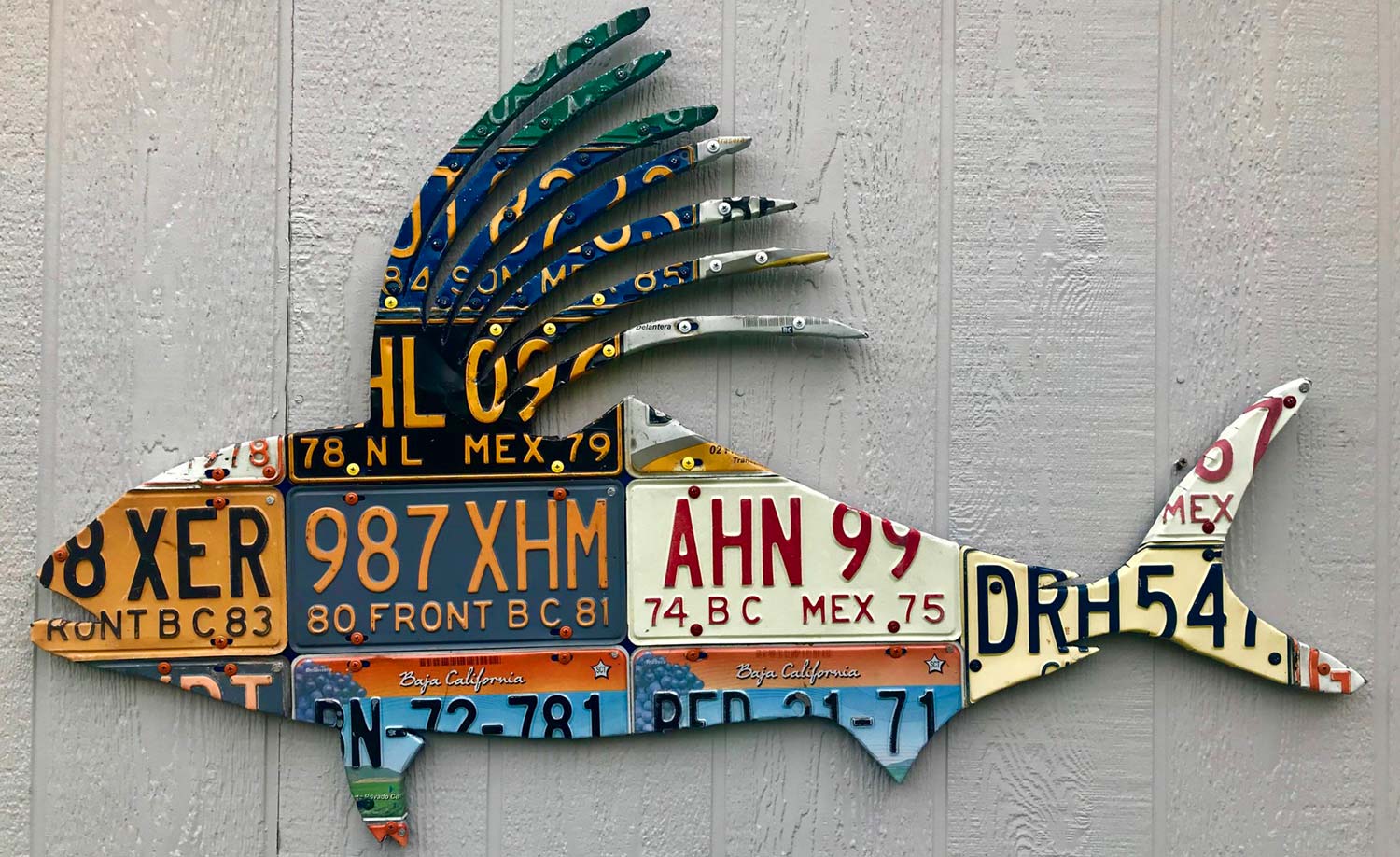
Check out this License Plate Art by Cody Richardson
Cody Richardson travels all over the western hemisphere in search of his next memorable catch, but it’s not just the fish that he is after. Wherever the destination, he always makes sure to carry along a screwdriver in case he happens to find a junkyard full of old cars. Crawling on his hands and knees through mangled metal, Cody harvests some of the most desired, vintage license plates for his custom works of art.
These plates are cut, bent and shaped into the forms of prized catches, such as Tarpon, Permit, Bonefish, Trout, and Steelhead. Each one created from the license plates of the country in which they are sought. Fishing destinations such as Belize, the Bahamas, Cuba and Alaska are known for colorful license plates that, when collaged together, make beautiful, one-of-a-kind pieces that will add fly fishing pizazz to any room.
These unique works are a great way to commemorate a memorable trip to the Florida Keys to chase Tarpon, or to memorialize your first Steelhead. Cody started his art career by creating personal designs at his home for friends and family, but it wasn’t long before his art caught on through local Colorado fly shops, and are now sold in shops around the world.
These amazing works make the perfect gift to spoil yourself, or as a gift for a loved one. Give Cody’s work a look over at www.codysfish.com and catch some of his most recent works on his Instagram account at @codyrichardsonscreations! If you don’t see what you are looking for, be sure to reach out to Cody on his site! With his network of license plate collectors, he’s able to customize your license plate piece to just about any desired species and destination!
CHECK IT OUT!
Read More »Practice Your Fly Casting With A Plan
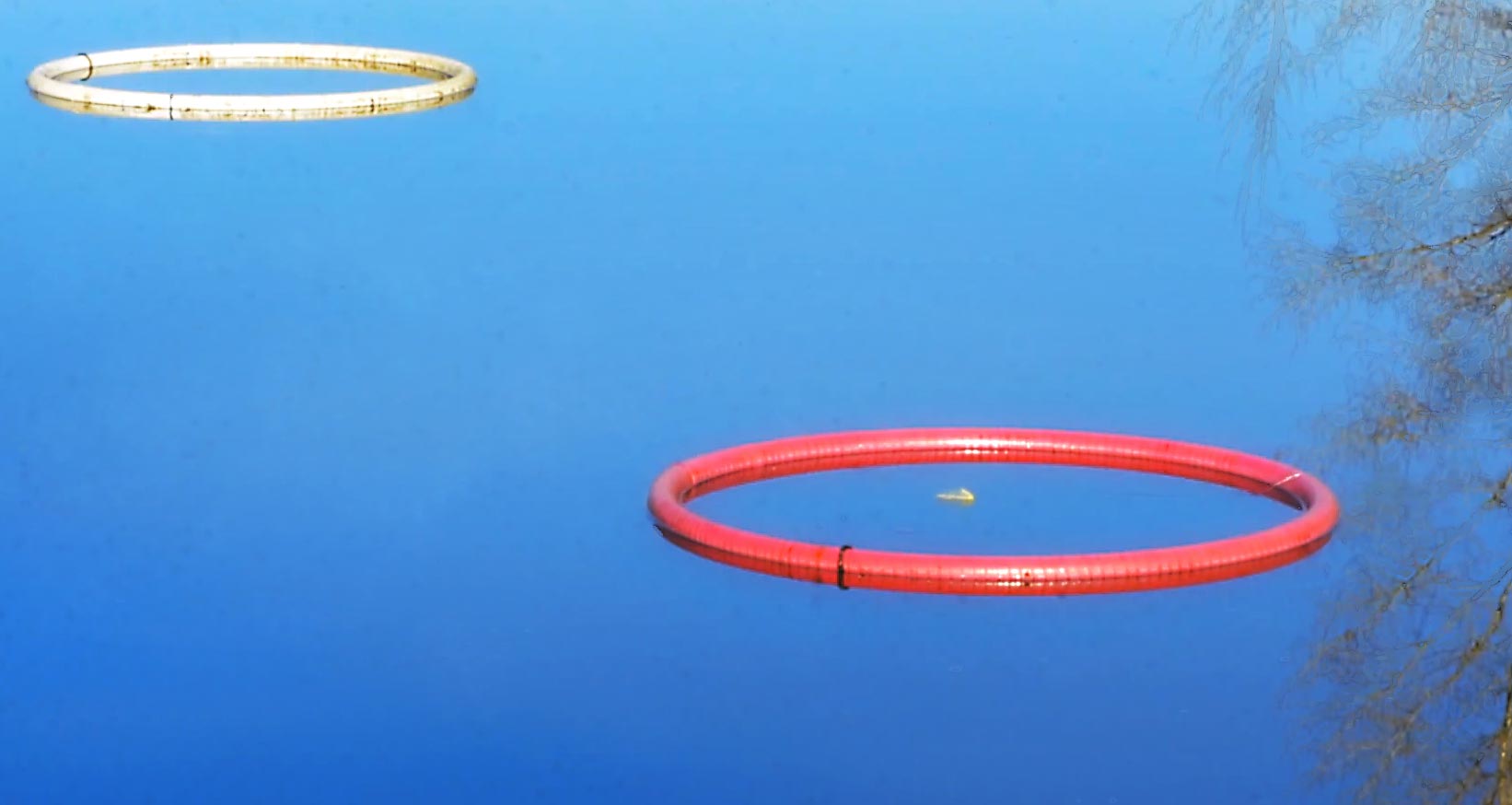
I believe that most fly anglers don’t practice their casting because they don’t really know how.
Most anglers count on fishing time to improve their casting. Fishing and practicing are two very different things and if you are working on your cast while fishing, you’re not doing either one very well. Practicing, without a plan, isn’t that productive either. Simply going out on the lawn and hucking as much line as possible isn’t an effective way to practice. In fact, it can reinforce bad habits.
Of course, if you’re really struggling, the best thing to do is work with a casting instructor. That’s a commitment, so we thought we’d lower the bar and bring the casting instructor to you. I spent an afternoon with champion caster, Tim Rajeff on his casting pond and he shared a simple practice plan that will build skills and reinforce good habits.
WATCH THIS VIDEO AND LEARN TO PRACTICE YOUR FLY CASTING LIKE A PRO.
Read More »Stilt Houses of Texas
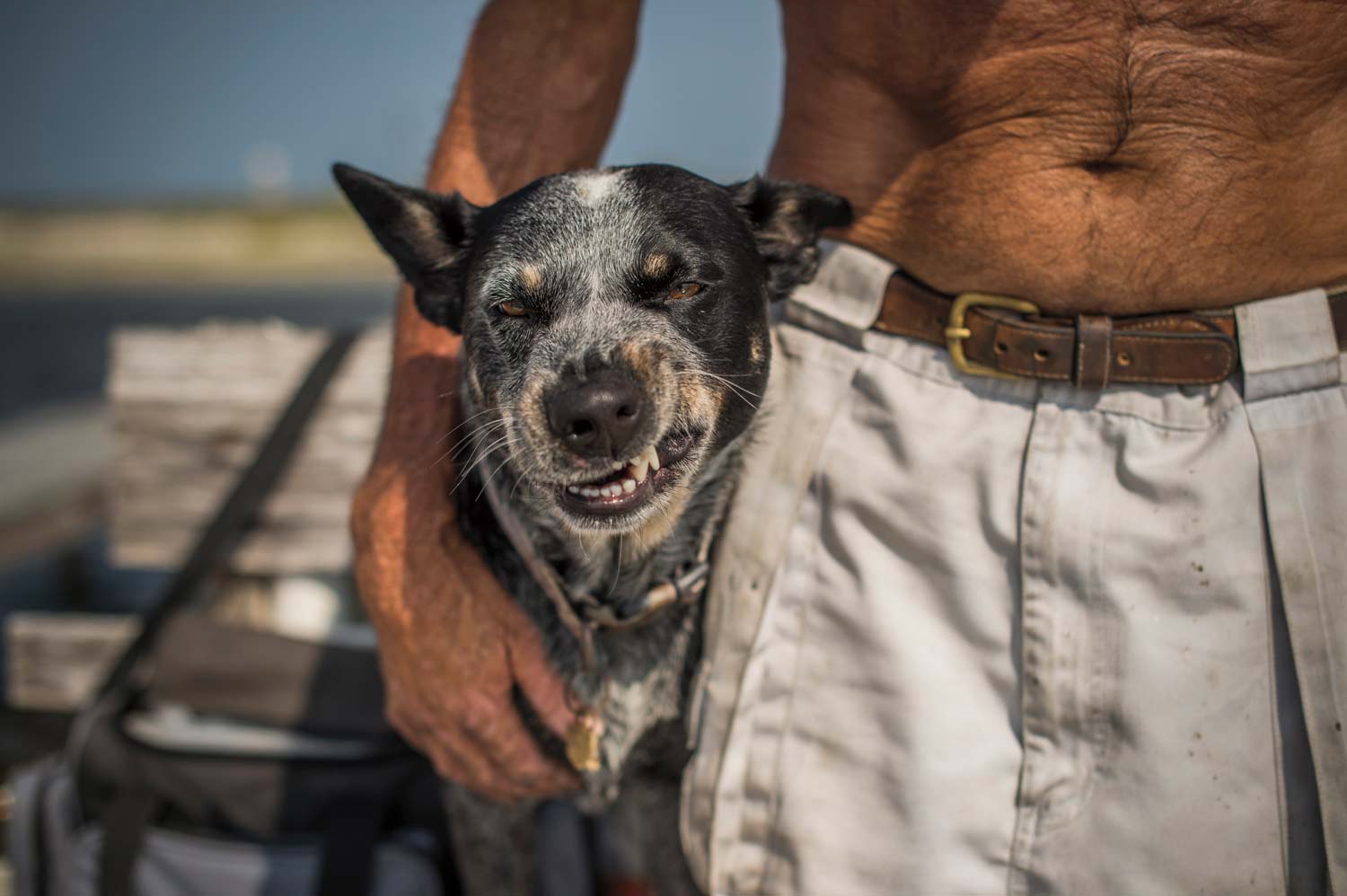
By Louis Cahill Stilt houses of Texas is a unique and beautiful documentary work by one of my favorite photographers. If you fly fish, the odds are good that you know the photographs of Tim Romano. Even if you don’t know him by name, his work is unmistakable and hard to miss. For me at least, Tim’s images are as much a part of the fly fishing culture as moving water. This year, his first coffee table book was published and, if you fish the Texas coast, the imagery will be familiar. The Stilt Houses that dot the Texas coast are a collection of ad-hoc structures built by squatters over the years. Now owned and managed by the state of Texas, these structures host a culture as unique as the buildings themselves. A unique and enduring expression of Texas individualism. Over the past few years Tim has assembled a collection of hundreds of images, which capture this amazing piece of Texas history with insight and detail that will have you tasting the salt air. If you love the Texas coast, this boo will be near to your heart. Enjoy this collection of photos By Tim Romano. You can buy your own copy of Stilt Houses of Texas here. Louis Cahill Gink & Gasoline www.ginkandgasoline.com hookups@ginkandgasoline.com Sign Up For Our Weekly Newsletter!
Read More »Get Slinky With Your Indicator
By Johnny Spillane
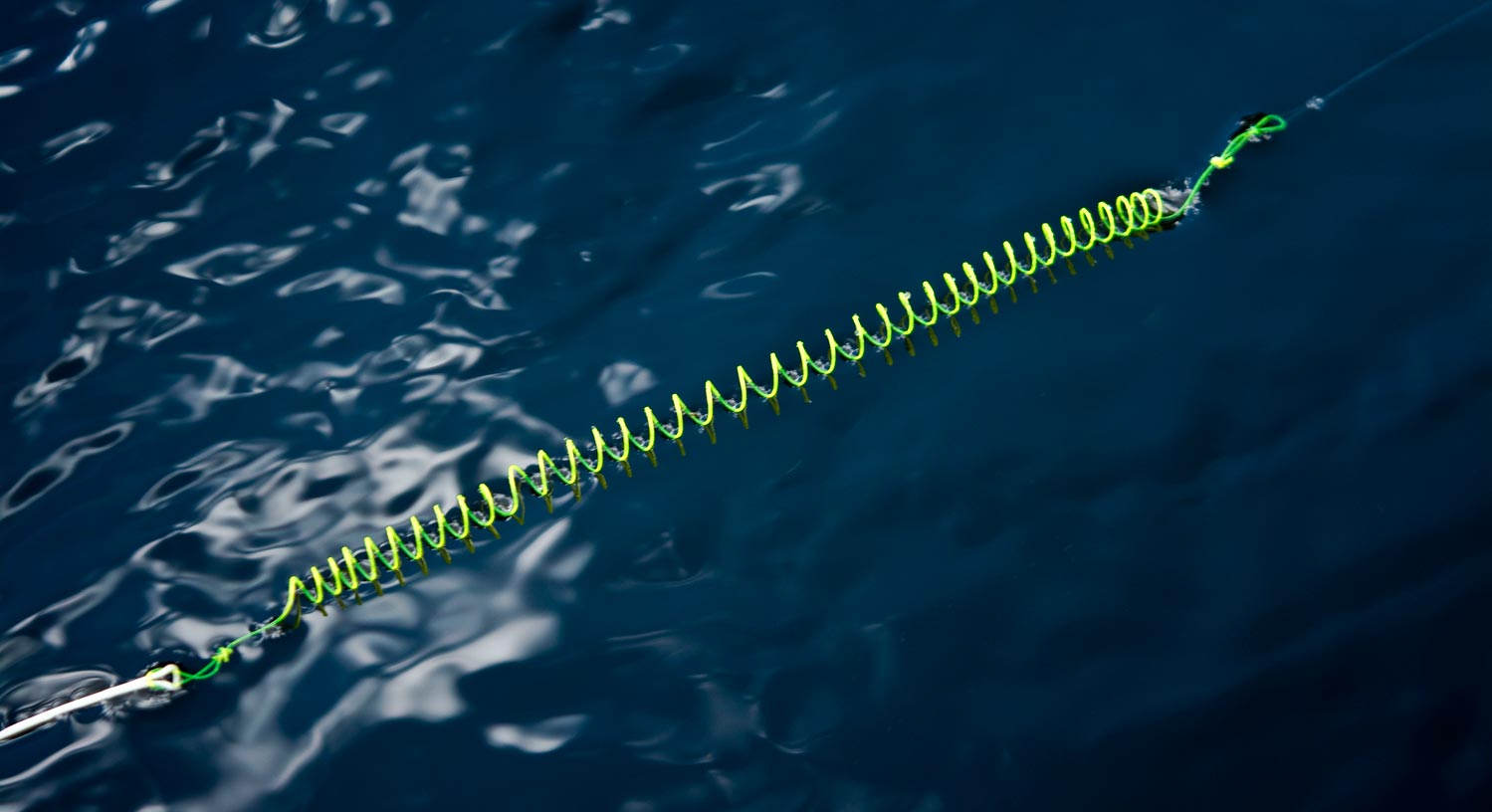
AS WE GET INTO FALL AND FISH ARE BECOMING MORE SELECTIVE AND EATING SMALLER BUGS LIKE TRICOS, FISHING CAN BECOME MORE CHALLENGING. USING A FRENCH SLINKY INDICATOR OR SLINKY INDICATOR CAN BE A GREAT WAY TO HOOK A FEW MORE FISH WHEN THEY ARE BEING ULTRA SELECTIVE OR ULTRA SPOOKY.
I like to use it when fish are in shallow water or they are suspended close to the surface in deep water but not feeding on the surface. Typically, I like to use some sort of dry dropper rig in this situation, but if the fish are being picky and ignoring the flies, it might be because of the larger dry fly used to support the nymphs. They have been seeing that stuff all summer.
Removing it can be a big help, but then you’re stuck with the problem of detecting the strike. A slinky indicator is perfect for that situation. It’s easy for fishermen to see, detects even the subtlest strikes and is very difficult for the fish to see. There is no splash when it hits the water so you can get it in fairly close to fish without spooking them and if you grease it with mucilin it actually floats really well and will support a moderately sized dropper. There are countless other ways to use this rig but this is where I have found it to be the most effective for me.
MAKING THE SLINKY INDICATOR
In order to build the indicator, you’ll need a few things. An empty Bic pen case or something similar, duct tape, 15lb high visibility monofilament and some boiling water.
Cut a two foot section of the mono and tape one end to the pen case leaving a 6- to 8-inch tag and then tightly wrap the mono around the pen 8-15 times depending on how long you want your slinky indicator to be.
Read More »Make Your Next (Or First) Rod Build Epic!
IT’S GIVEAWAY TIME!!!!
PRESENTS AREN’T THE ONLY THING WE WILL BE WRAPPING THIS HOLIDAY SEASON!
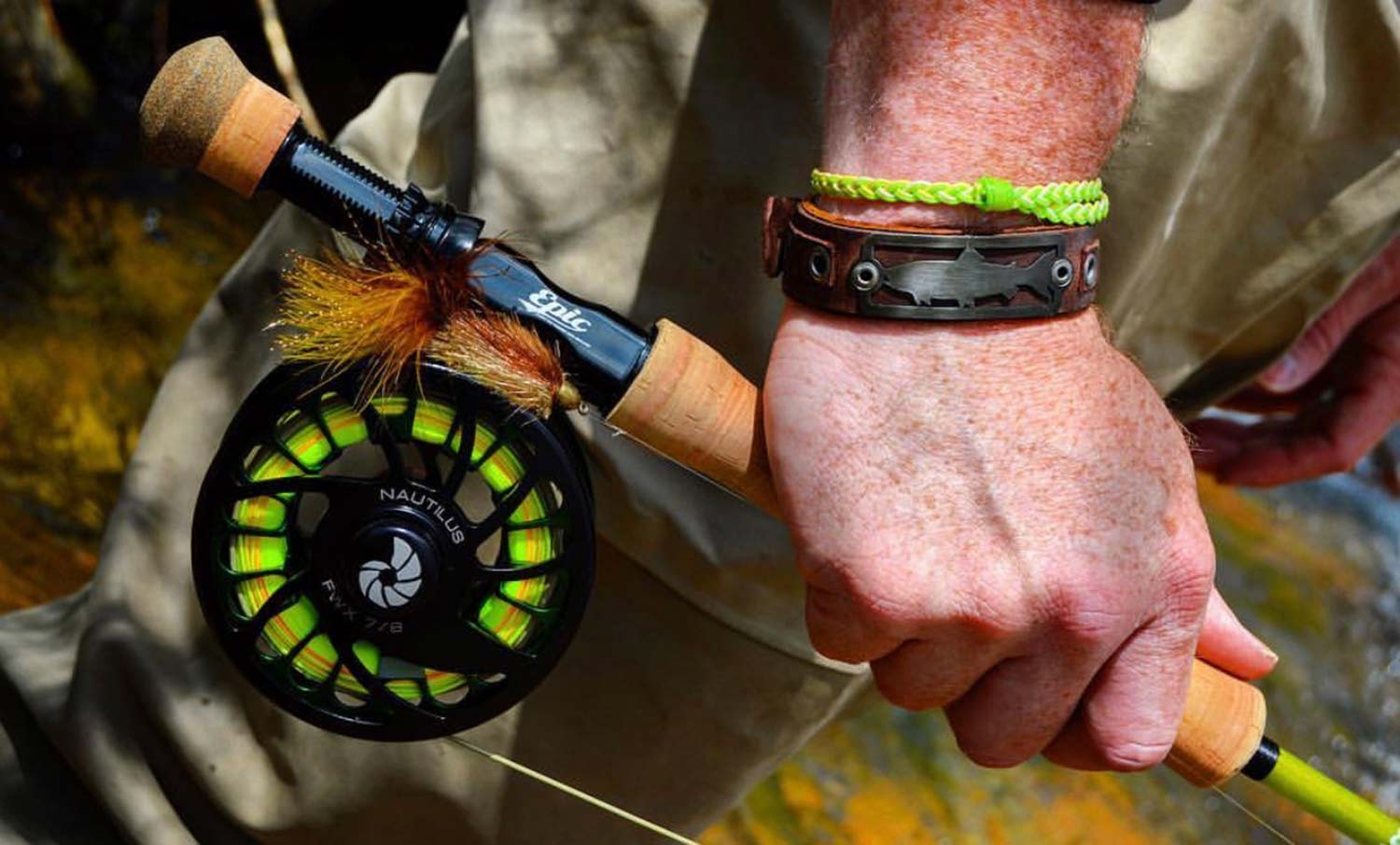
There’s no doubt that Swift Fly Fishing and Epic Fly Rods have made fiberglass sexy again. For years, they have been pumping out high performance fast-glass and getting their Studio Built bendy sticks into the hands of anglers around the world. What’s even more awesome, Swift also offers all of their blanks in their well-appointed Ready To Wrap rod building kits. Each Ready To Wrap kit includes EVERYTHING you need, from the blank to the fighting butt, to build a quality fiberglass fly rod that is sure to put a big ‘ol smile on your face! There is no hunting for supplies or guess work involved. Simply open the box and follow Epic’s detailed 42-page Instruction Manual. They make it super easy, and even more enjoyable! This week I will begin my third Epic Ready To Wrap build with the 370 Olive blank. I will be posting updates of the build on our social media accounts throughout the build, and, on December 24th, one of you lucky anglers will win a Ready To Wrap kit of your choice!
How To Win:
Head over to Instagram and check out today’s post on @ginkandgasoline and hit that “Like” button!
Follow @ginkandgasoline and @swiftflyfishing on Instragram!
Tag three of your fishiest friends!
That’s it! On Decemeber 24th, we will draw a winner at random! It’s like getting an extra, badass Christmas present! Be sure to follow along during the build process as I wrap up my new small stream bug slinger!
In the meantime, be sure to check out these Epic Ready To Wrap kits and more over at www.swiftflyfishing.com! Use code “G&G10” for 10% OFF any purchase throughout the duration of this giveaway!
Good Luck!
Read More »