
A Mark of Permanence, By Justin Watkins
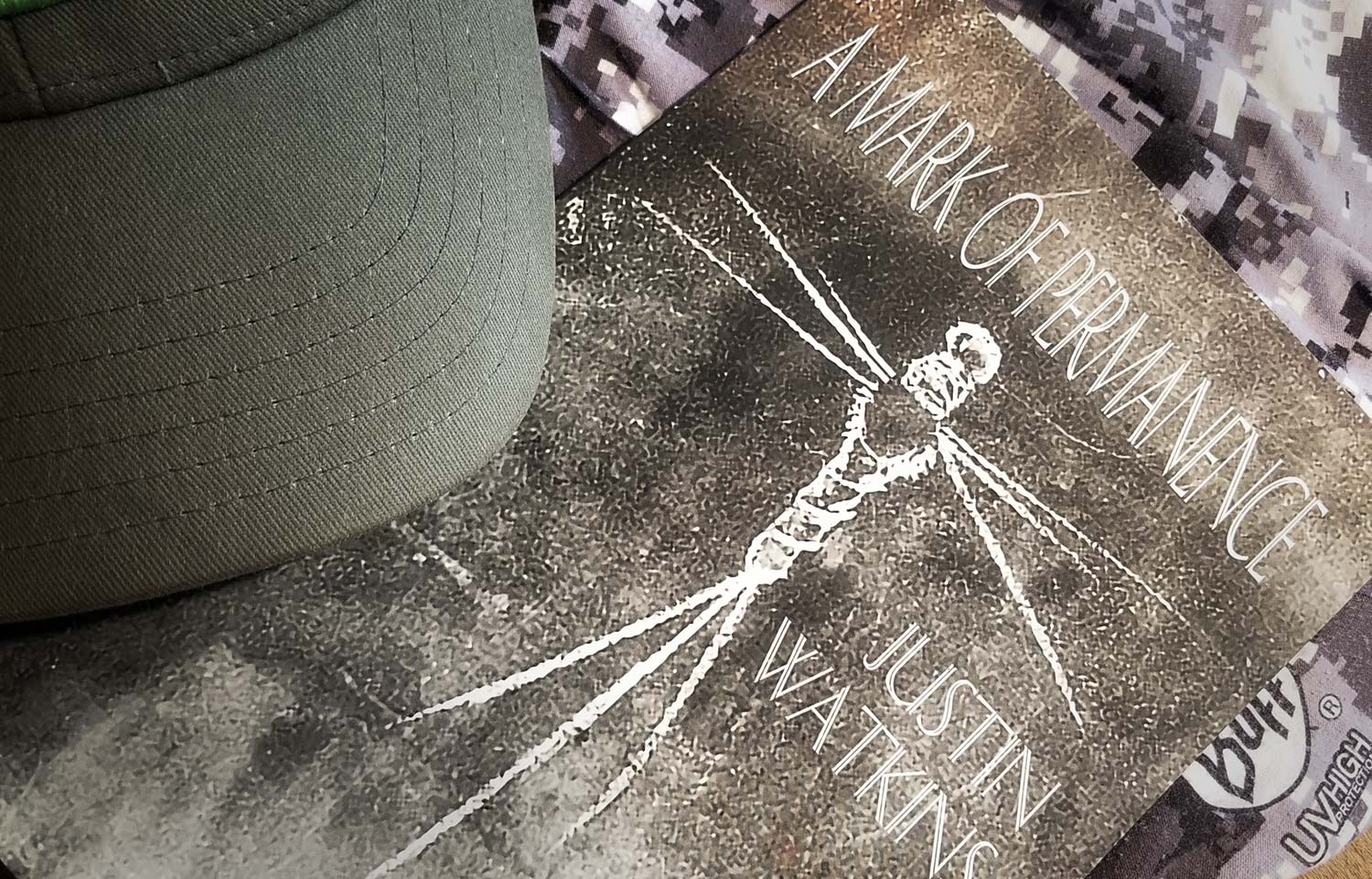
By Dan Frasier
I’ve always been a fan of the work of Justin Watkins.
His blog, https://fishingandthinking.blogspot.com/, where he writes under the pen name “Wendy Berrell”, is a truly special place to read the ruminations of a scientist who sees a value in living life close to the land. Beyond his blog, Justin’s book of poetry “Bottom-Right Corner” from Red Dragonfly Press is a brilliant work of outdoor poetry about life as an outdoorsman in South Eastern Minnesota. So I’ve been a fanboy for a long time.
In his newest book “A Mark of Permanence” published by Shipwreckt books, Justin takes his work to a new level; integrating poetry and his uniquely stark factual prose, Justin has created a series of vignettes into life being lived in modern Minnesota as it was lived centuries ago. His deep respect for the quarry in his tales along with the land and water they live in shines through like rays of sun through a dark grey cloudy ceiling. Yet Justin achieves this feat without flowery language or high-minded soliloquies. Instead, he tells you the facts like they are and lets the overwhelming reality of just how interconnected we are with the world around us speak for itself.
I think nothing better exemplifies this amazing talent of Justin’s than 2 stanzas in the poem “The Hidden Flat”
Read More »6 Easy Tips to Help Fly Anglers Catch Educated Trout
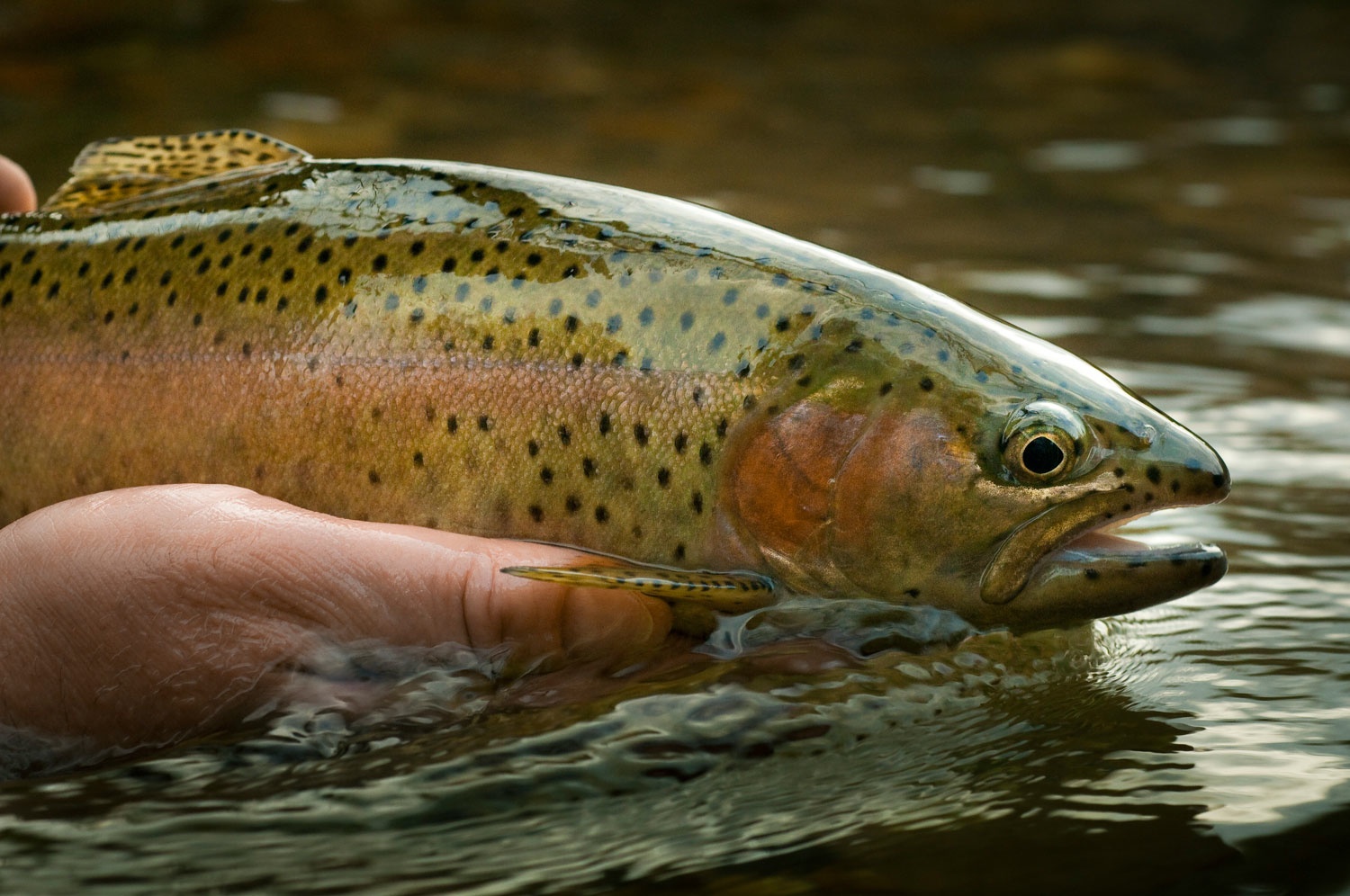
Back in 2012, I wrote an article titled “The Best Way to Improve Your Trout Game” which talked about how beneficial it was for fly fishermen to not shy away from fishing technical trout water. And that the increased challenges of such water was one of the best ways for anglers to take their fly fishing skills to the next level. Today’s article is sort of going to be a complimentary piece that falls into the same category. Specifically, I’m going to provide 6 easy tips that fly anglers of all skill levels can use to help them be more effective at catching educated trout.
Read More »Katadyn Be Free Filter Bottle Review
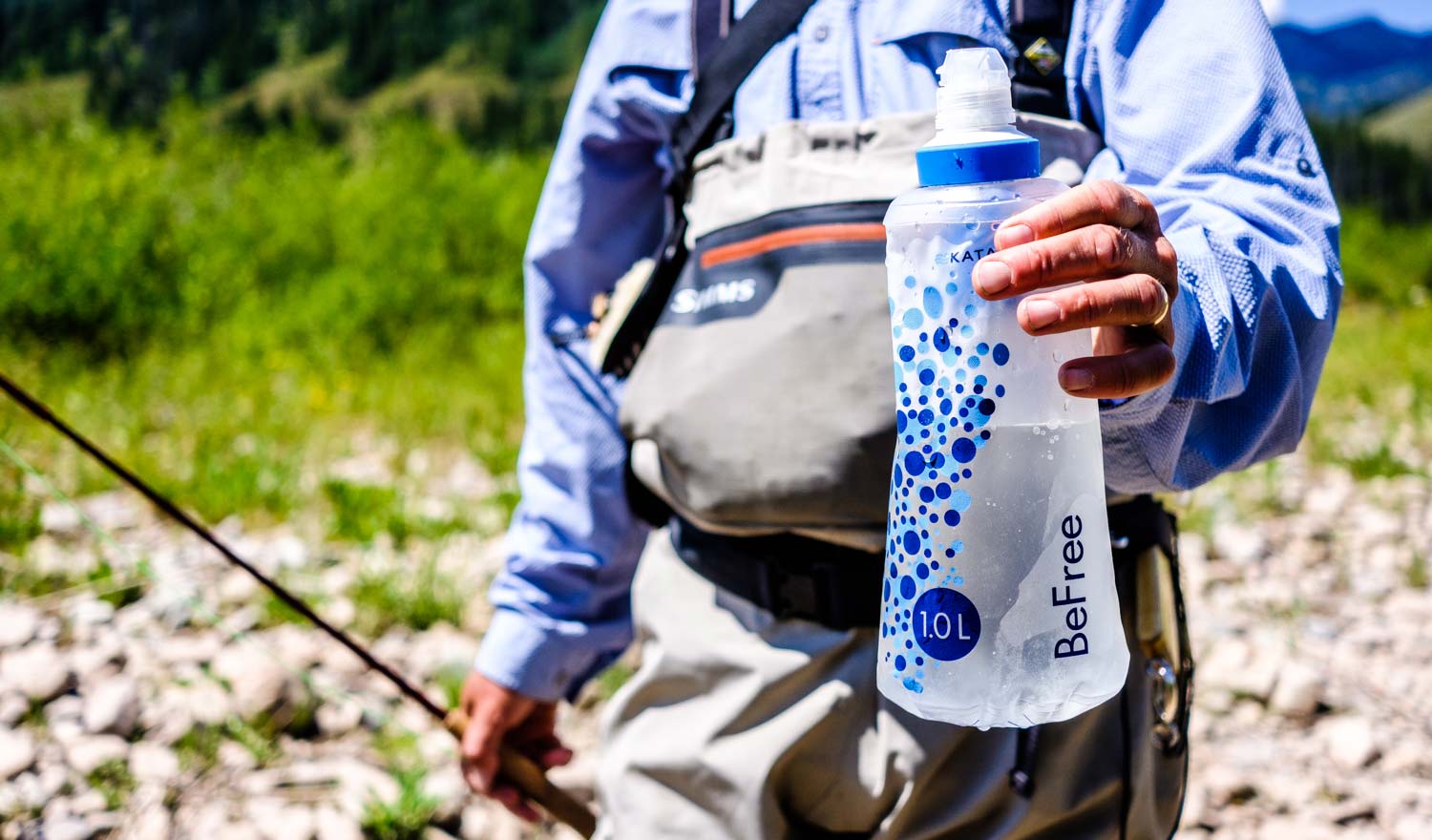
The Katadyn Be Free is the best water filtration system I have ever used.
I think the two most miserable experiences you can have while fishing are being dehydrated and carrying water. Nothing seems more pointless than carrying a lot of extra water weight, while you’re standing knee deep in the stuff. You have to hydrate some how, and that’s why I’ve been a big fan of filter bottles since they first appeared on the market.
I’ve carried Katadyn filter bottles for a long time and always been extremely happy with their performance. That is to say that I have never been sick from drinking filtered water from one. That has pretty much been where the satisfaction bar has been set, until recently. When I discovered the Be Free, that all changed.
The Be Free still meets the “no sick” standard but it makes a couple of huge improvements that i know can’t imagine living without.
The biggest and most immediately recognizable difference between the Be Free and other filter bottles is it isn’t actually a bottle. It’s a filter attached to a flexible bladder. That means that, when it’s empty, you can crush it and stick it anywhere. A pocket, a fishing pack, or just down your waders. It weighs just about nothing.
The Be Free also has the most efficient flow rate of any filter I’ve used. This, combined with the fact that
Read More »Sunday Classic / 3 Tips for Swinging Flies for Trout & Other Species

A couple weeks back, for one of my Saturday Shoutouts, I showcased a great fly fishing article on MidCurrent titled, Beyond the Swing by John Likakis. It was a fly fishing techniques piece packed with tons of information about the how-tos of swinging flies. It’s a great read for any angler wanting to become more competent and effective at swinging flies for trout and other species. If you happened to miss reading this one, please check it out after today’s post. After I read John’s article, it inspired me to share three swinging fly tips of my own. Each tip is meant to help the anglers out there who’ve just recently started swinging flies on the water.
Read More »Saturday Shoutout / Vokey and Bartschi
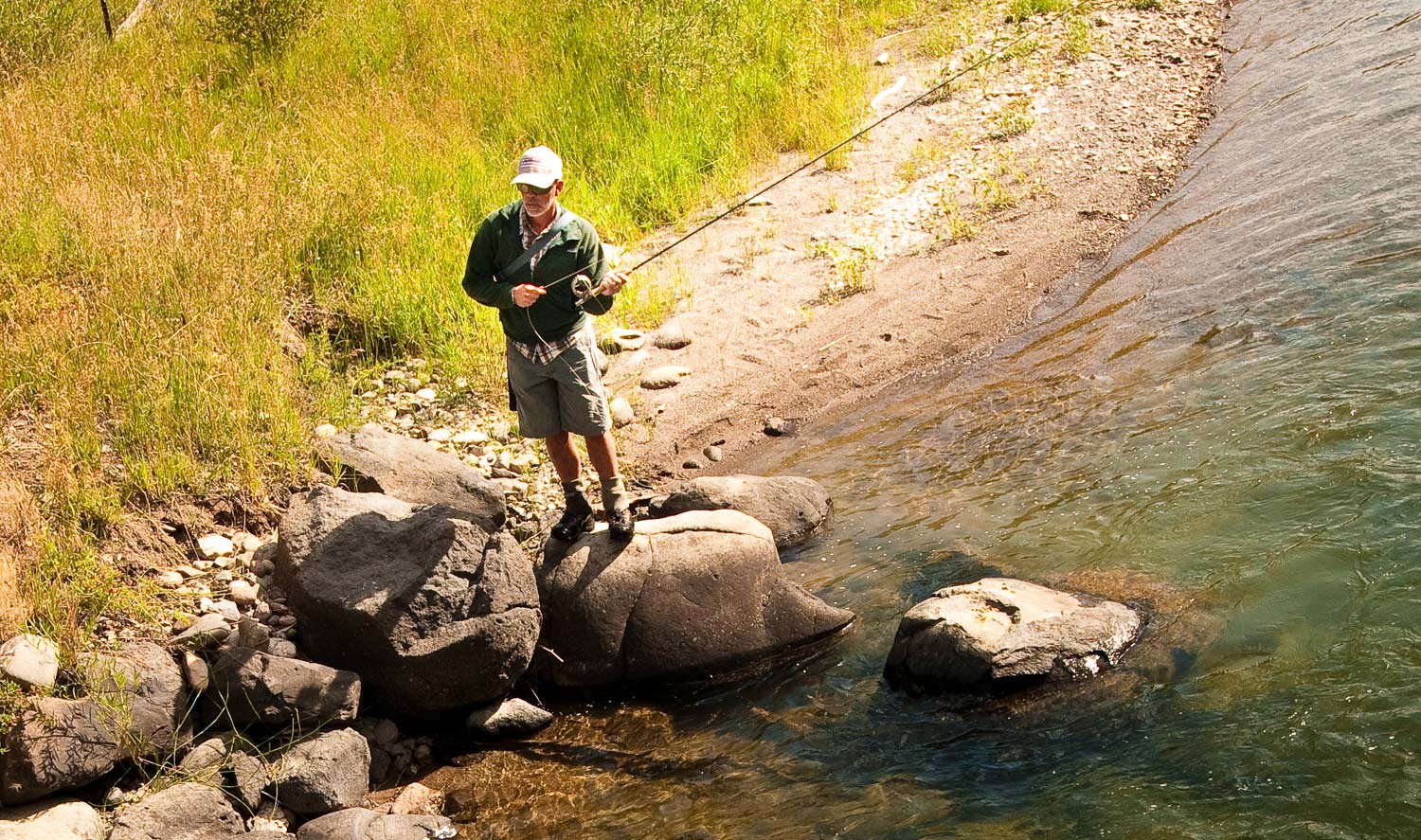
A GREAT CONVERSATION BETWEEN APRIL VOKEY AND JIM BARTSCHI, OF SCOTT FLY RODS.
I think April hits the nail on the head, Jim Bartschi is kind of the invisible man of fly fishing. Which is interesting, considering he is one of the greatest rod designers of all time. It would be very easy for him to let his ego run. Instead, he is a very rare mix. An incredibly humble guy, who knows exactly what he thinks and makes no bones about it. When Jim does talk, it’s wise to listen.
I always enjoy April’s interviews. This one especially. It’s cool to hear Jim open up and talk about his own history and the history of Scott. Take a few minutes and get to know the man behind the Scott rods.
Vokey and Bartschi
Read More »Do fish dream?
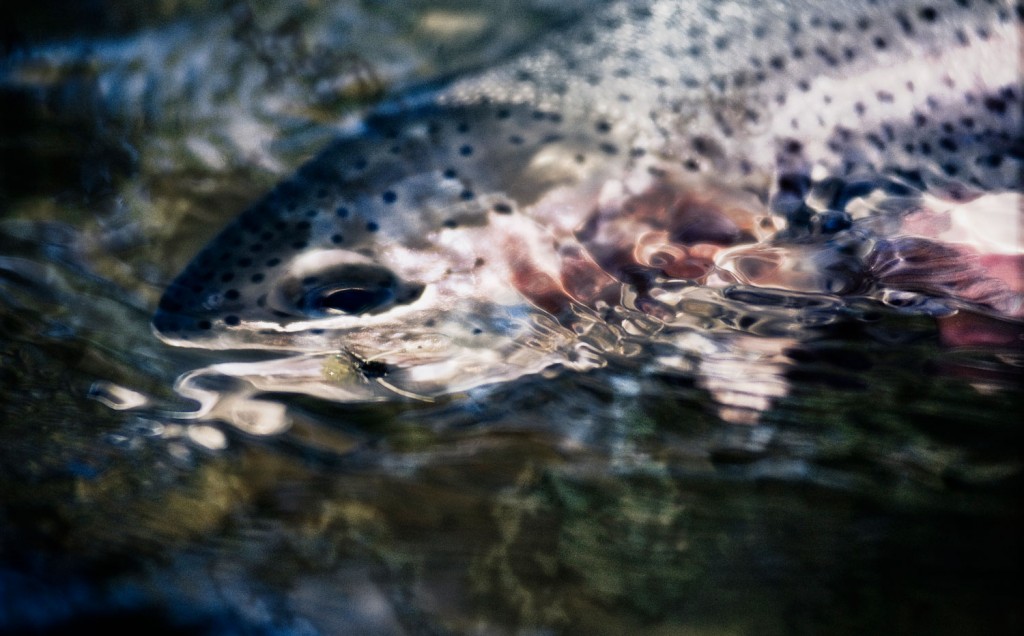
AH, THERE’S THE RUB, FOR WHAT DREAMS MAY COME IN THAT SLEEP OF FISH?
Have you ever been sight fishing to a nice fish and not gotten so much as a look at your fly? The fish just sat quietly finning as your fly drifted inches from its nose, like it was asleep. It may have been.
Do fish sleep? Undoubtedly. That’s a scientific fact that is well documented. They don’t sleep like we do and, in fact, different species of fish have very different ways of sleeping. Some sleep at night, some during the day and some are nappers. Some swim while asleep and some sleep so soundly that you can hold them in your hand without waking them.
Tuna, for example, rest motionless at night, suspended in the water. Bass and perch will sleep under or on top of logs. Reef fish seek refuge in crevices. Parrotfish build a cocoon of mucus in which to sleep. That sounds nasty, but maybe that’s the point. I wouldn’t eat something wrapped in mucus. Would you?
Although different fishes have different sleep habits they have a lot in common. Fish don’t have eye lids so they don’t exactly get shut eye. Their muscles relax, their breathing and heart rate slow, they become to some degree immobile and less sensitive to external stimuli. They also, to some extent, lose consciousness.
Fish do not live in as safe a world as we do and sleeping can be a risky proposition. For that reason most fish are never completely unconscious. Their brains sleep in shifts, resting different systems at different times. Shutting down nonessential bodily functions for periods of time. I imagine it’s much like day dreaming. Like when your brain is back on the beach in the Bahamas while your body seems to be looking over spread sheets at your desk. You’re not fully aware of your surroundings but alert enough to figure out that the sound you hear is your boss clearing his throat.
But what about those dreams? I’m not aware of any scientific studies about fish dreams. I do, however, have a case for their likely existence. Bear with me, this requires a huge and very unscientific leap. Let’s assume, for the minute, that a fish’s brain has some similar wiring to our own.
Read More »Epic Fly Rod Kit Winner
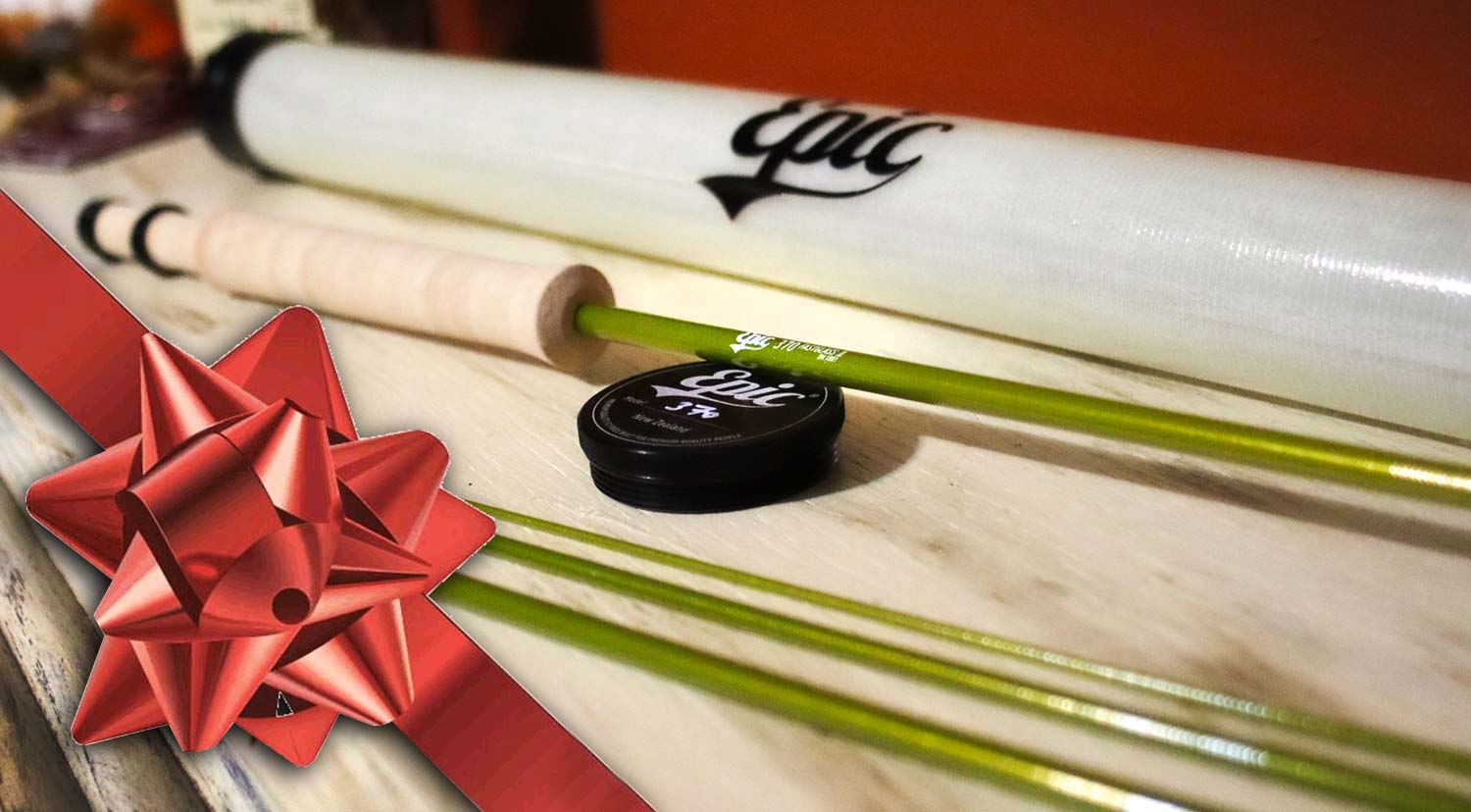
And the Winner of The Epic Giveaway is…..
We hope each and every one of you are enjoying your Christmas Eve! Thank you to those of you who participated in our latest giveaway!
One of our followers is about to get an early Christmas present that would surely put a grin on any on Scrooge’s mug!
CONGRATS TO @CUTTHROAT.CAMARADERIE
We will be reaching out to you soon so we can get some details from you. You will be wrapping up your very own Epic fly rod soon!
A big Thank You goes out to Swift Fly Fishing for teaming up with Gink and Gasoline on this awesome Epic Ready To Wrap giveaway!
Another huge Thank You also goes out to all of you, our readers and followers! We couldn’t possibly do what we do without your support! We hope you and your families have a wonderful Christmas and Happy New Year!
Read More »Sunday Classic / 2 Common Mistakes That Break Fly Rods While Fighting Fish
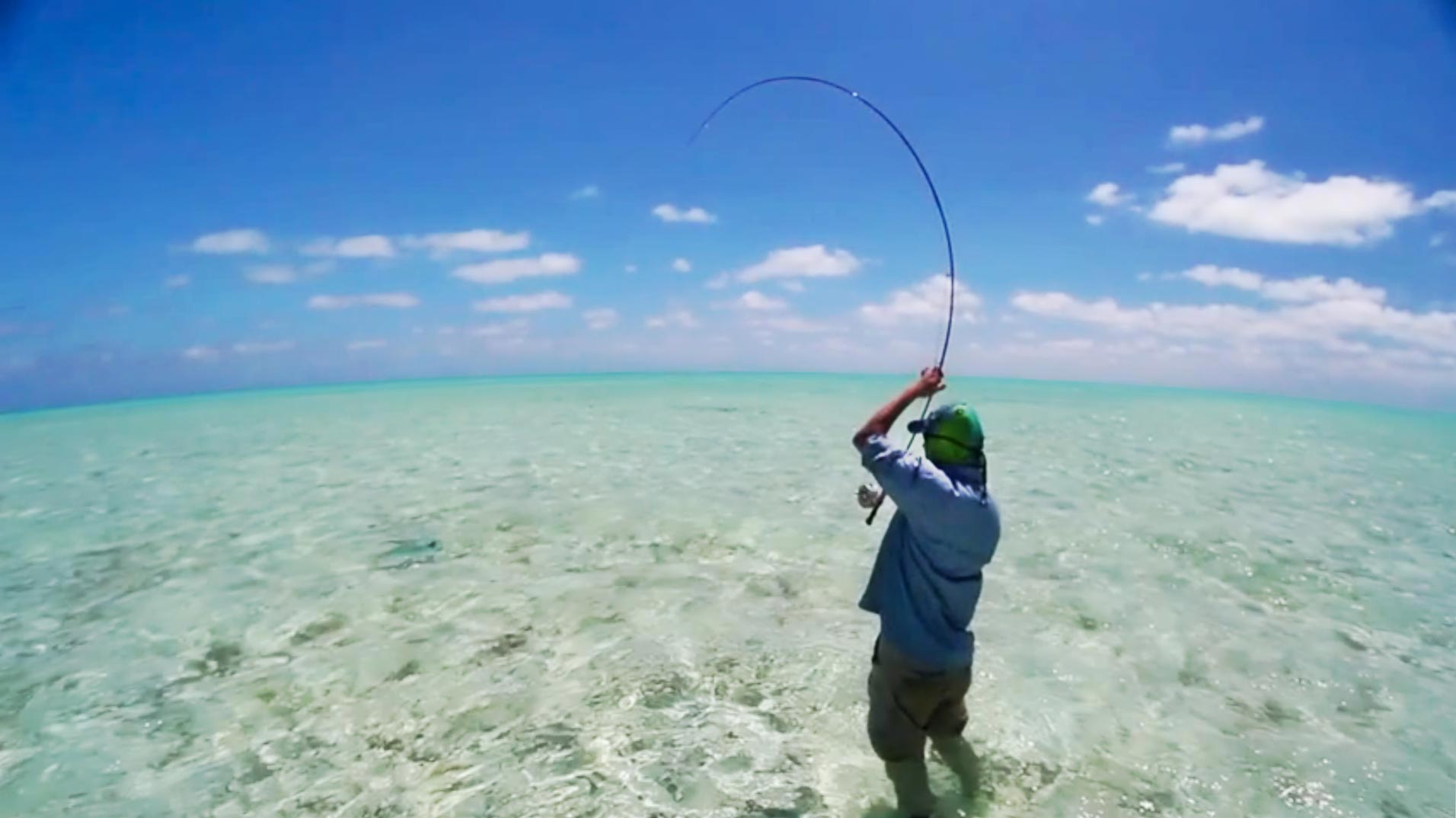
DO YOU EVER TALK BACK TO THE SCREEN?
I watched a video the other day of a guy fighting a permit down in Cuba. The whole time I kept yelling, “You’re gonna break your F-ing rod!” Sure enough, with the permit at his feet, the rod snapped. The fellow grabbed his leader and landed the fish but the damage was done. It didn’t have to end that way.
So Dude, if you’re reading this, I apologize for calling you out but that fish didn’t break your rod, you did. You made two basic mistakes that I see anglers make all the time, so I’m going to use you as an example. Look at it this way, you’re going to save a lot of fly rods and at least yours didn’t die in vain.
Here are the two most common mistakes that cause rods to break while fighting fish and how to avoid them.
Read More »Saturday Shoutout / Columbia Gold
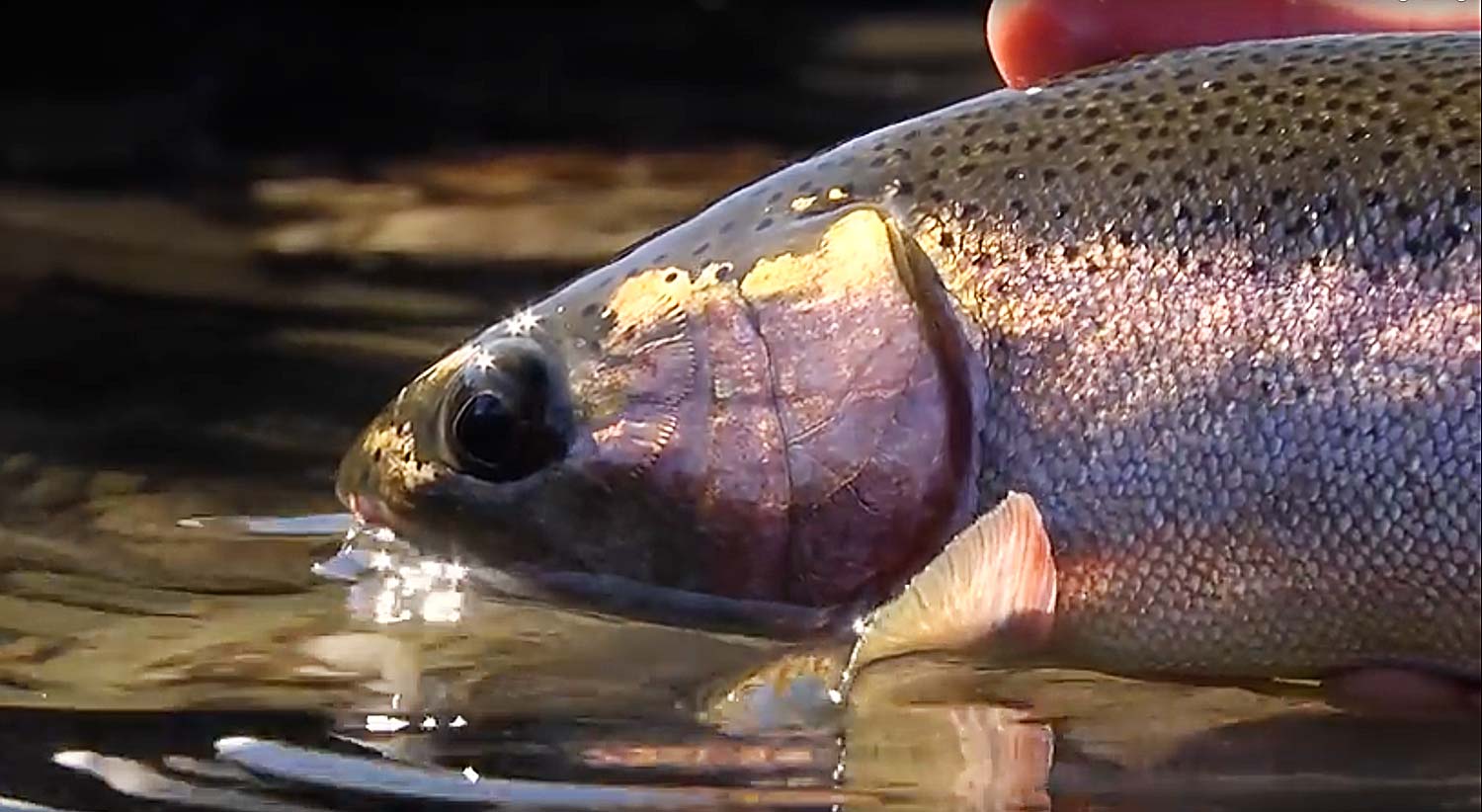
Beautiful rainbow trout on the upper Columbia river near British Columbia.
This great film, by Todd Moen of Catch Magazine, features skiing guide Lel Tone and, one of my favorite people, Andrew Bennett as they chase big rainbows with dry flies and spey rods. You here a lot about steelhead in Washington, but it’s really cool to see some of the quality trout fishing they have there. Take a few minutes and enjoy this beautiful video.
FLY FISHING THE COLUMBIA
Read More »Pro Bands
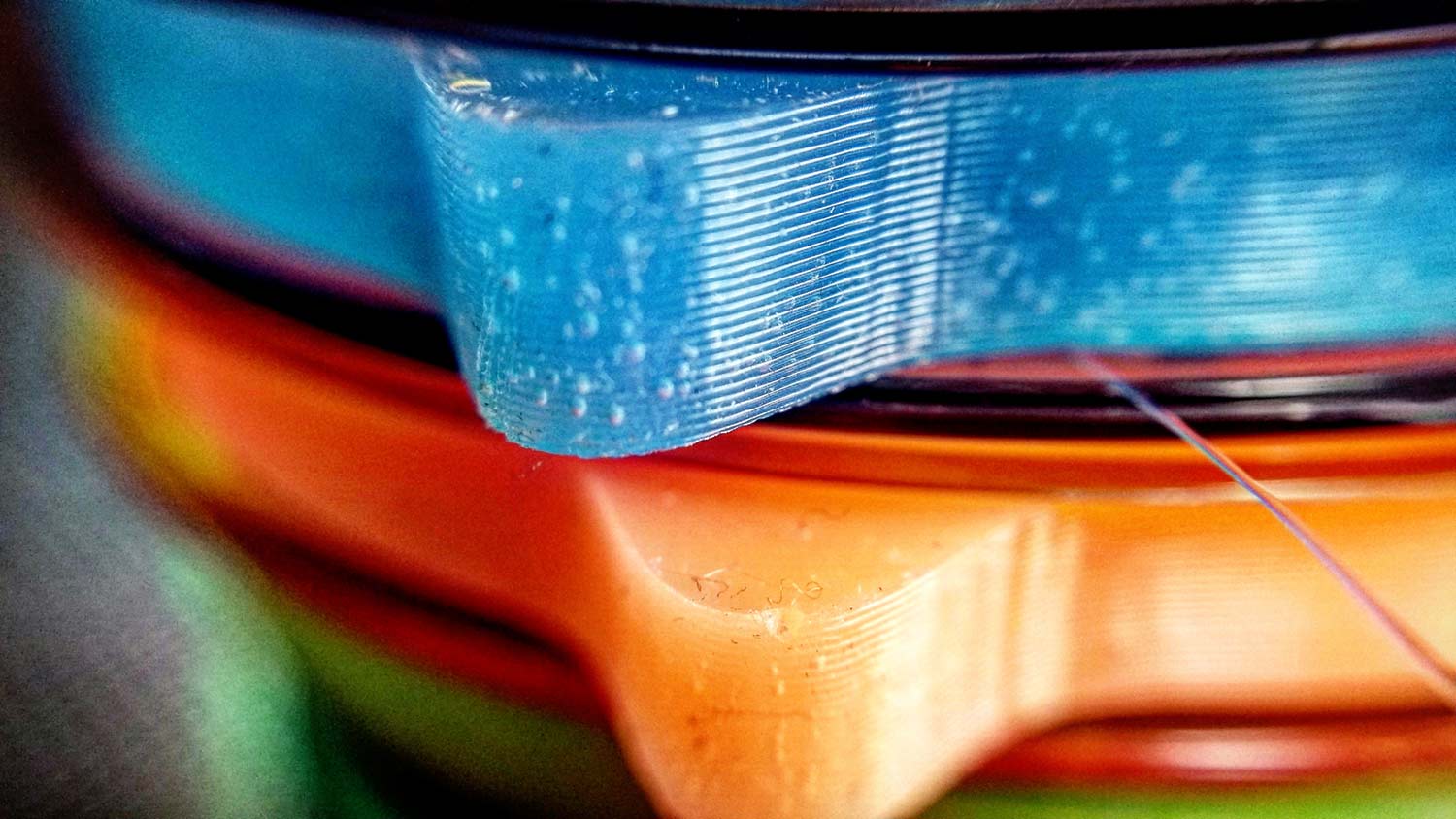
By Bob Reece
I love simple products that solve legitimate problems.
A couple months ago I wrote a post on the struggles of tippet spools. Since then, I came across a product that provides a long term solution to some of those issues and more.
During my guiding days each year, I use up countless meters of tippet. During the numerous reaches to my spools each day, there is one frequent hassle that arises. The free end of the tippet escapes the metal O-ring of the elastic band. My tippet then becomes hidden or exposed to the cutter that is built into the spool. A new product called Pro Bands, solves this problem. These one piece silicone bands are designed to fit snuggly around your tippet spools. Different sizes are available for the different brands of tippet. The bands do not slide, slip or rotate around the spool. By replacing the traditional elastic band, the free end of the tippet is held on the side of the spool opposite the built in cutter. The grip of the silicone ensures that it remains on that side for all subsequent uses throughout the life of the spool.
In addition to their holding power, Pro Bands protect the tippet from both water and UV radiation. This prevents rotting and breakdown of the material. Unlike elastic bands, the Pro Band itself does not stretch or loosen with use. This fact allows anglers to use the same set of Pro Bands continuously as spools are used and replaced.
Their multicolored design allows for easy organization. By placing
Read More »