
Saturday Shoutout / Stranger Things
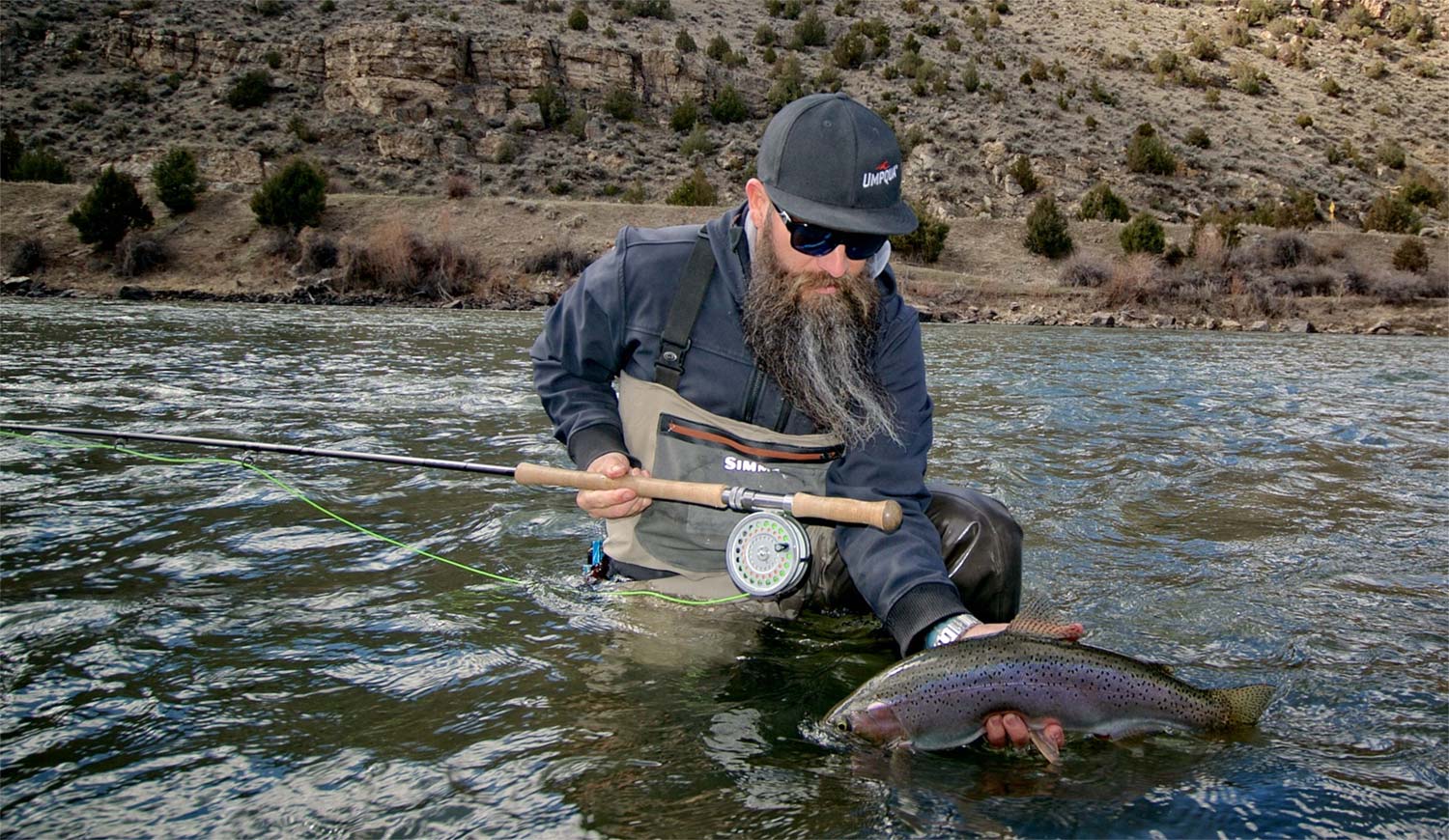
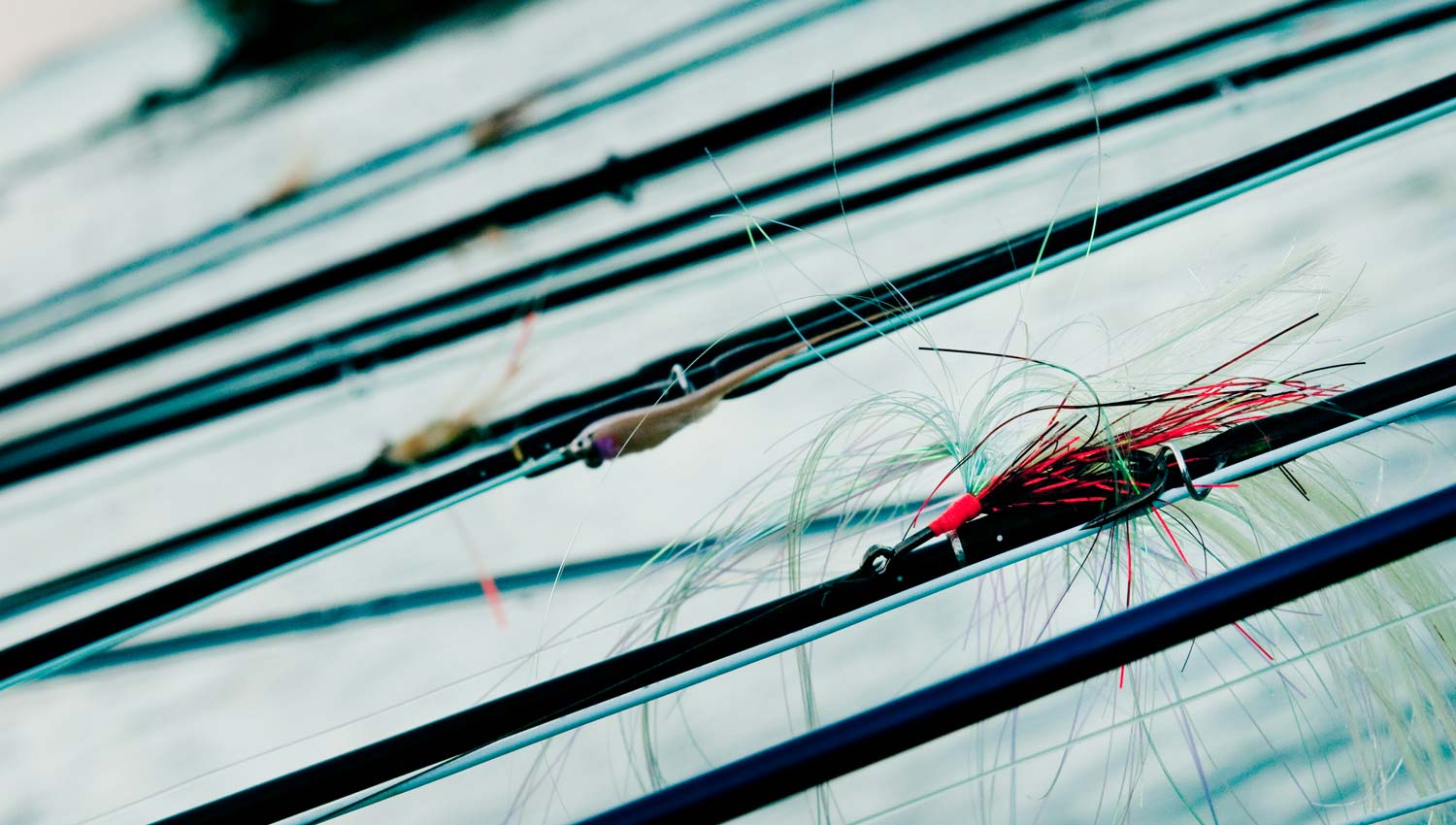
This new streamer pattern from Andrew Grillos gets the job done.
I’ve known Andrew for about a decade and I learned pretty quickly to pay attention to what comes out of his fly box. Patterns like the Hippy Stomper, Party Animal and Bob Gnarly are epic producers and when I heard he had a new streamer pattern, I was all ears.
The Stranger Thing is a wiggley, fishy looking creation, newly available from Umpqua. Although I haven’t pined Andrew down on it, I assume the name comes from the TV show. When Grillos shaves his beard, he bares a striking resemblance to Gaten Matarazzo, on of the stars.
Our buddy and contributor Brian Kozminski has done a great writeup and step-by-stem on tying the Stranger Thing over at True North Trout. Check it out and put a few Stranger Things in your box. There’s no telling what scary creatures will come out after it.
Andrew Grillos will be Teaching a tying class at Trout’s Fly Fishing in Denver on March 16th 2019. If you are in the area, you should check it out. Andrew’s skills are crazy and he’s the nicest guy you’ll ever meet. More info here.
TIE THE STRANGER THING STREAMER
Read More »Cataract Surgery Update And Smith Optics Giveaway
By Louis Cahill
I’m half way through the process of replacing my eye’s natural lenses and doing well. Here’s an update and a fun way for you to win a pair of Smith Optics fishing glasses.
First, let me say thanks for all of the well wishes I’v received from friends and readers. It’s been awfully nice hearing from all of you and knowing you’re pulling for me. Thanks you!
If you are not into the update, just scroll down to the contest.
My hope in writing about my experience with cataract surgery is to help inform those of you who might be considering it. Hopefully it will help you know what to expect and maybe make a more informed decision about your eye care. I’m not a doctor or an expert, just a guy going through a pretty common procedure thats a little frightening and mysterious.
I talked to a lot of people who have had interocular lens replacement before I decided to have it done. Having made my living as a photographer my whole life, I was extremely nervous about it. The procedure is not without risk and it’s not a decision to take lightly. I was pretty unhappy about how my vision was effecting my fly fishing and my photography, but after a couple of close calls driving, I knew I couldn’t put it off any longer. Thank God it is a problem with a solution.
Once I decided to have the surgery, the first step was choosing a doctor. I talked to a lot of folks who’d had the surgery and a couple of names kept coming up. I googled each doctor and read reviews, then talked to a couple. It was important to me to find a doctor I felt I connected with. I was very impressed with Dr Trevor Woodham. I met with him twice before moving forward and he was extremely patient. We talked in depth about how I use my eyes, including more than he probably wanted to know about bonefishing. He helped me choose lenses I’d be happy with.
I had never thought about having options for my new lenses.
I’m glad I took the time to understand the differences. I chose a very nice accommodating lens, designed to focus like natural lenses. They were expensive and not covered by insurance, and it was a short term sacrifice paying for them, but I wasn’t about to go cheap on my eyes.
The procedure is said to have a 98% success rate. I don’t like odds, not where surgery is involved, and I quickly thought about all of the times I’ve been in the 2% in my life. After doing some research, it seems that 98% figure might be misleading. I now think of it as a 2% chance that something might go wrong. Some of those somethings are worse than others and many are fixable. It seems that the chances of something catastrophic happening are more like one in several thousand. That made me feel better.
The procedure itself was a surreal experience.
Read More »Bonefish Beginner
By Bob Reece
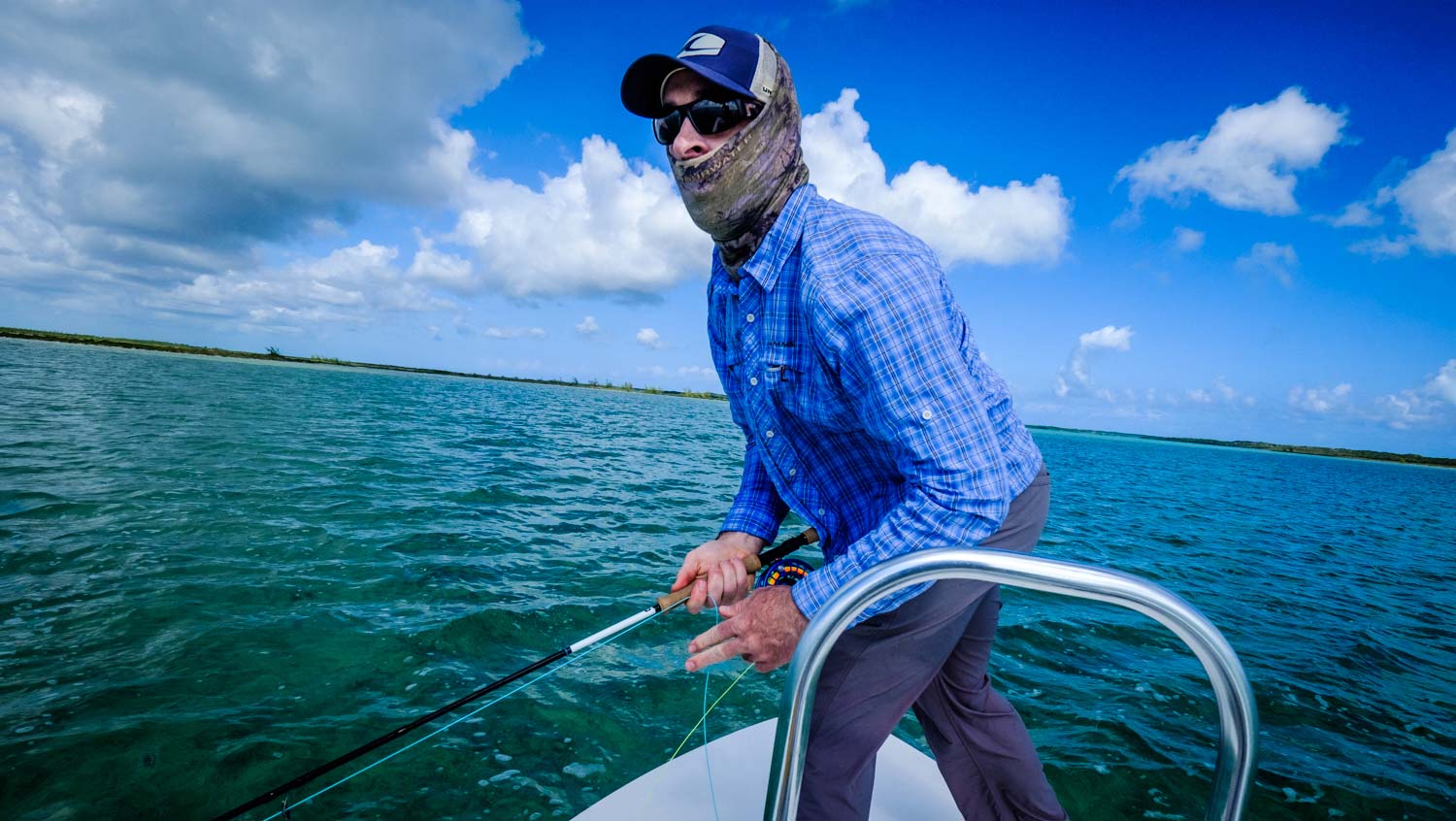
After twenty five years of fly fishing for freshwater species, I recently threw my first casts into salt water.
As is always the case, hindsight is 20/20. While I had plenty of success, there are several things that I wish I would have done prior to my first saltwater trip.
I’ve always been a huge proponent of practicing your casting. Throughout my time guiding freshwater trips, it is consistently one of the most common elements that holds anglers back from having greater success. While I did practice a handful of times prior to my trip, I should have practiced more. I’m a confident caster with lighter weight rods, but never having cast an eight or nine weight left me lacking the muscle memory of working with a heavier rod. As part of this practice, it cannot be overstated how important it is to have the ability to effectively present the fly with a backhand cast.
In addition to the casting itself, I wish I would have practiced my footwork. In the vast majority of freshwater situations, we as anglers target slowly cruising or posted up feeding fish. The rapid directional change by the bonefish was a drastic difference from any other fly fishing experience that I’ve had. The need to change the path of my line and body position mid cast challenged me. Extra practice time with this factor would have helped take advantage of opportunities that I missed.
As a newby to salt water flies, I had no idea what I was doing in this category. I phoned a friend.
Read More »Sunday Classic / 3 Tips For Fly Fishing Kung Fu
WE ALL KNOW THE CHINESE PHRASE KUNG FU, BUT FEW OF US KNOW IT’S TRANSLATION. KUNG = ENERGY AND FU = TIME. TO PUT ENERGY INTO ANYTHING OVER TIME IS TO DEVELOP KUNG FU.
I love to teach fly fishing. I do it every chance I get and I see folks wrestle time and again with the same three issues. I can remember being there myself and it sucks! Three things that seem so simple to me now just about cost me my sanity. I’d like to spare you that. If you are new to fly fishing for trout following these three suggestions will not only put you on more fish, but it will accelerate your learning curve dramatically.
Here are the three things that come between every new angler and the fish they want to catch.
PRACTICE YOUR CASTING
The first, most basic skill an angler needs is the ability to put the fly in front of the fish. This means, not only distance but accuracy as well. There have been a truck load of books written about fly casting and there will be a truck load more but there is nothing in any of them that can replace time spent with the rod in hand. That really is the trick. Time plus energy. Set aside a time, just ten or fifteen minutes a day, for the next year and spend that time casting in the yard. Every day! In a year you will cast like a Grand Master.
Saturday Shoutout / Orvis On Demand
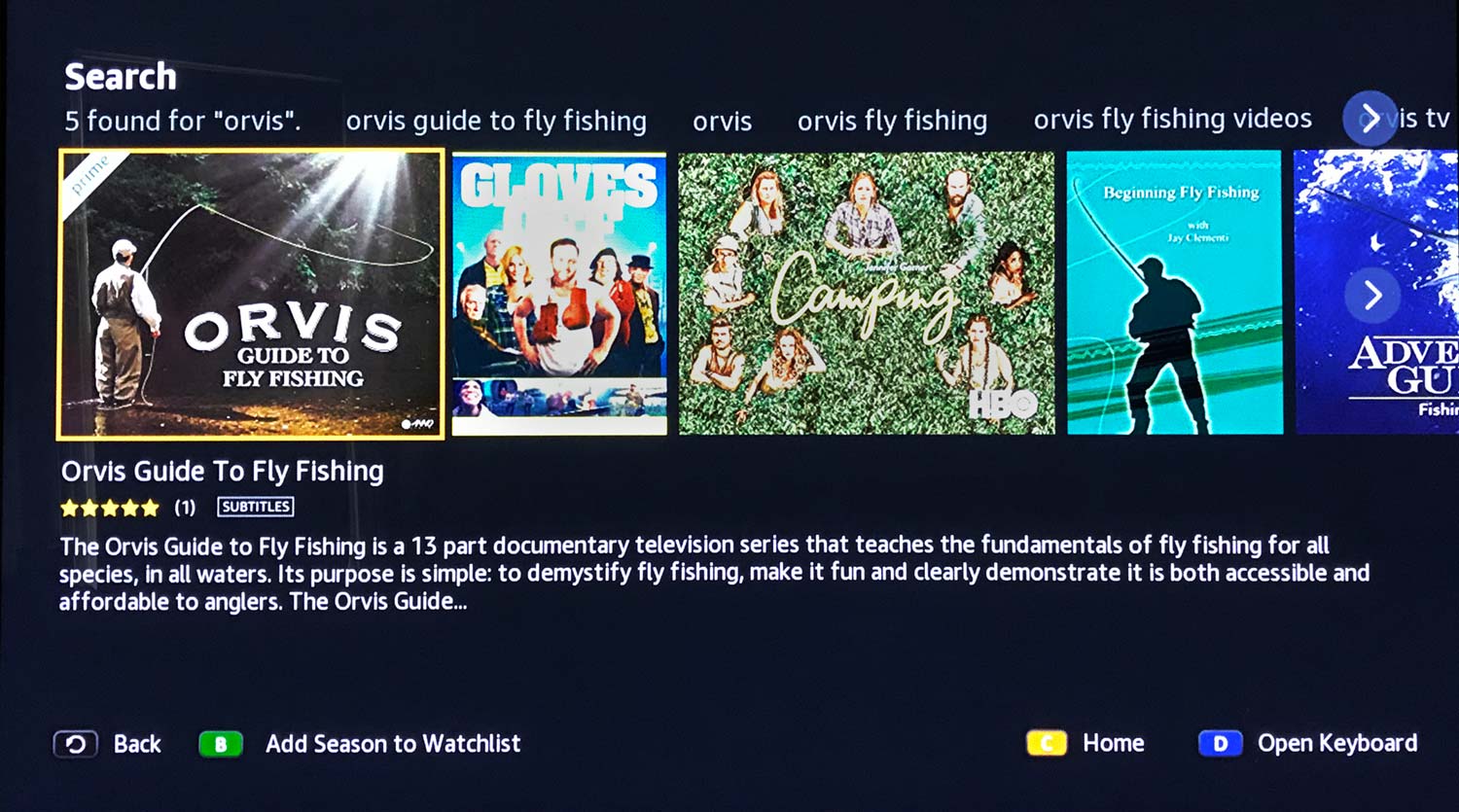
The Orvis Guide To Fly-Fishing is now streaming on demand on Amazon Prime.
I don’t think I’ve ever seen a more clear and thorough tutorial on fly fishing. Host Tom Rosenbauer strikes an amazing balance of covering both basic and advanced techniques in a way that absolute beginner can understand, while serving up details useful to advanced anglers. Tom does more than make it look easy. He gives you the tools to make it easy, and fun.
Each episode features casting instructor Pete Kutzer with a segment on casting skills specific to the topic of the episode. Even if you are an advanced caster, there’s plenty to learn from watching pete. He has some of the best technique I’ve ever seen.
Each episode is devoted to a specific topic and, of course, covers every modern technique for catching trout, but doesn’t stop there. Tom covers topics and species from bass to bonefish.
The thirteen part series is free to watch for Amazon Prime users.
CHECK OUT THE ORVIS GUIDE TO FLY FISHING AT HTTPS://WWW.AMAZON.COM
Read More »Redbands, 9X9
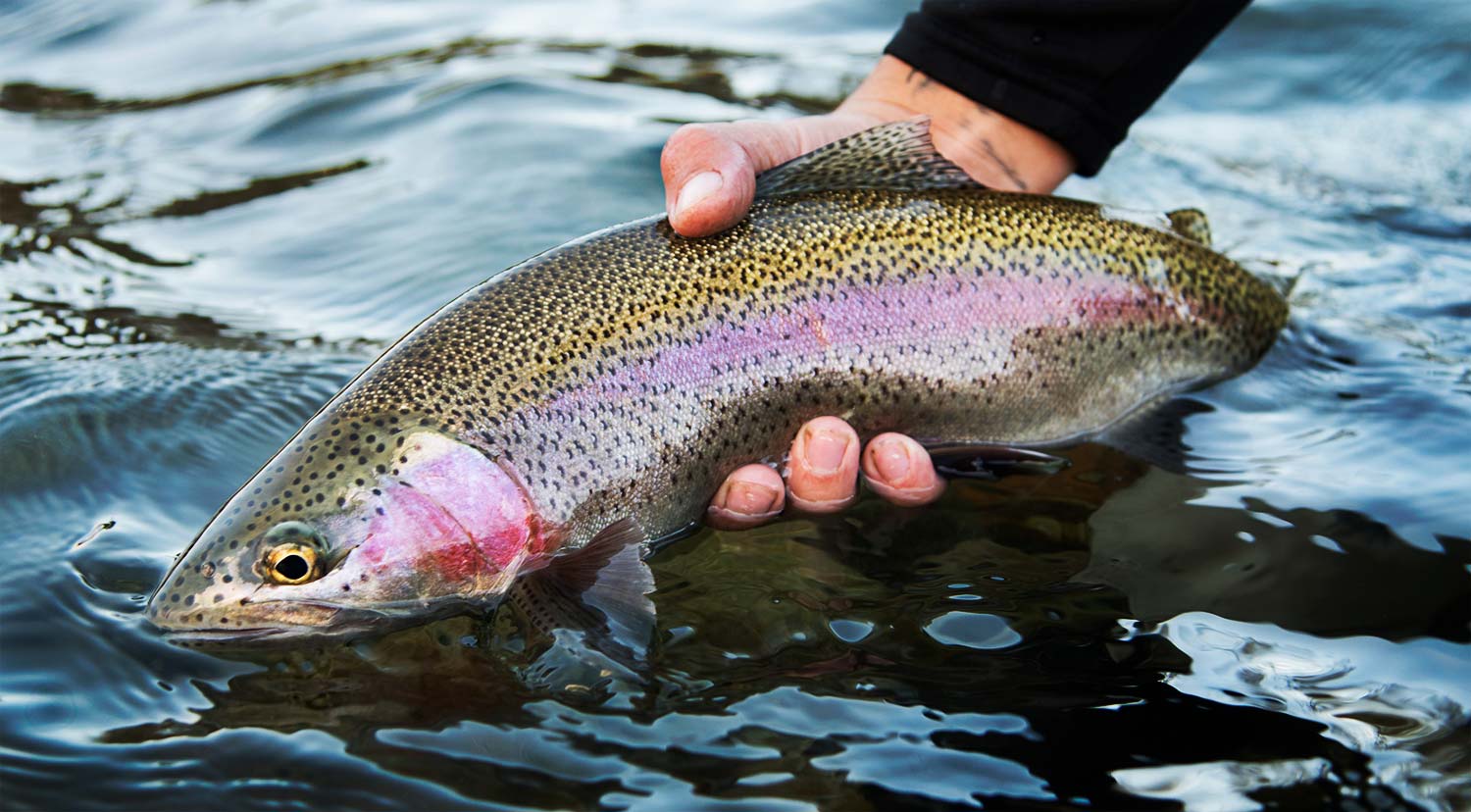
By Dan Frasier
“HE WANTS TO TALK TO YOU.” MIKE, THE OWNER OF ORVIS NORTHWEST OUTFITTERS, SAID FLATLY AS HE HANDED ME HIS CELL.
My guide. Colby, was on the phone and he had this idea. “Dude, I just had this thought that made me drop my toothbrush into the sink. We could go fish cutties on the CD, or… I’ve got this thing I’ve been trying to work out. We won’t see anyone and we may not catch anything, but if we do they’ll be big. Most I’ve ever gotten was 7. What do you think?”
A guide asking you for your opinion on fishing a certain waterbody isn’t what it appears. He knows the water best, you’re paying him to know the right answer to that question and you’re effectively guessing. Him asking you your opinion doesn’t make sense. Of course, that’s because both of you know he isn’t asking your opinion. He doesn’t think you have any special insight into where the right place to fish is, and he certainly isn’t at a loss for where there may be some trout. Instead, a subtle communication is taking place. A dance, usually understood by both guide and sport. There is a risk to be taken here and a choice to be made. The guide is telegraphing to you that you have two choices, the sure thing that will be good and an uncertain thing that may be great. He isn’t asking if you think that particular stretch of river will be any good to fish. Your opinion on that is worthless. He is asking you how much risk do you want to take. Are you willing to gamble a full day on the water for the possibility of something special?
The answer isn’t as easy as it may appear. If you spend 100 days a year on the water, or are on some kind of headhunting mission, then yeah, you take the risk. But if you only get out on family vacations the risk of a fishless day may be too much. Or perhaps you’re looking for a nice wade over cobble surrounded by mountains more than you’re want to hang a hog. We talk about flyfishing like it is a spiritual experience catalyzed by convening with nature in beautiful places. Believe it or not, some people actually feel that way about it to. Of course, despite the poetry flyfishing puts in your soul, I’d put dollars to donuts I could catch most of you fishing a golf course if it held 22 inch browns; passing up the 9 inchers in the babbling brook 3000 feet higher up in elevation.
I could tell by the tenor of Colby’s voice he was excited and I learned long ago that when a guide has something they’ve “been working on” you go.
Read More »Sunday Classic / 3 Fly Fishing Situations When I Will Stop My Streamer During the Retrieve
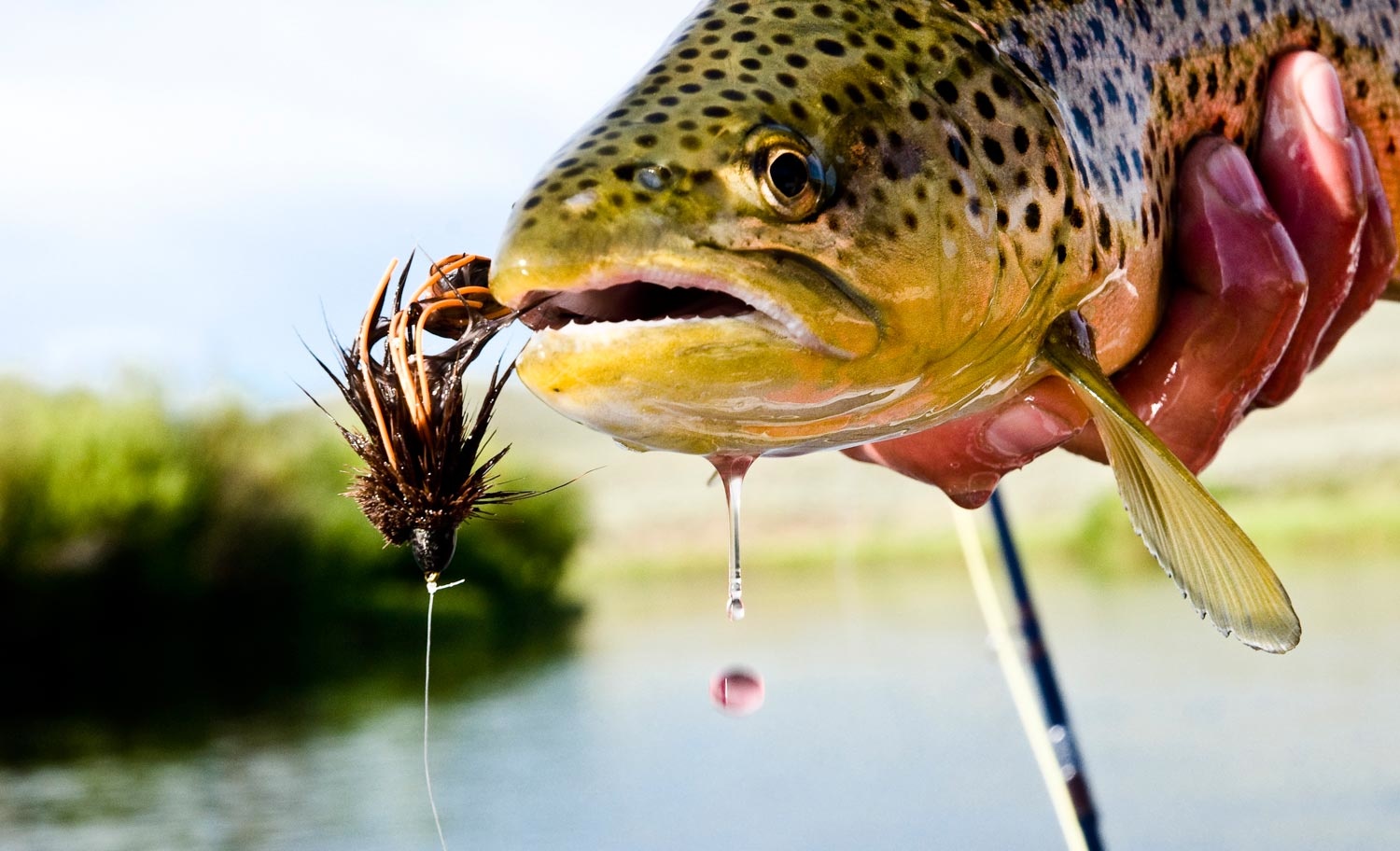
Warning: The fly fishing advice you’re about to read may go against your present beliefs. There’s a good chance you’ll feel inclined to tell me I’m nuts for recommending it. That’s totally cool, I just ask that you read what I’ve written, before you make the decision to set me straight.
IT HAS LONG BEEN DRILLED INTO OUR HEADS, THAT THE WORST THING A FLY FISHERMAN CAN DO WHEN A FISH IS TRACKING HIS/HER STREAMER, IS STOP THE RETRIEVE.
I agree with this advice 95% of the time because most prey when threatened by a predator, will swim as hard and fast as possible to escape being eaten. That being said, I’ve been on the water many times when the constant-strip retrieve, or even the speed-up retrieve with my streamer, has failed to get me the hook up from a following fish. It was only when I thought outside the box, and found the courage to go against the popular view that streamers should always be kept moving when a fish is tracking, that I found myself with a bent rod.
With most things in fly fishing, there’s always exceptions to the rule. No matter how rare the exception may come up, a fly fisherman should always be willing to experiment when traditional tactics aren’t producing. If I told you that you were going to be streamer fishing a river where there were lots of injured and dying baitfish, would you still believe that a constant retrieve with a streamer would be your best tactic? What about if you were fly fishing trout water that had huge populations of sculpins or I said you were going to be fly fishing on a lake for largemouth bass, with water temperatures in the high forties? These are just a few fly fishing situations when I’ve found that a stop-and-go retrieve with a streamer can produce better than a constant retrieve, when fish are tracking but not eating. Below are three situations when killing your streamer retrieve, could prove to be your golden ticket.
Read More »Saturday Shoutout / Somewhere Else
Ever get that feeling you should be somewhere else?
Rolf Nylinder does. Even if only to watch his, so called, friends catch big brown trout, while enduring mosquito bites and the seeds of envy.
ENJOY: “MOSQUITOES & MAYFLIES | EP1 | SOMEWHERE ELSE”
Read More »How To Tie The Billfish Knot: Video
The Billfish Knot is a simple knot for wire leader that will not break.
I use a Billfish Knot almost every time I use wire leader. It’s super simple to tie, taking only a few seconds, it has a small profile and it simple will not break. I use this knot for barracuda, shark, musky, golden dorado and any other species that requires a braided wire leader.
The only time I use a different knot for wire is when I use single strand wire, which requires a Haywire Twist, or when attaching the hook for a pacu bead. If you are going to catch toothy species, this is a knot you need to know.
WATCH THE VIDEO AND LEARN TO TIE THE BILLFISH KNOT.
Read More »Strategies For DIY Bonefishing

By Rod Hamilton
I RECEIVE EMAILS EVERY DAY FROM ANGLERS LOOKING FOR ADVICE ON HOW TO CATCH BONEFISH ON THOSE DAYS WHEN THEY ARE NOT WITH A GUIDE.
The email usually goes something like this: “I do fine when I’m guided, but can’t seem to either find fish or get them to eat when I am on my own.”
“What am I doing wrong?”
DIY-6I’ve been bonefishing for twenty years and like most of us, spent the first five years fishing exclusively with guides. I thought I was getting pretty good and put my bonefish I.Q. at around 120. So, I tried it on my own, only to find out that it was actually my guide who was smart and my bonefish I.Q. was more like 35.
So game on, challenge accepted, and I have spent the last fifteen years learning everything I could about how to DIY for bonefish.
DIY-1There is a lot to learn to be successful on your own. After all, now you have to know where the fish are, how they react to tides, what they eat, see them before they see you and make a presentation that won’t send them into deep water. There is no boat to run you out three miles, instead a car, bicycle or kayak is your chariot to the flats.
Nothing replaces time on the water and most of the early lessons are going to result in fishless days, but let me see if I can ease the pain and help shorten the learning curve with some basic strategies for the DIY fisherman.
1. Learn to use Google Earth
Instead of spending those hours at home dreaming about your upcoming trip, spend that time scouring satellite images to find places others might not easily discover. The hardest bonefish in the world to catch are those that have been trained by the few hundred anglers before you.
2. The DIY Fly Box is different then the Guide Fly Box.
Read More »