
If It Looks Offensive, Fish It!
By Justin Pickett
Does a trout fly have to “be something?”
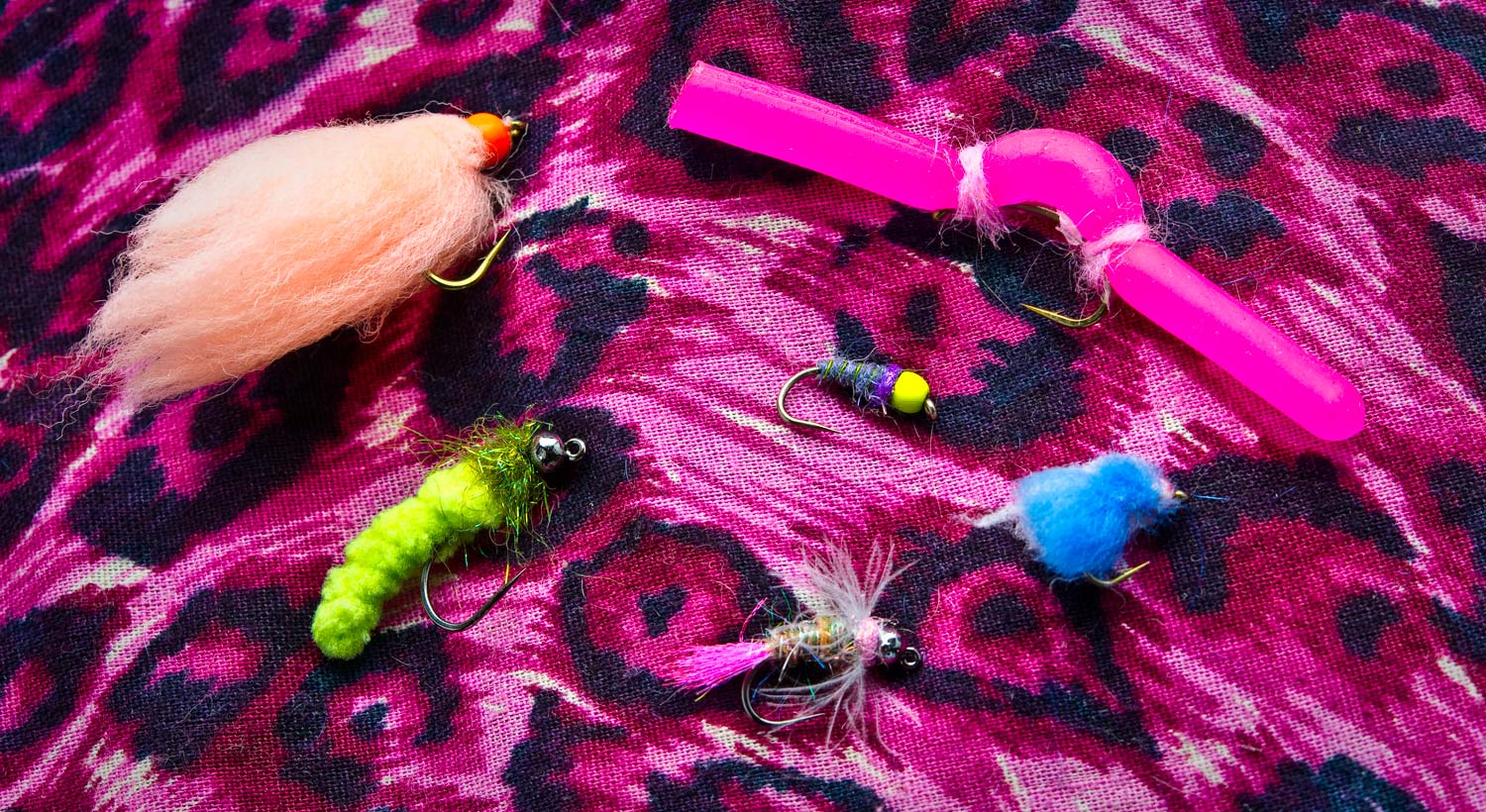
I was once approached by a man on a local stream after I had brought a nice male Rainbow Trout to the net, and immediately he asked the age old question, “What’d he eat?” I removed the fly from the trout’s kyped jaw and held it up for the older gentleman to see. The look of shock and awe… no… make that shear terror… on his face was priceless.
“What the hell is that supposed to be?!” to which I replied,
“I dunno, but it works!”
The fly in question is the brainchild of a good friend, and colleague, of mine. He fishes it all the time, and has lovingly named it the “Trout Brain.” It is a large, ugly, bulky, pink, flesh-like pattern tied on a partridge hook with a bright, fluorescent orange, tungsten bead. To look at this thing, you’d think that there is no way any self-respecting trout inhabiting the lower 48 would eat it. Hell I’ve had clients and other fishing buddies downright refuse to tie it on their rig. I’ll admit I had my doubts at first as well.
It is definitely a far cry from what you would consider a “traditional” fly pattern, but it has proven to be very effective. Do I know why
Read More »Sunday Classic / Cat Island Bones
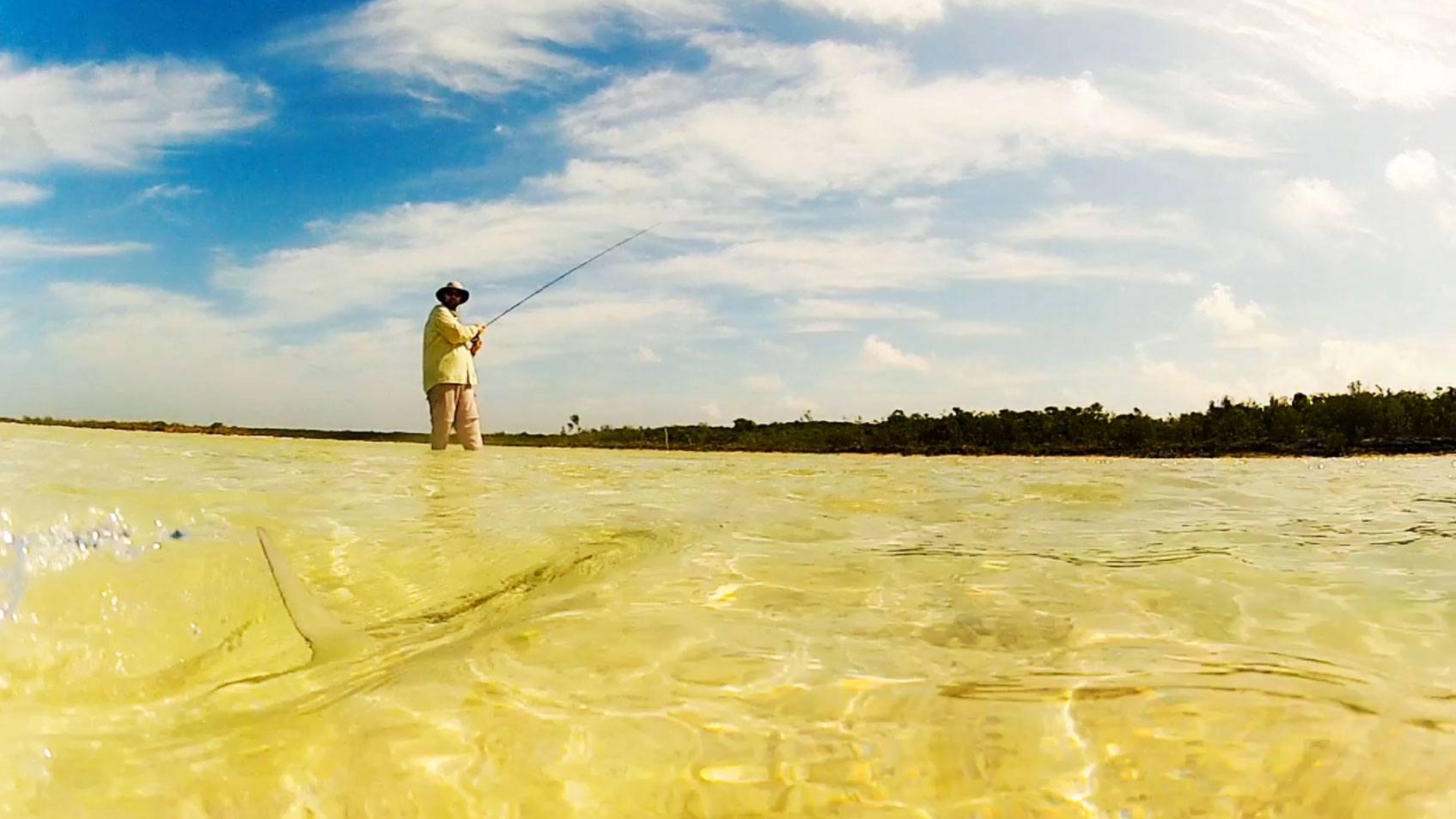
WHITE SAND, BLUE WATER, BONEFISH AND RUM. WHAT MORE DO YOU NEED?
Cat Island is not known as a bonefishing destination. It’s a quiet island with beautiful beaches, warm people and modest fishing opportunities, compared to its neighbors. It’s not South Andros or Bimini but it’s a place I have grown to love.
The flats fishing is purely a DIY scene. The fish are small but really spooky and that makes them rewarding to catch them. They are a food source for the locals, so the fish who are on the flats have earned that right. I take a kayak and paddle to some flats I know to spend the day wading. The bonefish are always good to me.
It was inevitable that I get a GoPro camera. I took it with me on my last trip to Cat Island and shot this video. So, have a click and enjoy five minutes of Cat Island Bones!
Read More »Saturday Shoutout / Char Week
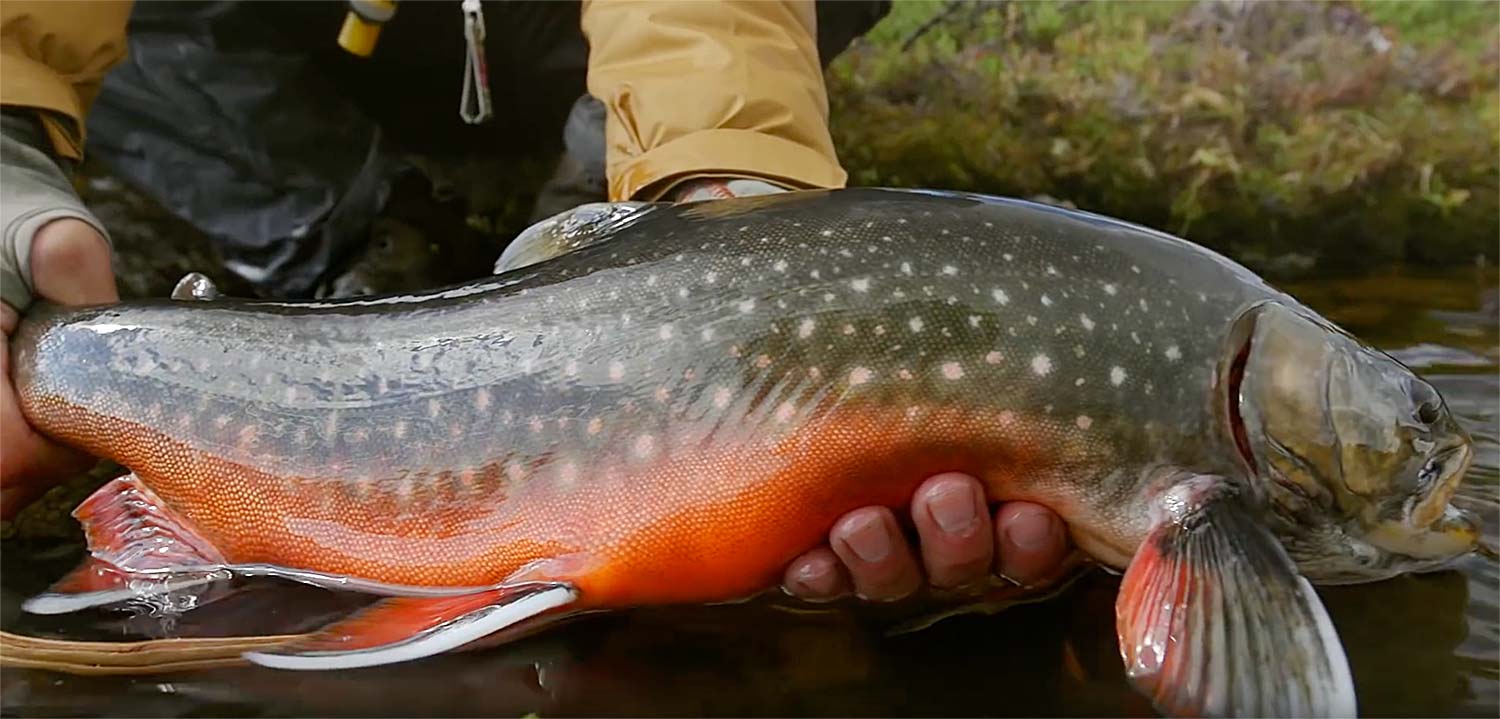
Big char and record brook trout in the land of the midnight sun.
Here are three videos for the char lovers. All of the red bellies and white knife edge fins you’d expect in 3 far flung northern destinations. It’s like shark week, but better!
CHAR WEEK!
Read More »Slow Cast Fly Casting Drill
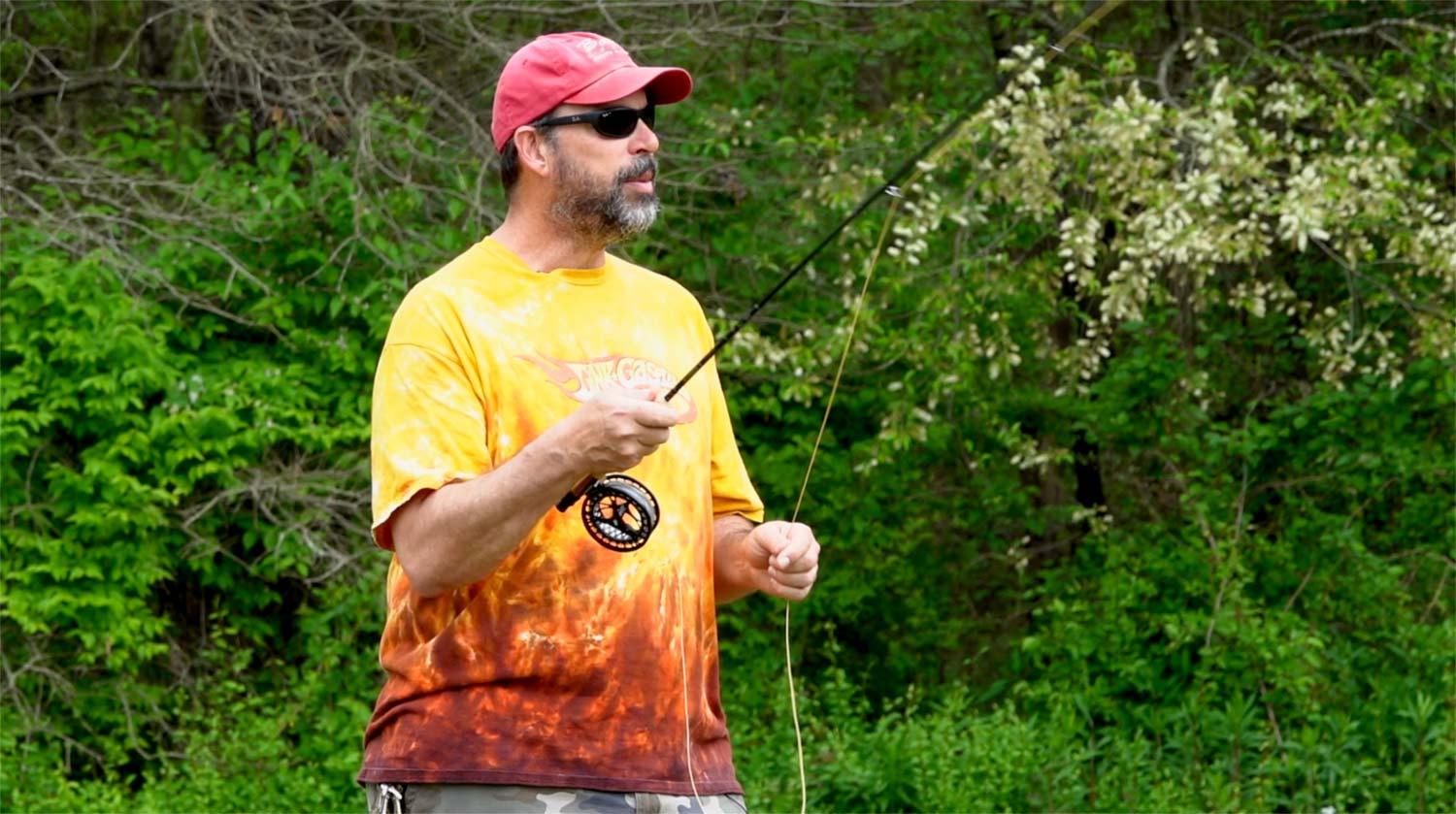
Great timing is the hallmark of a good fly cast.
Timing is everything, well, pretty close anyway when it comes to casting a fly rod. Plenty of anglers struggle with their timing, often without knowing it’s their timing that’s off. Poor timing robs your cast of distance and accuracy. Fortunately, it’s a fairly easy problem to overcome. All you need is a little practice, and the right practice drill.
IN THIS VIDEO I GO OVER THE SLOW CAST DRILL I USE TO IMPROVE TIMING.
Read More »Tenkara Fly-tying
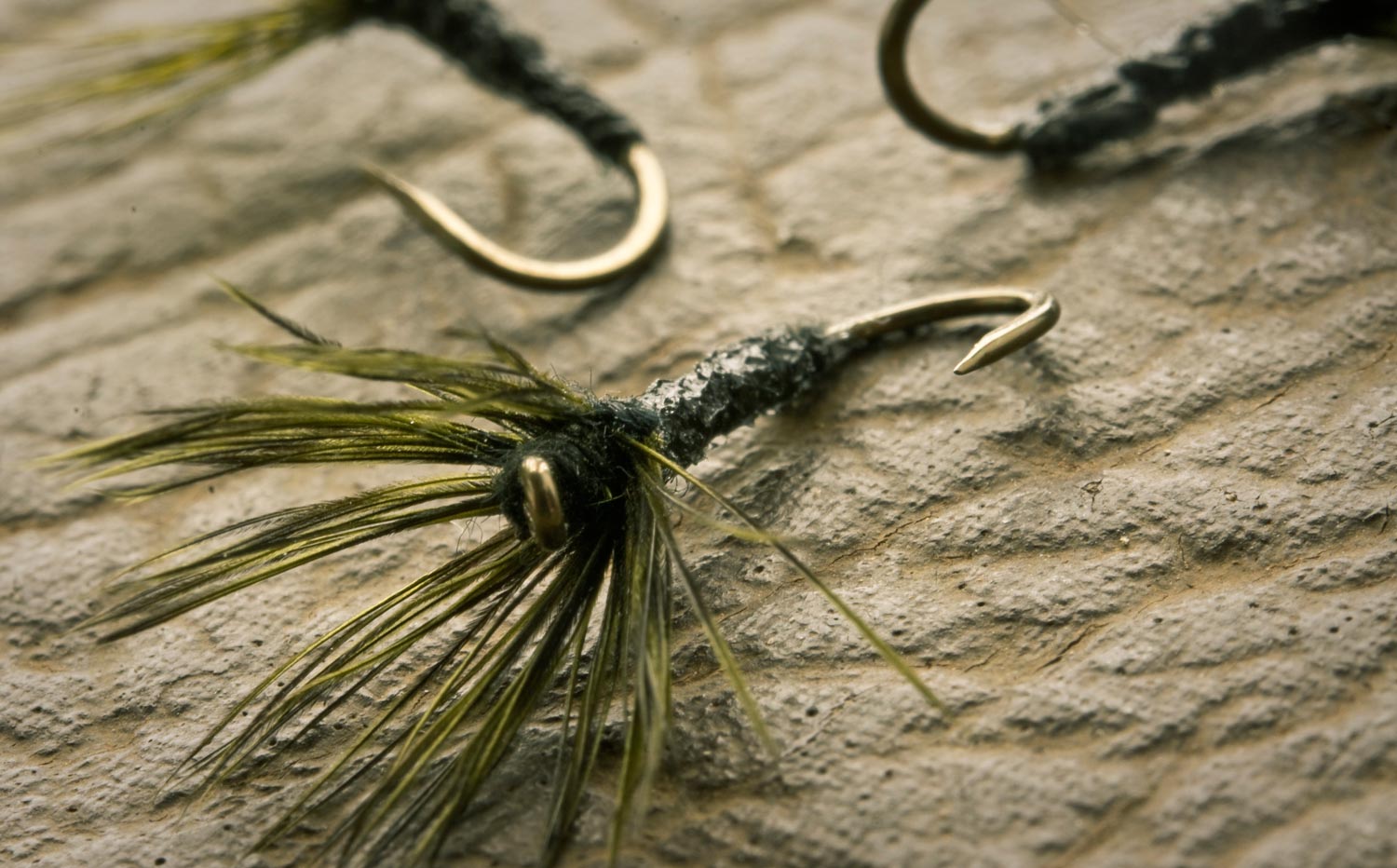
I initially got interested in fly-fishing because of flies and fly-tying.
The idea of creating a lure using feathers and thread was very appealing to me. Before I ever got my first fly rod I probably tied well over 100 flies. Of course, I got indoctrinated in the western fly-tying school, that of trying to imitate, at least somewhat closely, the insects that lived in the waters I fished. Then, I discovered tenkara. When I first discovered the method I saw in it just the idea of using a rod, line and fly. For my first year of tenkara fishing I continued using the western flies I had learned to tie: parachute adams, elk-hair caddis and some cool mayfly nymph imitations. And then I started learning tenkara from the people that had been doing it for decades in Japan, and I started paying closer attention to their flies.
TENKARA FLIES OPENED UP A BRAND NEW WORLD FOR ME.
Sure, tenkara flies, called kebari in Japanese, were still supposed to fool fish by somehow looking like the insects those fish ate. While not all tenkara flies look the same, the most characteristic tenkara flies are the so-called sakasa kebari, or “reverse-hackle fly”. To a western fly angler they will look more like soft-hackles but with the hackle facing away from the bend of the hook, reversed. This reverse hackle style is very popular and has become my preferred style fly to use. With it, when I’m fishing in moving water the fly will always retain some profile to it rather than becoming a sliver and “disappearing”. I can also impart motion onto the fly, with a light pulsating of my rod, the fly will open and close and look very buggy.
Just like I got into fly-fishing because of flies and fly-tying, I can say that the tenkara flies and what they represent certainly had some impact on my interest in tenkara too. Tenkara flies show us the different approach of suggesting bugs rather than trying to imitate them. They also bring with them the philosophy of using any “one fly” (not changing flies nearly as much as we do in western fly-fishing), and the idea of tying the simplest fly you can get away with. How I wish I had known about tenkara flies when I started learning how to tie flies (my first several hundred flies I tied by hand, without the use of a vise.
TENKARA FLIES SHOW US HOW SIMPLE FLY-TYING CAN BE.
Here are two videos I think people should watch to learn about tenkara fly-tying
Read More »Sunday Classic / Tippet Size Can Be More Important With Nymphs
Many of us like to think it’s all about fly pattern choice when it comes to catching trout. Sometimes it is, but there’s many times when the key to getting the tough bites, lies not in what fly pattern you’re fishing, but rather in what size tippet you’ve chosen to attach your fly to. If you asked me what fly type (streamer, dry or nymph) is most important when it comes to tippet choice, I’d quickly respond that tippet size is most critical when an angler is trout fishing with nymphs. You’re probably thinking, “Thanks for your opinion Kent, but what’s the theory behind your reasoning?” For starters, trout don’t tend to be very tippet shy with streamers—in most moving water situations. A trout generally will see your big meaty streamer coming through its kitchen, and it will either pounce on it for territorial reasons or because it provides an opportunity for a large meal that it can’t afford to pass up. I’ve got buddies that regularly fish 15 pound tippet when they’re streamer fishing, hell, sometimes even 20 pound, and they have great success. And a good portion of them, aren’t pounding the banks on the river from a drift boat, but instead wade-fishing on small to mid-size trout streams. In many cases, anglers tend to fish tippet too light when streamer fishing. Fishing beefy tippet will aid in efficient leader turnover, decrease the amount of false casting needed between presentations, and lastly, it will help anglers make accurate casts more consistently at varying distances.
Dry fly fishing, makes for a much closer call, but I still stand by my belief, that tippet size is more important with nymphs. Largely because the two most important factors in dry fly fishing success, are an accurate presentation and a drag free drift. In certain situations, timing can be critical as well, for instance, when an angler is fishing to a trout actively feeding on the surface during a hatch. That being said, I wouldn’t go so far as to say tippet has no bearing in dry fly fishing. It’s just more common that the problem lies with a presentation off target (out of the target zone), a dry fly looking unnatural because of drag, or the dry fly was drifted over the trout when it wasn’t ready (repositioning after a recent feeding). If you’re certain you have all of the above correct, you’ve tried a few different patterns, and you’re still not getting bites, there’s a good chance your tippet is too large and needs to be downsized.
Read More »Saturday Shoutout / Poncho
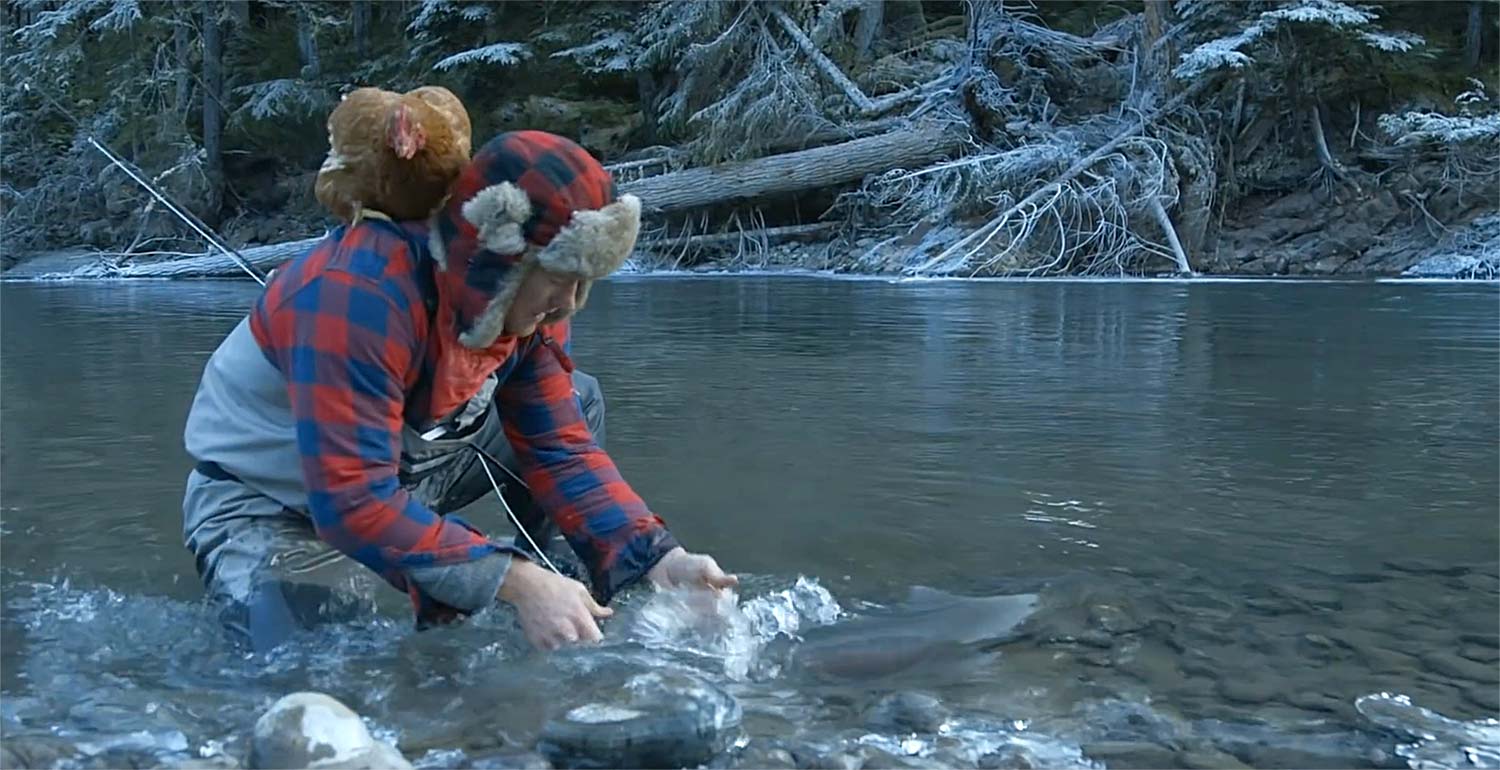
Catching giant steelhead with a pet chicken.
The only thing more special than catching a wild steelhead is doing it with the one you love. Sharing the passion with someone special is what fly fishing is all about. It’s a thrill you can feel in your nuggets, and if that someone is a chicken, who are we to judge?
“What came first, the chicken or the sport of fly fishing?”
THE ONLY WAY TO KNOW IS TO WATCH “PONCHO.”
Read More »Bonefish School Opening June 8-15 2019
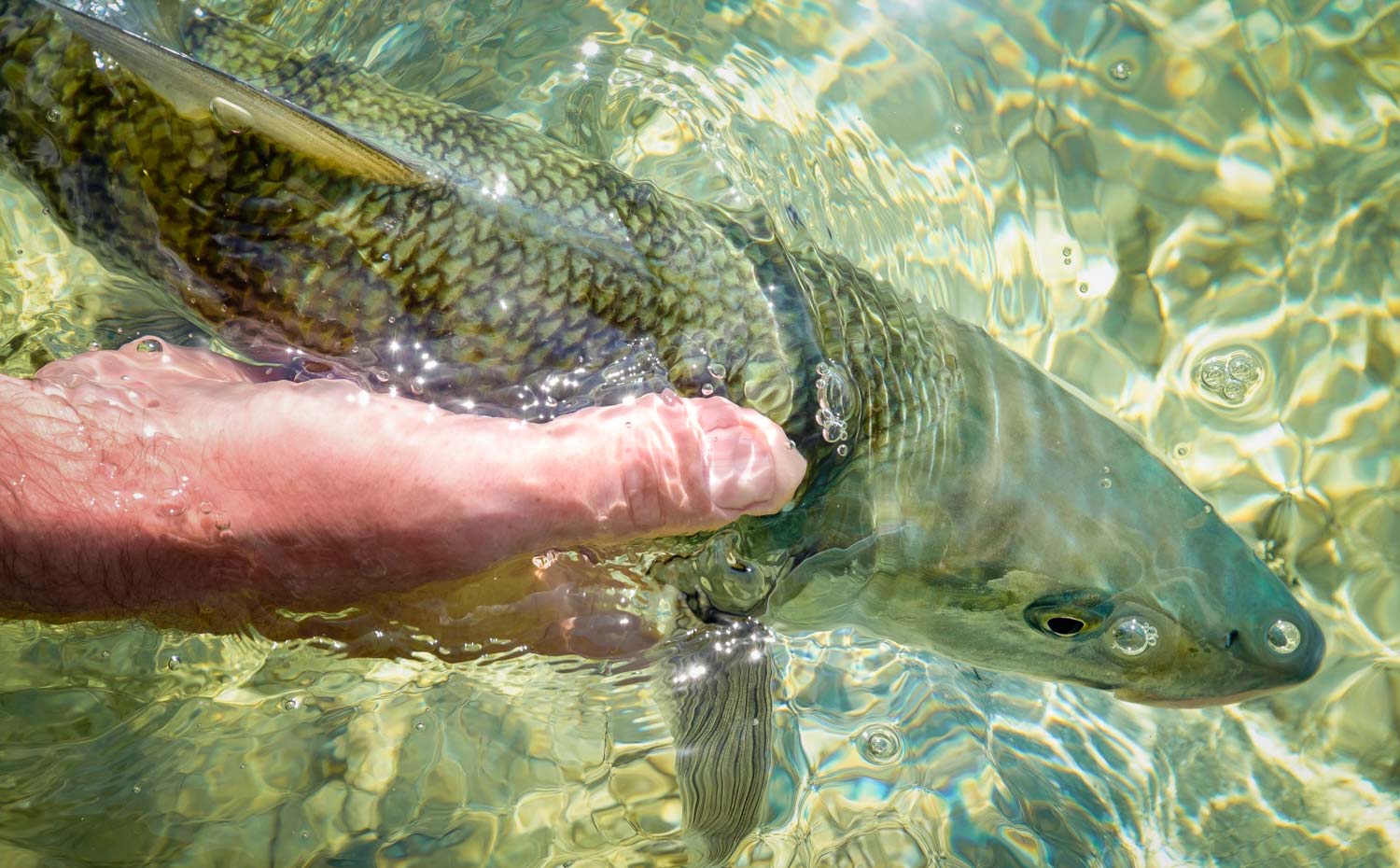
We have had a cancelation for the June 8-15 Bonefish School.
This opening is your chance to get in on the fun at Bair’s lodge, South Andros. We generally expect stable weather and calm days this time of year, which adds up to lots of fish. If you’d like to experience a truly remote and unique fishery in one of the most beautiful places on earth, enjoy the service of a top notch lodge, and save a lot of money in the process, this trip is for you. This June is the last Bonefish School at the old price of $3975.
We have one spot open June 8-15 and a couple June 15-22. We also have dates available for Jan 2020. You can get all the details on the Hosted Trips page.
Shoot me an email to hookups@ginkandgasoline.com for more info or to reserve a spot!
Read More »5 Tips To Stop Breaking Off Bonefish
By Louis Cahill
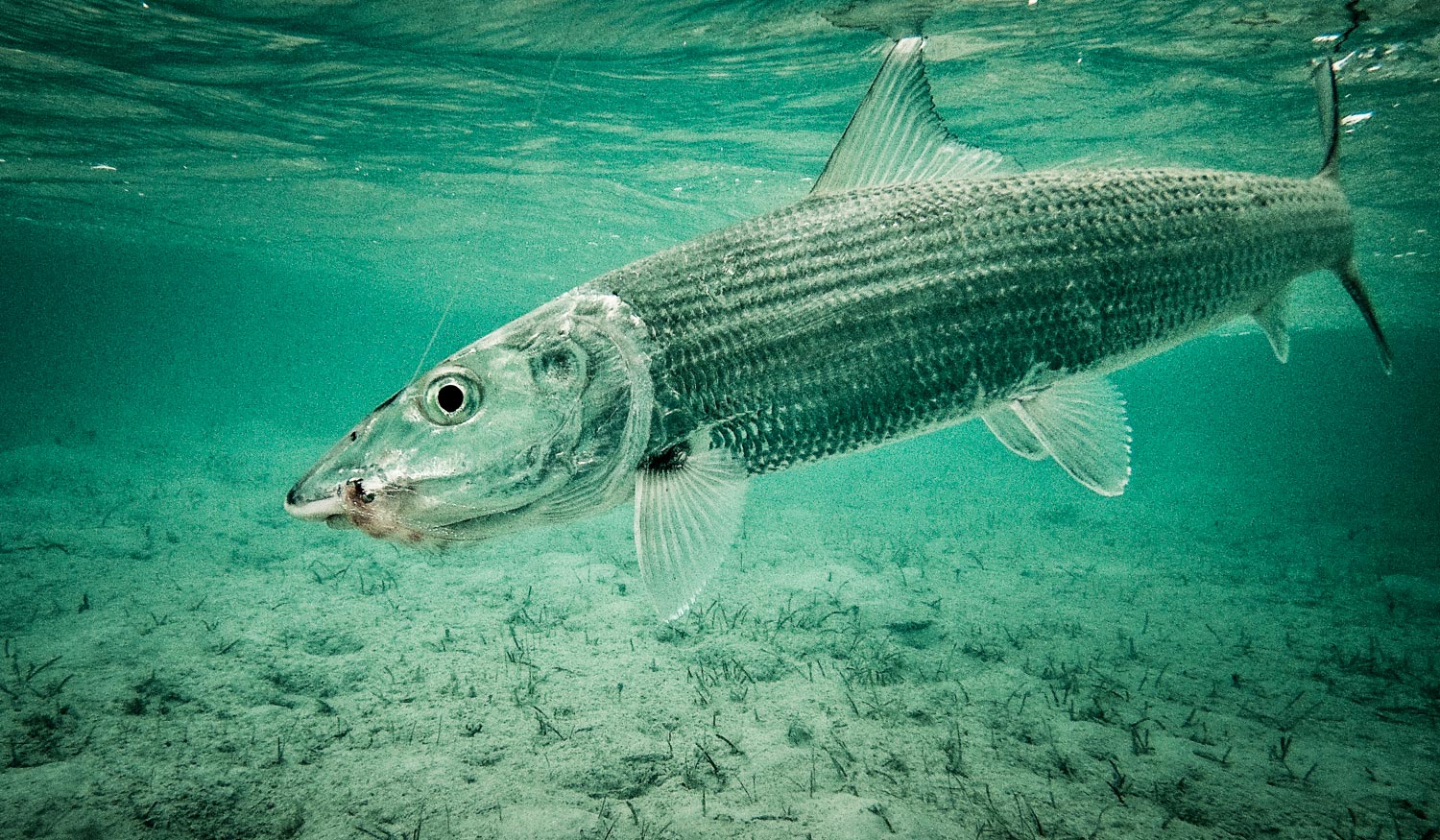
If you’re breaking off bonefish, there’s probably and easy fix.
Someone asked me not long ago about losing bonefish due to tippet breaking. It happens to the best of us but there are only a couple of ways for it to happen and each has a pretty simple fix. If you follow a few simple guidelines you can cut way down on the number of bonefish you lose.
It’s fair to say that several of the potential problems I’m going to talk about apply to almost any species of fish. Some are much more common in the environment where we find bonefish and others just happen more frequently because of the speed with which things happen in bonefishing. It is a demanding game but breaking fish off should not be a problem.
Keep in mind that tippet strength is always a concern and in no way a constant. The weight of your tippet has everything to do with where you’re fishing. In locations where bonefish see a lot of pressure, you will need to fish lighter tippet and you will have to be much more diligent. Regardless of the strength of your tippet, there is no reason not to fish to the best of your ability and each of these tips is relevant.
How bonefish break off and how to stop them.
THE HOOK SET
One of the most common ways anglers break fish off is on the hook set. Bonefish behave unpredictably. Often a fish will eat your fly and make an immediate turn away from you. Sometimes even before you strip set. This is most common when a fish charges the fly while it is still high in the water column. Even small bonefish are powerful and failing to give them line when they need it will result in a familiar popping sound. You need to
Read More »CE Tech Innovations Pedestal Base
By Bob Reece
A firm foundation for your vise is critical to the success of your fly tying efforts.
This is especially true for tiers who use pedestal bases. For years I have searched for one that gave my vise true stability. I finally found one that delivers that and much more.
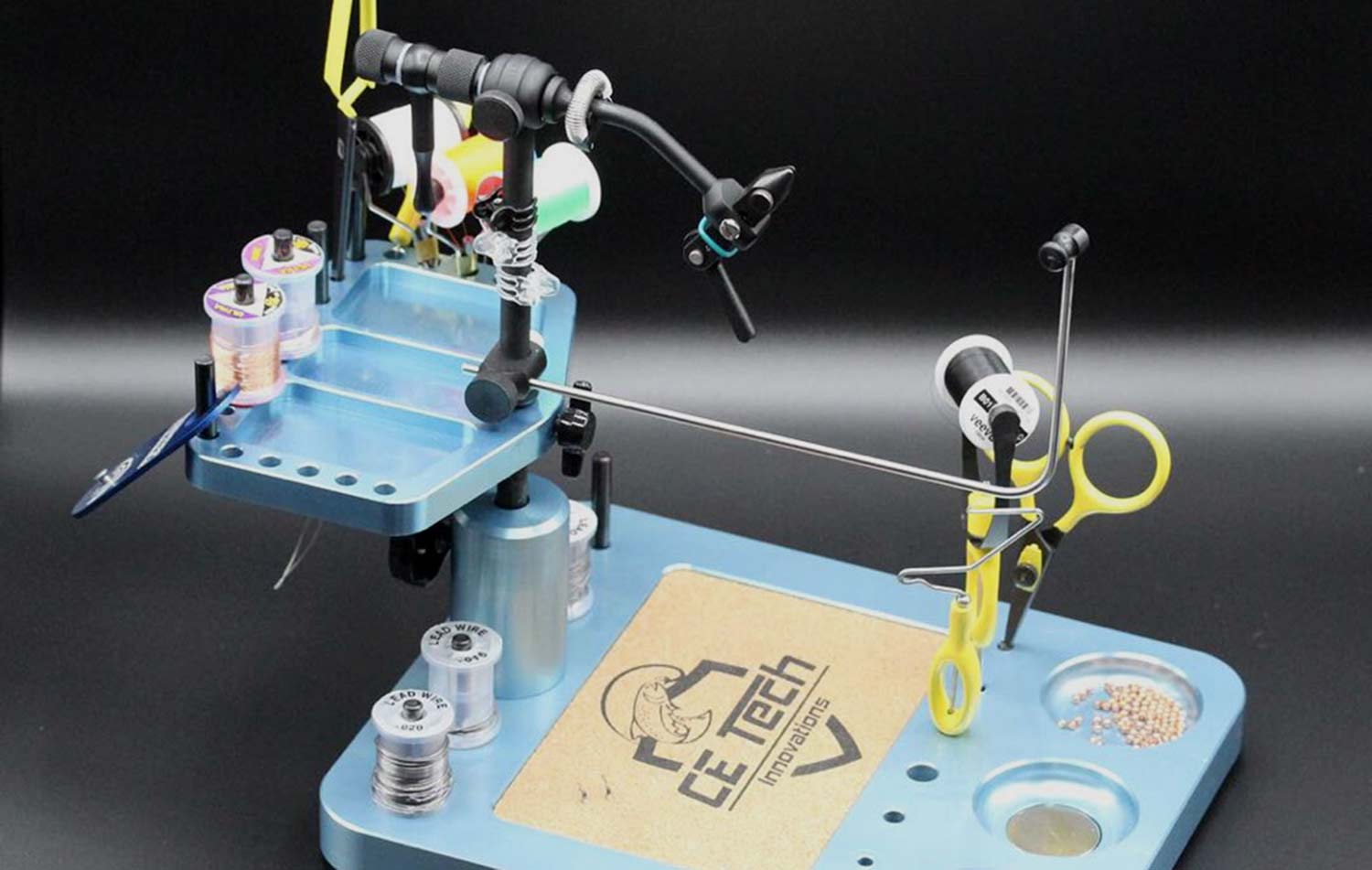
We all have our opinions about social media. One huge benefit of this technological element is being able to discover new products that might otherwise go unnoticed. A couple months ago I happened upon a post that consisted of one picture. It showed a nicely machined pedestal base and tool caddy. It was evident from the picture how wide the base was in comparison the vise. It wasn’t until I received mine in the mail that I realized how effective and well made it was. The eight by ten inch base is machined out of 6061 aluminum and weighs in at a hearty five and half pounds. This alone was enough to make me fall in love with this product. The stability provided by this platform is nothing short of amazing and has brought a new sense of comfort and confidence to my tying.
In addition to its weight, the design of this base functions well and makes sense. At the front of the base sit three machined pockets for holding beads and hooks. Their depth provides enough room to hold large quantities of each. The center pocket contains a Neodymium magnet that will hold onto hook, beads or small children holding silver ware in the next room. The tool caddy displays an additional three pockets that provide more recessed storage for additional hooks and materials. In front of the caddy and behind the base pockets, sits a cork pad that provides grip for any slippery materials.
Along the outer edges of the base and caddy are machined holes. Some of these hold pins that provide a catch for thread, wire and other materials on spools. The pins can be removed from the holes and moved around, allowing for personalized setup. The remaining holes provide
Read More »