
A Southern Angler in Patagonia
By Kevin Howell
AS THE VOICE OVER THE INTERCOM SAID, “EN PREPARACION PARA EL ATERRIZAJE” (IN PREPARATION FOR LANDING) I STARTED TO GET THAT FEELING IN MY STOMACH.
Was this trip going to be worth the travel and the money, what was the weather going to be like, what if I had a bad guide? After all, the guide said he would meet me at the airport and I had no idea of what he looked like. What if he was like the crazy Panamanian I was stuck with for a week a few years back? What if my Spanish was not good enough to communicate (well I knew that would be a problem)? But the biggest growing question in my stomach was what would the water be like, was it too large for this southern fly angler, would it be muddy, would it be clean and pure, would there be a hatch, if so what kind of strange insects would there be?
As I exited the plane I was whisked into a large room with all the other passengers where all of our bags including our backpacks had to be scanned (Security after getting off the plane? Man, they are tough here, I thought). Turned out it was a checkpoint for entering Patagonia– a region that is so unique and ecologically diverse that you are scanned on entry to ensure that you are not carrying any unprocessed fruits, vegetables, flowers, meats, etc. that could possibly take root in Patagonia. After clearing what seemed to be checkpoint Charlie, I found my guide holding a sign waiting for me. He promptly grabbed my baggage, carefully placed in the truck, handed me a cold water and stated in perfect English that it was only 2 pm and we could be on the water in 30 minutes and there should be a great evening hatch of tan caddis. Whew, what a relief!!
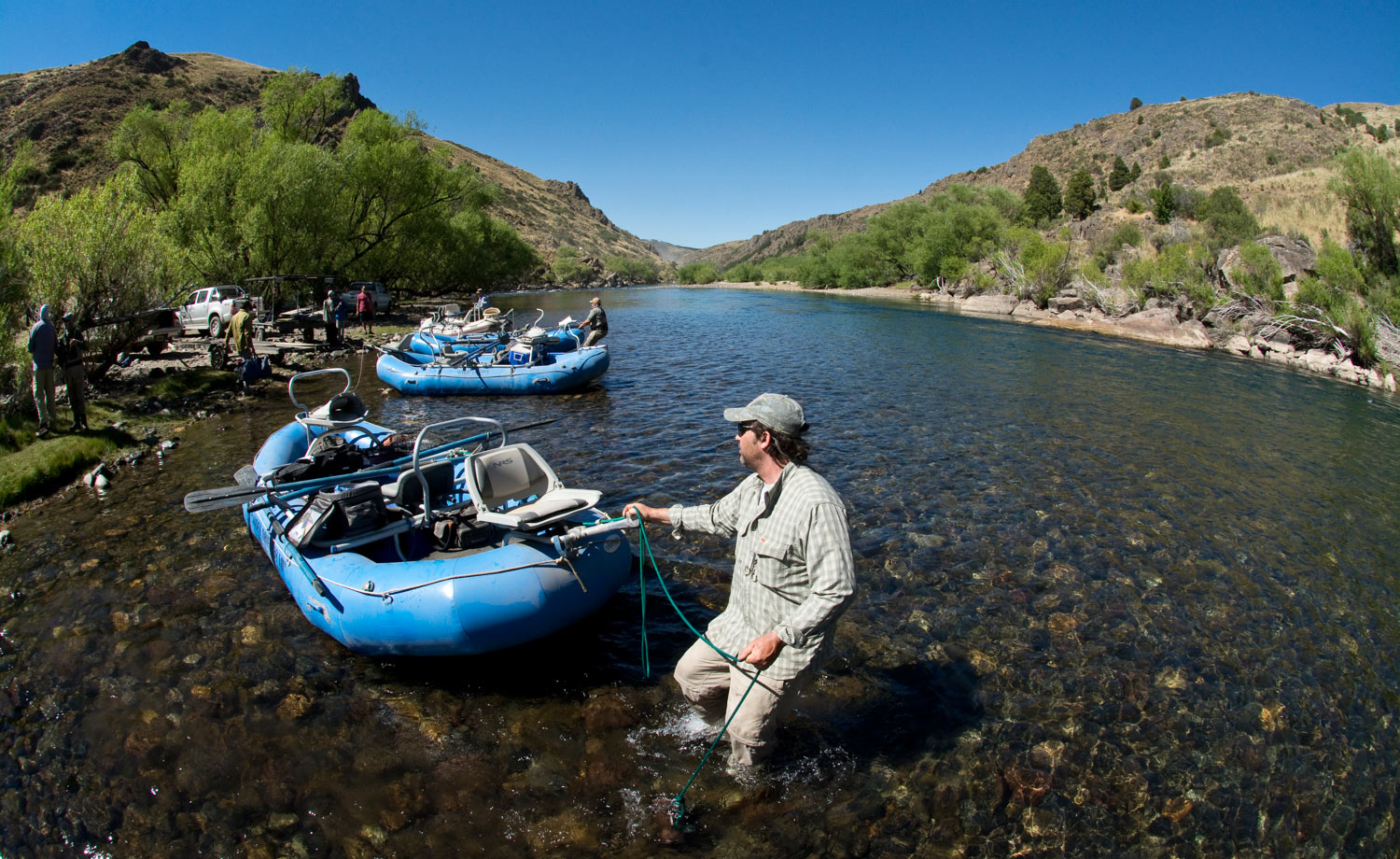
Sure enough, within 30 minutes I was standing beside the Rio Chimehuin–a stream about the size of the Watauga River–stringing a 5 weight Sage in preparation for the afternoon’s fishing. As Gustavo slid the raft into the river, I rigged a size 12 Elk Hair Caddis per his instructions with a prince nymph dropper. I landed nearly 30 trout that afternoon, switching periodically between the Caddis and a size 8 Hooper. As we left the river, I was thinking, man what else could you ask for? I was the only angler on the river, the fishing was awesome, the guide was fabulous and floating the Chimehuin was just like the rivers at home. Except that the Rhododendron had been replaced by willows beyond which lie nothing but rock and volcanic ash and scattered sage bushes.
Upon arriving at the lodge I was treated to a feast that could have easily feed a family. I could only imagine what tomorrow would bring as Gustavo had told me we were going to wade fish the Rio Malleo upstream from the Yellow Bridge and the fishing would be better than it was today. He told me that Coye would be by in the morning to see that I was awake and had breakfast and he would pick me up at 8 to head to the river. I awoke the next morning at 6:30 to the smell of fresh coffee and bacon cooking.
Almost like clockwork, Gustavo arrived, loaded all of my gear in the truck while I was finishing breakfast before I even had a chance to try and help. Arriving at the Malleo, I was blown away by
Read More »Better Bow and Arrow Cast: Video
By Louis Cahill
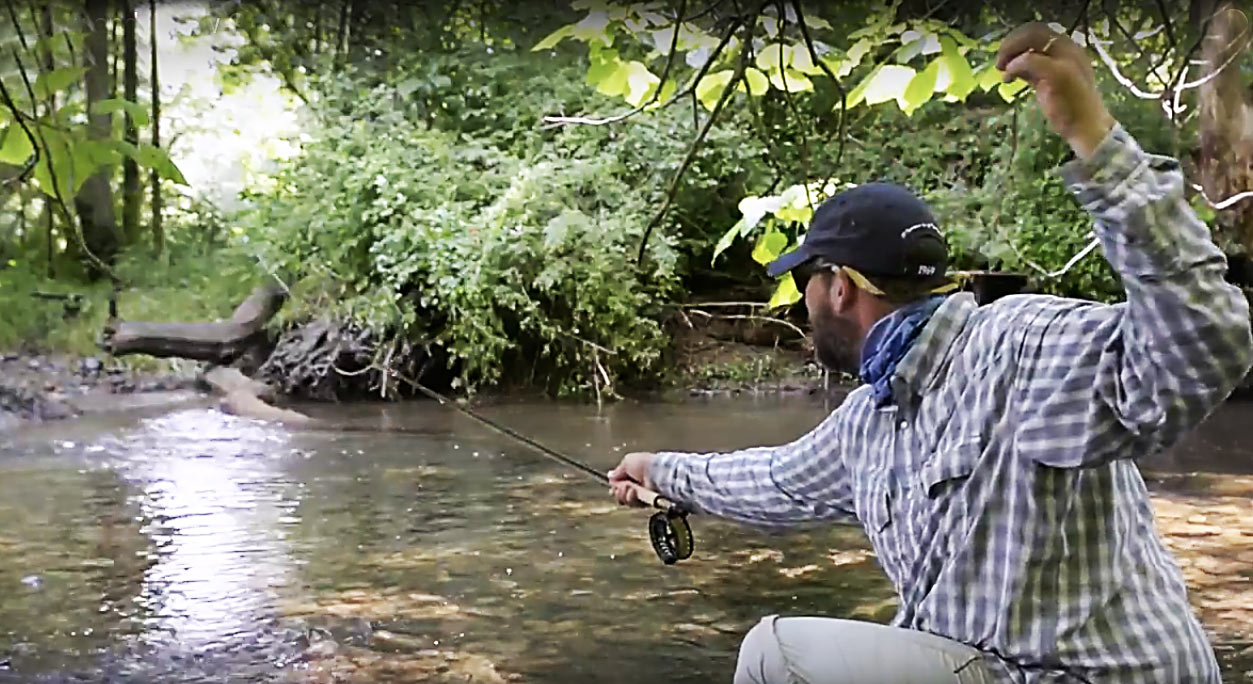
Here’s a trick you may not know for making longer Bow-and-Arrow casts.
If you love fishing small streams, then you probably know how to make a Bow-and-Arrow cast. It’s not rocket science. But, what if I told you I could show you how to get an extra 6-9 feet with that simple cast?
I couldn’t count the number of brook trout I’ve caught this way ing the mountains of North Georgia and North Carolina. If you don’t know how to make the Bow-and-Arrow cast, or if you’re interested in reaching more water,
check out this video.
Read More »New Orvis Fly Rods and Reels for 2022
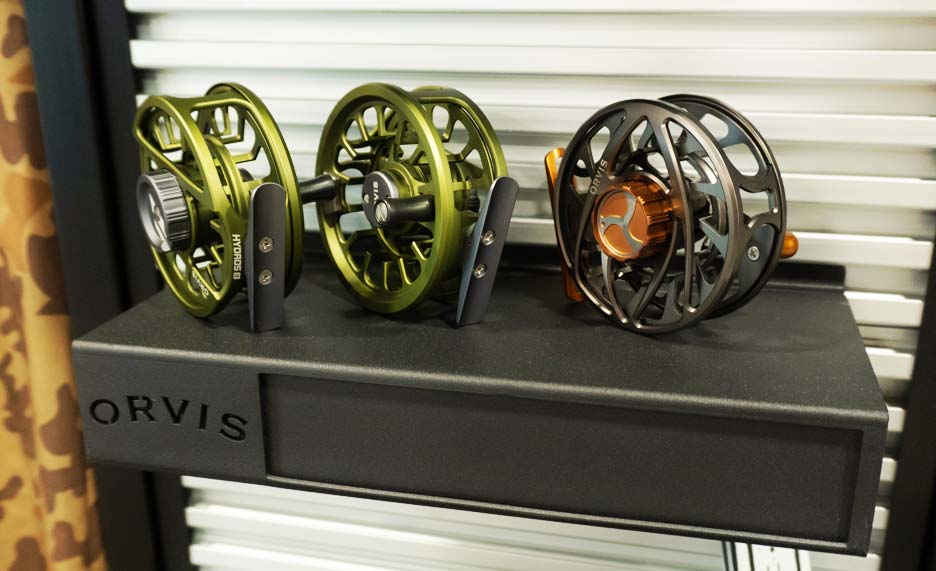
Orvis has a whole bunch of new fly fishing gear for 2022. It was so cool to be back at the IFTD show this year and reconnect with everyone. A lot of manufacturers did not have new offerings this year, but those who did had some very cool stuff. Orvis had an impressive new lineup of gear in every category. I caught up with Shawn Combe to see whats new in fly rods and reels. Watch the video to see all the new fly rods and reels from Orvis in 2022. Louis Cahill Gink & Gasoline www.ginkandgasoline.com hookups@ginkandgasoline.com Sign Up For Our Weekly Newsletter!
Read More »TO FISH IS TO HOPE
By: Becca K. Powell
PEOPLE SAY THAT THERE IS HEALING IN THE CAST; THAT STANDING IN THE MIDDLE OF A STREAM IS BETTER THAN ANY THERAPY OR SHRINK’S OFFICE OUT THERE. AS FLY ANGLERS, WE KNOW ALL TOO WELL THE TRUTH IN THIS STATEMENT.
After a hard week at the office there is nothing like packing up your waders, boots, fly rod, and heading to the mountains to get away from the hustle and bustle of city life. Too many times I’ve seen my husband come home from work and head straight to his fly-tying desk to get his mind off of a stressful day at work. But this sport touches lives in an even more impactful way than just relief from the stresses of every-day life. For many, fly-fishing brings HOPE.
I’ve read stories of men returning from war with injuries from combat, finding the sport of fly-fishing and the solace that comes with standing waist deep in the river. I’ve heard first-hand how the art of fly-tying brought one local soldier with PTSD back to his family. And most recently, the story went viral of how fly-fishing helped young angler Joey Maxim find strength and a new chance at life after a horrific car accident.
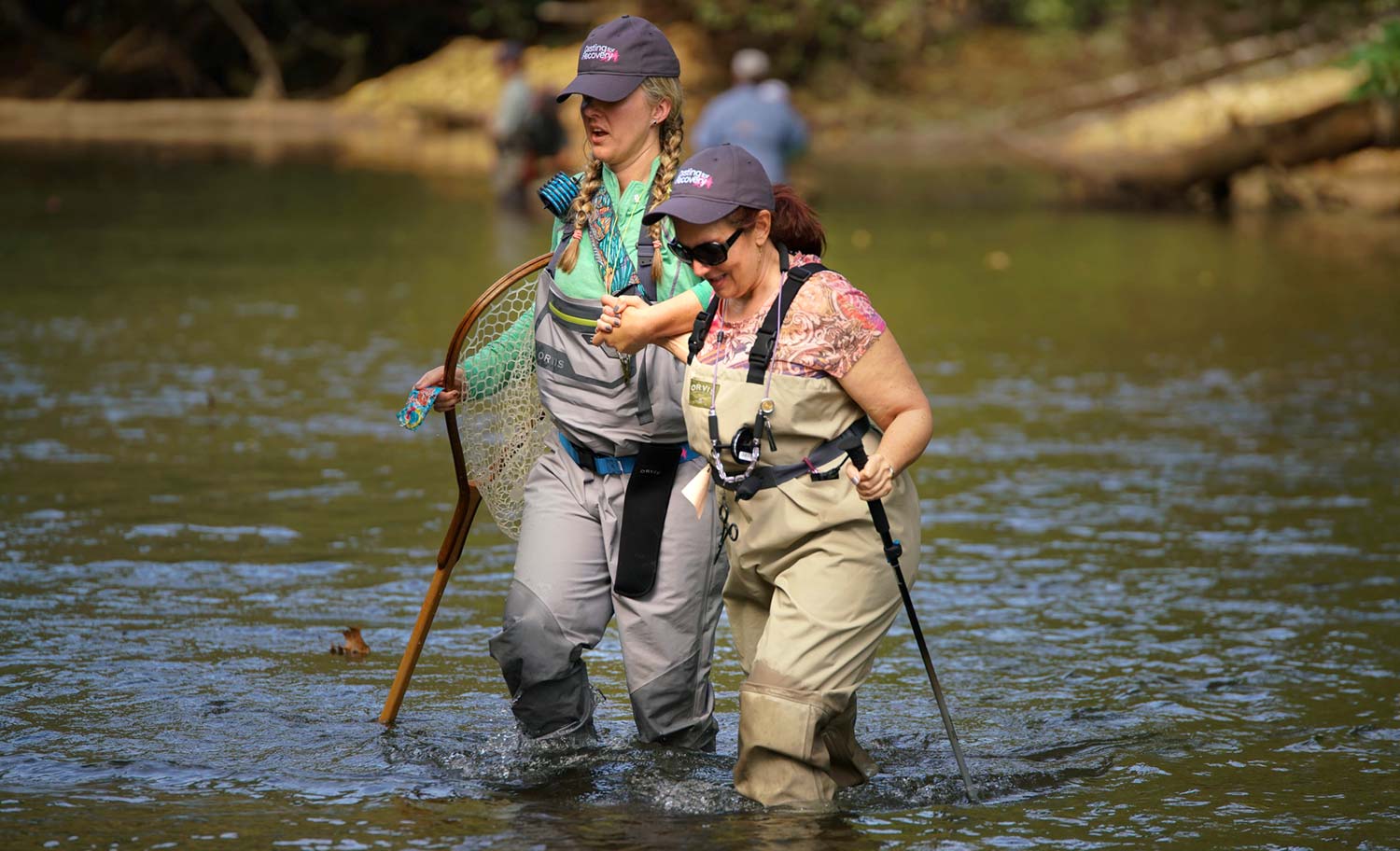
Many of these men (and women!) are introduced to the sport through incredible nonprofits like Project Healing Waters, Reel Recovery, and other organizations which aim to bring a new outlook on life to our nation’s soldiers, cancer patients, and other members of the community. It is through these NPOs that we are able to witness first hand the life-changing impact fly-fishing can have on a person. And it is then that we are able to ask ourselves how this sport has changed our lives for the better.
We all have a story – the story of why fly-fishing touched our hearts and souls and what keeps us so passionate about our time on the water. We all have a story of why we yearn for that tug of the line and the thrill that comes with that next big catch. For me, the positive impact of fly-fishing has continued to touch my life through my personal struggles with cancer, and my interaction with the nonprofit Casting for Recovery.
Healing in the Cast
My fly-fishing story began in 2016. That January I had undergone a bi-lateral mastectomy after an invasive breast cancer diagnosis the year prior. After numerous surgeries – and the emotional roller coaster that went with losing my breasts – I found myself on the Chattahoochee River that summer with a fly-rod in hand. That hot August day was the beginning of a journey that would forever change my life (not to mention get me through a second cancer diagnosis).
Later that winter I was introduced to Casting for Recovery by a friend who had been a long-time volunteer with the organization. We were up in the headwaters fishing one afternoon and I casually mentioned the peace I was finding every time I stepped into the water with my fly rod in tow. “Are you familiar with Casting for Recovery?” he asked me. I wasn’t – but as a long-time member of the nonprofit community, I was eager to learn more. Little did I know I was about to find my place within the fly-fishing community, and an opportunity to lend my talents to a cause near and dear to my heart.
Read More »The Road To DIY Bonefish

If I live to be a hundred, I’ll never forget the first bonefish I caught on my own.
I can’t tell you how rewarding it was to wade a flat and feel like I knew where the fish would be and when. To have all the skills I needed to hook and land the fish once I found them. It came together so perfectly, it didn’t seem real. Of course I was very fortunate.
Very fortunate to have good friends who are rock star flats guides. Fortunate to have friends who owned bonefish lodges. It’s ridiculous the situation I stumbled into. Well, maybe I didn’t exactly stumble into it. I made myself useful, but there was still more good fortune involved than I deserve.
Of course, that’s not an option for everyone. I know there are a lot of folks out there who would like to get into the bonefish game and find it pretty damn daunting. That’s why I write so much bonefish content and teach my bonefish schools, to try and give back some of what I’ve been so generously given.
A reader wrote to me about how challenging his first DIY bonefish trip was. It got me thinking. I’ve written a lot of specifics about bonefishing, but I’ve never addressed the long view. The road to becoming a successful DIY bonefish angler. So I thought I’d try.
SOME IDEAS AND SUGGESTIONS ON LEARNING TO CATCH BONEFISH
Acceptance
There are some things about this game you are just going to have to accept. First on that list is that DIY bonefishing will always be a compromise. Unless you are willing to scrap your life and move somewhere there are bonefish, buy a boat and quit your job, there will always be fishing that is unavailable to you. That shouldn’t be a big deal. There is still plenty of great fishing you can do. You may face more educated fish and you may not catch a lot of 10+ pounders but you can catch bonefish on your own and have a great time doing it.
You are also going to have to accept that it’s damned hard and you’re going to suck for a while. You can’t pick up the violin and start playing Beethoven. Don’t get discouraged. If you are dead set on learning on your own, without hiring a guide or going to a lodge, it is going to be a slow and painful process. Don’t beat yourself up. If you can’t find bonefish, catch some snapper or ladyfish and call it a win. Enjoy walking the flats and learning about what lives there.
You will also have to accept that it’s an expensive proposition. Even if you don’t hire a guide, for most of us bonefishing involves travel. The gear is not cheap. Seriously, I have nothing to sell you, but the fact is that cheap rods, reels, lines and clothing are a mistake. You are taking your gear and yourself into the harshest fishing environment possible. Guides will rust and break, drags will lock up, lines will separate, and best of all, you’ll fry your brain or get skin cancer if you go out with the wrong gear. Shop smart, buy second hand, whatever it takes, but quality gear pays for itself.
Educate yourself
Soak up everything you can before you go. You are already at one of the best places on the web to learn bonefishing. I’ll provide some links to suggested reading below, but just Google (Gink Bonefish). There’s a weeks worth of reading and videos right there. I enthusiastically recommend Rod Hamilton’s book, DIY Bonefishing. It’s a great resource for learning to catch bonefish as well as planning a successful trip, including detailed info on productive flats. It’s a must read.
You can’t learn it all by reading. You can get
Read More »Matching the Hatch With Streamers
By Louis Cahill
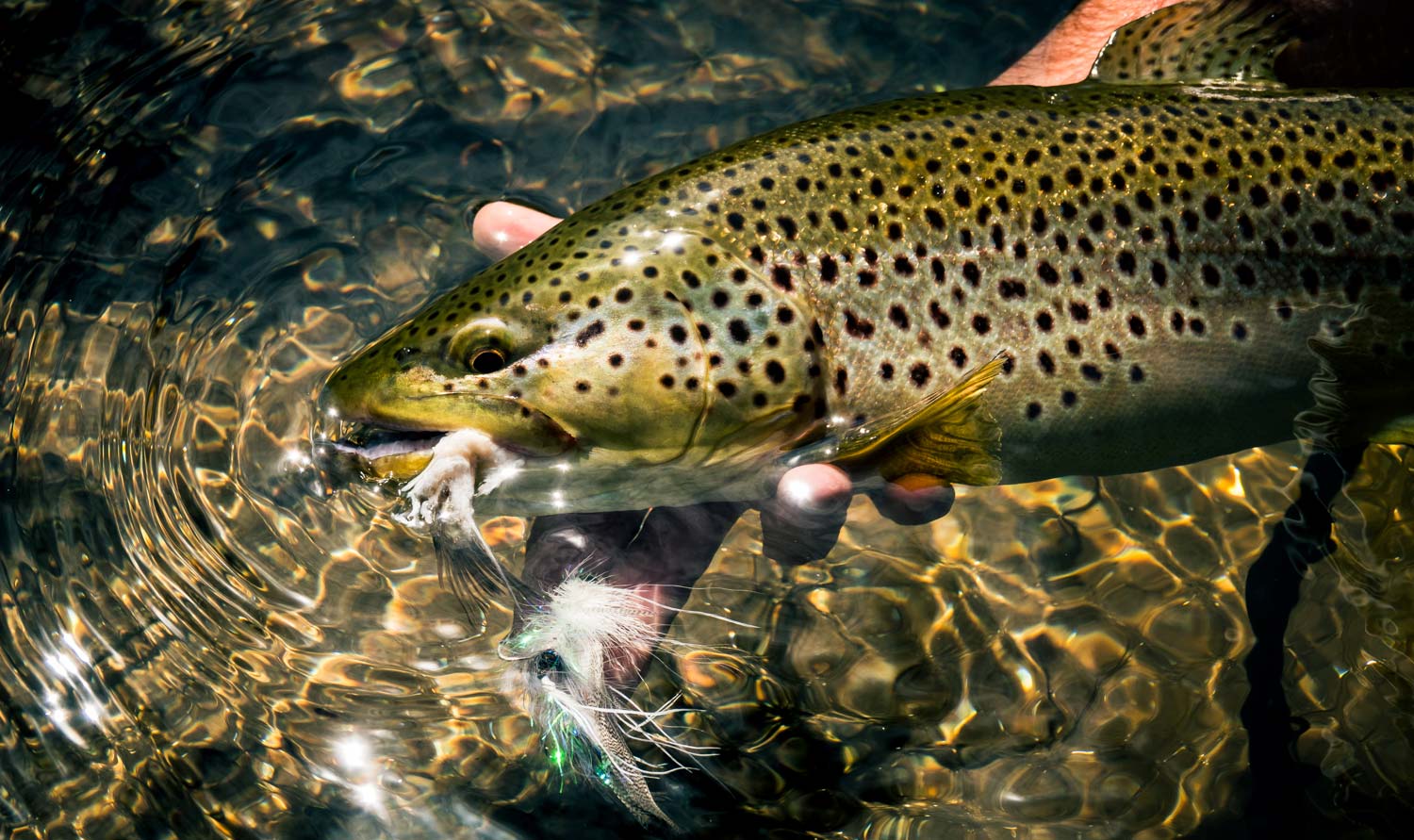
Imitation and presentation, even with streamers.
It was a bluebird day and we were launching the boat about 9 AM. No need to get moving any earlier with the chilly morning and the generation schedule. We’d run shuttle and be on the water at quarter to ten and ride the falling water for most of the day. The high pressure was certainly less than ideal but flows were on our side and everyone was just happy to get on the water for a day we might actually end up in shirt sleeves.
I took the first shift on the oars, while Jason Tucker went to work figuring out what would get eaten. We were not getting a lot of encouragement from the fish. Jason tried dries, nymphs and streamers, picking up a couple of fish but not finding anything working consistently. When it was my turn to fish I went to work with a gray and white Double Cougar. I got a few chases right away but no takers.
“What color do you like?” Jason asked, digging through his box.
“I always fish white here on high water,” I replied
I an, of course, aware that my whole approach to the day runs contrary to conventional wisdom. Throwing a big white streamer in bright sun on the front end of a high pressure system is not usually a recipe for success, but
Read More »Light Where You Need It
The sun has dipped below the horizon and the evening chill is in the air.
You’ve got maybe thirty more minutes to fish if you push it. The hatch is on and you can hear fish rising all around you as you struggle in the waning light to change your fly. The fish keep rising and so does your blood pressure but the eye of the hook continues to evade you.
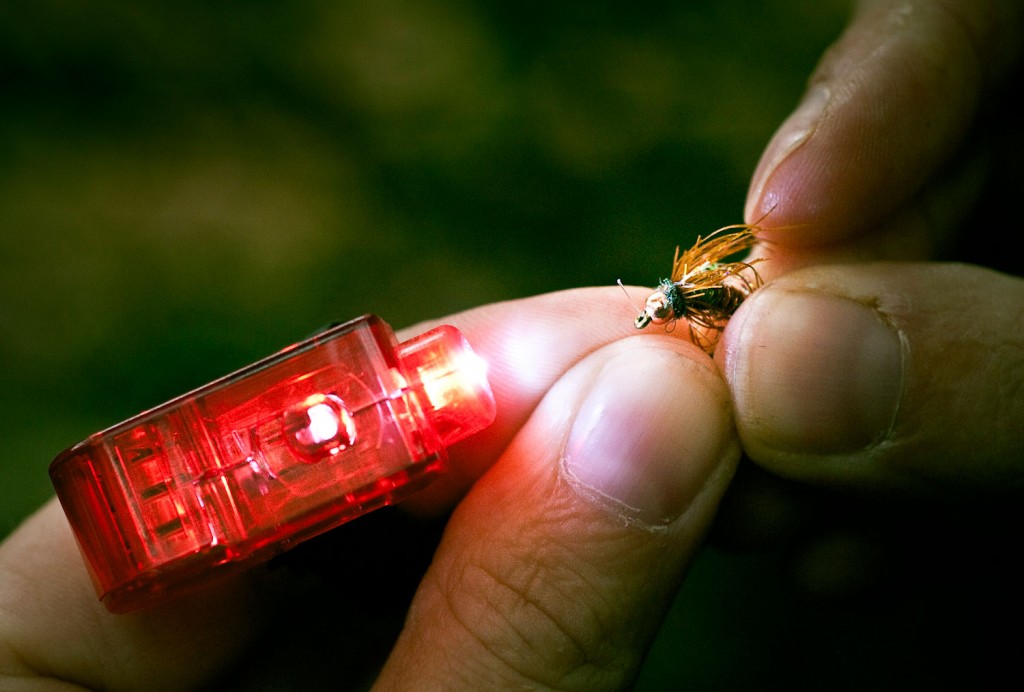
That sounds familiar doesn’t it? I know my eyes aren’t what they used to be. I’ve used a clip on head lamp for years but it frustrates me. When I lift my head to look through my bifocals the light is shining over my hands and I always feel like I’m spooking fish with that lighthouse on my hat. Then I saw my niece and nephew playing with their Christmas stockings. They had the answer to my problem. Finger lights! They slip right on to your finger with an adjustable elastic band and put ample light right where you need it to tie on flies. Best of all
Read More »Fly Fishing Karma
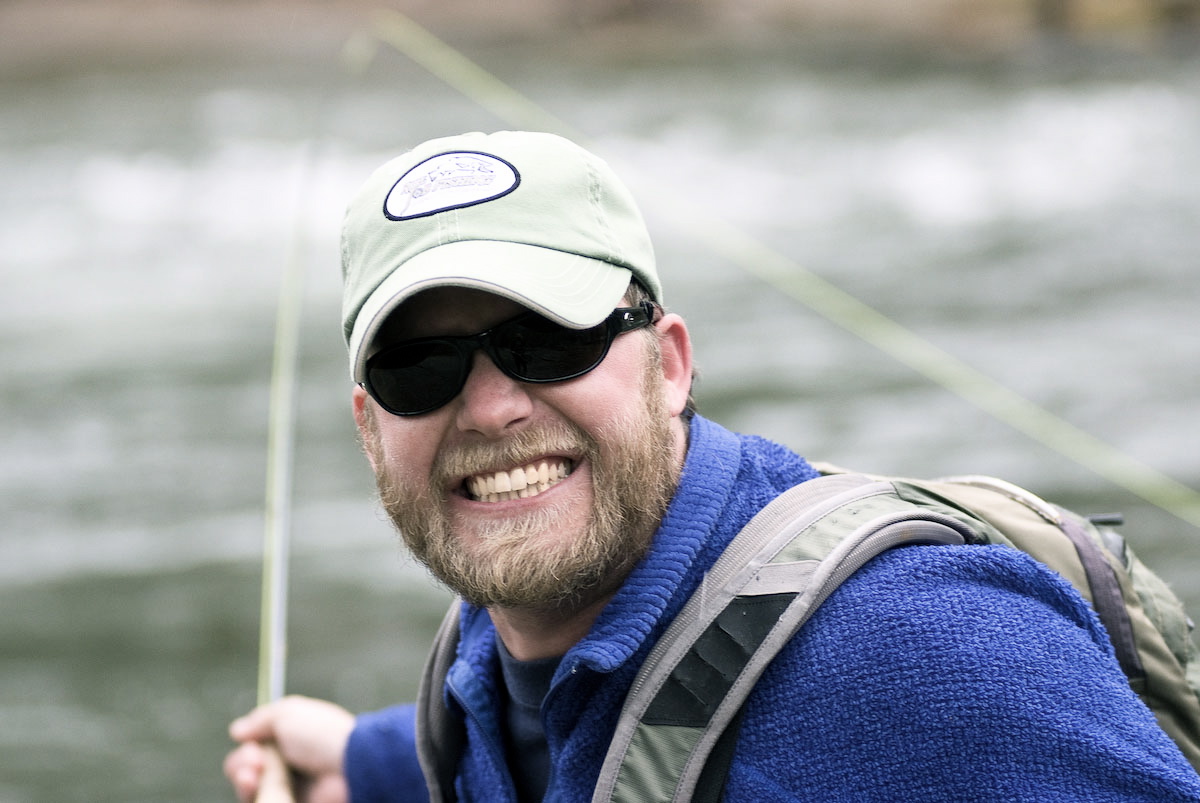
The feeling of losing a big trout can be heart breaking, especially when it’s a fish of a life time, but it happens to all of us, some just more than others. Most of the time fish are lost because of angler error during the fight, but every once in a while, there’s really no clear identifiable explanation, and all we can do to move forward with a positive attitude, is believe some fish just aren’t meant to be caught. Recently, I had a day on the water where the fly fishing was absolutely epic but no matter how hard my client and I tried, we kept unbuttoning our best fish right before I could get a net on them. At the end of the day, when all the cards had been laid out, I had an epiphany. Below is a break down of the day and my new theory on why certain fish are lost and others are landed.
Read More »Little Things Matter: On The Water Tippet
By Bob Reece
Successful anglers are built out of sounds habits.
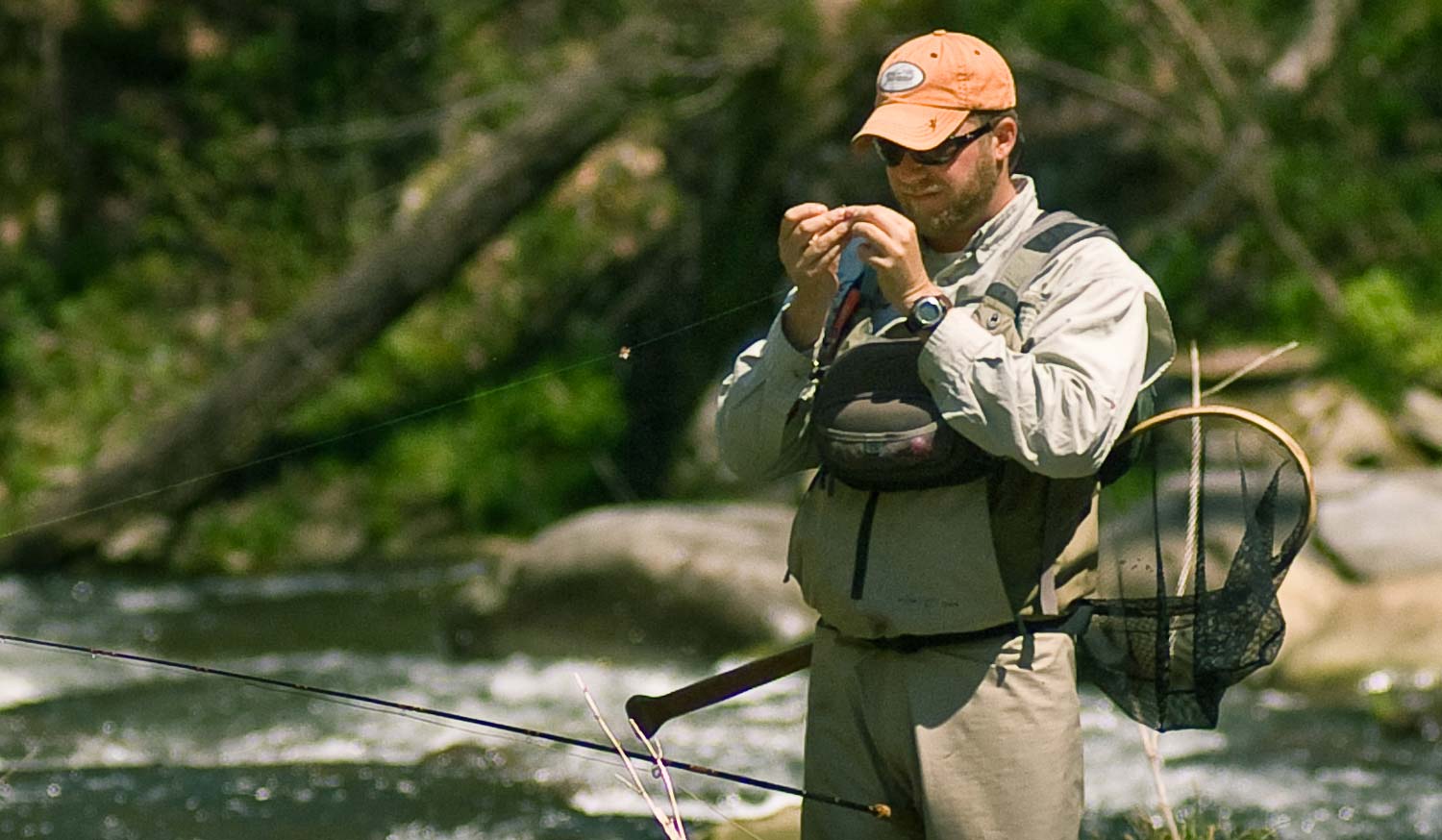
Those habits focus not only on the large aspects of fly fishing but also on the small. Within the realm of those petite practices is being aware of the status of your tippet when you’re on the water.
Your tippet is often the weakest link between a fly that hooks fish and the line that runs through your rod. Due to this fact, it is critical to check the state of that material as you move through a day of fly fishing. A lack of due diligence often results in frustration and sometimes heart breaking experiences.
On a summer adventure with friends, we had been working through an isolated drainage known for its larger than average brown trout. While fairly open, the typical stream side vegetation of willow and alder were very much present. During the morning I watched my friend pop his tippet and fly loose from several different alder bushes. As we arrived at a large run below a waterfall, I asked him if he wanted to tie on a new section of tippet. My offer was declined.
After one round of rock, paper, scissors; he won the first cast into the run. On his second drift a large brown, over two feet long, happily ate his foam offering. My friend paused and set the hook perfectly. Sadness and open mouths followed seconds later when his tippet snapped a few feet up from the fly. With a little inspection, it was easy to see the abrasion to the material that had built up over the course of the morning.
Read More »Fish Streamers in Fast Water and Seal the Deal
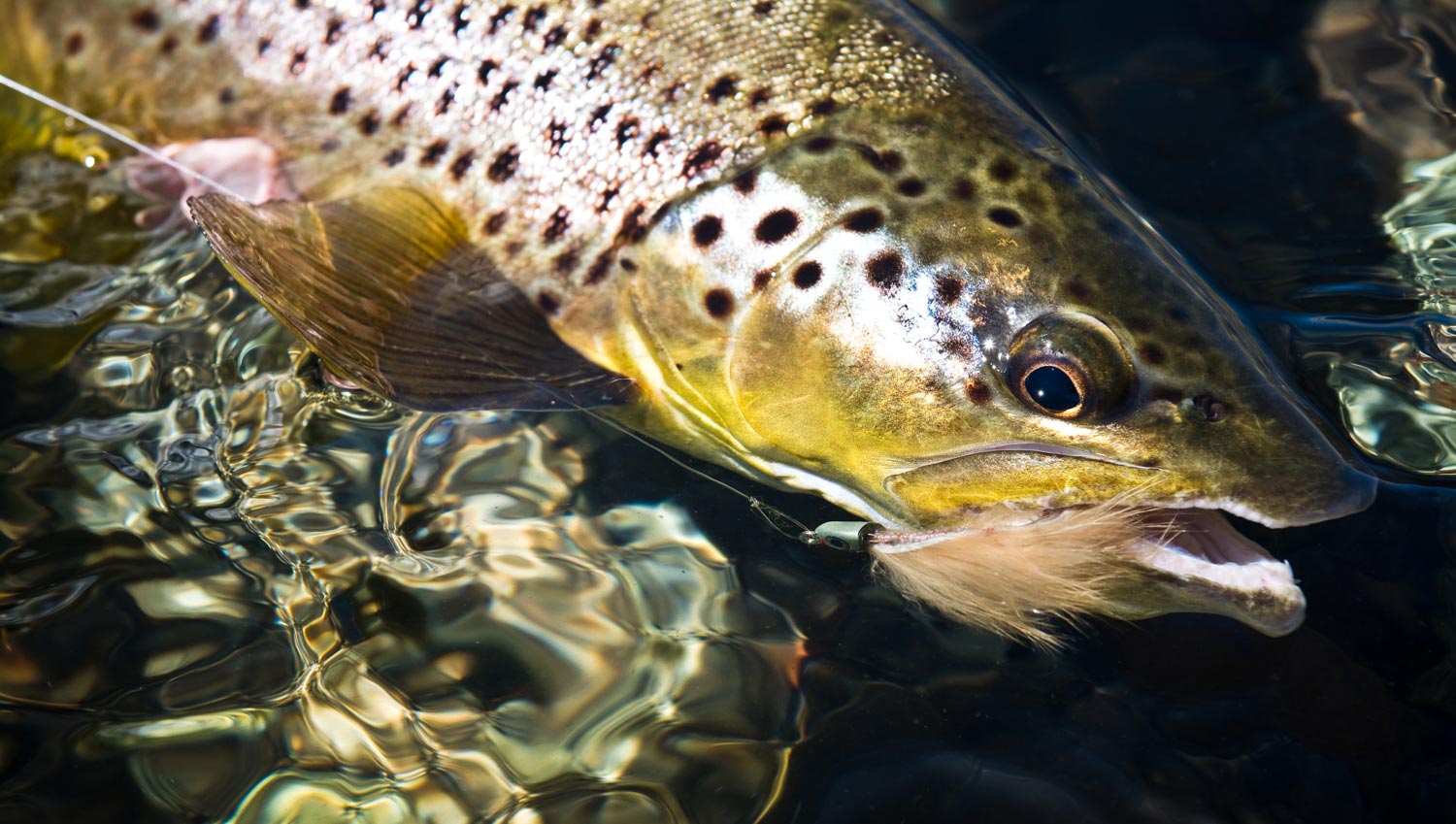
Have you ever had a day of streamer fishing when the fish just wouldn’t commit?
I had the mother of those days recently. I was fishing streamers from the boat and was literally getting follows every other cast. That’s great, but the fish just wouldn’t eat the fly. They would charge, swirl, nip and blow up all over it but never eat it. It was frustrating to say the least.
I changed patterns and got the same result. After the twentieth nice brown took a pass, I added a Wooly Bugger as a dropper. No dice. The fish would swim right past the Bugger to ogle the streamer. I switched up my retrieve, all the stuff you should try, and nothing worked. Until I changed the water I was fishing.
I started targeting the fastest water I thought could hold fish and, sure enough, things turned around. I did not slow down my retrieve and, because
Read More »