
3 Counterintuitive things tenkara has shown me
By Daniel Galhardo
Tenkara has taught and old dog some new tricks.
Since I started learning tenkara, it’s become obvious to me, that regardless of how intuitive the method is to the novice fly angler, some parts of tenkara are likely counterintuitive to the experienced fly angler.
HERE ARE A FEW THINGS ABOUT THAT ARE LIKELY COUNTERINTUITIVE ABOUT TENKARA TO THE EXPERIENCED FLY ANGLER:
A long rod is an asset in small streams
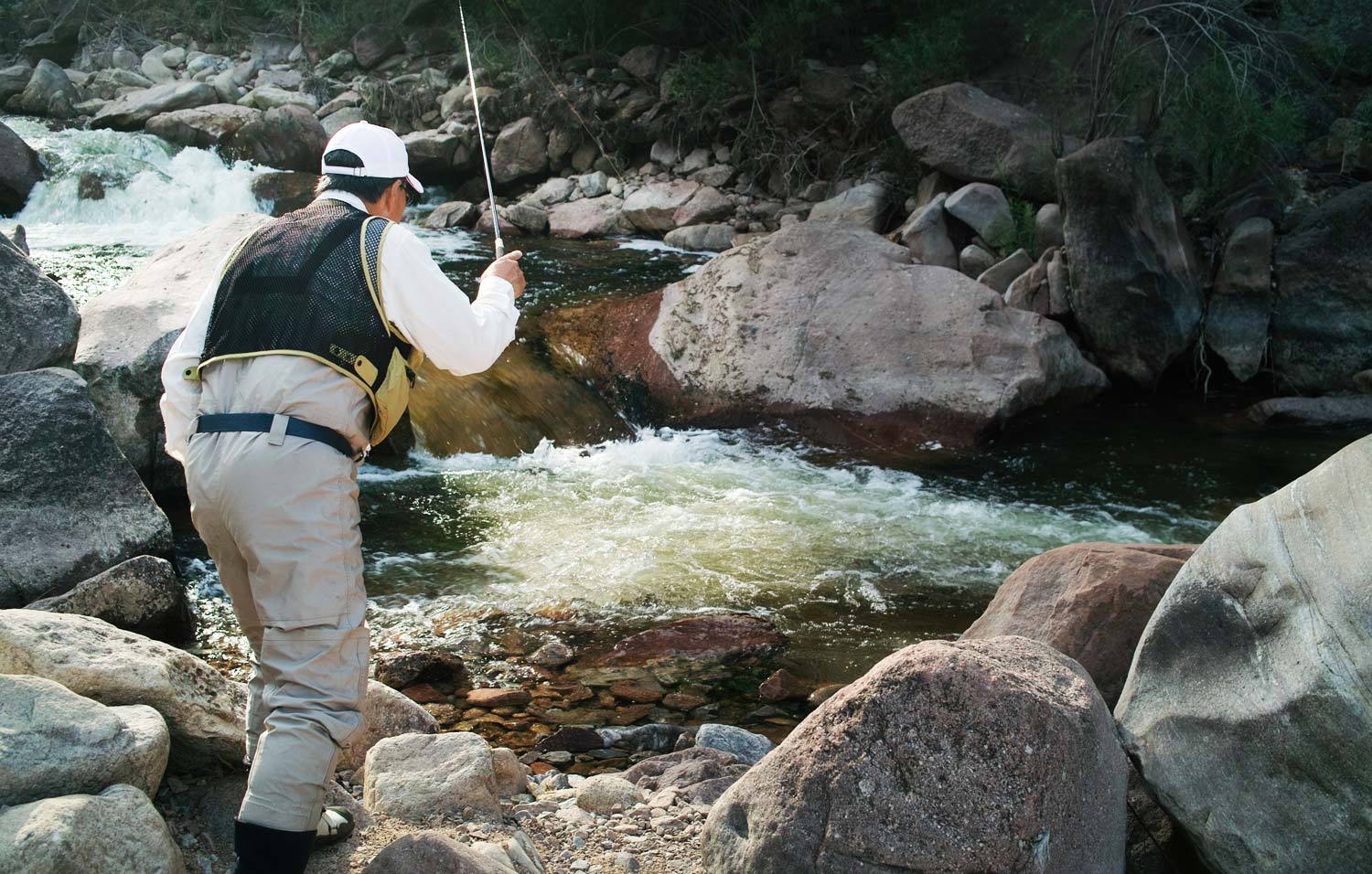
Small streams call for short rods. It makes sense right? Small mountain streams have always been my preferred playgrounds. Prior to my discovery of tenkara, my favorite rod was a soft action 7 ½ ft rod. It cast beautifully, I felt the force of the line loading it, and I felt I could maneuver it anywhere I wanted. But, that short rod probably contributed to my falling in love with tenkara. In streams we have this thing called drag. When line lays on the water, currents pick it up and drags the line downstream faster than the fly. Then, you have to mend. And, with that beautiful 7 ½ ft rod I had to mend…a lot. It was hard to achieve a good drift when fishing moving water. Like anyone else, I was absolutely intimidated by the idea of using a 12ft rod in those waters. That’s almost 5ft longer! That’s my whole wife’s worth of extra length. But, guess what, it worked. On my very first cast it was obvious that the dynamics caused by this new trigonometry had changed. I could fish pools on the other side of streams I liked without any mending. I certainly did not expect that. Nowadays you’ll find me using a 14ft 7inch long rod on my local Boulder Creek, a mountain stream that is about 25ft wide in most sections and a good amount of evergreens on its shores.
Let the rod bend!
It’s common knowledge: your fly rod is only designed to arc so much before it breaks, and to prevent breakages you should not have the rod pointed up with a deep bend on it. One is usually taught to keep a relatively low angle between the rod and the fish, lest it break. Yet, with tenkara there is no reel to allow a fish to take line. If your rod is at a low angle
Read More »My Favorite Strike Indicator: Video
I don’t always fish an indicator, but when I do…
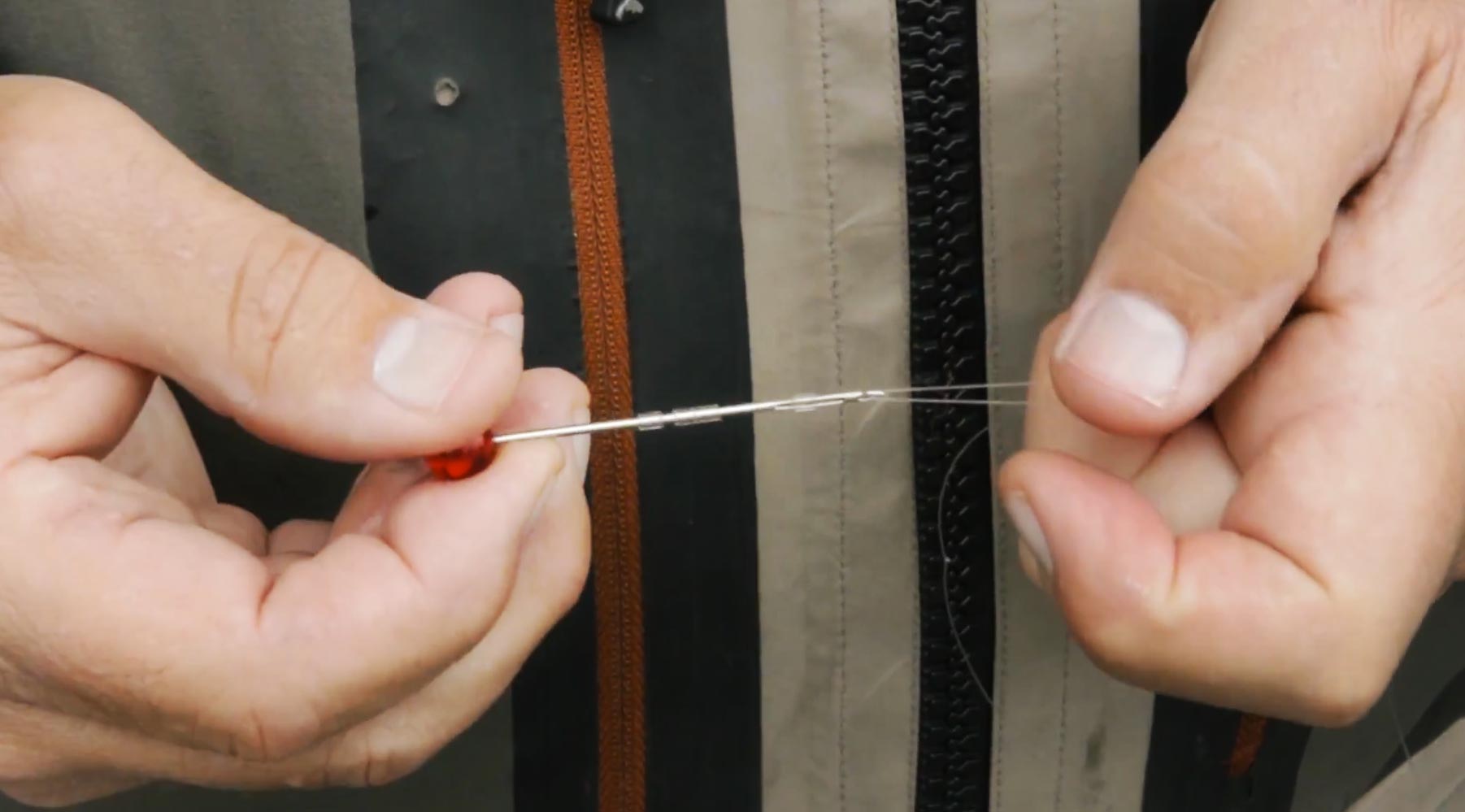
It’s the New Zealand Strike indicator. I love these little wool indicators. They are the best I’ve ever used. They’re super sensitive, easy to use and they don’t kink up your leader. The thing I love the most about them is they give you a more natural drift than a bobber. You can even let them sink in deep runs and still see the strike. Sinking your indicator gives you the most natural drift you can get with an indicator.
In case you’re wondering, I don’t get any kind of sponsorship from the company. This sounds like a plug, even to me, but this is just a tool I love and I think you’ll love it too.
WATCH THIS VIDEO AND LEARN HOW TO USE THE NEW ZEALAND INDICATOR.
Read More »Seeing the Fish: Tips on how to focus and see more fish
By Owen Plair
Sight fishing is by far the most exciting and exhilarating way to target fish with a fly.
Whether you’re combing the flats looking for cruising bonefish or walking a river looking for that big Brown sipping on the surface, sight fishing brings out that true primal instinct in both fresh, and saltwater anglers. The feeling of watching a fish feed in its natural environment, presenting a fly in that environment and watching the fish make that gorgeous mistake of eating it, is simply amazing. Fly fishing is fly fishing no matter how you catch a fish but when sight fishing, there are a lot of things that have to come together just right. Seeing the fish is the very first piece of the puzzle and the most important.
As a saltwater guide, the most important part of my job is finding the fish and then being able to get my angler to see them. Looking for fish is fun and one of my favorite things about guiding, but it’s not always easy. There are so many variables. Obviously the most aggravating and unpredictable variable is mother nature. Sometimes I wish I could take mother nature out to dinner a few times a week just so she would always be nice. The other main problem is the angler not being able to see the fish. If you don’t see the fish, then the difficulty of catching that fish is raised 10 times. This article is a brief summary of how to open your eyes to your surrounding, not just using sight but all of your natural instincts to find that fish and present a fly.
When I go on a trip to a new fishery, I always ask my guide or friend, “What are we looking for?” Two sets of eyes on the boat are always better than one, even the guy sitting on the cooler drinking a beer should ask what to look for. I find that one of my favorite feelings is when I step on the bow, strip out my line, and start studying the water. It allows you to be ready and most of all aware what’s around you. Even certain sounds like a tarpon rolling or a fish busting bait can tell you what direction to look.
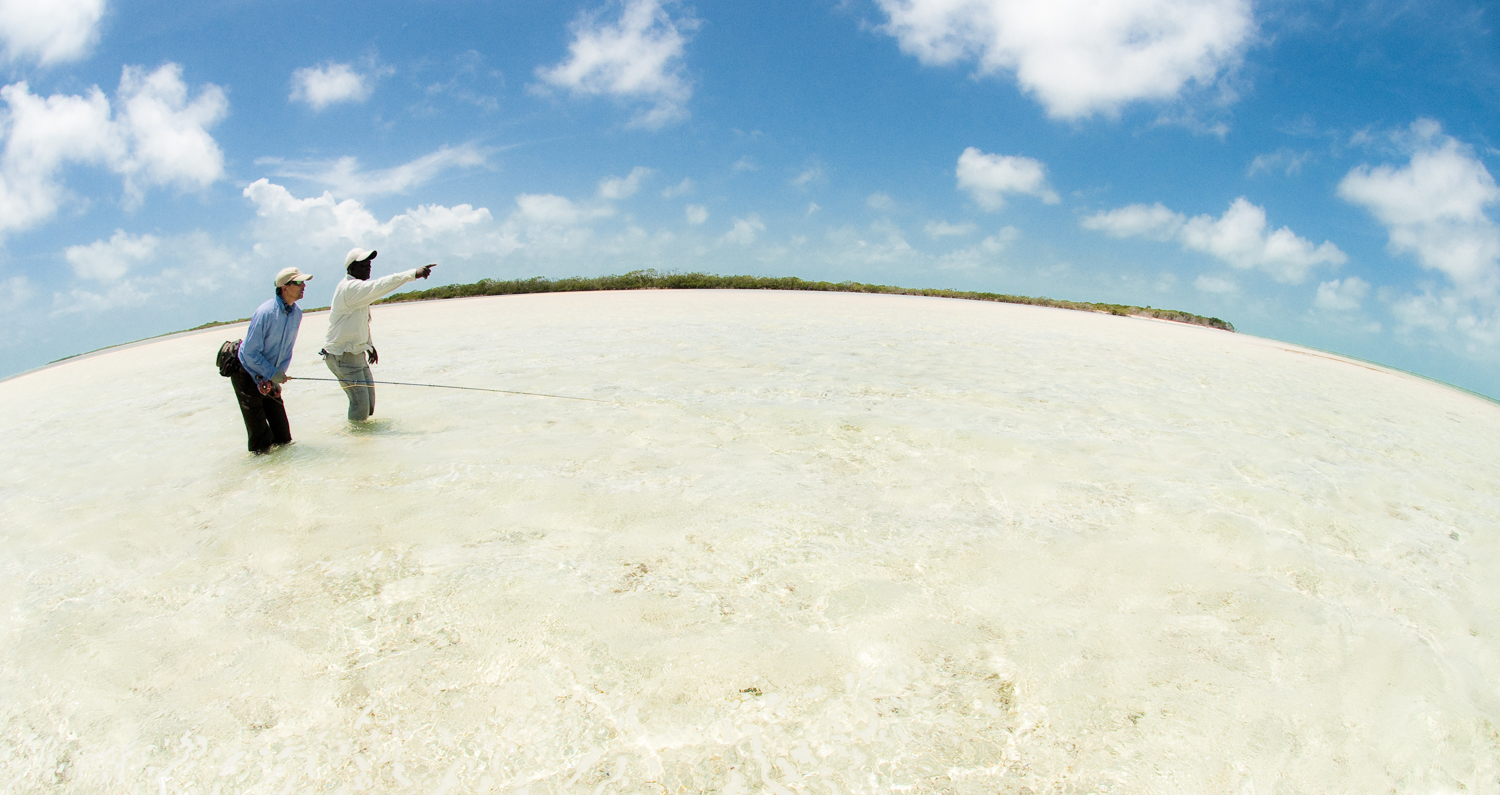
We have all had moments when we don’t see a fish and all hell breaks loose trying to find what the guide is looking at. The bow clock was created for sight fishing and is one of the most important tools for understanding where to look. Talk with your guide or friend and point your rod from 9 o’clock to 3 o’clock so that you both are on the same time zone. The bow is 12 o’clock and always 12 o’clock, no matter what direction I’m spinning the boat. Always look directly at the nose of the boat to find 12 and adjust from there.
Getting an idea of distance is very important. Knowing when to look 40 feet at 11 o’clock or 80 feet at 11 o’clock can be crucial. Most fly lines now have
Read More »11 Tips for Spotting Tarpon
HOW DOES A SIX FOOT LONG FISH VANISH?
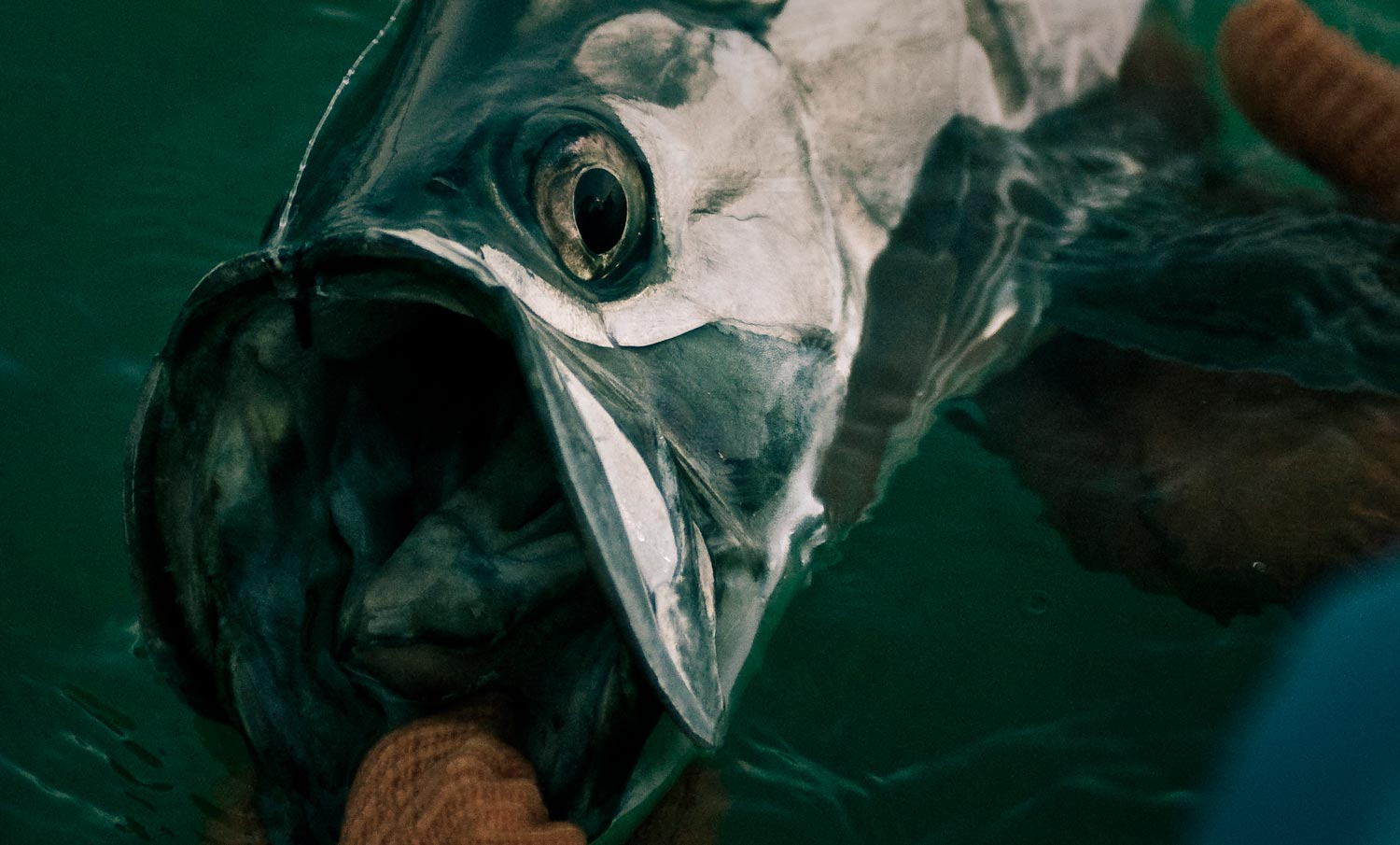
It’s hard to imagine, but they do. Even big schools of tarpon can sneak up on you with surprising regularity. Tarpon fishing is a game of strategy and the earlier you see the fish, the better your chances of success. Having the time to set up a good angle and make a plan are key. It’s also important to read the fish’s attitude and in the best case see the eat. Good eyes are as important as the right fly.
Like any flats fishing, good polarized glasses are a must and your guide will be a valuable resource. Even with the help of a guide, knowing what to look for and what it means when you see it will make the difference between frustration and elation. Here are some tips to help you succeed.
Know what to expect
Tarpon shots come in a variety of favors. Tarpon can be laid up, sitting still alone or in pairs. They can be in schools, from three or four fish to three or four hundred. Those schools can be milling around on a flat or on the move. They can move as a big group or a single file procession. These processions sometimes swim in a perfect circle called a daisy chain. Knowing what each of these options looks like will help you quickly identify the fish’s behavior and plan your presentation.
Scan the water
It’s easy to get tunnel vision when you’re on the bow of a flats boat. Fixating on a suspicious shadow or looking where you expect to see fish can blind you to approaching fish. Keep your head on a swivel and scan the water from side to side and near to far. Spend a little extra time studying water where visibility is poor. Fish can literally come from anywhere so don’t get caught staring a hole in the water.
Motion
The easiest fish to see are the ones on the move. The human eye picks up motion quickly and if you are scanning properly you will pick up moving fish from a good distance. Just be aware that you could be looking for a single fish, a line of fish or a big school. A school of several hundred tarpon looks like the shadow of a cloud moving on the water. Make sure you know which direction the clouds are moving.
Color
Like bonefish, tarpon have highly reflective sides which offer nearly perfect camouflage. What gives them away is
Working With Stretch Tubing
By Bob Reece
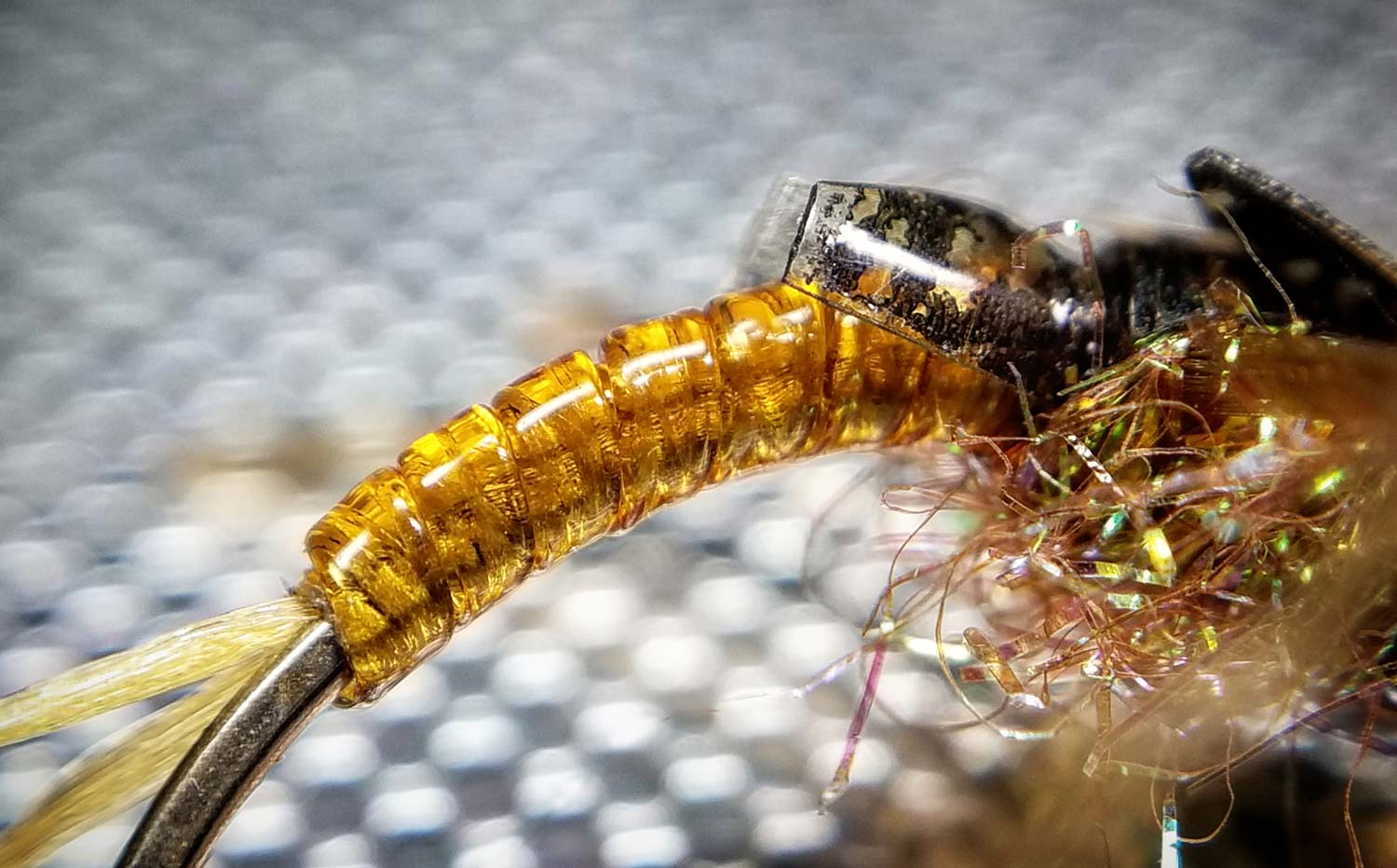
I love flies that have both transparency and durability. Incorporating stretch tubing into the construction of a pattern adds both of these elements. In addition to this, manipulating the material and those that it’s paired with, can help produce more effective flies.
Stretch tubing comes in the sizes of micro, midge and standard. Micro is the smallest ranging up to standard on the large end of the scale. This range of sizes provides a wide range of applications for patterns of all sizes. For reference, I use the standard for nymphs size twelve and up. Midge for nymphs down to size 18. Lastly, micro for dries and nymphs size twenty and smaller.
One huge benefit of the stretch tubing in comparison to solid vinyl ribs, is its elastic nature. By applying different amounts of tension to the tubing, a tier can alter the diameter of the wraps that are laid down. This allows for the creation of different natural tapers when imitating different bugs.
The color selection for stretch tubing is fairly extensive. It is important to note though
Read More »The Farquhar Bird Fly
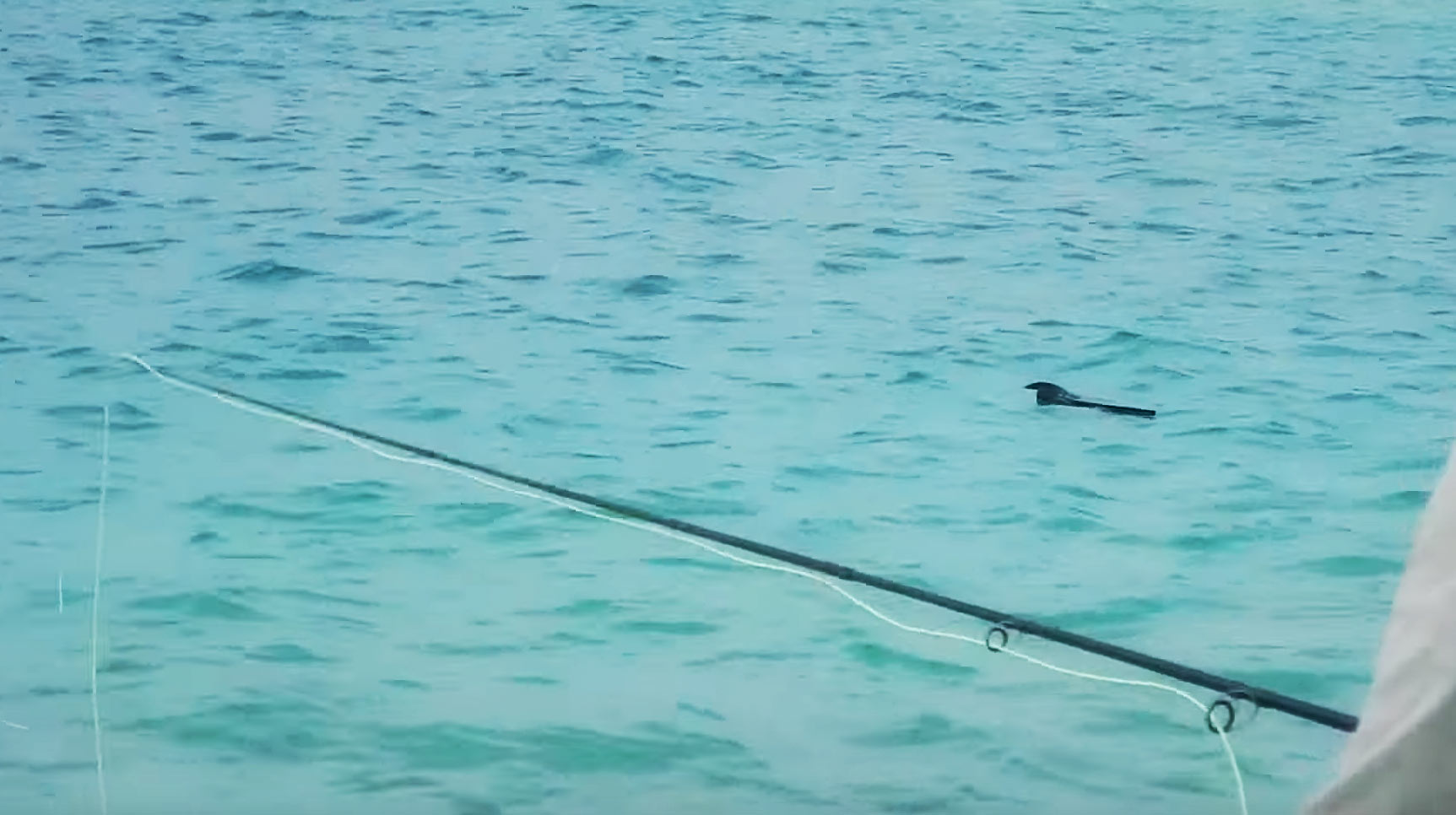
What happens when the world’s most aggressive fish meets the world’s craziest steelhead guide?
This is why I love hanging out with Jeff Hickman! On a recent trip to Farquhar Atoll, in the Seychelles, Hickman wasn’t content just catching Giant Trevally on the fly, he had to do it in the most messed up way possible.
It’s rumored that GTs will eat adult sea birds, but will they eat a bird fly? Better yet, will they eat a flip-flop? There are only two ways to find out. You can fly around the world and try it yourself…
OR YOU CAN WATCH THIS VIDEO!
Read More »Tie Connor’s Jerk Minnow
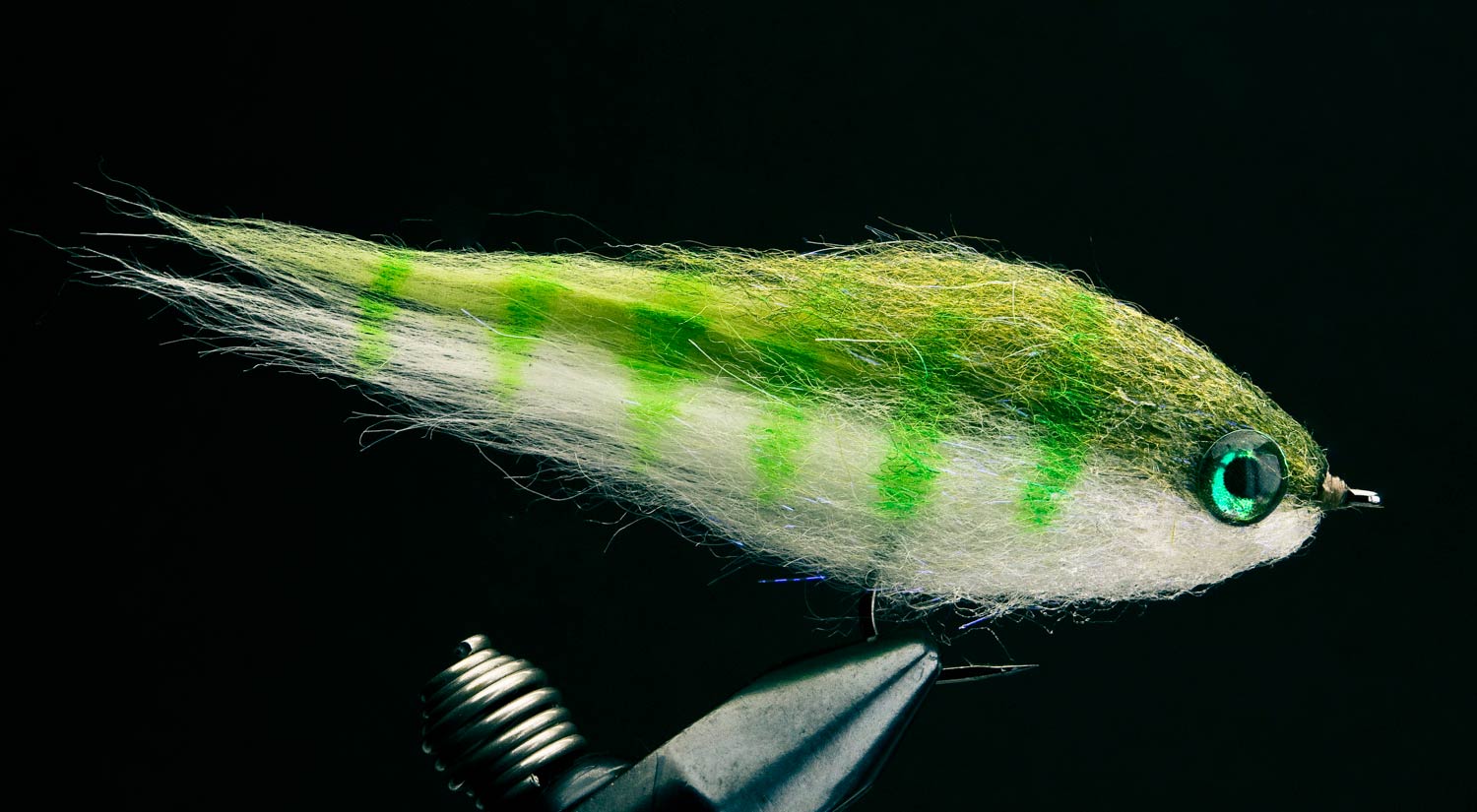
THIS DECEPTIVELY SIMPLE FLY IS ALL ABOUT THE ACTION.
Connor Jones, from Cohutta Fishing Company, ties this versatile baitfish pattern for bass and trout here in the southeast. It’s a simple fly with a clean profile and it’s easy to tie in a variety of colors.
The secret to the jerk minnow is it’s action. Connor builds a hard, hollow head, from Senyo’s Laser dub and Clear Cure Hydro, which captures air and gives the jerk minnow an erratic darting action, when stripped hard. Big predatory fish can’t resist it
It’s a fly that will produce fish on lakes and rivers. Tie it in the colors and size to match the forage species on your local waters. Strip hard and hang on tight!
Watch the video and learn to tie Connor’s Jerk Minnow
Read More »Sooooo-ee!!! Calling All Pellet Pigs: What You Should Know About Feeding Trout
THE OTHER DAY ONE OF OUR READERS WAS OFFENDED WHEN I USED THE TERM “PELLET PIG”. I ENJOY OFFENDING PEOPLE, SO I DECIDED TO WRITE AN ENTIRE POST ON THE SUBJECT.
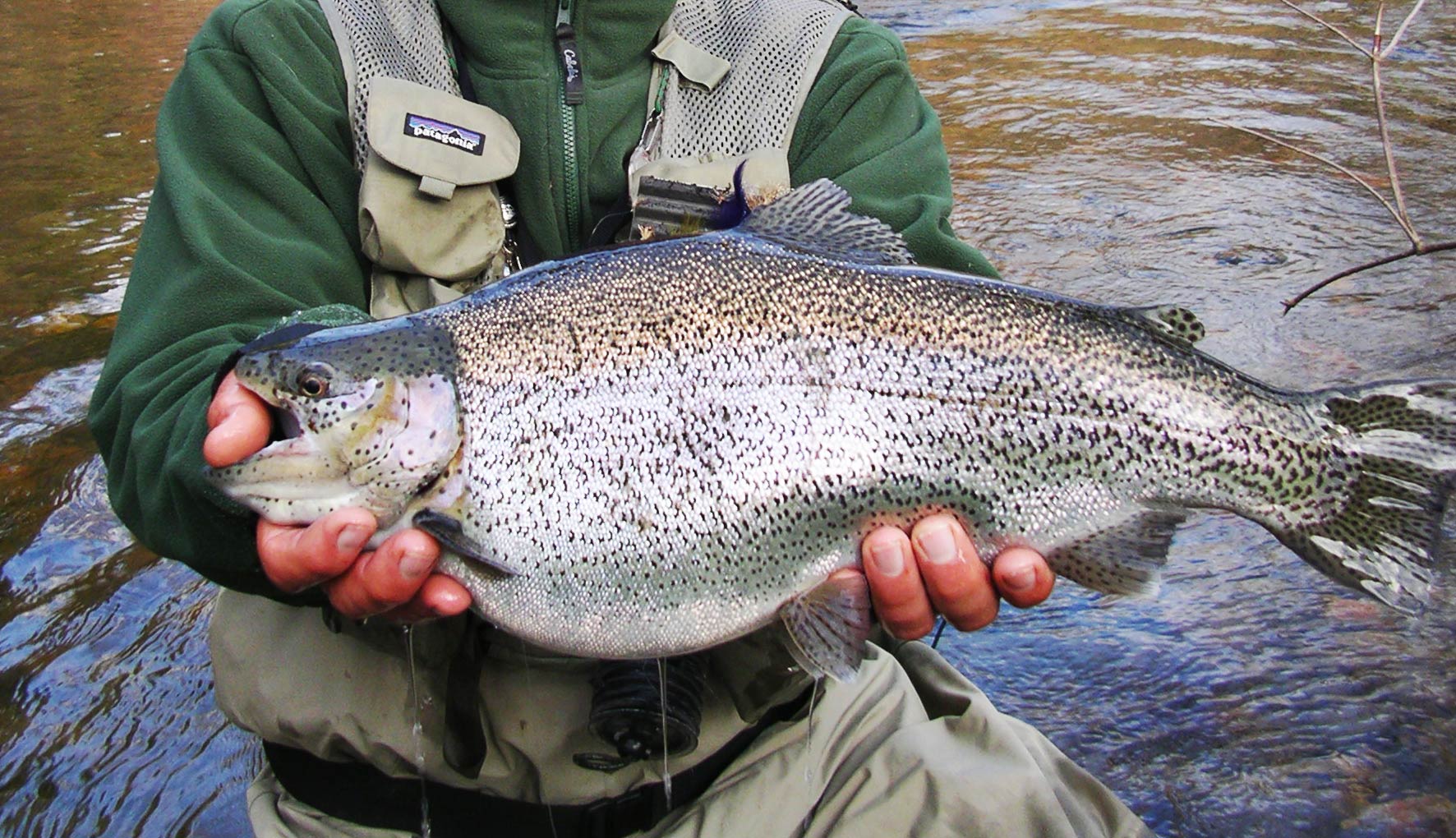
I honestly didn’t know we weren’t supposed to talk about this. Pellet pigs are a fact of life. They exist and people catch them. They are not offended that we call them pigs, because they don’t speak English. They can be a TON of fun. (get it) They can turn a marginal stream into a hog farm and they can seriously fuck things up.
Feeding fish on private water is a very common practice. I am not going to tell you that it’s ‘bullshit’ or it ‘doesn’t count’ or that it makes you a ‘pud whacker.’ I did it myself for a season and I have good friends who still do. I’ve had some great times catching pellet pigs and sharing the experience with friends. Through personal experience, I’ve learned the positives and the negatives.
Feeding fish, on private water, is a great way to insure that they hang around. Feeding will also attract wild fish from other parts of the stream to hold in your water. It’s a sure fire way to insure that you will always have good fishing, regardless of the quality of your water. It makes fish grow fast and generally means big fish will be present in unnaturally high numbers. This all sounds pretty good, right? Well, nothing in life is without cost and pellet pigs are no exception.
I’m not saying it’s always a bad idea to feed fish. You can do it right and you can do it wrong. What I am saying is,
IF YOU DECIDED TO FEED FISH, HERE ARE SOME THINGS YOU OUGHT TO KNOW.
1)Your trout is so fat it showed up at the Macy’s parade wearing ropes!
2) Feeding fish takes natural selection off the table. This can negatively impact the entire ecosystem of a stream. It discourages predation and supplements trout which would otherwise end up food themselves. If the trout in question is capable of reproduction, they pass on inferior genetics. Feeding also encourages fish to to crowd into holding water in unnatural numbers, increasing the spread of disease. These hordes of fish put unnatural pressure on forage food and can virtually wipe out localized forage species like insects and crawfish, leaving the fish increasingly dependent on feeding.
3) Your trout is so fat it can’t hold in a run, it has to hold in a waddle!
4) Pigs get fat, hogs get slaughtered. Feeding fish in one section of a stream can negatively impact the overall population. Causing fish to congregate puts them at risk on many levels. In addition to spreading disease, large pods of fish attract predators like otters, herons and bait fishermen. When a large pod is wiped out, the fish which are lost might have populated several miles of stream. Spread out, they would have survived.
5) Your trout is so fat
Read More »Social Media, The Best Thing To Ever Happen To Fly Fishing
THOUSANDS OF GALLONS OF INK HAVE BEEN SPILLED AND BILLIONS OF PIXELS HAVE FLASHED ABOUT THE EVILS THAT SOCIAL MEDIA, AND THE INTERNET IN GENERAL, ARE PERPETUATING ON THE SPORT OF FLYFISHING.
I can’t tell you how many rants, posts, articles, captions and blurbs I’ve read that contend, in some way, that some part of the Internet is ruining the sport we all love so much. “It just encourages Grip and Grins.” they shriek. “It’s making flyfishing into a competition!” they scream. “It’s just a bunch of people trying to get Internet famous!” they howl. And they are right. All of those things do happen on the Internet. They also happen in the flyshop, around the campfire and over beers. There isn’t any way to deny that some people use social media and the Internet to try to make themselves look like master anglers. Hell some of them ARE master anglers promoting themselves (and the sport).
The fact is, in a real and fundamentally important way, the Internet is the greatest thing that’s ever happened to flyfishing. The ramifications of the changes it is creating are still waiting to be wholly felt, but have already influenced everything from public policy to international politics to fish care and handling. More importantly, the scale and scope of the reach of flyfishing continues to grow. The exposure of the sport is no longer limited to Brad Pitt or grandpa. It’s now an organic and fluid mechanism defined by the collective image set forth by all of us. We’ve been given the power to reach into places that would have never known flyfishing and to do it in ways that don’t involve stuffy meetings or AARP-sponsored events. And we’ve done a helluva job; taking flyfishing from the purview of only rich old white men into something not only accessible, but promoted to everyone. Are we perfect? Hell no. But we are damn good.
Many years ago I was standing on the bank of a small muddy river in South Eastern South Dakota. I had a Cabella’s 6 weight rod and reel combo that my father had given me. Don’t ask what line or leader I was using. I wasn’t that advanced yet. On my hip was an ammo belt that I’d stuffed with my 2 tippet spools, fingernail clippers (because that guide in Colorado used nippers so I knew using my teeth like I had all my life wasn’t classy enough for flyfishing) and a flybox with 12 random flies in it. I’d tied on a yellow foam beetle and was attempting to cast it between ice sheets on a cold March day. See, I knew you could catch bluegill on flies. The guide had told me so. He’d also said he preferred a yellow beetle to get them. So there I was trying to get a drift with my leader dragging on the ice and not understanding why the fish weren’t biting that day.
For years I struggled to learn how to flyfish in warm water.
Most was pure trial and error. I’d try stuff; it wouldn’t work… so I’d try other stuff. I was the only person in the world, as far as I was concerned, fishing warm water with flies and I did it incessantly. You know that quote attributed to Einstein about insanity being a person doing the same thing over and over and expecting a different result. Well, I was certifiable at that point.
Hungry, Hungry Bonefish
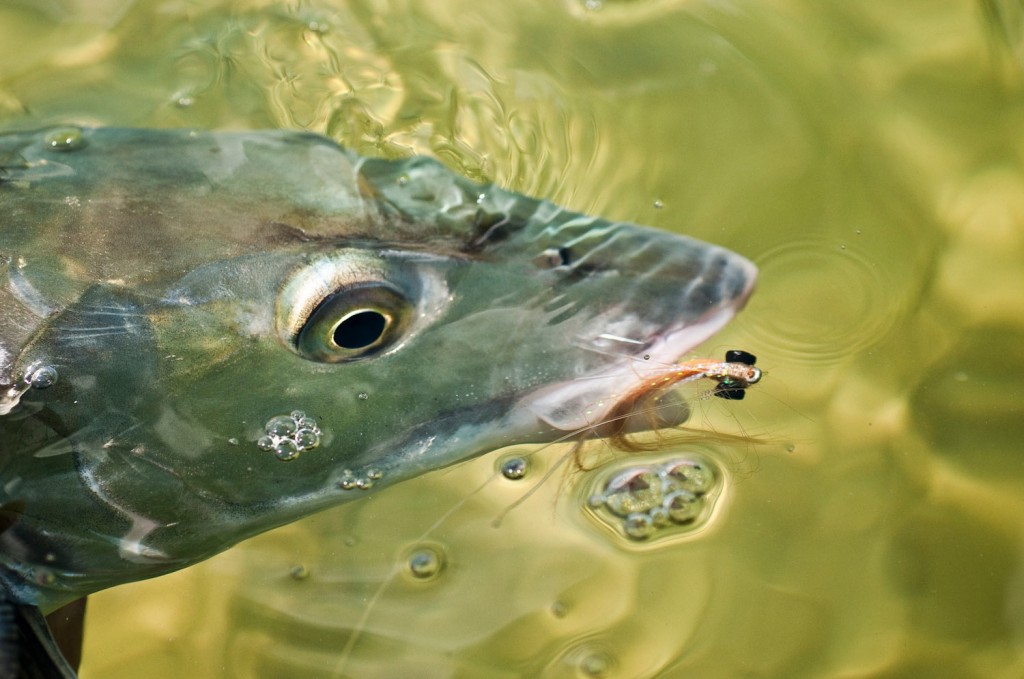
One of the things that makes bonefish so much fun is their generous nature.
When bonefish are feeding they are some motivated little dudes. If you can get a fly in front of them the odds are good that it will get eaten without a lot of scrutiny. This is not to say that’s always easy. Often the conditions make it nearly impossible. Making a sixty foot backhand cast, into thirty mile per hour wind, to a fish that’s booking across a flat, and changing direction unpredictably is plenty challenging. All I’m saying is that once you pull it off, the bonefish will likely reward you for your trouble.
I was at the World Wide Sportsman in Islamorada the other day to pick up a few essentials. They have a big saltwater aquarium with all of the popular Keys sport fish represented. I arrived about five minutes before feeding time and the natives were getting restless. This little bonefish had himself whipped into a frenzy. Watch this video and you’ll see what I mean. Remember there is no food yet, he just knows it’s time and he’s losing his cool. All the other species of fish are chill but Mr. Bone is literally trying to get out of the tank and chase down some grub.
http://youtu.be/PfFX337lU_M
Ok, that’s fun but it also tells you a lot about this fish and his eating habits. He’s ready to stick his face anywhere there’s food and he wants to be there first. A good lesson here, for example, is how to fish to a school of bonefish. The lead fish in a school will always be the biggest. He’s the one you want to catch, right? When you drop a fly in front of that school, this is the attitude your going to see when they come after it. If you want to catch that lead fish you had better
Read More »