
Fast Pocket Water & Big Attractor Dry Flies
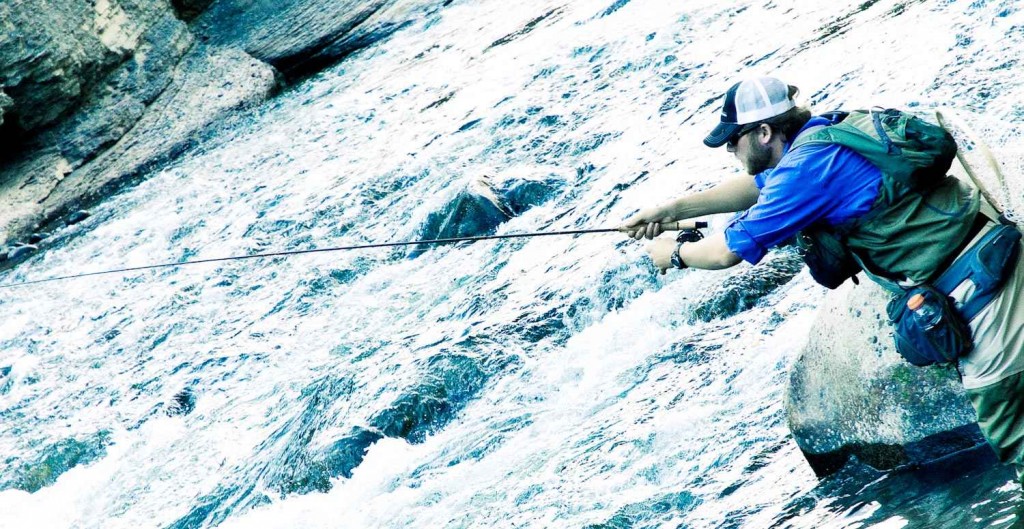
During the spring, summer and fall I often get the itch to forget about catching numbers and instead see how big of an attractor dry fly I can get away with fishing and still fool trout.
For those of you who don’t know, my closest trout waters are North Georgia and Western North Carolina. We don’t regularly fish giant attractor dry fly patterns, like lots of my western friends do, because most of our water just won’t yield much results. That’s whats so cool about the idea of fishing them, when most anglers would chastise you. It gives me a little extra reward fishing patterns out of place and still catching fish. My favorite trout water for doing this on are medium-sized streams, particular in gorge sections that have a steep stream gradient. This type of water generally is loaded up with pocket water, and that’s perfect trout water for fishing big attractor patterns. Most of the trout found in these stretches of water are forced to be opportunistic feeders. The fast and turbulent water don’t give them a lot of time to examine their food before it’s out of their reach.
I’ll never forget an epic day of fishing in western North Carolina last year, fishing a size 6-8 Royal Wulff. I caught some really nice brown and rainbow trout that day, and I chuckled inside as I got weird looks from other locals on the stream, as they watched me drifting unusually large dry flies. They must have thought I was a
Read More »Give ‘Em A Rest
By Justin Pickett
It’s Summer.
What that means for most of the country is low water and high temps. And while those two factors will vary from year to year, and region to region, one thing should stay the same…
We need to be keeping a close eye on water temps.
Just about every year in the Southeast, you can count on most trout streams rising well above sixty-five degrees. Here in Georgia, when June rolls around, the state-run trophy waters and privately held waters begin either shutting down, or limiting the fishing to the early morning hours when the water temps are at their coolest.
We all know trout are extremely susceptible to succumbing to the rigors of a fight in warm water conditions. It can be impossible to recover a trout once those water temps start creeping closer to seventy degrees. There is just not enough oxygen contained within that warmer water to revive them. And even if that trout does swim off initially, it’s more likely to go “belly up” in the minutes that follow.
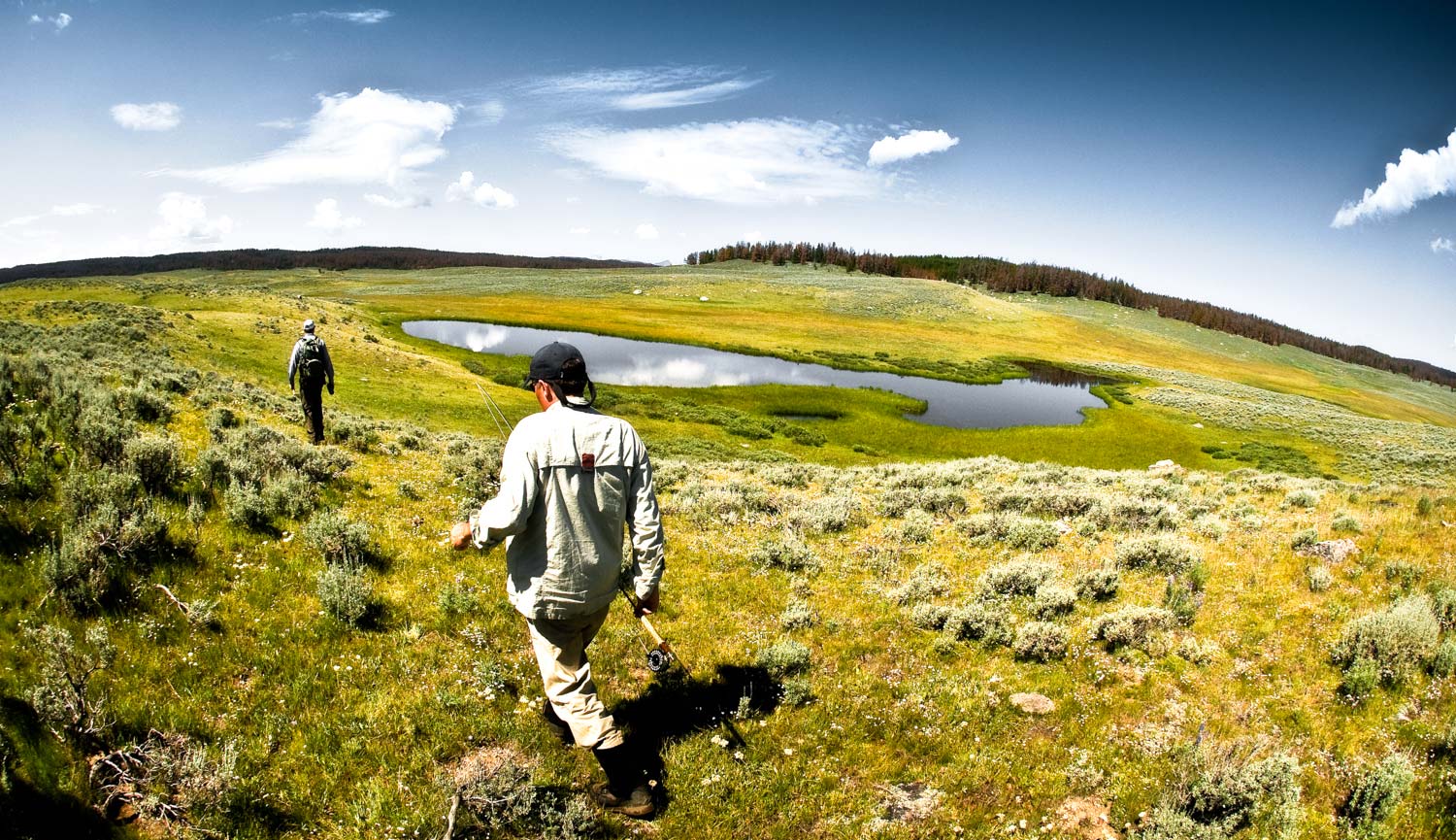
That is why I typically switch to warm water species, such as largemouth bass and carp once the hot temps of summer settle in. There are a couple north-facing streams here in Georgia that can offer year ‘round trout fishing, but even then I will cut it off around 11 o’ clock. Past that, I don’t want to be out there anyways. It’s hot and muggy as hell! Fishing in high elevations can be a great alternative option. These headwater streams and alpine lakes offer up cooler temps and don’t warm as quickly during the summer months. And there is some great fishing that can be had if you’re willing to put forth a little effort to get there.
Aside from that, it’s just a good idea to give trout a rest this time of year. I know, it’s hard to get up on a beautiful morning and resist the urge to toss a few bugs, but the trout will thank you and the fishery will be better for it. Be sure to carry
Read More »Fly Fishing in the Winter – Getting in the Routine
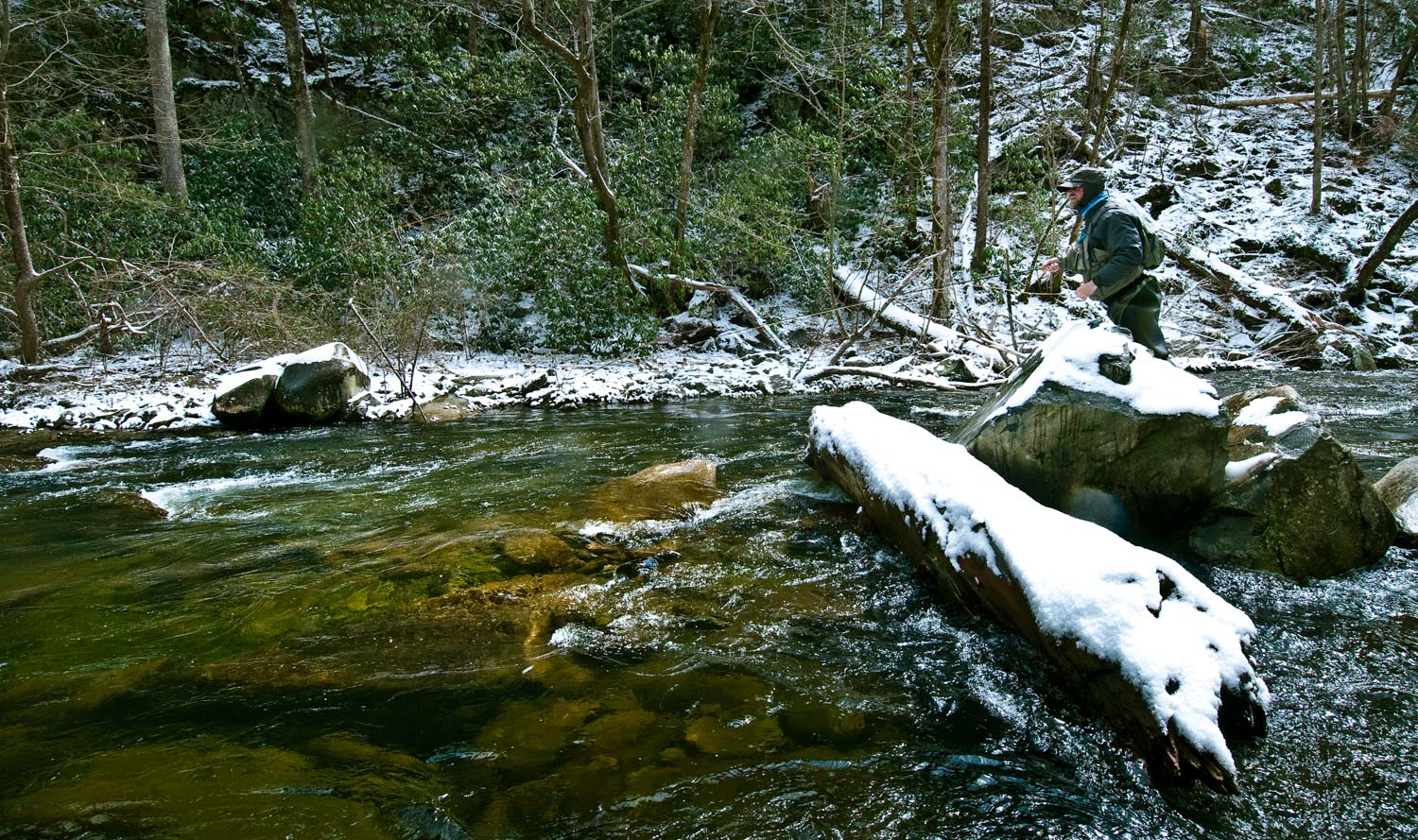
I’ll be the first to admit, that the first few cold fronts of the year negatively effect my angling morale. Those initial cold fronts are always a sobering reminder that winter is quickly approaching, and the warm days of the summer and fall are long gone. Yes, this is the time of year that I find it harder to get out of bed in the morning. My snooze button gets quite a bit more love from my index finger, and I’m forced to brew my coffee extra stout. As I loosen up in the shower, with my morning stretches, and warm water hitting my back (as us old folks are plenty familiar with), I think about my next objective of the day, which will be to de-thaw my frozen waders and boots. I left them laying in the back of my truck, and yes, I know, I should have brought them inside. I respectfully ask you all to turn your cheek because it always takes me a few weeks before I wise up to the cold season. That’s why, if you peak into the window of my truck this time of year, you’ll probably find me driving around with my waders and boots on the floorboard of my truck, with my heater set to high, and blasting on my feet.
Read More »Tandem Streamer Rigs Catch More Trout
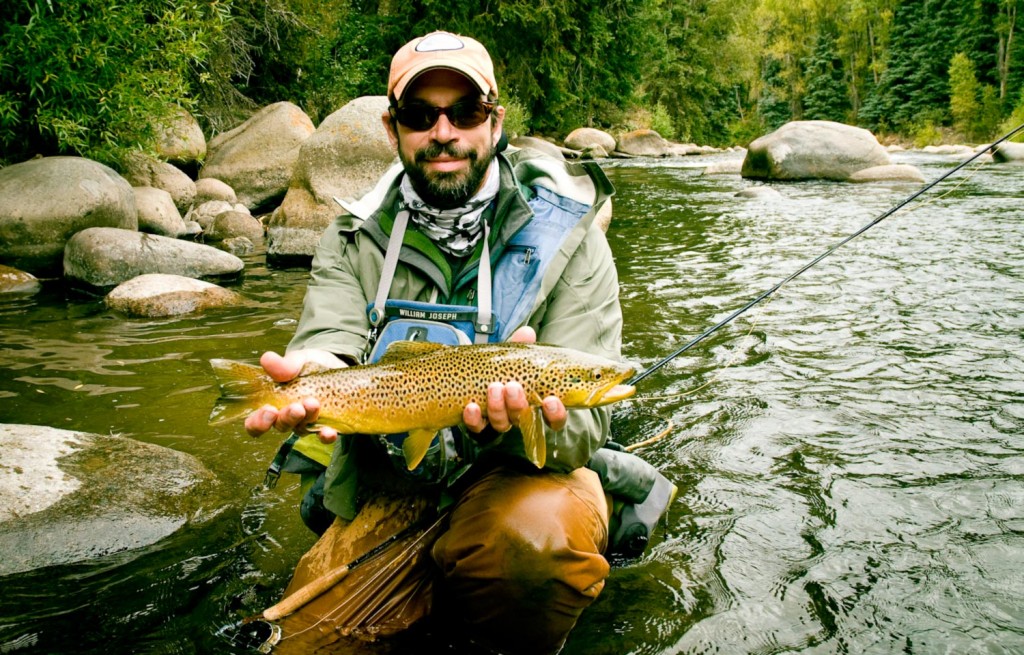
There’s no doubt that Louis and I are both hardcore streamer junkies.
We never leave home without our streamer boxes packed full. One thing we do a little different from some streamer fishermen on the water is fish a streamer dropper rig. Quite often we’ll tie on a nymph dropper off the back of our big gaudy streamer to increase hookups. Big fish are smart, especially during the busy season when their getting pressured, and they can sometimes get a little gun shy eating big streamers. If you’re on the water and you’re getting a bunch of chases or short strikes on your streamer, try tying on a dropper nymph. It will serve two purposes. First, it will be less intimiating to spooky trout. Secondly, it will often tempt a trout to eat that has turned off your streamer at the last second.
Case in point, last year Louis and I were on the Madison River streamer fishing with very little luck. Instead of giving up on the streamer bite, Louis tied on a size 10 golden stonefly nymph dropper and began putting on a clinic. Every fish ate the golden stone like it was candy and he brought numerous twenty plus inch fish to the boat that day. Experiment with
Read More »Big Trouble in Little Mountain
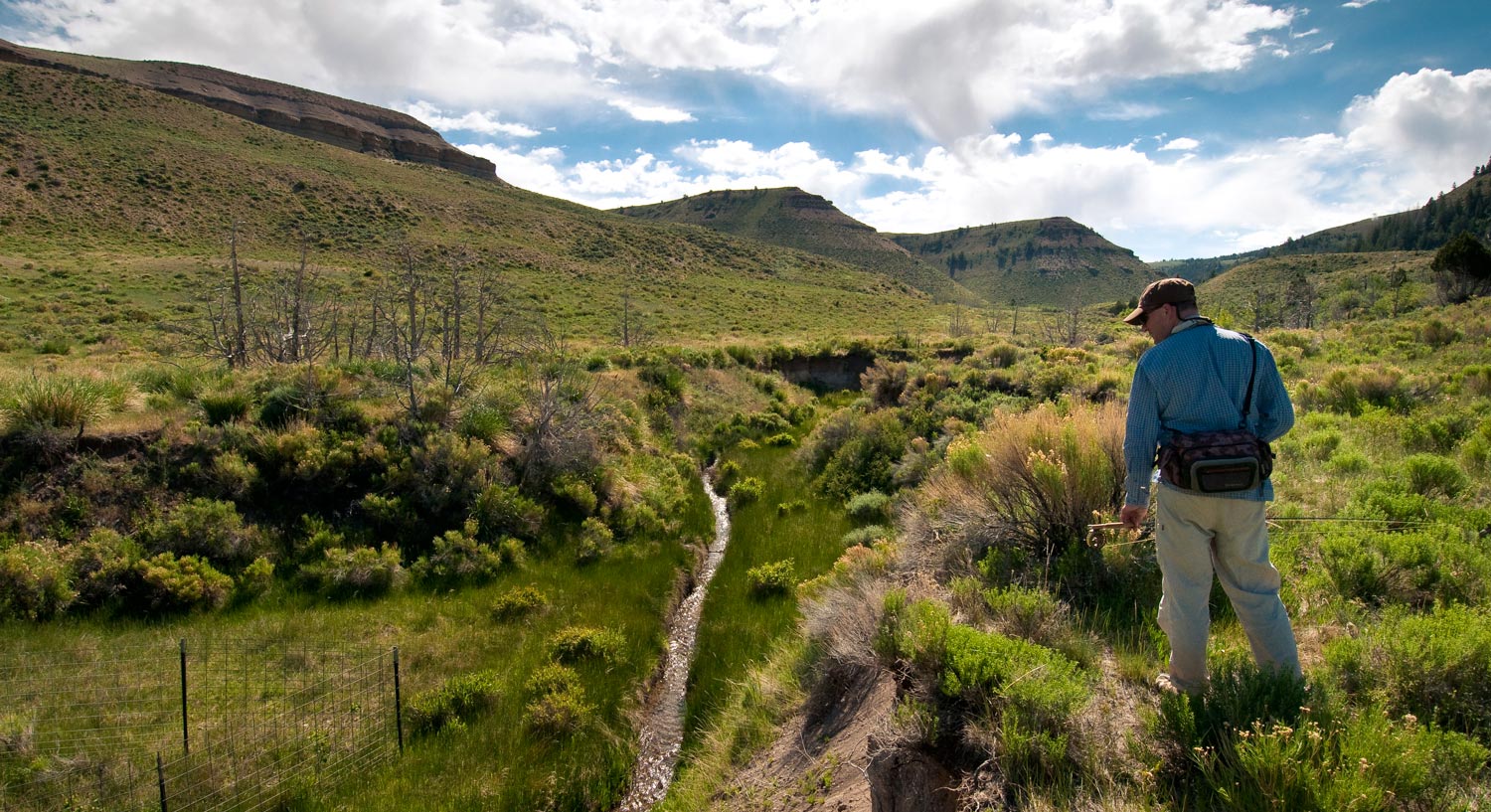
“I KNOW WHAT YOU’RE THINKING,” STEVE TELLS ME. “I CAME ALL THE WAY TO WYOMING FOR THIS?”
I look down from the deep head cut at the trickle of water below. It’s, maybe, eighteen inches wide and no more than six deep. The red earth stream bed is pounded flat by the desert sun and the flow is about what a bath tub faucet would produce. A good skipping stone would pass for structure. I can’t imagine how it could hold a trout. Steve is right.
“Give it a chance,” he tells me. His eyes sparkle and an eager smile spreads across his face. “At some point today, this little stream is going to surprise you.”
Red creek is one of a handful of tiny streams that drain Wyoming’s Little Mountain district. The area is better known by sportsmen for its remarkable elk hunting than its fishing. You don’t have to spend very long there to see why a Little Mountain elk tag is one of the most coveted in the west. We see several large bachelor groups on the drive in. They are poised, heads held high and moving light on their hooves, the sun on their velvet racks etching bright gold lines against the morning sky. There are mule deer, eagle, antelope and nesting hawks. The landscape is idyllic, vast, striking and uninhabited. Endless red hills covered with sage brush are slashed by lush green valleys dotted with wild flowers. It’s an oasis for the eyes in a state that can be rough as a cob.
Little Mountain is due east from the famous Flaming Gorge of the Green River. Anglers come from around the globe to float the Green below Flaming Gorge reservoir. The tail water is well known to hold huge trout, as does the reservoir. Rainbow, brown and cutthroat trout as well as carp and the invasive burbot. Lake trout, brook and tiger trout, kokanee salmon, small mouth bass, large mouth bass, catfish and white fish all inhabit the 3,789,000 acre-feet of Flaming Gorge Reservoir. It’s a manmade cacophony of nonnative species, never imagined in nature. Few of the anglers who fish it know that only a few miles east, the beautiful and fragile native Colorado River Cutthroat (CRC) is making its last stand.
Red Creek is known to hold one of the few genetically pure CRC populations in Wyoming. Years ago game and fish officials stocked most streams in the west with cutthroat trout. Their good intentions lead to disastrous results. The practice would go on for decades before scientists began to identify the myriad of sub-species that make up the cutthroat family. By the time this complicated diversity was understood, hybridization had muddled the genetics of cutthroat in most watersheds.
The CRC population in Red Creek was saved by an unlikely intervention. An improperly installed
Read More »The Bimini Twist
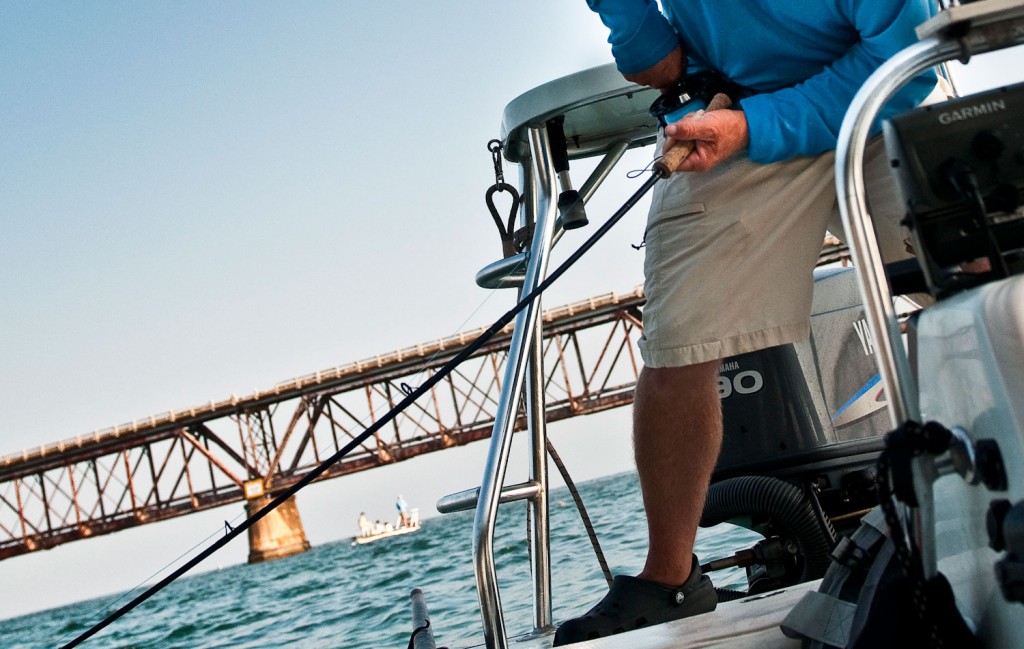
The Bimini Twist may be the the most mysterious knot in fly fishing.
I love the look you get when you tie one. It’s as though you pulled a rabbit out of your fishing hat. In reality, the Bimini Twist is not a difficult knot. Once you understand it it’s very easy to tie and it can not be beat for strength. It is the best method for attaching you backing to your fly line and a knot every angler should know how to tie. Here’s Capt. Joel Dickey to show you how easy it is.
WATCH THE VIDEO AND LEARN TO TIE THE BIMINI TWIST!
Read More »“Do It Yourself Bonefishing” by Rod Hamilton, Reviewed
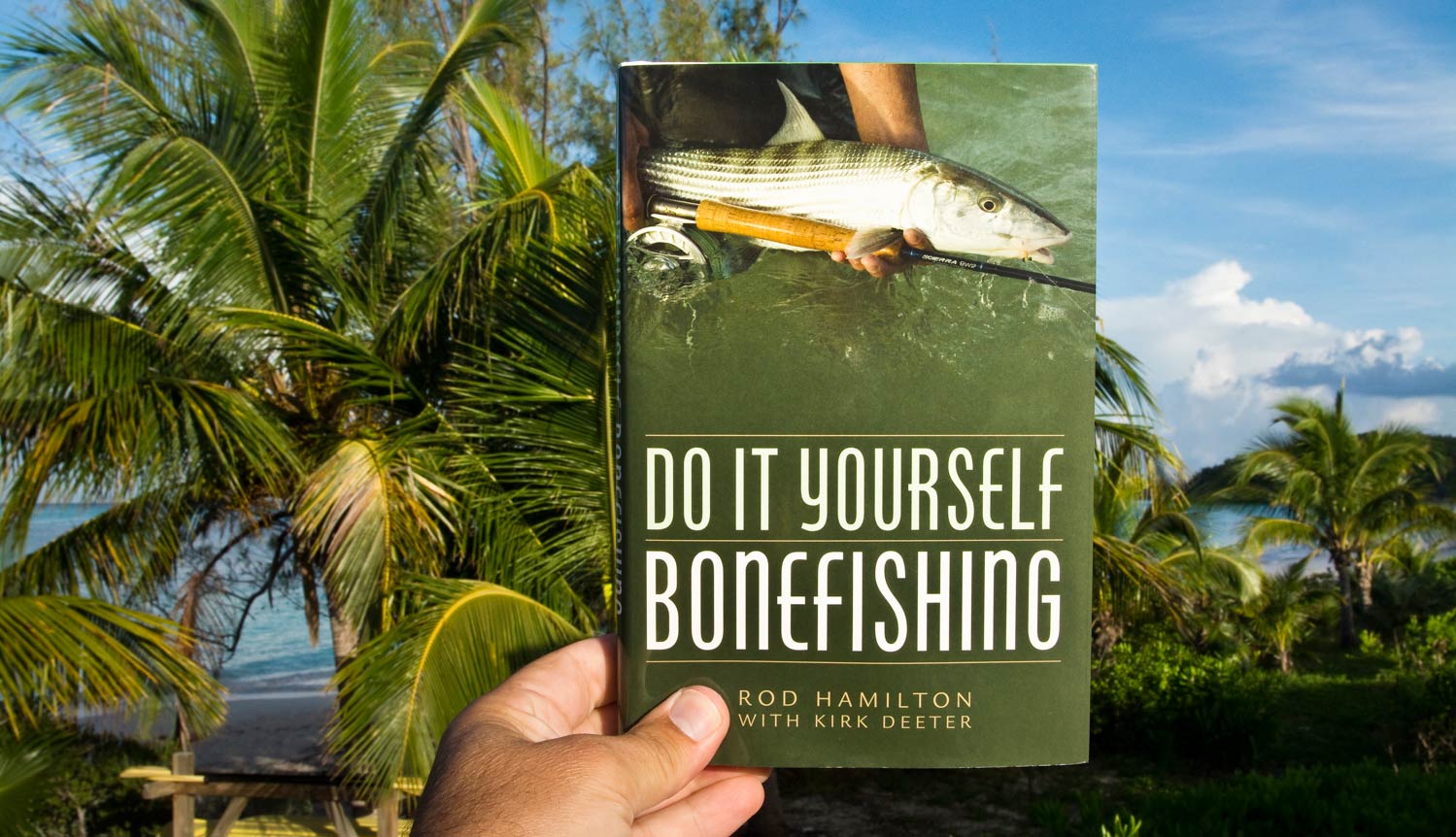
IT’S EVERY ANGLER’S DREAM TO CATCH BONEFISH ON THE FLATS BY THEMSELVES.
That may not be completely true, but if it sounds right to you, maybe you should pick up a copy of Rod Hamilton’s new book, “Do It Yourself Bonefishing.” It’s certainly a step in the right direction.
Rod, with the help of my good friend Kirk Deeter, has put together one of the most concise and easy to use volumes on the topic of flats fishing. This book covers it all and explains in clear terms how you can become a serious threat on the flats, without a guid or the expense of a lodge trip.
I’ll pause at this point to make my feelings clear. As I have said many times, if you are learning to bonefish there is no replacing the important role of a good guide who is willing to teach. There is also no better way to learn than the immersion you get from the lodge experience. That said, when you are ready to make the leap to bonefishing on your own, this book is a must.
The first half of the book covers the hows and whys of DIY bonefishing, including the equipment and skills you will need. Topics like how to spot bonefish, understanding tides and retrieving the fly are covered in great detail.
The second half of the book is a terrific resource
Read More »Reece’s J.T.T
By Bob Reece
Unlimited creativity is my favorite aspect of fly tying.
With the constant influx of new tying materials, the possible combinations for creating successful patterns increases. In addition to this, the construction of many new materials simplifies the tying process needed to create equally, if not more productive flies.
Throughout the Rocky Mountain region, water has recently returned to a liquid state. Ice off on my regional still waters in one of my favorite seasonal fishing events. Regardless of the time of year, big and ugly is often a great way to go when selecting Stillwater patterns. This element seems to be especially true for the first few weeks following the thaw on most lakes.
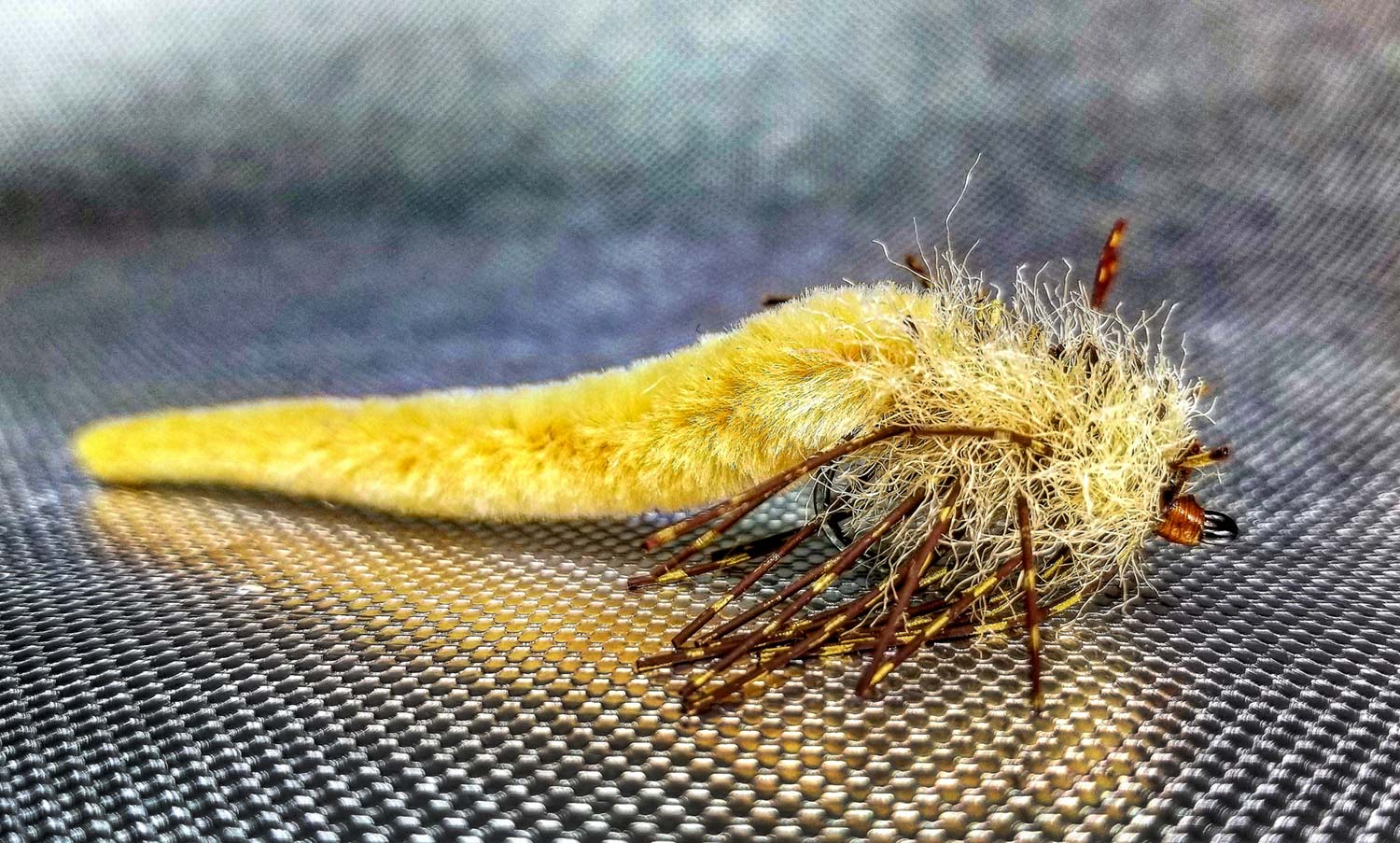
In the still waters that I guide on dragon fly nymphs are a prevalent food source for trout. The largest of the species in these waters grow to just past two inches in length as fully developed nymphs. In an effort to imitate these types of food sources, I created the J.T.T. streamer. I typically tie the pattern in tan, black and olive.
By using just the tip of a dragon tail, the patterns produces a substantial profile with supple movement. The R Distribution Lively Crustacean Legs brush, makes for an easy finish to the pattern that provides additional profile and movement. Most importantly is the hook that this pattern is founded on. The Owner Mosquito hook is constructed with an offset point and a short shank. These two factors turn the odds in the anglers favor with regard to hooking and holding fish.
When fishing this pattern I typically use a clear intermediate sinking line.
Read More »Build Your Own Fly Rod: DIY Video 4
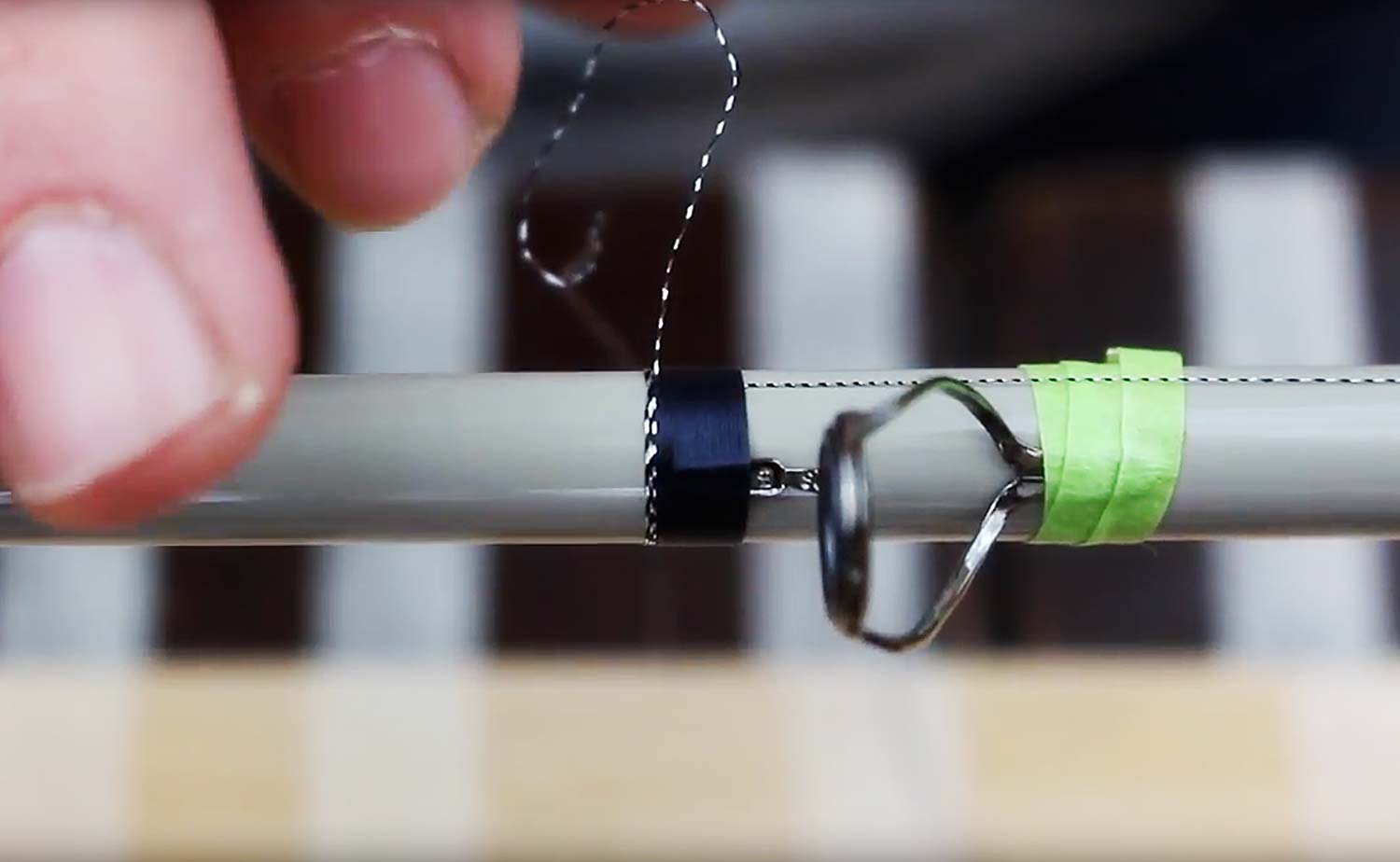
It’s rod building time with Matt Draft of Proof Fly Fishing.
In this installment, video 4, Matt will cover wrapping the ferrules, stripping guide and hook keeper. In addition to the basics Matt will share some pro tips for the trickier steps in the process. Our DIY rod is really starting to look like something now!
Check out Matt’s site, Proof Fly Fishing. As a special thank you to G&G readers, Matt will be offering free shipping on all of his kits for the next seven weeks. Just use the code G&Gfreeship on his web site.
BUILD YOUR OWN FLY ROD: DIY VIDEO 4: WRAPPING THE FERRULES, STRIPPING GUIDE AND HOOK KEEPER.
Read More »Choosing A Premium Fly Rod

By James Buice
The waggle. We all do it.
When you walk into a fly shop looking for that new rod (and yes folks, don’t even think about buying a rod before you cast it), the first thing you do after picking a prospective candidate from the rack is the waggle. Shaking the rod to check the flex, or stiffness, or…whatever. Some check the rod by placing the tip on the floor and observing the deflection. Some even hold the rod tip about a foot off the floor and raise the rod upward quickly to see if the tip touches the ground to see if the wand in question is “a fast or slow action.” Really!?!
Bottom line is no matter what you do in the confines of your favorite fly shop, you’re not going to be capable of making an educated rod buying decision until you line it up and “sling some string” as the kids say. But, there is a lot more to it than just casting blindly in a parking lot or casting pond. Have a game plan; a succinct list of criteria you deem necessary based on the rod’s purpose, your casting style, the type of gamefish you’ll be pursuing, and a realistic scenario in which the rod will be put to use.
THE LONG BALL DOES NOT ALWAYS WIN THE GAME
Having worked in a fly shop for years, I saw the same thing pretty much every time someone took a rod outside to cast. They would strip off all of the flyline at their feet and proceed to cast as much of it as possible. This would inevitably turn into the customer typically throwing tailing loops, snapping back casts, and throwing their arm out in an attempt to get the greatest distance they could muster. More accomplished casters would land the entire line straight, with graceful loops. This would be the extent of the test casting session.
“It threw the whole line.” “Wow, that rod has some power!” or “Feels like it doesn’t want to cast much past eighty feet.”
Great. These customers, no matter what their casting prowess, just showed their ability in casting a rod in parking lot for distance. Know what this told them about how the rod would fish in an actual, real life scenario? Zero. Zip. Nada. Sure it’s cool to bomb a long 100 footer, but aside from some very limited angling scenarios, simply throwing the entire fly line is about as useful as only practicing basketball shots from center court.
When you’re out shopping around, get the long cast out of your system and then focus on what really matters. Pick out a few spots on the ground at varying distances. If the shop has hula-hoops or something to use as a target, all the better. Place these at various distances ranging from 80’ to 10’. If it’s a trout pole you’re after, back it off to around 50 or 60 feet since you typically cannot control drag and fly line drift much past that in a river due to current breaks and such. This will put you in the ‘realistic’ casting ranges you’re going to encounter 99.9% of the time.
Now, don’t start out false casting and try to hit your targets. Begin each cast
Read More »