
Making the Switch to Two-Handed Casting
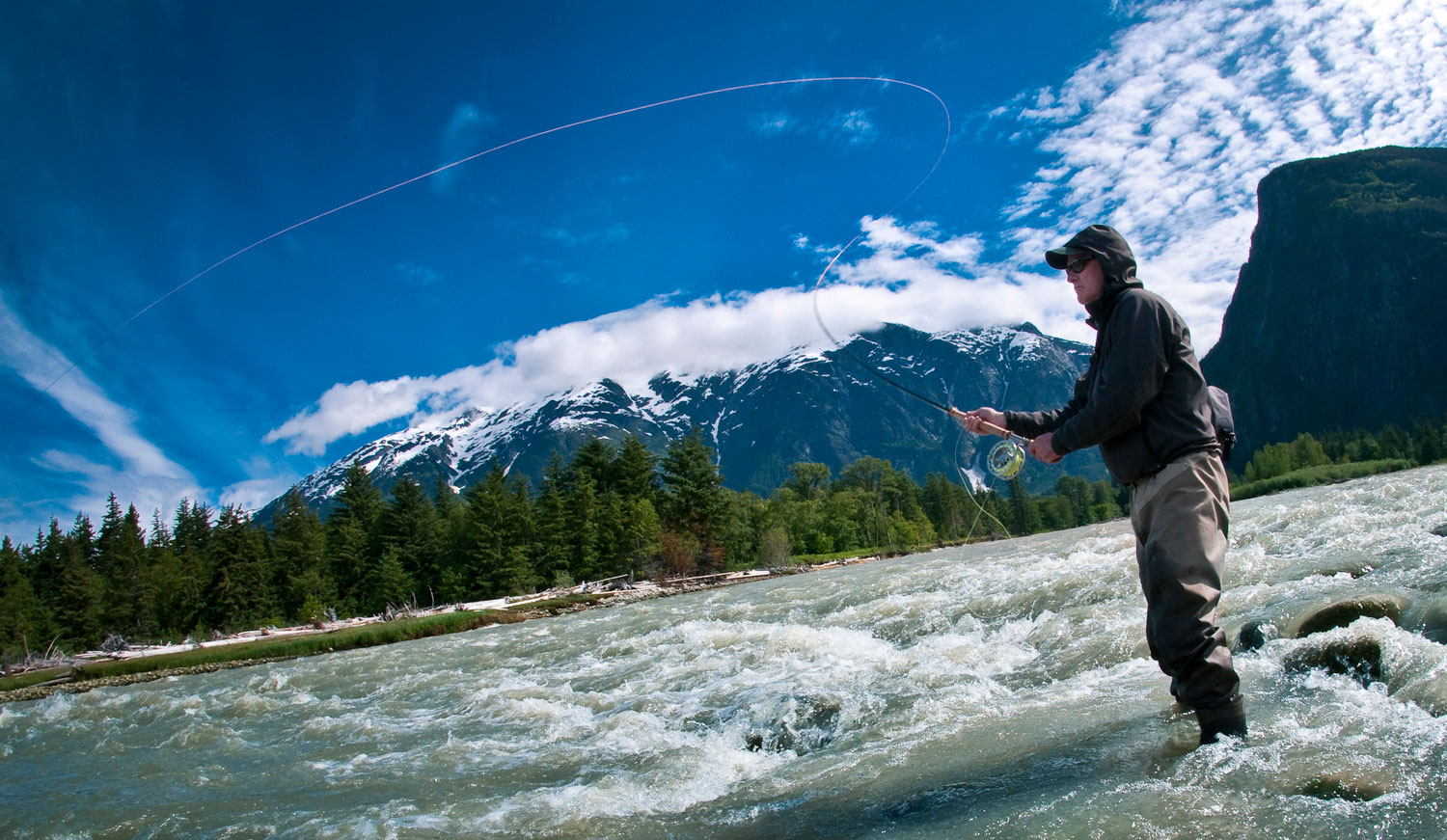
THE UNION IS DIVIDED, BROTHER AGAINST BROTHER.
Not since the rivalry of cats vs. dogs has there been a break like the one between two-handed and single-handed casters. Much of it stems from some practical issues of sharing the water but there’s more to the story. I found out exactly how much more when I first picked up the Spey rod. It’s highly uncommon to find Spey casters here in the southeast, and when I started some of my buddies reacted with outright hostility. Others, however, were curious and eventually most of them came around to asking me for a casting lesson.
Many of the guys I know who have fooled around with two-handed casting came to it through switch rods, because the idea that they could fall back on their single-hand casting gave them confidence. There’s nothing wrong with that in theory, but in practice it’s usually a disaster. The world of Spey is complex, and without a mentor it’s nearly impossible to master.
Too many anglers will set their switch rod up just like they do a single hander and fish it as a long nymph rod. Once in a while when nobody is watching they will try to pull off a Spey cast, yank the fly out of their neck and move on to a new piece of water.
Switch rods are simply short, lightweight Spey rods. Their tapers are Spey tapers and they are made for two-handed casting. They work in the world of single-hand casting but it’s not what they are designed for. They are more challenging for two-hand casting than longer Spey rods and choosing the right line for them is fiendishly complicated. Add to that the sheer complexity of the Spey cast and you have a goat rodeo for the uninitiated.
It may sound like I’m trying to talk you out of that switch rod, but I’m not. I love switch rods and I think everyone should fish them. I just want to
Read More »Sunday Classic / The Moth Larva Hatch
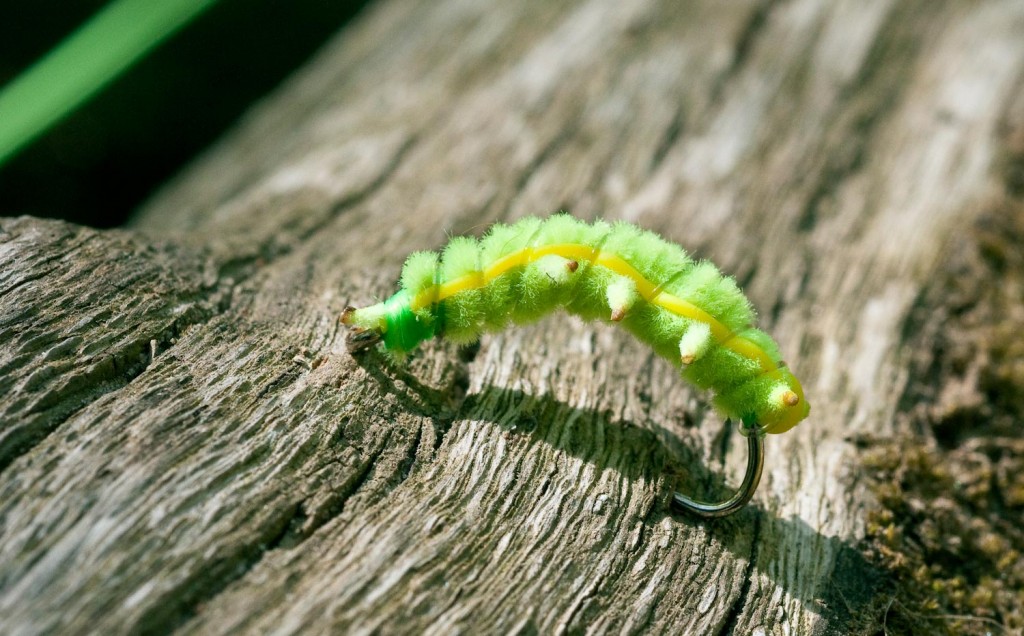
Previously published in last issues Southern Culture On The Fly Magazine. As I relived last year’s spring fishing season in my head searching for the perfect hatch, the color of bright green began entering my conscience, and bam! Like a slap to the face, it hit me. Every year we get a month-long trout feeding frenzy, as moth larva burst onto the scene by the tens of thousands. Yes, I’m talking about the green weenie, the inch worm. The tree limb-repelling caterpillars that every trout in the stream will gorge themselves on through the month of May, and well into summer. Multiple species of moth larva ranging from 1-2″ long annually coordinate a synchronized blanket hatch during late spring that ends up packing the bellies of trout with protein-rich, green gummy goodness. Anglers smart enough to take advantage of this late spring phenomenon can find themselves fooling the biggest trout in their waters. Timing the Moth Larva Hatch For the hottest and most consistent fishing, the best time by far to target the moth larva hatch is during it’s early stages. The blanket hatch usually begins the first week of May in North Georgia, but can start a little later depending on how far north you live in the Southeast. Because this hatch unfolds and gains momentum so quickly, it takes very little time for trout to recognize the new food source and begin keying in on it. As soon as I spot the first moth larva of the year, I begin working the larva imitations into my fishing within days. This way I can monitor their effectiveness, and do a much better job of timing the hatch during its peak periods. When most of the trees have gotten the new years foliage, you should start anticipating the hatch to … Continue reading
Read More »Saturday Shoutout / Where The Road Narrows
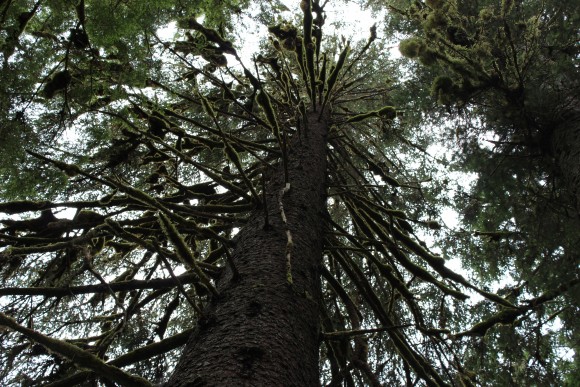
“I grew with each whistle that echoed into the primeval growth or pierced the brilliantly dense fireweed for brown bears in day-bed drowse, and each step that found the river bottom, alive and ever-shifting. I began to understand that my steps here, or anywhere on this planet, are not, in fact, inconsequential.”
Matt Smythe, The Fishing Poet, travels to Alaska’s, Tongass National Forest and finds the place where the road narrows. Take a minute to join him on this personal journey. It’s one you’ll be glad you took.
Where The Road Narrows
Read More »The First
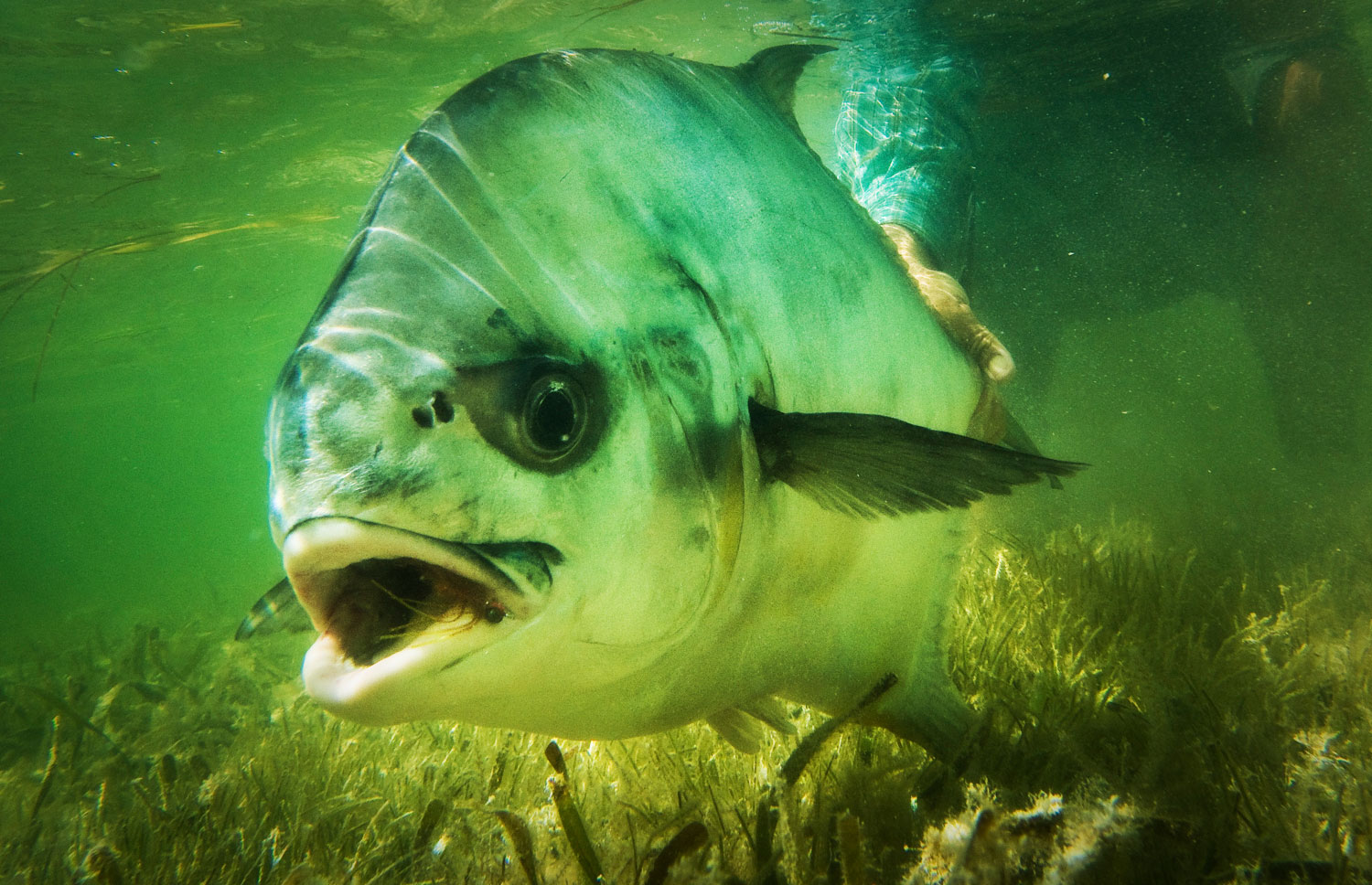
TODAY WE HAVE ANOTHER FIRST.
Our first article by Paul Puckett and Paul is about to tell you why firsts are so important. You may know Paul as as one of the most talented painters who has turned his brush to fly fishing. You may know him as the creative mind behind The Flood Tide Co. You may know him as a musician or an angler. Who knew he was also a great writer? Enjoy, The First.
Photo by Louis Cahill
Photo by Louis Cahill
NOW I’M SCREWED!
In the world of fishing, I have had a lot of firsts, with the most recent being a Permit. Leading up to this Permit chase, I had heard everything about this fish being so challenging and finicky, and it wasn’t over-sold. The way I tried to make it happen made it even more challenging. Using an Everglades Special fly failed and I had to switch.
This made me reflect on all of the firsts I have had and now, maybe take for granted. When I say “take for granted,” I mean from the angle of hearing someone say they caught their first Trout on a dry fly, or first Redfish, or first fish at all on a fly rod. I have heard these statements many times, across the counter at a fly shop, over the last twenty years. It has been easy to lack excitement for someone when I hear, “I caught my first,” just because I hear it all the time. But, it is a special time in this sport to have a new first, and I was reminded of that 2 weeks ago.
I remember my first big bass, I was 3 years old, I think, and it was the most amazing thing I had ever seen. It was maybe 2 pounds. I remember my first rod, given to me by my dad and grandad. A Zebco 33 “Classic,” with the extra silver trim on it. Better than a Red Rider BB Gun.
I remember the first time I ever saw my Grandfather cast his fly rod. I was mesmerized.
I remember the first time I held and waved that rod after he passed. I was obsessed.
The first time I cast that fly rod
Read More »Sunday Classic / PUTMBAK!
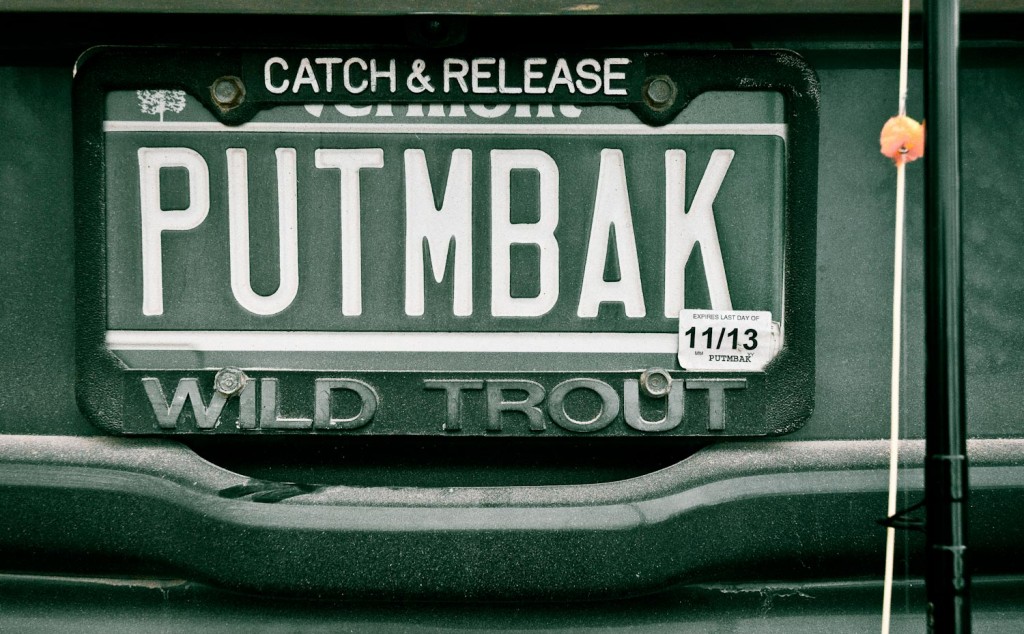
I wonder what the Great Lakes Steelhead would think if he knew what a controversial fish he is. No, he’s not a native fish. Yes, it’s a completely man made fishery. No, it’s not a wild and scenic experience. Is he a real steelhead? Who cares. I love fishing the tributaries of the great lakes for the biggest toughest trout this side of the Mississippi and so does everyone else who’s tried it. I have to wander though, as I stand in the river with my fly rod watching the horde of bait fisherman stack their catch on the bank, if these fish got the respect enjoyed by their west coast cousins, couldn’t this be a whole lot better? I’m not dogging the fishery, it’s awesome, but it just seems like common sense. It’s true that great lakes steelhead do not successfully reproduce but left in the river they will continue to come back year after year, providing a better angling experience and saving state hatcheries money. I’m with this angler who’s license plate I found in New York in a parking lot on the Oak Orchard. PUTMBAK!
Read More »Saturday Shoutout / Stalking The Seam
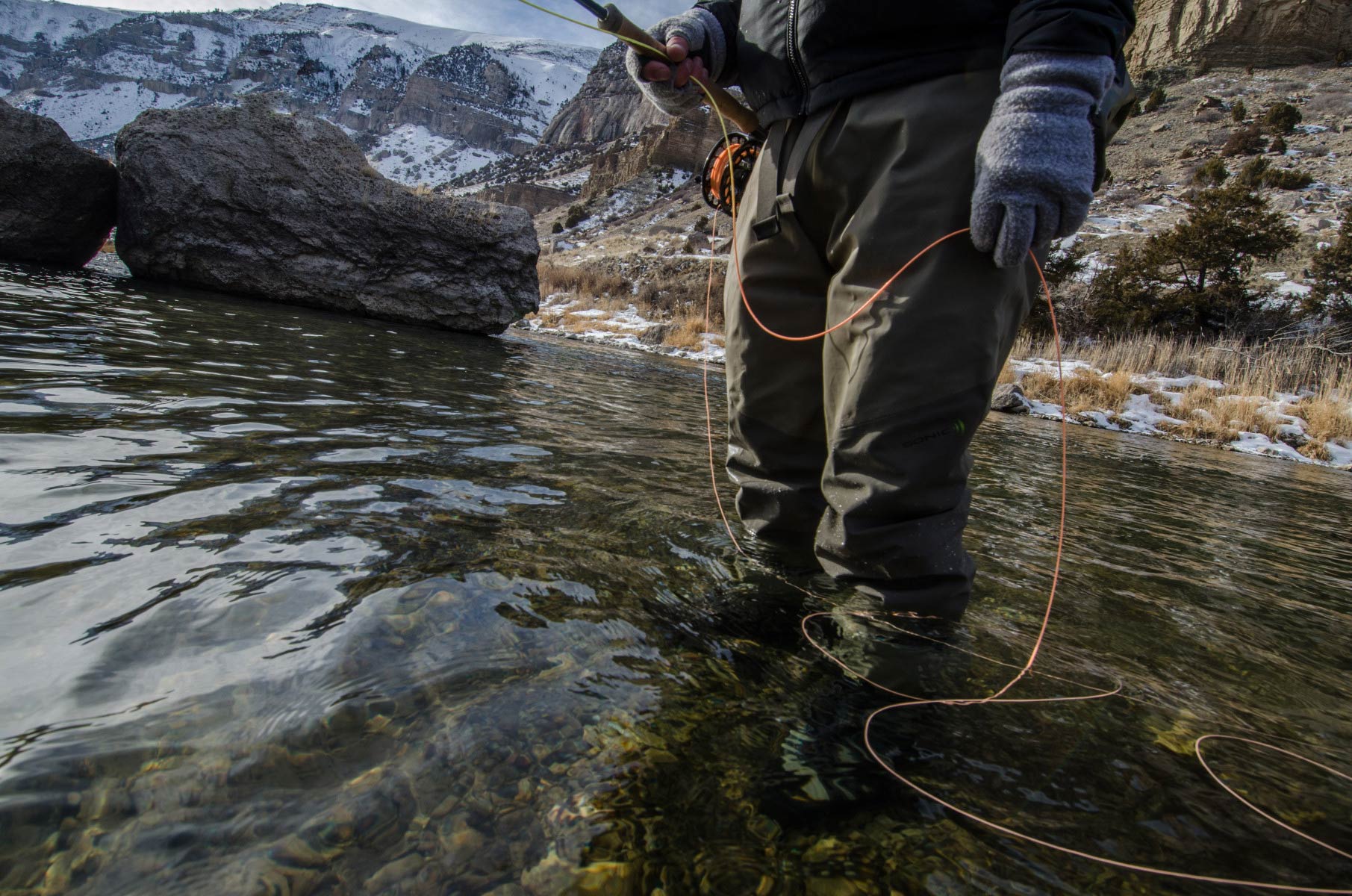
SEARCHING FOR THE SWEET SPOT.
That’s the motto of Stalking The Seam. One of my favorite sites, it’s a raising star in the fly fishing online media. Steven Brutger and Mathew Copeland consistently produce thoughtful, fresh writing and stellar photography.
The focus of Stalking The Seam is fishing, hunting and family. Their mission is finding the perfect balance of the three. That doesn’t mean there’s nothing there for the single guys and gals. Even though I don’t have young kids myself, I always find something that feels like it was written for me.
Check out these two great pieces. You just might find the sweet spot yourself.
Two Handers For Winter Trout by Steven Brutger
Ultra Sensitive by Mathew Copeland
Read More »Strategies for Streamer Fishing High Water on Tailwaters
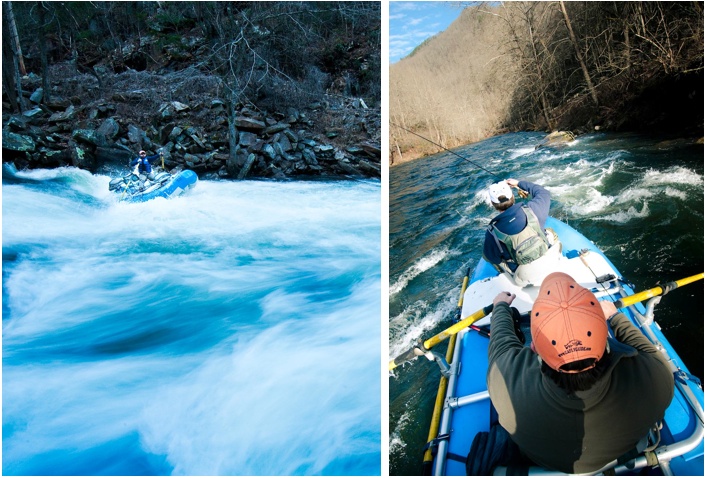
IT’S REALLY HARD TO BEAT STREAMER FISHING HIGH WATER ON TAILWATER’S FROM A DRIFT BOAT.
Especially when your wanting to target trophy class fish. Although numbers of trout caught during high water flows usually are lower than fishing during low water flows, the size of your catches generally are much larger. In my opinion, the biggest fish in the river prefer to feed during high water because it’s easy for them to ambush their prey, and they feel camouflaged and protected by the high water flows.
For those of you that fish tailwater’s you probably understand water flows change significantly during generation and non-generation periods. Some tailwaters during minimum flow periods have water releases under 100 cubic feet of water per second (CFS), and when generation is taking place, water flows can be 10-20 times higher. Because of this, it’s very important for anglers fishing high water to outfit themselves correctly, otherwise they may find themselves coming off the water fish-less. Below are some tips and strageties I use on tailwaters when I’m fishing high water conditions.
Tip 1. Leave your 4-5 weight fly rods at home and pack your 7-9 weight fly rods.
Your best bet for going after the big boys during high water flows is fishing streamers. There are some tailwater’s out there where you can still dry fly and nymph fish effectively, but most of the time, if you want to target the largest trout in the river, you’ll want your flies to imitate the larger food sources. Some examples of these food sources are: sculpins, daces, crayfish, and fingerling size trout. These guys are the food choices that trophy class fish prefer to hunt down and forage on during high water flows. Since you’ll be fishing a variety of sinking fly lines and large profile streamer patterns on the water, outfitting yourself with a fly rod in the 7-9 weight range will cut down on your fishing fatigue and allow you to cast much more efficiently. High water streamer fishing is demanding on the fly angler, and ideally, you want to be able to make one or two false casts between presentations.
Tip 2. Spool up these two types of fly lines for high water.
When I’m fishing high water on tailwater’s, I primarily fish two types of fly lines. The first fly line I have rigged is a
2014 Tarpon Rod Roundup
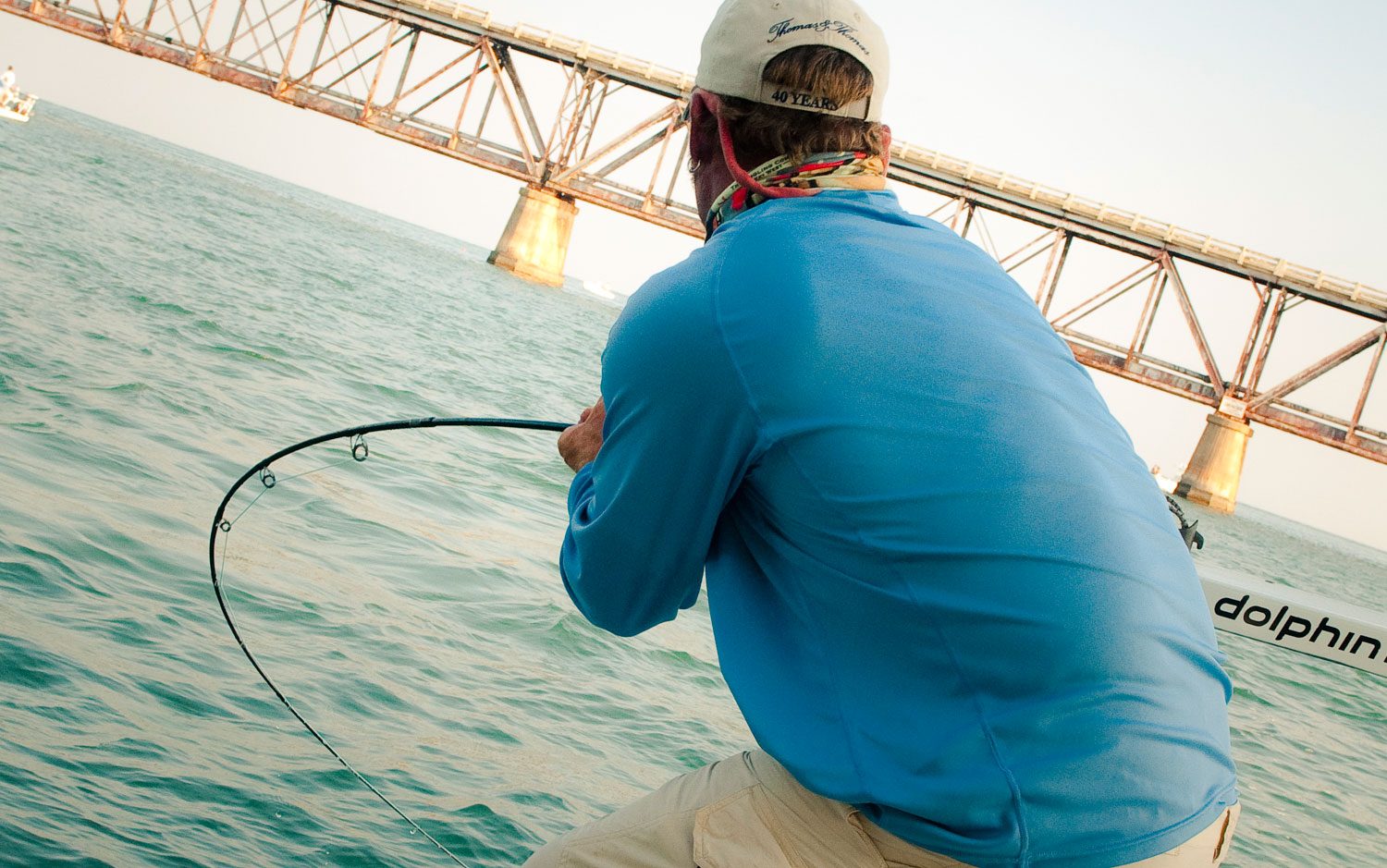
HERE’S HOW YOU CAN SPEND THAT TAX REFUND!
It’s tarpon season and if you are headed out in search of silver, you may be considering a new rod. I had the chance recently to try out four excellent eleven weight fly rods that are great for tarpon. The Thomas and Thomas Solar, the Winston B3SX, The Scott S4s two-piece and the Orvis Helios 2. Each has its strengths and individual feel. Hopefully these brief reviews will help you find the rod that’s right for you.
The Thomas and Thomas Solar
1-1
The new fast action Solar from T&T is a precision casting machine with a big WOW factor. When I let off my first cast with the Solar (into a stout wind) my buddy on the platform let out a pronounced, “DAMN!” The Solar manages to deliver blistering performance without sacrificing feel. The power is brilliantly balanced from butt to tip. It makes a short presentation with ease and delicacy and it will show you your backing. It’s powerful, accurate and castable. The quality and finish are wonderful, which you would expect from T&T. The Solar is one of, if not the best, saltwater rods I’ve ever cast. Casting it makes you feel like a rockstar and that’s a pretty good way to feel when your chasing the silver king.
The Winston B3sx
rod-winston-boron-iii-sx-fw
The B3SX, Winston’s fast action saltwater offering, is everything everything you would expect from a Winston and yet still surprising. I love Winston rods but, like a lot of people, I thought of them as a trout rod company. When I picked up the B3SX I expected great feel and castability. I didn’t expect a saltwater action that unloads like a canon. The powerful butt of the B3SX gives you distance and authority in the wind and the tip is soft enough for accurate short shots. A great all-around performer and a beautiful rod to look at. Boron rods are tough too, which is a plus in a tarpon rod.
The Scott S4s 2 piece
Scott
This has been my go-to poon rod for years. The castability of this rod is
Read More »Introduction by Johnny Spillane
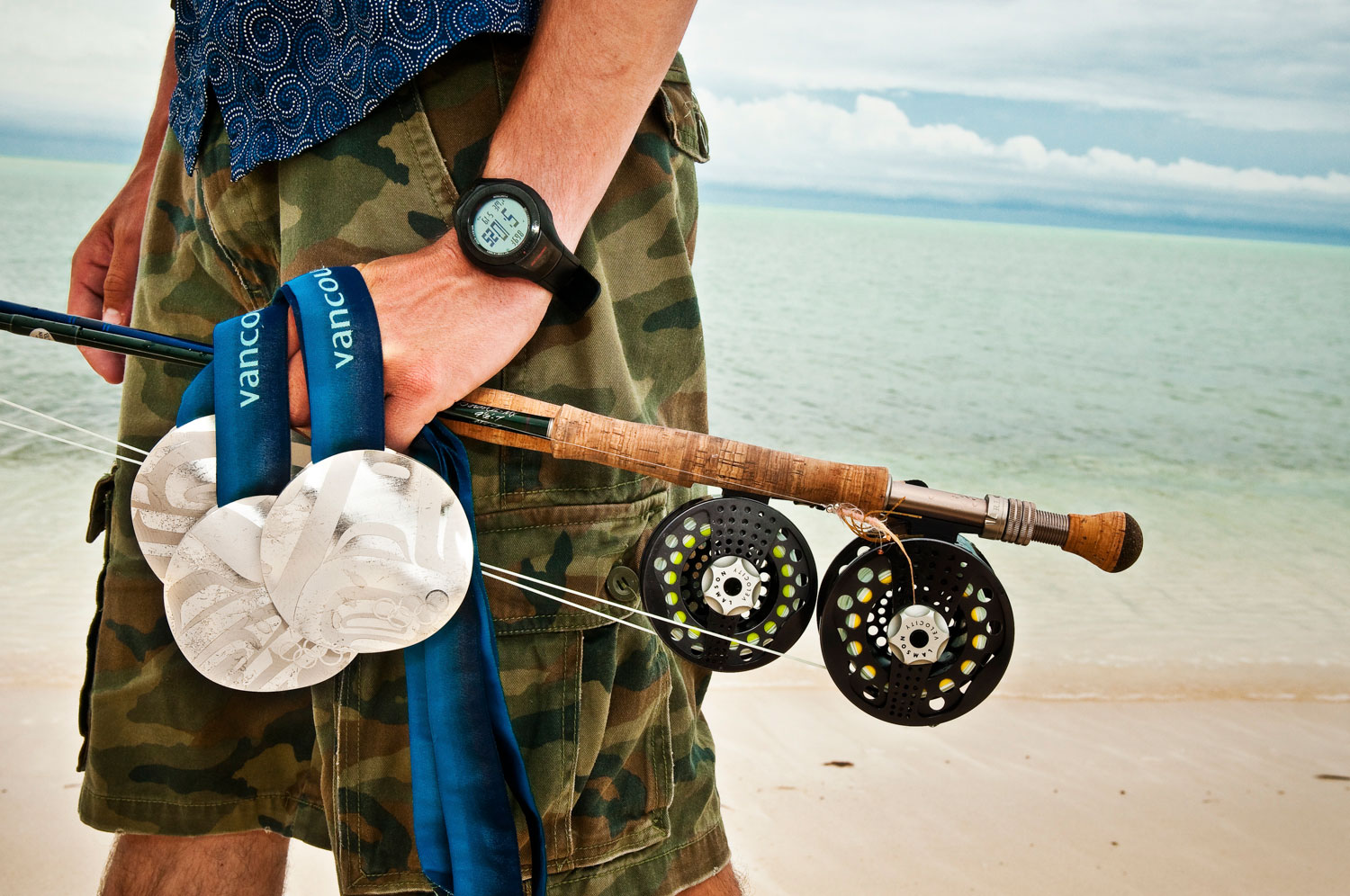
Nothing could make me happier than to begin my good friend Johnny Spillane.
Read More »Sunday Classic / Pack Your Gear in Half The Space
Terminal Fishing Packing Checklist
Fly Rods & Tubes
Fly Reels
Leaders & Tippet
Fly Floatant
Split-Shot
Nail-Knot Tool
This list goes on and on with what I need to pack for my guide trips and fly fishing travels. It’s astonishing how much room all this gear takes up in your vehicle once you’ve packed it all in, and the list above is only a partial list of what I need for my days out on the water. I still need waders, boots, fishing packs, net, camera, and enough room to transport my clients. Anyway I looked at it, I was in desperate need of finding a better way to organize all my gear. It was taking far too long for me to strategically load and unload my truck every day.
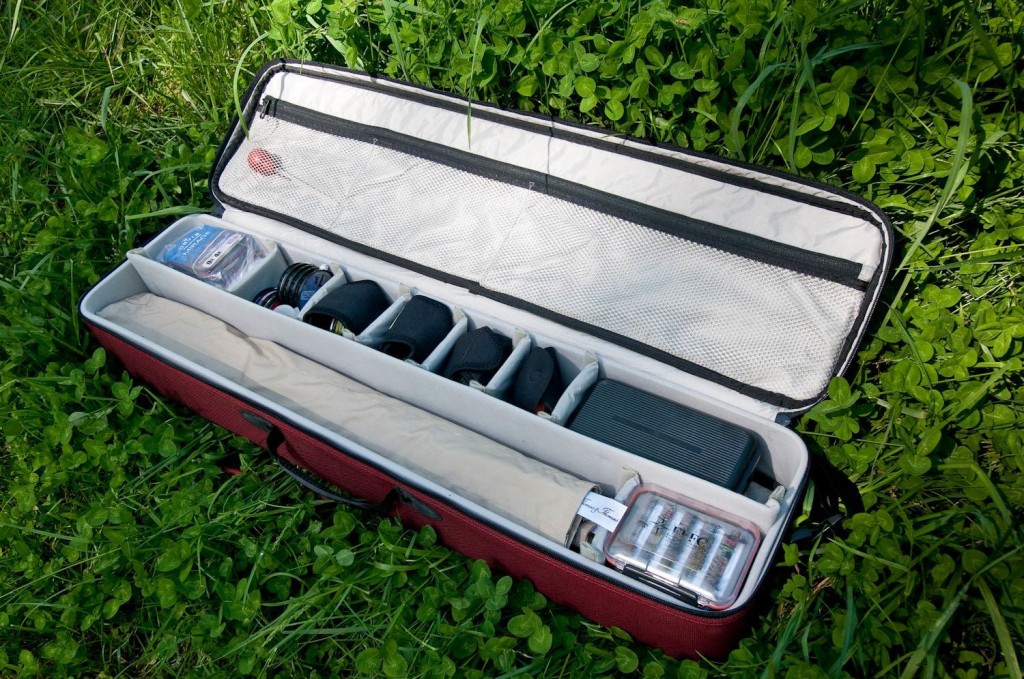
Recently, I ran across and purchased the Orvis Safe Passage, Carry-It-All Rod and Gear Case, and it’s completely blown me away with it’s ability to safely store an insane amount of gear in half the space. Everything I need is right at my finger tips and that keeps me organized and saves me a ton of time rigging up. From one fellow guide to another, since I’ve started using this gear case, I’ve no longer found myself turning around and heading back to the cabin for a critical piece of gear I forgot to pack. Below is a break down of what the Orvis Carry-It-All gear case can handle and I why I love it.
No more Fly Rod Tubes
I know longer lug around multiple fly rods in their metal tubes on a daily basis anymore. They’re difficult to manage in transit and end up rolling around in my vehicle all the way to the river. With this gear case I leave the tubes at home and can safely stow up to six fly rods in their socks with no problems. I love that at the drop of a hat, I can quickly outfit four clients with fly rods for the day, and still have plenty of room to carry two back up rods in case we encounter any foul play during our fishing. Orvis sells two different sizes in this Safe Passage gear case series. I opted to purchase the large size for the extra room, but mostly because it can accommodate up to 11′ rods. That’s a nice feature most rod cases can’t offer, and that’s a plus since I’ve been known to break out switch rods for my big water fishing. Just relocate one velcro divider and you’re ready to load up the long rods.
Keep Your Reels with Your Rods
I used to have a separate reel bag that I toted around with all my fly reels. The need to