
How Do Hosted Fishing Trips Work And Is It Right For Me?
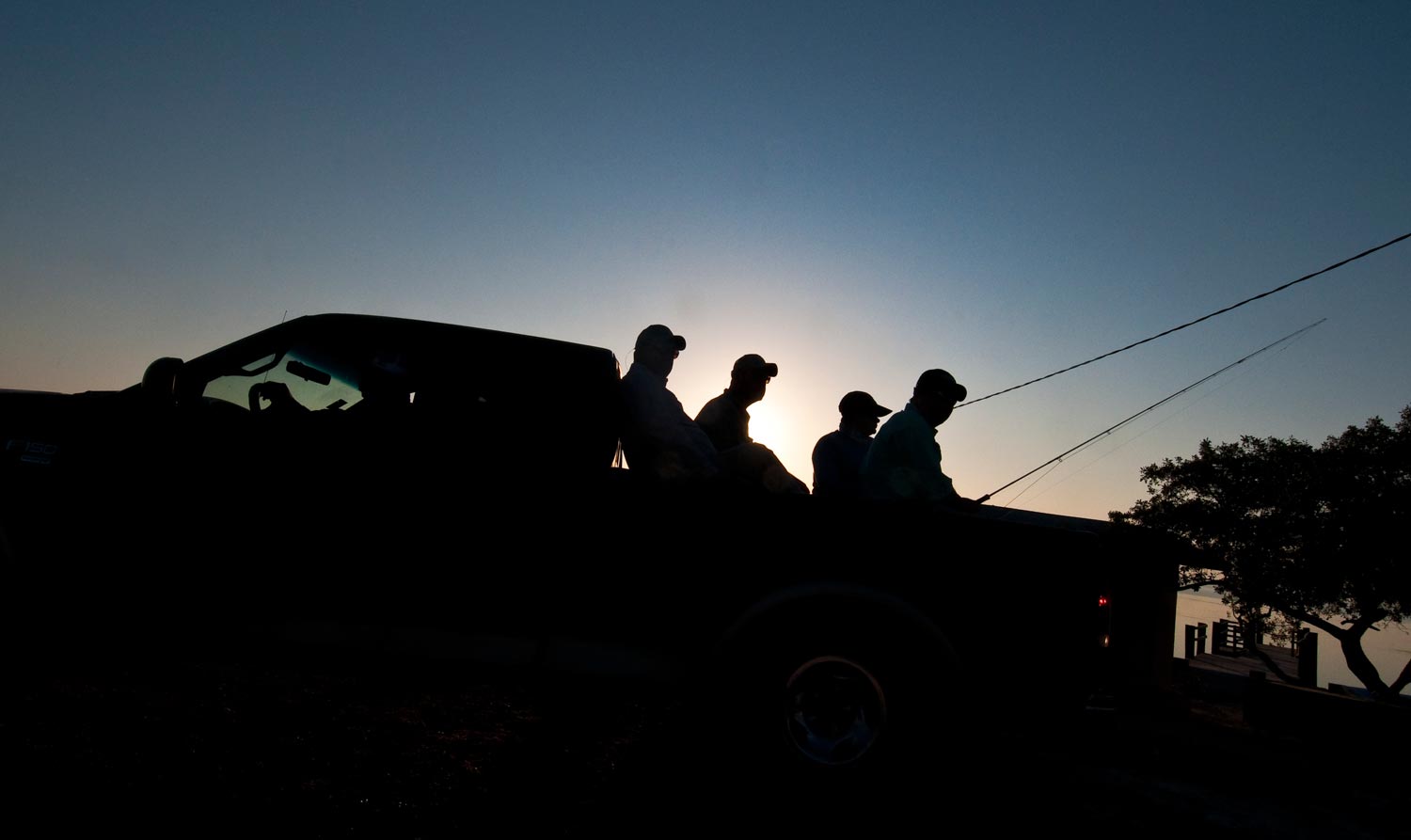
By Louis Cahill I promise you, this is not going to be a sales pitch but a full disclosure. A good friend of mine suggested I write this article. A good friend who, as it happens, I met on a hosted fishing trip. It’s funny how that works. As I think about it now, there are a whole lot of folks, who I call good friends, who I met on hosted fishing trips. Guys who have turned out to be life long friends and fishing buddies. Some of them are now contributors to G&G. Tim Harris and Johnny Spillane for example. And friends like Scott McKenzie, who I talk to almost every day. Before I ever went on one of these trips, I had a very different idea about what they were. Many of these trips are based around fishing lodges and, like a lot of guys, I thought of lodges as being stuffy, elitist deals where I would have nothing in common with anyone. And I still think lodge fishing can work out that way a lot of times. What I didn’t get at first is that the hosted trips are a way around that. A way to insure that you connect with the guys you’re fishing with. I learned to host trips from my buddy Bruce Chard. Bruce does a great job and I started going along with him to co-host trips in the Bahamas. I don’t know if I was much help at first but it was sure a lot of fun. It always seemed to be such a great crowd. Finally it struck me. The reason the groups of guys who came on those trips were so awesome is because Bruce was awesome, and they were all guys who loved to fish with Bruce. There … Continue reading
Read More »12 Tiny Nymphs that Always Seem to Get the Job Done
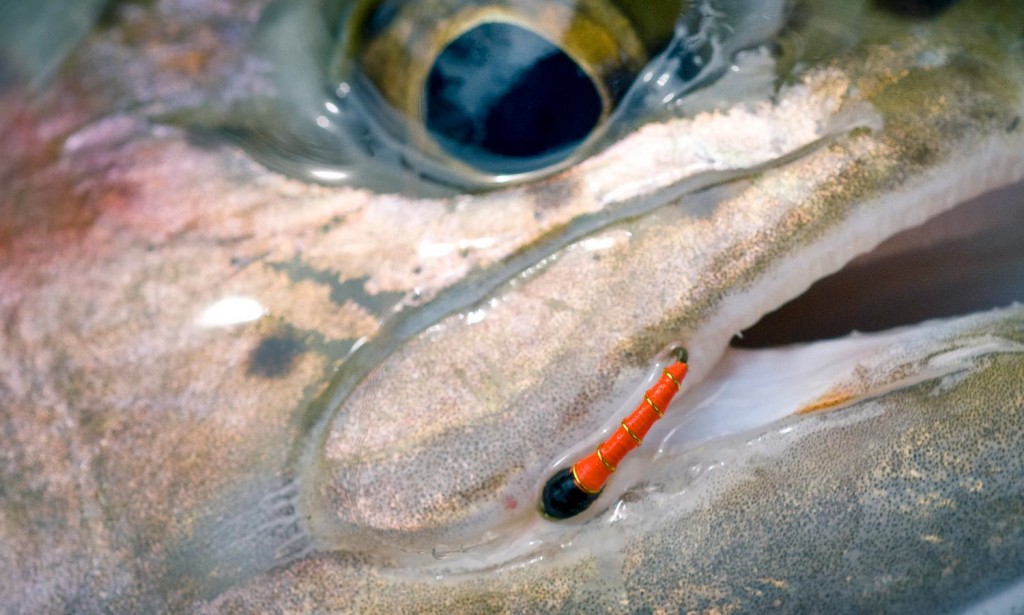
I used to shy away from fishing tiny nymphs during my rookie years of fly fishing. Particularly those size 20-26 midge patterns. Those intimidated me especially. When I used to look at those flies in the bins at fly shops, I can remember thinking, “how can the fish see these in moving water and is there some special rig you’re supposed to use for fishing them?” I’ve since found out I was nuttier than a fruit cake to assume all of the above about tiny flies, and they’ve become my go-to patterns when fishing gets really tough. Make no mistake, small flies have the ability to catch all trout, trophy fish included. In fact, one of the best times to fish tiny nymphs is when you’re sight fishing on water that holds lots of educated, mature trout. A prime example of this would be the “dream stream” section of the South Platte River in Colorado. I’ve had many days after the sun got up high in the horizon, that sub-twenty size nymph patterns out fished everything else in my fly box. In general, small subsurface
Read More »The Recharge

HAVE YOU EVER HAD A BAD MORNING ON THE WATER? THE MORNING WHEN NOTHING SEEMS TO GO RIGHT.
You know… maybe your best catch so far is a nice rhododendron bush.
Or you lost that big trophy brown trout after a less than desirable net job.
Or perhaps your favorite spot is overrun with kayaks and tubers.
Or worst yet, you fell in the water, dislocated a finger, broke your rod… all the while, your fly box is currently whistling the tune “Row Row Row Your Boat”. Not saying that’s ever happened to me… I’m just sayin’.
Shit happens, but these things can quickly turn a nice morning into something rather frustrating.
It’s happened to me plenty of times over the years, and there have been days where it’s completely ruined my fishing mojo for the rest of the day. My confidence goes south and I find myself making poor casts, horrible presentations, and f-bombs fly off left and right.
Something that I’ve started doing recently has helped me deal with the frustrations that can present themselves on the water.
Nap Time.
Yes. Take a nap. Even if
Read More »Sunday Classic / 3 Tips for Tarpon Fishing at Dusk
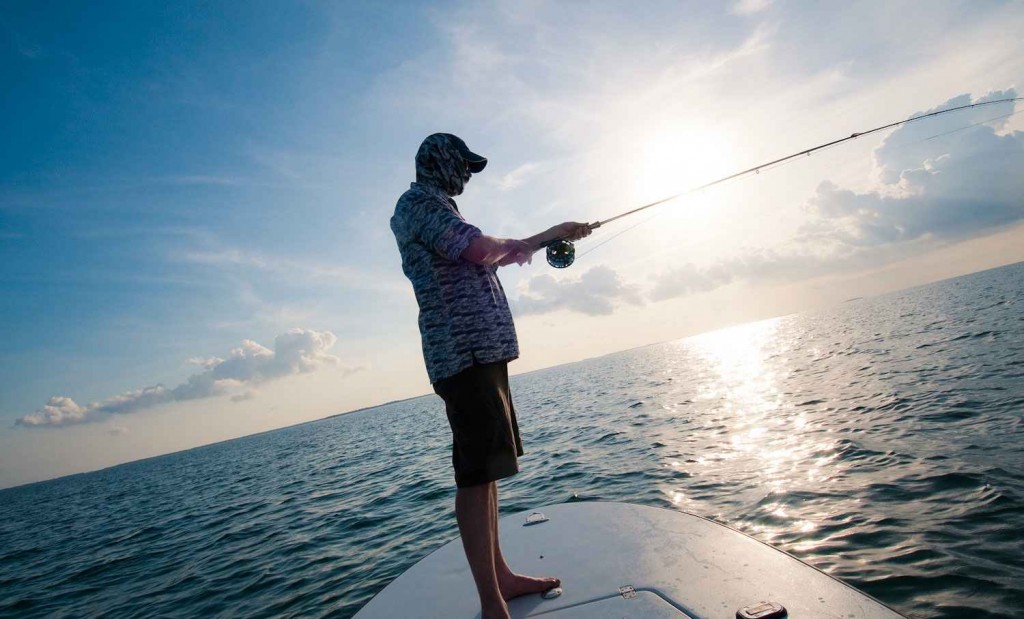
Tarpon fishing at dusk, is probably one of the toughest times of the day for a saltwater fly fisherman to get a hook up. With the sun low in the horizon, it puts 80% or more of the water in complete glare. The only good viewing area left to spot cruising fish is just a small circle of water surrounding the boat. Anglers need to be ready to make super quick shots at fish if they want to have any chance at all of getting an eat. Check out these three fishing tips I learned from fishing with Capt. Joel Dickey.
Tip #1 – Reel up all that excess fly line on the Reel
This isn’t the time to have all of your fly line stripped off and laying on the bow folks, there’s absolutely no need for it. The only good shots at tarpon you’re going to get are going to be at distances of 40 feet or less. The last thing you want, if you somehow manage a good shot at a tarpon, is end up blowing the opportunity because you’re stepping on excess fly line or get a tangle in your fly line. Making a point to only keep the fly line that is needed on the bow is going to help you manage your fly line better, and increase your shot at making a spot on cast.
Tip #2 – Be Ready to Quickly Place Your Fly Close to the Tarpon
In these high glare situations, tarpon are generally going to be spotted very close to the boat. That leaves the angler very little time to present the fly and convince a tarpon to eat, before they spot the boat and spook. Anglers need to be ready to present their fly quickly at in direction, especially with a back cast, and also be able to quickly change their casting direction in the heat of the moment. Two casts are usually all you’re going to get this time of the day, and generally it’s the first cast that’s going to make or break you. I see guys all the time
Saturday Shoutout / The Naming
A GIFT FROM THE FOLKS AT MIDCURRENT
It doesn’t take long. A paragraph, maybe two, for me to fall into a favorite writers words. To feel the rhythm of them or hear their voice in my ear. Everything else fades to black and I’m truly lost in the story. My faithful feet following the path the have made for me.
Erin Block never fails me in this regard. I always fall into her stories. Lose my self for a while in the text. It’s a welcome vacation that I gladly take, even if it’s brief one. This week I’m sharing a piece she wrote for Midcurrent called “The Naming.” I will not try to explain it for you. I’ll simply invite you to see for yourself why Erin is my favorite writer in fly fishing.
“The Naming”
Read More »Pinners and Winners
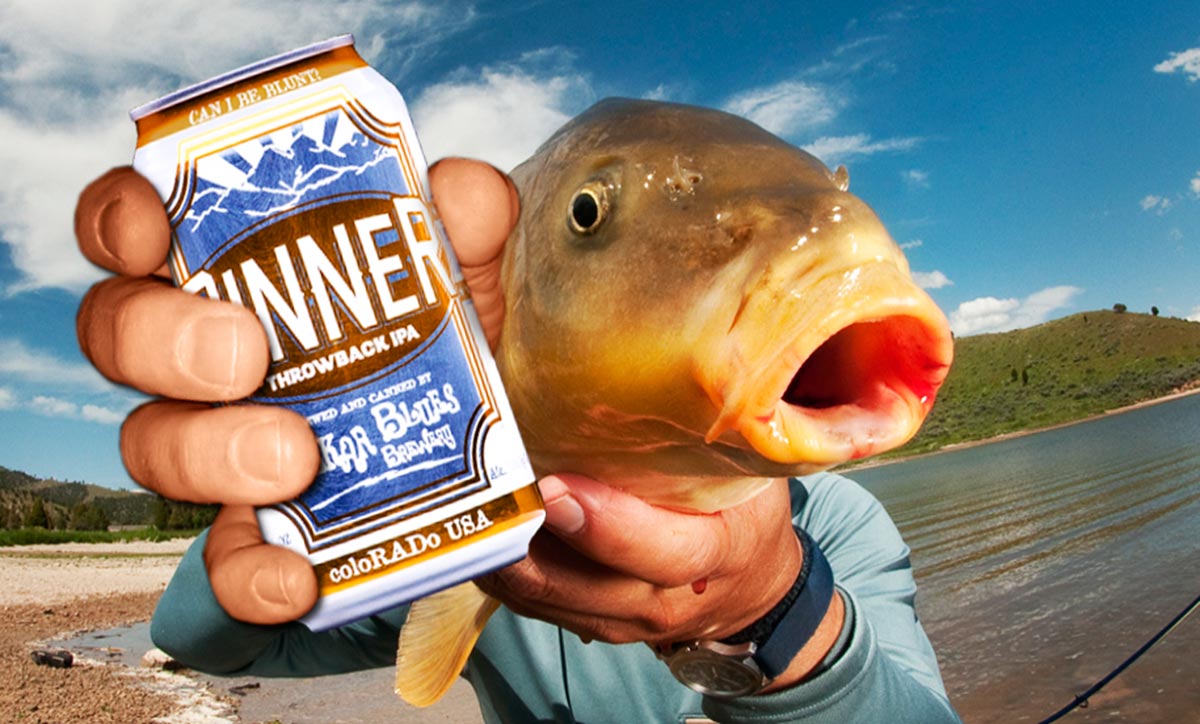
Here they are! The winners of the Take A Pinner Fishing Photo Contest. Thanks to everyone who took a Pinner fishing this month and shared the photos on Instagram. We got some great entries and had a lot a lot of fun drinking our way through the selection process. So here are the winners! Best Photo Featuring a Trout Blakeew gets the Cheeky Boost 350 for this Trout Chug. Best Photo With Saltwater Species Atlantaflytying gets the Cheeky Boost 400 for his Shark Bite. Best Lifestyle Photo Imkmark gets the TFO rod for his Wet Dog. Kayaker_Greg, Rose.c.gilroy and Hoodswamp all get Pinner hats as runners up. Good work guys! If you’re a winner shoot us an email to hookups@ginkandgasoline.com with your address and we’ll get your prizes on the way. Now let’s all celebrate with a cold Pinner! Louis Cahill Gink & Gasoline www.ginkandgasoline.com hookups@ginkandgasoline.com Sign Up For Our Weekly Newsletter!
Read More »Most Seams Hold Trout Regardless of Size
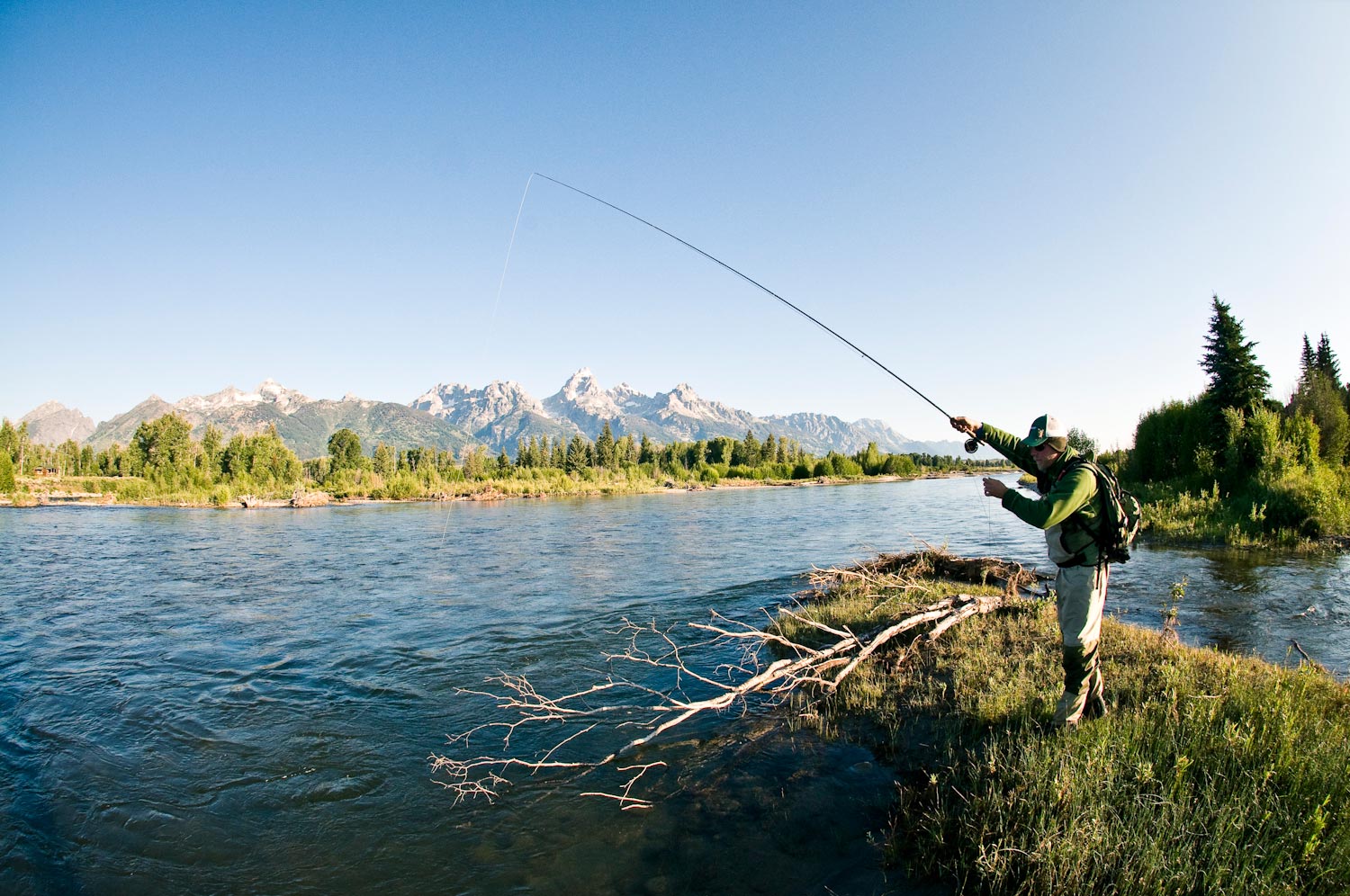
Just about all seams in rivers and streams hold trout.
The larger and deeper the water a seam has, the more trout it can hold. Likewise, the smaller and shallower a seam is, the less room there will be available and less trout it can accommodate. Just remember, regardless of the size of a seam, that almost all of them hold trout and are worthy of a cast or two by anglers. Back in the early 2000s, I had a boat mechanic buddy of mine I used to fish with quite a bit. He taught me first hand, how important it is to pay attention to all seams. At the time, my friend couldn’t cast very far. A thirty foot cast was pushing it for him on a windy day, but he didn’t let this limitation of his, keep him from catching trout. In fact, he generally caught more fish than the veterans that could cast three times as far as him, because he was religious about working trout water slowly and thoroughly. There was no seam or holding water too small for him to fish. He’d place his dry fly in all of them big or small, from one side of the stream all the way to the other. Only then, would he begin to move on, upstream to new water. It was amazing how many trout he would catch in water most anglers, including myself, thought was too small or shallow to hold fish. I’m grateful for spending time with him on the river. He taught me to search out the tiny seams and drift my flies through them to catch fish when conditions were tough. This strategy has particularly payed off for me on trout water that’s heavily pressured. I can still here my boat mechanic buddy giggling now. He loved watching his local anglers fighting over the deep pools and runs, because he knew he would have all the pocket water full of tiny seams and trout to himself. He also knew
Read More »Lessons from a Season with One Fly
By Tim Harris
LAST SEASON WAS A TOUGH ONE FOR ME.
I spent the year dealing with a chronic illness that would just not clear up and it greatly limited the amount of time I could get out of the house and how much time I could spend on the water. I decided that to make life easier I could only fish local streams that ranged from my backyard, literally, to several others within 10 miles of my house. I also decided that I would only fish tenkara for trout on these streams and to make things even simpler I decided I would stick to one fly throughout the year so I wouldn’t even have to think about that.
Sticking to one fly is part of the philosophy behind tenkara. Tenkara developed out of commercial fishing in Japan and efficiency was important to these fishermen. Anything not necessary was left out of the practice and sticking to one pattern was the best way to simplify selection of pattern and fly tying. It is about the opposite of the Western Match the Hatch philosophy where anglers carry boxes full of patterns designed to imitate a specific species of insect in a specific stage of life. Daniel Galhardo of TenkaraUSA wrote a good piece about the Single Fly Approach for Gink & Gasoline last year and there are several good posts on the TenkaraUSA blog about sticking with one pattern. A few anglers have decided to take this concept beyond tenkara and try to fish an entire season for different fish with one single pattern — Paul Pucket’s experiment using just an Everglades Special comes to mind.
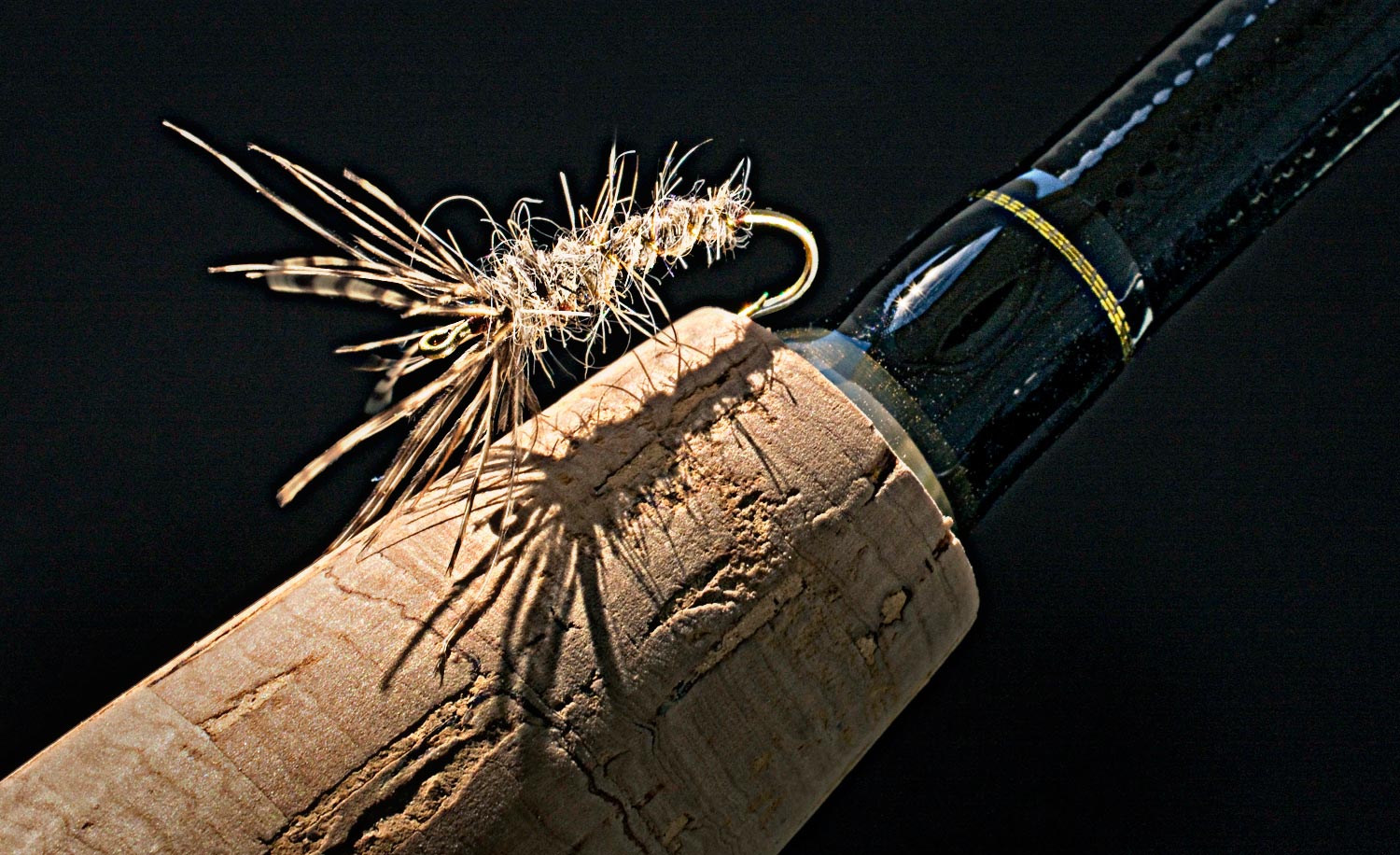
I only fished a handful of kebari in my first year of tenkara. So, I only needed to narrow it down to one of the patterns I had been using. I opted for one I call the Gold Ribbed Hare’s Ear Sakasa Kebari since the GRHE was one of my favorite nymph patterns and the thing just looked buggy as all heck. I tied up a box of these from #12-#16, some with beads but most without and was ready for the season to open up. I ended up sticking to this one pattern throughout the year, somehow managed to fit in 78 days on the water using it, and I only got skunked one day. I caught cutthroat, rainbows, brookies, browns and the occasional whitefish on it. I caught fish from 3″ long to a whopping 18″ rainbow one day.
WHAT DID I LEARN FROM THIS EXPERIENCE? SEVERAL THINGS.
Read More »Sunday Classic / The Echo Micro Practice Rod for Teaching Fly Casting
No one is intimidated by a toy.
I’m an evangelist. A true believer, and like any zealot, there is nothing I love more than sharing my faith. I find myself teaching a lot of fly casting.
Whether you picked up a fly rod yesterday or twenty years ago I’m sure you remember how daunting it was at first. The learning curve can be brutal and more often than not the culprit is the fly rod itself.
For starters, it’s intimidating. Most people think of the fly rod as the tool of sorcerers. It is, right? Not the sport of the common fellow at least. This horse shit is part of the fascination that draws people to fly fishing but it’s also one of the big hurdles they have to clear in learning.
The next big hurdle is the preconceived idea of what the cast is. Almost everyone starts out casting a Zebco or some kind of gear rod and when they see a fishing rod, that muscle memory comes rushing back to ruin their fly cast. As soon as they are past the Zebco in comes Brad Pitt and “A River Runs Through It” and they start drawing huge circles in the air with rod and line.
I find that getting the new caster past the preconception of the cast is the most time-consuming part of the process. Some folks lose months or even years to this quagmire, and as anyone who fly fishes knows, learning to cast is just the price of admission. Learning to fish is another thing entirely.
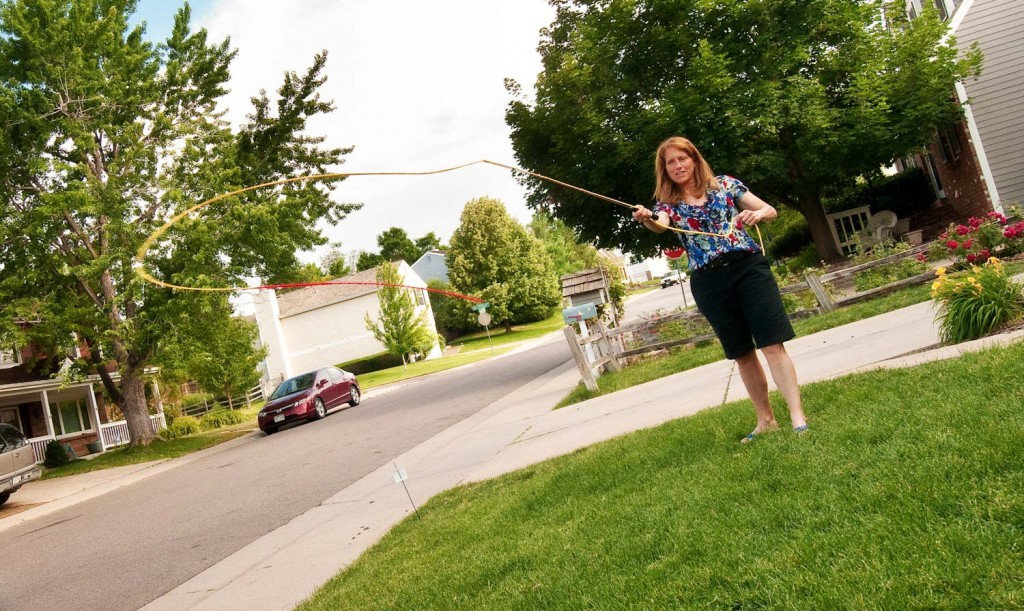
Fortunately there’s a great new tool to help get past all of this. The Echo Micro Practice Rod or MPR from Rajeff Sports. Odds are you’ve seen one at the fly shop and maybe even cast it. You may have noticed the guys at the shop wasting a lot of time playing with it and your first impression was likely the same as mine. With its bright yellow rope “line” and red yarn “leader” it looks like a toy. It took me quite a while to realize that’s what’s so brilliant about it. It’s a toy! No one is intimidated by a toy. No one has preconceived ideas about a toy. They just play with it.
Toy or not, the physics at play are the same as an $800 fly rod. The action is
Read More »Saturday Shoutout / Mike’s Gone Down The Rabbit Hole
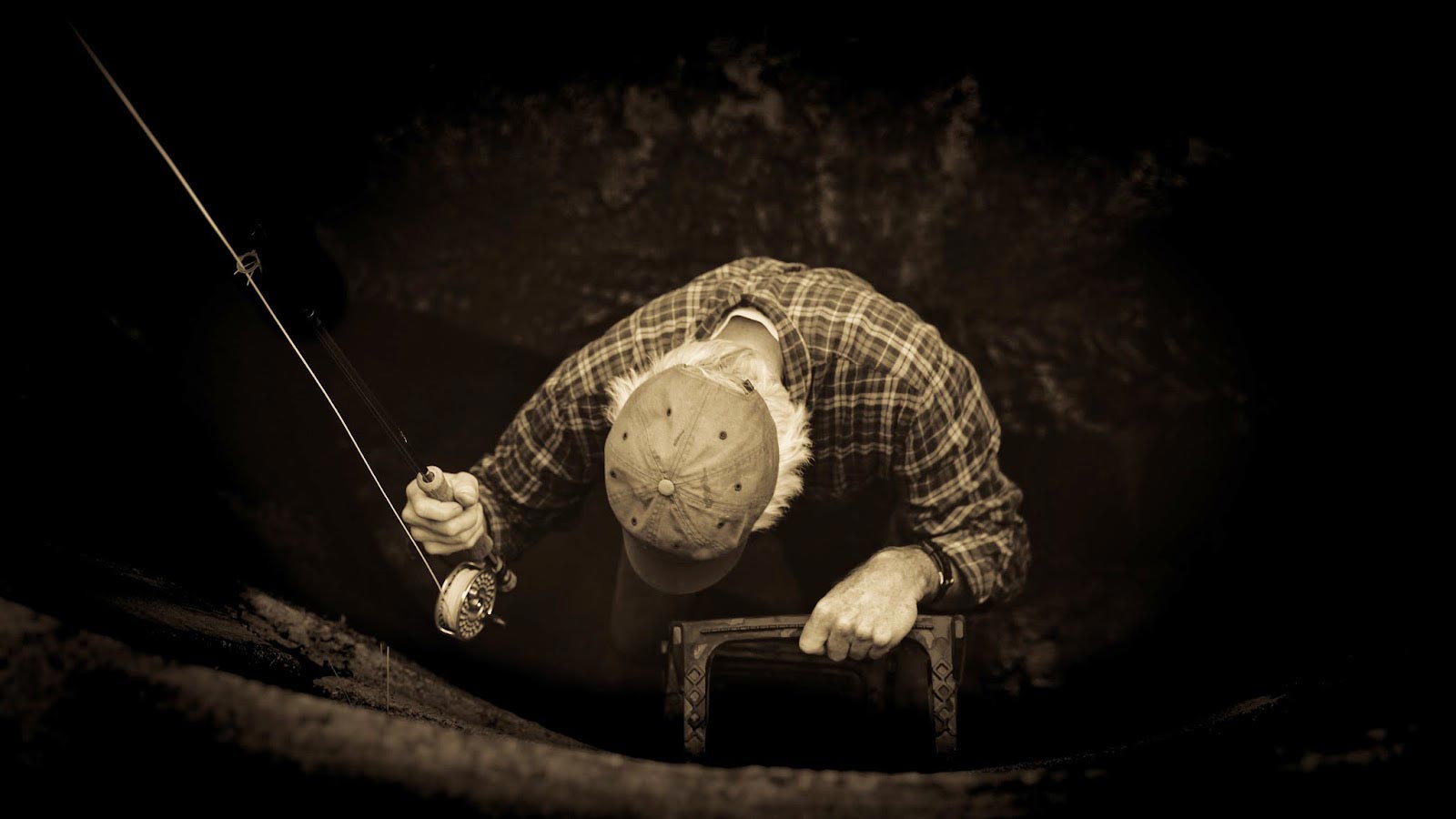
Mike Sepelak, alone in the dark and stench spins a tail that reads like Cormac McCarthy. You can pull up a seat, but you’ll only need the edge when you read, “Down The Rabbit Hole.” Simply the most fantastic fishing story I’ve ever read. Fantastic in every sense of the word.
Excerpt
“The huge streamer landed, with a splat, just out of lamp range and a foot to the left of the disturbance. Troy gave it an immediate pop strip and then paused. Nothing. Nothing. Nothing, until some nearby trash bobbed, ever so subtly. Troy twitched his rod tip with an equivalent genteelness.
All hell broke loose.
Trash and dark water exploded. Troy gave a mighty strip-set and his reel started screaming; reverberating eerily in the small concrete space. Fly line flew out like it was tied to a Ferrari. Forty, fifty, sixty feet. Beyond the bounds of our small dark enclosure. The beast, in his madness, had gone down an outflow and kept right on going. ”
Don’t miss
“DOWN THE RABBIT HOLE”
Read More »