
Rising Tools, The Best Value In Fly Fishing
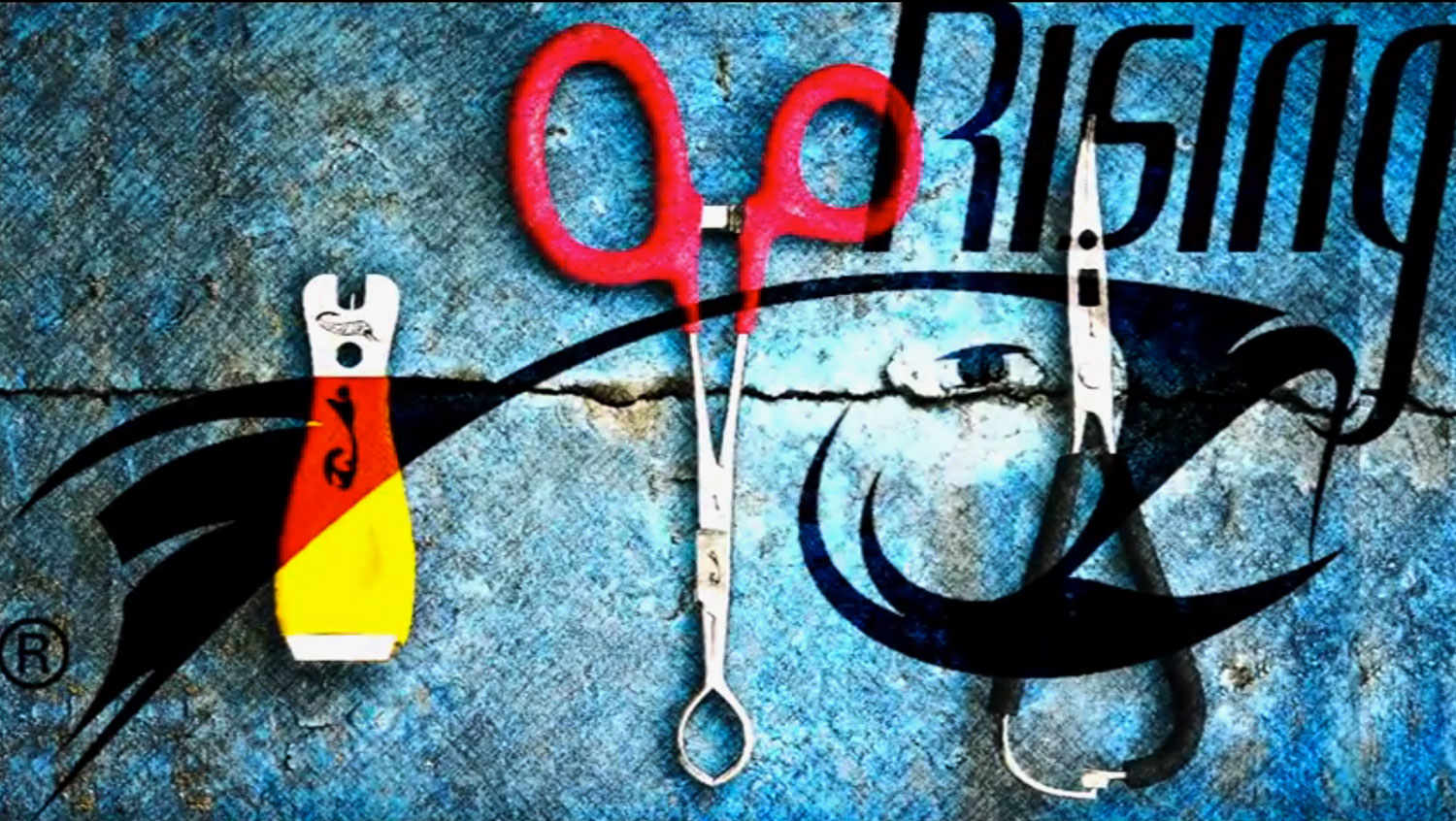
There are few products in fly fishing that I’m as excited about as Rising tools.
Everything these guys make is clever, well designed, rugged and flat out cheap! Their nippers, for example, are the best I’ve ever used. Better than $100 nippers and they cost $12! I honestly don’t know how they do it.
I’ve been using Rising tools for the last couple of years. I commonly carry a Rancher, a Crock and nippers. I use them in saltwater and fresh and they all work like the day I got them. I have one of their boat nets and even a flask. Everything you need for a productive day of fishing!
READ MY REVIEW OF RISING TOOLS HERE.
BUY RISING TOOLS HERE.
AND WATCH THIS VIDEO TO SEE WHAT’S NEW FROM RISING.
Read More »Fly Rod Grip – Keep it Consistent

A COMMON MISTAKE THAT I SEE WITH MANY OF MY FIRST TIMERS IS THEY FAIL TO KEEP A CONSISTENT FLY ROD GRIP WHEN THEY’RE FIRST LEARNING HOW TO CAST A FLY ROD.
Without notice, they often shuffle their rod hand around on the cork, which ends up altering their grip slightly from one cast to the next. Probably the most common grip movement I see with my students is they reposition the thumb during the casting stroke. To be more specific, they slide their thumb off the top of the cork to the side of the cork, and it causes problems with casting form, makes it more difficult to abruptly stop the rod at the end of the back cast and forward cast, it seems to make it harder for anglers to feel the fly rod loading, and direct a cast to a designated target. I’m always quick to point out the thumb grip position error, but I’ve yet to come up with an explanation of why it comes up time and time again with my beginners. Perhaps it’s feels more comfortable to them, and maybe when I see the thumb sliding off to the side of the cork I should take it as a clue for me to suggest students to try a true v-grip or palm out fly rod grip instead. Regardless of why it happens or how I proceed with my instruction, the most important point that should be heard loud and clear to all newcomers, is good fly casting form and accurate fly presentation all starts with a fly rod grip that’s consistent from one cast to the next. I like to think of a proper fly rod grip as
Read More »Sunday Classic / Western Fly Guide for Eastern Anglers
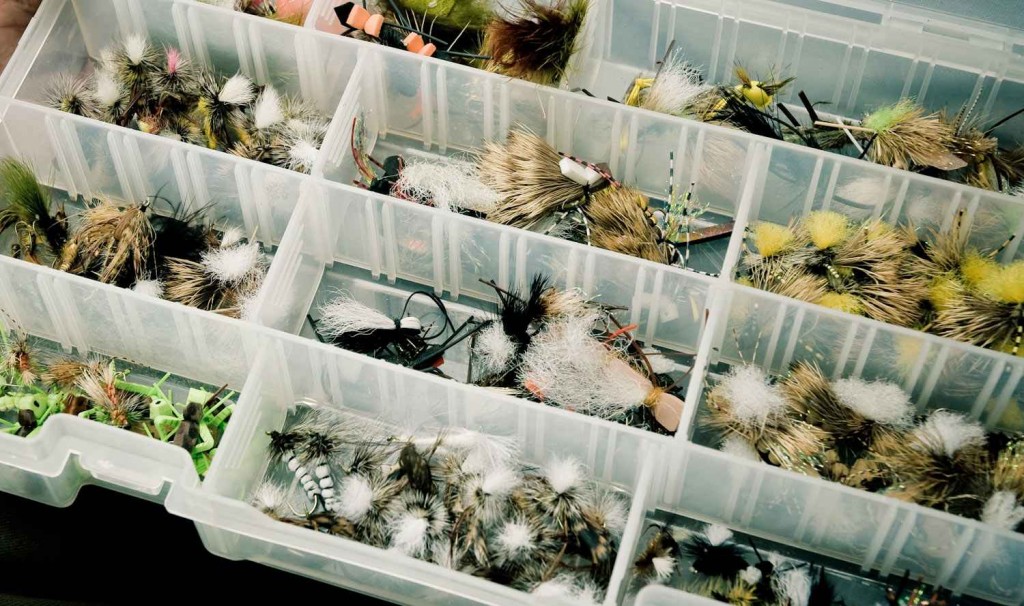
I GET ASKED ALL THE TIME BY EASTERN FLY ANGLERS HEADING OUT WEST FOR THE FIRST TIME, WHAT FLY PATTERNS THEY SHOULD STOCK UP ON BEFORE THEY LEAVE.
What percentage of dry flies to wet flies they should pack, what sizes, and should they pack streamers? The questions go on and on. I get most of the email inquiries from eastern anglers that are fixing to make their summer trip out west during the peak of the terrestrial season. For those that know me, you know that I’m the type of fly fisherman that carries gear for every situation on the water at all times, for the simply fact that I can’t stand being under prepared on the water. Here’s the truth though, if I’m making a trip out west during the terrestrial season, I usually lighten my load significantly and I only carrying the fly patterns that I think I’ll be fishing the most. If I’m going to be making a trip WY, MT, ID or CO I’m going to pack less nymphs, more dry flies and streamers. Colorado is a little more tricky, in which nymphs can play a larger roll than the other western states I mentioned, but if you travel their during the peak terrestrial season, my packing suggestions should work just fine.
Why do I lighten my load this time of year, you ask? Because the trout generally are easy to convince to rise to the surface and take a dry fly this time of year, and when they don’t want to rise to the surface, they almost always will devour a streamer. It’s not rocket science, the fish are optimistically looking up since a large portion of their food is found floating on or close to the surface during the summer months.
Let’s say I’m traveling to Jackson, WY in August, which is probably the most popular requested area out west that I receive questions about. Below are the fly patterns I will stock up on.
Dry Fly Box (Go Big, Many of these patterns suck up real estate)
Comments: I always pack a extra plano tackle box to hold all my extra flies. Each evening I will replenish the flies out of this box so I’m stocked up for the next day’s fishing. If I’m not witnessing a hatch or fish taking smaller insects on the water, I generally start first with a big beefy dry fly that floats like a cork. Bigger is usually better this time of year out west. If I only had one dry fly I could take, it would be a Chubby Chernobyl. They grab the attention of fish quickly, and are very good at bringing fish up from the deepest of pools, fast moving water and out from undercut banks. That being said, if the big foam and stacked deer hair isn’t working, don’t be afraid to bench them and tie on a smaller dry fly like a size 12 parachute hopper, 12-14 parachute adams, 12-14 stimulator or a size 14 foam beetle. These have worked wonders for me on some of the smaller tributaries, and they have their place when fish are shying away from big profiled dry flies.
You hear a lot about fishing a hopper/dropper nymph. It works well, but sometimes you can even do better if you opt for tying on a small dry fly or emerger off the back instead. I’ve seen a size 22 bwo emerger off the back of a Chernobyl fool the biggest fish in the river on some of our past trips. Be prepared for PMD and Yellow Sally hatches. And even more importantly, always be ready for spinner falls when your out west. When it happens, trout can become keyed in on them and will ignore all other offerings. Never leave home without a good selection of rusty and trico spinners.
14-10 Parachute Adams
14-10 Orange/Yellow Stimulator
18-12 Tan Elk Hair X-Caddis
14-12 Parachute Purple Haze
Saturday Shoutout / Help The Bahamas
I dreamed about the Bahamas last night.
I dreamed that I was fishing the flats with one of my favorite Bahamian guides when we were pulled over by authorities in a shiny new patrol boat. I was taken into custody and sent to an alien processing center. I think it’s fair to say that, in spite of the recent good news on the future of Bahamian fishing regulation, I’m still a little stressed about it.
The reality in the Bahamas is quite different. Many of the family islands were devastated by Hurricane Joaquin. Families who rely on the bonefishing business are struggling just stay housed and fed. This is the perfect time for us, the sport fishing community, to show exactly what kind of people we really are. It’s time for us to help.
Perhaps the worst thing to come from the recent controversy over Bahamian fishing regulations is that a lot of foreign anglers have been left with the feeling they are unwanted. I can assure you that’s the furthest thing from the truth. The Bahamian people are a joy and they truly appreciate the folks who visit and fish in their country. The harsh, anti foreign regulation which were proposed, were really the work of one man. We should not punish all Bahamians based on his hateful nature. Don’t boycott the Bahamas. In fact, let’s take it a step further and help them rebuild.
THERE ARE TWO GREAT RELIEF EFFORTS GOING ON RIGHT NOW!
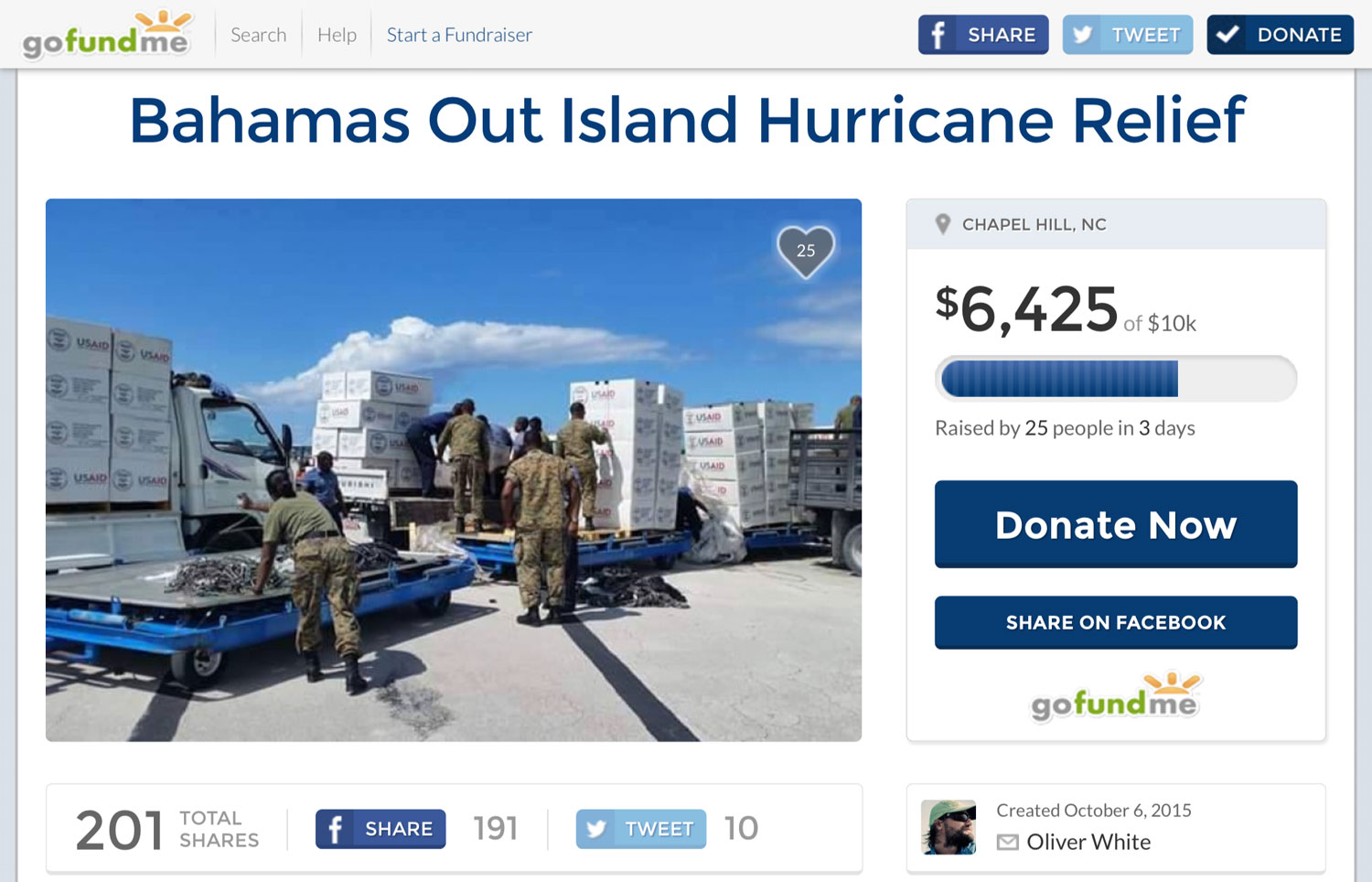
Oliver White, owner of The Abaco Lodge and Bair’s Lodge has started a Fund Me campaign and is matching donations up to $10K. Let’s help max this donation out ASAP.
CLICK HERE!
The Abaco Fly Fishing Guide Association is also collecting relief funds. It is important to note that the AFGA is a great, pro foreign angler, group which predates the BFFIA, who have caused such an uproar. Supporting the AFGA is a great sign that we in the sport fishing community look out for the places we fish and the folks who live there. You can find out all you need to know about this fund over at Bonefish on the Brain.
CLICK HERE!
PLEASE HELP SUPPORT THE BAHAMAS AS THEY REBUILD. THANK YOU!
Read More »New X-Series Reels From Nautilus
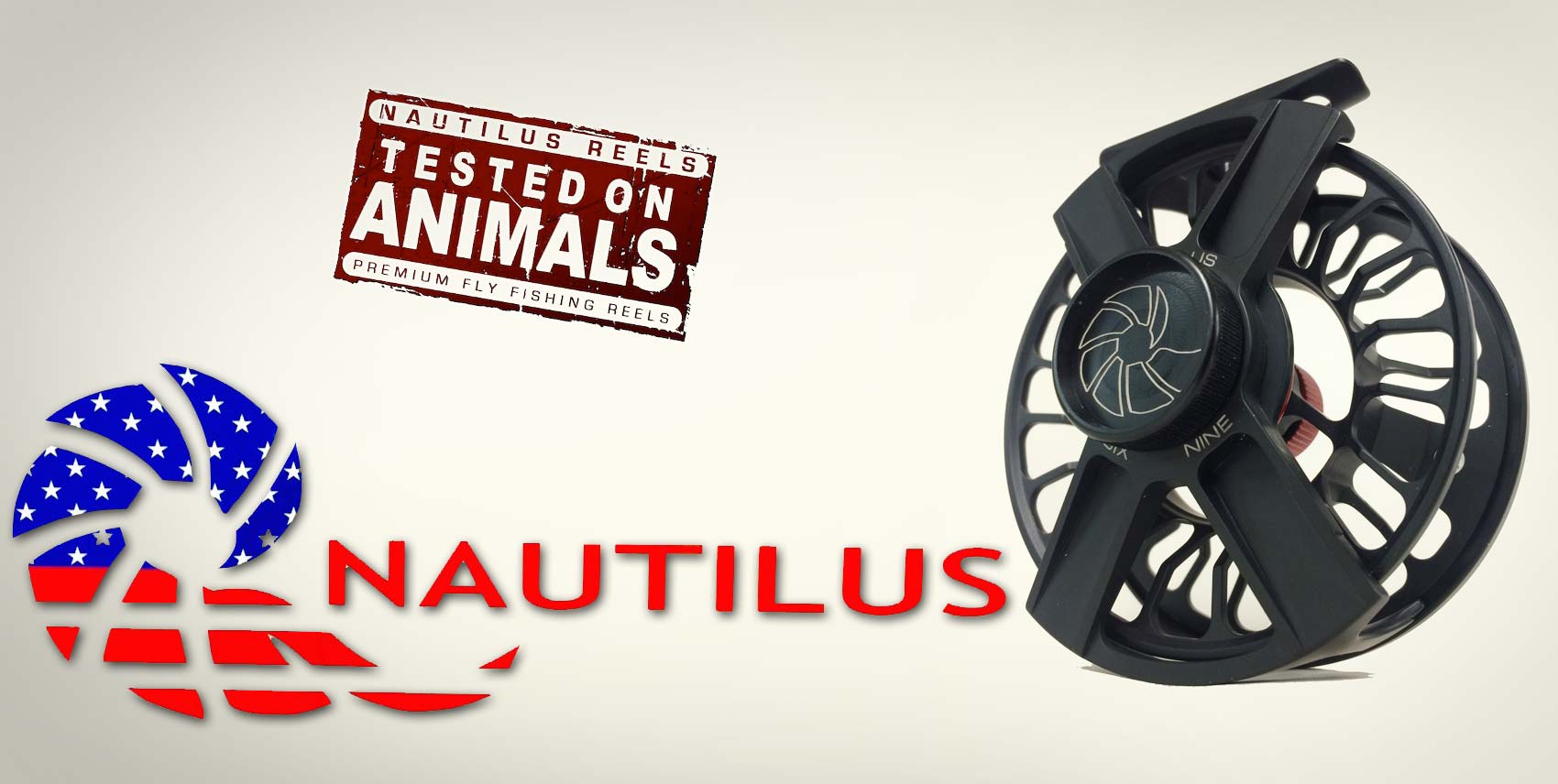
Nautilus raises the bar one more time with this new offering.
Rumors have been flying for a while now about a radical new trout reel from Nautilus. The X-Series reels are certainly radical. Unbelievably light and yet totally ridged. The frame of the reel is a simple X-shaped strut, billet machined and engineered as a torsion box, which makes it incredibly strong in spite of its light weight. It covers just enough of the spool to protect it from damage.
These reels are the perfect compliment for today’s ultra-light weight rods. They have a powerful carbon fiber and Teflon drag system with virtually no startup inertia. Plenty of drag for any species. The X-Series were designed for trout anglers but are available for lines up to 8 weight and all are rated for saltwater.
X-Series Sizes: XS 3.25”2-4wt, XM3.5”4-6 wt, XL4” 6-7Wt, XL MAX 4” same as XLframe but spool is for 8/9 wt
WATCH THIS VIDEO TO GET ALL THE DETAILS AND SEE THE NEW X-SERIES REEL.
Read More »Rely On Muscle Memory for Difficult fly Casts
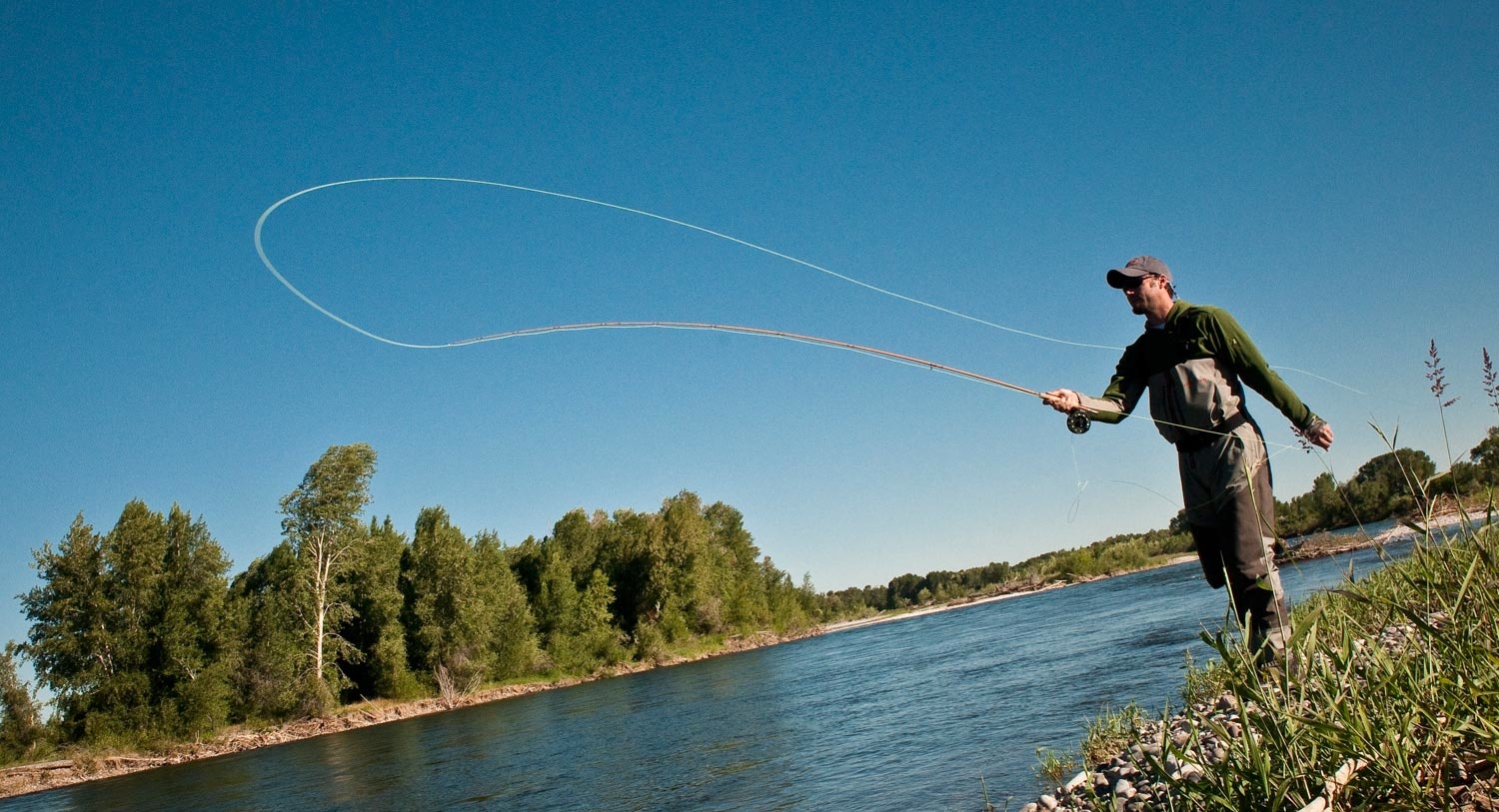
By Kent Klewein I learned a long time ago that most of the time my clients cast better in high pressure situations when they’re relaxed, confident and keep their head out of the game. It’s really easy to think that the more difficult a fly fishing presentation is, the more we should be trying to focus and think about every detail of our cast during the execution. According to many neuroscientists and psychologists who’ve studied why professional athletes choke under pressure, most agree that thinking too much during a task, no matter how routine it may be, can actually decrease your chances for succeeding in high pressure situations. [Psychologist Sian Beilock of the University of Chicago calls it “paralysis by analysis.” Beilock, author of the book, “Choke: What the Secrets of the Brain Reveal About Getting It Right When You Have To,” contends that too much thinking at the wrong time can lead to “logjams in the brain” because they’re thinking too much and that ends up overriding their muscle memory.] So the next time you’re confronted on the water with a difficult presentation and you feel the pressure weighing you down, take a second or two to take a deep breath, believe in yourself, and let your trained muscle memory do the work. If you go into a fly casting situation on the water doubting yourself and thinking, “I can’t make this cast, it’s too difficult” chances are you’re not going to make a successful presentation. However, if you throw away all that negativity and doubt, and instead believe in your fly casting skills, more times than not, you’ll pull off the cast without a hitch. Keep it Reel, Come fish with us in the Bahamas! Kent Klewein Gink & Gasoline www.ginkandgasoline.com hookups@ginkandgasoline.com Sign Up For Our Weekly Newsletter! … Continue reading
Read More »Our Natural Resources Are A Privilege! Treat Them That Way!
By Justin Pickett
“THIS IS WHAT HAPPENS WHEN WE DON’T TAKE CARE OF THE THINGS WE ARE GIVEN.”
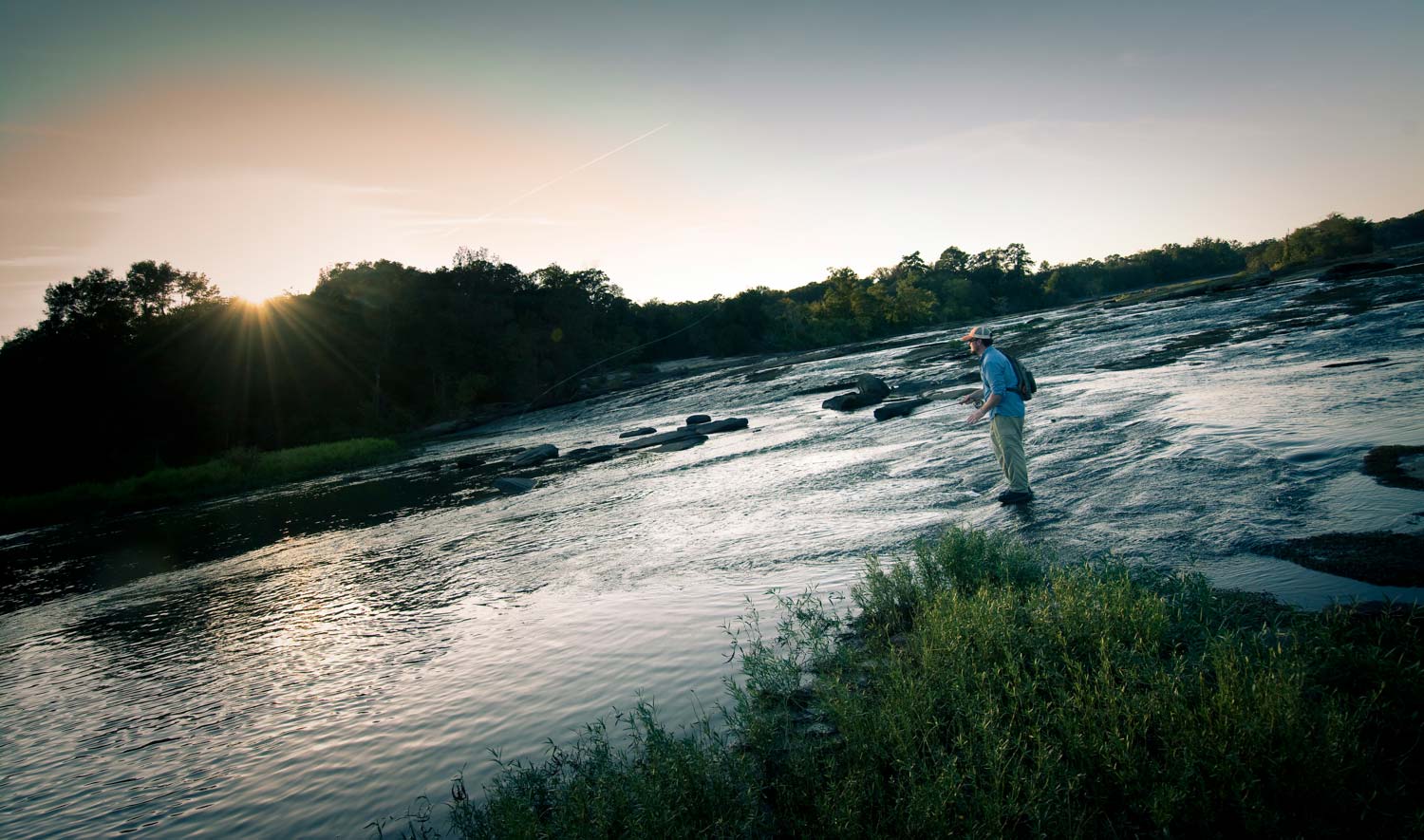
Just yesterday I decided to spend the first few hours of the morning fishing one of my favorite local spots. The weather was perfect and the river levels were just right. I indeed had a great morning, landing several nice fish. I even had the chance to sight fish to a behemoth of a shoal bass, but after many casts and patterns it was evident that he either had lockjaw, or he’s just an asshole. Nonetheless, though, it was a great day.
Satisfied with my morning, and with the temps rising, I decided to string it up and head back to the truck. As I got closer to the bridge, I noticed two gentlemen walking out from the woods, out onto the rocks. I thought it was a little odd of fishermen to show up to fish during the hottest part of the day, but whatever. Once I closed a little more distance between us I realized that they were DNR officers, and then I suddenly got the feeling that they were likely waiting for me.
Once I was in ear-shot I gave a friendly “hello”, and they greeted me back and asked if they could check my fishing license. I quickly made it over and gave them my ID and license as they asked how the fishing had been. Then they hit me with the real reason why they were there waiting for me…
“Sir did you realize that you are trespassing on private property?”
Read More »Fish With G&G! 3 Exciting opportunities
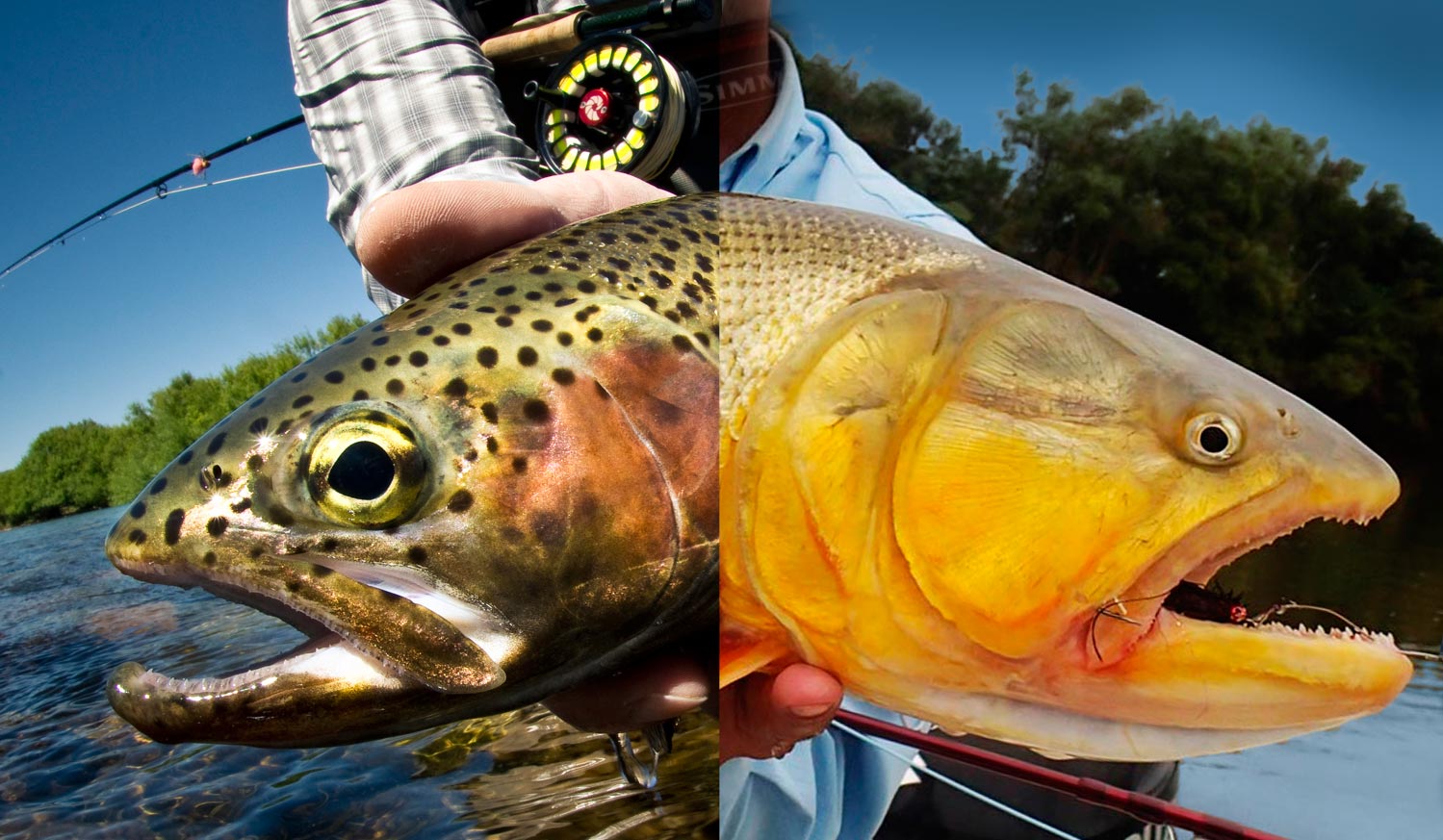
Is a hosted fishing trip right for you? CLICK HERE TO FIND OUT. Argentina Trout and Golden Dorado I’ll be hosting two amazing fishing opportunities for you in Patagonia & Argentina with Andes Drifters. Do either trip or both in two consecutive weeks! February 20-27 2016 Patagonia Trout This is nothing less than a week of the best trout fishing and greatest hospitality on the planet. I made this trip last year and it was the coolest fishing trip I’ve ever made. While your friends shovel snow at home you’ll throw big dry flies to hungry brown and rainbow trout of 18-24 inches, drink Argentinean wine, fish at the foot of a giant volcano, eat goat roasted on a spit and sleep under the Southern Cross. The fishing is truly remarkable. Think Montana times 10. There will be ample opportunity to cast to rising trout or work the bank with hoppers. If you like to throw streamers, hold on baby! These fish are aggressive. We’ll spend the first few days floating the Chimehuin and Alumine Rivers, and wading the beautiful Malleo River at the foot of the Lanin volcano. We will stay at the Spring Creek Lodge, which is as comfortable as it is charming. The Argentines are gracious folks and they are proud to share their country and their culture. There will be local wine tasting, music, tango dancers and food that you just can’t believe. If you never touched your fly rod it would be a bucket list trip. And just when you think it can’t get any better…it does. We’ll end the trip with an epic three-day float and camp on the legendary Limay Medio, The River Of Monsters. Although your average fish on this river will likely be 20 inches, it’s quite likely the best place in the … Continue reading
Read More »Sunday Classic / 12 Tips for Spotting More Bonefish
SO YOU WANT TO CATCH A BONEFISH?
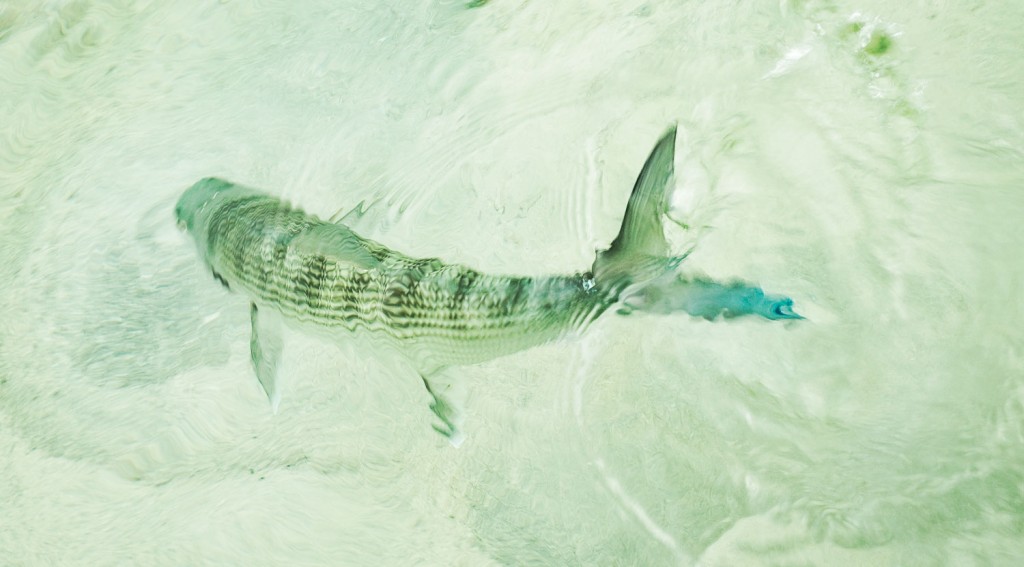
To catch a bonefish, one must first see a bonefish, and there’s the problem. Bonefish are nearly invisible as any living creature. Their camouflage is almost flawless. Their sides are as bright as a mirror and reflect their surroundings perfectly. If the bottom is light, the fish is light. If the bottom is dark, the fish is dark. It can be maddening.
The problem is compounded for the angler who is making the transition from trout fishing to flats fishing. The method of spotting fish is completely different. In fact it’s almost opposite. To find a trout you identify the likely holding water and stare into that spot, waiting for the window to open so that you can glimpse a head or a tail. But trout are holding still in moving water. Bonefish are always on the move. If you stare through that window you’ll miss the show.
I can remember standing on the bow, listening to my guide’s voice become tense, then frustrated. “He’s right there Man, forty feet, right in front of the boat.” “You can’t see the fish, Man?” It will test your self confidence, make you wonder if you know anything about fishing.
With time, the lights turn on and you start to understand the subtle signs of life that you’ve been missing. You learn how to look for fish. Spotting bonefish never gets easy but it become doable. With time, a good pair of polarized glasses and a little patience from your guide, the bonefish will reveal himself.
HERE ARE TEN TIPS TO HELP.
1. Keep your head on a swivel
There are some rules for how fish move on the tide, but bonefish don’t care much for rules. They’re like kids, they mill around, get distracted, turn and stop suddenly. They could be anywhere on the flat. Keep scanning the water. The closest bonefish may be behind you.
2. Don’t get tunnel vision
It’s easy to anticipate where you will see fish. You can find yourself staring at a small piece of water trying to make fish appear. This tunnel vision can be its worst when your guide is calling out a fish. You may be looking ten feet to the left of the fish and never see it. Keep your eyes relaxed and look at the big picture. See the forest, not the trees.
3. Search the glare
The surface of the water reflects the sky and one part of the sky is always lighter than the other. That means that there is almost always part of the water where you can see well and a part where you see mostly glare. The natural tendency is to spend your time searching the water where you can see well but this is not the most effective method. Scan that water quickly, then slow down when you scan the glare. That will help keep you from missing fish.
4. Tilt your head
Polarized sun glasses work with the angle of the light. The angle of the light is always changing but your glasses stay put. If you are struggling to see through glare
Saturday Shoutout / Good News In The Bahamas
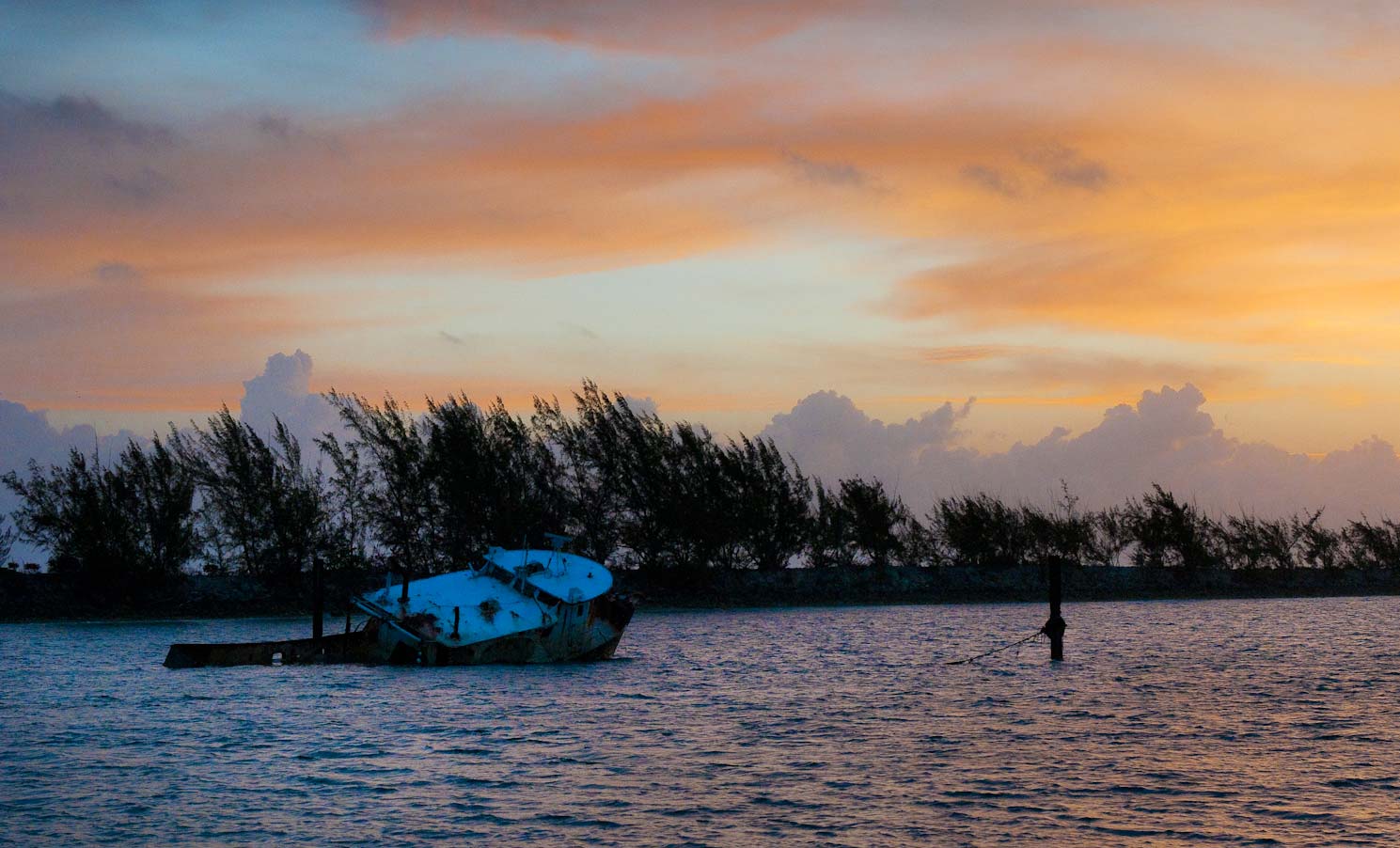
I think we can all use a little good news and Bonefish On The Brain has it.
B.O.B. Has been relentless in its coverage of the Bahamian regulation controversy. There’s been a lot of bad news in the past months and it’s really refreshing to hear something positive. I think it’s only fitting that you hear it from Bonefish On The Brain.
LIGHT ON THE HORIZON IN THE BAHAMAS
While you’re there check out this great interview with Justin Lewis from the Bonefish and Tarpon Trust. You’ll get some insight on Bahamian regulation, the fishery, some tips on catching bonefish and even a rugby lesson.
INTERVIEW WITH JUSTIN LEWIS
Read More »