
Saturday Shoutout / The Journal on Andros
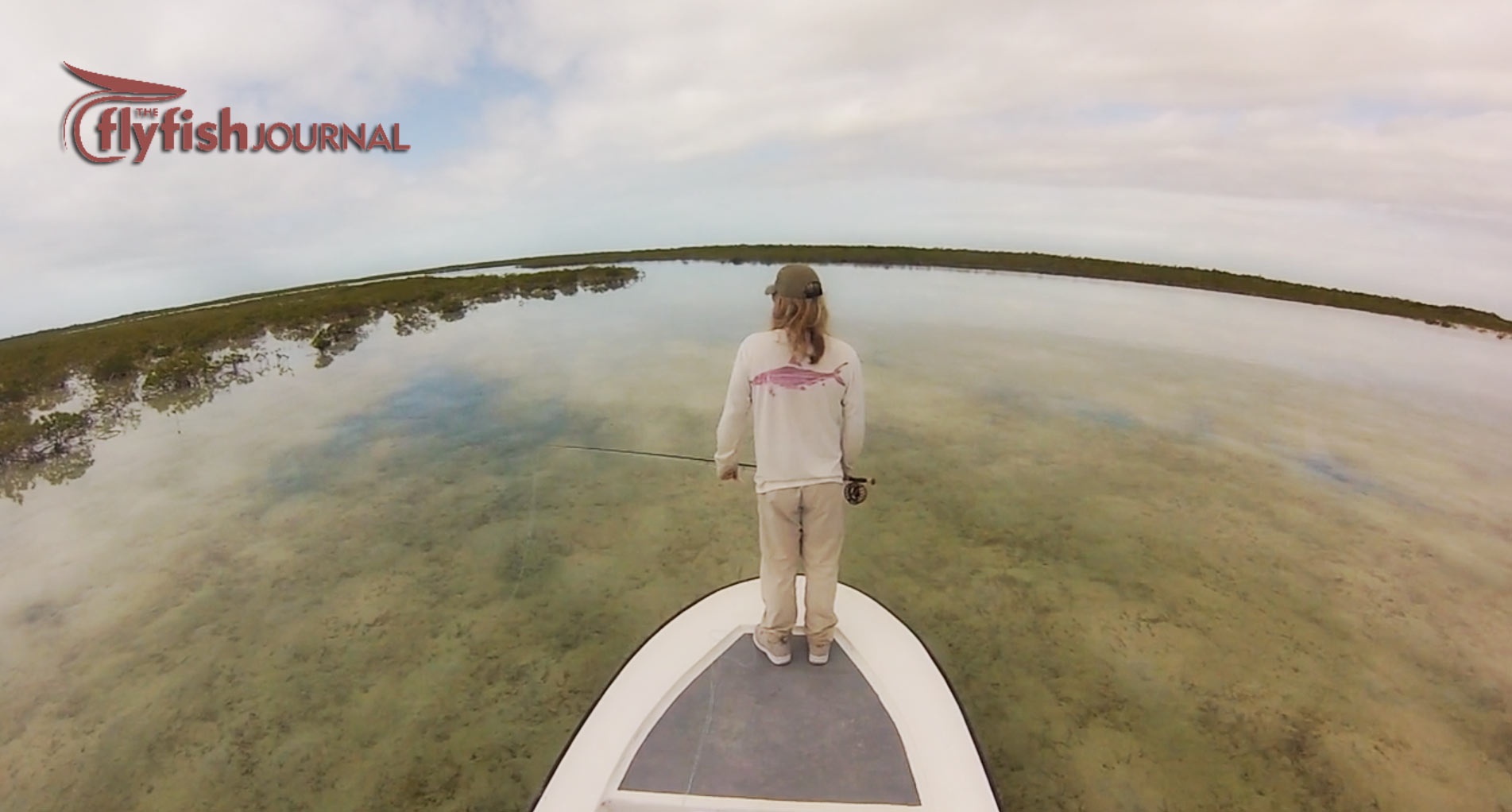
Take a trip to South Andros with the Fly Fish Journal.
I ran into these guys at the Congotown airport on their way home. Looks like they had a good week. Watching this video makes me wish I was there now. I’ll have to wait until November. You should join me!
ENJOY THE FLY FISH JOURNAL VIDEO FROM SOUTH ANDROS.
Read More »The Truth About Scientific Anglers
2016 will go down in history as the year of the tippet wars.
It seems that every manufacturer has new tippet and leader material this year, each claiming to be stronger than ever before. That’s probably true across the board. Advances in tippet technology happen at a global level and companies respond quickly. Scientific Anglers is making an interesting promise that’s about strength but also about truth.
The new SA tippet comes in guaranteed sizes. It seems that there may have been more variation in tippet diameter than we have known. Not just from SA but across the industry. That 6X you’ve been fishing may have been 5X all along. If you’re a technical trout angler this this should get your attention. SA is promising to put this to rest and guarantee the tolerances on their tippet.
There other news form SA in 2016, including new lines. Some very cool sink tip options with better turnover and improved performance.
CHECK OUT THIS VIDEO FOR SOME TRUTH FORM SCIENTIFIC ANGLERS.
Read More »Fly Fishing: The Importance of Having a Good Game Plan
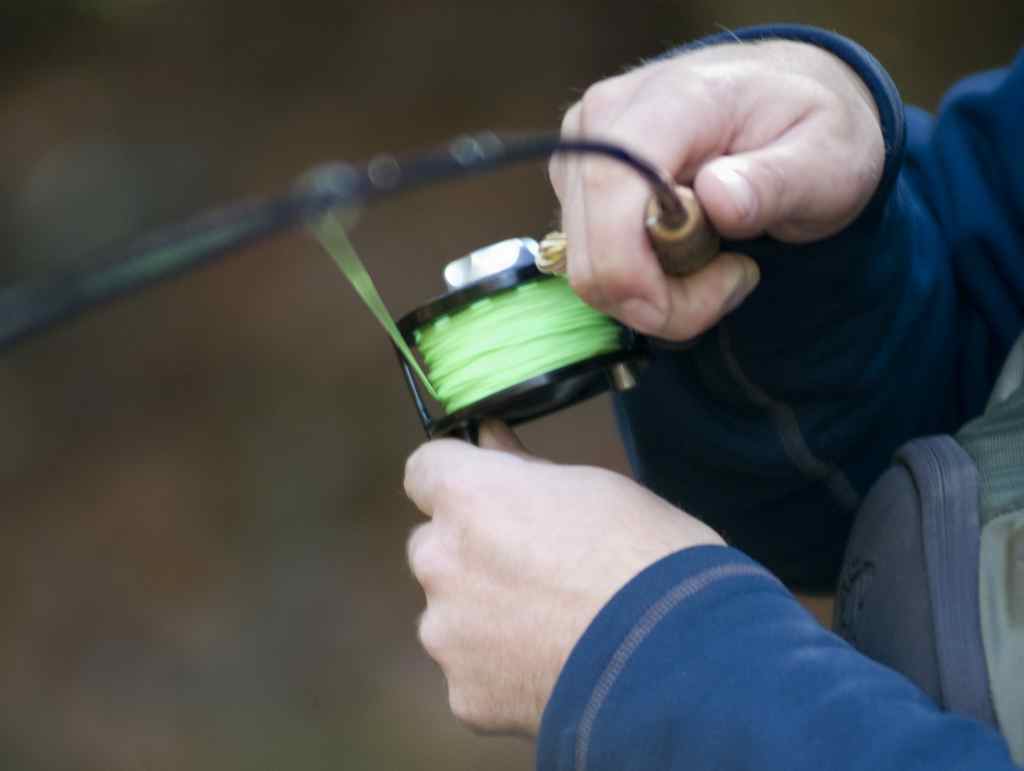
It’s cool to shoot from the hip on the water. What I mean by that, is fly fishing a new stretch of water and catching fish right out the gates. Sometimes you get lucky and hit the bullseye right off the bat, catching fish immediately after wetting your fly line. Unfortunately, that’s not going to happen ever time you pull the trigger on the water, especially on water you’ve never laid your eyes on or haven’t fly fished in months. Veteran fly fisherman that have logged hundreds, if not thousands of hours on the water fly fishing, understand this fact, and that’s why most of them have develop a familiar fly fishing game plan that they use to help them locate and decipher the feeding pattern for the given day. They’ll run through a list of different fly patterns, rig or types of water, and eventually they’ll gain enough information through observation and feedback from their fishing, that they’ll be able to dial into the most effective way to stay into the fish. This strategy is very similar to how tournament bass fisherman pre-fish water to identify and develop a pattern on the lake before tournament time. When conditions change or specific tactics yield little success, having a “game plan” of what you’re going to do next is invaluable on the water when it comes to not only getting your skunk off, but also fully enjoying your time on the water. Below is an example of a “trout game plan” that I use when I’ve not been on the water for a while or when I’m visiting new water. It usually increases my success a great deal.
Read More »UMPQUA SWIFTWATER ZS TECH VEST GIVE-AWAY
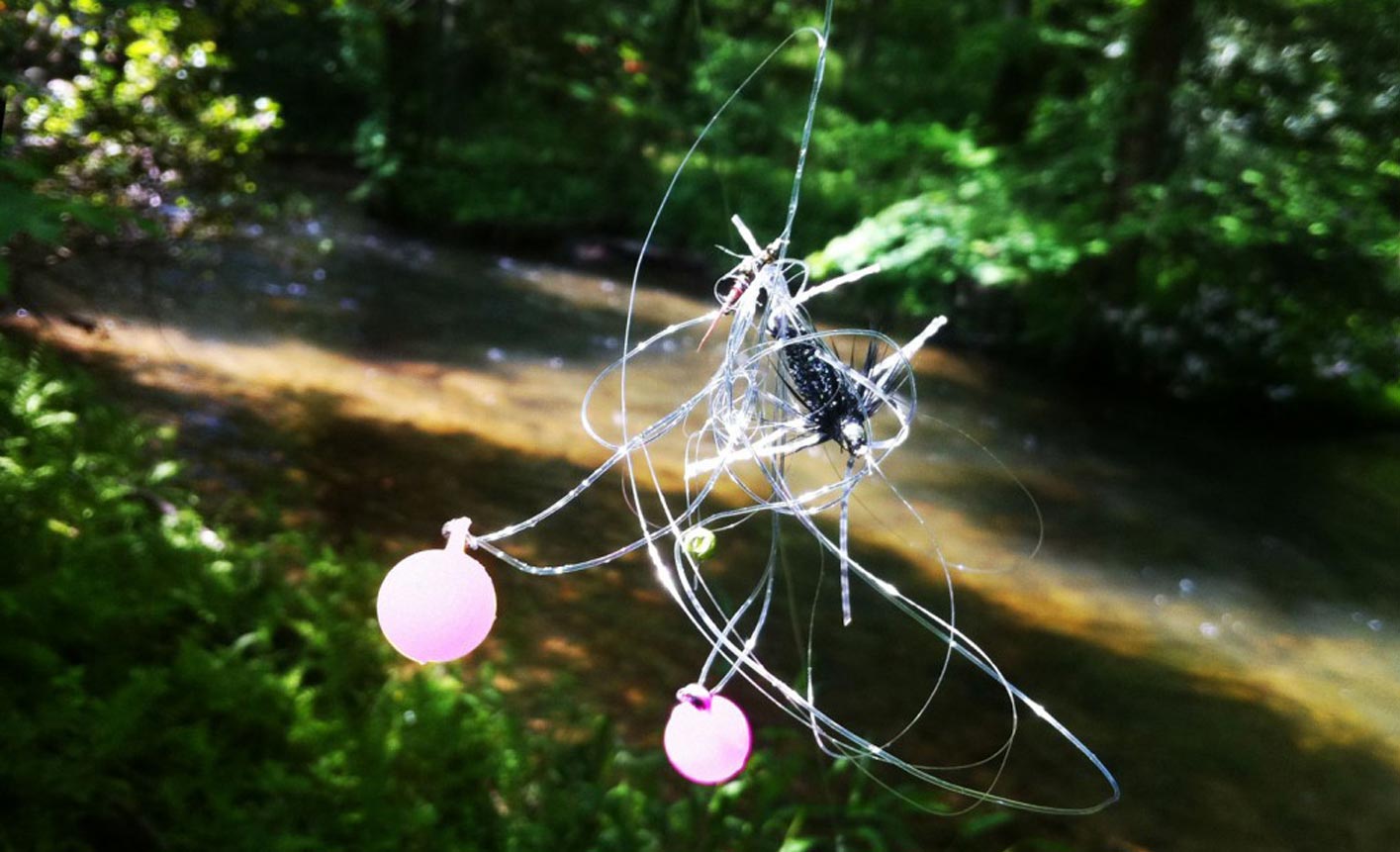
Want the new Umpqua Zero Sweep Swiftwater Tech Vest? Well, here’s how you get one!
First you have to understand the whole idea behind Zero Sweep. Umpqua worked with Navy SEALS to design their awesome new tech pack and vest. If you’re a navy SEAL about to throw down on some bad guys, the last thing you want is for your gear to get tangled. That’s why all of their gear incorporates a design idea called Zero Sweep, which means there are no places where anything can hang up or snag.
Umpqua built this Zero Sweep design into a new line of technical packs and vests and it’s pretty sweet. No place for fly line or leaders to snag. Nothing to hang on branches as you crawl through that thicket to your favorite honey hole. All of your tools tuck into their own enclosures, where you can get to them but they can’t get away. And of course they are Umpqua built, which means bomb proof. Quality fabrics and workmanship and smart design, inside and out.
So here’s how you win a Swiftwater ZS Tech Vest ($169 value) of your own.
Go to Instagram…WHAT? You’re not on Instagram? It’s fun, free and easy, click HERE to start.
Next, follow Gink and Gasoline and Umpqua Feather Merchants, so you can tag us in your post.
Then upload a photo of you biggest,
Read More »Sage One Elite Review
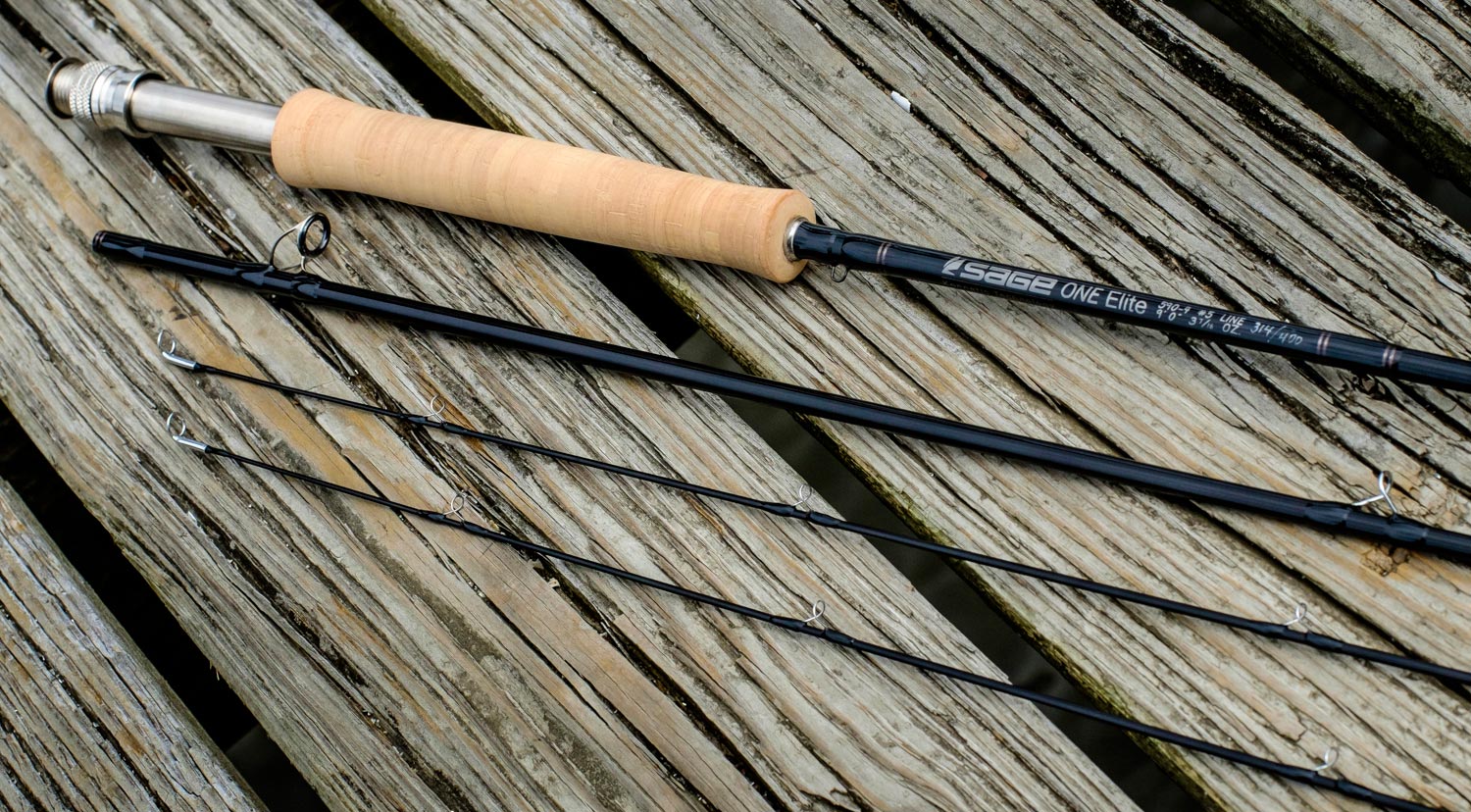
Sage takes its award winning ONE, One better.
It’s an interesting task, to take a fly rod which has been called the best ever made and make it better. Apparently Sage rod designer Jerry Siem felt like a challenge because he’s done just that. Before I give you my thoughts on this rod, I’ll start with a little disclaimer.
This rod is not cheap. I’m sure we will hear about it from the peanut gallery. I’ve written plenty about cheap rods and I’ll write more in the future. If you’re not interested in an expensive rod, stop reading now. If, however, you are at the point in your fly fishing where you are interested in investing in something really nice for yourself, or a lucky loved one, read on.
The Sage ONE Elite is a 9′ 5 wt limited edition version of the lauded ONE series with a few very special tweaks. It features all of the same basic elements that make the ONE what it is. It is a very high modulus carbon fiber rod which is extremely light with a very fast recovery rate. Sage called this combination of material and process, Konnetic Technology. I have no idea what that means. I can tell you this. Jerry did an interesting demonstration for me in the lab at Sage. He dropped two sections of rod blank on the countertop. One Konnetic and one not. The Konnetic blank made a beautiful pinging sound and jumped twice as far back off the counter. It could be Flubber, who knows?
The result, as you know if you’ve cast a ONE, is an especially crisp and precise action that’s a pleasure to cast? Like fly rods from any maker, some weights and tapers are better than others. I’ve cast a few ONEs that I didn’t care for and some that are just phenomenal. As you might guess the 9′ 5 is one they really worked on. The standard rod is nice, the Elite is amazing.
WHAT’S DIFFERENT IN THE SAGE ONE ELITE?
There are just a couple of differences between the standard ONE and the Elite.
Read More »Sunday Classic / The Redfish Wiggler
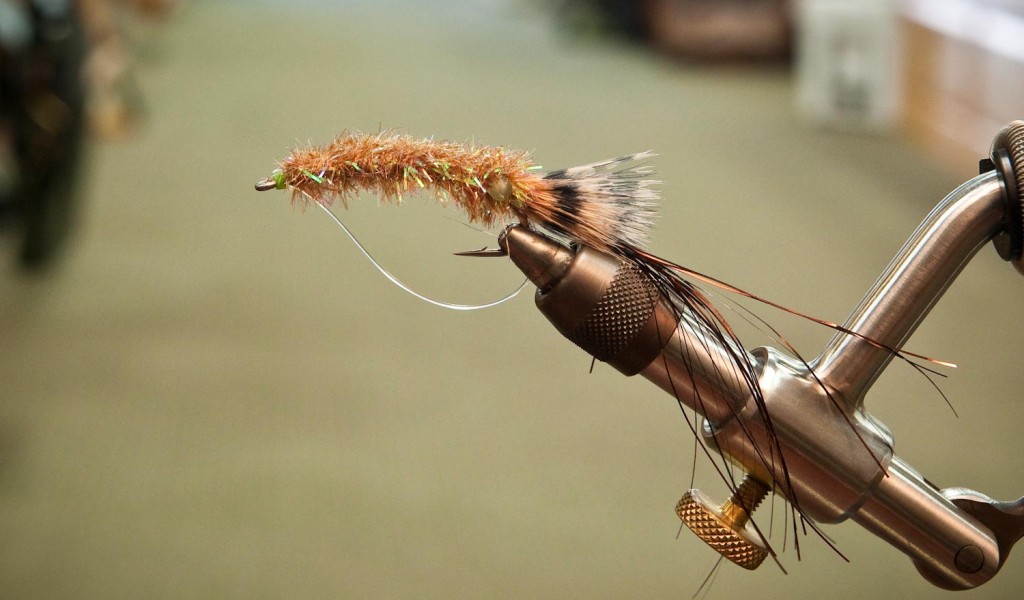
My buddy Paul Puckett is best known for his beautiful paintings of fish and his funny renderings of celebrity’s holding fish. What you may not know about Paul is that he’s a redfish junky. So much so that he recently moved to Charleston SOuth Carolina to be closer to the fish he loves. I visited The Fish Hawk the other day and Paul took the time to share one of his favorite redfish flies. If you’re headed to redfish country tie a few of these babies up. You won’t be sorry. Check out Paul’s work at paulpuckettart.com And his clothing line at floodtideco.com Come fish with us in the Bahamas! Louis Cahill Gink & Gasoline www.ginkandgasoline.com hookups@ginkandgasoline.com Sign Up For Our Weekly Newsletter!
Read More »Saturday Shoutout / Vokey & McMillan on Steelhead
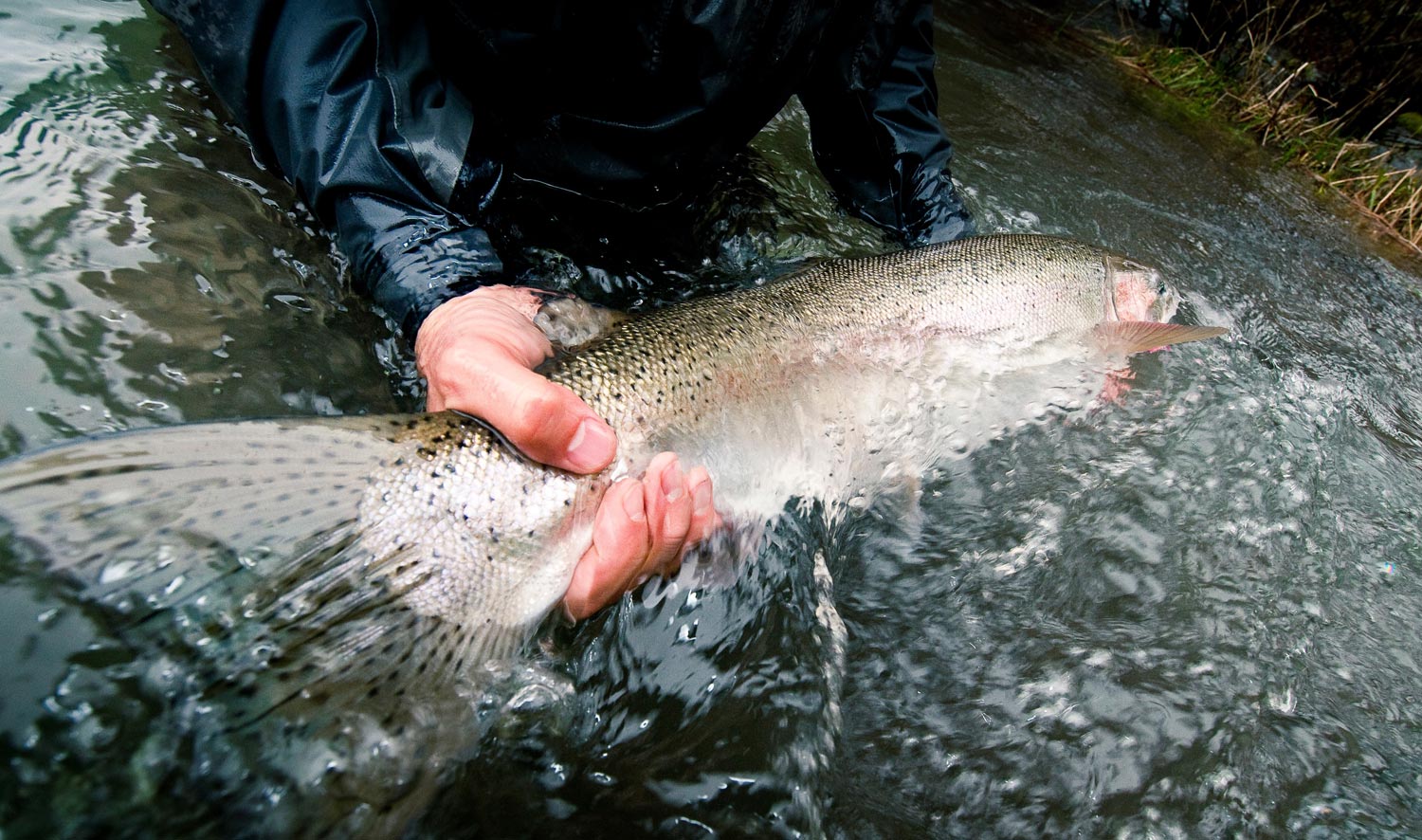
If you love steelhead, you don’t want to miss this.
Ever wandered what makes a common rainbow trout head for the ocean and become a steelhead? Or why it brother does not? Well, so has biologist John McMillan. Enough to dedicate his life to answering that question and many others about steelhead.
April Vokey sat down with McMillan recently for a podcast on the subject. It’s one of the most informative talks I’ve heard on the subject. If you’re interested in steelhead, it’s one you don’t want to miss.
CHECK OUT APRIL’S DISCUSSION WITH JOHN MCMILLAN
Read More »New Fishing Packs From Fishpond
Fishpond fishing packs just keep getting better!
The new line-up of packs from Fishpond is pretty impressive. They picked up a couple of awards at IFTD for designs that focus on comfort, function and water proofing. I’ve been using the new Thunderhead dry pack for a while now and absolutely love it. Look for a full review on that one soon.
Also worth special mention of the Drifty boat caddy. A great organizer pack that hangs on your boat or mounts on a cooler. Anyone who owns, or regularly fishes from, a boat is going to love this.
CHECK OUT THIS VIDEO TO SEE ALL THE NEW PACKS FROM FISHPOND.
Read More »Fly Fishing: Does Your Fly Patch Look Like This?
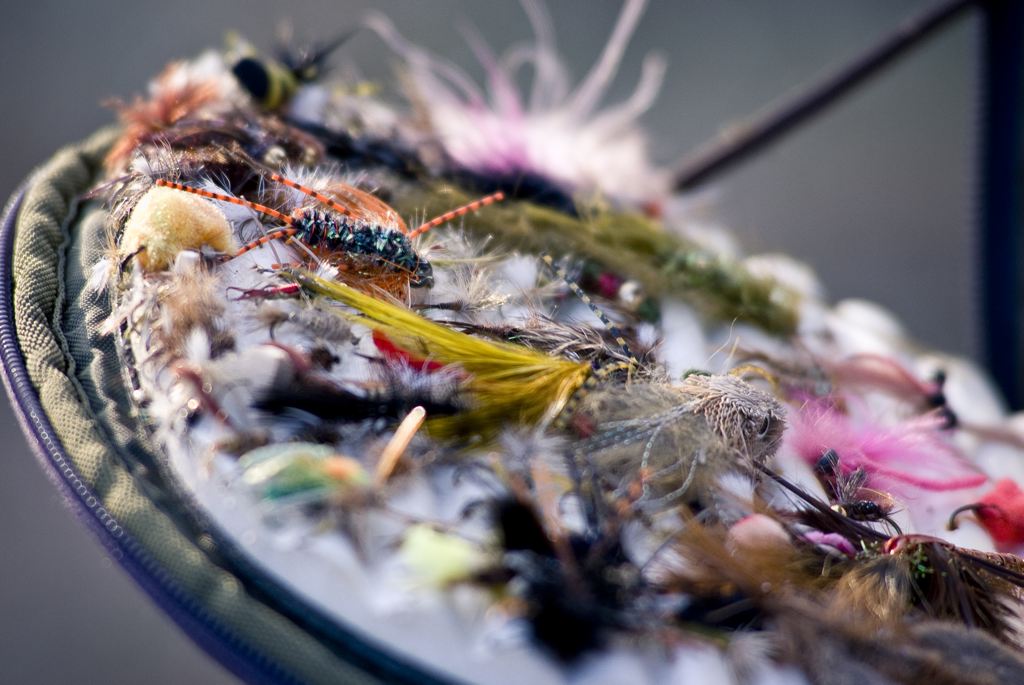
Do yourself a favor and clean out your foam drying patch on your pack, during the cold months, when you’re not going to be on the water for a while. You’ll be surprised how much your fly boxes will fill back up once you’ve done a thorough cleaning, and also just how much trash you’ve accumulated over the past season in the bottom of your packs. I’ve got a horrible habit of leaving my flies on my drying patch day in and day out. I use my drying patch as a fly box in itself and although it saves me some time on the water when I’m guiding, it ends up destroying dozens of flies during the season. That translates into quite a bit of money thrown down the drain, and significant time lost at the tying bench that could have otherwise been avoided. Don’t let your fly drying patches get out of control. They’re not meant to be used as permanent fly storage, rather, they’re a place to organize flies for your day out on the water or for drying fly patterns out until you can safely put them back in the appropriate fly boxes.
Read More »2 Great Hosted Trips For Steelhead and Bonefish
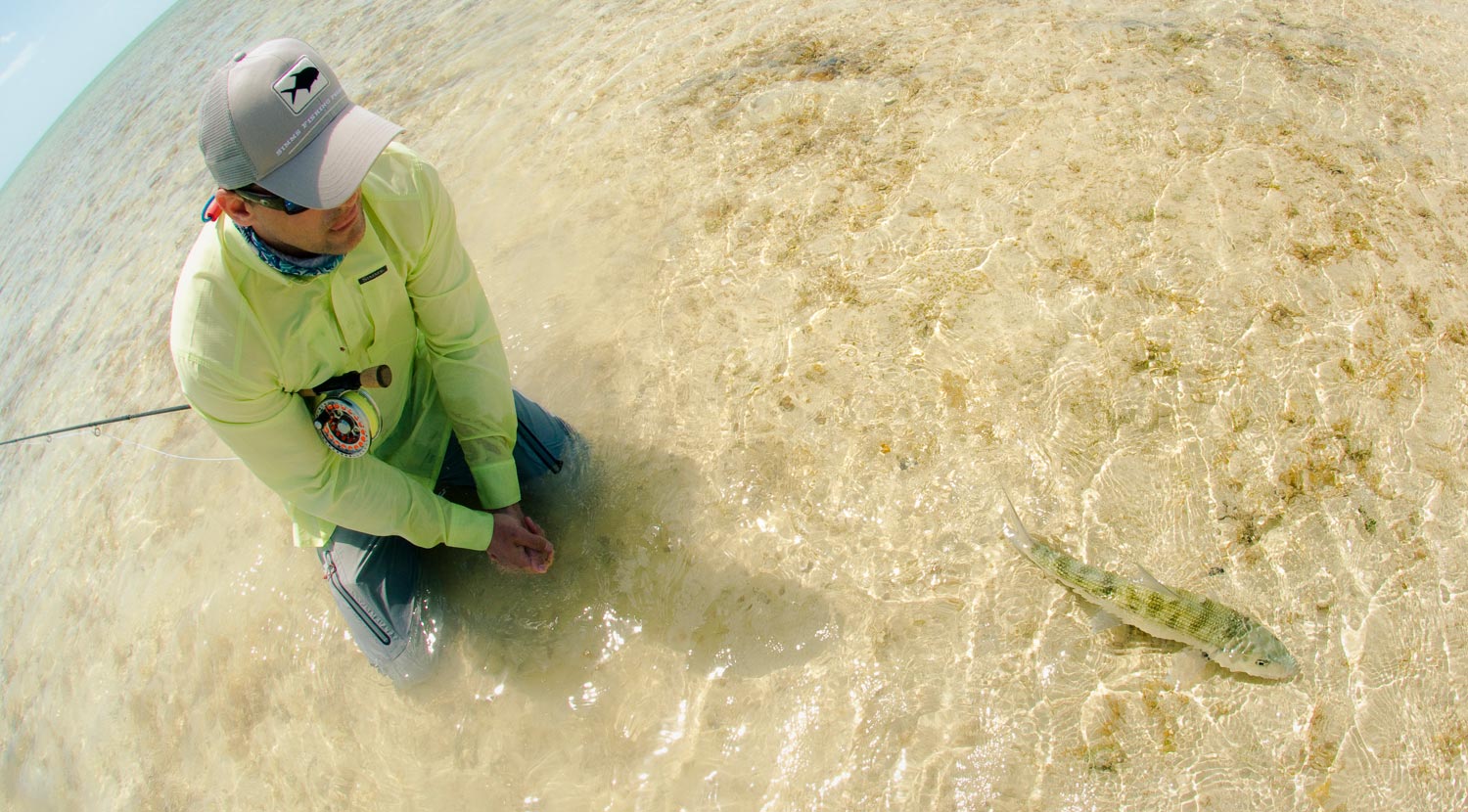
Gink and Gasoline hosted fishing trips are a great way to make new friends and up your game on the water. I put together several trips a year to fish with G&G readers and share some of the best water I know. They are more than great fishing trips, they are meetings of fun, like-minded anglers. A chance to share information, stories and our passion for fly fishing. I host these trips myself and am there to help you have the best trip possible. There’s no catch, no hidden fees. You pay the same amount you’d pay to fish these location any day of the year. Want to know more about how the hosted trip program works? You can find all the details HERE. The next two trips on the calendar are the famous South Andros Bonefish School and Deschutes Steelhead Camps. These are two of our most popular trips with anglers returning year after year. Don’t wait. Shoot me an email at hookups@ginkandgasoline.com for more info or to reserve your spot. I’m happy to help any way I can. It’s my job to put you on fish. Shoot me an email to hookups@ginkandgasoline.com for more info or to reserve your spot. Deschutes river Steelhead Camp: September 12th-18th, 2016 This is the real deal. Run class four rapids in a jet sled, sleep under the stars on the banks of Oregon’s beautiful Deschutes River and swing flies to aggressive steelhead. Fish hard from sun up to sun down with a relaxing mid-day siesta. Tell fishing stories and go home feeling really alive. It doesn’t get any better. The Deschutes is known for its eager summer run steelhead. It’s one of the best places anywhere for catching steelhead on floating lines and even dry flies. The canyon is beautiful and there’s lots … Continue reading
Read More »