
Saturday Shoutout / Nymphing With The Best Of ’em
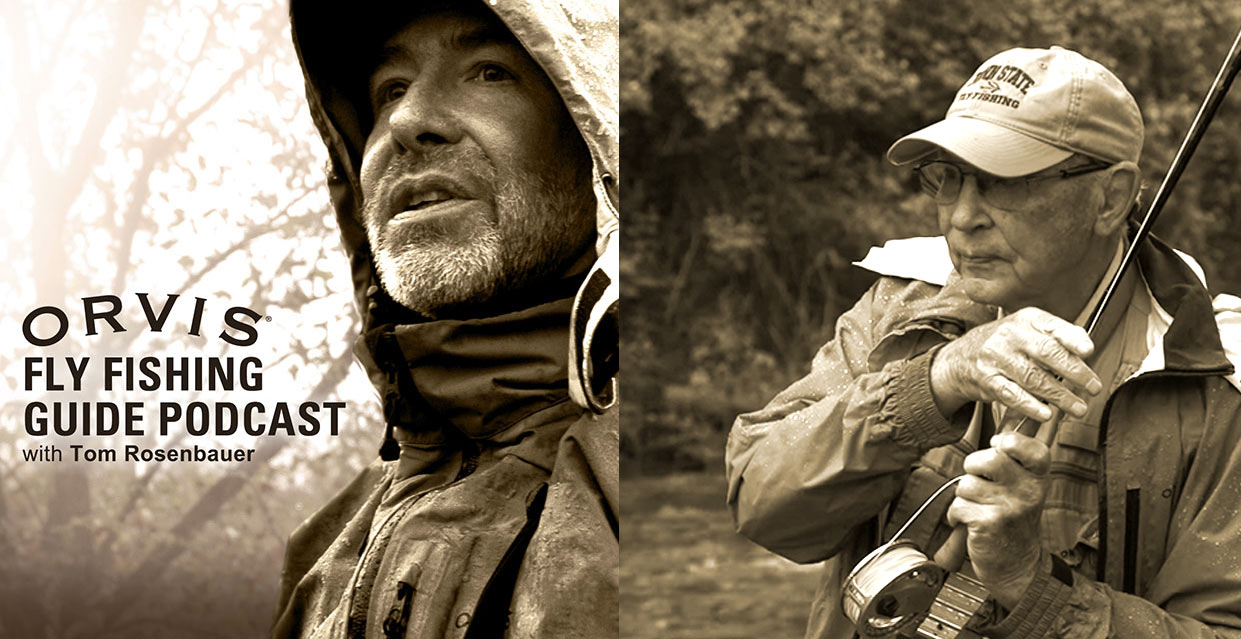
You’ll not find two fishier guys that Tom Rosenbauer and Joe Humphreys.
The Orvis Fly Fishing Guide Podcast is always an awesome place pick up tips and tricks that will put you on fish. Tom’s 2014 episode with angling legend Joe Humphreys is well worth revisiting. Joe has been an innovator and free thinker his entire career and is a wealth of insight and information. I don’t think there is anyone who can’t learn something from Joe.
Check out Tom Rosenbauer and Joe Humphreys on nymphing.
Read More »New Tippet and Wading Boots From Orvis
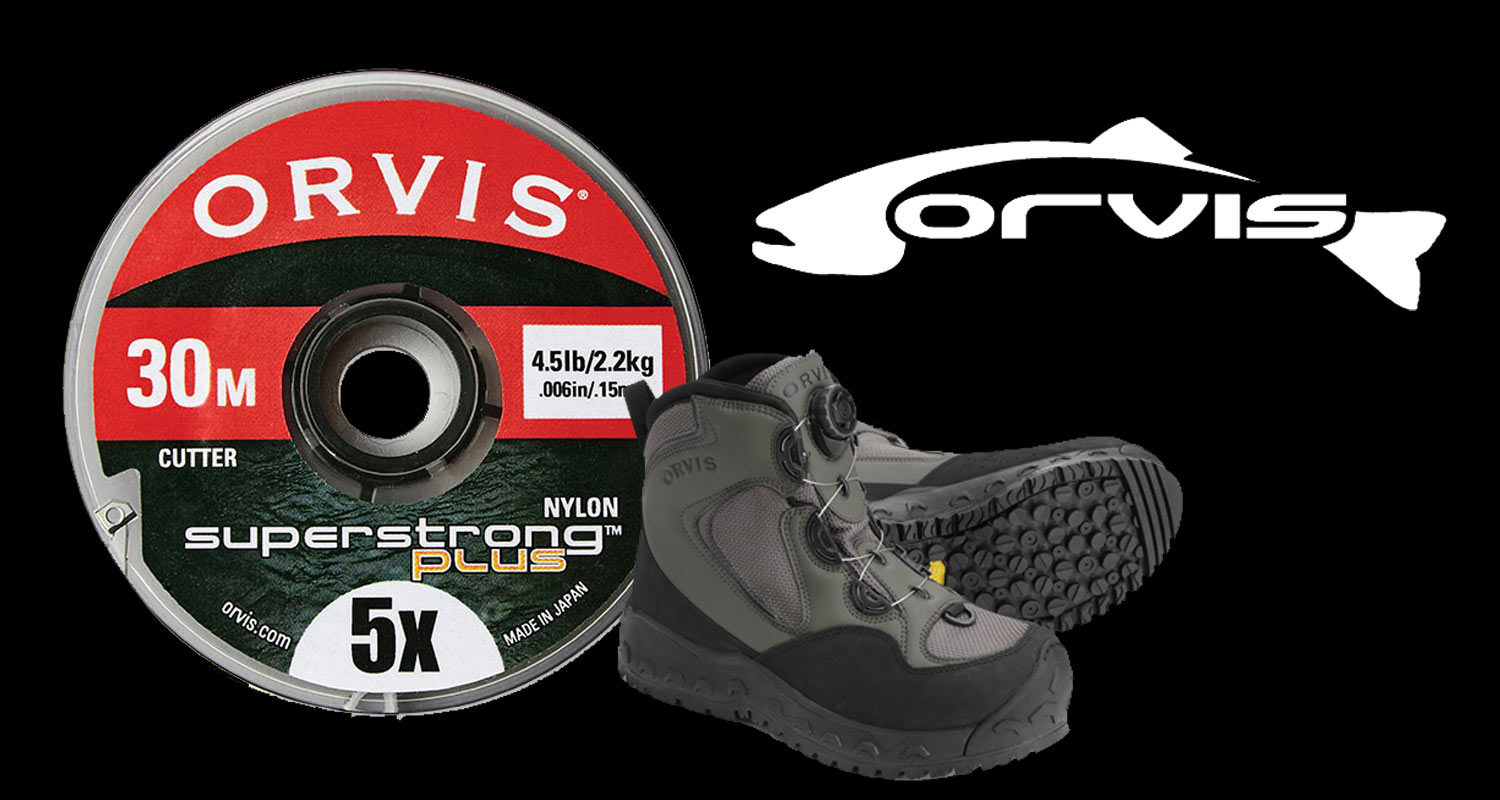
The tippet wars rage on and Orvis has a strong contender.
I’ve been using Orvis Super Strong tippet since the 1980s. It’s never let me down but Orvis saw room for improvement. The new material is true diameter and tested for wet knot strength. I talked to Tom Rosenbauer at length about the new material and the testing. It sounds pretty impressive.
Orvis also has the new Pivot wading boot. A bomb proof boot with BOA lacing, dual-durometer Vibram sole and high rubber vamp and toe cap. It’s built for comfort and durability.
WATCH THIS VIDEO WITH TOM ROSENBAUER TO GET ALL THE DETAILS ON ORVIS BOOTS AND TIPPET.
Read More »3 Reasons Fly Fisherman Should Consider Wearing A Long-Bill Hat
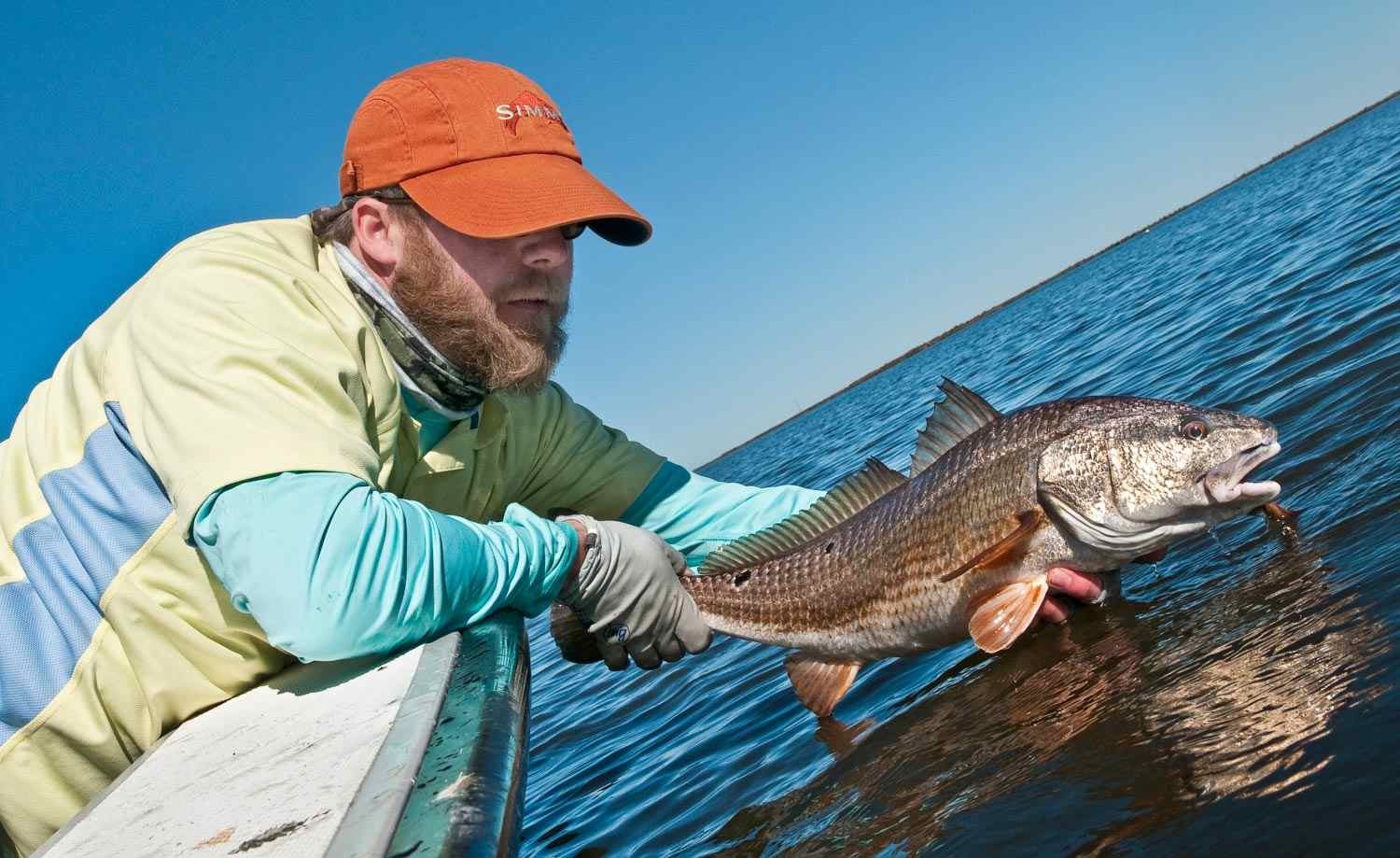
When I look at a long-bill hat, images of Ernest Hemingway, swinging wet flies on one of his favorite trout waters pops into my head. Next, I see the silhouette of the legendary fly fisherman and guide, Flip Pallot, with his masculine beard protruding beneath his long bill cap, as he stands on the platform of his skiff, pointing out a pod of tarpon to his client, at 11’oclock. There’s something really macho about dudes that can pull off wearing this type of hat. For the record, I’ve never seen myself capable of pulling off this machismo look, and in turn, I’ve spent the majority of my fly fishing career, opting instead for wearing the conservative short-bill cap. Plus, there’s no doubt that I look like a complete tool in a long-bill hat. That said, looking good on the water doesn’t help any of us catch more fish, it only helps the photographer looking through his/her lens shooting us. I’ve learned that performance is really what fly fishers, that get it at least, are really after when it comes to searching out what gear they use. For this reason, I made the decision recently to set aside my biased stance on long-bill hats, and actually wear one during a recent fly fishing trip of mine to the salt. Thank you Louis for being the friend that loaned it to me for the day, because it opened my eyes to how special and functional long-bill hats can be for not only me but to all fly anglers. Below are three reasons fly fisherman should consider purchasing and wearing a long-bill hat on their next fishing trip.
Read More »Umpqua Swiftwater ZS Tech Vest Winner
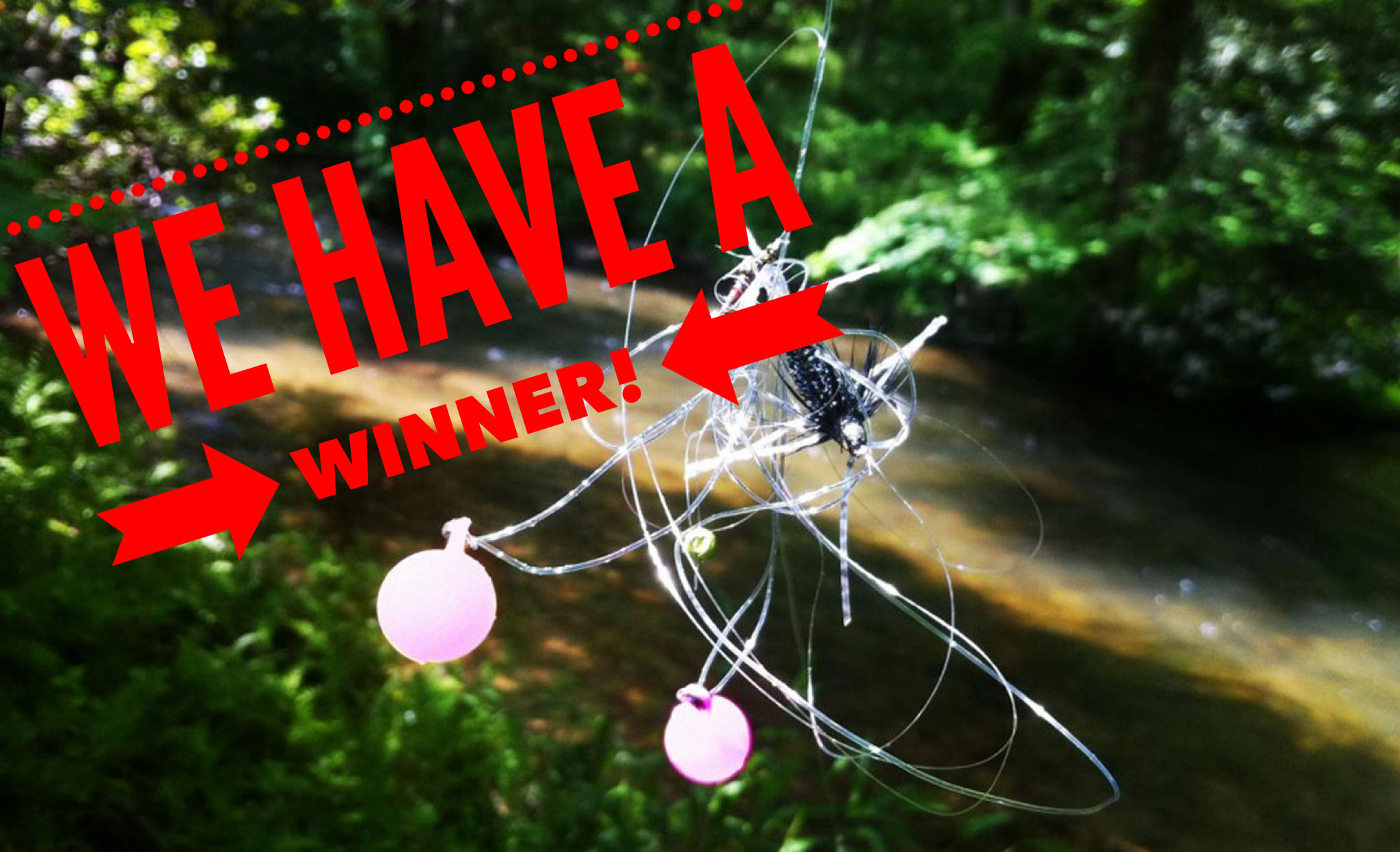
This was a fun contest.
We asked our readers to photograph their worst tangles, snags and clusters for the chance to win a new Umpqua Swiftwater ZS Tech Vest and some of them got pretty serious. You can see all of the entries by going to Instagram and searching #ginkzerosweep.
NOW THE LUCKY TANGLER IS GOING TO HAVE A SWEET NEW VEST FOR THOSE UNRULY COILS OF MONO.
Inspired by the needs of the U.S. fly-fishing team, the Swiftwater ZS hauls and organizes the most comprehensive stream assault like no other vest. Neck fatigue and forward creep created by heavy frontal fly box loads are eliminated with a fully cushioned waist belt and shoulder straps. This updated version now has two full-length, vertical zippers, accessing both left and right front compartments. This new design has almost double the storage and organization up front. The back compartment is now a full day-pack with 800 cubic inches of additional storage. Four Zero Sweep™ retractor stations, two Zero Sweep™ tool sheaths and two Zero Sweep™ foam fly patch stations (includes on foam patch) round out this carry-all vest.
And the winner is…
Read More »7 Tips For Making Better Backhand Fly Casts
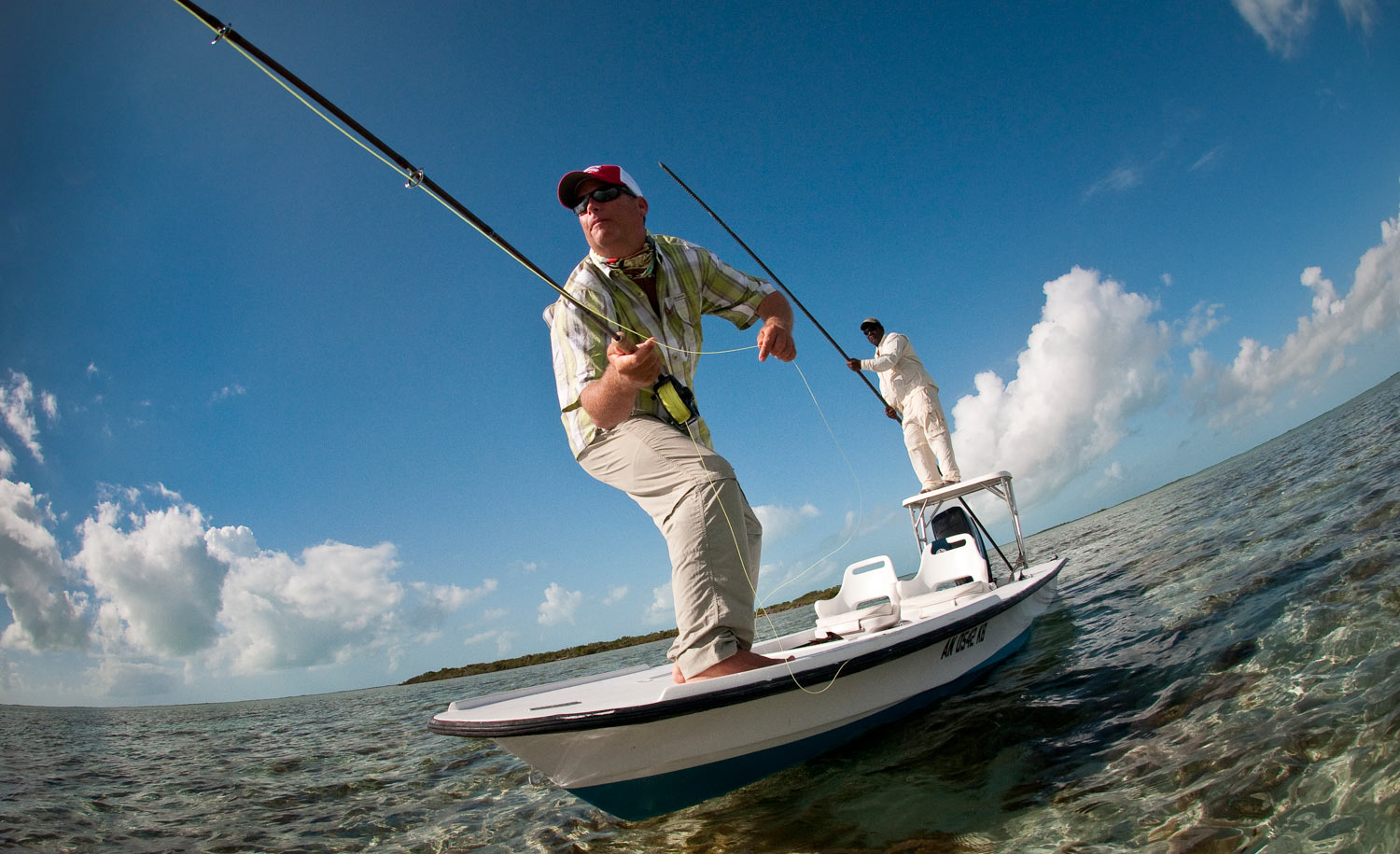
Better Backhand Casting Is All In Your Head. If you are struggling to make a backhand cast, the problem is mental, not physical.
I can’t tell you how many anglers have told me they have a weak or poor backhand cast, or can’t make one at all. It often comes up when we are deciding who’s fishing on which end of the boat. My answer is always, “It makes no difference to me,” and it really shouldn’t to you either. The truth is, if you can make a forward cast you can not only make a backhand cast, you’re doing it already.
The fly cast is symmetrical. It’s impossible to make a good forward cast without first making a good back cast. All of the skills you need to present that back cast successfully are already in use to make a good back cast. Once you get your head around that, making a good backhand cast is almost automatic. The problems happen when anglers change their casting technique to make a backhand cast. It’s all in how you think about it.
Here are a couple of tips to help you make a better backhand cast
DON’T TRY TO CAST ACROSS YOUR BODY.
Most anglers approach the backhand cast by trying to throw a cast directly out to their side, by casting across their body. If you are very strong and really understand the casting stroke, this is doable but it’s usually a recipe for disaster. Take advantage of your body’s natural strength and muscle memory by turning your back on your target and looking over your shoulder. This is even easier if you are comfortable with a sidearm cast.
KEEP THE STROKE SHORT
Another common problem is using too long a casting stroke. Psychologically, most anglers equate giving a cast power to using a longer stroke. This is of course not true. The length of your casting stroke is determined by the length of the line outside the tip top and nothing else.
KEEP THE ROD MOVING IN A STRAIGHT LINE
Too many anglers, when trying to make a backhand cast, end up with a casting stroke that looks more like what you’d expect on a tennis court than a river. This is usually because they are breaking the first rule and casting across their body. Remember, that for a good fly cast, the tip of the rod must travel in a straight line.
STOP THE ROD
Read More »Omar
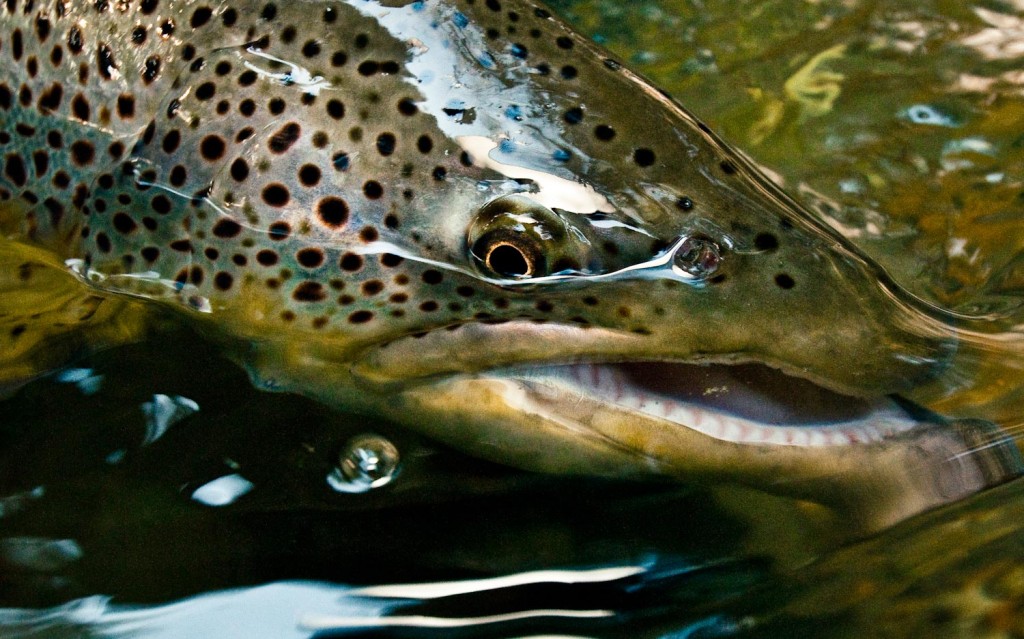
“HE LEARNED, BECAME OLDER, WISER AND, YES, BIGGER. HE BECAME A BETTER FISH AND TO CATCH HIM I WOULD HAVE TO BECOME A BETTER MAN.”
Omar was a tough guy. Mean, if you got right down to it. A loner. Seldom seen, and when he was, there’d be a fight. Still, there were a great many things about Omar that you couldn’t help but find beautiful. The most remarkable being his smile. A mischievous maw, impish and wicked. A jaw like a big chrome bumper, gleaming with perfect white teeth. A rip saw for a mouth.
His physicality was striking. Taut as a bow string, his muscles refined and specialized like an Olympic athlete. He seemed misplaced in time. An evolutionary leap forward, or maybe back. His body like a blade carried by some ancient Samurai. Hardened, honed, perfect in every detail, unsheathed and set free of its master, to do as it will.
Like Ali in his youth, cocky and brash. The kind of confidence that you just knew would get him into trouble. Like Hemingway in old age, dark and brooding but still dangerous. The old man that might still issue you an ass beating if he didn’t like your looks. Omar asked for nothing. He took what he pleased and he demanded respect. He reminded me of my father, and maybe that’s why I loved him.
Omar was twenty-two when I first met him. It was in the fall and the trees were red and gold. The days were getting cold and the sun huddled close to the horizon. There had been a heavy rain and Fightingtown Creek was high with just a bit of olive color. The fishing had been slow and I was cold and tired.
The sun never really finds its way into that creek for long. Peering up through a gap in the rhododendron, bright slashes of amber in the tree tops told me the day was winding down. I cast a small streamer into a bend upstream and waited as the current swept it under a Buick size boulder at the head of a deep run. I stripped and my line came tight.
The name Fightingtown is a bit of a mystery. I’ve been told that there was an Native American village on the headwaters in a place now called the Big Frog Wilderness. The old people say that the Indians kept bull frogs and made them fight for sport. The white men called the village “Big Frog Fighting Town.”
I don’t know if any of that is true but it could be. The place is near the sight of Fort Gilmer where, in 1838, General Winfield Scott and his men, under the terms of the New Echota treaty, rounded up the last of the Cherokee Indians in Georgia and began the westward march we know as the Trail of Tears. It’s easy to believe that some of that native blood was spilled into the water of Fightingtown. At any rate, the name suits it.
Everything about Fightingtown creek is inhospitable. It’s a thicket, a briar patch, the home of Brer Rabbit. In the days, when I met Omar, it ran high and hard over slick rocks with sharp edges. I seldom left there without water in my waders, and often I was bleeding. My face scratched from pushing through mountain laurel, spider webs clinging to my ears.
It winds like a labyrinth through hills as craggy and scarred as the faces that glare over shotgun barrels in its headwaters, places like Hells Holler and Devils Den. It flows past forgotten cemeteries and auto graveyards, past crumbling abandoned home places and hemlocks as old as the sky. It turns back on itself so often you start to think it runs up hill. It is the lost soul of Appalachia. It is my home water.
“Those Fightingtown fish are bullies,” my buddy Dan always said
Read More »Saturday Shoutout / The Last Great Place
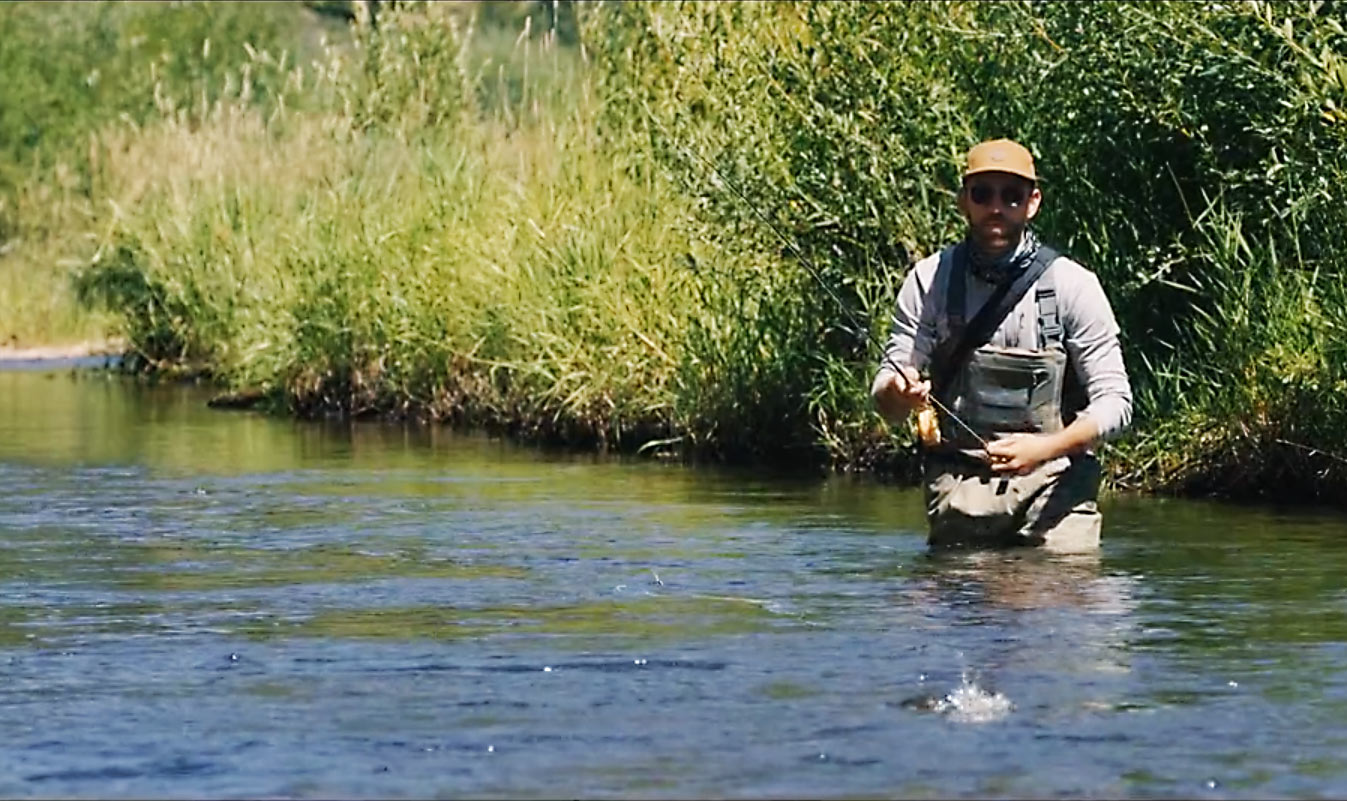
Montana’s Clark Fork system is wild and beautiful, but not without its challenges.
This beautifully shot and edited film from Zangs Flims, sourced from The Venturing Angler, will leave you yearning for some real adventure. Beautiful scenery, great fishing and some knowledge about one of America’s greatest rivers.
“Join us as we embark on a week long, self-guided fly fishing trip to explore the unbelievably beautiful, natural landscapes that characterize the headwaters of the immense Clark Fork watershed, and document the sights and sounds of the abundance of wildlife that inhabits this ever-shrinking expanse of western wilderness – an area that many have come to call, The Last Great Place.
To learn more about how you can contribute to much-needed and ongoing conservation efforts in this alluring slice of western Montana, feel free to visit the Clark Fork Coalition’s website below:”
Read More »Fly Fishing: Salt Life Isn’t Always Fair
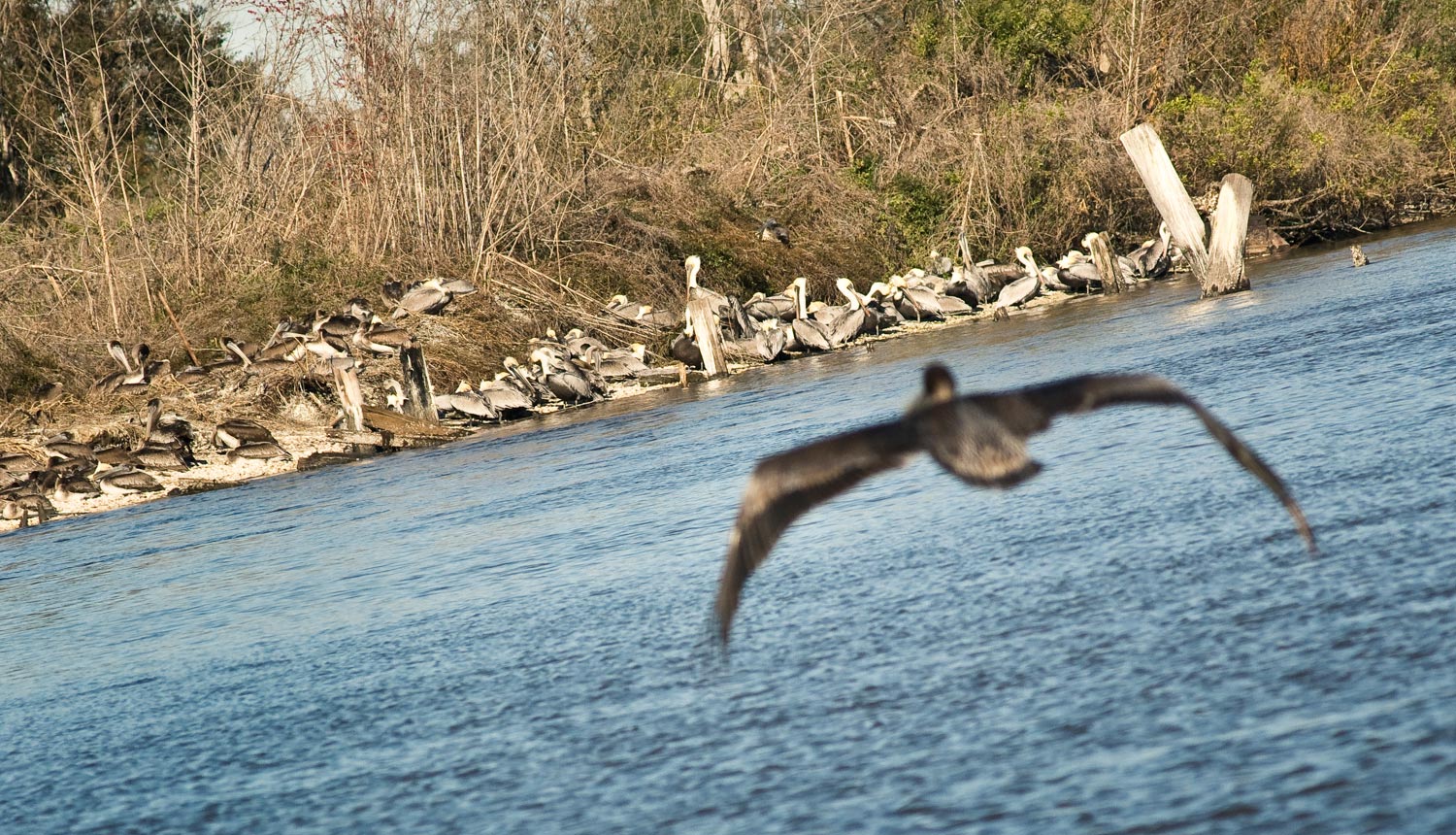
MY PREVIOUS FISHING TRIP TO THE SALT REMINDED ME LIFE IS NOT ALWAYS FAIR
Wool socks and thermals on, fleece on top of that, buff raised high on the nose, I battened down the hatches on my final layer of protection, my rain jacket and pants. Wind howling and white caps crashing in the distance, I try to pretend my finger tips aren’t tingling with pain from the bitter cold morning temperatures. As we motor down the canal towards the redfish grounds, with the pier very much still in sight, I already find myself thinking, “Today’s fly fishing is going to suck”.
I’ve spent enough time on the water over the years to know when there’s little hope for fishing success, and I no longer feel obligated to torture myself, hoping for a miracle to happen or spend the day falsely proclaiming to my buddies, all is good. Today, not even the pelicans think it’s worth their time to head out fishing. Their huddled together on the bank with their beaks tucked tight against their chest. They’re noticeably shivering, clearly not happy, and they’ve all somehow found a way to agree it’s a good idea for them to check their egos, in the off chance they can gain some warmth in numbers.
Yesterday, of course, the weather was absolutely perfect. Unfortunately, that beautiful fishing day was spent driving the eight hours down to Delacroix, LA and our fly rods were stowed in their tubes. Why does it always seem to play out this way for me? I’ve been looking forward to heading down south to get my saltwater fix for months, and I’ve even managed to get two of my favorite buddies to accompany me on the trip. We finally get here, and our first day is a total bust, from the horrible weather. What can I say, life in the salt isn’t always fair. That’s at least what I’ve learned as a mountain man and trout fisherman who only finds a couple times a year to head down for some fly fishing in the salt. I always remember to say my pre-trip prayers to the Fish Gods, problem is, my prayers aren’t usually answered.
Read More »The Definition of Clutch
By Justin Pickett
When you hear the word “Clutch”, what comes to mind?
If you look it up in the dictionary, there are a variety of definitions.
“To hold tightly.” “To seize.” “Successful in tense situations.” “Power or control.”
It is a versatile word, and can be used as a noun, verb, or adjective in various contexts.
So how might the word “Clutch” fit into the world of fly fishing?
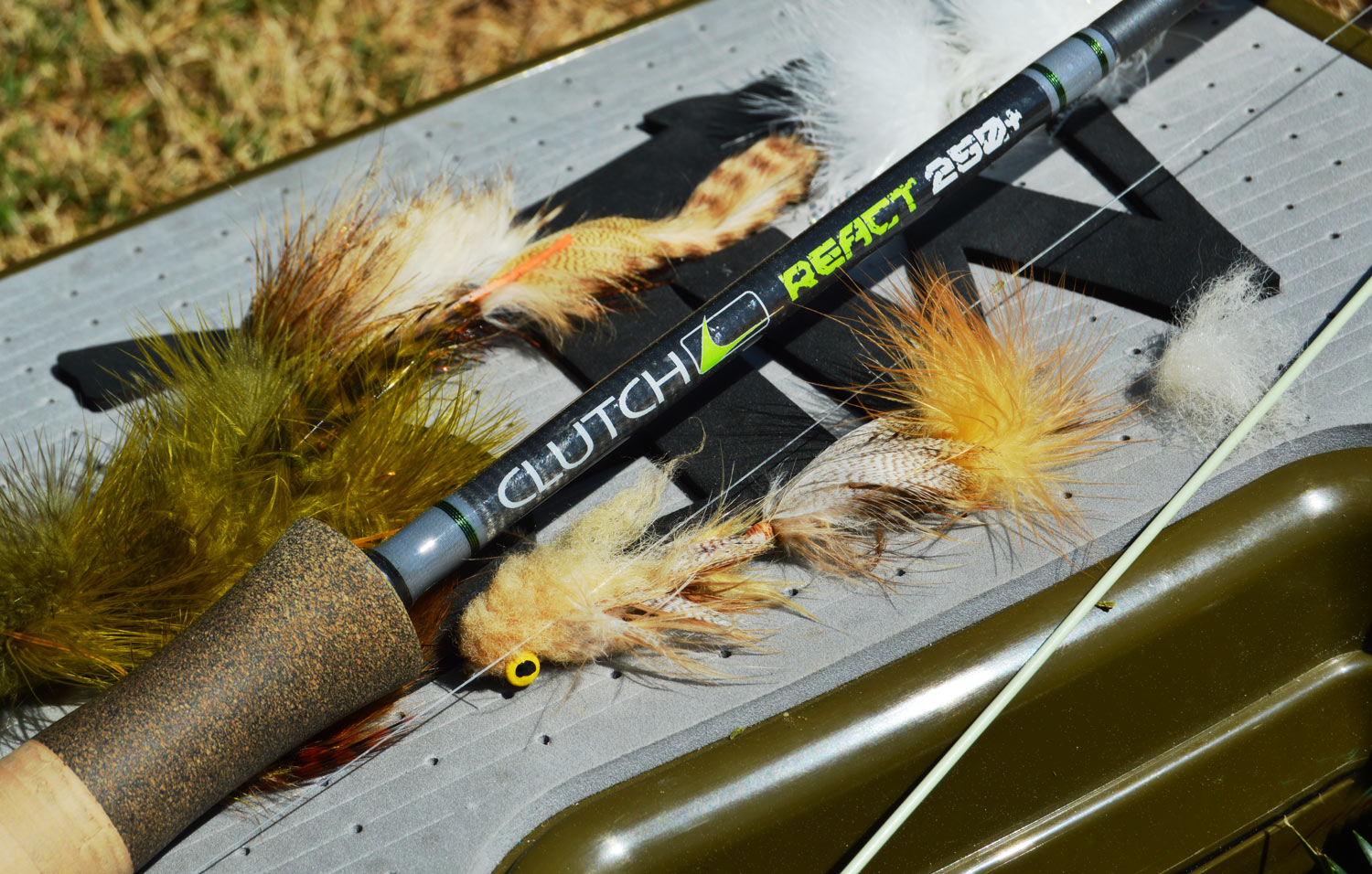
Enter Clutch Fly Rods.
You may, or may not, have heard of them. They are a small group of fishy dudes that decided they wanted to make quality, purpose-driven fly rods and put them in the hands of anglers around the world, going toe to toe with the industry’s biggest names. And they’re hitting the scene, guns-a-blazin’!
Headed by Lee Janik, Clutch has been producing some fine sticks out of their Ohio shop. And we’re not talking about cookie cutter rods either. I was surprised to find that they offer several 1-piece rods. As a matter of fact, half of their models are finished in one piece. These rods aren’t your typical $100 starter rods, and run on the higher end of the market, with the exception of their newest rod, the Core (which is made with many of the same quality components but at a lower price point). Initially, I even questioned how such a new, smaller rod company could enter the market (successfully might I add) with heavier price tags. I’m used to seeing newer companies start smaller and offer more low-cost, imported gear. However, the quality of these rods’ components and the ingenuity put into developing these rods come alive once you’re on the water with one of these bad boys. These fellas mean business and from the get-go they wanted to put quality, purpose-driven, USA made rods into the hands of fly fishermen, both beginner and accomplished. Each model has been meticulously designed and tested. Each model and length of rod has its own unique taper, as opposed to having the same taper across all lengths/weights of a rod family. It’s that kind of effort and thoughtfulness that is taking Clutch Fly Rods to the next level. No inflated egos. No BS. No corners cut. Just quality and performance molded from the hands of passionate rodsmiths and fishermen. Take a look at their staff. I bet you’ll recognize some names…. You think these anglers would be willing to put their names next to something that fell short of awesome? I think not.
FOR THE PAST FEW MONTHS I’VE BEEN TOTING A REACT 250+ WITH ME EVERYWHERE I GO.
Read More »Sunday Classic / Streamer Tactics for Small Trout Water
By Kent Klewein
Want to catch big fish in small streams?
I recently wrote an article for Southern Culture on the Fly magazine that talked about streamer fishing tactics and rigging for small trout water, and I wanted to share it on the blog. Make sure to check out the full fall issue of SCOF, which is gangbusters as usual. Below is my revised version that I’ve edited to be a little more clear, and I’ve added further explanation in areas that I felt needed it.
Streamer Tactics for Small Trout Water
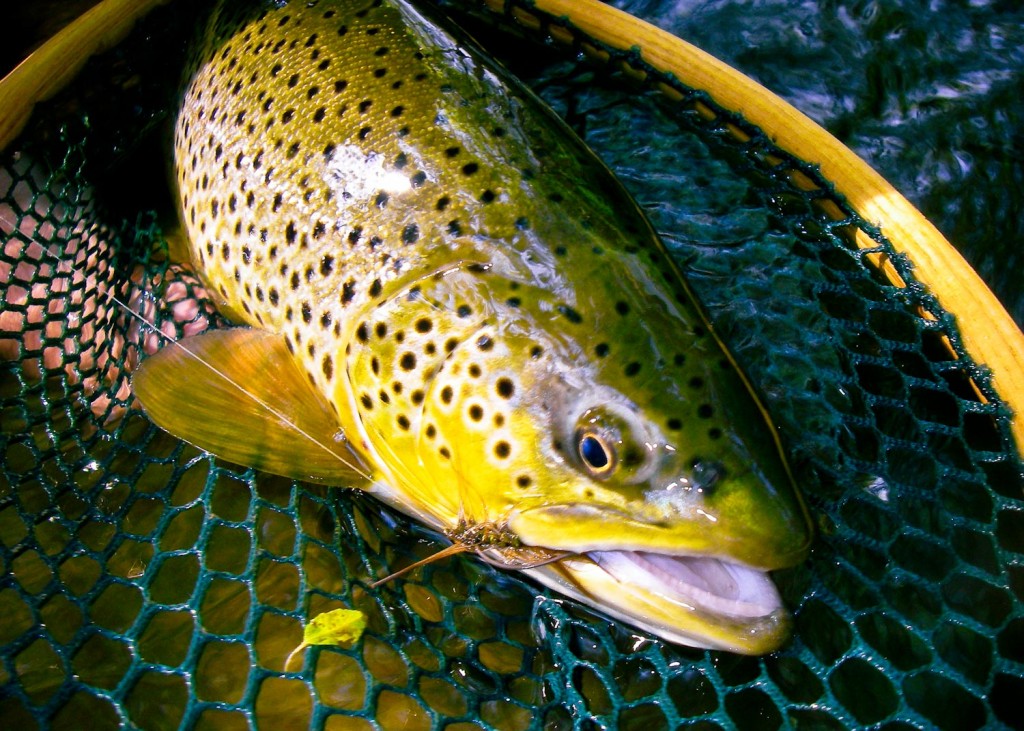
Streamer fishing isn’t for everyone. I’ve known fly fisherman that would refuse to tie one on, even if you offered them a 20 dollar bill. But for those very few anglers that find fishing them repulsive, there’s plenty more of us out there that hold a deep love for streamers. It’s long been known by fly fisherman that streamers hold an uncanny ability to tempt the largest fish in our water. Streamers work on all types of trout water (rivers, streams and still-waters), but despite their wide range of effectiveness, most of the attention and information provided to fly fisherman in the past has been heavily skewed toward only promoting fishing them on our larger rivers and streams. To some degree, this favoritism has resulted in giving the impression to many beginner and intermediate fly fisherman that streamer fishing isn’t meant for small stream applications, and they should leave them at home. The truth is, that’s not the case at all. I’ve landed some of my largest trout on small streams with streamers when I couldn’t get them to eat a dry or wet fly.
It’s important for fly anglers to know they can have just as much success with streamers on small water as they can on larger water, and they shouldn’t overlook the opportunity to use them when conditions are right. Furthermore, if we lumped all of our trout water together in the region, the overwhelming majority of it would be considered small trout streams, creeks and high-elevation tributaries.
Small Stream Strategies for Streamers
The first thing you need to understand is that you need to fish streamers differently than you do on large trout water. Large water streamer fishing is all about making repetitive presentations and covering lots of high percentage trout water–you make considerably longer casts and stealth becomes less of a factor. On small trout water, stealth is huge and you don’t want to cover a high percentage of trout lies by carpet bombing it with a plethora of presentations. You’ll find it much more effective if you instead take a hunter’s approach that focuses on making a one-shot kill.
Start out by first locating where you think a large trout may be holding, approach the spot with a high degree of stealth, and lastly, strive to make a presentation that allows you to work your streamer through the highest percentage spots right off the bat. You want to accomplish this with as few casts as possible, preferably only one or two.
There’s no dissecting water with your streamers here, folks. We’re not trying to
Read More »