
Bruce Chard’s Double Haul Drill
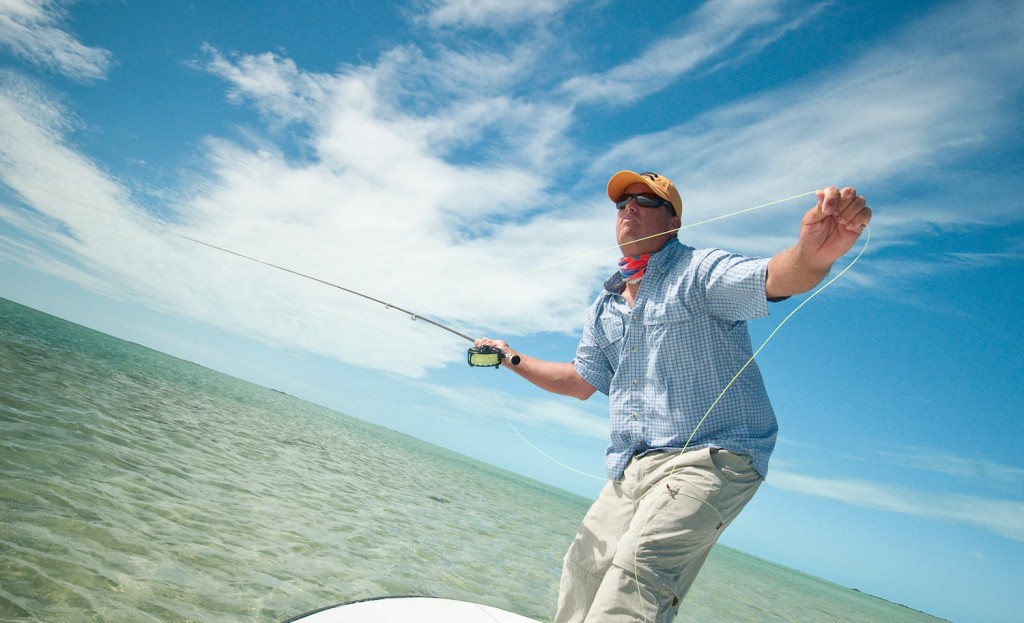
Today begins a special five part video tutorial on building blinding line speed. Line speed is the most important component in successful salt water fly fishing. There’s plenty of finesse involved but line speed is the cost of admission. If you can’t build the speed you need, you can’t catch the fish you want.
My good friend Bruce Chard is a certified master casting instructor and a truly inspiring caster. The first time, hell the first hundred times, I saw Bruce unload my jaw dropped. It’s humbling to watch what this guy can do with a fly rod. Bruce has a rare blend of skills. The technical know how of an engineer and the physical prowess of an athlete. With that in mind I asked him to help me create a set of videos that can take you from beginner to rock star. We’re calling it the Ultimate Line Speed Series. There’s a lot to cover but we’re starting here with everything you need to know about line speed.
We’re going to start slow, with the double haul. The basic building block of a dynamic cast. By day five we will be into some seriously advanced technique that is going to take serious practice. Follow along and in between videos practice what you learn and at the end of two weeks your going to be a lot better caster.
So to start, put down that fly rod
Read More »Don’t Cut Corners With The Spey Rod
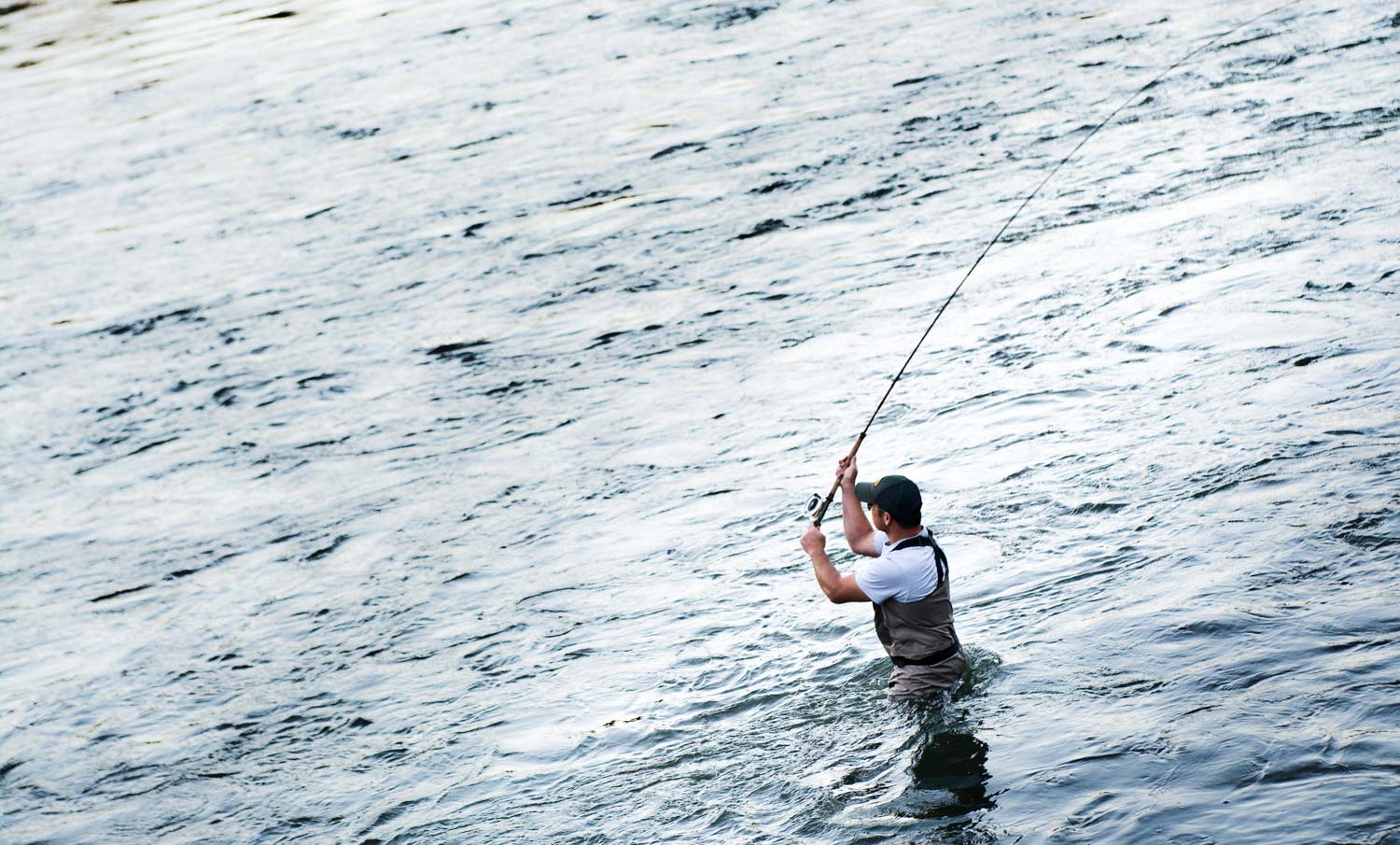
Rounding the corner is one of the most common problems in Spey casting.
Anglers who are learning to spey cast will often rush the casting stroke. They will start forward with the rod without finishing their sweep. By rounding the corner at the end of the sweep they introduce a curve into their casting stroke and, of course, into their cast. The result is that the line does not land straight, which makes getting a good swing much harder. When spey casting, straight is better than long.
The solution to this problem can be hard to visualize. Since rounding the corner happens behind the caster, it’s hard to see what’s going on and focusing your mental energy on something you can’t see is challenging. Fortunately, there is a simple visual cue right out in front of you. The butt of the rod.
When casting you can simply point the butt of the rod at your target before coming forward with the casting stroke. By doing this, you insure that your rod is lined up for a nice straight casting stroke before you apply power to the cast.
This way your line will
Read More »Nymph Fishing, There’s Nothing Wrong With It
By Kent Klewein
It seems like every where I look, I see blog posts all over the place chastising and bad mouthing nymph fishing.
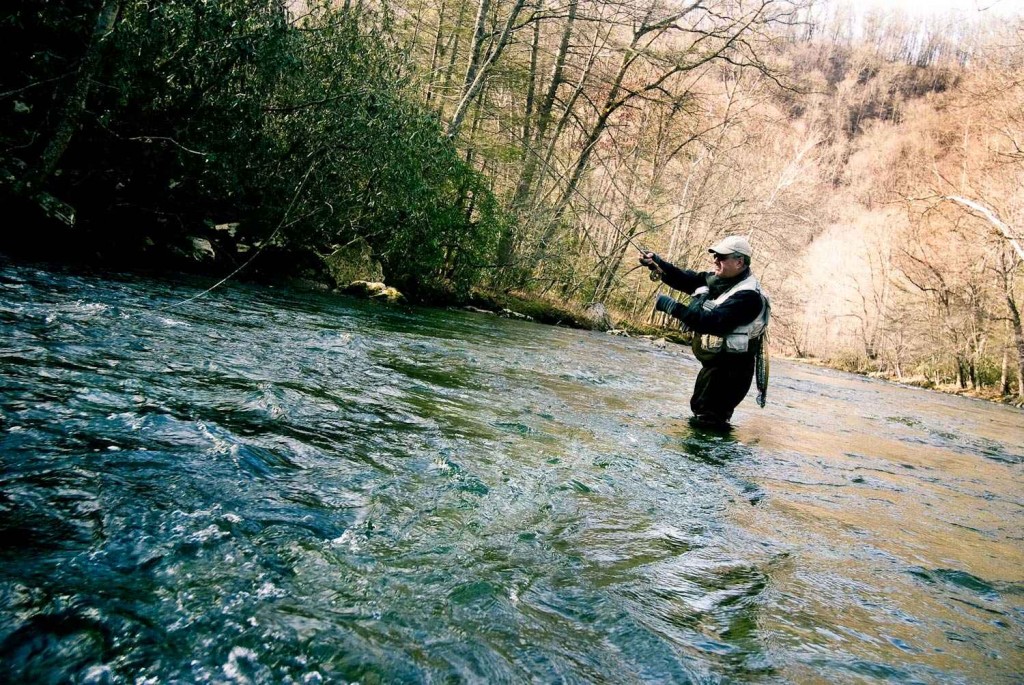
I hear comments claiming nymph fishing is nothing more than mindless fly fishing. That watching indicators floating down the river all day is boring. So let me ask you this, does it make since to instead fish a dry fly if your chances of catching fish are slim to none? To me, that’s what’s boring and ridiculous. My objective on the water is always to decipher what the fish are predominantly feeding on, and then fish the appropriate rig and fly that allows me to imitate it to my best ability. Whether or not the fly pattern is a wet or dry fly has no bearing to me at all. All that matters is that it’s the right choice for the moment. To frown upon nymph fishing and purposely avoid it, even when it’s obvious it’s an anglers best bet for success, is like a golfer choosing to putt with a driver instead of a putter. It will work but it’s obviously not the best gear choice.
We don’t go through life purposely choosing to take the most difficult path in the off chance we’ll find success. Just as in fly fishing, it doesn’t make any sense to fish one method of fly fishing over another just because it feels more pleasing to the soul. I can stomach doing it every now and then, but to ignore fish behavior and throw away my adaptive fishing tactics, just because I dislike nymph fishing or any other method, seems to go against all the teachings that our fly fishing pioneers have worked so hard to pass down to all of us.
It doesn’t matter what type of fly pattern your fishing, whether it sinks or floats, they are all
Read More »Orvis Recon 10ft 3wt Review
By Justin Pickett
I never leave the house without a ten-foot rod.
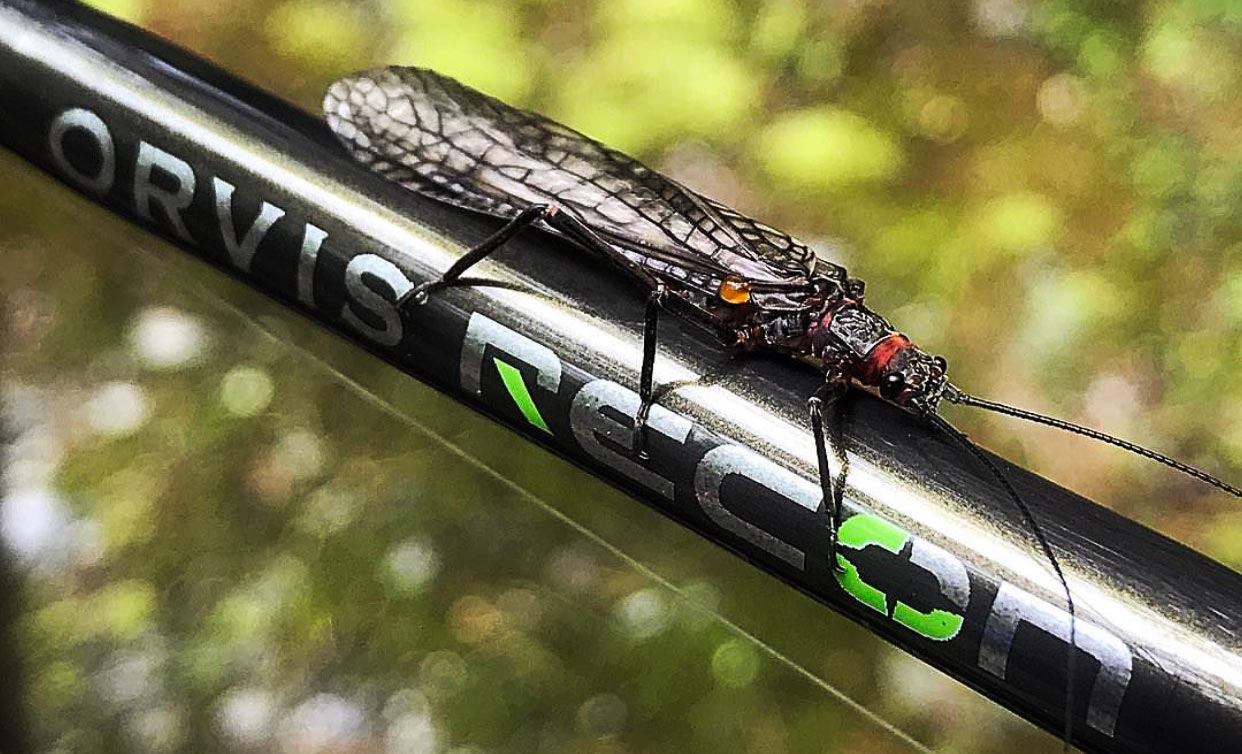
Big water. Small streams. No matter the size of the water, I have found that a versatile ten-footer can serve me well in a multitude of situations when fishing for trout. This past year Orvis developed their own nymphing rod. Built from the ground, the newest edition to the Recon family was made for the angler that demanded a versatile rod that excelled in euro-style nymphing techniques. Enter the Recon 10ft 3wt. And for the past several months, this rod has been hitting the water with me everywhere I go.
What It Is
The Orvis Recon 10ft 3wt is the only stick of its kind in the Recon family of rods. While the ten-footer wears the same coat of grey paint and trimmings, this Recon’s taper and action is completely different from any other rod wearing the Orvis name. The rod is finished with a reverse wells grip and fighting butt, a burl wood reel seat, and black nickel snake guides that line the four-piece blank. I love having fighting butts on my nymphing rods. For me, it provides me with a great anchor point while fighting larger fish. The rod comes with a divided rod sock inside of an aluminum rod tube with Recon graphics and is backed by a twenty-five year warranty.
Performance
Setup –
Reel – Orvis Hydros SL III
Line- Airflo SLN Euro Nymph fly
Backing – 150 yds of 20# Dacron
Leader – Custom hand-tied leader/Appalachian Furled Leaders Euro Hybrid
Weight and balance
I’ve mentioned in prior writings that having a light rod that is well-balanced with your reel is super important. Fly rods are getting lighter. Even with the longer rods, weight is becoming less and less of a concern when comparing rods at the shop. This rod is super light, and, at the time of this writing, is still the lightest ten-foot rod on the market. At only
Read More »Sunday Classic / Die With a Human Heart by Jon Tobey

Today, we are pleased and honored to bring you an amazing work of fly fishing fiction by Jon Tobey of Gointothelight. Jon is an accomplished writer and his story “The Very Cruelest Thing” was a huge hit as a Saturday Shoutout. We knew you wanted more.
Die With a Human Heart
I
Nathaniel hated re-entry. It was the same endless elevator free-fall feeling he had when they pulled him off the bottom. It was the last thing he remembered before he died, lungs crushed to the size of fists. He longed for the clean pure air of a high meadow won after a long hike. The trees lit up with alpenglow as soft and bright as an artist’s brush. The patient, patient trout waiting through the decades to rise to a well-presented fly. For one moment to be bound together – these living things in a bouyant dance, and to hold one in his hand as hydraulically perfect and functionally timeless as the monstrosity in his chest.
The red rocket came down fins first, lowering itself on a pillar of flame. It was the most stupendous thing Izaak had ever seen. Rockets left every day, but only a few came back every year. He held his mother’s hand and looked out the window. “Grandfather is here!” Mother looked down at him and smiled her worried smile. It seemed the rocket had barely hit the ground when a ramp opened and a group of rough-looking men tumbled down the ramp. A few went off alone or with other men, but most looked around expectantly. Izaak let go of his mother’s hand and raced out the door. “Be careful, no running!”
Nathaniel recognized his grandson from the ever-rarer vid chats, but was flummoxed when the boy ran up and threw himself at him, not having touched another human in what, thirty years? When he saw Clare across the apron, shimmering in the heat, a vision of her mother, he wrapped his arms around the boy and lifted him off the ground, dropping his bag.
“You look so much like your mother,” he said when she walked up.
“Space will do that to you,” she replied. They looked at each other and he smiled. He knew what it was like to be bursting to say the right thing and say the wrong. It conveyed so much more information.
He held out his hand to the man to her left, “Daniel.” Of course he’d “met” him on chat, but this was the first he’d personally met the man who married his girl, the father of his grandchild.
“Nathaniel.” Nathaniel found Daniel’s grip offensively limp. “It’s so good to meet you.”
“Do you want to go fishing? I’ve been practicing, I have just the spot. I know everything: how to pick a fly and tie it on and cast and spot the fish and everything.” Izaak seemed to speak without breathing.
“Aren’t you tired, Nathaniel?” asked Clare. He would have preferred “dad,” or even “father.”
“Hell, no.” His eyes were still on Clare’s. “I’ve been sleeping for three months, and dreaming about fishing the whole time. You coming, Daniel?”
Daniel looked a little lost. “Um, well, not much of a fisherman, and besides,
Saturday Shoutout / Galloup’s Silk Kitty
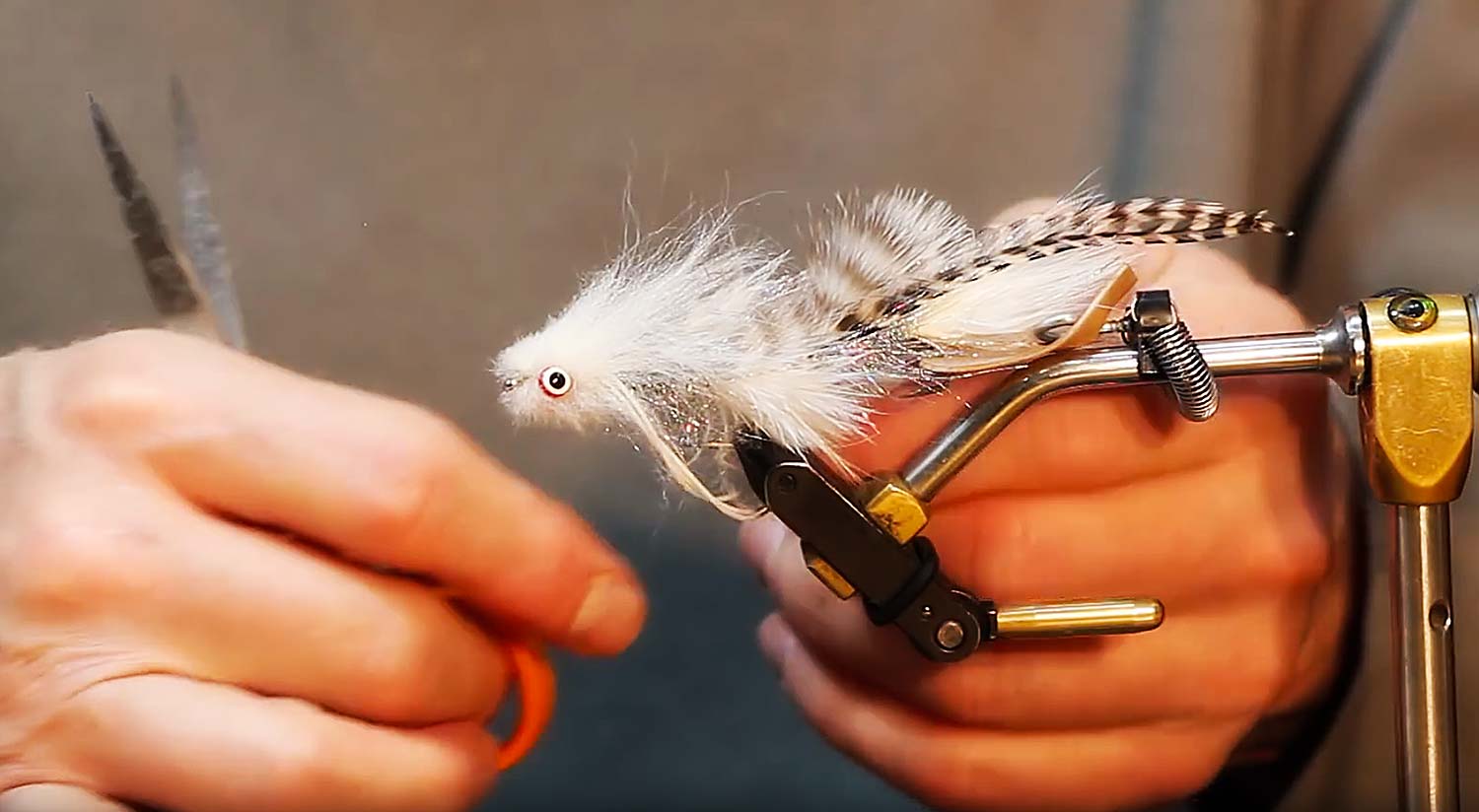
This video with Kelly Galloup is so much more than a tying video.
One of the things I enjoy about Kelly Galloup is that he pretty much doesn’t care what other folks do. It makes him an interesting dude and a great angler. Here’s a video that makes that point in spades. You don’t see a lot of 58 minute tying videos. That’s a long time to watch a guy tie a fly, but when it’s Kelly, it’s worth your time. This video is packed with great tips on fly tying and design. I promise it’s a better use of your time than anything on television.
KELLY GALLOUP TIES THE SILK KITTY
Read More »The Speed Knot
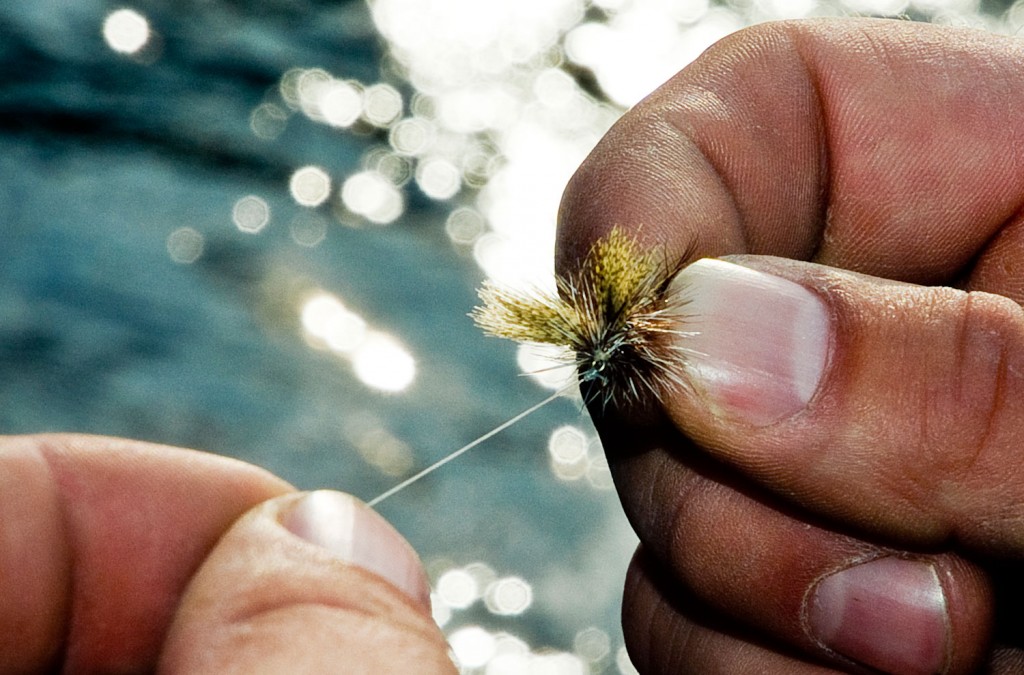
Little things make a difference.
When you watch a really good fisherman you notice a lot of those little things, the details that add up to kicking ass on the water. My friend Will Sands is like that. One of those super technical fisherman who has thought through the smallest details.
I’ve always liked the way Will ties a clinch knot. The first time I saw him do it, it was so fast it looked like magic. In a day of fishing to picky trout where you change flies a lot I wouldn’t be surprises if it added up to an extra thirty minutes of fishing, and Will can catch a lot of fish in thirty minutes.
Will slows it down for you in this video.
Read More »4 Tips For Stocking Bonefish Flies
By Kent Klewein
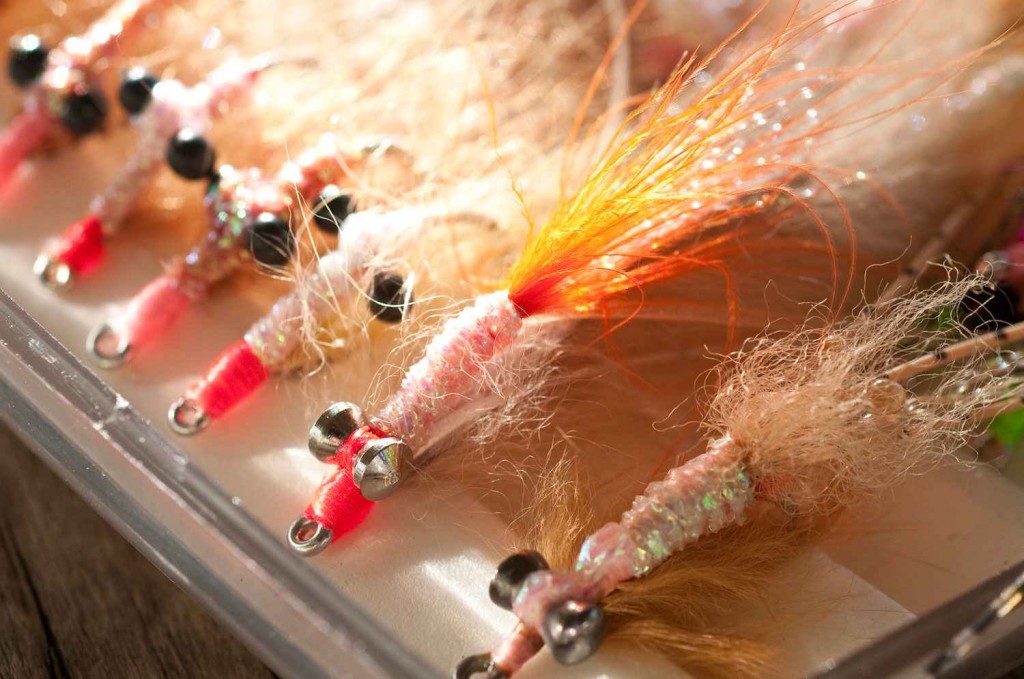
If you’re planning your first bonefish adventure it’s really important that you stock your saltwater fly box with a well rounded selection of fly patterns.
Although bonefish aren’t known for being super selective feeders, stocking the right flies and knowing which pattern to fish in different situations can make a big difference in your success on the water. By far the most important element in bonefishing is fly presentation. Without that, you’re going to miss a lot of shots. Putting that aspect aside with the notion that you understand basic bonefish presentation, let’s talk about some tips for purchasing and tying bonefish flies for your upcoming bonefish trip.
Tip # 1 – Bonefish Flies Should Ride Hook Point Up
Because the mouths of bonefish are located on the bottom of the head and they generally feed down on their prey in most cases, it’s very important that you purchase or tie bonefish flies that ride hook point up when possible. Fishing flies that ride hook point up can increase your hookup rate when bonefish eat, and it will also help to naturally cut down on your flies from snagging on the bottom during the retrieve. Gaze your eyes into a veterans bonefish fly box and you’ll find that most of the fly patterns are tied hook point up, but walk into a store that sells saltwater fly patterns and you’ll be amazed how many fly patterns aren’t tied this way. When you have the choice to tie or purchase your bonefish flies hook point up, I recommend you do so.
Tip # 2 – Bonefish Flies Need to Have Good Movement
Using fly tying materials that have good movement in the water for your bonefish flies is a another way to help you find success. Rabbit strips, marabou, craft fur, and rubber legs are all good examples of tying materials that come to life in the water. I stated before that most bonefish aren’t picky, the key word here is most, but in some situations having a little extra life-like movement in your flies can make a big difference. For instance, a large school of bonefish are going to be less picky on fly pattern choice with competition for food on their minds than a solo bonefish swimming across the flats. Tying or buying bonefish flies that incorporate tying materials that breath well in the water should still provide subtle movement in the water even when you’re not retrieving your flies.
Tip # 3 – Tie Your Favorite Bonefish Flies in Different Weights
All bonefish flats and fishing conditions/situations you’ll encounter in saltwater will not be the same. At times, fishing a bonefish fly that’s weighted correctly and specifically for the water and conditions your fishing can be critical for success. Let’s say you’re fishing an area with
How Fly-Fishing Could Actually Make America Great Again
Could fly-fishing be the answer to America’s divisive politics?
I have a hard and fast rule concerning politics on G&G. There’s no place for it. I have never discussed my political views here and I’m not going to start now. I am, however, going to look at how we Americans discuss politics.
Just before the holidays, I took a trip to Louisiana for a little red fishing with a group of friends, including Joel Dickey. We had absolutely awful weather and with one day too bad to fish, and a long car ride on each end of the trip, Joel and I had plenty of time to talk. Politics were inevitable.
The first thing you have to understand about Joel and me is that we are as completely different as any two people you will ever meet. It’s safe to say that, fly fishing aside, the only things we have in common are that we are both highly opinionated and neither of us is very good at walking away from a fight. With our political views being diametrically opposed, an eight-hour car trip could easily be a disaster.
I have been politically involved since before I could vote.
The healthy function of democracy has always interested me and I have always considered it my responsibility to be informed and active in the process. For most of my life that has been an outlook which had been respected. That is to say that keeping up with politics and discussing it civilly with others was an admirable thing. That seems to have all changed. I have never seen a time when Americans were so divided as they are today. So uncivil and blatantly disrespectful. Today, if you take an interest in politics, most people consider you an asshole. The only thing that’s “cool” is to be out of the process, and I can’t help but think that’s exactly what our politicians want.
In spite of our differences, and our having way too much time on our hands to explore them, the discussion between Joel and I never became uncivil. It never does. I’ve spent countless days on a boat with Joel talking about
Read More »Sunday Classic / The Sugar Foot
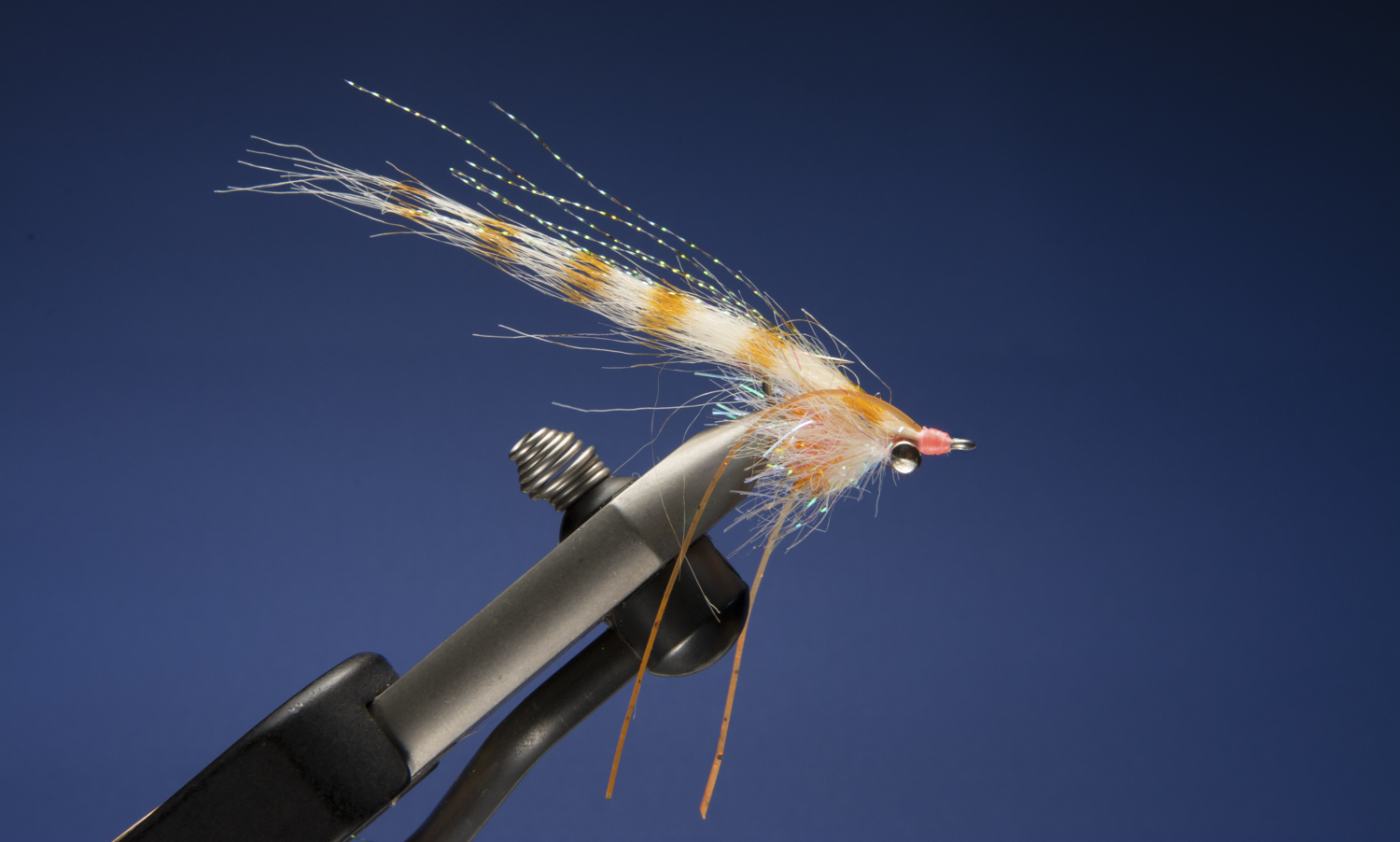
I SPEND AS MUCH TIME AS POSSIBLE WATCHING BONEFISH CHASE FLIES.
If you do it long enough you’re bound to learn something. In the average presentation you want to lead and cross a fish. Therefore, when the bonefish first sees your fly, he sees its profile. If he likes what he sees, he generally follows the fly for a while before he decides whether or not to eat it.
I wanted to create a fly that gave the bonefish an incentive to eat. I wanted a fly the would change its appearance as the fish pulled in behind it to follow. I wanted to give the fish a visual trigger to eat. The result of that effort (and a fair amount of rum) was the Sugar Foot.
This fly has a light flashy shrimp profile and great action. The body of the fly conceals a bright orange egg sack that becomes visible as the fish comes around from behind. Does it work? So well that I call it by the same name I call my wife.
Watch the video and learn to tie the Sugar Foot.
Read More »