
A Backpack For All Your Adventures
By Justin Pickett
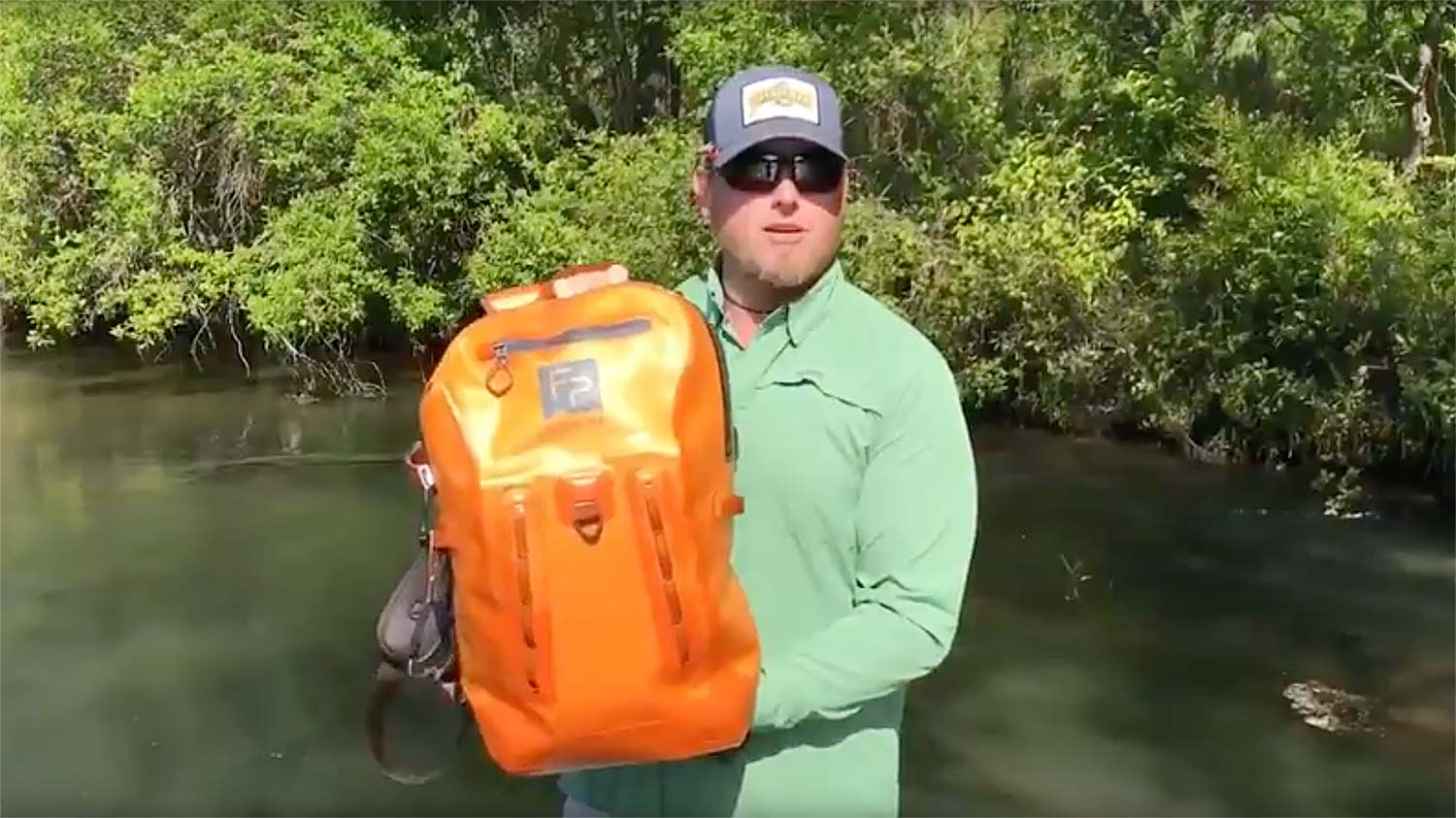
Recently I’ve been toting my gear around in Fishpond’s Thunderhead Backpack.
It’s not something I carry on the water every day, but if I’m going to be far and away from my vehicle (or civilization) for a day or two, then it’s going with me. The Thunderhead’s ability to take a beating, carry a ton of necessary gear, and keep water out puts it high at the top of the list for me when it comes to my favorite pieces of gear. I’ve been so impressed with it, that I decided to take some time out of a recent day trip on the Flint River to do a quick on-the-water overview and review of this do-it-all, go anywhere pack!
WATCH THE VIDEO TO SEE ALL THE FEATURES OF THE FISHPOND THUNDERHEAD BACKPACK.
Read More »Listen to the Fish
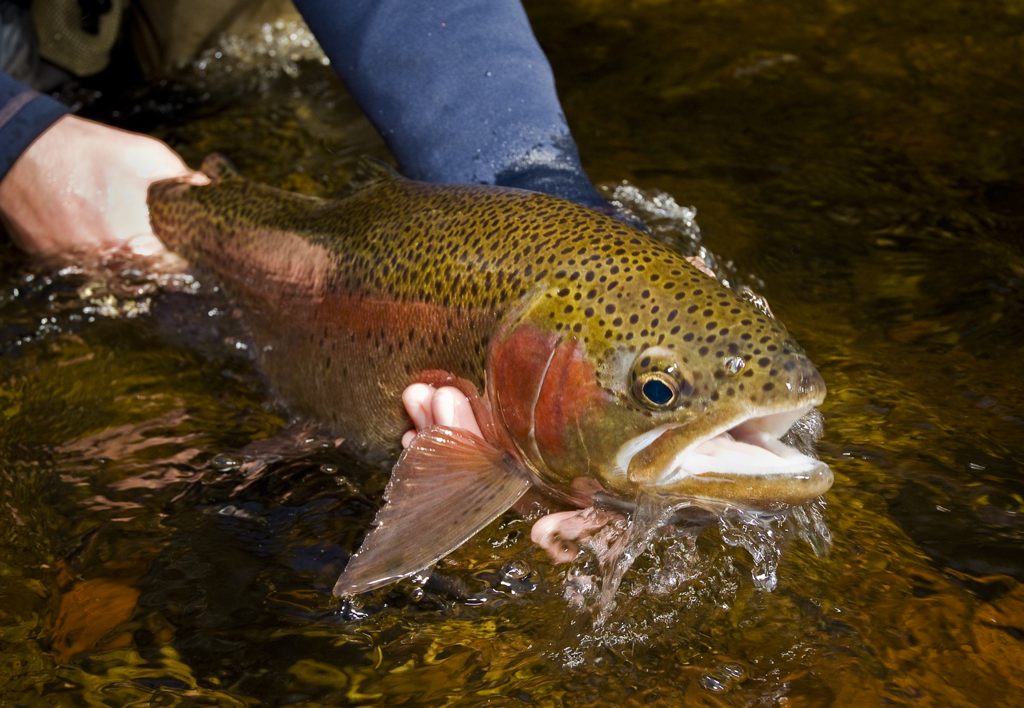
Sometimes all fly fisherman need to do to find success when their not having luck is slow down, and take the time to listen to the fish.
Trout can’t speak to us in words, but they do often provide us with subtle clues from their behavior that can help us catch them. That is, if we’re paying close enough attention to pick up on them. Not long ago, I was on the water guiding one of my favorite clients during an unusually cold early fall overcast day. A cold front had rolled in the night before and it had completely shut down all bug activity on the surface. There wasn’t so much as a single midge in the air, so we opted for drifting nymphs below the surface and began catching trout. As we broke for lunch, I noticed the clouds beginning to break up and the sun starting to find its way down to the ground in spots. Refueled, we headed up to a productive bend in the river to resume our fishing. As we crept down to the waters edge, I saw a large slurp from a big fish on the surface. It came at the tail-end of the bend, from a bath tub sized spot where the sun was shining down on the water. Both of us froze in total shock and amazement. It was the first surface activity we had seen all day and we waited with anticipation to see if the big fish would rise again. A few minutes went by with nothing. I scanned the water to see if I could see what the big fish had taken on the surface, but I saw no signs of food drifting in the current.
Convinced, the big fish rise was an omen, I snipped off the nymphs, added a couple feet of tippet and tied on a big black foam beetle. I handed the rod to my client and instructed him to quietly get into position and present the beetle slightly upstream of where the big fish rose. He obliged with a perfect cast and
Read More »Sunday Classic / Fly Fishing Bass: 5 Tips for Fishing Frog Patterns Around Grass

Some of my most memorable days chasing bass on the fly have come from me spending the day popping and waking frog patterns along the surface. I grew up fishing for bass, and although trout fishing has stolen the majority of my fly fishing attention over the years, I’ve always held a special place in my heart for catching bass on the fly. I’ve got friends that don’t see the coolness in fly fishing for bass, but that’s because most of them haven’t put in enough time on the water to experience perfect fishing conditions, and witness the thrill of bass smashing their fly, cast after cast. Bass are amazingly acrobatic fish, and they provide more than enough pull and rod bend to justify fly fishing for them. If you haven’t explored this area of fly fishing, I highly recommend it.
The other day, Louis and I left our houses at 2:45 in the morning to drive across the Georgia State line, and fly fish for bass on Lake Guntersville. Louis was doing a shoot for a new bass lure company, and I was lucky enough to get invited to tag along. Normally, it would be a real challenge to drag me out of bed at this hour, but Lake Guntersville is considered one of the top bass fishing lakes in the entire country. More importantly, the lake is famous for its unbelievable frog fishing that generally starts in June, and runs through the summer months. Lake Guntersville hosts several professional bass tournaments throughout the year, and in 2014, it will host the most famous of all tournaments, The Bassmaster Classic.
During the tournaments on Lake Guntersville, it’s not uncommon for bass anglers to weigh-in five fish sacs, well over 35 pounds. That’s right, we’re talking about an average fish weight of over seven pounds. If that doesn’t get you excited about visiting Lake Guntersville, I suggest you get someone to check your pulse. The reason this lake can grow and sustain such large numbers of trophy bass, comes from the high fertility of its waters, and that’s provided by it being located in an interconnected series of flowing lakes. This feature provides a constant fresh supply of inflowing water and food throughout the entire lake chain, and Lake Guntersville happens to lie smack dab in the middle.
In June, Lake Guntersville is completely transformed, as large areas of the lake are taken over by aquatic vegetation (hydrilla and milfoil) growing to the surface. So much in fact, that it’s not uncommon to find your self fishing the lake where there’s more grass than open water. Bass fisherman come from all over the country to cast their frog and rat patterns around the grass mats to coax bass into crushing them. This was exactly my plan with Louis for our day on Lake Guntersville. Unfortunately, the unusually cold nights of April and May had the grass behind schedule. We were still able to find grass and catch some good bass on our frog patterns, but the frog bite was nothing like it’s going to be in a month from now. For those of you interested in getting in on this amazing grass bite on Guntersville or any other reservoir that has good grass concentrations during the summer, I’ve provided five tips below that should help you increase your success.
Read More »Saturday Shoutout / Catching Moments
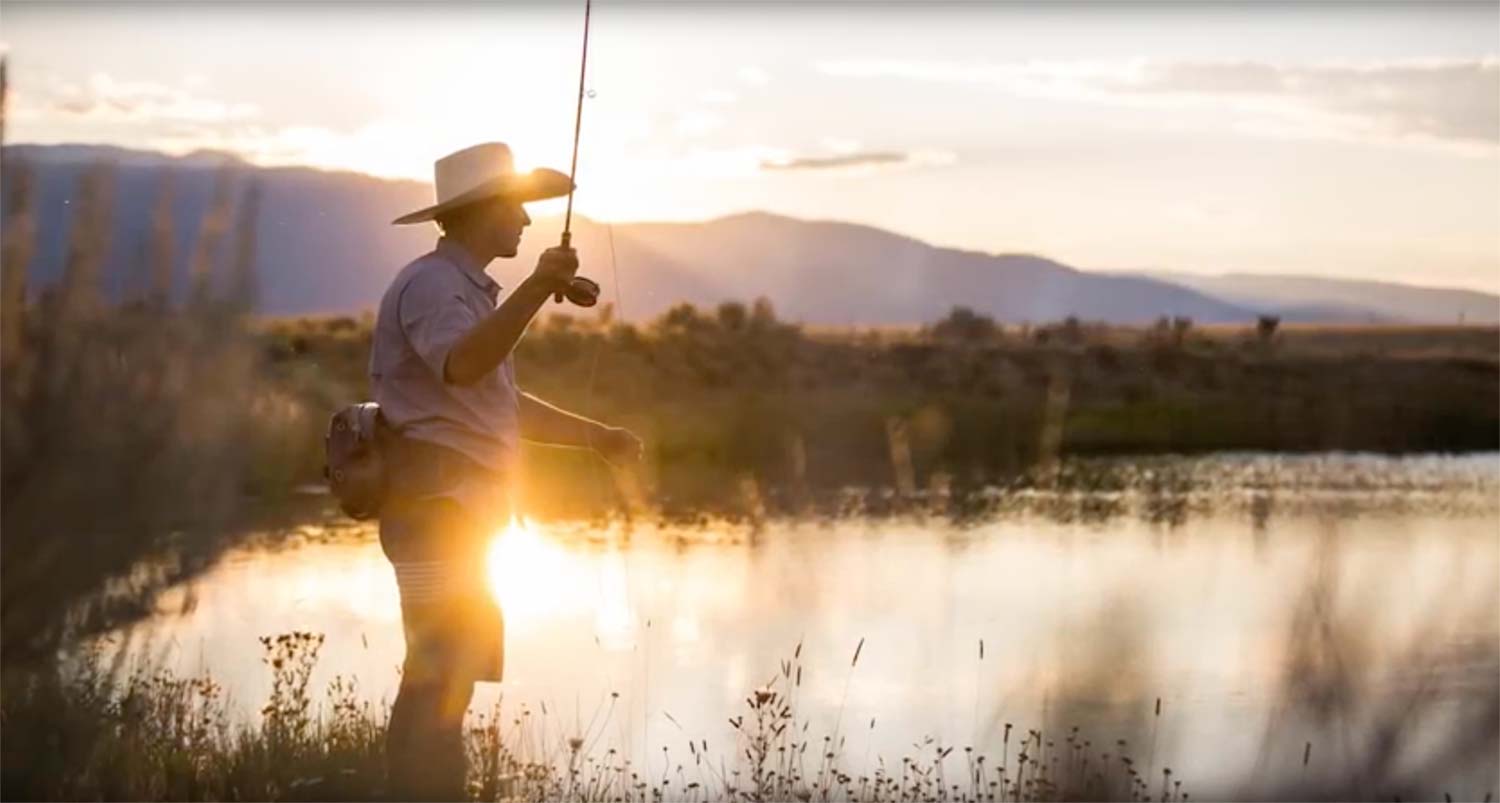
Great trips are not just about hooking the fish. It’s the times in-between that make the experience.
This video, from orvis, focuses on the photography and storytelling of Becca Skinner. Take a trip into the backcountry with Becca and friends for some good times, great fishing and the catching of moments.
CATCHING MOMENTS
Read More »The Best Way to Improve Your Trout Game
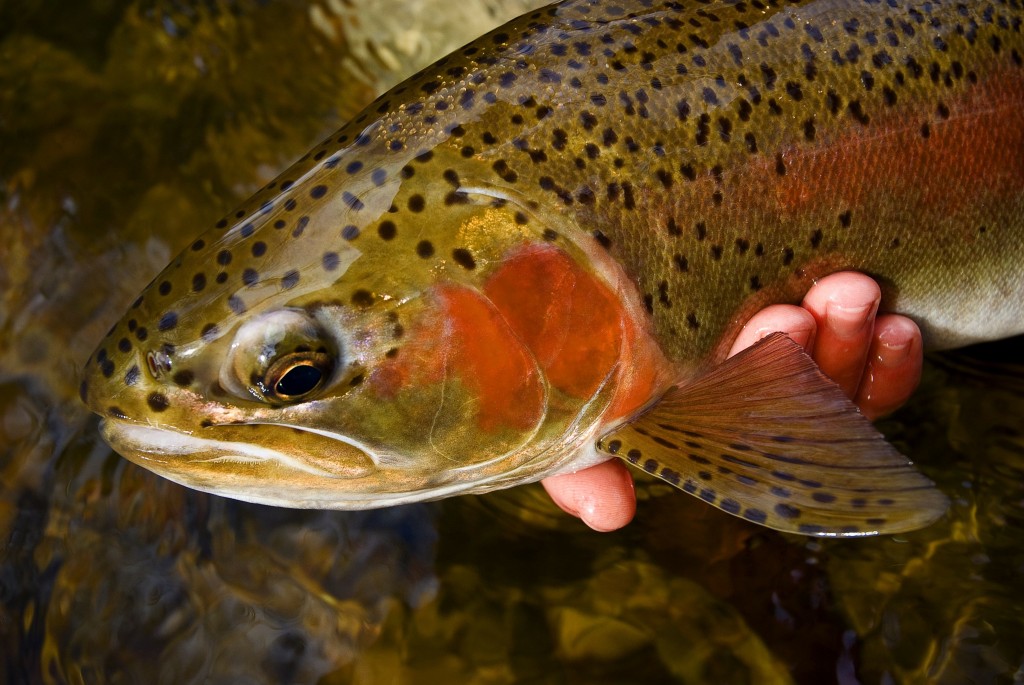
By Kent Klewein The single best way to improve your trout game is to fly fish on trout water that challenges you. I’m talking about super technical water where trout are wary and extremely educated. The places where the smartest of trout live, where all you get is one or two shots to hit your target. These trout streams force you to maintain the highest level of discipline in your fly fishing. You have to think out every step of your approach and presentation to find success. If you fail at executing these strict requirements, you’ll almost certainly be skunked on the water. It’s really easy for many of us with our busy schedules to focus our time fly fishing locations that allow us the most success, or should I say the easiest success. I’d be lying if I said I didn’t enjoy these easy trout streams myself, where I can immediately start catching fish within minutes of wetting my line. Just remember, if all you do is fish easy trout water, you’re going to have a rude awakening when you finally get around to stepping foot on a truly technical trout stream. You won’t find success, your confidence will shrivel, your pride will take a beating and you’ll probably feel like crawling off into a hole when it all said and done. Not only that, but you’ll also be impeding the improvement of your fly fishing skills in the process, and you’ll be no different than a kid refusing to take off the training wheels on his/her bike because it’s easier and safer. So change up your routine, step away from your comfort zone and the rookie trout water for a while. Next time you go fly fishing, choose trout water that requires you to bring your absolute best … Continue reading
Read More »Creating a Modular European Nymphing Leader
By Devin Olsen
I often get asked what I do when I come to water or situations that call for a presentation other than what a straight Euro-nymphing rig executes well.
I tend to be a splitter rather than a lumper so I often bring several rods or an extra reel if I want to change rigs. However, there is one way to cover a lot of bases by designing a modular Euro-nymphing leader. With a couple simple changes, this leader can fish one nymph, two or three nymphs, dry dropper, dry double dropper, and streamers.
A basic Euro-nymphing leader formula is one I’ve shared in the first film Gilbert Rowley, Lance Egan and I produced titled Modern Nymphing: European Inspired Techniques. The one change to the leader that will let you fish additional rigs is a simple 12” section of 3x tippet between the sighter and the tippet ring. From there you can change tippet configurations to create multiple rigs. In our second film, Modern Nymphing Elevated: Beyond the Basics, I talk about the modular nymphing leader and we show segments on how to fish the different rigs with it. Let me walk you through each way to rig.
Starting with the basic nymphing leader, I can fish one fly through shallow or complex water where maximum accuracy or a lighter rig is needed. If I need to go to a two-fly rig for deeper water, it is as simple as adding a nymph to the dropper tag.
In Modern Nymphing Elevated, we also talk about fishing streamers on a Euro-Nymphing leader, which is a deadly way to work streamers accurately and thoroughly through trout lies. To switch to streamers, I simply cut the nymph tippet off at the tippet ring and store it on a Loon Rigging Foam. Then I rebuild the same rig but with
Read More »Sunday Classic / Fixing A Twisted Fly Line In Seconds
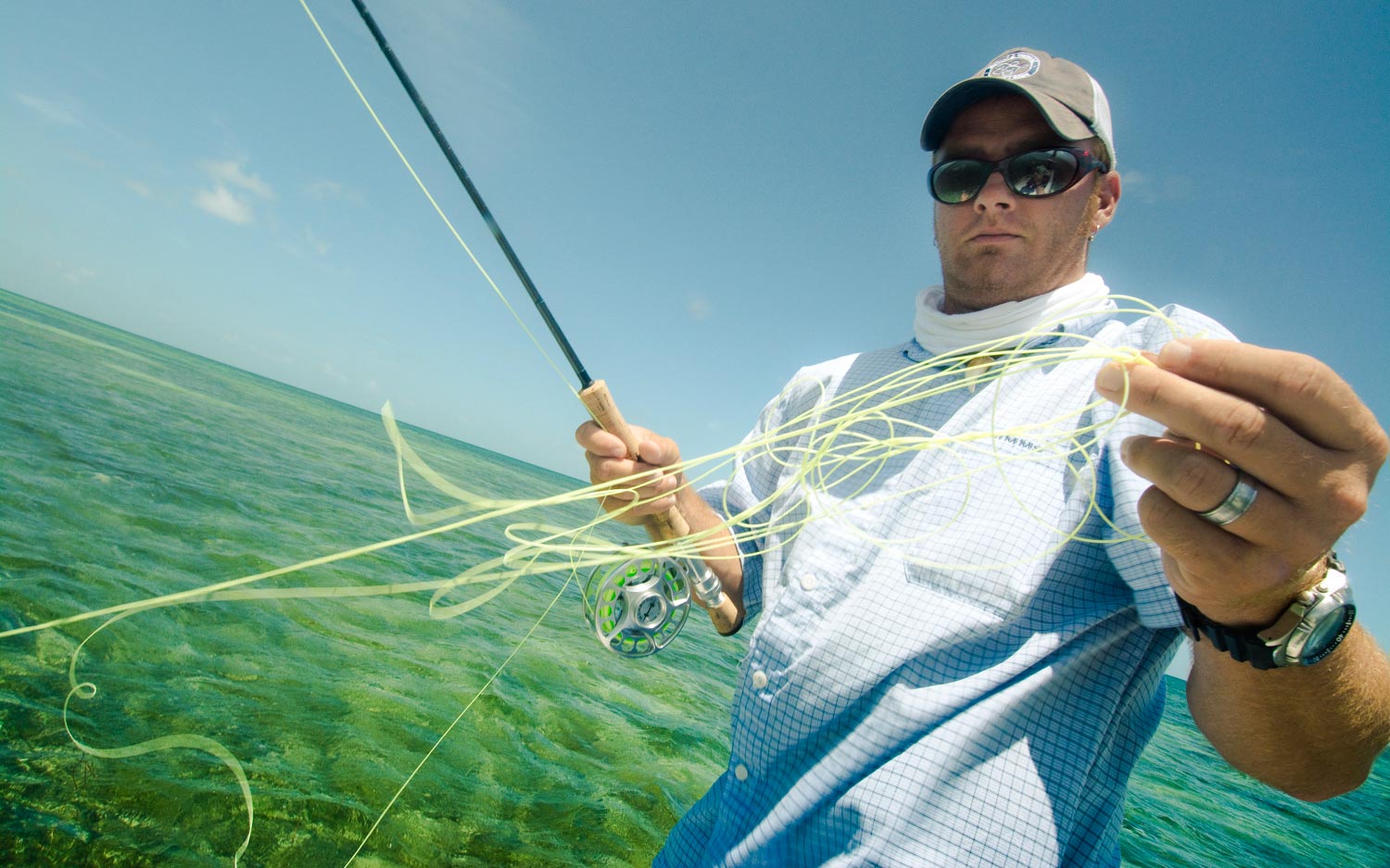
Every fly angler has experienced a wicked twist in their fly line causing it to tangle and knot at their feet.
It may be caused by a flawed casting stroke, a big fly twisting in the wind or it may be God punishing you for masturbating. Regardless of why it occurs, it’s frustrating at the least and heartbreaking at the worst. There’s nothing worse than taking a shot at the fish of a lifetime, only to have your cast cut short by a knot in your guides.
Fortunately, a twisted fly line is easy to fix. You don’t have to lose valuable fishing time, while stripping the entire line off the reel and towing it behind the boat or letting it hang in the current. You can fix that twist in seconds.
In this video, our good friend Zack Dalton from RIO Products shows you how.
Read More »Saturday Shoutout / She Cleaned My Truck
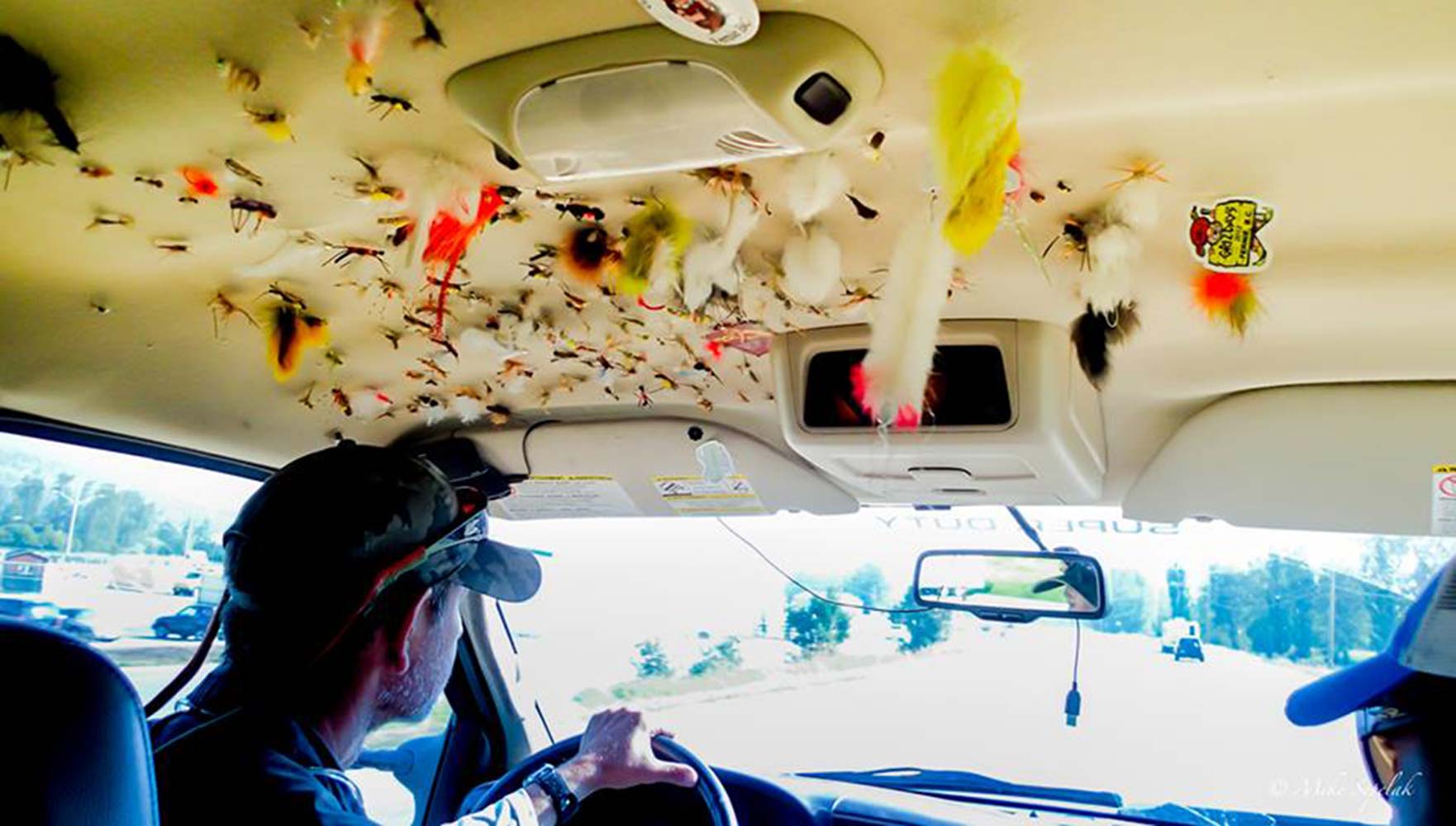
“I OPENED THE DOOR TO MY ‘76 RAM CHARGER AND NOTHING FELL OUT. ABSOLUTELY NOTHING. THAT SHOULD’VE BEEN MY FIRST CLUE…”
Is it possible that a person is defined by the mess they leave in their truck? If so, my life is an open book. The description of the Ram Charger fits my Toyota to a T. If you’ve ever stuck a fly in your headliner, and you’ve ever been in love, this story is for you.
A simple and strikingly beautiful piece from Jon Tobey, of “Go Into Te Light.”
SHE LOVES ME, SHE CLEANED MY TRUCK
I also recommend this great companion piece by Mike Sepelak
LAUNDERED
Read More »Three Tips for Casting in the Wind
By Bruce Chard
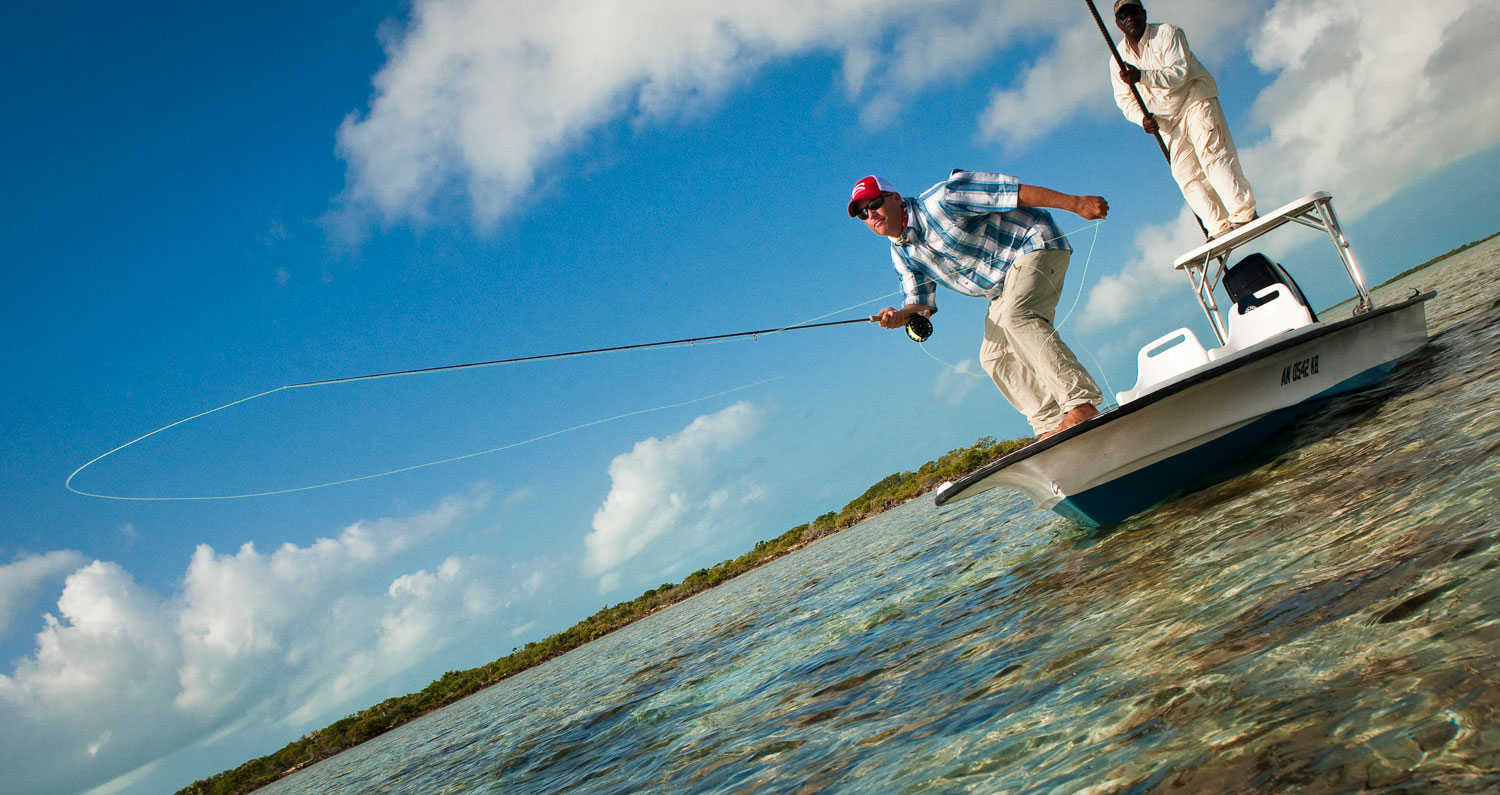
WHEN YOU’RE FLY FISHING IN SALTWATER THERE IS ALMOST ALWAYS WIND.
Saltwater fly fishing demands your A-game. Your presentations have to be spot on and when the wind is howling, it will test your angling mettle. If you’re new to the game, it’s intimidating but having and practicing the right skills can give you the confidence you need to deliver.
Here are three tips that will help you tame the wind
Make tight loops
Having the ability to form tight loops while casting in the salt will help in many ways.
Tight Loops help:
•Control line in the air for better accuracy
•Increase line speed
•Reduce slack in the line during casting and presentation
•Increase distance
•Fight the wind
•Lay your leader and fly out straight with no slack
Whether you are wading or in the skiff, a tight loop is vital to success in the salt. To form a tight loop you need to do the following:
•Keep your rod tip traveling
Read More »Stocked Brook Trout – Strip it, Skate it, Swing it
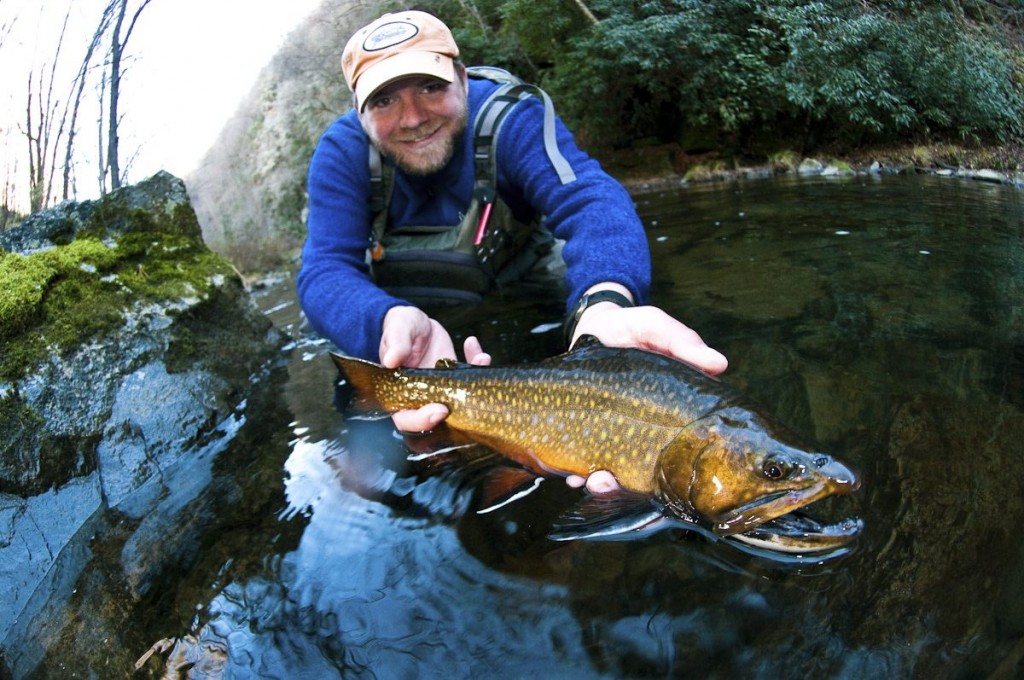
Give those stockers something they can’t resist.
I’m very fortunate to have a great trout stream near by that operates a delayed harvest program (catch and release fishing by artificial flies only) that starts in the fall every year, and runs into the early summer. I love visiting this trout stream because the DNR stocks big male and female brook trout, some of which, can push well over twenty inches. To consistently catch these beautiful brookies, I usually have to experiment with different types of flies and presentation methods to find out what’s the best option for the day’s fishing. Sometimes all I need is a simple drag free drift with a dry fly or nymph to catch them. Other times, the brook trout will completely ignore my dead drifted flies and I’m forced to impart extra action and movement on my flies to trigger bites. When I can’t get stocked brook trout to rise to my dry fly or take my nymphs dead drifted, I’ll then try fishing tactics like stripping a streamer, skating a dry fly or swinging a tandem nymph rig. For some reason, the added action and movement, often will trigger reaction strikes from stocked brook trout that have lock jaw. Moving your fly upstream, and causing it to make a wake, be it a dry fly or wet fly is another technique that can work wonders. Everyday can be different, so it’s important that you figure out what kind of presentation and type of fly the brook trout want to help you find success. Now that I’ve gone over how movement can trigger bites with the stocked brook trout, let’s talk about each in a little more detail.
TECHNIQUE #1 – TRY STRIPPING STREAMERS WHERE THE BROOKIES ARE LOCATED
I’ll never forget a day on the water with my good friend Joel Dickey several years ago, where he landed two brook trout well over 22 inches with a streamer. They were the biggest stocked brook trout I had ever laid my eyes on in the Southeast, and the only thing that proved effective for catching them that day, was retrieving a streamer across their noses erratically. Try fishing brightly colored streamers that incorporate
Read More »