
Saturday Shoutout / Chandalar
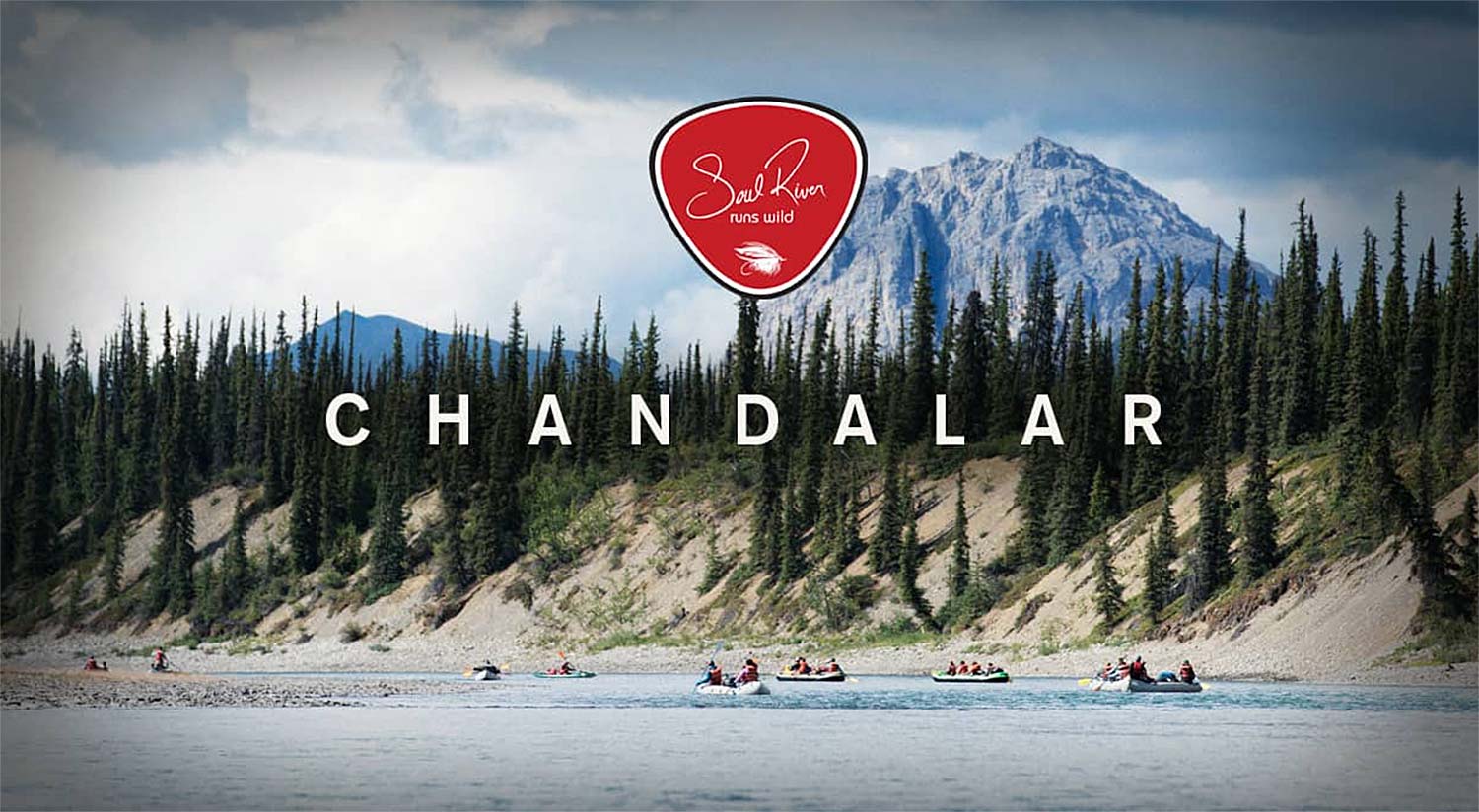
A beautiful example of the healing power of fly-fishing.
This remarkable film, from the folks at Simms and Soul River, follows fourteen young people and five U.S. veterans as they float the Chandalar river in Alaska. They learn to row, to fly fish, and to thrive with PTSD.
“This is a story of how U.S Veterans can change lives and find purpose by volunteering their time. The participants come from different worlds and while they know that their experience with trauma is what initially binds them together, it isn’t what defines them.”
Read More »Fly Fishing Lights at Night
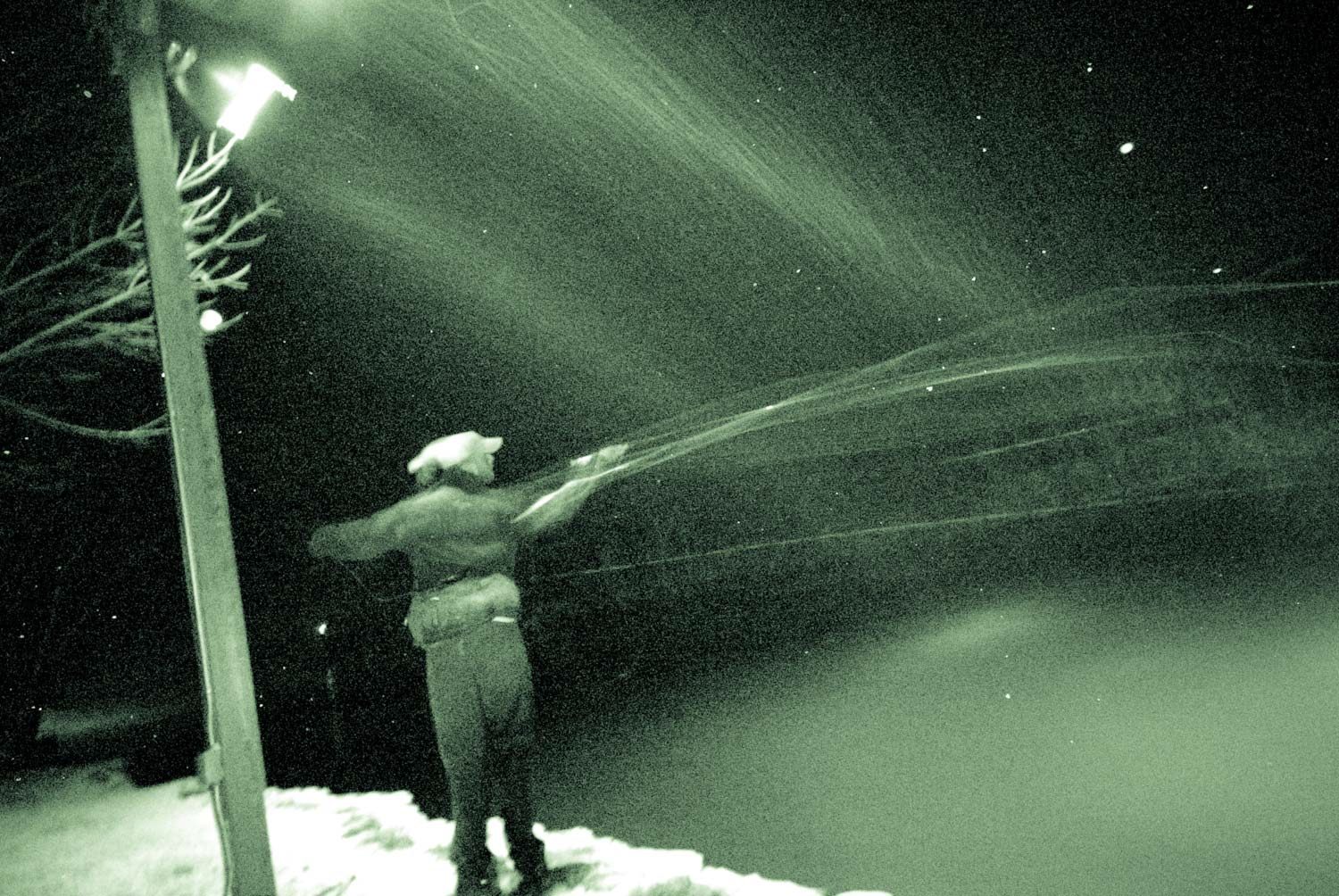
It’s long been known by fishermen, that bright lights shining on the water at night create fishing hotspots.
The lights attract plankton, which in turn, attracts the baitfish and other food sources that feed on them. Once you’ve got a good concentration of forage food hanging around the lights, it doesn’t take long before the larger predatory gamefish move in and begin making a feeding frenzy of the situation at hand. Using the lights as a perfect tool to coax and gather the food into a small area and the cover of darkness as camouflage, predatory gamefish will take turns darting into the light with mouths open to pack their bellies full. This feeding scenario reminds me very much of the relationship I have with my refrigerator. When I wake up in the middle of the night with my stomach growling, I know exactly where I need to head to get my quick food fix. The relationship gamefish have with lights on the water at night is no different. When available, gamefish will regularly utilize lights to locate and ambush food under the cover of darkness. Fly fisherman should always take the time to locate and fish lights on their home waters, because they will almost always provide consistent action.
If you randomly asked one of your fellow fly fisherman about targeting lights at night, they’d probably respond with success stories about either fishing lighted piers in saltwater or boat docks on freshwater lake impoundments. These are by far, the two most popular places fisherman prefer to utilize lights shining on the water at night, but it’s not the only places we should look. Fishing lights for trout
Read More »Sunday Classic / Weather Dictates When and How I Fish My Terrestrials
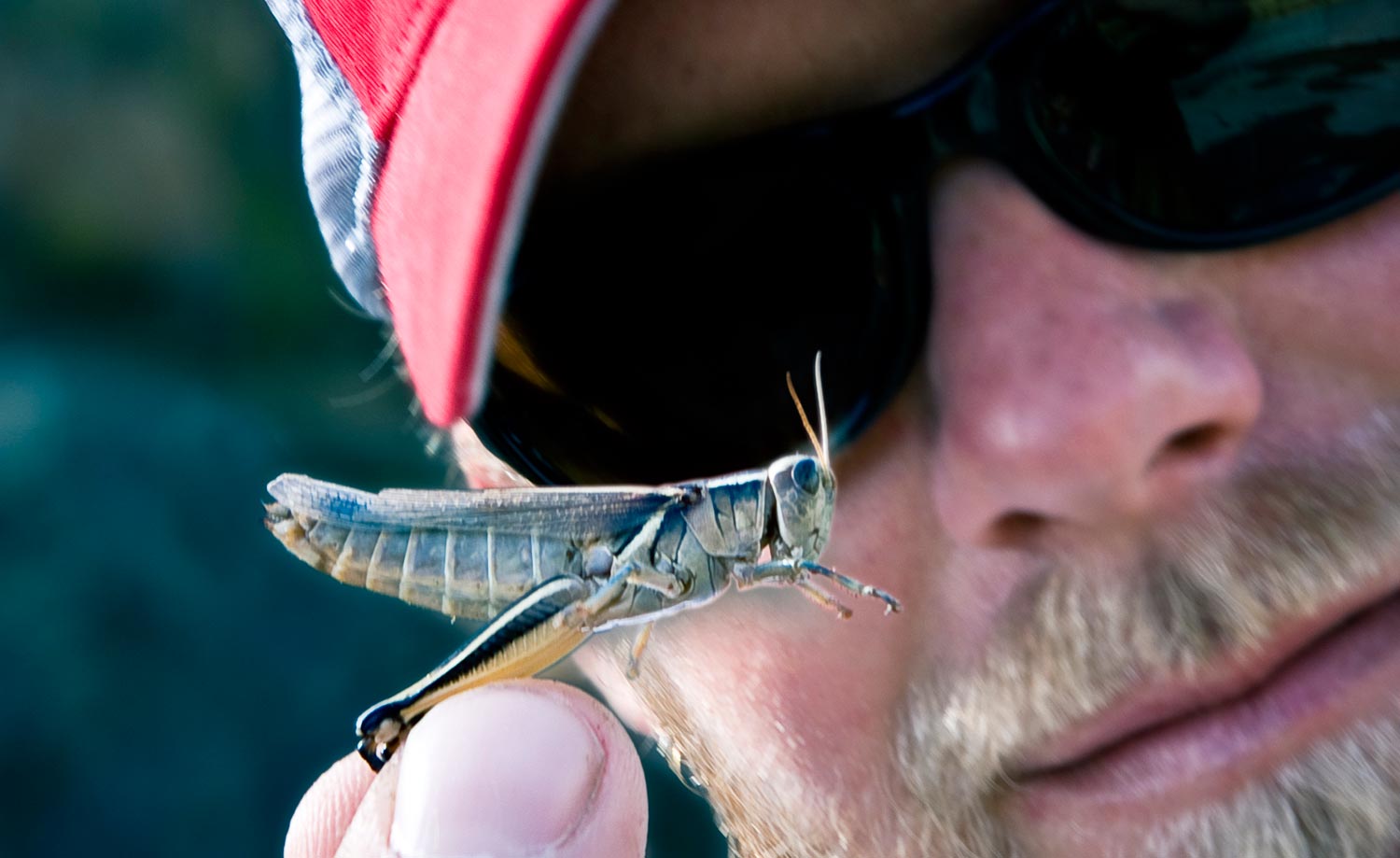
Every year, I’m asked by clients, when is the best time for them to come up and experience the terrestrial bite? For years, I kept a terrestrial fishing journal to help me better serve my clients. The journal documented the arrival times of specific terrestrials and when I first started catching fish on them. It seemed to help me for a couple seasons, but after that, I started to become too reliant on the data in the journal, and I lost sight of the most important variable of all in timing the terrestrial season–weather. Depending on what the weather is doing for the current year, it can speed up or postpone the arrival of the terrestrial season. Some years it will only sway the start of the terrestrial season a week in either direction, while other years, it can sway the arrival well over a month. Understanding the role weather plays in the lives of terrestrials can help anglers nail down more accurately when the terrestrial season will begin and peak in their area. If you can be one of the lucky few to time and start fishing terrestrials before everyone else does, you can be rewarded with some of the biggest fish of the year.
THE EFFECT WEATHER HAS ON TERRESTRIALS
Having consistent warm weather is a major factor in the arrival of terrestrials. Cold nights during late spring will keep terrestrials hiding in their burrows and out of sight during most of the day. During years when these cold snaps linger on, it will delay the arrival of the terrestrial season significantly. Sun is a major player in getting the terrestrial fishing going as well. I’m not 100% sure of this, but I think once the rainfall drops off in the summer, and the hot sun sucks out most of the moisture content found in the plants that the bugs are eating, the terrestrials are eventually forced to search out food sources that have a higher moisture content. It makes since to me at least, that the best places for the bugs to find moisture rich plants during the heat of the summer would be around water. All living things, including terrestrials, need water to survive. Furthermore, sun is the fuel for plants to grow, and many of our streams and rivers have large amounts of flowers that bloom (late spring, early summer) along the banks that provide food (nectar) for terrestrials. During above average rainfall years, where you’ve got more cloudy days than sunny days, it can inhibit or postpone the growth and blooming of these flowers that attract the terrestrials, and therefore, they won’t be attracted to the water and available to the trout. So when you’ve got a really wet spring and summer you can expect the terrestrial season to be late. It’s important to note also, that years with high rainfall, will significantly increase the water levels on our trout waters and postpone the terrestrial bite. Too much rainfall will keep the bugs from showing up, and raise water levels, which will discourage trout from expending the energy to rise to the surface to eat them, particularly if there’s sufficient food below the surface for the trout to eat. High water also flushes out terrestrials much quicker than during average water flows. You won’t find terrestrials swirling around in eddies for long periods of time.
WHERE TO FISH YOUR TERRESTRIAL PATTERNS FIRST
Read More »Saturday Shoutout / Tasmanian Love Letter
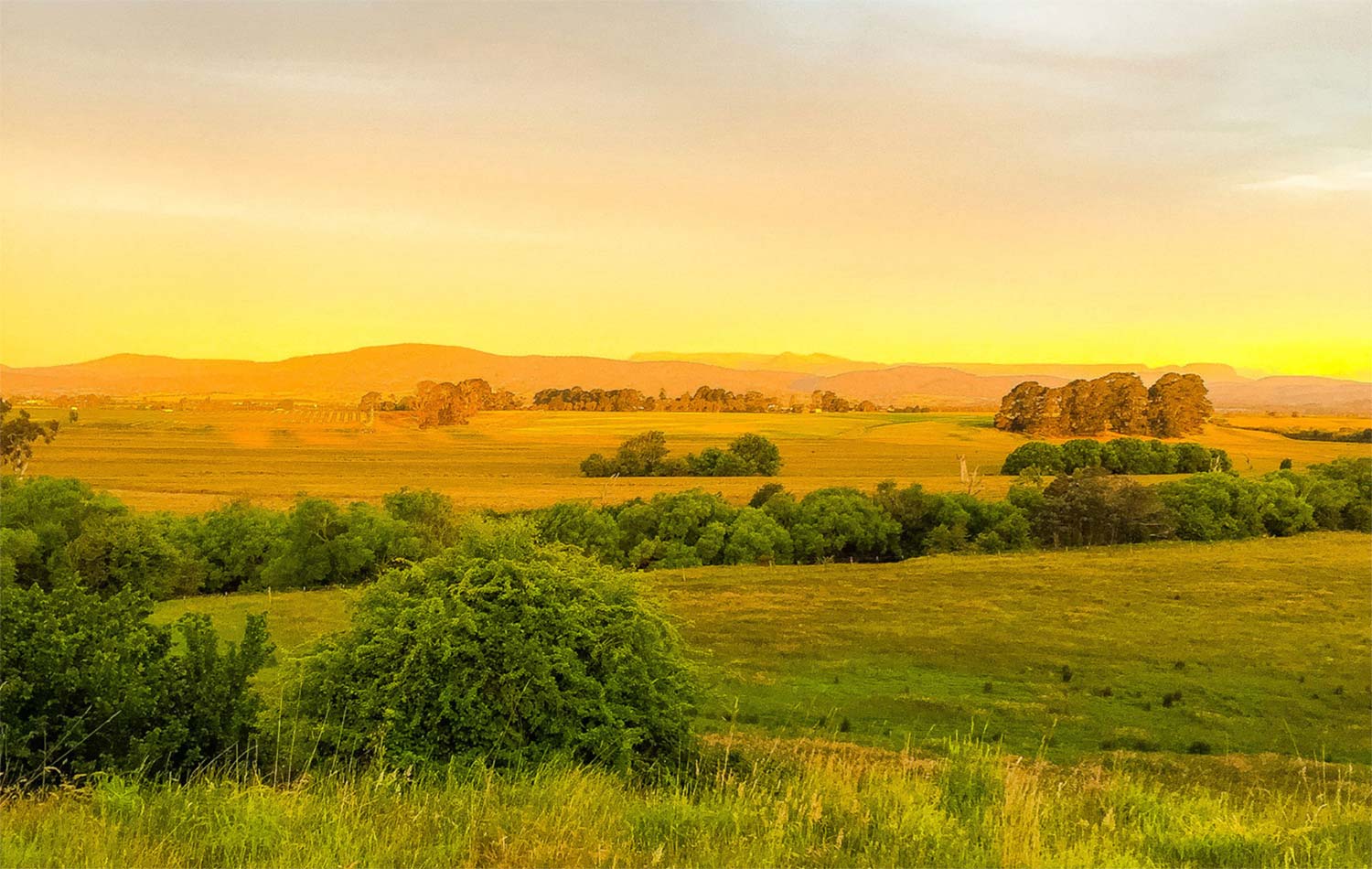
One of the nicest pieces of writing on the subject of fly-fishing I’ve read in a long time.
It was just by chance that I was introduced to the site Camden Fishing. Good folks from Tasmania who sell, among other things, beautiful hand made drift boats. Shipping a drift boat around the world didn’t seem practical, so I was about to move on when I noticed the link to their Journal.
I’m so glad I did, because what I discovered was some of the most honest and soulful writing, on the subject of fly fishing, that I have read in some time. Whether they are making boats or writing prose, these folks are true artists.
TAKE A MINUTE TO ENJOY, “THE ROMANCE OF RIVERS.”
Read More »Outboard Jet Boating 101- Safety & Maintenance
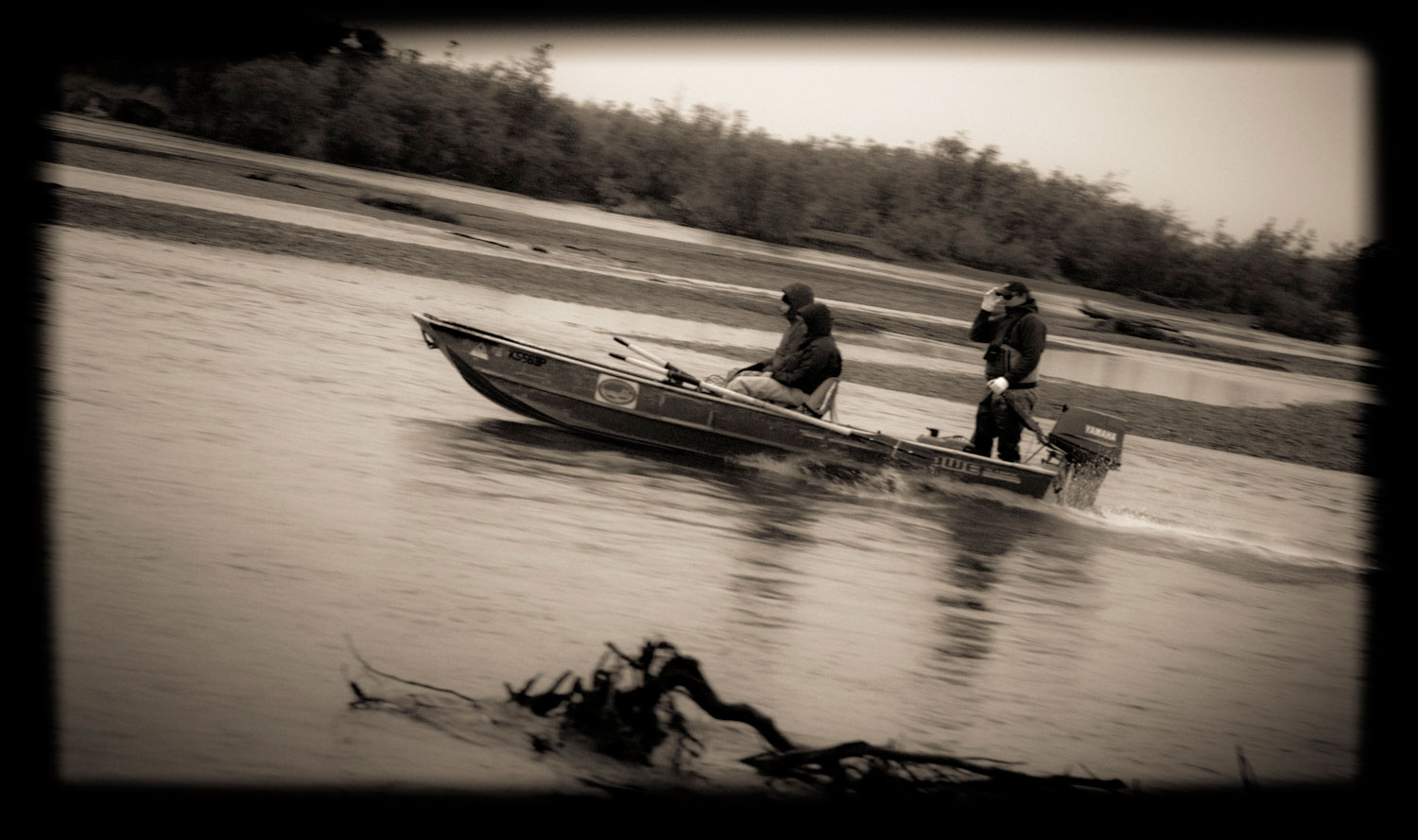
By Kent Klewein
Every year I see more and more outboard jet boats on the water.
I can’t say it really surprises me though, I totally get why anglers are drawn to them. In my opinion, jet sleds are one of the coolest boats anyone can drive or fish out of. They can run in just about any kind of water, they offer anglers the ability to re-run and fish sections of water at the drop of a hat, and they are quite affordable and easy to drive. A lot of guys these days are dropping coin and converting their two and four stroke outboard props to jets. It can be done fairly easy if you are mechanically inclined and can follow directions. There’s also quite a few first-time boat purchasers out there that have chosen to go the jet motor route and many more anglers presently riding the fence, about to pull the trigger.
Problem is, the majority of the salespeople selling these jet motors don’t regularly provide the buyer with the most important piece of the puzzle; common sense jet boating safety guidelines and troubleshooting on the water. Any veteran outboard jet boat owner will tell you it’s only a matter of time until you screw up and have an accident on the water or have engine mechanical problems. Understanding how to run safely and perform on-the-water maintenance is critical if you want to avoid accidents, bodily injury and consistently bring your jet boat back to trailer in tip top shape.
My goal for this post is to provide a jet boating 101 quick read, for those anglers out there who have recently purchased a jet outboard or for those considering purchasing one in the near future. My hopes is that it will keep some of you from making some of the same rookie mistakes I did, and you’ll learn how important it is to be prepared and drive safely when running jet outboards. Below are some things I’ve learned from my time running a jet sled in Alaska, but most of the information I learned, came from hanging out with veterans that run jets every day. I’ll attempt to give you the meat and potatoes but I’m depending on the followers of G&G that are the experts on this subject to voice their thoughts.
PRE-TRIP EQUIPMENT & BACK-UP GEAR CHECK
It’s important that you’re religious about doing a thorough pre-trip boat equipment check before you head out on the water each trip with your jet sled. You should always take the time to look over the motor to make sure everything is in proper working order. If you have a 2-stroke motor, make sure
Read More »Sunday Classic / Tenkara, the new Bamboo
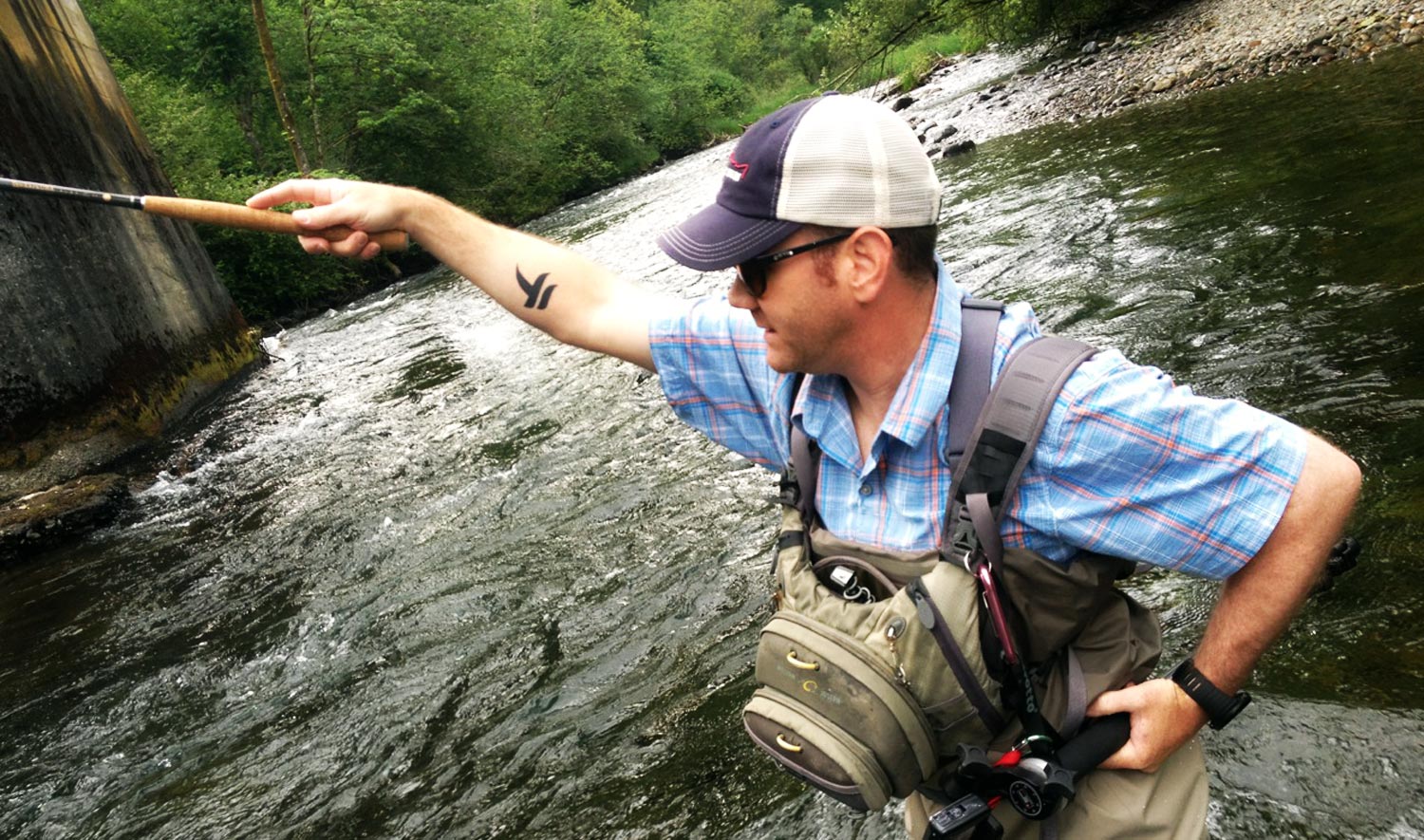
A GUEST POST BY TIM HARRIS OF NORTHWEST-TENKARA.COM
Fly fishing began in both the west and east with a long supple rod, a fixed line, a leader and a fly.
This is how Dame Juliana Berners, Issac Walton and Japanese commercial fisherman fished. Time went by and man created the reel and split bamboo rods which were shorter and lighter than the old greenheart long rods. Fiberglass and then graphite replaced split bamboo and modern fly fishing as we know it came into being.
Then a backlash started, a move toward the vintage. Many fly fishers, myself included, began embracing the bamboo rod again and waxing poetic about the lovely reed, its natural beauty and soft feel. I fished bamboo rods for years on small streams and rivers and figured that this would never change.
Then came a real move back to the past, back to days before the reel was invented and people fished with a long rod and a fixed line. I discovered tenkara. Tenkara is a traditional form of fly fishing that began in the mountain streams of Japan. It was used by commercial fishermen to catch their daily load of trout, char and salmon found in these streams. Now tenkara is catching on in the west and seems to be the hottest thing since the bamboo renaissance.
Tenkara is fly fishing in its most minimal form. A modern tenkara rod is
Read More »Saturday Shoutout / High Country Cuts
How about some high country fly-fishing for cutthroat trout?
Take a wade with Todd Moen, of Catch Magazine, and Heather Hodson, of United Women on the Fly, as they wades Heather’s favorite home waters in search of cutthroat trout and solitude. A beautiful film, almost as relaxing as a day on the water.
Read More »There’s No Holding Bob Back
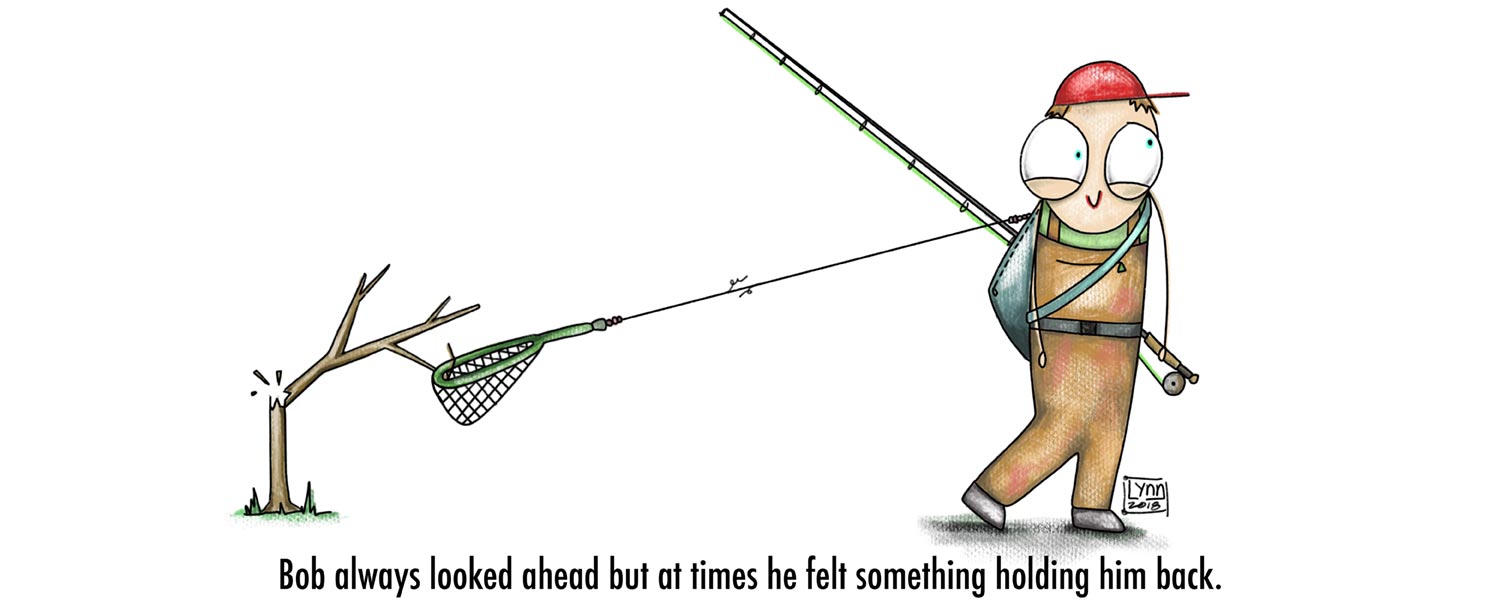
Stay focused Bob. It’ll all work out.
See more of Bob and the angling art of Andrea Larko on Etsy.
Read More »United We Fish
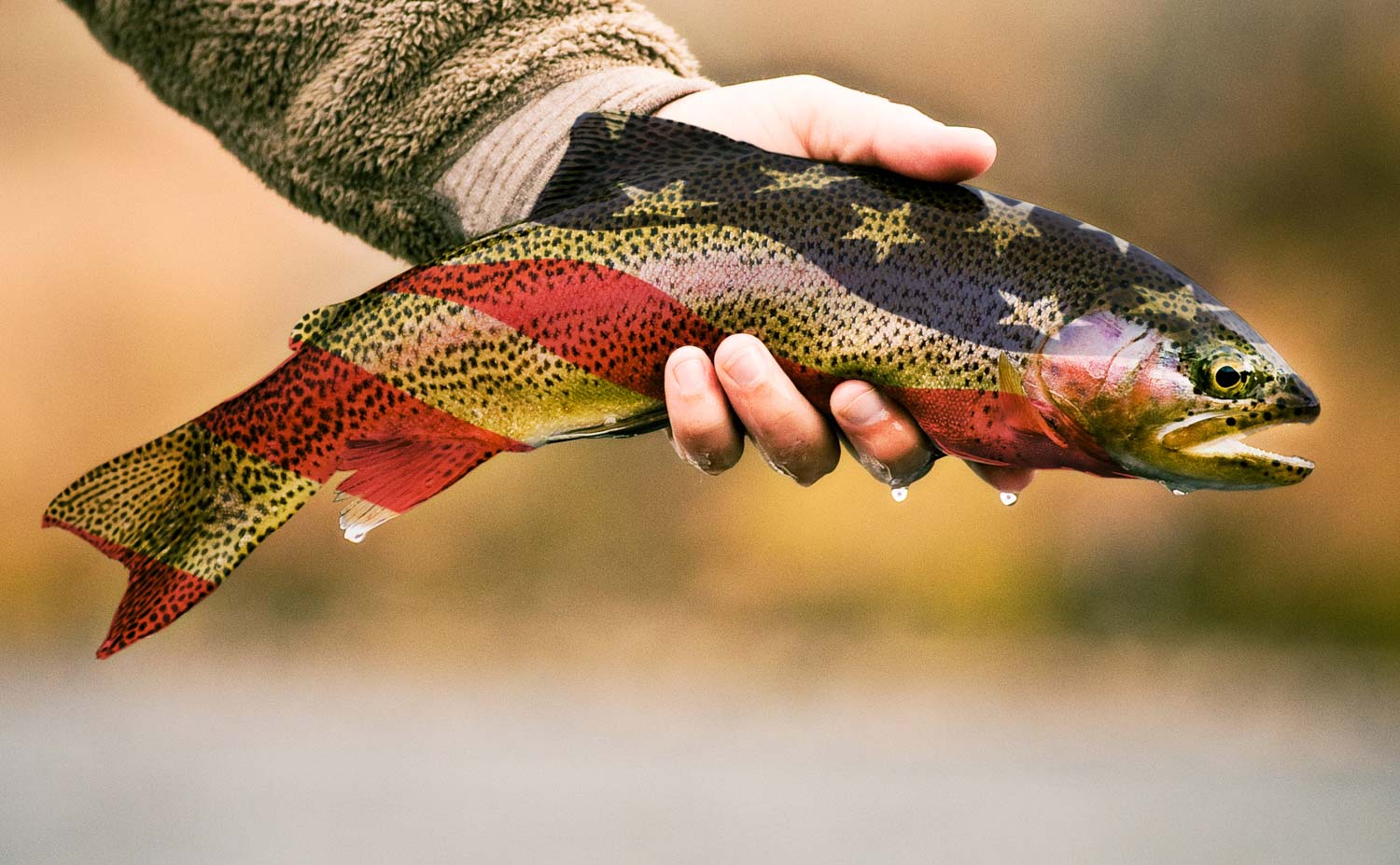
The America I live in is not divided.
If you watch the television, listen to the radio, or, God forbid, go on Facebook, you might think we Americans have nothing in common but our dislike for each other. I don’t believe that’s true. I believe we have a great deal in common. Specifically, I believe that we, the G&G community, have a deep and profound love of our amazing public lands and waters. I have said many times our public lands, above all else, make me proud of this country.
We also have in common our duty as citizens to participate in our democracy. I grew up in a time when this was something to be proud of, and I still believe it is. We Americans who love the outdoors have a loud voice, as long as we are united. It is our duty to stay united. Not to let the uproar of the day divide or distract us.
OUR PUBLIC LANDS LITERALLY ARE AMERICA. ONLY WE CAN PROTECT THEM.
Happy Independence Day from Gink and Gasoline!
Read More »Lamson Cobalt Saltwater Fly Reel Review
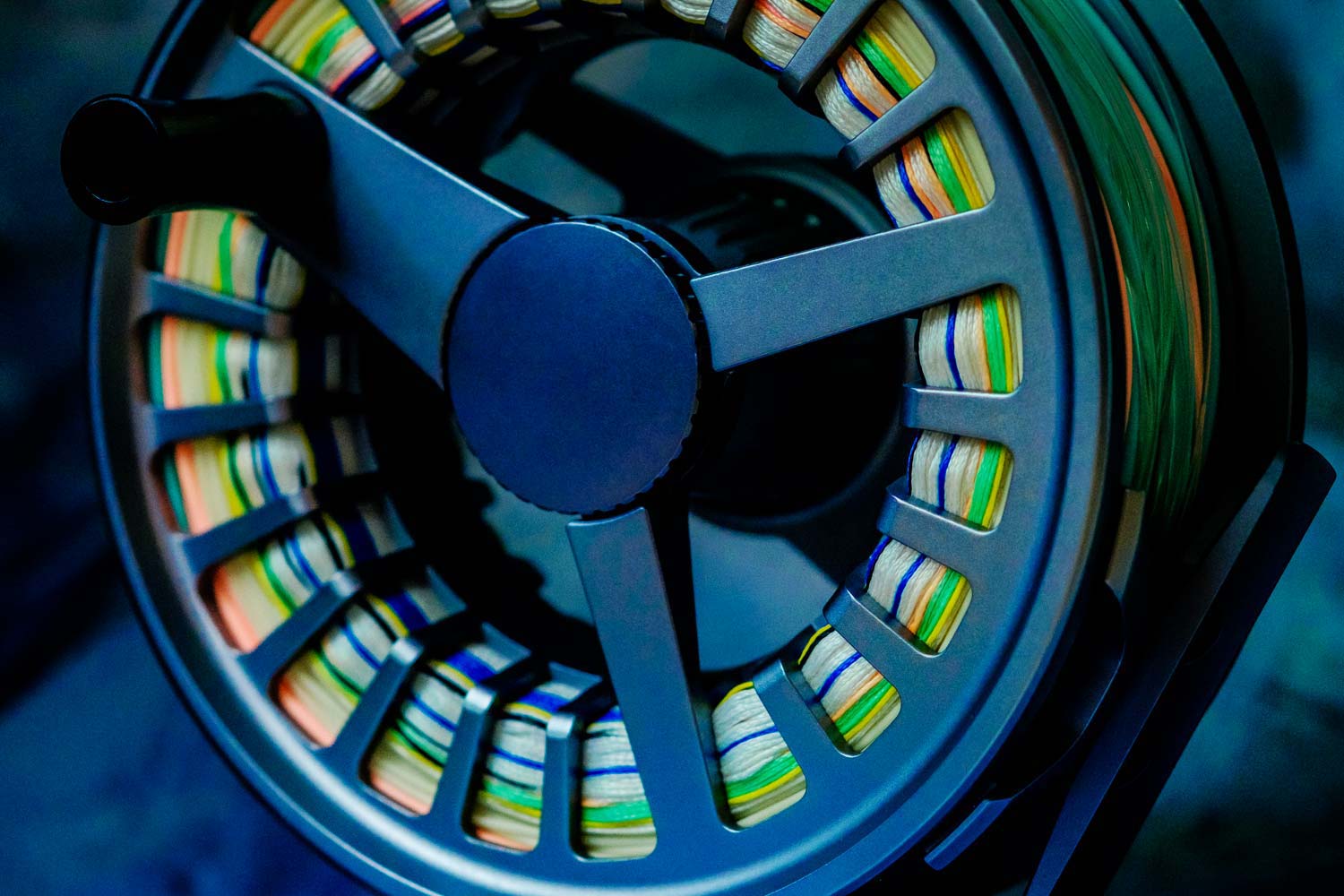
The Lamson Cobalt is a big game fly reel with a pedigree.
I’ll be honest, I’ve always thought of Lamson as a trout reel company. I don’t mean that to be dismissive, but I think of them as making great trout reels and, for saltwater reels, I never really thought of them at all. The demands placed on saltwater fly reels, by both the elements and the fish, are so extreme that they are almost a thing unto themselves. When I heard that Lamson was making a serous saltwater reel, I was instantly interested.
From the very beginning, the buzz about the Cobalt was pretty exuberant. When I got my hands on one for the first time it was immediately obvious why. This reel is lovely and elegant on the outside but a beast to its core. A thoughtful design and an inspired execution.
Everything about the Cobalt is top quality. It’s not a budget reel. It’s built to last and to dominate strong saltwater species, season after season. I feel confident saying that. I come from a family of machinists. I grew up in a machine shop and I know good machining when I see it. The fit and finish on the Cobalt is as good as you will find and the materials are top quality, down to the titanium fasteners.
There is a ton of cool tech in this reel. Below is a video in which Tim Volk talks about the Cobalt in detail. I’ll hit a few of the highlights I especially like.
Dual Axis Machining
One of the first things I noticed about the Cobalt is its sleek design. Clean and elegant. No edges to punish line or hands. Not even a counter balance. Lawson achieves this by machining the spool so that it balances perfectly with the handle. The operation is smooth as silk. It might not sound like a big deal but when that reel is screaming, you’ll appreciate it.
Seriously Sealed Drag
There are some fly reels on the market, at a higher price point, that don’t have sealed drags, and other that kinda do. The drag housing on the Cobalt is rated waterproof to thirty meters. It would be difficult to overstate the importance of that.
Micro Crystalline Anodizing
Micralox coatings are the final word in corrosion resistance. The molecules in the coating are
Read More »