
Let It Ride
By Daniel Galhardo
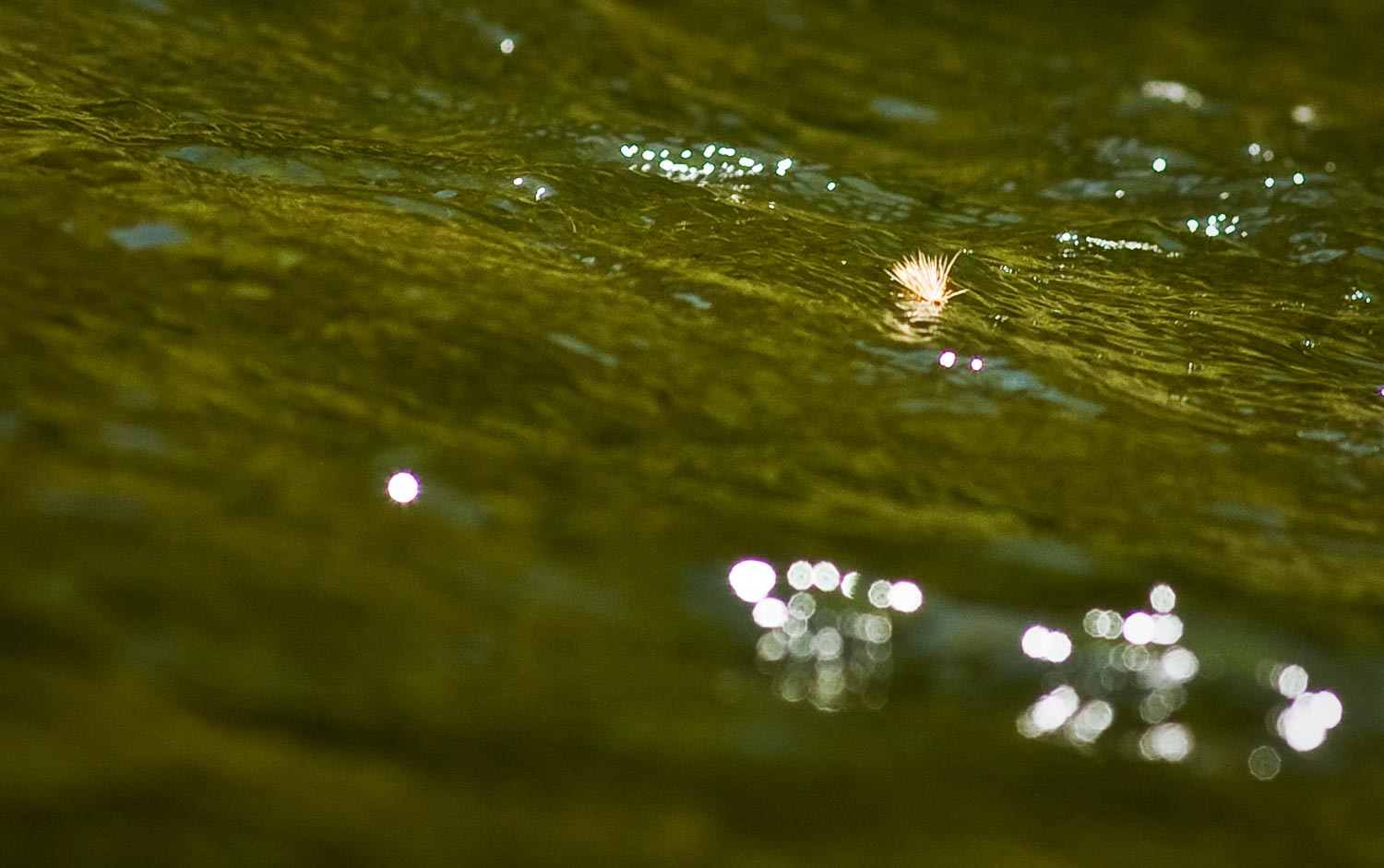
DON’T RECAST YOUR FLY UNTIL IT’S HAD A CHANCE.
It takes some time to learn how to read water well. But, at least when it comes to fishing mountain streams, the concept is easy to grasp: fish are looking for food and shelter, and don’t want to spend a lot of energy looking for food. Currents bring them food, slow water and breaks in the current gives them shelter. With that in mind we quickly learn that seams where current meets calm water may be the best places to target with our flies.
Once we learn this basic piece of information, we all want our fly to land with 100% accuracy where we suppose fish will be. But, hey, sometimes it won’t!
In recent days I have been taking a lot of people fishing. Most were new to fly-fishing and to tenkara. After giving them some basic instructions on how to open the rod, how to tie the line to the rod tip and tippet to the tenkara line and then tie the fly onto it, I would teach them how to cast.
It’s been said that anyone can learn how to cast with tenkara in a matter of minutes. I have found that on average it takes 7 or 8 casts to learn how to cast with tenkara fairly well, and I’m not exaggerating. But, like anything, it takes time to get the tiny fly to land exactly where they want. If I had to guess, I’d say that in the beginning about 70% of their casts will land in the vicinity of where they wanted. Perhaps 25% will land just off the target zone. And, of course, about 5% will land on the trees in front or behind them, but that’s a different article for a different day.
The 25% slightly off-target casts is what I’m interested in making a point about. Actually, it doesn’t matter if it’s 25%, 50%, or even if you’re
Read More »Dorado Dream Trip, Last Minute Cancelation
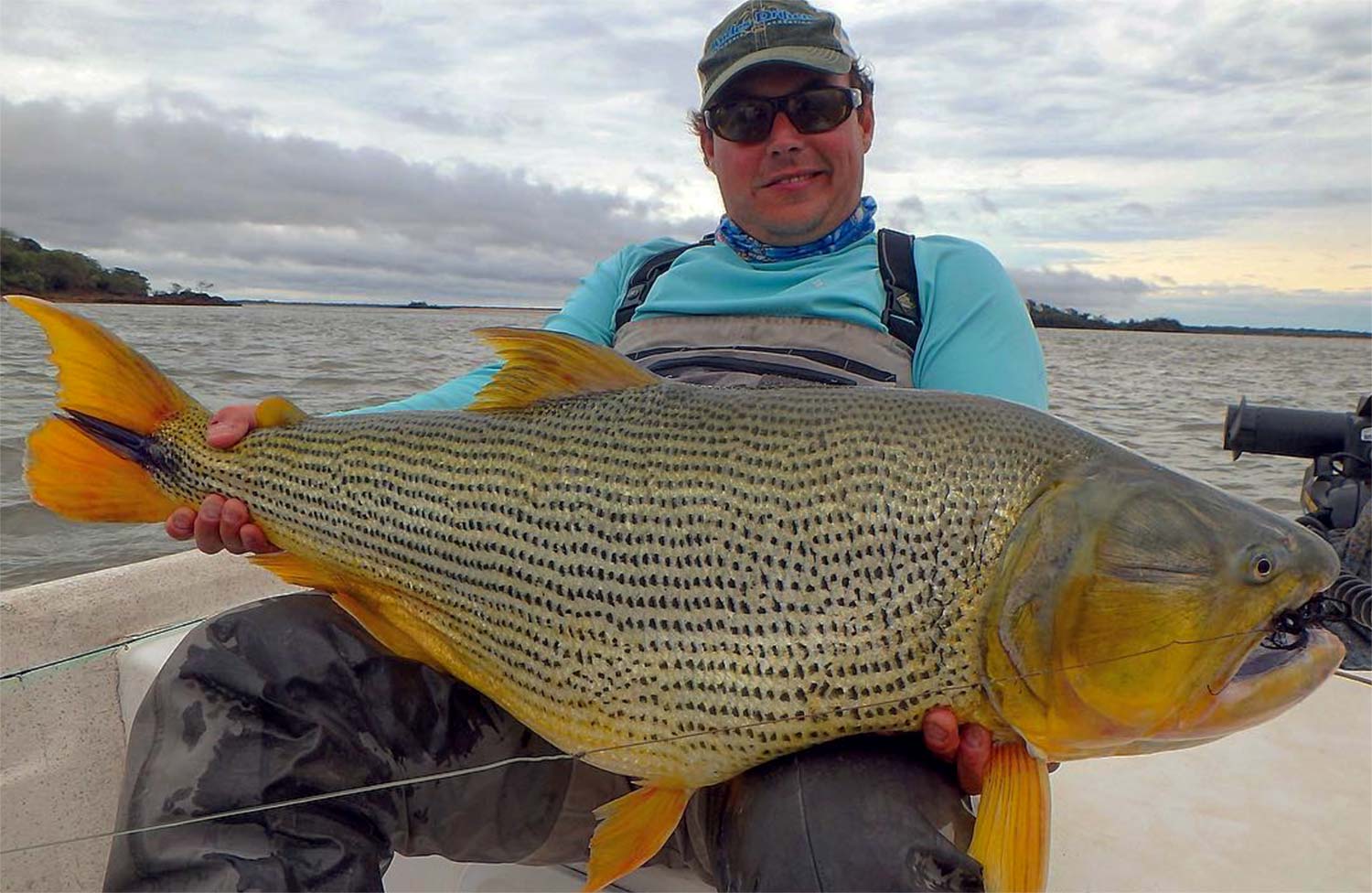
This could be your chance to experience a golden dorado fishery like no other.
From time to time I host trip that are so cool they are never advertised. That’s to say, they fill up immediately with anglers who are regulars. This trip in particular has so few spots I pretty much called a couple of buddies and said, “You’re going to Argentina.”
Well, life happens and we had two cancelations, so I have two spots for lucky anglers with flexible schedules.
This is a combo trip for golden dorado and other exotic species, and it’s pretty special. We are fishing 2 days on the Upper Parana River, home to monster dorado. Quite possibly the largest in the world. We are also spending 4 days fishing the Ibera Wetlands. That’s where things get interesting.
The Ibera Wetlands is the worlds second largest wetland, nearly 8000 square miles of freshwater wilderness. It is highly protected and until recently, has not been fished. This season is the first that anglers have been allowed to fish the northbound of the Ibera system, and only six anglers per day. The reports have been epic.
This is clear water fishing. Sight casting to dorado up to 20 pounds. Fish who have never seen a fly. I am beyond excited. Golden dorado are to most viscous sport fish I have ever caught. They have serious anger management issues and there is nothing like feeding one with a fly.
The itinerary for the trip is below. If you are interested, let me know ASAP. I hope you be be able to join us.
Read More »Sunday Classic / 9 Tips for Netting Big Fish on Your Own
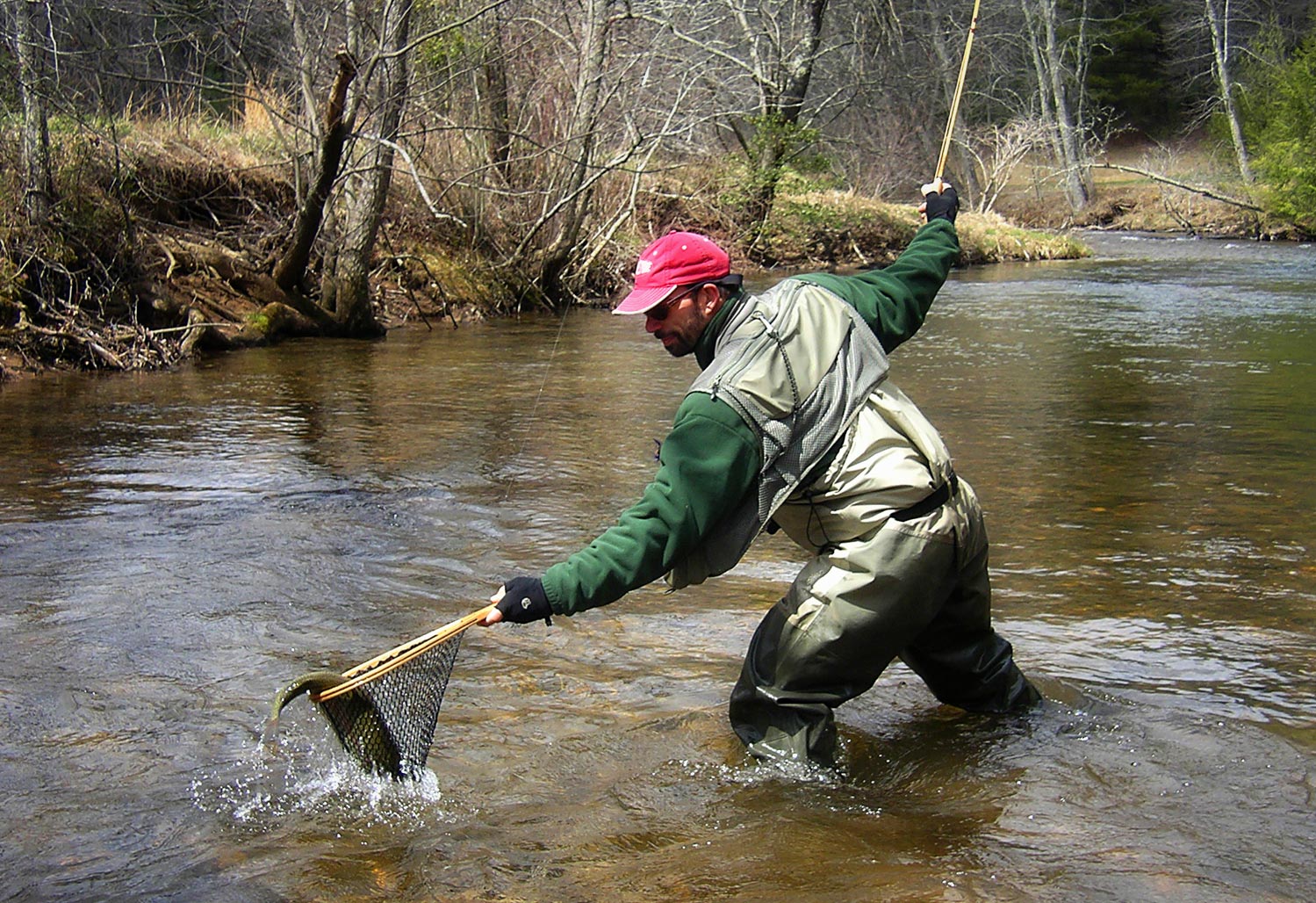
ELATION, PANIC AND EPIPHANY. THAT’S THE USUAL ORDER OF EMOTIONS WHEN AN ANGLER LANDS THEIR FIRST BIG TROUT.
I had the pleasure of seeing a dear friend land his first trophy trout recently and I think that’s a pretty fair description. I think it’s pretty common for anglers landing their first plus-size fish to think, “Oh shit! What do I do now?” To the guy who is used to dangling a fish by the tippet, scooping an angry, hook-jawed behemoth with a trout net is daunting. Once you’ve done it a few times it becomes second nature but for those who are struggling (or yet to struggle) with it, here are a few tips.
Timing is everything
Netting a green fish, a fish who isn’t ready, is a losing proposition. On the other hand, playing a fish too long can kill them. Not to mention give them ample opportunity to unbutton. As long as a fish is holding himself upright in the water and keeping his head down, he is not ready for the net. Once he rolls on his side and comes to the surface, it’s time to net him. The first time this happens he may right himself again and make another run. The second time you should be ready to seal the deal.
Net the fish at the surface
As long as a fish has his head submerged he is in control. If you try to scoop a fish below the surface your odds are very poor. He can turn quickly to make his escape and there’s a good chance that you will catch the line with the net and break him off. Lift your rod tip high as you reach for the fish and keep his nose out of the water. As long as his nose is dry he can’t make a break for it.
Net the head
Don’t try to scoop a big fish from behind. You might
Saturday Shoutout / Magic and Heartbreak
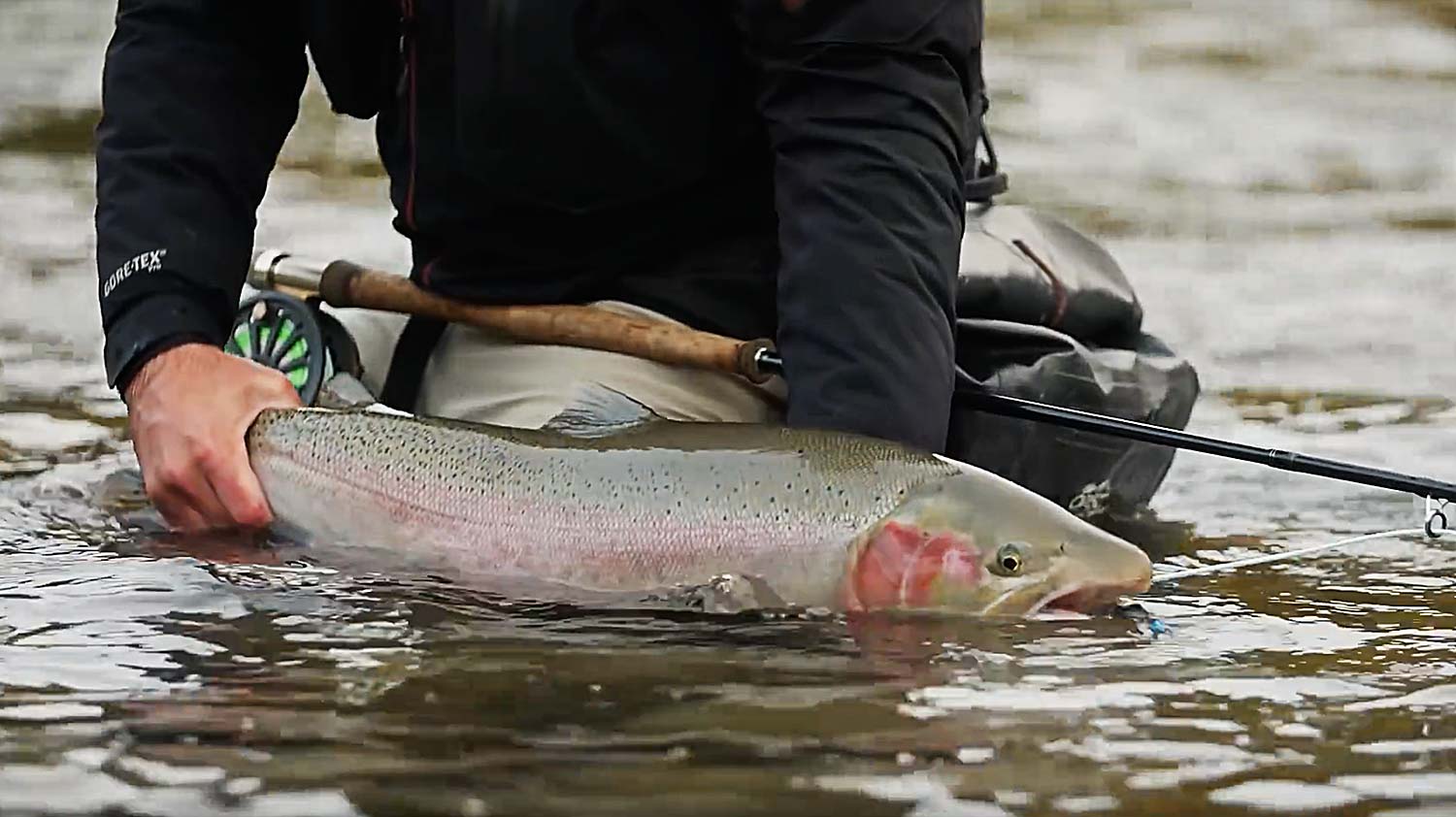
There may not be two more perfect words in the English Language to sum up Steelhead than magic and heartbreak.
Every steelheader knows the time, effort and faith invested in hooking a fish. Every steelheader knows the feeling of loosing that fish. That’s the heartbreak, but the magic is just as powerful. There’s no feeling quite like holding a beautiful, wild steelhead in your hands. Nothing quite as rewarding as watching it slip from your hands and disappear into the depths. And few things as painful as knowing it almost happened.
Follow Ben Paull, of OPST, as he experiences the heartbreak again and again, then finally turns it around for a little magic.
THE MAGIC AND THE HEARTBREAK OF STEELHEADING
Read More »Make Beautiful Silk Wraps on Your Fly Rod Build
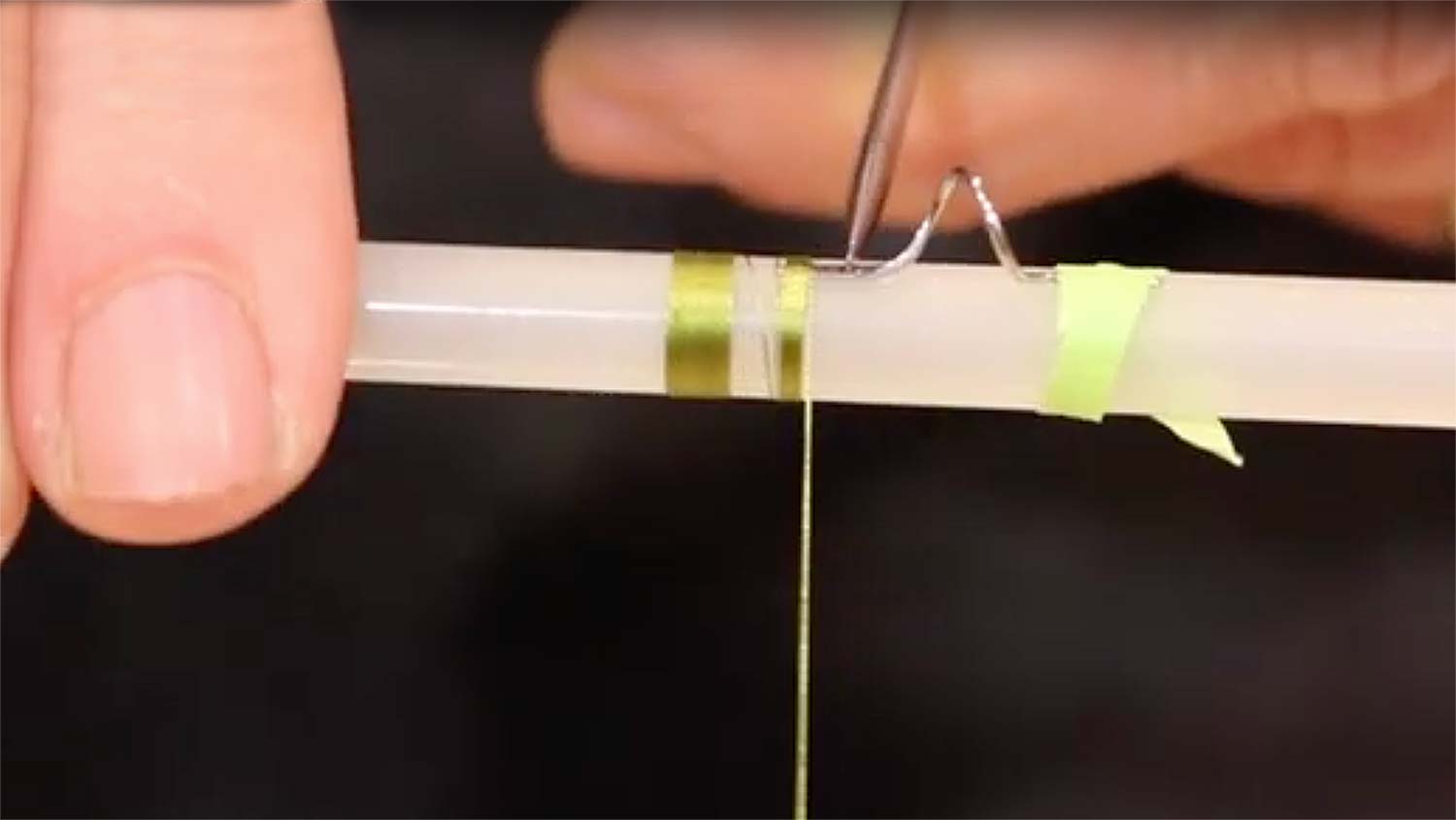
There’s nothing quite like a nicely done silk wrap.
If you want to take your DIY florid build to the next level, silk wraps are a good place to start. It’s not hard to make good silk wraps, but there are some tricks you need to know. It’s different from working with nylon for sure.
In this, the first of a 3 part video series, Matt Draft, of Proof Fly Fishing, will get you started with the basics of making clean wraps in silk and some tricks for working with silk on guides.
ROD BUILDING INTRODUCTION TO WORKING WITH SILK THREAD
Read More »Smith Optics Giveaway: Winner!
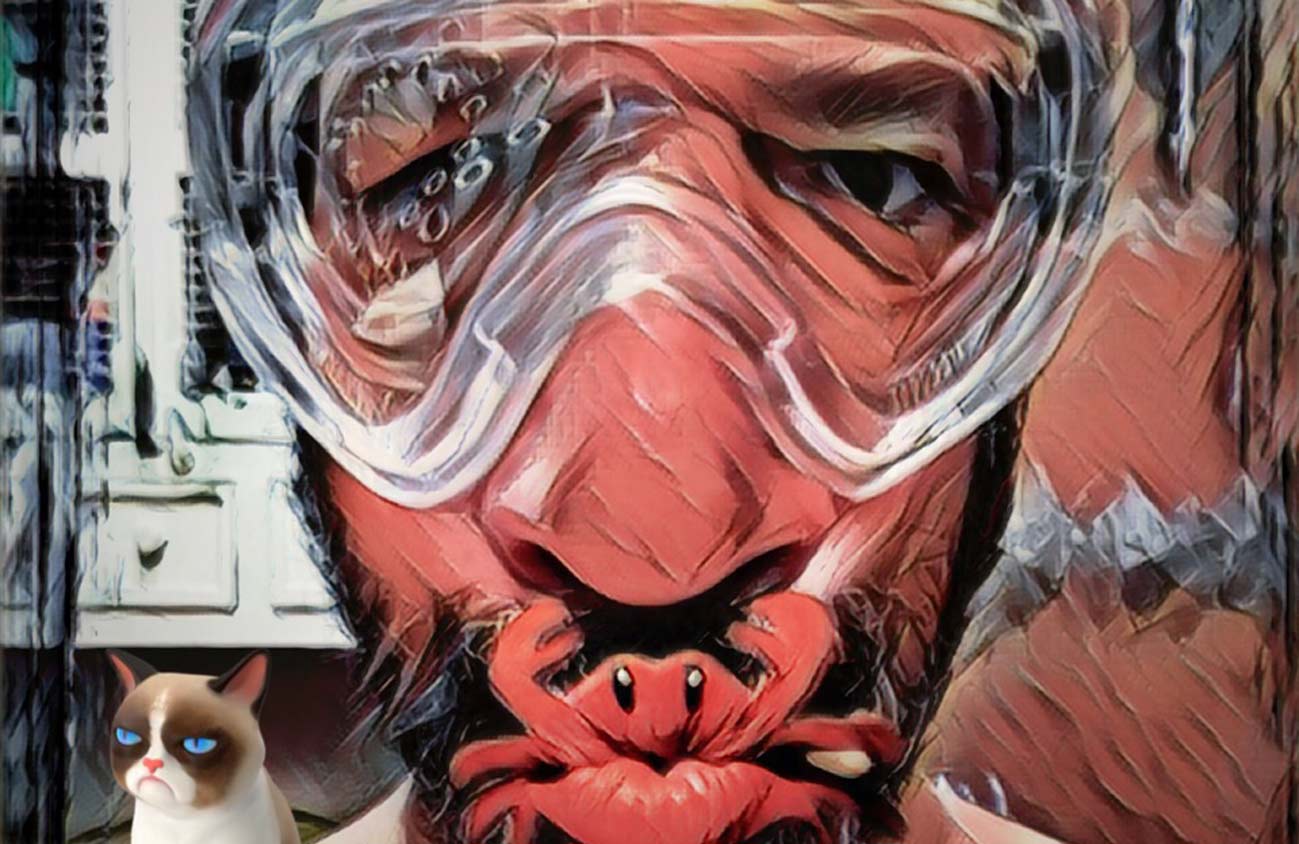
Someone is getting a new pair of fishing glasses from Smith Optics!
And that someone is Justin Garant.
I absolutely love Justin’s trippy reimagining of me and Grumpy Cat. I may actually hang this in my bathroom, its so awesome. We had some great submissions and, on the whole, you were all very generous with me. I guess that shows what a great crowd the G&G readership is. You make me proud.
On a personal note, the eyes are doing well. I’m two weeks past the second surgery now and feeling good. It’s still very early but it looks like I’m going to have pretty good vision. There will likely be some follow up work to do, but not for a while. I feel pretty confident that I can work over some bonefish with what I have, and I’ll be finding out in just over a week when I host a group at Abaco Lodge. Wish me luck.
I’d like to thank all of you who entered the competition as well as a big thank you to Smith Optics for sponsoring. I’d personally like to thank all of you who saw fit not to comment or email about my many typos during the last month. Seeing my screen has been a challenge, and may be for a while yet. Thanks for your patience.
Read More »Fishing the Fall, What You Should Know About Sinking Fly Lines
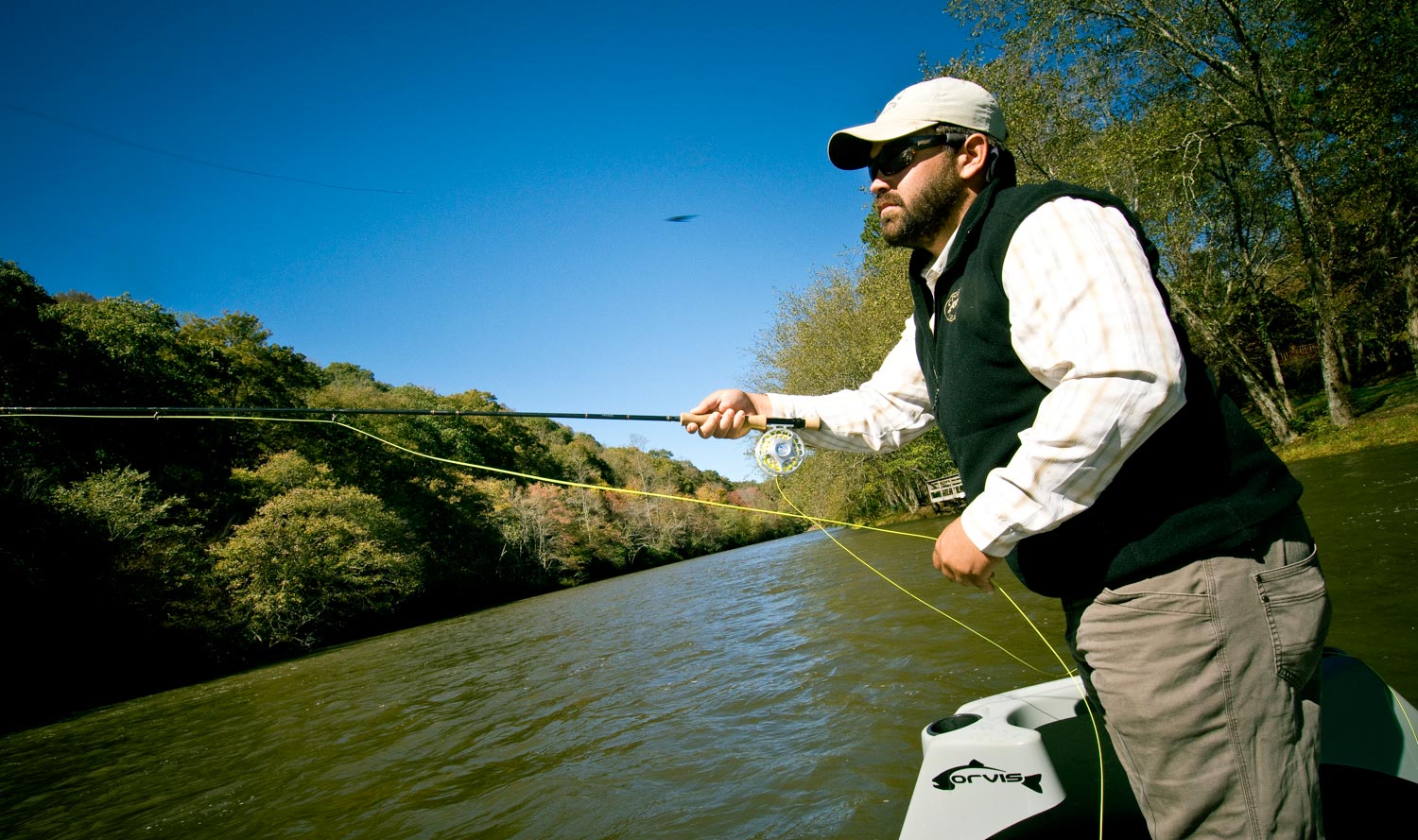
By Garner Reid
A GOOD PORTION OF MY FLY FISHING INVOLVES THROWING SOME SORT OF A SINKING FLY LINE.
Realistically, half of my time on the water involves streamers and sinking lines at least for some part of the day. If I am not out on the water guiding for streamer-eating fish like stripers, I’m in the fly shop talking about them.
I have come to the realization that there is some mystery for most anglers when it comes to choosing which sinking fly line will suit their needs. The selection of sinking lines on the market today is as vast as the waters where we chase our quarry. Today fly anglers can effectively target fish at any level in the water column, given the right combination of rod, fly line, and fly pattern.
When chasing large predatory fish like bass, stripers and big brown trout in moving water you have to get down deeper than floating lines allow. With all of the options and versatility, it is easy to get confused. I have put together some thoughts to help you choose the right line configuration to effectively get into fish.
Fly Weight vs Sink Rate of line
After several seasons experimenting with different types of sinking lines and various streamers, I have found a number of variables which I can control to have a productive day on the water. A big factor in my success has been dialing in the correct weight for the fly with the sink rate of the line.
For most fishing conditions, my primary concern is
Read More »Review of PostFly Box
By Justin Pickett
Box subscriptions. Little packages of awesomeness delivered to your door monthly.
Everything from cosmetics, survival gear, dog treats, coffee, and exotic foods can be shipped to you every month with the swift click of a mouse. And, thankfully, there is a box for fly anglers as well.
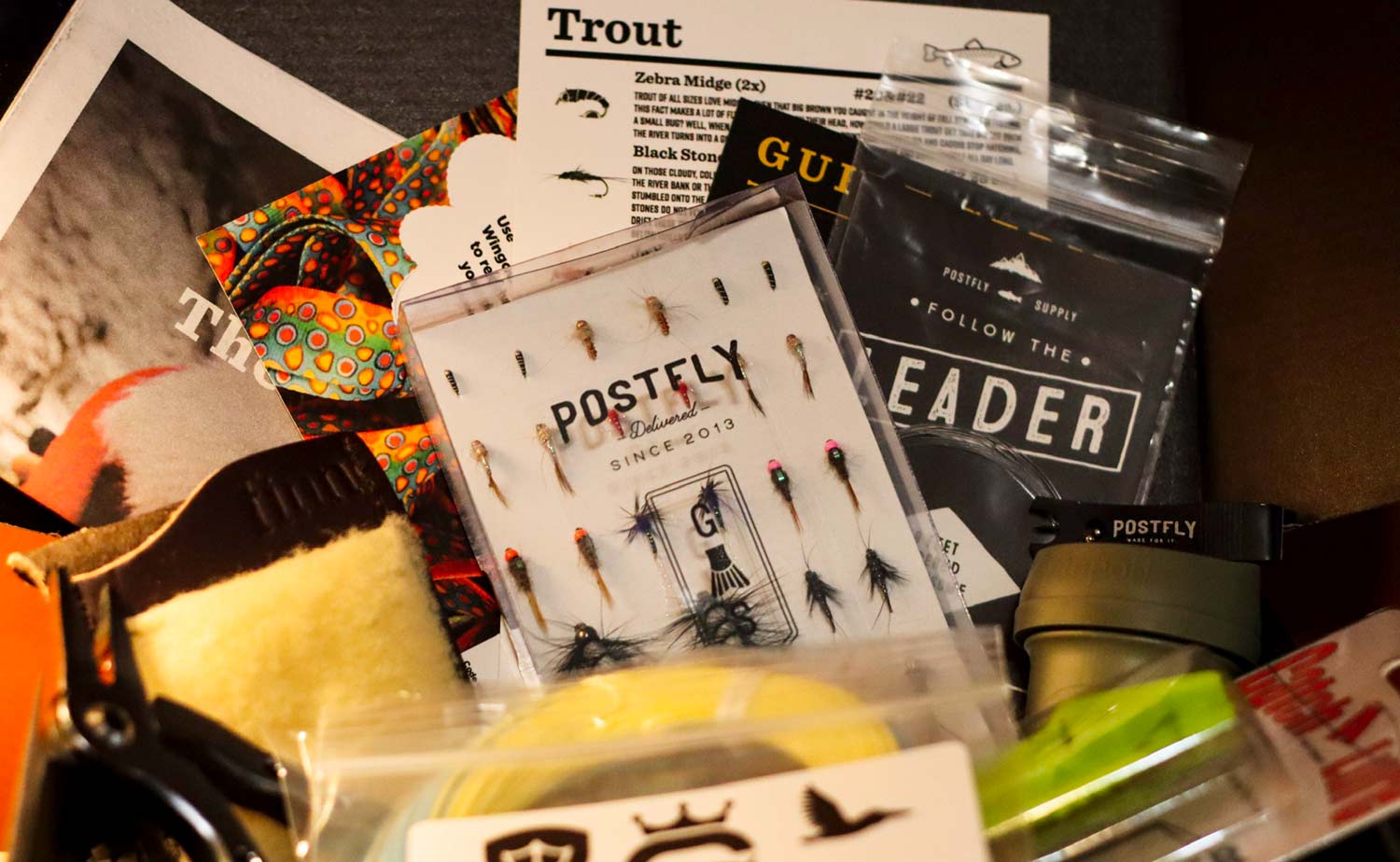
Post Fly began its journey a few years ago as the first (that I know of) subscription box for those looking for some monthly fly fishing swag. Concentrating mainly on flies, Post Fly would deliver a sweet little box of goodies every month for nineteen bucks. You could count on getting at least a dozen trout flies, as well as a few other goodies like a leader, tippet, a coupon, and a sticker or two. When they first debuted their subscription program I was hooked. Take My Money! My wife had already bought into a couple of these subscriptions and, quite frankly, I was a little jealous every month when her box full of goodies would arrive. But, now I had one of my own!
I remember getting my first little black box of goodness in the mail. After running back inside, I dissected the box and spilled its contents on to my kitchen table. There were the aforementioned extras and a small, plastic container containing this month’s flies. Popping the top, I peered into the cup to see a mangled mess of flies… hmmmm. I poured them out onto the table and sorted the flies by pattern. There were definitely some interesting… ummm… patterns amongst this lot of flies. One in particular that was surely meant to emulate a popular pattern, but in a way that was hard to describe. The flies were the kind that you would likely find in a clearance bin or on a sales rack at Big Lots. I’m not trying to kick ‘em in the balls about it. I recognized that this was a young company with a great idea. I still saw the value and enjoyed getting that box every month.
Fast forward a couple years and those boxes are still flooding mailboxes on a monthly basis, however things are different for Post Fly. They have been working smart and hard. They have obviously developed some great relationships within the fly industry, and their members are getting some serious bang for their buck. Post Fly has grown from a trout fly subscription into
Read More »Sunday Classic / Check Your Rig For Tangles and Unwanted Debris
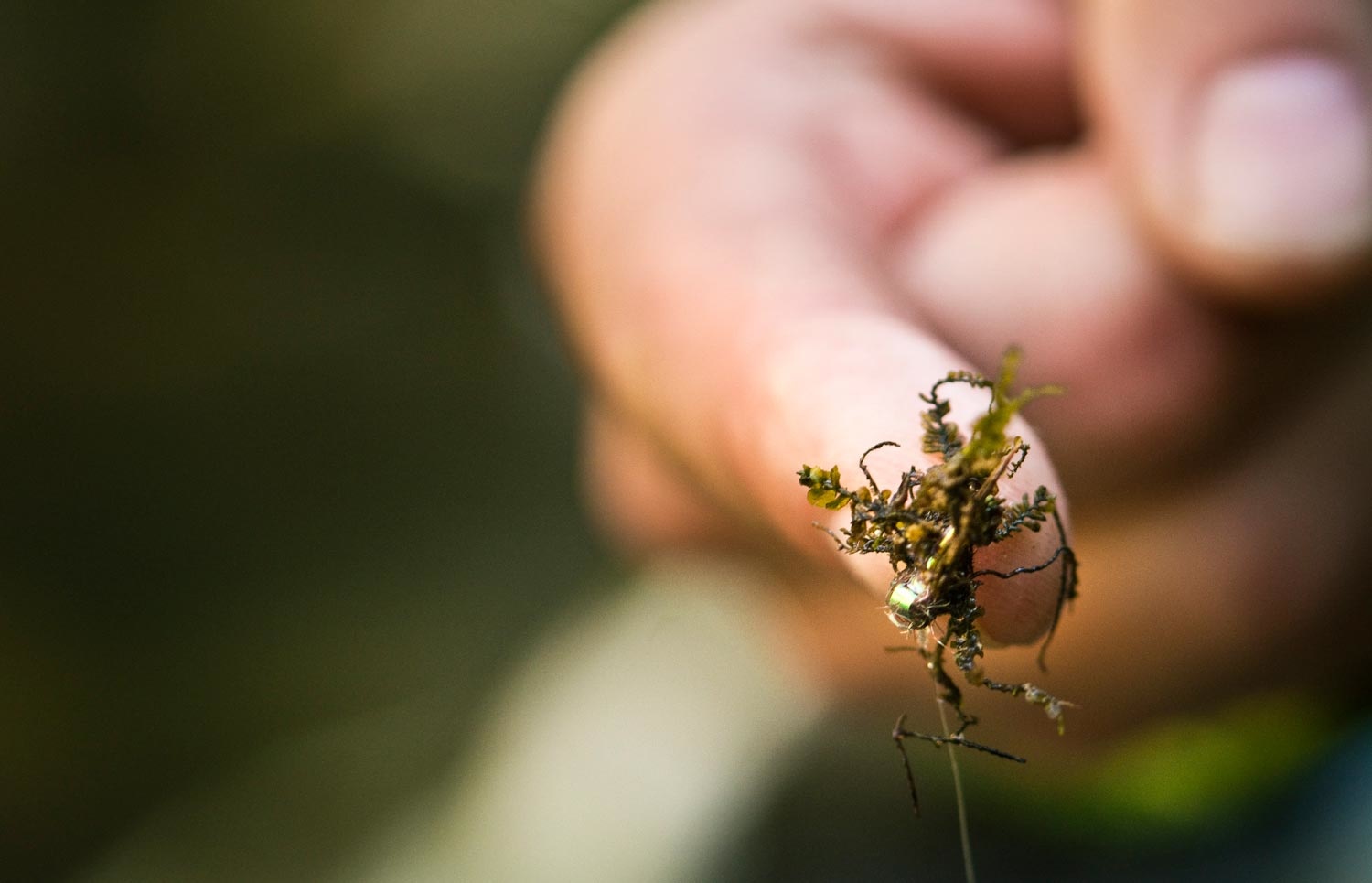
The other day, guiding two anglers, I learned a valuable lesson of how important it can be to regularly check fly rigs throughout the day. One of my clients had just landed a nice trout, so I told him to wade up and fish the next spot upstream, while I spent a few minutes instructing his buddy. About 15 minutes later, I returned to the client I had left, and asked if he’d gotten any action while I was gone. He responded, “No, but I made some really good presentations and drifts.” Surprised that the spot didn’t produce any trout (as it usually does), I requested him to bring in his rig for me to inspect his flies, and I immediately noticed the problem. There was a big glob of debris attached to his fly. It was evident that the nymph rig had snagged the bottom early on, grabbed some debris, and the trout had ignored the salad covered fly the remainder of his drifts.
It’s really easy for us to get lackadaisical on the water fly fishing, especially when we’re enjoying our time away from work and the beauty of the outdoors. Failing to take the time throughout the day to inspect and perform rig maintenance on the water, can have you in the penalty box without even knowing it. The two most common causes are rigs tangled (dry/dropper rig or tandem nymph rig) and flies that are carrying unwanted vegetation. Next time you’re on the water and you’re not getting bites when you think you should be, stop and check your rig for problems. It could very well, be the only reason why you’re not getting your rod bent. For all you guides, make a point to inform your novice clients of the importance of doing these maintenance checks before you leave their side. It’s a valuable lesson many beginners will overlook if you don’t point it out to them.
Read More »Saturday Shoutout / SCOF and the Island of the Damned

Things are getting scary at Southern Culture on the Fly.
This issue of SCOF gets a littler weird, even for SCOF. It’s not for the faint of heart, and it’s not to be missed. You might say it’s, DAMNED good!
CHECK OUT SCOF AND THE ISLAND OF THE DAMNED.
Read More »