
Sunday Classic / Get A Better Grip On The Spey Rod
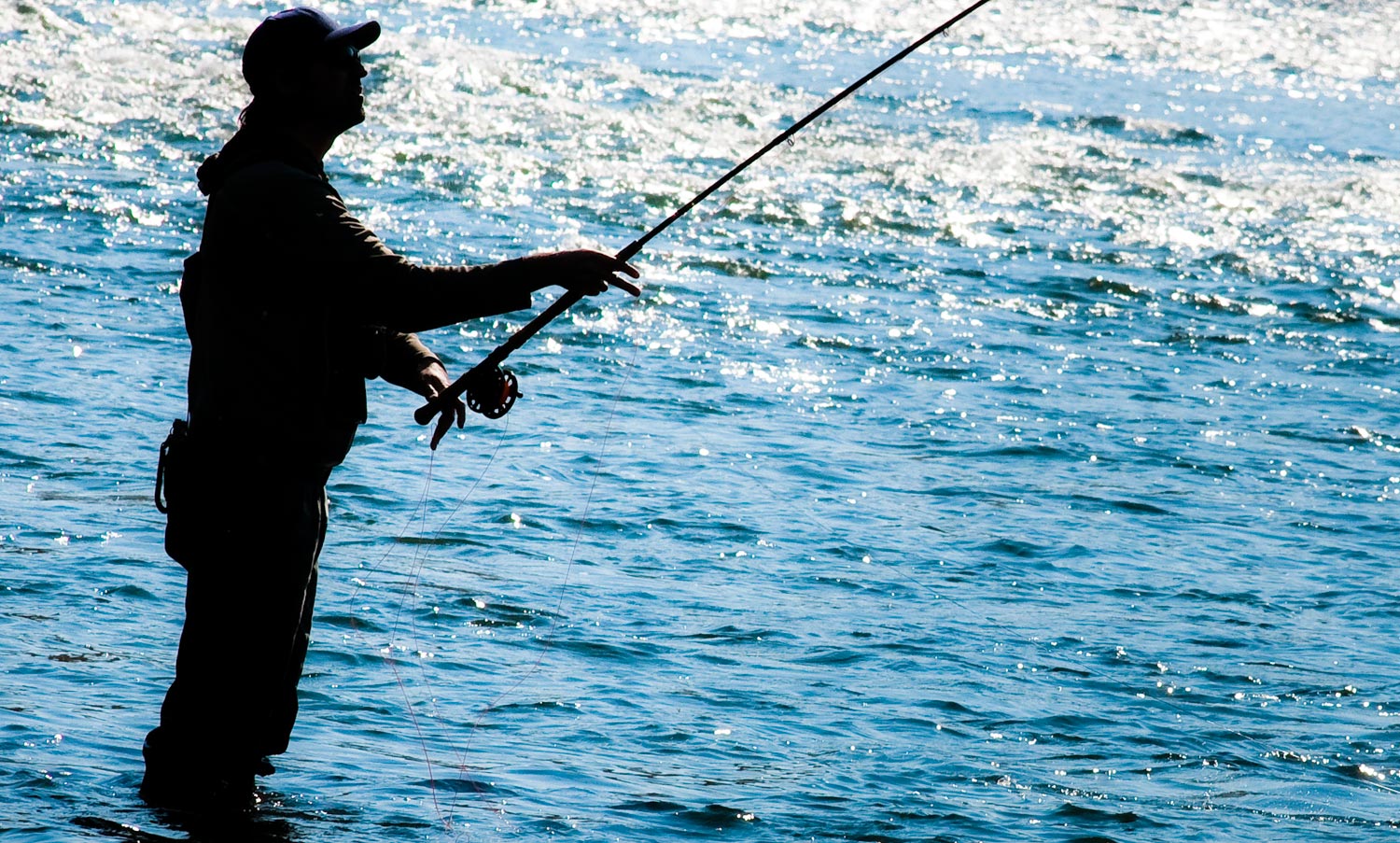
ALL FLY CASTING IS ABOUT CONTROL AND TIMING, NOT POWER.
This is never more true than in Spey casting. Perhaps because there are more moving parts to a Spey cast, rod and line control are crucial. This is especially challenging for the beginner whose muscle memory is only just developing. Often a cast will “break” for no reason. That is to say that, all of a sudden that double Spey you’ve been throwing all morning just doesn’t work any more. Often the reason is a loss of control.
Here’s a tip that will help those of you who are new to two-handed casting maintain control. The first step in a controlled cast is the proper grip. It’s something that doesn’t get talked about enough. Most anglers who are new to the Spey rod think of it like holding a golf club or baseball bat. A familiar tool for most of us, but the Spey rod is quite different and so is the proper grip.
Hold the rod with your finger tips. A gentle grip is all that’s necessary. Using your fingertips accomplishes two things. It keeps your arms relaxed, as you are not tempted to put a death grip on the rod. A relaxed posture is important for fluid movement. Gripping with your fingertips also engages a different set of muscles. Muscles, which are tuned to fine motor skills like writing.
The result is a casting stroke that
Read More »Saturday Shoutout / Yin and Yang in New Zealand
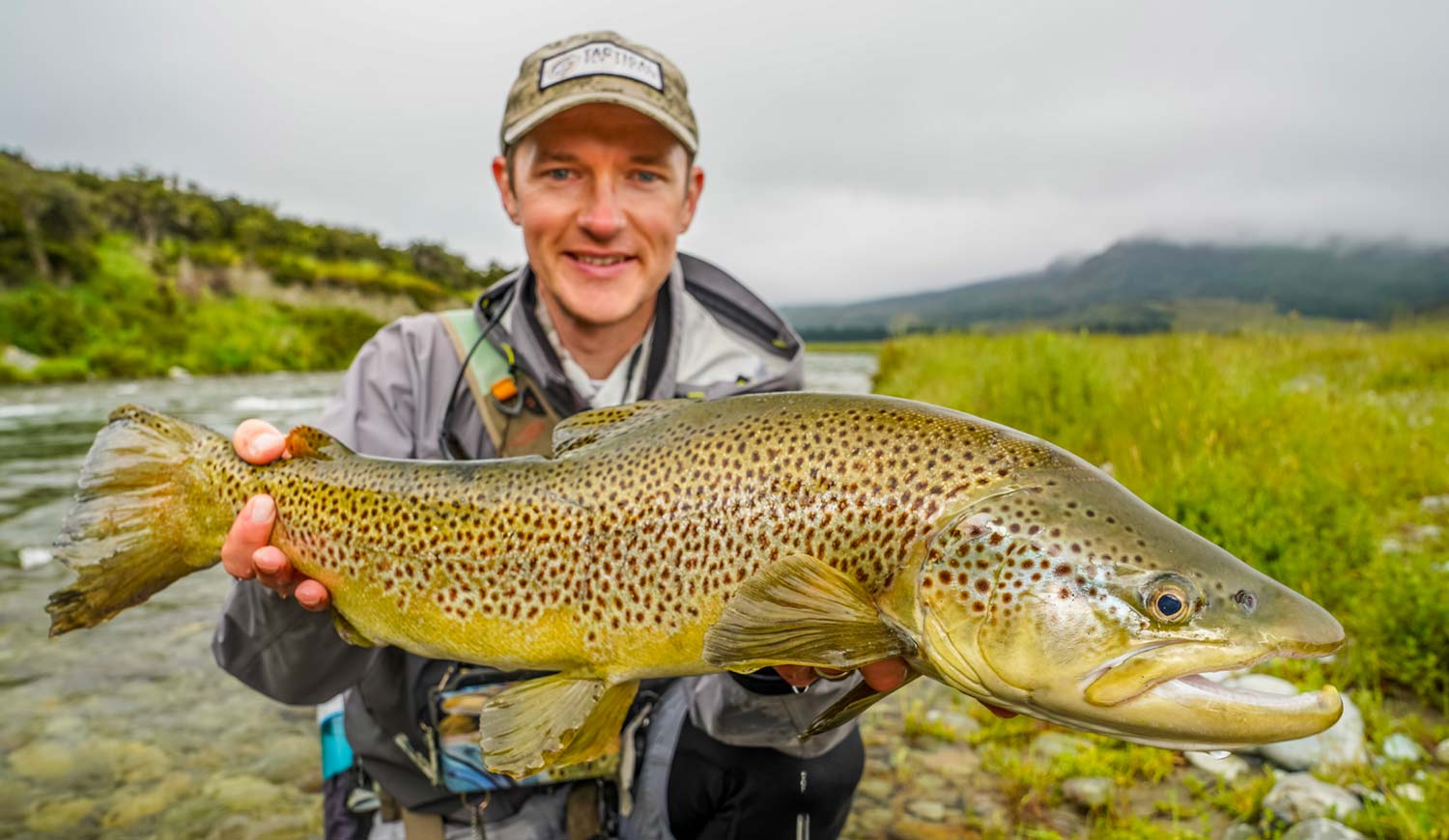
Every day on the water is a new beginning.
If you fly fish for any time at all, you’ll quickly realize that it’s Mother Nature’s show and we are all just day players. There are lessons around every corner and some of them are in humility. When you are able to accept that and fish for the joy of the bad days as well as the good, you realize, every day on the water changes you. Hopefully for the better.
I ran across this story by Devin Olsen on his blog at tacticalflyfisher.com. It’s great to see how a couple of the best anglers on the planet handle getting served on a tough day, and how they turn it around.
YIN AND YANG: FINDING JOY IN THE TOUGH AND GREAT DAYS IN NEW ZEALAND
Read More »River Of Dreams
By Louis Cahill
I DREAM OF WAKING IN A FOREST.
Or where a forest had been, now sooty black. Smoke swirls, orange eyes peer from hunks of coal. Charred trees accuse the sky. White ashes whirl in the air, angels lifted to heaven. I’ve slept through some great conflagration.
I walk, leaving white footprints on blackened ground. Smoke, steals my vision. Trees turn from black to gray, to white. I stop at a river bank where ash becomes grass, high and yellow like autumn. Dark water churns, its surface oily in the soft light. Standing in the river, bare to the waist, my father, his eyes fixed on the water, his hair wet and tossed, his arms outstretched like a cormorant drying its wings. In the current, the dark shapes of fish.
I follow the sound of falling water to a large pool ringed with tall grass. At its center, a deep black pit. The pool flows in on itself, the water pouring over a rocky rim, angry, foaming white. The sound deafening. A gaping bottomless maw, ringed with white foaming teeth, swallows the river and roars at the sky.
***
I think of my father now and see him, not drawn and frail. Not balled and withered, eaten with cancer but a strong young man, shirtless with wild, wet hair. A man from a black and white photograph. The luxury of survival, to carve the past in a form more pleasing.
Standing in an Oregon river, in a run instantly familiar, I swing a fly for steelhead.
Read More »Sunday Classic / Fly Fishing: Is There a Time When Anglers Should Admit Defeat and Move On?
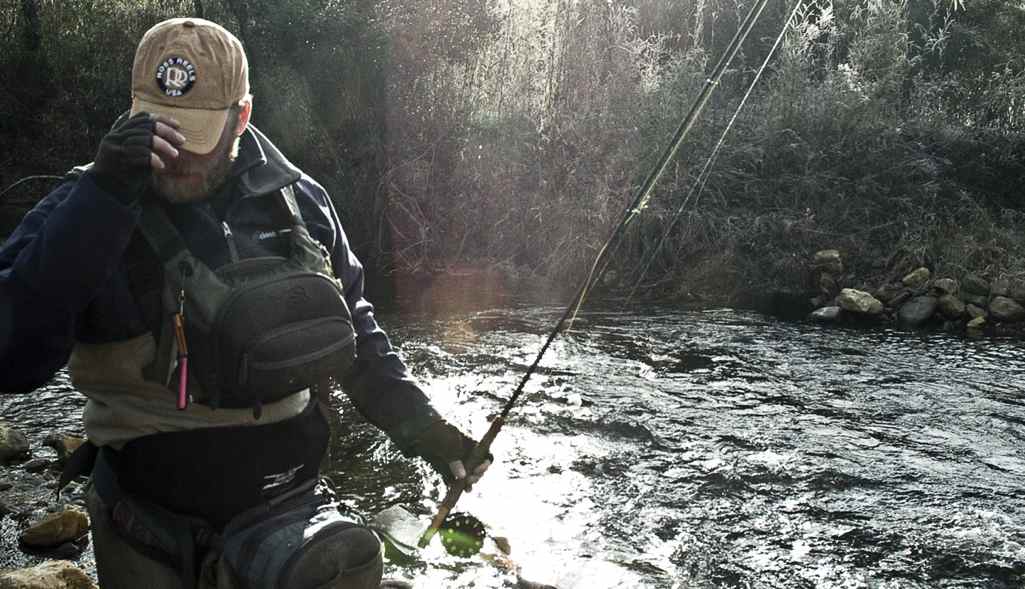
IS THERE EVER A TIME WHEN AN ANGLER SHOULD ADMIT DEFEAT FROM A TROUT, PAY HIS/HER RESPECTS AND MOVE ON?
We’ve all been there before, sight-fishing to a trophy trout, only to have it ignore our flies time and time again. An hour or more can go by without the slightest sign of interest by the fish, while it remains in the same basic holding spot all the while unafraid, almost as though it’s staring you down and challenging you to catch it. You press on with unwavering persistence until your patience runs dry. You’d argue that the trout isn’t hungry, and that’s why it hasn’t eaten any of the fly patterns, but every time you start to believe it as a viable excuse, you see the flash of white, from the trout opening its mouth and sucking in a bug. You’ve changed flies more than a dozen times now, you’ve made well over a hundred casts, and you’re ready to throw in the towel. Yet every time you reel in your line and begin to walk away, the feeling of defeat shouts “halt, go back! Just make a few more casts. You can do this.” Sometimes you end up winning the battle, other times the take never comes. The times when your line does come tight and you do hook and catch the trout, do you ever wonder if the fish really ate your fly or if you just accidentally flossed it?
I have a good friend from Colorado that told me he once scuba dived in a river and watched his buddy drift nymphs through runs that were loaded with trout. He said he was astonished to see how many times the tippet of the leader drifting in the current went into the mouths of trout, resulting in the fly of the hook snagging the trout. If you’ve ever fly fished for fresh sockeye salmon, you know that the majority of the time that’s exactly how you catch them. Only on rare occasions do they eat your fly, and even then one could argue it’s only out of aggression from the pending spawn. When my friend told me his underwater account, it made me wonder how many fish I thought I’d gotten to eat my fly in the past, but were actually fish that I really just flossed with my leader and snagged. Were those catches legitimate? Not unless you believe calculated or accidental flossing is legit. Maybe if you’re starving to death I could go along with that, but most of us don’t live off the land.
Read More »Saturday Shoutout / Expedition Taimen
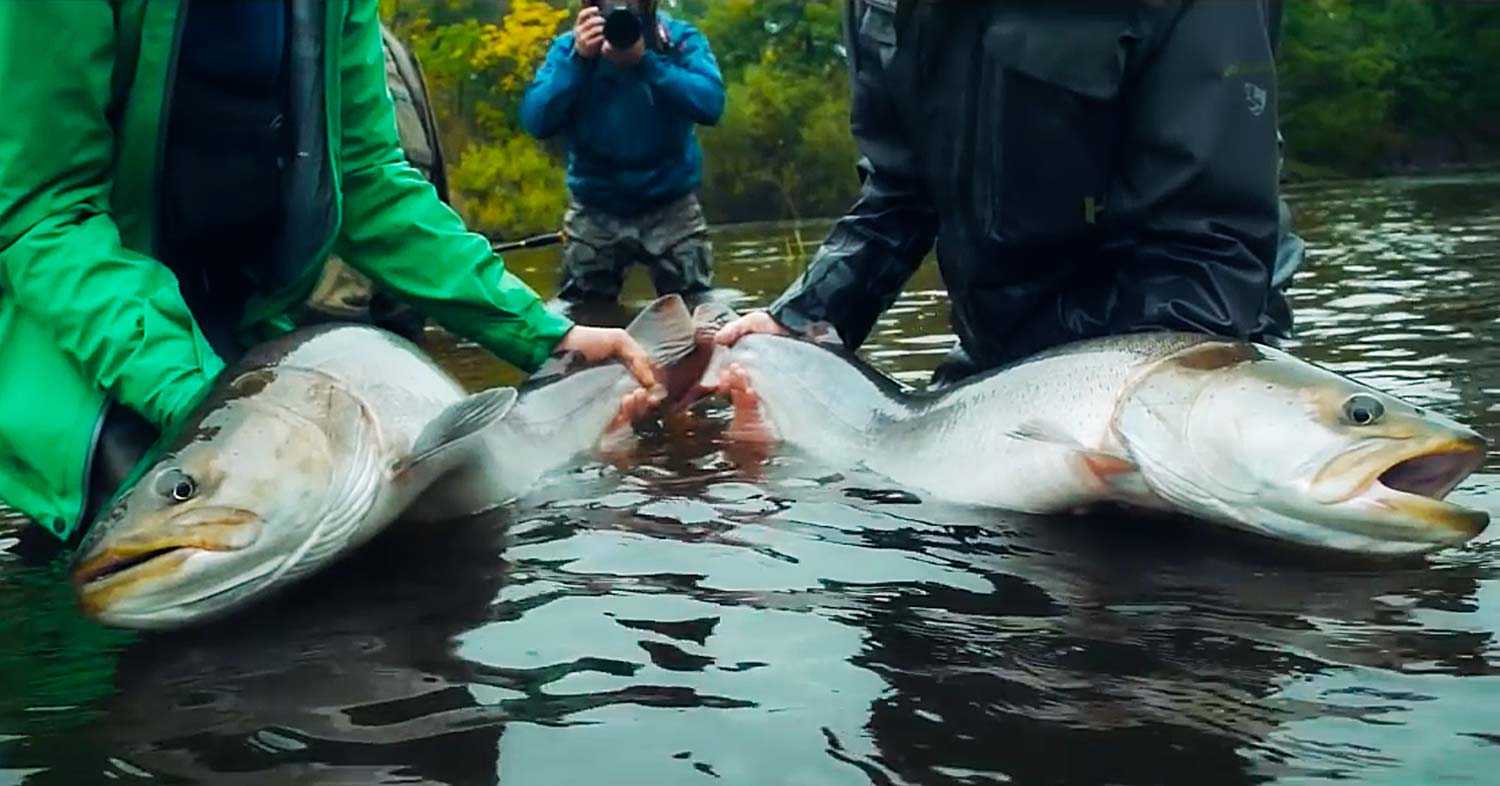
Fly-Fishing for giant taxmen in Russia.
Travel to Russia, drive a boat until you’re lost, crash the boat, shoot an AK-47 and burn your clothes. That’s a fishing trip!
ENJOY “EXPADITION TAIMEN”
Read More »Power Your Fly Cast In The Wind: Video
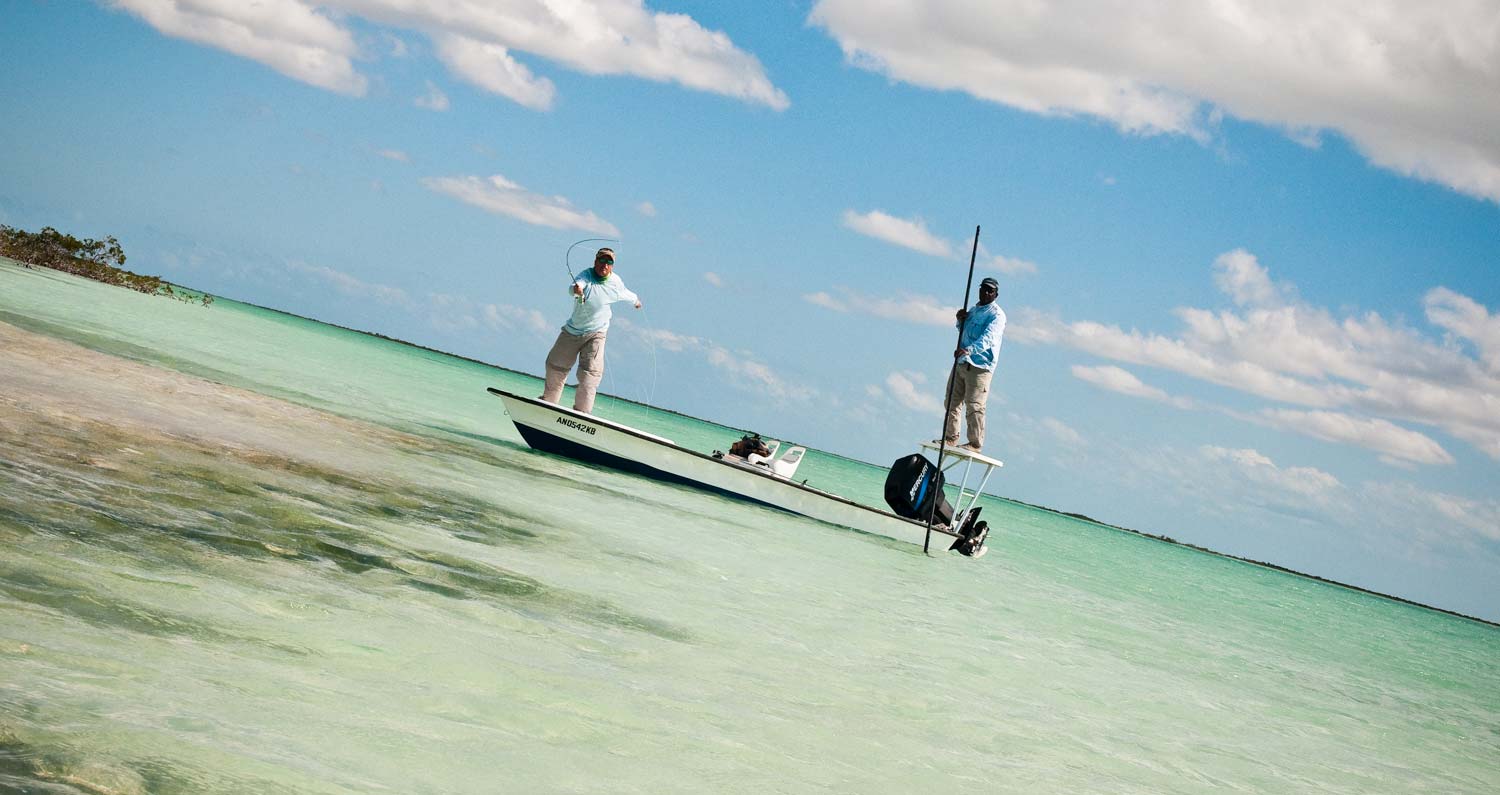
When casting a fly rod in the wind, technique always trumps power.
I work with a lot of anglers who struggle to make a good cast in the wind. It’s primarily a mental challenge. Wind has a way of getting into your head. It can quickly turn a good caster into a frustrated mess. If you can keep your wits about you, and your technique solid, you’ll be fine.
Everything matters when casting in the wind. Success is all about fundamentals. Your timing needs to be perfect, your application of power smooth, your stop hard and solid, but there is one thing I see time and again that frustrates anglers in the wind. The tendency to overpower the cast and drop the rod tip. if you can fight that urge, you’re on your way to a good powerful cast.
WATCH THE VIDEO FOR A COUPLE OF TIPS ON POWERING YOUR FLY CAST IN THE WIND.
Read More »Three Proven Options For Deep, Deep Nymphing
By Louis Cahill
IT’S TIME TO MAKE LIKE CAPTAIN NEMO AND GO 20,000 LEAGUES UNDER THE SEA.
Sometimes the only trick to catching fish is getting the fly down to their level. When you’re nymphing and you’re not catching fish it’s always a good idea to add weight before changing flies. Often one split shot is the difference between fishing and casting.
I have fished with friends who were shocked at how much weight I use on my nymph rigs. They always end up following my lead and catching more fish. Especially in the heat of summer or cold of winter, weight is usually the answer. But just because you’re fishing heavy doesn’t mean you can’t fish smart.
Here are three rigging options that will help you make the most of the weight you use.
THE STRING OF PEARLS
The struggle in fishing deep is not sinking your flies. They are usually weighted and sink pretty quickly. It’s your leader that needs the weight. You can pile up a couple of #7 shot or a half dozen size BBs just above your tippet and it will drag that leader down but there’s a smarter way to use the weight.
I use hand-tied leaders and
Read More »My Spey Debacle/Two Handed Conundrum
By Brian Kozminski
I am a newbie. As in I have only cast a two handed rod a few times for Steelhead on the lower Manistee River.
Completely foreign and looking to establish at least some credibility in the Spey Casting World of Fly Rods. I have decided this was a perfect opportunity to ask friends who are two handed experts and share this experience with others who may be in the same boat as myself. Some of the terminology is intimidating- OPST, LASAR, MOW, Skagit, a huge variety of lengthy and weighted rods which are to be paired with even more variety of leaders and weighed line from yet even more line manufacturers. Spey Rods and Switch Rodshave evolved and even come together in a streamlined category- either a Long Two handed rod(Spey)- over 12 feet, or short- less than 12 feet- two handed rod(Switch).
To understand the rod and it’s capabilities, we can look at the origin in Scotland on the River Spey, where Atlantic Salmon were often targeted species, yet tall banks along the river thwarted traditional backcasts. The 13-14′ long rod has been in use in Scottish rivers for nearly a century, providing a common goal- to get a fly out in a wide river without backcast. The Spey approach keeps the line on the water and the fly in the targeted zone longer than a traditional line that would rise and pull a salmon fly out of the desired depth.
The use of two-Handed rods has spread, from the Pacific Northwest for Steelhead where it has obvious benefits, to break-lines in the east coast for Stripers and for myself in northern Michigan where freshwater Steelhead migrate in many of our rivers that connect to the Great Lakes. The dilemma is similar, my rivers may be smaller, but deep cut clay/shale banks or densely wooded cedar/pine forests don’t allow for great casting and the speed of rivers only allows my fly a momentary glimpse in the prime target zone of these silver bullets. So I asked my friend, Spey casting Guru Jimmy Chang what direction should I be looking for specific rivers northern Michigan has to offer.
“First you have to evaluate what river your fish- wide or narrow? Then what species- Trout or Steelhead?”
Read More »Sunday Classic / Dickey’s Tarpon Muddler
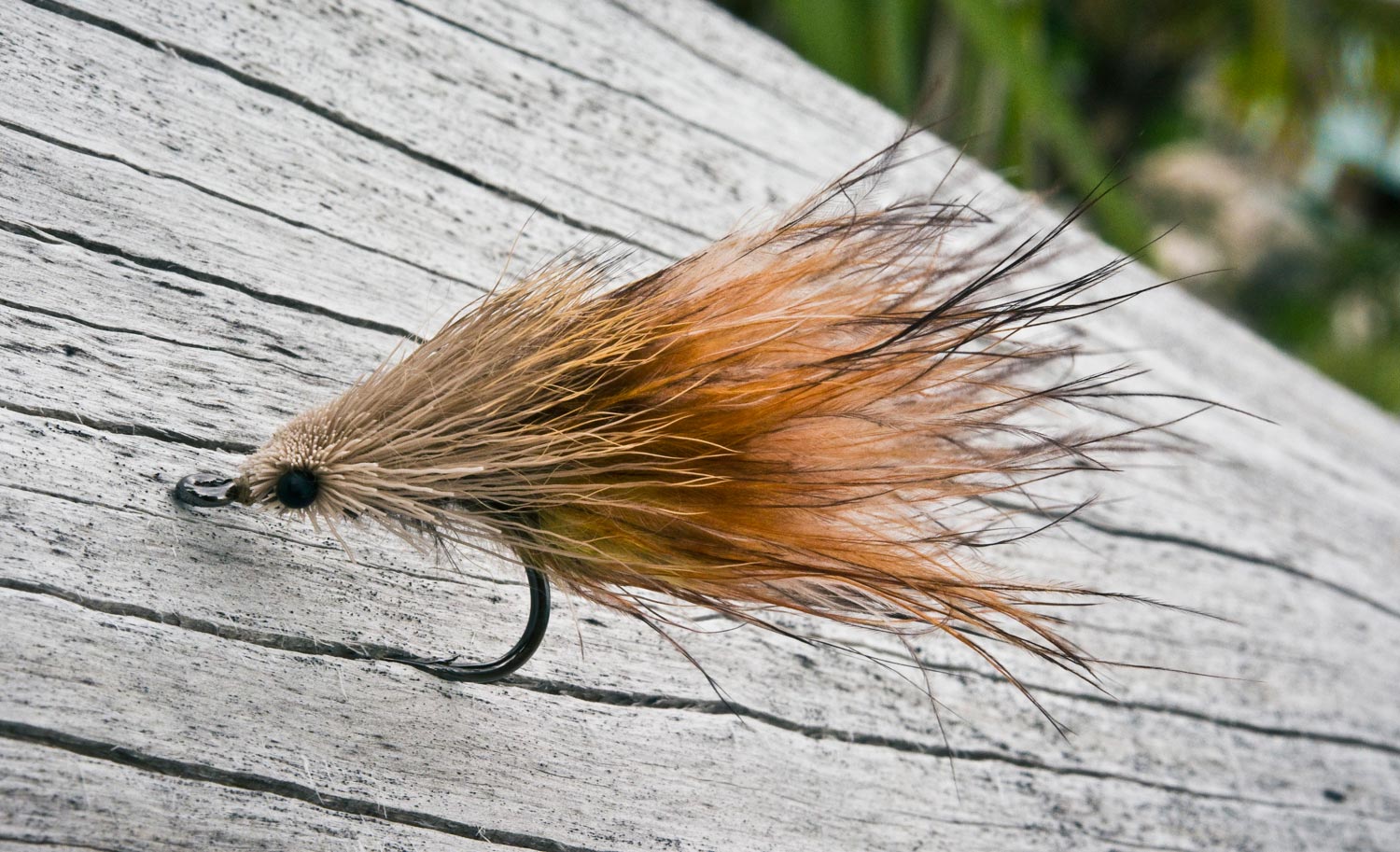
IS THERE ANYTHING MORE SATISFYING THAN CATCHING A FISH ON A FLY THAT YOU TIED YOURSELF? WHAT ABOUT WHEN THAT FISH IS A BIG, LAID UP TARPON?
Where going to spend a little time helping you do just that. A couple of my good friends are going to share some of their favorite saltwater patterns with you. Joel Dickey is going to kick it off with this great pattern of his. Dickey’s Tarpon Muddler.
This is a fly that Joel uses with great results for laid up tarpon and for rolling tarpon in the early morning. It’s a simple tie that uses some sexy materials and some traditional techniques. It has a great profile and an enticing action.
Watch the video and learn to tie Dickey’s Tarpon Muddler. It might just put you on the fish of a lifetime.
Read More »Saturday Shoutout / Notes From The Road
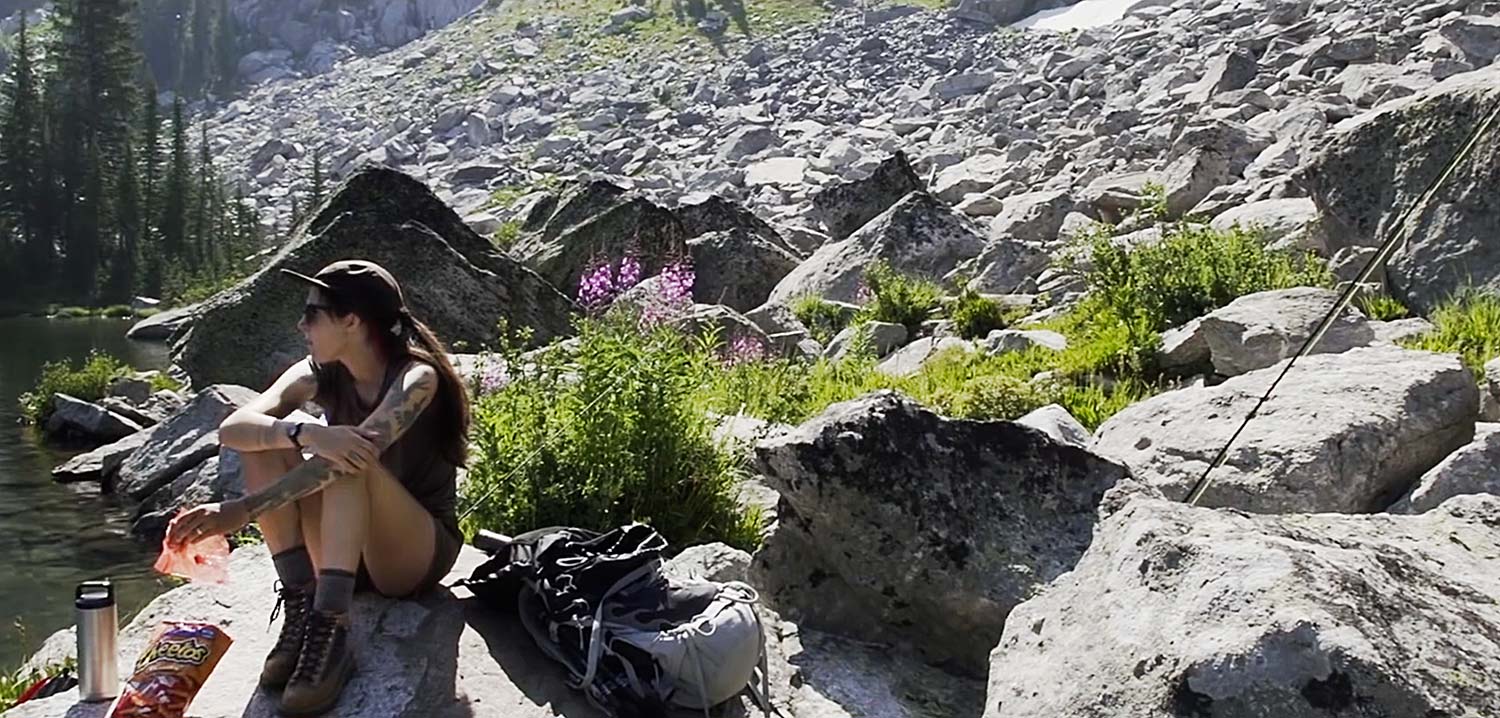
If you’ve ever fantasized about hitting the road in a Volkswagen van and fly-fishing your way across the country, this is the film for you.
Chase and Aimee Bartee chronicle their trip from Massachusetts to Idaho and back. Fly fishing, camping, #vanlife and #vandeath along the way. Notes from the Road is lovely, soulful and restful.
ENJOY: “NOTES FROM THE ROAD.”
Read More »