
Is the Fly Fishing Industry Making Us Soft?
By Paul Puckett
I DON’T EVEN KNOW IF THAT IS THE RIGHT WORD OR RIGHT WAY TO DESCRIBE WHAT I MEAN.
Being in this industry for just over 20 years, I have seen a lot of changes. Changes in the people who fish, the way they fish and what they fish with. You don’t have to work hard anymore to do something amazing.
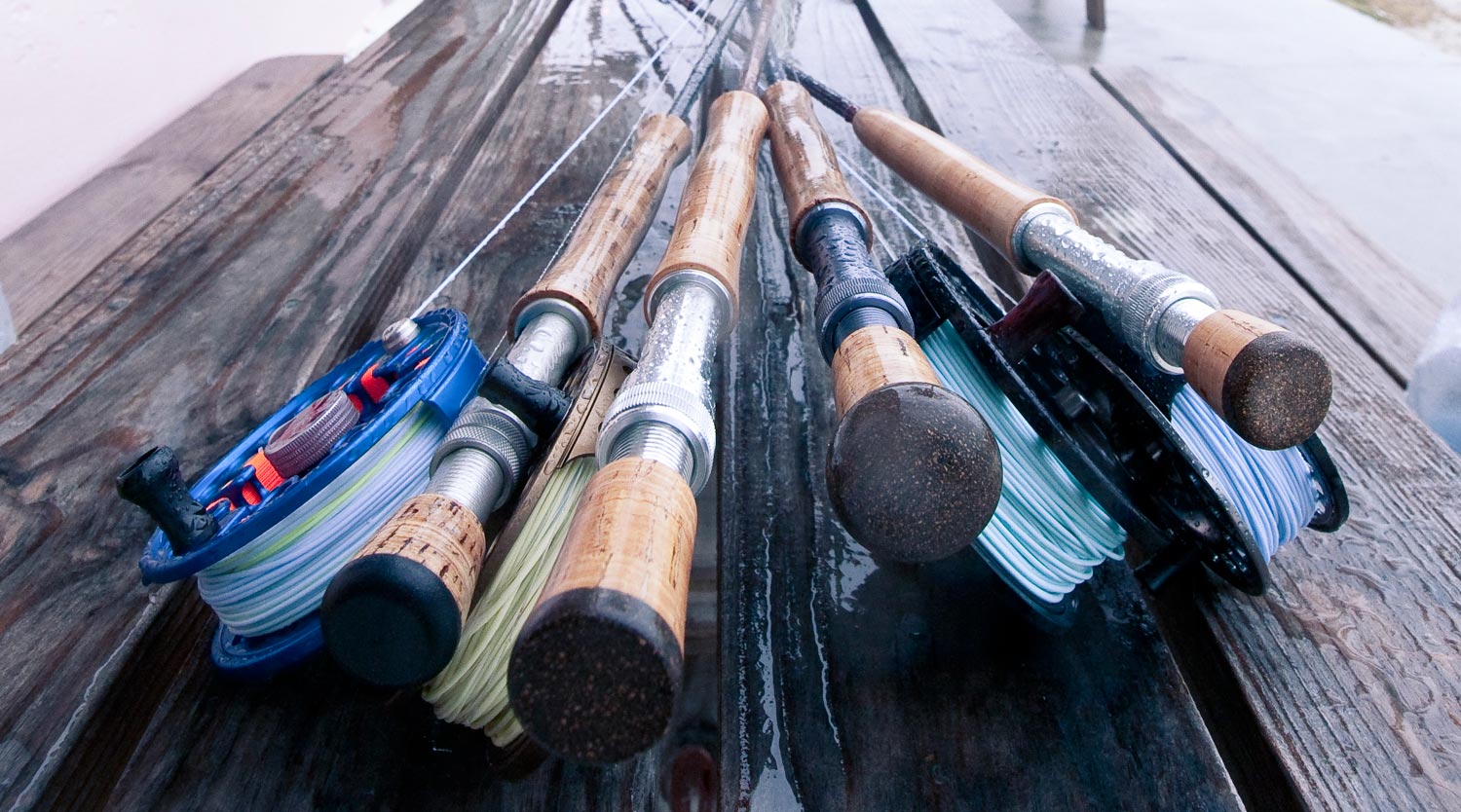
It seems like all the good spots are so exposed, and anglers feel entitled to so much, because they spent $1200 on a blue fly rod, a silver reel with floating tapered fly line. Don’t get me wrong, I am a gear junkie, just like 90% of people who fly fish. But has it gotten out of hand? Has the industry forgotten that fly fishing is about simplicity?
Every high end rod that has come out, in the past ten years, casts great. At least good enough to call it a “good” fly rod. My 5 and 6 weights are still Sage RPL’s from 1995 and I don’t plan on changing anytime soon. I remember when Ross made two reels, the Cimmaron and the Gunnison. That’s all we needed, because they were awesome. Now we have aero this, polymer that, composite those. Remember when Simms had one wader, and it was indestructible? I just retired my Simms guide waders from 1998 this year. That’s 15 years and a lot of fishing, sitting, hiking and seam sealing.
I am not saying we have to go back to the “turntable” record players of fly fishing, but I wish more people would appreciate the foundations of the sport. Cast a fiberglass rod or even bamboo. Hold on to good equipment, keep
Read More »Making the Bobber Better
IF YOU’RE GOING TO FISH A BOBBER, YOU SHOULD MAKE YOUR BOBBER BETTER.
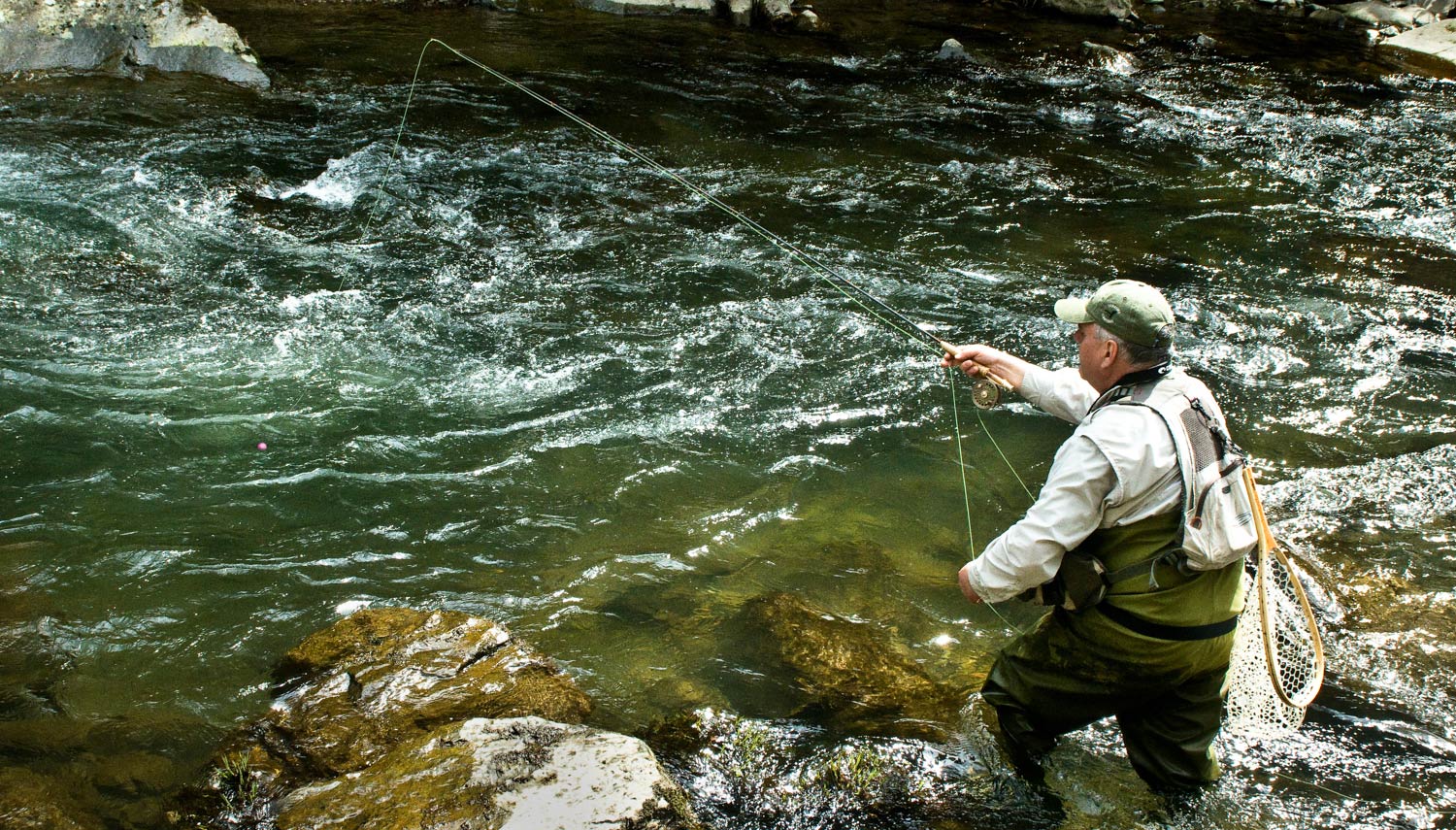
I’ve written a little lately about my growing discontent towards bobber fishing. I’m going to say again, on the record, that there is a time and a place for a big gaudy bobber and when it’s time to fish one, you want it to work at its absolute best. Right?
There are two common problems with the way a bobber functions. They are both a matter of drift. On the one hand, a bobber can negatively impact the drift of your fly, pulling it up in the water column and causing an unnatural drift. On the other hand, there can be too much slack between the bobber and the fly, causing your bobber to react slowly when a fish eats.
I was talking about this with my friend Whitney Gould the other day and she showed me a cool trick that solves both problems. This is ironic because Whitney is a renowned Spey caster who will not fish a bobber under threat of death and openly makes fun of anyone who does, including me. I don’t mind, because I’m not too proud to learn something and this trick is so simple I’m shocked I’ve never seen it before.
Read More »A Closer Look / The Large Mouth Bass
I’M GUILTY.
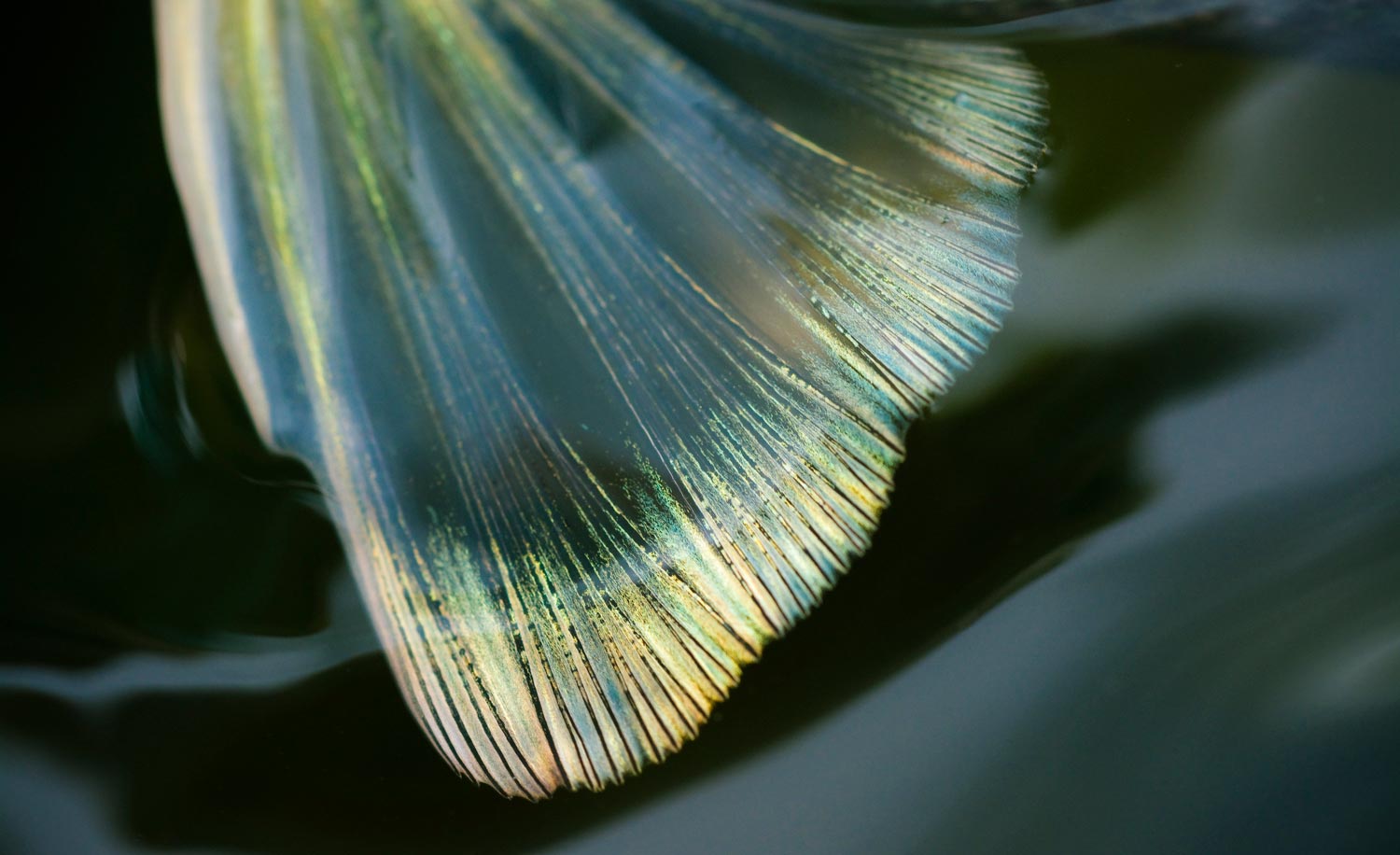
I have called them ugly fish. I have shown a lack of interest in bass largely due to their color palette. Then, just the other day I noticed the fin on this large mouth.
I’m a big enough man to admit when I’m wrong.
Read More »Little Things Matter: Tippet Spools
By Bob Reece
I’m a huge believer in the fact that little things matter.
I believe this holds true in all aspects of life, including the world of fly fishing. In the tackle setups that we as fly fishers use, our tippet is often one of those petite items of importance.
Spools of tippet in various sizes are an essential part of a successful day on the water. Their material allows fly fishers to create the connections needed for effective presentations and bringing fish to our nets. While this is widely understood, we often overlook the small aspects of maintaining and using these supportive spools.
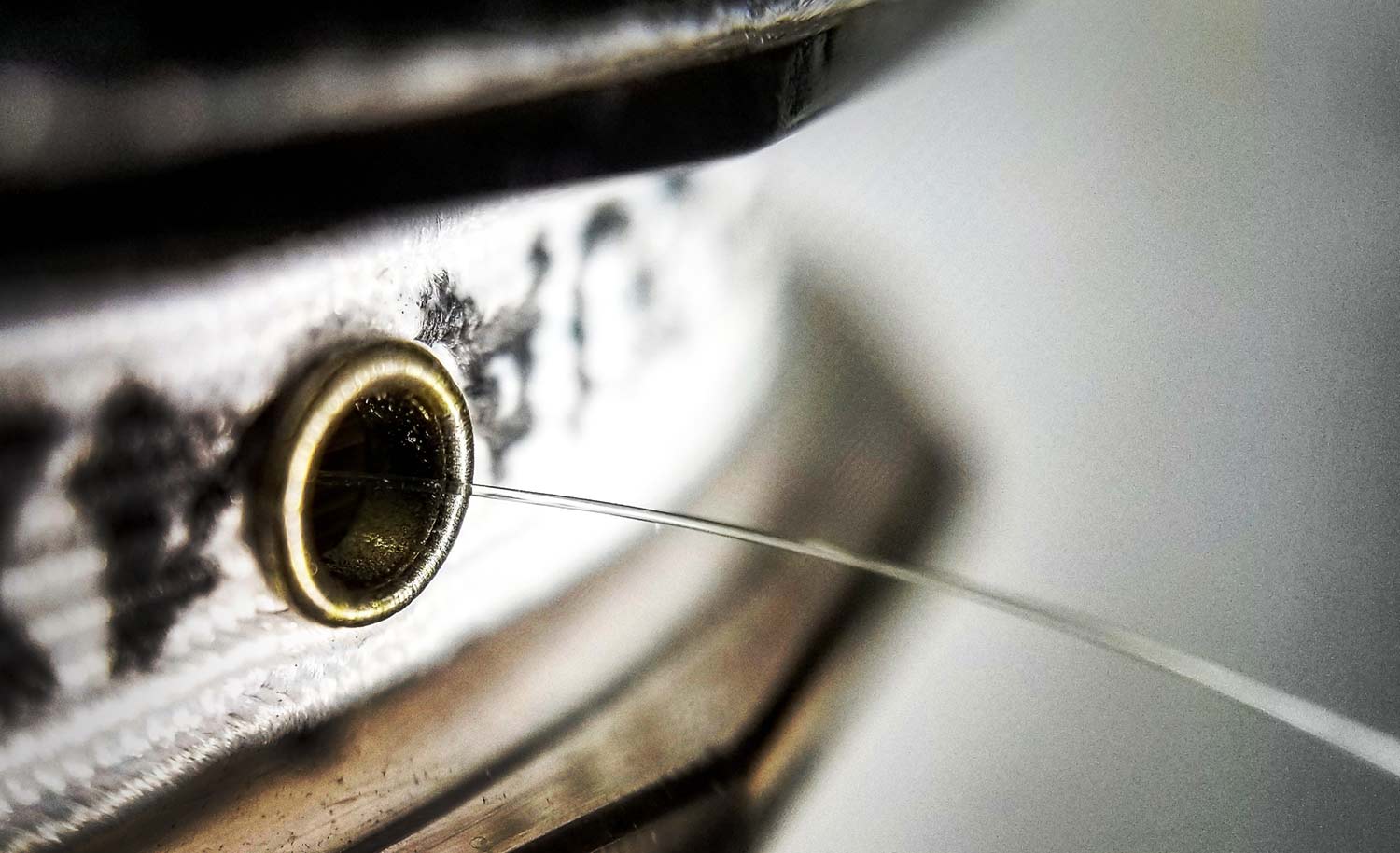
Many tippet spools have built in cutters that are imbedded in their plastic rims. During the bustle of a day on the water, the free end of tippet often works its way free from the metal eyelet and elastic band that hold it in place. If the tippet ends up on the same side of the band as the cutter, it is often nicked when peeled off the spool. These unintended abrasions weaken the tippet material and create the possibility of breaking off larger fish. To avoid this occurrence, check your spools throughout the day and leave a slightly longer than normal tag end when cutting off lengths of new tippet.
The same elastic bands that hold the tippet in place, can also blind us to the amount of material that we have left. I spend a significant amount of time fly fishing waters off the beaten path. It’s more than frustrating to reach for your first round of tippet and realize that there are a few inches left of the size that you needed most. I’ve made a habit of
Read More »The Case For Stoneflies
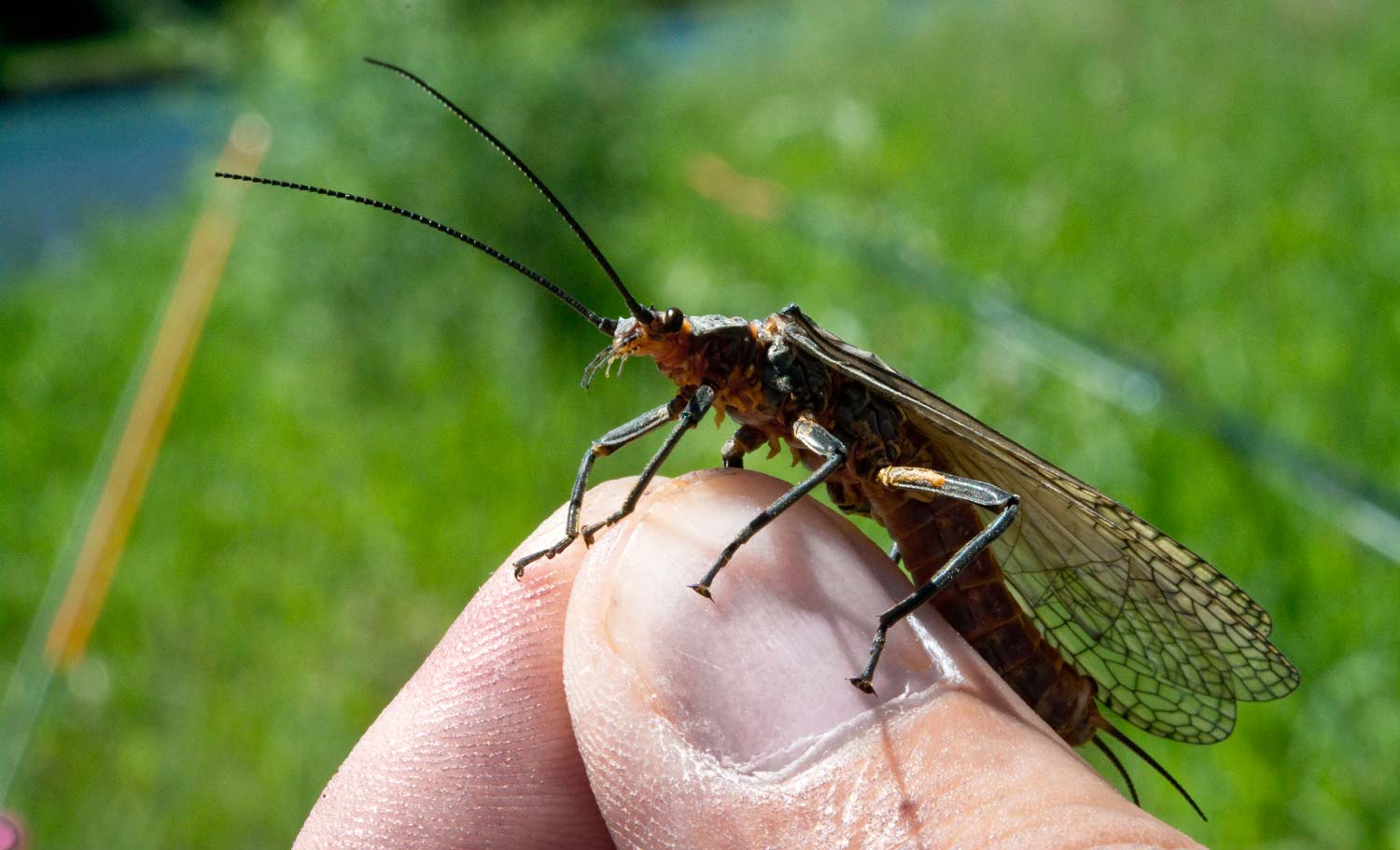
By Louis Cahill
I watched a video the other day about the most important insects for trout fishing.
The host listed the aquatic insects, we are all familiar with as anglers, in order of importance. I was a little shocked to hear my favorite bug come in last on the list, with very little discussion of his life cycle or how to imitate him.
I DECIDED TO TAKE A FEW MINUTES TO EXPLAIN WHY THE STONEFLY IS MY FAVORITE PATTERN FOR TROUT.
If you are a dry fly purist, I can understand why you might not recognize the importance of the stonefly. The supersize varieties that come to mind are a brief, seasonal hatch and can be hard to predict for casual anglers. You might carry a few flies, in case you’re lucky enough see the huge bugs on the water, or you might drift one along the bank if nothing else is happening. If, however, you’re the kind of angler who likes fishing nymphs or, like me, you live somewhere nymph fishing is the starting point, not plan B, stoneflies are the bomb.
There are many different varieties of stonefly and they come in all sizes. For trout feeding below the surface, which is most trout most of the time, they are an important food source, especially in the cooler months, and the patterns that imitate them offer some tactical advantages to anglers. Understanding these advantages means first knowing a little more about the life of a stonefly.
Stoneflies are one of the oldest forms of life on the planet, predating the dinosaurs. They are a successful species but they still have some rough edges evolution hasn’t polished off. These evolutionary shortcomings are what makes them so interesting to fish and anglers.
Stoneflies are slow to mature. Most varieties have a nymphal cycle lasting two to three years. Over that time they slowly grow from tiny nymphs to big, juicy monsters. That means two important things to anglers. In streams where they are found, stonefly nymphs are present all year round and examples of any species exist at many different sizes. That means a stonefly nymph is a good choice in any season and the selection of an appropriate size fly is pretty forgiving.
• Stoneflies are poor swimmers. The nymphs have hooks on they’re feet to hold on to rocky bottoms in fast water. Once they become dislodged, which happens often, they tumble pretty helplessly in the current. This makes them an easy meal for trout and easy to imitate for anglers.
Many stoneflies are big. That makes them an attractive food source for big trout. This is purely anecdotal, but most of the big trout I’ve caught in my life have eaten streamers or stoneflies. The size of the imitations also lends itself to building in weight, making the flies serve double duty as both weight and bait. This makes them especially useful in tandem with smaller nymphs. There is a school of thought that says lighter patterns move more naturally in the water. While I don’t disagree with that entirely, I think the practicality of getting the fly to the bottom is more important.
Stone flies come in a wide variety of
Wade to Win
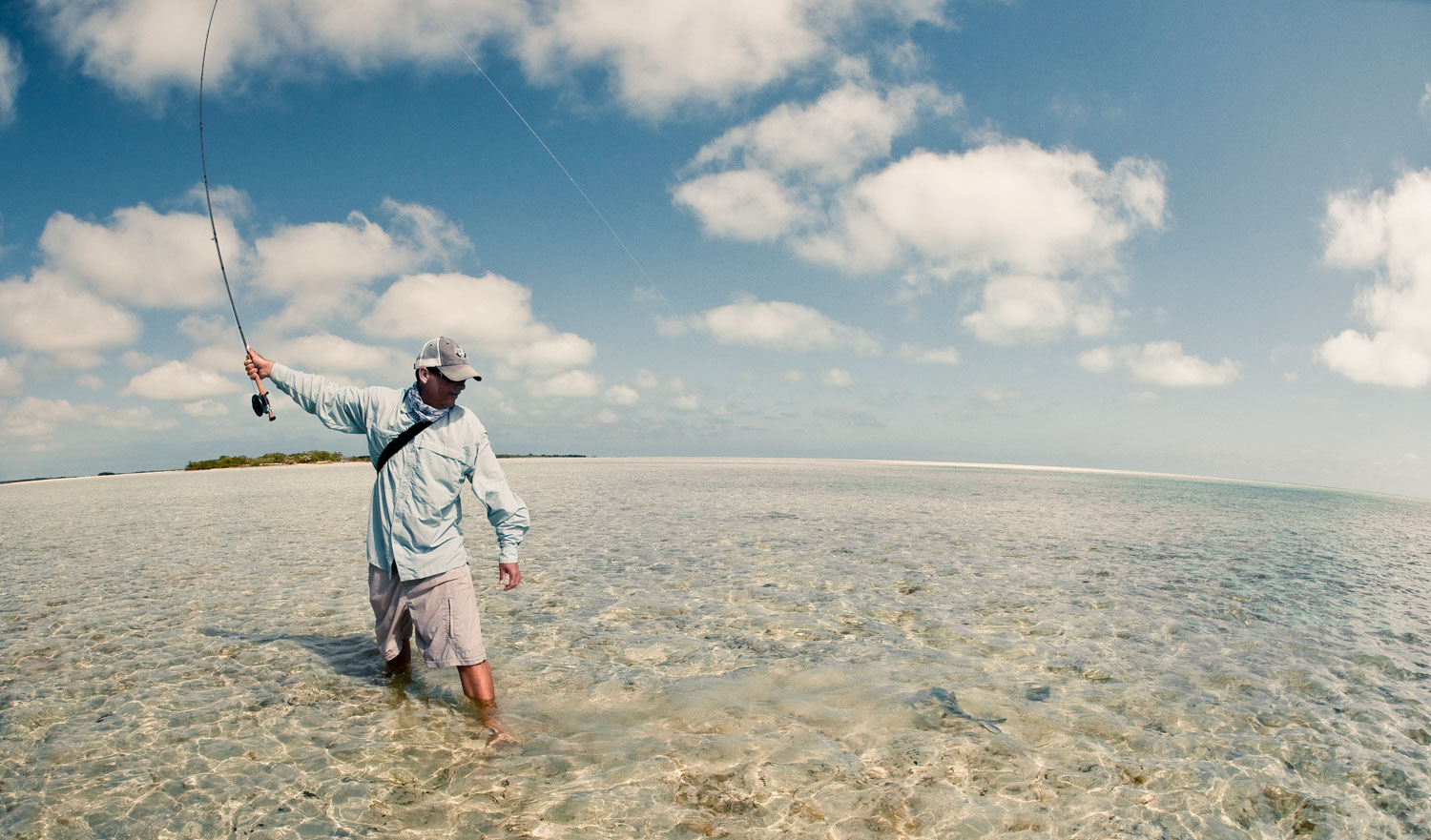
WADE TO WIN, BY BRUCE CHARD
Wading is an exciting way to experience saltwater flats fishing for species like bonefish and permit. It offers the angler a more personal, mano y mano, experience with his quarry. There are a few skills you’ll need to master for a quality wading experience. These tips should make walking the flats a breeze.
The Wading Ready Position
While wading the saltwater flats, it’s important to find a good, comfortable ready position. This position will help you be relaxed as you stroll quietly through the shallows. You’ll be ready to make a saltwater quick cast with ease.
Here are some pointers that make up a good wading ready position.
•Have the fly line, coming from the first stripping guide, pinched to the cork with your index finger. This helps to load the rod quickly on your first false cast.
•Hold the fly at the bend of the hook or cradled comfortably in your cupped hand.
•Do not let the fly touch anything, from the start of the cast until you present it to the fish. Some anglers like to drop the fly in the water and then cast. This motion causes all kinds of issues. They usually hook themselves and miss the shot.
•You can tuck the cork handle of the rod under you arm pit with the rod tip sticking out behind you . This is a nice way to relax a little and stretch your hands
Line Management While Wading
Here are a couple of fly line management tips that will help you when wading.
The Snap-T Cast With 2-Hand Rod: Video
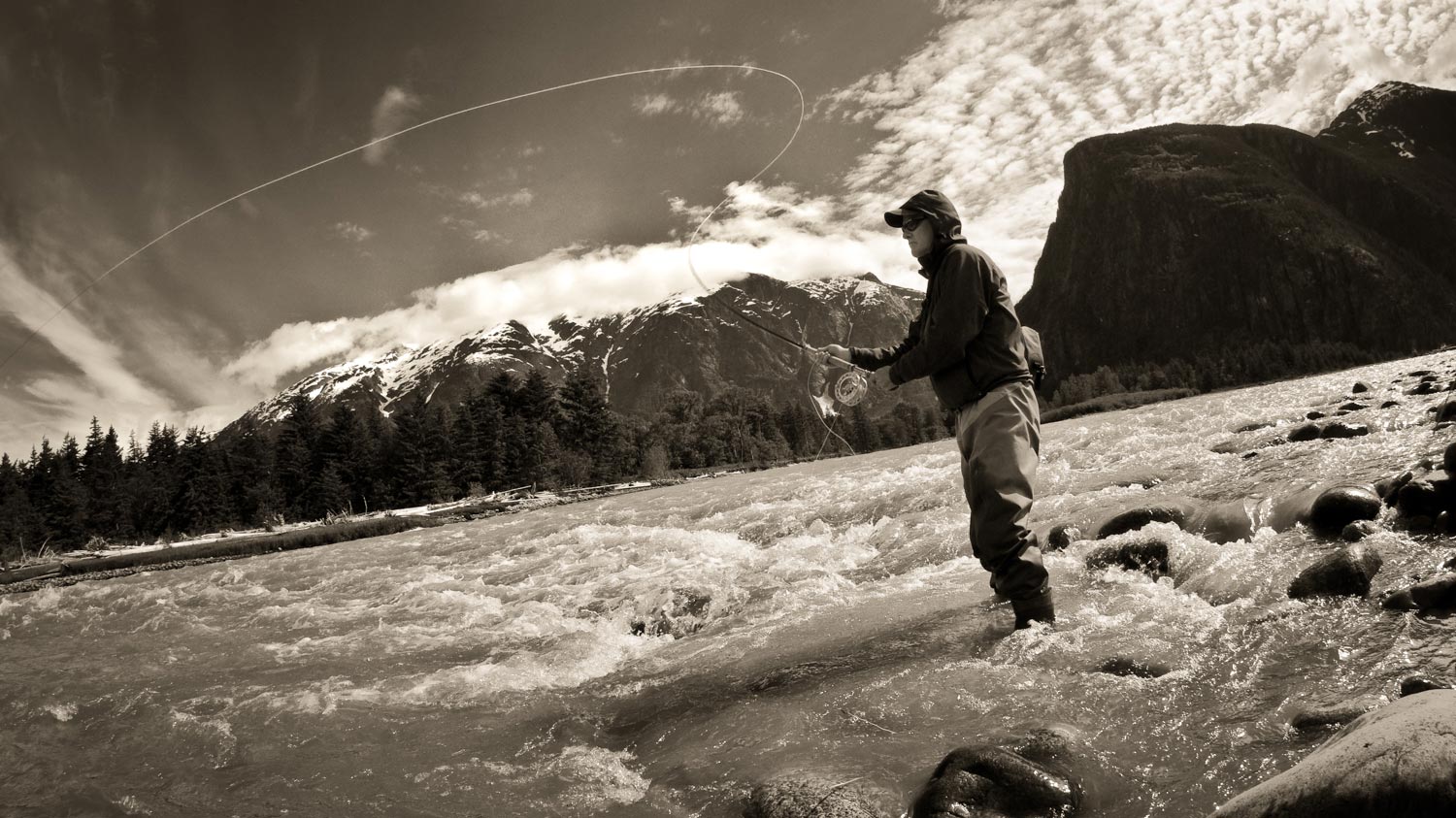
The Snap-T cast is an essential for any 2-hand angler.
You really only need to know a couple of casts to be an effective angler with spey or switch rods. One of the casts you just can’t live without is the Snap-T. This easy and powerful cast lets you launch the fly when the current is off your casting shoulder. It generates the power needed to cast heavy sink tips but works equally as well with light dry lines.
WATCH THIS VIDEO TO LEARN THE SNAP-T CAST FOR 2-HAND RODS.
Read More »Trust Your Guide
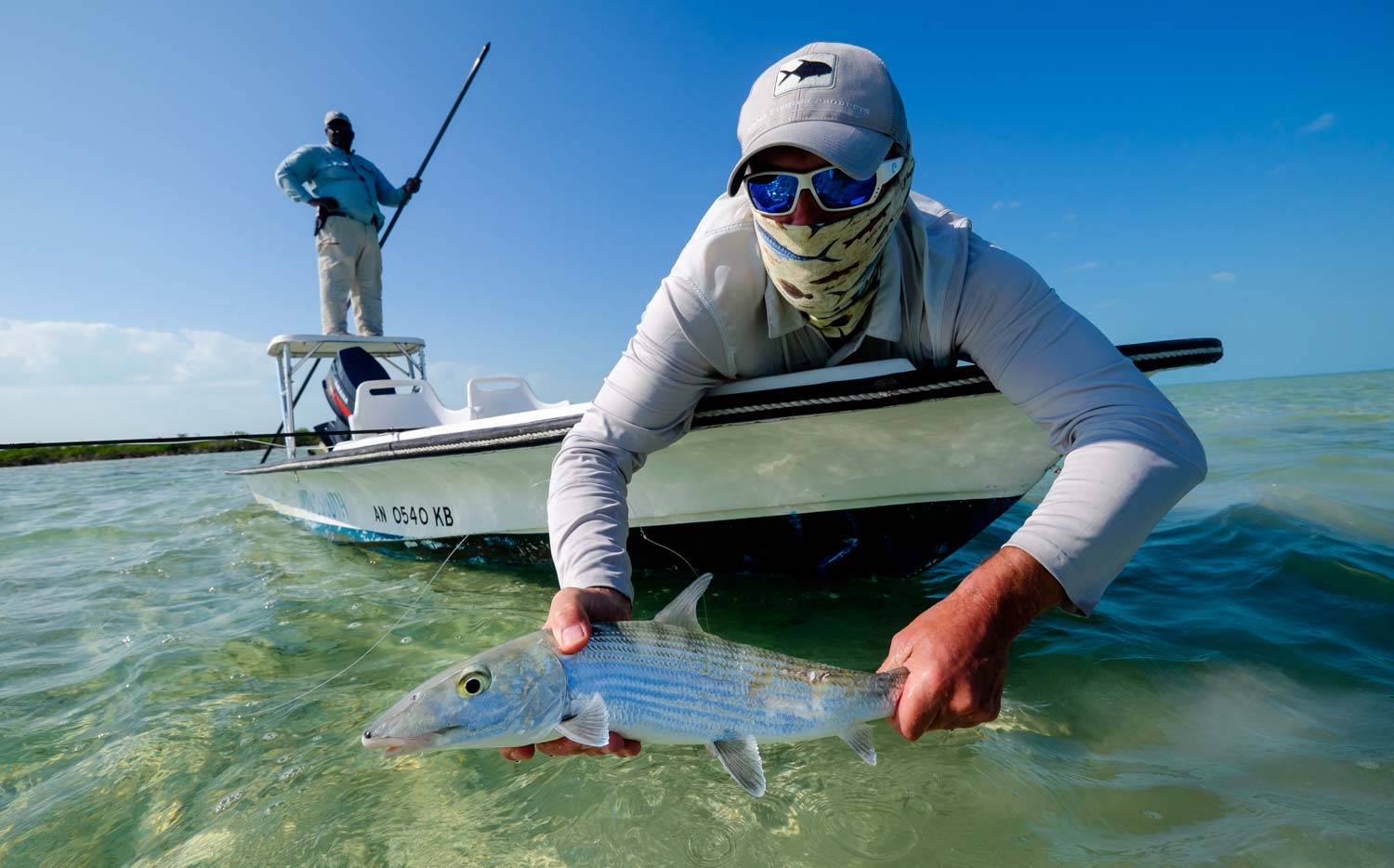
Trust your guide they say. Always trust your guide.
There is no more trustworthy bunch than the guides at Bair’s Lodge on Andros Island in the Bahamas. Why you wouldn’t trust them is beyond me. What is not to trust? In a real sense, in the South Andros backcountry, our lives will be in their hands- there is no freshwater, no cell phone signal, and I’ve taken to calling the miles of braided channels and flats with no distinguishing land features The Hall of Mirrors. If your guide cashes in his chips back here and peels off the poling platform, you are going to be royally screwed. If it weren’t for the sat phone in the emergency case, that is.
But it is one thing to carry your gear down to the skiff in the morning, shake your guide’s hand, look him in the eye and decide he’s trustworthy, and quite another to put that trust into practice on a flat with bonefish coming in hot. Perhaps we need to start our morning with those team-building trust drills that corporate consultants loved so much in the recent past. Put your fly rod down before you fall backward.
On one sunny Bahamas morning I found out what trusting your guide really means
Read More »Trout Of Japan
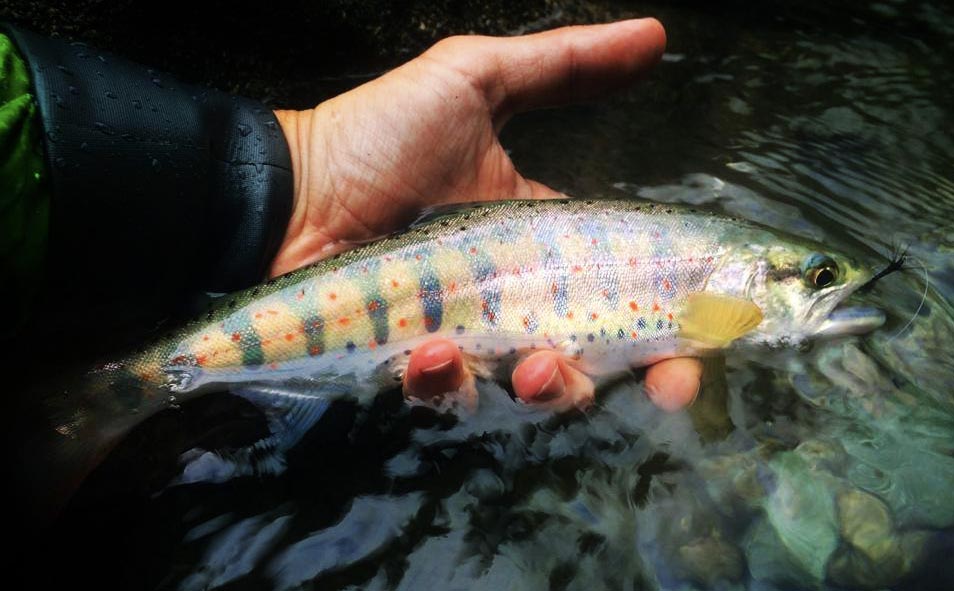
by Daniel Galhardo
“THE SEA-RUN FORM ASCENDS RIVERS OF JAPAN IN MAY WHEN CHERRY TREES ARE IN BLOOM AND THEREFORE IS KNOWN AS THE SAKURA MASU, OR CHERRY SALMON”.
As part of my mission of spreading the tenkara story to anglers outside of Japan, I have made a point to visit Japan every year. I’m currently on my 6th “pilgrimage” to the country, meeting with teachers who share with me their techniques, their insights into tenkara, and of course their favorite fishing spots where we search for trout.
There are two main types of trout that we target in Japan: the amago and yamame. There is also a char, the iwana (side note, most tenkara rods we offer at Tenkara USA are named after Japanese trout/char).
The amago and yamame are virtually identical, except that the amago features red spots thorough its body while the yamame does not. The yamame and amago are also referred outside of Japan as “cherry salmon”. In his book, Trout of the World, James Prosek explains “Among Japan’s many varieties of native salmonids is a beautiful pink and violet salmon that exists in both anadromous and landlocked forms. The sea-run form ascends rivers of Japan in May when cherry treers are in bloom and therefore is known as the sakura mass, or cherry salmon”.
Read More »The Scream Revisited
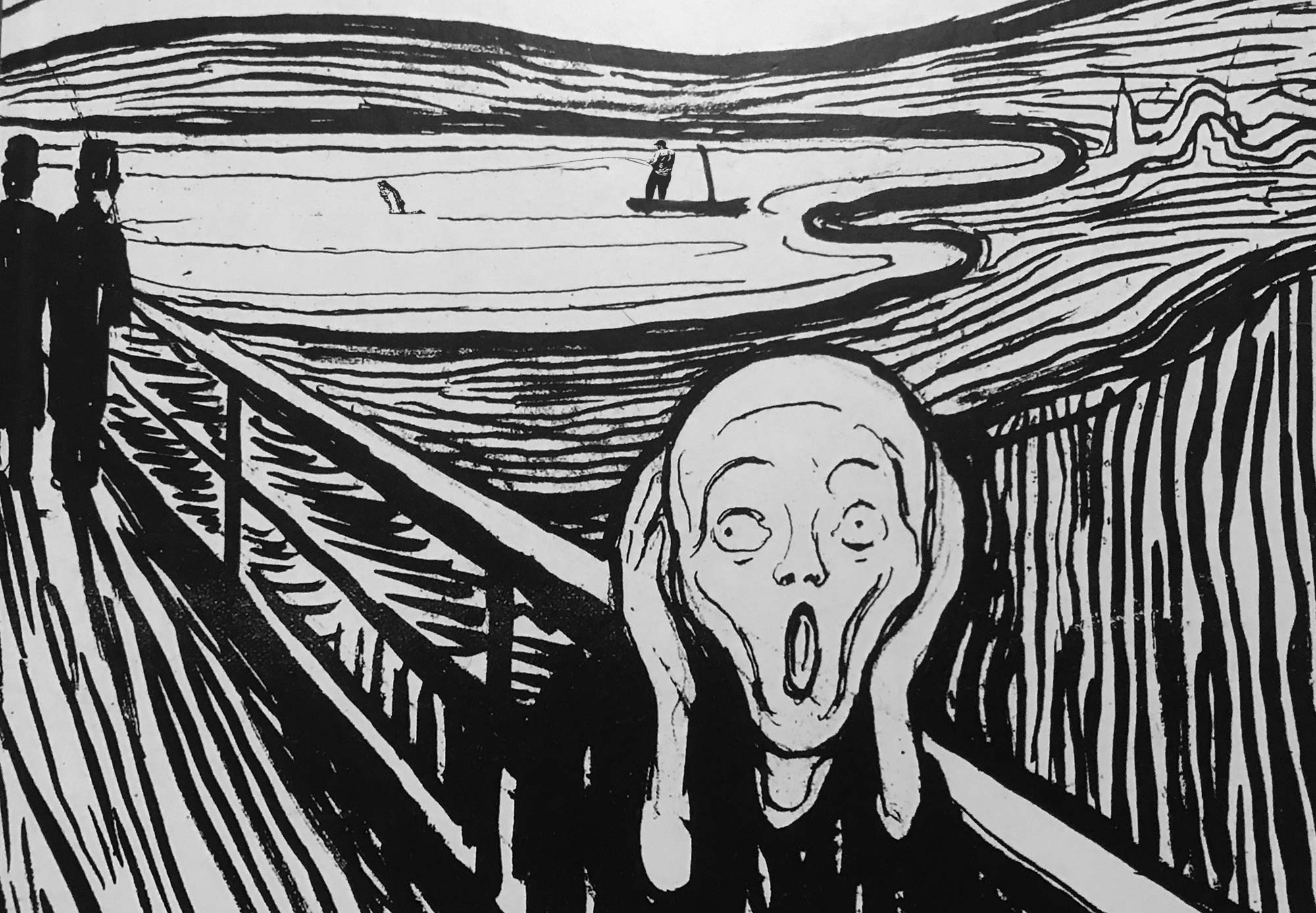
By Louis Cahill
There was something going on with Edvard Munch I never really understood, until now.
In art school, we were taught that the dark and often disturbing images created by Munch were born of mental illness and lost love. It wasn’t until decades later that I looked closely enough at the background of his iconic work “The Scream” to realize what was actually happening. I too know the pain of having my ass handed to me on the flats, only to see my buddy hook up with the fish of a lifetime, right at the dock. Who wouldn’t scream?
They might have been right about the mental illness. It’s the only explanation for fly fishing.
Read More »