
First look at the Ibera Wetlands
By Louis Cahill
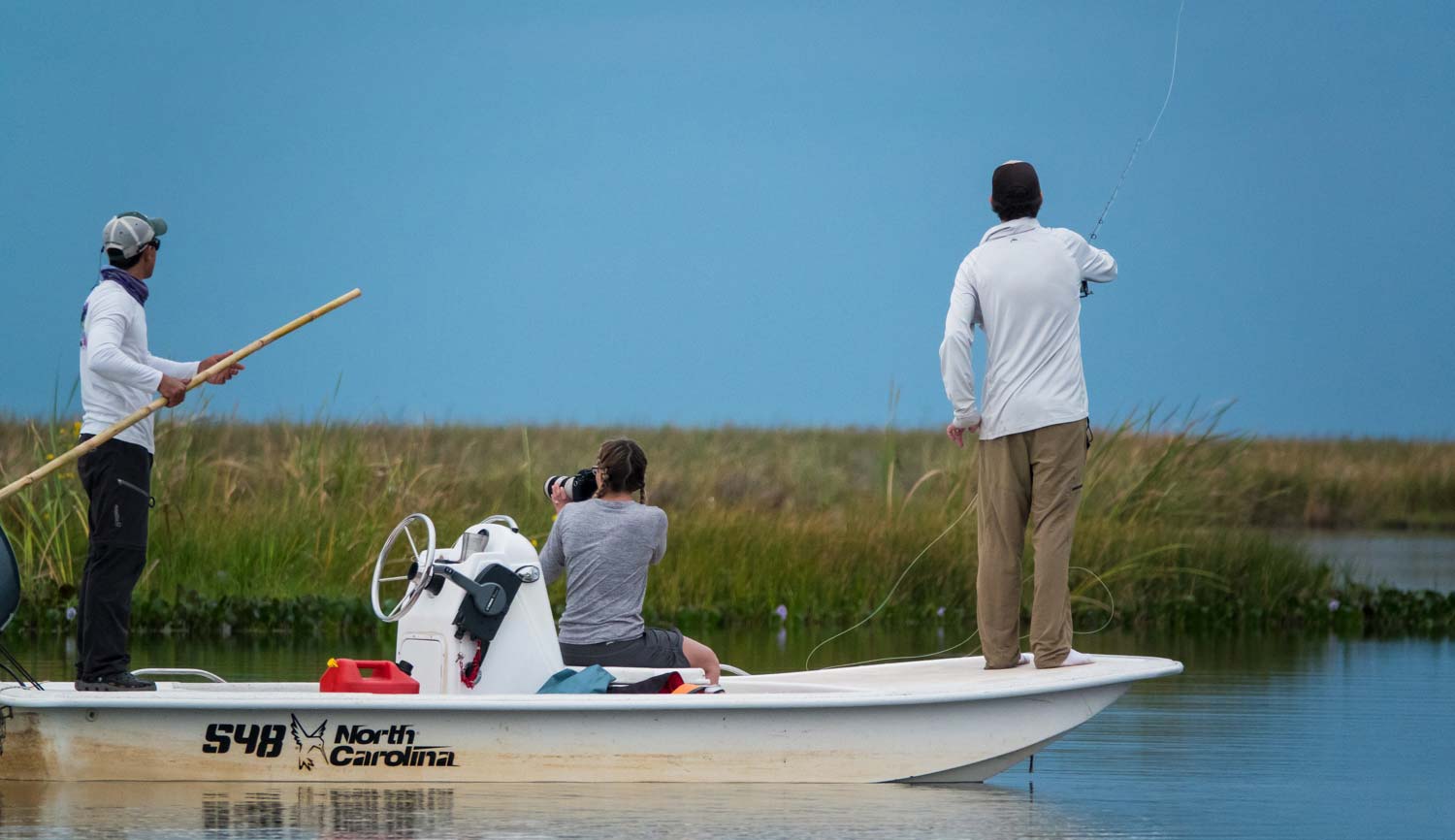
Every now and then I have to remind myself that a redfish tail isn’t going to pop up along the edge of the grass.
The scene looks familiar but what lurks below the surface is a bit more sinister. The Ibera Wetlands, in northern Argentina, may look like the Lowcountry marsh of South Carolina but that’s the end of any similarity. The eight-thousand square mile, freshwater marsh is like a vast, grassy inland sea. It filters immeasurable gallons of rainwater headed for the Parana river system and supports a remarkably diverse array of wildlife including prehistoric tapers, capybara, caiman and countless exotic birds. Deep in the marsh live native people so isolated they do not even speak Spanish, and while everything that meets your eye appears like some lost paradise, below the surface of the water things are very different. There in the weed and grass below the water is the most ruthless food chain I have ever witnessed.
We are there to fish for dorado, the king of freshwater sport fish. They are a vicious apex predator and seriously challenging on a fly rod, but they are only one of a cast of toothy players in this place. I honestly can’t remember the names of most of the species I’ve caught. The first morning, eight casts brought in eight different species, including one that looked like a musky and a neon tetra had a baby. There are piranha everywhere. Growing up in the sixties, television led me to believe two thing were going to be a constant threat in life, quicksand and piranha. I’ve still yet to have a life threatening run in with quicksand but, in this place, piranha live up to my childhood expectations. I wasn’t eaten alive, but I lost countless flies. Some spots you just have to fire up the motor and move on.
Moving on is, in it’s self an interesting proposition in the wetlands. The abundance of vegetation gives the impression that there is a lot of land. There isn’t, just huge rafts of floating vegetation. What look like islands move with the flow of the water. If you open a channel through them, it will quickly close. While making navigation tricky, the narrow slips through the vegetation make for some very cool fishing. We pole the boat down channels barely four feet wide, casting huge rat patterns into bends and cuts ahead of the boat. When a strike comes, it’s heart stopping.
Dorado fishing is never easy. No matter where you do it, or how, it will test you. You will certainly have some great fishing days in the wetlands
Read More »Study Shows Salmon Farming Results in 20% Loss of Wild Atlantic Salmon
By Jason Tucker
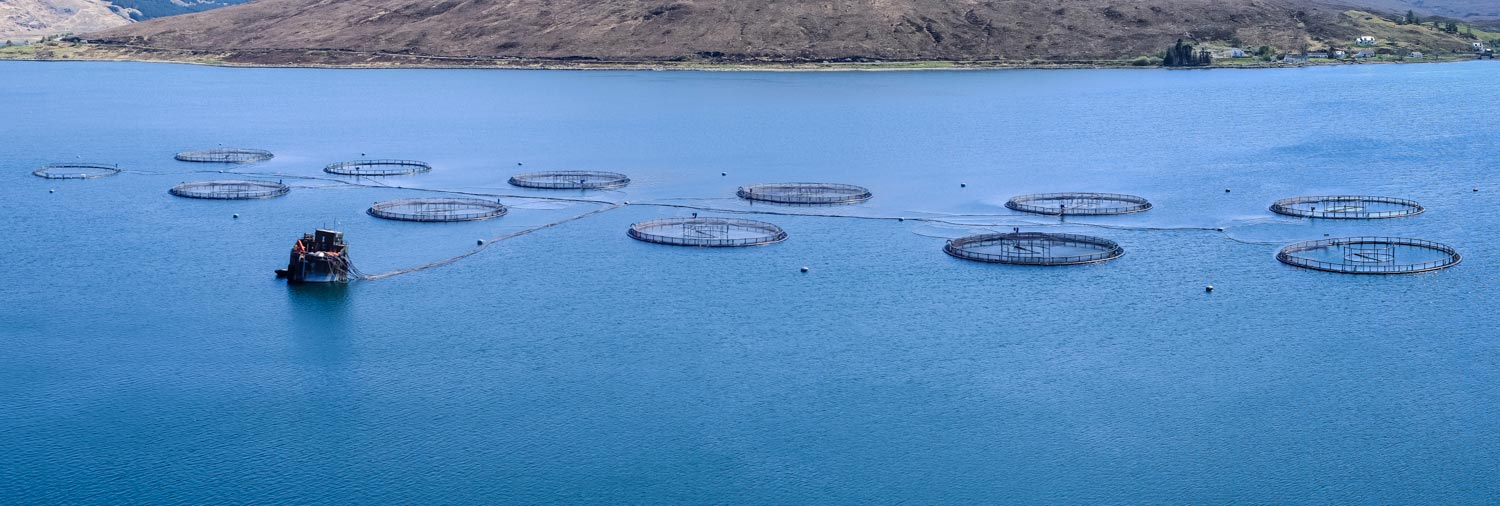
Farm raised salmon may represent a serious threat to wild fish populations.
A recently released Scottish study has demonstrated that salmon farming in estuaries used by wild salmon results in a 20% loss in returning wild salmon, mostly as a result of sea lice infestation due to the unnatural conditions fostered by net pen fish farming. It also tracked losses due to genetic introgression from escaped fish.
The study was commissioned by the International Council for the Exploration of the Sea, also known as ICES.
The original question presented for study was “Advise on possible effects of salmonid aquaculture on wild Atlantic salmon populations focusing on the effects of sea lice, genetic interactions and the impact on wild salmon production.”
Some important points from the study (copied directly from it so I don’t get them wrong) are:
-The survival of Atlantic salmon during their marine phase has fallen in recent decades. This downturn in survival is evident over a broad geographical area and is associated with large-scale oceanographic changes. Viewed against current marine mortality rates commonly at or above 95%, the ‘additional’ mortality attributable to sea lice has been estimated at around 1%.
– In some studies, the impact of sea lice has also been estimated
Read More »Follow The Water
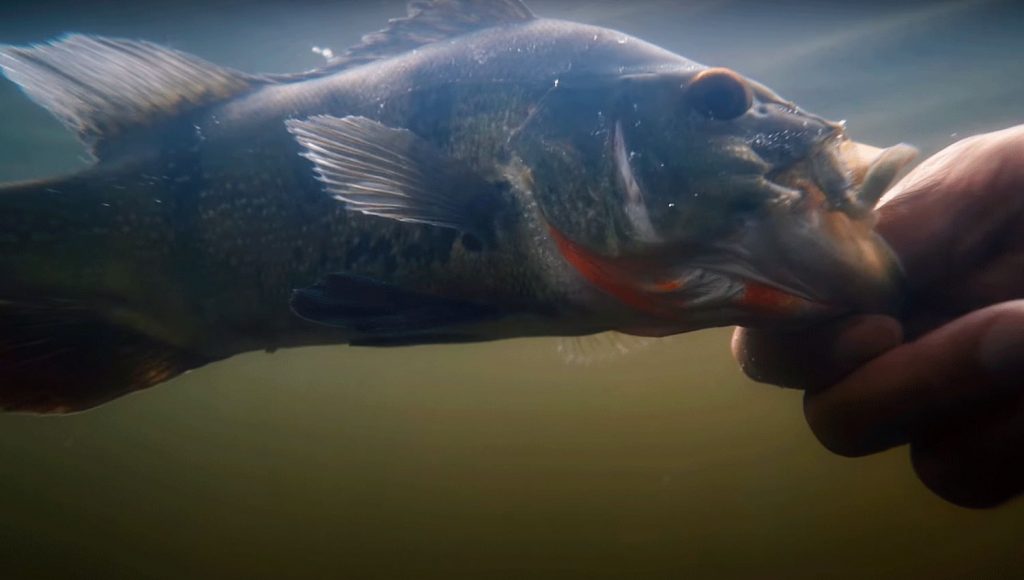
I’ve said it before, Florida is the primier fishery in the US. That statement always starts an argument, but if you do the math, it’s hard to deny. I don’t know another fishery with the variety or quality of fishing. Let’s not even talk about 200 pound gamefish. The problem is, this awesome fishery is in trouble. “When most people think of the Everglades, they picture the sawgrass wetlands and mangroves at the southern tip of Florida. What they don’t realize is that the health of this incredible ecosystem is dependent upon events far to the north. Historically, the Everglades received a steady supply of fresh water from a massive watershed that begins near Orlando, but over the past century—in the name of flood control and agriculture—man has interrupted that flow, most notably at Lake Okeechobee. As a result, the amount of water that reaches Florida Bay, at the southern tip of the state, is less than half of what it should be.”- Orvis Orvis has produced this short film, which is extremely informative. If you are interested in the subject, or how you can help, check it out. Fallow The Water
Read More »Take Your Flies Into The Danger Zone!
IN A WAY, FLY FISHING IS A GAME OF CHANCE.
That’s how I see it anyway. If you think about it, that will start to make sense to you if it doesn’t immediately. You want the best chance to catch fish, so you go to the place that gives you the best odds of hooking up with a particular species. It’s the same reason you don’t see folks throwing #20 BWO’s in the Keys, or fishing with a 1/2 oz spinnerbait and a baitcasting setup in tiny, freestone stream in the dead of summer… well, not often anyway. It doesn’t make any damn sense first off, and secondly, the chances of you catching anything are pretty much nil, zero, and nada. Get where I’m at now?
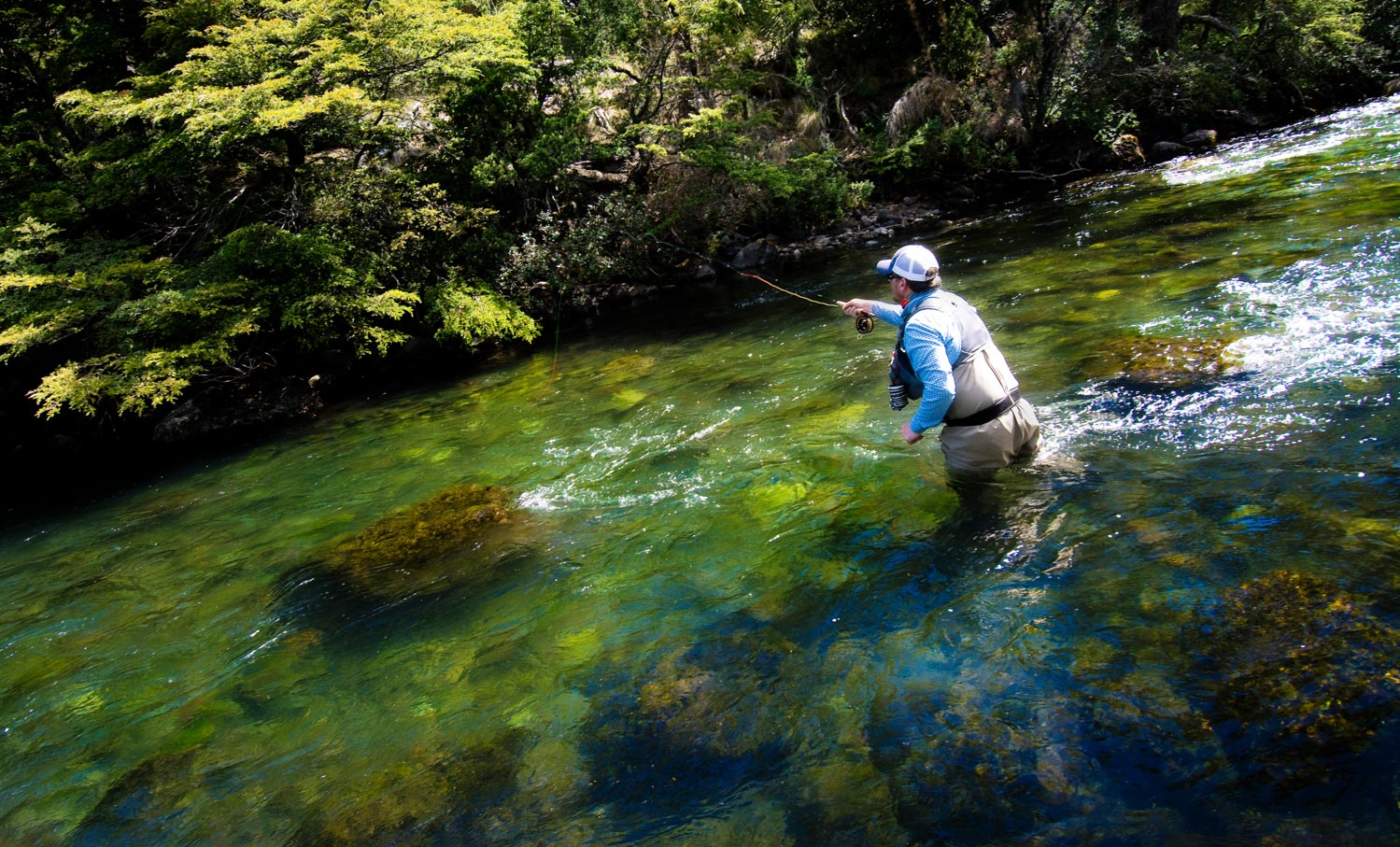
I’m not trying to take any skill out of fly fishing, I’m just saying I’m not going to toss flies in a parking lot mud puddle after a rainstorm and expect a whole lot. With all that being said, once you’re on the water you have to take advantage of the water you’re fishing in order to increase your chances of hooking up. Whether it’s trout, bass, snook, bluegill, or musky, you’ve got to be willing to cover all types of water, and sometimes that includes tight, uninviting areas that will cost you some flies. Those places are where many fish congregate and seek refuge.
Flies aren’t cheap. It’s the main reason why I tie the large majority of what’s in my boxes. I will seldom purchase flies from a shop, and when I do it’s because
Read More »Fishing In A Crowd Of Your Choosing
By David Grossman
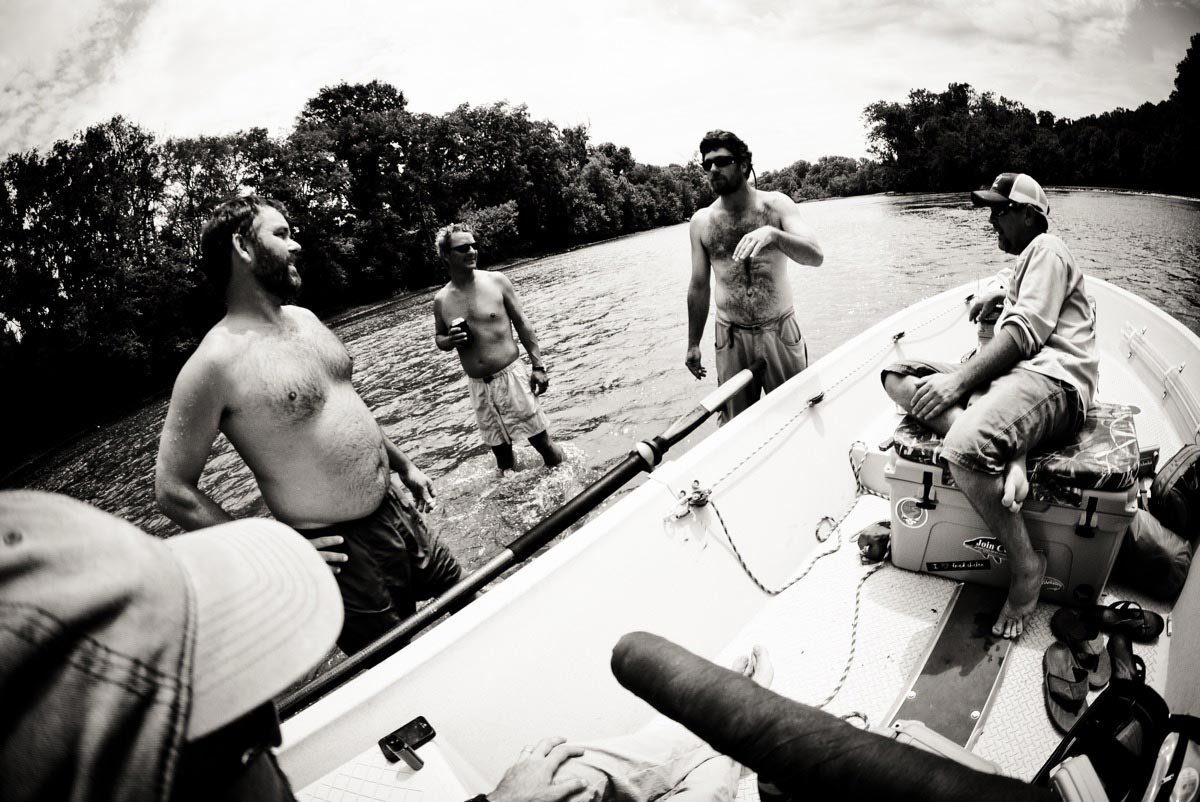
Solitude is one of those ideals we all tout when asked the question, why we fish. I plan, barter, and beg sometimes for weeks just to realize a few hours of it. But when it comes to being a better fisherman, solitude might not be all it’s cracked up to be. I have never fished better than when I had a regular group of people to push me to up my game from where I started the day. Plus, it’s nice to split the driving, food, booze, and shuttle fees (just sayin’).
I still like fishing by myself these days, and go out of my way to do it every once in awhile when I really need to clear my head. But the older I get, sharing the experience with like-minded friends seems better. Fish selfies suck. I have never seen a good one…never. Screaming for joy with no one around winds up seeming creepy most of the time as well. Having a partner in crime also saves you the embarrassment of crawling back to your truck gravely injured when you have fallen and can’t get up.
Everyone fishes different rigs, patterns, retrieves, and water types. I have never met anyone that is proficient in everything all the time. There is no better motivation to learn something new than when your buddy is giving you the piscatorial red bottom fishing the slow water with a dry dropper while you have your head buried in the riffles fishing heavy nymphs. I have learned new spots on old rivers just by sitting in the front of the boat while someone else rows and uses their experiences to pick the anchor spots. If you don’t believe my metaphysical arguments, look at it from a straight logistical perspective: You are a better fisherman when you aren’t rowing or poling. It’s simple physics…trust me.
A good crew will make you a better fisherman, but the flip side of that coin also holds true. A bad crew will absolutely make you worse for wear by the end. Here are a few things to consider when putting together a posse.
There should always be one member of your group that is at least as good a fisherman as you are. If they’re better, then you won the fly fishing lottery.
Read More »New Products From Sightline Provisions 2022
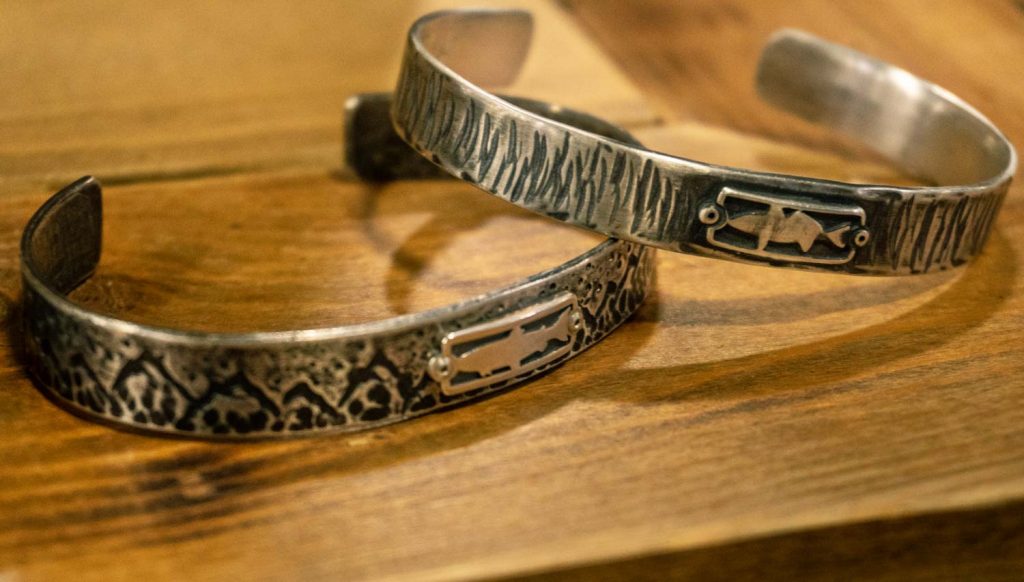
Wear your passion for fly fishing for everyone to see. Sightline Provisions set the bar for fly fishing lifestyle brands. If you’re looking for a way to show your love of fly fishing, no matter where you fish or for what, Sightline Provisions has you covered. Check out the video to see all the new goodies from Sightline Provisions.
Read More »Fishing Mud Lines For Big Fish

By: Garner Reid
MUD LINES ARE EXCELLENT PLACES FOR FISH TO HIDE.
I split my guiding year in half, targeting trout from fall to spring and the rest of the year pursuing summer run striped bass in my local river systems. River run stripers offer their own unique set of challenges for the angler, and definitely for the guide.
When someone gets in my boat for a day of striper fishing, one of the first things I try to explain is where these fish like to hold. I tell them to start out like they are streamer fishing for a big brown trout. When someone is pursuing a new species of fish, like stripers in a river, finding that common thread is the key to angling success.
Just the other week I had the pleasure of guiding a new client who was quite an accomplished angler. Having caught many fish in all the exotic locations that are on my personal bucket list. As we floated down the river it quickly became evident this guy knew how to fish. He was ripping big streamers accurately into all the nasty stuff that a big fish ought to hold in.
This was producing a few nice schoolie sized stripes but nothing huge. Halfway through our float we approached a small feeder creek quartering in at a 45 degree angle to the left of the boat. Heavy rains the night before had the creek dumping chocolate milk into the river. Typically not what a fly fisherman likes to see.
The muddy creek water was thick like oil, being pushed up against the clean water by the current, which carried a defined wall of muddy water down the left side of the river for hundreds of yards.
I rowed the boat into position perpendicular to the creek mouth and dropped anchor, told the guy to make a big cast across the creek mouth and let his fly sink, followed with an aggressive retrieve. A few strips later
Trading in Desire
By Lauren Holt
“OKAY. SEE THAT DARK SPOT? ABOUT 200 FEET OUT. 2 O’CLOCK.”
I squint that direction, worry my lower lip with my teeth, cup my cheekbones and the bill of my cap to help cut the glare of the mid-afternoon sun sneaking past the edge of my sunglasses, willing my eyes and my brain to separate the slivers of dark I thought I could see from the shadows of waves and the coral a few feet below. Slowly, giant shadowy shapes emerge from the confusion.
“Look for movement. See them? There are four – no – five in this string.”
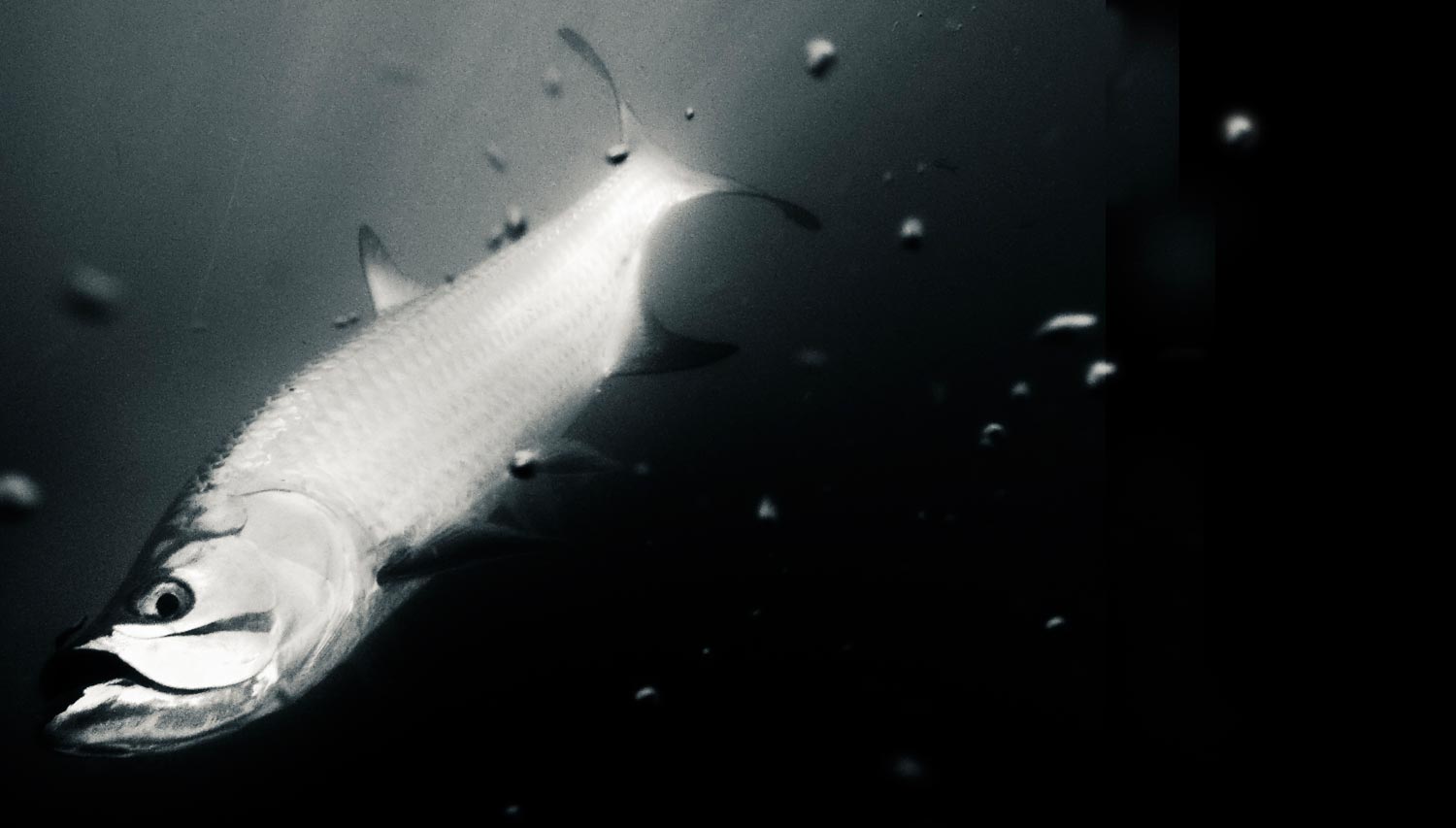
It’s a perfect day in the Keys, all three criteria for prime tarpon fishing in my favor. Bright sun; no clouds. Good water. Just enough of a breeze to encourage row after row of little waves to rise and sink in concert, more short fat silver little pyramids than “waves” proper. And we had fish. Hundreds and hundreds of fish.
I spot them and nod. If tarpon can amble, these were, and on the same path toward the skiff others had taken all day.
“Okay now. I’m gonna spin the boat. Hold tight.”
It was my first day fishing on this trip and already I had shots at more tarpon than I had seen the whole year before. Strings like this one of just a few, others in much larger groups. Giant tarpon, smaller tarpon, “normal” tarpon. In lines and circles, veering toward us and away, guided by seams and edges and currents too subtle for my eyes to reliably pick out.
“You’ve got your fly ready? Your line cleared?”
I nod.
“Okay then. Just hang tight kiddo. You’re gonna get one of these.”
A thought breaks my focus, unbidden, certainly unwelcome: this is it – no one gets a whole trip’s worth of these conditions – if you’re gonna do this, you’ve gotta make it happen today.
“See that dark spot that isn’t moving? When they get there, I want you to make no more than two false casts and then drop your fly right on the lead fish’s back.”
I realize as they get closer that these fish are bigger than most we’ve seen. These were the fish I’d wanted to catch on a fly for half my life, since I traded the conventional tackle I grew up on in the ponds and streams and rivers and lakes that dot northwest Arkansas for a fly rod, a handful of feathers, and the salt.
Around that time, I saw my first picture of a giant tarpon, dwarfing the guy who caught it, its hinged trapdoor of a mouth open so wide it looked like the angler could’ve stepped inside it, and hanging from a corner, a fly. A fly! It reminded me of a scene from The Pink Panther that featured a man hopping around while standing in a giant fish, holding its jaws like he was using it in a sack race. So the whole scene in the picture struck me as a little bit absurd. I was bemused, incredulous, fascinated. And I knew I wanted to catch one someday. It didn’t have to be soon – there’s a shortage of salt water in Arkansas and my summers and winters at the local bakery weren’t going to magically transport this high school student to any coast – but I knew then I wanted to and would eventually catch a behemoth of my own. Every time I take a shot at a tarpon, I remember the moment I knew I wanted to catch one, and this shot was no different.
Though it feels like an eternity has passed, they’re finally 50 feet from the spot. 25. I let my fly go, see it suspended in the breeze as I look past it at the lead fish. One false cast, then another, and not for the first time it occurs to me how cool physics is, how when I double haul, I’m really just the human part of a catapult that hopes to launch a bunch of fur and feathers lashed to a hook where I want it to go. And this time it does, landing more or less where I’d hoped.
Strip – strip – strip.
Read More »Fly Fishing For Peacock Bass, Part 1
I’ve been very blessed to have fly fished many destinations around the world.
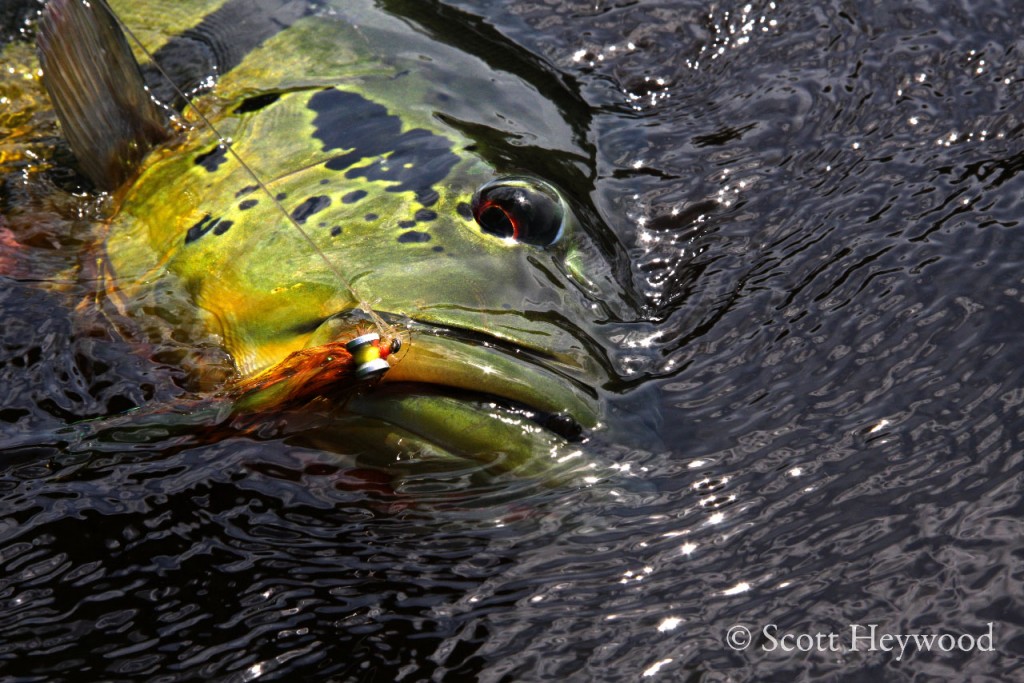
All have been amazing trips, but one destination in particular I hold close to my heart. Every time someone asks me what’s the coolest place I’ve fly fished, without any hesitation, I always reply fly fishing for peacock bass in the Amazon. Combine the extreme beauty and remoteness of the Amazon Basin with the opportunity to battle one of the most powerful freshwater gamefish on the planet, and it’s pretty easy to see why it ranks at the top of my list. That’s not even factoring in the other bonuses you’ll receive, like catching several other species of fish and witnessing all the diverse wildlife.
“While beginners always seem to catch fish, the persistent skilled angler wielding a precise cast is more often than not rewarded for his/her hard won mastery. Make a good sidearm cast between two logs under a tree and it might be rewarded. Hit that bit of flashing neon green or quickly reload to hit a laid-up chunk of muscle and madness 20 feet off the boat’s bow and it just might work. Peacock bass fishing is intriguing fishing. It is shoulder burning, forearm aching and finger cramping to be sure. There will be snags hooked, lines fouled and fish missed. It is at times maddening, frustrating and patience testing, but ultimately exhilarating, very satisfying and all consuming…and yes, as cliched as it might sound, addicting.” Scott Heywood
Making a trip to the Amazon used to be one of the most economical
Read More »Simms G3 Guide Jacket and Flyweight Access Boot
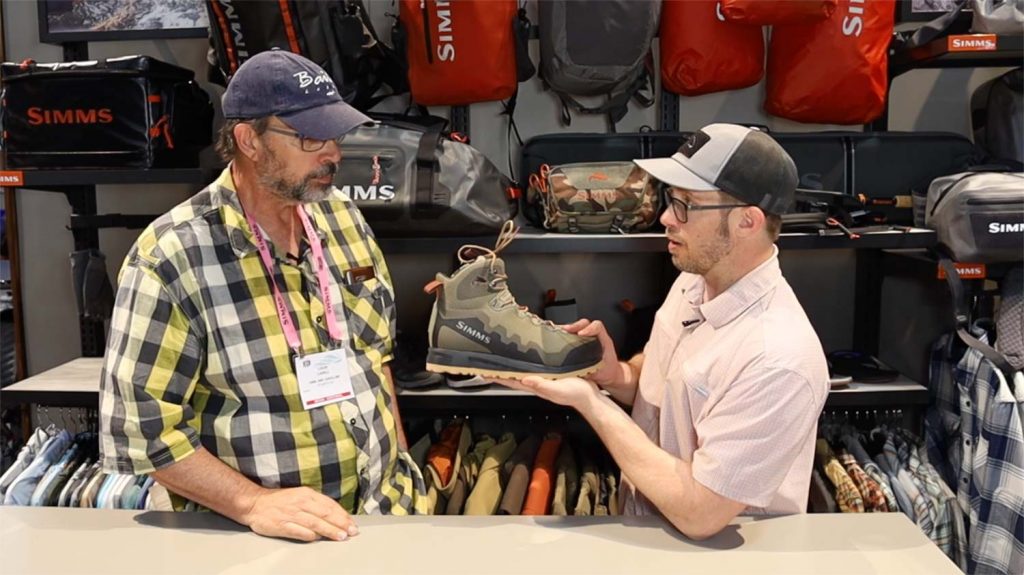
Some cool and very technical new gear from Simms. With the stellar redesign on the G3 Wader, Simms had to update the industry standard G3 Guide Jacket. It’s a smart and sharp looking update to an essential piece of kit we all love. The new Flyweight Access Boot, however, is something completely new. It weighs next to nothing and in the list of cool technical features is the Vibram Hydroflex sole, which may be the first rubber sole to actually work. Watch the video for all the details on the new G3 Guide Jacket and Flyweight Access Boot.
Read More »