
8 Things That Are More Important Than A Long Cast
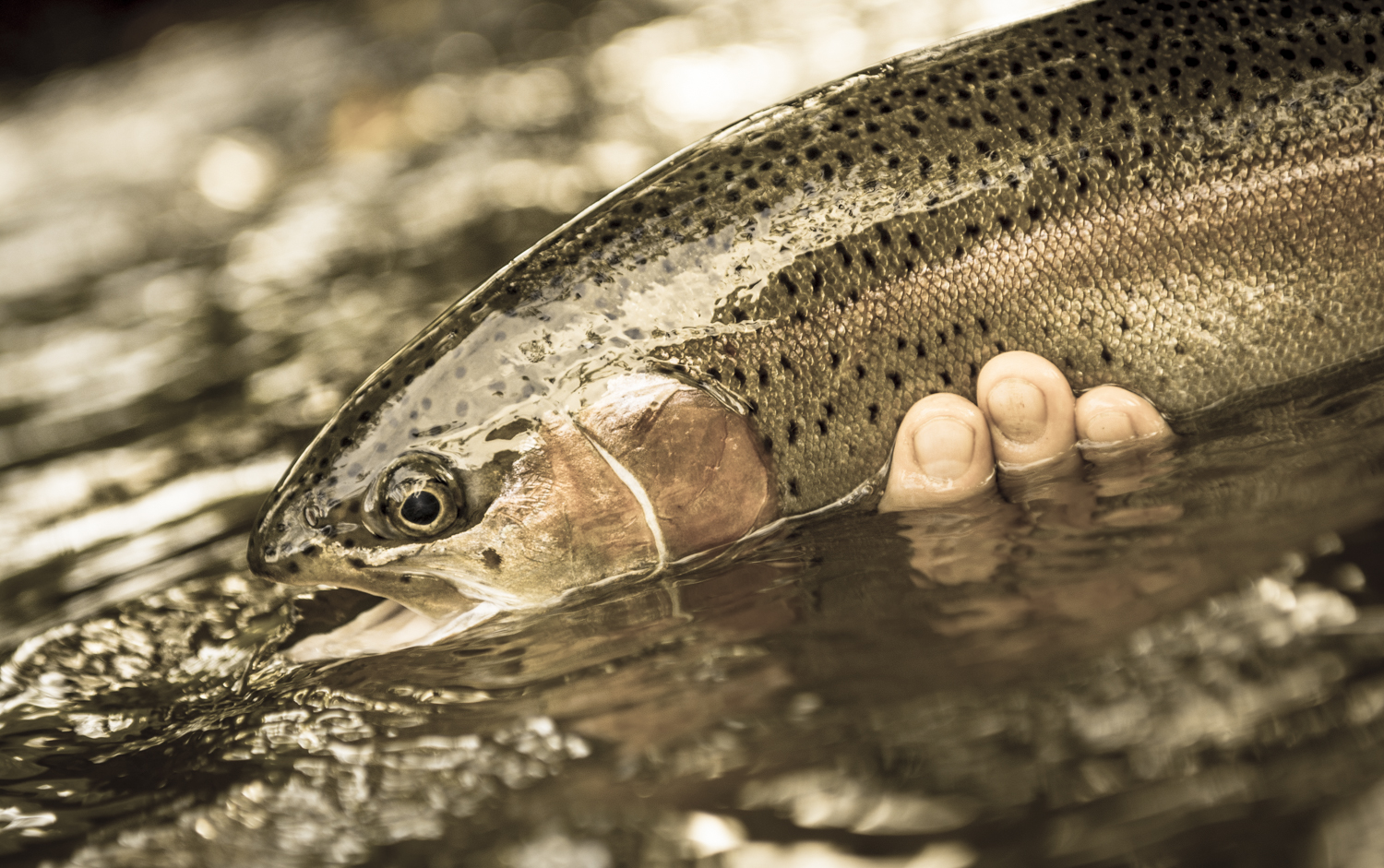
Are you practicing the techniques that actually catch fish?
This idea came to me as a result of a Facebook conversation. Kelly Galloup posted a great video about fly line tapers where he mentioned an article he read here on Gink and Gasoline. Thank for the nod Kelly, you are the man. It sparked such lively conversation that I thought it was worth expanding on.
Yes, fly anglers obsess about casting distance. We all want to shoot backing but most of us know that has very little to do with catching fish. I should say, with catching trout. And I’ll go ahead and get the caveats out of the way now. Everything I’m going to talk about in this article relates to trout fishing. There are types of fishing where distance matters quite a lot. You will also absolutely catch more trout if you can cast further.
Most importantly, we all want to grow and learn as anglers. Why should distance casting not be part of that growth? I just think it’s important to keep it in perspective. When it comes to trout fishing, there’s a long list of things that are more important than throwing a long cast. Once you’ve mastered them, cast for the moon. Why not? As long as those fundamentals stay in place, you’ll catch fish.
SO HERE’S MY LIST OF 8 THINGS THAT ARE MORE IMPORTANT IN TROUT FISHING THAN A LONG CAST.
Line control and a good drift
Probably the single most important factor in catching a trout on the fly. If you want to catch fish work on mending, high sticking, reach casting and paying out line. There are lots of ways to catch fish but whether you’re fishing dry flies or nymphs, a good drag-free drift is is the most consistent producer. The best cast in the world is pointless without a good drift.
Accuracy
Whatever distance you’re casting, your fly needs to land on target. If the fly isn’t in the fish’s strike zone, you’re wasting your time. There are several things that go into an accurate cast. A good straight line rod path and a good sense of distance, for sure. Where most anglers fall short is in consistently
The New Orvis Waterproof Sling: Review
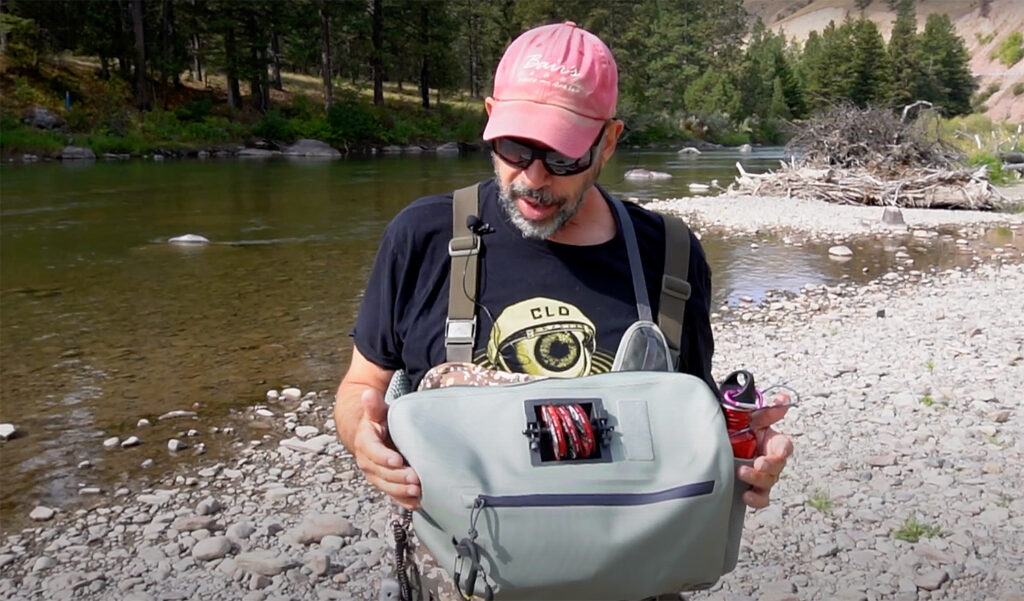
It’s been a while since I’ve felt motivated to change fishing packs. I have plenty of opportunities to try out, and use, new fishing packs. To be honest, I’m not usually that interested. I like the pack I’ve been using for years and changing is a headache so I’d have to have a good reason. Newer is not necessarily better and familiar is often best. I hadn’t had my hands on the new Orvis Waterproof Sling Pack before I was moving all of my gear over from my old pack. It was clear that this wasn’t a special use pack, but one I wanted with me on the water every day. I’ve been fishing out of it for several months now and I couldn’t be happier. Check out this video for the details and features of the new Orvis Waterproof Sling Pack.
Read More »Being There

I’VE BEEN ASKED A HUNDRED TIMES HOW I TOOK THIS PHOTO. THE ANSWER IS REALLY SIMPLE.
I took several years. I had this idea in my head for a long time. I wanted to show the pure mayhem of a jumping tarpon. I wanted tell the whole story. The power, the speed, the violence of it, but also the story of a great guide and angler working together. There’s only one way to show all of that. You have to observe the scene from a nearly impossible angle.
It was obvious that I would need two boats. That’s not the tricky part. I also needed two guides. Two guides who know each other very well. Who can predict each other’s actions. Guides who could consistently put me on big tarpon. Most importantly, I needed guides who could put their egos aside. Not get worked up about who was in the photo or who got the fish, and most of all, two guides who didn’t mind taking each other to their precious tarpon banks.
Those two guides are Bruce Chard, who you see in the photo, and Joel Dickey who is masterfully putting me where I need to be to get the shot. If there are heroes in this story, it’s them. I was simply in the right place at the right time. It was their hard work that put me there.
Of course I can’t forget Kent Klewein and the absolutely perfect performance he showed on the bow. Fighting a tarpon like this one, nearly 150 pounds, is no walk in the park. The authority Kent showed in managing that fish and soliciting jumps from her was super human. Getting the right people on your team always makes you look good.
So there we are. I’m laying on the bow with the camera. Bruce is yelling, “She’s going right, now left. She’s coming up. Get ready!” Joel is goosing the boat forward then back, turning hard to one side then the other. I’m glad I was laying down. When the big fish came up, 1/4000 sec shutter speed and an index finger were all I needed.
It sounds like we just ran out there and took the shot but it wasn’t that simple. It took a couple of years of driving to the keys, arranging two boat trips and putting down the rod to pick up the camera when the fishing got hot. There were some epic failures.
Like the time when I made a cast just as the angler on the other boat hooked up. I stuck the rod between my legs and picked up the camera, which was around my neck. I got one frame off before, you guessed it, a tarpon ate my fly, still floating in the water. I almost lost my eleven weight.
The story of what happened to the photo next still amazes me.
Read More »Choosing a line for your switch rod Part 3 the RIO Switch and Skagit Short reviewed.
On a couple of steelhead trips last year I wound up fishing with borrowed rods. They were switch rods, a Winston and a Ross, and I had the chance to fish them for both summer and winter steelhead. I really liked the feel of these short Spey rods and decided that I needed one. I have no use for my long Spey rods when fishing at home in the southeast and I liked the idea of a two hander I could use for trout here at home.
I chose the Scott L2h 1106/4, an 11 foot 6 wt. It’s a great rod and I’ve been very happy with it. It’s light and well balanced with plenty of power and a nice feel. The rod really talks to you when you cast it, so you know when it’s loaded.
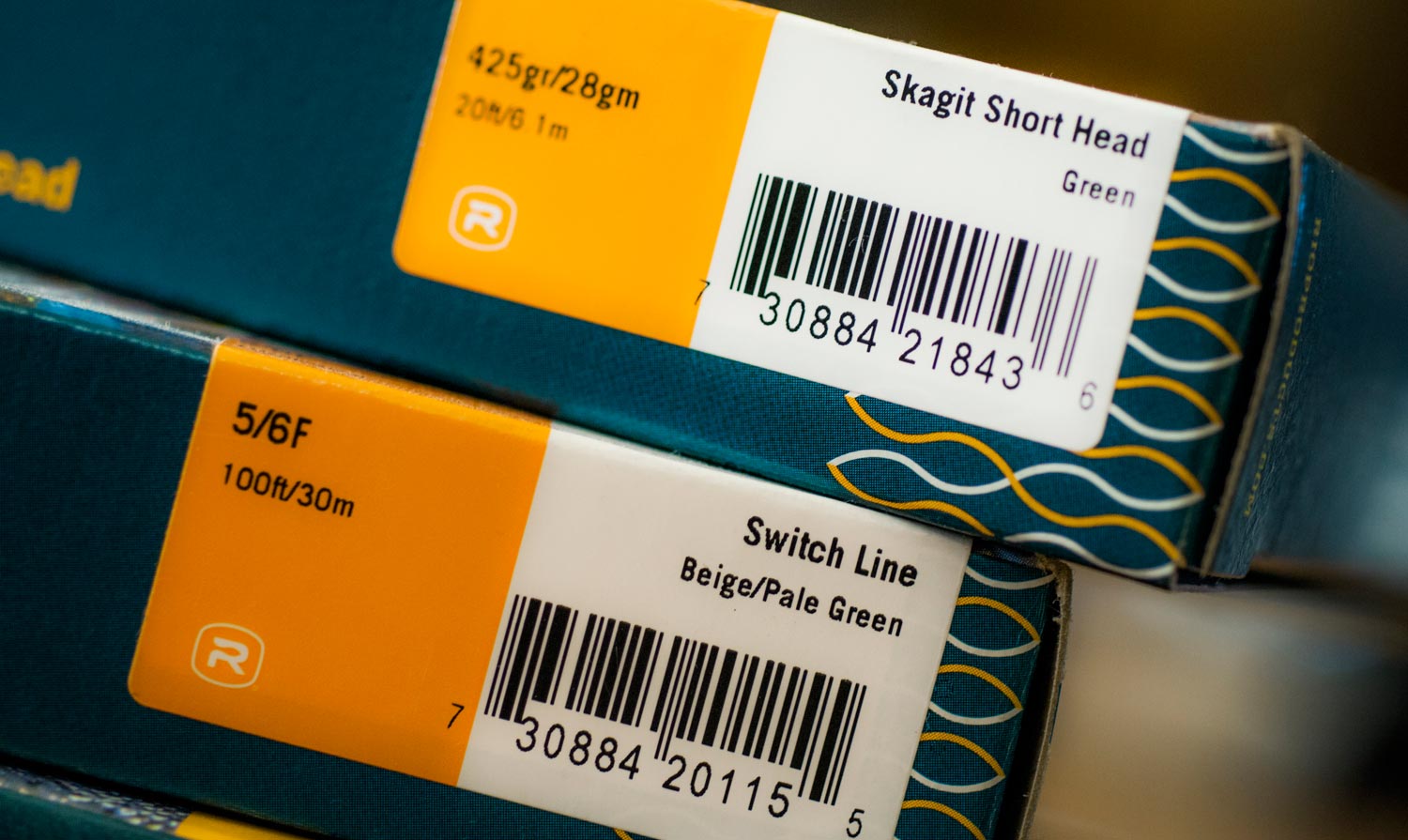
I chose to set it up with 2 reels. A Nautilus FW7 which I loaded with the Rio Switch line in a 5/6 wt and a Bauer CFX-5 Spey that I set up with Rio slick shooter and a 425 grain Skagit Short head, also from Rio. This set up gives me the flexibility of
Read More »You Are Not Ready for Bonefish
By Jason Tucker
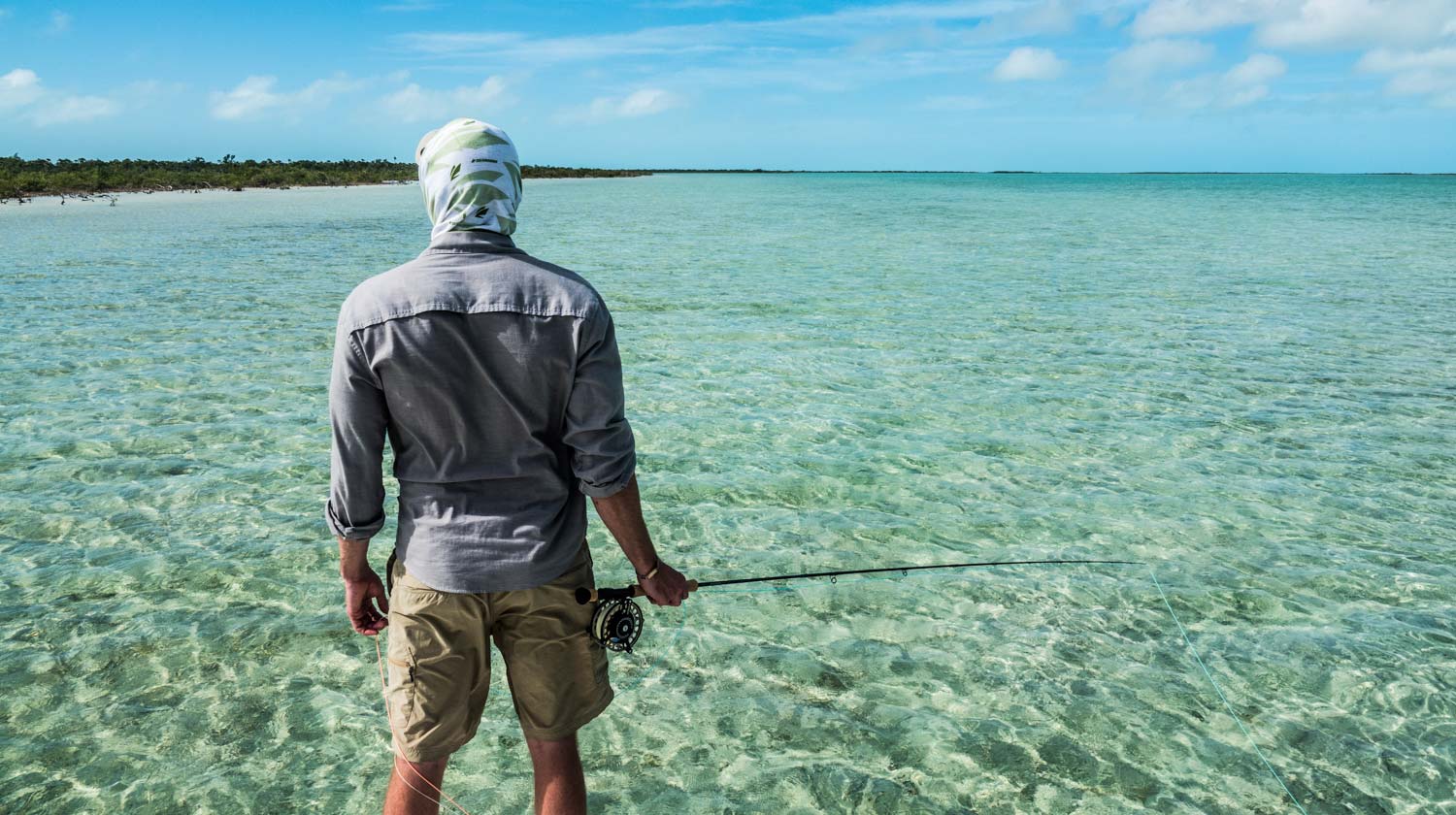
“Jason, give me a cast, tight to the mangroves, forty feet.”
This from my guide, Harlon, who is working his ass off poling the skiff in a howling wind and stiff current while I stand on the bow staring holes into the water.
“Three o’clock, you’re behind him, cast again.” This is said with an odd mixture of Bahamian urgency and diffidence. What this means for me is a forty foot cast almost directly into a hard wind with the mangroves only providing moderate relief. Harlon shakes his head and returns to scanning the water and poling while I strip my line in and get back in the ready position. It has been a frustrating week and day for me.
Bonefish are easy to catch if you can get a fly in front of them without spooking them. And there’s the rub. You have a window as big as maybe six feet to get it in front of them, but if you hit too close they’ll spook. If you cast over them or they see your line they’ll spook. If you can’t make your cast in the wind they won’t see it. And they almost universally spook at anything that hits the water behind them. Also, in the gray and rainy conditions we had, they are extra spooky.
I have never tried to portray myself as an expert in any aspect of fly fishing. I am an enthusiast who fishes a lot and catches some fish as a result. But after awhile you like to think that you have some journeyman skills. I have spent long days casting a twelve-weight rod for muskies, entire summers spent fishing at night for brown trout, and cast my heart out on the Lake Michigan flats in the Straits of Mackinac for carp in thirty mile an hour winds. None of these are as challenging as my experience bonefishing.
Let me say right now, that if you have already gone after bonefish, you know what I’m talking about. If you haven’t, I’m writing this to help you prepare, but you must prepare.
Read More »Double Streamer Rigs Catch Trout
By Justin Pickett
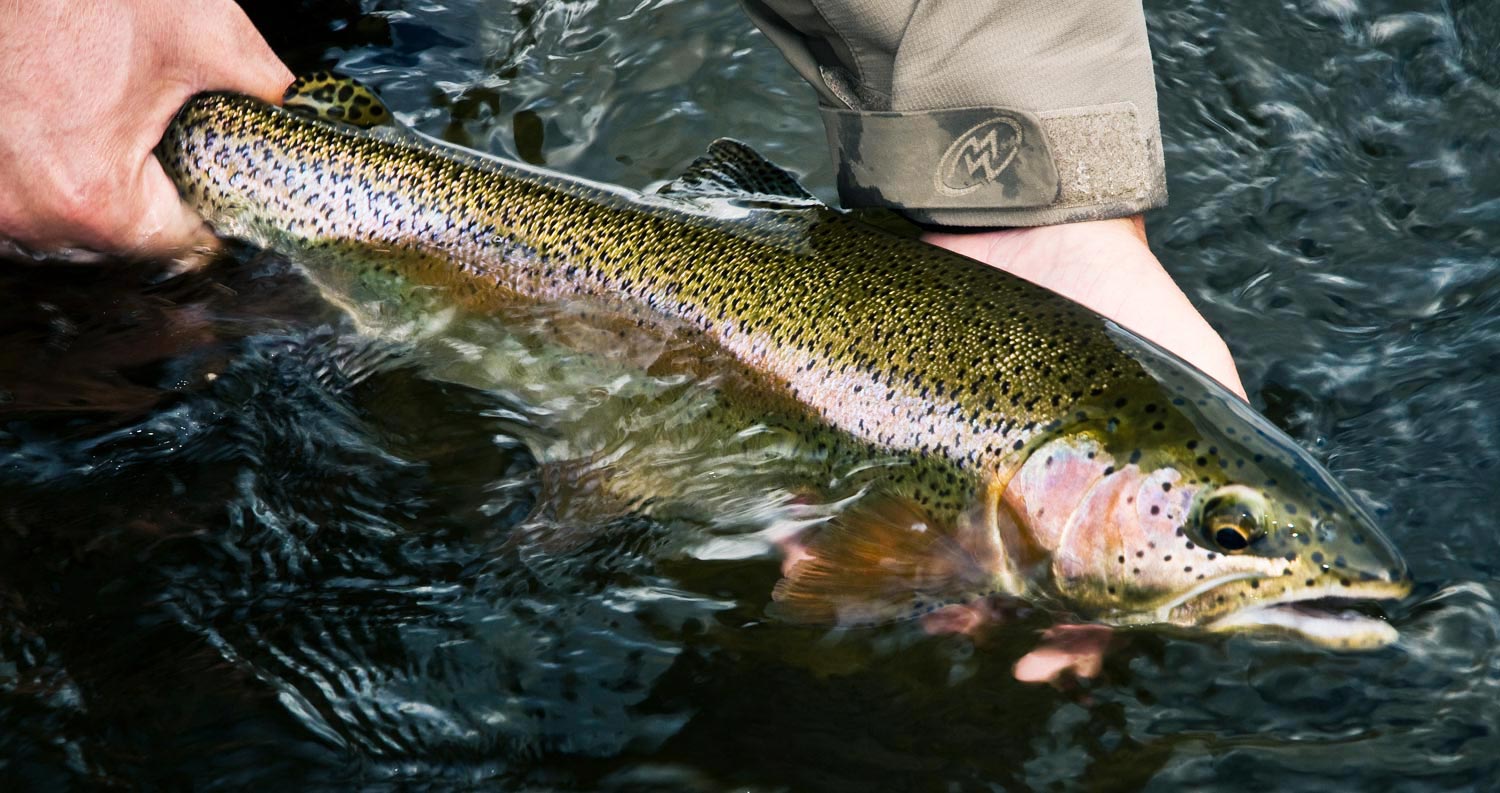
WE ALL HAVE TO DEAL WITH REJECTION, BUT NOT FROM A FISH.
Undoubtedly, there have been numerous occasions where you’ve been stripping streamers and had that big brown trout emerge from the bank, only to give your streamer a curious look and then give you the fin. This scenario is exciting, but in the end all you have is an empty net. So what can you do about it? Throw a little extra meat into the equation!
Now, I’m not talking about tying on two huge articulated streamers. That would be insane and something that I would never do!…. OK maybe I did it once…
Next time you’re out throwing big, meaty streamers and you’re getting refusals, try tying a smaller streamer, or even a nymph, off of the back of your rig. It’s like a little snack. That big streamer might have been enough to move that pig from his lie, but sometimes it’s the trailing fly that makes him eat. Try a woolly bugger, a muddler minnow, or a stonefly nymph. Heck, you might even try
Read More »A Day At Horse Creek Ranch
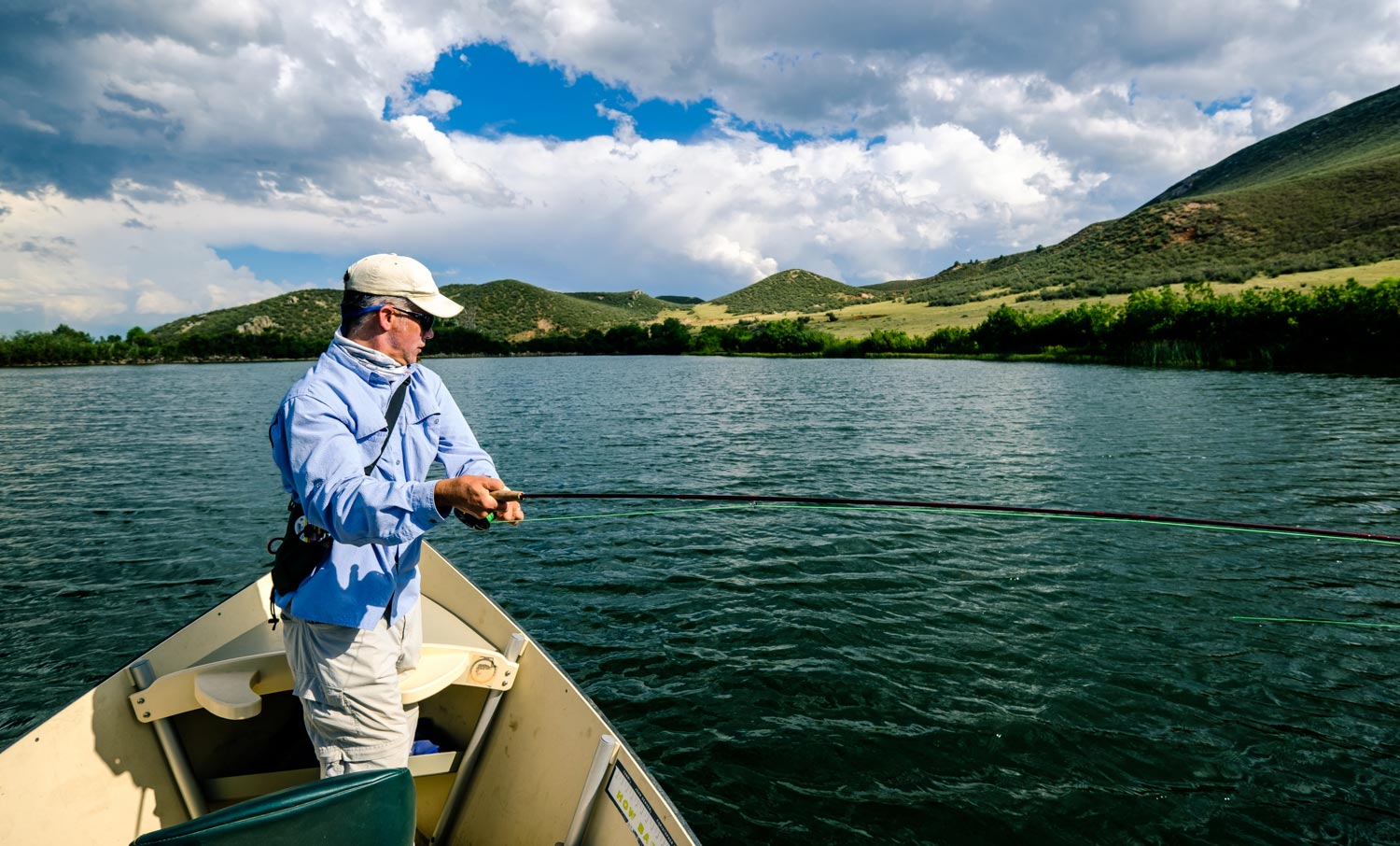
I DIDN’T KNOW EXACTLY WHAT TO EXPECT.
I’ve pulled out of Denver plenty of mornings before sunup. Sipped my coffee as the band of shining blue fog rose in the east and the front range blushed pink to the west. I’ve found my boots in plenty of Wyoming water on days like that but Cheyenne never been more than a pitstop. A windswept dusty place I’d stop for gas or to refill my cup, but never to fish.
I know there’s plenty of good fishing to be had in the area. I have a list of invitations as long as my arm and I’d love to answer every one of them, but when Bob Reece called and invited me for a day at Horse Creek Ranch, I couldn’t say no. Even if it was Frontier Days and there wasn’t a bed to be found.
I’ll be honest, my expectations were tempered. To the eye of a southerner, the Cheyenne landscape can leave you aching for a tree. I know I’ll hurt someone’s feelings but I’ve never thought of it as a scenic place. It’s also been quite some time since I got excited about private water. I don’t think there’s anything wrong with it and I’ve had good experiences and bad, but the shine wore off a while ago. However, Bob is as fishy a guy as you’ll ever find and if he says its worth a look, I’m in.
It didn’t take but about ten minutes’ ride from Bob’s house to see how foolish I’d been to judge the place. The landscape was beautiful and when we got to the ranch I found my tree. The largest living cottonwood in Wyoming, in fact. I’d have made the drive just to see that. I shook the hand of a fellow named Lawrence, who’s mustache hung a full six inches below his chin and watched a herd of two-hundred wild horses move along a ridge. Wyoming never disappoints me.
Horse Creak Ranch has a handful of streams but the real attraction is its seventeen lakes. With only three anglers per day allowed on the 60,000 acre property, you feel like you’re fishing virgin water. Not a sign that anyone has been there before you. That’s a good start on a great day. Bob rowed the drift boat over patches of aquatic grass, rich with insect life, and it wasn’t long before the action started.
Read More »You’re tying your boots wrong
By Dan Fraiser
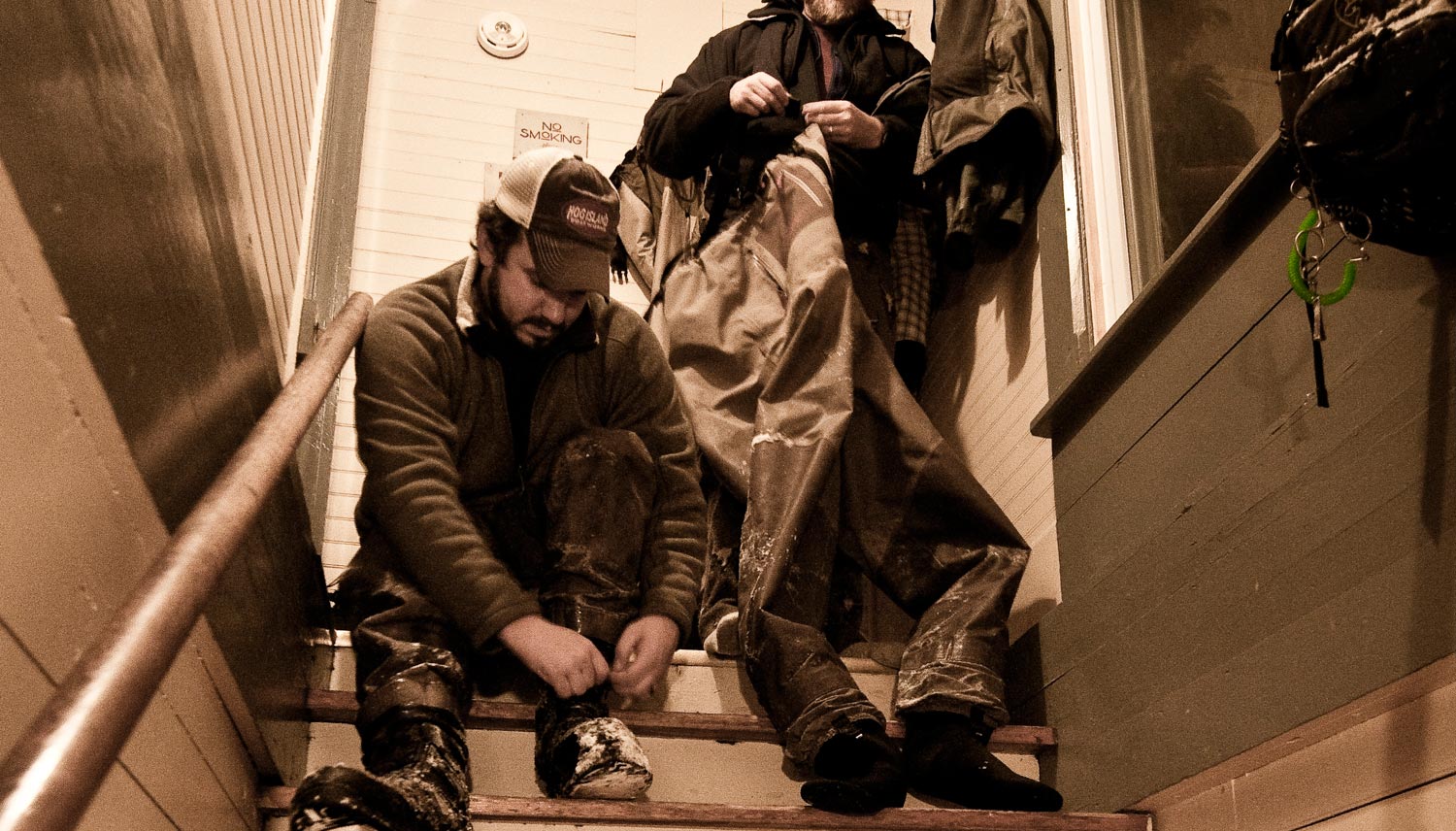
I’ve waded hundreds of miles with dozens of different anglers over the years. One problem that has troubled nearly every one of them at one time or another is wet boot laces coming untied. I’ve watched them retie wet laces, cinching them down with all their might. I’ve seen them tie the double knot, only to spend many minutes in fading light trying to figure out exactly which lace to try to pry loose, sometimes with tools, in order to get the boots off. This problem is so ubiquitous that the industry actually invented a technological solution. That being the Boa System. Now full disclosure, I use the Boa on the boots I wear with my waders and I love it. We can debate the merits of that somewhere else. But on my wet wading flats boots I have regular old stone-age laces like everyone else. However, I NEVER suffer from laces coming untied. Why? Because we were all taught to tie our shoes wrong. With one flip of the wrist, we learned to tie the weak form of the shoe knot rather than the strong form. The weak form is not self-tightening, lays your loops the wrong way across your boot and significantly increases untying events especially in large round laces like those found in wading boots. Here is a very short TED Talk video that will demo the right way to
Read More »Getting A Grip On Fly Casting: Video
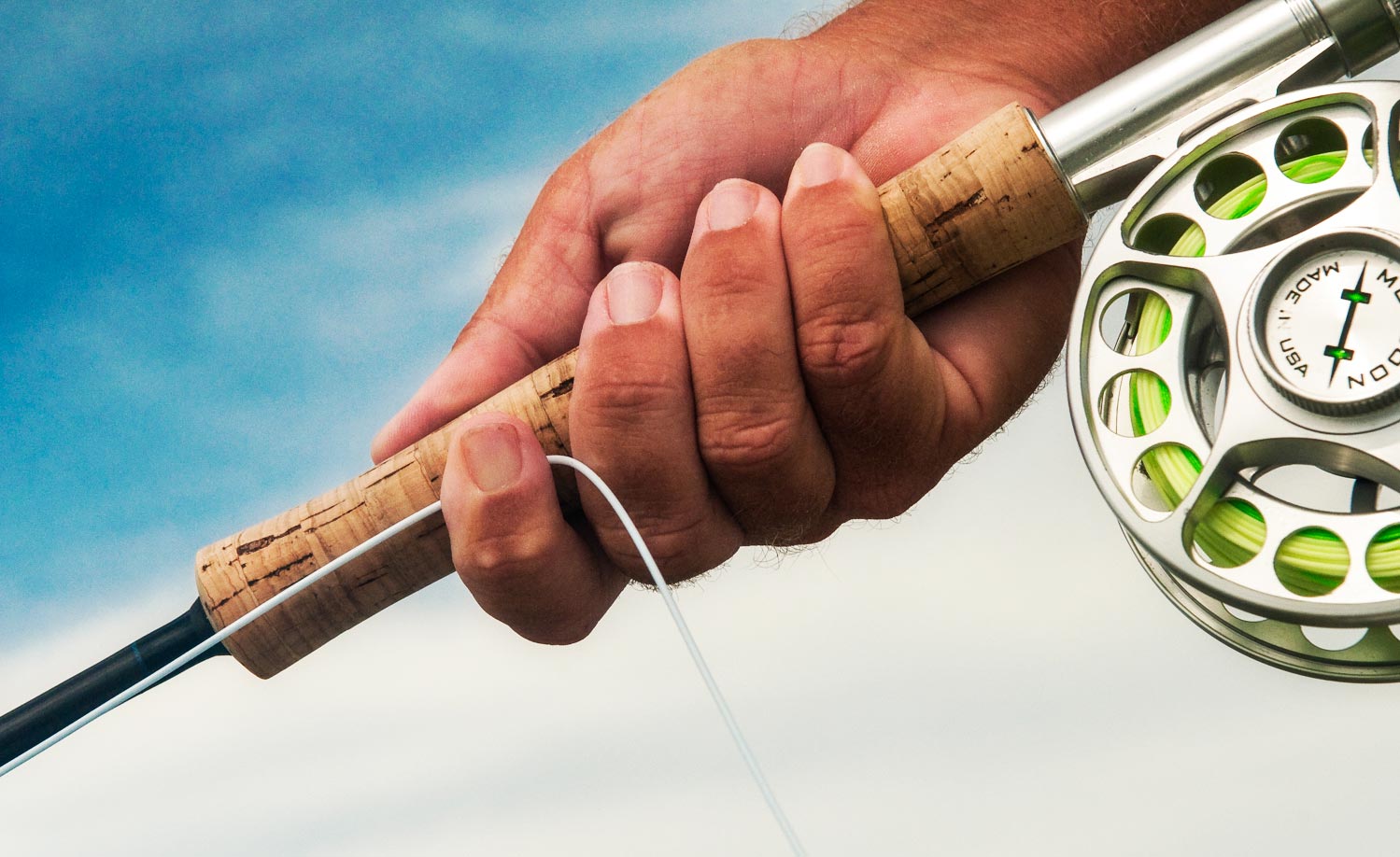
No one grip is right for every casting situation.
In general, there isn’t enough said about grip in fly casting. I spent the first half of my life with a poor casting grip. I finally ran into a gentleman who helped me find a grip that worked for me but for years after that I never thought any more about it. When I started fishing in saltwater that trusty old grip failed me once again.
I got help again and straightened out my cast but it wasn’t until I met Tim Rajeff, and he explained to me how different grips work with different casting strokes, that I fully understood the mechanics of the casting grip. I now have technique and the knowledge about how and when to use it.
It’s made a huge difference in my casting, especially my accuracy. I also have much less trouble with casters elbow. It turned out I was causing myself a lot of pain by combining the wrong grip and casting stroke. It’s been so great for me, I asked Tim to share this quick tip in a video. It helped me become a better caster and I know it will help you.
Watch the video and get a grip on your fly casting!
Read More »Elevate Yourself to Increase the Distance You Can High-Stick
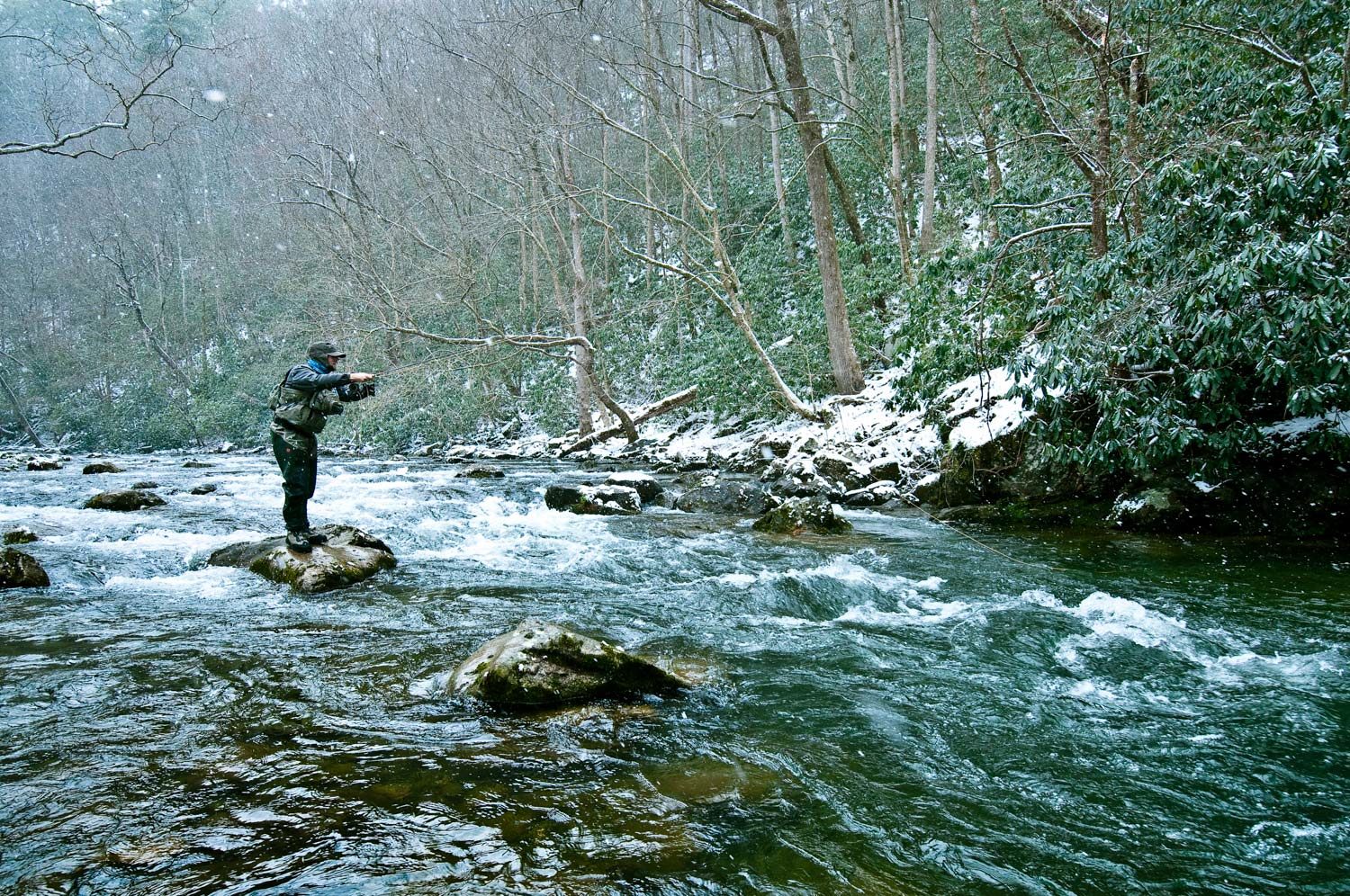
Most of the time when your fly fishing for trout, the last thing you want to do is elevate yourself. In most scenarios, that will usually do more harm than good, by increasing the chances of trout spotting you and spooking. Notice I said “most scenarios”, every once in a while, an angler is forced to go against traditional principles to find success. The other day, I found myself trying to fish an eddy and slow water seam on the far bank. Making the cast wasn’t the problem, it was getting a long enough drag-free drift to get my fly to the fish. Even with my best high-sticking efforts, every cast the super fast water between me and my target water would grab my fly line and suck my flies out prematurely. After a couple minutes of struggling with my drifts and failing to get any bites, I decided to climb up on a boulder next to me. This elevated me three feet, and allowed me to keep 100% of my fly line off the water and get that long drag-free drift. I caught three trout after
Read More »