
Western Fly Guide for Eastern Anglers
By Kent Klewein
ARE YOU SITTING AT THE VISE DREAMING OF THAT BIG TRIP OUT WEST THIS SUMMER?
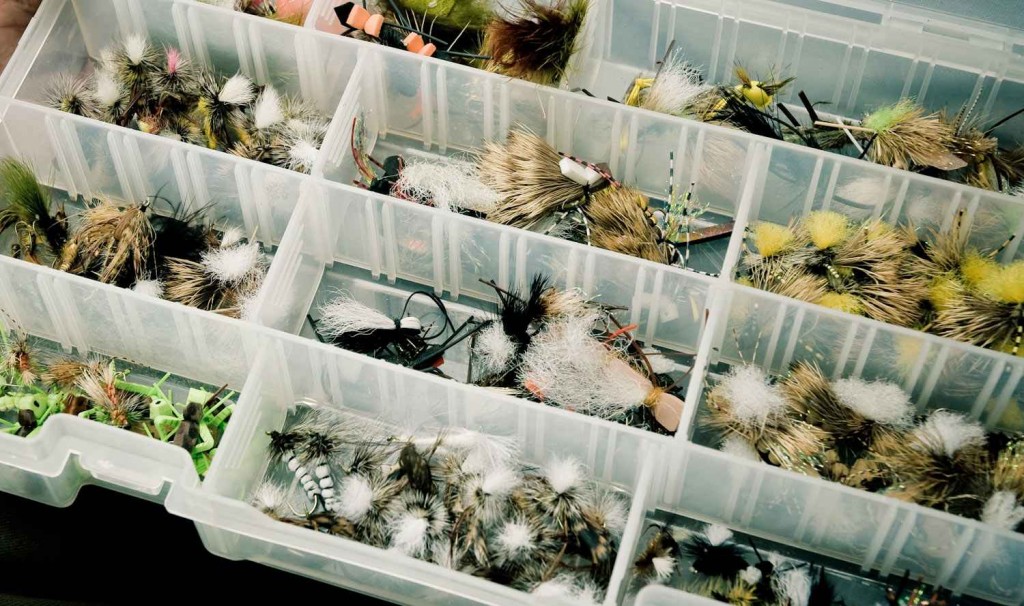
I get asked all the time by eastern fly anglers heading out west for the first time, what fly patterns they should stock up on before they leave. What percentage of dry flies to wet flies they should pack, what sizes, and should they pack streamers? The questions go on and on. I get most of the email inquiries from eastern anglers that are fixing to make their summer trip out west during the peak of the terrestrial season. For those that know me, you know that I’m the type of fly fisherman that carries gear for every situation on the water at all times, for the simply fact that I can’t stand being under prepared on the water. Here’s the truth though, if I’m making a trip out west during the terrestrial season, I usually lighten my load significantly and I only carrying the fly patterns that I think I’ll be fishing the most. If I’m going to be making a trip WY, MT, ID or CO I’m going to pack less nymphs, more dry flies and streamers. Colorado is a little more tricky, in which nymphs can play a larger roll than the other western states I mentioned, but if you travel their during the peak terrestrial season, my packing suggestions should work just fine.
Why do I lighten my load this time of year, you ask? Because the trout generally are easy to convince to rise to the surface and take a dry fly this time of year, and when they don’t want to rise to the surface, they almost always will devour a streamer. It’s not rocket science, the fish are optimistically looking up since a large portion of their food is found floating on or close to the surface during the summer months.
Let’s say I’m traveling to Jackson, WY in August, which is probably the most popular requested area out west that I receive questions about. Below are the fly patterns I will stock up on.
Dry Fly Box (Go Big, Many of these patterns suck up real estate)
Read More »The Other Water Haul
By Louis Cahill
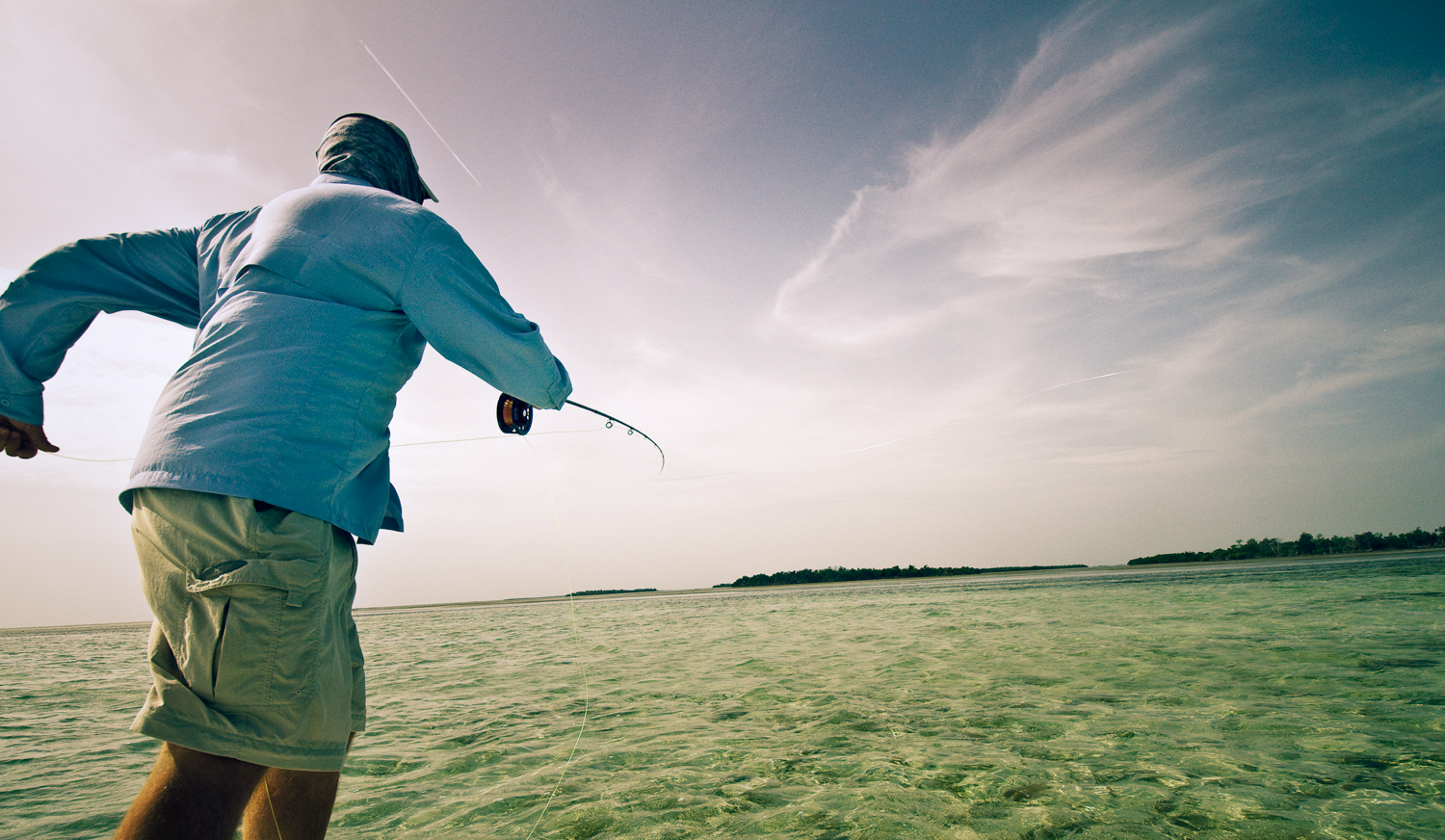
Here’s an unusual, and highly effective, way to use the water haul cast.
Most anglers are familiar with the water haul. If you are not, check out the video and links I have shared below. The basic idea is that you use the surface tension of the water to load your rod for the cast. In stream fishing, this is usually done by letting the current take your fly line downstream until it is tight, then coming forward with your casting stroke. The tension of the line on the water loads the rod and the current serves as a backcast. This is a super effective way to make a stealthy presentation on small streams, but there is another way to use the water haul that’s just as effective on big water.
I most often use this technique in saltwater, but there are times when it’s really handy when fishing rivers or lakes. When the wind is howling off your casting shoulder, it’s tough to make a cast without the fly passing dangerously close to you, or worse, not passing at all. Using a water haul can help.
The problem with wind pushing the fly into the angler is born of slack. Even strong winds don’t have much effect on a fly that is under the tension of an energized line, but when you pause to let your line straighten before the next casting stroke, the wind has its way with your fly and line both. You can minimize the effect by using a Belgian cast. (See video and link below.) That usually works well, at least for a couple of false casts, but when the wind is really moving it’s not enough. It will work on your first backcast, but when you come back for the second, look out.
Read More »South Andros, A Love Story
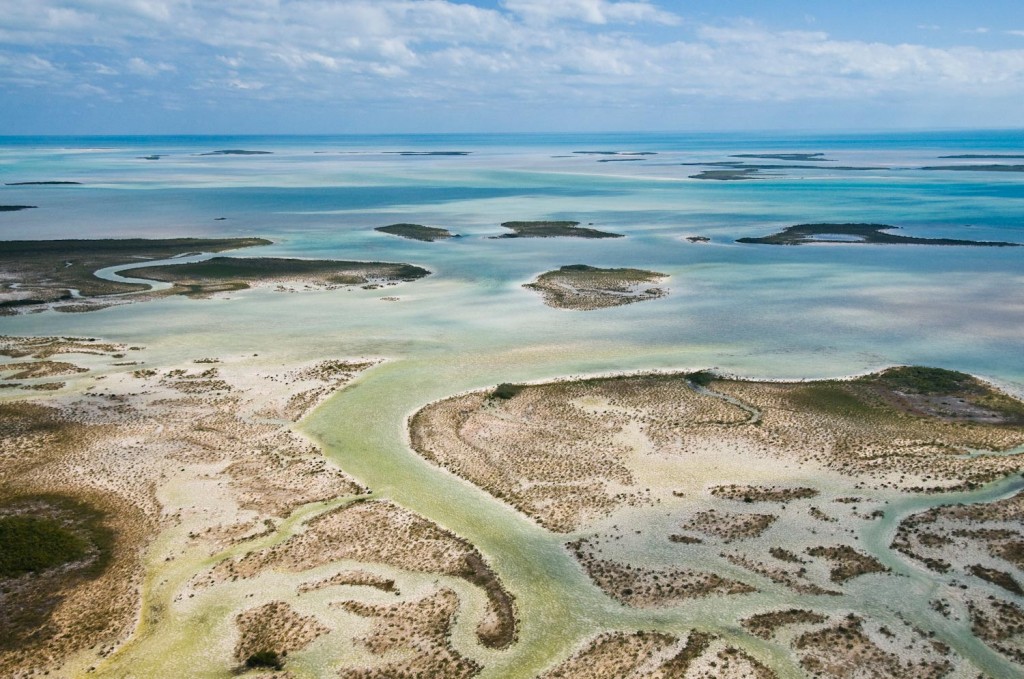
I love the Bahamas. It hits me about this time every year. Just about the time I start pulling out the polar fleece and looking for my fishing gloves I start thinking about Andros. I love the cold weather, it’s not that, it’s just become a rhythm for me. This is the time of year I start thinking about bonefish and gully wash (the coconut milk rum and gin based fire water the locals drink). I start to crave conch salad and that sweet Bahamian bread. I think about warm breezes and cool sand when I should be thinking about migrating brown trout. I start checking over my bonefish gear when I should be prepping my Spey set up. I find myself looking at the weather for Andros when I should be planning my steelhead trips. I think about my friends there at Andros South and the friends I’ve made fishing there who live all over. Some of them even get a phone call. “Hey, what’s up? Done any good fishing lately? Going to the Bahamas this year?”. The other day I even bought a bunch of saltwater tying material. You never know, right? I got some leader material too. Better safe than sorry. It’s almost November and I’m making rum drinks while all my friends are settling into dark winter beers. I imagine they talk about me behind my back like I was a fool hopelessly in love with a girl who doesn’t know he exists. “Wake up dreamer, it’s not gonna happen”. Well, the world needs dreamers. I’m booking my ticket tonight. Try not to hate me. Louis Cahill Gink & Gasoline www.ginkandgasoline.com hookups@ginkandgasoline.com Sign Up For Our Weekly Newsletter!
Read More »Should I start tying my own flies to save money?
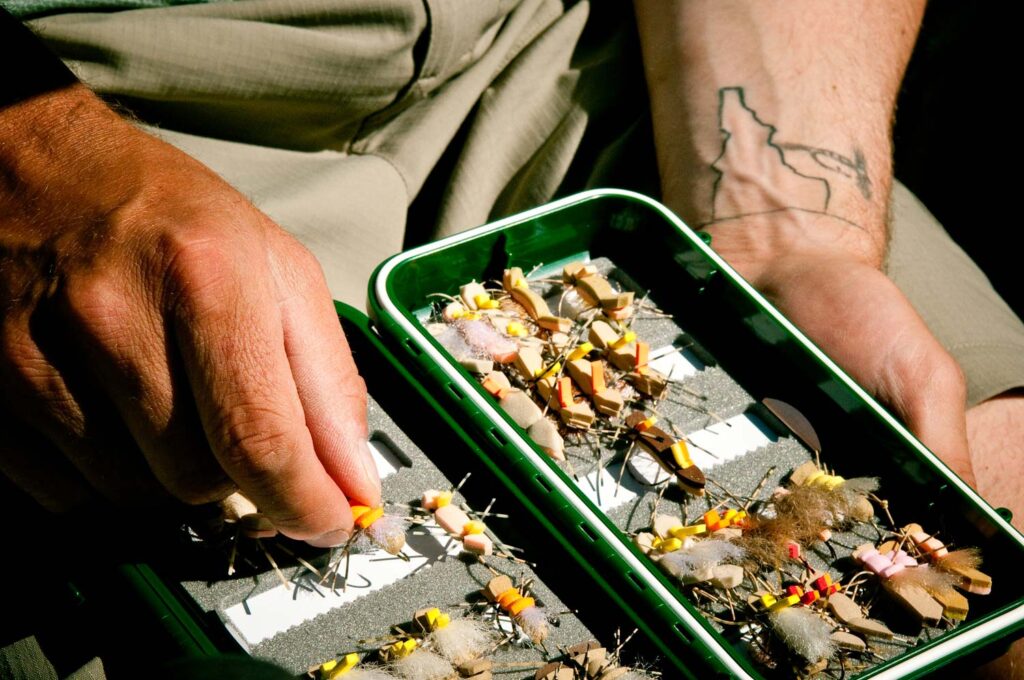
By Jason Tucker This is a question that pops up every week wherever social media may be found and a lot of times the answer you get is “NO!” But it’s not that simple so I’m going to offer you some pros, cons and tips including cautionary nuggets from my own experience. I would encourage most fly anglers to get into fly tying with some caveats. If you’re getting into fly fishing you may have noticed the price of flies- around $2 a pop for even a simple egg pattern, and quickly climbing. Most well-tied dries will run $3-$5 and those beautiful big pike and muskie patterns can run up to $24 a fly, with most trout streamers costing $6-$8. This means a dozen flies can cost you $30-$50 and a bad day on the water can get expensive fast. We’ve all run into that guy on the river with multiple fly boxes stuffed full of beautiful flies he tied himself, handing them out like candy, and when you protest or offer to pay he says what I say- “It costs me almost nothing to tie these.” And he’s right, almost. So right off the bat I’m going to tell you who should not tie their own flies (and why not). If you are a casual fly angler who fishes a dozen times a year and has a good local fly shop, I’d say fly tying is a poor investment. You will probably spend about $400 dollars to start fly tying if you’re doing it right, and if you have good impulse control. You can buy a lot of flies for $400. Other reasons to not get into fly tying- not having a place to do it or to store materials, or having a family or work situation that doesn’t … Continue reading
Read More »Save Your Saltwater Flies
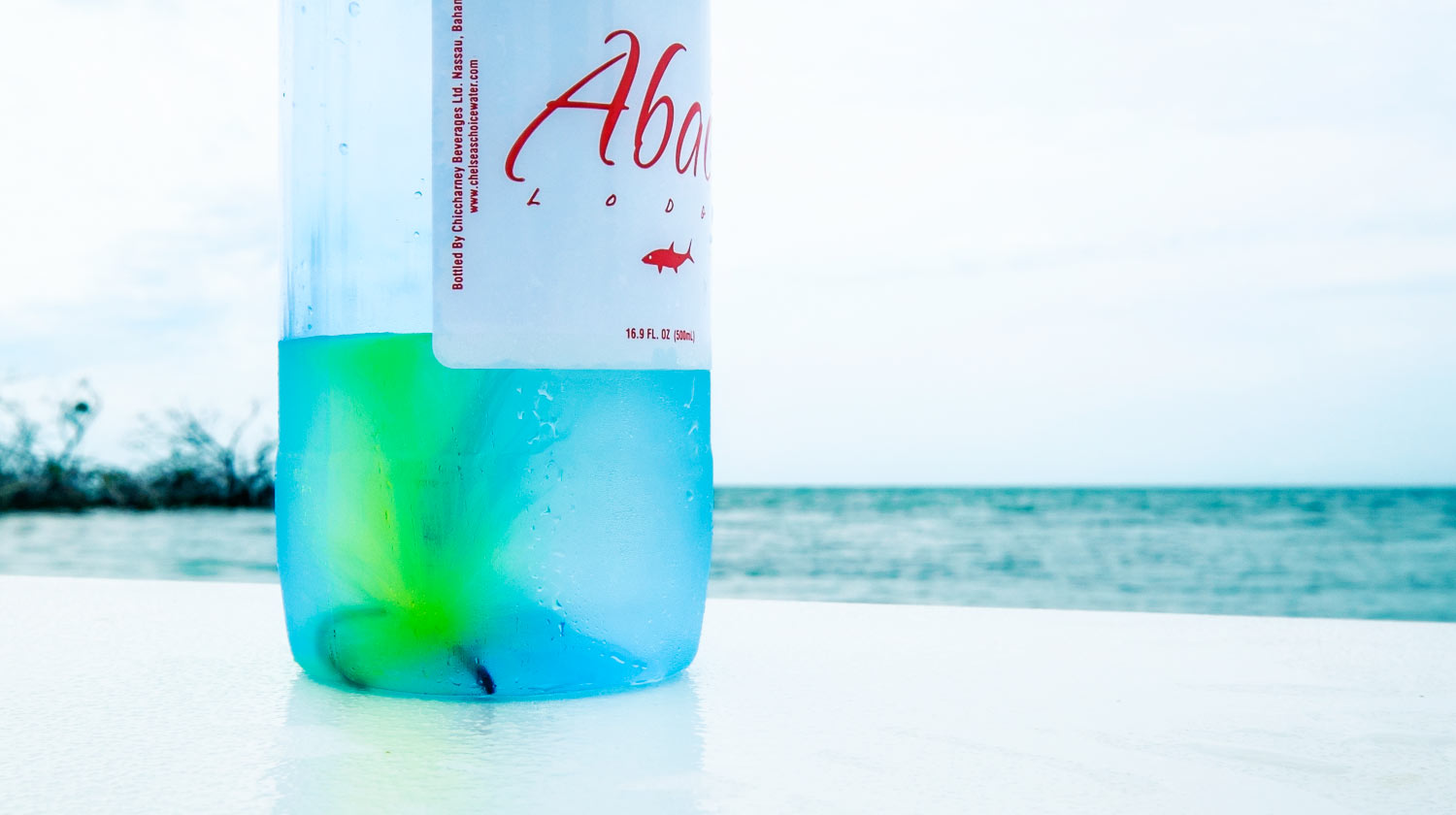
Have you ever put a saltwater fly back in you box while it was still wet from fishing?
If you have, you know the heartache of finding a bunch of your best patterns ruined by the salt you locked in there. It’s no fun. If you’re fishing on your own boat, you probably have a drying patch but if you’re wading or fishing with a guide, it’s hard to find a good place to store your used patterns. They too often end up lost or thrown away. Even if you keep up with them, it’s a pain to wash and dry them later.
I learned a good trick to save those veteran flies from one of the guides at Abaco Lodge. Just drink
Read More »Taming Your Buck Fever
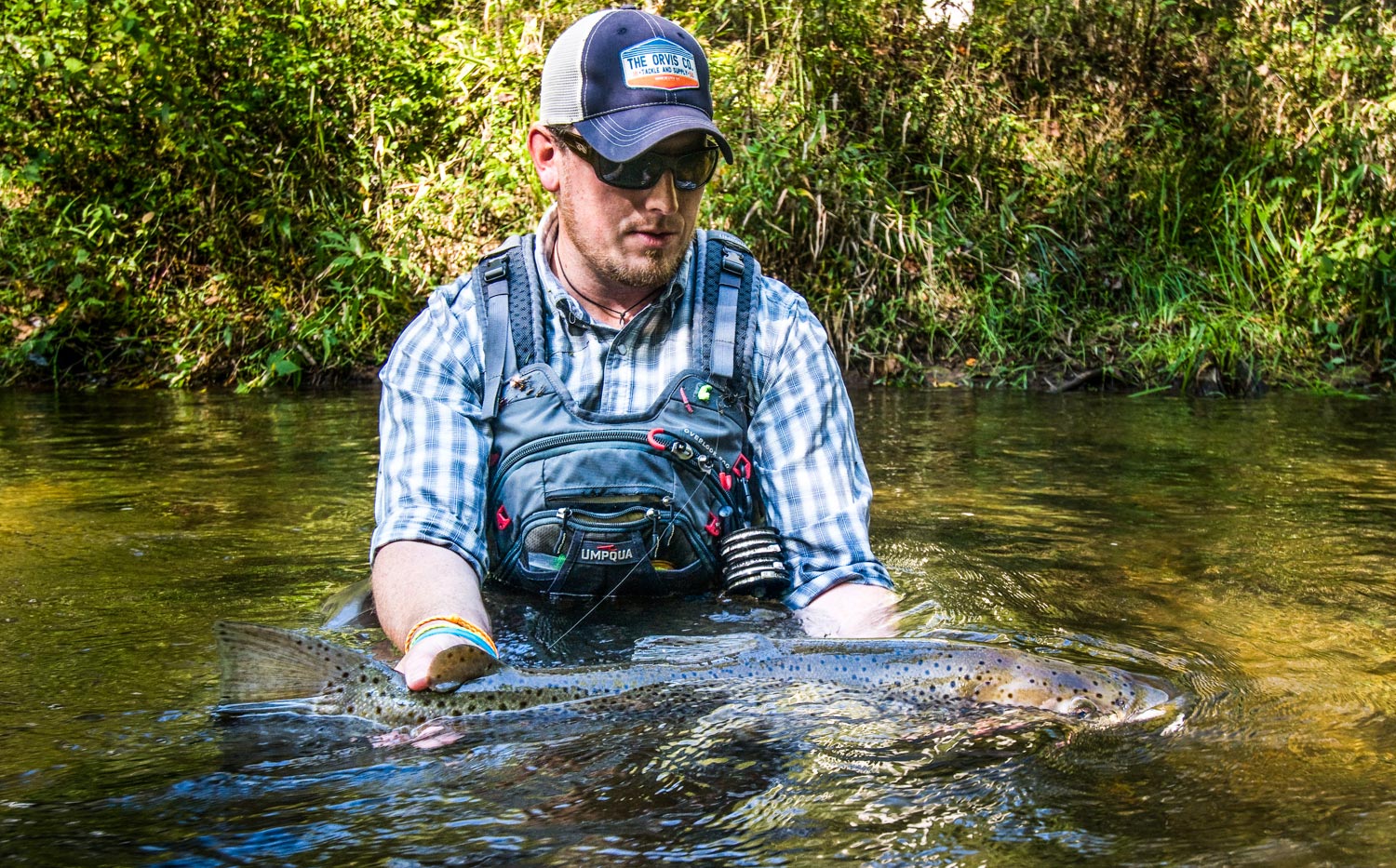
You’ve stumbled upon a sexy piece of water to find a big ‘ol trout feeding in the tail of the run.
It’s one of the biggest trout you have ever seen. The one that sends chills down your spine. Without a second’s hesitation you rip line from your reel and begin your back cast as you stare intently at this fish moving side to side in the current. You judge your distance as best as you can in the moment and you fling your flies behind you… And this is where things typically start to go wrong. Did you get tangled in a tree limb behind you? Or worse, did you catch some of the Rhodo creeping over the water on the far bank? Or maybe you just made a bad cast and piled your line up, right on top of the trout that is now hunkered back under the undercut bank? If not, then that’s great! But, the vast majority of us tend to get ourselves into trouble when we are faced with such a situation.
Buck fever is the damnedest thing. It still happens to me, and will probably continue to plague me. It happens to all of us. We’re having a great day, fishing away, casting smoothly, and we’re aware of what’s going on around us. Then we catch sight of the fish that haunts our dreams, and that adrenaline immediately hits our bloodstream. Suddenly, it’s as if we’ve morphed into a raging monkey swinging a football bat. We forget where we are, flies sling wildly through the air, and we stumble over every little pebble. We even bury 3/0 hooks into our backs. It’s a wonder that we don’t completely drown ourselves sometimes. As insane as this can get sometimes, it’s also completely normal.
Normal as it may be, here are a few tips to keep you grounded and put together so you can make your best presentations when they really count:
Stop! : Slow down grasshoppa! You feel that tingly feeling rushing over your body? That’s called adrenaline and it’s a monster. It will ruin the best of casters. Now is not the time
Read More »Lucky Number 10?
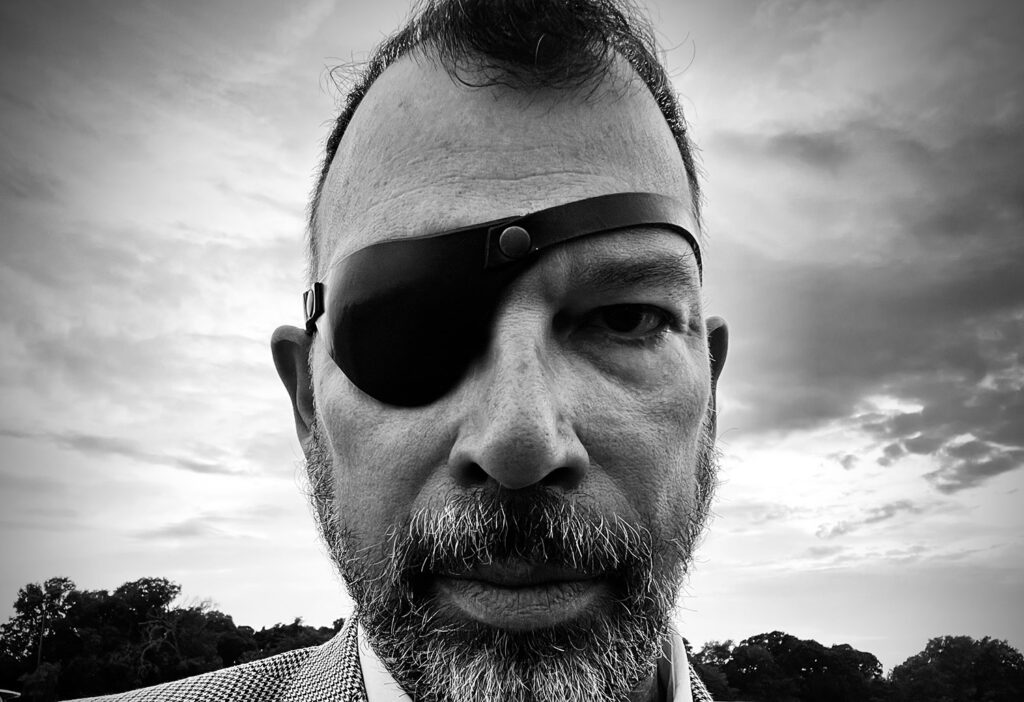
On Thursday, June 8th, I go in for my tenth eye surgery. It’s been a long time since I posted an update about my eye condition. I quickly got tired of writing about it and I’m sure most of you got tired of reading about it. In the absence of good news, I opted for no news. Many of you have emailed asking how I’m doing, so here’s a report. Four years after what I thought would be a six week interruption in my routine, I am headed in for my tenth surgery and that seems like the only thing in my life that is still routine. I have no really usable vision in my right eye now. Not for a long time. I’m on my fourth retina surgeon, as I seem to wear them out, and we are running out of option for this eye. Ten surgeries seems like an extreme effort to save an eye that doesn’t do much for me but there are reasons we’ve gone to such lengths. Although my left eye is doing well, there will always be the risk of the same thing happening to it, so any vision we can save is worth what it takes. I guess. These surgeries are not like cataract surgeries or other more common eye procedures. They are really tough with long recovery periods, often requiring me to be face down in bed for months after. The toll this is taking on the rest of my body is not insubstantial. Briefly, for those of you who have not read previous updates, my eye was damaged by a botched cataract surgery in 2019. My retina detached and I developed a condition called Proliferative Vitreoretinopathy, PVR for short. With PVR the retina continues to build scar tissue and tear itself … Continue reading
Read More »Fly Fishing The Yucatan
By Rod Hamilton
Standing beside our overheated car, an hour north of Cancun, my three-week fishing adventure to the Yucatan was off to a rocky start.
Weeks of preparation and planning had gone into this trip and with military precision three of us were going to explore as much of the Yucatan as possible. The end game being to collect the remaining material I required for my next book due out in December, Fly Fishing The Yucatan.
What I had failed to do was build into the itinerary eight hours on the side of the road in one hundred degree heat. Clearly an oversight since I have been fishing the Yucatan for more than ten years and should have expected that something “exciting” would happen.
Accompanied by co-authors Rhett Schober and Nick Denbow, the mission was to fish the Yucatan starting in the north at Rio Lagartos and over the next twenty one days, work our way south along the Caribbean coast eventually ending at the Belize border.
We could have outfitted a small fly shop with all the gear we had, including three inflatable SUP’s. Fly rods in hand we booked days with independent guides, lodges and fished on our own when we could. But secretly I had fallen in love with the romantic notion of catching all of the target species; tarpon, permit, bonefish, snook, jacks and barracuda from the platform of my SUP.
Dealing with the disabled car, we arrived in Rio Lagartos in the early morning hours. Grabbed a couple of hours sleep then dragged our sorry, tired butts down to the dock. Coffee in hand we met up with our guide, Isamael Navarro of The Rolling Silver Tarpon Club.
We stashed the gear into Isamael’s twenty-foot panga and made the three-minute run to the fishing grounds. Peering through the early morning mist, with the engine off we could hear and see tarpon to 35 pounds all around us. As with all trips, the travel and troubles from yesterday were now a distant memory. Rhett jumped on the SUP we had loaded, began casting a #4 Black Death and was soon into a leaping slab of silver. Rhett wouldn’t make it as a performer in Cirque du Soleil, but did manage to stay upright while fighting and landing the first tarpon of our trip.
Weary and bedraggled from our first day of fishing, the traveling band of misfits (that would be us) loaded all our gear into the back of a truck heading in the general direction (did I mention we didn’t have a car) of our next stop, Isla Holbox. Excitement was off the charts anticipating our time with one of Mexico’s most famous guides, Alejandro Vega Cruz of the Holbox Tarpon Club.
Alejandro and his family are fantastic hosts and his fishing expertise lived up to his reputation. We had a marvelous time working the flats sixty minutes south of his lodge, visiting the areas where he had fished and grew up as a child. We all caught fish under his watchful eye, but the highlight was handing him a fly rod and watching a master of our sport, cast. Poetry is what comes to mind as we watched 100 feet of fly line effortlessly leave the bottom of the boat.
Isla Holbox is an interesting place to visit and offers a laid back, relaxed vacation destination for those who want more than just a week of tarpon fishing. Beautiful, manicured, sandy beaches engulf a funky artist vibe that you can’t help but embrace as you poke around the island in your rented golf cart.
Next on the itinerary was Isla Blanca, located on the outskirts of Cancun. It barely gets mentioned when talking about flats fishing. Yet an hour from the dock your guide will be polling over some of the finest flats in the Caribbean. We were fortunate to get hooked up with Edwin Patron of Cancun Fly Fishing Express who picked us up at our Cancun hotel and drove us to his nicely outfitted panga.
Without the hyperbole of a typical fishing story, the chances are very good an average fisherman will have shots at tarpon, permit and bones. That day we hooked all three species and as a bit of a permit snob I can tell you we had something like twenty shots at the shyest of flats fish and landing a couple by days end. The real treasure of Isla Blanca is
Read More »Blackwaters
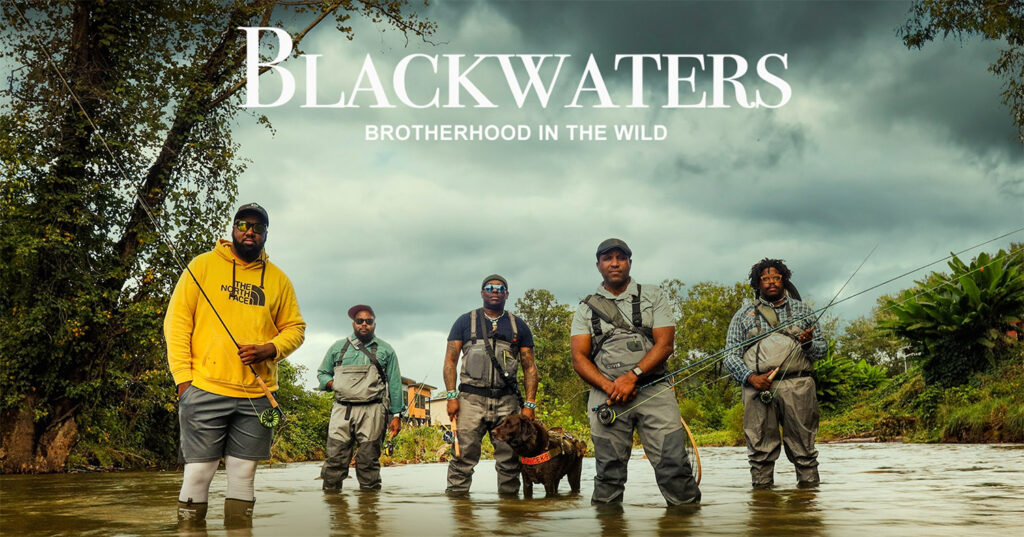
Blackwaters isn’t really a film about fly fishing. My buddy Chad Brown called the other day to tell me about the latest project he’s been involved with. When you get that call from Chad, you know it’s going to be interesting, and its going to be a conversation worth having. The project is a film called Blackwaters. Fly fishing being the excuse for five black men to go on a camp trip to the wilds of Alaska. If you’re not black, and most of our readers are not, you may not be aware that the wilderness does not always feel like a safe place for Black Americans. I feel sure that choice was intentional. The stage is set for a substantive conversation on the topic of being male and being black in 2023. The fishing is secondary. In the end it is, in fact, a conversation worth having. The Premier of Blackwaters will be Aug 26, 1-5pm at Billy Frank Jr Conference Center 721 NW Ninth Ave Second floor Portland, OR 97209 You can find information and other showings at https://blackwatersfilm.com
Read More »The In-Law’s Bass Pond
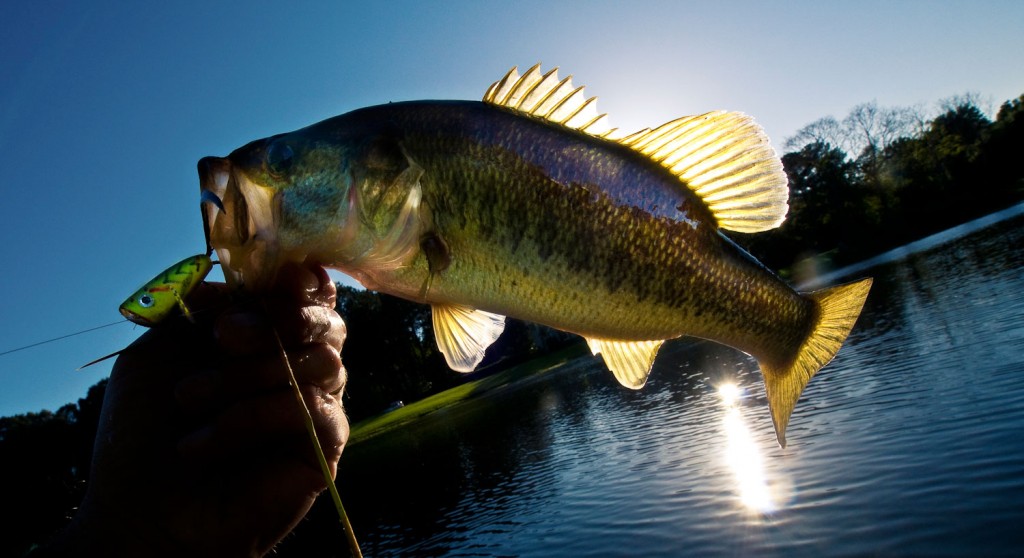
“The pond was full of those great lily pads, and I guess that’s where the problem started.”
I guess I should be happy, but I’m not.
Ever since my in-laws moved to South Carolina the compulsory visits have had a silver lining. I discovered a little bass pond just down the road. It’s a sort of neighborhood open space and I’ve seen a few folks fish it but very few. Maybe an acre total, you can fish about sixty percent of it from the bank if you’re a good caster.
I am, SO not a bass fisherman. My brother is quite good at it so I’m well aware of my shortcomings. I have a lot of respect for the guys who can go out on those big lakes and find the channels and structure, temperature changes and whatever else causes bass to find a happy home in, what looks to me, like featureless water. I’ve never been motivated to learn all of that. In part because bass just don’t blow my skirt up.
They’re a cool fish and all, I’m just so in love with the brightly colored trout that bass don’t get a lot of my attention. I also freely admit that I have no interest at all in going seventy miles per hour in a boat. It scares the shit out of me and I bear no shame for that. I find it aesthetically more pleasing to walk to my fish and it’s easier on my nerves. That said, a bass pond is just my speed.
It’s been great, at Christmas, Thanksgiving or Easter, to just sneak off for and hour or two at the end of the day and deposit a little of my stress into a fly line. There is just something terribly satisfying about watching the chug-chug of a bass popper get violently interrupted by a falling bowling ball. It’s not the most challenging fishing but, that’s kind of the point.
This little pond in the South Carolina low country is just beautiful. Enough trees to find some shade but not so many that casting is impossible. A healthy frog population so the popper fishing is great. I’ve had fish bust through the lily pads to eat a popper sitting on top. The pond was full of those great lily pads, and I guess that’s where the problem started.
I don’t know if the alligator was attracted to the lily pads but he certainly liked the bass that hung out around them. Whatever the reason, this gator happily took up residence in the pond and it caused a minor hysteria among the neighbors, my in-laws included. Apparently
Read More »