
Fly Fishing Runoff Can Mean Fish On
by Johnny Spillane
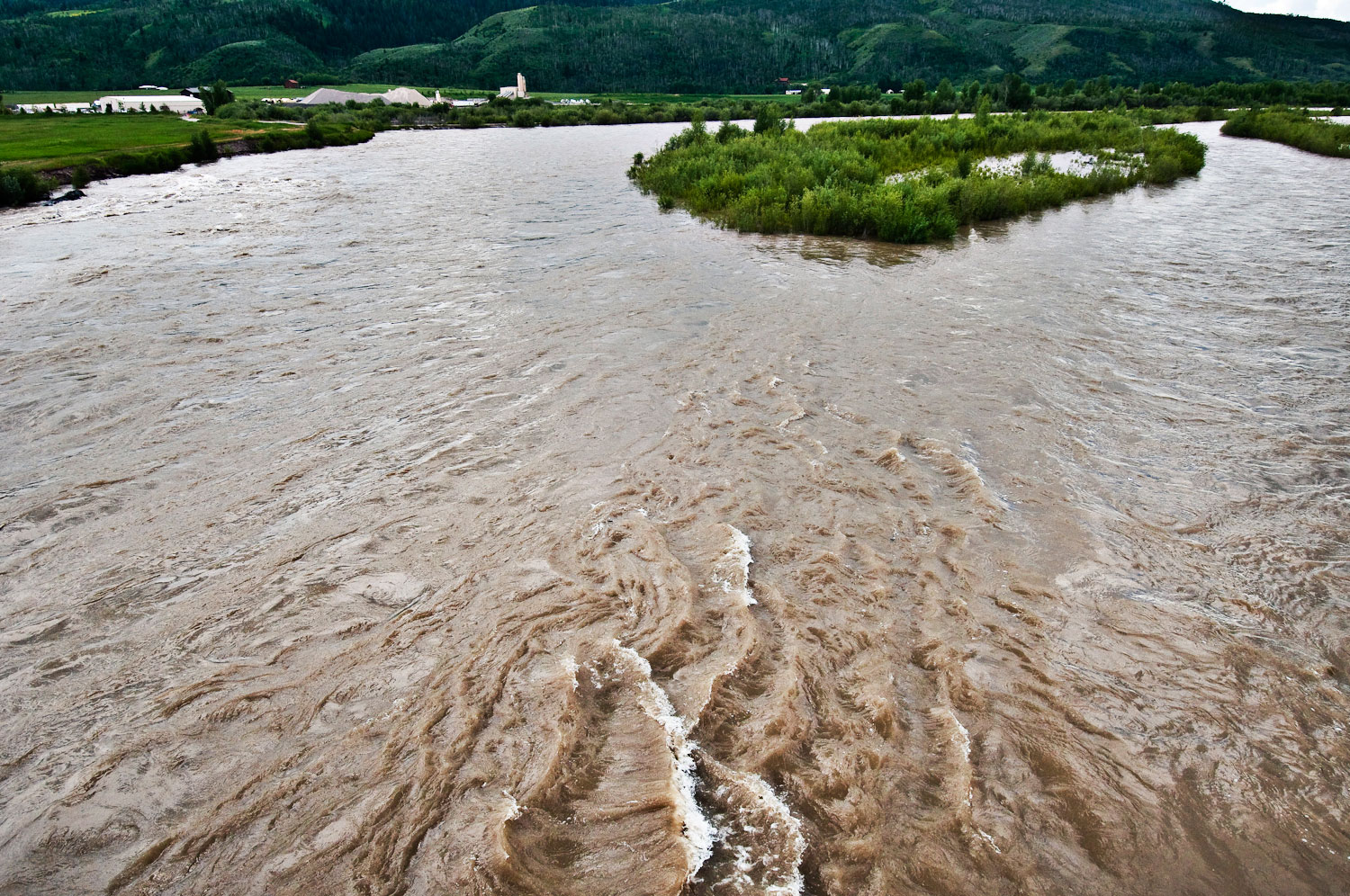
HAVE YOU EVER SHOWED UP AT A RIVER AND FOUND THAT INSTEAD OF THE CRYSTAL CLEAR WATER YOU WERE EXPECTING, YOU’RE STARING AT CHOCOLATE MILK?
Here in the Rocky Mountain this is a relatively common experience. It can happen for a number of reasons, huge rainstorms, someone doing river work above you or just your normal spring runoff. Don’t fret; while it might not be ideal, here are a few tips that can help you find some fish.
If the water is only slightly off color, you can basically use the same flies that you would if it was clear, just make everything a size or two larger. Instead of a size 18, put on a 16 or a 14. If that is not working, try adding a little bit more flash to your rig. We typically use flies with very little flash, but if the water is off color it can make a big difference in the amount of fish you stick just by changing to something that will reflect a little more light. If you were using a pheasant tail, try tying on a flash back pheasant tail and sometimes that is the only thing you will need to change.
If the water looks like chocolate milk, go big and go flashy. Those size 22 zebra midges that you planned on tying to 6x, that aint gonna work. I like to tie on a large white zonker and dead drift it with some sort of big buggy stonefly like a Pats Rubber leg. In off color water, fish will lose some of their inhibitions and hit anything that they can see. You just have to make sure that they see it. This is also a great time to experiment with different streamers that make noise, anything that will help draw a fish towards you fly.
Fishing runoff can also be one of the best times to hit a river. If it is fully blown, it might be better to explore other options but if a river is on the downside of its peak flows and it is starting to clear up, fishing can be phenomenal. Fish that are spread out all over the river during normal flows will congregate in areas of softer water during runoff and usually if you find one fish, you find 20. When the river is really high
Read More »Louis’s Fly Fishing Yoga
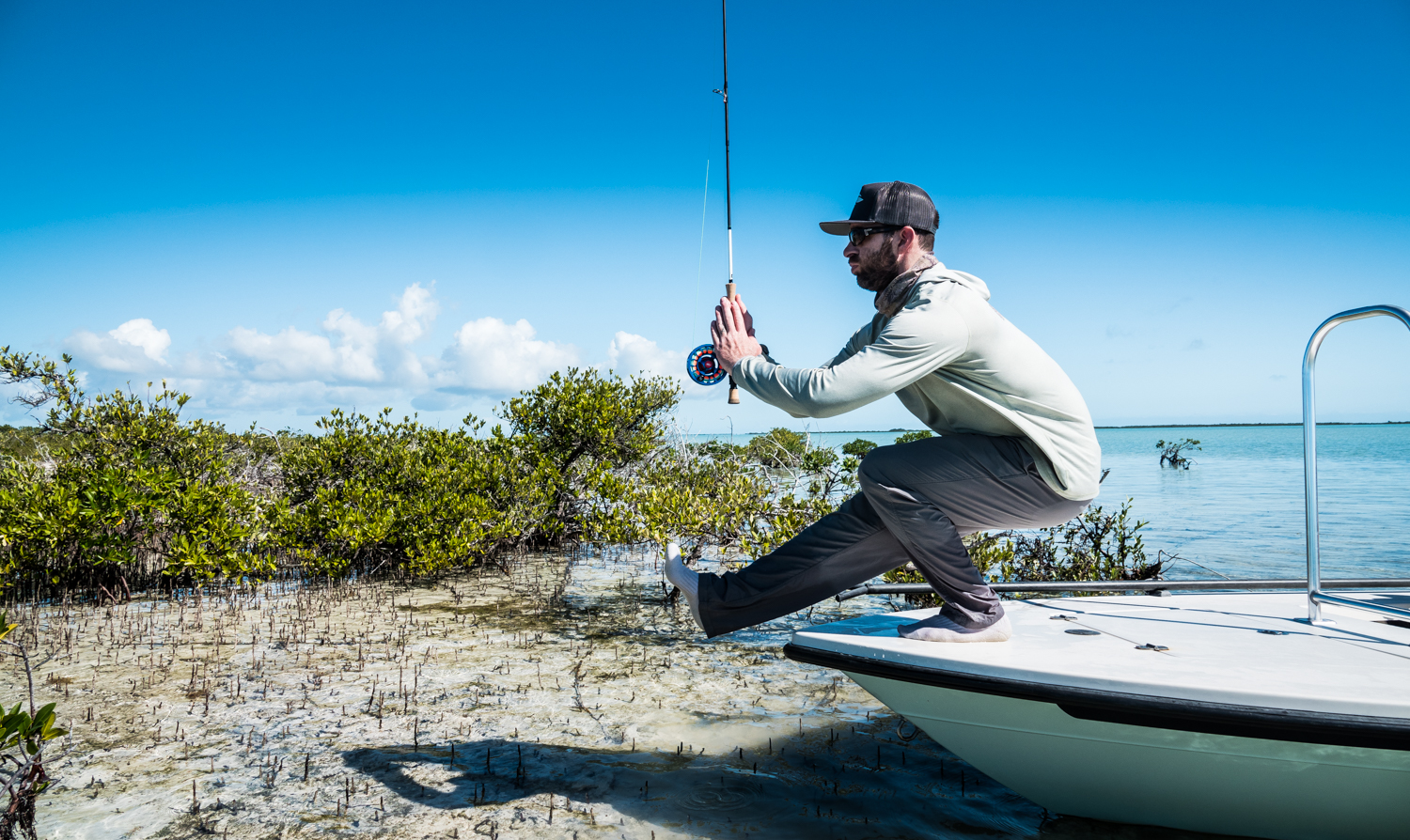
Here are two simple stretches that will help your fly casting.
From time to time I see a fly angler who has trouble with their casting because their shoulders are too tight. A limited range of motion can cause all kinds of problems with your cast. It’s worth taking some time do do some simple stretches.
I have a shoulder stretch I learned in martial arts training, that I do every day in the shower. It only takes a few seconds and it keeps my shoulders flexible. I have another I like to do before I hit the water. This insures that I’m in my best shape for casting.
I’m expecting my audience to have a lot of fun at my expense on this one. It’s silly to stretch in front of the camera anyway and I’m pretty tubby at the minute. It’s ok, go ahead and laugh. These stretches really do make a difference and you don’t have to do them in front of the camera.
WATCH THE VIDEO TO LEARN TWO STRETCHES THAT ARE GREAT FOR FLY FISHERS.
Read More »My Two Favorite Picky Trout Tailwater Nymphs
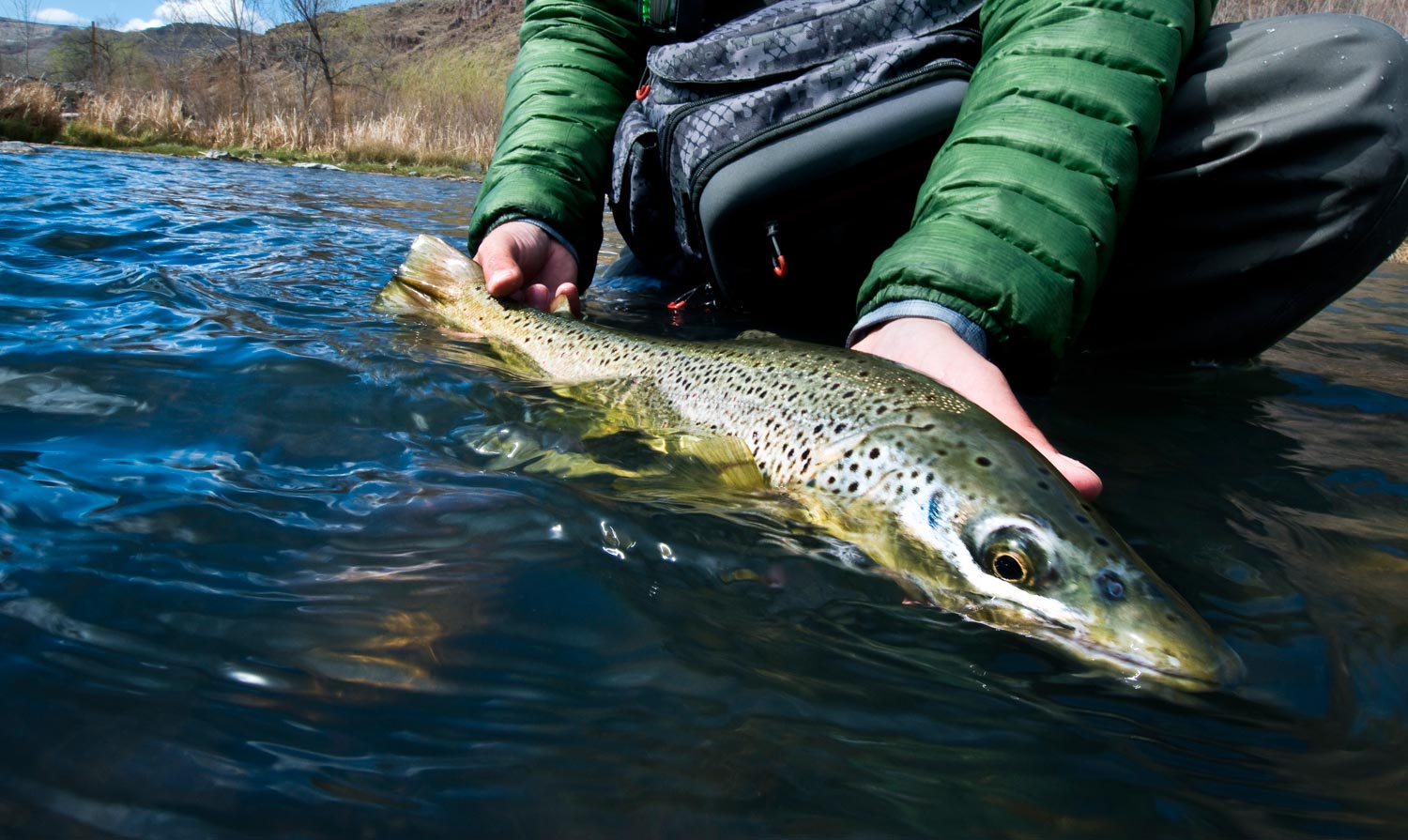
These two patterns never let me down on tough tailgaters.
Most of you are aware that Louis and I just got back from fly fishing and filming our segment for Playground Earth, sponsored by BFGoodrich Tires. We had the pleasure of fly fishing the Owyhee River, one of the finest trophy brown trout tailwaters I’ve ever had the opportunity to wet a line. The resident brown trout here proved to be quite picky, calling for not only accurate drag-free presentations from us, but our casts also had to be timed correctly to the feeding trout we had located. Out of the thousands of flies that we had on hand between us, two nymph patterns accounted for 80% of all trout landed. The splitcase bwo nymph and the splitcase pmd nymph were regular taken for naturals on the water througout our time on the Owyhee River. Never again will I only have a handful of these patterns on hand. I was down to my last splitcase nymph by the end of the trip.
Read More »Bait Dunkin’ to Lure Chuckin’ to Fly Floatin’
By: Alice Tesar
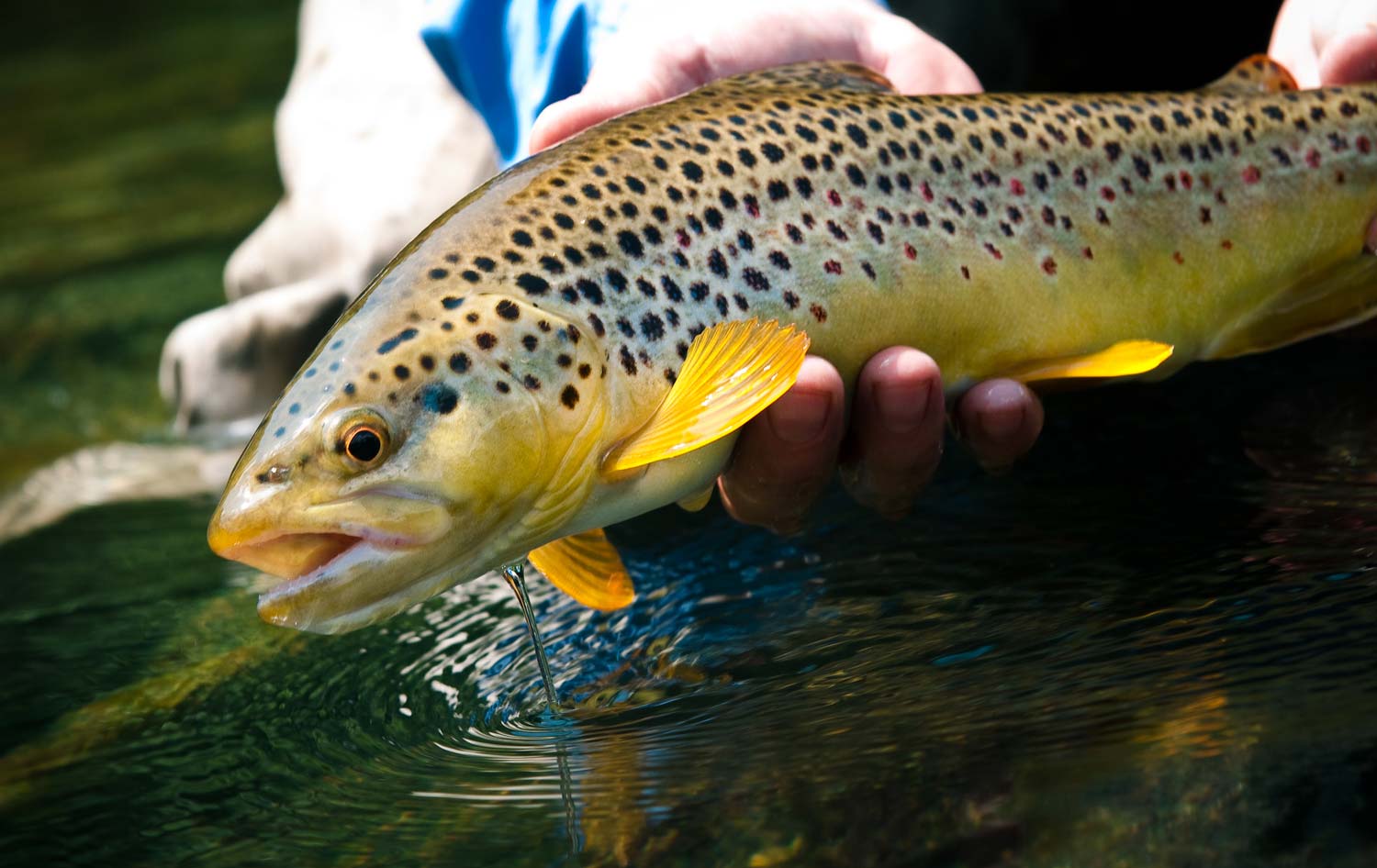
You could say that a desire to be a trout bum was in his blood, but you’d be ignoring the fact that Tim Widmer has found his own drift. What was in his family, specifically with his dad, was a desire to live a life that allowed for living off the land and being able to enjoy wild places. Tim’s dad never stopped dreaming of a life of living and exploring. Widmer recalls a time when his dad killed, skinned, tanned, and proceeded to sew his own clothes from an elk that the then-municipal employee had hunted, “he was doing bead work on the garments.” This intention is something Tim reflects on in times of life’s transitions. Tim credits his dad for making fly fishing into a career. You may remember Tim from “A Conversation with Fly Tier Tim Widmer” in 2014 but today we’re going to take a closer look at what it takes to be a guide, the value of mentors, and the “natural progression” of an angler.
As a small kid growing up in Estes Park, then “Timmy’s” dad worked for the city and would come home for lunch. After they ate together Timmy would go back to work with his dad and spend the afternoons fishing the ponds behind the office — “Bait dunkin” for browns. As he grew older, he started “lure chucking” along the Big Thompson with friends, they loved the wildness and the ease at which they’d catch fish. On an unlikely day where Timmy and his friend had been skunked, they headed back to their homes, along the way they encountered an old timer with a fly rod. They watched as he proceeded to catch six quality trout out of one hole. In awe they retreated. True to his father’s character instead of buying Timmy casting lessons, his dad bought him lessons to build a fly rod. Every day after track practice, Timmy would swing by Estes Anglers and sit with the owner and learned to build his first fly rod. Years following this, Timmy proceeded to cast this fly rod like a spin rod. He’d throw out the line and drag the dry fly in, like he’d known to do with a lure. Eventually the guides at the fly shop gave him some pointers on a better cast and some tips for fishing the Big T and lakes in Rocky Mountain National Park.
This is the part where “Timmy” becomes “Tim.”
Read More »2 Common Mistakes That Break Fly Rods While Fighting Fish
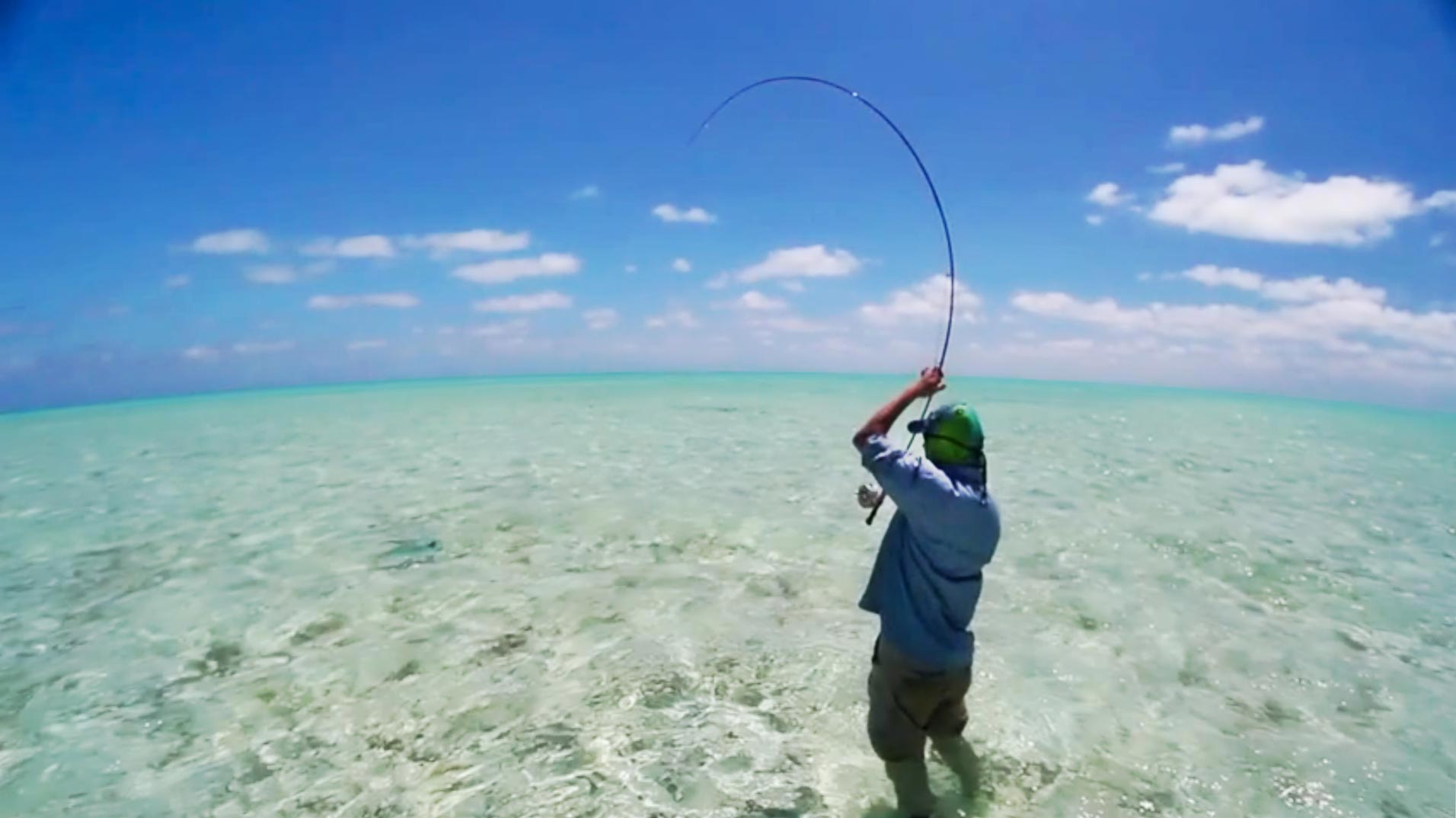
DO YOU EVER TALK BACK TO THE SCREEN?
I watched a video the other day of a guy fighting a permit down in Cuba. The whole time I kept yelling, “You’re gonna break your F-ing rod!” Sure enough, with the permit at his feet, the rod snapped. The fellow grabbed his leader and landed the fish but the damage was done. It didn’t have to end that way.
So Dude, if you’re reading this, I apologize for calling you out but that fish didn’t break your rod, you did. You made two basic mistakes that I see anglers make all the time, so I’m going to use you as an example. Look at it this way, you’re going to save a lot of fly rods and at least yours didn’t die in vain.
Here are the two most common mistakes that cause rods to break while fighting fish and how to avoid them.
Read More »Better Posture For Line Speed
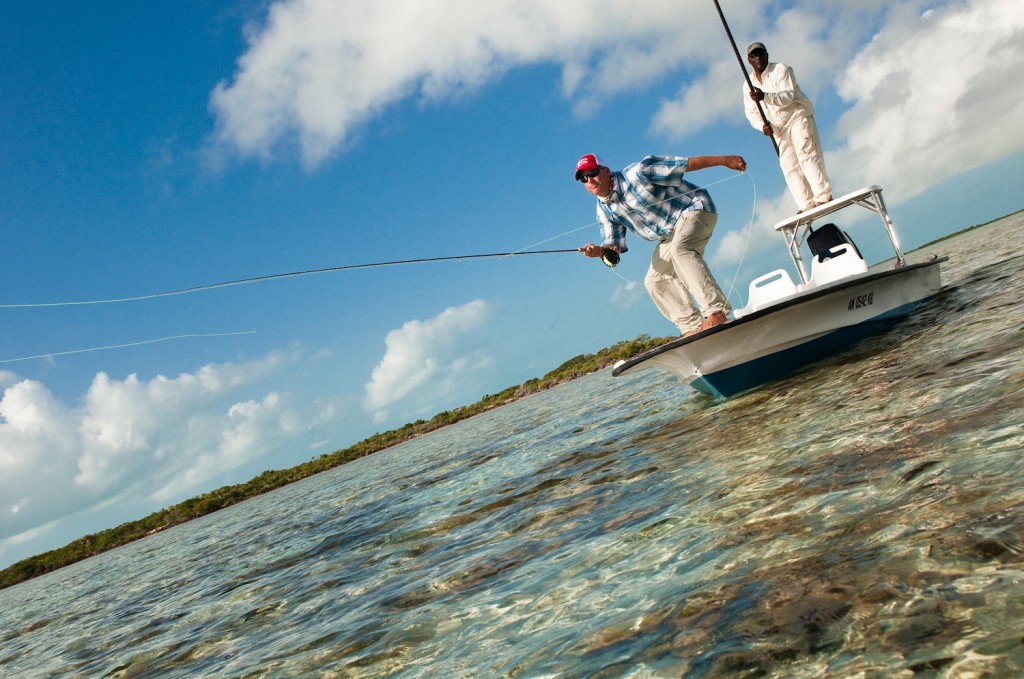
Remember when your Mother told you to stand up straight? Yeah, forget all that.
Posture matters but so few people think about the basics, like how they stand when they cast. The basics are exactly what makeup great casting technique so today Bruce is going to explain how your stance can put power into your cast. It’s a simple tip that will really help you punch that line into the wind so watch and practice.
Check out the video!
Read More »Take It With You When You Go
By Justin Pickett
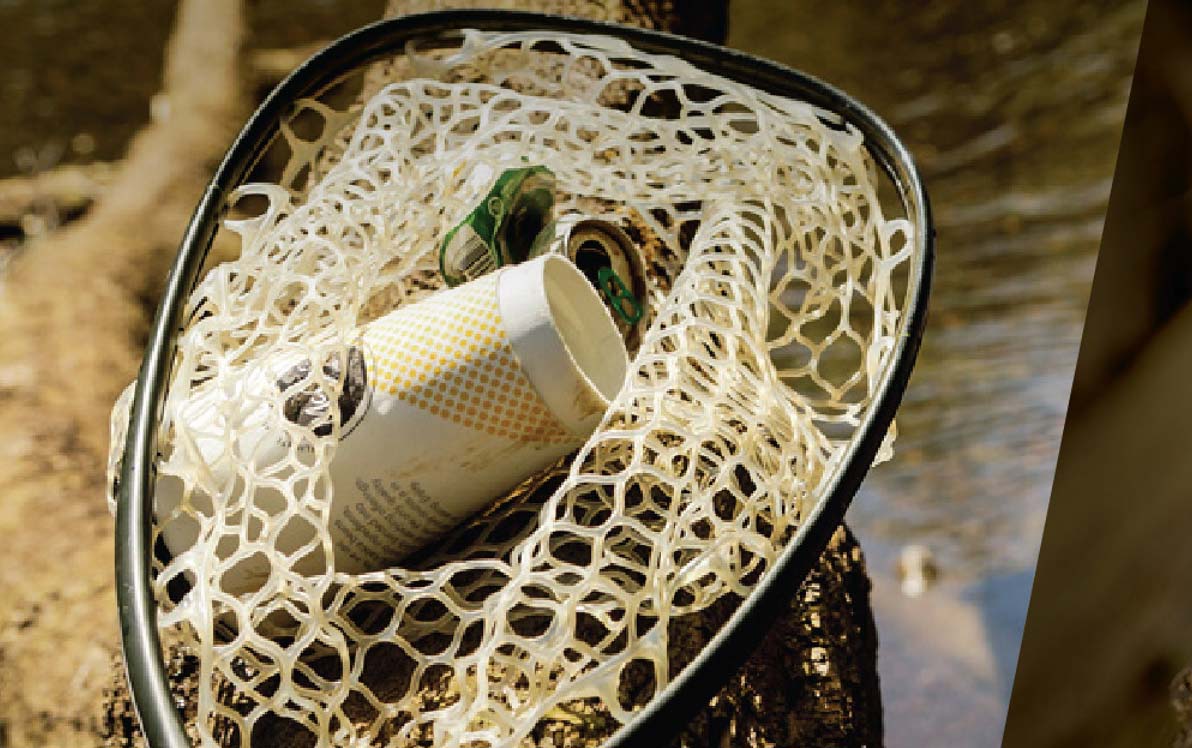
PLASTIC BOTTLES AND BAGS. FLIP FLOPS. SPENT BEER CANS. A UNIROYAL TIRE THAT WAS OBVIOUSLY NEVER ROTATED. EVEN CREEPY DOLL HEADS. IT’S AN UNFORTUNATE REALITY OF FISHING – TRASH.
Walk the banks of any river or stream that either flows through or borders a metropolitan area and you will find what looks like the contents of a nasty, old, run-down department store that just projectile vomited its inner contents all over the river. However, these problems aren’t limited to those waters surrounded by concrete jungles. Walking along a local stream deep in the North Georgia Mountains last week, I found several pieces of trash left by those who use that wildlife management area to camp, hike, bike, and fish. Unfortunately, it is commonplace in even some of the more remote areas of our national and state lands to find trash as well.
It’s ugly, it’s sad, it sucks, and it’s our fault.
Here in Georgia, the Chattahoochee is the lifeblood of many of the state’s largest cities and metropolitan areas. In the metro-Atlanta area, we rely heavily on its water for everything from drinking water to agricultural, recreational, and industrial use. If we didn’t have this resilient river flowing through the heart of our capital, the many businesses, state parks, jobs, recreational activities, and agricultural resources would be nonexistent. What’s more, our dependence on this river will be a never-ending relationship that is certainly destined to become even more strained than it already is over the next decade and beyond, but here we are…trashing the very thing we depend on the most. It’s a classic case of “give an inch, take a mile”. The Chattahoochee River is giving and giving, and even morphing over time to adapt to our human wants and needs. However, just like you and I, the ‘Hooch has a breaking point when it comes to how much crap we are able to tolerate. Where or when will that breaking point occur? Who knows, but if we continue down the road of poisoning our own blood, we will certainly figure it out. It’s almost become human nature… Take something to its absolute limit, and only when the tipping point is reached, something bad happens and we have that “oh shit, we screwed up” moment will we step in and intervene. We need to do a little better.
The Chattahoochee is far from being alone, though. It doesn’t matter where you live, your state has a river(s) that is battling the same daily barrage of garbage. Some cities and states are
Read More »Bruce Chard Ties The Gnarly Bandit
SIMPLE IS OFTEN BEST.
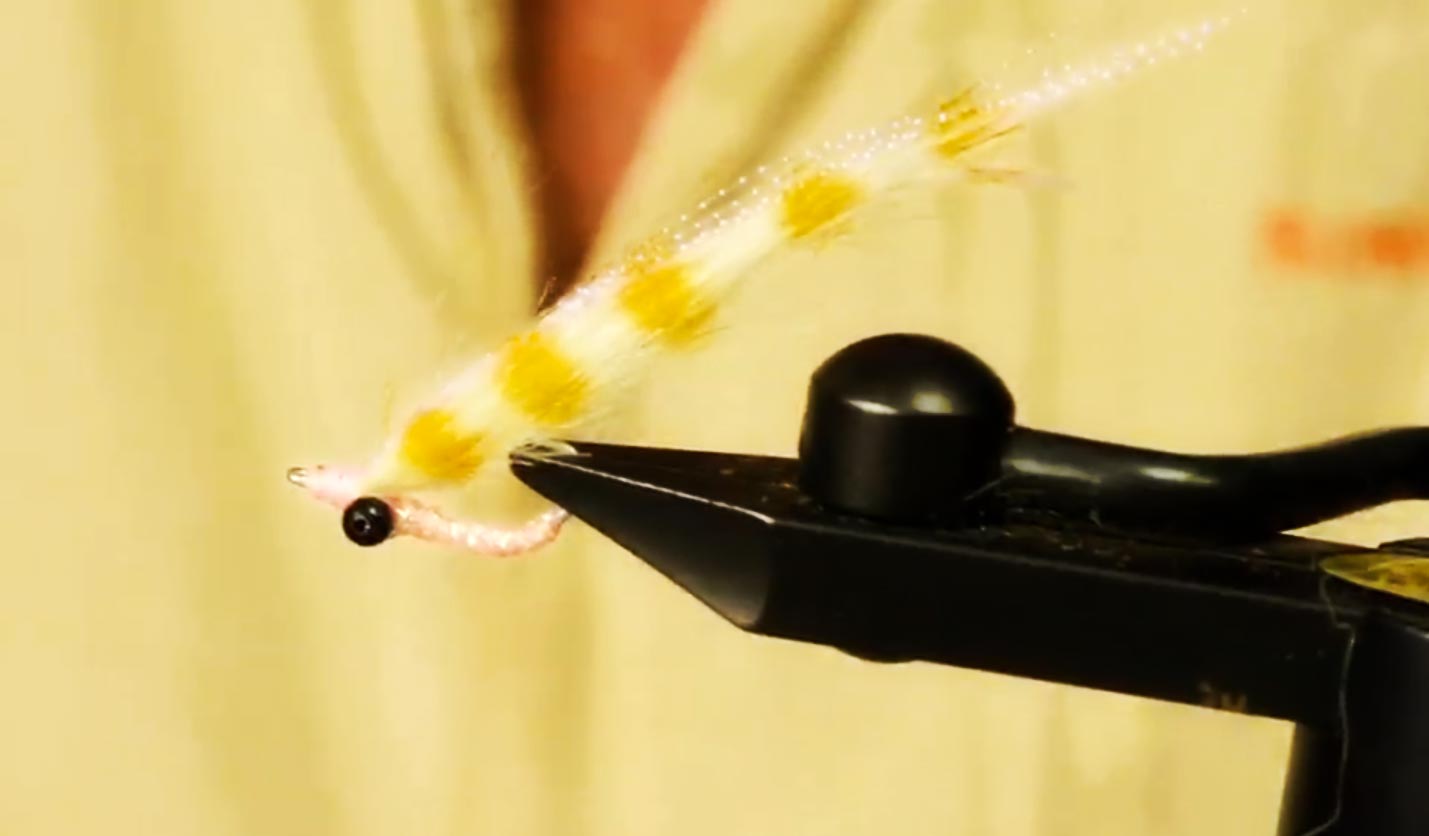
Our good friend Captain Bruce Chard is back today to prove it. Fishing guides need effective flies that will put their clients on fish but don’t take hours to tie. Bruce calls these kind of flies,”guide flies.” These flies have all of the elements that attract fish in a simple recipe so you can knock out a dozen of them without breaking a sweat. I love guide flies and I fish a lot of them.
The Gnarly Bandit is a classic. I can’t tell you how many bonefish I have caught on this fly. It’s a simple fly but there are a few elements you need to get right. In this video Bruce goes step by step and explains the details that make the difference.
Watch the video and learn to tie The Gnarly Bandit.
Read More »Alice’s Angle: The Flav
By: Alice Tesar
What is it and why you should be fishing it.
Quickly mistaken for a dwarfed Green Drake or Blue Winged Olive this versatile fly, which presents itself as a crawler nymph and crippled dry, are musts this time of year on western rivers. I stumbled upon the effectiveness of using a flav pattern while speaking with long time guide and angler, Doug Garber. Eager to use dry flies on my home waters this spring I asked Doug what his favorite early summer patterns were. After naming the staples for this time of year: Olive Elk Hair Caddis, Parachute Adams, Parachute PMD, and a Schroeder’s Oliver Hopper, he mentioned a flav pattern he ties. The Drunella flavilinea, “flav” has three tails, a brownish-olive body, and dark gray wings. Its most distinguishing feature is that it is smaller than the Western Green Drake. For Doug it is all about matching the size for this Mayfly in all of its stages. “The nymph has huge forelegs – like he is on steroids. Thin but broad,” says Doug. Their muscular forelegs and their eagerness to relieve themselves of their shucks makes them an excellent hatch to match.
Read More »3 Tips for Tarpon Fishing at Dusk
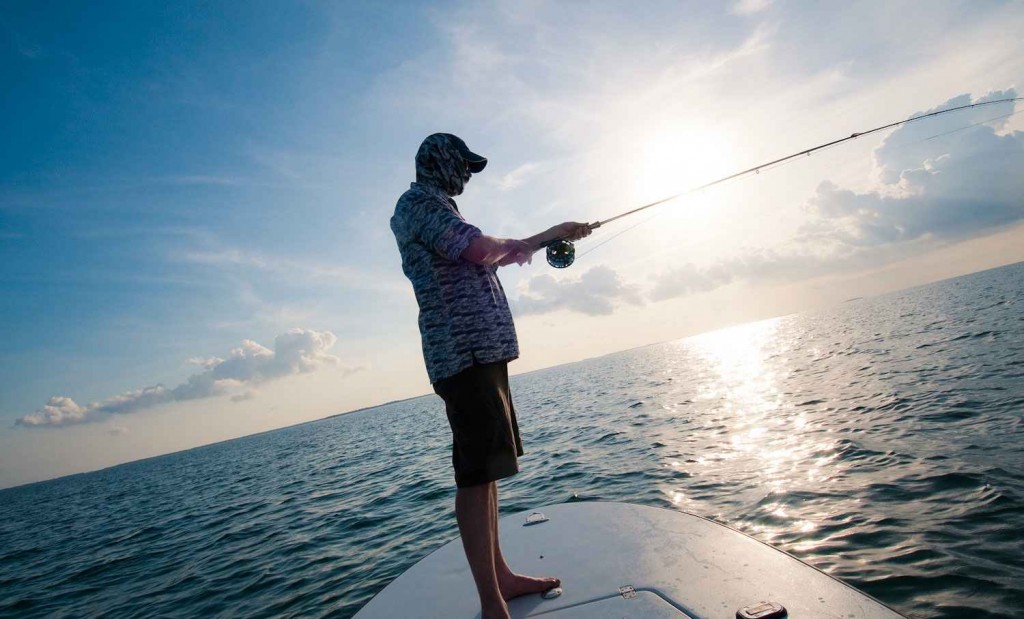
Tarpon fishing at dusk, is probably one of the toughest times of the day for a saltwater fly fisherman to get a hook up.
With the sun low in the horizon, it puts 80% or more of the water in complete glare. The only good viewing area left to spot cruising fish is just a small circle of water surrounding the boat. Anglers need to be ready to make super quick shots at fish if they want to have any chance at all of getting an eat. Check out these three fishing tips I learned from fishing with Capt. Joel Dickey.
Tip #1 – Reel up all that excess fly line on the Reel
This isn’t the time to have all of your fly line stripped off and laying on the bow folks, there’s absolutely no need for it. The only good shots at tarpon you’re going to get are going to be at distances of 40 feet or less. The last thing you want, if you somehow manage a good shot at a tarpon, is end up blowing the opportunity because you’re stepping on excess fly line or get a tangle in your fly line. Making a point to only keep the fly line that is needed on the bow is going to help you manage your fly line better, and increase your shot at making a spot on cast.
Tip #2 – Be Ready to Quickly Place Your Fly Close to the Tarpon
In these high glare situations, tarpon are generally going to be spotted very close to the boat. That leaves the angler very little time to present the fly and convince a tarpon to eat, before they spot the boat and spook. Anglers need to be ready to present their fly quickly at in direction, especially with a back cast, and also be able to quickly change their casting direction in the heat of the moment. Two casts are usually all you’re going to get this time of the day, and generally it’s the first cast that’s going to make or break you. I see guys all the time in preparation for their flats trip, only practicing their long distance casts. That’s great taking the time to do this, but often it’s the short presentations on the bow where anglers