
Making an Effective Short Presentation
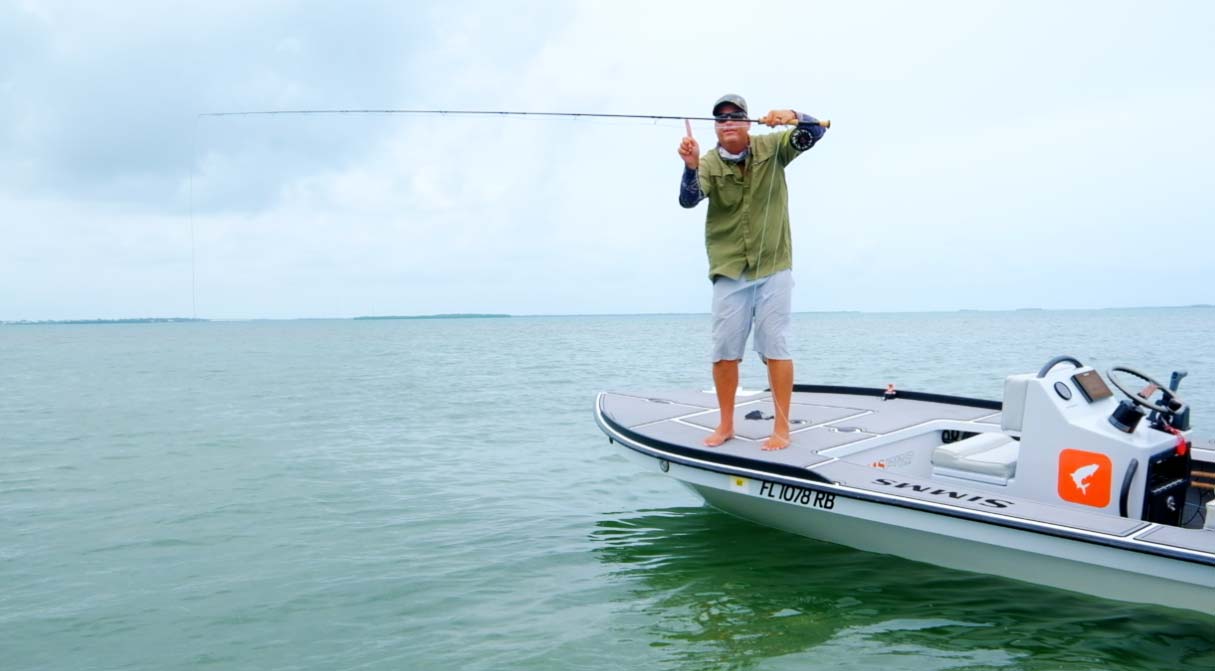
Most angler worry about casting distance, but an effective short cast is often the most challenging.
I once heard a captain say, “If you think casting a fly rod a hundred feet is hard, try casting one ten.” There is a lot of truth to that. I often see anglers struggle and fail with the short presentation. If you can learn to do it well, it will catch you a lot of fish.
This is never more true than when flats fishing. When disability is tough the action can get very close. Even big fish like tarpon can suddenly appear at your feet. The ability the make a short presentation, which is quick, accurate and free of slack can turn frustration into triumph.
I don’t know anyone who teaches this better than Bruce Chard. In this video Bruce goes over the fundamentals of making a tight loop and a perfect presentation with a short line. Put these tools in your bag and you’ll fish like a pro.
WATCH THE VIDEO AND LEARN TO MAKE A SHORT, ACCURATE, SLACK FREE PRESENTATION.
Read More »Your Odds Go Way Up When You See The Fish
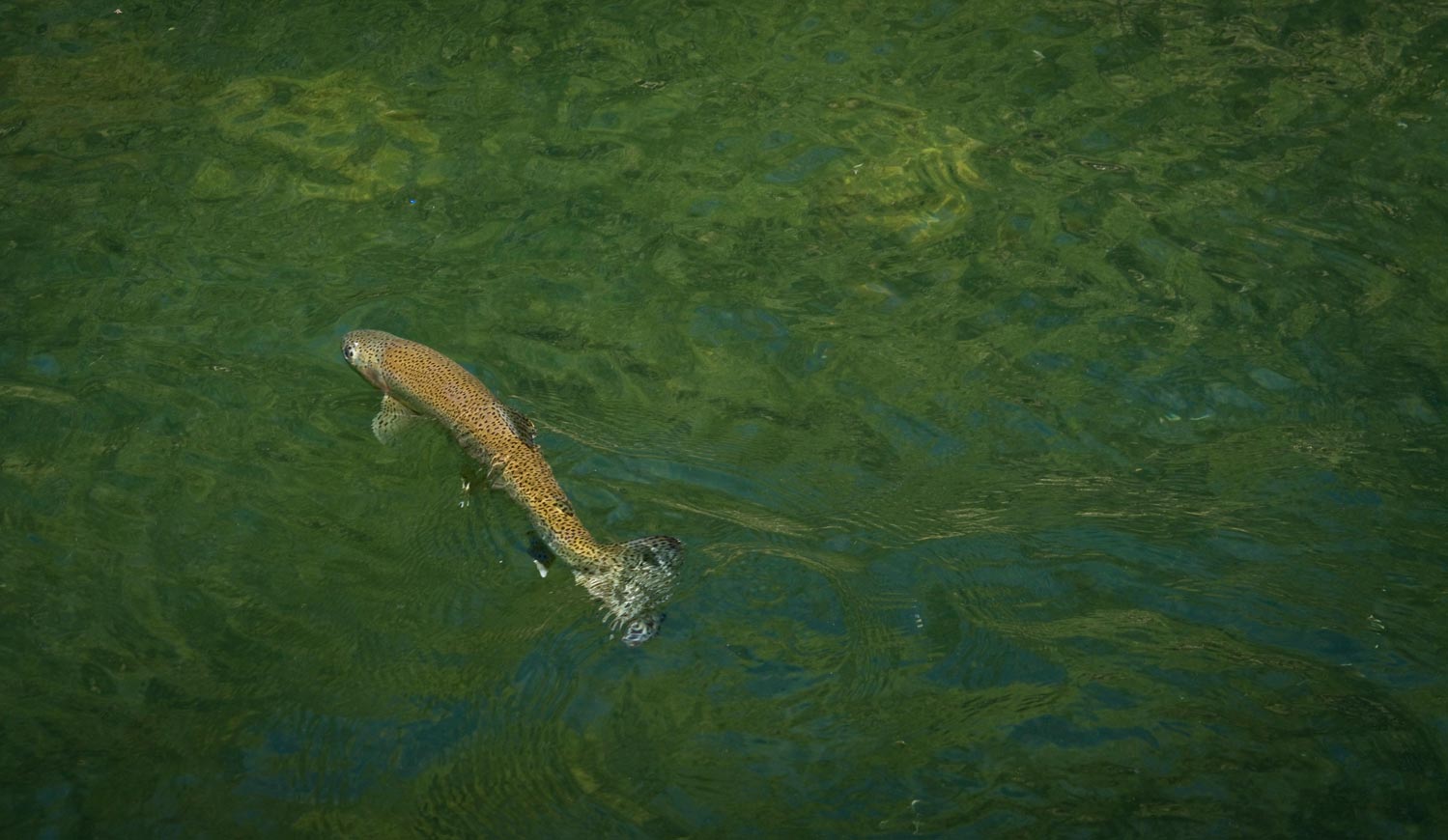
Seeing fish equals catching fish.
More than casting. More than fly selection. More than any other skill, one thing separates highly effective anglers. The ability to see fish.
I don’t care if it’s tarpon or trout, bonefish or bass, seeing the fish is the best first step to catching the fish. For some species it’s absolutely crucial. Seeing the fish allows you to plan your presentation, observe the fishes behavior and know with 100% certainty when it has eaten your fly. It’s the difference between winging it and applying real skill and technique. There is no substitute for this tactical advantage.
Far too many anglers start with the assumption they can not or will not see fish. And they don’t, either because they don’t have the confidence or because they don’t try. If you slow down, and take the time to look, you will find a world of possibilities opens up.
REASONS YOU SHOULD SPEND MORE TIME LOOKING FOR FISH
edit-7290-2-2•Spotting fish allows you to plan your presentation. Get in the right position, get your rid dialed in, figure out how far you need to lead the fish or how to get the best drift.
•Watching fish let’s you
Read More »Hopper Time: 6 Favorite Patterns
By Louis Cahill
What time is it boys and girls? Time to fish hoppers!
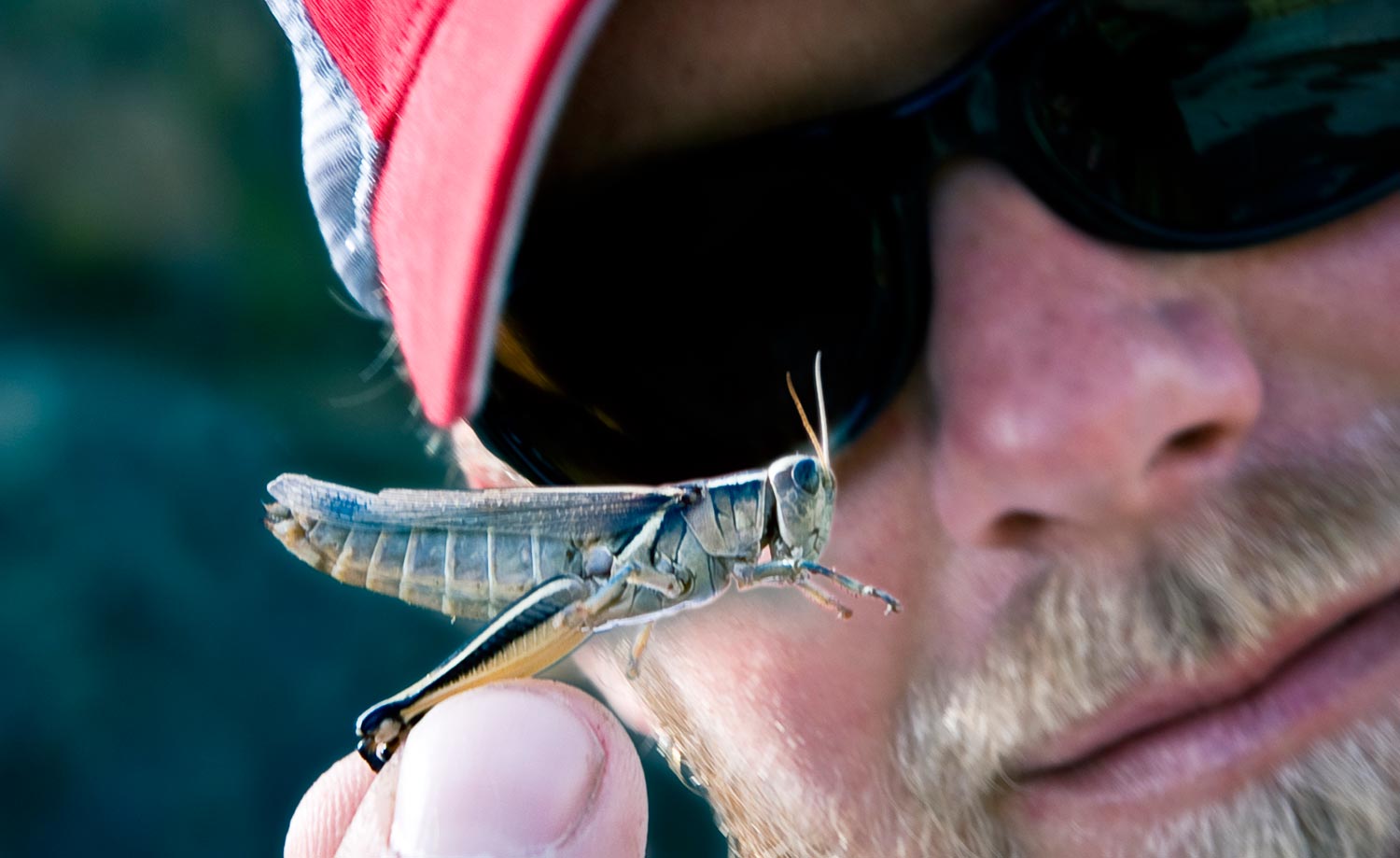
I don’t know if there is any kind of trout fishing more rewarding than fishing hoppers. Big bugs and big splashy takes under sunny summer skies. It doesn’t get much better than that. I’m headed west in a few days and it has me looking over my terrestrial box for the usual suspects. With that in mind, I thought I’d share what I’m thinking.
Here are my current 6 favorite grasshopper patterns
Dave’s Hopper
I’m going old school for my first choice. I’ve been fishing this fly for as long as I can remember and it works as well today as it ever did. No space-age polymers in this baby but it sure gets eaten.
Reeces Beefcake Hopper
Where’s the beef? Right here. This spindly bug rides low in the water like the real thing and is tough as nails. It needs to be, ‘cause it gets chewed on.
Parachute Hopper
Another classic, but I have caught so many fish on this fly I can’t see taking it out of the rotation. It’s an easy pattern to tie as well.
Hog Caller Hopper
If this doesn’t get their attention, nothing will. A bright foam pattern that
Read More »Fly Fishing: Swinging Streamers for Trout in Deep Water
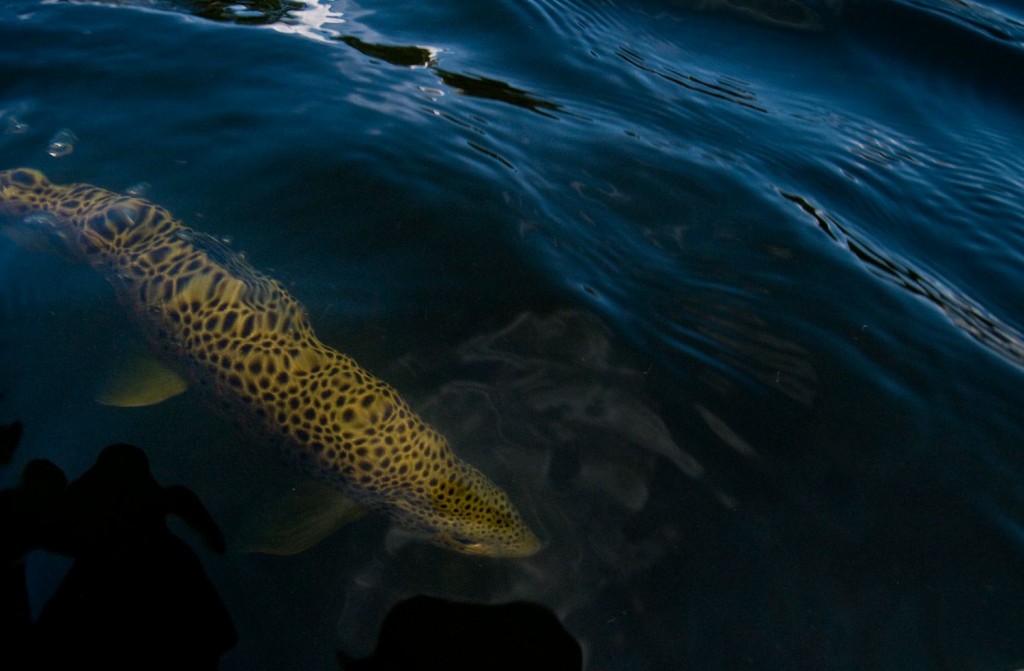
Most streamer fisherman out there would agree that pounding the river banks with a streamer will catch trout just about anywhere. If you’re willing to put in the time and hard work, eventually you’ll be rewarded with a big fish. During high water flows on rivers where habitat is insufficient out in the main river, many trout will relocate to the banks where they can use the irregular banks and it’s abundant cover to shelter themselves out of the excessive current. There next move, once they’ve gotten to the banks, is to find prime ambush spots where they can easily pick off prey moving by. This is why casting to the bank and ripping streamers back to the boat is so effective. You’re repeatedly putting your streamer right in the kitchen where good numbers of fish will be holding and regularly feeding.
The majority of the time, this scenario works great, but what do you do when you find yourself in areas where the water is super deep and the fish are sitting on the bottom? These places make it extremely difficult for anglers to keep their streamers down deep in the strike zone while using the pounding the bank technique. Even with a full sinking fly line the cards are stacked against you. Don’t get me wrong, it can still work at times, especially if you cast upstream of your target water, throw couple of big mends, and give your streamer time to sink before you begin your retrieve. Unfortunately, in many situations, you won’t always have the time or the room to pull this technique off, and that should have you searching for an alternative fishing method that’s better suited for fishing your streamers in these deep water locations.
Read More »The Good Old Days Are Back
By Louis Cahill
I thought maybe you could use a little good news for Christmas.
Fly anglers have become pretty used to bad news where fisheries and conservation are concerned. It seems everywhere you look fisheries are in decline. From steelhead rivers in the Pacific North West to the Florida Everglades and a host of great water in-between, as well as many fisheries around the globe. It’s easy to believe we are watching the inevitable decline of fishing as we know it.
I’m not always so positive about it myself. I have said many times that I feel fortunate to experience the outdoors in a way that future generations will likely not. I don’t know if you can call that pessimistic. It’s a glass half full outlook, but it’s still only half a glass. At any rate, the last year has given me cause for hope. I am actually watching a fishery get better and I couldn’t be more thrilled.
I’m speaking specifically of South Andros in the Bahamas. South Andros is kind of my home water. I’ll fish there five weeks this season and I can’t say I spend that many days a year on the river that runs by my house. It has been my favorite place to fish for over a decade and in the last twelve months I’ve seen a change.
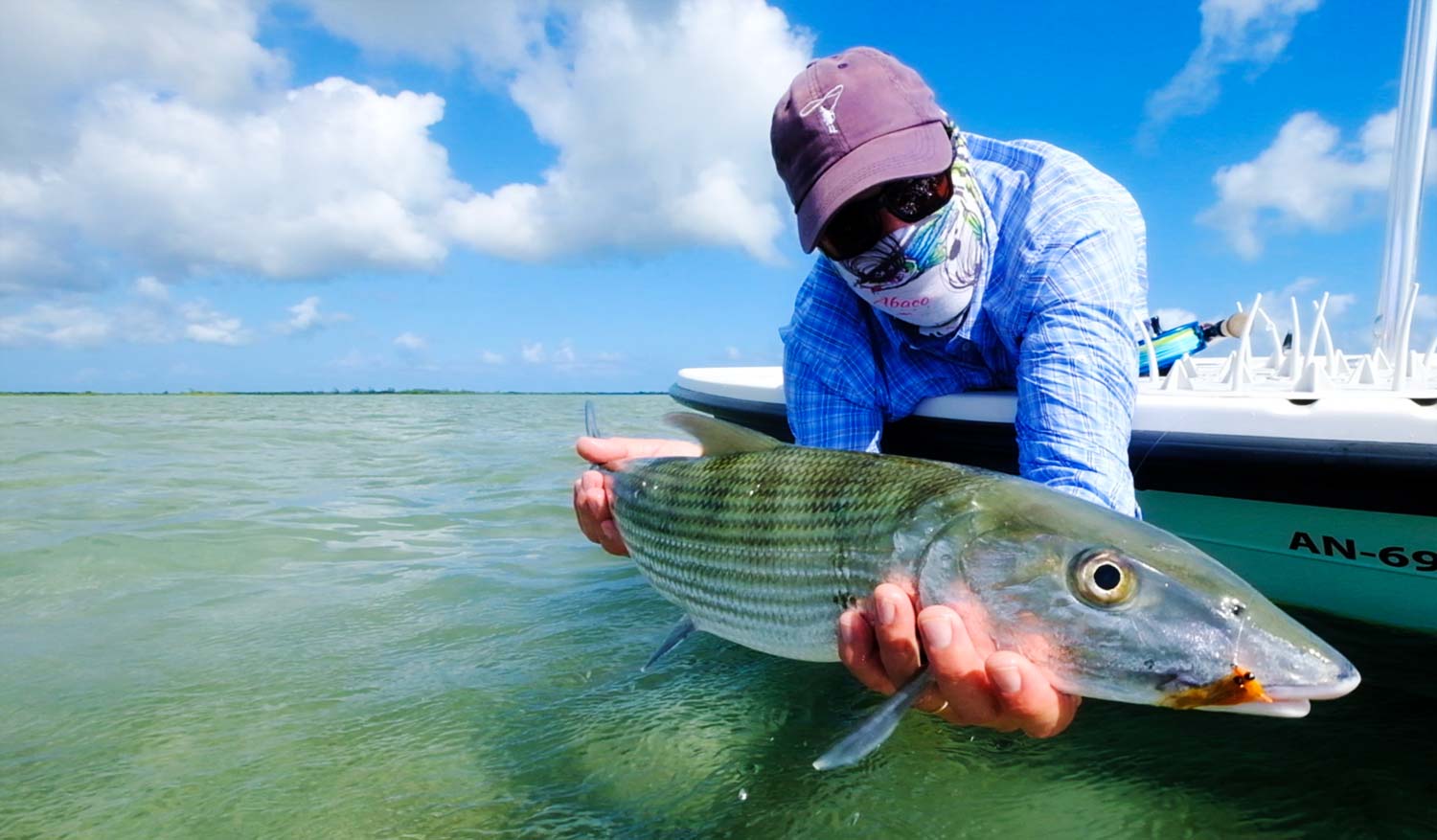
It has been an incredible big fish season for bonefish. I can’t remember a time in ten years when I have seen as many seven to ten pound fish on the flats. I was there with a group just this month and it seemed that someone landed a fish in that range every day. Even me. In fact, earlier in the year, I hooked the biggest bonefish I’ve ever seen. We got a good look at it, even though I didn’t land it. My guide estimated it at fifteen pounds.
Permit sighting are up as well. South Andros is not thought of as a permit fishery but
Read More »Add A Little Life To Your Flies
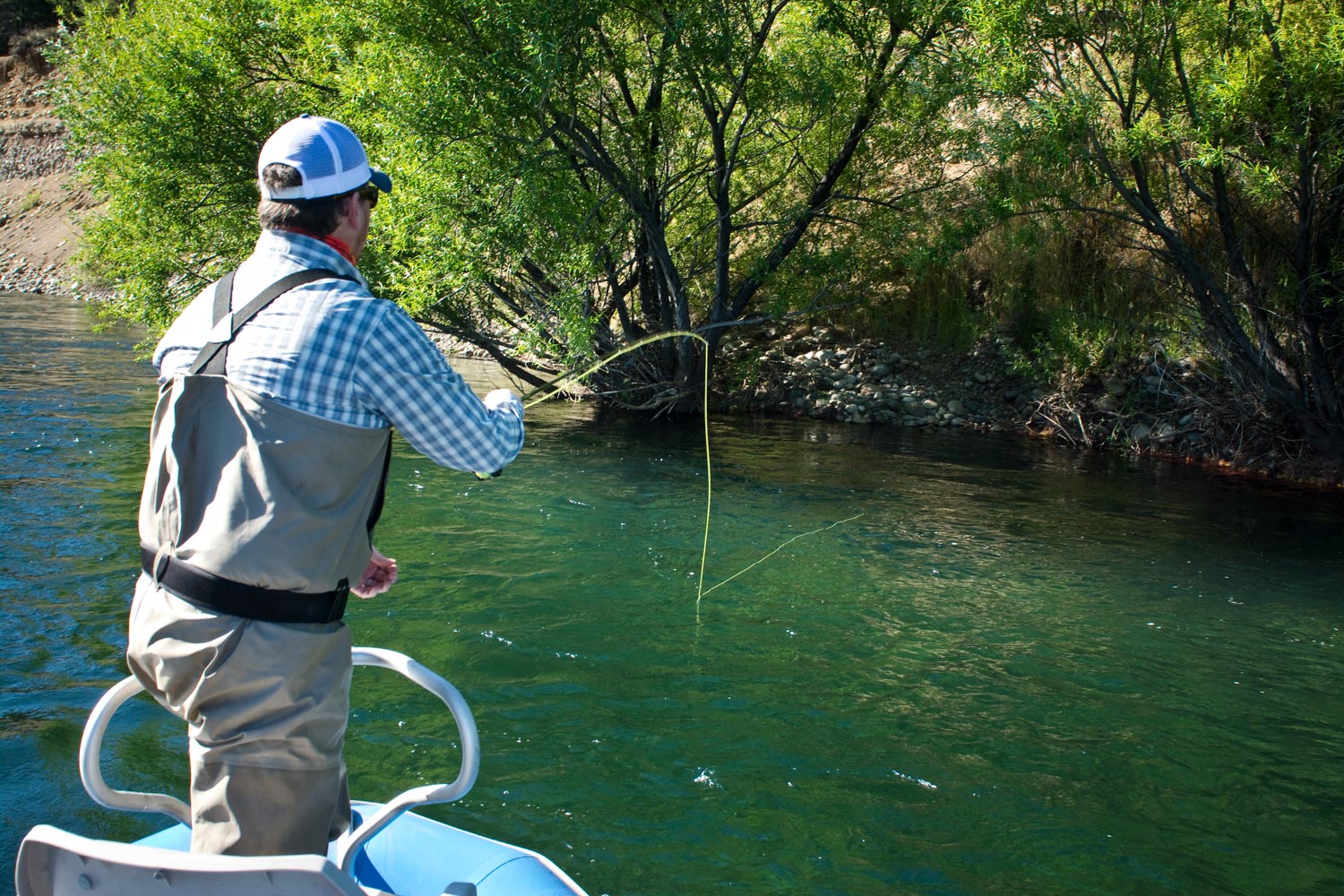
“TWITCH, TWITCH, STOP!”, EXCLAIMS MY GUIDE, EDUARDO.
I’ve heard these words all week and now it’s just become second nature for me as soon as my dry fly hits the water. I have to admit though, it’s been extremely effective.
We’re taught as newbies to focus on presenting our fly on a drag free, dead drift and that’s great. It’s good to start with the fundamentals. It’s one of many pieces of the puzzle that sets a foundation for us to build from as we progress as fly anglers. Sometimes the situation calls for a little persuasion. A little twitch, jiggle, shake, or twerk is just want we need in order to entice a strike.
Movement helps imitate life. Think about it for a second. How often do you
Read More »Who’s Afraid of the Big Bad Guide
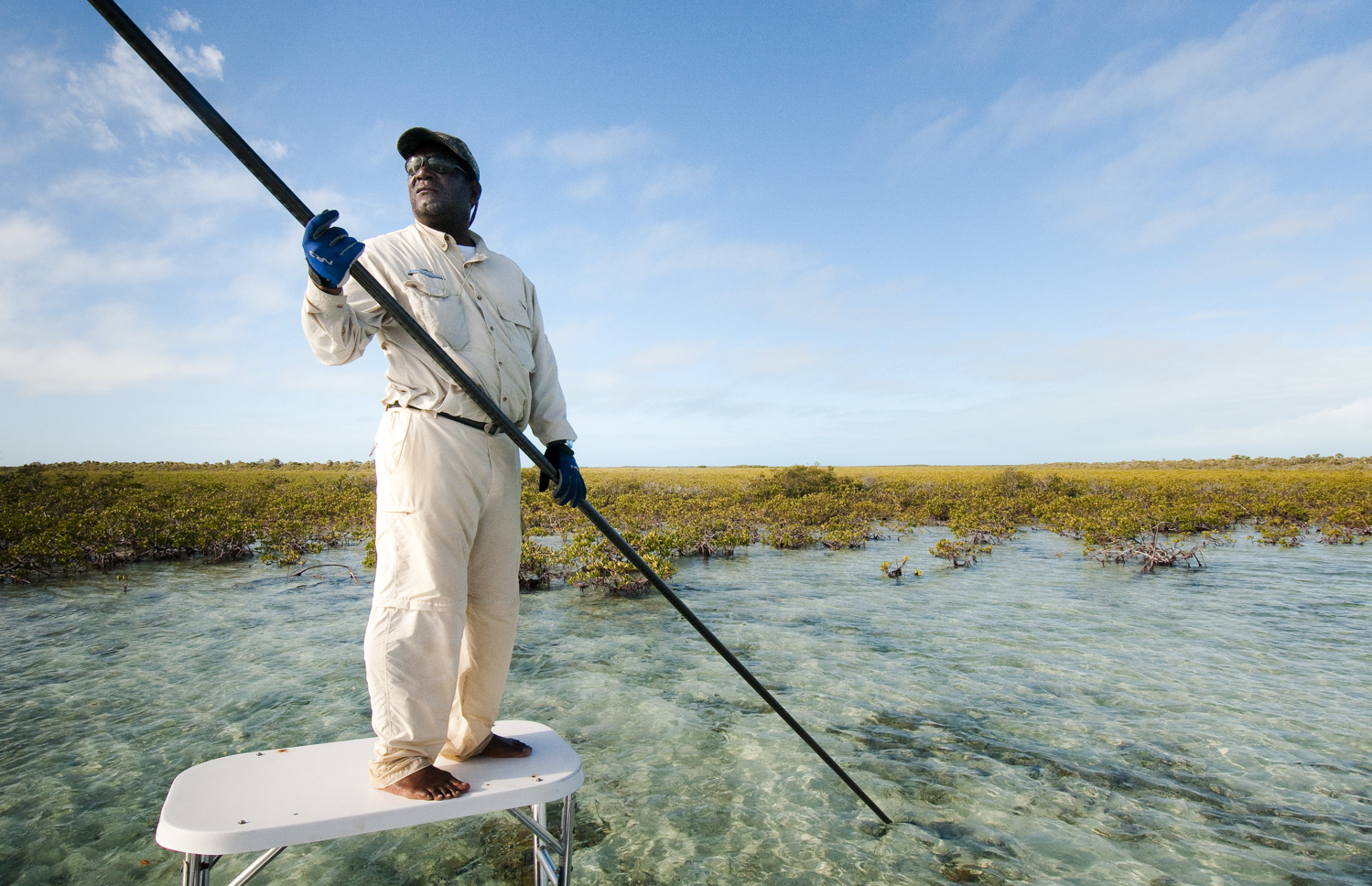
SCOTT IS ALMOST IN TEARS.
He is doubled over laughing. The drag on his reel is screaming. If he doesn’t get his composure soon he’ll likely loose a nice fish. From the platform Josie Sands is steadily chewing his ass.
“No Scott! That was all wrong,” the disgust in his voice palpable.
“But I caught the fish?”
“I don’t care, it’s still wrong.”
Josie is the head bonefish guide at Andros South and his reputation as a hard ass is world renowned. He is relentless, barking direction, criticism and sarcastic commentary from his perch on the stern. Today he’s ripping my buddy Scott a new one for catching a bonefish. Neither Scott or I remember what it was he did wrong, and apparently neither does the fish, but Josie is pissed.
There are a lot of guests at Andros South who will not fish with Josie. Frequently they are C-level executives who are used to doling out the criticism and don’t like being on the receiving end. Frankly, some of them are racist who don’t like being called out by a black man. Some just have fragile egos that can’t take the pounding. Whatever the reason, I feel sorry for those guys. They have no idea what they are missing.
I love Josie. I consider him a friend. I go out of my way to fish with him and have for years. For this, I get twice the tongue lashing everyone else gets. Josie will chew my ass and I will reply something like, “I love you too Josie,” and he will laugh and say, “you my boy!” I’m not sure which of us enjoys it more but I do know who reaps the reward. Me.
The truth about Josie Sands is not that he’s a grumpy old flats guide. It’s not that he’s a hard ass or bitter in any way. If that’s how he sounds, you’re not listening. Josie is a serious dude, to be sure, but in a good way. He’s
Read More »Don’t toss your tenkara rod in the water
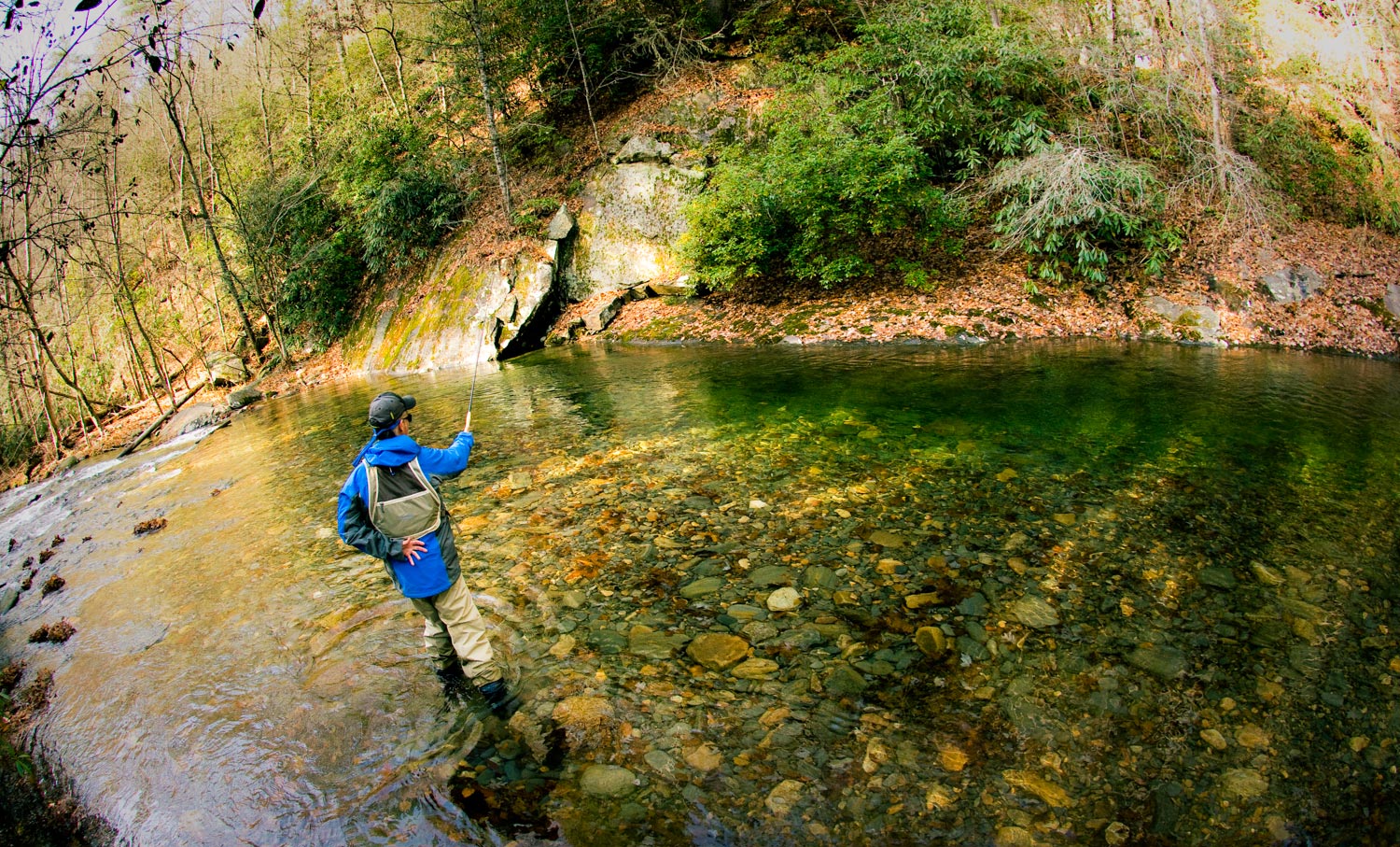
It’s a great rod, hang on to it.
There is word going around that should you hook into a large fish with a tenkara rod, the best option will be to toss the rod in the water. I am writing this short piece to let you know that, NO! Tossing your tenkara rod in the water is neither recommended nor necessary.
Frankly, I could stand to benefit from having you toss your beautiful tenkara rod in the water, and then buy another one from me. But, this advice is based on old lore and old technology, and I do not think it should live on.
A few years ago, a fellow who shall remained nameless here, told me about his first experience with tenkara. On his first outing with a tenkara rod he hooked into a good size fish. He was with a friend who had a bit more tenkara experience. As he saw the rod bending to a point he’d never seen a rod bend before he asked his friend what to do, and his friend advised him to toss the rod in the water.
As the nameless fellow continued to tell me, he tossed the rod in the water and watched it drift away for a few moments until it stopped. The pool he was fishing was shallow and the currents not strong. He waded out to it, picked up the rod, and to his surprise the fish was still attached to the fly. He fought the fish again, and again fearing the rod could break at any moment he tossed it in the water once more, waded back out to the rod, picked it up and continued to fight the fish.
This time, finally the fish came in, he told me. After hearing his tense account, I waited for the punch line. I expected him to tell me he had hooked a ‘gator, a fish taller than him, or a submerged log caught in bizarre currents. So, I asked him, “how big was it?”, to which he replied, 17 inches!
It was but two hours earlier I had landed a rainbow of 20 inches in size and brought it to hand within 3 minutes, without tossing my rod in the water! So, you can understand why I had a smirk in my face when I heard this.
WHERE DID OLD LORE OF THROWING THE ROD IN THE WATER ORIGINATE?
Read More »5 Reasons Why I use the Uni-Knot for Trout Fishing
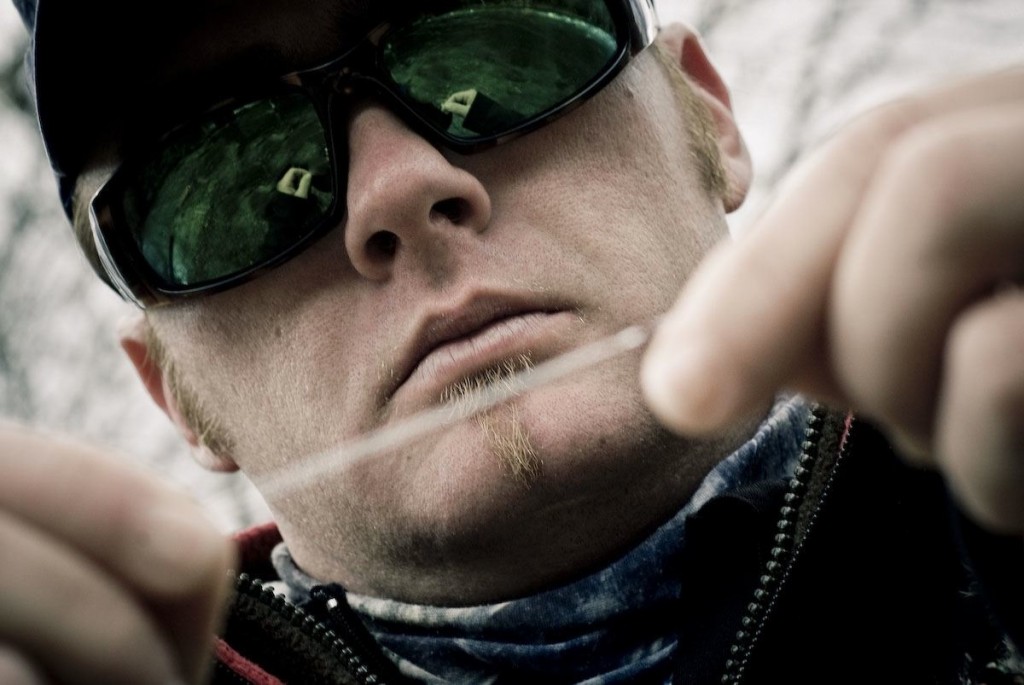
There’s plenty of other fishing knots out there that have better knot strength than the Uni-Knot, but that shouldn’t be the only factor you look at when you’re choosing what knot to use on the water.
Reliability, how quick and easy it is to tie, type of rig your fishing, and functionality should all be weighed into the equation when deciding on knot choice. The decision to employ the Uni-Knot for my personal fishing and guiding has made my life easier on the water because of its versatility and ease of tying.
5 Reasons Why I use the Uni-Knot for Trout Fishing
1. The Uni-Knot is quick and easy to tie with fine tippet and small flies, particularly in low light situations.
2. The Uni-Knot is very reliable, is rated at 90% strength, and won’t slip (fail) like the improved clinch knot will if it’s tightened down incorrectly.
3. I only need a small amount of tippet to tie the Uni-Knot. That lengthens the life of my leaders, cuts back on tippet usage, and saves me money in the long run.
4. The Uni-Knot allows me to quickly change out my lead fly in my tandem nymph rig and also saves me time untangling knots on the water since it can be loosened and re-tightened on the go.
5. The Uni-Knot serves other purposes other than tying your fly onto your leader. It also can be used to join two lines and used to secure your backing to the reel.
The Uni-Knot Can Save You Time Untangling Knots
Untangling knots is a subject that I know far too well being a full-time fly fishing guide. These days I can often spot a tangle in mid-air or by the way the leader lays out on the water. I’ve grown accustom to having clients look at me with a bewildered look when I tell them to stop casting and strip in. Moments later, when they get their fly rig in, the confused look leaves their faces and the question of why is answered. Using the Uni-Knot in my
4 Tips for Getting Better Hookups With Tarpon
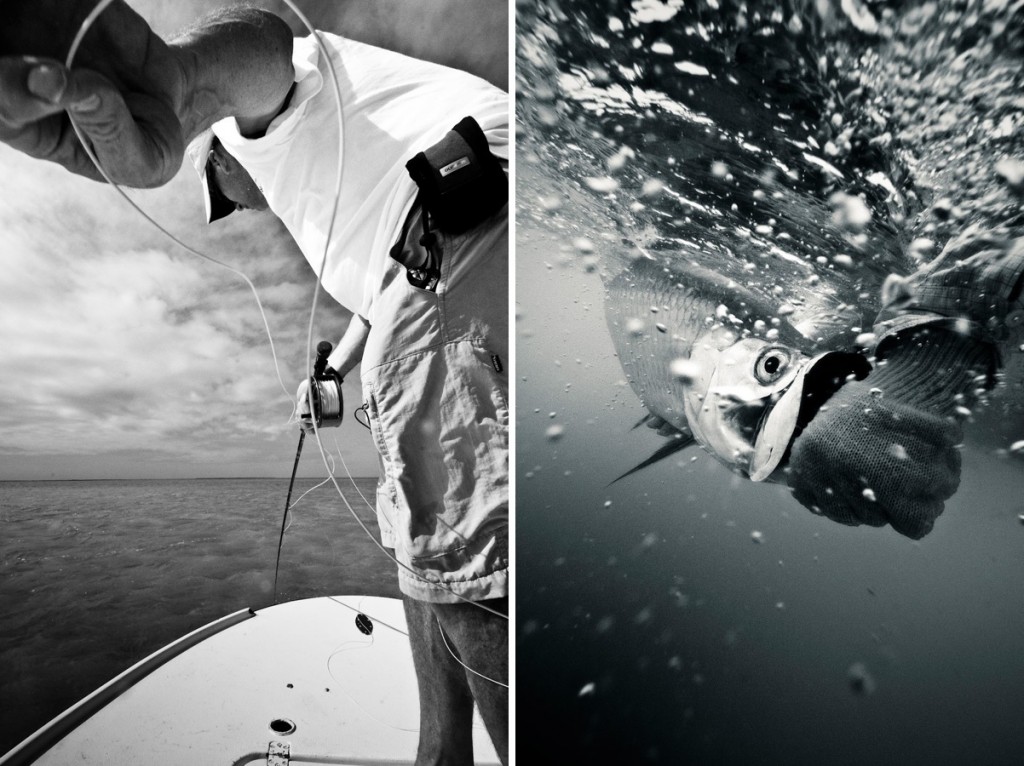
I can remember like it was yesterday jumping my first big tarpon in the Florida Keys.
One hundred plus pounds of fish completely leaping out of the water and crashing down like a free falling Volkswagen Bug. That image will forever be burned into my memory. The only problem is I didn’t end up landing that tarpon. To be brutally honest, my hook set totally sucked donkey balls. I know what your thinking. I’m a trout guide, and I probably set the hook like I was trying to hook a trout, right? Yes, I’ve done that before, but my mistake this time was only setting the hook once. Below are five tips for getting better hookups with tarpon, provided by Capt. Joel Dickey.
4 TIPS FOR GETTING BETTER HOOKUPS WITH TARPON
1. Keep your rod tip on the water and always point it in the direction of your fly line and fly during your retrieve.
Not pointing your rod tip at your fly line and fly often results in adding unwanted slack between you and the fish. This small amount of slack will increase your chances of not getting a solid hook set. You also will find it hard to feel the bite.
2. Use a 100% strip set when setting the hook.
You can apply far more pressure and power in a hook set with a firm strip set than you can with the fly rod. Many novice saltwater anglers make the mistake of thinking the power comes from the fly rod.
3. Set the hook multiple times for better hook penetration.
When a tarpon eats from left or right often a single hook set will be adequate