
Demystifying The Hex Hatch
By Jason Tucker
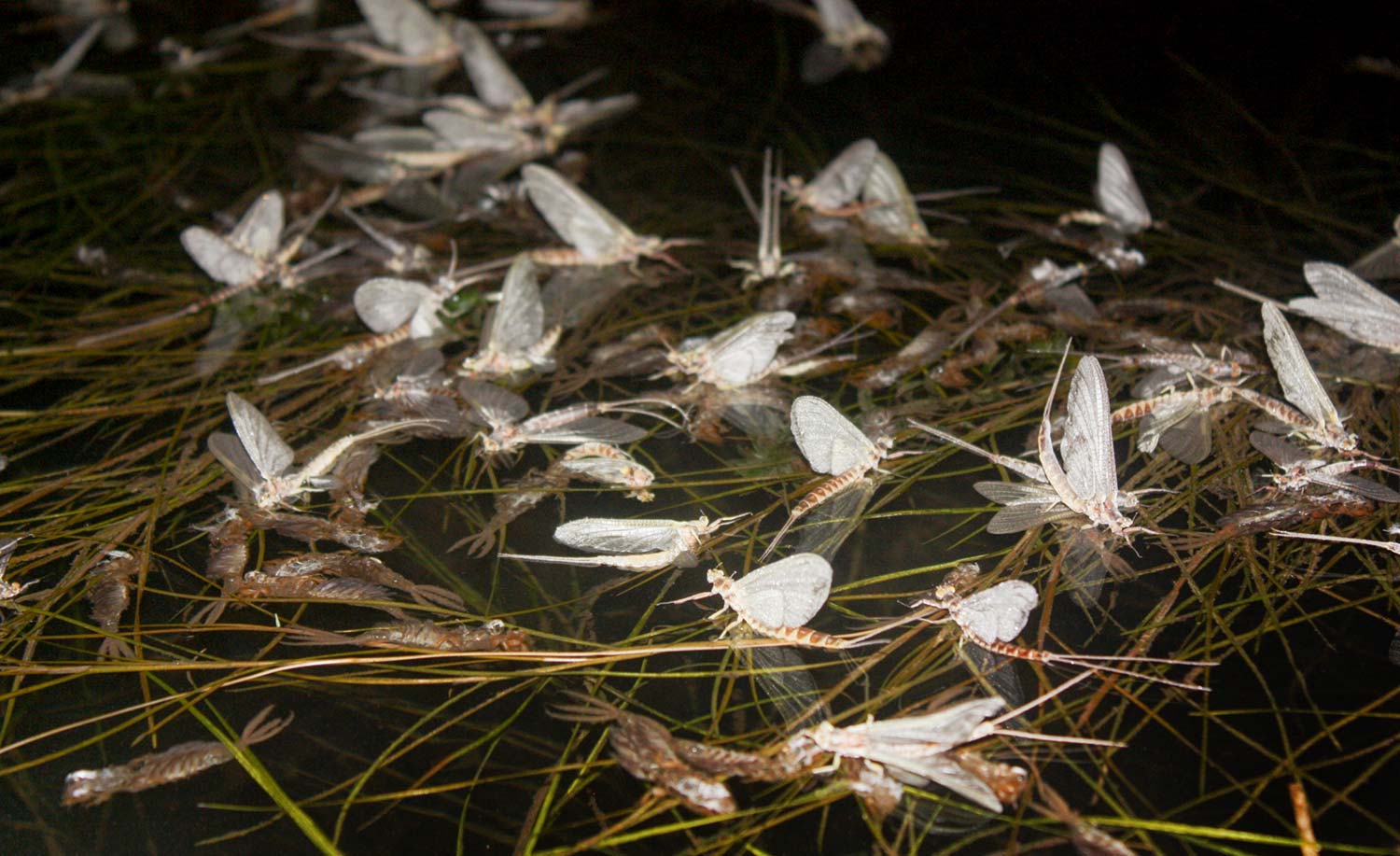
I listened to a fishing podcast the other day in which both the hosts discussed the famous Hexagenia mayfly hatch.
Despite admitting that neither of them had ever fished the hatch, both opined that the Hex hatch was probably overrated. Yeah it has a reputation for big bugs, big hatches and big fish, but experiencing it must be akin to sighting a cougar east of the Mississippi.
IF YOU HAVEN’T EXPERIENCED A GOOD HEX HATCH ON A TROUT STREAM IN THE UPPER MIDWEST AND GREAT LAKES REGION, PERHAPS YOU’RE WONDERING IF IT REALLY LIVES UP TO THE HYPE. IS IT WORTH TRAVELING TO EXPERIENCE? SHOULD IT BE ON MY BUCKET LIST? IS IT MORE HYPE THAN REALITY? HOW DO I GET IN ON THE ACTION WITHOUT WASTING TIME AND MONEY?
I’m here to tell you that experiencing the Hexagenia limbata hatch is definitely worth it, and I’m going to give you the knowledge you need to be successful. It is worth seeing even if you don’t fish. It’s one of those rare experiences in which you experience animal numbers that are normally associated with the Serengeti or caribou in the Canadian tundra, or mass bird migrations. Just because they are insects makes it no less magical; in fact it is more so if you are a fly angler. There is a beauty and grace to the bugs themselves, and watching a river of bugs flying upstream to mate, or a swarm so dense you can’t see through it, or their dance over the water as the females fly upward and the males pursue is all magical in itself, a privilege for anyone to witness.
Hexagenia limbata mayflies occur across North America and I’ve experienced them everywhere from Labrador to Ontario to Washington State (where we got in on a stellar lake hatch) to the Deep South where I live, but the best place to fish this hatch is probably Northern Michigan. Wisconsin, Pennsylvania and New York (and I’m sure other Northeast states) all get hatches, but no place, not even Michigan’s Upper Peninsula, has a reputation for the Hex hatch like Northern Michigan, starting with Lake Michigan tributaries running up the west side of the state, up to its zenith on the Au Sable and Manistee rivers, and north to the tip of the mitt as we call it.
The first thing you need to know about Hex mayflies and brown drakes is that they’re more of a lake dwelling insect than a stream dwelling insect.
The most massive hatches occur on lakes like Lake St. Clair, Lake Erie and even the Mississippi river, all of which throw off such dense clouds of mating insects each season that they show up on weather radar. Around Lake St. Clair I’ve seen “drifts” of them piled up a couple feet deep smelling like rotten fish. They pile up so deep under street lights that they cause auto accidents because they make the roads slick. Unlike much of Wisconsin, or Michigan’s UP, which have limestone, sand or granite bedrock, Northern Michigan is glacial moraine, a giant pile of gravel, sand, clay and marl left by Ice Age glaciers. Hex and brown drake mayfly nymphs are burrowing insects that require muck and marl to burrow in. The bottoms and margins of the inland and Great lakes in this area are the perfect habitat. Trout streams with a
Read More »12 Tips for Spotting More Bonefish
So you want to catch a bonefish?
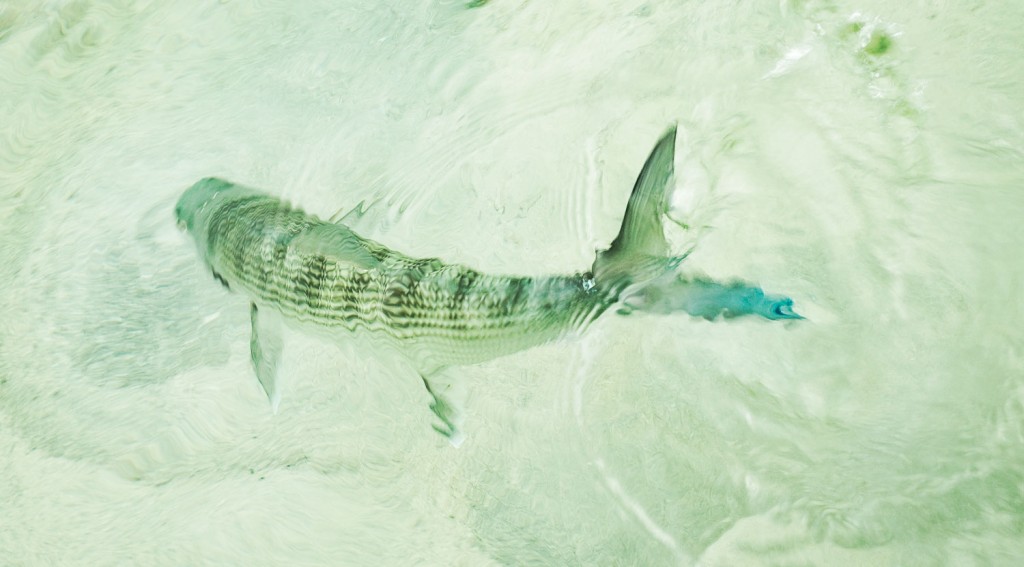
To catch a bonefish, one must first see a bonefish, and there’s the problem. Bonefish are nearly invisible as any living creature. Their camouflage is almost flawless. Their sides are as bright as a mirror and reflect their surroundings perfectly. If the bottom is light, the fish is light. If the bottom is dark, the fish is dark. It can be maddening.
The problem is compounded for the angler who is making the transition from trout fishing to flats fishing. The method of spotting fish is completely different. In fact it’s almost opposite. To find a trout you identify the likely holding water and stare into that spot, waiting for the window to open so that you can glimpse a head or a tail. But trout are holding still in moving water. Bonefish are always on the move. If you stare through that window you’ll miss the show.
I can remember standing on the bow, listening to my guide’s voice become tense, then frustrated. “He’s right there Man, forty feet, right in front of the boat.” “You can’t see the fish, Man?” It will test your self confidence, make you wonder if you know anything about fishing.
With time, the lights turn on and you start to understand the subtle signs of life that you’ve been missing. You learn how to look for fish. Spotting bonefish never gets easy but it become doable. With time, a good pair of polarized glasses and a little patience from your guide, the bonefish will reveal himself.
HERE ARE TEN TIPS TO HELP.
1. Keep your head on a swivel
There are some rules for how fish move on the tide, but bonefish don’t care much for rules. They’re like kids, they mill around, get distracted, turn and stop suddenly. They could be anywhere on the flat. Keep scanning the water. The closest bonefish may be behind you.
2. Don’t get tunnel vision
It’s easy to anticipate where you will see fish. You can find yourself staring at a small piece of water trying to make fish appear. This tunnel vision can be its worst when your guide is calling out a fish. You may be looking ten feet to the left of the fish and never see it. Keep your eyes relaxed and look at the big picture. See the forest, not the trees.
3. Search the glare
The surface of the water reflects the sky and one part of the sky is always lighter than the other. That means that there is almost always part of the water where you can see well and a part where you see mostly glare. The natural tendency is to spend your time searching the water where you can see well but this is not the most effective method. Scan that water quickly, then slow down when you scan the glare. That will help keep you from missing fish.
4. Tilt your head
Polarized sun glasses work with the angle of the light. The angle of the light is always changing but your glasses stay put. If you are struggling to see
The Woolly Bugger Isn’t all that, Or is it?
This isn’t Montana, Your Not Norman Maclean, and the Woolly Bugger isn’t all that.
This was a bumper sticker a guide buddy of mine had printed up a few years back. It was prominently displayed for his clients to read when they pulled up to greet him. That’s one hell of an ice breaker for checking fishing egos at the boat ramp, let me tell you. I give my boy J.E.B. Hall props for his comedic humor and gutsy style. For those of you who don’t know J.E.B., he’s a veteran Western North Carolina guide, Author of Southern Appalachian Fly Guide, and has spent multiple seasons guiding at Alaska West. Meet him one time and you’ll say to yourself, “this guy is the Johnny Knoxville of fishing”.
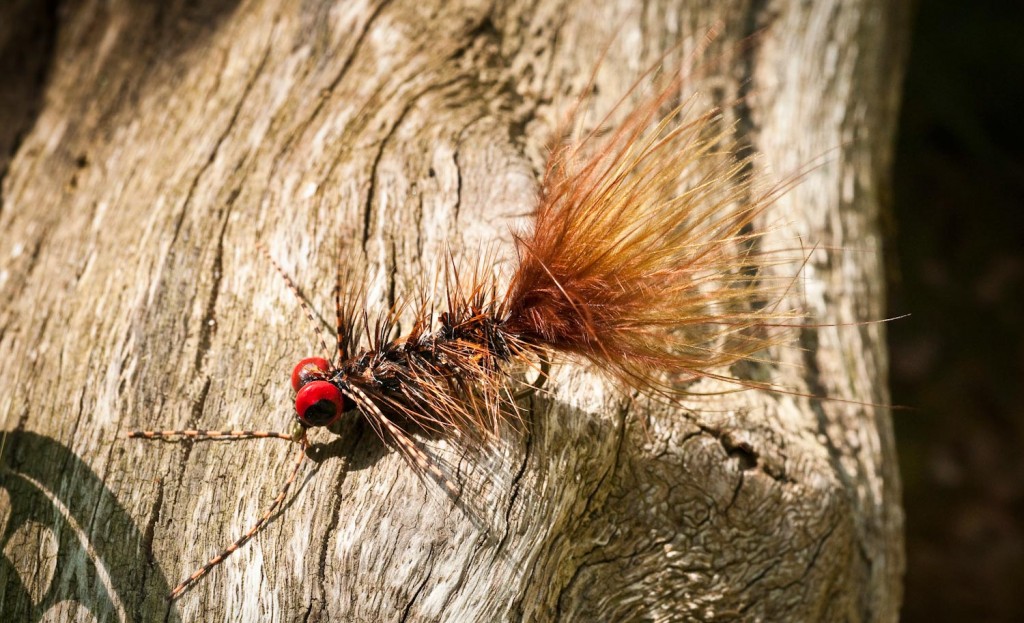
Most anglers fall into one of two categories when it comes to their perception of woolly buggers. They either love them or despise them. I love the fly pattern for two reasons. First, for its impressionistic design that’s capable of mimicking many different trout foods, and second, for its versatility in how the pattern can be fished. It’s rare for me to not break out a woolly bugger at some point during the day. When trout aren’t biting, I almost always can find fish willing to snack on them. The only time I keep woolly buggers out of the game and sitting on the bench, is when I’m fishing water where dry flies are the only thing required.
I believe in the woolly bugger so much, If I only had one pattern that I could take with me fishing, that would be it. Why the woolly bugger, you ask? Because it has probably caught more species of fish on this planet than any other fly pattern created since fly fishing was born. Now if I asked Jim Teeny, he would probably argue with me on this one, but what can I say, 90% of the time Jim strictly fishes his signature Teeny Nymph. And why shouldn’t he, the man has caught everything from steelhead to 100lb. tarpon on that fly. But if the tables were turned, and Jim Teeny would have invented the woolly bugger, I’d lay out a strong bet that’s what he’d be fishing instead. I meant no disrespect towards Jim Teeny, the man is a fish catching machine and a pioneer of the sport. He was just the perfect person to make my point on how effective woolly buggers are at catching fish, and I honestly couldn’t help myself.
The Design and Theory behind the Woolly Bugger
The Woolly bugger looks very simplistic at a quick glance, but look at it a little longer, and you’ll see its not your average, run of the mill, fly pattern. When you take the time to break apart the woolly bugger and study its design closer, you’ll notice each
Dreaming of Steelhead
I WOKE THREE TIMES LAST NIGHT DREAMING THAT I WAS FISHING FOR STEELHEAD.
Not epic, fish hoisting, hero shoting, steelhead fishing but, ass backwards, pointless, penitent steelhead fishing. Swinging tiny flies on floating lines in the turbid, chocolate waters of spring run off (and this is my favorite part) in Colorado’s Black Canyon. If you’re not a steelheader, I’ll break this down for you C.G. Jung style.
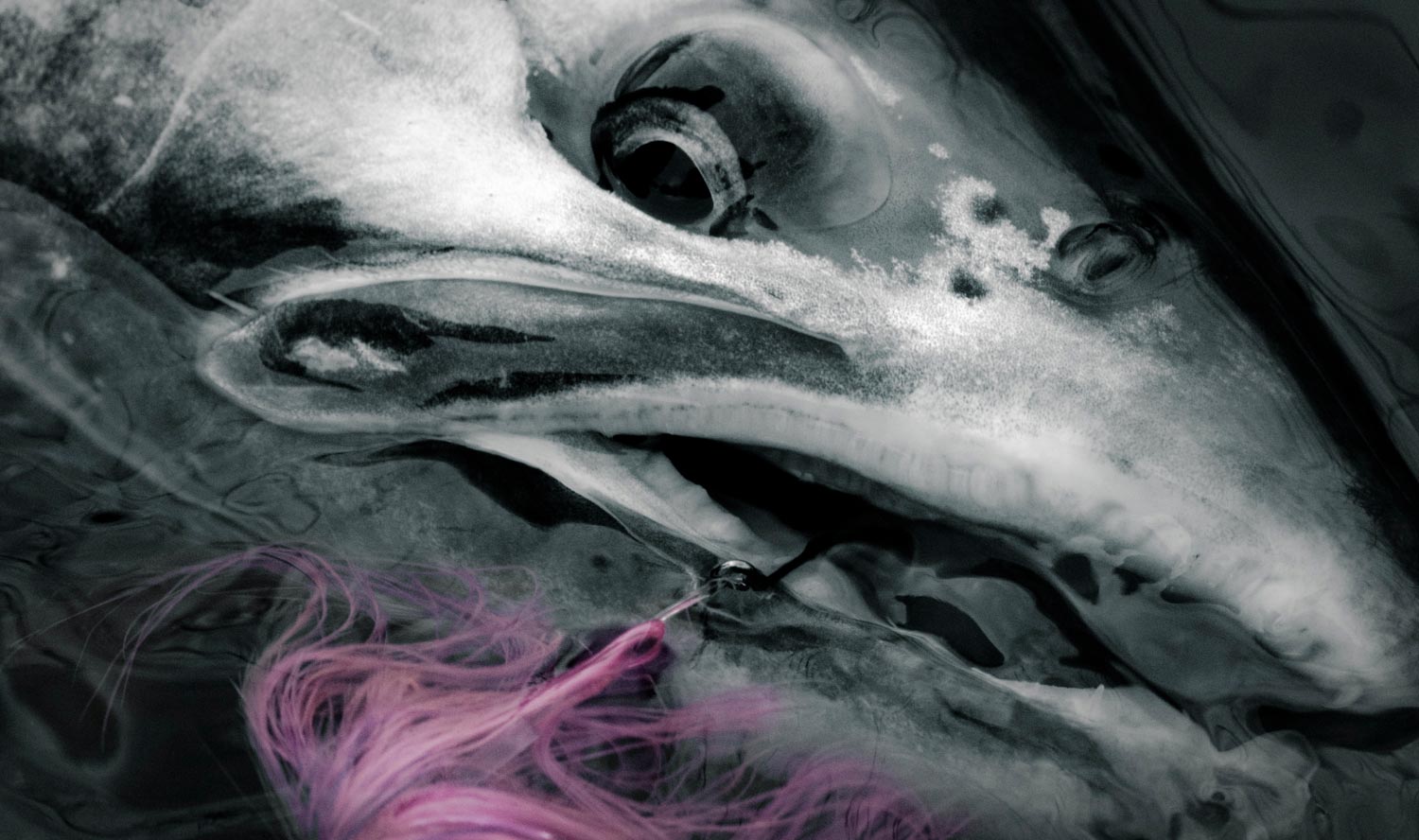
The steelhead is, in freshwater at least, the iconic challenging fish. The “fish of a thousand casts.” If you were forced to fish for them in high, stained water, and I have been, you would use big flies and heavy sink tips or better yet a steelhead bullet and an egg pattern and it would still be very, very tough. Lastly, the Gunnison river which flows through The Black Canyon does not contain steelhead. So, in my dream I am fishing for the hardest fish I know of, using tactics and gear that I know are wrong, in a river where this fish does not exist. Clearly I need professional help. A psychiatrist or a guide at least.
This dream was so vivid and persistent that I couldn’t help but wonder what it meant.
Read More »The Perfect Day on the Flats
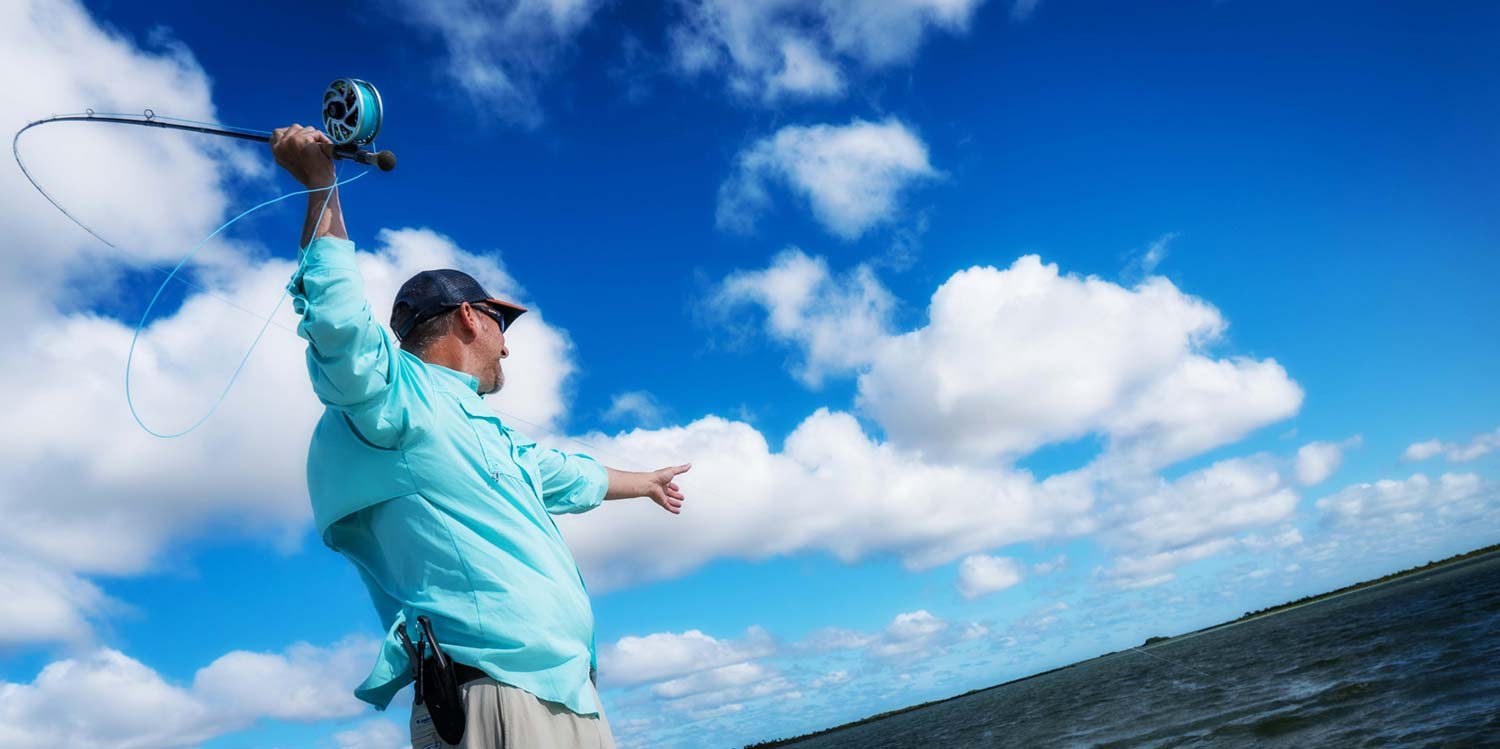
By John Byron
You’re after bonefish.
An easy flight and you found all your luggage. The lodge is even more comfortable than you expected. Supper was super. Your new fishing companions seem a really great bunch. You’re excited to get fishing.
Next morning seems perfect. Sunshine all day. The right tide. Gentle breezes, sufficient to calm the fish but not enough to hamper your casting. The guide knows his business and handles the boat flawlessly, spotting fish early and lining you up for easy casts. When you wade, it’s on hard bottom, a comfy depth and the wind and sun at your back.
You find fish all day long, big ones in singles and doubles, larger schools all ready to take your fly, which seems to be the perfect weight, size, and color. When one spot slows down, you move to another loaded with bonefish, maybe stopping for some fun fishing alongside a big mud. It’s the perfect day.
And it happens so seldom that you should never never count on it.
Any putz can catch fish on a day like that. Your challenge … and the great challenge of bonefishing as a sport
Read More »The Blanket Octopus is the Damnedest Thing I’ve Ever Seen
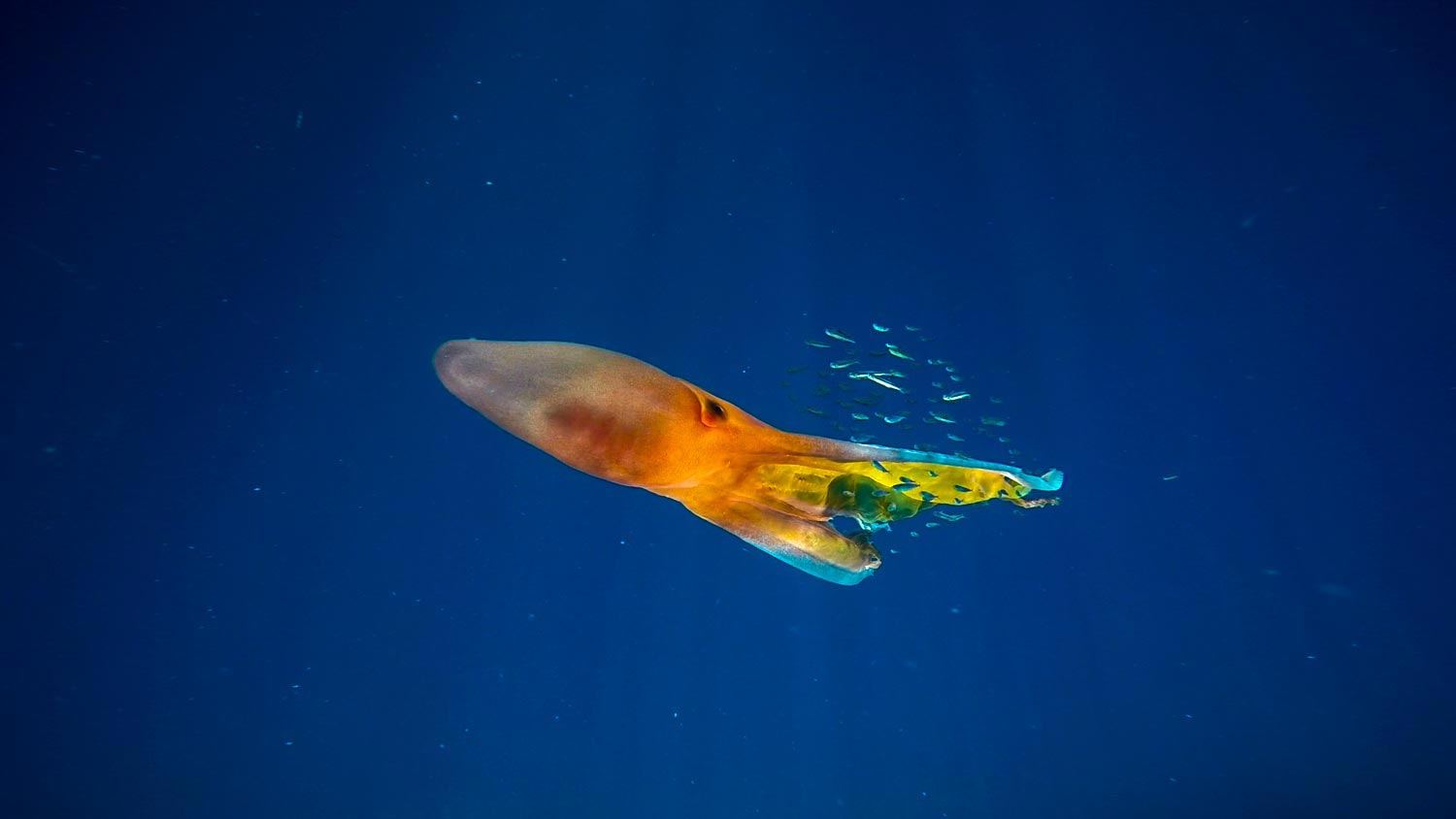
FROM THE “WHAT THE HELL IS THAT?” FILES.
On a recent blue water fly fishing trip with Captain Ron Doerr out of Jupiter, Florida, I saw something truly strange. It looked like a woman’s scarf floating in the water. Bright red, yellow and green, it seemed to be just floating out there a foot or so under the surface. It didn’t look like a living thing, well a space alien maybe, but nothing I’d ever seen. Nothing Capt. Ron had ever seen either, in his thirty years as an offshore captain.
It drifted up next to the boat and my buddy Kristen touched it with his rod, as he is want to do, and the rod came back with some pretty scary stuff on it. It looked like jellyfish tendrils. That didn’t make sense. Jelly fish don’t just come apart when you touch them. Was it dead or alive, animate or inanimate? None of us were sure until we saw its eye. A big black creepy eye.
I stuck the go pro under the water and captured the video below.
Read More »How Trolling Motors Are Changing Tarpon Fishing
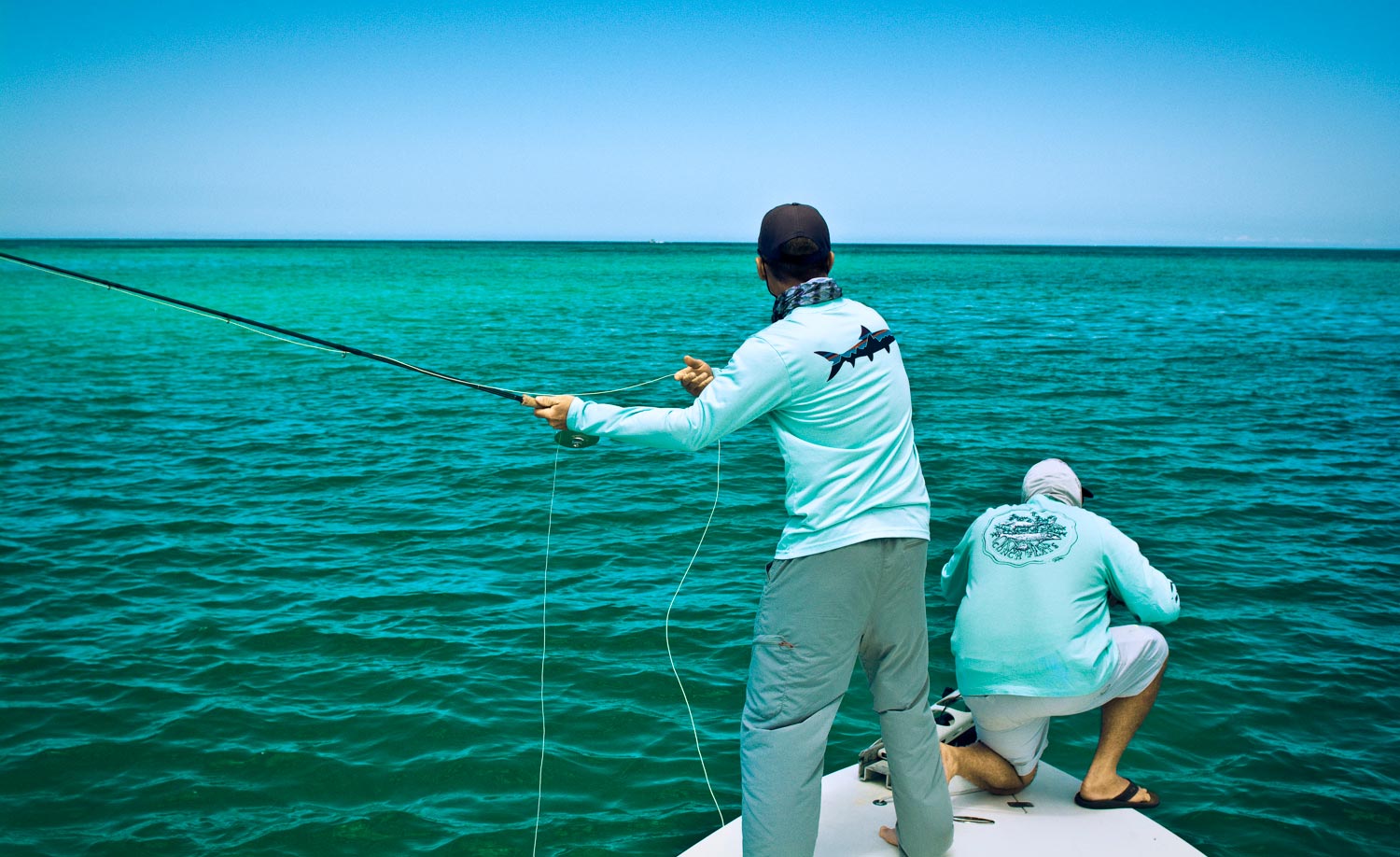
MY FIRST DAY OF FISHING TARPON WITH A TROLLING MOTOR WASN’T WHAT I’D EXPECTED.
I’ve been involved in several conversations on this topic in the past year. There are strong opinions on both sides but the fact is that each year there are more guides pursuing tarpon with trolling motors and it is definitely changing the game.
I do most of my tarpon fishing in the Keys. I like the fishing in the Keys for the same reason I like the Keys in general. Things are just a little slow to change down there. The Keys remind me of the Florida of my childhood, before theme parks and resorts, when Florida was ringed by sleepy beach towns and single-story motels.
While fishing the Keys today is far from the same experience it used to be, it’s still the kind of place where you can get lost in time. What I mean by that is that it’s the kind of place where, on a good day, you can pole a bank in quiet isolation and focus on the water and the fish. There are plenty of boats and anglers but there is still some etiquette among anglers. That’s disappeared in much of Florida.
It’s disappearing in the Keys too and if you spend any time at all drinking a beer with the flats guides down there, you hear about it. More and more you hear about trolling motors. Every year, new guides show up with electric motors mounted on their boats and every year more of the established guides give in and buy trolling motors of their own. I have heard a lot of talk about how it’s changing tarpon fishing but I never saw it until recently.
I fished Boca Grande for the first time recently. It was a very different experience than what I’m used to. I don’t want you to think I’m bashing the fishery or the guides there. It’s a beautiful place with tons of fish and great water. It’s just a very different culture than I’m used to, and it has to be. The pressure there is so intense that there’s no choice other than to throw the Keys-style etiquette out the window. If you don’t want to fish a flat with three other boats, it’s not the place for you. Guides there have been using trolling motors for some time now and it was a great chance for me to see what that really means.
How is fishing tarpon with a trolling motor different?
The trolling motor is really changing the way anglers target migrating fish. It used to be that when you were targeting schools of fish moving along the beach you would get in position and get a couple of shots at the school as they passed. Your guide would try to keep you on them as long as possible, but it’s hard to chase fish with a push pole. You got a couple of shots and you had to make them count.
It’s a very different game with the trolling motor. A guide with a motor can
Read More »Waiting for the Cicada Hatch
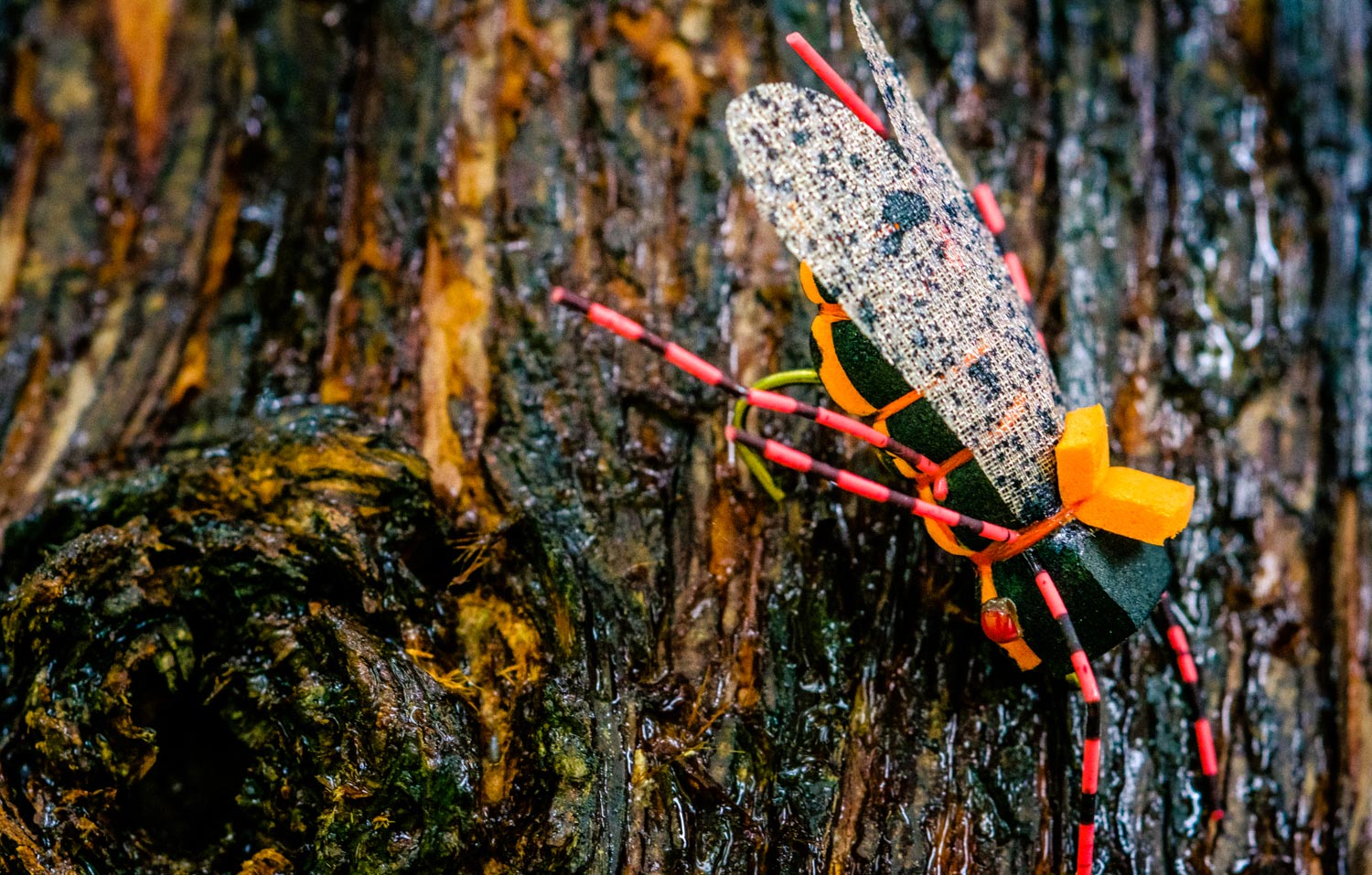
Most of the savvy local fly anglers I know are on high alert.
Fly shop phones are ringing. Fishing buddies are organized into call lists. Everyone has their ears up, listening for that buzz. Except for me, of course. I’m deaf as a post and I hear that sound all the time. It’s 2017, and it doesn’t take a math scientist to figure out what that means. Our last 17 year cicada hatch was in 2000, so it’s time to spin up some foam monsters.
Any angler who has fished a good 17 year cicada hatch is not likely to forget it. It’s the kind of experience that leaves you wondering about everything you thought you knew about fish. If you haven’t fished it, you’ve likely heard the stories. The best one I’ve heard involved huge striped bass sipping dry flies. That sort of thing will change a person.
If you’ve chased this hatch before, you probably also know about disappointment. Maybe you drove 400 miles for a hatch that never happened, or maybe you’ve seen the cicadas on the water and fish ignored them. I’ve done both, and with the chance coming only every 17 years, that’s pretty heartbreaking.
A couple of years ago, after spinning up a mound of cicada patterns for a hatch that was supposed to happen several states away, and didn’t, I got sick of waiting. I decided to fish those flies anyway, right here at home, in the absence of any hatch. Guess what?
Read More »4 Worm Patterns I Always Carry In My Fly Box
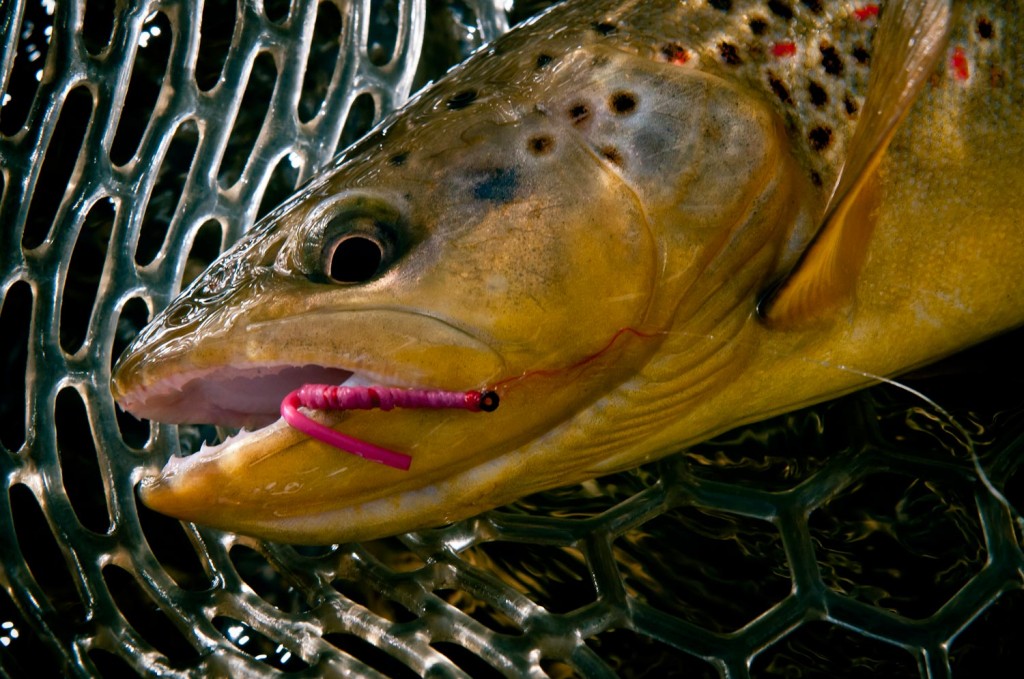
Worm Fly Patterns That Consistently Catch Fish
It’s no secret worm patterns are super consistent most of the year for catching both stocked and wild trout. They work especially well for stocked fish, after a big rain, and during the spring, winter, and fall seasons. I’ve had days when the only thing I could get trout to eat was a san juan worm. There’s a bunch of haters out there that will not fish them, claiming it’s the next closest thing to fishing a real earthworm, but look in their fly box and I bet you’ll find a few. I on the other hand, have no problem fishing worm patterns, because they do a great job of keeping my clients rods bent, which in turn, pays my bills. To top it all off, worm patterns are among the cheapest and easiest fly patterns for me to tie. I can rip out about a dozen in less than ten minutes, for about $2.50 worth of materials. Choosing to put worm patterns in your fishing line-up, will almost certainly put more fish in your net. Below are four worm patterns I always keep in my fly box.
Click on Photos For Larger Views
Fly Patterns Left to Right: Chamois Worm, Fl. Pink Flash San Juan Worm, Squirmy Wormy, Delektable Soft-Hackle Worm
The Chamois “Shammy” Worm
Yes, you read the name right, this fly is made out of a car drying chamois. For $10-14 you can buy one and tie about 100+ chamois worms with it. This pattern can be deadly after a fresh rain, when earthworms have been washed from
Winston Air 2 “Dark Horse” Review
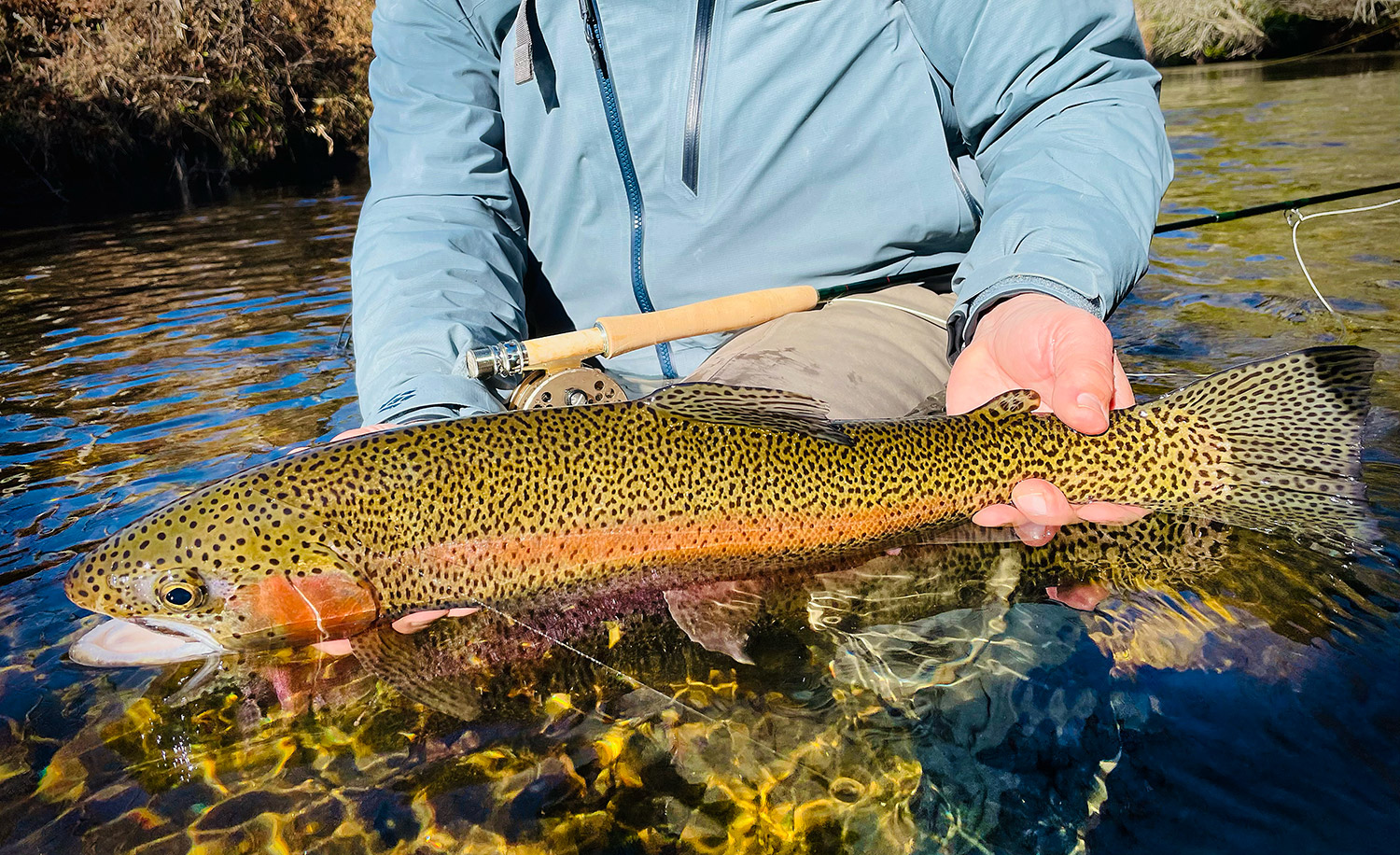
A great fishing rod has to cast great, but not every great casting rod is a great fishing rod. By Louis Cahill Back at, what proved to be, the last IFTD show, I cast the new Air 2 from Winston. I was blown away and I shot a video where Adam Hutchison and I talk about the rod. I will include that below. However, no matter how well a rod handles the casting pond, I will not write a review based on that. There’s a whole lot more that goes into a rod that fishes great than the cast. Especially when it comes to trout rods. I don’t own an Air 2 but my buddy Dan Flynn bought one recently, after I told him how much I liked it. Dan is one of the best Trout anglers I know, especially on a small stream, but he’s not a gear guy. He might drop some coin on a beautiful jungle cock neck but he’s never owned a premium rod before now. He’s thanked me about eight times for suggesting the Air 2 and when he and I fished together last week, I asked if I could fish it. He was more than happy to oblige. Real quickly, I’m going to address something that bugs me. I often get negative comments on reviews about people not trusting the review because I got a free piece of gear. Anyone who knows me knows that’s ridiculous. That’s not how I roll and I have pissed off rod manufacturers and lost advertisers for telling them their products weren’t up to my standard. At any rate, I’m writing this review of a rod I don’t own and Winston has no idea I’m writing it. You can take that for whatever it’s worth. I do not accept … Continue reading
Read More »