
Pheasant Tail Nymph Attractor
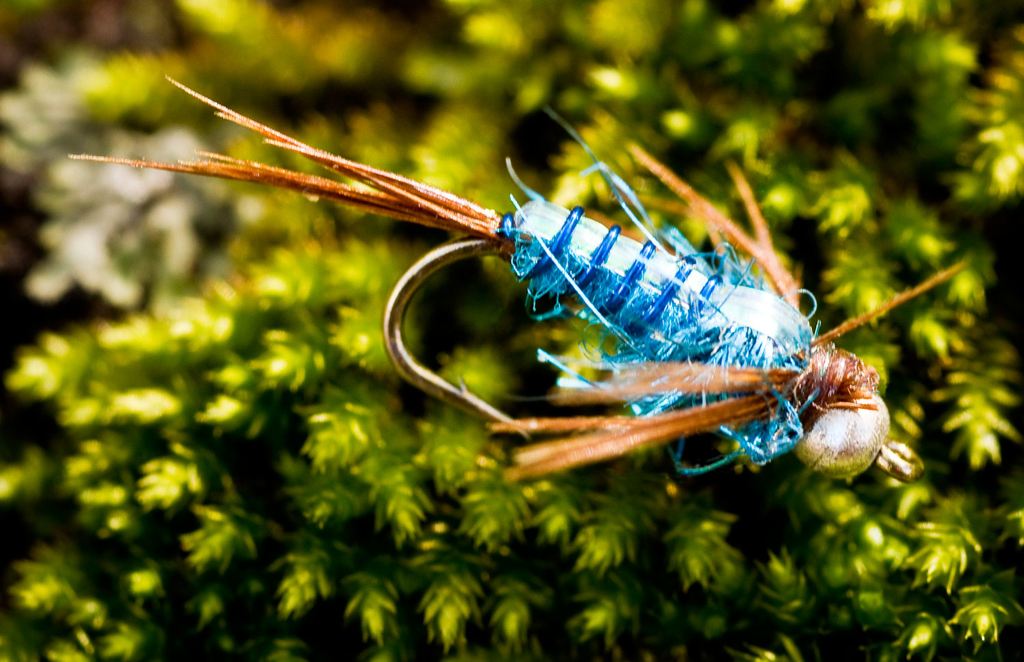
A WHILE BACK I POSTED ABOUT A ATTRACTOR MIDGE PATTERN THAT ALWAYS WORKS WELL FOR ME DURING THE COLDER MONTHS.
I received some really good feedback from the post from G&G followers. One follower even tied some up and landed multiple twenty inch fish with the midge pattern one day on his home waters. It feels good passing on information to our followers, especially when I hear back that they not only appreciate the advice but are actually putting it to work on the water. Since the first post was a success I’ve decided to showcase second cold water nymph pattern of mine.
I’m a firm believer in utilizing a bright attractor nymph in my tandem nymph rigs during the winter months. A couple years back I thought to myself why not take a proven traditional fly patterns and modify them with bright attractor fly tying materials. This way you can bank on both the proven profile characteristics and the flashy appeal. One of the first fly patterns I came up with for this idea was this pheasant tail attractor nymph above. It’s been very successful for me on the water. I generally use
Read More »Attractor Flies in Tandem Rigs
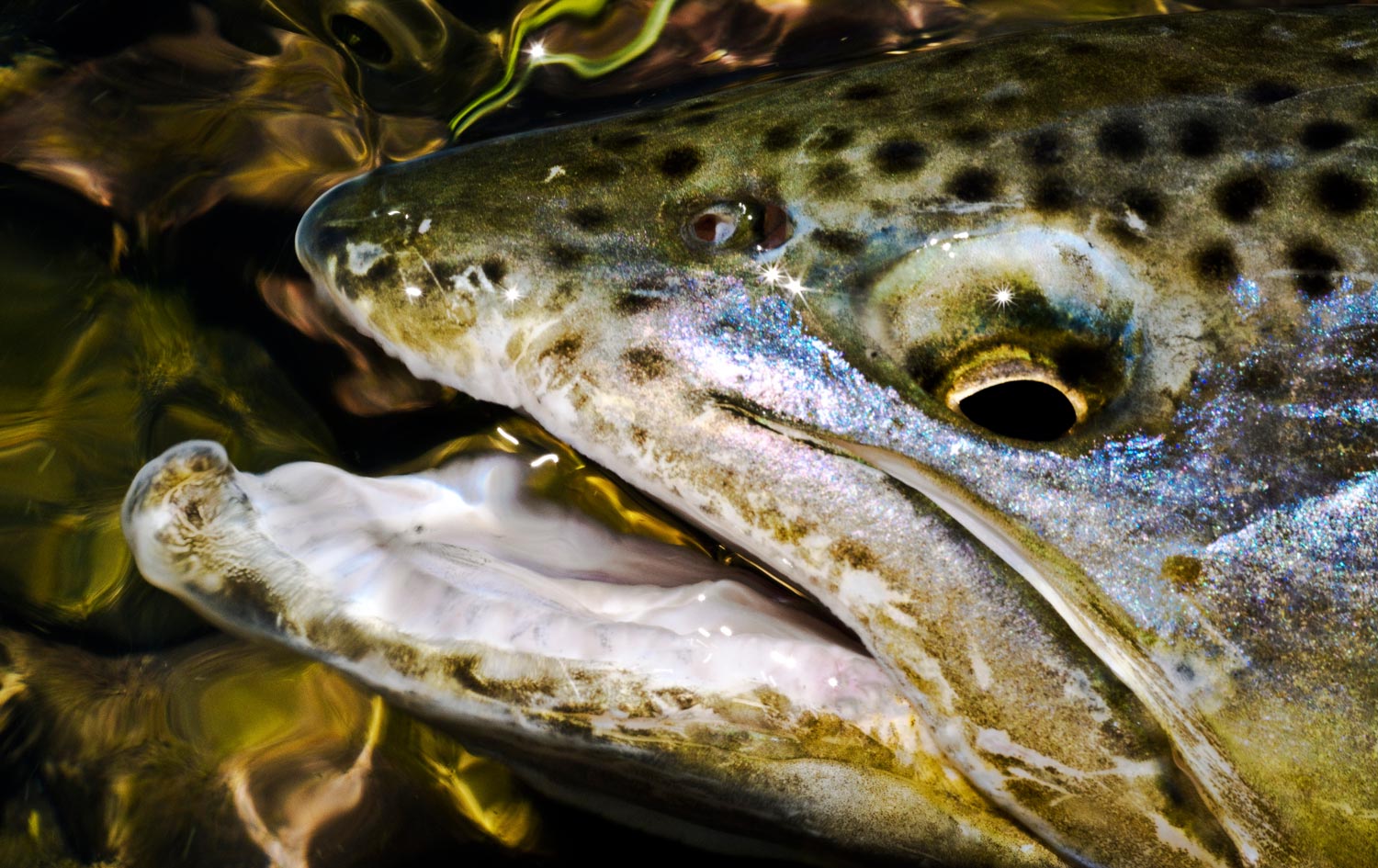
A LARGE PART OF FLY FISHING IS PROBLEM SOLVING.
Problems are just part of the game and the better you are at solving them, the more effective an angler you will be. Often the solutions require tactics that are unusual or counter intuitive. When fish are being stubborn a creative solution may be just what is needed.
On our recent trip to the Owyhee River in Oregon, Kent and I encountered such a problem. The Owyhee (the part we were fishing) is a tailwater. It’s a highly pressured and very technical fishery full of picky brown trout. That’s a big enough problem but there were other factors we were dealing with as well.
The Owyhee has an amazingly abundant insect population and the insects are very small. This means that your #22 fly is competing for the fish’s attention with thousands of tasty naturals. The fish do not have to move for food so the only way to feed them is to put the fly right on their nose.
No problem, and anglers generally do this by targeting rising fish because the waters of the Owyhee are stained with dissolved lime and calcium carbonate, a very fine silt that does not settle and gives the water an opaque green tint. The color makes it nearly impossible to sight fish when there are no fish rising. When we were there strong winds had put off the hatches so we were fishing blind. We were catching fish fairly regularly by reading water and being persistent and observant, but I kept thinking there had to be a better approach.
Read More »Beefcake Stone
By Bob Reece
As the winter snows of the Rocky Mountains begin to thaw, a change is set in motion.
The landscape breaks loose and emerges from a crisp exoskeleton of winter. For many fly fishers the pinnacle of this yearly change is the transformation of Pteronarcys californica. Most fly fishers have some familiarity with spring salmonfly hatches that proclaim the beginning of a new season on many of western North America’s freestone rivers and streams. While the salmonfly emergence is one of fly fishing’s most compelling events, success during this time is not guaranteed and often depends of the design of your flies.
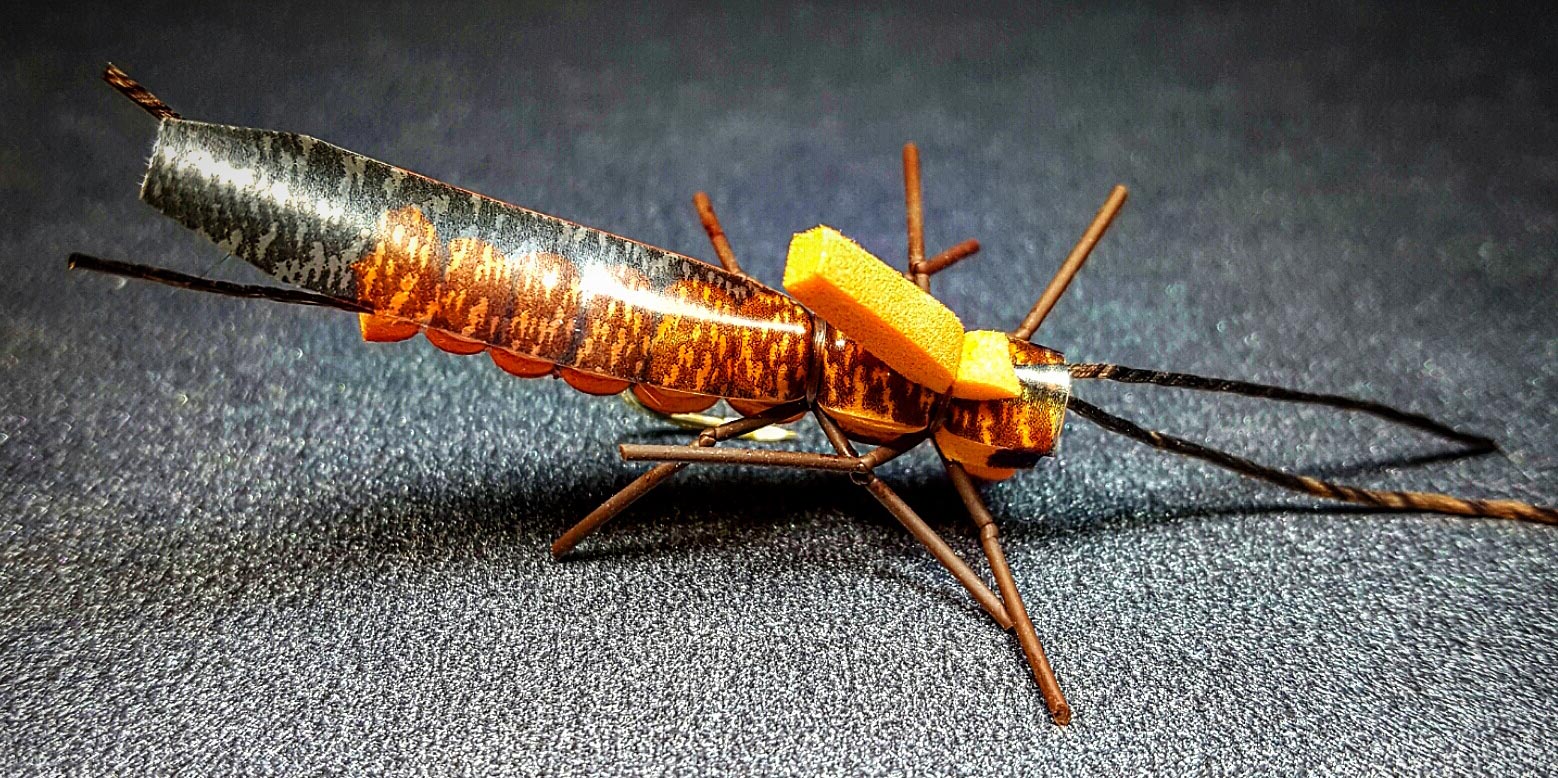
The Beefcake Stone is the epitome of a match for this hatch. While the body of this pattern is rigid, its appendages move easily. The Sexi-floss antennae and tail fibers, along with round rubber legs provide the fly with actively twitching limbs. Tantalizing action is paired with realism by knotting all of the legs. This nicely mimics the prominent leg joints in the adult Pteronarcys. Aesthetic appeal is crucial but without durability it is meaningless. Zap-A-Gap is essential when working with the foam elements of this pattern. It should be applied any time two foam surfaces are placed in contact. At the core of this pattern is the sturdy Tiemco 2499BL. This hook sticks and stays, using an upturned point design to prevent itself from being shaken loose. Its sturdy construction and short shank provide the security to land large fish in high flows that often accompany this event.
Triumph in fly fishing is often signified by a successful meeting of fly and fish. The expectation of this is rarely greater than when
Read More »Use Old Plano Boxes For Bulk Fly Storage

Of all the thousands of dollars of bass fishing gear that I’ve accumulated over the years there’s very little of it that I can find a use for in my fly fishing today.
Well, I could probably find a way to use some of it, but I’d definitely get bashed for it by my friends. My Plano tackle boxes, however, have proven to be very useful for me in my drift boat and when I’m traveling across the states on my fly fishing trips. I can load up one Plano box for my drift boat and I’m good for the day, and if I’m traveling out west, I often use one to throw all my big dry fly patterns or streamers in, so I don’t have to keep up with several smaller fly boxes during the trip. Every morning I’ll take out what I need and stow them in one or two fly boxes that I can carry easily with me on the water.
Read More »Bonefish Flats Revealed
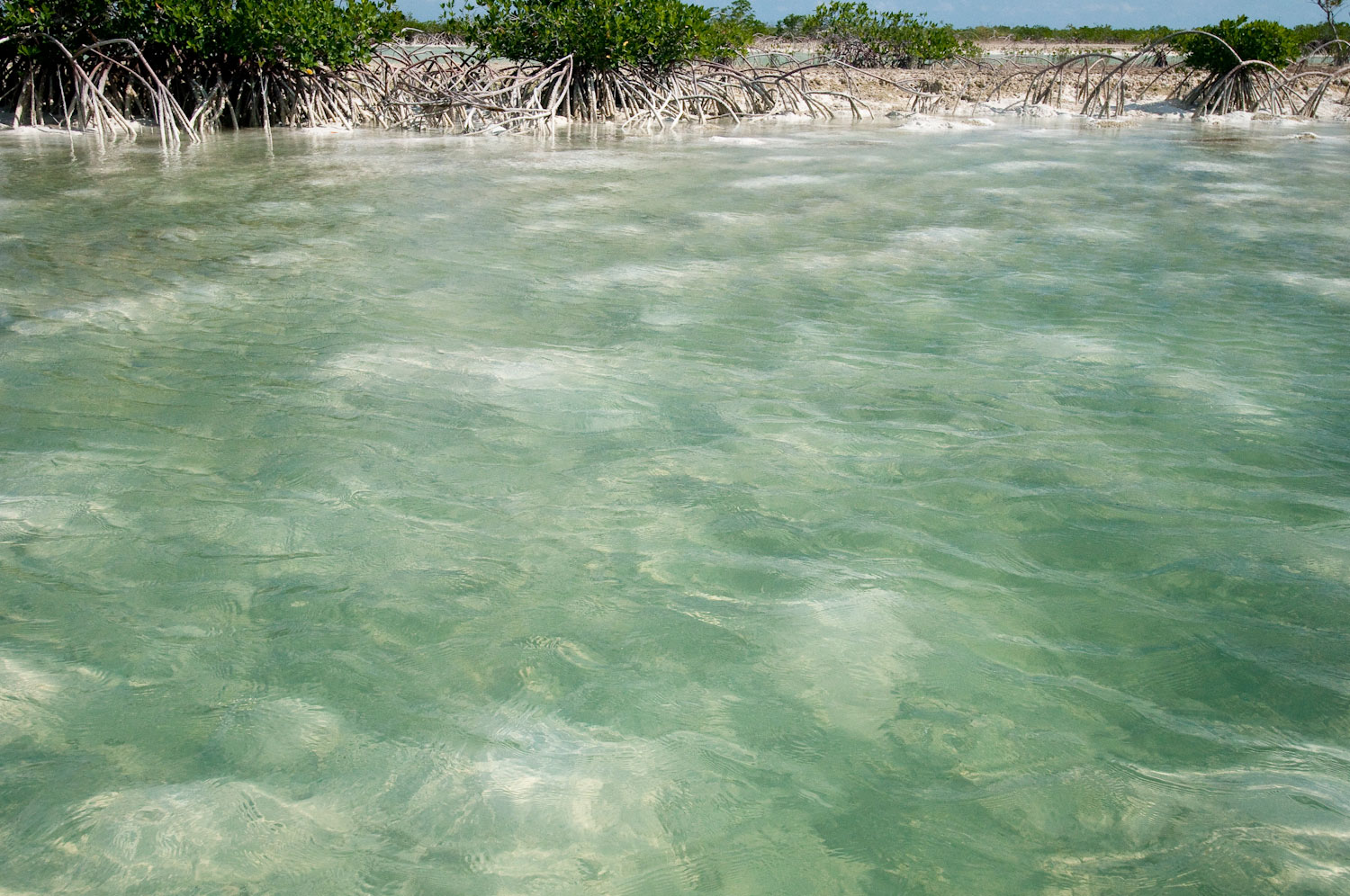
IT’S IMPORTANT TO KNOW YOUR OPPONENT, AND TO THAT END IT’S GOOD TO KNOW HIS NEIGHBORHOOD.
When we look at a bonefish flat we tend to perceive it as two- dimensional. It’s right there in the name, flat. The truth is, it’s far from flat. The bonefish’s world is as three-dimensional as ours. It’s a landscape full of hills and valleys, mounds and burrows. The crabs, shrimp and such that bonefish feed on use these features to hide or escape from the hungry predator. Knowing this can give us an advantage.
Alice’s Angle: December
By: Alice Tesar
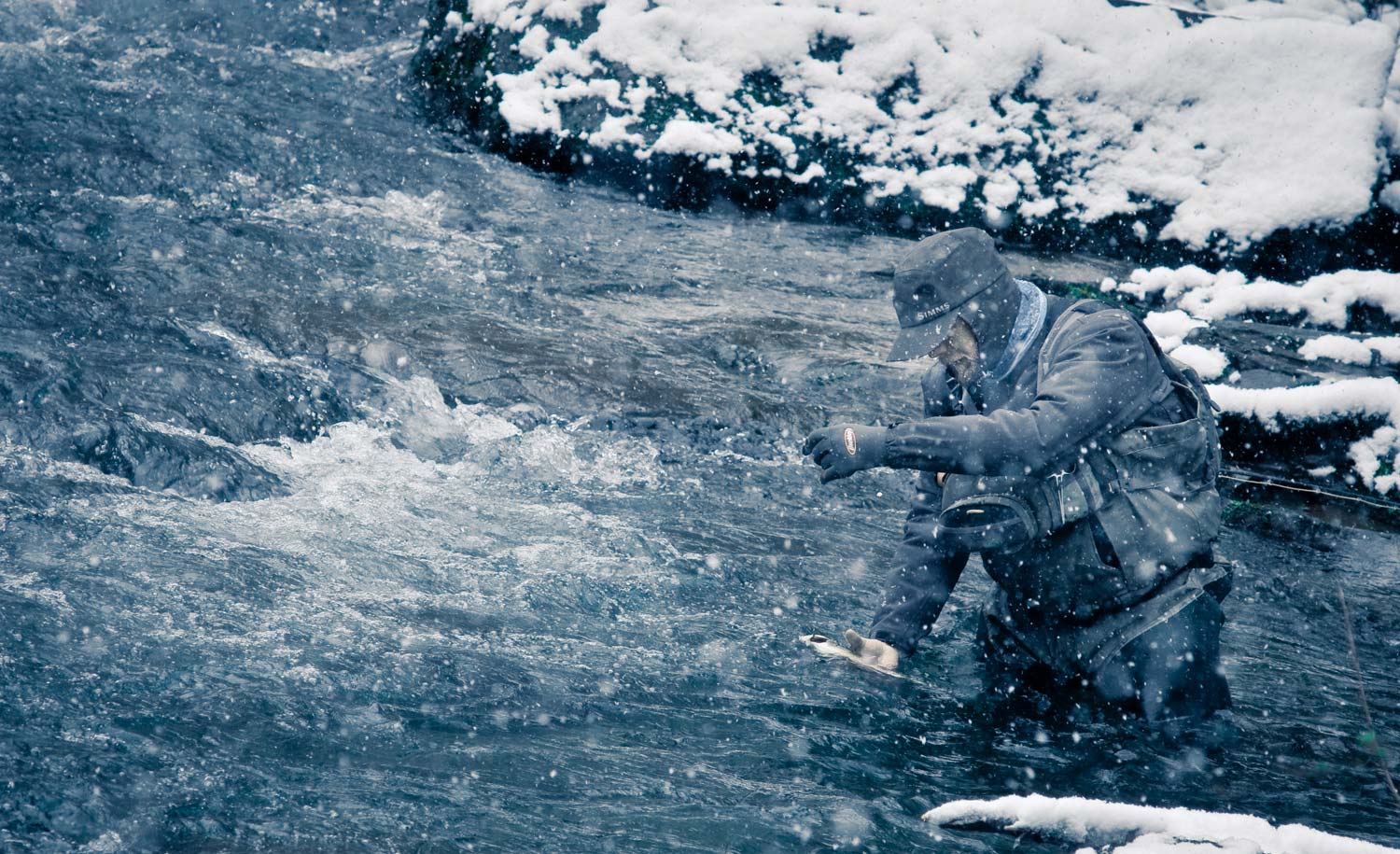
December, the mountain slopes are open to skiers and the rivers are practically void of anglers.
Not only is hitting the river an excuse to escape holiday guests but it can also be quite productive if you’re willing to endure the cold factor. If you know me, you know I’m a nymphing fool. Streamers and dries are exciting but mastering a nymph rig that catches trout with each presentation feels invincible. Most mountain town rivers are running low and uberclear right now. Furthermore, blue skies and snowy banks make your shadow and own presence on the water louder than ever. To avoid spooking more fish I recommend wearing muted colors and limiting your false casts, I even let my drifts go longer in an effort to slow down my above water activity.
Regardless of spooking easily, the trout is at its laziest in cold water. They are lethargic and prefer to place themselves where currents are easy, and the conveyor belt of tiny bites is steady. Midges are my constant this time of year- black beauties, mercury midges, and a biot midge if you find the trout feeding closer to the surface. Darker colors over bright and flashy. Pair the midge with a black or dark brown stonefly. A small stonefly, 16 or 14, seems to work better than something larger.
My final tip, that I repeat often is
Read More »Take The Right Fish
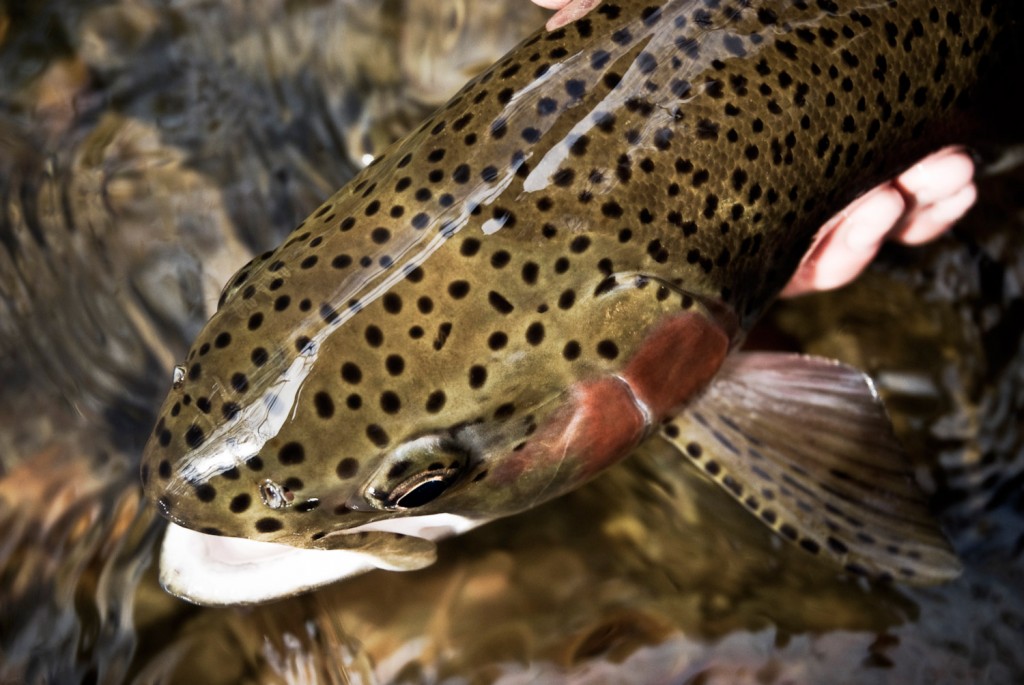
AS I’VE SAID PLENTY OF TIMES I’M A DEDICATED CATCH AND RELEASE ANGLER. THAT SAID, I RECOGNIZE THAT IT’S A PERSONAL CHOICE THAT I HAVE COME TO IN MY OWN TIME.
There are a lot of good ethical anglers out there who keep a fish once in a while and although it’s not for me, there isn’t necessarily anything wrong with it. The reason I say necessarily is this: fish are not all created equal and while killing a fish can be ok, killing the wrong fish is a tragedy.
Where trout are concerned, in most places a great many of the fish we catch are hatchery raised stockers. There are a couple of things about these fish that are worth mentioning. The breeding of fish for stocking is a pragmatic endeavor. It is done with a clear cut goal in mind. To raise fish in the fastest, cheapest, easiest way possible and get them in the river. There is very little, if any, thought given to the quality of these fish.
Well, what does that mean, quality? Several things. For one, the fish are raised on a diet of high protean fish food that promotes fast growth. This yields fish that have little of the natural color found in wild fish. There are other factors that contribute to this but food plays a role. It also yields fish with unnatural proportions. Small mouths and fins but big bellies. A trout that’s shaped like a football is a poor example of it’s kind.
Hatchery fish are generally raised in concrete runs. They rub against the rough concrete and wear down their fins to nubs. Not very attractive. The runs also contribute to the lack of color. Trout, like most fish, have natural camouflage. They take on the color of their surroundings. What color is concrete? Makes sense right?
Read More »Tear Up Your Fly Fishing Resume
By Louis Cahill
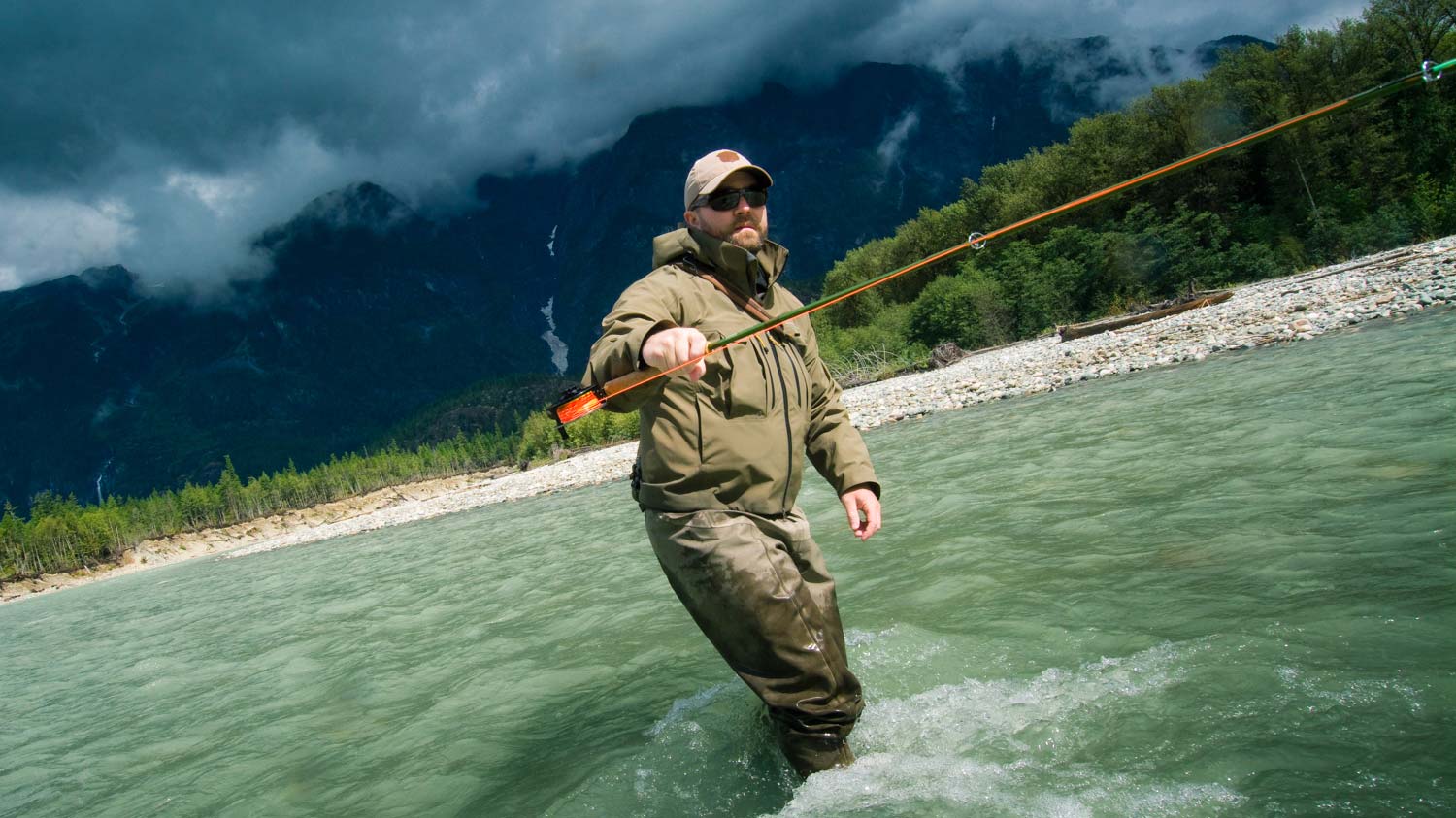
Far too often it’s an angler’s self image that gets between them and the fish.
In a recent article, I wrote about how I believe that, as a group, the fly fishing community doesn’t always do a good job as ambassadors of the sport. In brief, I think we make new anglers self conscious and afraid to ask questions or seek advice. The other side of that dilemma is that way too many anglers let their pride get in the way of their progress. To often we take a defensive posture with other anglers, who could teach us something.
Nobody likes the expert. We’ve all spent time around the guy who wants to be the big shot and impress everyone with his fly fishing prowess, which is usually not impressive. I’m not defending that behavior. In fact, I find that the anglers who are the most skilled are also the most humble. I don’t think that is a coincidence. I think those anglers learned long ago that they could learn something from anyone, if they listened.
I was having a conversation about flats fishing with another angler who voiced some opinions I know to be pretty far off base. This was a conversation about fishing over a beer and since he brought it up, I felt invited to offer my opinion. I also knew for a fact that his assertion had a lot to do with his getting skunked that day, so I politely responded.
“I think these fish…” I was quickly met with, “I’ve fished down here for twenty years!”
I shut up and let him enjoy his ignorance. The fact is that he has fished three days a year for twenty years so I’ll concede that he has two months of experience. He knew nothing about me as an angler. Not how many days a year I fish, or for how many years, or even that I had a pretty great day while he was getting skunked.
I’ve heard that line a hundred times and I’ve never heard it from an angler who was
Read More »8 Common Fly Line Mending Mistakes
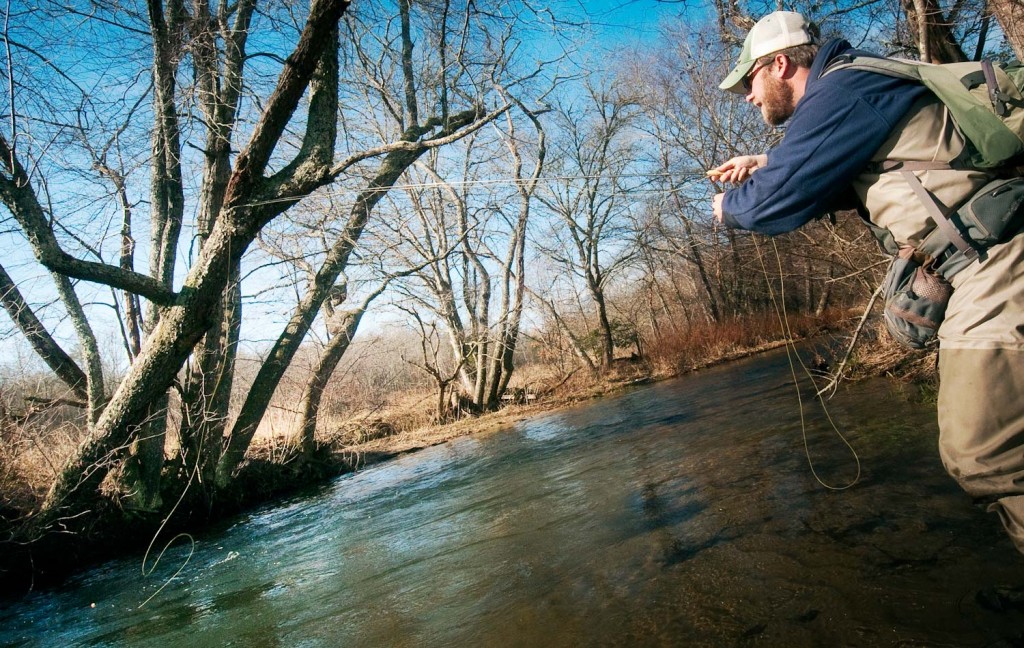
I spend the majority of my time teaching fly casting when guiding my clients, but the art of mending fly line is a close second.
A perfect cast can quickly become obsolete if you don’t understand the concept of mending fly line. When mending is timed correctly and executed properly it allows fly anglers to maintain a drag-free presentation, keep their fly in the target zone, and prolong the length of their drift. Developing good mending technique my friends, translates into more fish being hooked and landed. If you’re lucky enough to already have the basics of fly casting down, I highly encourage you to next focus your time on understanding and mastering the mechanics of mending fly line.
Throughout this post I’m going to try to touch base on the most popular mending mistakes I see on the river, but before I do so, here’s an intriguing question for everyone. Why is it, that fly anglers seem to always get their left and right mixed up when mending fly line? It happens to me guiding all the time. I’ll instruct my client to mend to the left and they’ll do the opposite, by mending to the right. One of the most common four word phrases out of my mouth is, “no, your other left”. This will probably hit home with more guides than anglers but I had to bring it up, since we all do it. I’ve tried using upstream and downstream for instructing mending direction, but that seems to be even more confusing. That being said, here are the most common mending mistakes I see on the river.
1. Anglers Wait Too Long to Mend
Everyone deserves props when a perfect cast is made, but don’t make the mistake of admiring it, and forget to follow it up with a good mend. Most often, but not always, a fly angler should make their first mend within a second or two of the fly landing on the water. Why you ask? Because it’s the most critical mend of your drift. It sets up your entire drift, and will eliminate the need for extra mending.
2. Anglers rod tip does not travel high enough in the air during the mend
The majority of the time when mending you’re trying to mend as much of your fly line and leader without moving your flies. The longer the cast or more fly line you have on the water, the higher you’ll need to move your rod tip in an oval shape path. “Give me a superman mend”, I say to my clients, when their mending a bunch of fly line. What I’m meaning by this is giving me the biggest mend you can.
3. Anglers mend their line by moving their fly rod in a sideways motion instead of upside down u-shape or n-shape
When your mending, your trying to pick up fly line and leader off the water and reposition it (placing it back down upstream or downstream of your fly). I see a lot of anglers moving their rod sideways in a straight line when mending. All this does is require you to mend again seconds later.
4. Some drifts require multiple mends
Even a perfect first mend isn’t always enough to get you through the entire drift drag-free. Sometimes fly anglers will
Long Line Pickup: Video
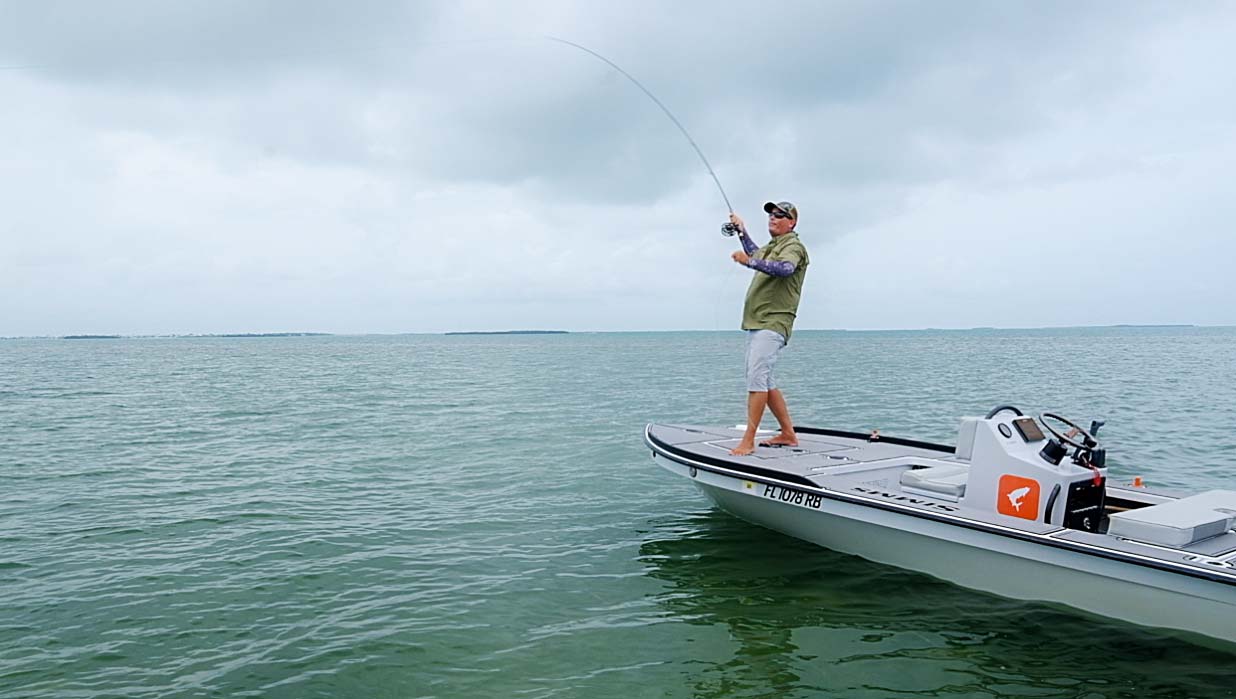
One of the toughest challenges in fly casting is picking up a long line to recast.
It’s a skill that’s essential for saltwater anglers. Things change quickly when you’re fishing the flats and you have to be able to reposition your fly quickly and quietly. Last week our buddy Bruce Chard helped us out with lifting our line quietly. This week Bruce will show us how to lift a long line and make a successful second presentation.
Practice these skills and you’ll find yourself catching more fish on the flats!
WATCH THIS VIDEO AND LEARN TO PICK UP A LONG FLY LINE QUICKLY AND QUIETLY.
Read More »