
My Experience At The G&G Bonefish School
By Jason Tucker
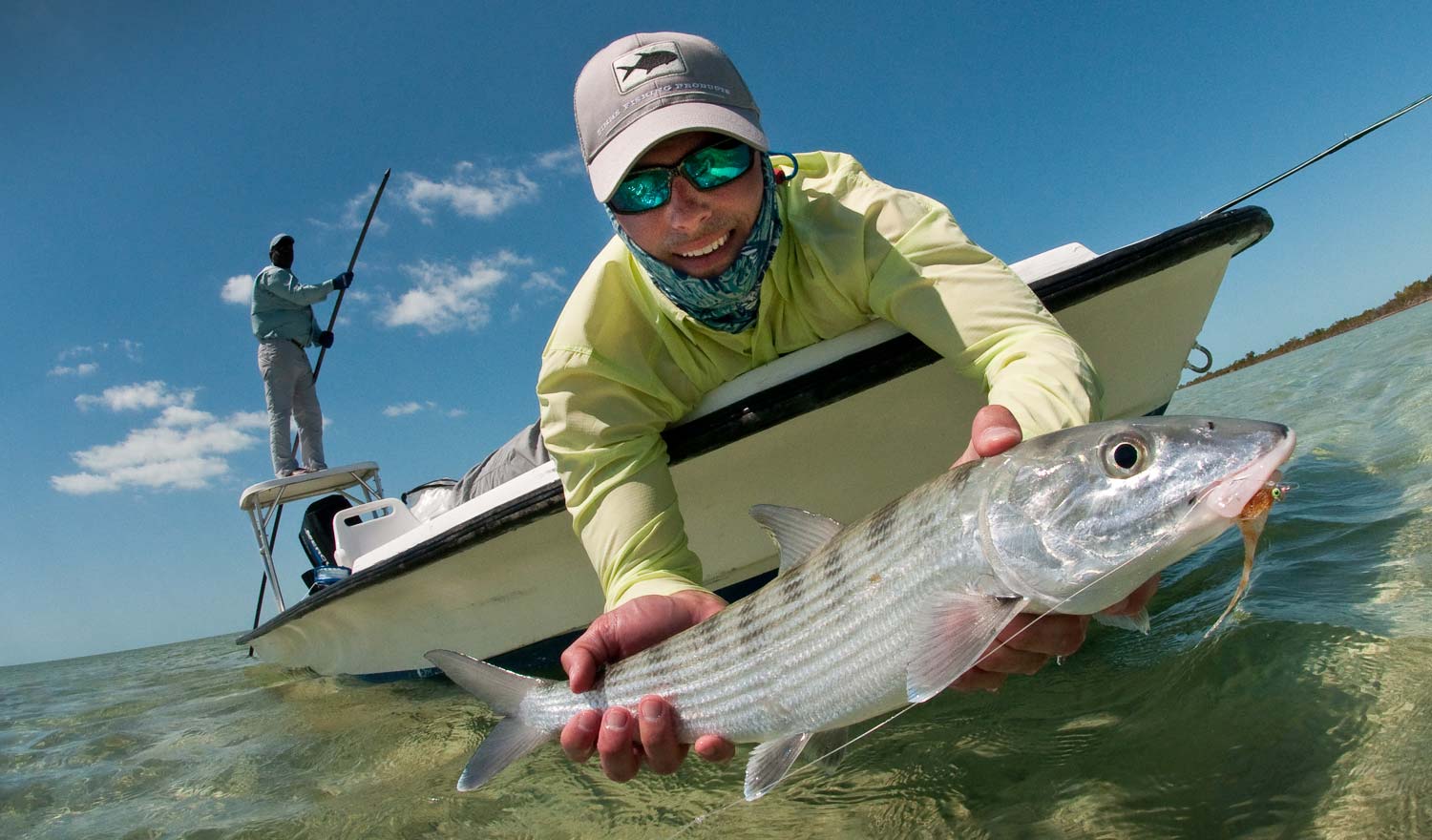
I could not have been more shocked to find myself in the Bahamas than if my spaceship had crashed there. The call came on Thursday. “Can you go to the Bahamas for a week?”
“When?”
“We leave Saturday.”
I checked with my employer, girlfriend and bank account. For once in my life the answer was yes. And so it was that I was off to Bair’s Lodge in the Bahamas on my first hosted trip with Mr. Louis Cahill.
I’ve never quite understood hosted trips, or why folks pay to go on them. I don’t mean this as a criticism, but merely as an observation. I had no idea really what they are all about. I mean, why not just book a trip and go?
Because booking a trip in a far-off place can be intimidating. How do you know the fishing will be good? What do you do if you have a problem with a guide or the lodge? What if you fundamentally misunderstand the fishing and need guidance, flies, or information on the culture, or even what to pack?
There are a number of guides I know that do hosted trips to South America and other places. These guys have a clientele who like fishing with them. It’s a ready-made cocktail. The guides have gone and done the legwork, scouting the location, lodge and fishing, and can act as a liaison. Clients go and know they have someone on their team. The host can get to know the local culture and the fishing and therefore buffer your descent into the experience.
I was grateful to travel the final leg with Louis, as even the casual manner of Andros Air was foreign and disorienting. Basically, when we all showed up, we flew. The flight was brief and uneventful, but when you taxi up to the shack that serves as a terminal on Andros you are greeted by the sight of crashed plane sitting on the edge of the runway.
When we got to Bair’s Lodge after a thirty-minute taxi ride, we were met by our hosts James Hamilton and Liz Ziebarth. But after showing us our room and letting us settle the real test came, for me. Most of the other guests had already arrived and were out on the veranda enjoying cocktails and appetizers. Who were these guys? Would I, a working-class guy, fit in at all. I introduced myself nervously, quickly forgetting their names, vowing to work on it the rest of the week. The appetizers were amazing. Louis came out and did a casting presentation, then helped me tie up a couple custom leaders for bonefish.
After dinner Louis put on a ninety-minute bonefish school with slides from his vast library of images, each illustrating the point being made. For the guys who had done this before this was a refresher course. For the other guys like me for whom this was all new, it was an avalanche of information that would take days to sort out. After that Louis showed several of us how to tie the Bimini twist.
The next day I was fortunate enough to get to fish with Louis. We were unfortunate enough to have terrible weather. We had intermittent showers and high winds, with gray clouds scudding overhead. For us fish were scarce and shots rare. We did find one fish that wanted to play, and I had the privilege of seeing Louis make the cast forty feet into a thirty-knot wind and hooking the fish. If I wondered if Louis was all talk, or really had the chops, there it was.
On the second day of fishing the weather started out much better.
Read More »So You Wanna Run Down the Man?
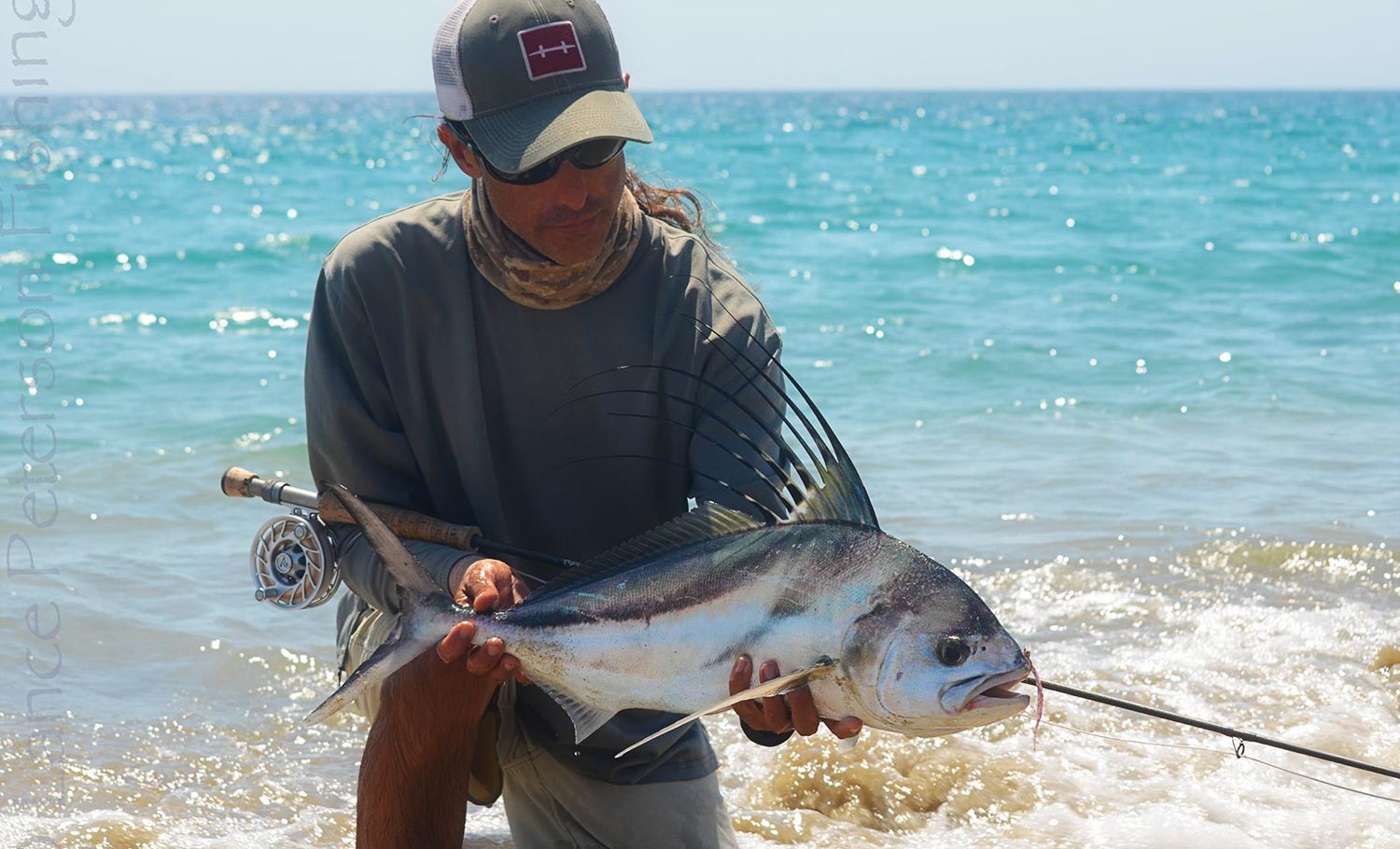
Roosterfish(pez gallo) in my opinion, are by far one the hardest fighting and elusive fish that can be pursued with a fly rod.
Most of you by now have seen some type of video where anglers are cruising down the beach in a side-by-side or quad, sprinting along pristine desolate beaches to make a hail Mary cast at a rooster 15 feet off the surf and then sipping margaritas in the evening celebrating their victory of the day. Well, you know the saying ‘that only happens in the movies’…although it’s not 100% true in this case, however you’re damn lucky if you head down to Baja and land one without preparing for this pursuit. Just to be clear, I’m not claiming to be the authority on how to catch roosters. My intention is to share what I’ve learned in my experiences down on the east cape of Mexico chasing them.
Background
To give you some background on how this obsession began, it wasn’t through any type of movie or social media pics of grandes (roosters 40lbs+) but actually through something I witnessed with my own two eyes. Back in May of 2012, my girlfriend and I had just broken up; so what better way to move on than a boys fishing trip to Cabo? With two of my more salt-worthy amigos on board, getting their passports stamped south of the border, coupled with the opportunity to land marlin, dorado, tuna, etc…it was game on. Since I was the one in charge of logistics I chose to stay just north of Cabo San Lucas in San Jose del Cabo so that we had fewer distractions from sleep at night, but was there if we “needed” it. Fishing with the Gordo Banks fleet, on our second day while at the dock one of the captains mentioned there were lots of roosters on the beach. Even though all of us had billfish on our cloudy sleep-deprived brains, we decided, “why not?” We trolled for them about 50ft off the beach using cabillito and landed a good number among the three of us. But on one our passes while trolling, I noticed something on the beach after the wave retracted. It was probably close to a 30lb rooster laying on the sand. For a second I wondered, was it dead?? And then the next wave came in and the mystery was solved as I saw four to five different sets of rooster combs going ballistic chasing baitfish onto the beach. And then again, one guy didn’t make the last call and was stuck waiting for the next wave to take him back to the lion’s den. I had never seen any fish exhibit that type of aggression, and at that point I remember thinking, “man, I bet they are fun as hell on a fly rod.”
In late spring, 2014, with a couple additional trips back to southern Baja under my belt, I decided that I needed more time to dedicate chasing roosters. So I moved down to Los Barriles, a small town about 70 miles north of San Jose Del Cabo, located smack in the middle of rooster alley for 5 months. Now that might raise some questions. I work remotely so as long as I have a stable internet connection with decent speeds, I’m good to go. With my quad that I had purchased back in San Diego rigged with rod holders and baskets for ample storage I was ready to tangle with some of those grandes on my 10wt, or so I thought.
Lessons Learned & Words of Advice
Logistics
Travel — Getting to the East Cape of Mexico is pretty straightforward and can be fairly inexpensive depending on where you are flying from. If you’re really adventurous, the drive through the Baja peninsula is something I’d recommend doing at least once in your life. From San Diego, it’s just about 1600 miles zig-zagging back and forth from coast to coast. Just make sure you’ve got a reliable car or at least one that has a working fuel gauge — unlike us. Blinkers are also a good thing to have, as well. If you do chose to fly, getting from the airport to basecamp does not require you to rent a car, in fact I’d say it really isn’t needed as the only required mode of transportation has to be able to drive on the beach (do not think renting a jeep will work). There’s a shuttle (EcoTours) that runs from SJD airport right into the town of Los Barriles that has AC and it’s usually a good time.
Base Camp — Establishing a base camp on the East Cape
Glass or Graphite, What’s Right For You?
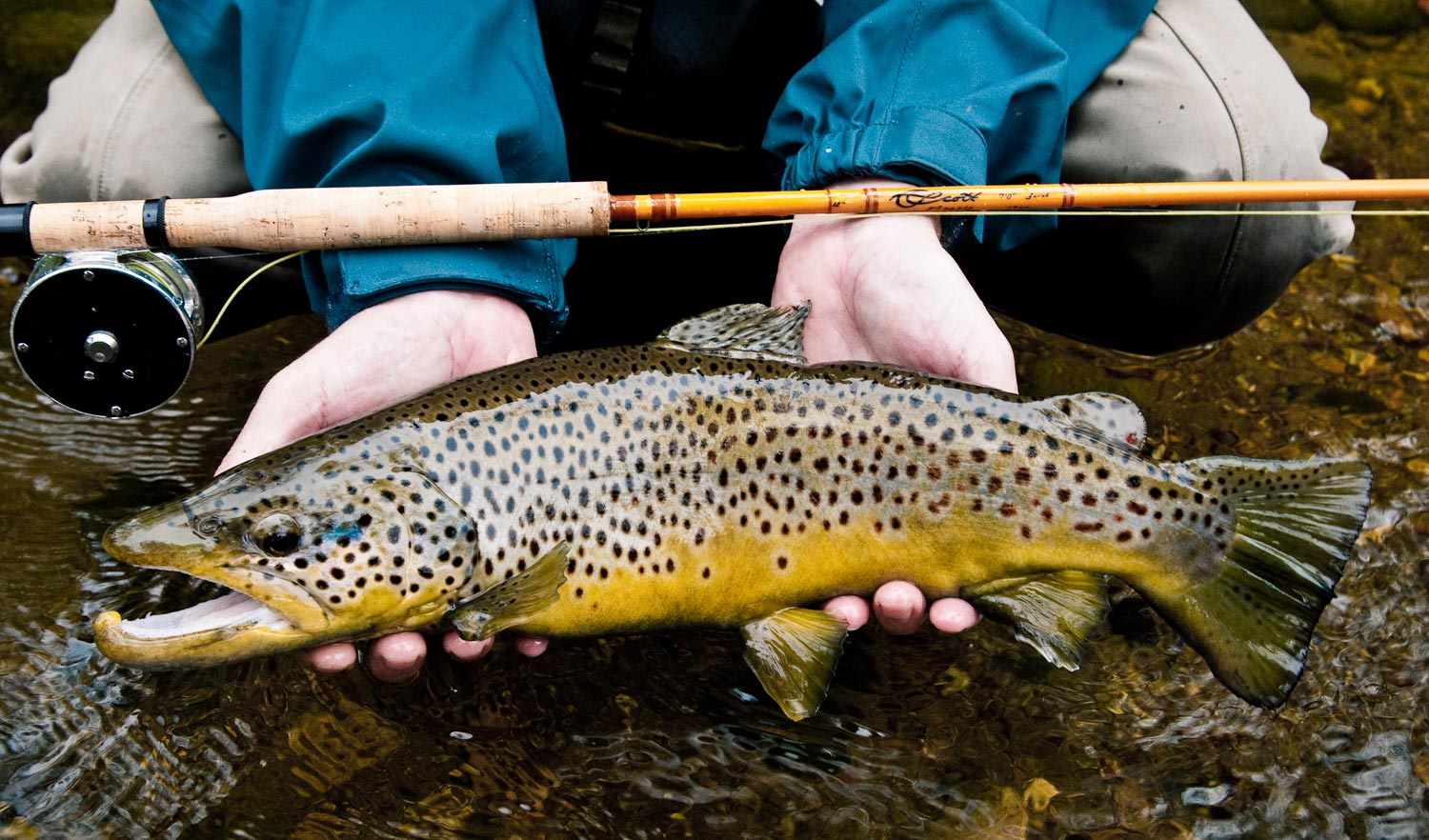
When choosing between graphite and fiberglass fly rods, it’s smart to consider where and how you fish.
I got an email the other day from a reader. Here’s an excerpt:
“I am looking at a 7wt predominantly for trout and smallmouth here in Tennessee. I currently have a mid action 6wt that is really nice, but since I don’t have a boat, it’s hard to make long casts with weighted streamers to trout on the opposite bank. I recently found the blue halo 7wt glass rods, and I guess my question is how do you feel about fiberglass streamer rods? Do they have the muscle to turn over the same weighted streamers a graphite 7wt would have?”
It’s a great question. There’s a lot of enthusiasm right now for heavyweight fiberglass fly rods. I have one myself and I enjoy fishing it very much. Does that mean it’s the best tool for the job? Not necessarily. If, like the fellow who emailed me, I was mainly concerned with casting a heavy fly to the far bank, it’s probably not the rod I’d choose.
I like fiberglass rods a lot. I have glass single-handers in weights from 2-8, and a one spey. There are some things they are very good at, and some things they are not. You can make a long cast with a heavy fly using a glass rod but you’ll have to be a great caster.
When you are deciding between glass and graphite, consider the strengths of each.
Strengths of fiberglass fly rods
Feel: Fiberglass rods have great feel, which means that it’s easier to feel the rod load. The feedback which the caster receives from the rod makes casting very pleasant for anglers who enjoy feel.
Tempo: Glass rods are slow. That’s both an asset and a liability but the slower casting tempo which comes with a slower rod is easier in many ways. If you were trying to play a complicated piece of music, wouldn’t it be easier to play it slowly?
Presentation: Because they do not generate the line speed graphite rods do, glass rods lend themselves to delicate presentations. Remember, however, that presentation is about casting skill and material alone is not the answer.
Strength: Not strength as in casting power, but
Read More »Build Your Own Fly Rod: DIY Video 7
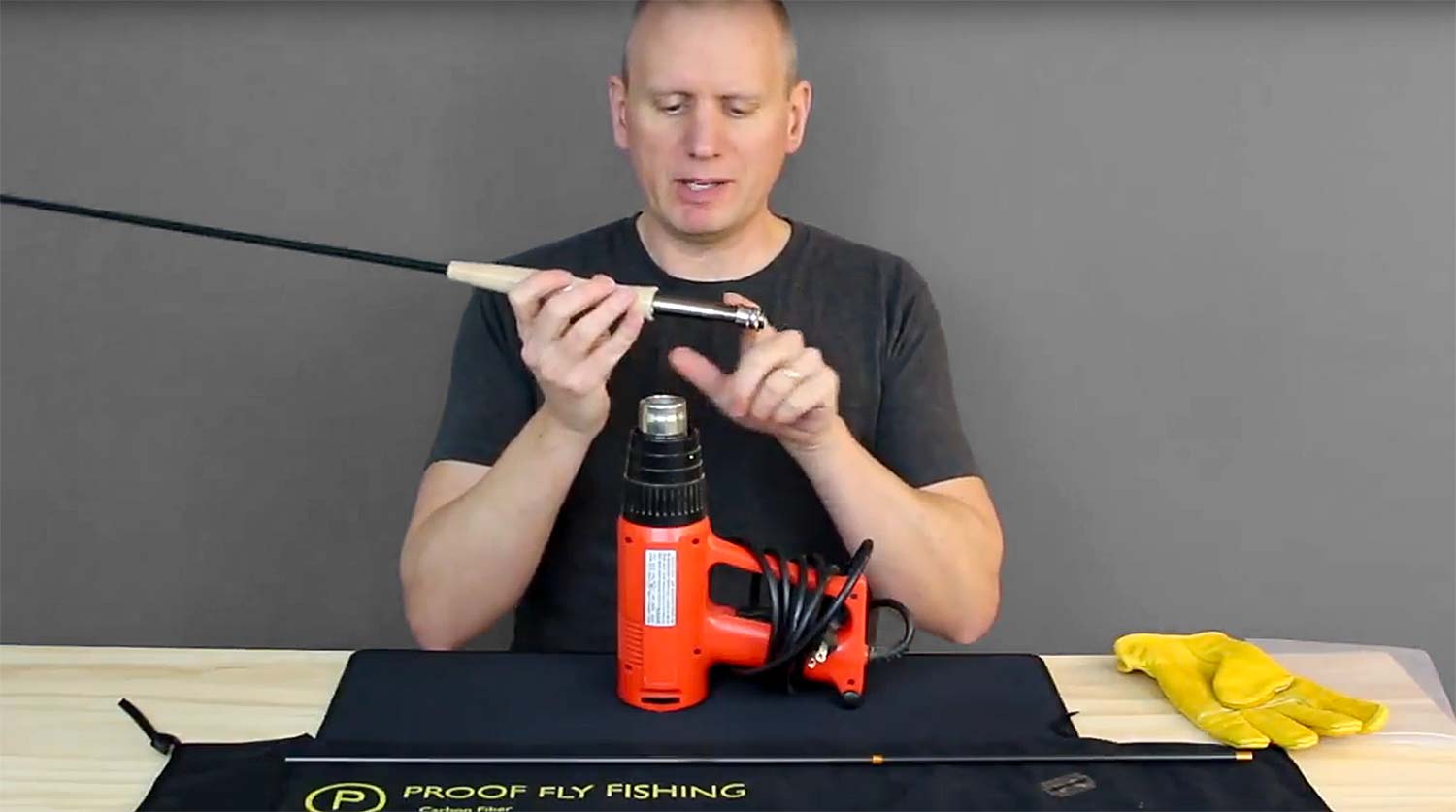
THAT NEW DIY FLY ROD IS JUST ABOUT READY TO FISH.
In this, the last video of the series, Matt Draft, of Proof Fly Fishing, shows you how to fix some common problems that happen when building a rod. These helpful techniques will ensure that your rod is perfect and will help with future repairs.
I hope you have enjoyed this series. If you decided to build your own fly rod using these videos as a guide, let us know how it went. You can leave a comment here and share photos on our FaceBook page or tag us on Instagram.
This is your last chance to take advantage of Matt’s free shipping offer so check out his site and use the code G&Gfreeship at checkout.
Read More »A Conversation With April Vokey
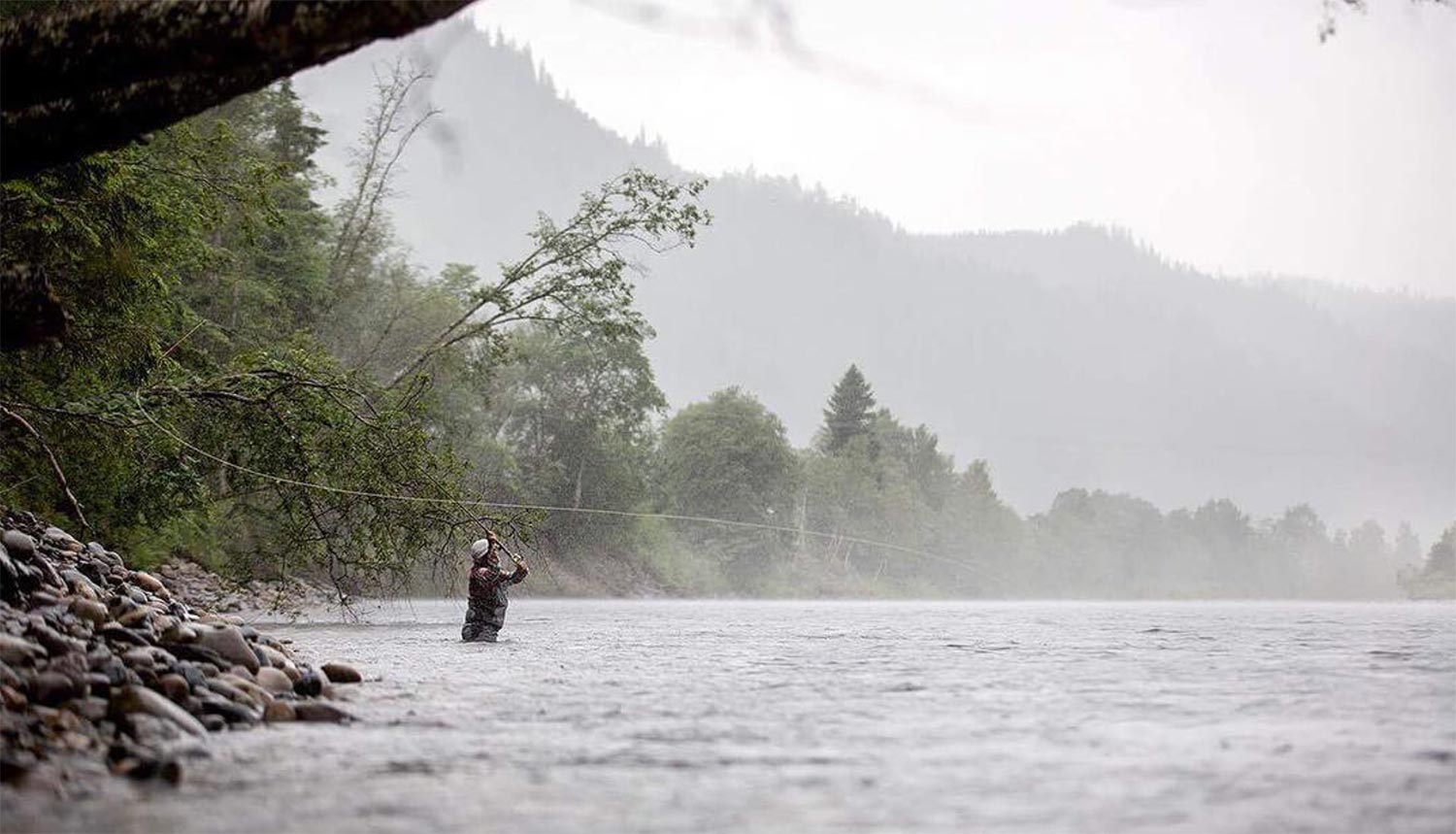
April Vokey is one of the most recognized, and sometimes controversial figures in fly-fishing.
Few anglers have been thrust into the limelight in quite the same way as April Vokey. April is the first to admit that she asked for it, but it hasn’t always been an easy ride. She has enjoyed, and often endured, a weird kind of celebrity which may only exist in fly fishing.
She has been a writer, a teacher, a blogger, a social media sensation, a TV personality, an entrepreneur, a passionate conservationist, an advocate for at-risk kids and, above all, an obsessed angler. She is a walking contradiction in many ways and whatever you think you know about her, there is more to the story.
I met April, by chance, on a gravel bar on the Dean River in British Colombia. She would agree with me that that first meeting was odd, and neither of us would have guessed it was the beginning of a friendship, but it was. I was flattered, and a little nervous, when April asked me to record an episode of her “Anchored” podcast. (If you’re not a listener, you should be.) We agreed then that she would return the favor and sit down with me for an in depth interview for the G&G audience.
While April was in town helping with a fundraiser for our local Chattahoochee river, we recorded this interview. Four and a half months pregnant, she is clearly embracing the moment as a turning point and chose to share a lot of personal experiences which she has not discussed publicly in the past. It was an engaged, frank and enlightening conversation.
I HOPE YOU ENJOY GETTING TO KNOW APRIL VOKEY AS MUCH AS I HAVE.
Read More »Josie’s Big Day
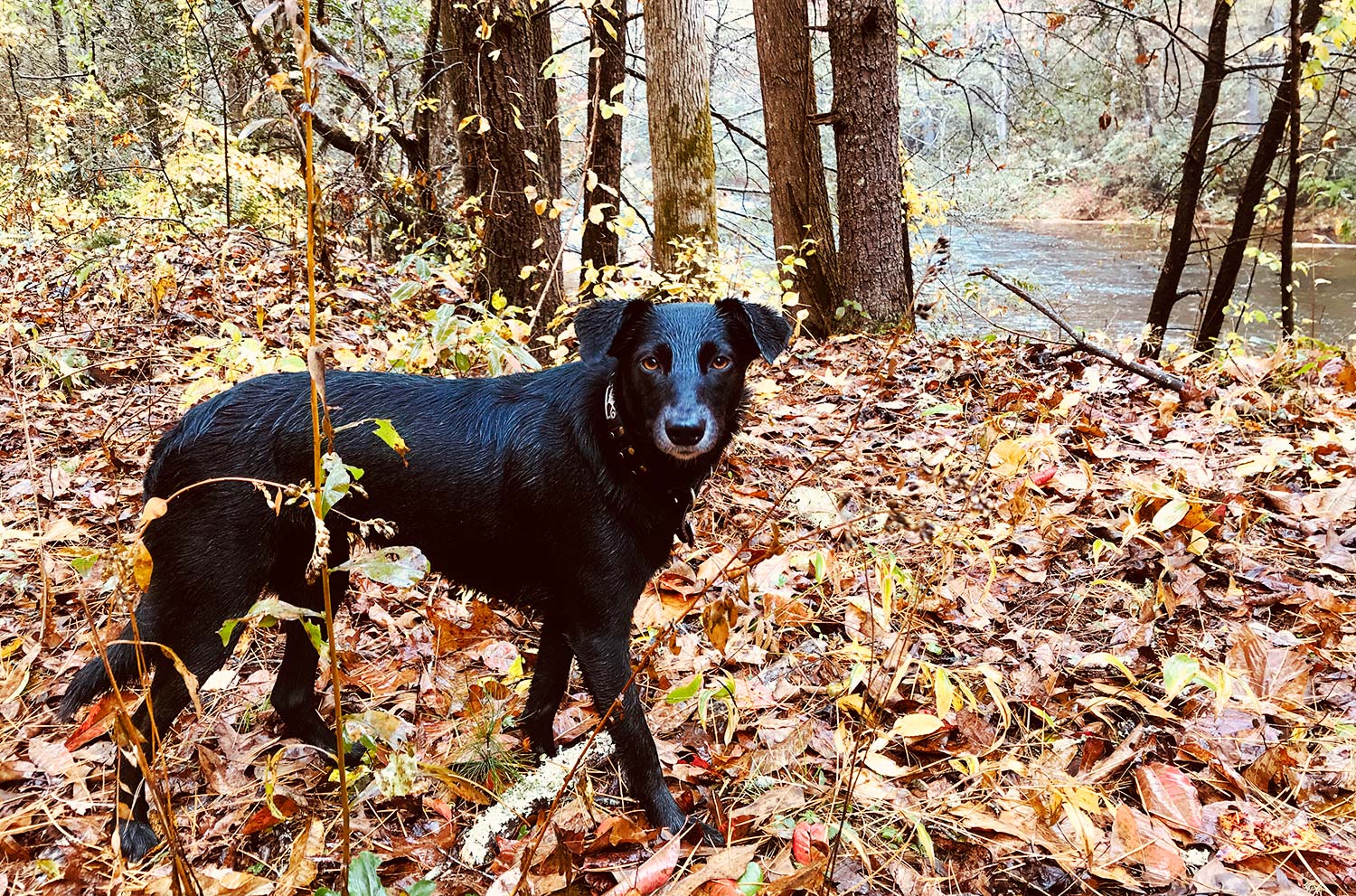
I’ve never had a dog who was a really good fishing partner.
When I brought Josie home, I knew that was going be be a goal. My dog and me out on the river, doing our thing without any particular plan. It sounds good on paper but anyone who fishes with dogs knows it isn’t always ideal. Ive definitely had dogs who weren’t with the program. Who, for all of their sweetness, could screw up anything.
I had a beagle once, named Boo, who I’d take fishing once in a while. If she wasn’t lost, she was trying to dog-paddle a class four rapid or chew the cork off my rod. I took her out one day an a busy tailwater where there were anglers about every fifty feet. I was wading chest deep to get a cast to a rising fish. Boo, wanting to be part of the action but not wanting to be wet, walked out on a tree which leaned about ten feet over the river. She got out about thirty feet and discovered that the tree was too narrow to turn around. I kept yelling, “BOO! No!” Before long everyone on the river was yelling, “No Boo! Don’t do it!” Her exit was hysterical. She lived but she lost some points for style.
A good fishing dog is part companion and part business partner. They have to have the right love of adventure but maintain enough focus to stay with the program. My grandfather trained bird dogs and his dogs were great but they were too much business and not enough fun. I want my dog to sleep in the bed with me, lick my face and eat off of my plate. I knew that to strike the right balance I’d need a plan.
Josie is a great team player and brings some real assets to the table. She also brings some challenges. She is the smartest dog I’ve ever known but was a completely wild animal when I got her. Not a stray dog or a feral dog but just wild. She has been very easy to train, it took only two days to housebreak her, but she is fiercely independent and used to making her own decisions. I learned early on that you couldn’t ‘make’ her do anything but if you could make her understand why it was a good choice you didn’t have to tell her twice.
I don’t consider myself an experienced dog trainer. I’ve trained a handful of dogs. I can work out the basics but I don’t get fancy. Josie presented me with one challenge I’ve never faced. She was uncatchable. It had earned her the name Permit on the island and I knew if she got away from me, I’d have a better shot catching a permit than putting my hands back on the little potcake. My ultimate goal was to have a dog I could turn loose in the woods while I fished, who wouldn’t need a lot of looking after. We were a long way from that when we started.
I began by creating a bond. I hand fed her for the first month. Every bite she had to take from my hand. When I found her, it was hard to get her to eat food I threw to her so that was a big step in itself. Although she has her own bowl now she still gets a bite of everything I eat. It’s part of our bargain. I make her food and she watches me wash and chop her vegetables and cook her turkey. She’s never been
Read More »Taming Marabou Tails
By Bob Reece
As we move toward spring, the presentation of streamers increases for many fly fishers.
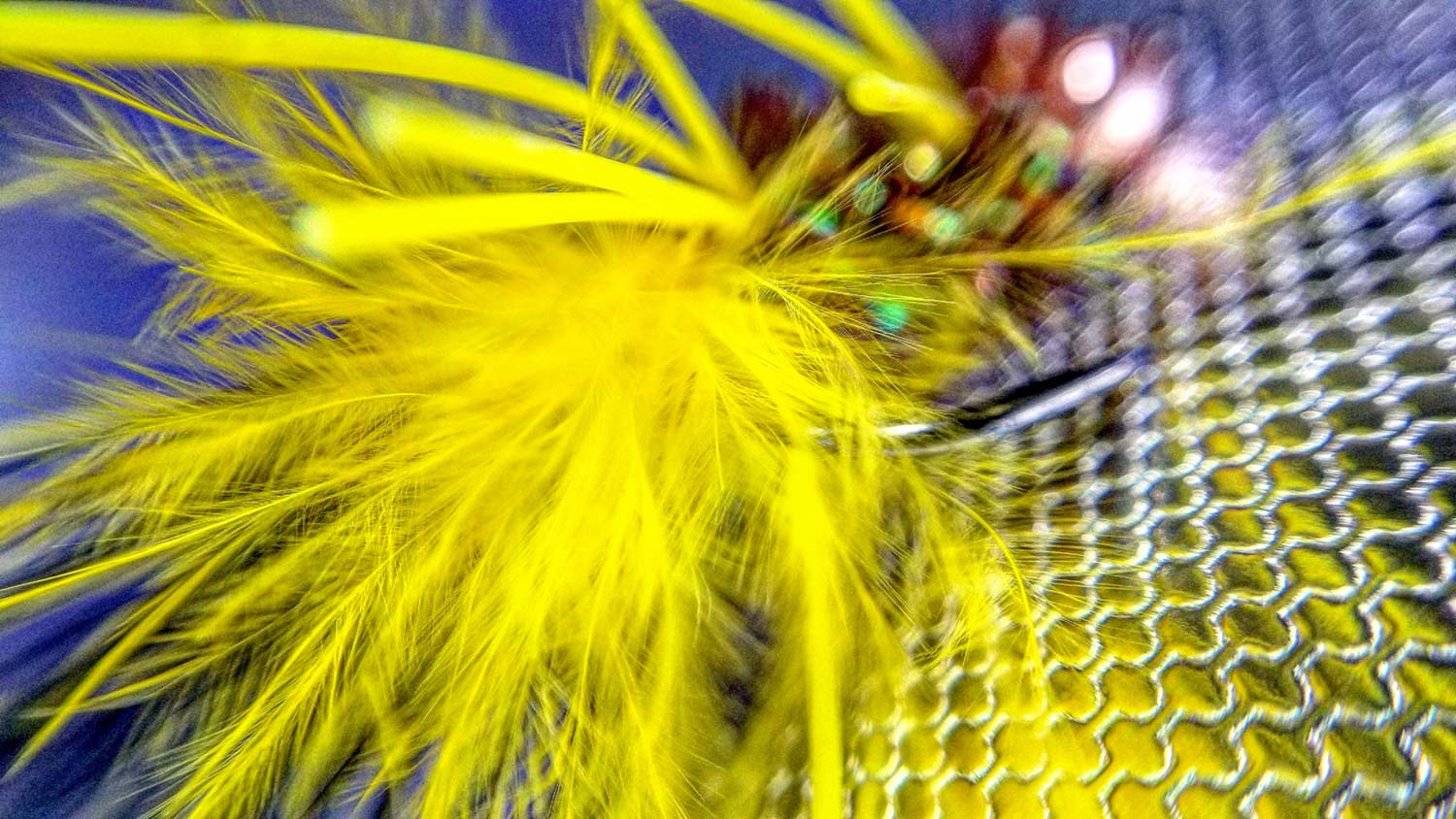
For those of us that tie our own, the use of some materials is far more common than others. Marabou tends to be one of those materials, particularly in the tails of many bugger style streamers.
The underwater effectiveness of this material cannot be denied. However, for the time invested behind the vise, marabou can be an unruly material to work with. It has the ability to fly, float and crawl its way throughout any available surface. This attribute can often slow down the tying process and impact the efficiency of the tier.
When sitting down to tie any pattern, I try to make the most of my tying time. When creating patterns with marabou tails, I use a simple trick to mass produce them prior to tying. As I cut off the allotted amount of marabou for one tail, I hold the separated material in my left hand. I then moisten my thumb, index and middle finger of the right hand. Using my right hand, I twist the butt ends of the marabou together and set the tail off to the side. This moistened twist hold the fibers together, even after it dries, until I’m ready to tie them in.
Read More »Fishing the Fall, What You Should Know About Sinking Fly Lines
By Garner Reid
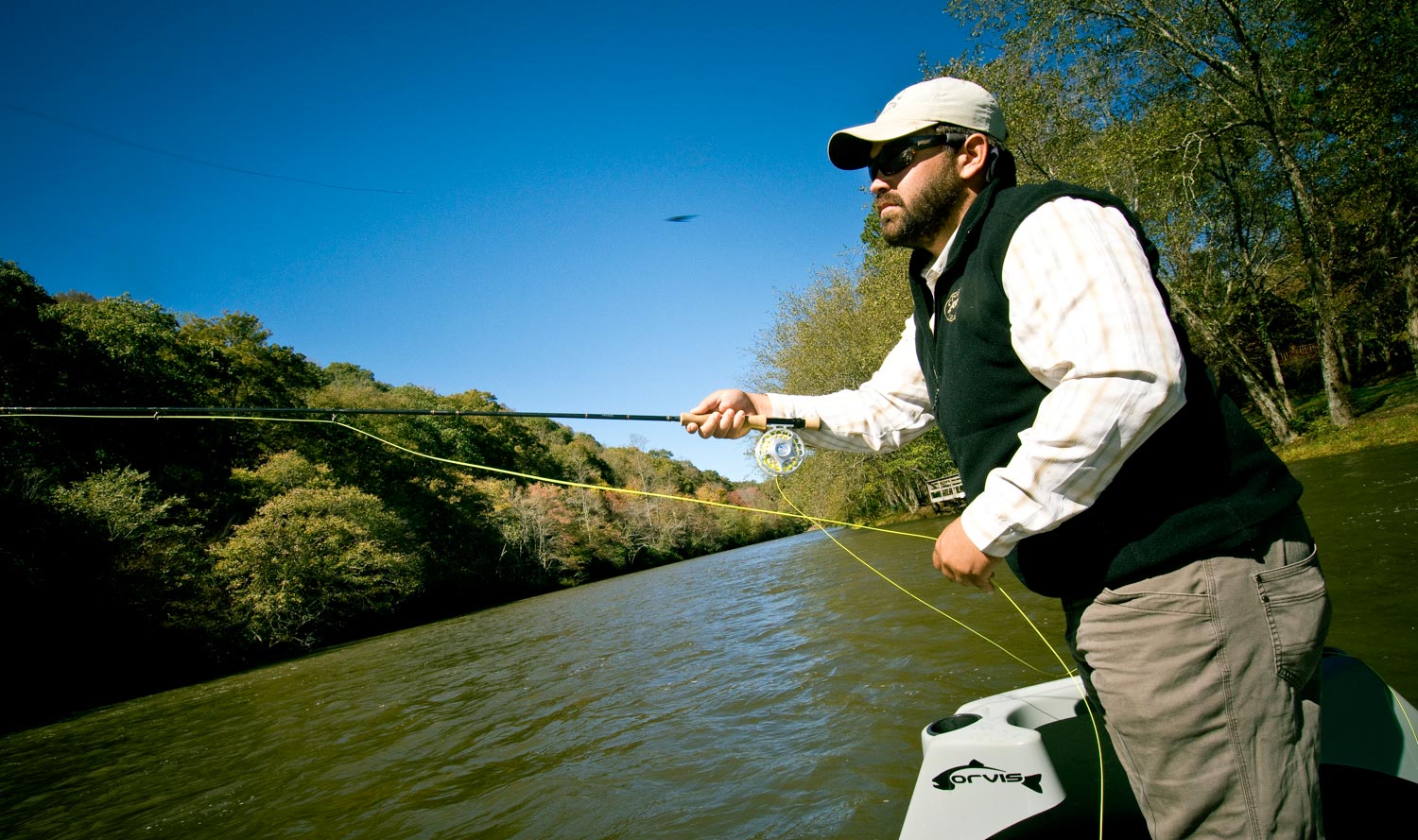
A GOOD PORTION OF MY FLY FISHING INVOLVES THROWING SOME SORT OF A SINKING FLY LINE.
Realistically, half of my time on the water involves streamers and sinking lines at least for some part of the day. If I am not out on the water guiding for streamer-eating fish like stripers, I’m in the fly shop talking about them.
I have come to the realization that there is some mystery for most anglers when it comes to choosing which sinking fly line will suit their needs. The selection of sinking lines on the market today is as vast as the waters where we chase our quarry. Today fly anglers can effectively target fish at any level in the water column, given the right combination of rod, fly line, and fly pattern.
When chasing large predatory fish like bass, stripers and big brown trout in moving water you have to get down deeper than floating lines allow. With all of the options and versatility, it is easy to get confused. I have put together some thoughts to help you choose the right line configuration to effectively get into fish.
Fly Weight vs Sink Rate of line
After several seasons experimenting with different types of sinking lines and various streamers, I have found a number of variables which I can control to have a productive day on the water. A big factor in my success has been dialing in the correct weight for the fly with the sink rate of the line.
For most fishing conditions, my primary concern is
Read More »Fly Fishing: Our Trout Rivers and Streams Need More Wood
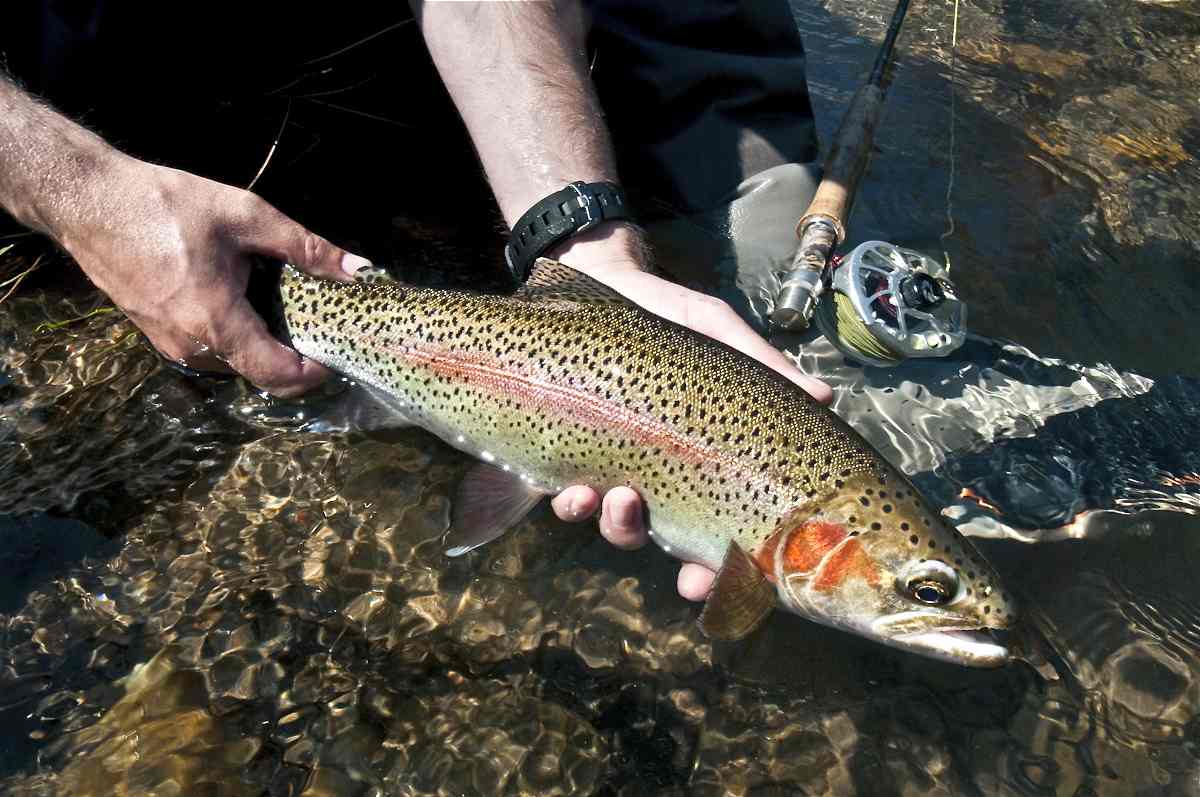
Several years back, one of my favorite wild trout streams, only a few miles from my house, got slammed with tornados and high winds (from back to back hurricanes that had moved up from Florida). The aftermath from the strong storms, downed dozens, upon dozens of trees along the stream. I was heartbroken at first when I witnessed all the downed wood. The first thing I thought about, was how much critical shade the stream had lost from the destruction of the large stretches of tree canopy along its banks. And that made me nervous water temperatures would thereby increase significantly during the summer months, posing a real threat to year round survival of the wild trout that lived there. I wasn’t alone in my worries, as I quickly found out when I talked with my local fly fisherman in the area. The large majority were in total agreement. We thought the best thing we could do, was go in and strategically remove as much wood as we could to avoid massive silt build ups, which we thought at the time, was causing the stream flow to slow down, and not only contribute to warming the water, but also choking out the natural aquatic bug life. Looking back now, as a much more educated angler, I know see the massive influx of in-stream wood cover that was gifted to us by the hurricanes, was not an environmental catastrophe, but actually a blessing in disguise for our beloved trout stream.
Read More »Last Cast Bonefish
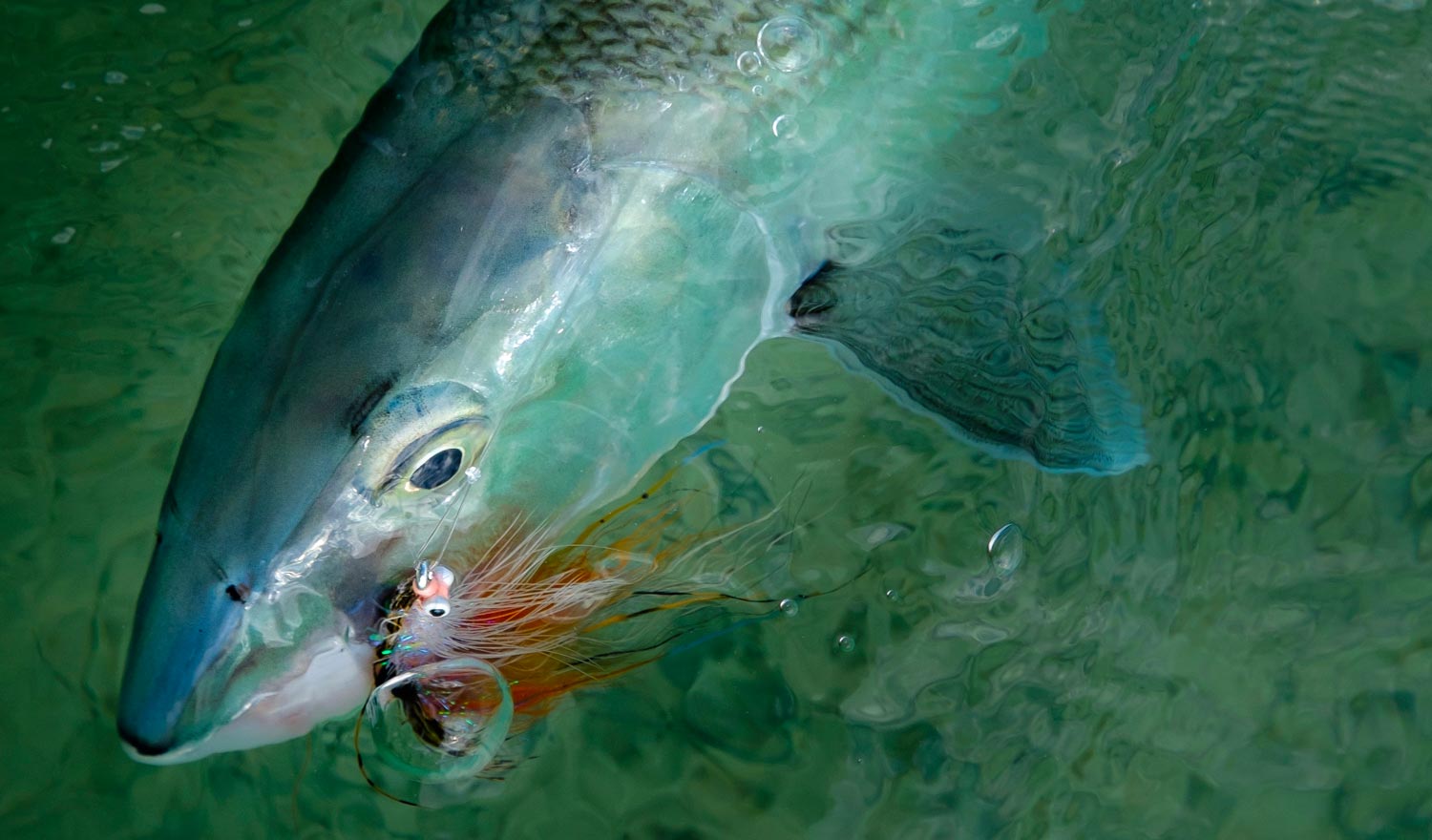
Bonefishing, for me, is the purest form of the drug.
I’m just returning from the first of three G&G Bonefish Schools in the Bahamas. This trip was more of a reunion than a school, with better than half of the anglers returning for the second or third time. I’m feeling pretty spoiled having spent a week in my favorite place, doing what I love with great friends. It’s incredibly rewarding to see these guys grow from complete beginners to really accomplished anglers.
We had a great week on South Andros. The island was spared any serious damage from hurricane Mathew and the fishery was invigorated after the storm. November is a great time for bonefishing in the Bahamas. The rains and the cooling weather bring big fish up from deep water and it’s a great time to land a trophy. This year we also had the super moon. The big tides make wade fishing scarcer but they bring out the big fish as well. We had one day of tough weather but the rest of the week was wonderful.
My friend, and G&G contributor, Owen Plair joined us on this week. A rockstar redfish guide from Beaufort, SC, this was Owen’s first time fishing the Bahamas. He was like a kid in a candy store and put his keen eyes and casting skills to work right away, landing a nice bonefish on the first cast of the trip. Several mornings, in fact, it seemed like we were on fish as quickly as we could strip our line off the reel.
Owen managed a one-in-a-million hookup on a big barracuda with his bonefish rod, while wading. The fly lodged perfectly in the corner of the cuda’s mouth and, after an aggressive fish on an eight weight, he tailed the fish expertly and, after a few photos, released it. That’s a second chance Bahamian cuda seldom see, as they are favorite table fare in spite of the risk of fish poisoning.
I love the art of targeting a hunting fish with a fly.
Read More »