
4 Reasons Why Waterfall Plunge Pools Can Hold Big Fish
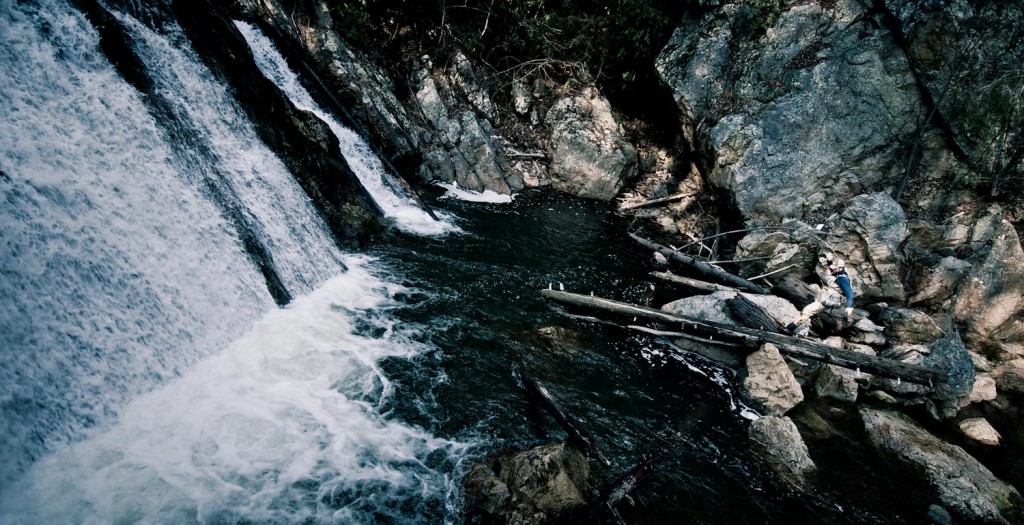
THERE ARE FEW THINGS I LOVE MORE THAN WADE FISHING A SMALL STREAM AND STUMBLING UPON A STEEP VERTICAL WATERFALL WITH A DEEP PLUNGE POOL.
Waterfalls this size are pretty rare on small streams, but if you’re lucky enough to locate one, you could very well find yourself hooked up to one of the biggest trout in the stream. Here’s four reasons why I feel waterfalls plunge pools are great places to look for big trophy trout on small streams.
1. Lots of food gets washed over a waterfall, especially during high flows.
Large amounts of food (tiny fish, aquatic insects, crustaceans and amphibians) are constantly being swept over the falls. In many cases, it provides a steady enough stream of food, that big fish aren’t required to leave the plunge pool to fulfill their daily food requirements.
2. There are usually lots of hiding places to make big fish feel safe and allow them to survive for long periods.
During high flows, quite often fallen trees can float over the falls and get snagged; creating perfect log jams for big trout to hide in. The whitewater at the foot of the waterfall provides a protected roof, allowing trout to feed safely without being seen by predators. Constant water cresting the falls, creates a deep plunge pool overtime
Camera grip
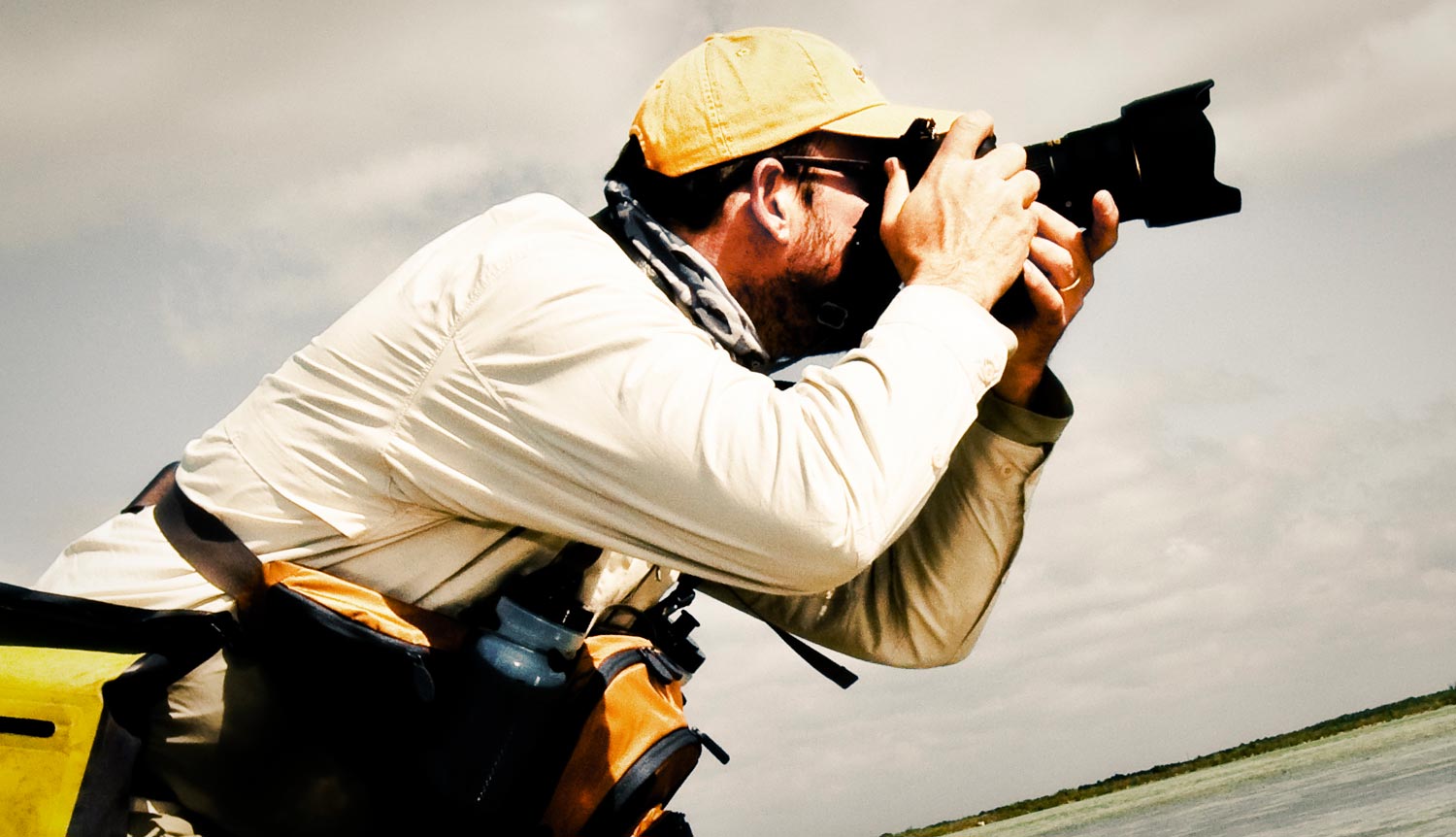
THE WAY YOU HOLD YOUR FLY ROD AFFECTS YOUR CASTING, RIGHT? THE WAY YOU HOLD YOUR CAMERA MATTERS, TOO.
Most people never stop to think about it, but I remember being taught in school the proper grip for a camera. First off, all SLRs are right handed. If you’re left- handed, you will just have to get used to it. To properly support the camera, your left hand should be positioned palm-up and level and the camera — whether oriented horizontally or vertically — rests in your palm. Your left thumb and index finger curl up to the lens to operate zoom and focus features. Most cameras have an ergonomic grip on the right side that leaves your index finger ready for the shutter release, and thumb free for the adjustment wheel. Let the left hand support the weight of the camera. With large telephoto lenses it may be necessary to move your left hand forward under the lens for balance. With a good grip you
Read More »Tim Rajeff’s Double Haul Master Class
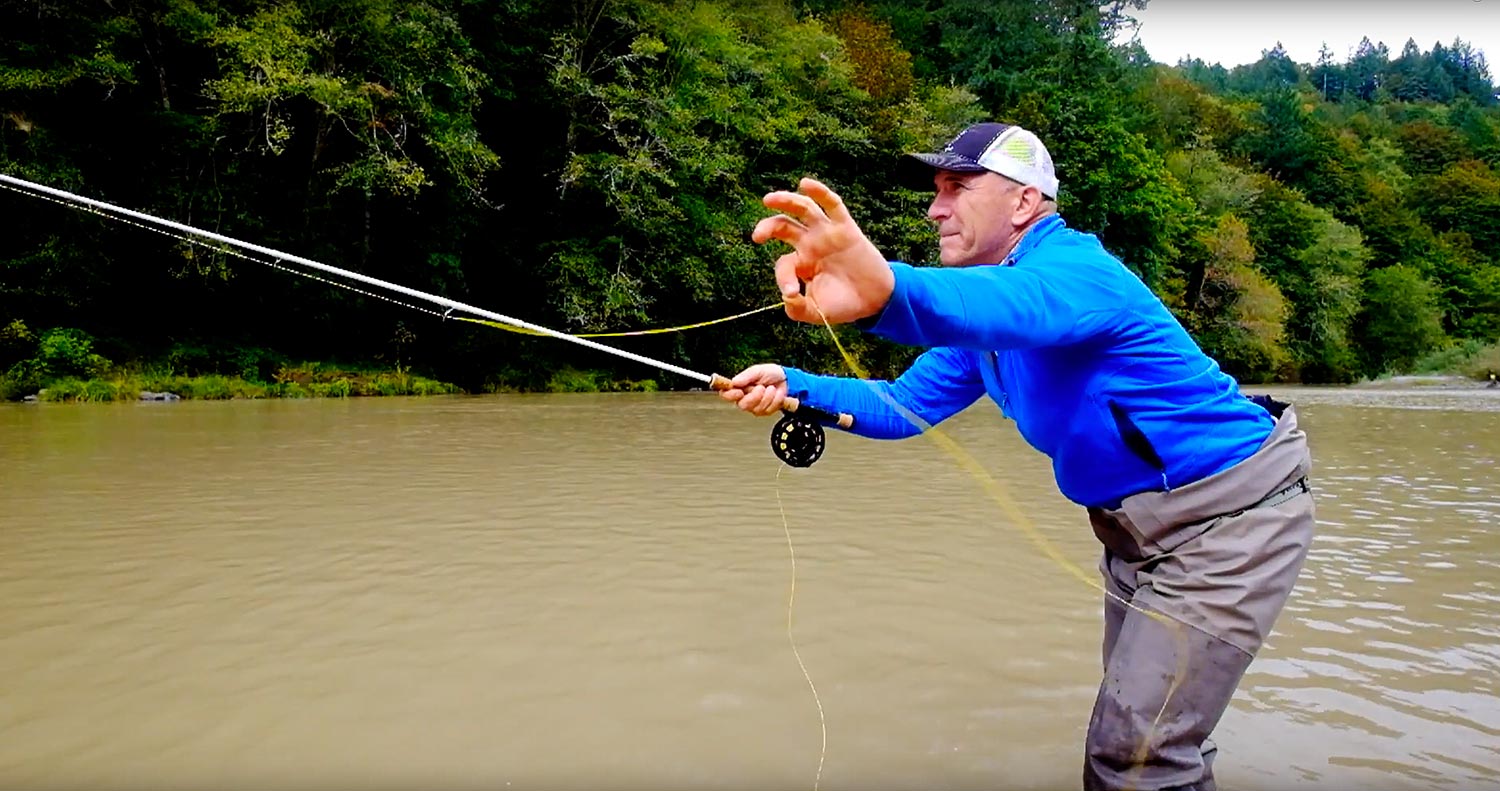
This video can teach you to fly cast and double haul like a pro.
When I asked Tim Rajeff for some tips on the double haul, I got way more than I expected. In just under 4 minutes Tim gave the best presentation I’ve ever seen on fly casting. If you want to improve your fly casting, get more distance and control and cast like a rockstar, take a few minutes to watch this video.
VIDEO TIPS ON THE DOUBLE HAUL FROM TIM RAJEFF
Read More »Western Fly Guide for Eastern Anglers
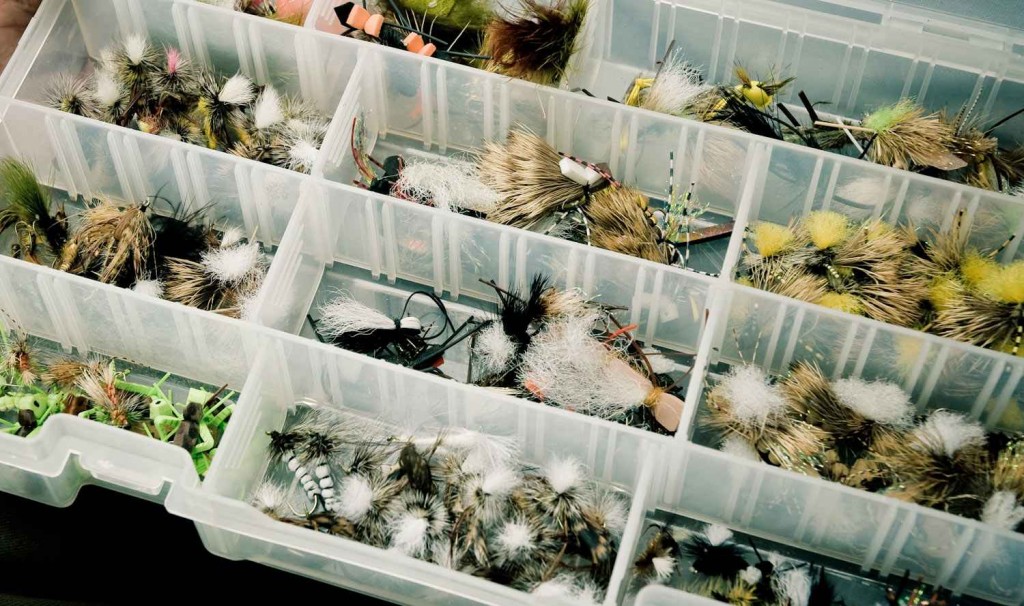
I get asked all the time by eastern fly anglers heading out west for the first time, what fly patterns they should stock up on before they leave.
What percentage of dry flies to wet flies they should pack, what sizes, and should they pack streamers? The questions go on and on. I get most of the email inquiries from eastern anglers that are fixing to make their summer trip out west during the peak of the terrestrial season. For those that know me, you know that I’m the type of fly fisherman that carries gear for every situation on the water at all times, for the simply fact that I can’t stand being under prepared on the water. Here’s the truth though, if I’m making a trip out west during the terrestrial season, I usually lighten my load significantly and I only carrying the fly patterns that I think I’ll be fishing the most. If I’m going to be making a trip WY, MT, ID or CO I’m going to pack less nymphs, more dry flies and streamers. Colorado is a little more tricky, in which nymphs can play a larger roll than the other western states I mentioned, but if you travel their during the peak terrestrial season, my packing suggestions should work just fine.
Why do I lighten my load this time of year, you ask? Because the trout generally are easy to convince to rise to the surface and take a dry fly this time of year, and when they don’t want to rise to the surface, they almost always will devour a streamer. It’s not rocket science, the fish are optimistically looking up since a large portion of their food is found floating on or close to the surface during the summer months.
Let’s say I’m traveling to Jackson, WY in August, which is probably the most popular requested area out west that I receive questions about. Below are the fly patterns I will stock up on.
Dry Fly Box (Go Big, Many of these patterns suck up real estate)
Comments: I always pack a extra plano tackle box to hold all my extra flies. Each evening I will replenish the flies out of this box so I’m stocked up for the next day’s fishing. If I’m not witnessing a hatch or fish taking smaller insects on the water, I generally start
Rev Up Your Double Haul During Practice!
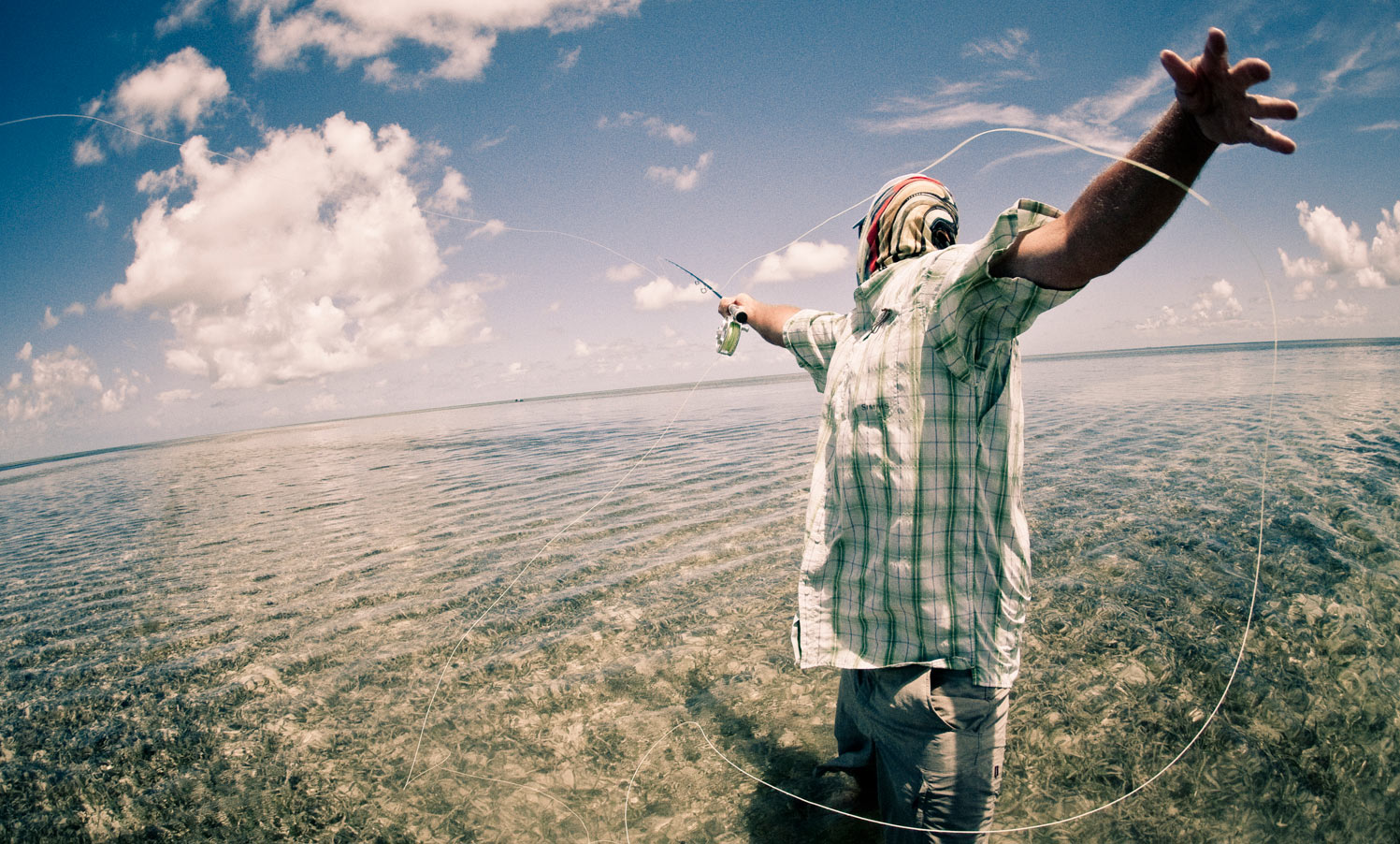
By Justin Pickett
Practice your casting. Practice your casting. Practice your casting!
That’s what any good flats guide will tell you prior to stepping foot on the bow of his or her boat. And if you’re smart, you will do just that. After all, you didn’t spend good money to spend all day coming up short, or dropping your fly too close and blowing every shot you may have during the trip, and you don’t want your guide cursing under their breath all day either.
One of the things that I have clients focus on when they ask for casting tips is their double haul. So often I see fly anglers with weak double hauls, or double hauls that aren’t proportionate to the distance they are trying to achieve. Whether it’s a flat calm day, or the wind is howling, you need to have an appropriate double haul for the job. This brings us back to practicing.
One thing that I have noticed during casting instruction and fishing is that the double haul is never as pronounced during fishing as it is during practice. I’ve noticed this while guiding clients, as well as in my own casting while I’m out on the water. This can be the result of many things, such as distractions keeping your focus off your cast or fatigue, which can cause poor casts, coming up short, or failure to penetrate into the wind.
One way to combat this from happening, or from being so profound, is to exaggerate your double haul when you’re practicing.
We are able to repeat the fly cast
Fishsicles
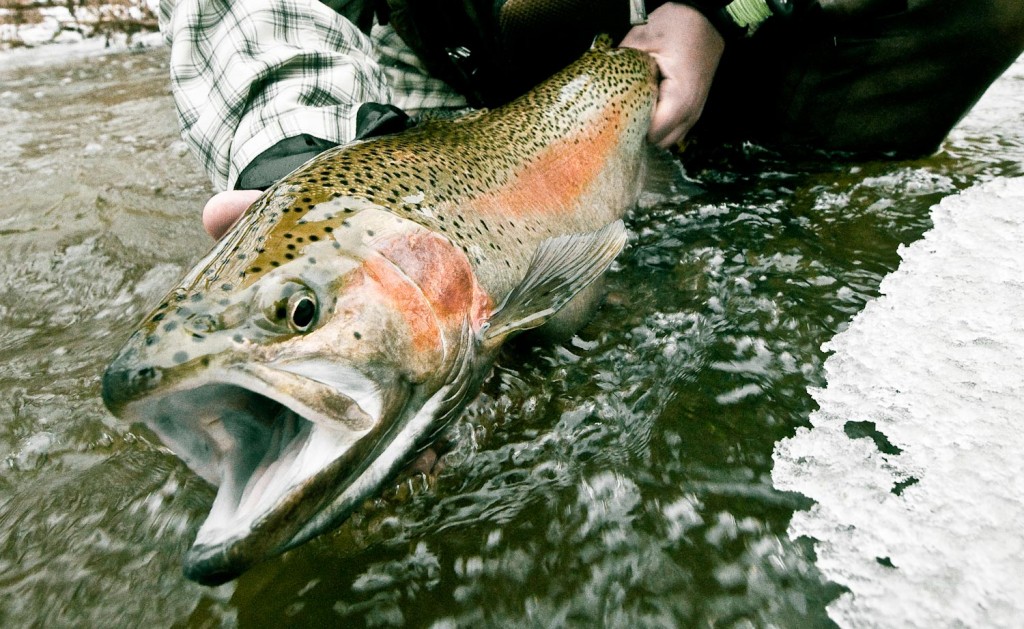
Kent’s eight weight is bent double, the big steelhead finally within range of the net.
We’re in a tough spot. This fish has taken us downstream as far as we can go. We’re backed up against a bridge with a deep hole on one side and a concrete wall on the other. Kent has managed to bring this big fish back upstream and whatever happens is going to happen here and now. The temperature is about zero and the wind is howling. My numb fingers grip the net and I lean forward, waiting for my shot. The fish’s head comes up and I scoop. Holy crap it’s a big fish! Less than half the fish is in the net and I’m losing him. Only one thing to do, I plunge my right hand into the water and tail the fish. He’s landed but my fleece glove is soaked. We manage the fish and I get a few photos but my right hand, now out of the glove, feels like it’s on fire. By the time I get my glove out of my pocket it’s a block of ice. If I hadn’t brought a second pair my day would be over. I’d have frostbite in minutes without a glove on that wet hand.
OK, that’s a happy ending. We landed the fish and I had spare gloves, but let’s look at it from the fishes perspective. The fish is like that bare hand. He’s wet and exposed, out in that cold wind. What’s worse is that a fish is cold blooded. He doesn’t have an internal source of heat like I do. The only thing keeping him warm is that water. Have you ever noticed how fast your guides freeze over on a day like that? That fish has little more internal heat than your rod and out of the water he is going to freeze too. The air is an alien environment for a fish. When you lift him from the water he can’t breath and starts gasping. What he doesn’t know is that he is now exposing his fragile gills to deadly subfreezing temperatures. If those gills freeze, he’s dead and you won’t see it happen. He’ll swim off like he’s fine and slowly suffocate because his injured gills can’t process enough oxygen.
Everybody wants to land that big fish and everybody wants a photo with him, but please be careful and treat him with respect. Keep that fish in the water while you figure out your exposure and camera angle. Have everything
Read More »Don’t Go Fishing Without Your Bullets
By Louis Cahill
Air rifle pellets make cheap and effective weights for fly-fishing.
The thing I love about fly fishing is, there is always something to learn. I would have never thought of this simple fly fishing life-hack if I hadn’t fished in Argentina. Imported fishing gear is crazy expensive in many places overseas. The idea, that started as a money saver, actually has some performance benefits as well.
The idea is simple. Use the needle on your nippers to punch a hole in the nose of an air rifle pellet, then slip your leader through and retie. There is no chance of the weight falling off, or damaging your leader, like split shot can. Lots of anglers do this with cone heads, made for fly tying, but pellets are a fraction of the cost and work just as well. Personally, I like the idea of using lead and knowing it isn’t going to fall off in the river.
You can use the weight directly on the nose of the fly, with streamers for example, or place it above a blood knot anywhere on your leader. You can even use several at different points on your leader to sink the heavy butt section, which is effective for deep-water nymphing. You can use .22 cal for heavy weight or .177 cal for lighter weight.
Pellets have gotten fancy since I was a kid. There are a lot of different types on the market now. I feel like the closer you
Read More »Cahill’s Glass Shrimp
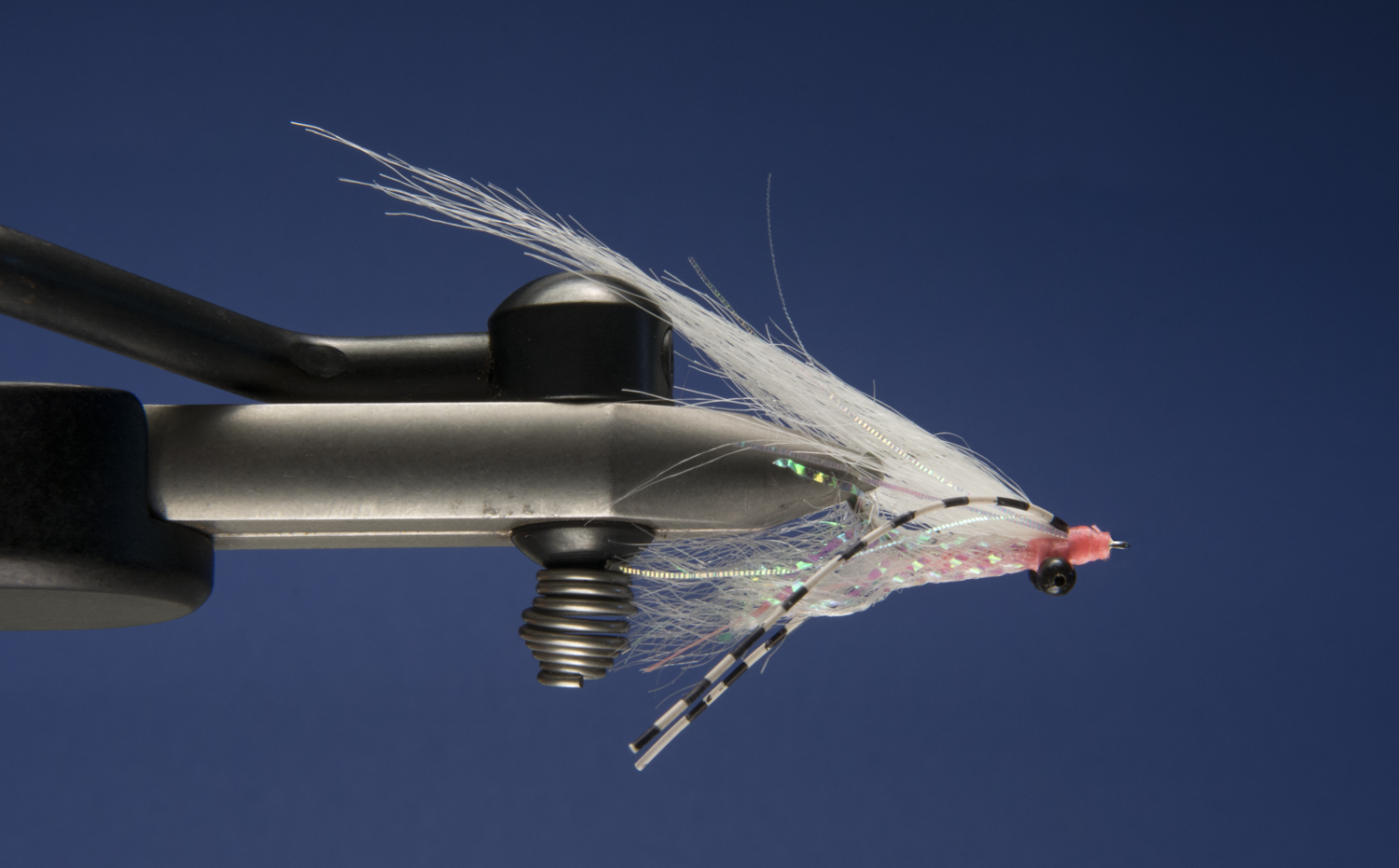
A few years back, on a trip to Andros South in the Bahamas, I had a day when I was just tagging along with some friends shooting photos. Not having a rod in my hand and fishing being a little slow I found myself reverting to my childhood, chasing little crabs and shrimp around in the shallow water of the flats. I caught a little glass shrimp and was amazed at what a delicate little creature it was.
The body of the glass shrimp is transparent, as the name implies. You can see his little organs working inside. He looks tender and tasty. What really struck me about it was, I had nothing in my box that looked like it. In fact, I’d never seen a fly that looked like it. When I got home I started working on a reasonable representation. This fly was the result.
It has worked extremely well for me, on Bahamas bonefish, ever since. The Glass Shrimp is especially effective on days when bonefish are spooky. If fish are spooking at my presentation or following the fly but not eating, this pattern usually turns things around. That’s not to say that fish don’t eat this fly every day. They do.
I’m convinced that these littles shrimp are tender and tasty and that’s why bonefish love them. They seem to frequent really skinny water and that makes this fly perfect for tailing fish in the shallows. I tie it with very little weight for that reason as well as to give a softer presentation.
Give this fly a try. You won’t be disappointed.
Watch the video and learn to tie The Glass Shrimp.
Read More »Slowing Down and Casting Easier Can Improve Your Fly Cast
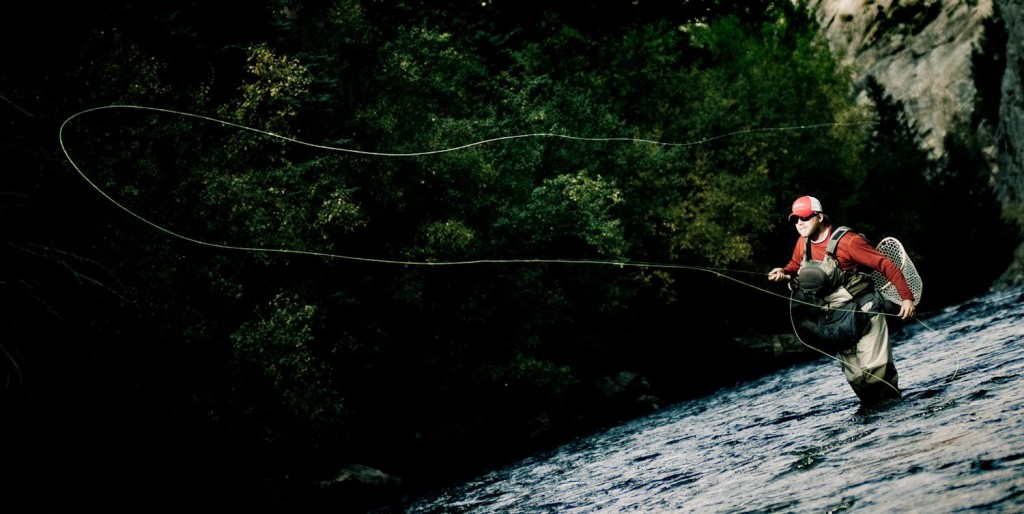
Slowing down and backing off the power will help out your fly cast.
Read the title of this post and try to live by it.It’s my attempt in “one sentence”, to help fly anglers quickly improve their fly casting, and it’s made me twice fly caster and fisherman I am today. There’s lots more to fly casting than slowing down and casting easier, but if anglers focus on doing both together, they often will find that it can greatly improve their overall technique and control. Ask any professional sports athlete how they maximize their performance and potential, and almost all will reply with excellent technique. It’s no different in fly casting. If you want your fly casting to reach its full potential, you have to first build a strong foundation of fly casting mechanics and principles that you can consistently live by on the water. I’ve found personally that when I take the time to slow down and cast the fly rod with less power, it’s much easier for me to focus on the most important element of my fly casting, my technique.
Let your fly rod do the work
I’ve noticed a great deal of fly fisherman over the years cast with a tempo that’s too fast (rushing their cast), and they also often apply far too much power during their casting stroke. The majority of fly anglers that fall into this category are usually intermediate fly casters. They’re generally skilled enough to fish multiple types of rigs and cast their flies close enough to their targets to catch fish, but they’re approach has them expending far too much energy in the process. Furthermore, this style of casting usually yields a casting stroke that is slightly out of control, creates loops that are inefficient (sloppy) and presentations generally suffer. Put all these negatives together and you’ve got a fly rod that’s not able to perform its job effectively. Remember to always let the fly rod do the work, don’t try to be the power house. It will only work against you in the long run.
Why slowing down and backing off the power will help your fly cast out
First, by slowing down and watching your forward and back cast, you’re going to improve your timing and eliminate the creation of slack, because you’ll be matching the pause length correctly to the amount of fly line your casting. Second, by decreasing your power and casting easier, you’ll find it easier to smoothly accelerate your fly rod through your casting stroke, and keep it traveling in a straight line path throughout the cast. And because you’re
The Articulated Aggravator and Dubbing Loop Platen
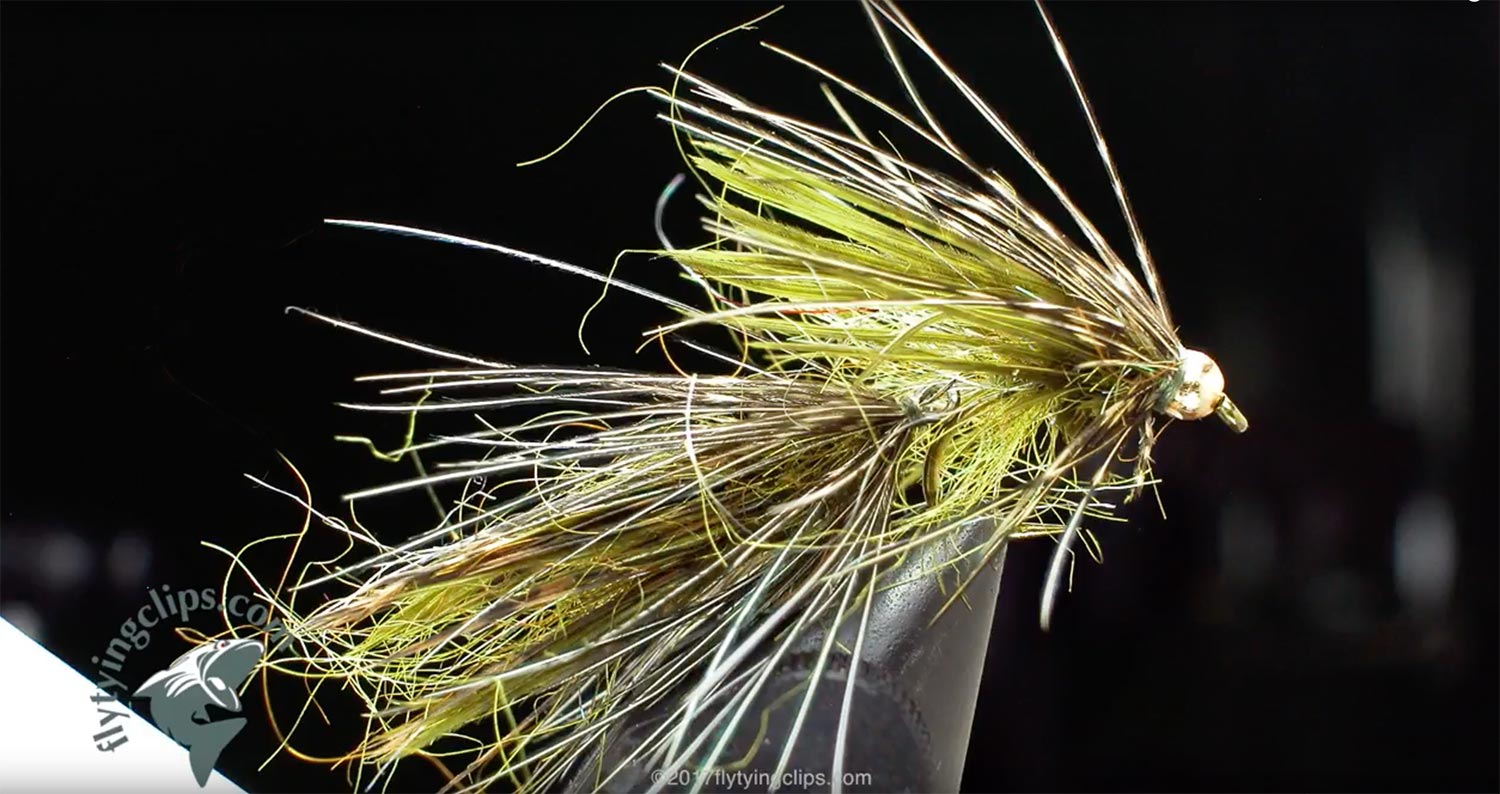
By Herman deGala
As with most of the flies that I design I was trying to solve a problem when I created the Articulated Aggravator.
I was looking for a fly that was different from what I was already fishing for smallies, amongst the riprap of a dam. I needed something I could throw into the face of the dam, which would drop as it followed the face of the dam, where the smallies are often hunting in the rocks looking for juvenile crawdads.
I also wanted the fly to have a lot of movement as it was stripped. I have noticed that the crawdads are not just one color but have a variety colors such as olive, orange, rust and even touches of blue. I wanted the fly to have a variegated texture like the crawdads on these rocks.
I was also looking for a material that was relatively cheap and available. I always get turkey quills, pheasant rumps and pheasant tails from my hunting friends during the season. I have always admired Jerry French’s method for tying composite loops and his use of materials. I wanted to use these techniques but needed a way to scale it down for my target species.
The answer was a simple
Read More »