
The Scott “Tie Something Different” Fly Tying Contest Winner
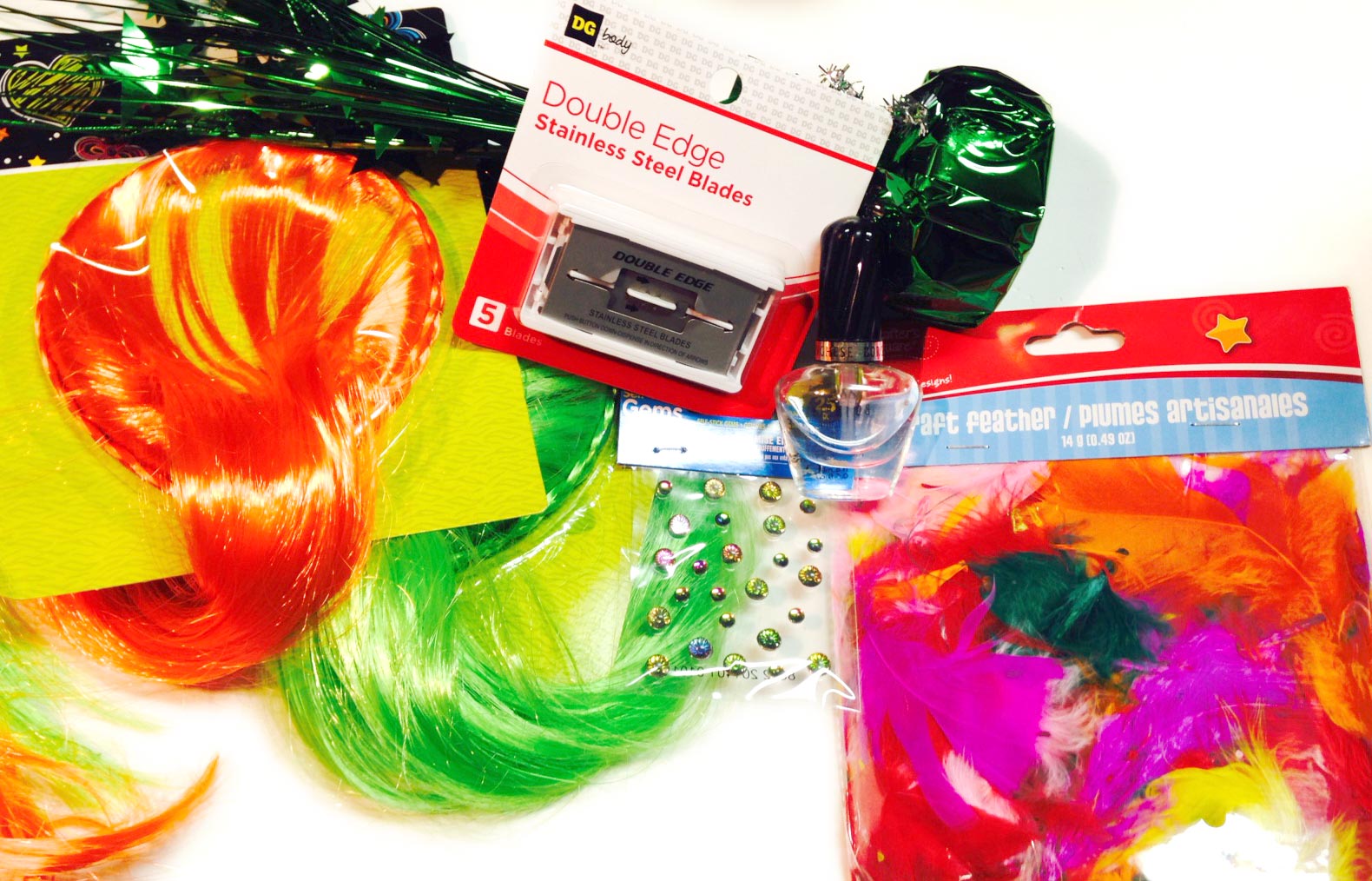
What Could You Make Out Of This?
It’s amazing what you can tie from the Dollar Store!
First let me say thank you to everyone who tied flies and entered the contest. I was blown away by the creative submissions we received. There was however a pretty clear winner.
I’M PROUD TO INTRODUCE TO YOU PETERSON’S DOLLAR STORE DIVER!
This beautiful dear hair diver was crafted by Eric Peterson using A pile of crazy materials including fake wigs and rhinestones from a Bedazzler. This diver pattern is as fishy as it is fantastic. Great job Eric!
It is worth mentioning that Eric is not the same Eric Peterson famous for the Peterson’s spawning shrimp pattern. I guess all guys named Eric Peterson are just awesome tiers.
Thanks to the folks at Scott Fly Rods for their generous support and thanks to everyone who entered.
Read More »If You’re Not Looking For Trout, You’re Missing Out
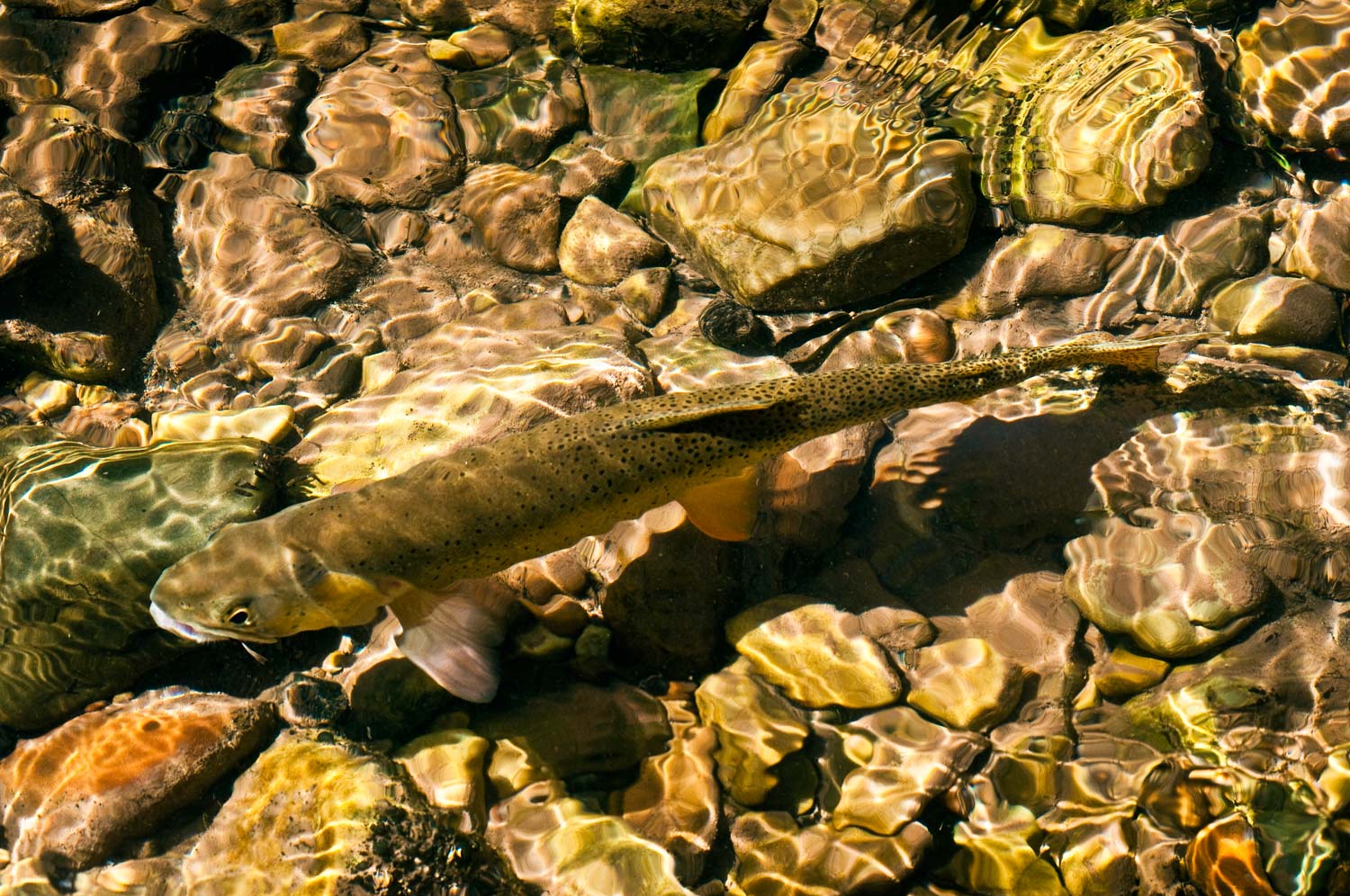
One of the things I always stress to my clients is the importance of always keeping an eye out for trout on the water. The first thing I do when I walk up to a prime piece of trout water, is take a minute or two to scan the water for dark shapes, shadows and subtle movements. I do it before I wet my fly or even my boots for that matter, because I know, if I can spot a trout, I’ll immediately double my chances at getting my rod bent. I also look for trout when I’m wading from one spot to the next. This is where many anglers mess up and get distracted by all the great looking water upstream of them, and then end up missing opportunities to spot and catch trout in transit. I used to spook a ton of trout myself moving from one fishing spot to the next. It still happens but not nearly as much because these days, when I’m on the move, I’m not in a hurry and I take plenty of time to look for trout as I wade.
Read More »Sumo Rod Carrier
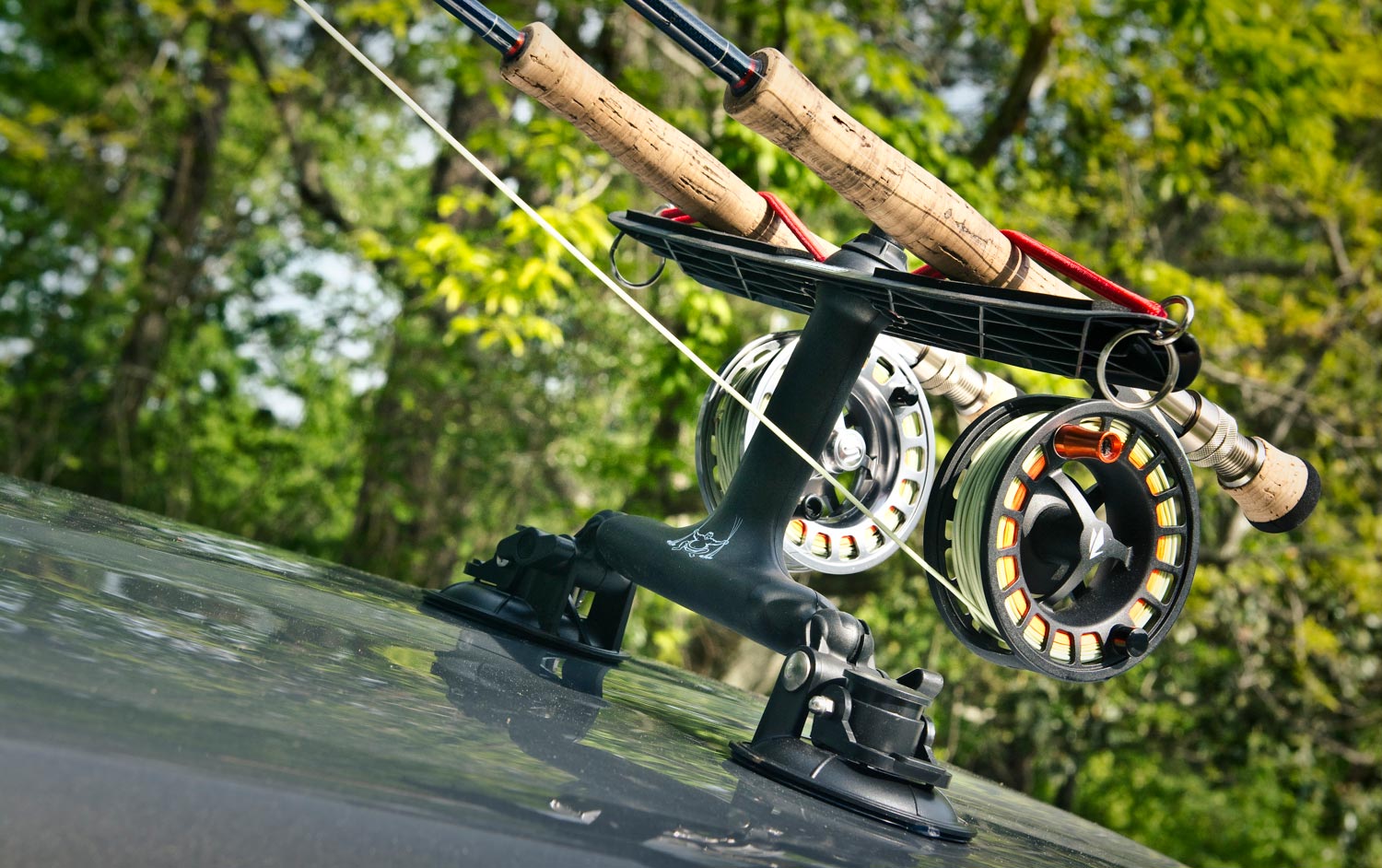
With a Sumo Rod Carrier, transporting fly rods couldn’t be easier.
On a recent trip to the Hiawassee River in Tennessee, I was finally able to try out a new piece of equipment that I had purchased several weeks before. The Sumo Rod Carrier is a system designed to carry your rods on your vehicle, making transporting them to and from the river a breeze. Over the course of the two days that I was fishing the area, the Sumo Rod Carrier proved to be a valuable asset by keeping me on the water longer. Without having to break my rods down in between travel to different sections of the river I was able to be ready to go as soon as I stepped out of my Jeep.
The Sumo Rod Carrier is super easy to use. It will adhere to any smooth, nonporous surface on your vehicle. It is made of high quality plastic (described as “better than what they use in automobiles” by the manufacturer) that seems like it would last for quite some time without worry of breakage or degradation.
For my application, I had one mount positioned approximately halfway up the hood of my Jeep, and the other positioned at the top of my windshield. I had the mounts oriented to the passenger side of the vehicle for obvious reasons.
The suction cups go on easily, without a hitch. The mounts themselves have tension screws which, when loosened, allow you to manipulate the rod rests until they are level. Once you find that you are satisfied with the position of the rod rests, simply tighten the tensioner screws to set the position.
The rod rests are lined with foam to prevent damage to reels or rods. The mounts use bungee cord to hold your rods against the rod rests. At the end of each bungee cord are two rings that slip into a slot at each end of the rod rest, locking the bungee cord in place. I found this system to be very solid and the rings did not dislodge easily at all. The rods are held securely to the rod rest, not allowing for much, if any, movement.
The rod mounts themselves are stuck to the windshield and hood as if they are cemented to the vehicle. My buddy and I tried our best to pull them off of the windshield without success. They are solid.
Time to put my money where their mouth is.
Read More »Sunday Classic / How to Fly Fish Straight Sections of Trout Water
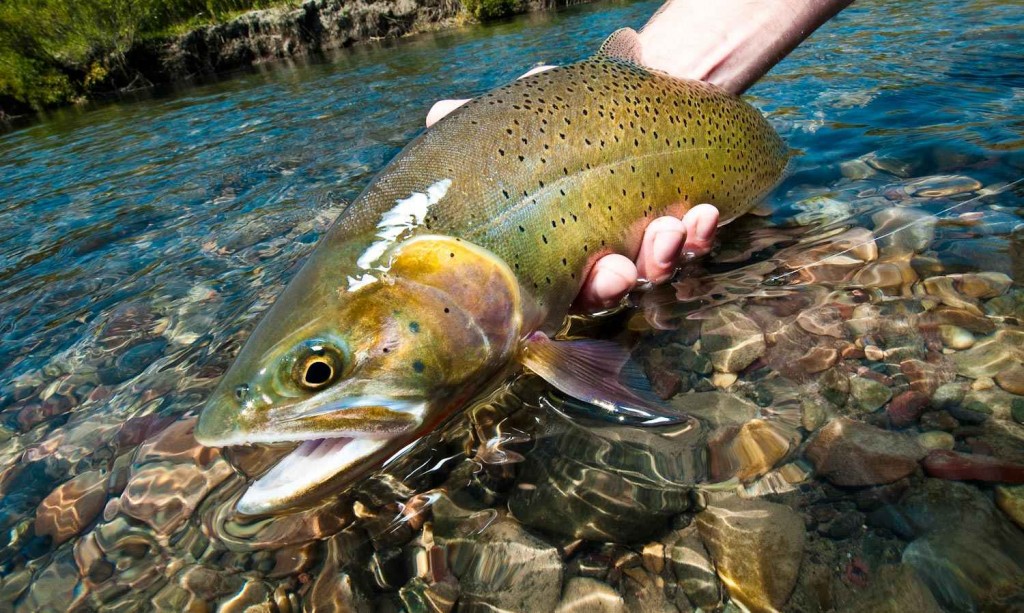
It’s your lucky day.
You’ve somehow managed to get away from your busy work schedule and find time to spend a few days fly fishing for beautiful cutthroat trout out west. You’ve brought several trout to hand fishing a series of S-bends, and you feel like a hero. Life is good, right? Unfortunately, the hot fishing is about to slow significantly as you round the bend in the river and notice the river flows straight as an arrow for the next several hundred yards. There’s very little mid-stream obstructions and no well defined current seams. Furthermore, the water depth is consistent bank to bank. You fish for a while, working your way upstream blind casting, but you’re not having any luck. You find yourself getting frustrated because you can’t figure out where the trout should be holding, and there’s no rising fish. What should you do?
When I find myself in this situation, I focus on
Read More »Saturday Shoutout / The Making of Montana
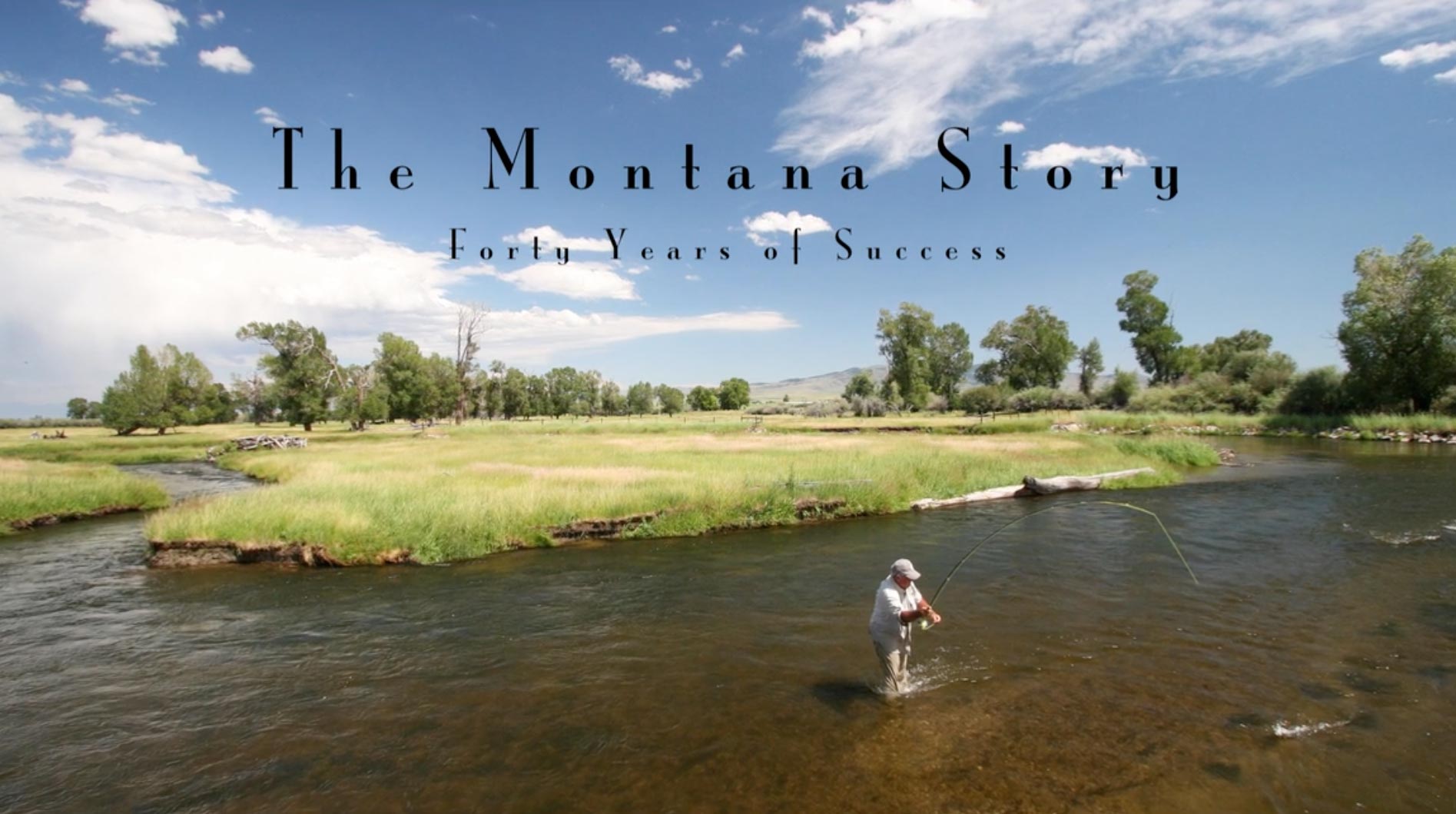
This video is one that every single person involved in fisheries management should see.
It tells the story of how the state of Montana turned its back on hatchery stocking and created the greatest trout fishery in the Continental United States. Thanks to brave and brilliant work done by Richard Vincent and others, Montana stands as a lesson for fisheries managers everywhere, if they will only listen.
Thanks to Marc Fauvet, of The Limp Cobra, for bringing this to my attention. There’s lots more great content on TLC. If you’re not a fan already, you should check it out.
Read More »Deschutes river Steelhead Camp: Sept 14th-20th
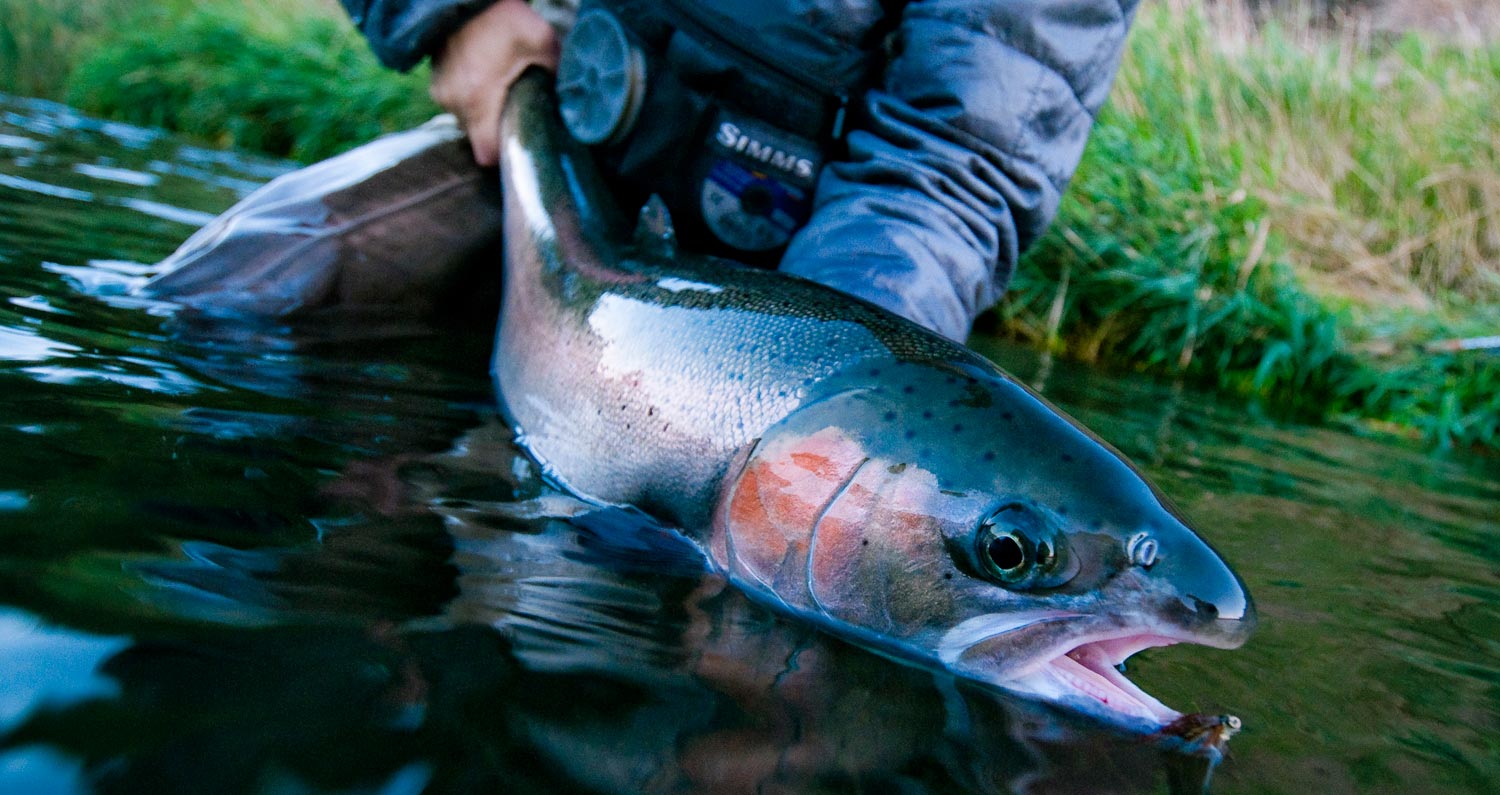
THIS IS THE REAL DEAL.
Run class four rapids in a jet sled, sleep under the stars on the banks of Oregon’s beautiful Deschutes River and swing flies to aggressive steelhead. Fish hard from sun up to sun down with a relaxing mid-day siesta. Tell fishing stories and go home feeling really alive. It doesn’t get any better.
The Deschutes is known for its eager summer run steelhead. It’s one of the best places anywhere for catching steelhead on floating lines and even dry flies. The canyon is beautiful and there’s lots of wildlife, including big horn sheep. It’s the kind of steelheading that spoils you.
My good friend Jeff Hickman runs this trip and he does it right. It’s deluxe tent camping with chef-prepared meals, roomy tents, comfy cots and even a shower. As rustic as you need, as comfortable as you like.
Not a Spey caster? This trip is definitely for you. Jeff is one of the best Spey instructors there is. He taught me, in fact. I took a good friend who did not Spey cast on this trip last year and in two hours Jeff had him holding his first wild steelhead, on a swung fly. You should have heard him whooping! This is truly one of the best fishing trips I’ve ever been on. I highly recommend it.
It’s reasonably priced, too.
3 day Deschutes River Camp Trip Sept 14-17, $2000
3 day Deschutes River Camp Trip Sept 17-20, $2000
There are only a few spots left, so let us know if you are interested.
Email hookups@ginkandgasoline.com to reserve your spot!
The Fight Isn’t Over When You Get a Tarpon Boat-Side

Catching a tarpon on the fly is a feat most fly fishers dream about but never experience. Some fly anglers get lucky right out the gates, but for most of us, catching one of these beasts on the fly often takes several trips to accomplish. My good friend Capt. Bruce Chard is one of the most competent tarpon guides I know and has taught me a great deal about chasing the silverking. When he put me on my first 125 pound plus tarpon he made a point to let me know that the fight isn’t over when you get a tarpon boat-side.
Bruce Chard explained to me that many tarpon photography ops are lost as well as rods are broken because anglers stop applying pressure on the fish once their guide gets a hand on the leader. Tarpon are extremely powerful fish and challenging to handle. To help your guide seal the deal when you get a tarpon to the boat, continue applying strong pressure on the fish with your fly rod until your guide has a firm grip on the jaws of your tarpon. Otherwise you’ll stand a good chance at
Read More »Sunday Classic / What To Tie and What To Buy
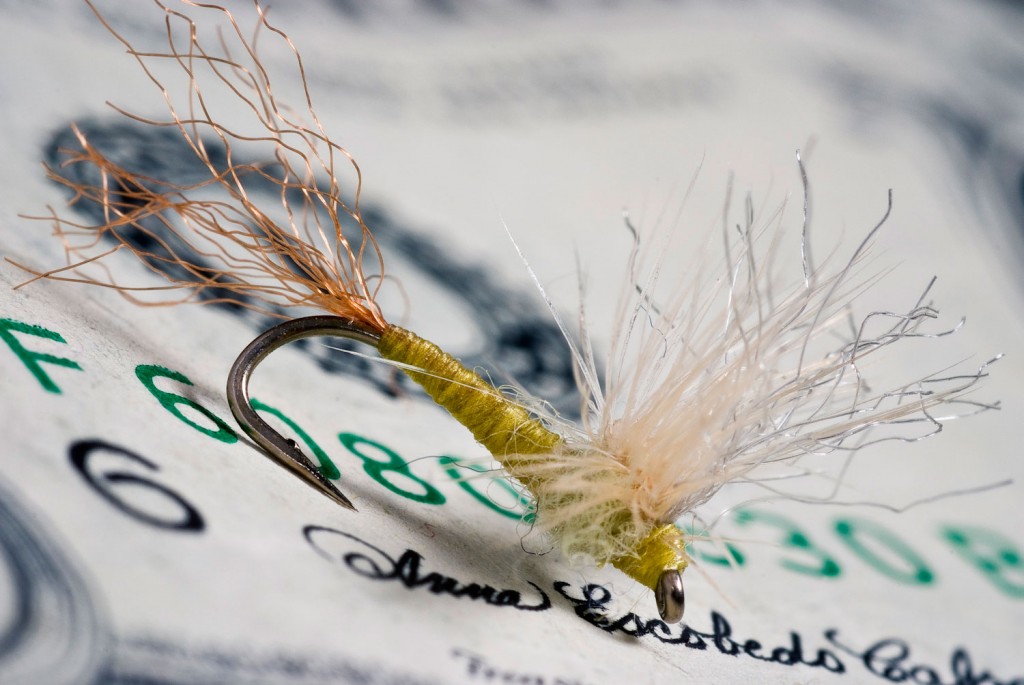
I should be sleeping.
Oh man, that would feel good, it’s been a while. I’m flying to Colorado tomorrow. I wouldn’t be home today if a crown hadn’t fallen out of my mouth. This would have been the third trip in a row with only one day at home between but an emergency dentist appointment has bought me a night to tie flies.
That’s how summer is for me. These days it’s kind of how winter is too. With all of the travel and shooting and fishing and writing, there’s no time to tie. When I drive, I travel with a tying kit. I pack the materials I think I’ll need for the trip at hand and tie a few flies for the day. When I fly, I’m screwed. I find myself, time and again, on some piece of epic water fishing the dregs of the box or begging flies from a buddy.
In a perfect world I’d tie all of my flies but my world is far from perfect. With one night to tie, I’m faced with a question. What do I tie and what do I buy? It’s triage. Here’s how I prioritize.
First priority, the hot stuff.
Read More »Saturday Shoutout / Cutchin Works For Tips
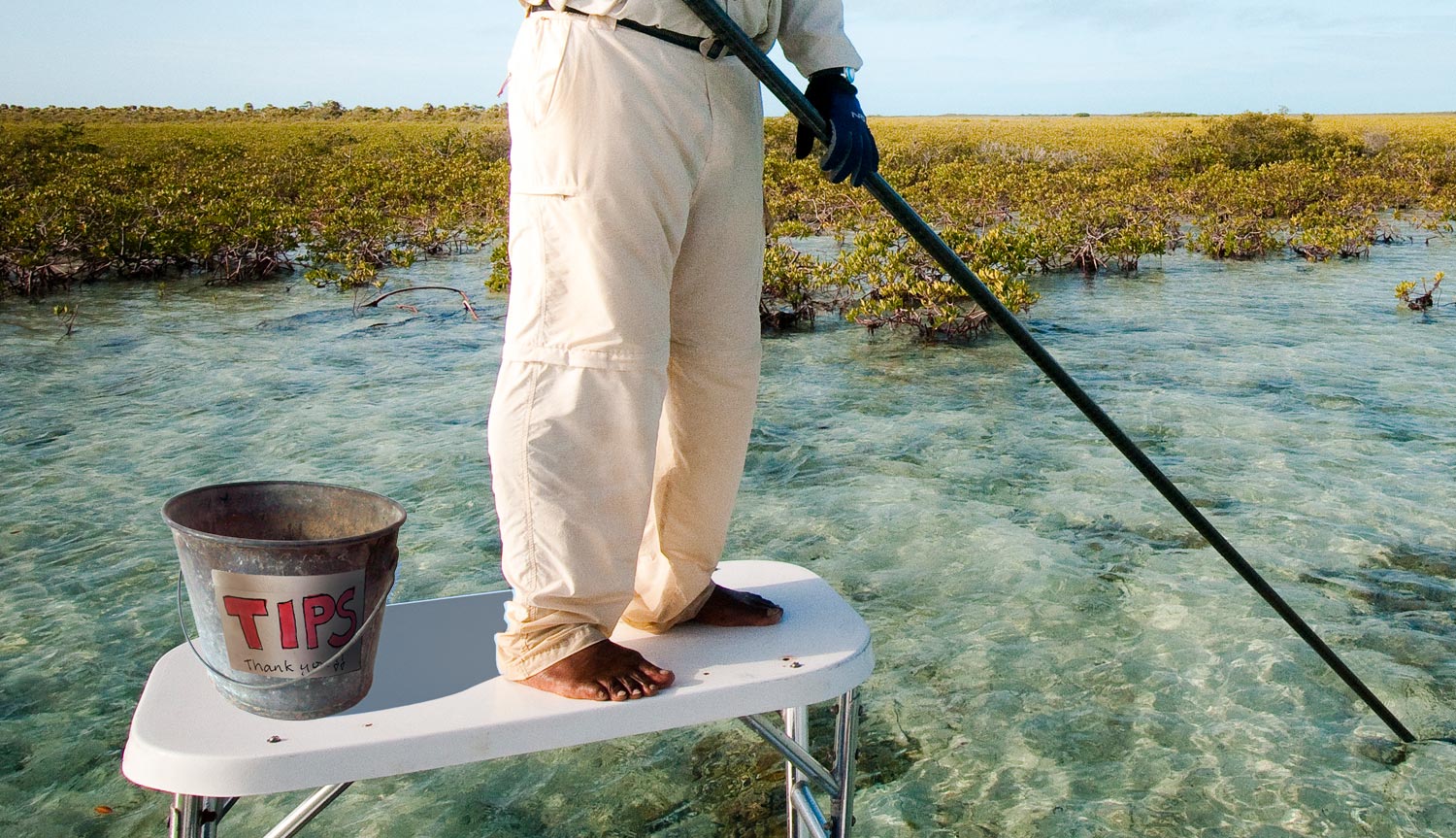
Tipping is, without doubt, the fuzziest area in fly fishing.
Many anglers go their whole lives fretting over what’s expected when it’s time to tip a guide. Add to the dilemma travel to far flung fishing locations and it’s a real nail biter. Fortunately, Midcurrent is here with some help.
I don’t know of anyone who can speak to this topic with more authority than Marshal Cutchin. This practical and detailed guide to tipping guides and lodges is the most comprehensive I’ve ever seen. Marshal strikes the perfect tone and anticipates every scenario. This is the one article every angler should read.
HOW TO TIP FISHING GUIDES AND LODGES
Read More »The Double Spey, For Single Hand
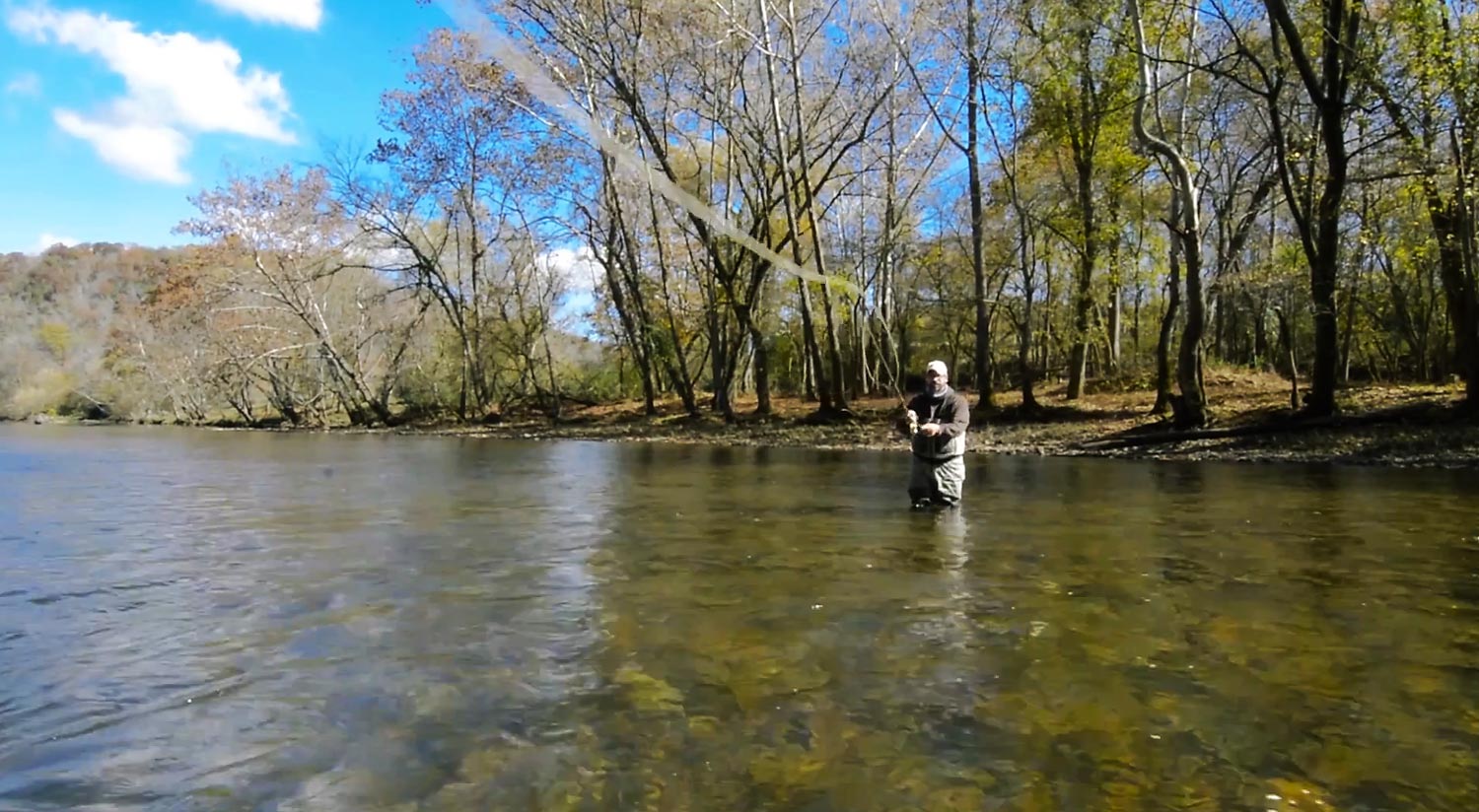
Access to a couple of good Spey casts can be a game changer for single-hand fly anglers.
All of the same physics that’s at work in Spey casting carries over to the single-hand rod. Although Spey casting can be technical and intimidating for the uninitiated, it’s really not rocket science and adding a couple of Spey techniques to your single-handed casting will put you on more fish.
Every single-hand caster is familiar with the roll cast. Most Spey casts build on the same principals that make up a roll cast. Spey casts use different methods to form the D loop and load the rod but are very similar and add a whole lot of extra power and distance.
One of the easiest and most useful casts for the single-hand angler is the Double Spey. It’s a powerful cast that works when you are casting from river right, if you’re a right-hand caster. The cast uses the current to put your line in the right position to start. With a few adaptations it can be made in still water, or from river left, but for now we’re just going to learn the basics.
THERE ARE 3 PARTS TO THIS CAST
It’s worth mentioning that some details will vary from casting with two handers
Setting the anchor
The tension of your leader and the tip of your fly line creates an anchor which allows you to load the rod with the weight of the fly line, during the next step. For everything to come off right, the anchor has to be in the right position. Start by facing your target. Then lift your rod, crossing your body, and drop your fly a rod length away and downstream at a 45 degree angle. Your rod should