
Hammock Camping For Backcountry Adventures
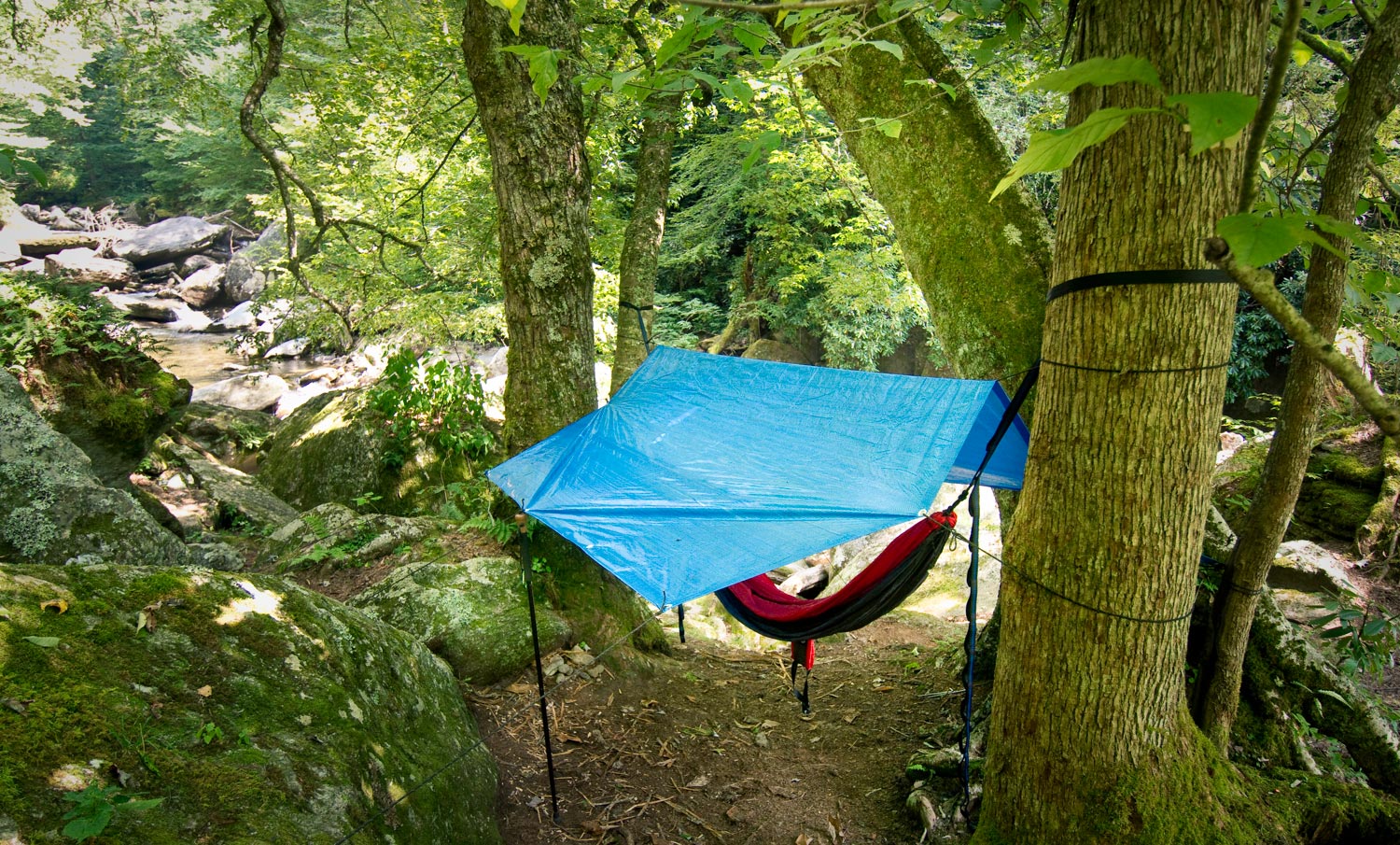
The further off the beaten path you go, the better the fishing.
Much of the best fishing I’ve ever done has involved some long hikes. There’s no mystery, most anglers will not walk more than a mile to fish. If you’re willing to do the leg work, you will be rewarded. If you really want to see what fishing was like in the ‘good old days’ you’ll have to hike farther than is practical for a day trip. Even if the fishing isn’t the stuff of legend, nights spent on the river are their own reward.
I love camping. My wife and I used to spend a month of every year in a tent. I’ve done it right and I’ve done it very wrong. I learned early on that you can make a backcountry camp trip as fun or as awful as you like. When you’re on foot there are two ways to make your trip really miserable.
1 Be unprepared for the elements
2 Carry too much weight
Here’s the dilemma. Being prepared means carrying more stuff and more stuff means more weight. Ounces equal pounds and pounds equal pain. The trick to making a great trip is not to carry more stuff but to carry the right stuff. My goal is to have a manageable load and a good night’s sleep so I can fish hard and rest easy, to borrow a phrase from my friends at Deneki.
I recently made a backcountry trip into the mountains of North Carolina for Southern Appalachian Brook Trout. The hike in covers some notoriously rough terrain and the weather forecast was far from certain. I decided that this was the perfect trip for a camping hammock.
I had a little experience with hammock camping from my youth. Again, some good experiences and some not so much. My favorite being the night I woke up rocking wildly and found a curious raccoon doing pull-ups on the side of my hammock. Lesson one, don’t take food in your hammock.
Lots of folks are curious about hammock camping and most are pretty nervous about it. I read somewhere that hammock camping is like your first kiss. You’re riddled with anxiety over it and once you start, you just want to do it again.
SO I DID MY HOMEWORK, DOVE IN HEADFIRST AND HERE’S WHAT I LEARNED.
You can get a great hammock for the cost of a cheap tent.
Hammocks are like everything else, you can spend as much or as little as you like on one and to a certain extent, you get what you pay for. I decided on an ENO hammock. They are smartly designed, durable, lightweight and easy to set up. You can start simple and add accessories as you go. I’m a big guy so I got the biggest one they make, the Deluxe Double Nest. It was a good choice. It weighs just 28 ounces and is rated for 400 pounds. It has a stuff sack sewn to the edge which doubles as a caddy for essentials. It’s huge and comfortable. It costs $85 here.
There are a lot of options for hanging a hammock.
I went with the ENO Atlas Straps. The atlas straps are super easy and versatile. You can hang a hammock almost anywhere in a couple of minutes. Best of all, they have zero stretch, so you don’t wake up on the ground. They weigh 11 ounces (one of the heavier options), they are 9 feet long and have 30 adjustment loops so you can get the angle right in seconds. They are rated for 400 pounds each with no stretch. These straps were an extravagance in both weight and cost but worth it to me. The last thing you want is a broken strap. They cost $39 here.
What if it rains?
If you are hammock camping you’re going to need a tarp. You can spend more on a tarp than on your hammock but I don’t see the point. I went with a basic blue tarp, 7 X 10 feet, for just $7.00. A couple of rolls of parachute cord and for $15.00 at the Home Depot, you’re good to go. You’ll want to run a ridge line of para-cord along center. Tie the edges off to trees, rocks or tent stakes and you’re done.
Stay warm.
The notorious drawback to hammocks is that they are cold. Having air circulating under you robs you of heat in cool weather. You can
Sunday Classic / Tipping Good & Bad Fly Fishing Guides Accordingly
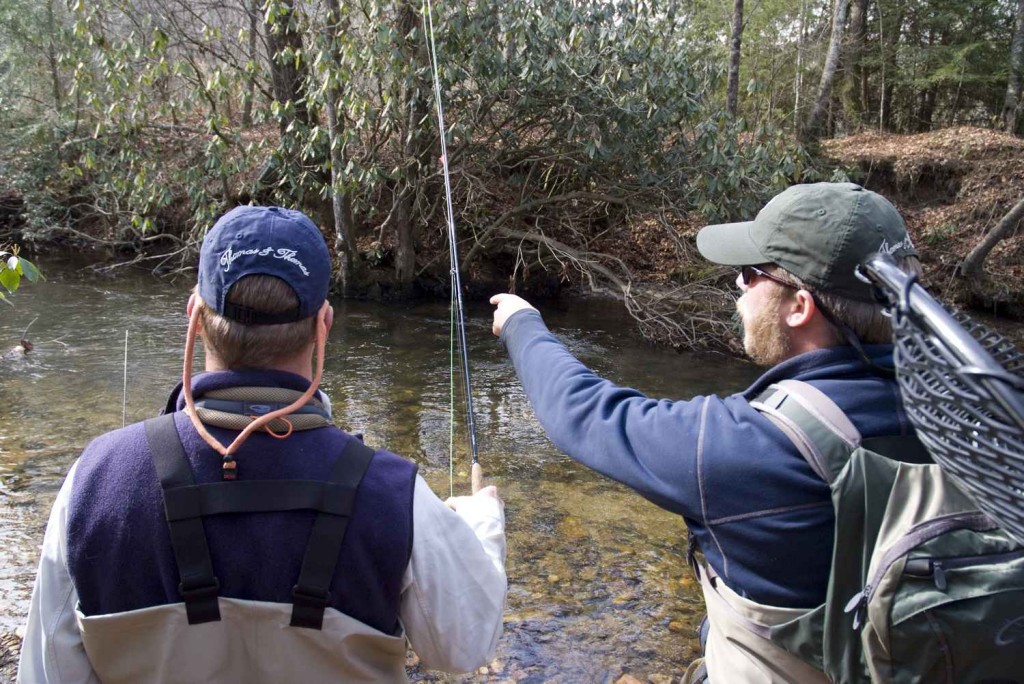
DESPITE ALL THE CONTENT PUT OUT OVER THE YEARS, AND ALL THE COMMUNICATIONS BETWEEN FLY ANGLERS ON THIS TOPIC, THERE STILL SEEMS TO BE QUITE A BIT OF MYSTERY STILL OUT THERE WHEN IT COMES TO TIPPING FLY FISHING GUIDES.
I get many clients that tip above and beyond what’s expected of them. Other times, I’m literally crawling back to my truck with every ounce of energy zapped from instructing and putting my clients on fish, and at the end of the day I’m blessed with a cold empty handshake. Sometimes, there seems to be no reasoning at all with gratuity, most clients seem to get it, but no matter what, there’s always going to be those few that feel gratuity isn’t necessary or are uneducated that it’s customary. All I truly care about is that gratuity is determined and provided to the guide based on customer service and professionalism, and that with any service-oriented job, regardless of the industry, gratuity should be on the radar.
A few weeks ago, one of our loyal Gink & Gasoline followers sent us an email that voiced a few concerns about a fly fishing guide they hired on a recent float trip. Apparently, at the end of the day the follower and his partner were in disagreement about the amount of guide gratuity they should leave. Below is the email and question that was sent to us:
“I would like to get your thoughts on tipping guides. I just came back from a trip to Montana and mentioning no names, I spent a week with a very well-known guide. The trip went well and we caught a lot of fish but his equipment sucked. His Driftboat was a small skiff that he did not want you standing up in to cast, and his Skadden style raft frames front seat came off three times, almost pitching my buddy into the river. Any thoughts on amounts or percentages for tipping would be greatly appreciated.”
My Reply:
Here’s my opinion
Saturday Shoutout / LCP
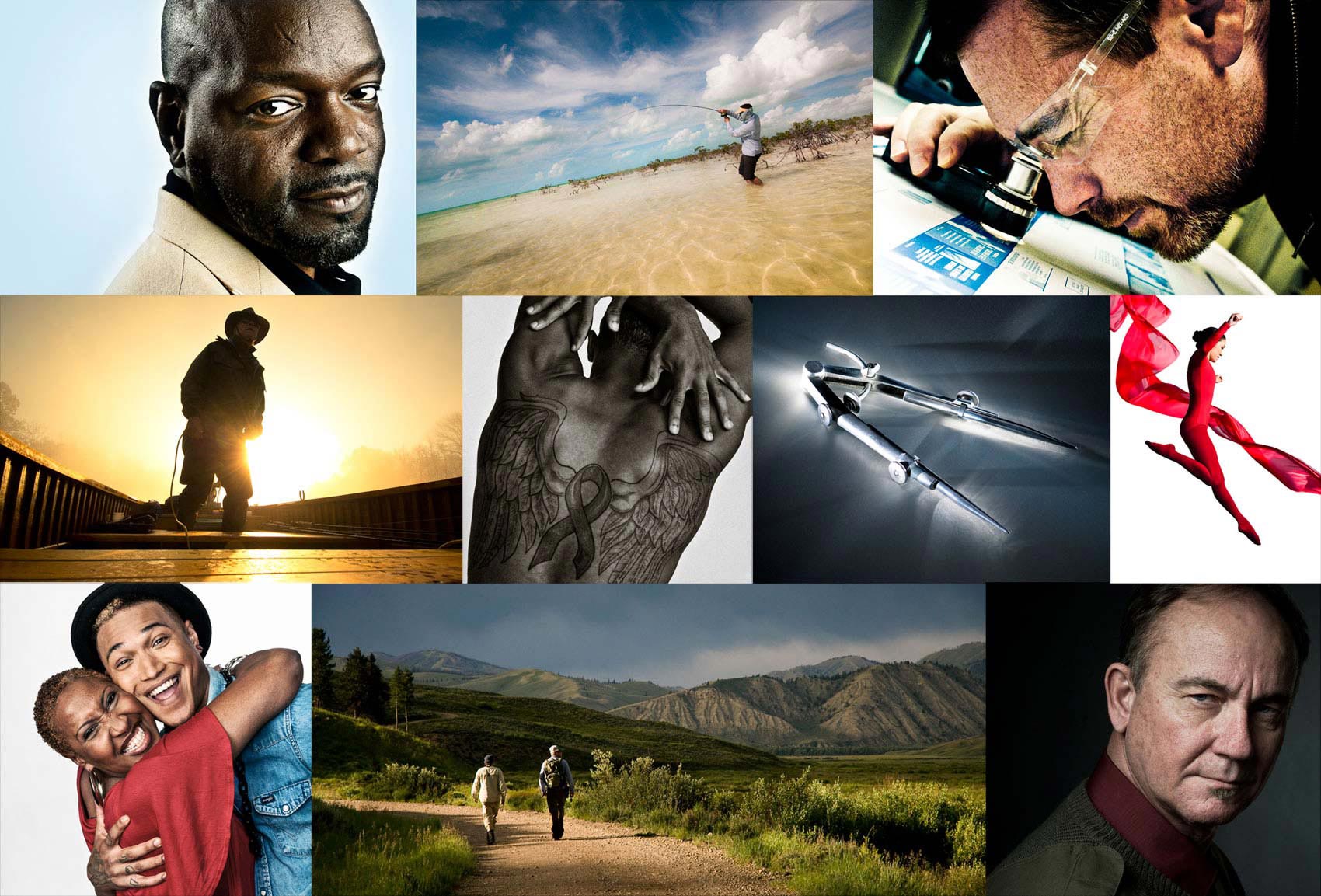
I hope this doesn’t come off as self serving.
Honestly, I do. I’ve never thought to share my own photography site here on Gink and Gasoline. It has recently been pointed out to me that some folks are interested. It has also been pointed out that it has been foolish not to do it, since that is my profession and some of you might actually like to hire me. So here it is.
You’ll get a chance to see some of my commercial work, celebrity portraits and, of course, a whole bunch of what I think are my very best fly fishing images. Visit the portfolio page and click on the thumbnails to see the full images. Click again for full screen view.
I HOPE YOU ENJOY THE SITE.
Read More »IndiFly, Changing The World One Fish At A Time
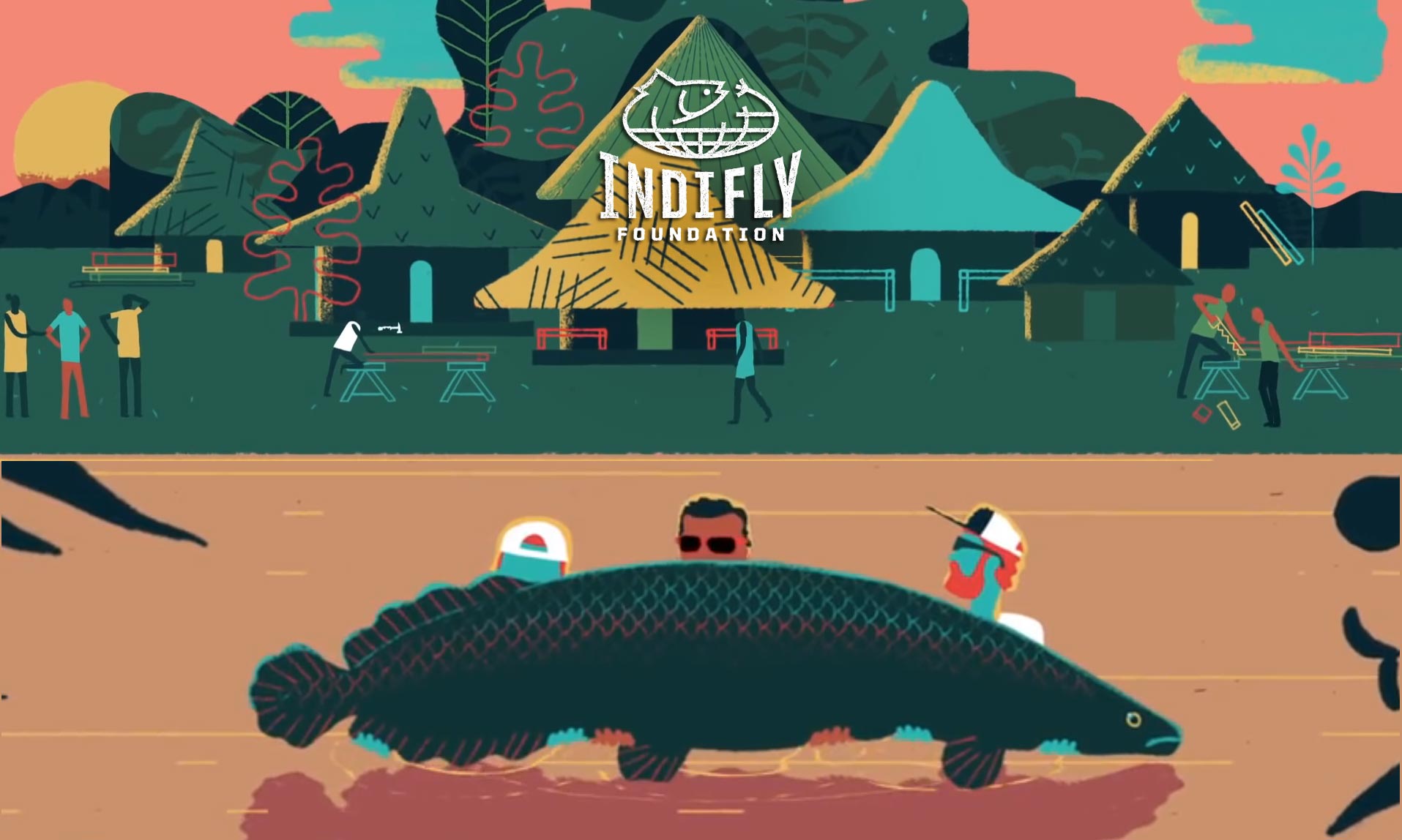
WHAT IF YOU COULD CATCH THE COOLEST FISH IN THE WORLD, SAVE A TROUBLED FISHERY AND HELP SOMEONE OUT IN THE PROCESS?
That’s what the IndiFly Foundation is all about. The amazing story began in the village of Rewa deep in the rainforest of Guyana. The locals saw there fishery dying as a result of over-industrialization and decided to do something different. They built a one of a kind Eco-lodge.
The lodge did not succeed. That is, until the folks at Costa got involved. They negotiated with the government and became the fist fishing destination in Guyana for the giant Arapaima. The lodge did thrive, as did the fishery.
Renowned angler, Oliver White, came and made the film Jungle Fish. It was a hit and now the Rewa Eco-Lodge is booked a year in advance and employs most of the village. The Arapaima Project was such a success that it begged to be repeated. And IndiFly was born. New fisheries are now being saved in New Guinea and French Polynesia just for a start.
IndiFly is brand new and they need your help. They need volunteers, donations and most of all they need folks to fish and experience these amazing fisheries.
I would like to add that I went to the Costa booth at IFTD to talk about sunglasses. The folks there said they’d rather talk about IndyFly than sell glasses. I don’t know about you, but I think that’s pretty classy.
CHECK OUT THE VIDEO WE MADE WITH AL PERKINSON AND OLIVER WHITE AT IFTD TO LEARN MORE.
Read More »Maxine McCormick Interview
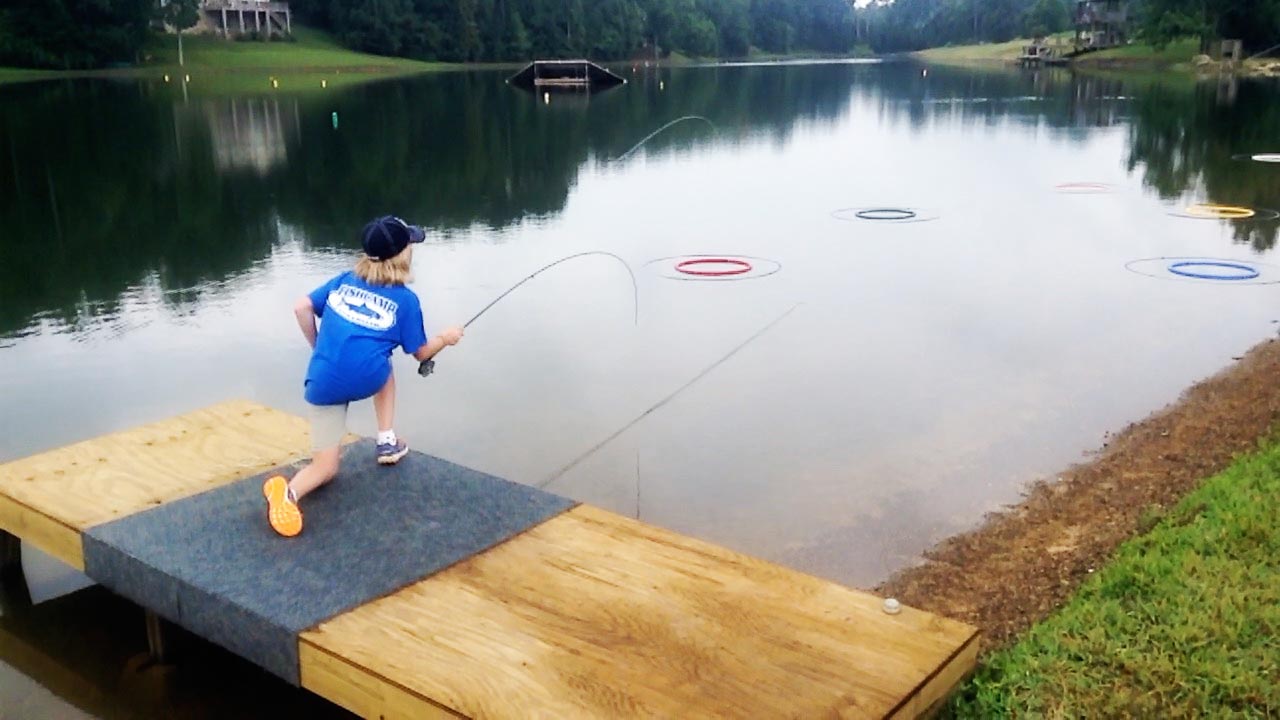
THINK YOU CAN OUT CAST AN 11 YEAR OLD GIRL?
YOU MIGHT BE SURPRISED TO FIND OUT THAT ONLY 3 AMERICAN FLY CASTERS CAN CONFIDENTLY ANSWER “YES” TO THAT QUESTION.
A few weeks ago at the107th ACA National Tournament 11 year old Maxine McCormick eclipsed every other performance. In combined fly casting for accuracy Maxine scored 289 points out of a possible 300. She was out performed only by Steve Rajeff, her instructor Chris Korich and dad Glenn McCormick.
I think it’s fair to call that phenomenal. I saw Maxine interviewed by the local news. I was floored when I saw Maxine cast and heard her speak about casting. Unfortunately, the TV News anchor had no idea what she was talking about and cut her off most of the time.
I decided that wasn’t right. I got in touch with her dad and and asked permission to interview Maxine by phone. You will not believe your ears when you hear this amazing young lady talk about fly casting. I even got a little advice on my cast.
LISTEN TO THIS INTERVIEW WITH MAXINE MCCORMICK.
Read More »Don’t Let Go of the Fly Line in Your Rod Hand During the Hook Set
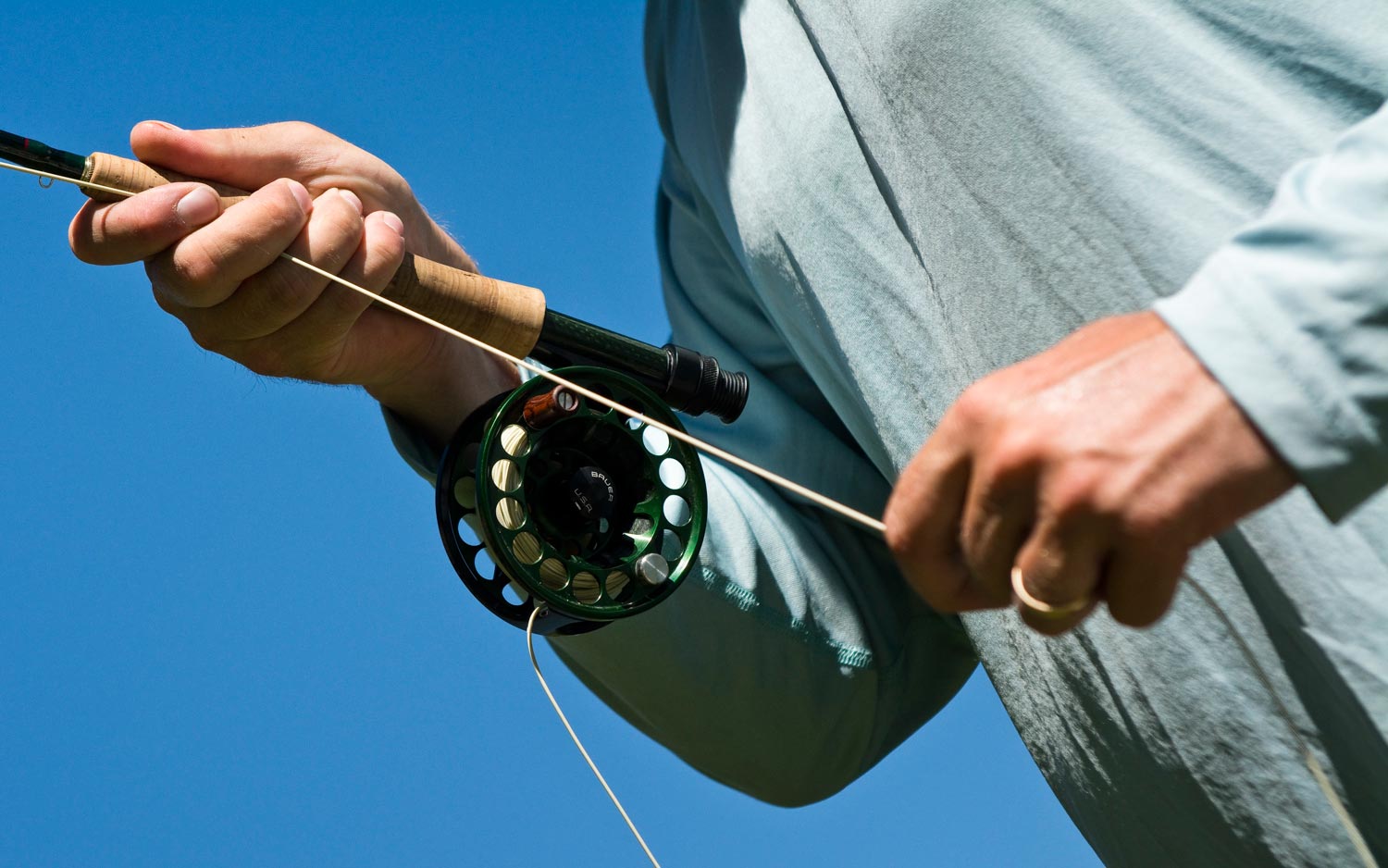
Have you ever set the hook on a fish, and the next thing you know, you’ve got your arms spread apart in the shape of a giant slice of pizza, leaving you unable to reach the fly line with your rod hand? Do not be ashamed if this happens to you every now and then on the water. You’re not alone, I promise. Many fly anglers do this regularly, and the reason they get themselves in this situation is because they’re letting go of the fly line in their rod hand when they set the hook. You can completely eliminate this problem on the water if you make sure you keep a solid grip on the fly line with your rod hand during and after every hook set. Doing so, it will allow you to maintain tension and control of the fish while you’re stripping in fly line or getting that excess fly line on the reel.
Read More »Big Adventure! Patagonia Trout and Argentina Golden Dorado
I’ll be hosting two amazing fishing opportunities for you in Patagonia, Argentina with Andes Drifters. Do either trip or both in two consecutive weeks!
WEEK ONE, FEBRUARY 20-27, 2016
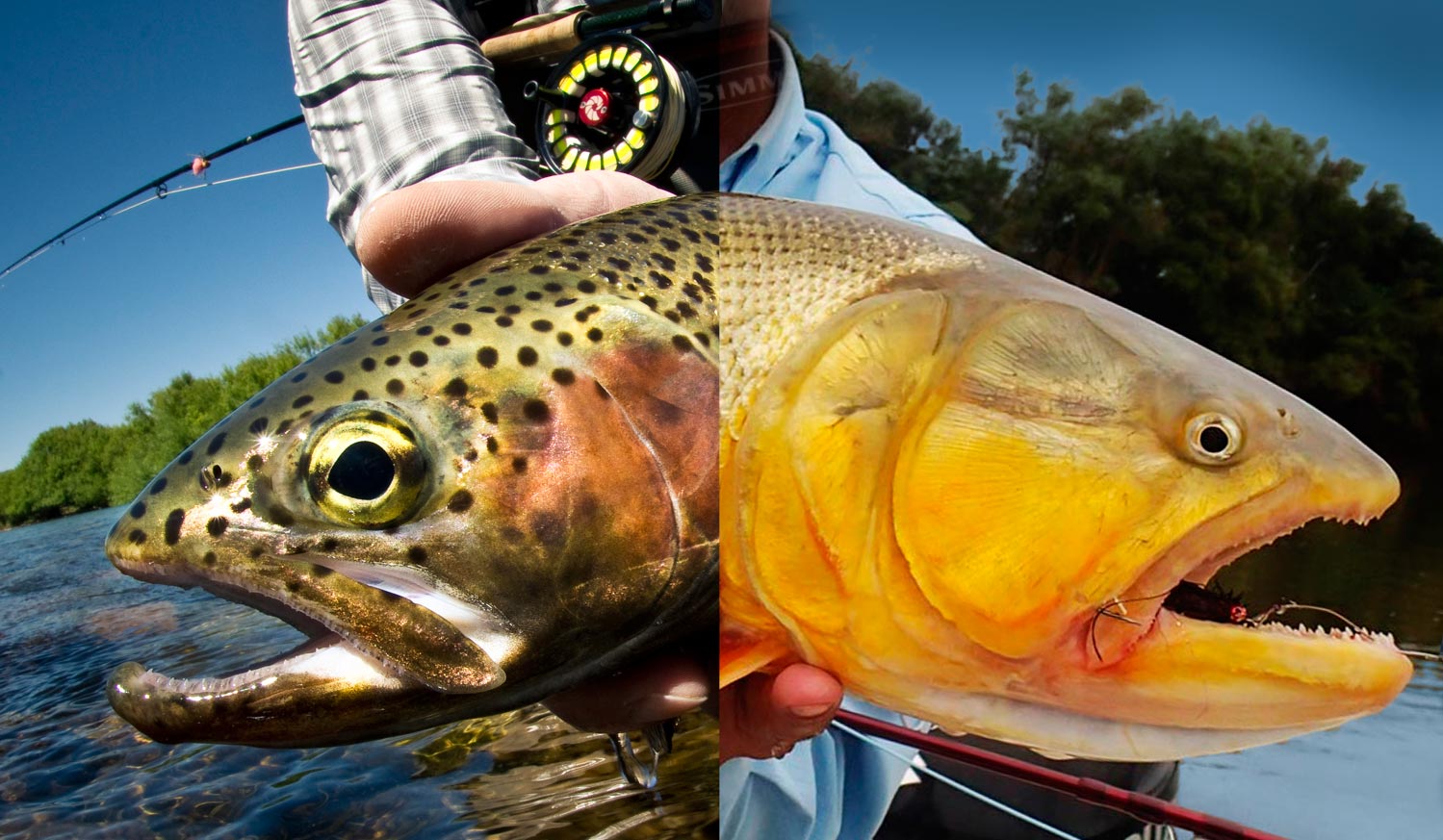
This is nothing less than a week of the best trout fishing and greatest hospitality on the planet. I made this trip last year and it was the coolest fishing trip I’ve ever made. While your friends shovel snow at home you’ll throw big dry flies to hungry brown and rainbow trout of 18-24 inches, drink Argentinean wine, fish at the foot of a giant volcano, eat goat roasted on a spit and sleep under the Southern Cross.
The fishing is truly remarkable. Think Montana times 10. There will be ample opportunity to cast to rising trout or work the bank with hoppers. If you like to throw streamers, hold on baby! These fish are aggressive. We’ll spend the first few days floating the Chimehuin and Alumine Rivers, and wading the beautiful Malleo River at the foot of the Lanin volcano.
We will stay at the Spring Creek Lodge, which is as comfortable as it is charming. The Argentines are gracious folks and they are proud to share their country and their culture. There will be local wine tasting, music, tango dancers and food that you just can’t believe. If you never touched your fly rod it would be a bucket list trip. And just when you think it can’t get any better…it does.
We’ll end the trip with an epic three-day float and camp on the legendary Limay Medio, The River Of Monsters.
Argentina Week Two Golden Dorado
Maybe you’re interested in seeing the dark side of Argentina fly fishing? Perhaps a trip with some real teeth? Well then, how about throwing six-inch streamers for Golden Dorado on the Upper Parana River?
Week two will be completely different. We’ll spend our days sight fishing on big water for one of the most aggressive predators that swims. Brawny Golden Dorado in the 12-30 pound range. The fish that Kirk Deeter, of Field and Stream, called “pound for pound, the toughest fish in the world.”
These fish are bold fighters that make reel-melting runs and acrobatic jumps. They are pure unchecked aggression. They’re apex predators and they have a mouth full of teeth to prove it. If you’re looking for an adrenaline rush, this is it.
Read More »New And Exciting Bahamas Bonefishing Trip
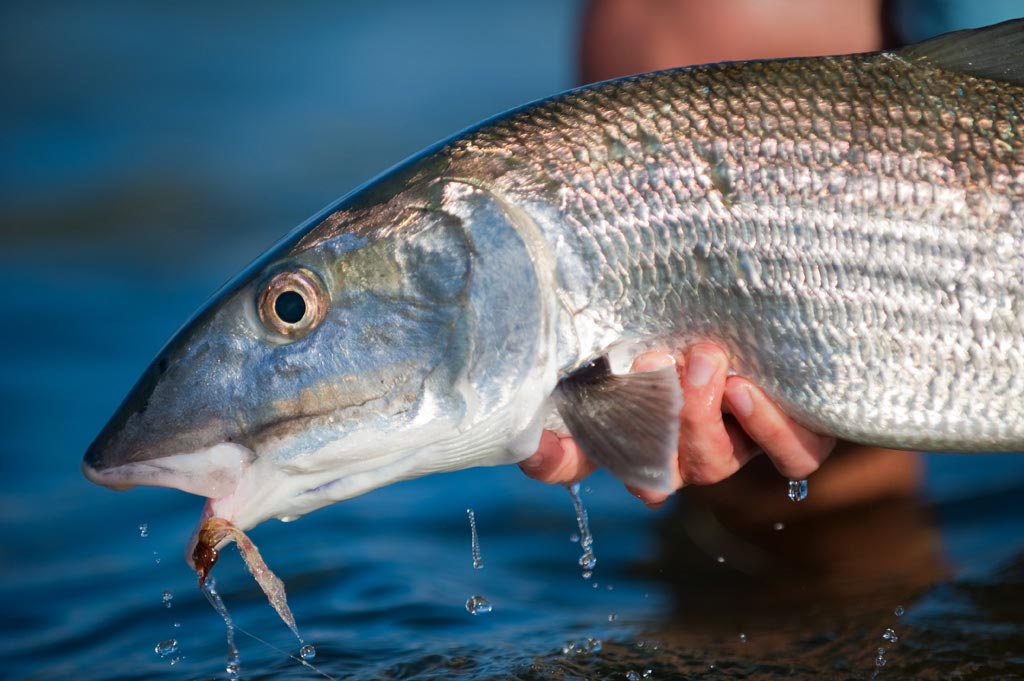
WITH ALL OF THE CONTROVERSY SURROUNDING THE BAHAMAS LATELY, I’M EXCITED TO SHARE SOME GOOD NEWS! I’LL BE HOSTING A TRIP TO THE FAMED ABACO LODGE, MARCH 15-22, 2016!
This week promises to be pretty amazing. The fishery surrounding Abaco is revered as one of the most productive bonefishing destinations anywhere, while also offering legitimate opportunities to catch permit and tarpon.
The Abaco Lodge sits right on the world famous Marls, a 400 square mile complex of flats that teams with bonefish and permit. They say you can fish the Marls your whole life and not see it all, but we’re not stopping there. The Abaco lodge trailers boats to the ocean-side flats where you’ll find some of the biggest bones in the Bahamas. It’s a diverse fishery with some amazing opportunities.
Awesome fishing isn’t the end of the story. The Abaco Lodge is a first class operation. Fine dining, shiny new Hell’s Bay flats boats, an infinity pool and even satellite TV. Everything you could ask for on and off the water. Easily accessible by direct flights into nearby Marsh Harbor. Abaco has a lot to offer and I’m excited to be hosting there.
I’ll be teaching my popular Bonefish 101 class plus fly tying, leader building and open discussion on any topic related to fly fishing. As always, I’ll be working with anglers one-on-one to shorten the learning curve and get you bonefishing like a pro.
Whether you’re new to saltwater fly fishing or an old hand you’ll enjoy the company of good, like-minded folks who love to fish and make new friends. G&G trips are an ego-free zone where all are welcome. Come enjoy the Bahamas with us!
Read More »18 Tips For Tying Better Streamers
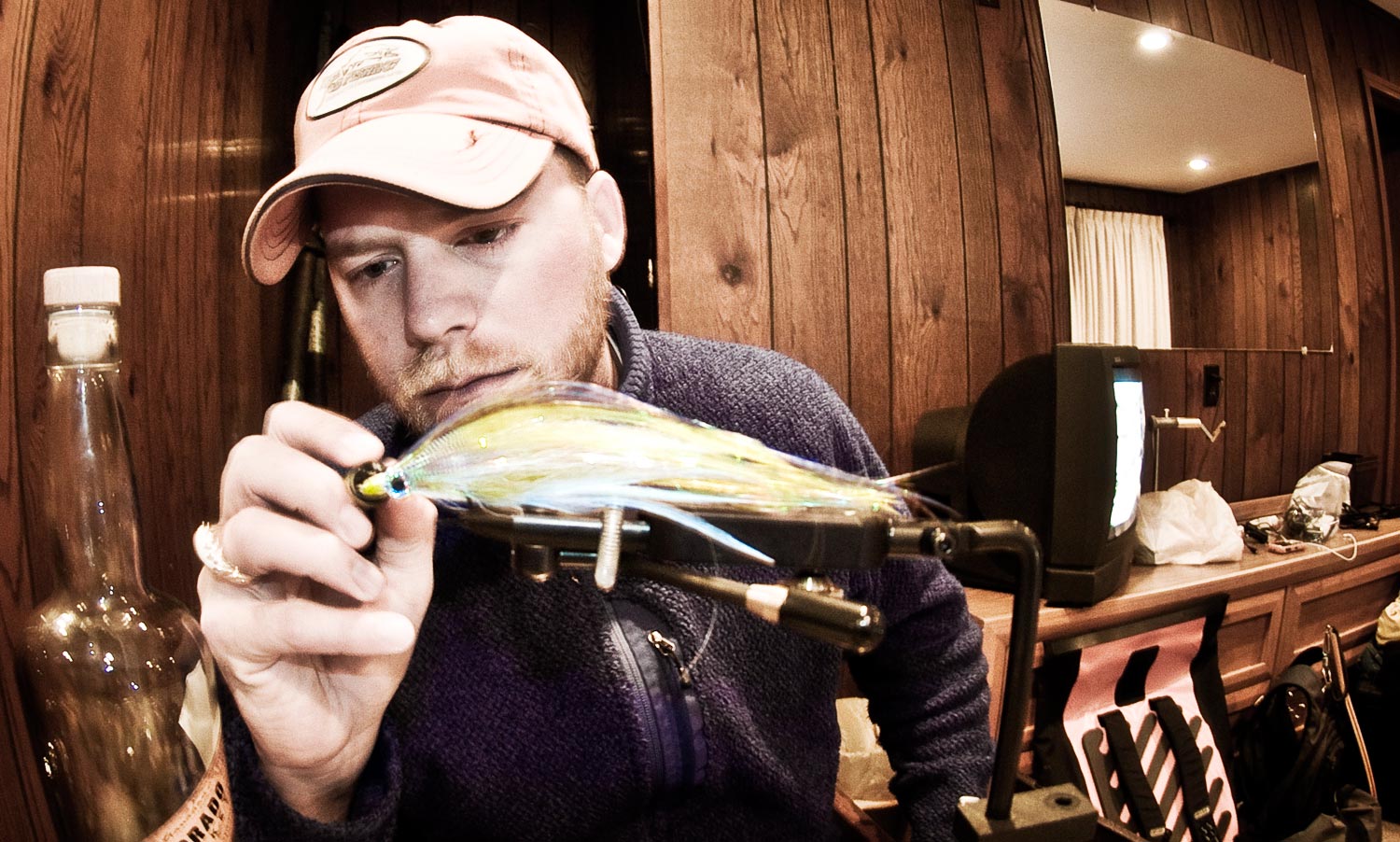
Once you start fishing streamers, you never go back.
If you are a streamer flinger, you know it the first time you tie one on. You huck and duck and strip and the next thing you know you’re spending long whisky fueled nights bent over the vise, building a mound of trimmings as big as your dog. There’s no way around it. You’re hooked.
Everyone who ever threw a streamer has their own theories about what works best. Opinions are strong and divided. Ask any number of “experts” the same question and you’ll get as many answers. That’s actually what I love best about fishing streamers. There are no rules. It’s the most creative form of fly fishing.
THAT SAID, HERE ARE 18 THINGS THAT THAT WORK FOR ME AT THE VISE. I HOPE THESE TIPS HELP YOU TIE BETTER STREAMERS AND CATCH MORE FISH.
1. Know your target species
Nothing is more important in fly fishing than making informed choices. That’s as important at the vise as on the river. Knowing the habits and preferences of your target species is the key to tying effective flies. Throw the recipes out the window and know your fish. Nothing beats actual experience, but if you’re chasing a new species there’s plenty to read and folks to ask. I’ll talk more specifically about those informed choices later in this article.
2. Know what your imitating
Not all streamers imitate specific prey, but many do. Knowing the habits and life stages of the food you are imitating will pay off big. Sculpins, for example, will dive into rocky bottoms to hide from trout. A front heavy sculpin pattern which will dive to the bottom when the retrieve is paused can be very effective. Some of the most productive streamers I’ve ever tied were patterned after baitfish I caught on the river. A little time spent sampling baitfish in your home water will be time well invested.
3. Think about action
Action may be my number one concern when I design a streamer pattern. They are all meant to move a certain way in the water. Many of my patterns are articulated with weight at the head. They jig and twitch and swim in the current. Some have long flowing materials that pulse and undulate in the water. Others dart from side to side or wiggle. The action of the fly should do two things. It should imitate some behavior of a prey species, usually in distress, and it should antagonize the hell out of your target species.
4. Get the size right
Size is a topic of great discourse among fly fishermen. There’s no shortage of bravado on both ends of the spectrum. In the end, it’s important to understand the choice you’re making when you tie a streamer of any size. Generally speaking, the larger the fly, the fewer fish it will catch and the larger those fish will be. That statement is riddled with inaccuracy but is fundamentally true. Big streamers do catch small fish and small streamers catch big fish but for every species there seems to be a sweet spot. A fly size that sets the bar at just the right height. This is a personal choice. For me, a trout streamer should be in the 3-4 inch range. Big enough to weed out the S.N.I.T.S. but small enough to pose as an easy meal to a wise old hog. A 20-inch trout is plenty capable of eating a 10-inch fish, but he will do so less often than he will eat a 4-inch fish. For a musky your fly may be 8 inches or larger. Know you target species.
5. Build bulk without extra material
Too many tiers think the answer to tying better streamers is in packing on material. More material does build a bigger profile but at a cost.
Sunday Classic / F-ing-A Yampa!
This story contains adult language. If you chose to read it, don’t complain.
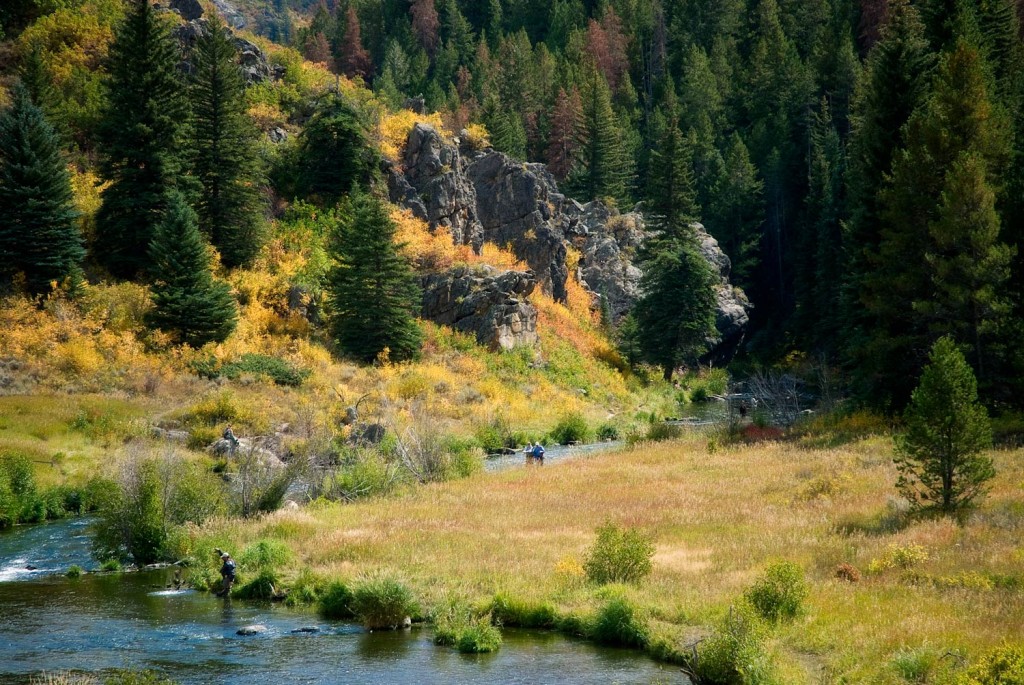
IT TAKES A FEW MINUTES TO SET IN, WE ARE ON ONE OF THE GREATEST TROUT RIVERS IN THE WORLD AND THE FISH ARE GOING OFF AND WE ARE TOTALLY ALONE.
Wal-Mart, Frisco, CO, 7:45AM.
I lift a small canister from an end cap display. “Pods, got it.” It feels empty. Kent’s hands are full of Gatorade and dip.
“Get six of those bitches!” he tells me, gesturing towards the display with his chin.
“Dude, they’re like fifteen bucks.”
“OK, four.”
The Personal Oxygen Device, or POD, is designed for flat landers who come to the Rockies skiing and think they’re going to die of a heart attack when they get to the slopes. They are handy when you’re hiking in to a high mountain lake, but that’s not why we’re buying them.
Kent and I have been in Colorado fishing for almost two weeks and we’re pretty well acclimated. We have spent the last couple of nights with my friend Peter in Fair Play, at eleven-thousand feet, while we fished the Platte. Today we’re starting the twenty-four hour drive home. The Pods are for the road.
We’ll wait until we get close to sea level, maybe Saint Louis, and suck them down quick for a legal high. We’ll get our blood-ox way up, put on White Zombie and crank it up until the door panels pop off. It’s what I imagine meth is like and it breaks the drive up nicely.
As I pull on to I-70 Kent is thumbing through the map. It’s just reading material at this point. We both know our way around Colorado pretty well. The Gazetteer is mostly for identifying public land and finding camp sites. “what do you know about the Yampa?” he asks.
“Never fished it, supposed to be awesome.”
“Well, what the fuck, why haven’t we fished it?”
“I don’t know, time I guess. It’s all the way up in Steamboat.”
Our eyes lock for a minute and we both dig into our pockets for cell phones as I exit for highway nine at Dillon. Moments later our wives are both getting the news that we will not be coming home today. I imagine they are used to it.
Kent searches the map for camp sites while I do some last minute research on the iPhone before we lose signal, all at seventy miles per hour. It’s not a well-laid plan. It’s not a plan at all. If we’d known we were fishing we would have driven the night before. If we’d known what we were getting into we’d have been on the water before sun up. At this point we are still ignorant but we know we are in a hurry.
The drive from Dillon to Steamboat Springs is beautiful. North on highway nine past the green mountain reservoir to Kremling, then west on forty over Rabbit Ear pass and down to Steamboat. It’s high arid country dotted with small reservoirs and abandoned, sun bleached barns and houses. The occasional ranch gate signals that people have not given up on it all together.
We make a quick stop in town for some flies, food and local advice, then head for the campground at Stagecoach Reservoir. We grab a camp site and toss our tents up in a hurry and we are in the parking lot on the river by 11:30. It’s not a happy sight.
Read More »