
Sunday Classic / How to Keep Your Polarized Sunglasses Like Brand New
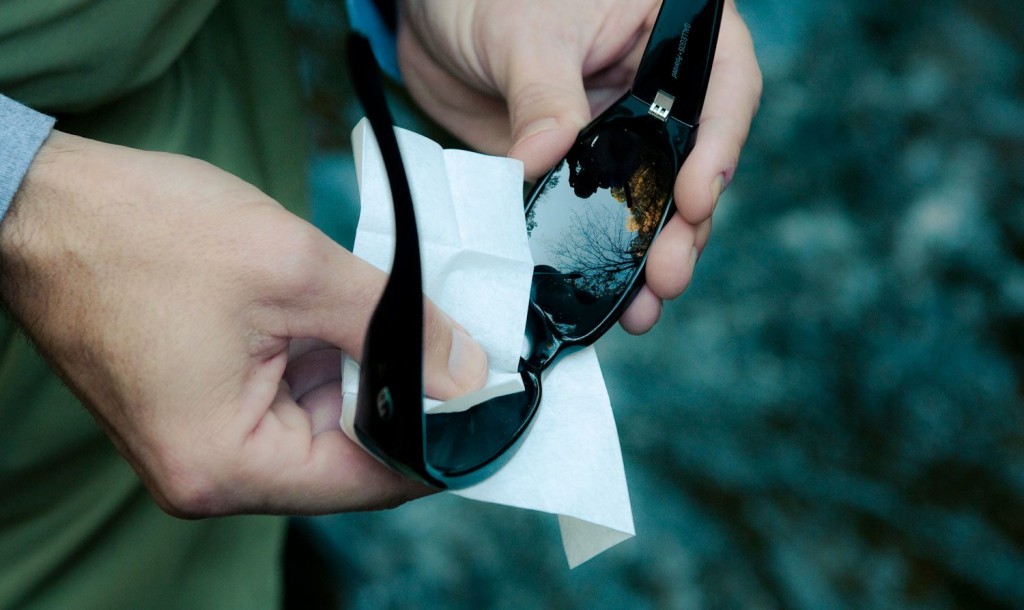
Look out micro-fiber cloths, there’s a new player in town
My polarized sunglasses are a critical piece of equipment in my fly fishing and guiding. I depend on them for keeping my vision clear and crisp, so I can untangle knots quickly, spot fish effectively and make precise presentations on the water. I don’t know about you guys, but I’m constantly having to clean the lens on my sunglasses on and off the water to keep them functioning at their highest level. In the past, I’ve depended primarily on using micro-fiber cloths to clean my polarized sunglasses. These micro-fiber cloths work pretty well, but after a while, they get packed full of dirt and grime or get saturated on those wet days, and start losing their effectiveness. I’ve got some micro-fiber cloths now that really don’t clean all that well, even after I’ve taken the time to wash them. Plus, I’m always trying to find a place to stow them in a safe place that’s free of dirt and dust, like a zip-lock bag.
Recently, my parents turned me onto Zeiss Lens Cleaning Wipes. You can purchase them at your local Walmart or Pharmacy (Rite-Aid or CVS), from $3-10 depending on the size of the box. I’ve fallen in love with these individually wrapped pre-moistened lens cleaning wipes, that are safe to use on your sunglasses, camera lens and electronics. It takes just a few seconds to unwrap one of these pre-moistened wipes, and do a quick once over on the gear you need cleaned. Almost instantly, it dries 100%, leaving you with a super clean surface that looks brand new. These days,
Read More »Saturday Shoutout / Spey Casting For Recovery
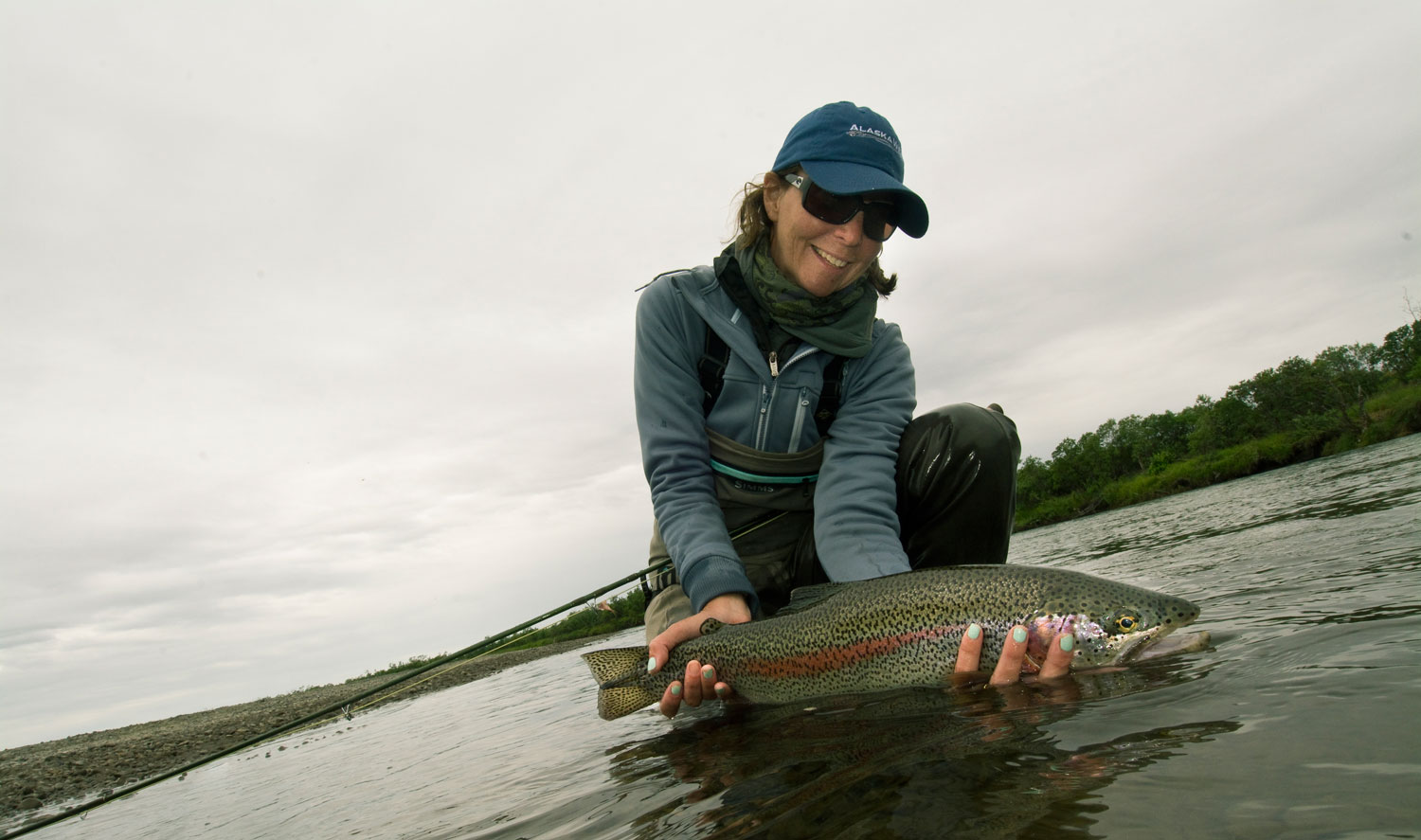
Here’s a chance to have a little fun and get behind a great cause.
Two of the coolest gals I know, Whitney Gould and Mia Shepard, are putting their considerable casting skills to good use at this year’s Spay-O-Rama International Casting Competition. You can sponsor these two with a pledge donation for every foot they cast and get the chance to win a day of guided fishing from Little Creek Outfitters in Oregon.
Casting for Recovery is a program dedicated to enhancing the quality of life for all breast cancer survivors through the camaraderie and inspiration of fly fishing. It’s a great organization and a great cause. Pledge HERE!
GET ALL OF THE DETAILS HERE, FROM THE GOOD FOLKS AT DENEKI OUTDOORS.
Read More »Winston Boron 3 Plus Fly Rods
Winston is putting the Peddle to the metal with the new B3 Plus.
Winston has built its reputation on finesse. When you think about perfect presentations and silky smooth actions, you think of Winston, and rightly so. This year they’re breaking out with something new. The B3 Plus was designed to give you all of the Winston feel you’re used to in a more authoritative rod.
The B3 Plus is stronger, for fighting tough species like tarpon, golden dorado and peacock bass. It’s also made to be a cannon with faster action and new guides that shoot line more effectively. It’s available in 6-12 weight for saltwater / 5&6 weight freshwater and the 8&9 weight 8’9″ and 9′ Jungle Rods.
JOHNNY SPILLANE GETS ALL THE DETAILS IN THIS VIDEO.
Read More »Sage Bolt Rocks My Streamer Box
By Louis Cahill
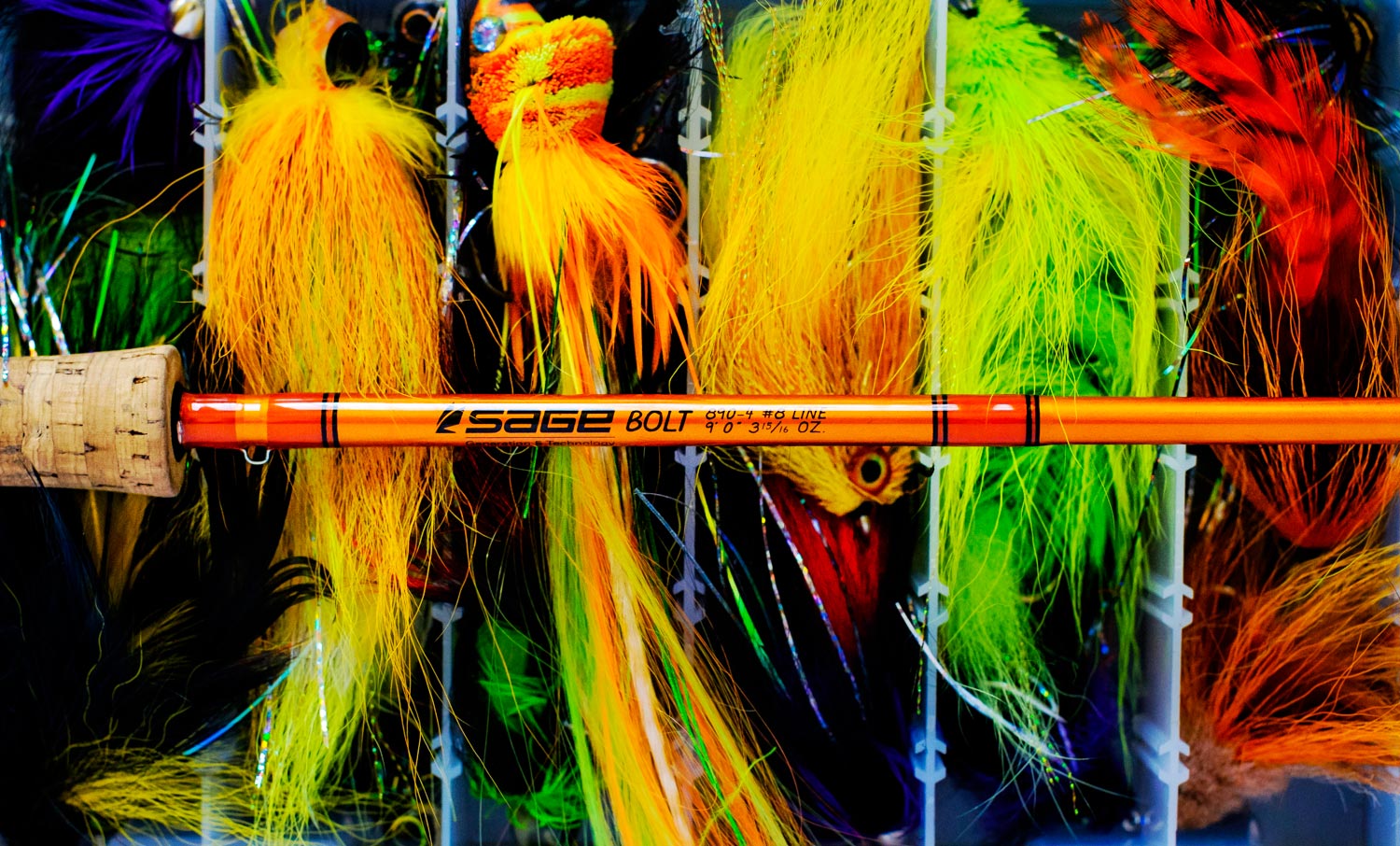
I’ve been fishing a new Sage Bolt 8 weight for the last month and it has surprised me.
It’s not unusual for me to read reviews of a fly rod, even the ones written by people I respect, and wonder if we’ve been fishing the same rod. That’s never been more true than with the Sage Bolt. In the end, any rod review is just someone’s opinion and the same rod is different in every angler’s hands. I’d never encourage you to spend a wad of cash on a rod without forming your own opinion about it first. That said, here’s my opinion of the Bolt, and why I don’t think it’s getting a fair shake in the press.
To be clear, I have only fished the 9′ 8 weight and I have only used it as a streamer rod. In my opinion it’s a fine tool for the job, and I’ll get into that in a minute, but I have not fished the other members of the Bolt family.
There are two types or reviews you’ll see on the Bolt. The first praises it as the next great ultra-fast Sage in a great line of such offerings. The other cites it as a huge disappointment. This review isn’t going to be either and the folks at Sage may have mixed emotions about it.
To start with, the Bolt I have does not strike me as ultra-fast.
I mean that as a compliment. I’m not afraid of fast rods. I’m a serious saltwater angler and I know my way around a fast stick, but in my experience, ultra-fast usually means too stiff and no feel. That’s how I felt about the Bolt’s predecessor, the Method. I didn’t care for it and the only one I ever cast and liked was over lined by 2 1/2 line weights.
Again, that’s my opinion. It doesn’t mean the Method will not cast great for you. In fact, it casts great for me, I just don’t care for it. I’m not criticizing Sage. Jerry Siem is a brilliant rod designer and solidly the most influential figure in modern rod design. The man knows what he’s doing. But I’m not the first to say I haven’t felt love for many of the newer Sage designs. In their defense, when you’re Sage, the bar is pretty high.
The Bolt is plenty fast. You’re not going to pick this rod up and feel a deep progressive bend. It has serious backbone and an authoritative recovery. It is not a broomstick, however. Not just a tip on a stick. That’s really important in a streamer rod. When you are casting heavy flies and sometimes sinking lines, you need a rod you can load easily.
Streamer fishing is not flats fishing, where you make a measured number of considered presentations.
You’re pounding the bank cast after cast. You’re reacting to conditions, new water, the movement of the boat, or a sweet piece of structure you just noticed. Every cast is not a perfect scenario. If your rod is too fast
Read More »Is There a Time When Anglers Should Admit Defeat and Move On?
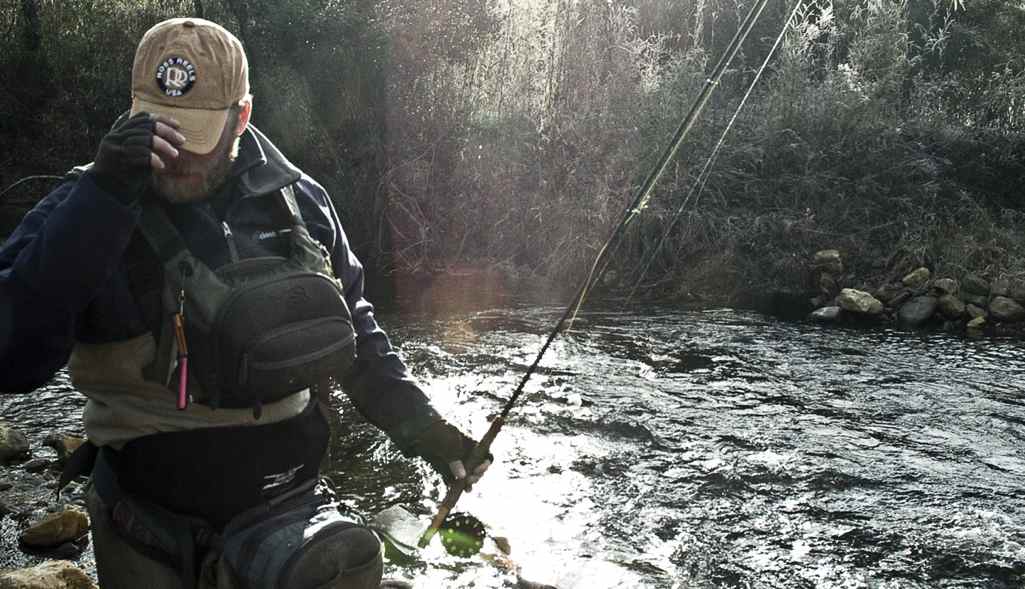
I have a good friend from Colorado that told me he once scuba dived in a river and watched his buddy drift nymphs through runs that were loaded with trout. He said he was astonished to see how many times the tippet of the leader drifting in the current went into the mouths of trout, resulting in the fly of the hook snagging the trout. If you’ve ever fly fished for fresh sockeye salmon, you know that the majority of the time that’s exactly how you catch them. Only on rare occasions do they eat your fly, and even then one could argue it’s only out of aggression from the pending spawn. When my friend told me his underwater account, it made me wonder how many fish I thought I’d gotten to eat my fly in the past, but were actually fish that I really just flossed with my leader and snagged. Were those catches legitimate? Not unless you believe calculated or accidental flossing is legit. Maybe if you’re starving to death I could go along with that, but most of us don’t live off the land.
Read More »The Pebble Mine Fight is Far From Over
By Dan Frasier
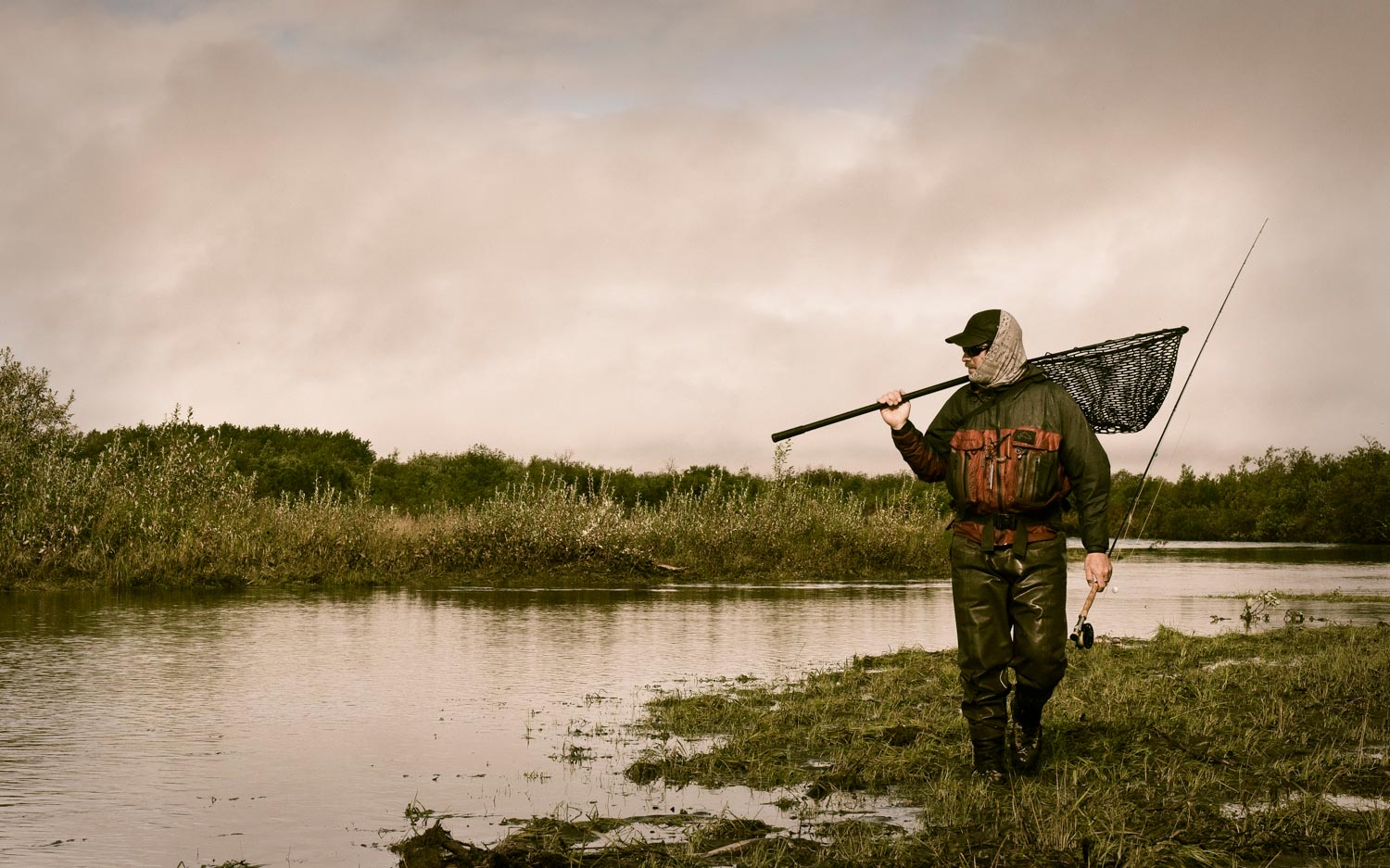
Be warned, the Pebble Mine is not a settled issue.
The risks to one of the most important watersheds on the planet are still very much alive. Progress has been made and Pebble’s backers frustrated, but they certainly aren’t done. In fact, they are mustering for another fight. And that’s why I’m about to talk about how the process works and where things stand. This is going to get a little involved and pretty technical. In fact, it’s going to be downright dry at some points. Why? Because, in the wake of the Lake Okeechobee disaster in South Florida, Brazil’s mine failure and countless other catastrophes, it couldn’t be more important that we understand how the political processes work, and what we can do to combat the business interests that use them. The operators on the other side are smart as hell, well funded, patient and motivated. To the extent that they understand the playing field better than us, we will continue to lose these fights at every turn. So what I’m writing to you today is part educational and part motivational. I want you to understand where things stand, why and what that means for the future. Because assuming victory now would be like turning our back on a wounded and cornered big cat. That is to say, unadvisable.
Pebble Mine has always been a concept.
We’ve treated and spoken about it like it was a business, or a big gaping hole in the ground, but it’s never been that. It’s been a proposal for nearly a decade. That’s what the entire fight has been about. How would foreign companies be allowed to remove the copper, gold, and other resources that lie in the earth at the headwaters of Bristol Bay? To complicate matters, Pebble Mine has never even reached the point of being entirely proposed. Complete permits have not been filed. Detailed plans have not been drawn. Thus far the fight has simply centered on what parameters the proposals will eventually need to meet. In other words, based on the very preliminary sketches of how the people that own the mining rights at Bristol Bay would like to proceed, the EPA decided to highlight some of the standards the fully completed proposal would have to meet. That’s how early we are in this fight. The rules of engagement are the only things being argued about thus far. We’re still deciding who gets what chess pieces. After the fight defining the rules gets settled the concepts for how to extract will be set forth and we will fight about those. The problem with concepts is that they are hard to kill and infinitely replaceable with another idea. So let’s take a step back and see how the real machinations of the Pebble Mine situation work.
We’ll start here. We know that there are about half a trillion dollars’ worth of natural resources buried in the ground on the proposed Pebble site. That’s a fact. It’s science, and it doesn’t do anyone much good to argue it. The State of Alaska knows that and they did what governments do with potentially developable resources. They sell the right to extract them to the highest bidder. These are mineral rights, or leases and they are traded every day. In this case, a company named Northern Dynasty Minerals, based in British Columbia, leased the rights to extract the minerals from the proposed Pebble site.
Northern Dynasty has neither the resources (think cash) nor the expertise to develop a grand scale mining operation. In fact, they don’t have anything. They are simply a corporation that owns one asset. That asset is the lease to mine at Pebble. Situations like that make governments a little nervous. They don’t want to lease valuable mineral rights to wildcatters or any other yahoo that can scrape a few bucks together. So in the lease agreement there will be provisions that require the company have the financial means and expertise to exploit those resources. Northern Dynasty did this by partnering with the three of the biggest copper mining firms on the planet, forming the Pebble Partnership. Three companies with more money than god and all the expertise on the planet on how to get metal out of rock and turn it into the wires in your iPhone. Established companies, big companies, necessary companies for our modern society to run. Anyway, these 3 powerhouses lined up to be the boots on the ground that, for a majority of the revenue, would develop and operate the mining operation and pay Northern Dynasty a cut for being the leaseholder. So far, so normal.
Enter the EPA.
In the normal course of events
Read More »Sunday Classic / The Scott F2 Blows My Skirt Up…Again!
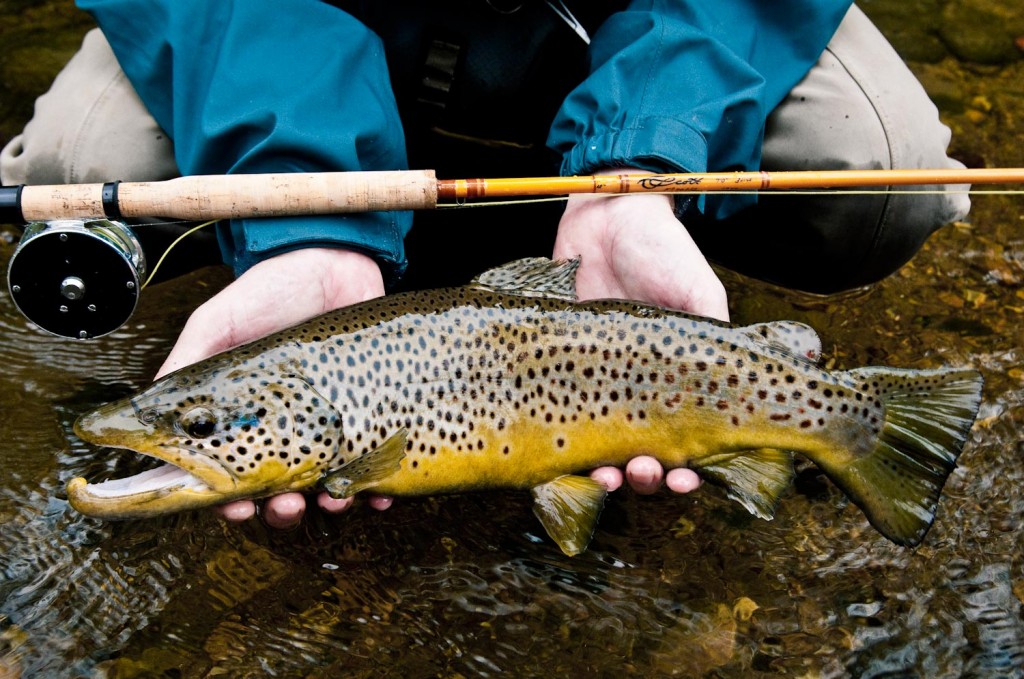
I FELL IN LOVE WITH THIS LITTLE FIBERGLASS BEAUTY ON THE CASTING POND AT THE IFDT SHOW IN NEW ORLEANS IN 2011.
Jim Bartschi, president of Scott Fly Rods, saw me throwing long graceful loops with the F2 7′ 3 weight and came over to correct my form.
“This thing is awesome!” I told him.
“Thanks,” he replied. “Let me show you what it’s made for.”
Jim knelt down at the edge of the casting pond and showed me how the F2 will form a loop casting only the leader. “This baby is designed for a stealthy presentation on small water, where a twelve inch fish is a trophy.” He showed me the wrap twelve inches from the butt of the rod. I was hooked.
It took a while to put an F2 in my collection but I did and I fished it for the first time yesterday. I thought I loved this rod, but I had no idea how much. Casting it at the casting pond was fun but fishing it was bliss. I fished with my good friend Dan Flynn. On the second run we fished, he asked if he could cast it. He never cast his rod again. We shared the F2 for the rest of the day.
The action of this little rod is like butter. It drops a dry fly with the delicacy of bamboo and is as accurate as a Seal team sniper. It’s quite possibly the best roll casting rod I’ve ever fished but the real treat comes when the fish is on. The F2 bends to the cork. I know Jim made this rod for a twelve inch fish and we caught those too but my first fish on the F2 3wt was eighteen inches and it was a party. Dan landed a twenty-four inch
Read More »Saturday Shoutout / Deeter on Rod Reviews
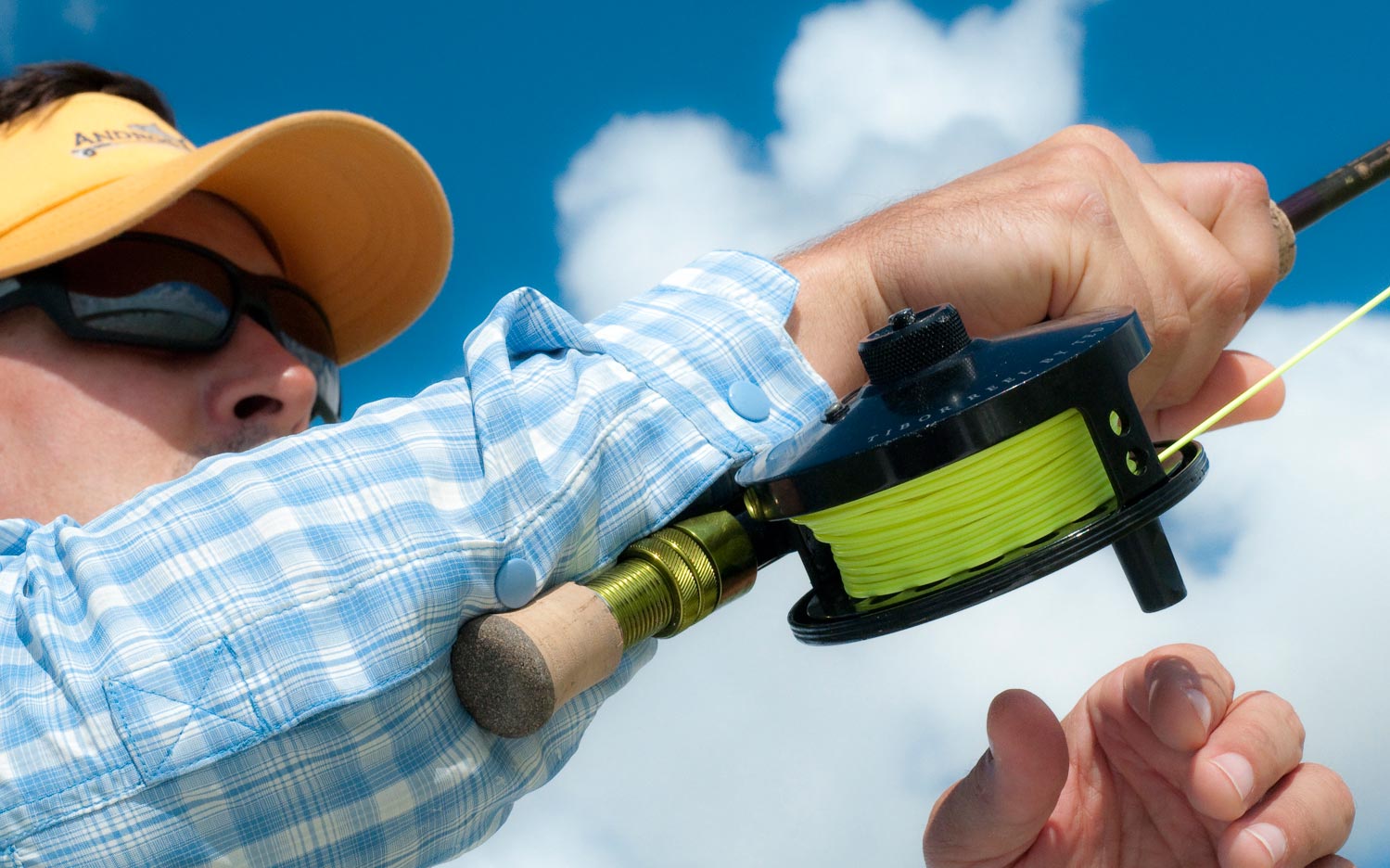
If you ever plan to buy a fly rod you should read this first.
I’ve written my share of rod reviews. I’ve recommended rods I love and tried to be clear about the virtues and shortcomings of each. I’ve been praised, blasted, questioned and on occasion trusted but in the end I have always tried to make it clear that I’m only expressing my opinion.
My buddy Kirk Deeter (yes we’re still friends) has written the best article I’ve seem on the subject. In typical Deeter, no-BS style he tells you exactly what you should know before you buy a fly rod based on anyone’s review. His, mine or anyone else’s.
CHECK OUT “THE TRUTH ABOUT FLY ROD REVIEWS.”
Read More »Cool new packs from From Vedavoo
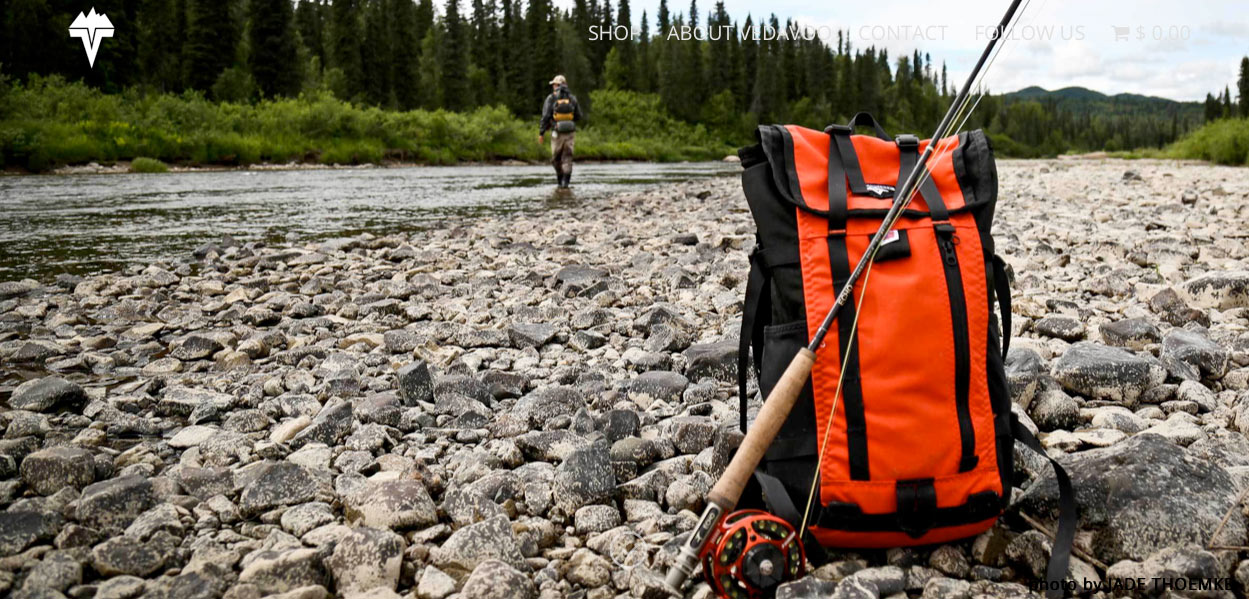
Vedavoo is rocking in 2016
I have to confess, I love seeing this brand succeed. I remember the first time Scott Hunter showed up at IFTD with his hand sewn fishing packs he made in the garage. I knew then I was seeing something special. Now Vedavoo is taking off in a big way and it’s richly deserved.
If you’re looking for smart design and quality construction in your next fishing pack, you should check out Vedavoo. Everyone I have handed my Vedavoo pack to has bought one. This year there are some cool new options and some super creative public service projects.
CHECK OUT THIS VIDEO FOR ALL OF THE SCOOP ON VEDAVOO FOR 2016.
Read More »Fly Fishing Tip: Check Your Rig For Tangles and Unwanted Debris
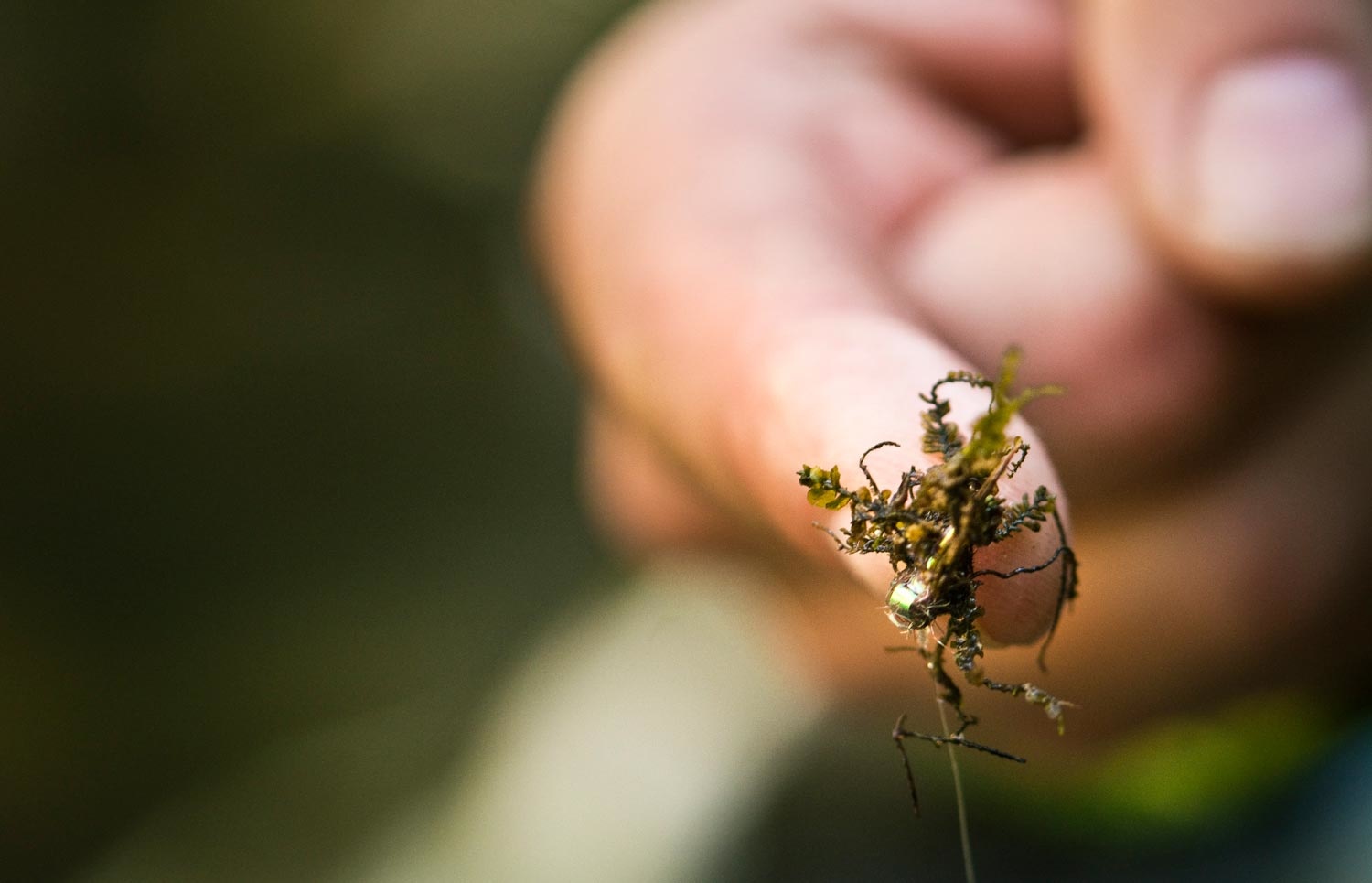
It’s really easy for us to get lackadaisical on the water fly fishing, especially when we’re enjoying our time away from work and the beauty of the outdoors. Failing to take the time throughout the day to inspect and perform rig maintenance on the water, can have you in the penalty box without even knowing it. The two most common causes are rigs tangled (dry/dropper rig or tandem nymph rig) and flies that are carrying unwanted vegetation. Next time you’re on the water and you’re not getting bites when you think you should be, stop and check your rig for problems. It could very well, be the only reason why you’re not getting your rod bent. For all you guides, make a point to inform your novice clients of the importance of doing these maintenance checks before you leave their side. It’s a valuable lesson many beginners will overlook if you don’t point it out to them.
Read More »