
Unhook Thyself! Safe, Painless Hook Removal
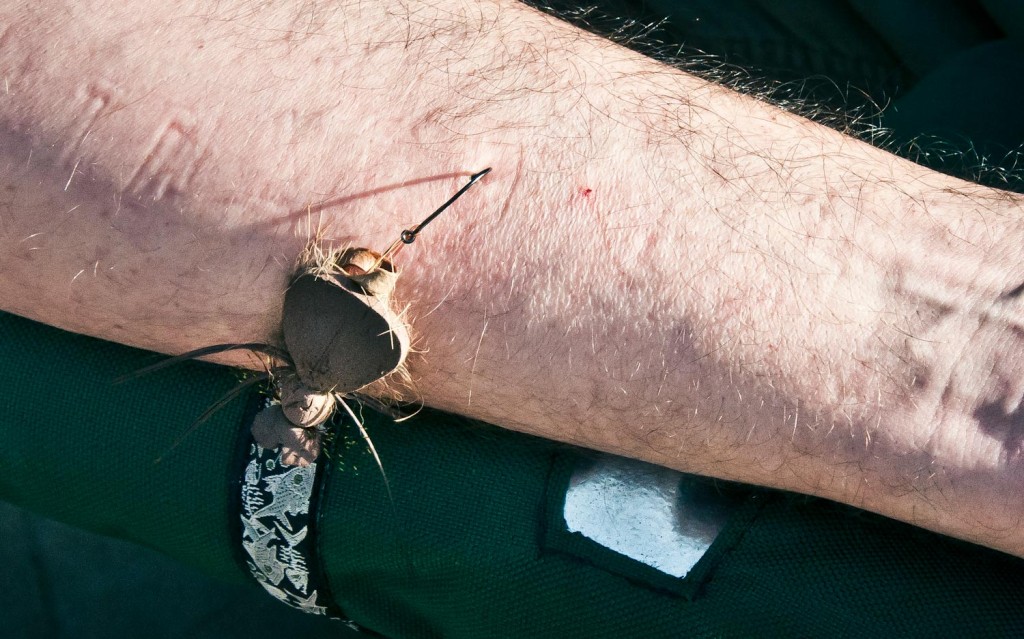
IF YOU’VE BEEN THINKING, “I LOVE GINK AND GASOLINE BUT I WISH IT COULD BE MORE LIKE JACKASS”, THEN TODAY IS THE DAY YOUR DREAMS COME TRUE!
There are two kinds of fishermen. The ones who have hooked themselves and the ones who are about to. It’s a bad feeling the first time you put a big streamer hook in yourself past the barb. You feel pretty helpless if you don’t know how to handle it. I’ve done it many times and I’m here to tell you that there is an easy, and even painless, way to get that hook out. As a veteran guide Kent has had to do it plenty and he’s a master. He’s taken hooks out of clients without them even knowing it was done.
We’ve been wanting to do this video for some time. We kept waiting for one of us to get hooked but it hasn’t happened so on a recent float on the South Holston with the guys from Southern Culture on the Fly and Bent Rod Media I decided to take things in hand and hook myself so we could show you how to deal with it. I have to say, it was harder to get that hook in past the barb than I thought. If you listen closely you can hear Dave Grossman of SCOF almost lose his lunch.
So watch and learn and please,
Read More »Weather Dictates When and How I Fish My Terrestrials
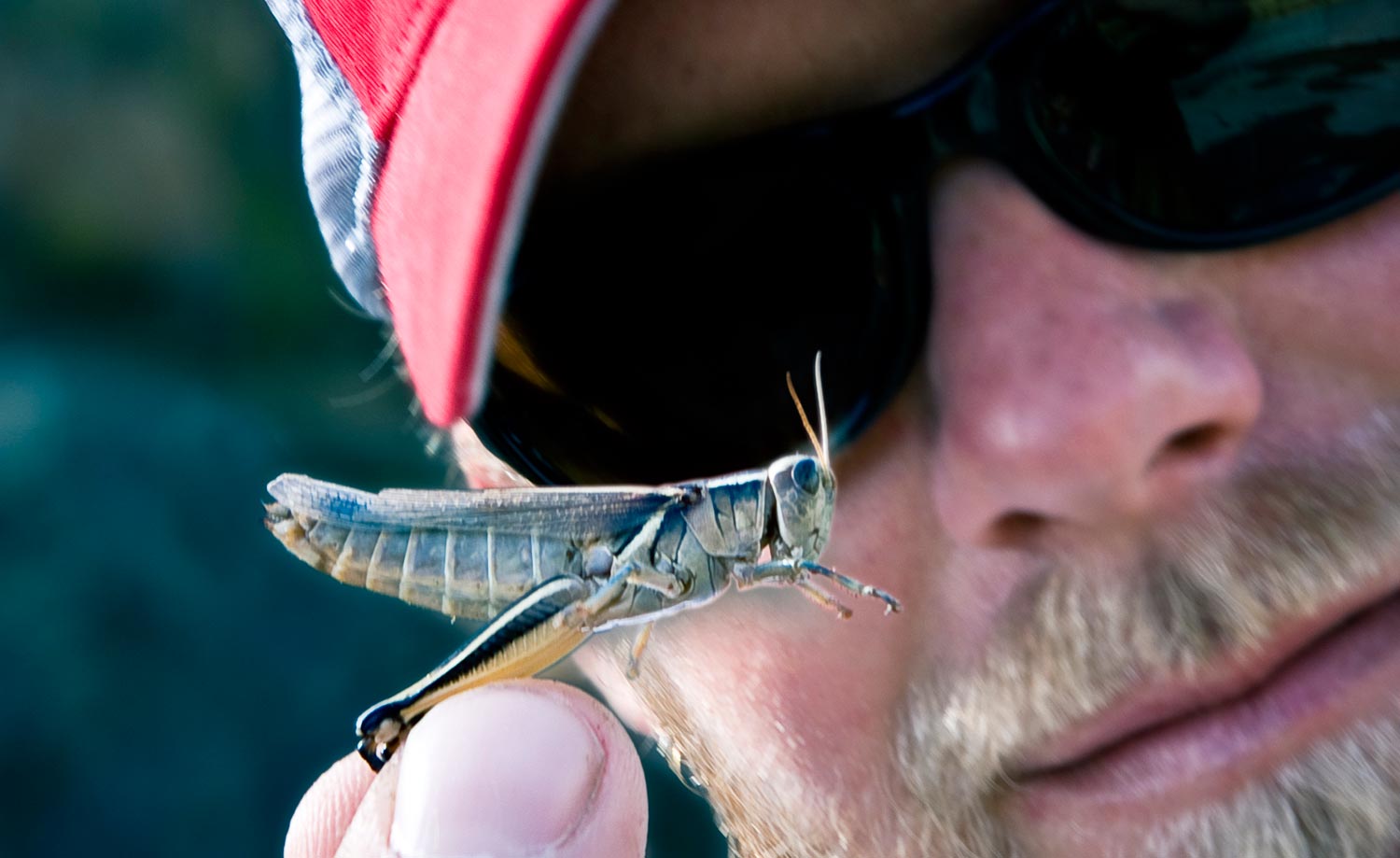
Every year, I’m asked by clients, when is the best time for them to come up and experience the terrestrial bite? For years, I kept a terrestrial fishing journal to help me better serve my clients. The journal documented the arrival times of specific terrestrials and when I first started catching fish on them. It seemed to help me for a couple seasons, but after that, I started to become too reliant on the data in the journal, and I lost sight of the most important variable of all in timing the terrestrial season–weather. Depending on what the weather is doing for the current year, it can speed up or postpone the arrival of the terrestrial season. Some years it will only sway the start of the terrestrial season a week in either direction, while other years, it can sway the arrival well over a month. Understanding the role weather plays in the lives of terrestrials can help anglers nail down more accurately when the terrestrial season will begin and peak in their area. If you can be one of the lucky few to time and start fishing terrestrials before everyone else does, you can be rewarded with some of the biggest fish of the year.
Read More »Chasin’ Sea Runners, NZ style
By Chris Dore
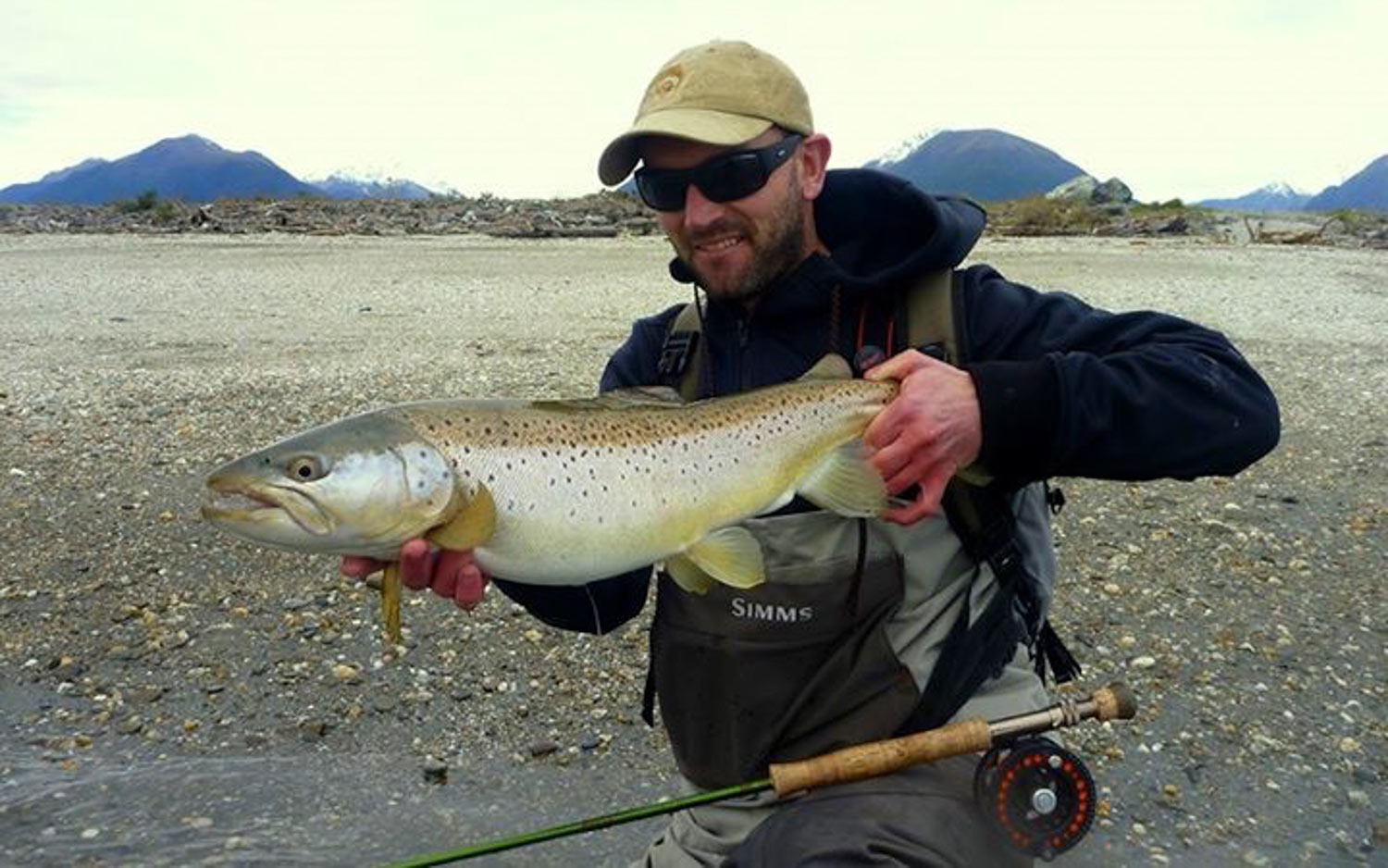
So we don’t have any Sea Trout here in New Zealand as many would know them, but we have some great sea run brown trout fishing.
Our ‘Sea Runners’ are just your standard, wild brown trout simply exercising their efficient feeding patterns: they follow the food into and out of the salt as availability determines. What this means, however, is that there are a whole lot of fat, strong, and very fit fish that don’t see a lot of angling pressure while in our estuaries… Best of all, the months our main rivers are closed are often the best times to target them in tidal areas open year round.
When whitebait run in the springtime, many upstream residents of our coastal rivers drop back to the tidal zones to take advantage of this protein bonanza. Often these fish, along with those already residing in the tidal estuaries will follow the food out of the river mouths with the tides, and patrol the adjacent beaches.
With this event currently happening here in NZ, here are a few tips to get you amongst these estuarine brawlers.
• Whitebait aren’t strong swimmers: they will swim with the current which means upstream with the incoming tide… Your flies should too.
• However a useful tactic at times is to “swim against the flow” if your flies aren’t getting noticed. With often hundreds of naturals swimming around in a uniform direction, stripping your imitation across the current will stand out and get noticed.
• Fish your flies in teams to maximize their appeal. As mentioned, there are often hundreds of naturals moving about: a solitary fly being twitched here and there will get lost amongst the masses. Instead, fish teams of two, or three flies. With every strip of line they will
Read More »Fly Fishing Alpine Lakes
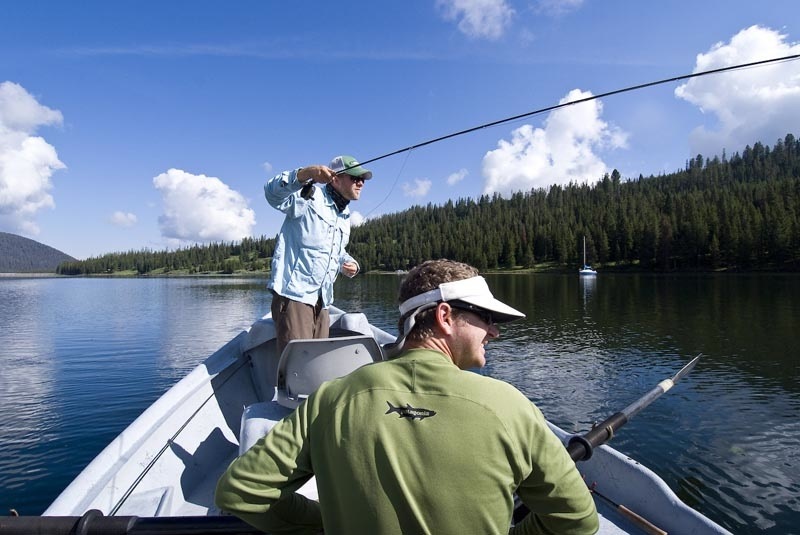
Fly Fishing on alpine lakes for trout has become one of my favorite ways to spend a day on the water.
There’s something really special about making long accurate casts to rising trout on the move. It’s very much a team effort between the fly angler and the oarsman. Often you can’t just sit in one spot and expect to get shots at rising trout. More times than not the oarsman has to stealthily row along with the cruising fish, pacing himself with the trout and their heading, so the angler can make a pin point cast just ahead of the trout.
Cutthroat Trout Release on a Montana Alpine Lake
Timing the rhythm of the trout rising is a key success factor for the angler as well. Get on the water early for the best dry fly fishing. Once the sun gets up high in the horizon most of the trout will stop feeding on top and move to deeper water. They do this for two reasons.
Fly Casting Tip – Rely On Muscle Memory for Difficult Casts
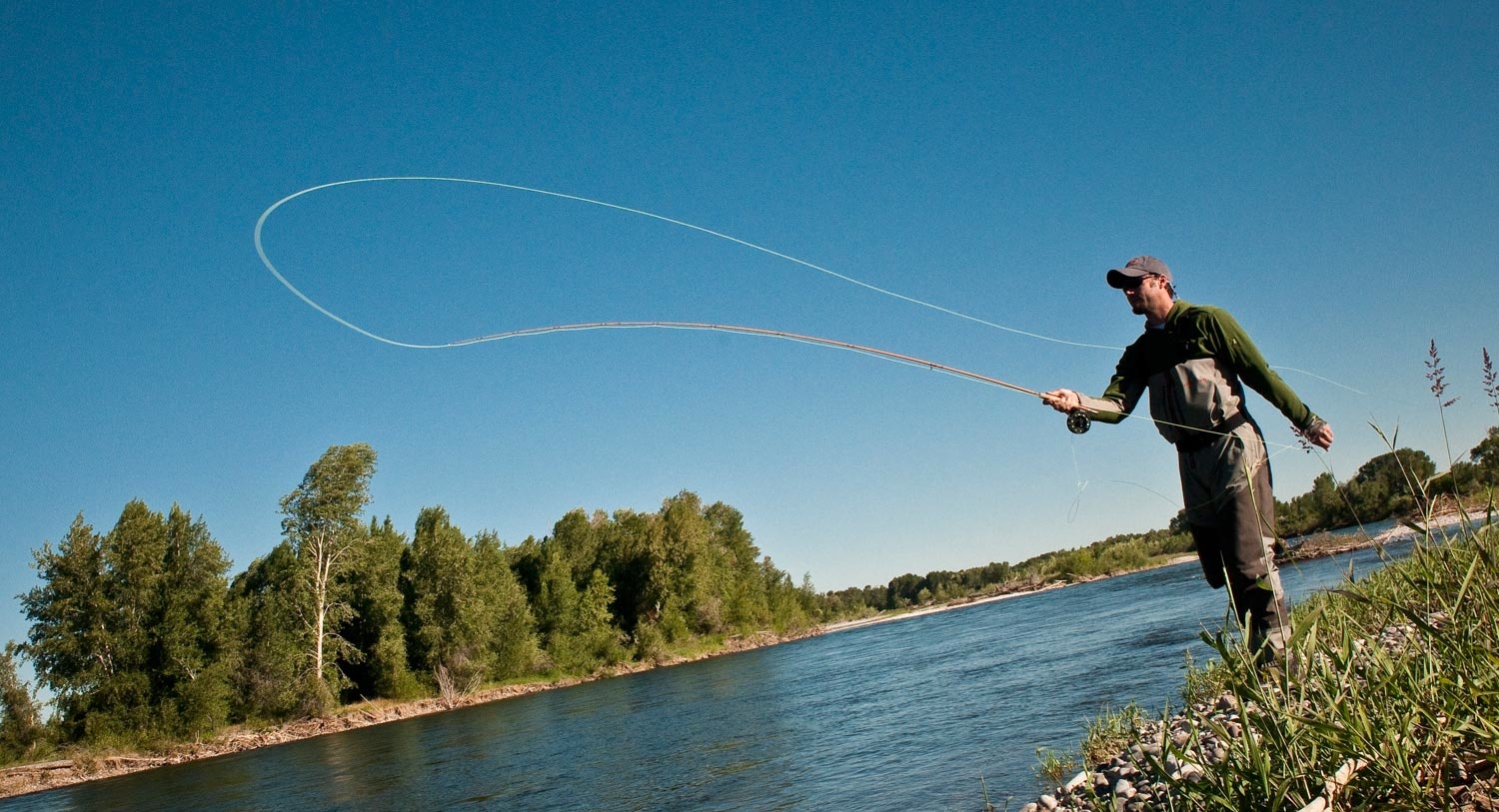
Visiting Yahoo today to check my emails, one of the headline articles titled “Why We Choke When All Is on the Line” caught my attention.
As I read the article, it reminded me of a lesson I learned a long time ago as a guide, which was, most of the time my clients cast better in tough or high pressure situations when they’re relaxed, confident and keep their head (brain) out of the game. It’s really easy to think that the more difficult a fly fishing presentation is, the more we should be trying to focus and think about every detail of our cast during the execution. According to many neuroscientists and psychologists who’ve studied why professional athletes choke under pressure, most agree that thinking too much during a task, no matter how routine it may be, can actually decrease your chances for succeeding in high pressure situations.
Read More »Peacock Bass In The Amazon, Part 2
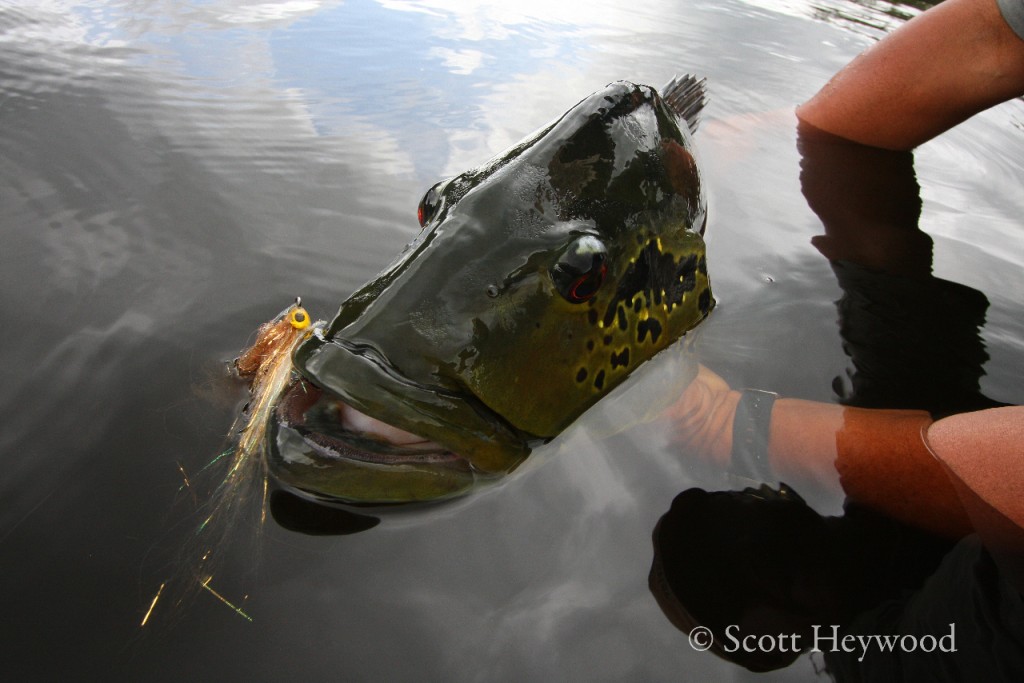
Packing for Success in the Amazon
If you haven’t read part 1, you can find it here.
Preparing and packing the right gear prior to your departure to the Amazon is crucial for your overall trip enjoyment and fishing success. Following these gear recommendations, fishing tips, and general amazon facts, will ensure that you’ll be ready to tackle the monster peacock bass you’ll encounter as well as the hot tropical climate.
One important factor that rookie amazon anglers often fail to realize is water levels on the rivers and tributaries of the Amazon River can make or break your trip. Sometimes conditions will be perfect a week or two before your departure, and a couple days before your scheduled to leave, you’ll receive an updated water level report informing you that conditions have deteriorated. It’s just part of the game. It comes with fishing a river that provides us with 1/5 the worlds freshwater supply.
Talk to any veteran peacock bass angler and they’ll quickly tell you how big a role water levels play in the fishing and how helpless you are at controlling them. Despite there being both wet and dry fishing seasons in the Amazon, sometimes the seasons end up being the opposite of what they should be for the time of the year. Your best bet for coping with this uncertainty is booking your trip with the right Amazon outfitter or lodge. The, fly fishing only, Agua Boa Lodge, located in Brazil, is best suited for coping with both high and low water levels because of its specialized equipment, exclusive location, and the diversified fishing operations.
Water Levels are Important in the Amazon
If water levels are too high, peacock bass often will move back into the flooded jungle shorelines making them difficult to coax out or present a fly to. On the flip side of the coin, if water levels are too low, your guides might not be able to access certain watersheds, or even worse,
Dunnigan’s Panty Dropper Nymph
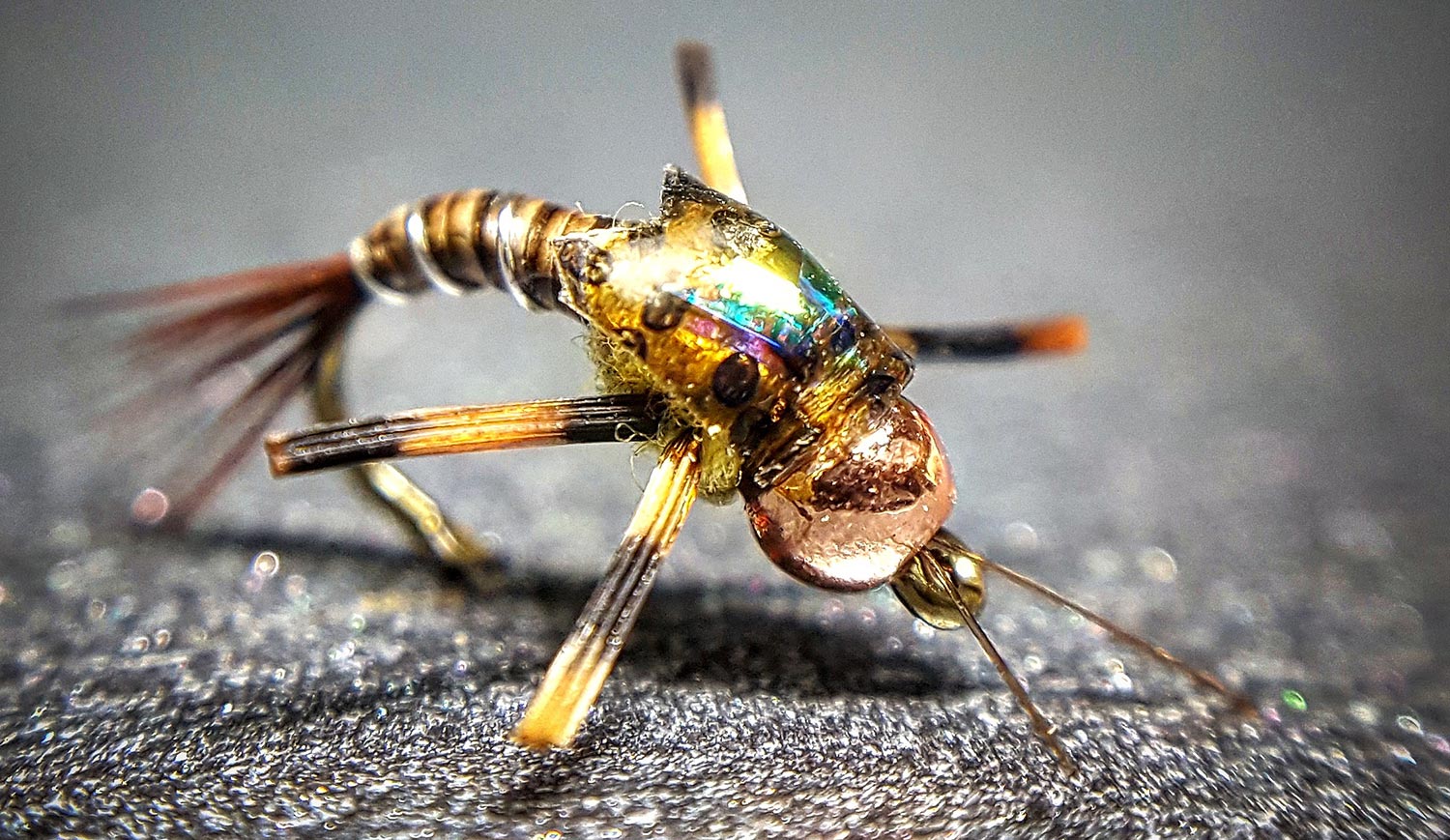
By Bob Reece Dunnigan’s P.D. Nymph is a trout magnet. As I’ve moved further into my fly tying and fishing journey, I’ve been blessed to meet some outstanding people. Casey Dunnigan happens to be one of them. A skilled welder by trade, his ability to create with his hands is evident in his fly tying as well. Casey’s inspiration for designing his Panty Dropper (P.D.) nymph pattern, came as a result of extensive time collecting live specimens. He wanted a highly accurate P.M.D. imitation that combined realistic traits, like the fibbett antennae, with enough subtle flash to set it apart from the underwater mix. The enlarged wing case of the pattern is perhaps its most dynamic characteristic. This element was included to parallel the distended state of that feature in naturals as they near emergence. I was lucky enough to get my hands on this pattern a few years ago when I traded Casey a dozen of my Beefcake Beetles for equal amount of his P.D. nymphs. The dozen that I received were size sixteens. Casey typically ties and carries the range of eighteen to fourteen. It was late summer when we made this exchange. In the weeks that followed I spent several days on a few of my favorite steams throughout Wyoming and Colorado. I was blown away by the effectiveness of this pattern as it produced multiple days of more than thirty fish to my net. Every once in a while a pattern comes along that truly sets itself apart from others. I firmly believe Dunnigan’s Panty Dropper to be one of those. This highly accurate imitation turns fish at level that I’ve seldom seen. Whether you tie or buy, take the time to add this bug to your nymphing arsenal this year. Watch this video … Continue reading
Read More »G&G’s Beginner Series: Taking the Plunge
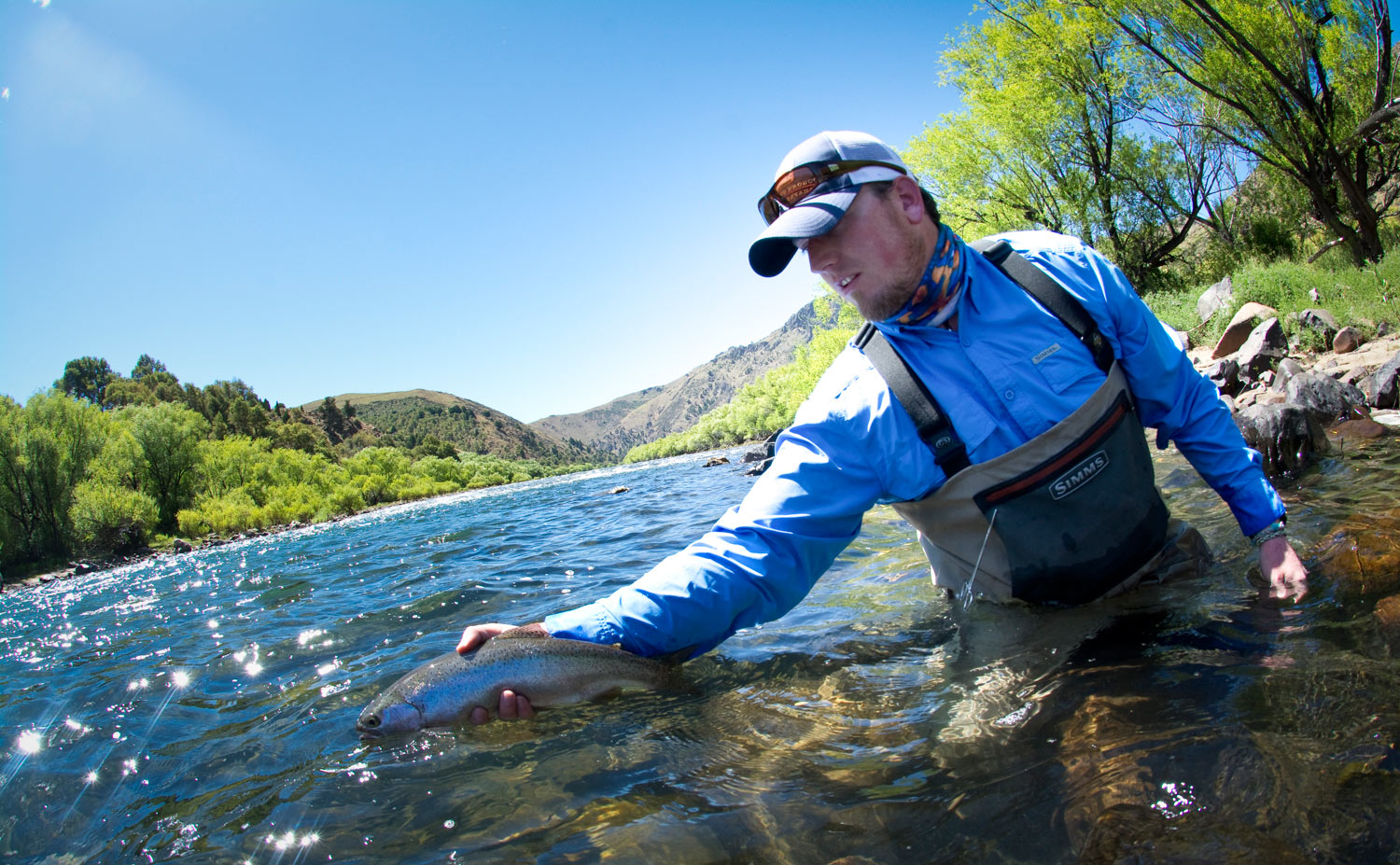
By Justin Pickett
As a beginner in the fly fishing world, it’s easy to get overwhelmed.
And confused and while meandering aimlessly through a fly shop, or magazine, or a “big box” sporting goods store. The thought, “where the hell do I start”, probably runs across just about every beginner’s mind as they try to figure out the best way to step onto the fly fishing scene. I know I had similar thoughts when getting into fly fishing many years ago.
Orvis, Cabelas, and BassPro catalogues were my only real tools for taking on the daunting task of figuring things out. Websites like Youtube and Vimeo didn’t exist, so there were no how-to videos, gear reviews, or podcasts. What the heck is tippet??? You basically learned from other fishermen, or from what you read in a book or magazine. I didn’t have any relatives that were avid fly anglers. I had an uncle who loved bass fishing, and I had been with him several times.
When I was very young, my parents purchased a small lot in the back of a cove on Lake Sinclair where I grew up drowning worms. So yea, I had plenty of experience fishing, but fly fishing might as well have been another language. Yet, something drew me to pursue it. The thought of the skill involved and the elegance of the fly cast itself. The ability to toss dry flies and poppers to bluegill and bass sounded like endless fun. And, to me, the challenge of learning how to catch trout on the fly while wading a river or stream sounded awesome.
So, where would I start? How would I put together the skills and gear needed in order to be successful and have fun while learning how to fly fish? Well, I quite literally had to just figure things out through trial and error. Quite honestly some of the only footage of fly casting that I had access to was an old recorded VCR taping of ….. yes…. A River Runs Through It…. But that’s what I had so I made it work.
No worries though.
Fortunately, you beginners these days have copious amounts of resources to use for your learning needs. Just about any how-to video, gear review, podcast, or written article is at your fingertips. This series of articles will be focused on how you can get yourself what you need to have fun out on the water and learn how to fly fish. What’s necessary, and what’s not. Useful resources and insight on recommended gear that won’t break the bank. Whether it be trout, bass, striper, carp, redfish, tarpon, or (heaven help you) permit, we’ll do our best to give you the tools you need to be a successful fly angler.
FOR NOW, HERE ARE SOME RESOURCES TO GET THE WHEELS TURNING.
Read More »Stipe Takes on Gierach and R.E.M. Records Fly Fishing Album

WHEN MICHAEL STIPE, LEAD SINGER FOR THE BAND R.E.M., MADE A STRING OF APPEARANCES ON THE COLBERT REPORT AROUND THE HOLIDAYS I WAS SHOCKED BY HIS CURRENT PHYSICAL APPEARANCE.
To be sure, none of us are getting any younger and I applaud Stipe for embracing his graying hair and changing features, but there was more too it than that. There was something eerily familiar, almost comforting, about Stipe’s new look. He carried an air of wisdom that I’d never noticed before and he almost seemed…fishy.
I couldn’t shake the feeling that there was more going on here than meets the eye. Was this just the graceful aging of a pop star or was there something else going on? Was this nature, or craft? I had to get to the bottom of it.
Possibly the greatest perk of being part of Gink and Gasoline is being on the “Celebrity A List,” so I called Michael up for an interview. I was shocked at his candor. It turns out that, not only are my suspicions well founded, they are spot on.
Read More »Men and Their Adventures
“Cuba is two weeks from today!!! Got to admit I’m a little nervous going where my phone and credit cards don’t work, and taking some ancient helicopter.”
That’s the text I got from my buddy Geoff this morning. He’s had this Cuba trip planned for almost a year but it’s only now sinking in. He’s fished all over the world, and in places a hell of a lot farther than a sixty-mile, ancient helicopter ride from a nice American hospital, but Cuba is an unknown and the unknown is scary.
“You can give my contact info to your wife,” I replied, “I can be there in a couple of hours.”
“Plenty of help here. She just worries.”
“It’s good for them to worry about us once in a while,” I answered.
I think my wife gave up worrying about me a long time ago, but there was a time I scared the living hell out of her. There is something in a man’s soul which needs adventure. Something which requires a bit of risk, the sneaking suspicion that everything might not be alright. Take it away and he becomes something else. A “man” only in description.
All of you women who are firing up your keyboards to tell me how sexist I am should calm down for a second and listen. This has nothing to do with you. I’m not making a judgment or a comparison. I’m talking honestly about what goes on in the head of the male specimen. I can’t tell you what it’s like to be a woman, but I can tell why we men do some of the stupid things we do.
“I didn’t want to tell you about this in the first place,” my mother told me “because I knew you’d do it.”
I was twenty years old and had taken a job, my mother had told me about, photographing archeological sites for the Israeli Department of Antiquities. I landed in Tel Aviv on the first plane to arrive after a bomb threat and unpacked my luggage with two M-16 rifles pointed at my head. I rode a bus to the site of the ancient city of Capernaum, on the Sea of Galilee. It was April of 1982.
“Everything is fine,” I shouted to my parents through a scratchy phone connection, which had taken the better part of twenty-four hours to make. “That was just a sonic boom.”
“I’ve been to war, son,” my father answered, “I know what a damned bomb sounds like.”
Read More »