
Saturday Shoutout / Winter Run
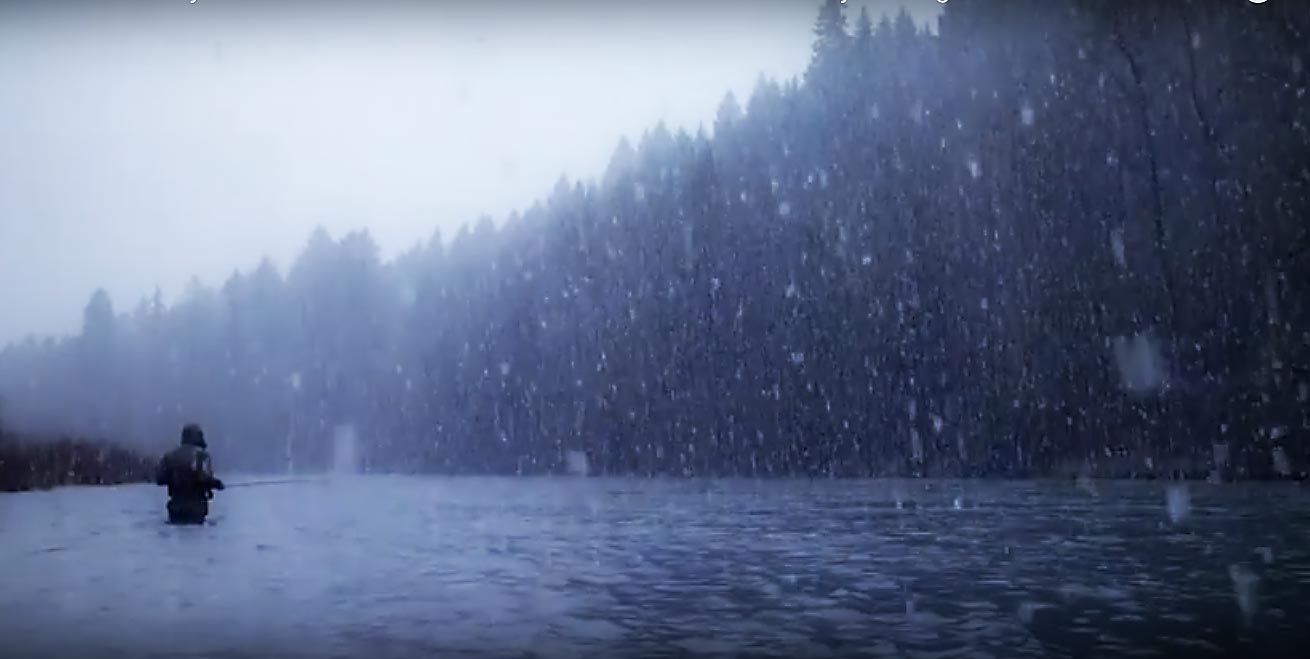
This video has me fired up for some winter steelhead.
Winter steelheading is the undiscovered territory of the soul, the place where your doubts, your insecurities and just maybe your greatest joy goes to hide. It will make you question your resolve and your sanity. When you’re back at home by the fire it will pluck at your heart until you can’t think of anything else.
This great film by Todd Moen features my good friend Jeff Hickman. Having stood with Jeff in this very river on snowy days, holding the tail of a chrome bright fish, it makes my heart ache. I hope it has the same effect on you. Jeff and I are already booking our Deschutes River Steelhead Canp for next Sept. Shoot me an email if you’re interested and I’ll get you more info. We’d love to put you on some chrome, and it will be much warmer! hookups@ginkandgasoline.com
ENJOY, “WINTER RUN”
Read More »New Airflo Fly Lines
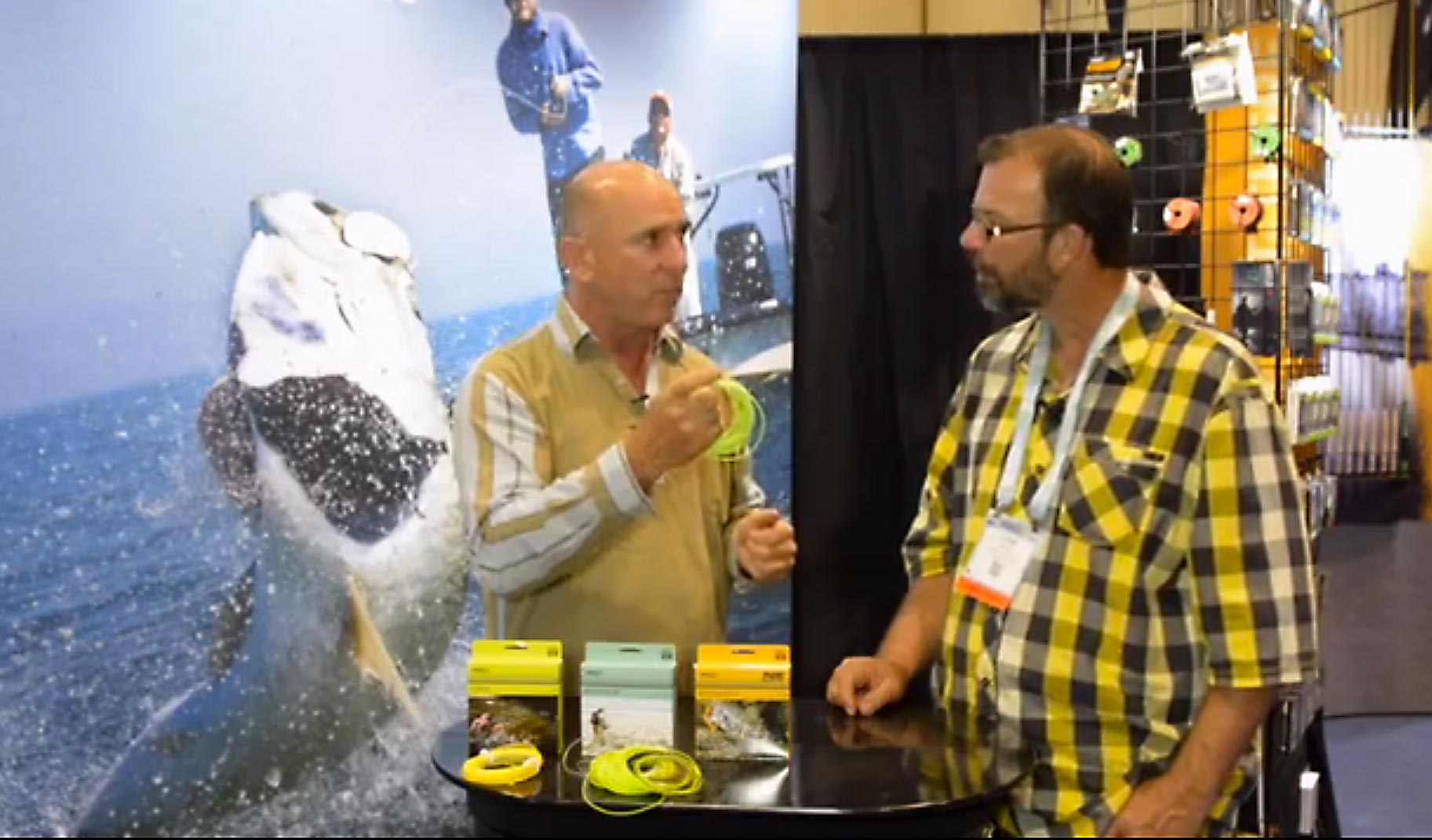
Airflo is always pushing fly lines to the next level.
Whether it’s material, technology or tapers, you can always look to Airflo for innovation. There are a total of nine new fly lines from Airflow for 2017. They run the gambit from improved Super Dri mid-price lines to some very cool special purpose lines, including surf and single- hand spey lines.
If you’ve never fished Airflo fly lines, you should give them a try. They are some of my favorites. But be careful, once you go Airflo, you may never go back.
CHECK OUT THIS VIDEO TO SEE A FEW OF THE NEW FLY LINES FROM AIRFLO.
Read More »Teaching, learning and the art of bribery.
By Charlie Warfield
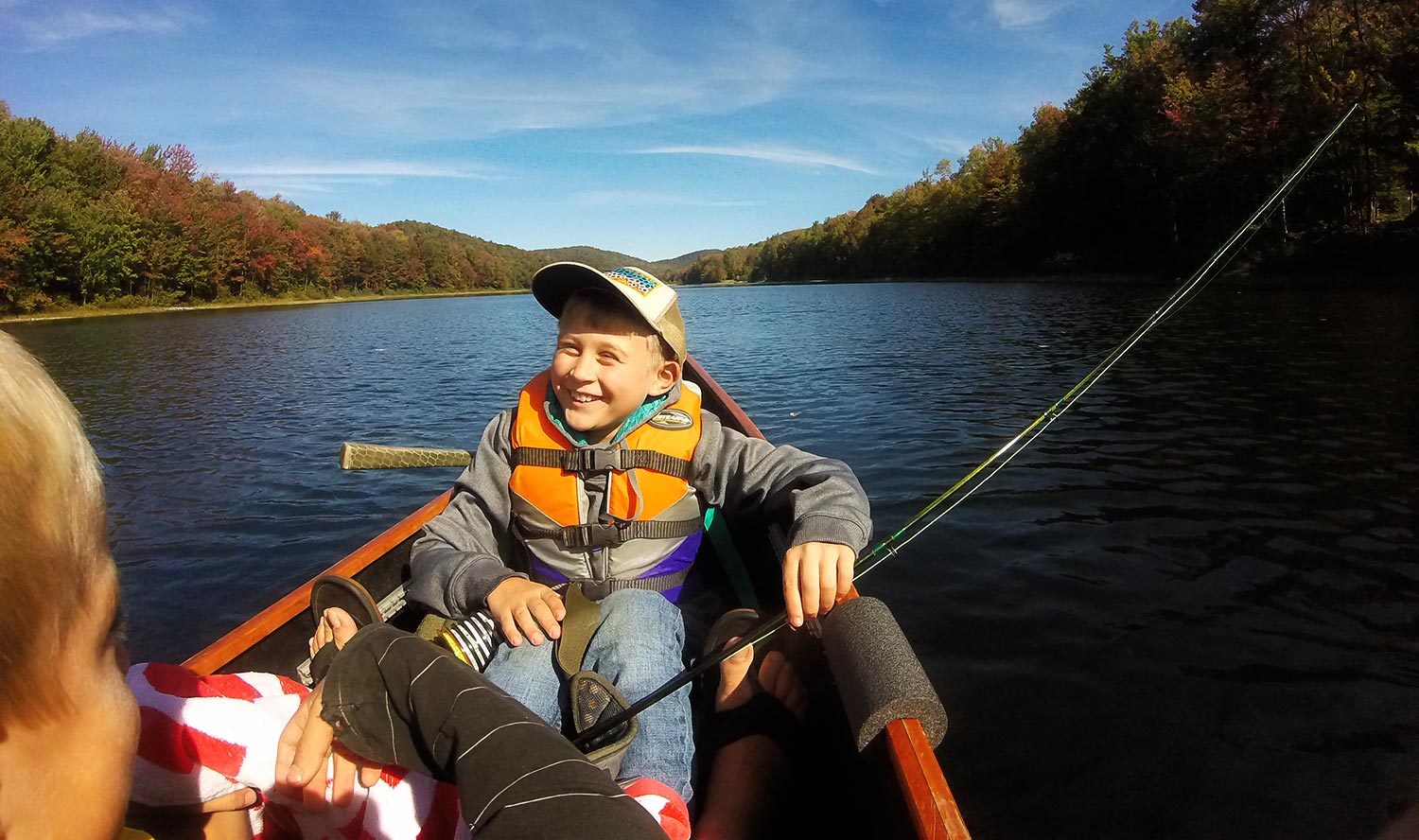
There are many advantages to having kids while you are young. And for every positive I’m sure I could think of at least one negative, but I fancy myself as more of a cup half full kind of person. So I prefer to not dwell on the negative. Despite this, I have to say that taking three boys under 10 years old fishing at the same time is not just hard, it is nearly impossible. I can get all three of my boys excited about fishing — that’s not the problem. I can get them all fired up about catching fish and they will run around the house grabbing all the life jackets and water bottles, and their fly boxes. But somehow, inevitably, by the time the canoe is in the water, the bickering has begun. Now don’t get me wrong, I am blessed with three beautiful healthy boys, they are beautiful despite the bruises and scars that they have given each other, and I know they are healthy because you have to be heathy to fight the way they do. Normally I can get them to calm down a bit once we are all in the boat. The excitement of holding the fishing pole or taking their turn paddling is a good distraction from the normal sibling disputes, and I can generally get a whole 20 minutes of relative peace and harmony. Then it falls apart pretty quickly after an hour and it doesn’t matter if we are catching fish or not. I am in full bribery mode, starting with candy and soon promising ice cream. Of course all of this points more to my poor parenting then it does to my children. After all they are kids and I am the guy in his early 30s that is losing his mind, probably (definitely) yelling at some point — which never helps, by the way.
Spending time with my boys fishing is something that I have looked forward to for years. But it never plays out the way I see it in my mind.
Read More »Fly Fishing: Don’t Overlook The Trout Water Close To You
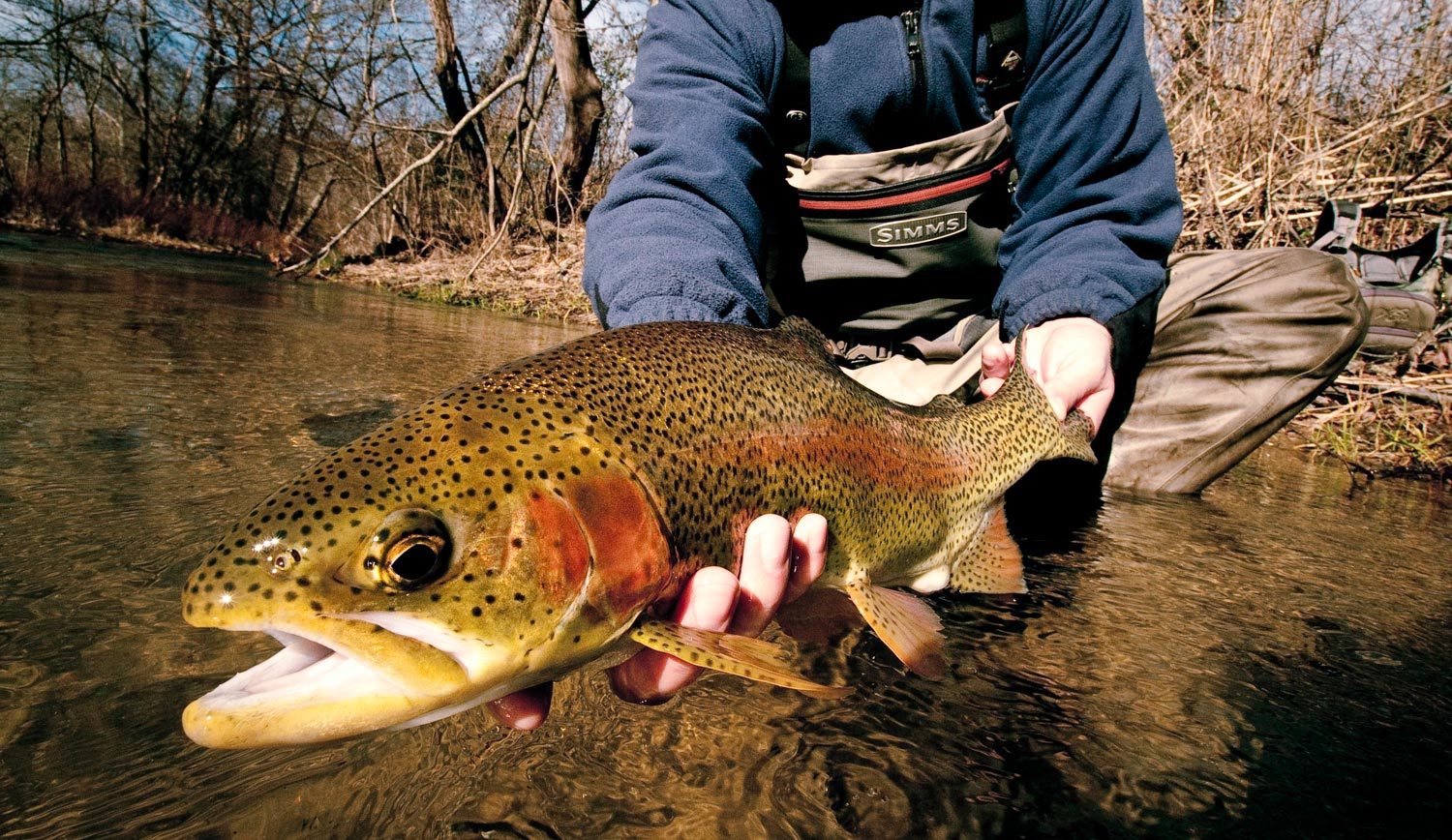
When you fish your home waters day after day you get pretty good at knowing where the trout like to hang out. But if you let your big ego convince you into thinking you know it all, that’s when the fish will put you in your place. The other day guiding, I approached a honey hole with my client and gave him the break down on where I thought he should make his first presentation. I backed up my preaching by telling him about all the big fish we had landed there in the past. I insisted that all he needed to do was land his flies off the big rock on the far bank, and he’d get a hookup. My client promptly responded, “That sounds good Kent, but let me ask you a question? Shouldn’t I make a cast on the close side first? That water looks good too?” I replied, “That’s probably not a bad idea. It definitely could hold a fish, but if it was me fishing this spot, I’d land it off that big rock and drift the far seam first.”
This is where my client put me in my place and showed me tat even though I spend hundreds of hours a year on this trout stream, I’m no physic. Despite my coercion, my client went with his gut feeling and made his first presentation to the water close to him. Then, two-seconds into the drift, his line went tight and a behemoth trout came shooting out of the water like a tomahawk cruise missile. We landed the fish, and my client looked over at me with a “I told you so” grin. I smiled and said, “What…? I told you it probably wasn’t a bad idea to fish that close water.”
Read More »Let Your Voices Ring – A Letter To G&G
Jody Martin
What follows is a letter I received from a reader. It concerns the impending public land crisis and is to some extent critical of our coverage of that issue. Given the importance of this issue to the outdoor community I have decided to publish it in the form it came to me. Be advised that it is somewhat political in nature, as is the issue. It is not our policy to publish political content, but I believe the concerns expressed are fair and not offensive and as it is in some part critical of our handling of the issue, and in the best interest of the community, I am sharing it. Thank you in advance for keeping the commentary civil. -Louis Cahill
Like many readers, I have always appreciated the direct and relatively hard hitting articles in Gink & Gasoline, a reliable source of “no nonsense” pieces that are of help and interest to many of us. In recent editions, I was glad to see several articles related to the misinformation that is guiding the proposed sale or transfer of our public lands to private or state oversight. These articles correctly point out that (1) these lands never, ever, belonged to the states to begin with, and (2) in nearly all cases where federal lands have been transferred to the state, these lands have been later sold into private hands, rendering them inaccessible or, in some cases, developing them and devastating the natural resources contained within them.
In an October 10 piece called “No Longer America,” G & G editor Louis Cahill directed us to an excellent article by Hal Herring in Field and Stream (“Transferring Control of Federal Lands Would Devastate Hunting and Fishing,” August 18, 2016) that details the extent to which states have failed in their handling of lands that were handed over to them, lands that belonged to all of us. Louis’s title comes from a quote by Randy Newberg: “America without Public Lands is No Longer America.” Related hard-hitting articles have also appeared in national fly fishing magazines, as in the summer issue of TROUT magazine, which featured three different essays (“This Land is Your Land” by Chris Wood, “Pride” by Kirk Deeter, and “Anglers Must Remain Vigilant to Protect Public Lands” by Corey Fisher), all decrying the misinformation guiding the proposed sale or transfer of our public lands to state oversight. In an earlier G & G article appropriately titled “You don’t know what you’ve got ‘til it’s gone,” readers were warned that “A group of short-sighted law makers would like to sell off your American birthright, or deed it over to states to sell it for them.” Another article, Louis Cahill’s “We Are Seriously on the Brink of Losing our Public Lands Forever,” directed us to Jason Tucker’s blog Fontinalis Rising, where he writes about our “Freedom on the Brink” as a result of these mostly western land grabs. Mia Sheppard, writing for G & G, penned yet another strong article about the pending loss of our public lands. Great stuff, all of them; all of these articles were (and are) accurate, thoughtful, occasionally even appropriately angry, and well written.
But I also found them oddly tepid in their accusations, or lack thereof. What is missing in all of these articles is the explicit naming of
Read More »Sunday Classic / 5 Tips for Beating Out the Winter Cold on the Water
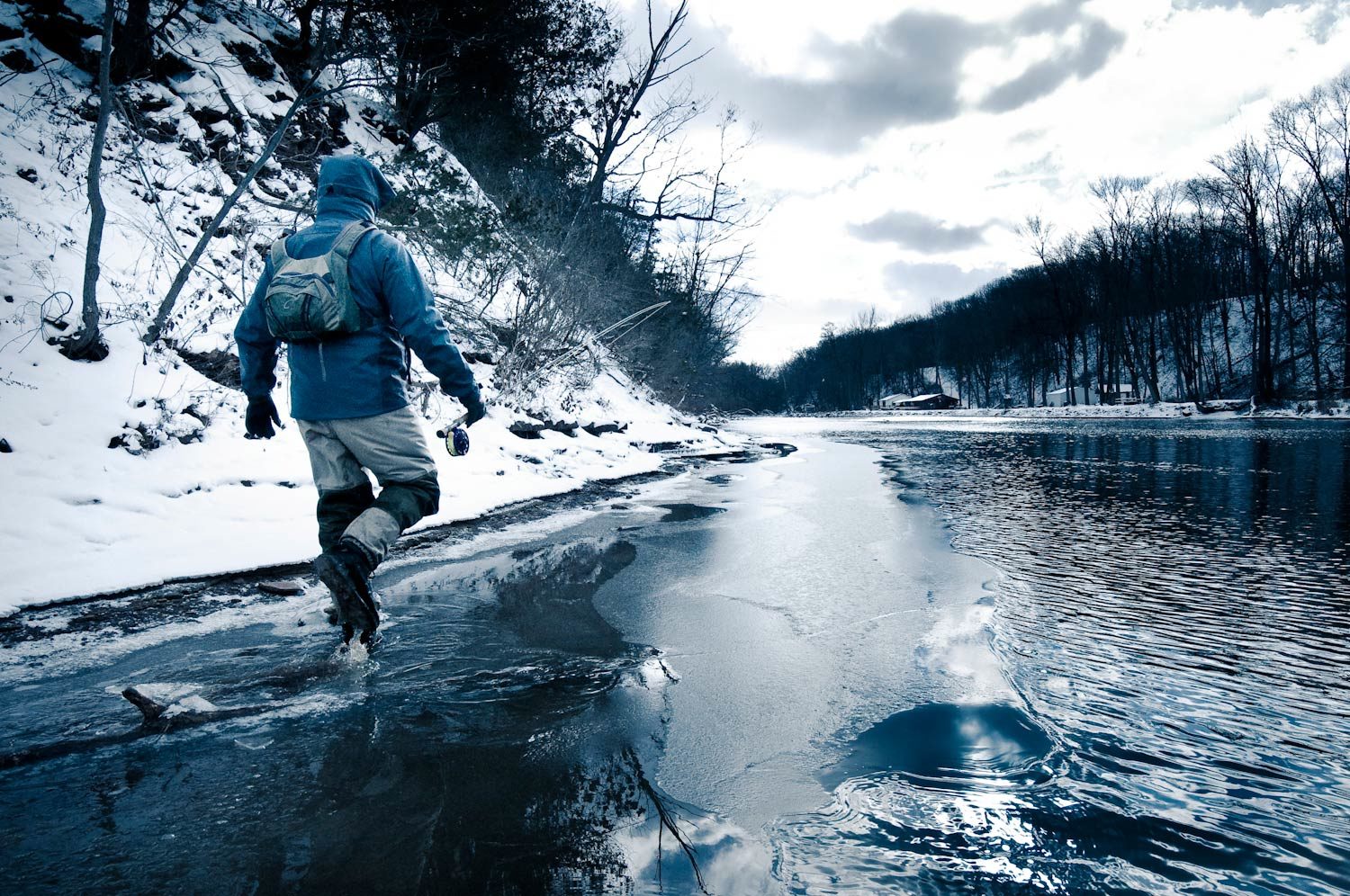
I’ll be the first to tell you that I’m past the days of heading out into Arctic conditions to fly fish unless I’m outfitted properly. Call me a wuss or nancy, that’s fine with me, I don’t care how big the fish are, you can catch them. I’ve been miserable too many times over the years and I refuse to put myself in that position anymore. If I’m unable to enjoy myself wetting a line, there’s absolutely no reason for me to be out there. Furthermore I’ve had some really close calls with frostbite in the past, and frostbite is scary stuff folks.
Read More »Saturday Shoutout / The Lowcountry
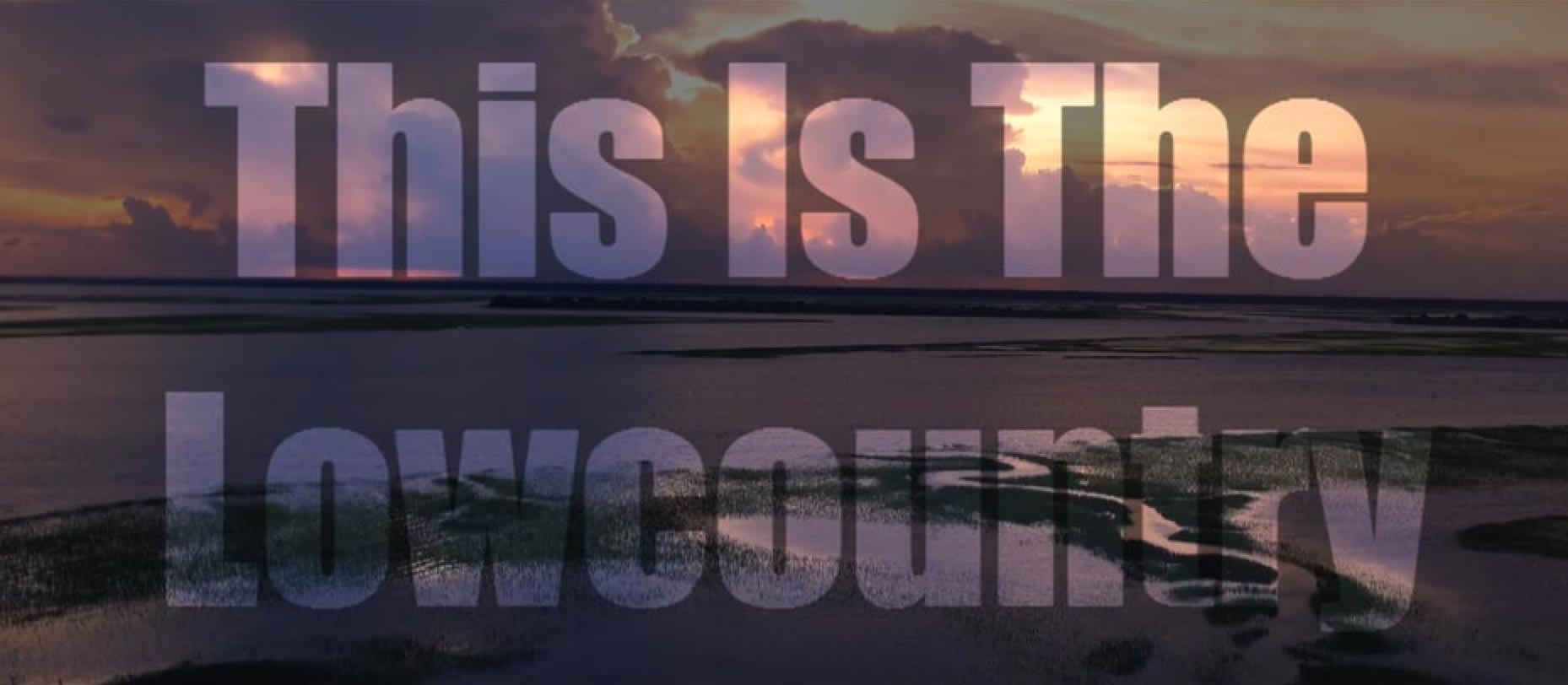
Once the low country gets under your skin, you’re never the same.
This short film by Ryan Griffin features some beautiful footage and great perspective on one of the beautiful places on earth. If you’re intrigued by saltwater marsh and tailing redfish, you’ll relish a few minutes in the world of the lowcountry.
THIS IS THE LOWCOUNTRY
Read More »3 New Dynamite Fly Rods From Orvis
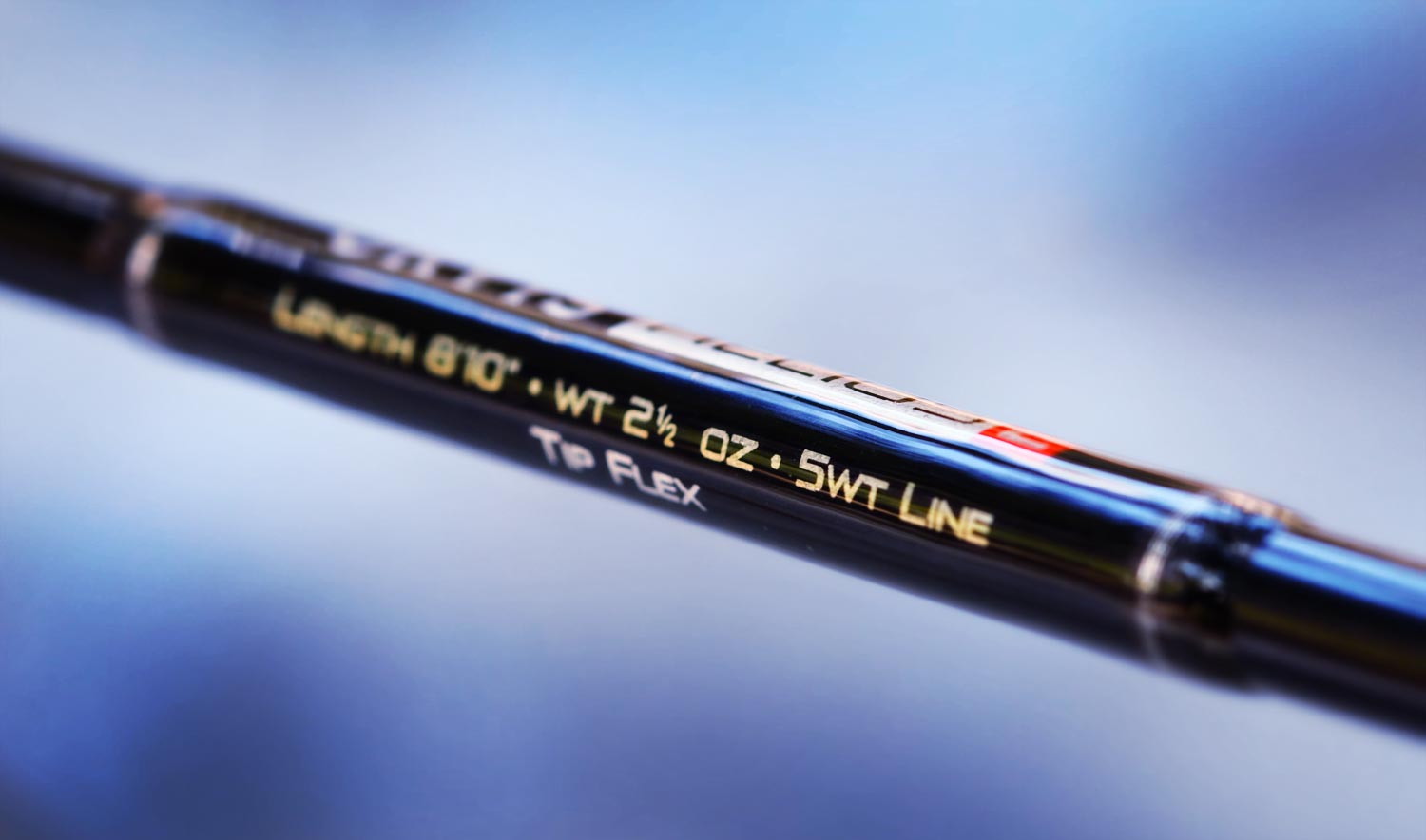
The folks at Orvis think of 2016 as the year they focused on reels, but the 3 new rods they released are all amazing.
These 3 rods are admittedly variations on existing Orvis products, but some of them are so different they are in a class by themselves. The matt black Covert H-2 is a color variation on the standard rod but a very cool one and a limited edition to be released in November.
The H-2 one-piece 5 weight, on the other hand, is a real innovation. This is absolutely one of the best fly rods ever made and must be cast to be believed. There’s also a new Recon nymphing rod that’s getting a lot of praise.
CHECK OUT THIS VIDEO FOR THE DETAILS ON NEW ORVIS FLY RODS.
Read More »Relax, Read the Water and Believe
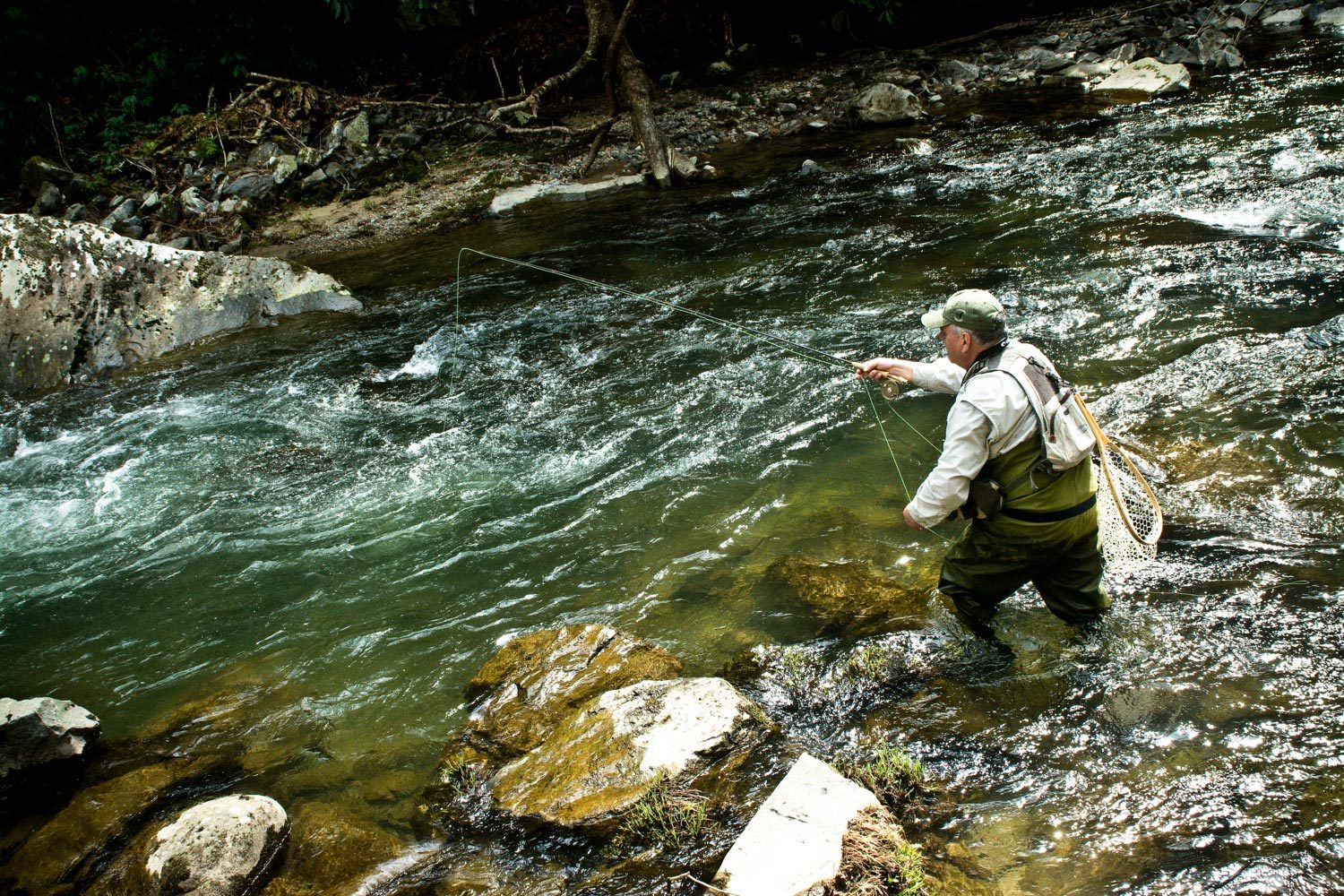
Sometimes, wanting too much can get you in trouble on the water. If you set your goals too high and lose sight of the real reason you’re out there in the first place (to be blessed with catching a few fish and relaxing), before you know it, you’ll find yourself standing in a river feeling lost and heart broken. It’s not that wanting is bad, it’s just that too much of it, like most things in life, can be detrimental. Want has the ability to turn into greed very quickly if you aren’t careful. And fly fishing with greed on the mind is the quickest way to doom yourself to failure. Greed fogs your mind, keeps you from thinking rationally on the water and your fishing, in turn, suffers.
Read More »Sunday Classic / 14 Ways To Prevent Fish Mortality
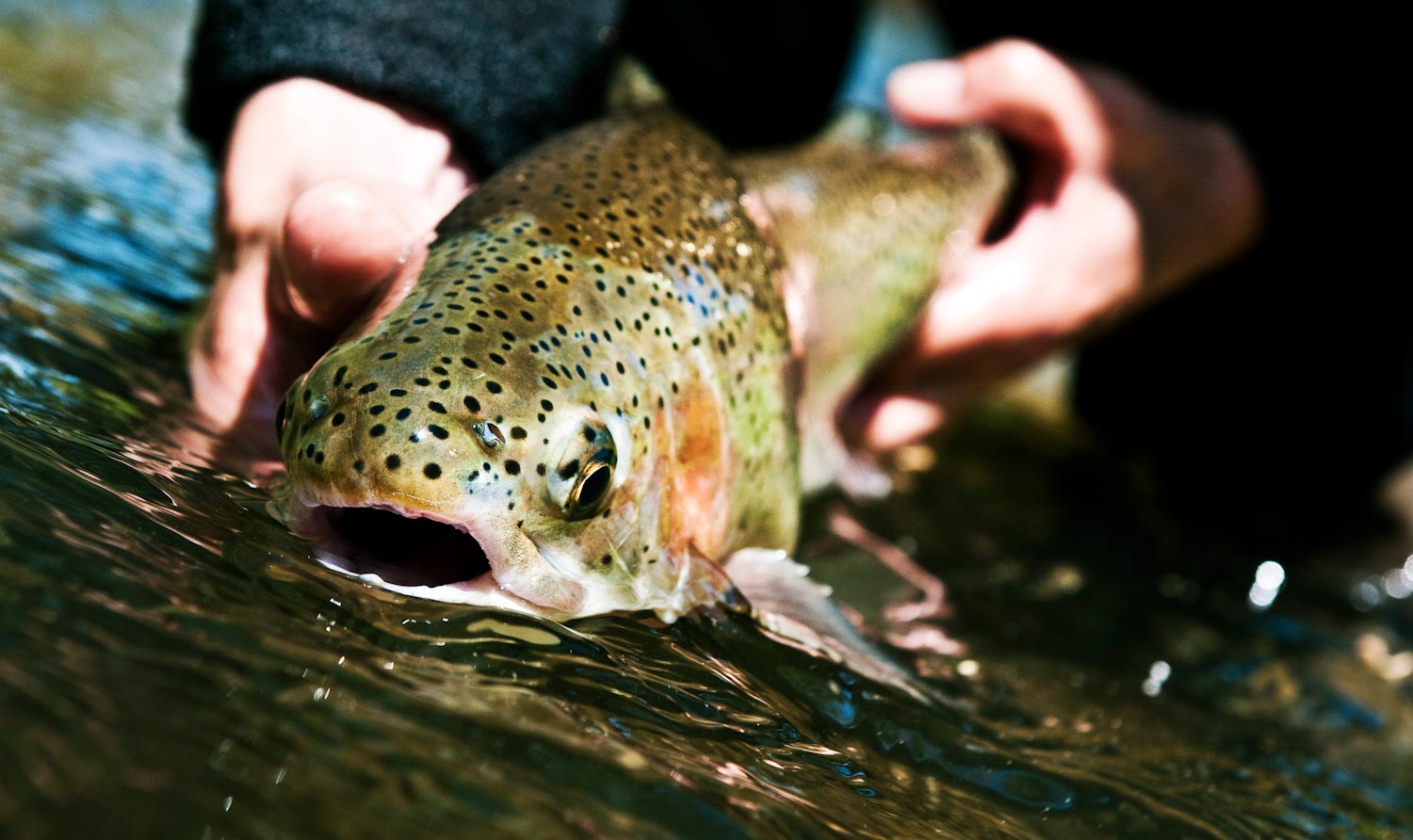
The years we spend learning to cast and drift a fly or the thousands of dollars we spend on gear and travel are all wasted if we don’t have fish. With more anglers entering the sport every day, sport fish are heavily pressured and in grave danger. There are a lot of common mistakes that anglers make which contribute to fish mortality. Most are innocent and many don’t show an immediate risk. With that in mind here are fourteen tips to help keep our little friends happy and healthy. The 10 second rule A fish’s gills are remarkably efficient at collecting oxygen but the delicate membranes that extract the oxygen molecules rely on their buoyancy to keep the collecting surfaces exposed. Out of the water they collapse and are useless. This is to say the obvious, fish can’t breathe out of water. It’s easy to over estimate how long a fish can hold its breath. The fact is, a fish can’t hold its breath at all because it doesn’t have lungs. He is out of air as soon as you lift him from the water. Add to this that his metabolism is raging because he’s been fighting for his life and you have a pretty desperate situation. While you are trying to get that hero shot, he’s dying. Use the 10 second rule and never keep his head out of the water for more than 10 seconds and give him a good 30 seconds before you lift him again. Hold on loosely I can’t tell you how many times I’ve seen guys squeeze a fish until its eyes pop out. Some guys just get so rattled holding a fish you’d think they never saw one. This death grip can cause serious internal injury especially to the heart. The trick is … Continue reading
Read More »