
The Drum Major Instinct
By Louis Cahill
I challenge you, no I dare you, to listen to this recording.
On the anniversary of Dr. Martin Luther King Jr.’s death, I decided to spend some time listening to old recordings of him speaking. The last thing I expected to hear was Dr. King sum up my feelings about fly fishing perfectly but, through some magical synchronicity, there it was. I don’t know that Dr. King ever touched a fly rod but, as a group, he sure had our number.
It came up just the other day, listening to a fly fishing podcast. My face flushed and blood boiling as I listen to a couple of fishing guides talk about people getting recognition they “didn’t deserve.” If you haven’t done this yourself, you’ve heard it. The advent of social media has been a real thorn in the side of the folks who consider themselves the fly fishing elite. Suddenly, all sorts of folks are getting attention online and old guard are faced with a platform they don’t understand and what they see as undeserved power.
Don’t misunderstand me, there is a lot of horse shit on social media. In general, I have a fairly dim view of social media and the irony of that is not lost on me. What makes me angry is the idea that some group of elitists owns fly fishing. I’m not very good at articulating it, irony again, but it’s a real hot button issue for me. It has been my sole focus, since starting G&G, to try and create a place where all are welcome and equal. To make fly fishing more inclusive and less exclusive. This idea of who “deserves” followers, or pro-deals, or sponsorships flies in the face of everything I believe.
Dr. King calls this the Drum Major Instinct. The need to be out front, leading the parade. The drive to feel that you are better than others. The real need for
Read More »Deschutes Steelhead Camp: Video
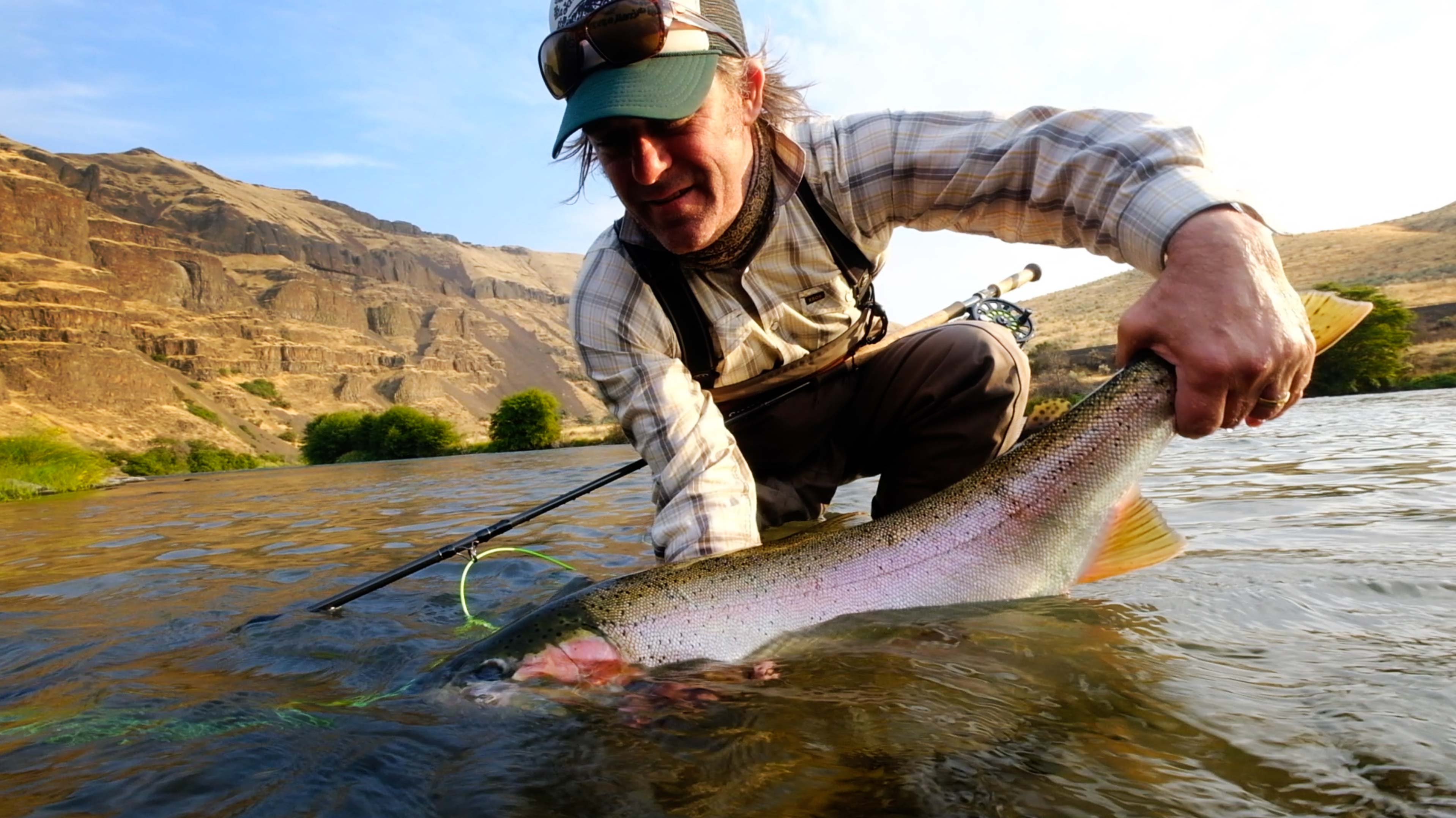
Now is the time to book your trip to the Deschutes River.
This trip is one of the funnest fishing opportunities you’re likely to find. Camping in style on the banks of the Deschutes River and chasing steelhead with a small group of good spirited anglers and great guides. What more could you ask for? If you are interested in forgetting about the stress and hustle of life, this is the place to do it.
This short video will give you a taste of Steelhead camp. You’ll see some of the beautiful scenery, thrilling jet boats rides, and you’ll see my buddy Mark Haffenreffer land sweet B-run steelhead.
Read More »Sunday Classic / Protect the Head of Your Nymphs with Thin Skin
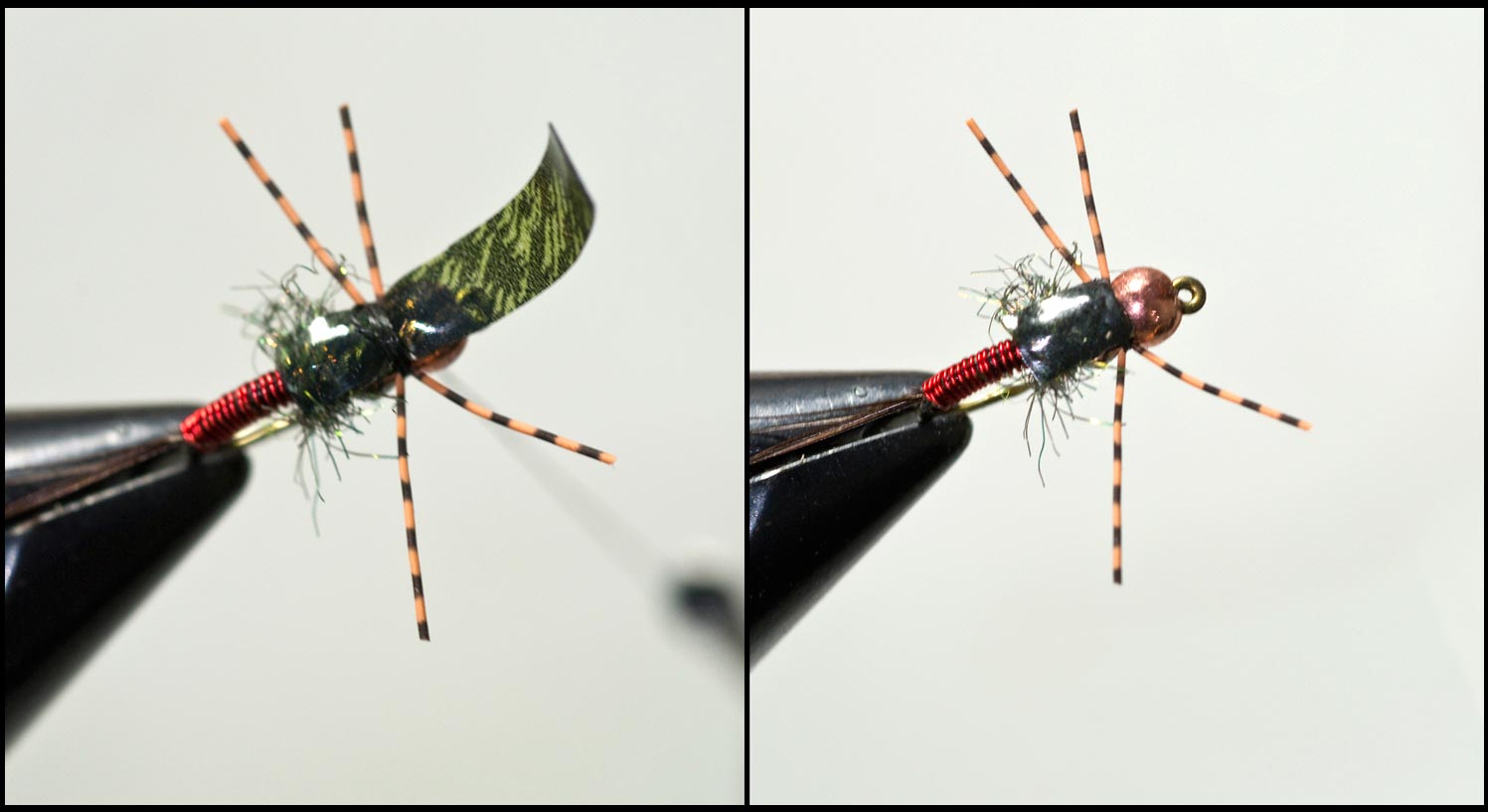
The more durable a fly, the more fish you can catch on it and the longer the life of the fly will be. Making a point to tie and purchase your flies with durability in mind will save you time at the tying bench and keep a little extra cash in your wallet. Nymphs in general are the work horses in our fly boxes. They’re constantly getting beat up from banging against rocks on the stream bed during our drifts. One way I increase the durability of my nymphs is to finish off the heads of my flies by folding over and super gluing down a piece of thin skin. This tying technique covers the vulnerable thread at the head of the fly and makes a nice looking nymph wing case. In some cases, like with my rubber-leg copper john version above, I use
Read More »Saturday Shoutout / The Sexualization of Fly Fishing
By Justin Pickett
I RECENTLY CAUGHT A GREAT PODCAST FROM THE BARBLESS PODCAST THAT WAS AIRED JUST A HANDFUL OF DAYS AGO.
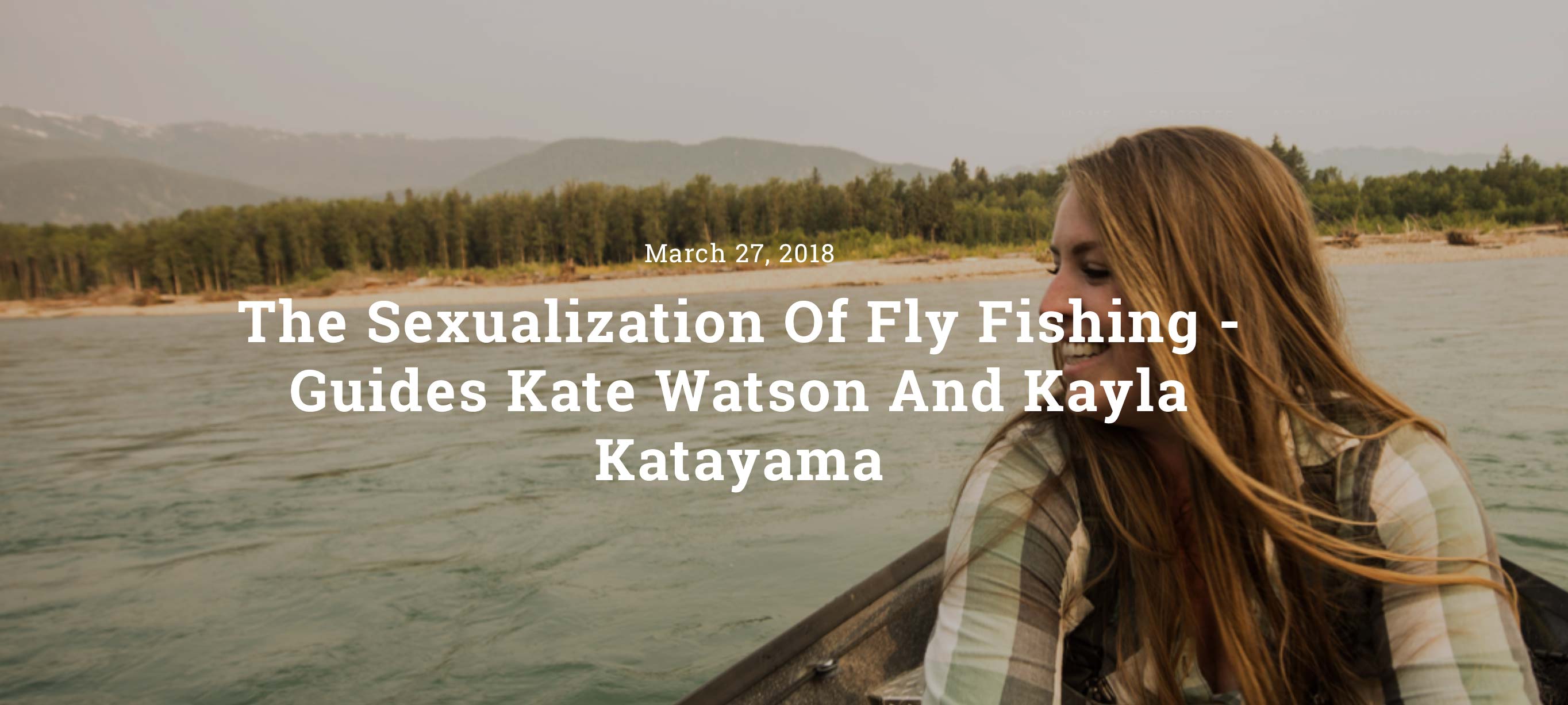
The subject matter during the conversation, hosted by Chad Alderson and Nick Hanna, was centered on the ever-growing social media accounts, posts, videos, and images revolving around half-naked gals holding fly rods and fish. Are these ladies good for fly fishing? Are they legit anglers, or just pretty faces hungry for followers? Where do they fit in? Is there a place for them in fly fishing at all? Who better to weigh in on this heavy topic than a couple of veteran female guide/anglers? Kate Watson and Kayla Katayama do a great job discussing some of the challenges that social media brings with these types of accounts, as well as not-so-legit anglers and guides, pro-staff gluttony, and self-promotion. It’s a great discussion that hits a lot of nails on the head!
THE SEXUALIZATION OF FLY FISHING
If you want to check out Kate Watson’s first article, Insta-Perversion, click here.
Response to Insta-Perversion
Read More »Presenting Your Fly to Migrating Tarpon
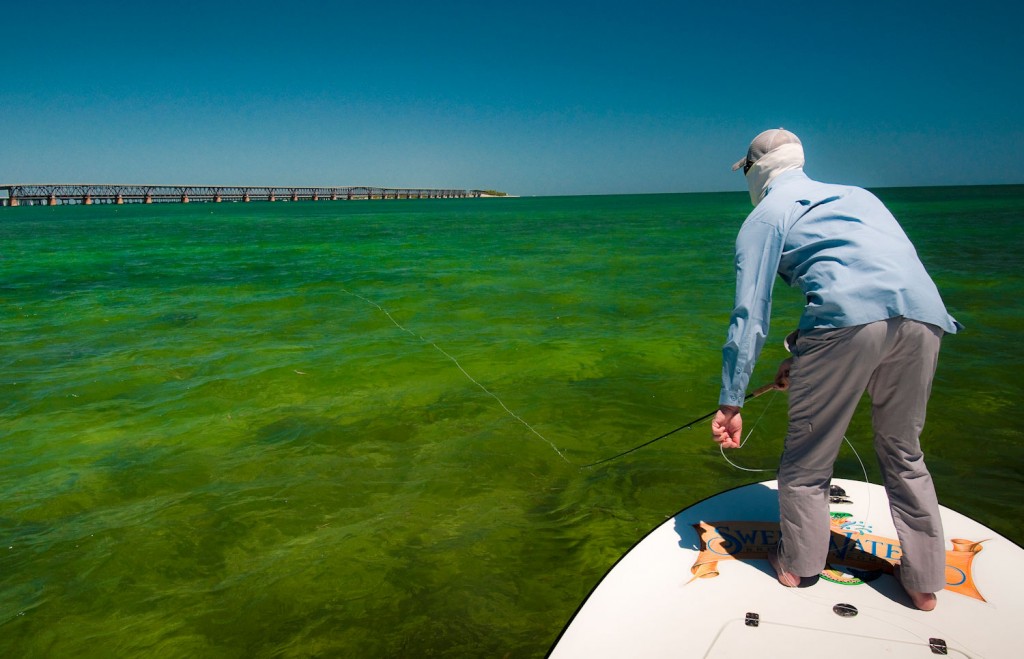
There’s definitely some strategy involved in tarpon fishing. Migrating tarpon offer the fly angler a great opportunity for a close in counter with the silver king, but you have to play your cards right. Many anglers have watched big schools of tarpon vanish right before their eyes, leaving them to shrug and ask, “what’d I do?” Often there is nothing wrong with the fly,or the cast, except that it was shown to the wrong fish. Migrating tarpon play a curious game of “follow the leader.” when you see that school coming its tempting to lose your patience and cast to that big lead fish, but that’s not the way to go. That lead fish is out there on her own, blazing the trail for the whole school. She’s wary and quite cautious, that’s her job. Almost anything will spook her and the school will follow her lead. Her followers however are a different story. Generally male, they are focused almost completely on her. Sound familiar guys? Ever made a bad decision while you were focused on a female? Those males feel secure because the lead fish is their lookout. If she isn’t spooked they feel like everything is as it should be and if a careless bit of food gets past her they have no problem scarfing it down. Those are the fish you want to target. It’s possible to get many shots at a school of tarpon as long as the lead fish keeps her cool and the more shots you get, the better your chance at a hookup. Check out the video and our buddy Joel Dickey will show you the best presentation for a migrating school. Louis Cahill Gink & Gasoline www.ginkandgasoline.com hookups@ginkandgasoline.com Sign Up For Our Weekly Newsletter!
Read More »Tiemco Magnetic Adjustable Bobbin
By Bob Reece
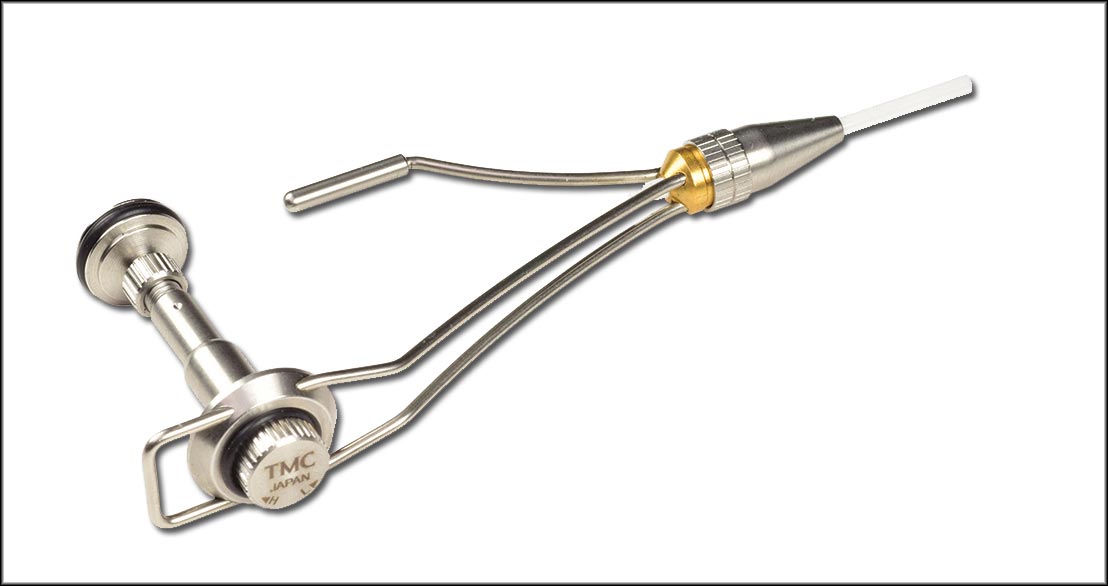
The line between necessity and advantageous varies from person to person. When Tiemco produced its Adjustable Magnetic Bobbin, it sparked frequent discussions among tiers regarding these two categories. My curiosity finally got the best of me and I decided to give it a spin.
While aesthetics may not be critical, this TMC bobbin is easy on the eyes. From a more functional standpoint, the standalone feature results in an easy pickup between uses. It also eliminates the need for any sort of bobbin holder. Additionally, the neck of the bobbin is adjustable. This allows the tier to set the desired length depending on both hook size and pattern style. Complimenting that is a thread catch that prevents the loose thread from dropping back down the neck when it’s not in use.
Whether in Fine, Standard or Heavy Duty; these additional attributes are all helpful. However, the heart of this tool is its magnetic system. I cannot overstate how important it is to watch the calibration video on YouTube when you go to set up you TMC Adjustable Magnetic Bobbin. If it’s not adjusted correctly, it will not work as intended.
I didn’t think that I’d be that impressed with the bobbin prior to setting it up. I was wrong. The smoothness and consistency of tension during use is flat out impressive. I enjoyed being able to alter the tension as I switched patterns. The resulting stability of thread assists in the creation of quality bugs from one tie to the next. An additional bonus
Read More »Slowing Down and Casting Easier Can Improve Your Fly Cast
By Kent Klewein
Read the title of this post and try to live by it.
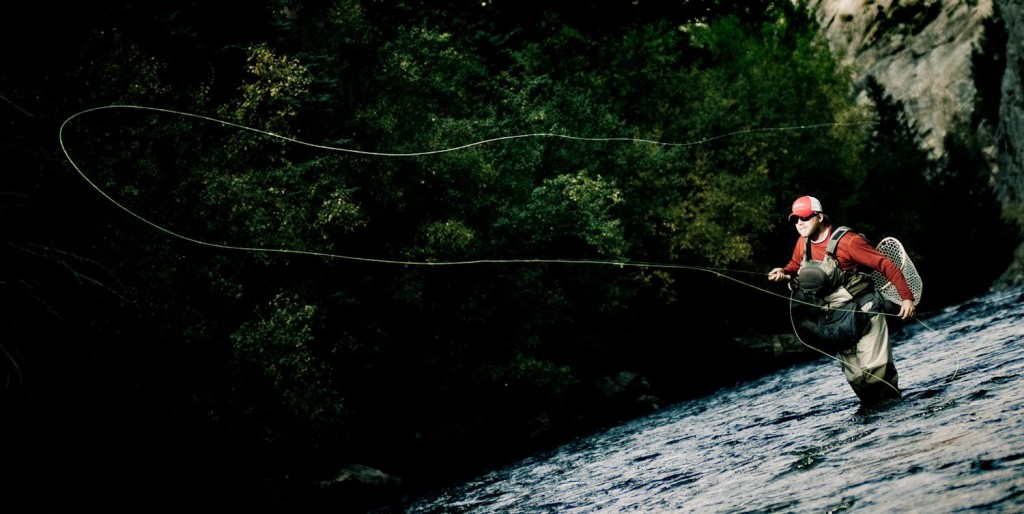
It’s my attempt in “one sentence”, to help fly anglers quickly improve their fly casting, and it’s made me twice fly caster and fisherman I am today. There’s lots more to fly casting than slowing down and casting easier, but if anglers focus on doing both together, they often will find that it can greatly improve their overall technique and control. Ask any professional sports athlete how they maximize their performance and potential, and almost all will reply with excellent technique. It’s no different in fly casting. If you want your fly casting to reach its full potential, you have to first build a strong foundation of fly casting mechanics and principles that you can consistently live by on the water. I’ve found personally that when I take the time to slow down and cast the fly rod with less power, it’s much easier for me to focus on the most important element of my fly casting, my technique.
Let your fly rod do the work
I’ve noticed a great deal of fly fisherman over the years cast with a tempo that’s too fast (rushing their cast), and they also often apply far too much power during their casting stroke. The majority of fly anglers that fall into this category are usually intermediate fly casters. They’re generally skilled enough to fish multiple types of rigs and cast their flies close enough to their targets to catch fish, but they’re approach has them expending far too much energy in the process. Furthermore, this style of casting usually yields a casting stroke that is slightly out of control, creates loops that are inefficient (sloppy) and presentations generally suffer. Put all these negatives together and you’ve got a fly rod that’s not able to perform its job effectively. Remember to always let the fly rod do the work, don’t try to be the power house. It will only work against you in the long run.
Why slowing down and backing off the power will help your fly cast out
Read More »Echo’s Bad Ass Glass Quickshot
By Justin Pickett
The resurgence of fiberglass rods over the past few years has been interesting.
Rods that could have been found on eBay, or in antique shops, for a few bucks have suddenly bloomed into this new identity of high-end versions with words like “technology” and “fast” entering the verbiage of a seemingly plain, antiquated material already decades old… And I love it!
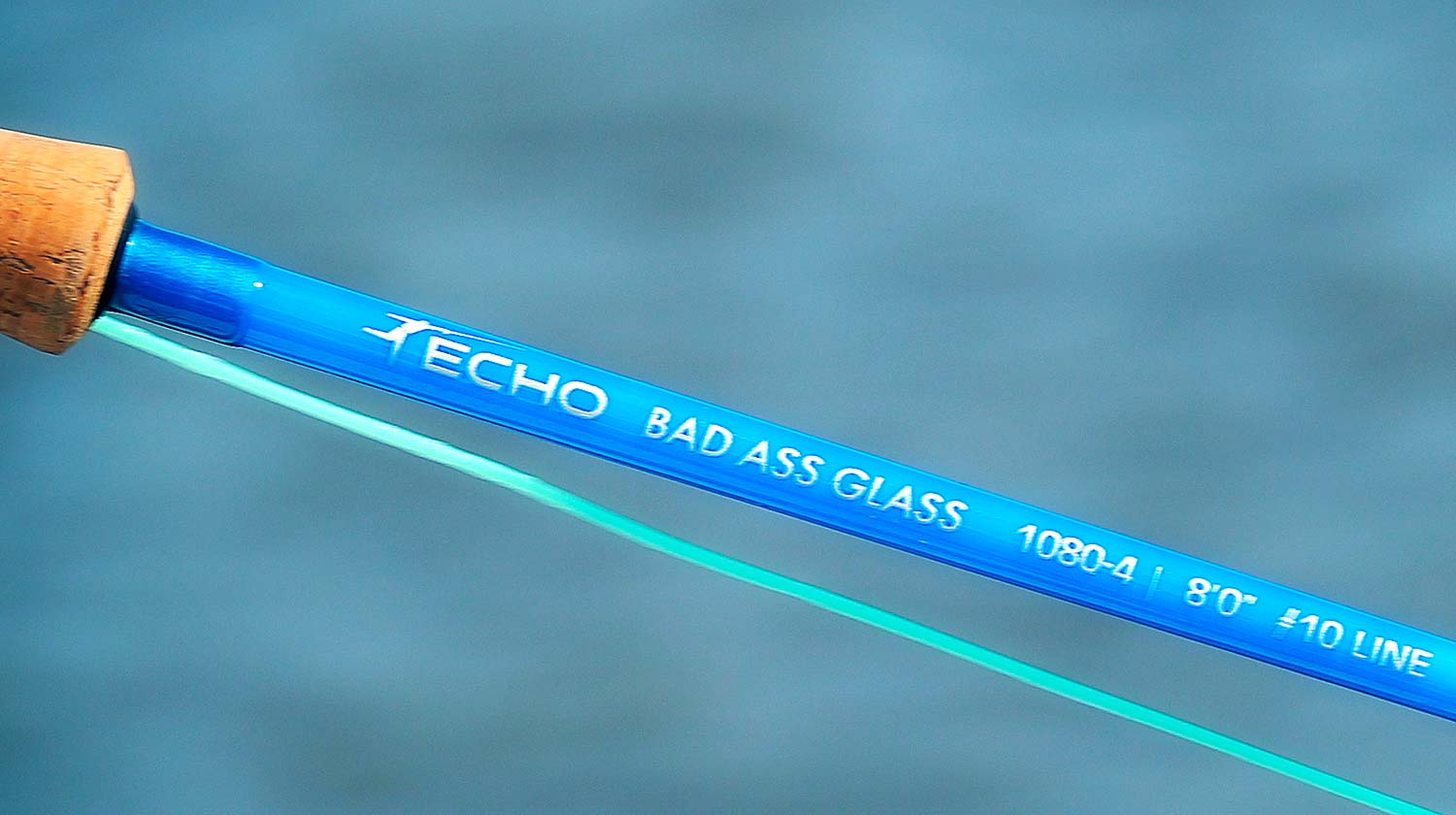
One of the most recent and outstanding examples of the modern fiberglass rod is the Echo Bad Ass Quickshot. Following the successful development and release of the original B.A.G. rod, Echo blew our minds again with an eight-foot offering that would promise even more badass performance. Prior to our trip to Argentina, I purchased two of them (8wt and 10wt) and toted them with me in hopes of putting some serious bend in these rods. I already own the original nine-foot, 8WT B.A.G. and knew that the Quickshot should certainly suit the fishing demands well. It did not disappoint.
Before we get into why I will continue to buy up stock in these rods, let me dive in to what it is that makes this rod badass. First off, the price. Echo is known for designing performance rods at reasonable prices. Tim Rajeff knows that you don’t have to spend a stack of Benjamins in order to get a quality rod. At $279.99, the B.A.G. family of rods is available in 6wt through 10wt at a cost well below most graphite rods, as well as a large portion of the modern fiberglass market. Big performance at an economy price. What’s not to like about that?
Each rod is wrapped up inside of a divided rod sock that is stuffed in an attractive, blue fiberglass rod tube with the Echo logo on the exterior. On first inspection, the cork isn’t flawless, but unless you’re spending $800+, you’re probably not getting flor grade anyways. However, the cork handle is dense and holds up to abuse in even the harshest environs. The black reel seat is saltwater safe, aluminum with the Echo logo etched on the top of the seat and double up-locking rings. Capping off the reel seat is a cork/EVA foam fighting butt of appropriate size depending on the line weight of the rod. Each rod has two large stripper guides and chrome snake guides that line the blank. The blank itself is a sexy, bright, transparent blue that lights up like a saber in the sun. It’s flashy, no doubt, but it looks really good. Finished with blue wraps, it’s one of my favorite blanks on the market when it comes to aesthetics.
So why am I writing about this rod?
Read More »Creative Visualization For Anglers
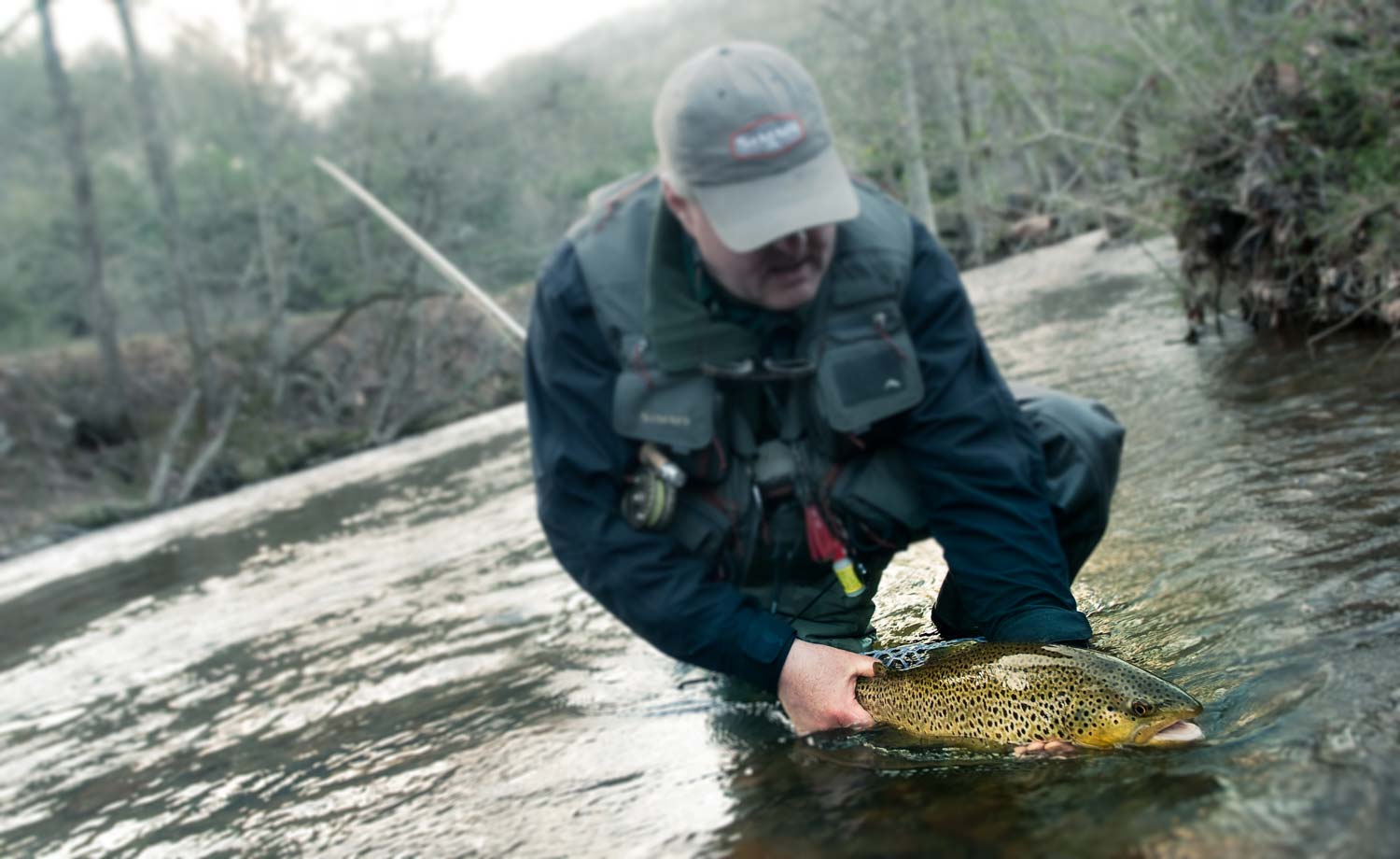
Creative visualization is a tool used by the most successful athletes in the world and it offers powerful applications for fly anglers.
I was talking the other day with a friend who has had a life long career in amateur and professional sports. Now in his 50s, he has decided to take up Olympic Weightlifting. As you might imagine, that has come with a host of challenges, both physical and mental. He mentioned that creative visualization has been a powerful tool in reaching his goals.
I have used this kind of visualization since my 20s, when I was involved in martial arts. It has become an almost instinctive approach to any problem, for me. It occurs to me that I’ve heard very little about it in the fly fishing world, and I think a lot of anglers are missing out on a powerful tool.
As I step back and think about it, visualization could be the key that unlocks fly fishing for a great many anglers. As I coach anglers and fish with them, the issues I see holding them back are mostly mental, not physical. For that matter, I think my own issues, we all have them, are as well. The mental preparedness that comes from creative visualization frees your mind from the bonds that hold you back. Free your mind and the fish will follow.
Here’s a real world example. I was fishing, with a new friend, in the Bahamas last month. He’s a great angler. A life long fisherman and no stranger to saltwater fly fishing, but he was having trouble connecting to a fish. Each time I took the bow, it was pretty much one cast and fish on. It doesn’t always happen like that but this day it did.
“Man, you just get it done,” my buddy commented after I’d landed a handful of fish.
In truth, there was very little difference between what I was doing and what he was doing. If you had been watching, you might have wondered why I was getting all the fish. A hot fly? Nope. I can simply
Read More »Sunday Classic / The Myth of Manual
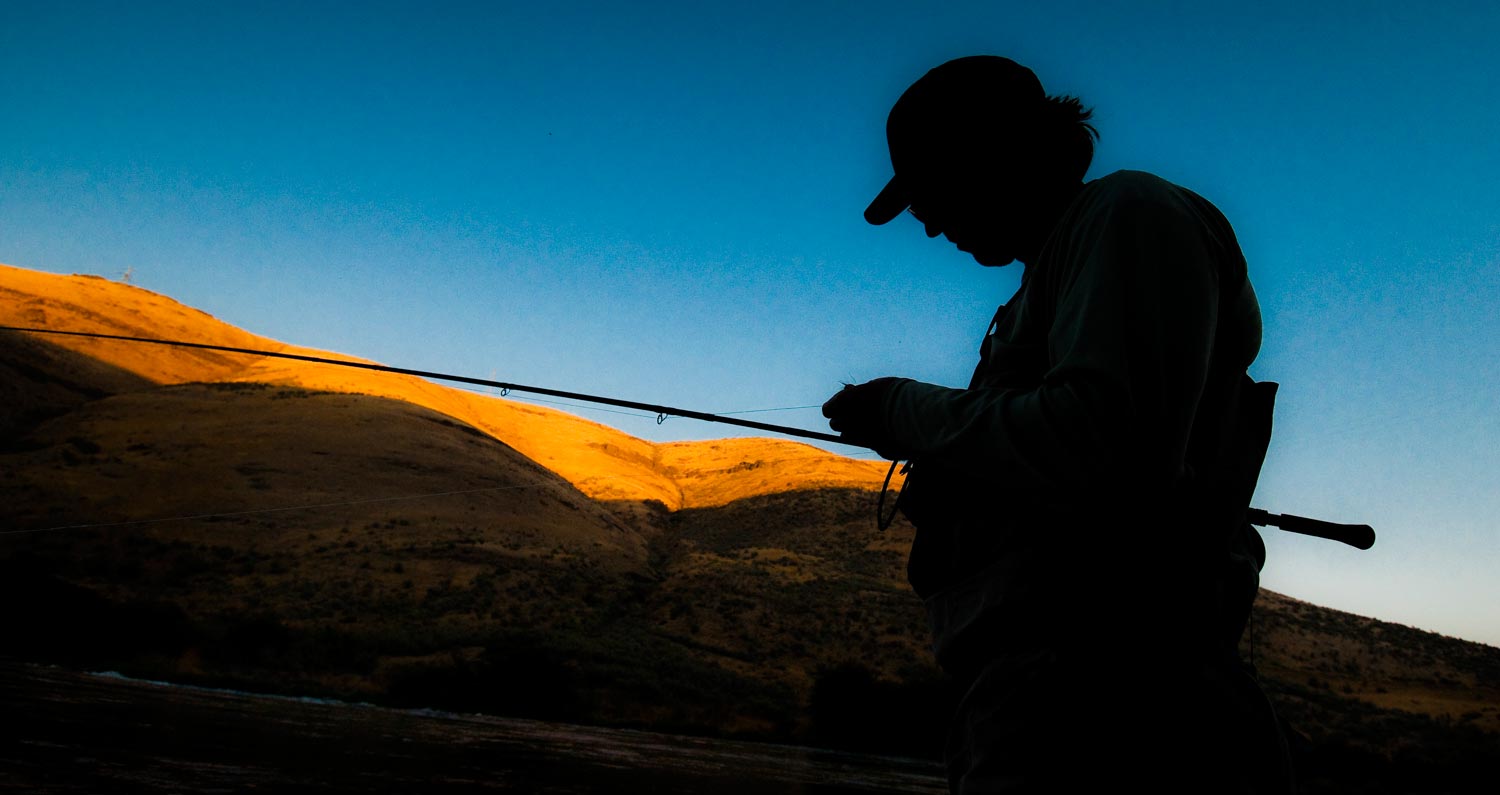
IT’S A COMMON MISCONCEPTION THAT “REAL PHOTOGRAPHERS” ONLY SHOOT IN MANUAL.
It’s not true. Certainly not for me. I grew up using manual cameras. Cameras that didn’t even have light meters. In fact I’ve spent as much time looking at the ground glass of a view camera as through the lens of a DSLR. I’m perfectly comfortable with it but I recognize that the automatic features of modern cameras offer benefits that can improve my work and I see nothing wrong with using them.
What “real photographers” do, is understand their exposure choices. How a photograph is exposed has an enormous impact on its emotional content as well as its clarity and color palette. The proper exposure for any given image is a highly subjective thing and possibly the most important choice the photographer has to make. Whether in manual or automatic mode, there are choices to be made and good choices are never made blindly. The key is in understanding what your camera sees and knowing how to control it.
UNDERSTANDING YOUR METER
The first issue is understanding how your light meter works. There are two components to this. First, how the light meter judges a scene and second, how that judgment is influenced by the meter mode selection. First we will look at what your meter sees.
No matter how advanced your light metering system, it is still a dumb machine. That holds true for use in manual mode as well as automatic. This is where novice photographers go wrong in switching to manual mode. The meter functions in exactly the same way and the user either understands that functionality, or they don’t.
To put it simply, the camera doesn’t know what it’s photographing. It is only able to judge tone. To some extent modern cameras know about highlight and shadow but what they really see is the middle of the tonal scale. A value that photographers call
Read More »